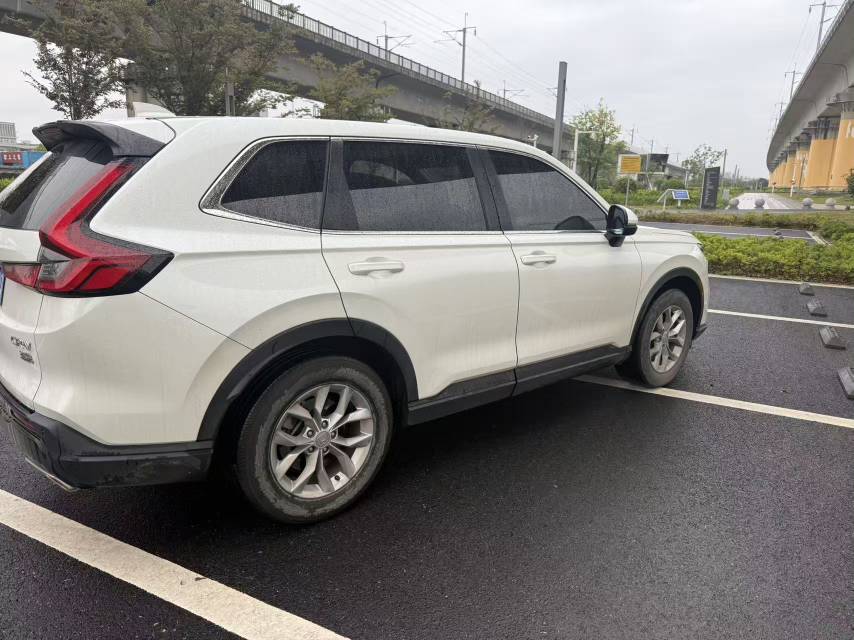
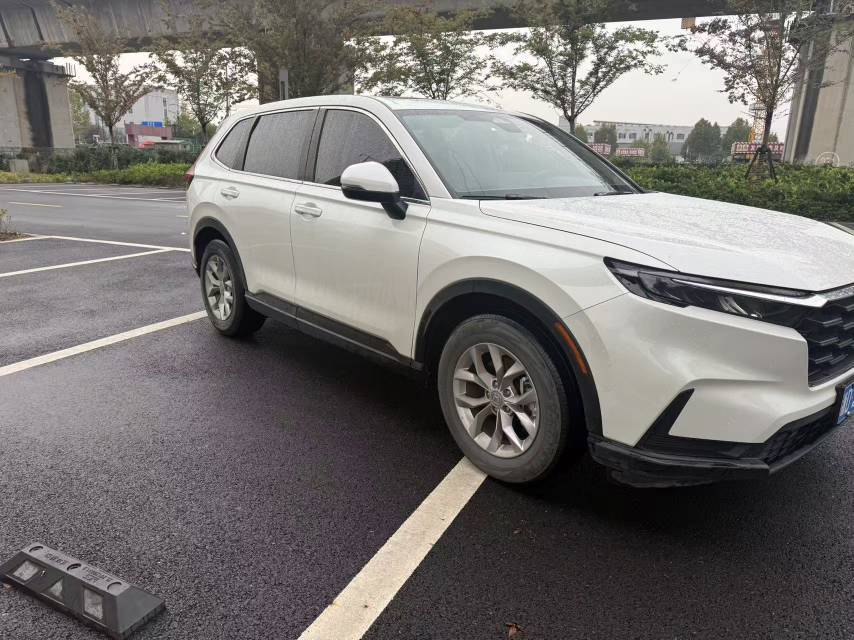
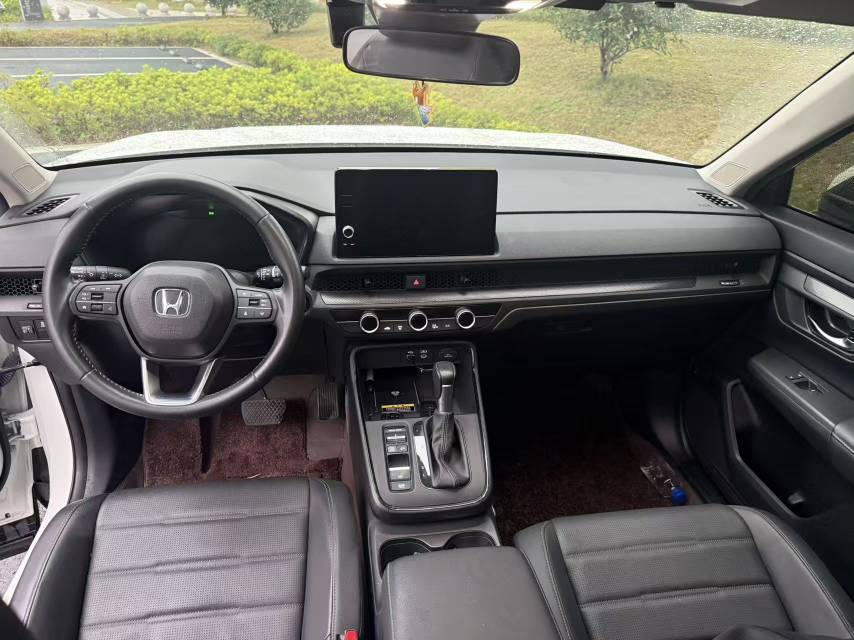
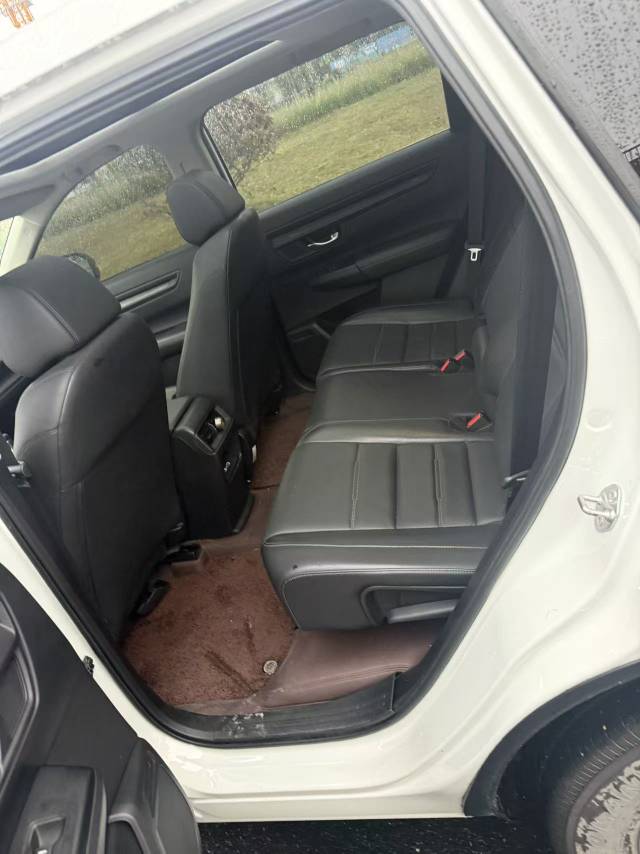



Basic Information

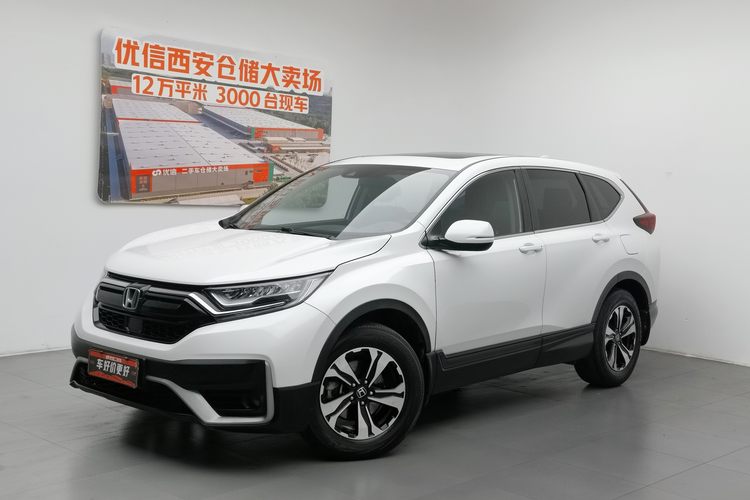
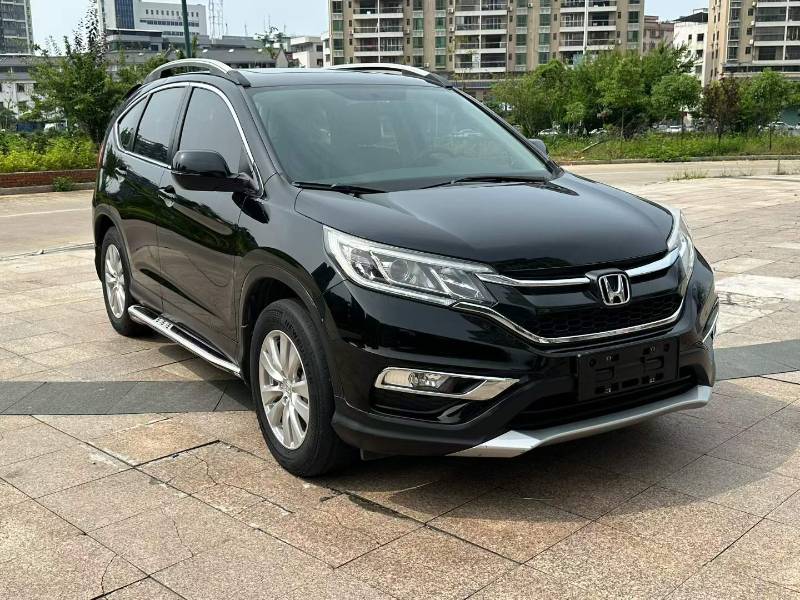
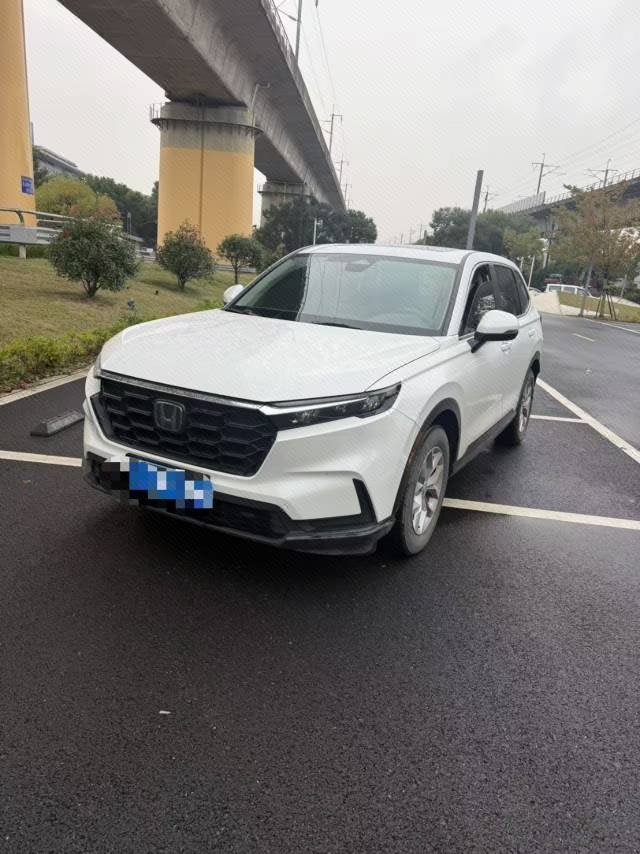
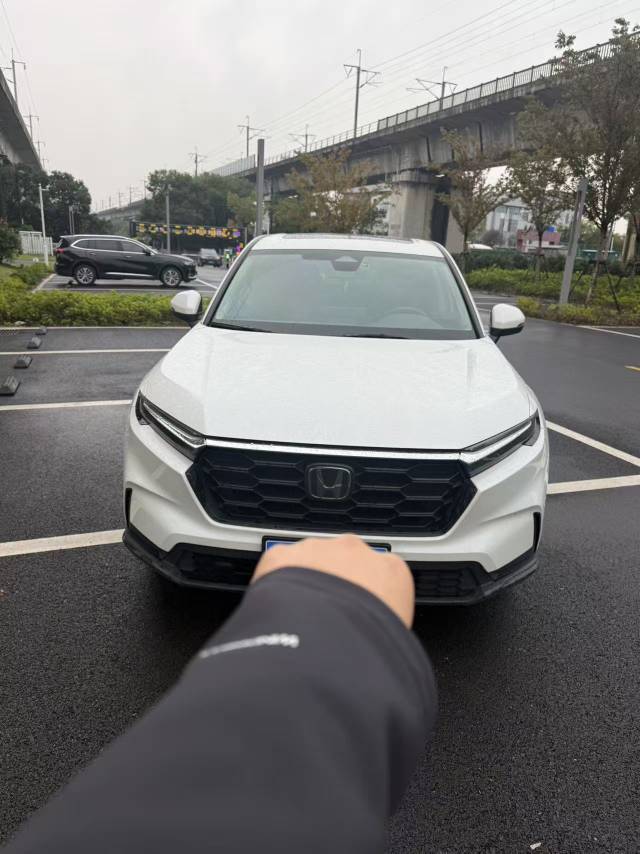
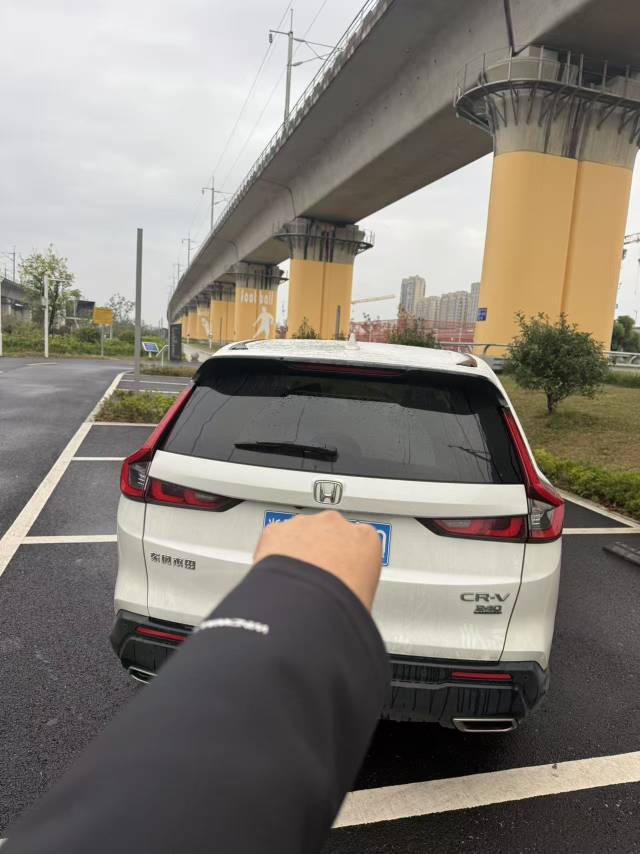
BrandHonda
SeriesCR-V
Year2023
First Registration2023/04
Mileage47,000km
Transfer Count0times
FuelGasoline
TransmissionCVT
Engine1.5T 193 L4
ColorWhite
Seats-

Condition Description

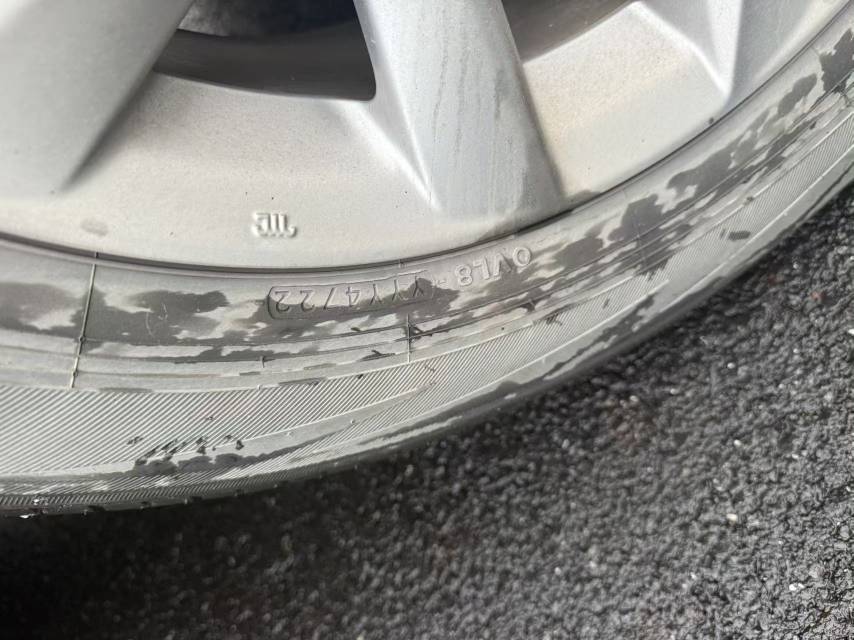
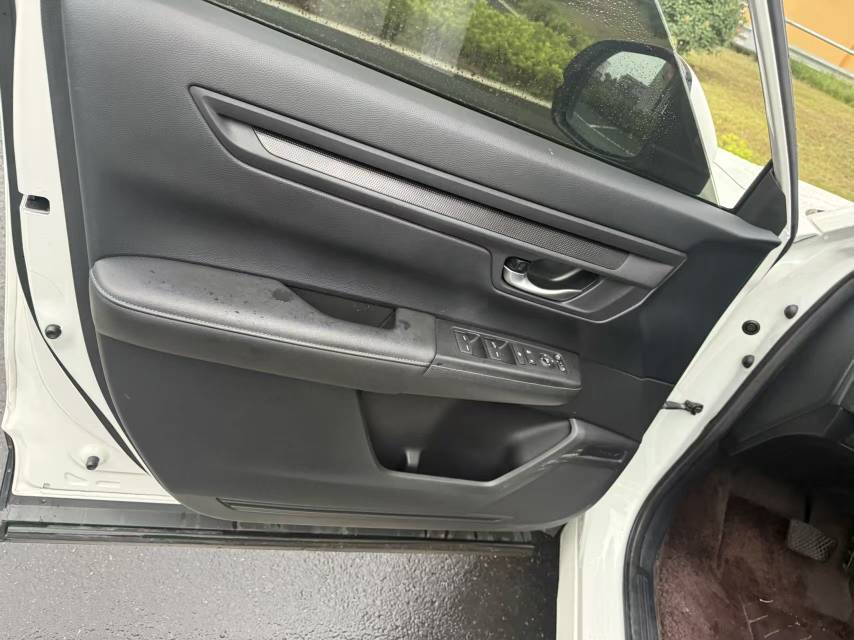
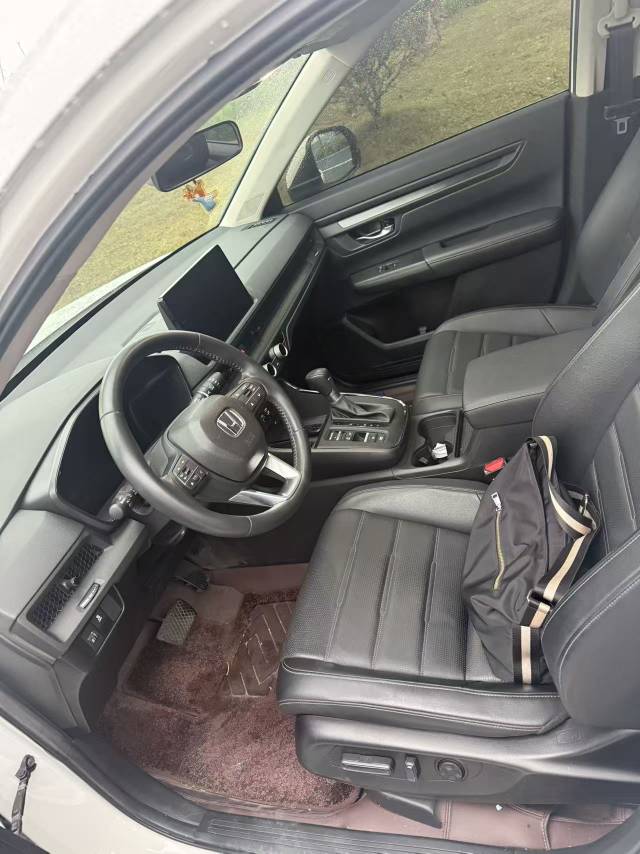
Personal one-owner car, 47,000 km, original condition and original paint, no scratches, no investment needed. Chaboshi inspection completed with S grade.

Document Information

Inspection Expiry Date-
Warranty Expiry Date-
Insurance Expiry Date2029/04

Q&A

More

What should I check about the 12V auxiliary battery in a used Chinese EV before shipping?

The 12V battery is small but critical: when it dies, the car cannot start, unlock, or charge. Used EVs often have weak 12V batteries because they sit on lots for months. Before shipping, ask the exporter to: 1. Measure the battery voltage after the car has rested overnight. It should read around 12.4-12.8V; anything under 12.2V means the battery is degraded. 2. Start the car and check that the charging system holds 13.8-14.4V, confirming the DC-DC converter works. 3. Scan for stored fault codes related to low voltage, which indicate the battery has been deeply discharged repeatedly. During ocean freight, the battery slowly self-discharges. Ask that it be disconnected or kept on a maintainer before loading, and budget for a replacement after arrival if the battery is over 3 years old. A new 12V battery costs little compared to being stranded at the port.


Will you replace the built-in dashcam storage card for free if it is damaged?

If the system reports "storage card error," we will consider it as damage or loss of the original owner's personal items, and the platform will not provide a new high-speed TF card for free; the buyer must purchase a replacement after arriving at the port.

If the record of a vehicle's first maintenance is missing from the system, how do you determine its early wear condition?

Many car owners do not have their first maintenance done at authorized dealerships, leading to gaps in early data. In such cases, we do not blindly trust the odometer; instead, we analyze the tire production dates and wear levels, as well as the depth of grooves on the brake disc edges, using the "gold standard" of physical wear to infer the intensity of early use.