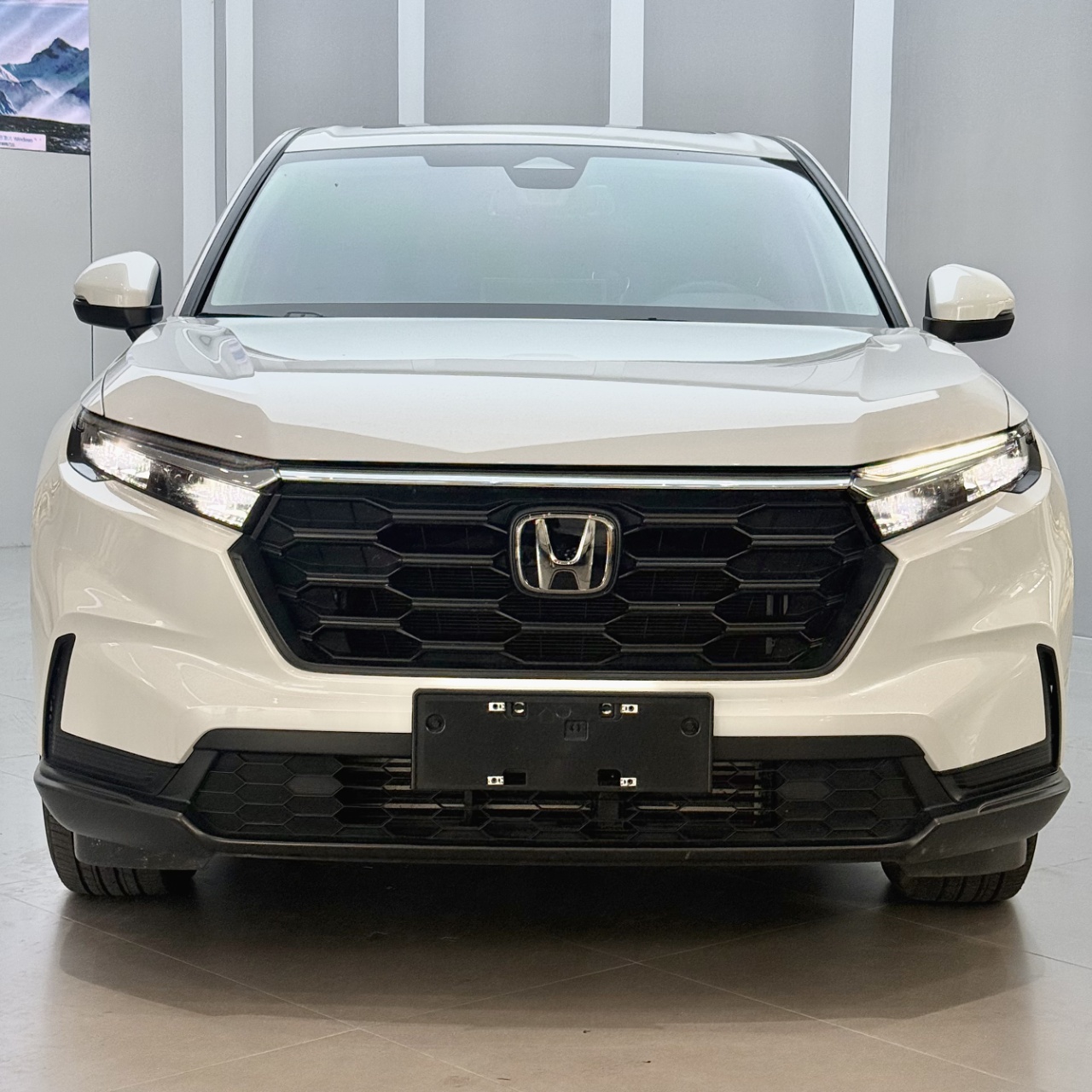
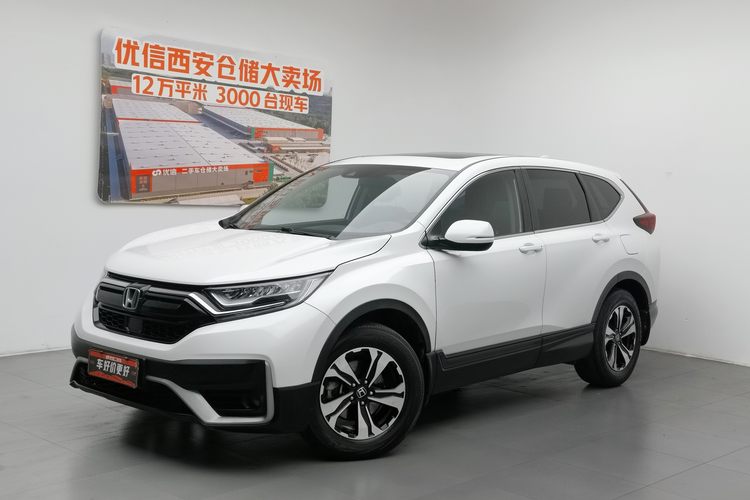
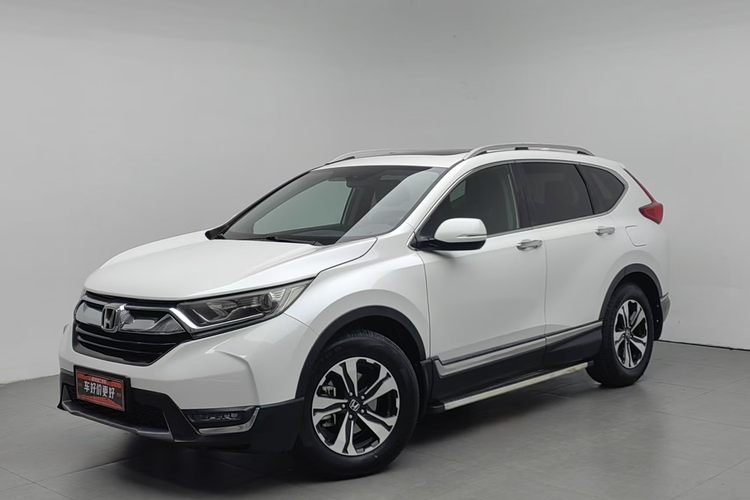
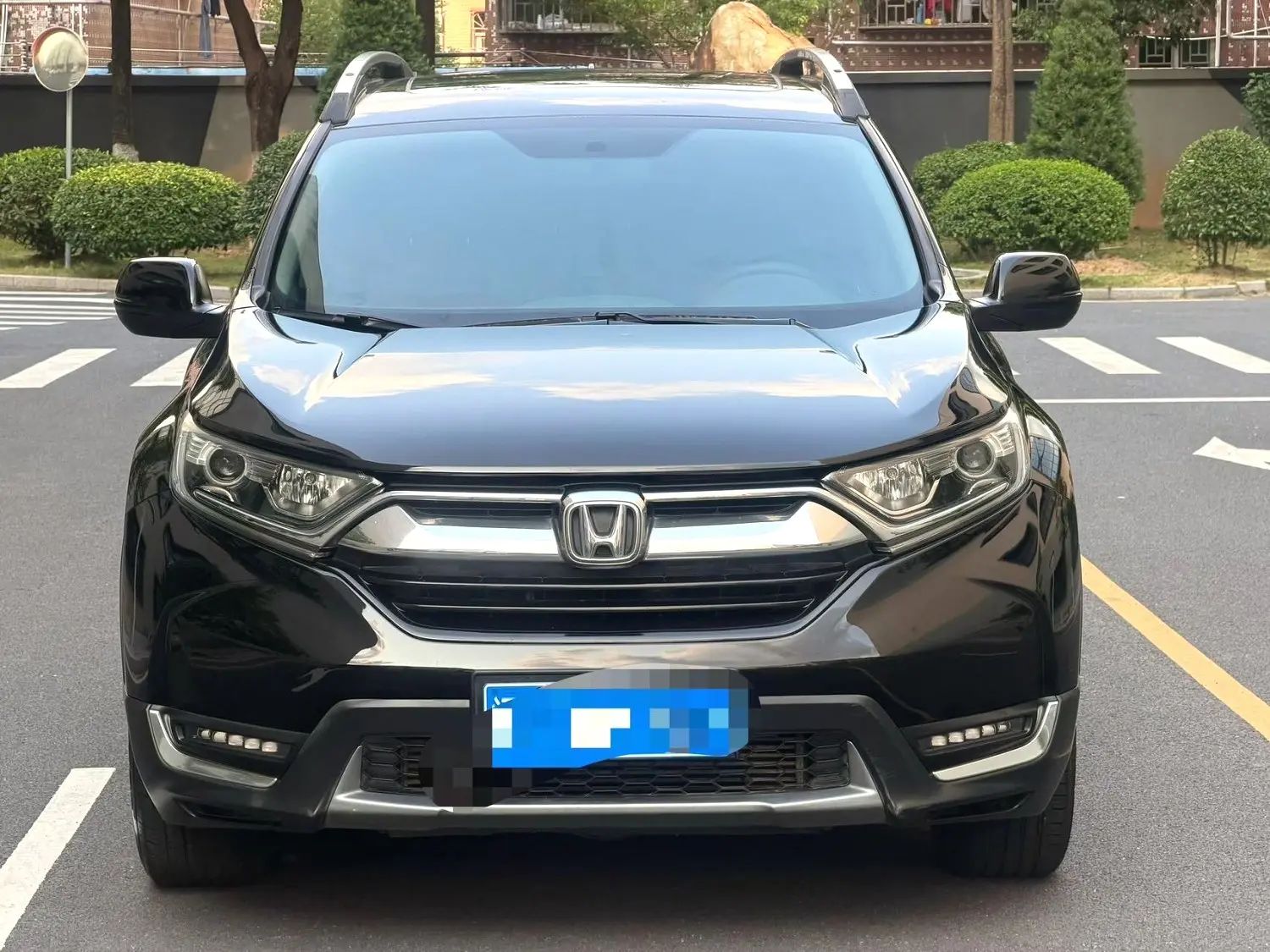
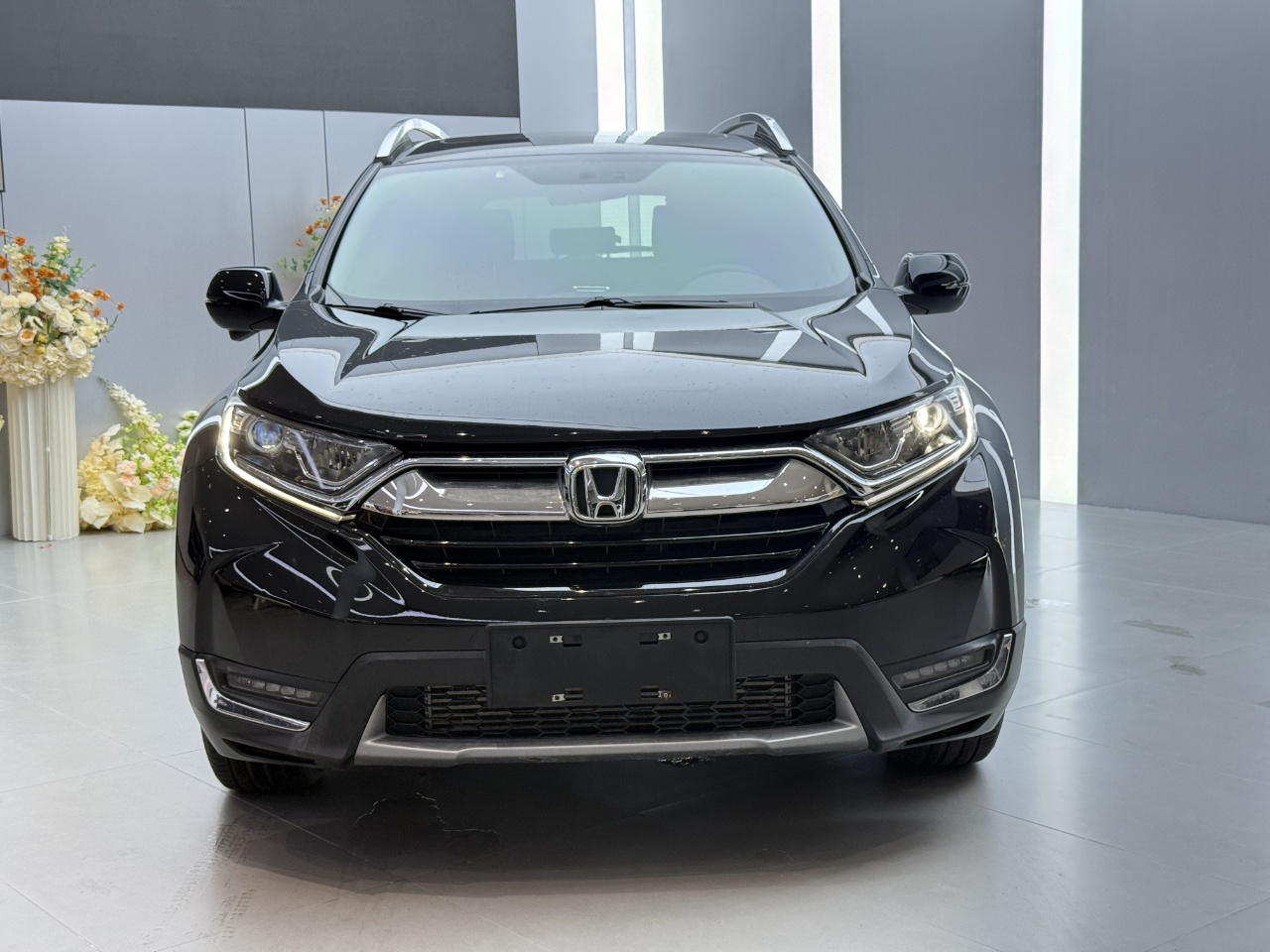
Basic Information

BrandHonda
SeriesCR-V
Year2024
First Registration2024/06
Mileage47,000km
Transfer Count0times
FuelGasoline
TransmissionCVT
Engine1.5T 193 L4
Color
Seats5seats

Condition Description

官方质检 · 60天全车质保· 7天无理由有偿退车

Configuration Highlights

✓上牌时间: 2024-06
✓表显里程: 4.7万公里
✓车源地: 广州
✓排放标准: 国六
✓发动机: 1.5T
✓轴距: 2701mm
✓变速箱: 自动
✓最大功率: 142kW
✓功能配置: 22项
✓安全配置: 8项
✓动力类型: 前驱
✓空间舒适性: 一般

Q&A

More

What is a Certificate of Origin and why do I need one when importing a car from China?

A Certificate of Origin (C/O) is an official document stating where the vehicle was manufactured. Customs authorities use it to decide which tariff rates and trade agreements apply to your import. Why it matters: many countries offer preferential tariffs for certain origins. With a valid C/O, such as the ASEAN-China Form E or a GSP Form A, you may pay reduced or zero duty. Without it, you typically pay the standard, higher rate. The certificate must match the vehicle exactly: VIN, make, model and invoice details. It is usually issued by the China Council for the Promotion of International Trade (CCPIT) or customs authorities. Practical tips: request the C/O before shipment, because adding it later is slow; check that your country's customs accepts the specific C/O format; and confirm with your broker whether your vehicle category qualifies for preferential rates. This single document can save you thousands in duty.


What are the specific thresholds for tiered pricing (Volume Discount) in B2B bulk purchasing?

Our bulk discounts are not simply calculated by the number of units, but by shipping batches. Typically, consolidating enough for a 40-foot container (which can hold 2-3 vehicles, depending on size) can waive some logistics fees; purchasing more than 5 units at once triggers tiered discounts.

Beyond the car price, what costs should I budget when importing a used car from China?

A realistic budget has several layers beyond the vehicle price. First, inland logistics in China: moving the car to the export port typically costs $300-$800. Second, export handling: inspection, customs declaration and paperwork usually add $500-$1,000. Third, ocean freight. A 20ft container to most destinations runs $1,200-$3,000 depending on route; RoRo shipping can be cheaper for driveable cars. Add marine insurance, usually 0.3%-0.5% of the car value. Fourth, destination charges: port handling, customs duties, VAT/GST and local registration fees. These vary widely; some countries charge duties of 20%-80% of the vehicle value plus an excise based on engine capacity. Finally, any compliance work: inspection certificates, modifications to meet local standards, or homologation. Ask your exporter for a full CIF quote and have a local customs broker confirm destination taxes before you commit.