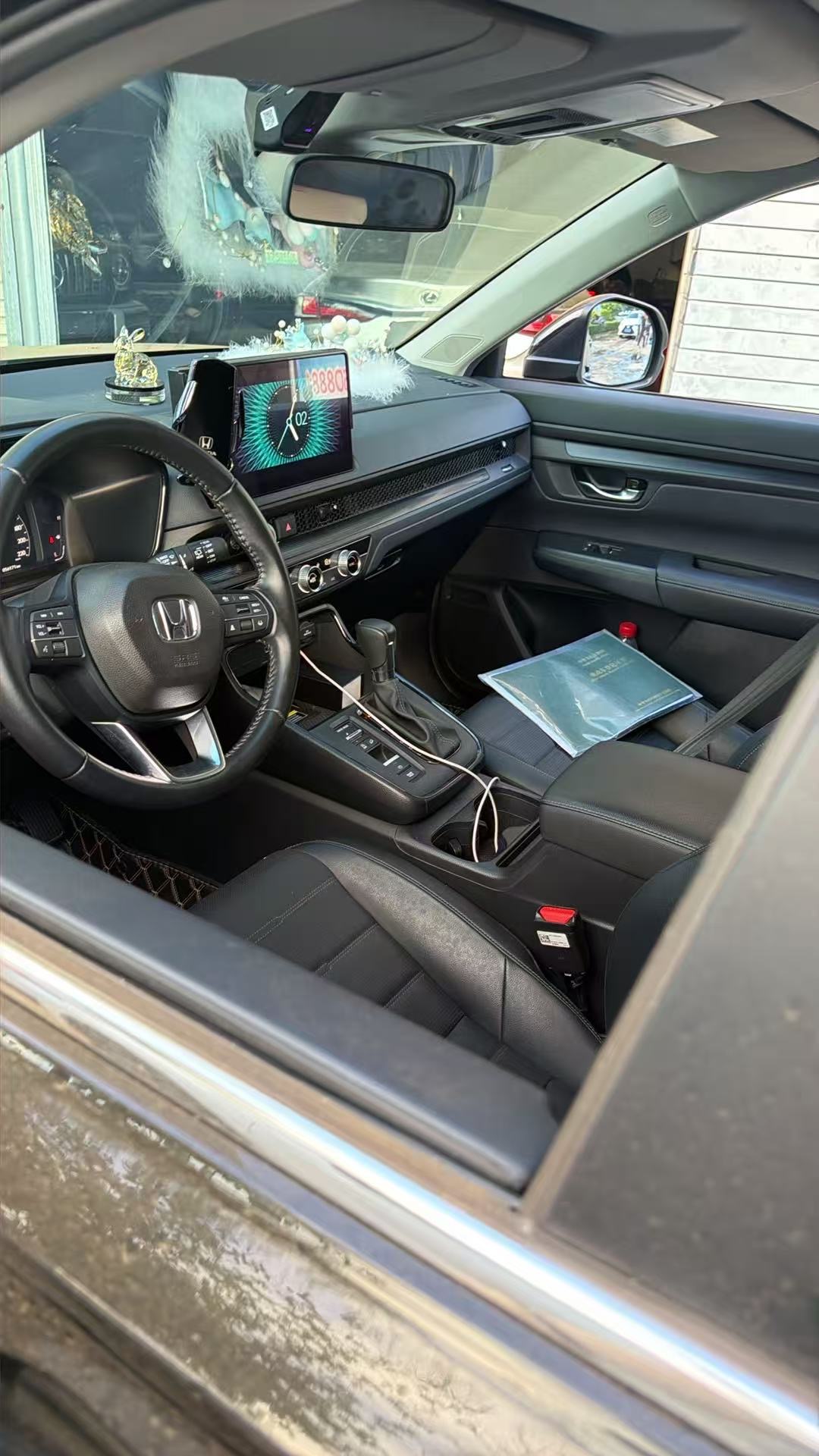
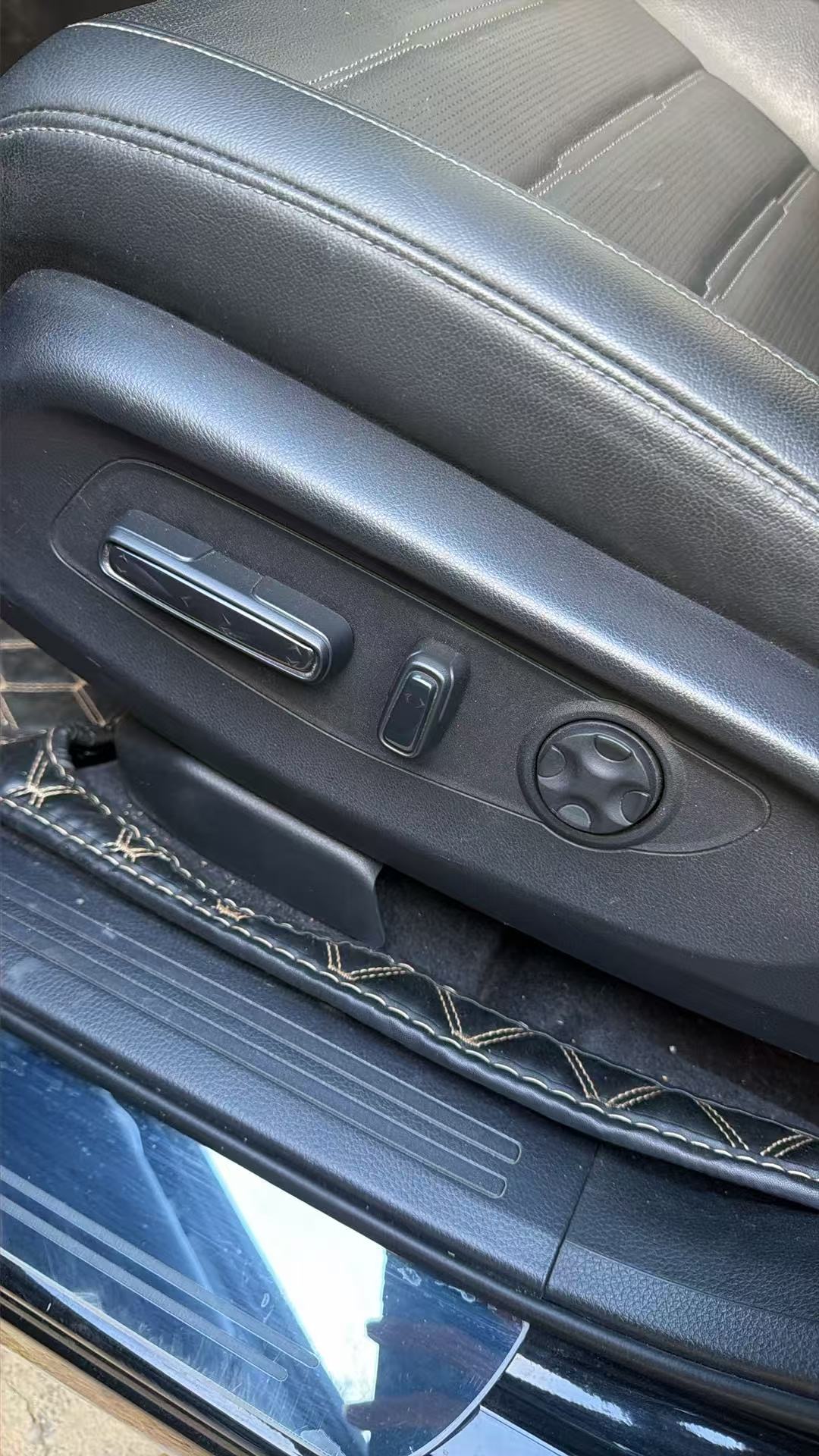
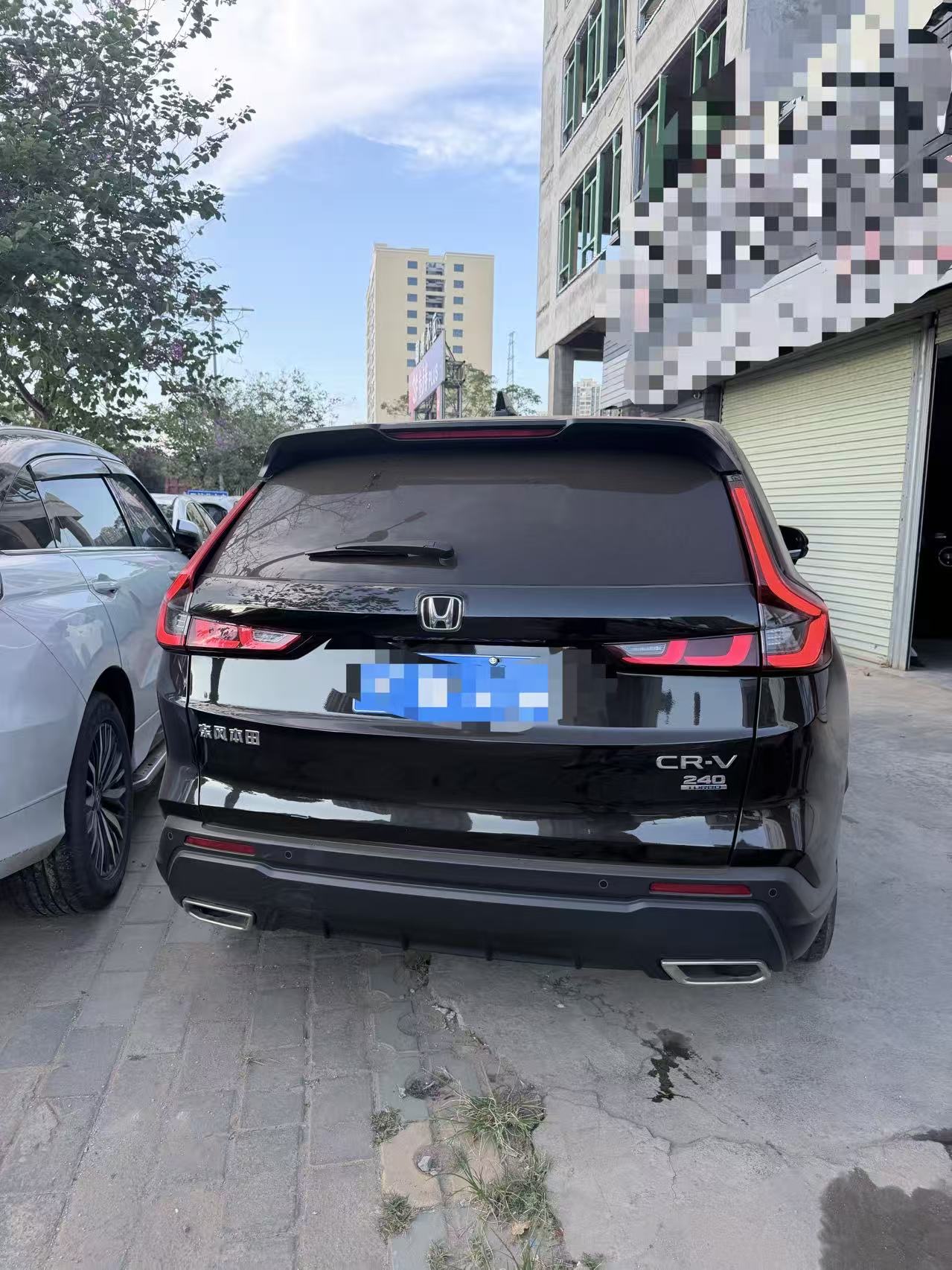
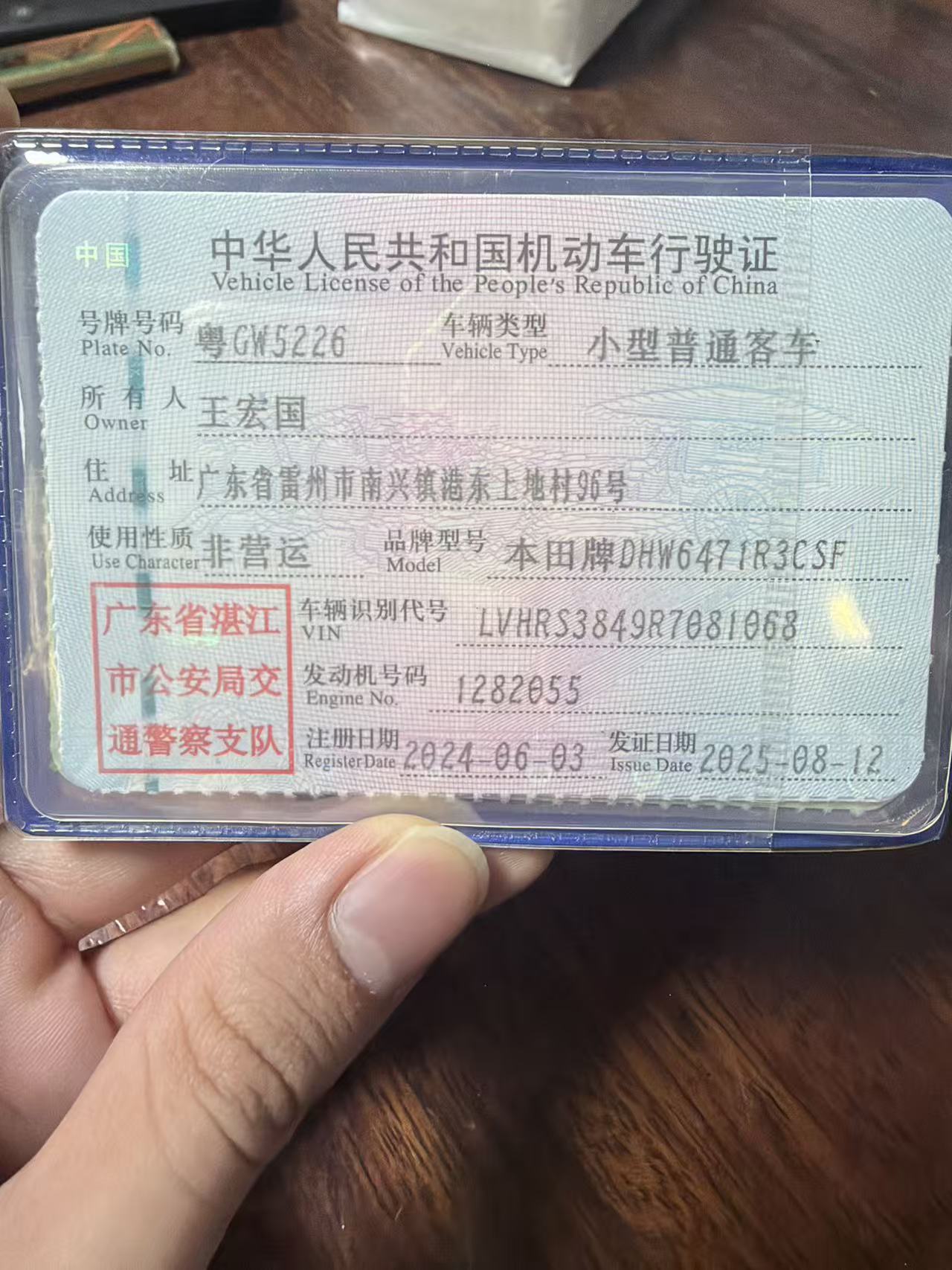



48H

Basic Information

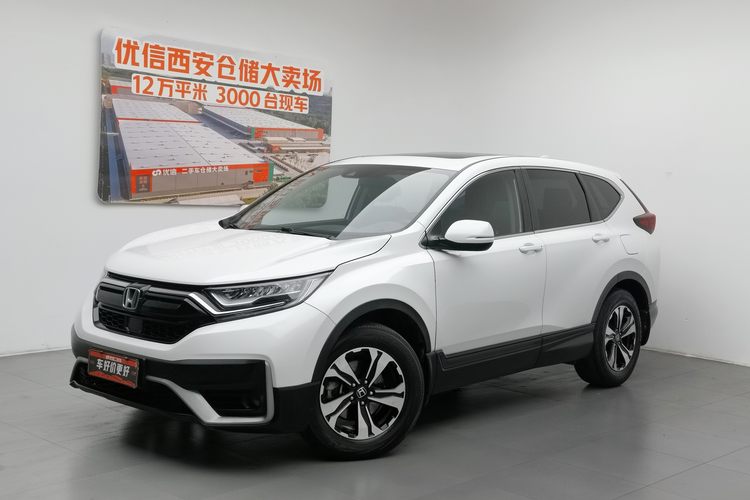
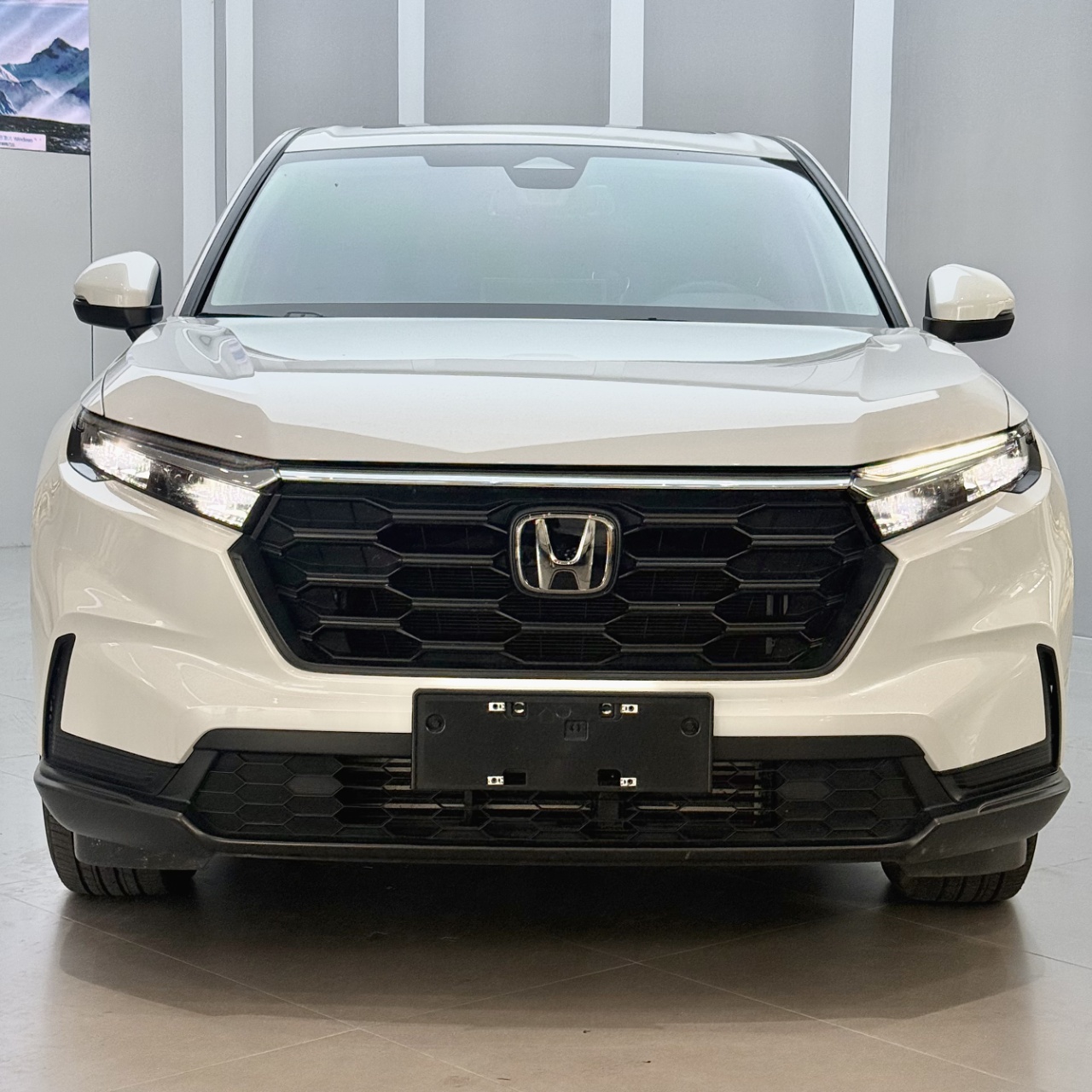
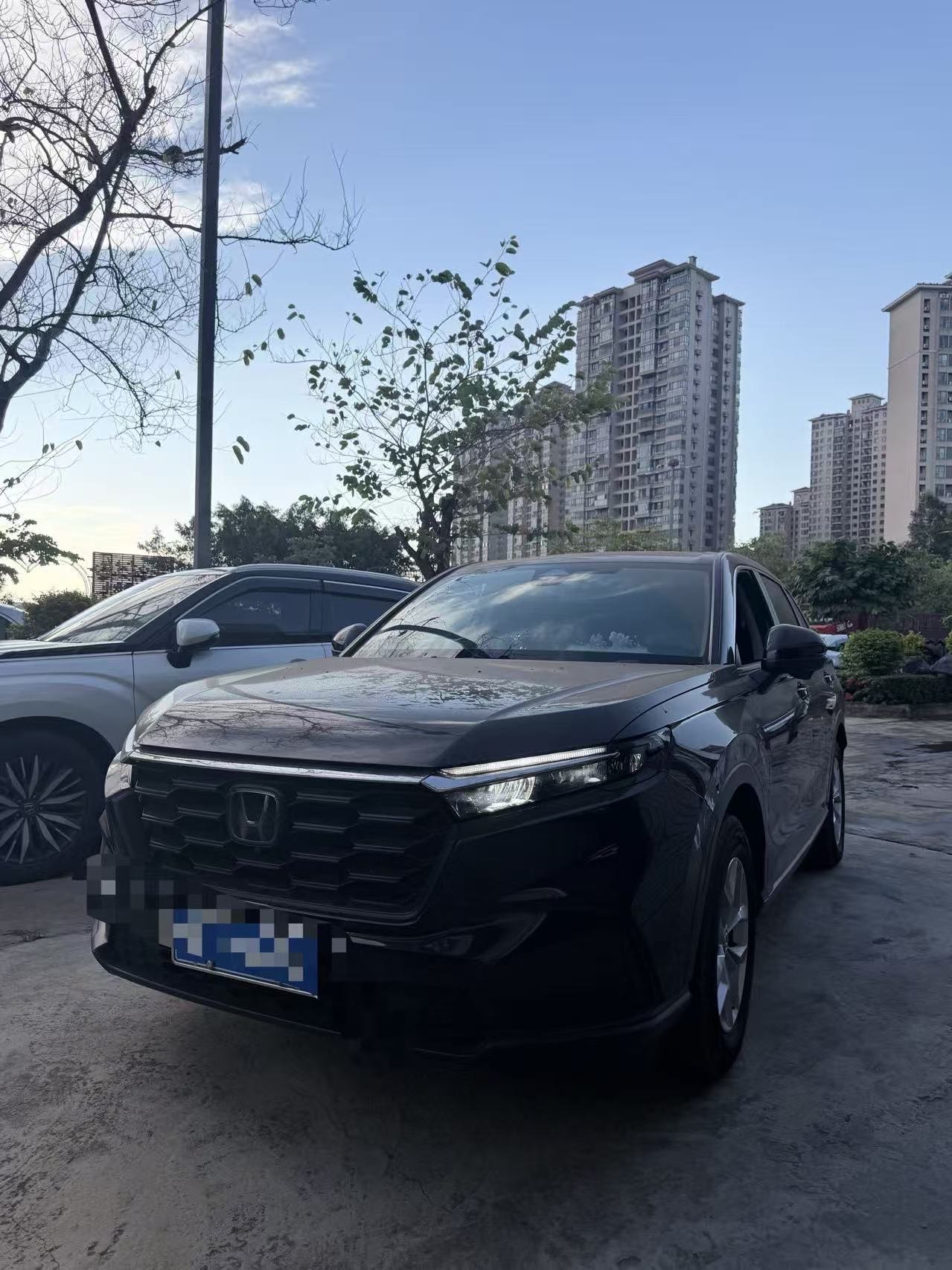
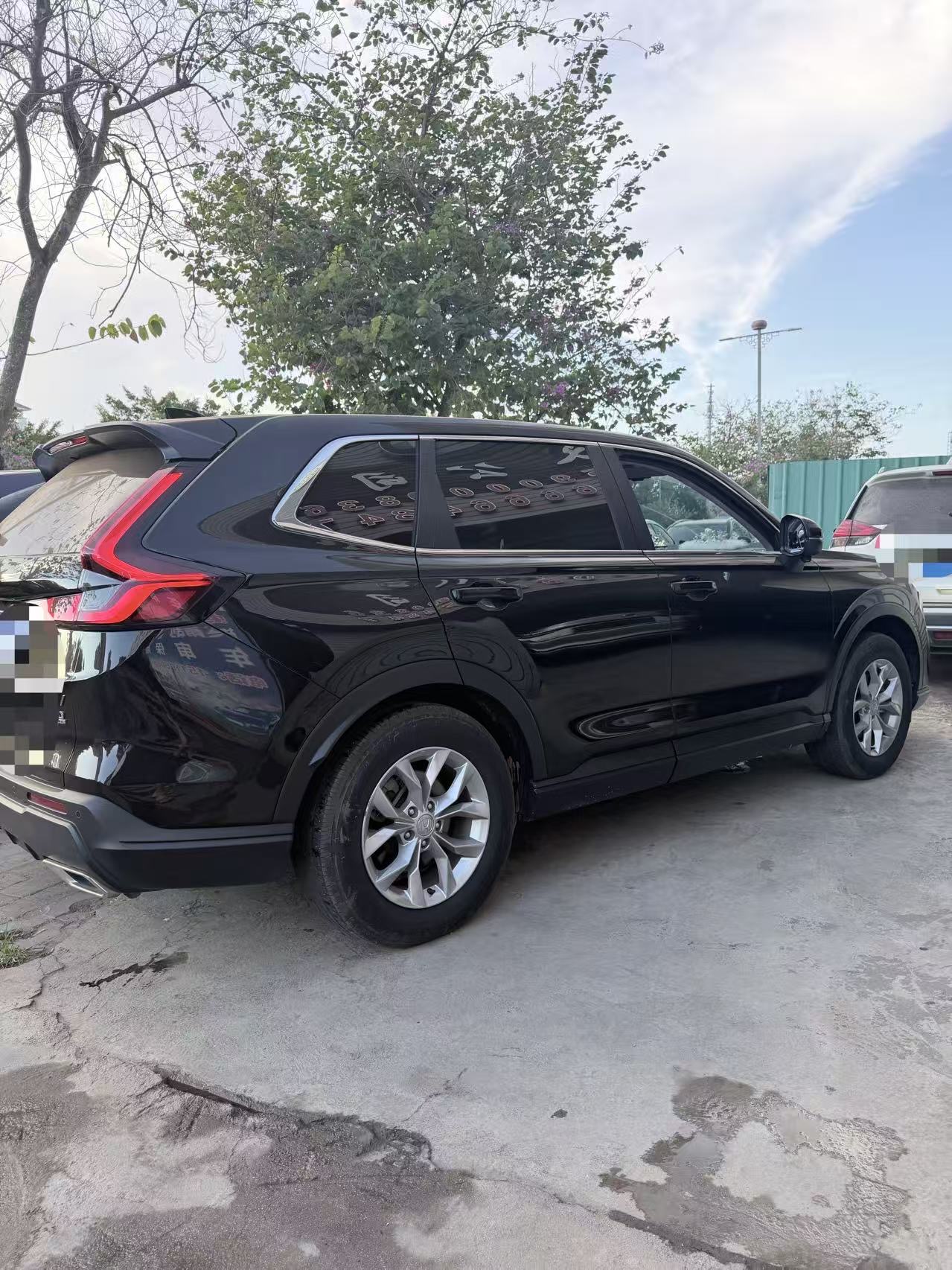
BrandHonda
SeriesCR-V
Year2024
First Registration2024/06
Mileage50,000km
Transfer Count1times
FuelGasoline
TransmissionCVT
Engine1.5T 193 L4
ColorBlack
Seats5seats

Condition Description

Original paint, no repaint.

燃油车
SUV
自动
维保开放
事故开放
查验开放

Configuration Highlights

✓品牌: 本田
✓车系: 本田CR-V
✓车型: 2024款 240TURBO 两驱智领版 5座
✓车身类型: SUV
✓座位数: 5
✓排量: 1.5T
✓变速箱: 自动
✓能源类型: 燃油车
✓VIN: LVHRS3849R7081068
✓搜索关键词: 本田本田CR-V 2024款本田CR-V240TURBO两驱智领版5座

Document Information

Inspection Expiry Date2028/06
Warranty Expiry Date-
Insurance Expiry Date2027/06

Q&A

More

How can I detect signs of flood or water damage inside a used car from China during a remote inspection?

Water damage is one of the most common hidden problems in used cars, and it often escapes basic photo reviews. During a live video inspection, ask the inspector to check these specific points: 1. Smell test: A musty or moldy odor inside the cabin is the first red flag. Have them open all doors, run the AC briefly, and smell the air from the vents—musty AC often indicates water in the HVAC system. 2. Under the carpets: Lift the floor mats and look for water lines, rust stains, or dampness on the carpet backing and the metal floor underneath. Sediment or silt residue is a giveaway. 3. Seat rails and bolts: Pull the seats fully forward and backward. Rust on seat rails or fresh-looking bolts suggests the seats were removed for cleaning after flooding. 4. Trunk area: Check the spare tire well and under the trunk carpet for standing water marks or rust. 5. Electronics: Test every window, seat adjustment, and the infotainment screen—water-damaged electronics behave erratically. Also request a scan report: flood cars often store history codes for multiple control modules that failed simultaneously. Cross-check the car's origin; vehicles from flood-prone southern regions deserve extra scrutiny.


How do you ensure that this used car has been legally deregistered in China and has clear ownership without disputes?

Compliance with the law is an absolute requirement for exports. All vehicles exported through our platform must complete the following legal processes: release all domestic bank mortgages, pay all traffic fines, and complete the formal deregistration for "transfer pending export" with the Chinese public security traffic management department. Only vehicles with 100% clear ownership can be approved for export permits.

How do I vet a Chinese used-car exporter before sending any money?

Vetting takes a day and can save you thousands. Work through this checklist. Verify the business: ask for the company registration number and check it on China's National Enterprise Credit Information system or a commercial registry tool. Confirm the registered address matches where they claim to operate, and that their business scope includes vehicle export. Check export credentials: they must hold a used-vehicle export license issued by Chinese commerce authorities. Ask for the license and a recent export declaration showing they actually ship cars. Test their knowledge: a real exporter answers detailed questions about your destination country's import rules (age limits, left/right-hand drive, emission standards) without hesitation. Vague answers about your own country's requirements are a red flag. Structure payments safely: small deposit (10-20%), balance only against inspection reports and shipping documents, ideally through a payment method with recourse. Refuse full prepayment by irreversible transfer—no legitimate exporter requires it.