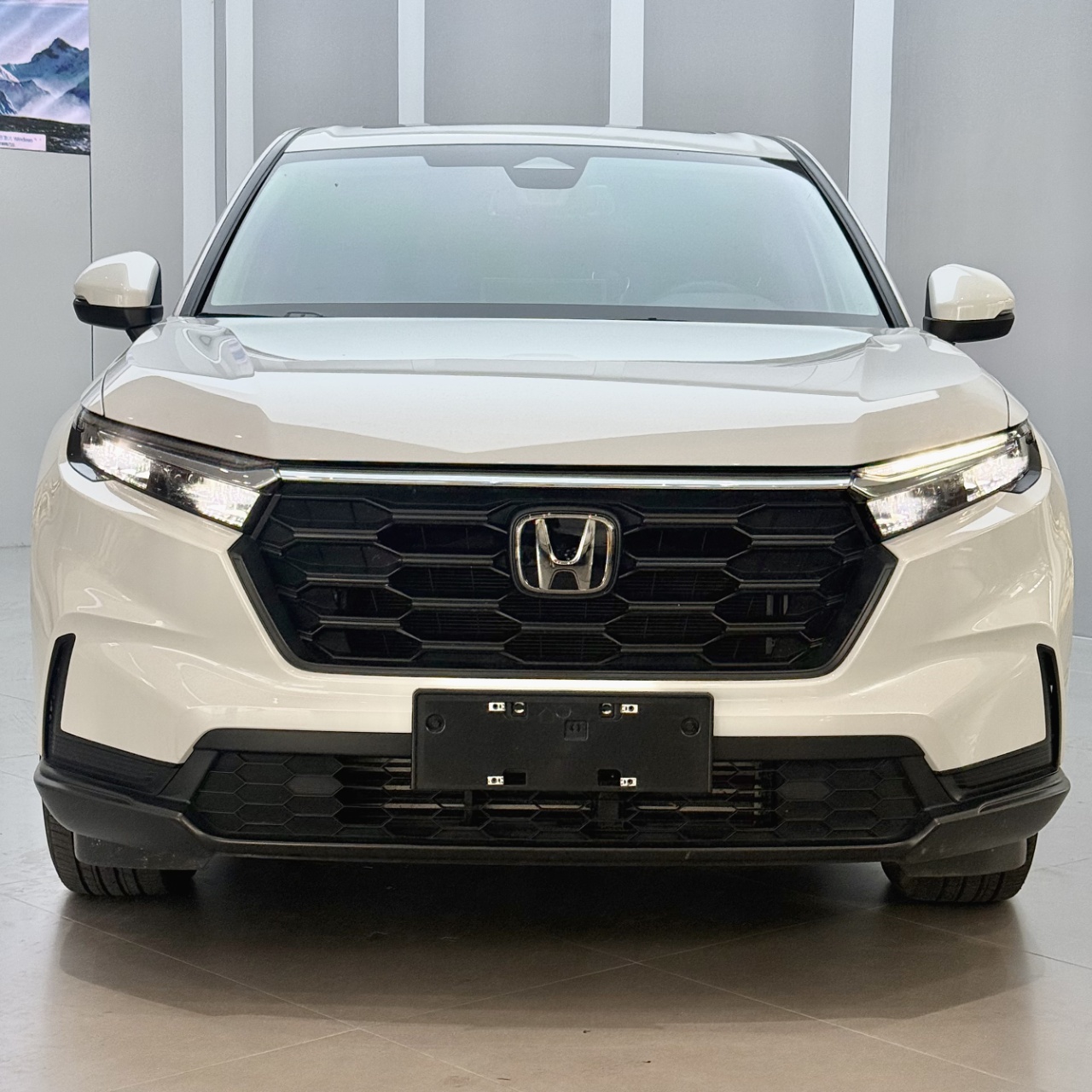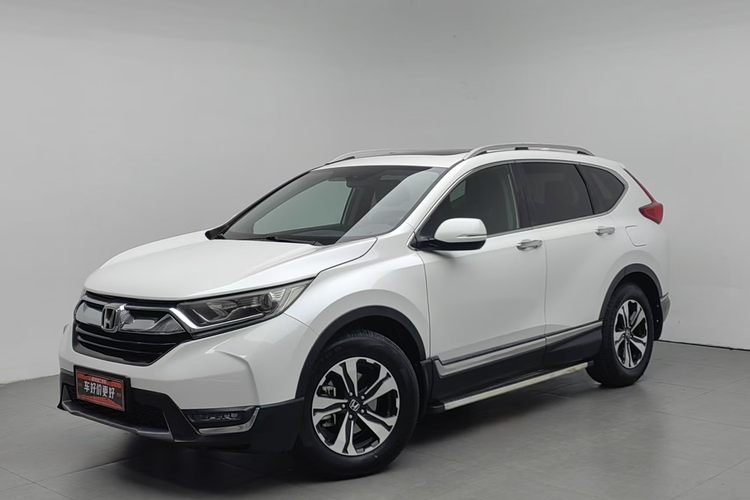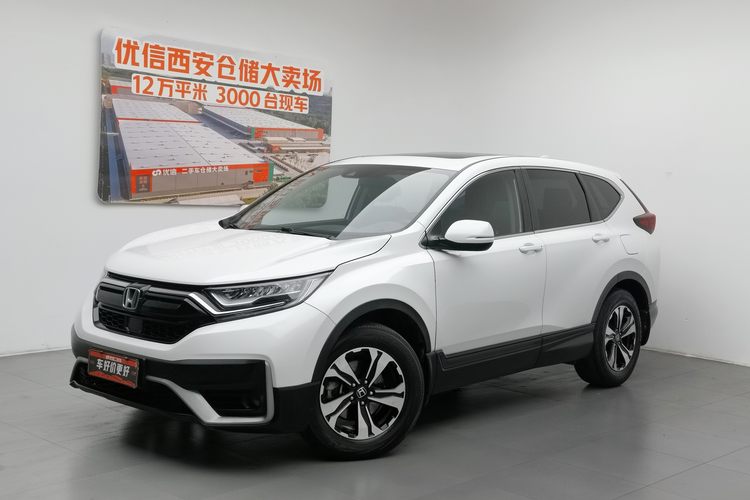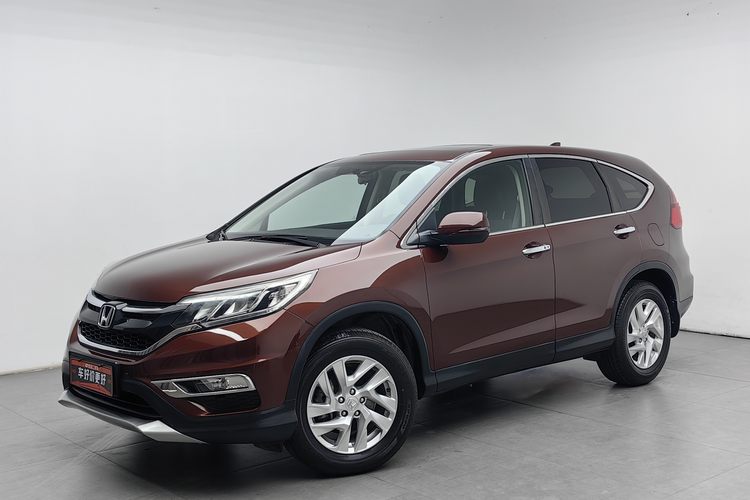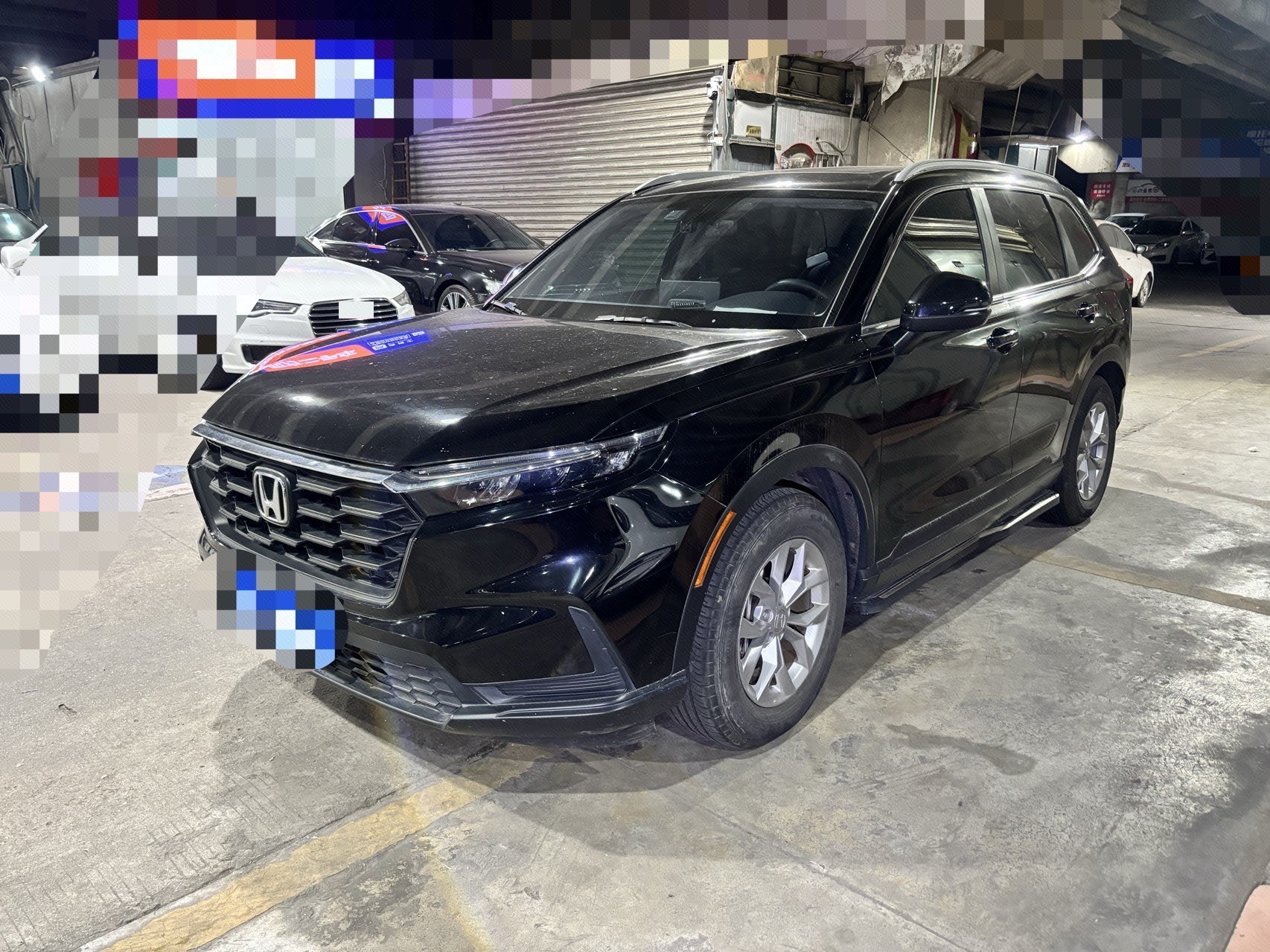
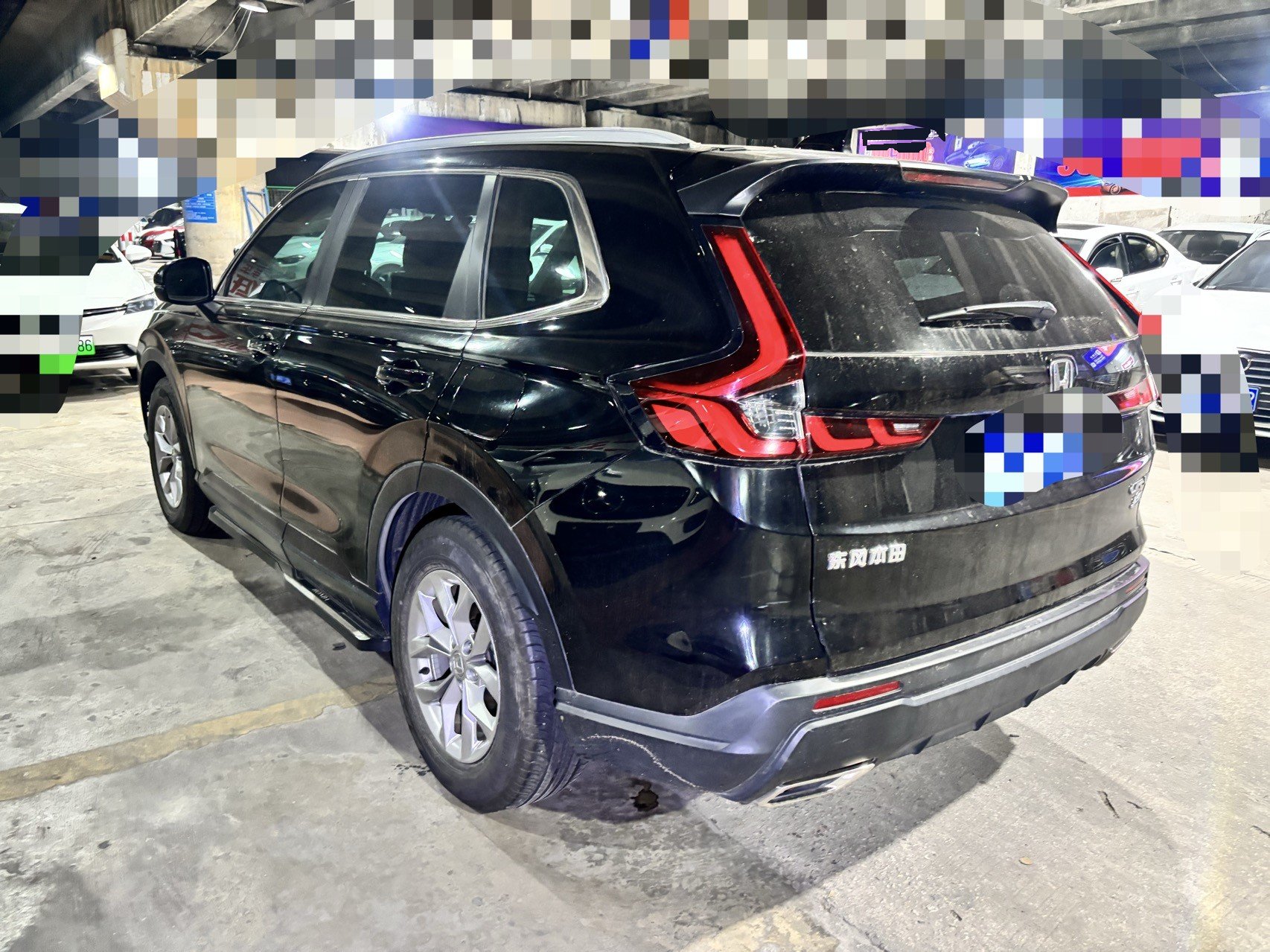
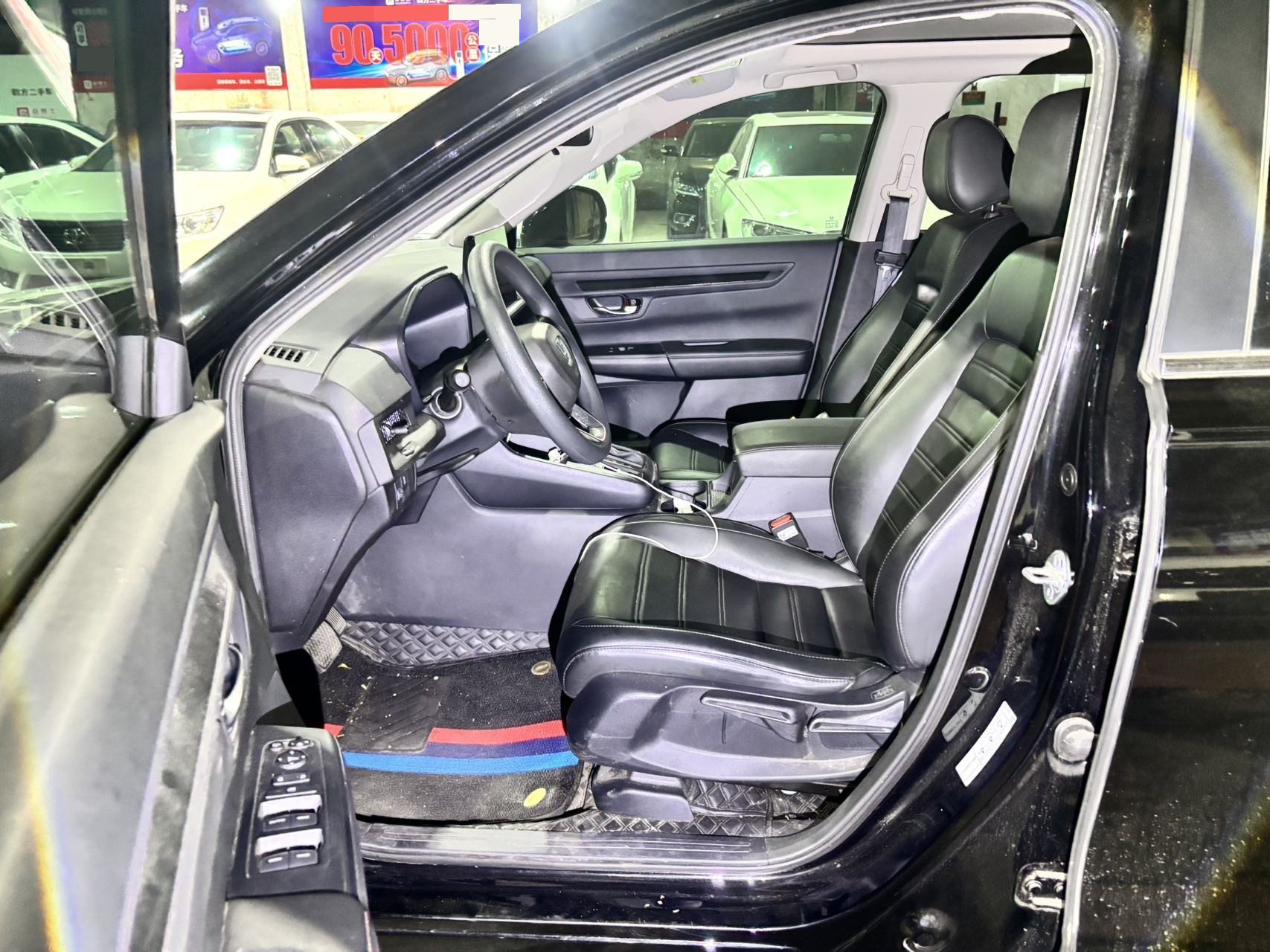
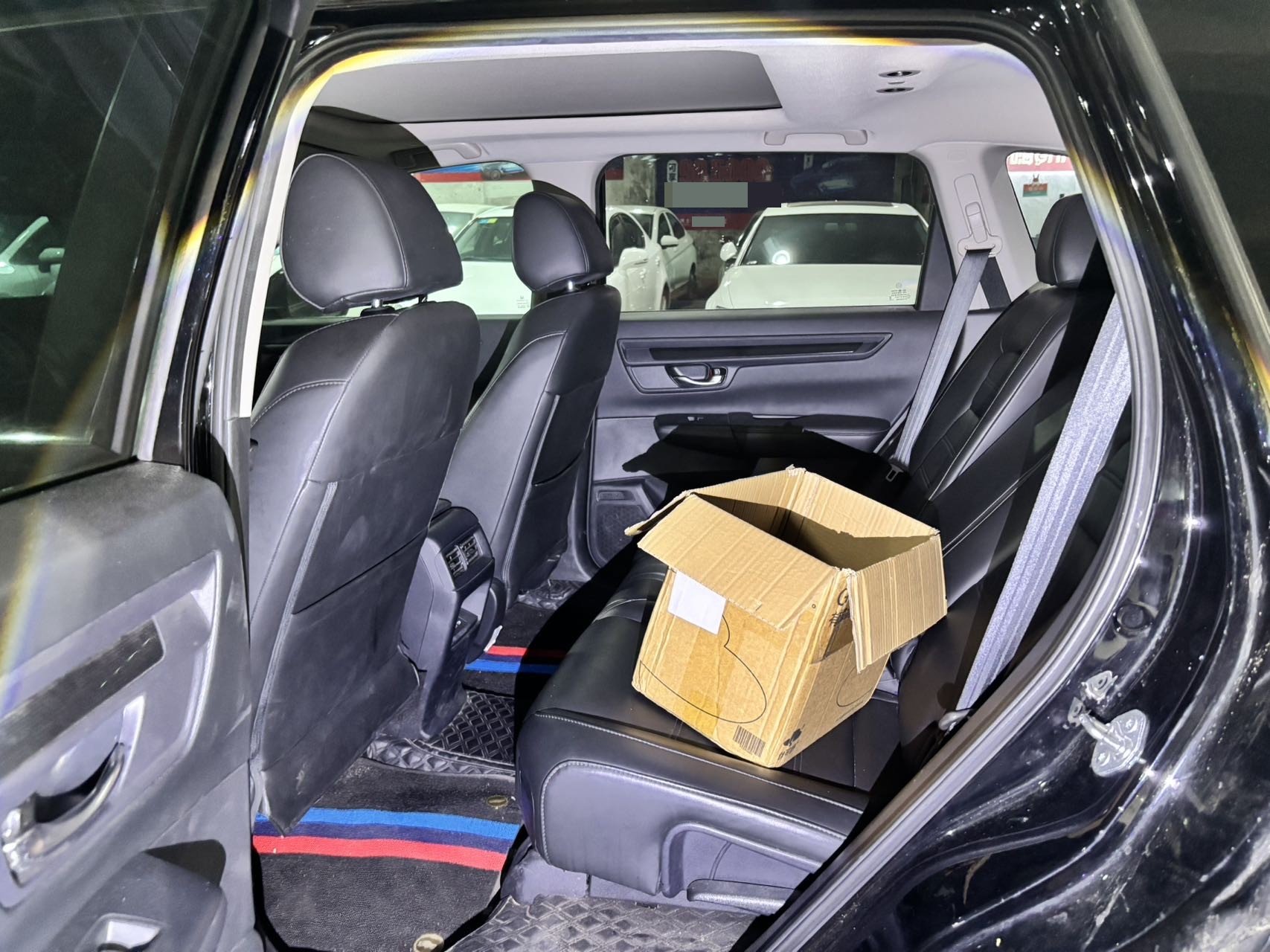
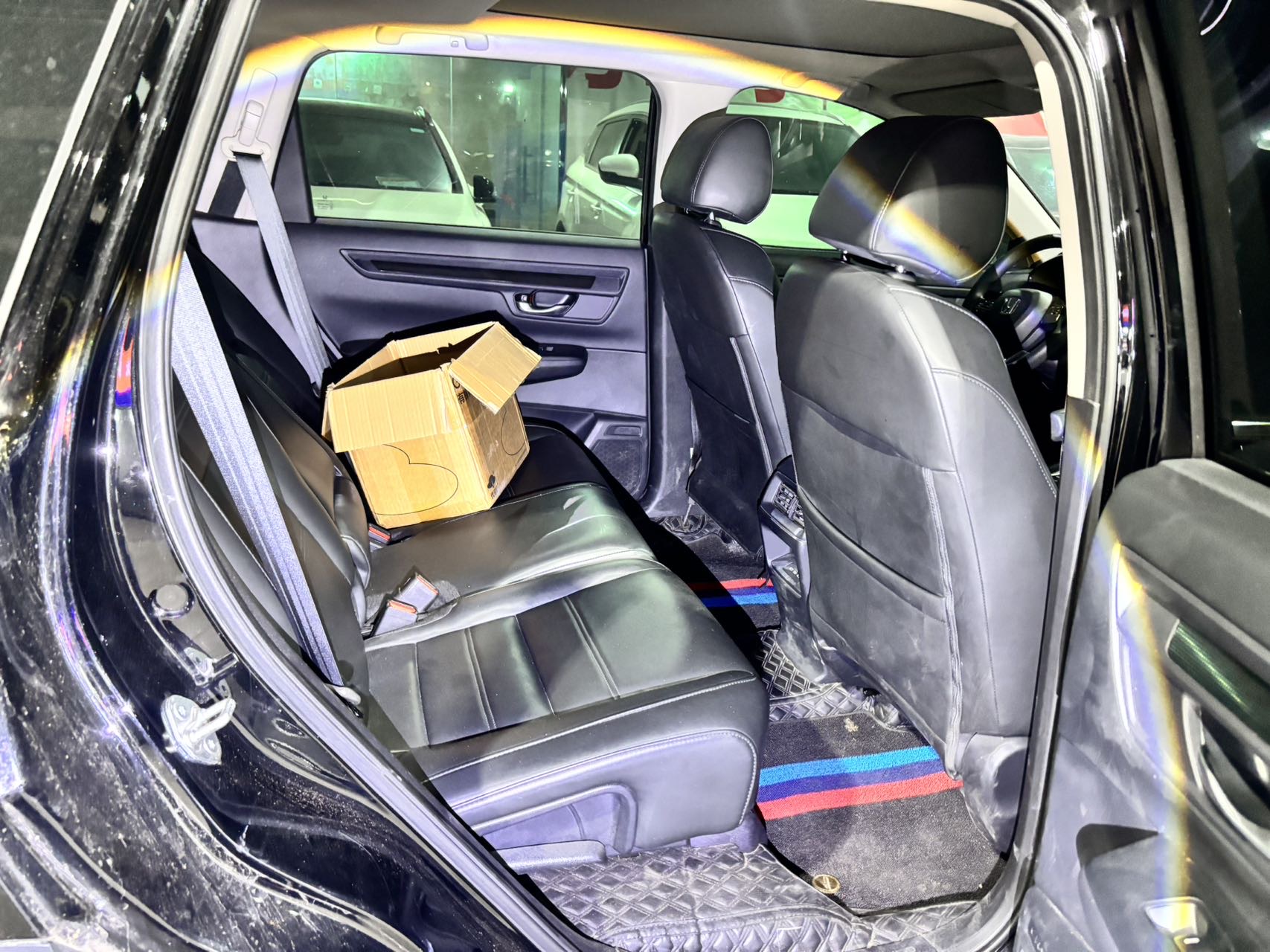
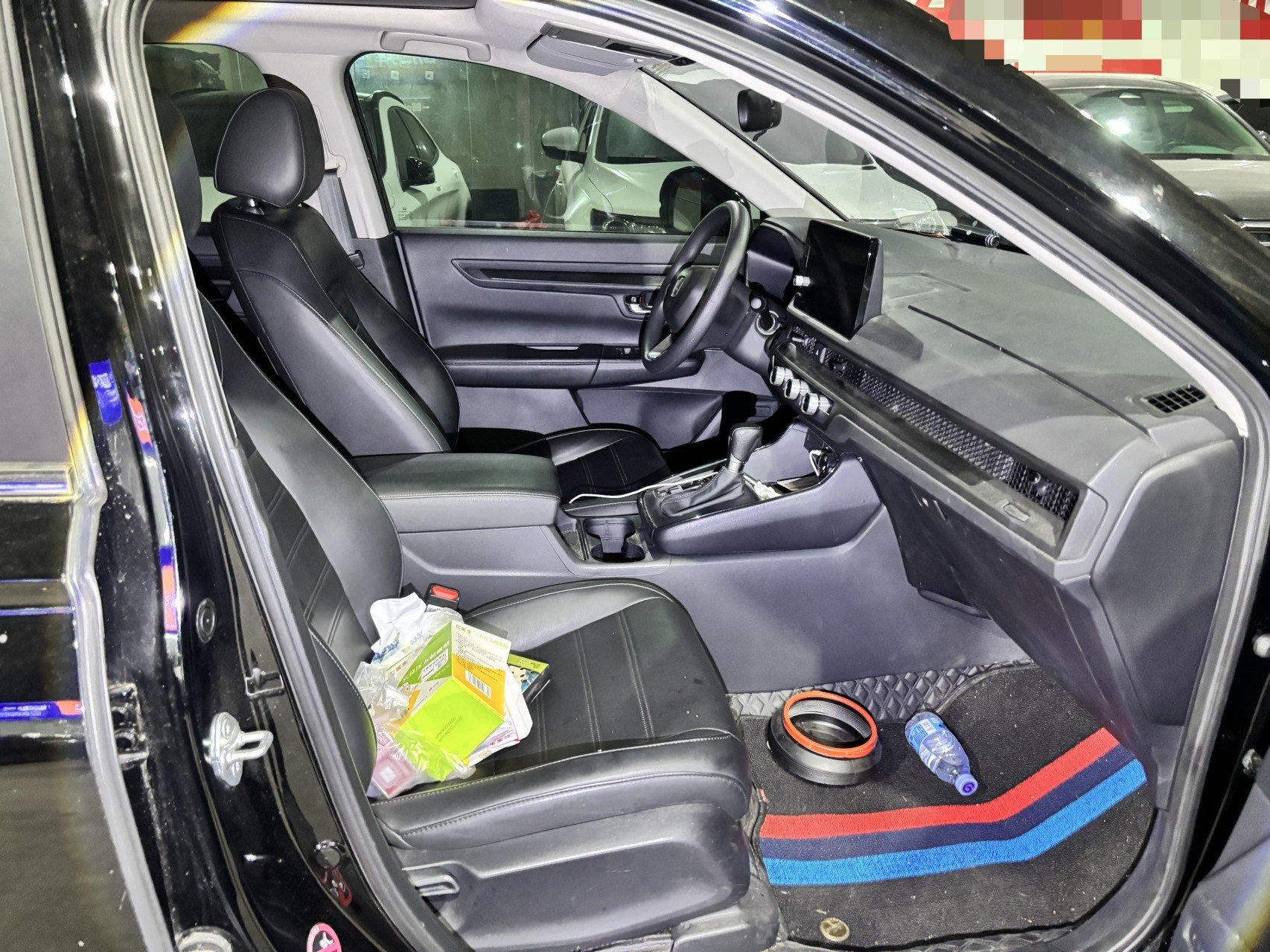
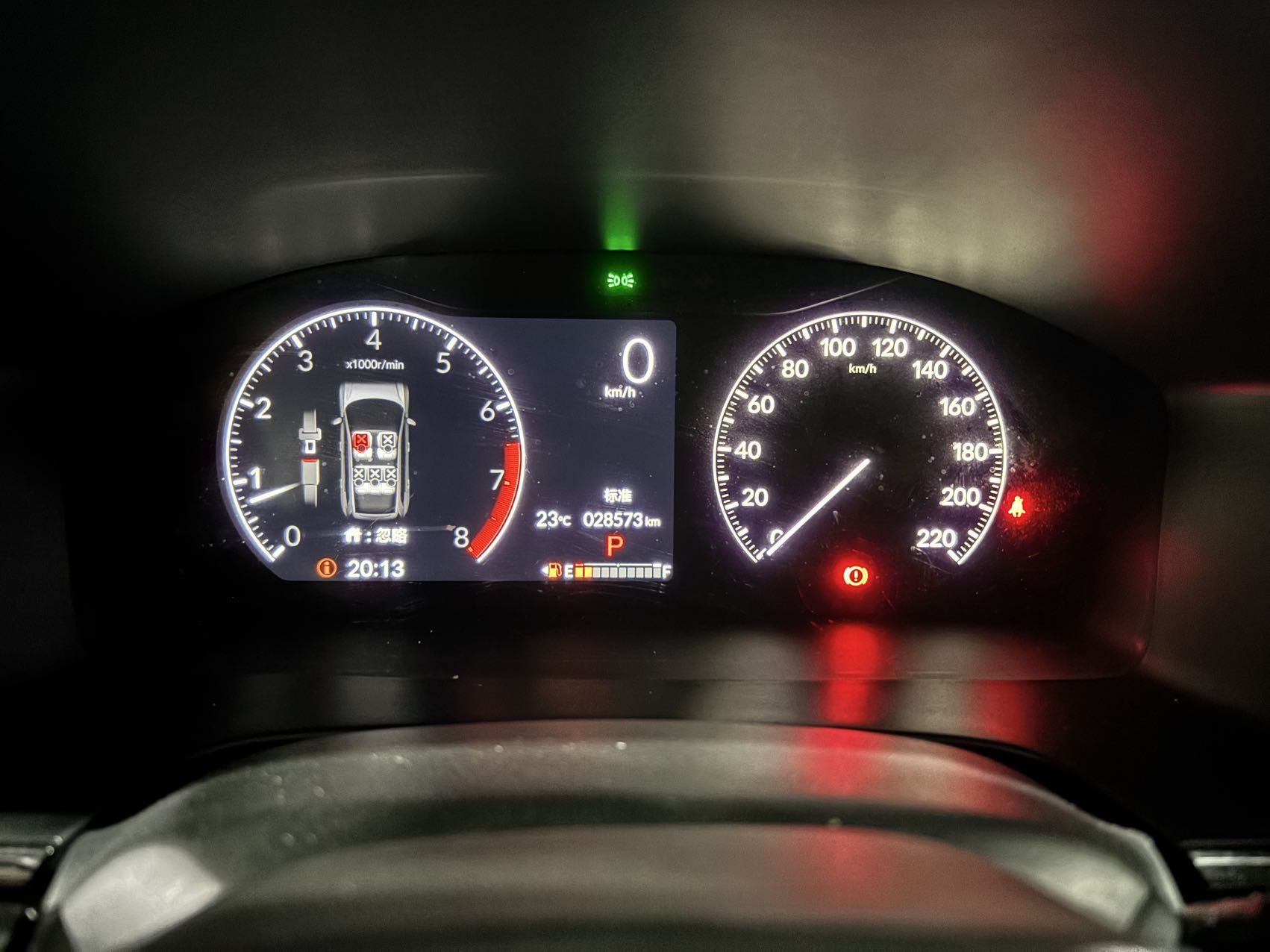



Basic Information

BrandHonda
SeriesCR-V
Year2024
First Registration2024/06
Mileage28,000km
Transfer Count0times
FuelGasoline
TransmissionCVT
Engine1.5T 193 L4
ColorBlack
Seats5seats

Condition Description

Original condition, full original paint.

Document Information

Inspection Expiry Date-
Warranty Expiry Date-
Insurance Expiry Date2026/11

Q&A

More

What engine checks beyond a cold start should a pre-purchase inspection of a used Chinese car include?

A cold start tells you a lot, but it isn't enough. Ask your inspector for these additional checks: Compression test: measures cylinder pressure in each cylinder. Consistent readings across cylinders mean healthy piston rings and valves; one low cylinder suggests internal wear. Timing system: listen at idle and at 2000 rpm for chain rattle or belt squeal. On turbo engines, check for play in the turbo shaft and oil in the intake piping. Exhaust analysis: blue smoke means oil burning (worn rings or valve seals); white sweet-smelling smoke can mean head gasket issues; black smoke points to running too rich. Fluid condition: engine oil on the dipstick should not smell burnt or look milky; coolant should be clean without oil traces. Fault codes: a full OBD scan beyond pending codes — look at misfire counters, fuel trim values, and any history codes that were recently cleared. Ask for photos of the dipstick, exhaust at idle and revving, and the live OBD data. These give you an objective engine health record.


Does the vehicle-to-load (V2L) feature on used Chinese EVs work in my country, and how do I check it remotely?

V2L lets an EV power external appliances through a discharge port, typically 2.2 to 6 kW. Whether it works abroad depends on three things. First, hardware: the car must have a V2L discharge port or adapter, and the OBC must support discharge mode—not all trims include it. Confirm the exact trim has V2L before paying. Second, frequency compatibility: Chinese models output 220V/50Hz, which matches most of Asia, Africa and Europe, but not North America's 110V/60Hz without an external transformer. Third, software region locks: some brands disable discharge functions for exported units. To verify remotely, ask the seller for a live video: connect a load (a kettle or work light), start discharge from the infotainment menu, and show no error messages. Also request a screenshot of the discharge settings page. If V2L matters to you, write it into the contract as a confirmed working feature.

What is a Chinese vehicle registration certificate and how do I verify the seller actually owns the car?

The key document is the 机动车登记证书 (Vehicle Registration Certificate), the green booklet proving ownership. Along with it, the seller should provide the 行驶证 (driving license for the vehicle) and their ID. Verification steps: 1. Check that the VIN/chassis number on the certificate matches the car exactly, stamped on the dashboard and door frame 2. The certificate's 所有人 (owner) field must match the seller's company name or the export agent they claim to work with 3. Look at the registration history pages—frequent transfers in a short period can indicate problem cars being flipped 4. Confirm the car is not marked 抵押 (mortgaged/pledged to a bank) Be cautious if the seller only shows photos of these documents and refuses a live video panning across the original booklet with the day's newspaper. Also verify the export company has 二手车出口资质 (used-car export qualification)—a legitimate exporter will share their license number, which you can cross-check on Chinese commerce bureau websites.