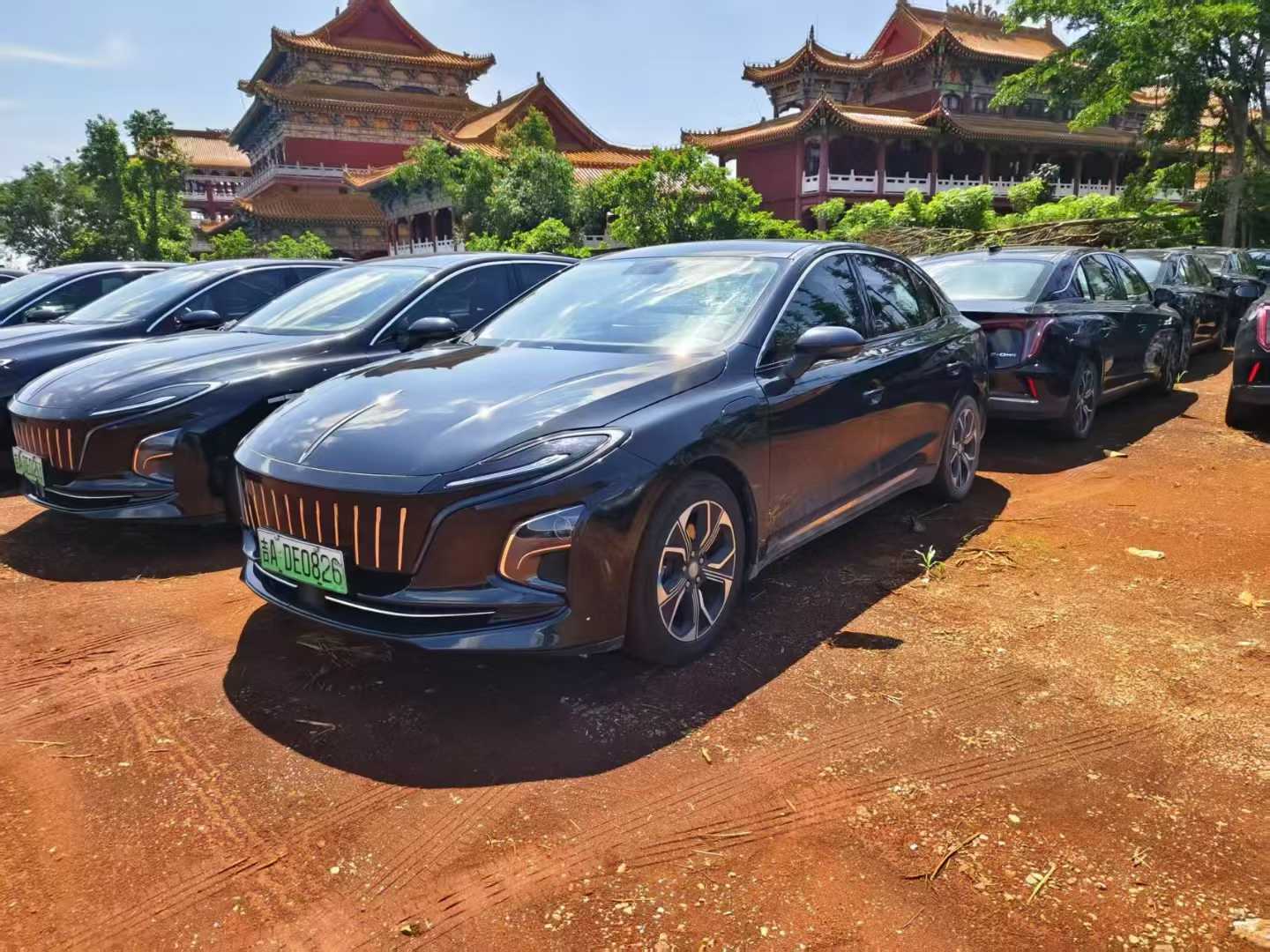
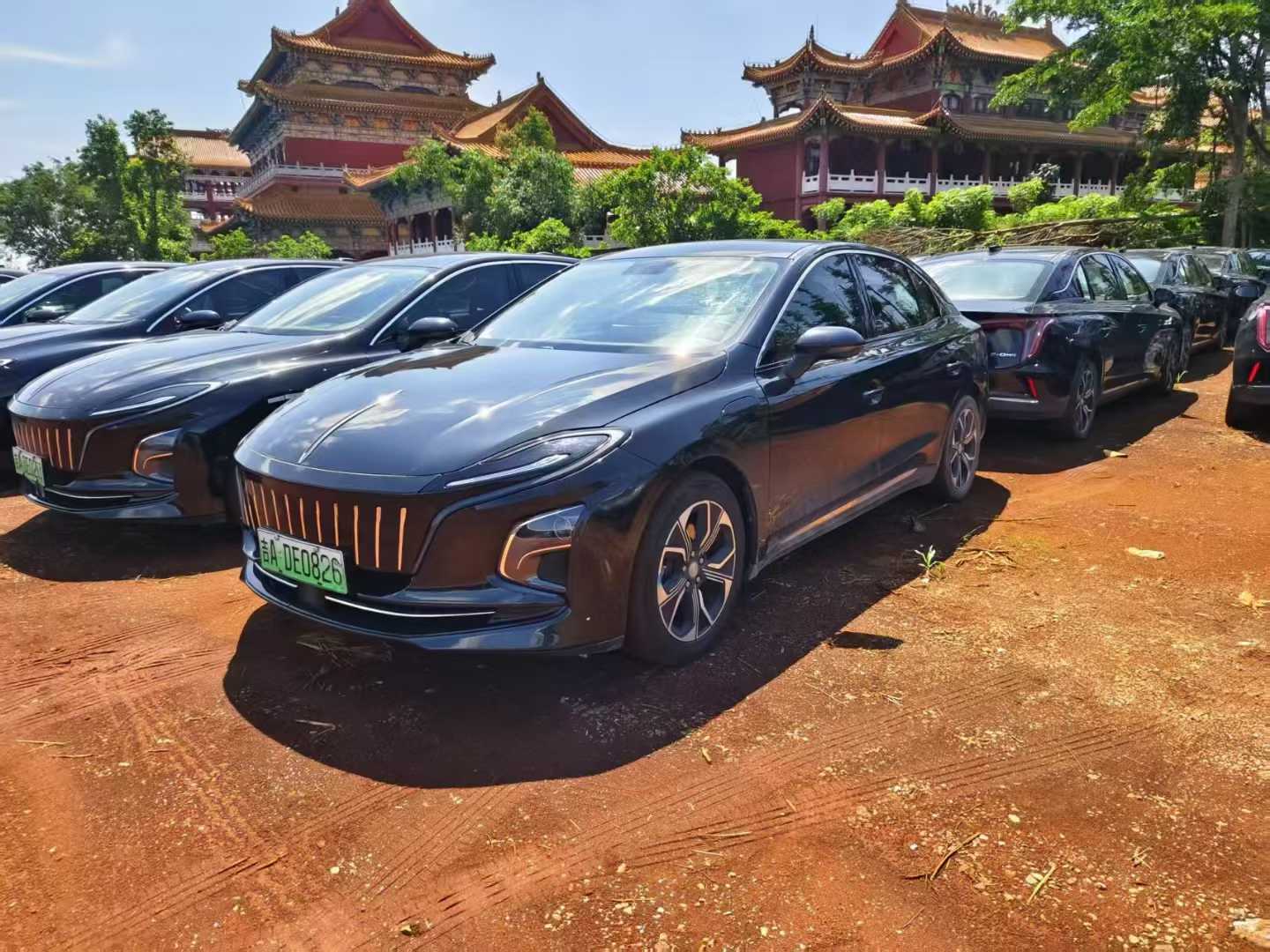



Basic Information

BrandHongQi
SeriesE-QM5
Year2021
First Registration2021/08
Mileage10.99km
Transfer Count0times
FuelOther
TransmissionOther
Engine-
ColorBlack
Seats-

Configuration Highlights

✓Driver/Passenger Airbags
✓Front/Rear Side Airbags
✓Tire Pressure Monitoring
✓ISOFIX Child Seat Anchors
✓Keyless Start System
✓ABS Anti-lock Braking
✓Electronic Brake Distribution
✓Electronic Stability Control
✓Hill Start Assist
✓Auto Hold
✓Multifunction Steering Wheel
✓Seat Material
✓Driver/Passenger Power Seats
✓Rear Cupholders
✓Low Beam Headlights
✓Daytime Running Lights
✓Adjustable Headlight Height
✓Power Windows
✓Anti-pinch Windows
✓Climate Control Type
✓Rear Independent Climate Control
✓Rear Air Vents
✓Active Safety System

Q&A

More

Beyond the car price, what costs should I budget when importing a used car from China?

A realistic budget has several layers beyond the vehicle price. First, inland logistics in China: moving the car to the export port typically costs $300-$800. Second, export handling: inspection, customs declaration and paperwork usually add $500-$1,000. Third, ocean freight. A 20ft container to most destinations runs $1,200-$3,000 depending on route; RoRo shipping can be cheaper for driveable cars. Add marine insurance, usually 0.3%-0.5% of the car value. Fourth, destination charges: port handling, customs duties, VAT/GST and local registration fees. These vary widely; some countries charge duties of 20%-80% of the vehicle value plus an excise based on engine capacity. Finally, any compliance work: inspection certificates, modifications to meet local standards, or homologation. Ask your exporter for a full CIF quote and have a local customs broker confirm destination taxes before you commit.

If our country has a Free Trade Agreement (FTA) with China, can you provide a specific certificate of origin?

Yes. We will apply to customs or the trade promotion agency for a specific version of the certificate of origin (such as ASEAN Form E, China-ASEAN FTA certificate, etc.) to assist you in legally enjoying significant or even zero tariff treatment at the destination port.

What insurance should I arrange when shipping a used car from China, and what do Incoterms like FOB and CIF mean for me?

Two separate protections matter: cargo insurance and contractual risk transfer. Cargo insurance: for container or RoRo shipments, buy marine cargo insurance covering total loss and damage, typically 110% of the CIF value (average cost 0.3%–0.8%). Check exclusions — many policies exclude pre-existing damage, so a pre-shipment inspection report is essential to prove the car's condition at loading. Incoterms define who bears risk and cost at each stage: 1. FOB (Free On Board): exporter pays until the car is loaded on the vessel; risk passes to you at that point. You pay ocean freight and insurance. Common and usually cheapest if you have your own freight forwarder. 2. CIF (Cost, Insurance and Freight): exporter pays freight and minimum insurance to your port. Convenient but the insurance coverage is basic — consider topping it up. 3. EXW (Ex Works): you handle everything from the exporter's yard; only choose this if you have a trusted agent in China. Put the agreed Incoterm and port clearly in the contract, and never release final payment before the Bill of Lading is issued.

HongQi E-QM5

红旗 E-QM5 2021款 网约换电 出租版 4座

EXW: $8,758
Car CodeSWA1469974
Publish Date2025/10/22