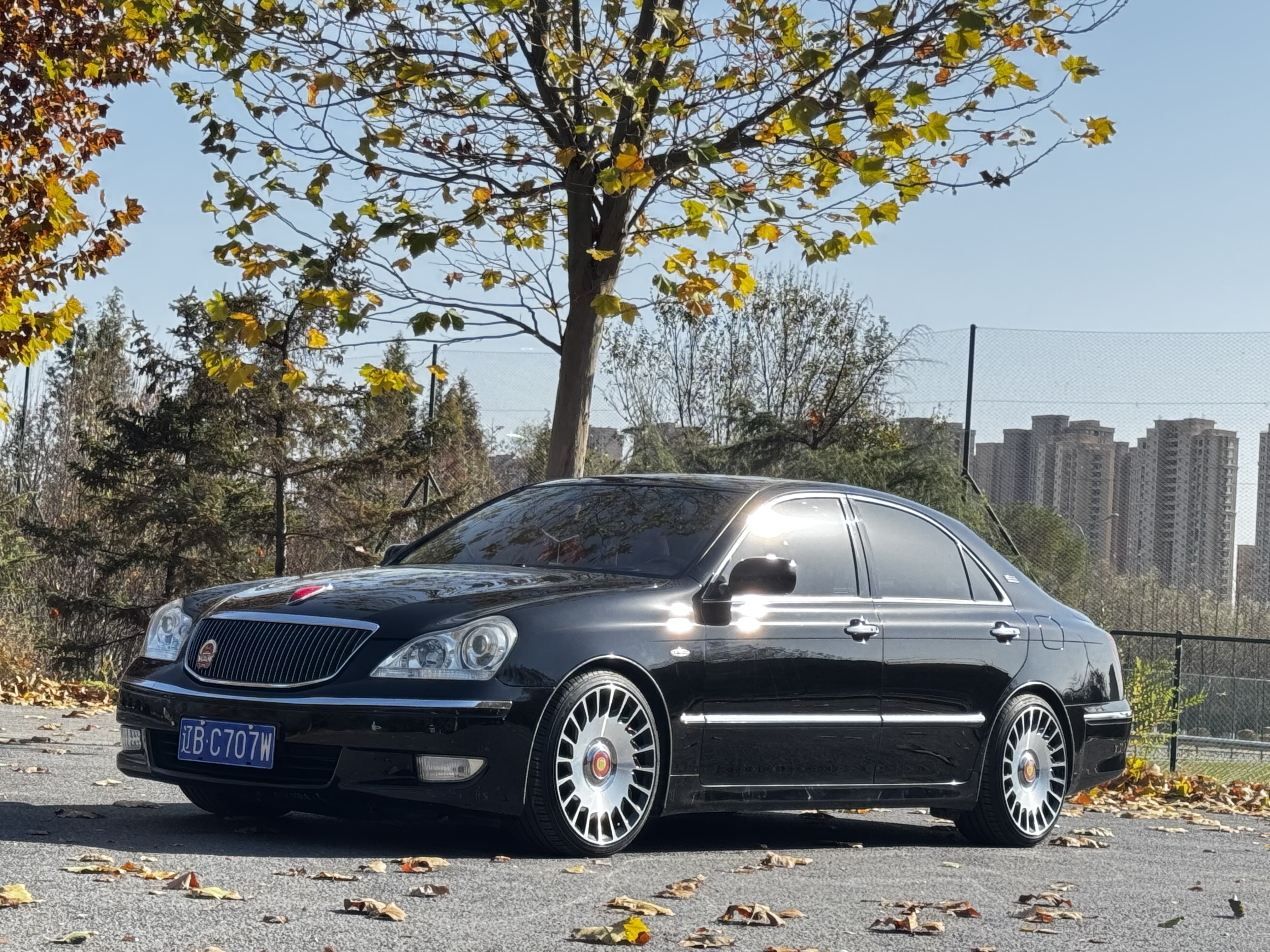
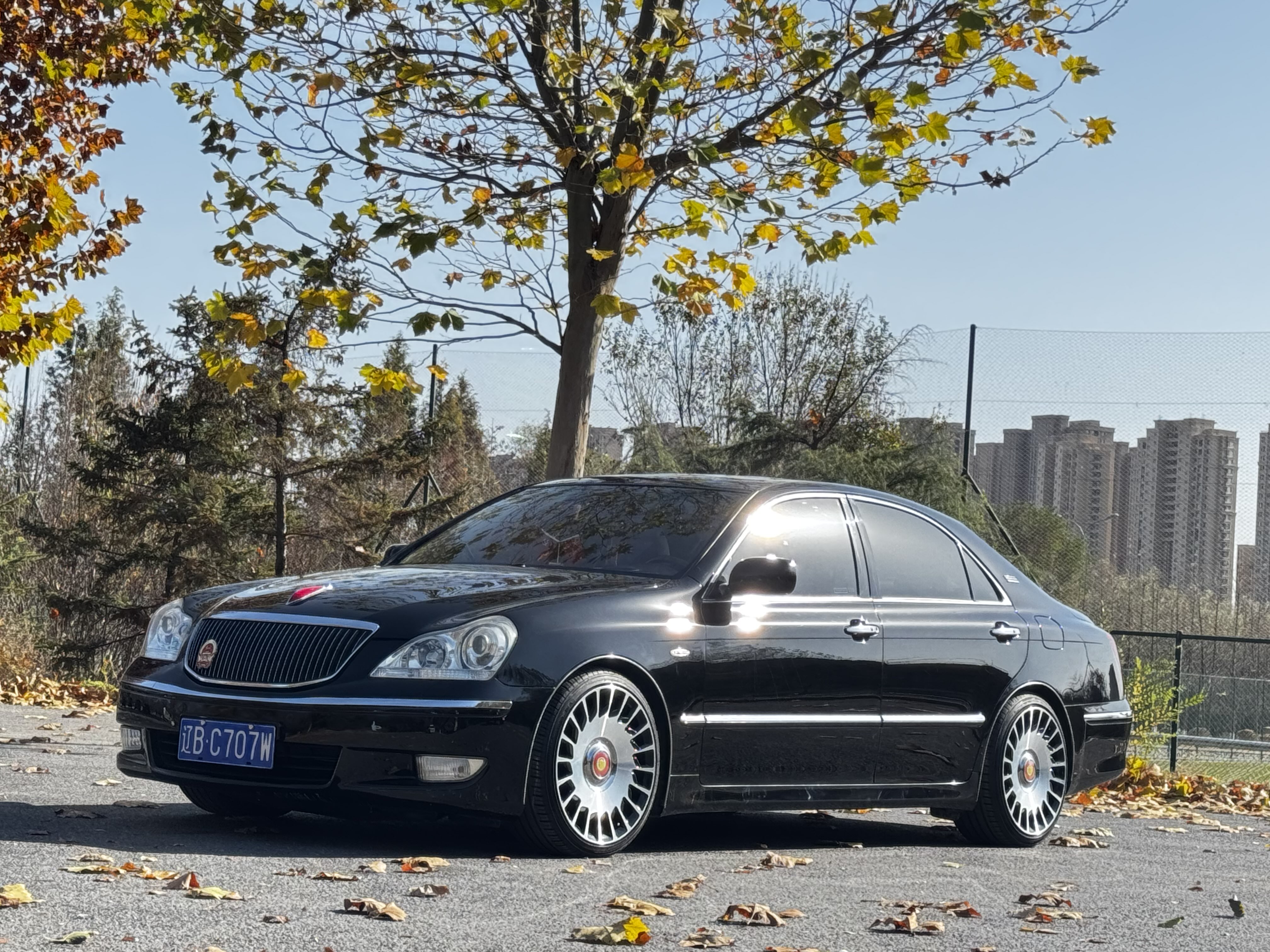
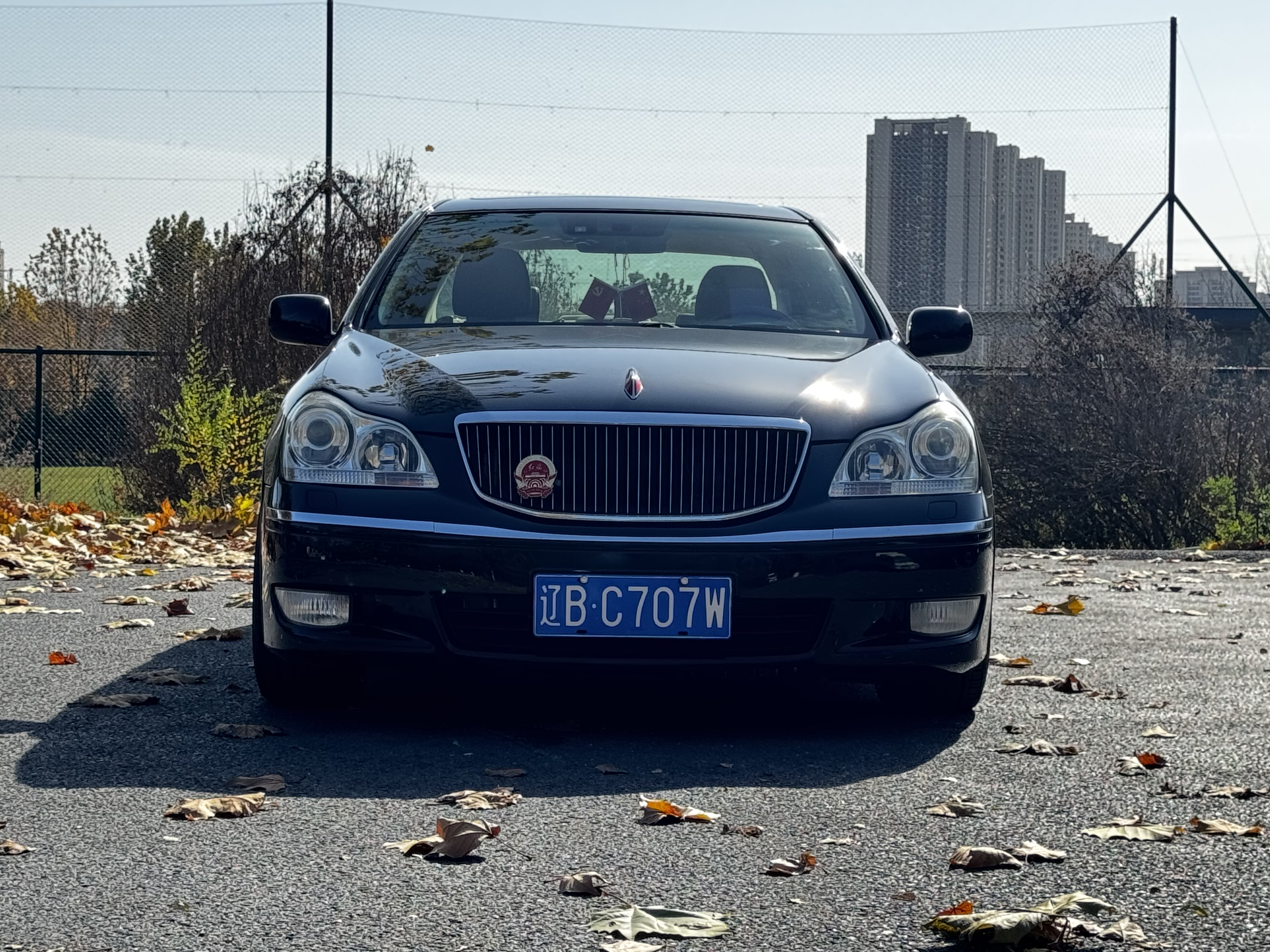
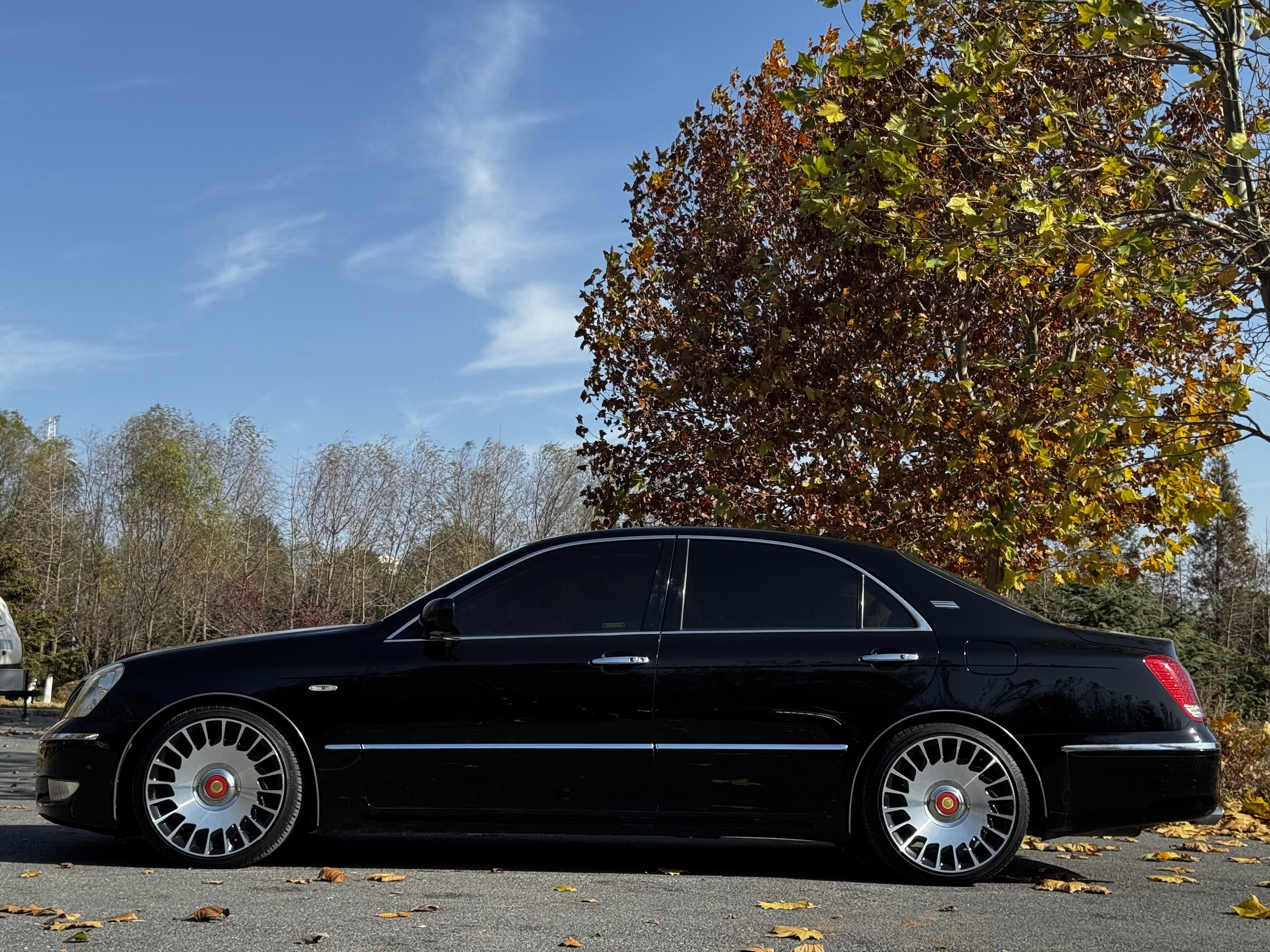
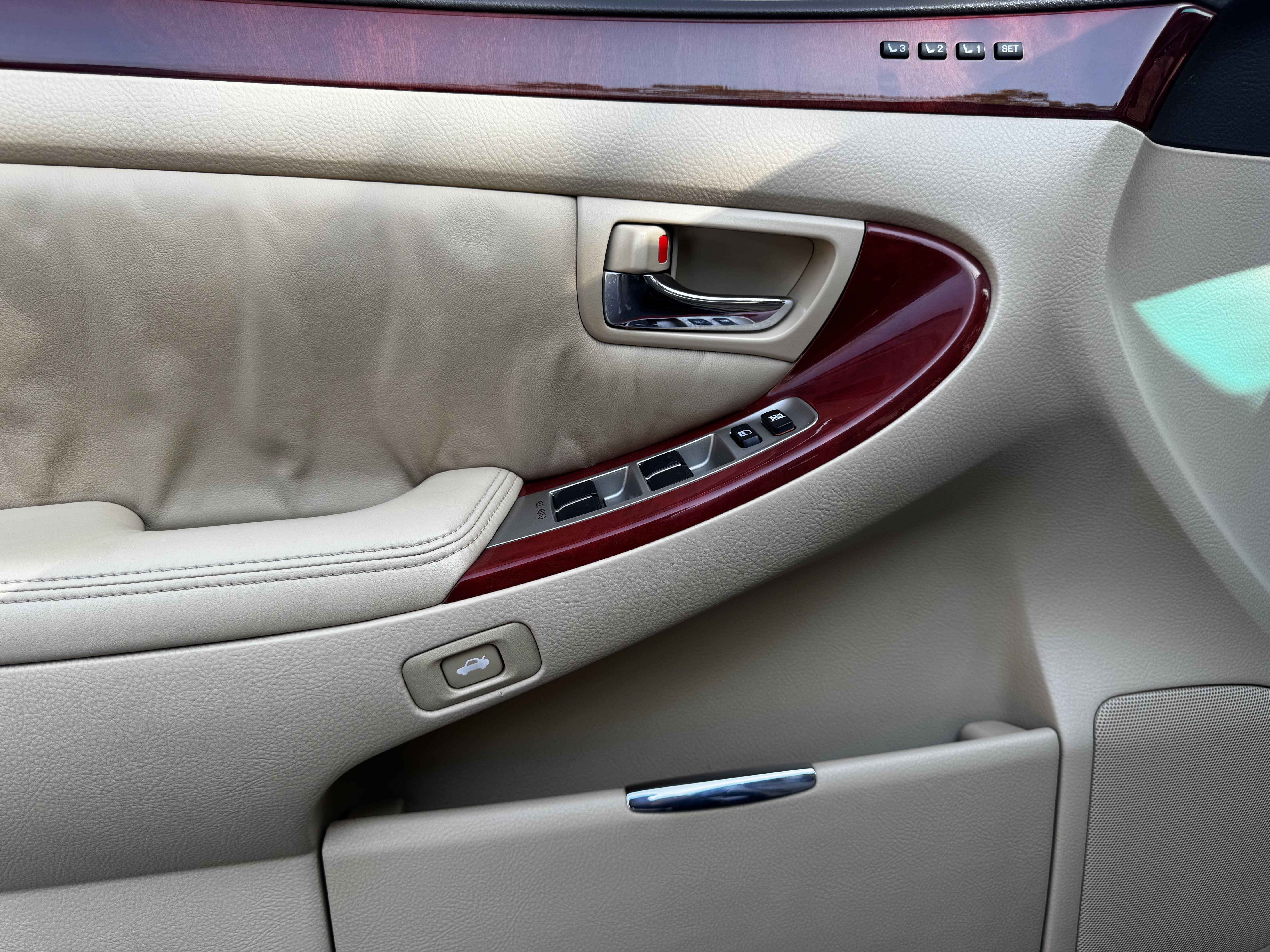
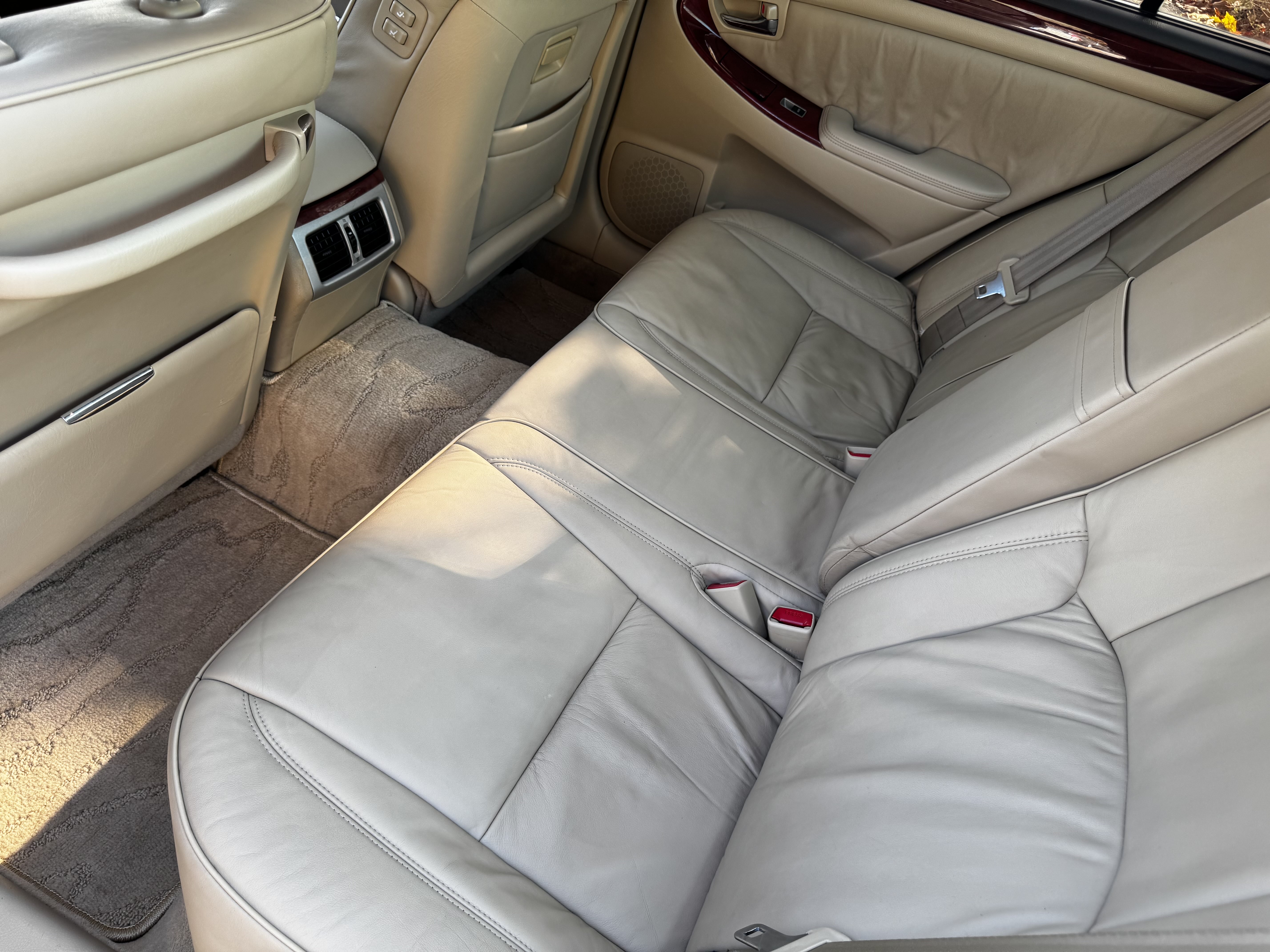
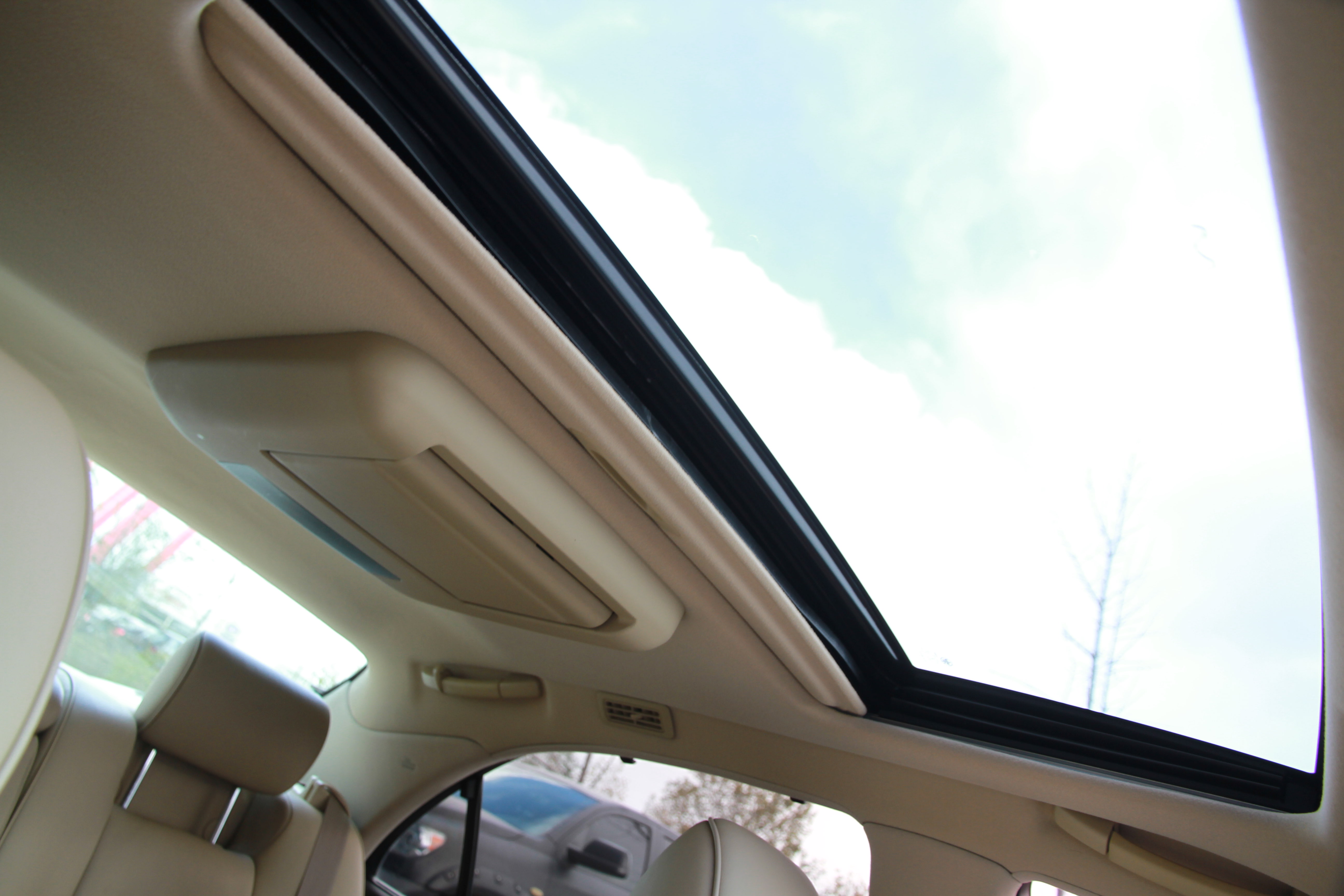
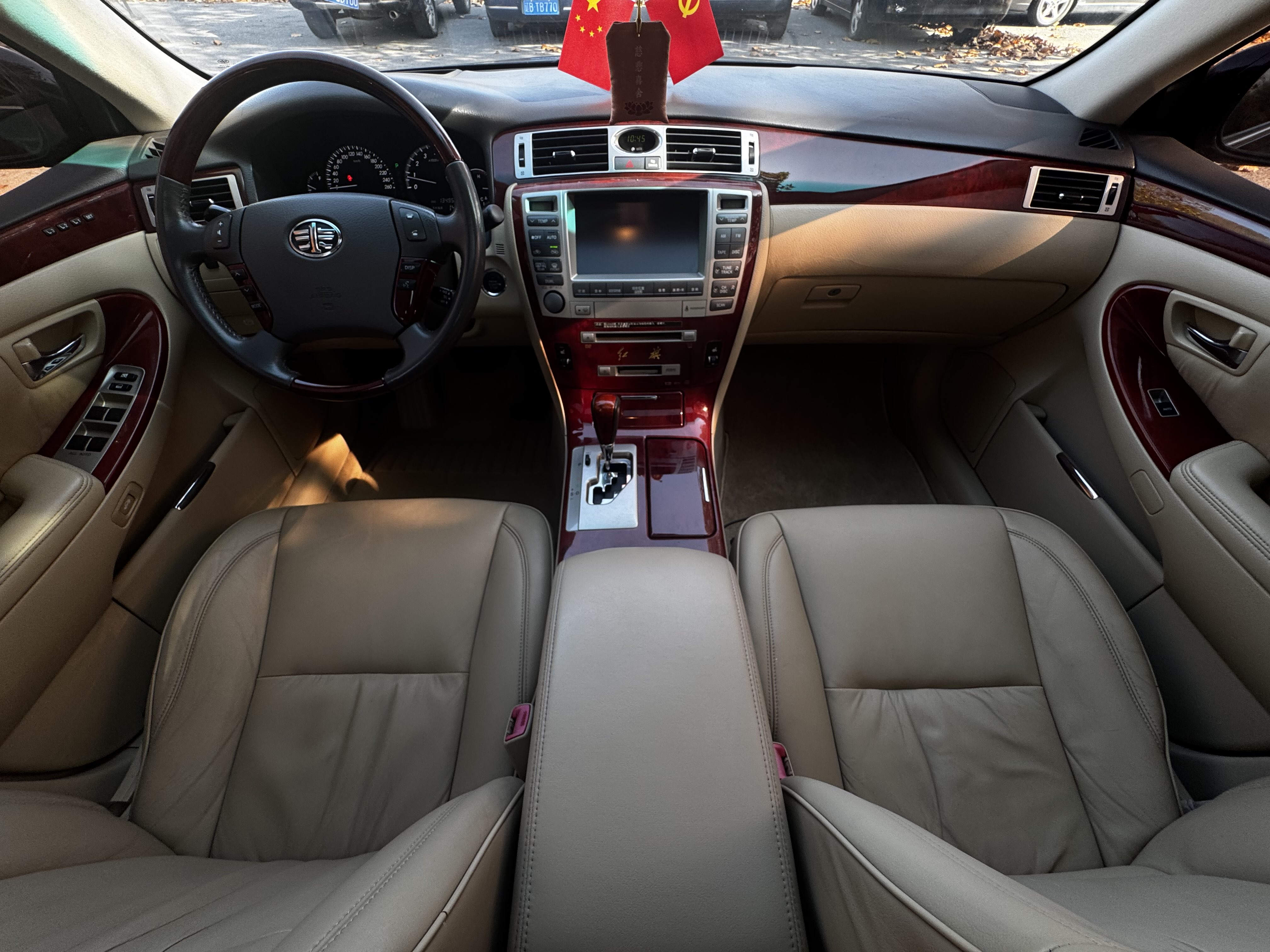



Basic Information

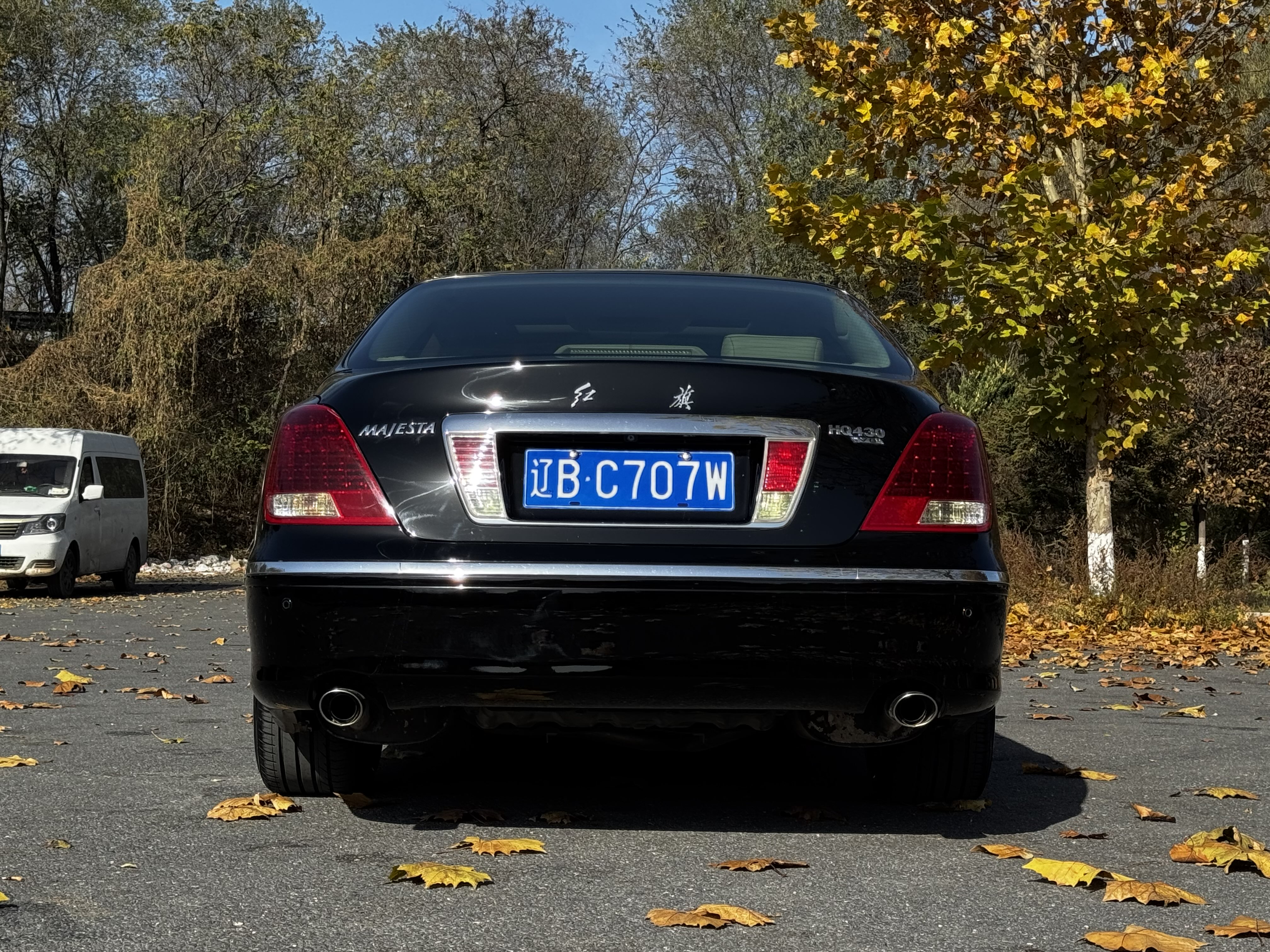
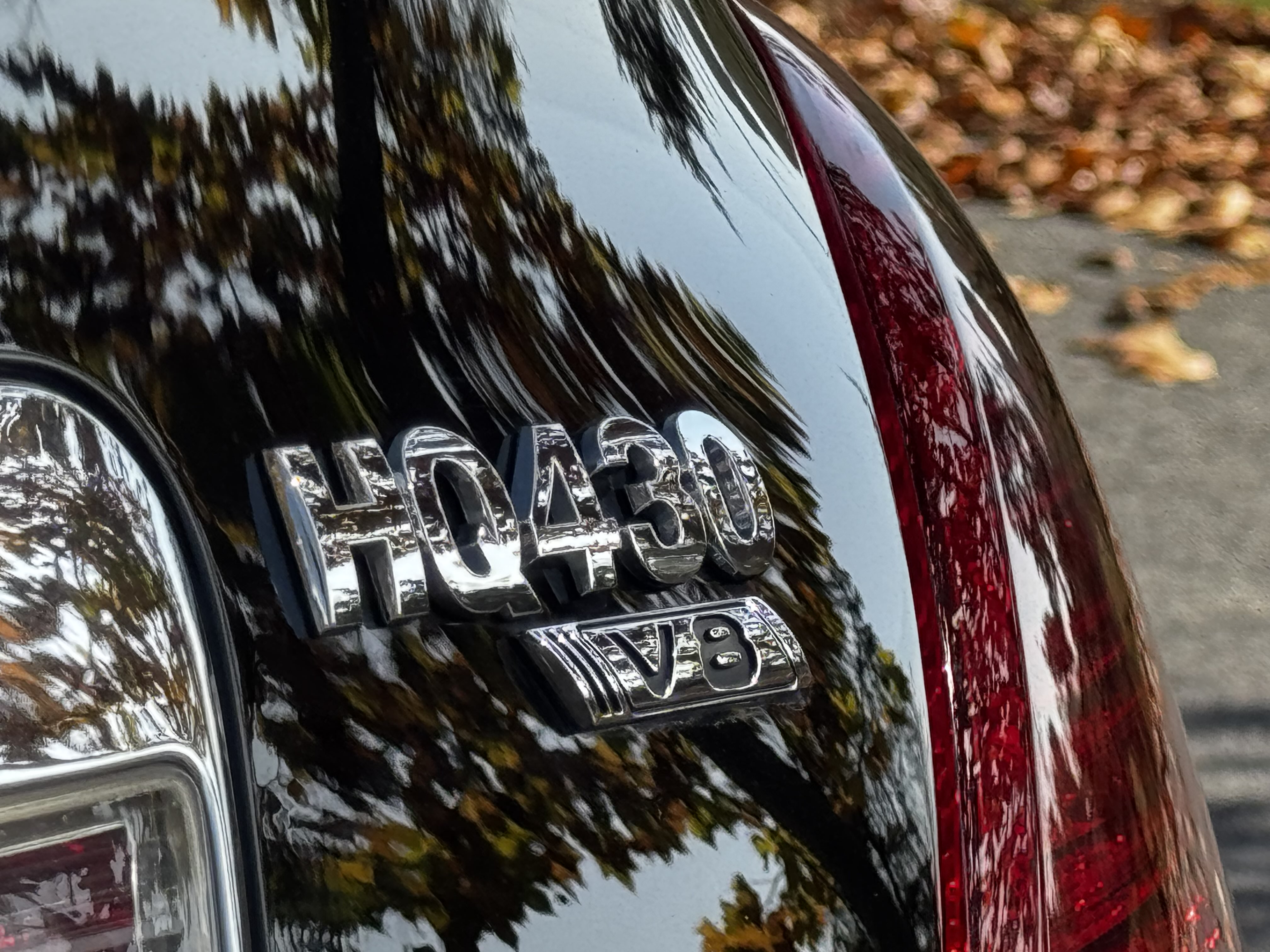
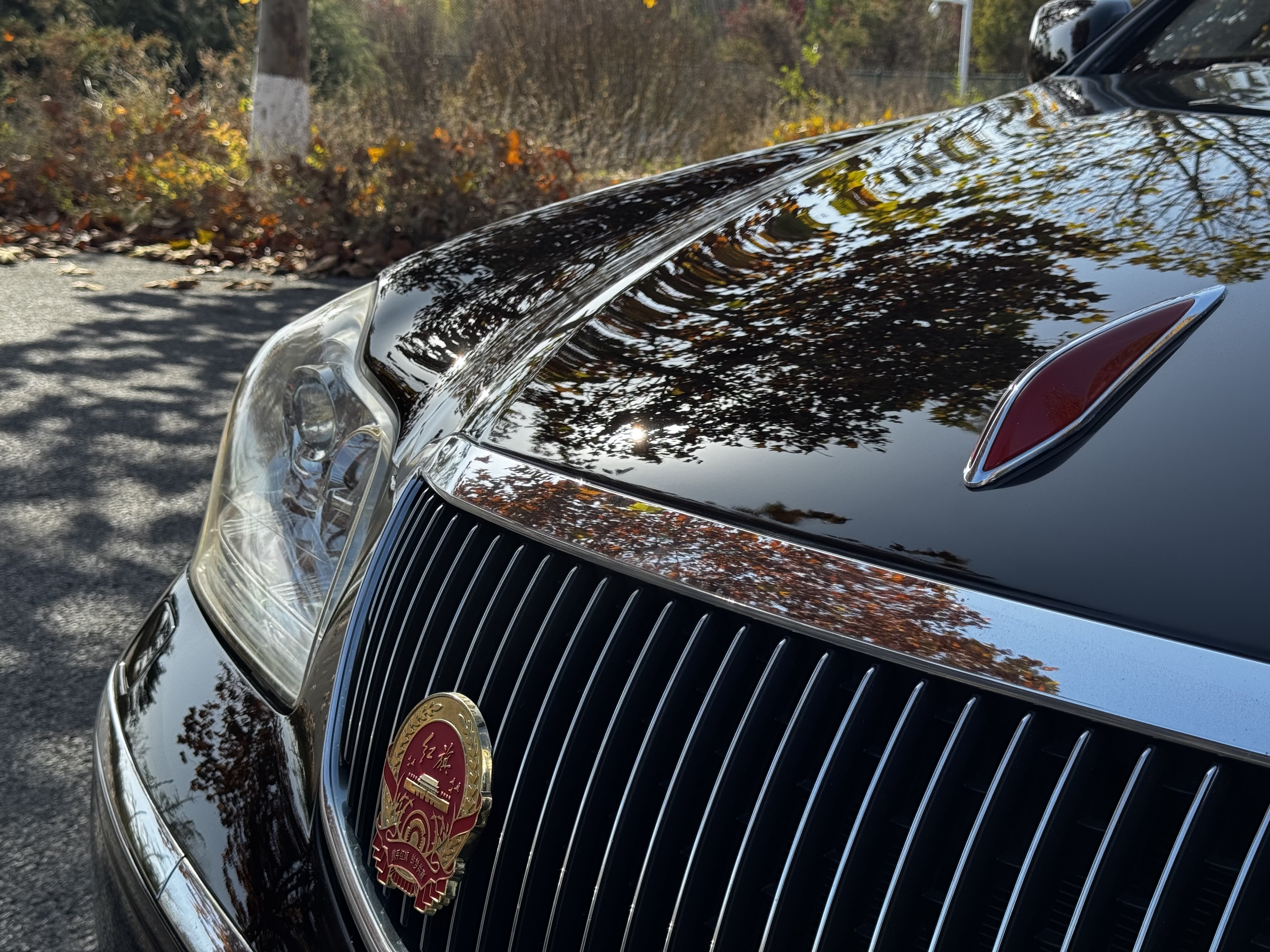
BrandHongQi
SeriesShengShi
Year2009
First Registration2009/07
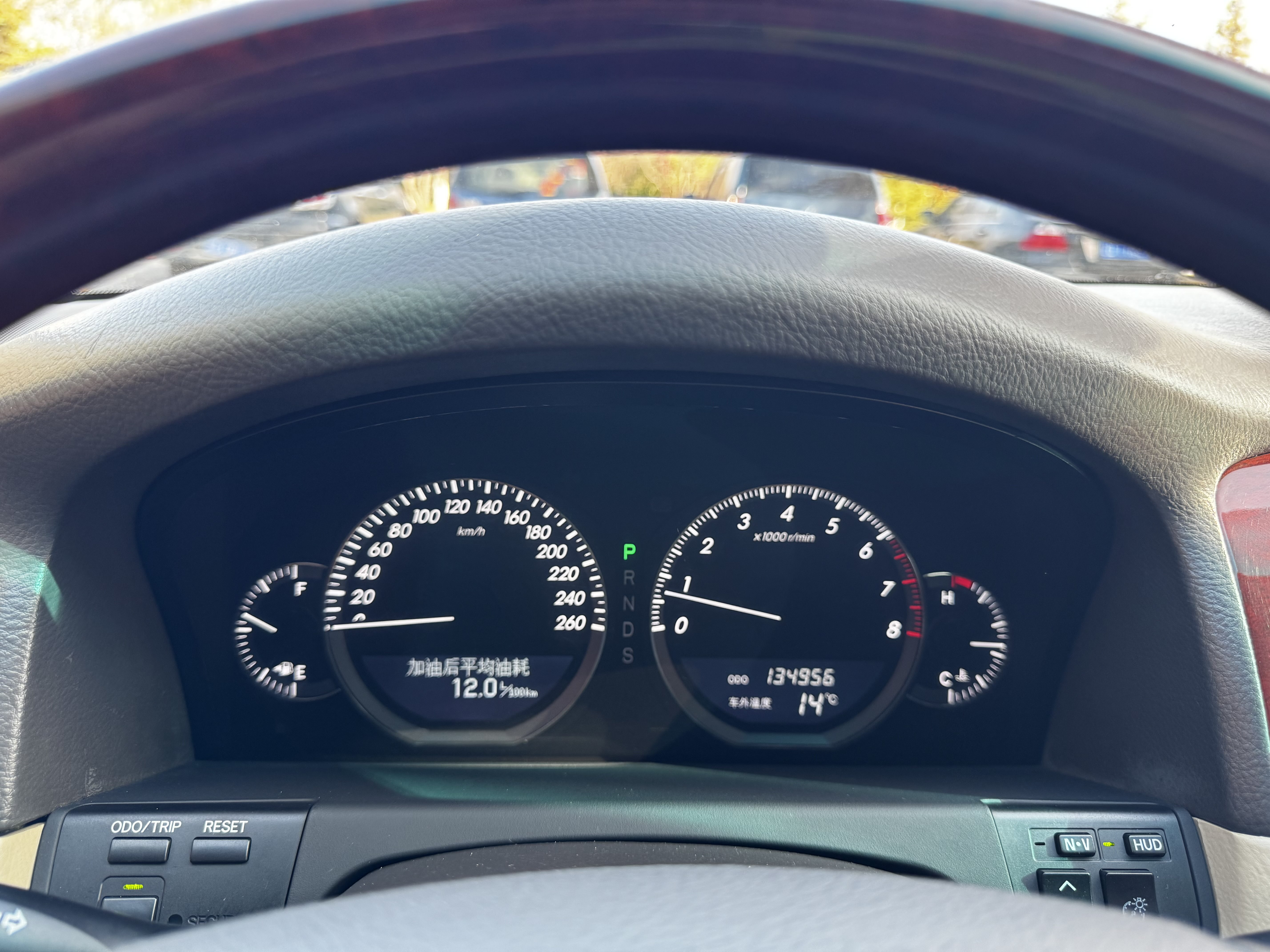
Mileage13km
Transfer Count-
FuelGasoline
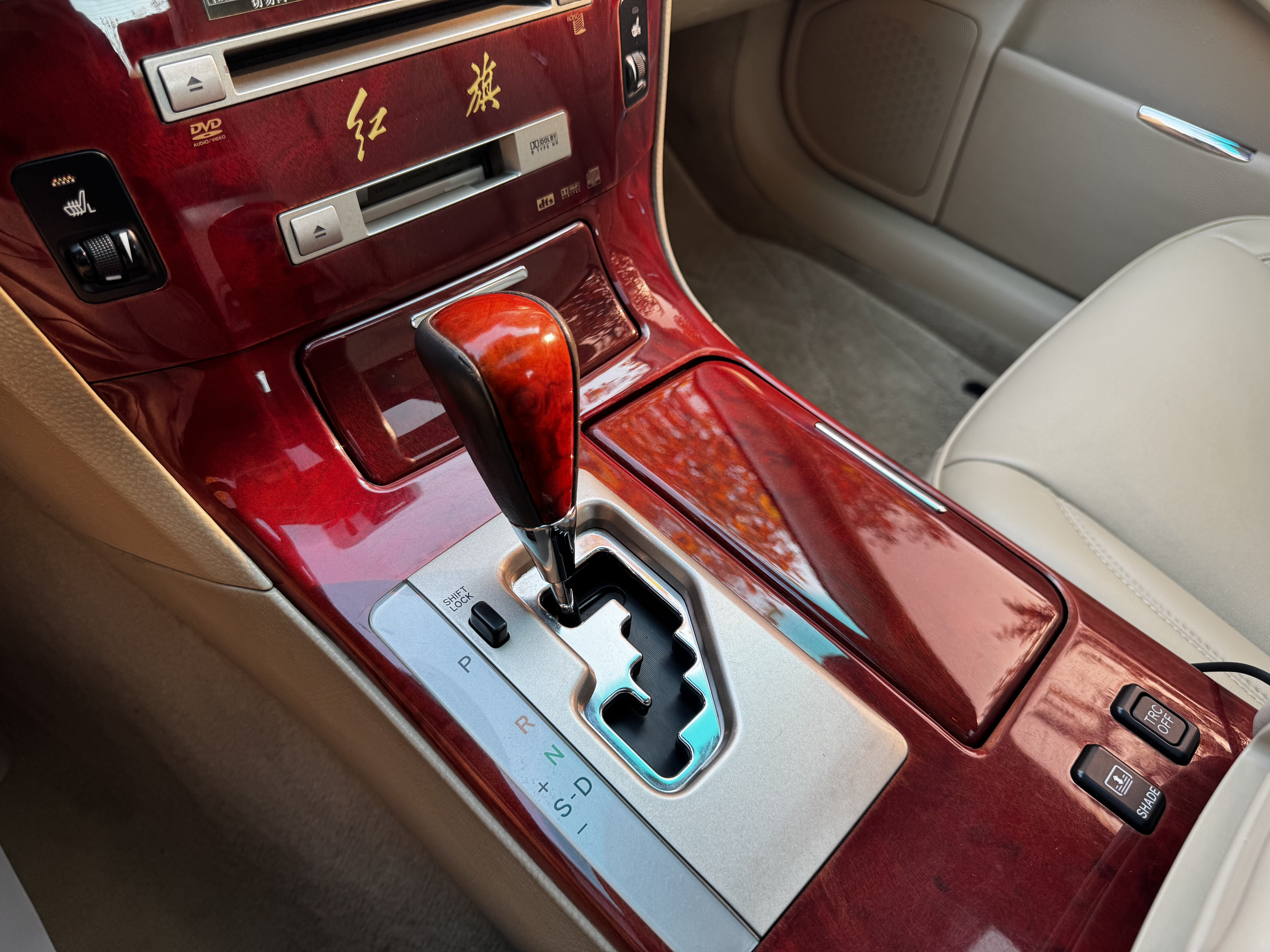
TransmissionManumatic
Engine4.3L 280 V8
ColorBlack
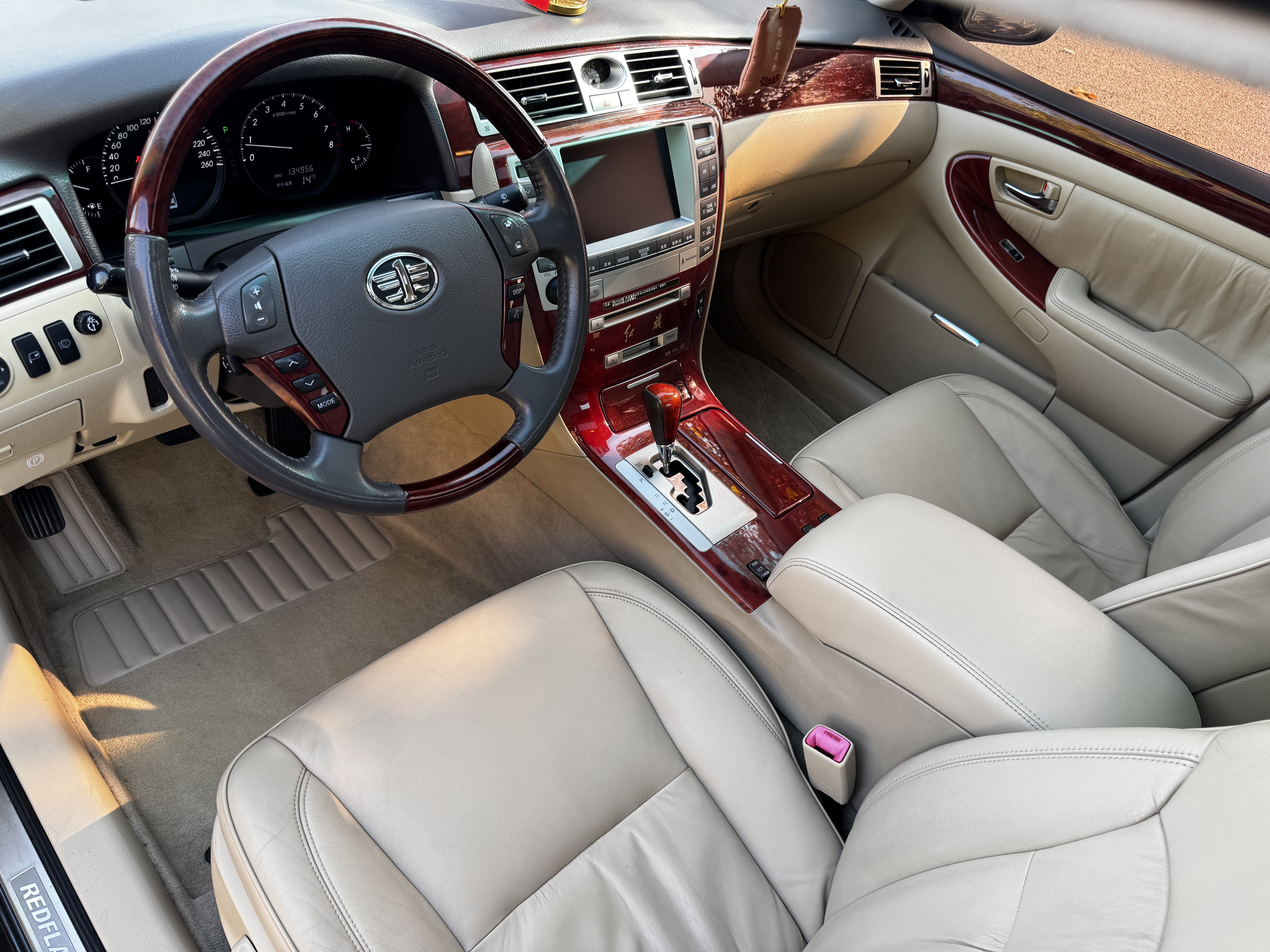
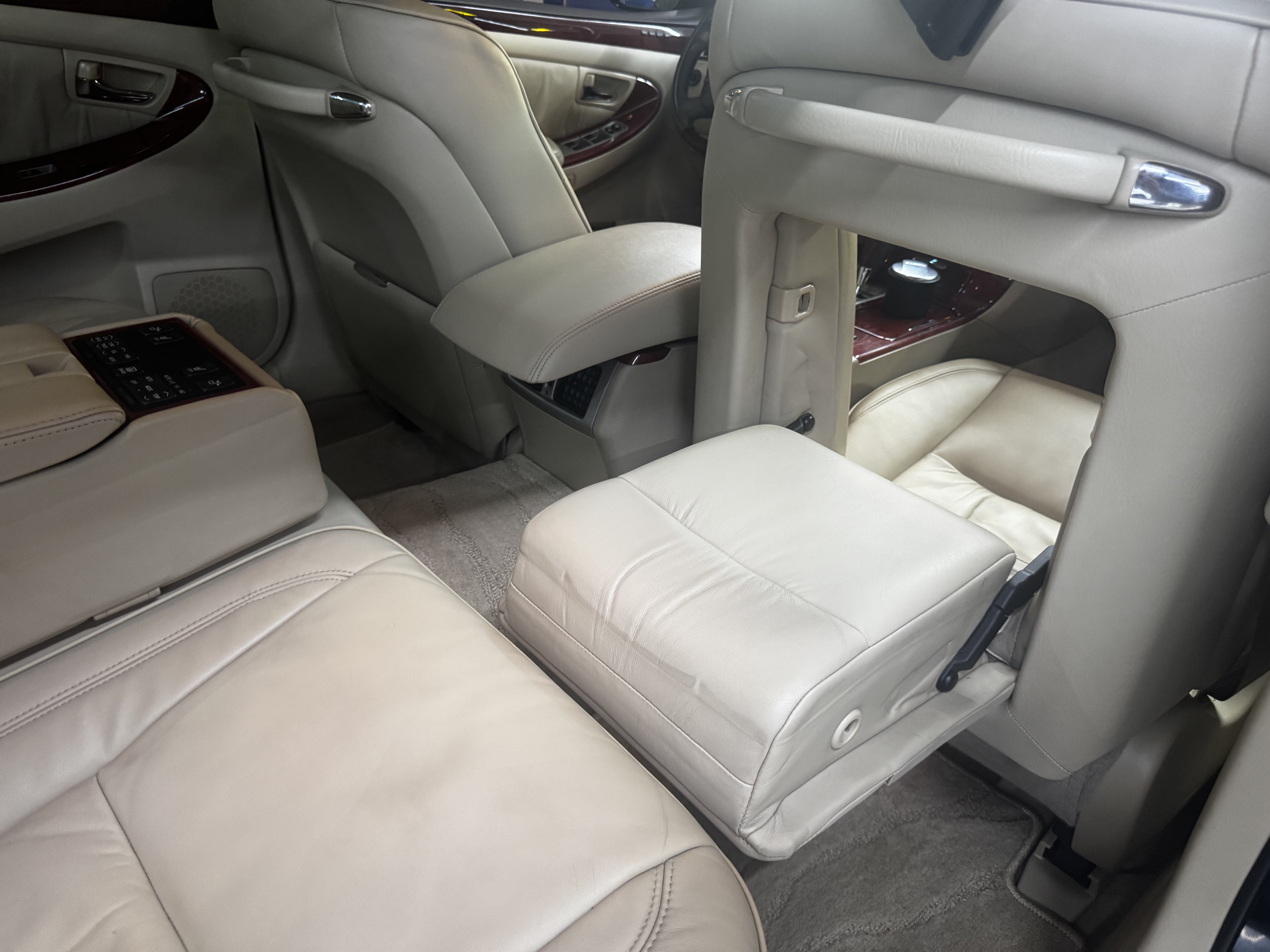
Seats5seats

Configuration Highlights

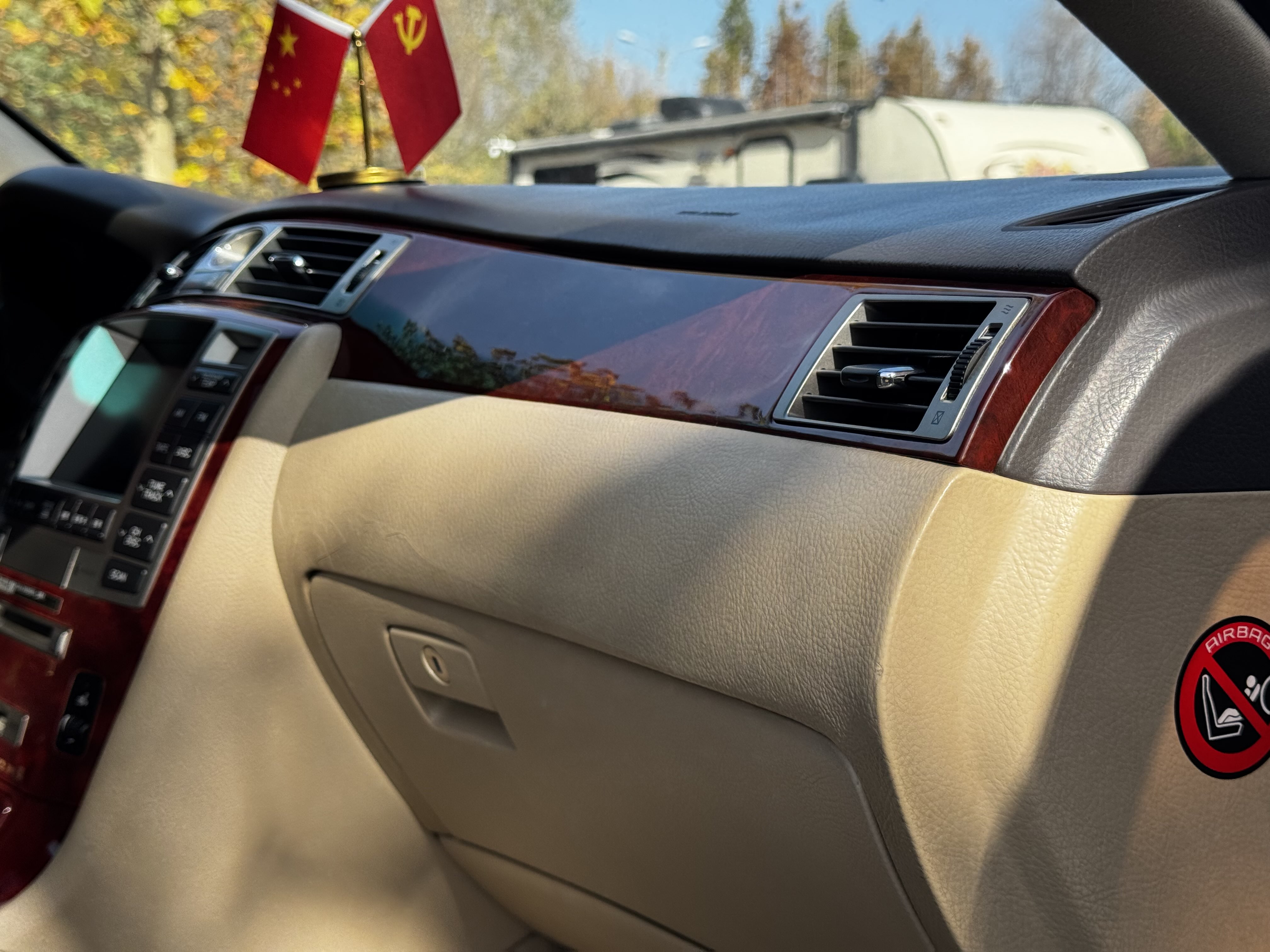
✓Driver/Passenger Airbags
✓Front/Rear Side Airbags
✓Front/Rear Curtain Airbags
✓Knee Airbags
✓Tire Pressure Monitoring
✓ISOFIX Child Seat Anchors
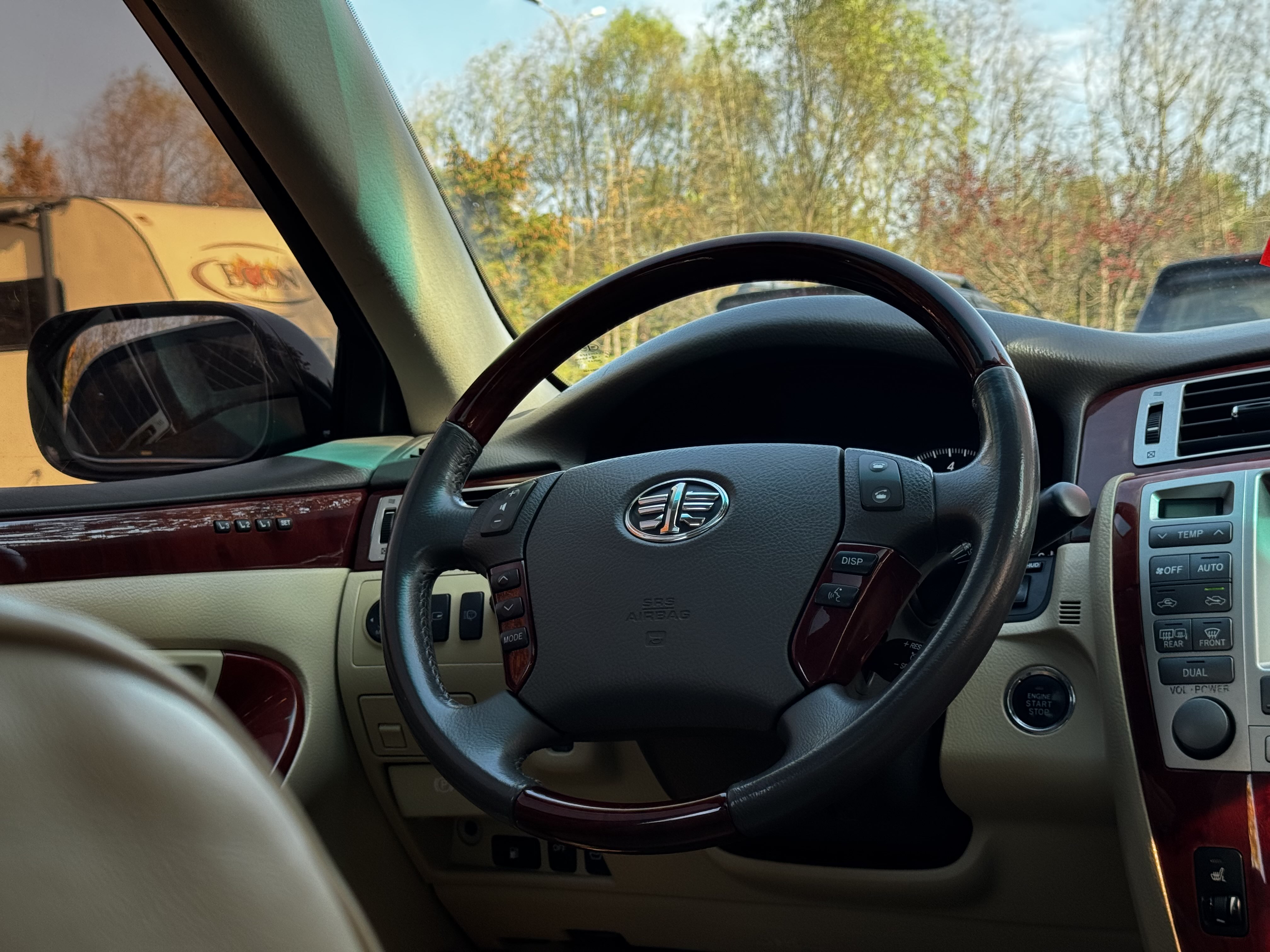
✓Keyless Start System
✓Keyless Entry System
✓ABS Anti-lock Braking
✓Electronic Brake Distribution
✓Electronic Stability Control
✓Multifunction Steering Wheel
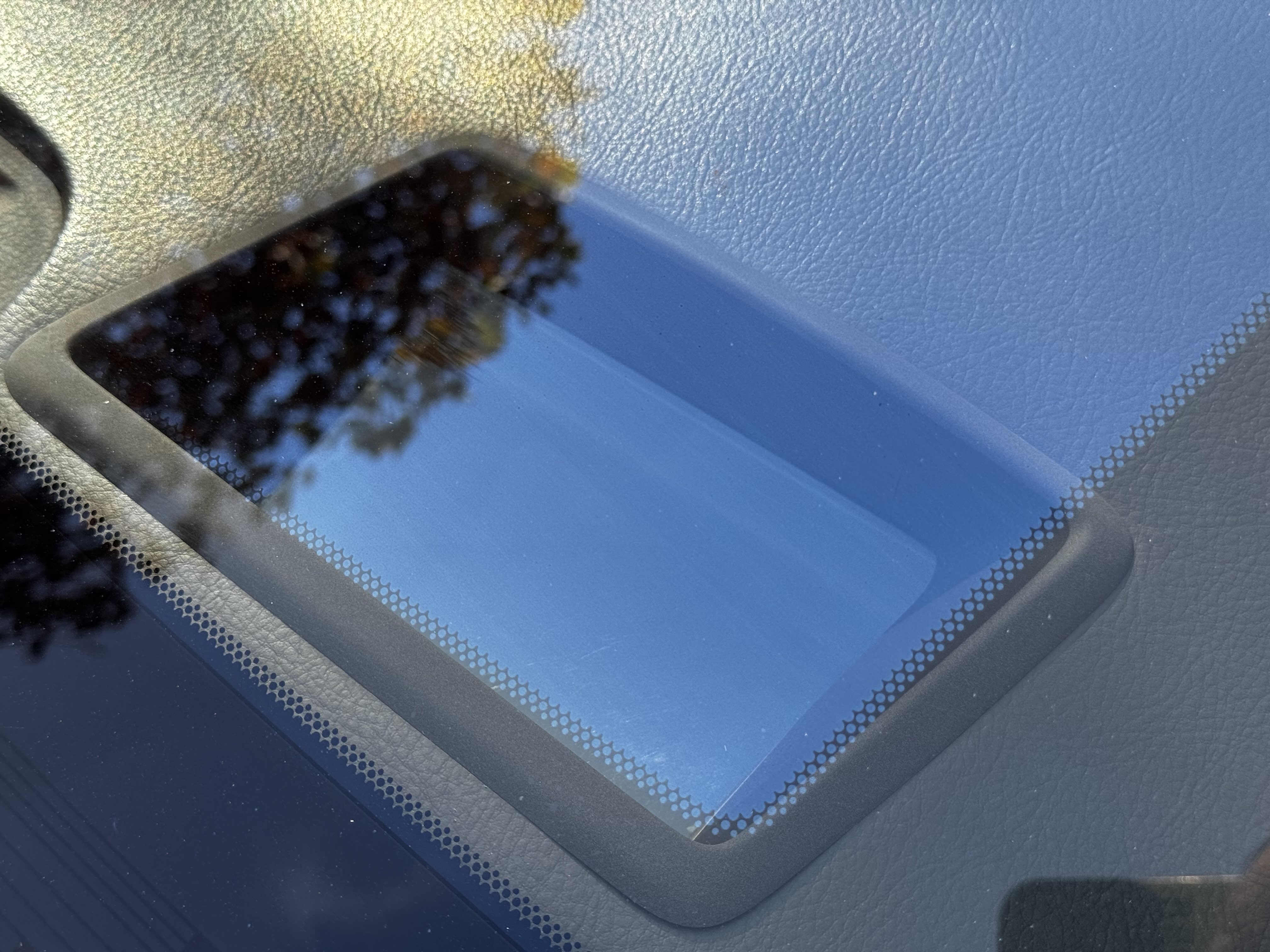
✓Head-Up Display
✓Seat Material
✓Driver/Passenger Power Seats
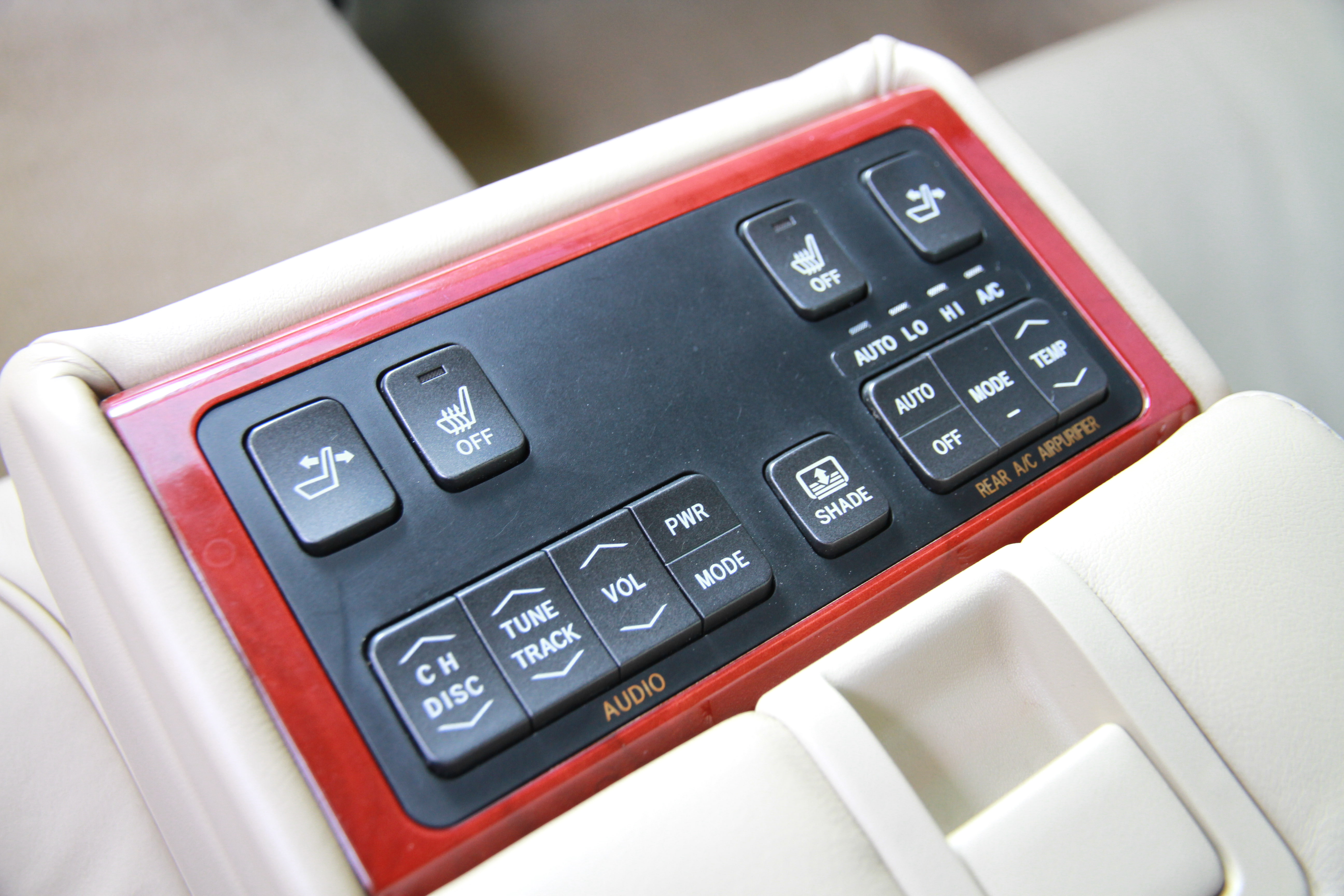
✓Rear Cupholders
✓GPS Navigation
✓Rear Display Screen
✓Low Beam Headlights
✓Auto Headlights
✓Adjustable Headlight Height
✓Headlight Washer
✓Power Windows
✓Anti-pinch Windows
✓Climate Control Type
✓Rear Air Vents

Q&A

More

What should I do if the destination country requires a certificate of origin?

Apply for a certificate of origin from the local customs or trade promotion agency, proving that the country of manufacture is China. This is a necessary document for customs clearance in regions like the Middle East and Southeast Asia.

What is a battery SOH certificate and why does it matter when buying a used EV from China?

SOH (State of Health) measures the battery's remaining capacity as a percentage of its original capacity. Two EVs with the same mileage can have very different SOH depending on charging habits and climate exposure, and since the battery represents 30-50% of a used EV's value, the SOH number is effectively the real price tag. A proper certificate includes current SOH percentage, cell voltage balance, charge cycle counts, battery management system fault codes, and often a projected range estimate. In hot-climate markets like the Gulf, a degraded battery degrades even faster, so a documented SOH above 85-90% is strongly recommended. Exporters who provide verified SOH certificates close deals faster and command better prices, so treat the certificate as a core purchase document, not an extra.

Are the quality assessment standards for used commercial vehicles (pickups, light vans) the same as for passenger cars?

Completely different. The assessment of commercial vehicles focuses on: the extent of wear/deformation in the cargo area, whether the frame has been twisted due to overload, the fatigue of the leaf springs, and the emissions of the diesel engine. Minor exterior scratches carry very little weight in the assessment of commercial vehicles.

HongQi ShengShi 4.3L 280 V8

红旗 盛世 2009款 4.3L 精英型

EXW: $16,333
Car CodeSWA1511452
Publish Date2025/11/09