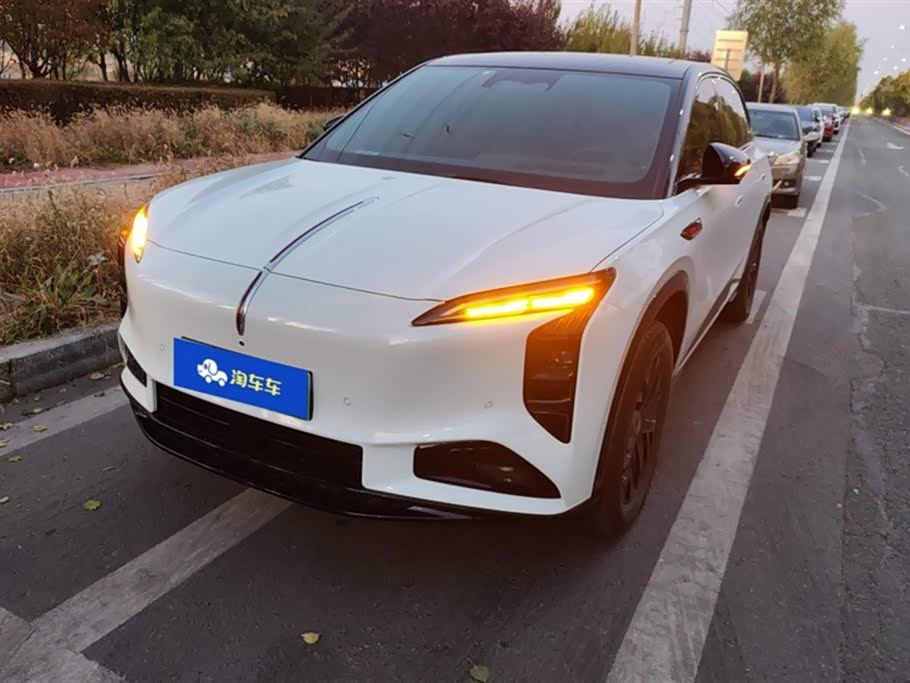
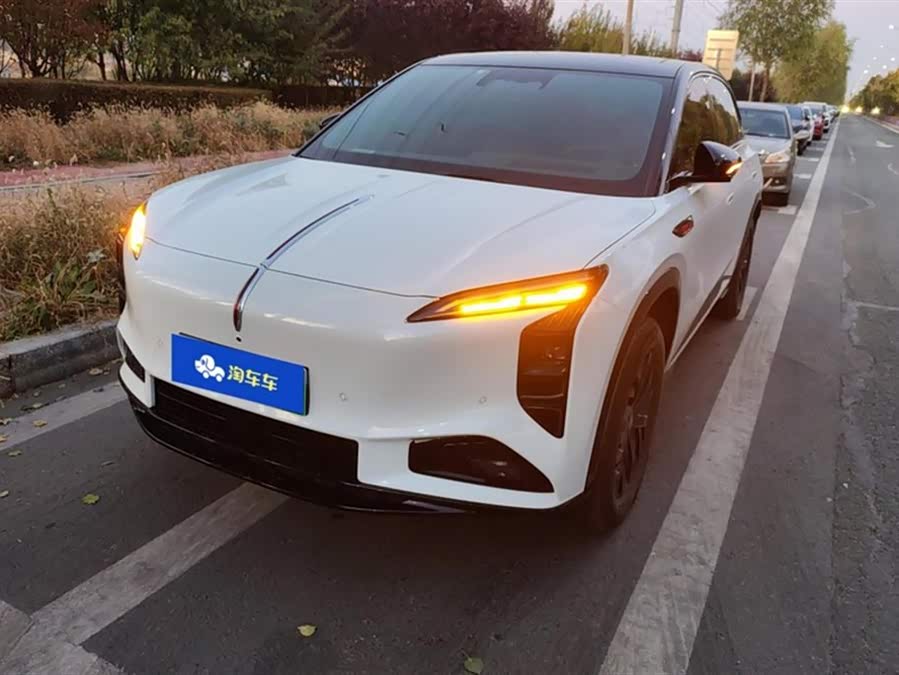
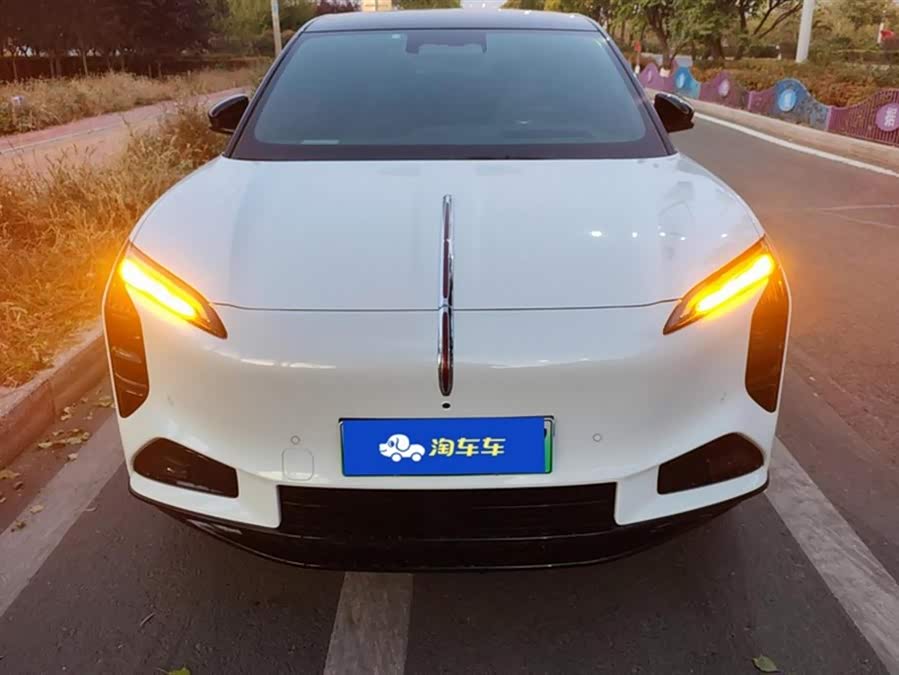
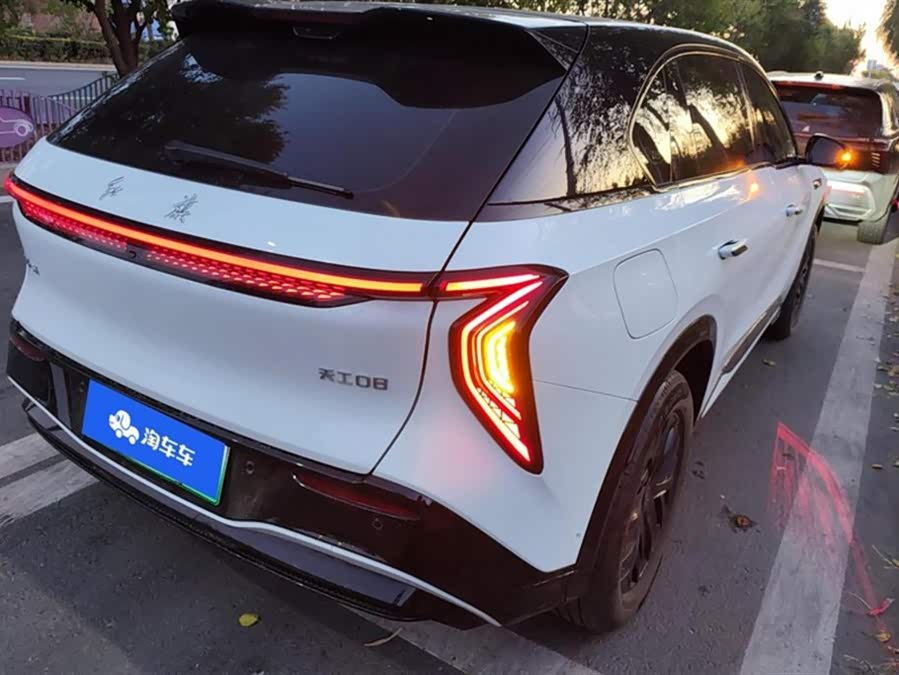
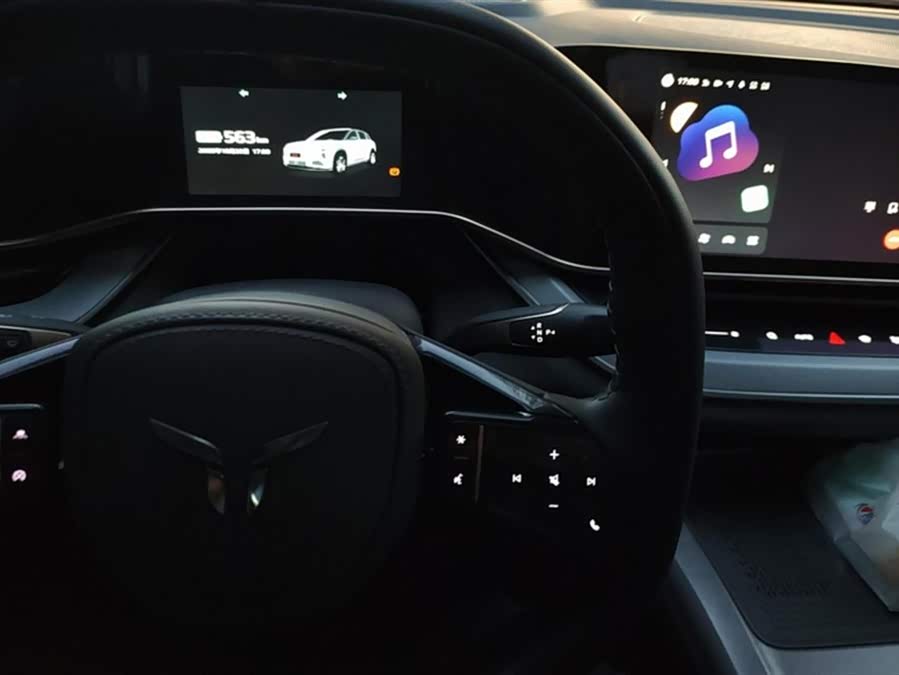



Basic Information

BrandHongQi
SeriesTianGong 08
Year2025
First Registration2025/08
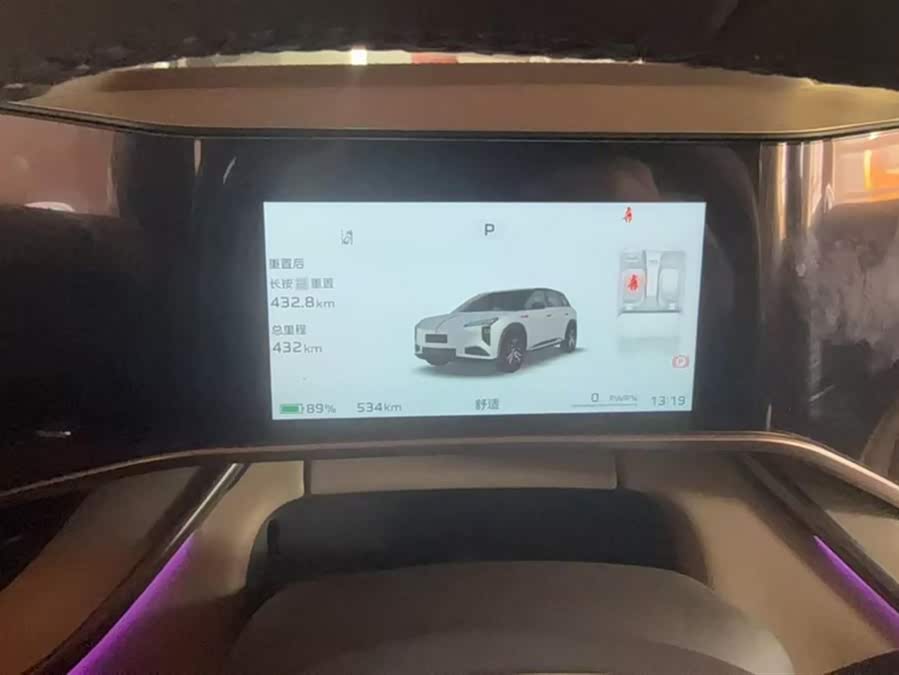
Mileage400km
Transfer Count1times
FuelElectric
TransmissionOther
Engine-
ColorWhite
Seats5seats

Condition Description

Excellent

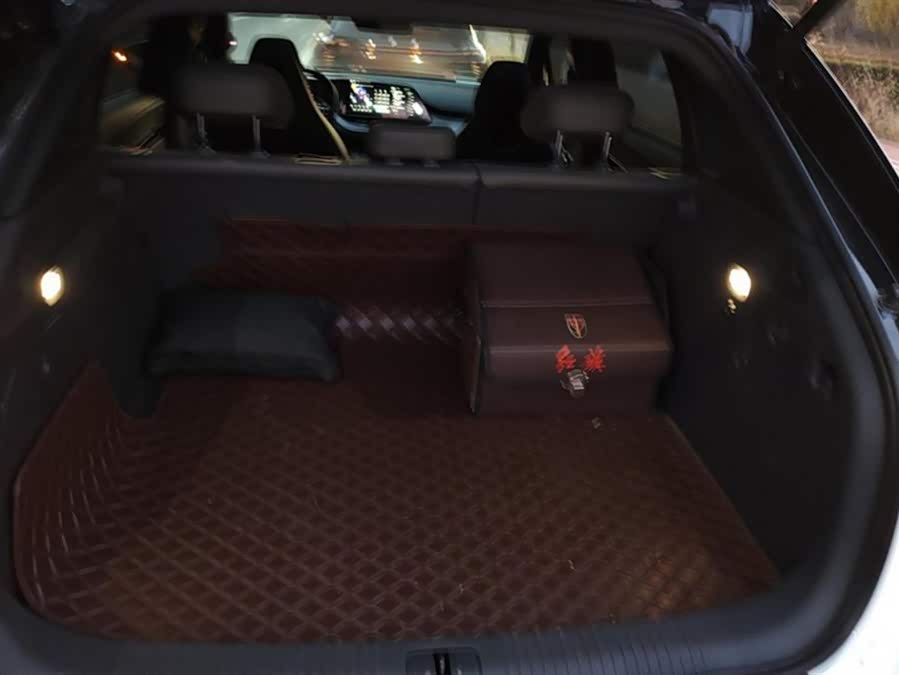
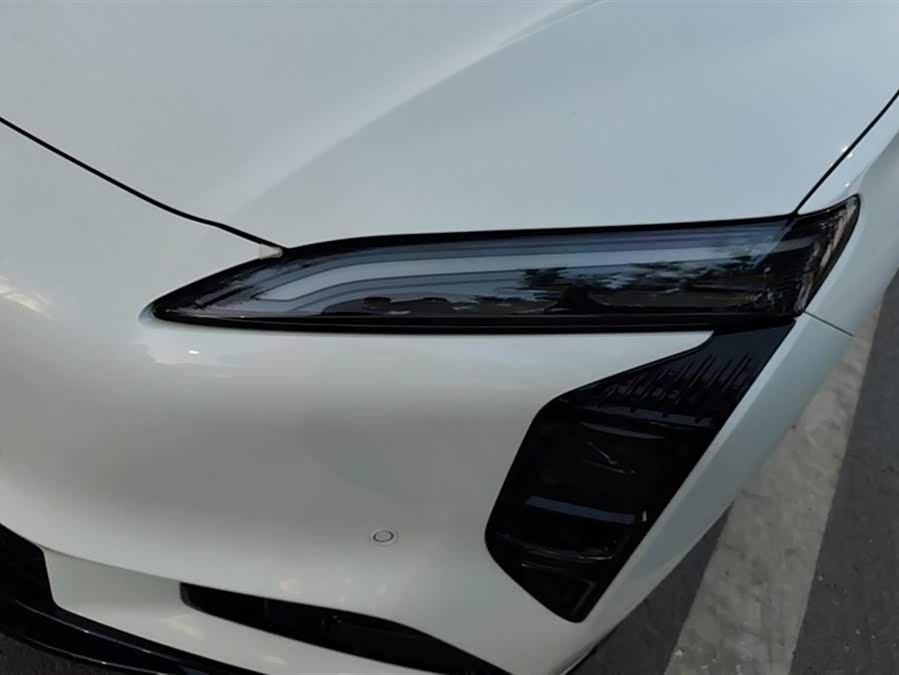
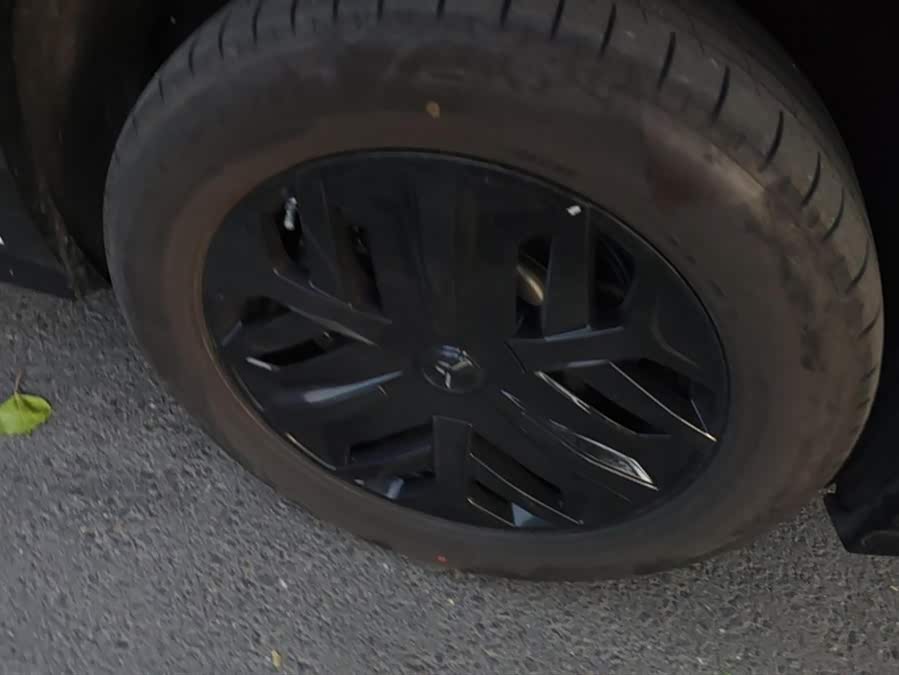
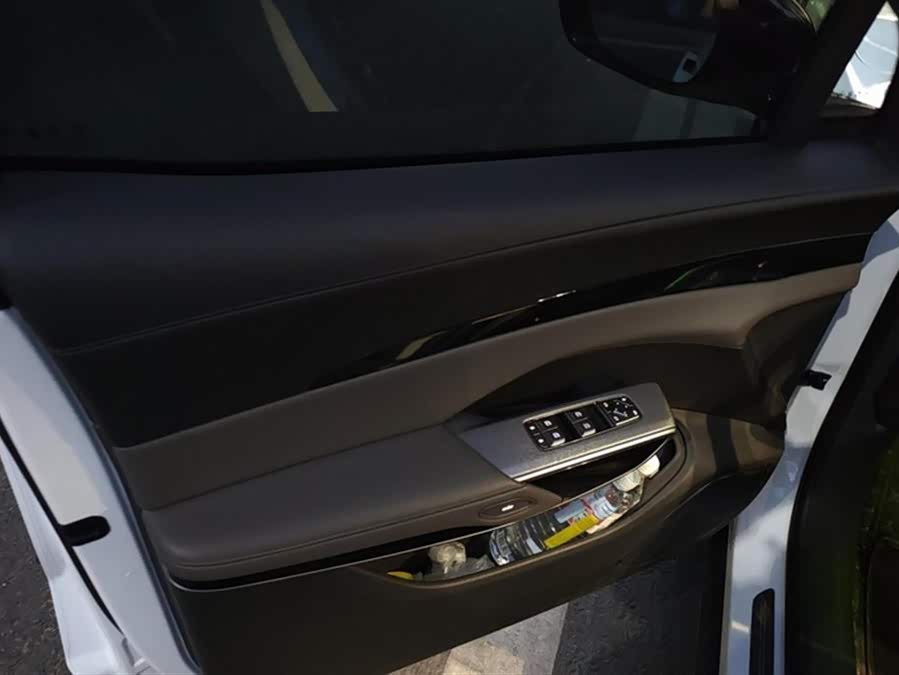
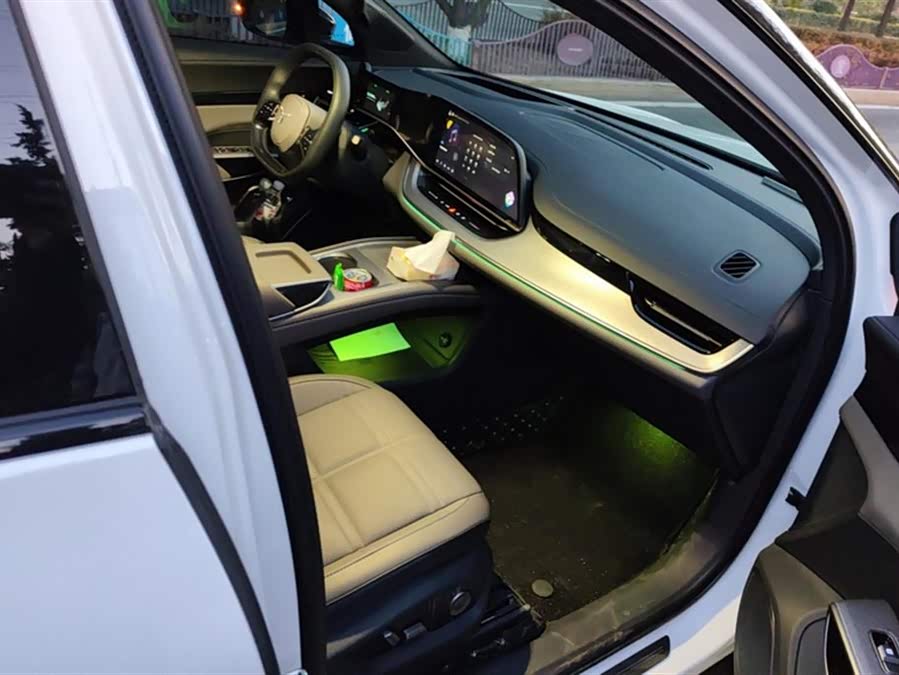
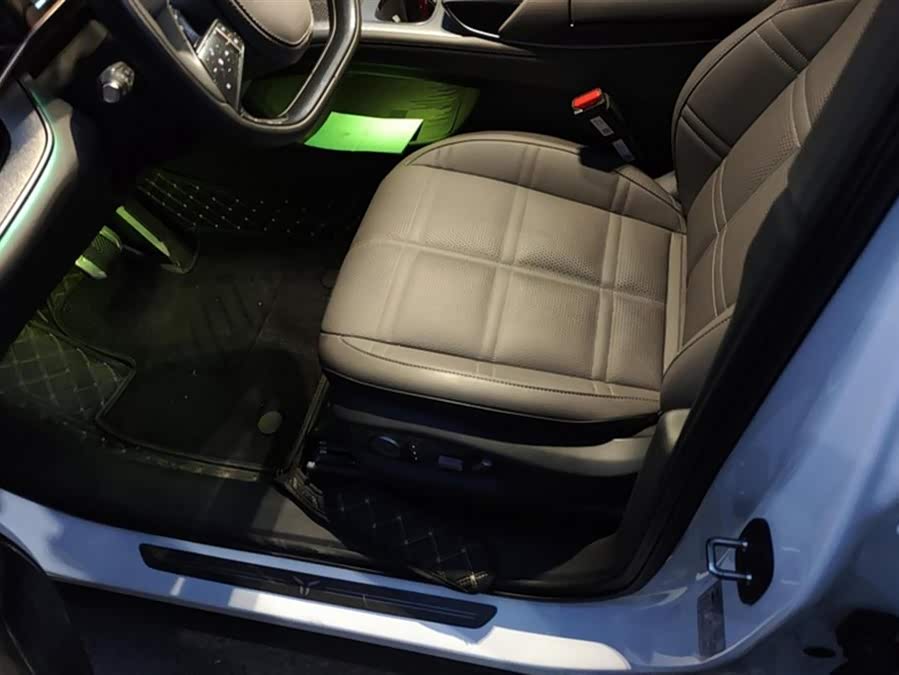
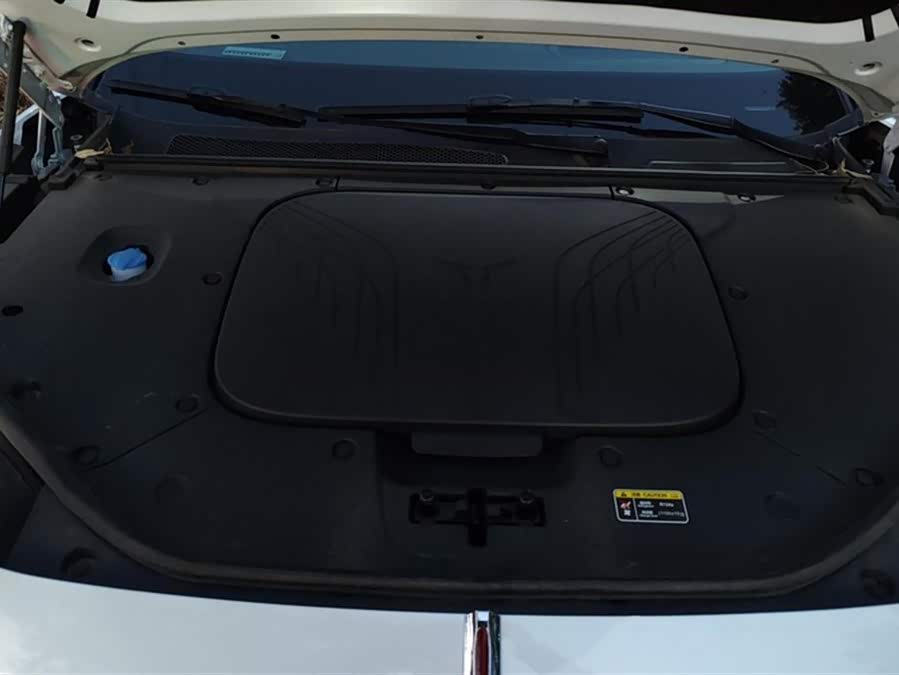
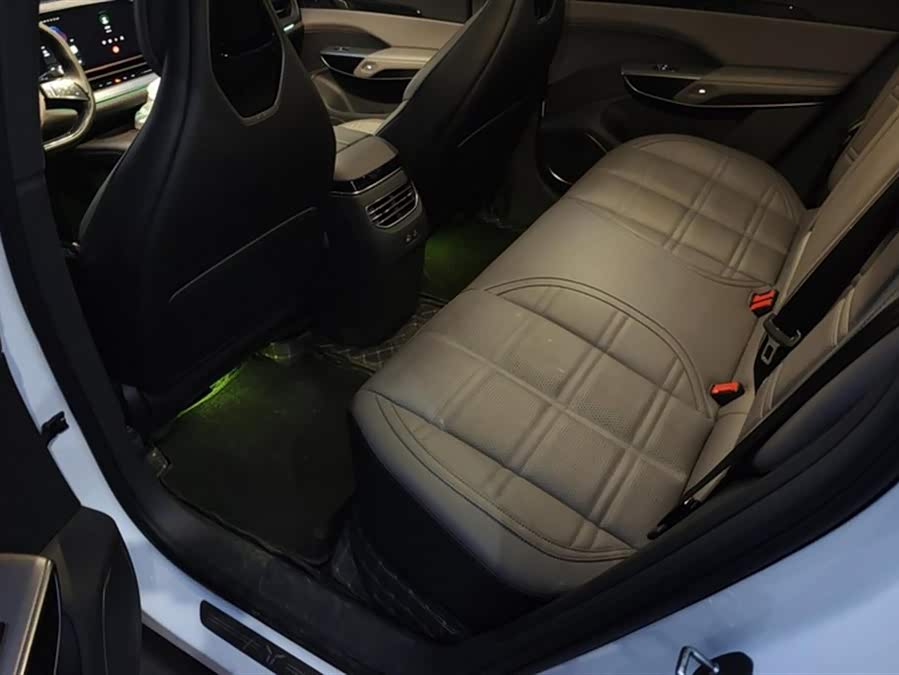
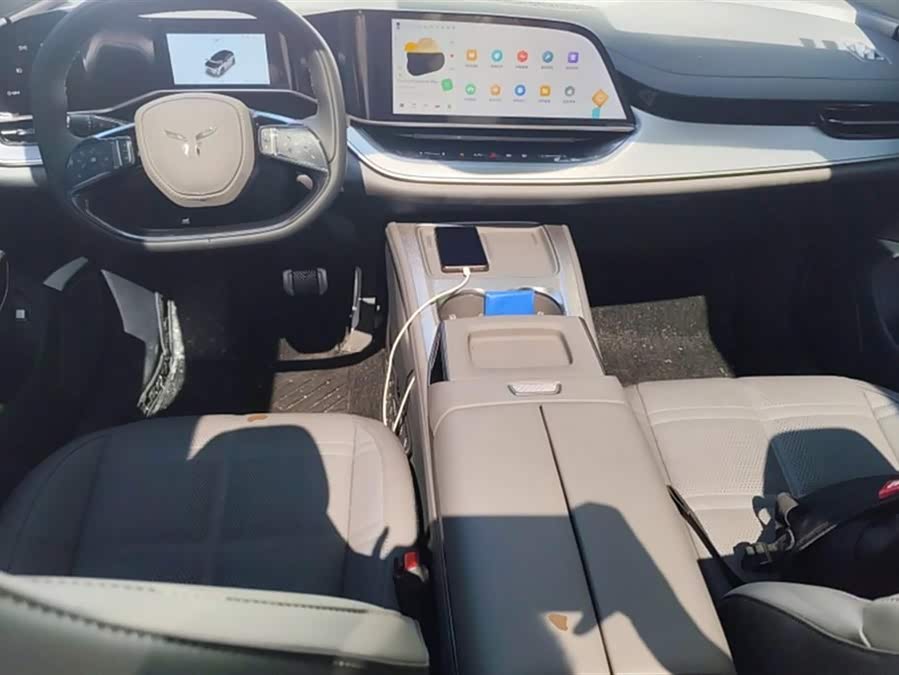
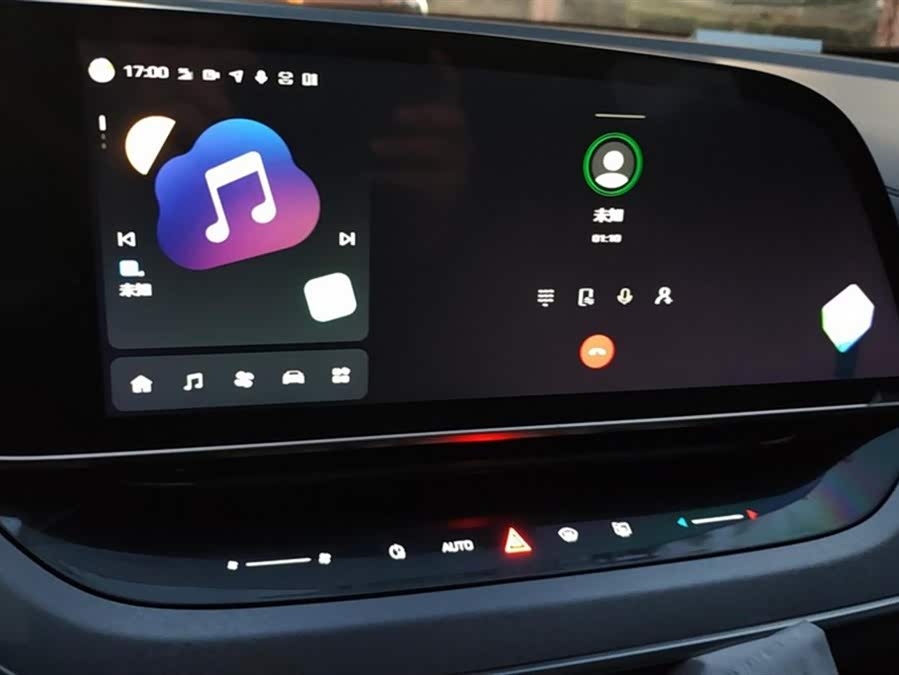
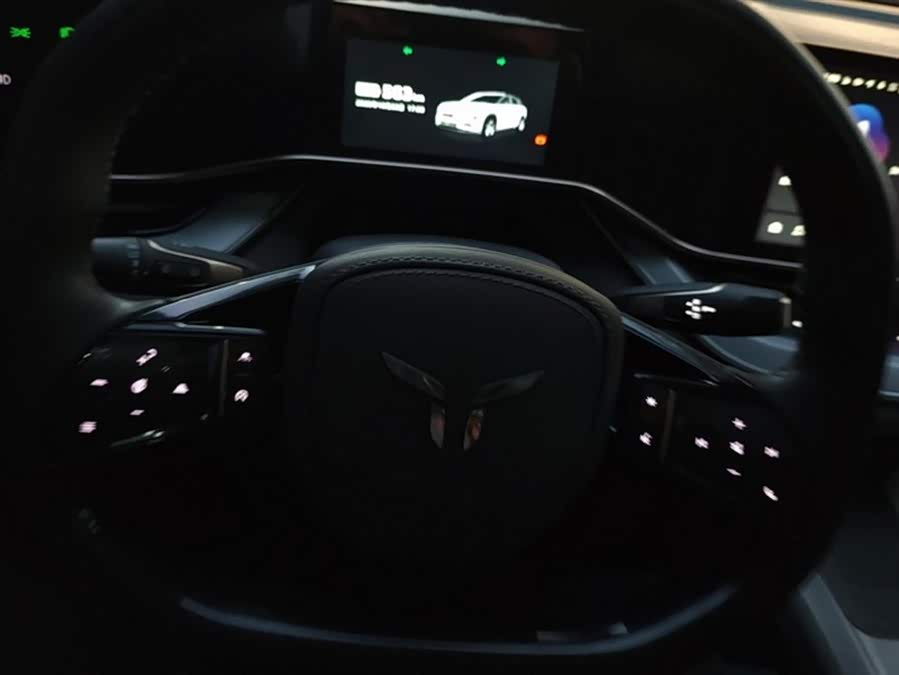
Vehicle Code: 135358595 Vehicle Information: Vehicle Name: Hongqi Tiangong 08 2025 605 Max Rear-Wheel Drive Version Vehicle Color: White Exterior | Dark Interior Registration Date: 2025|8 - Mileage: 0.04 million km Annual Inspection Expiry Date: 2026|8 - Compulsory Traffic Insurance Expiry Date: 2026|8 Purpose: Private Use Vehicle Documents: Vehicle and Vessel Tax, Registration Certificate, Purchase Tax Vehicle Overview: Exterior: Paint in good condition, high curb weight, ensuring aesthetics while improving paint durability; Interior: Interior thoroughly cleaned, removing signs of use and repairing wear. Ensures electric adjustment devices, audio, navigation, air conditioning, and other electrical equipment are functioning properly; Performance: Ensures vehicle stability and smooth driving, smooth engine operation, stable power transmission from the transmission, and effective braking and suspension; Safety: Vehicle structural components are intact;

Near-new car
Original factory warranty

Accident & Maintenance Records

Accident Record

🔗 Open Link

Maintenance Record

🔗 Open Link

Document Information

Inspection Expiry Date2026/08
Warranty Expiry Date-
Insurance Expiry Date2026/08

Q&A

More

Beyond the car price, what costs should I budget when importing a used car from China?

A realistic budget has several layers beyond the vehicle price. First, inland logistics in China: moving the car to the export port typically costs $300-$800. Second, export handling: inspection, customs declaration and paperwork usually add $500-$1,000. Third, ocean freight. A 20ft container to most destinations runs $1,200-$3,000 depending on route; RoRo shipping can be cheaper for driveable cars. Add marine insurance, usually 0.3%-0.5% of the car value. Fourth, destination charges: port handling, customs duties, VAT/GST and local registration fees. These vary widely; some countries charge duties of 20%-80% of the vehicle value plus an excise based on engine capacity. Finally, any compliance work: inspection certificates, modifications to meet local standards, or homologation. Ask your exporter for a full CIF quote and have a local customs broker confirm destination taxes before you commit.

What insurance should I arrange when shipping a used car from China, and what do Incoterms like FOB and CIF mean for me?

Two separate protections matter: cargo insurance and contractual risk transfer. Cargo insurance: for container or RoRo shipments, buy marine cargo insurance covering total loss and damage, typically 110% of the CIF value (average cost 0.3%–0.8%). Check exclusions — many policies exclude pre-existing damage, so a pre-shipment inspection report is essential to prove the car's condition at loading. Incoterms define who bears risk and cost at each stage: 1. FOB (Free On Board): exporter pays until the car is loaded on the vessel; risk passes to you at that point. You pay ocean freight and insurance. Common and usually cheapest if you have your own freight forwarder. 2. CIF (Cost, Insurance and Freight): exporter pays freight and minimum insurance to your port. Convenient but the insurance coverage is basic — consider topping it up. 3. EXW (Ex Works): you handle everything from the exporter's yard; only choose this if you have a trusted agent in China. Put the agreed Incoterm and port clearly in the contract, and never release final payment before the Bill of Lading is issued.

Is the freight from port to port calculated per vehicle or by volume (CBM)?

RoRo ships usually charge based on the vehicle's volume (length x width x height, calculated in CBM) in tiers; container shipping has a fixed compartment price. We will calculate which method is the most economical for the current sailing.

HongQi TianGong 08

红旗天工08 2025款 605 Max后驱版

EXW: $24,000
Car CodeSWA1479428
Publish Date2025/11/05