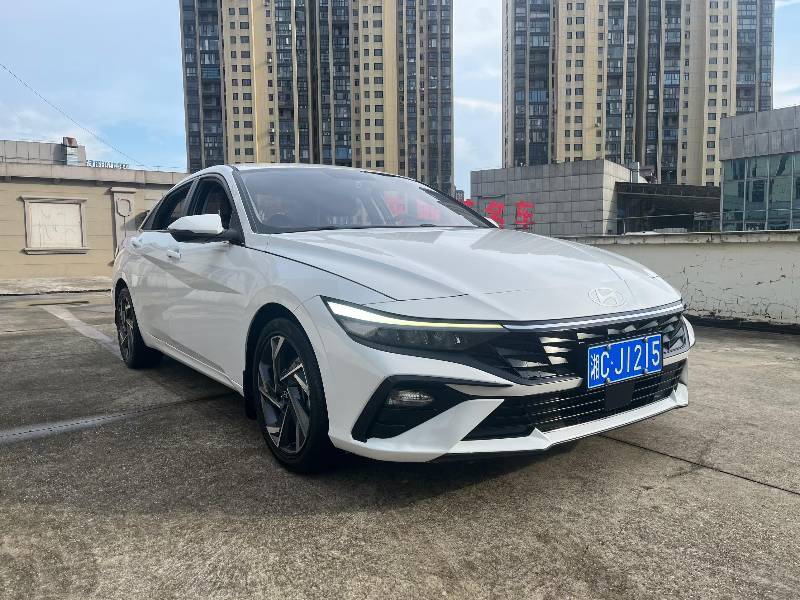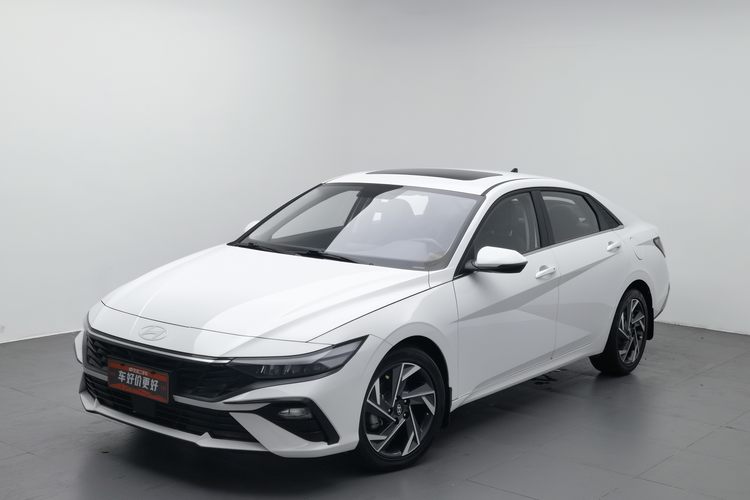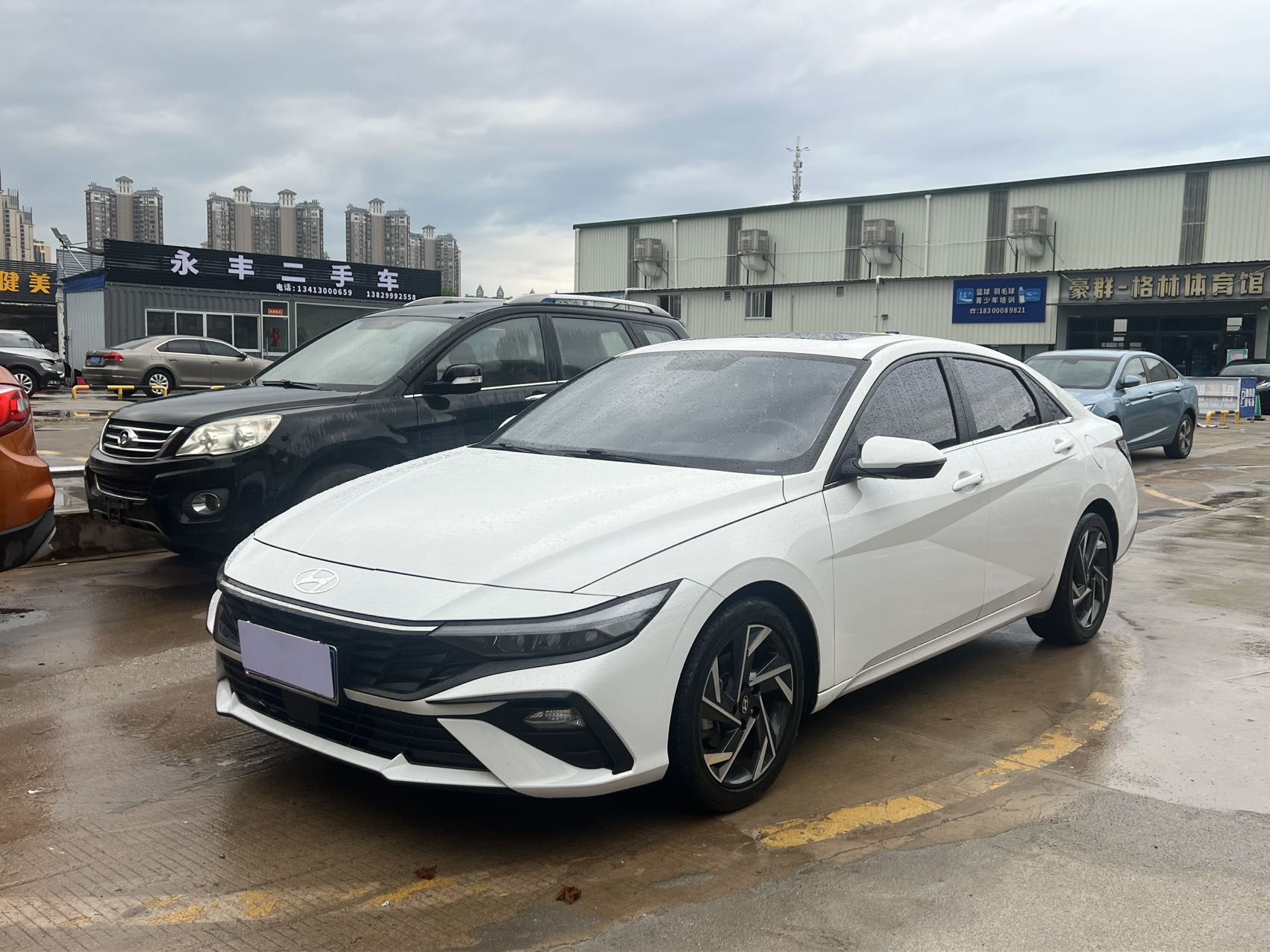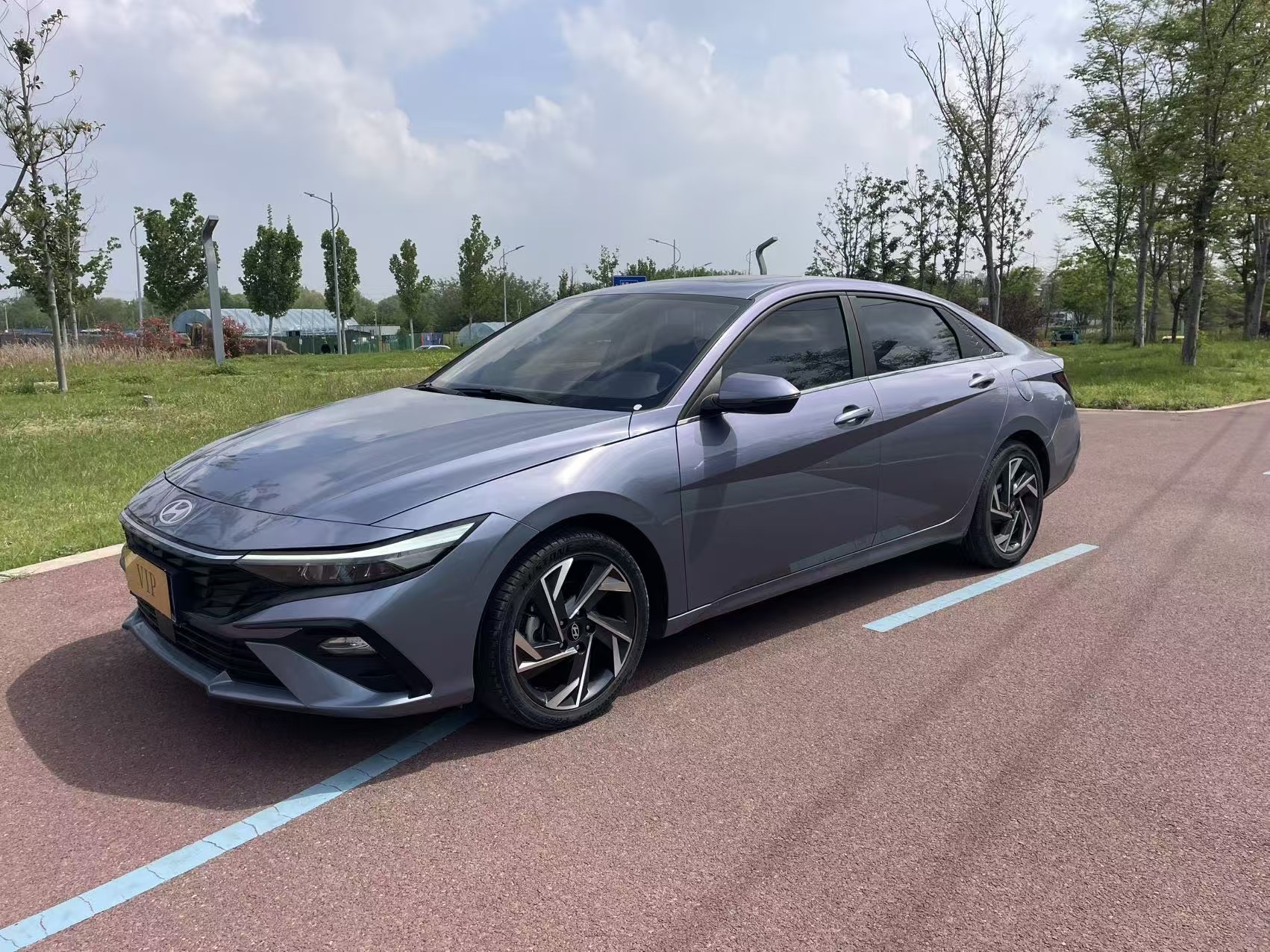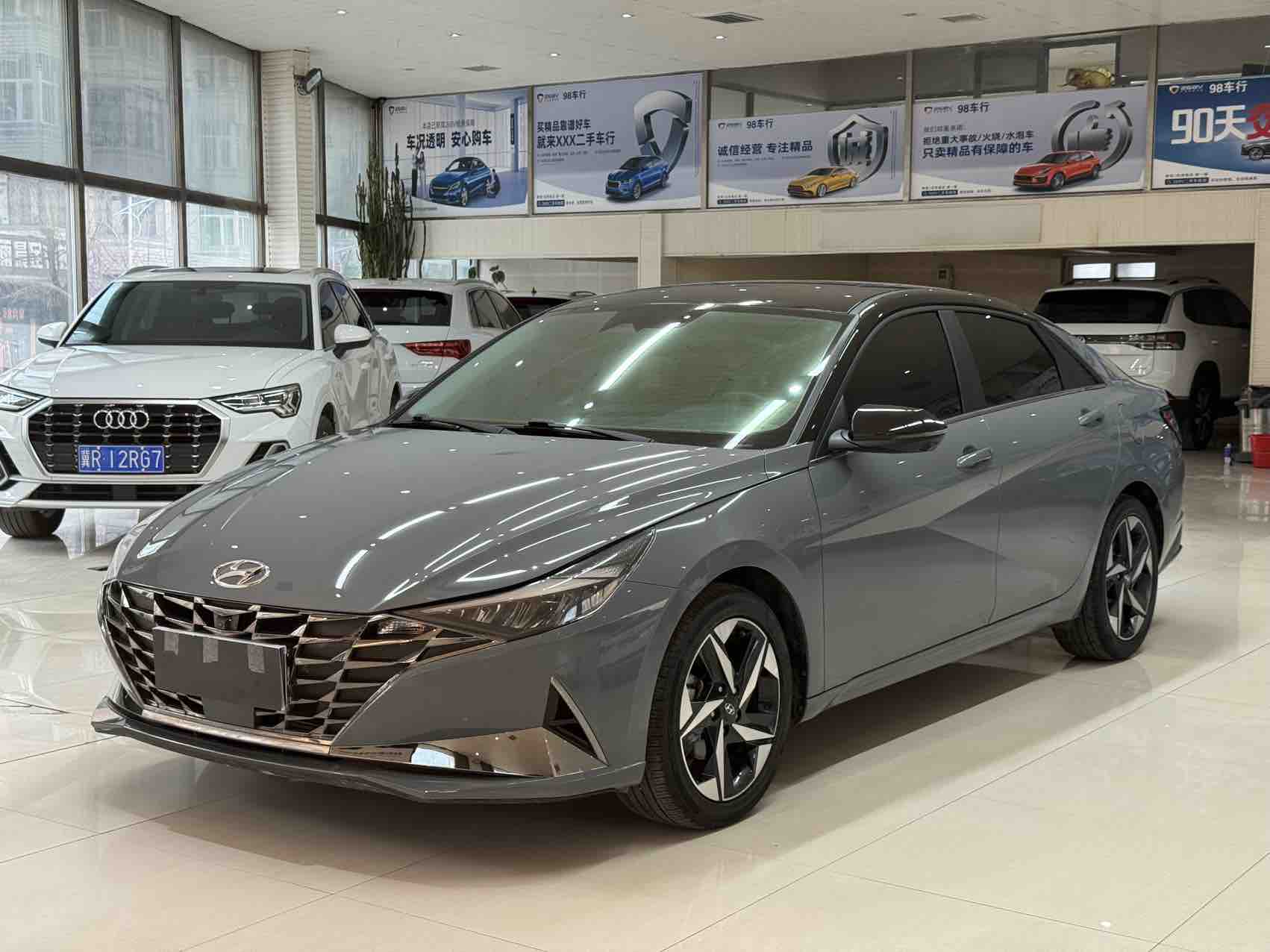
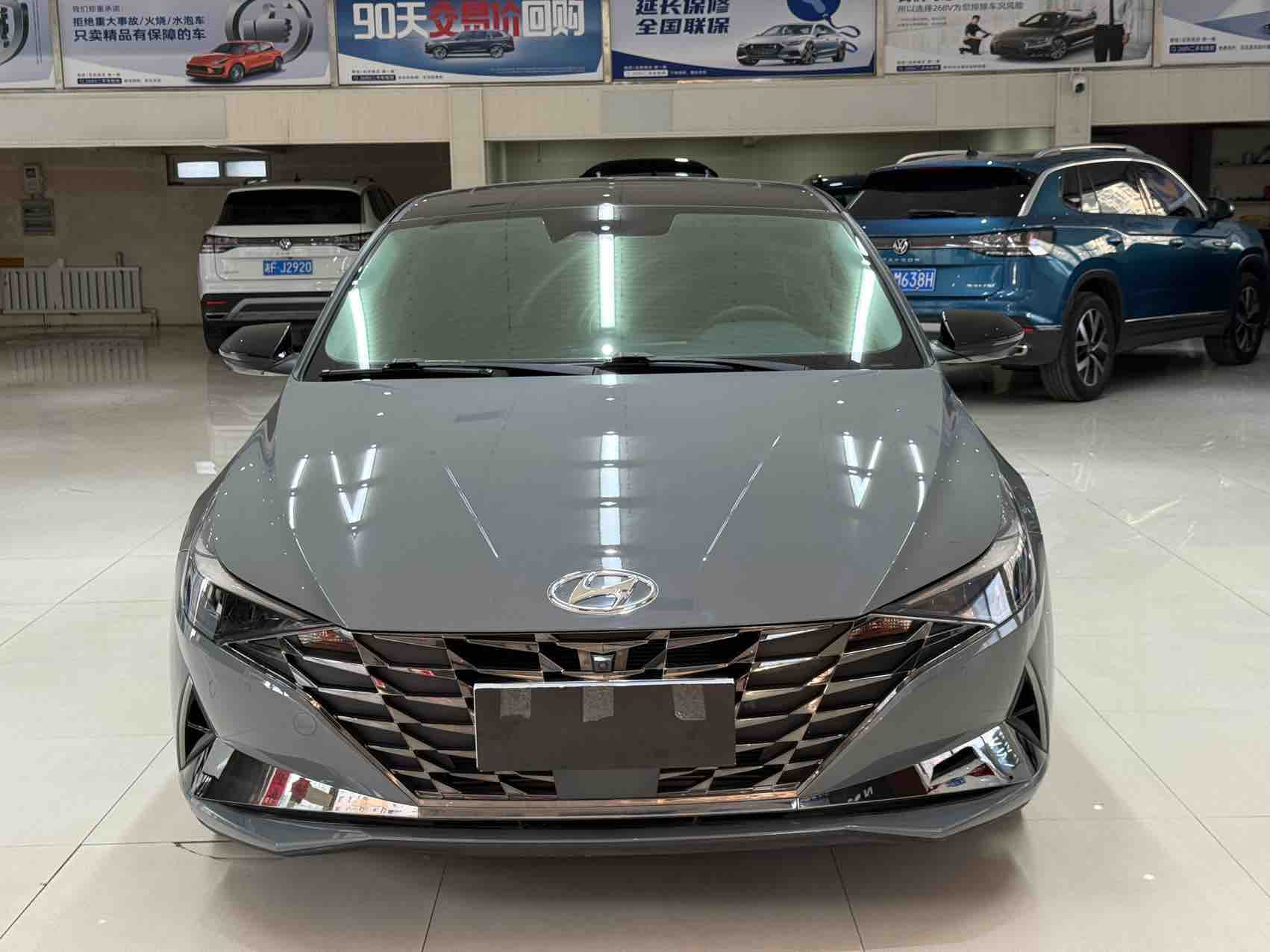
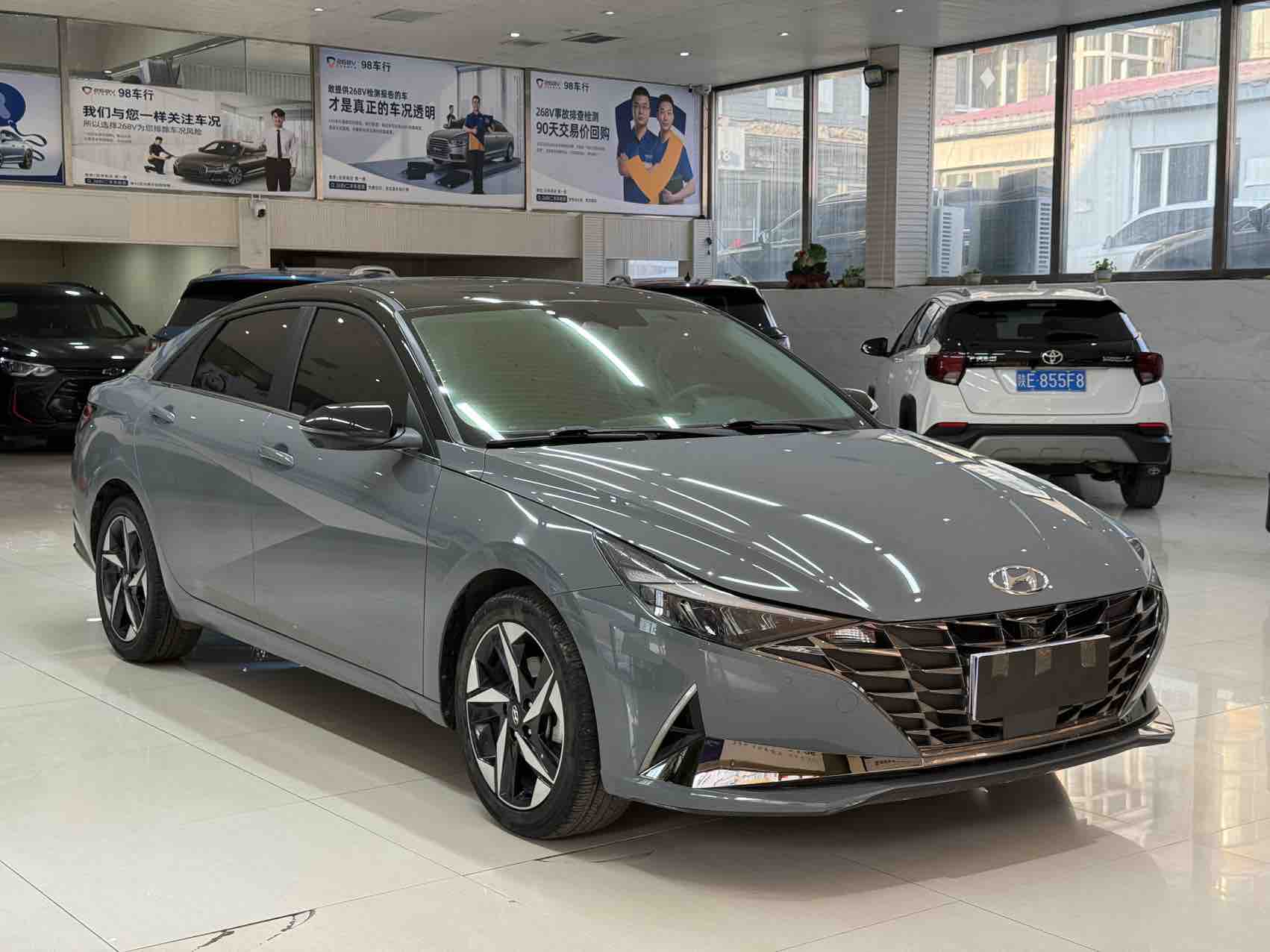
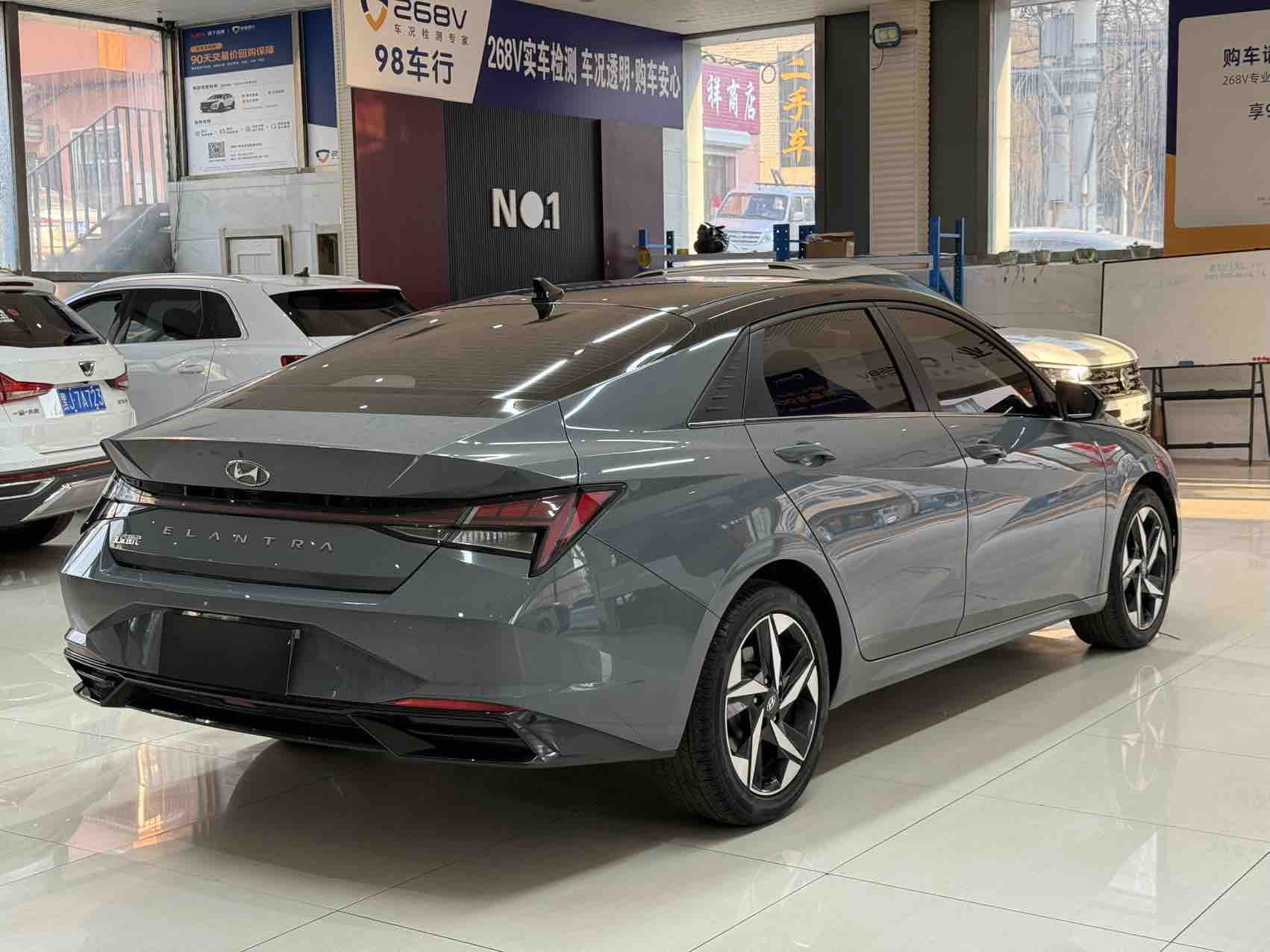
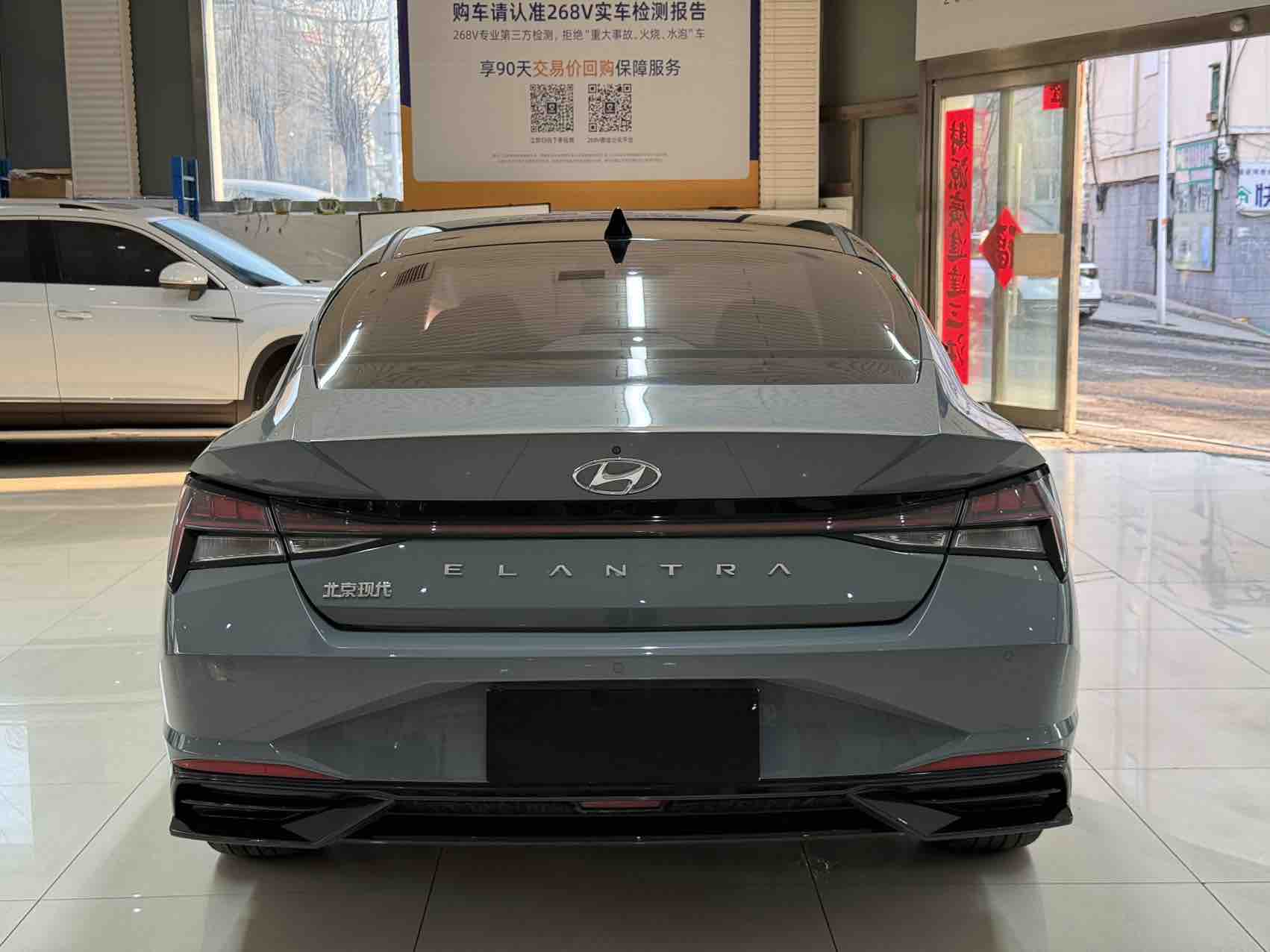
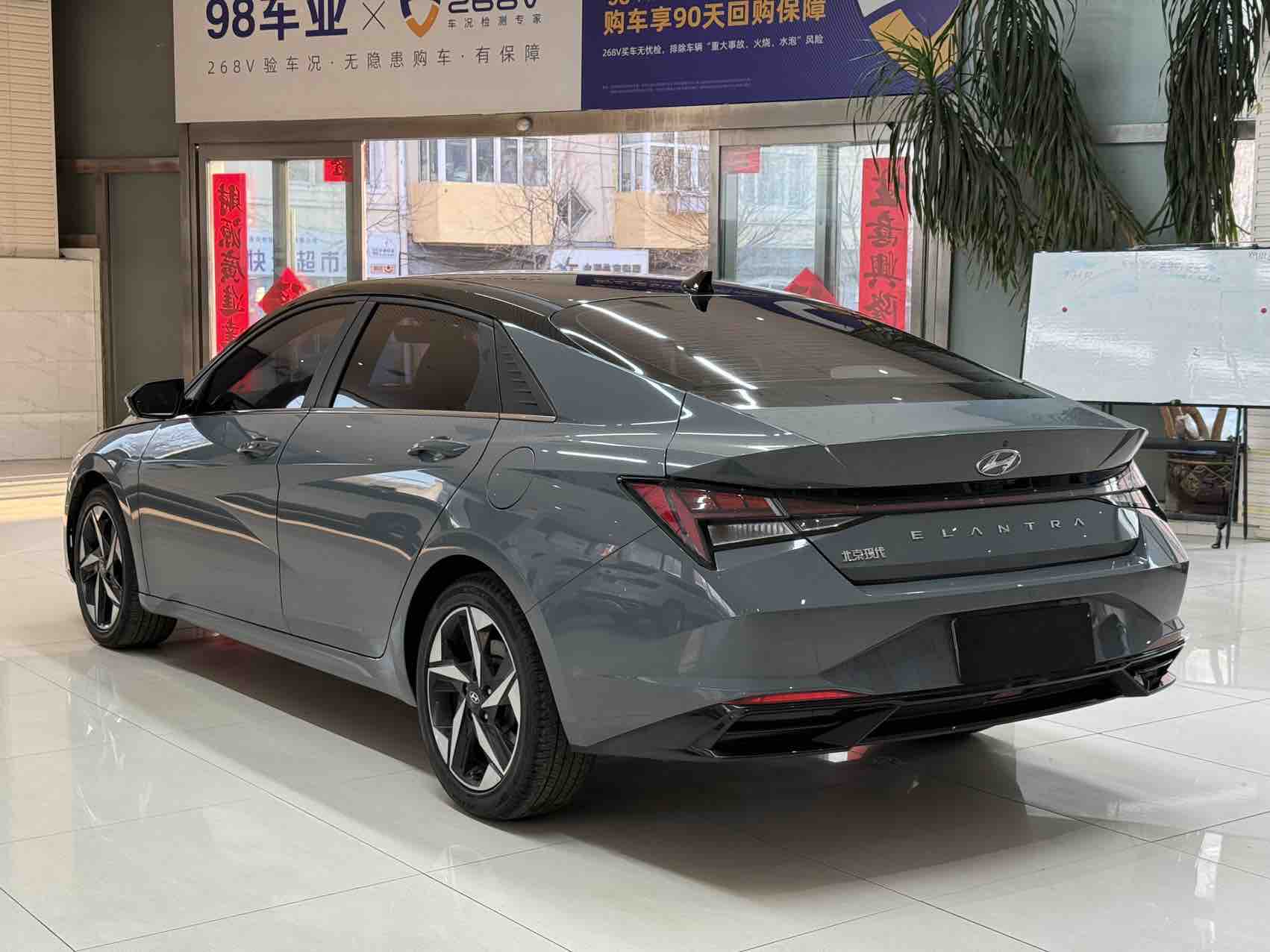
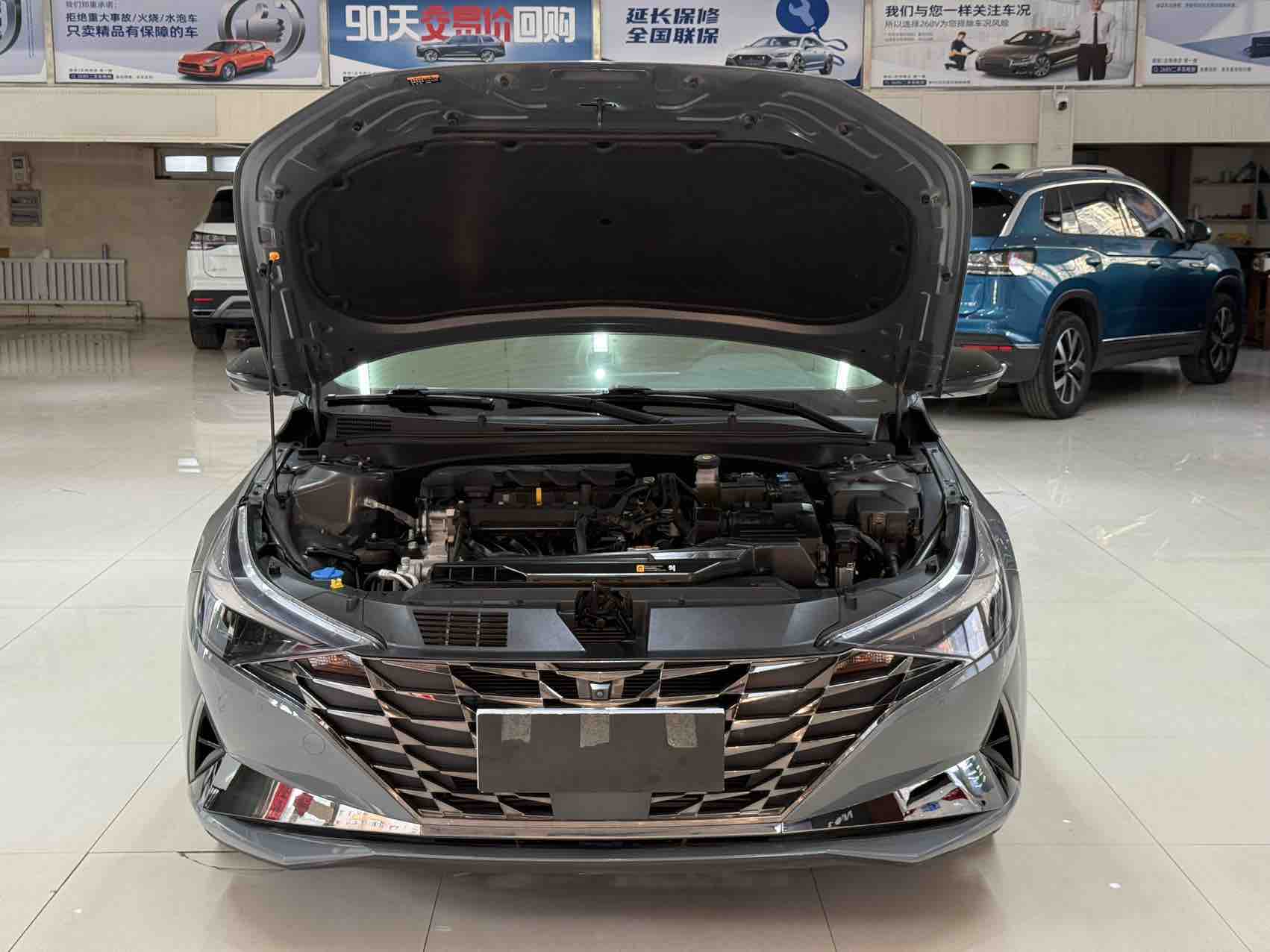
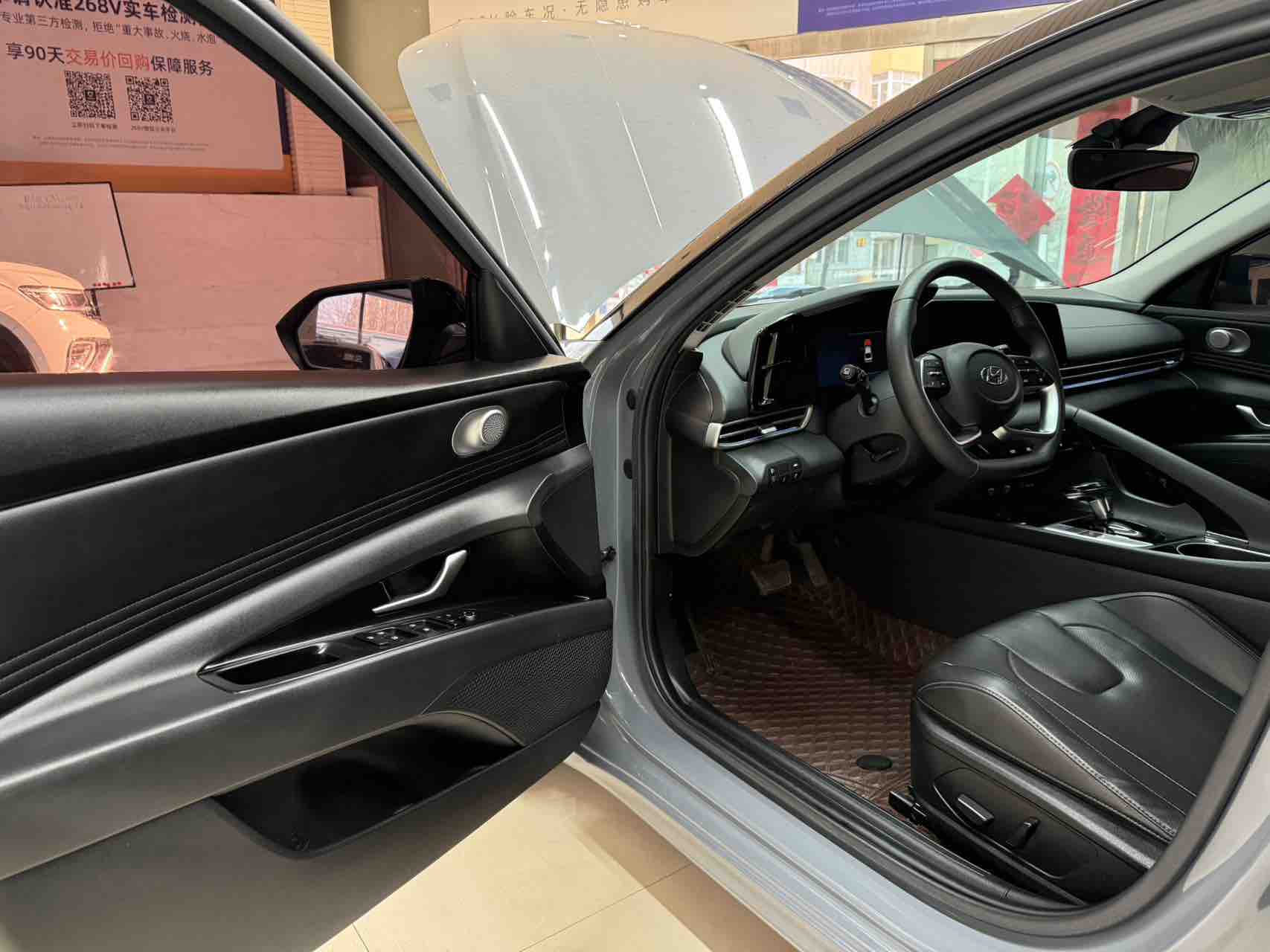
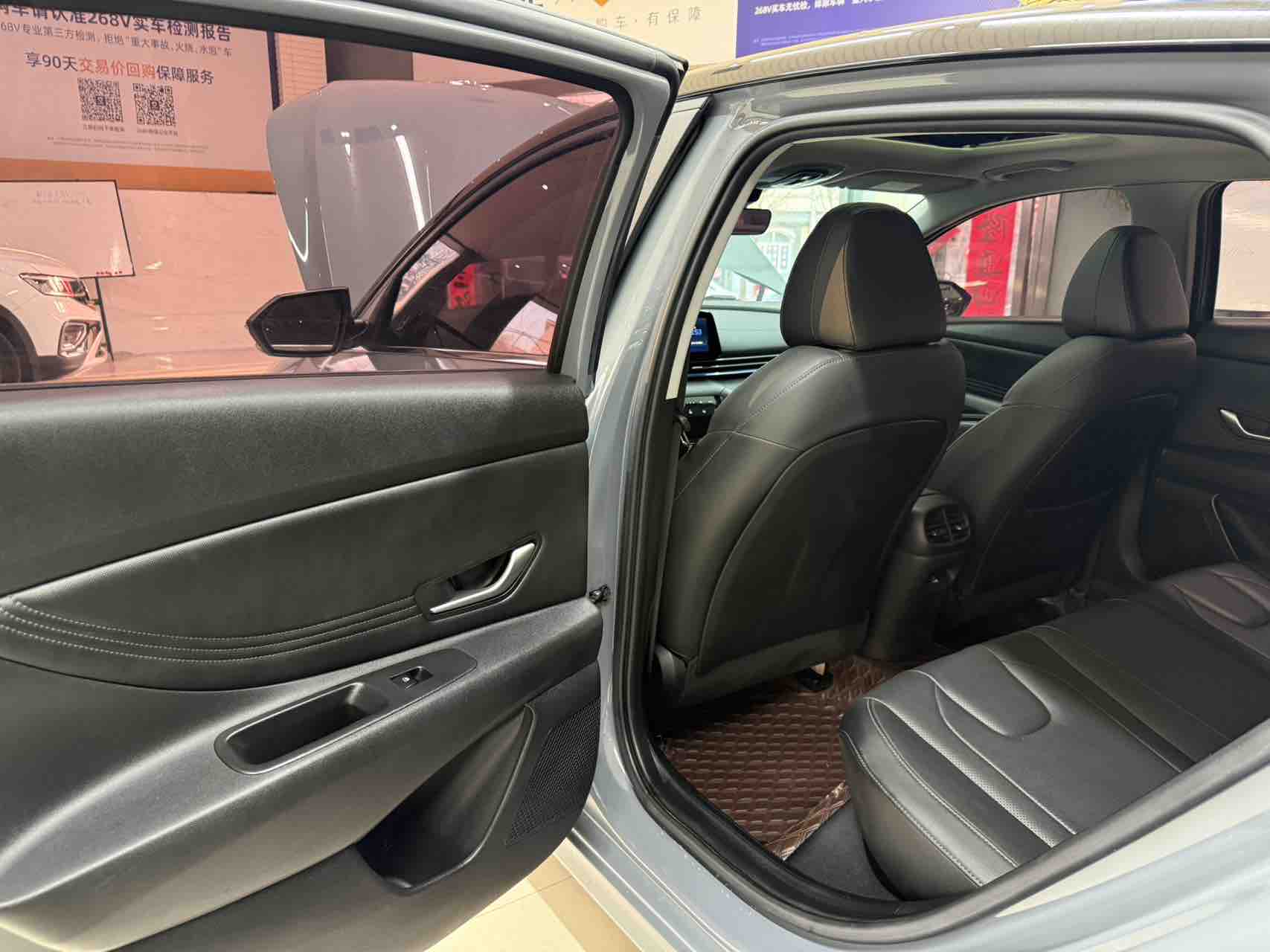
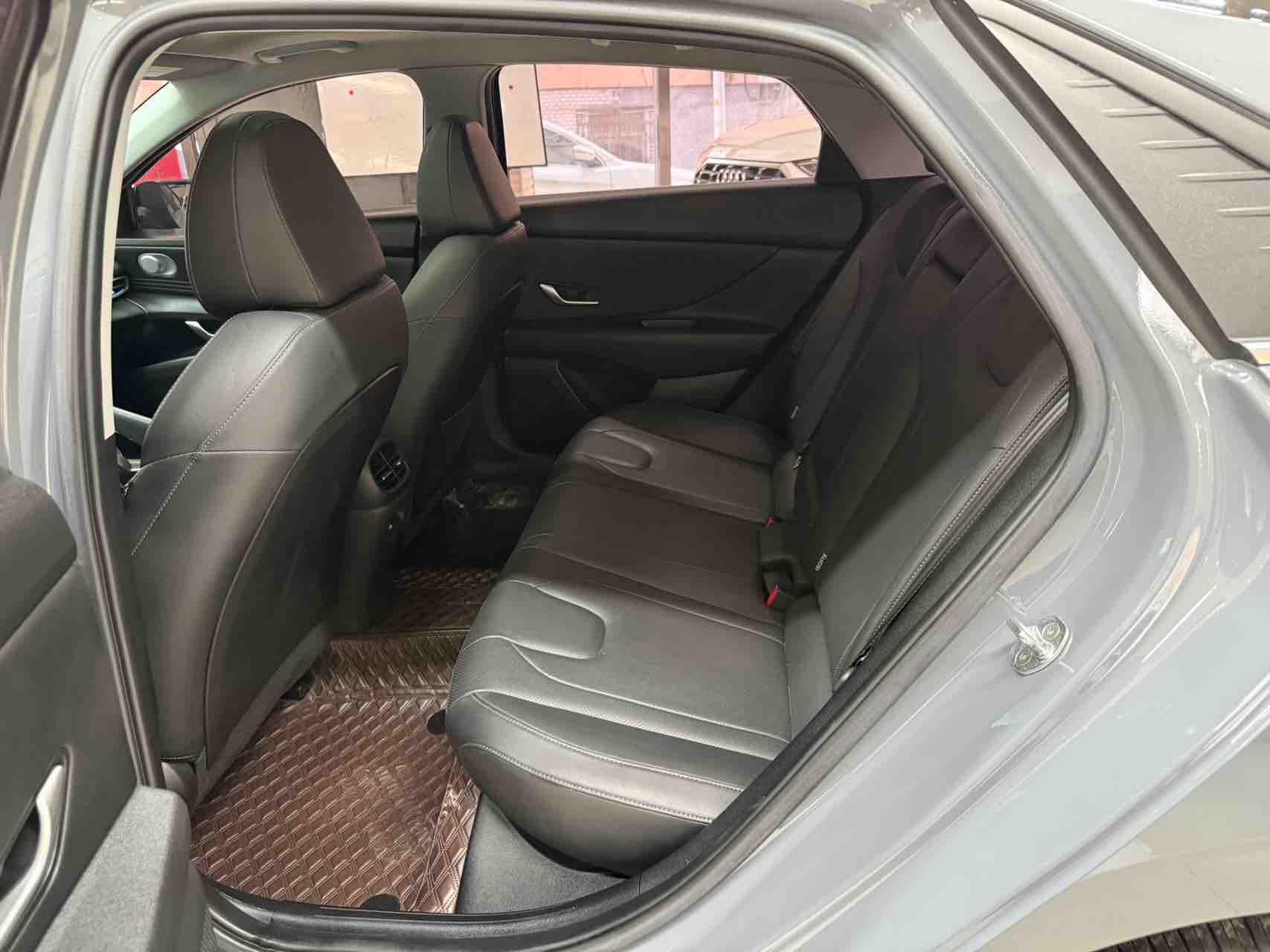
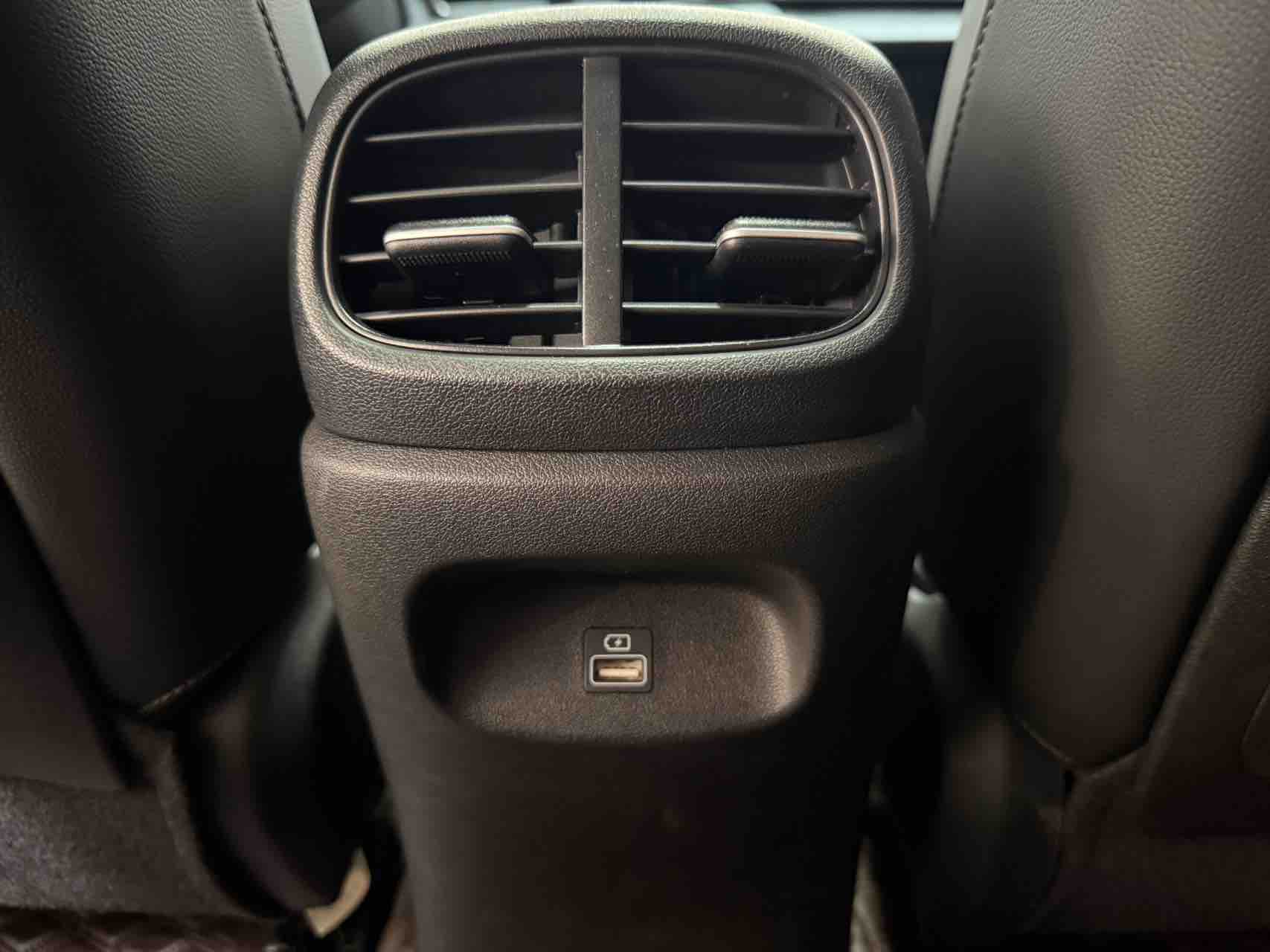
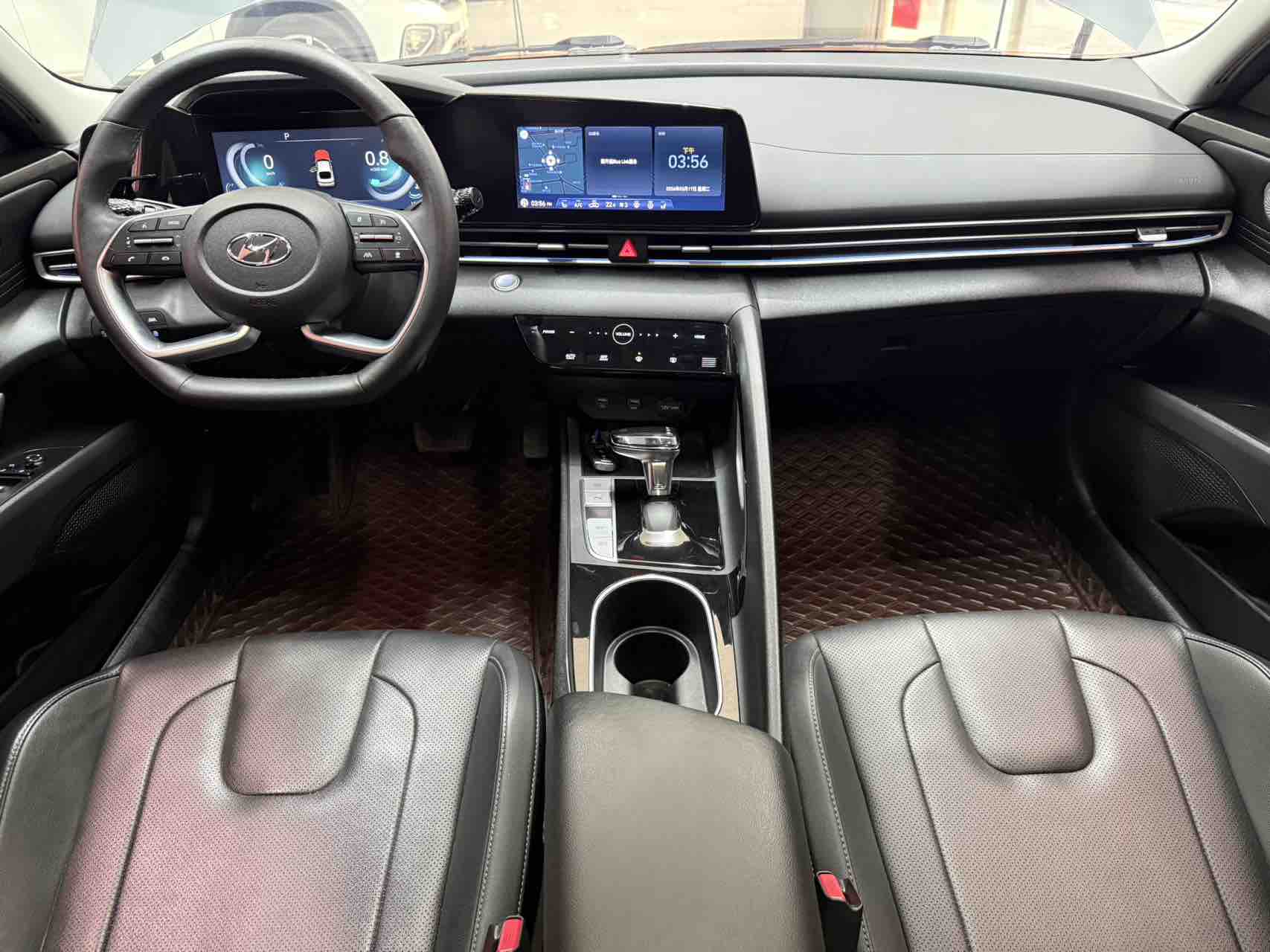
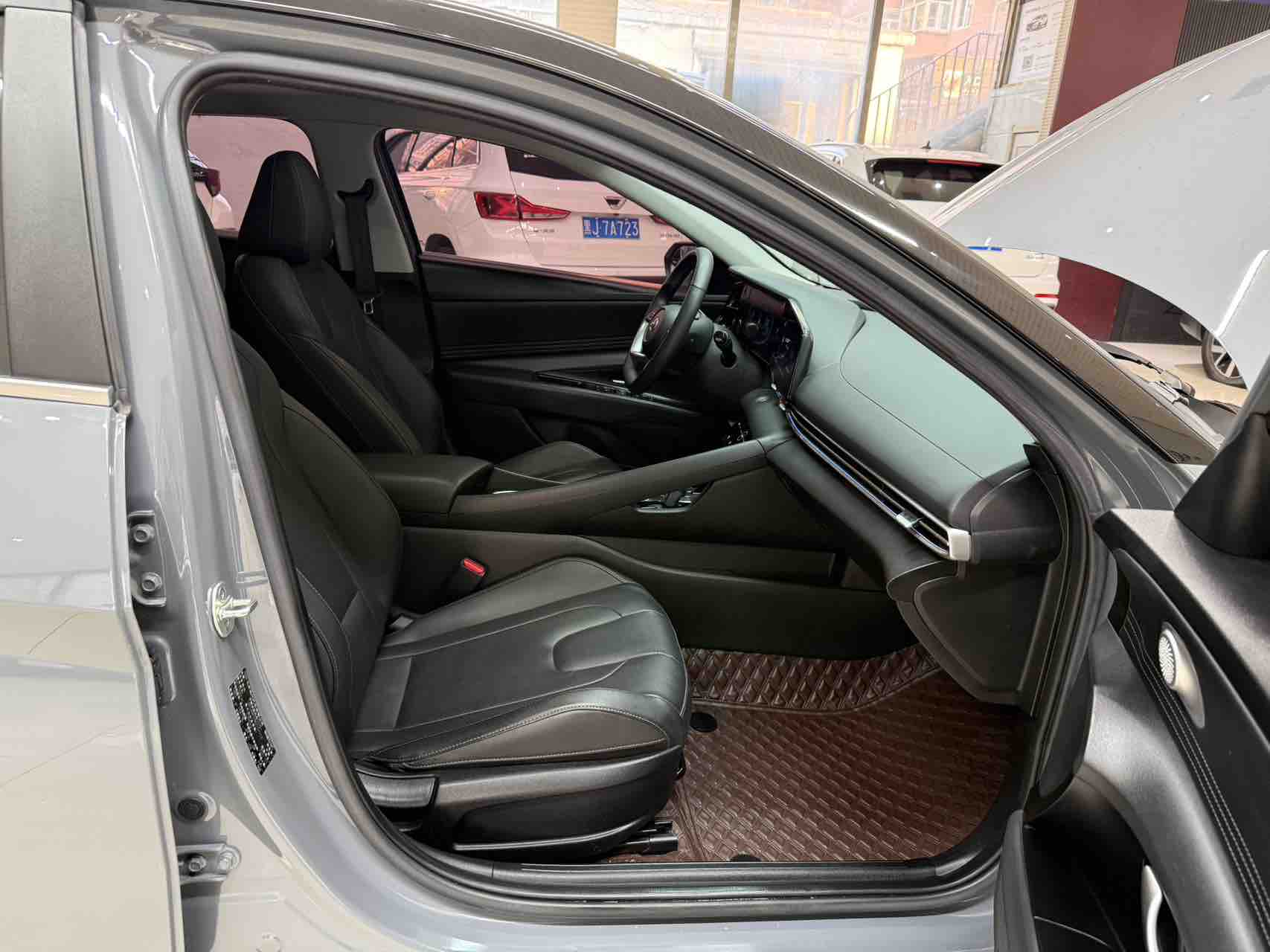
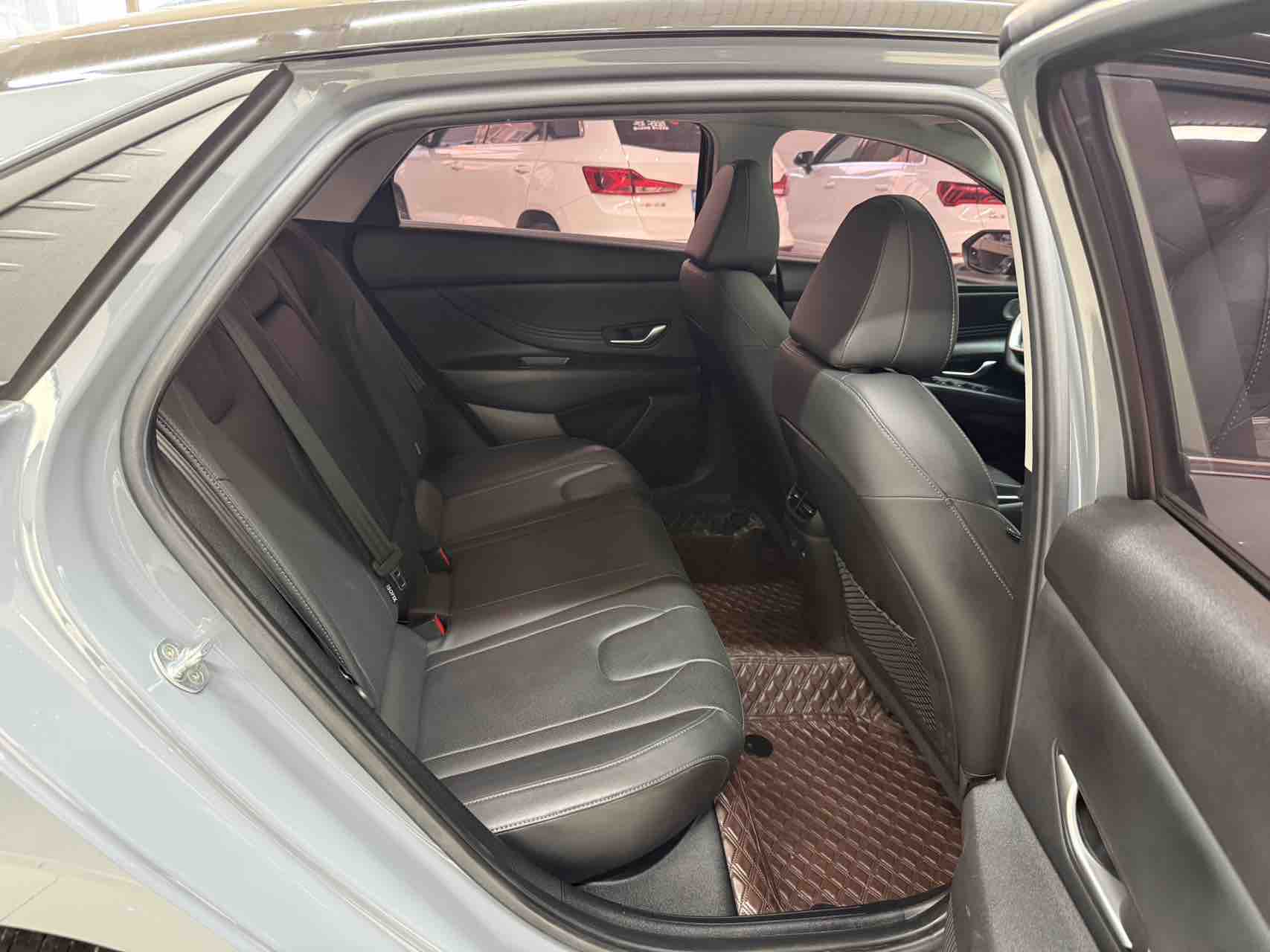
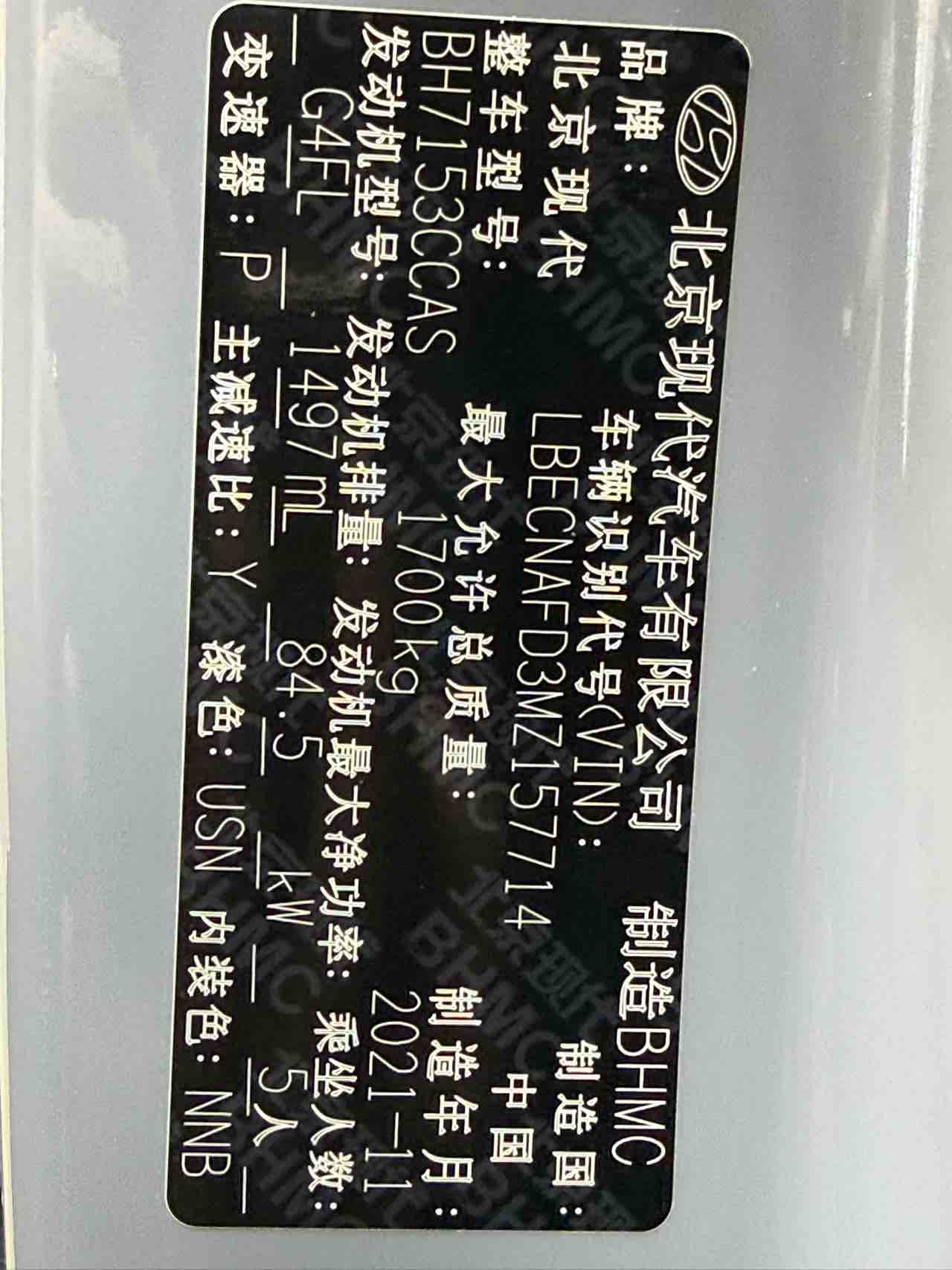
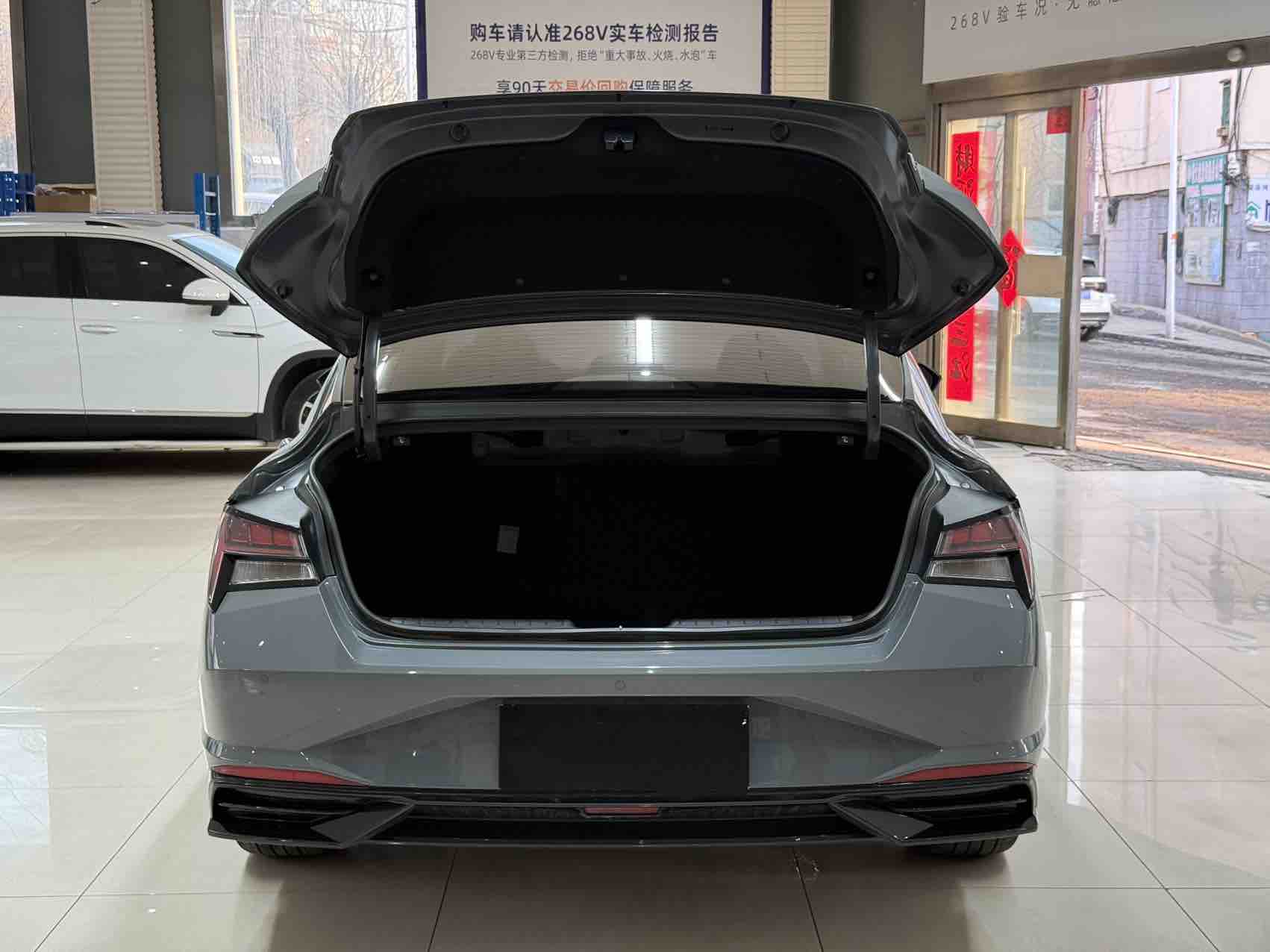



Basic Information

BrandHyundai
SeriesElantra
Year2021
First Registration2021/12
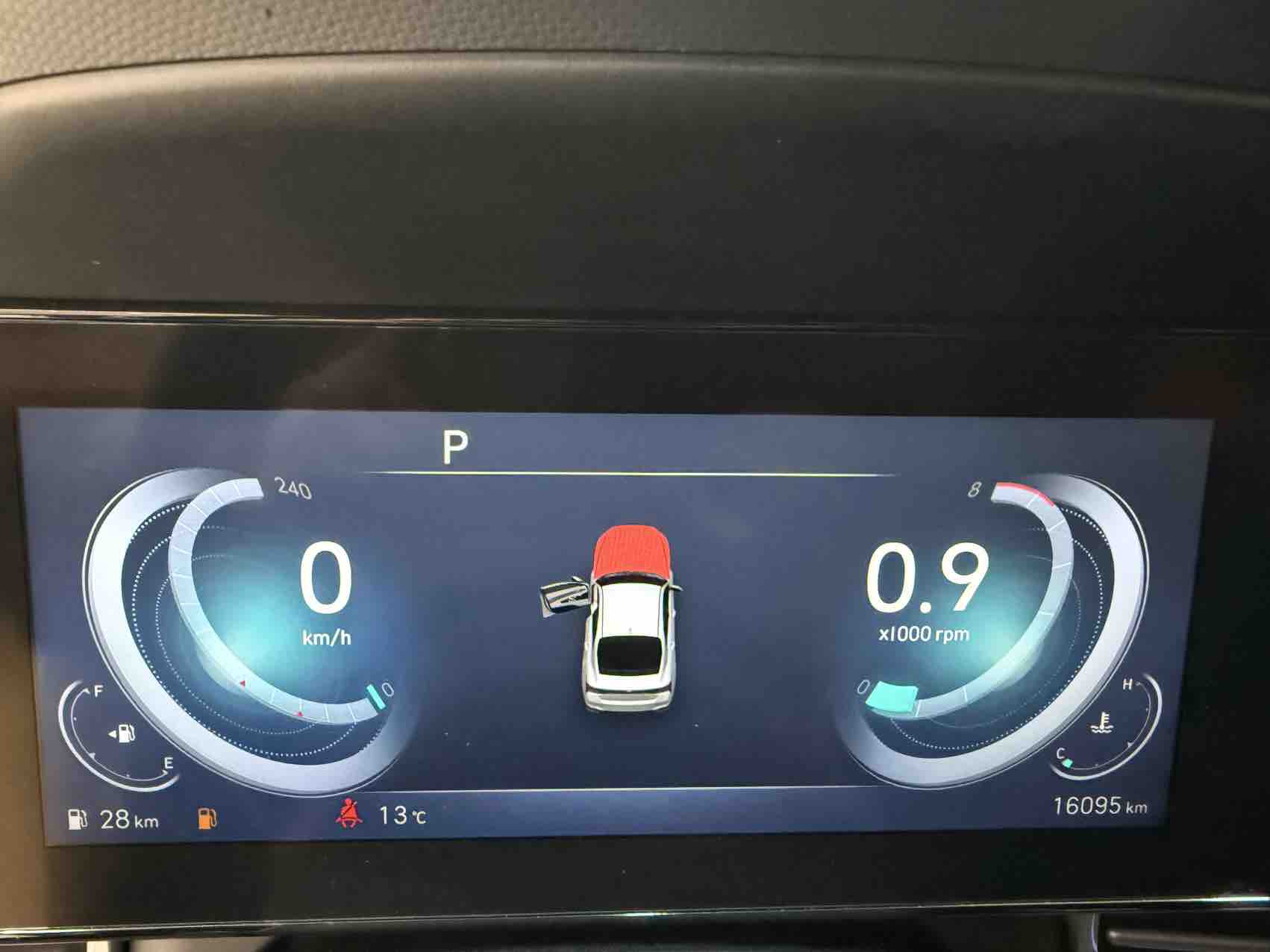
Mileage1.5km
Transfer Count-
FuelGasoline
TransmissionCVT
Engine1.5L 115 L4
ColorGrey
Seats-

Condition Description

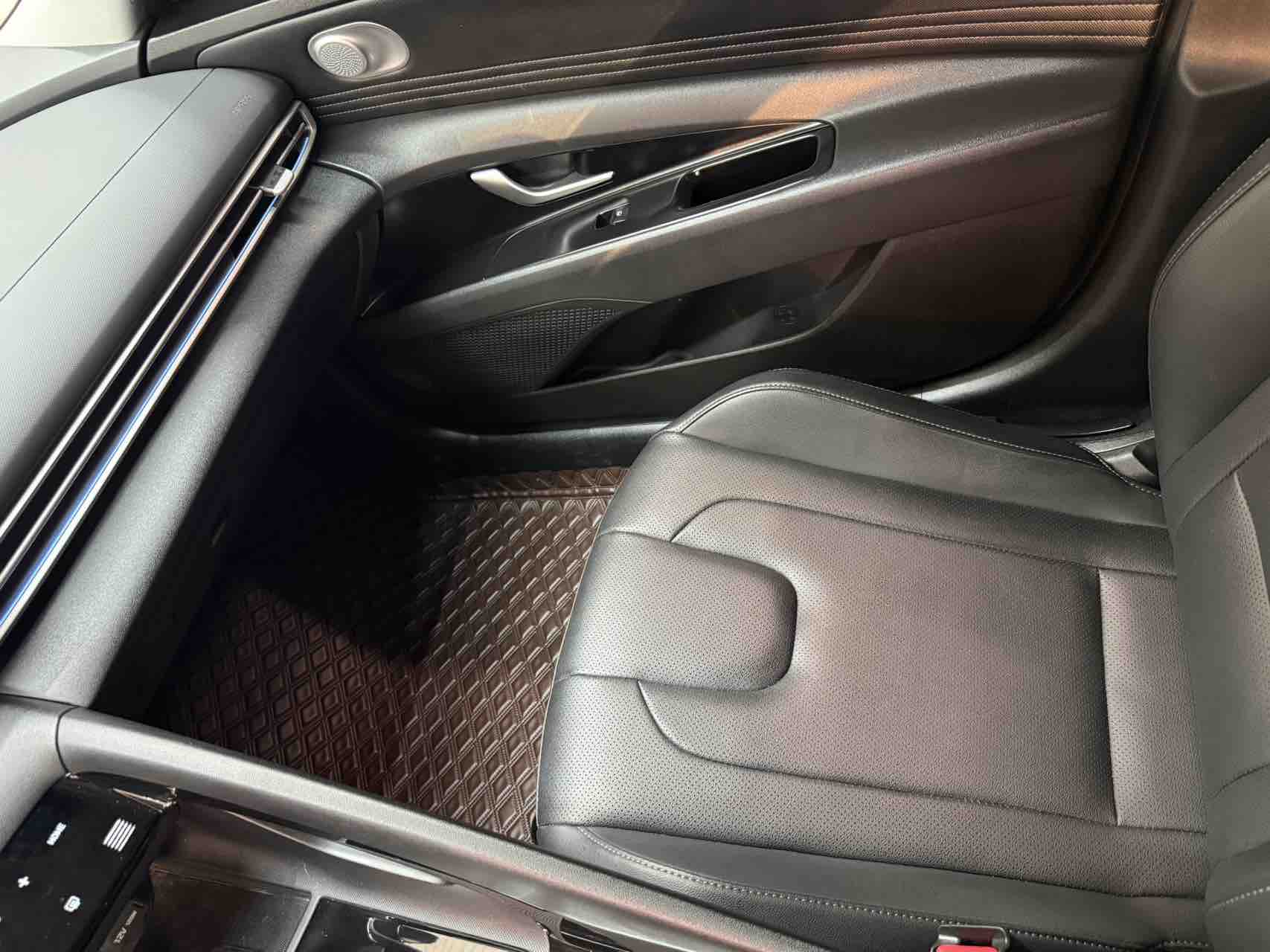
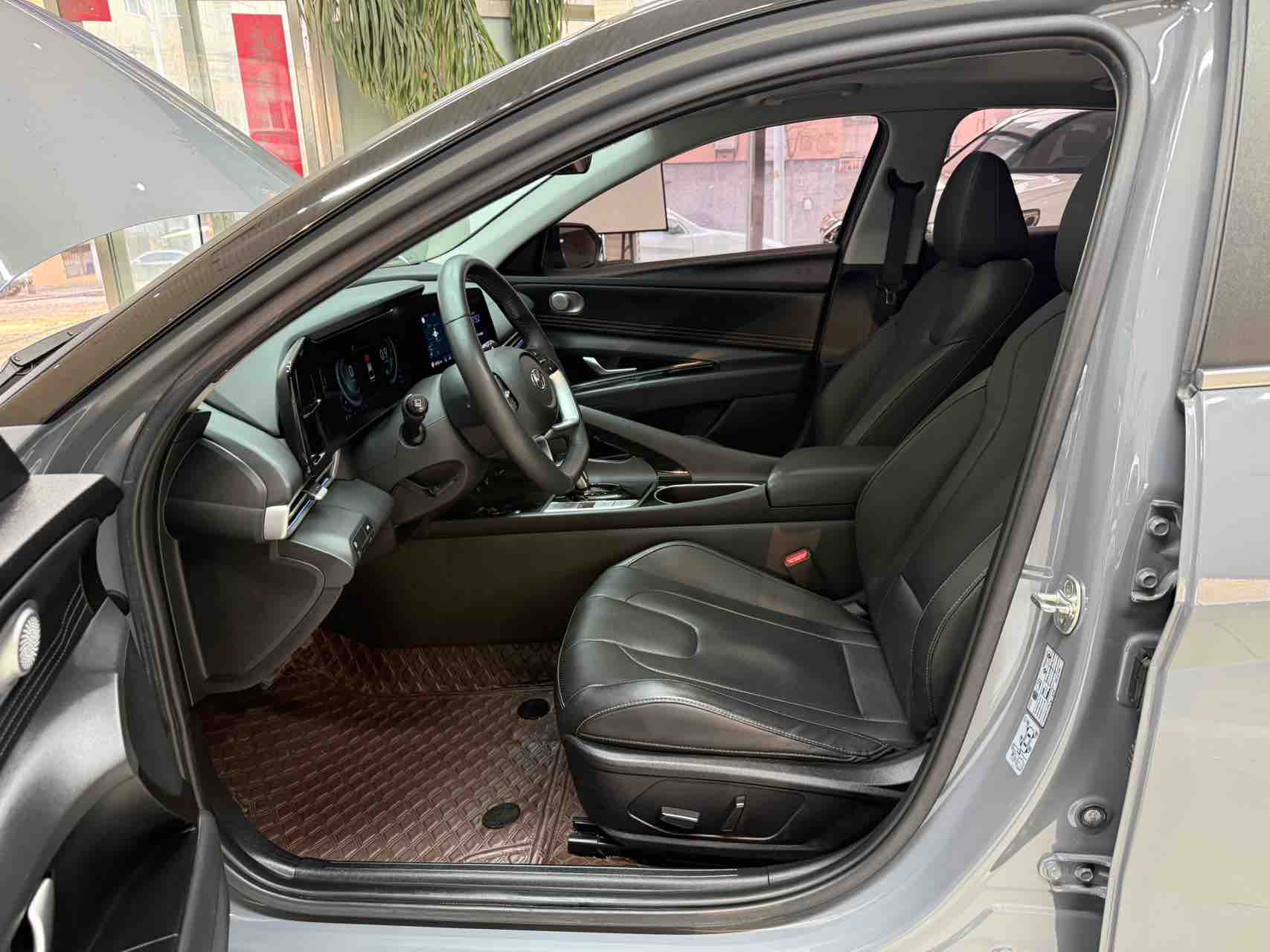
Mileage: 1.5 km Keys: 2 Insurance Policy: 2027.1.7 Production Date: 2021.11.30 Cost: 79,800

Configuration Highlights

Driver/Passenger Airbags
Front/Rear Side Airbags
Front/Rear Curtain Airbags
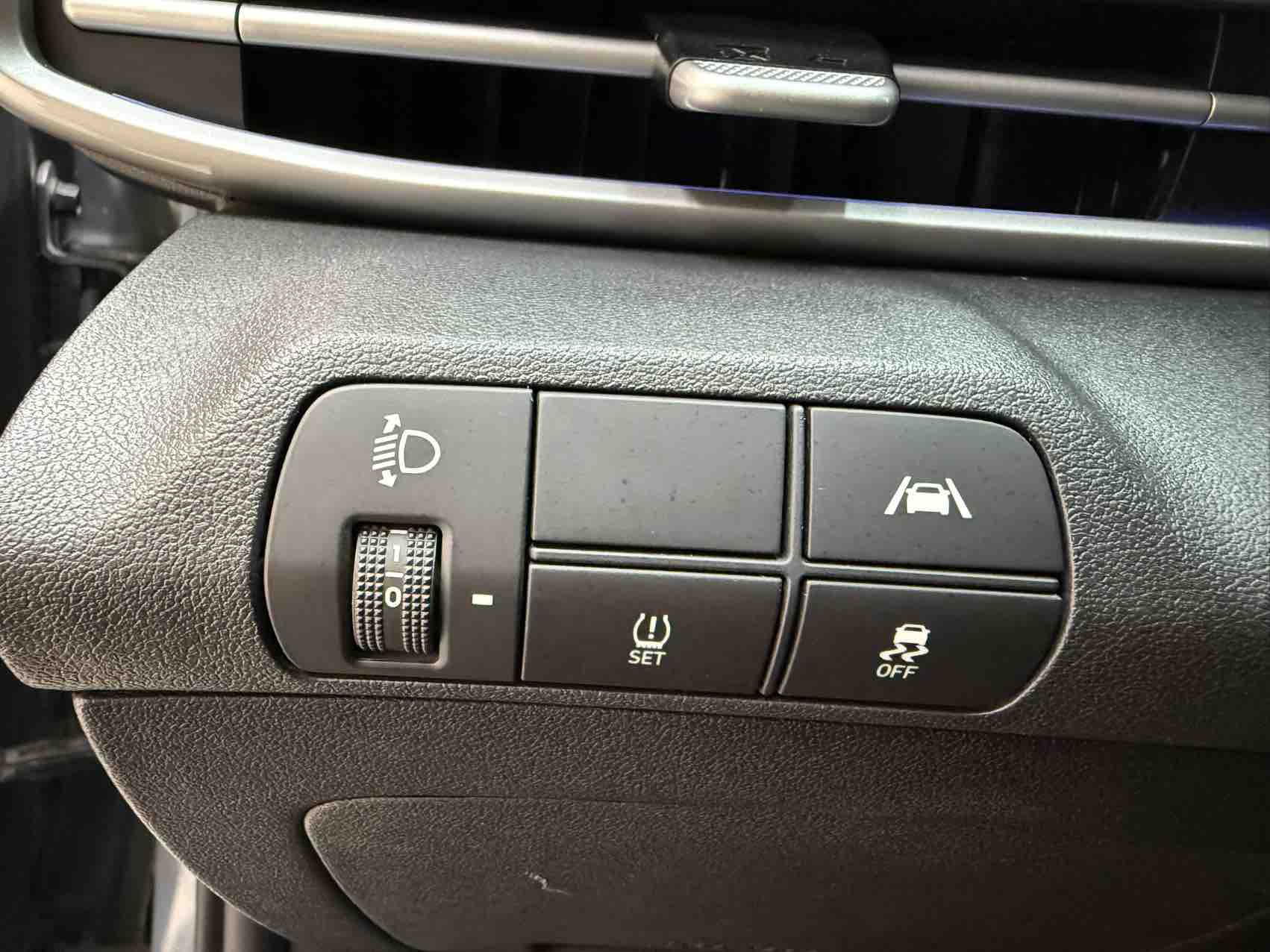
Tire Pressure Monitoring
ISOFIX Child Seat Anchors
Keyless Start System
Keyless Entry System
ABS Anti-lock Braking
Electronic Brake Distribution
Electronic Stability Control
Hill Start Assist
Auto Hold
Kick-sensor Trunk
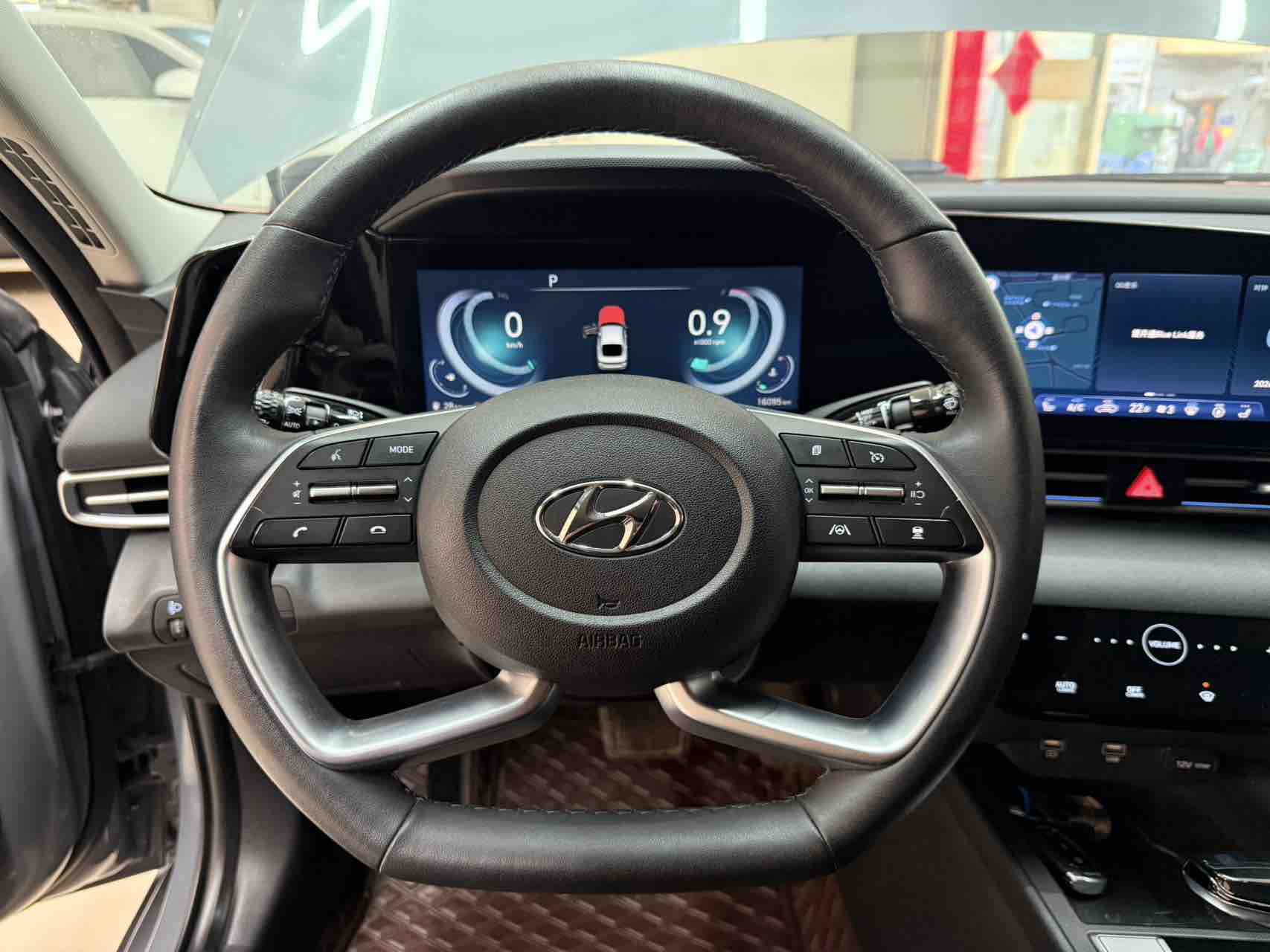
Multifunction Steering Wheel
Front Parking Sensors
Seat Material
Driver/Passenger Power Seats
Rear Cupholders
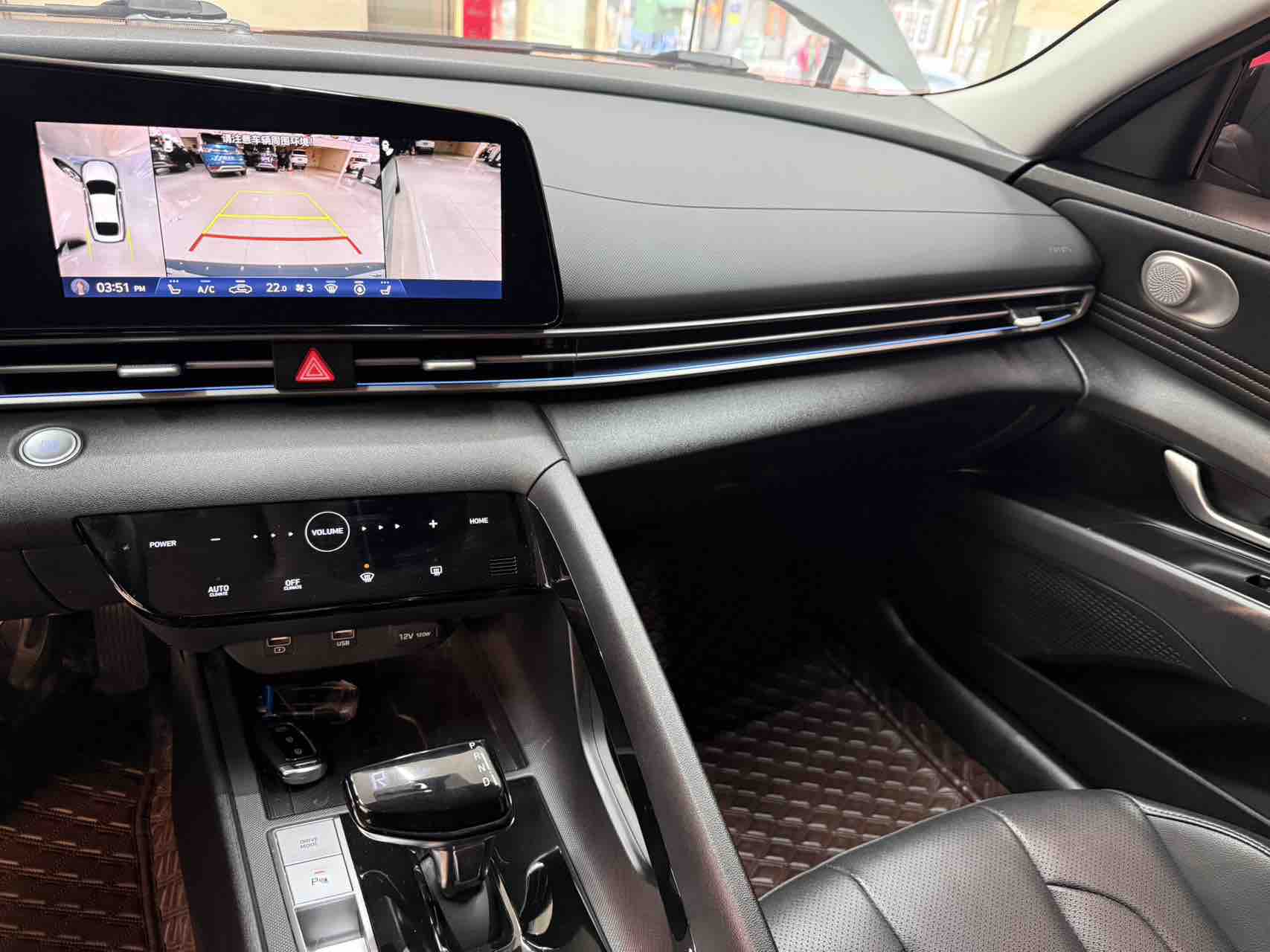
GPS Navigation
Low Beam Headlights
Daytime Running Lights
Auto Headlights
Adjustable Headlight Height
Power Windows
Anti-pinch Windows
Climate Control Type
Rear Air Vents
Blind Spot Assist
Lane Departure Warning
Active Safety System

Q&A

More

Can the Chinese electric vehicles (EVs) you export use charging interfaces directly overseas?

Chinese standard electric vehicles use the national standard (GB/T) charging interface. If your country uses the European standard (CCS2), American standard (CCS1), or Japanese standard (CHAdeMO), the vehicle cannot be plugged directly into local charging stations. To address this issue, we will recommend or provide high-quality certified adapters (Adapter) with CE/UL safety certification. Please confirm the charging station specifications in your area with our sales personnel before purchasing.

What should I do if a hardware recall for my vehicle model is announced in China while it is being used overseas?

Unfortunately, cross-border used cars are not covered by the manufacturer's free recall. If a physical recall occurs involving safety issues (like brake pump defects), we will notify you and offer improved new batch parts at cost price, but you will need to cover the labor costs for the replacement.

Why are the shipping costs for used electric vehicles (EVs) usually higher than for internal combustion engine vehicles (ICEs)?

Pure electric vehicles are classified as Class 9 Dangerous Goods due to their large lithium batteries, leading to strict shipping regulations. Shipping companies have high requirements for the loading position and fire isolation measures for dangerous goods, and some roll-on/roll-off ships refuse to accept used EVs. As a result, EVs often require more expensive special container shipping and incur additional handling fees for hazardous materials.