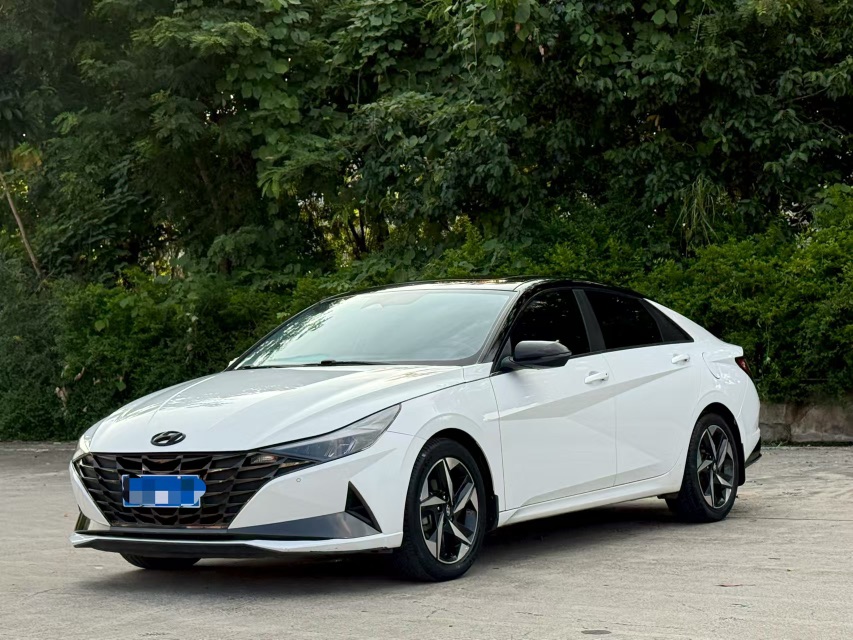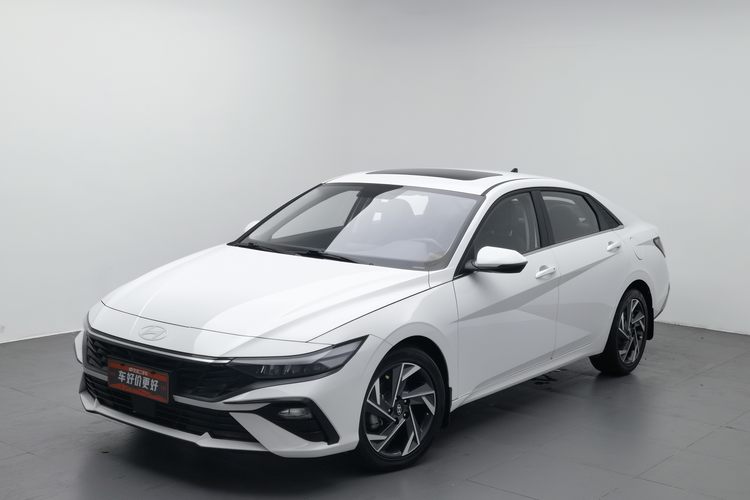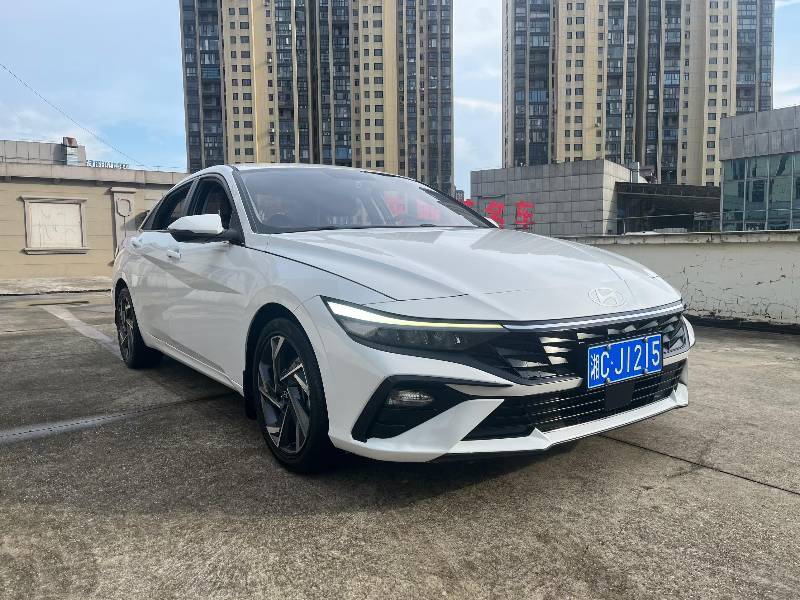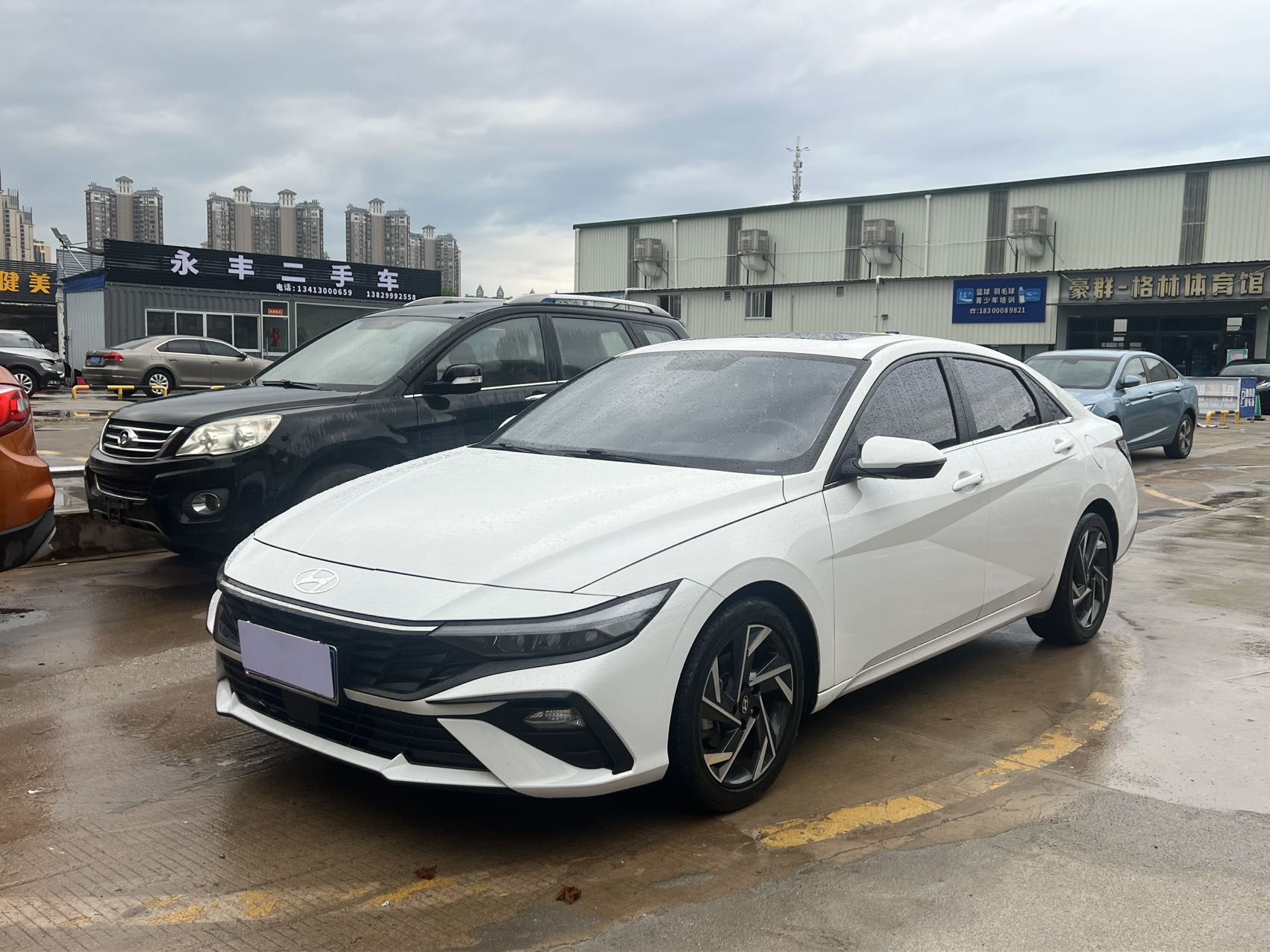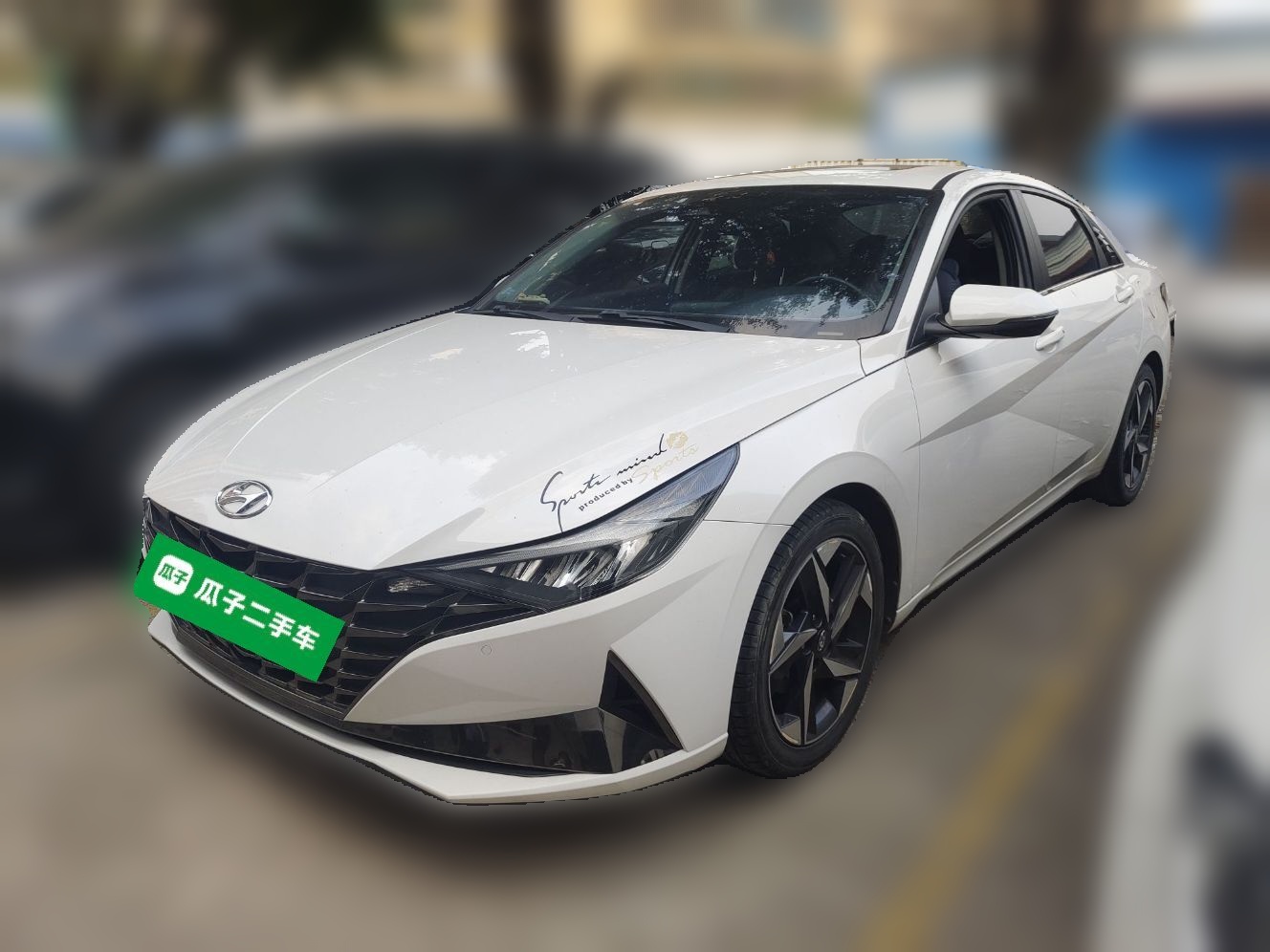
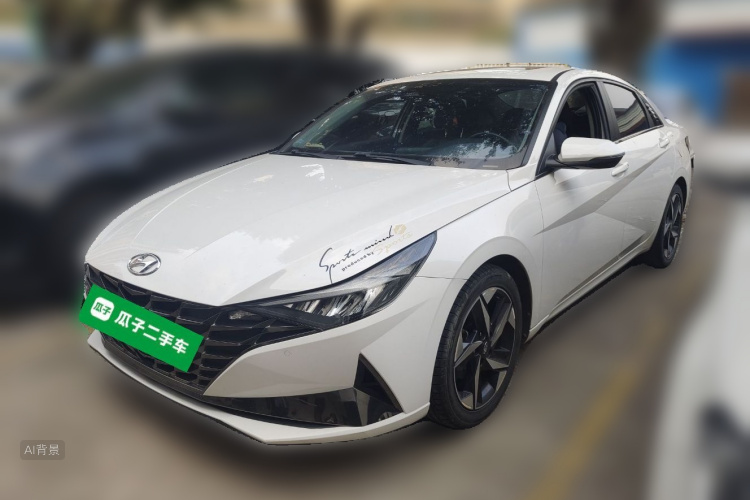
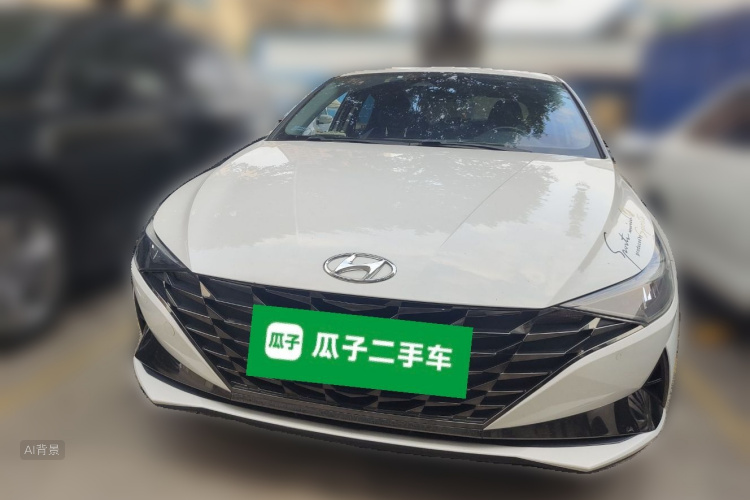
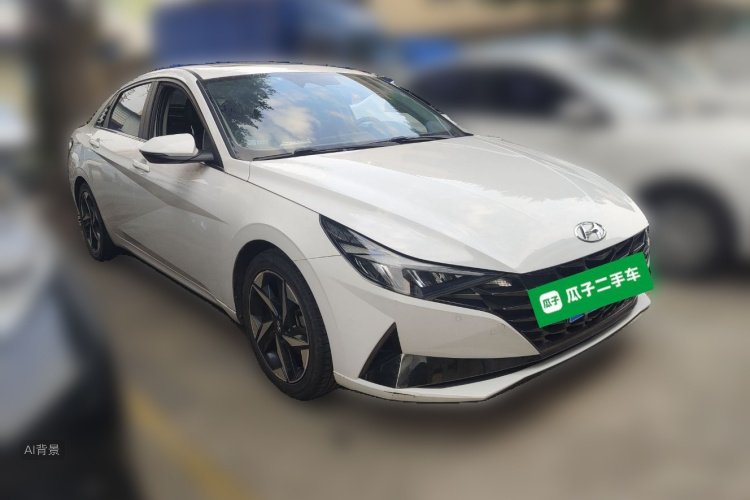
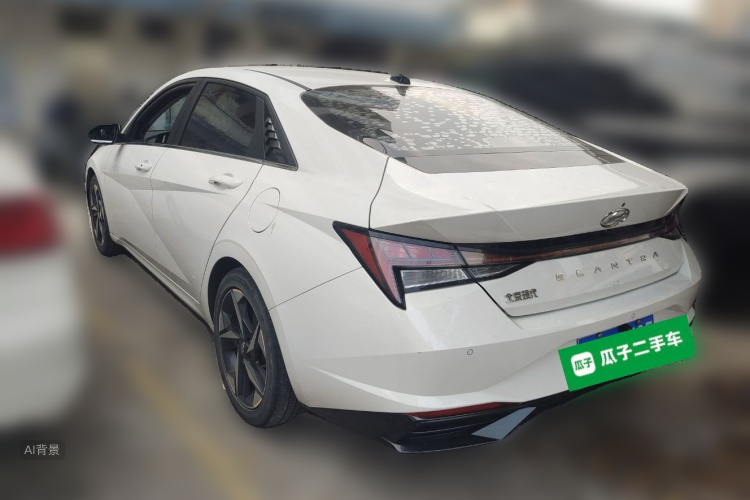
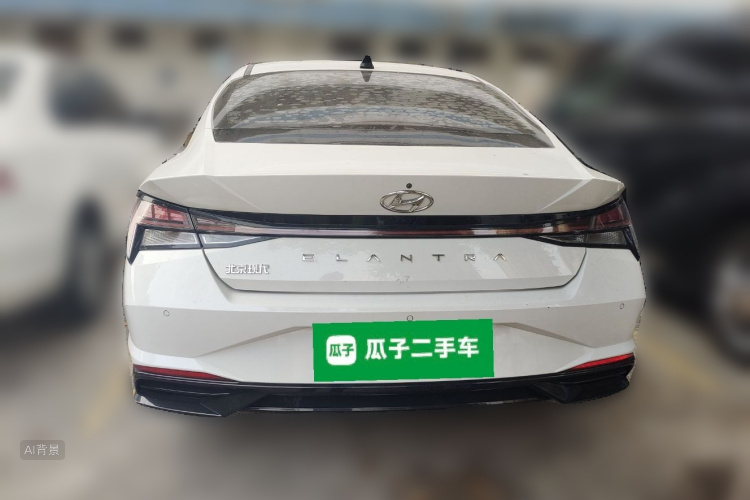
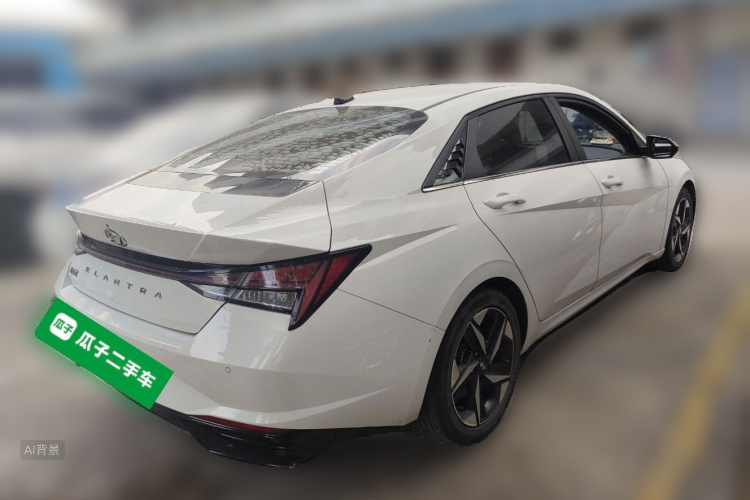
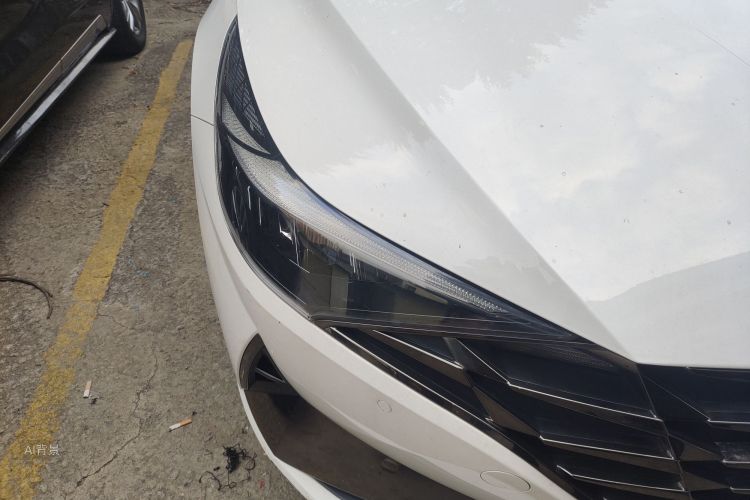
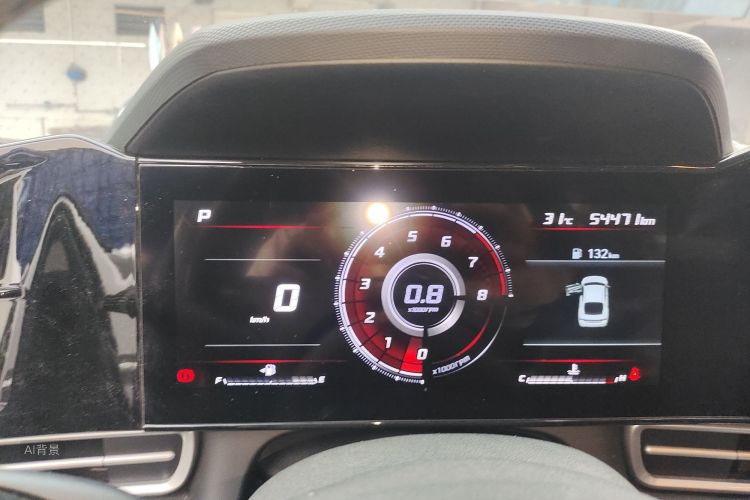
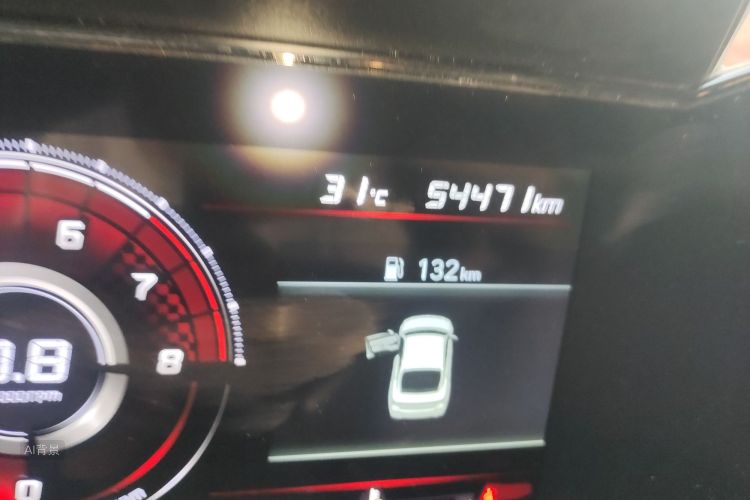
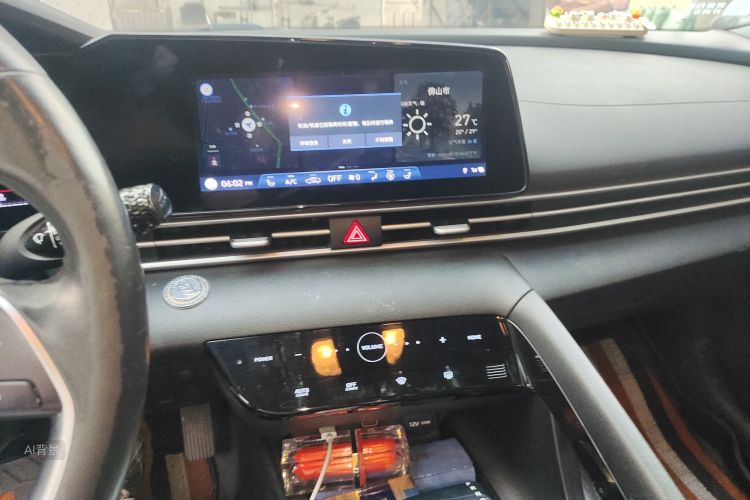
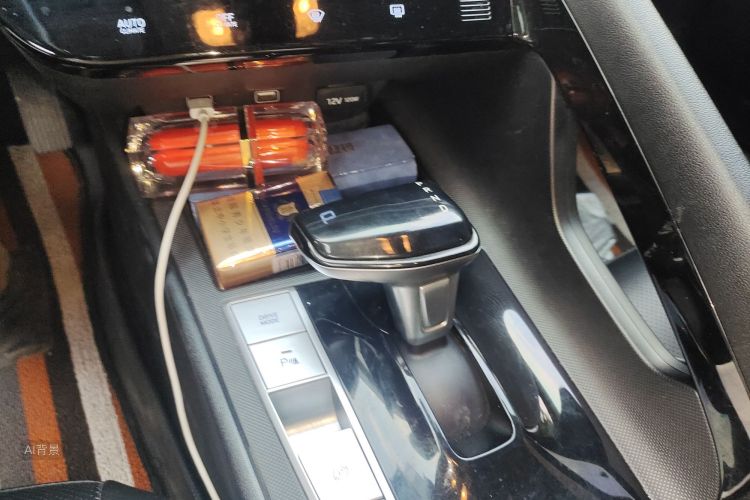



Basic Information

BrandHyundai
SeriesElantra
Year2021
First Registration2021/08
Mileage54,400km
Transfer Count-
FuelGasoline
TransmissionCVT
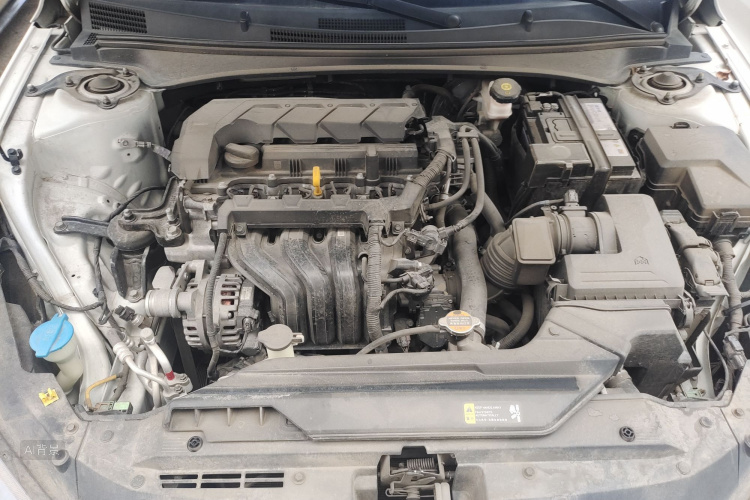
Engine1.5L 115 L4
ColorWhite
Seats-

Condition Description

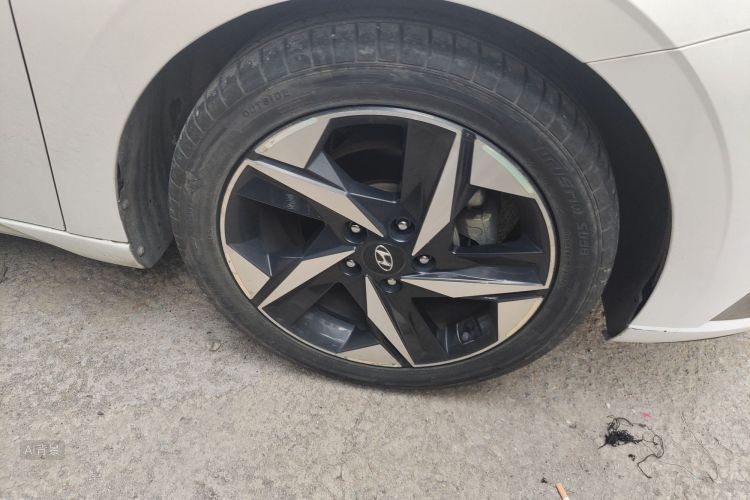
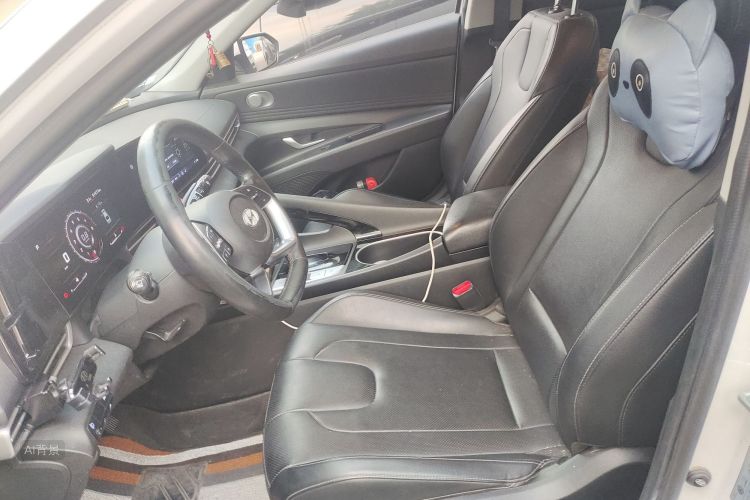
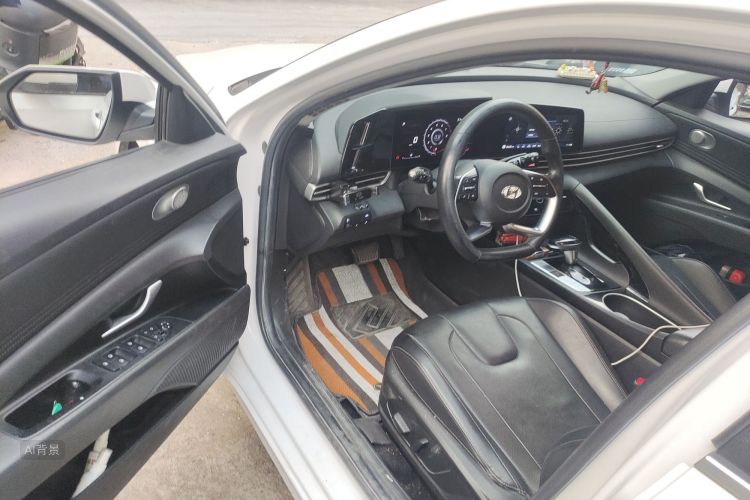
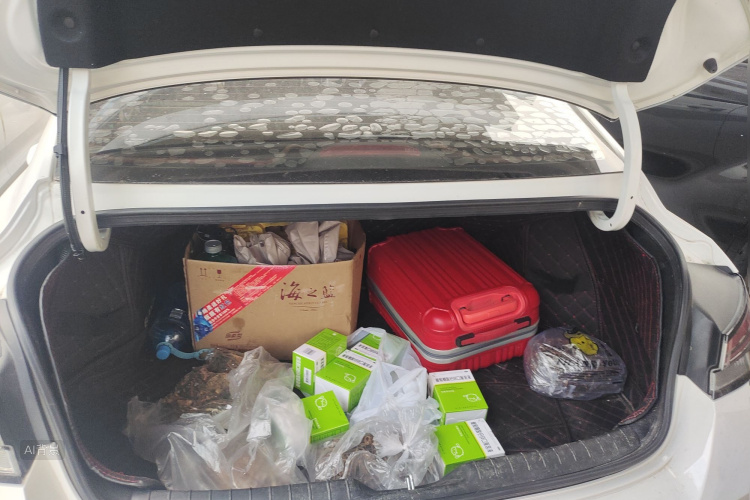
Vehicle in good condition, passed inspection, 0 claims, 0 ownership transfers.

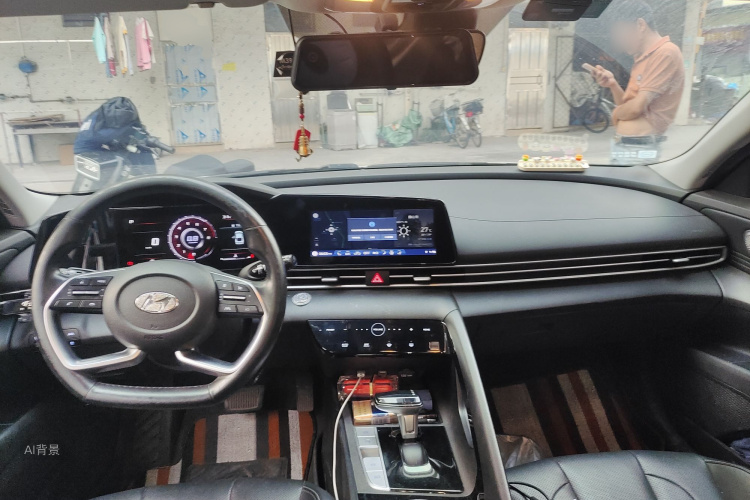
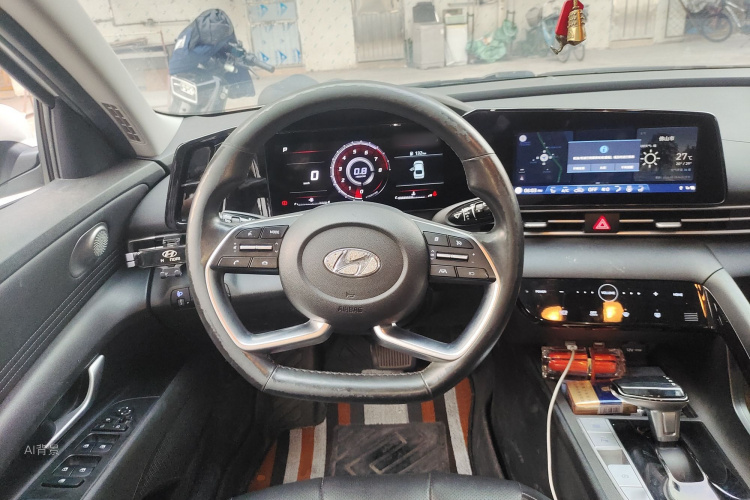
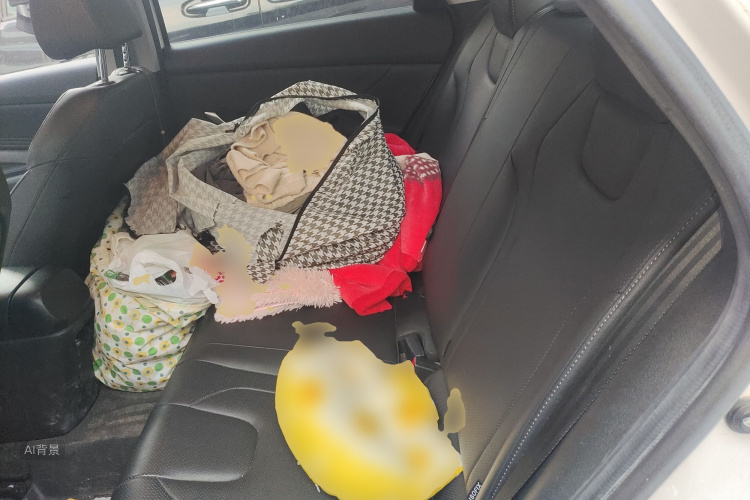
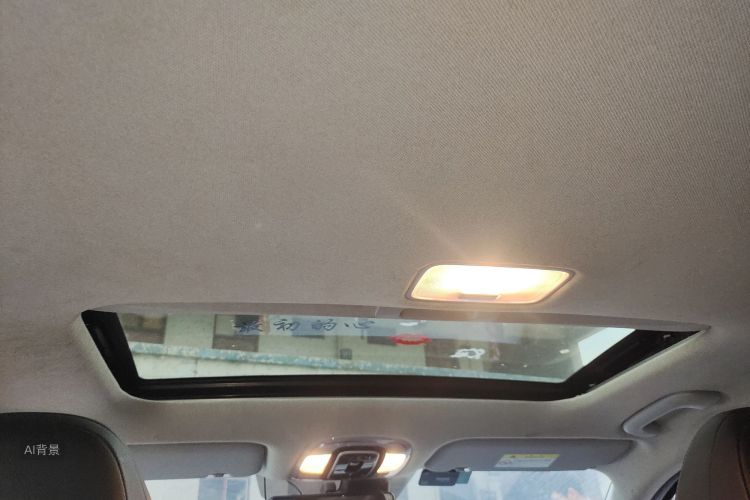
This vehicle is 5 years old, with an average annual mileage of 10,900 kilometers. It has been used infrequently and has never been transferred to another owner, making it a good first-hand vehicle. The exterior paint is in good condition, although there may be a few minor marks. The interior is in good condition, with normal signs of use. The overall body frame is intact, but there are a few minor abnormalities. The fluid levels are normal, and the powertrain is functioning well.

Configuration Highlights

Heated Steering Wheel
Kick-sensor Trunk
Adaptive Headlights
Lane Departure Warning
Smartphone Connectivity
High Beam Assist
Front Radar
Auto Hold
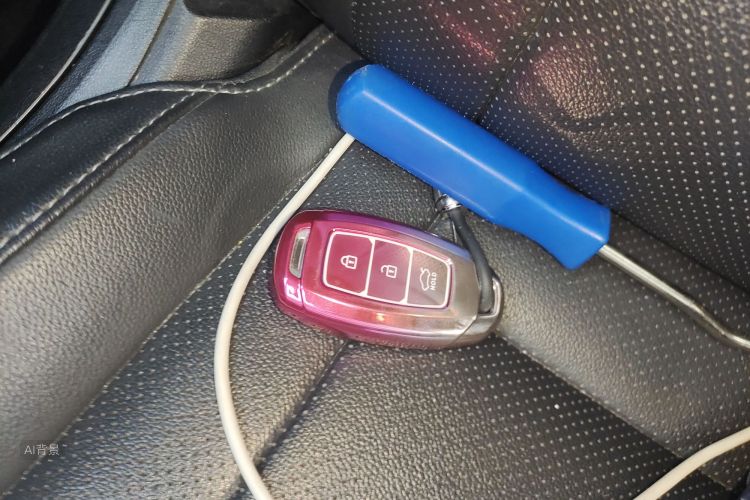
Keyless Entry
Backup Camera
High-definition Low Beam
Power Folding Mirrors
Power Seats
Auto Headlights
Cruise Control
Keyless Start
Tire Pressure Monitoring
Hill Start Assist
Rear Parking Sensors
Anti-pinch Windows

Q&A

More

Is there a specialized aging testing instrument for the insulation test of the vehicle's high-voltage wiring harness?

We will use a megohmmeter (insulation resistance tester) to measure the insulation resistance of the high-voltage bus. If the resistance value is below the national safety standard, it indicates a risk of leakage, and the vehicle will be deemed unqualified.

Why are the shipping costs for used electric vehicles (EVs) usually higher than for internal combustion engine vehicles (ICEs)?

Pure electric vehicles are classified as Class 9 Dangerous Goods due to their large lithium batteries, leading to strict shipping regulations. Shipping companies have high requirements for the loading position and fire isolation measures for dangerous goods, and some roll-on/roll-off ships refuse to accept used EVs. As a result, EVs often require more expensive special container shipping and incur additional handling fees for hazardous materials.

The bank returned my car payment due to compliance issues. Who bears the exchange rate loss and fees?

If the buyer's country is under international sanctions, or if the buyer fails to provide a legitimate source of funds leading to the bank returning the payment, all transfer fees and exchange rate losses incurred during this period are to be borne entirely by the buyer.