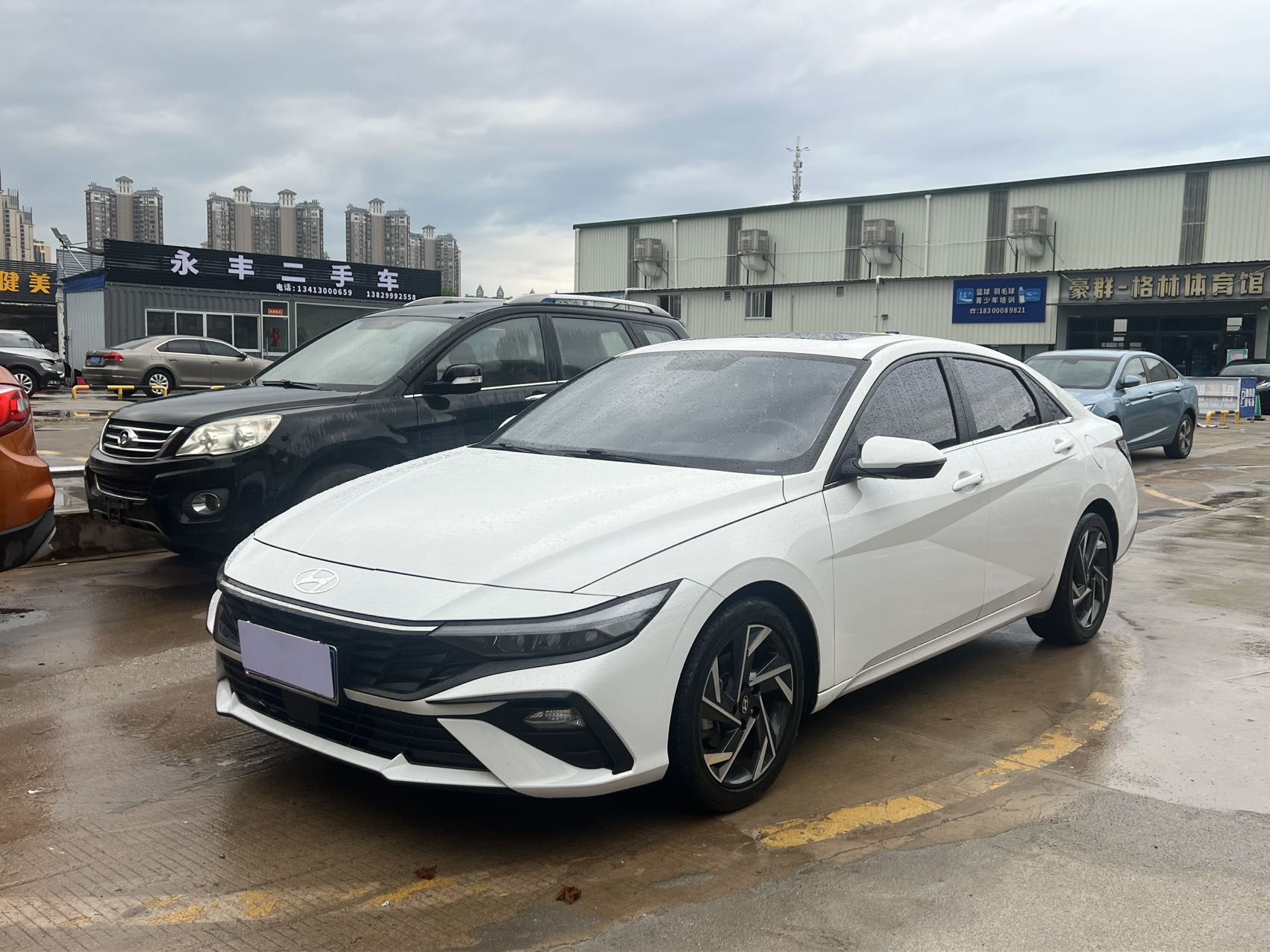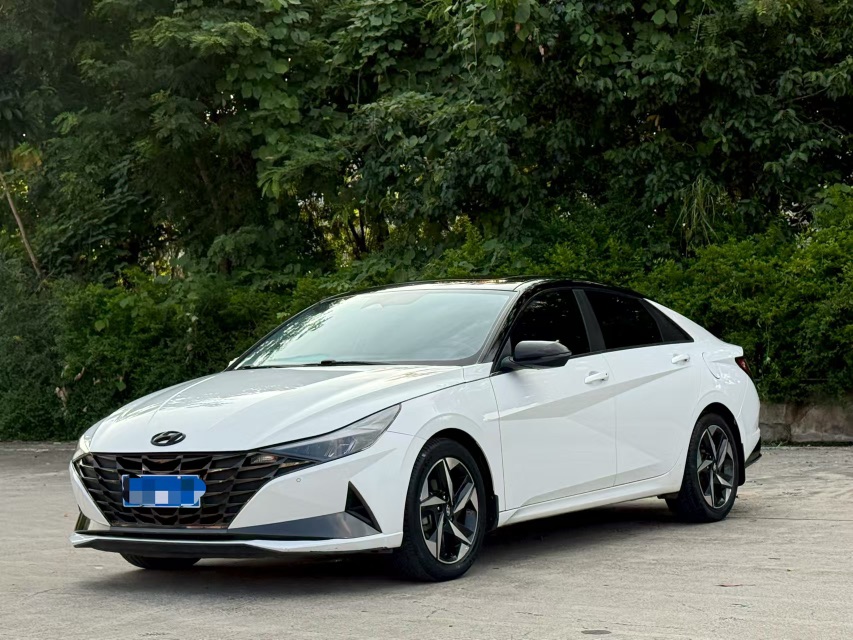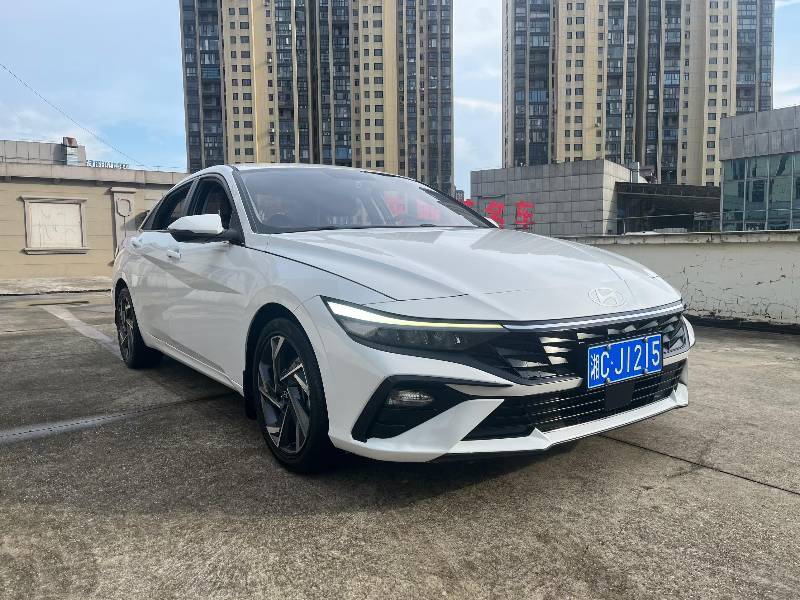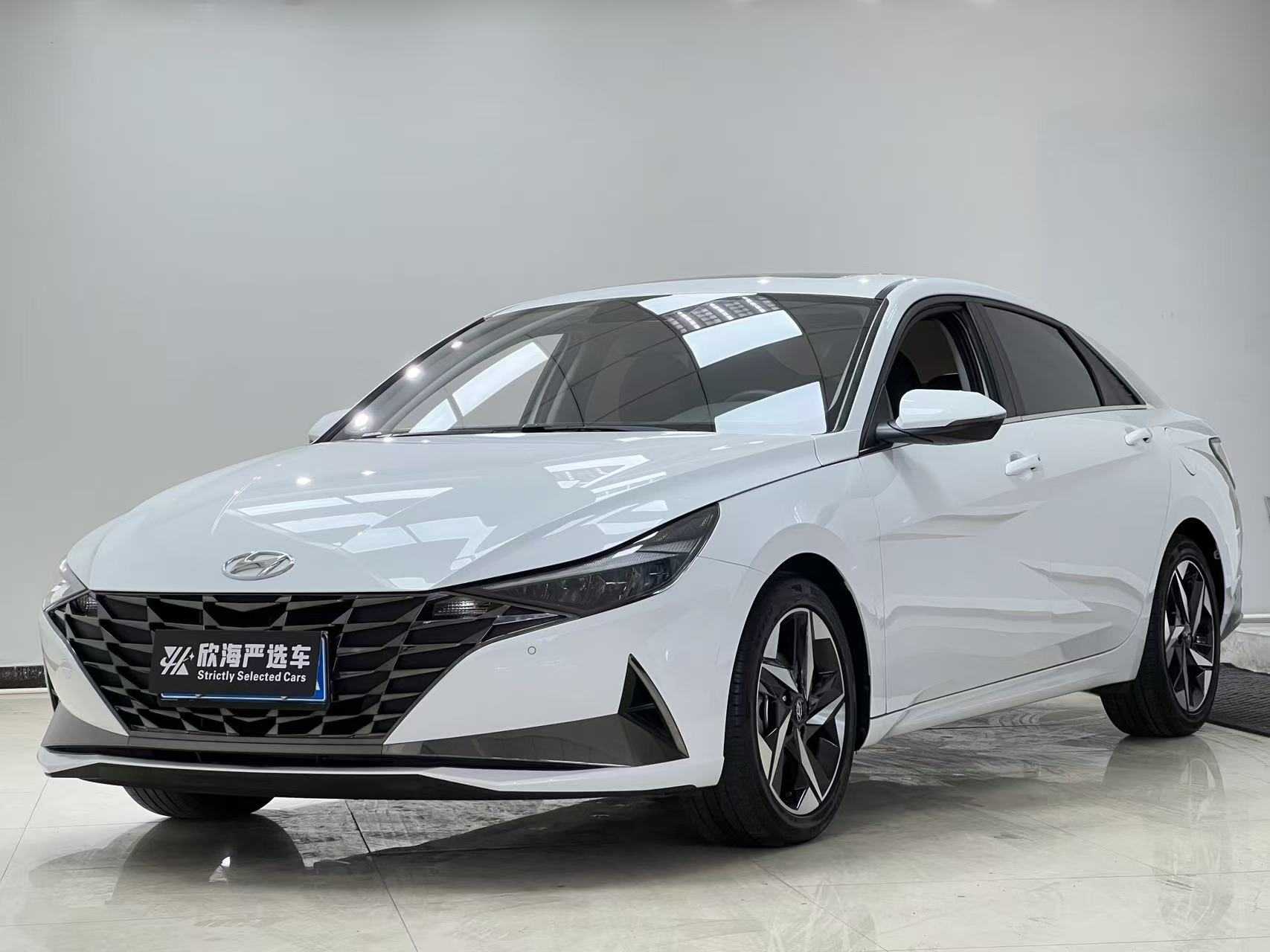
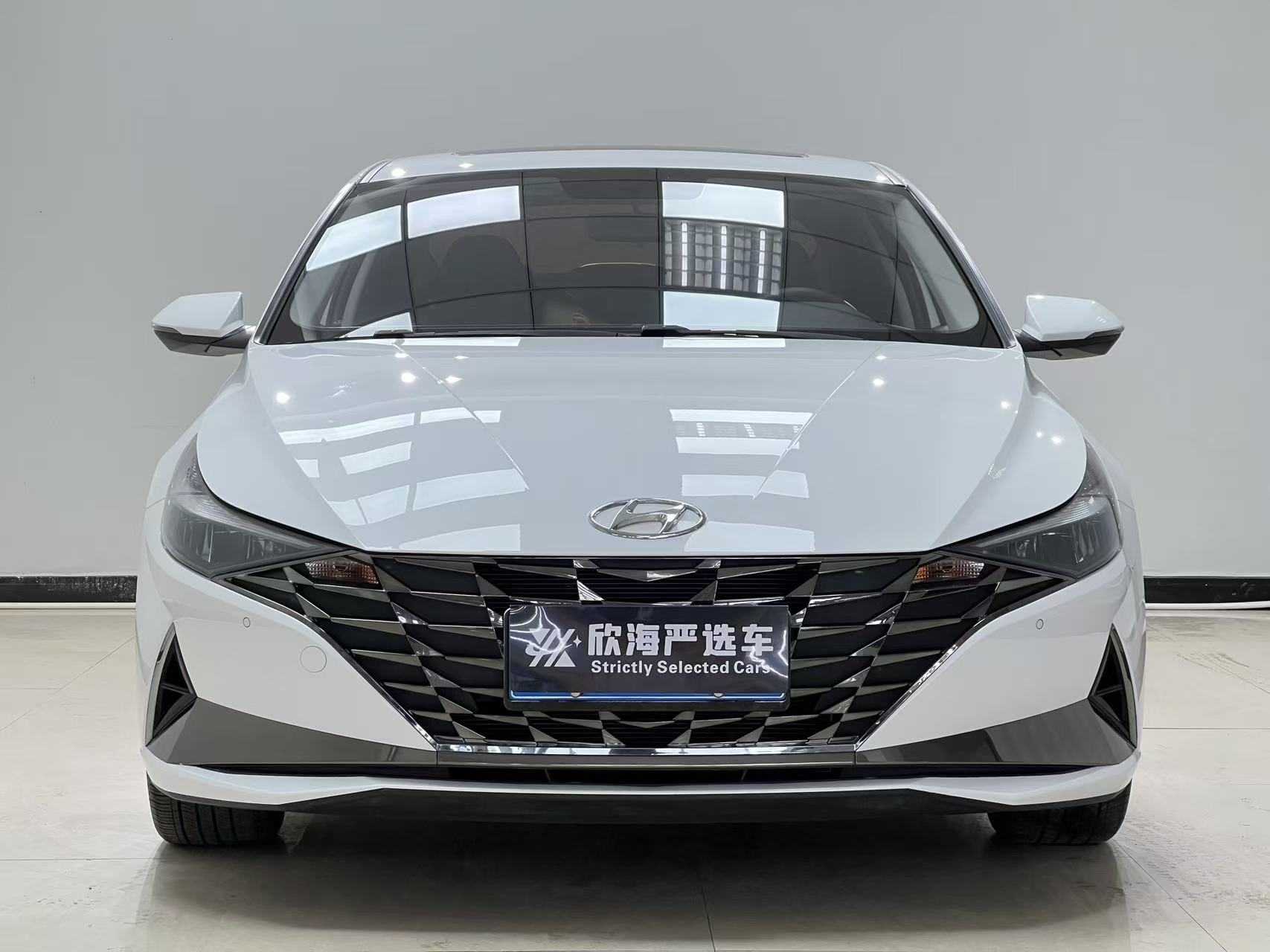
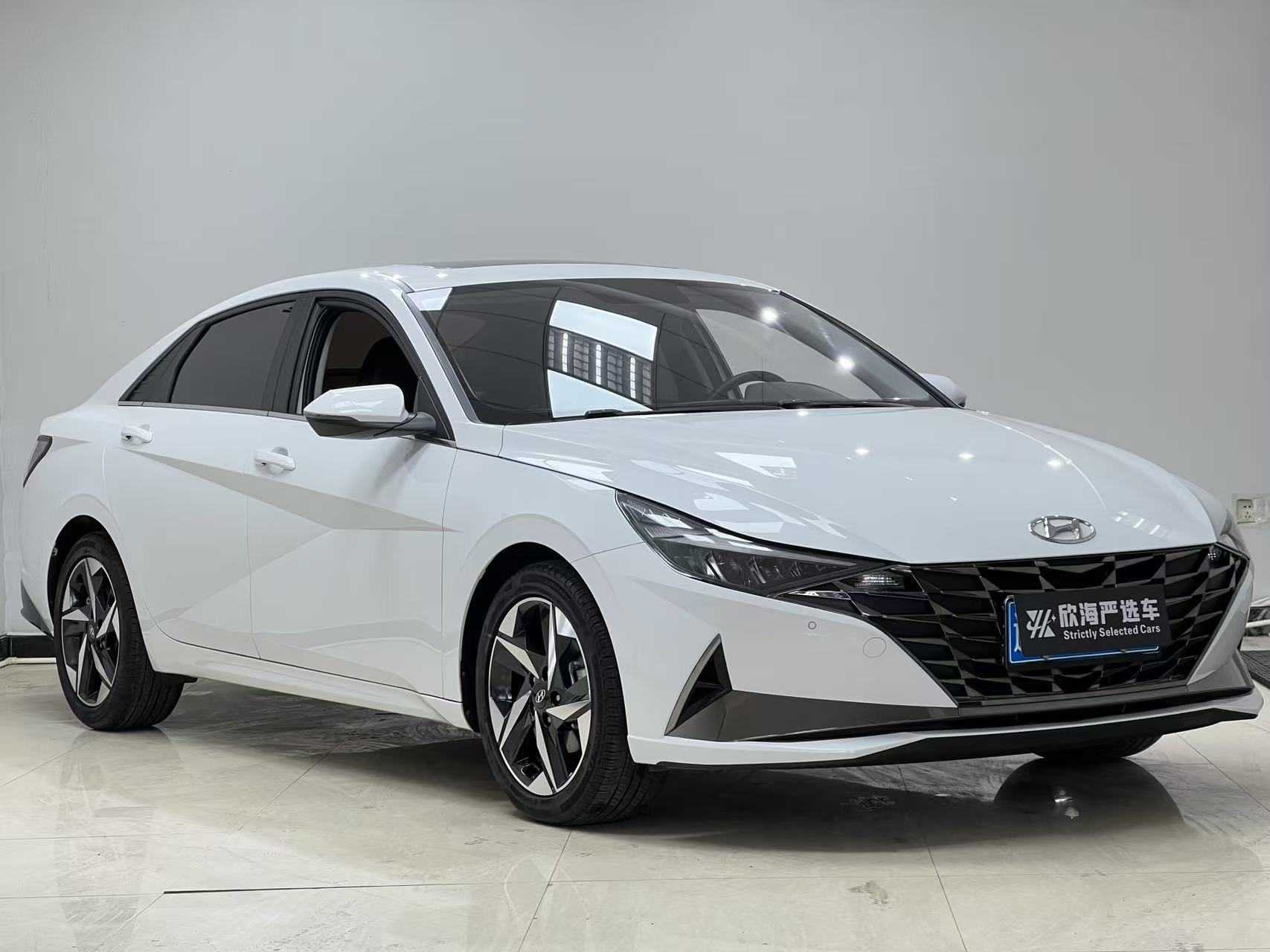
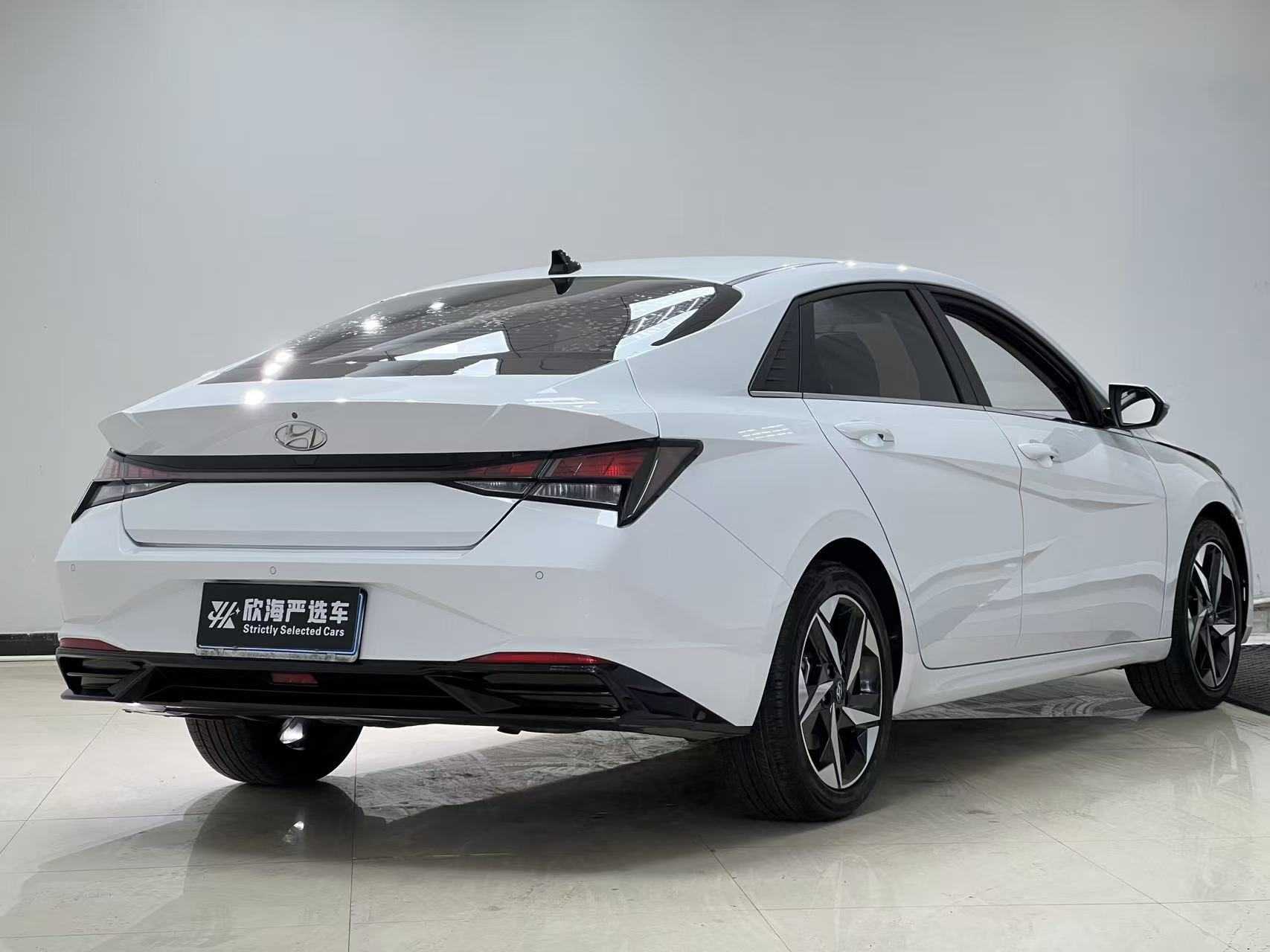
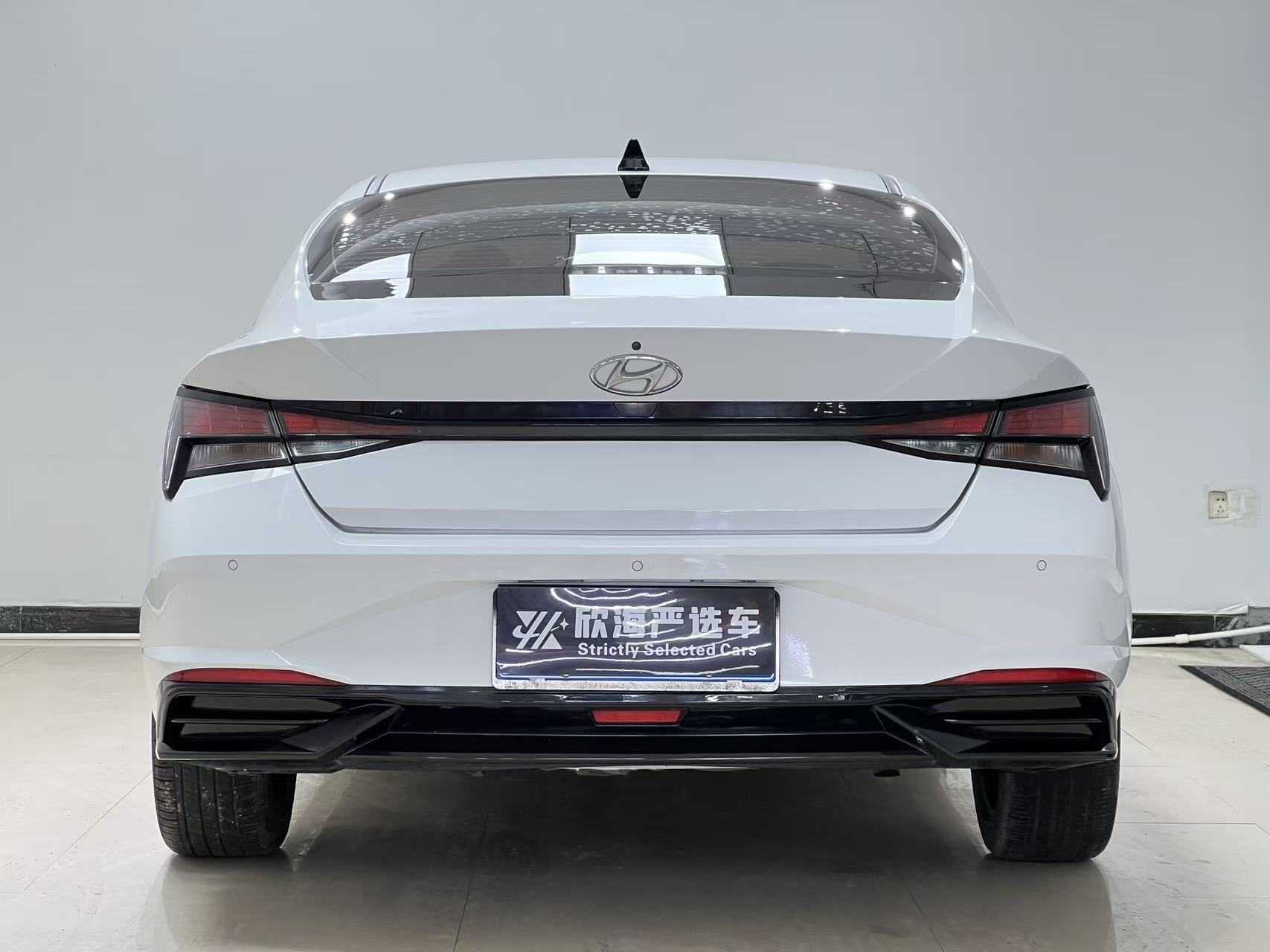
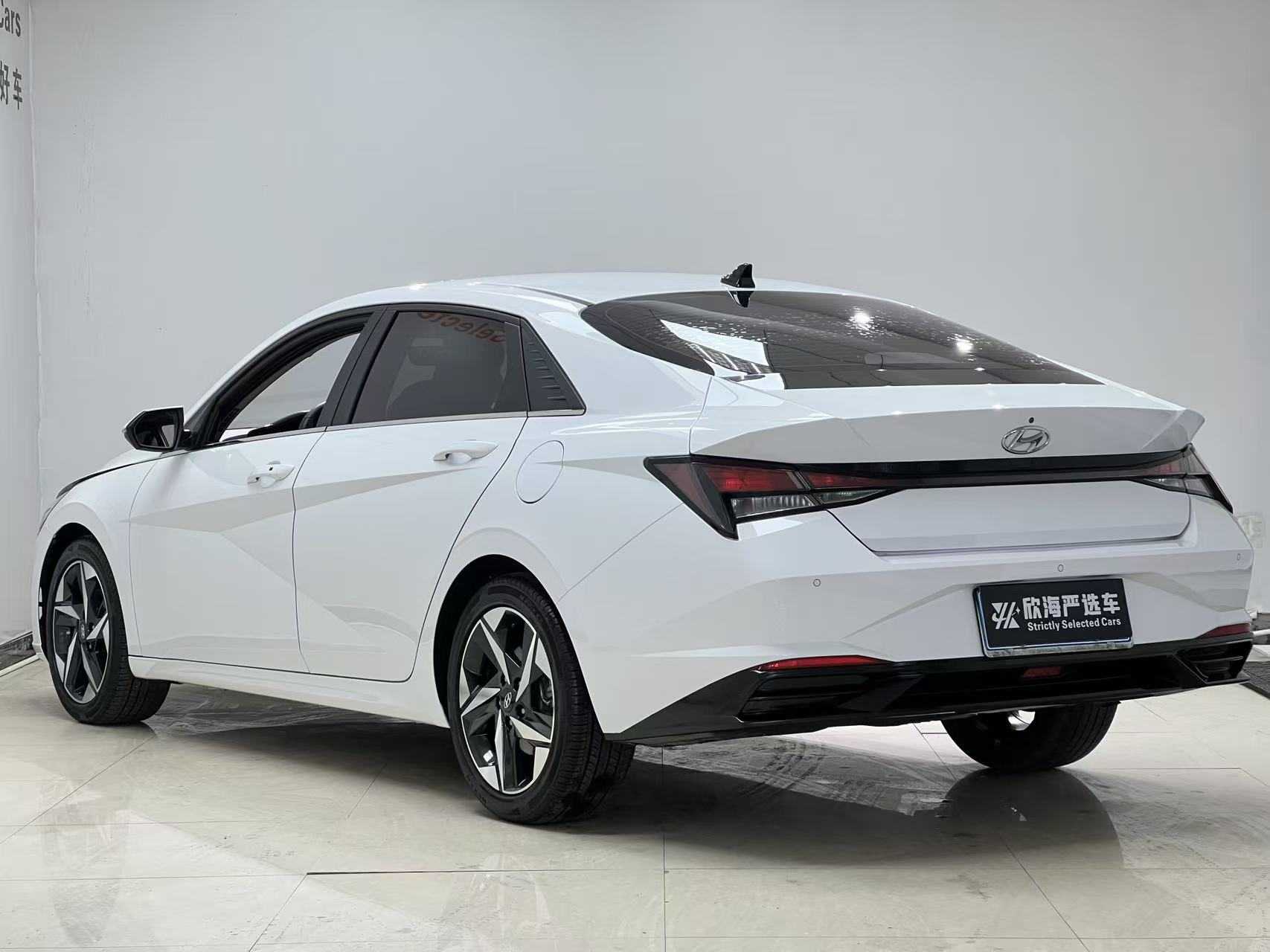
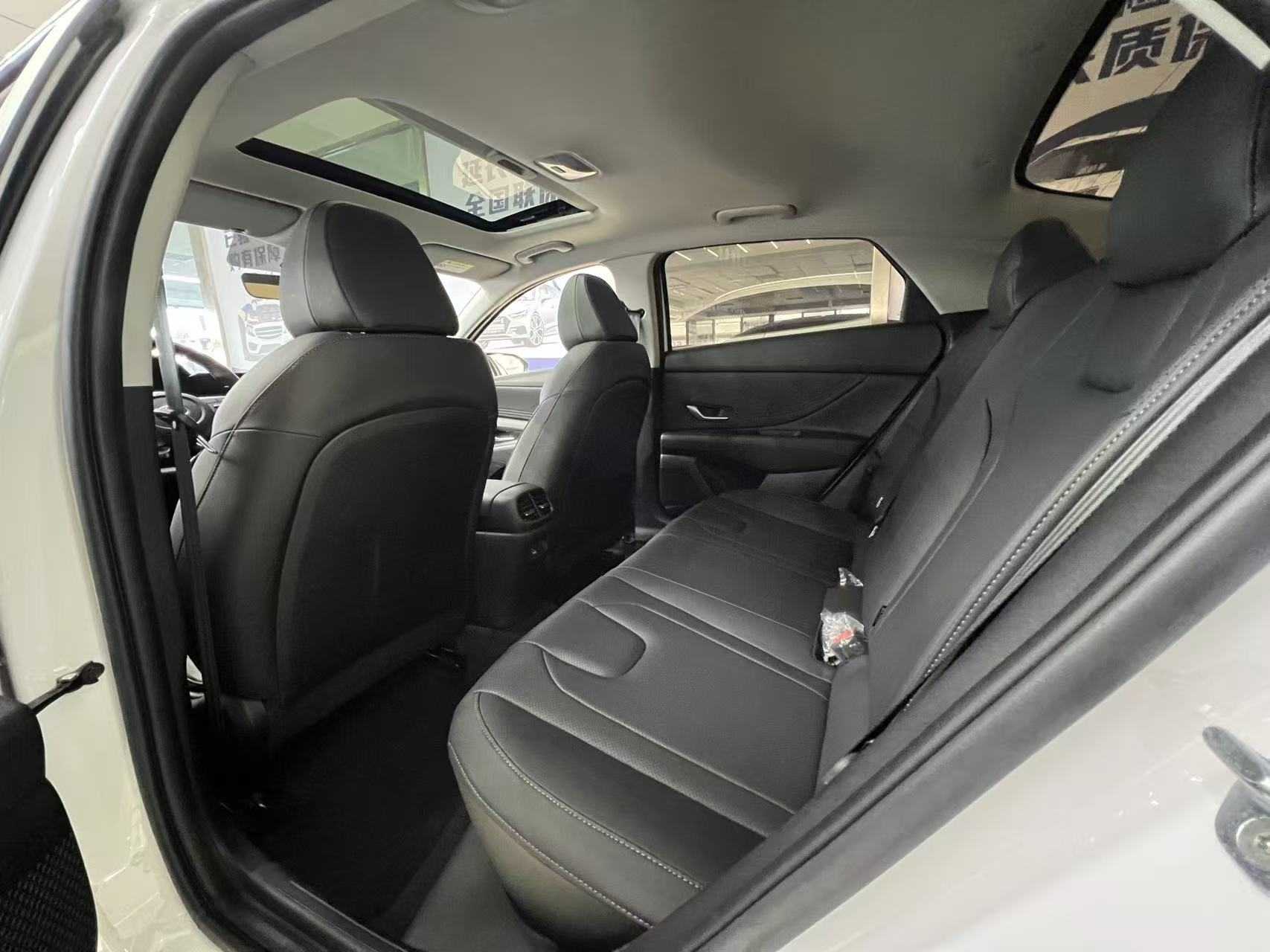
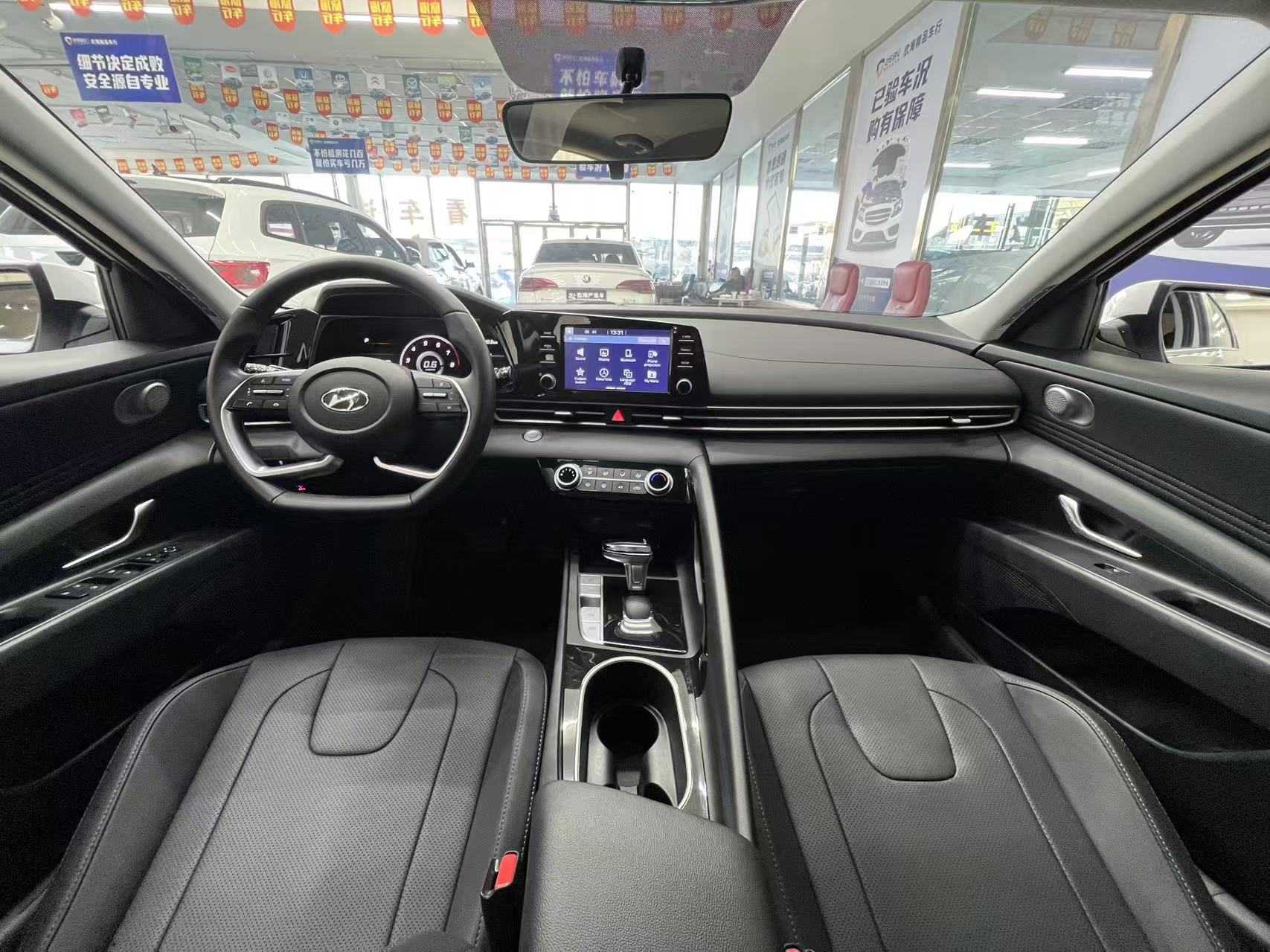
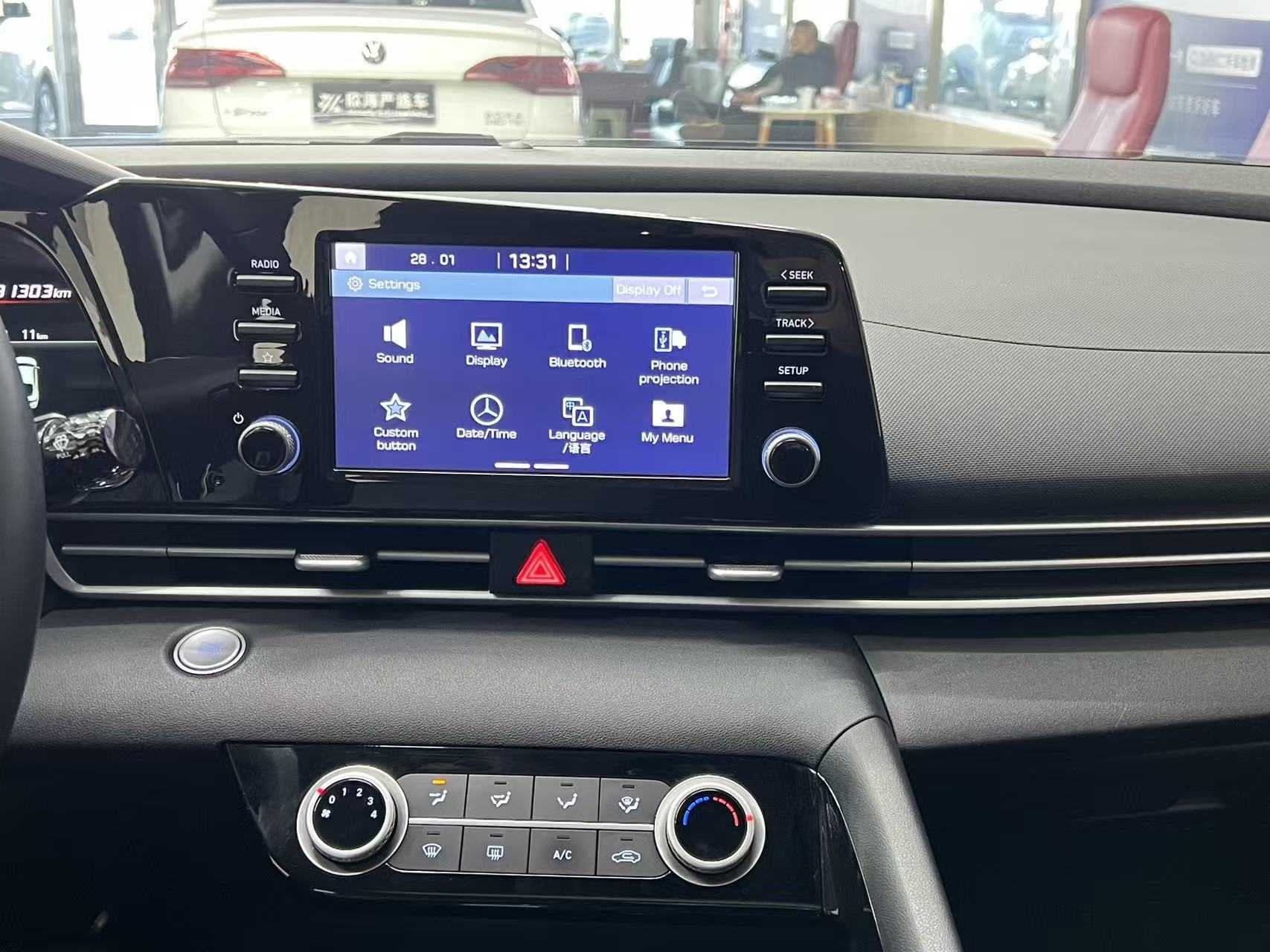
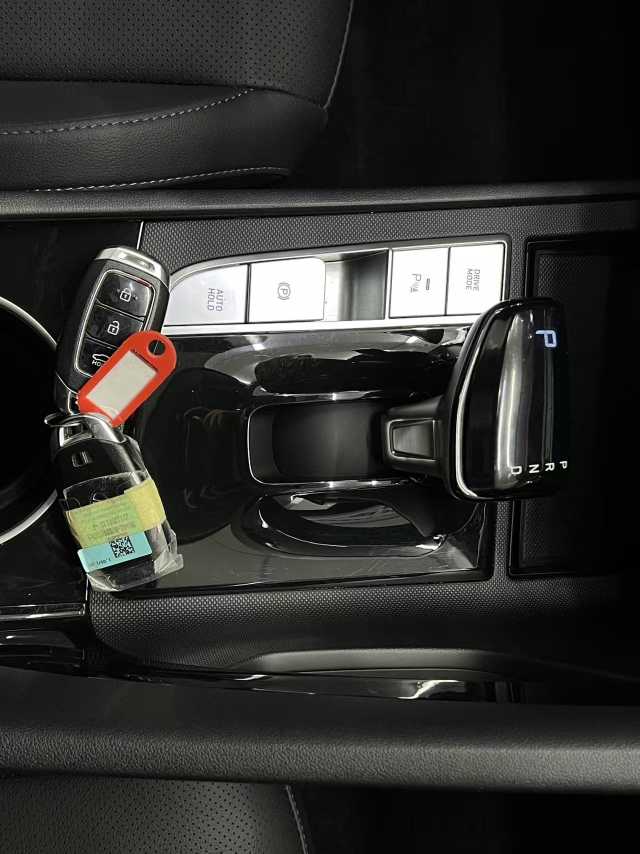
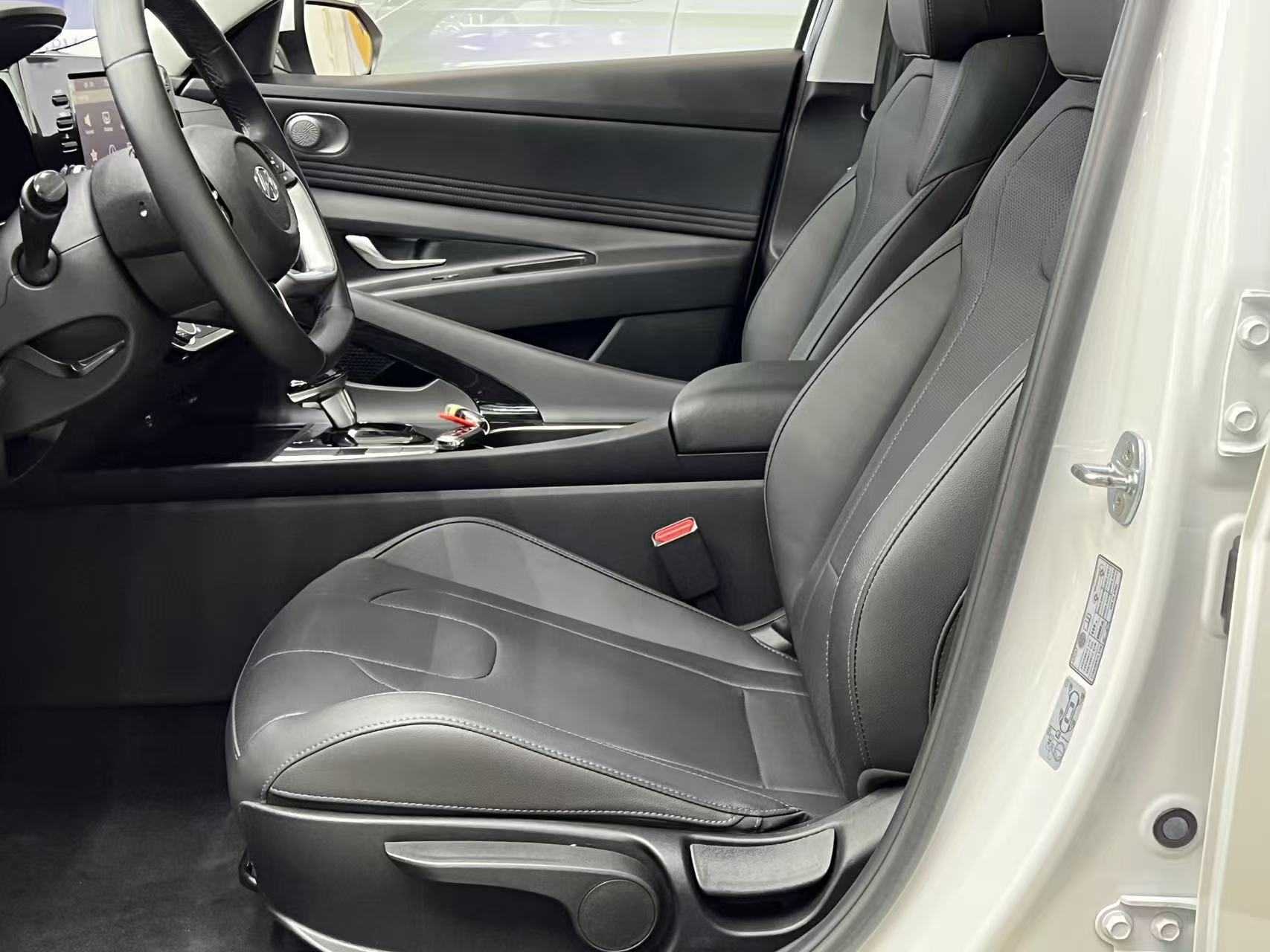
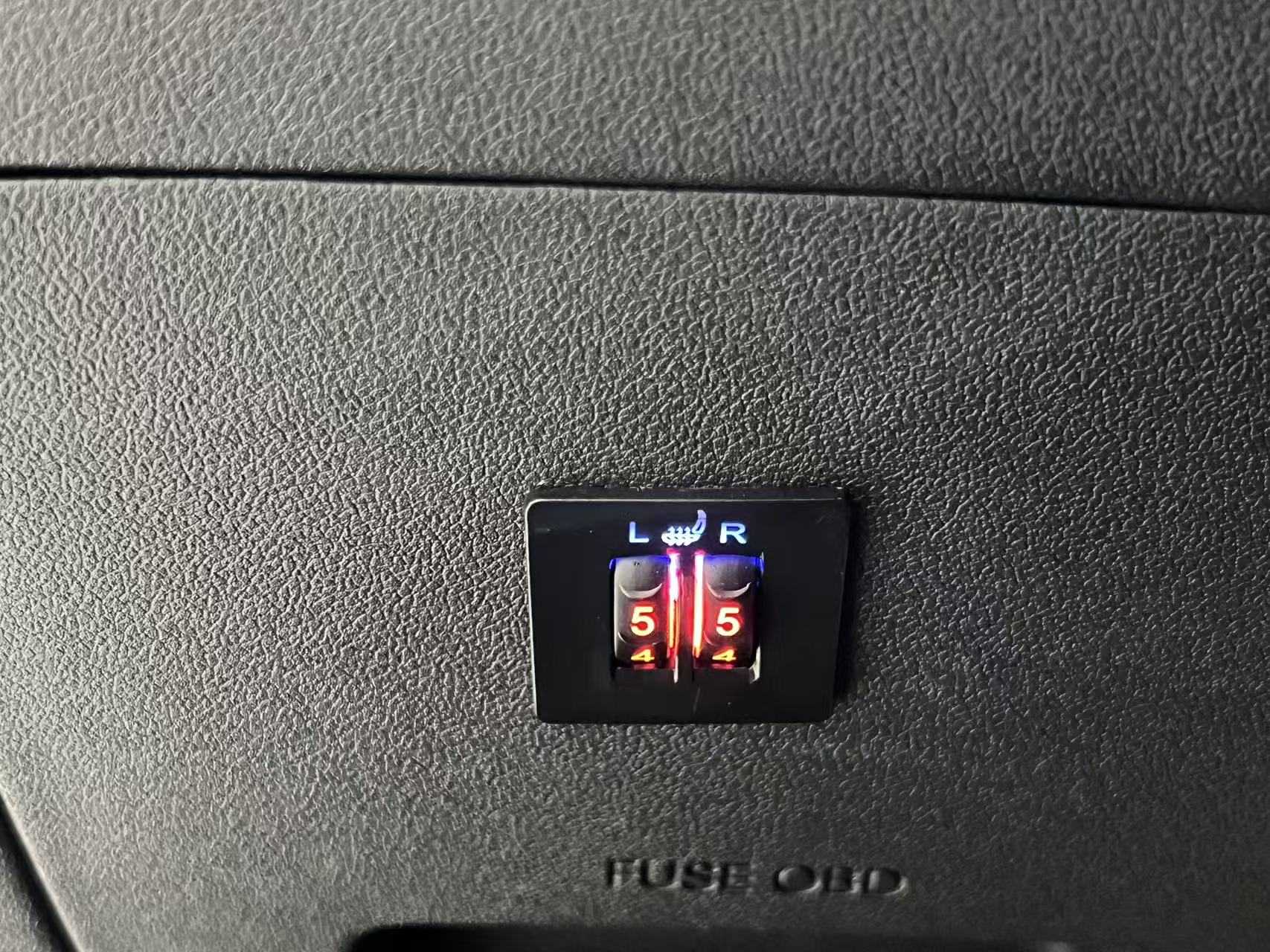
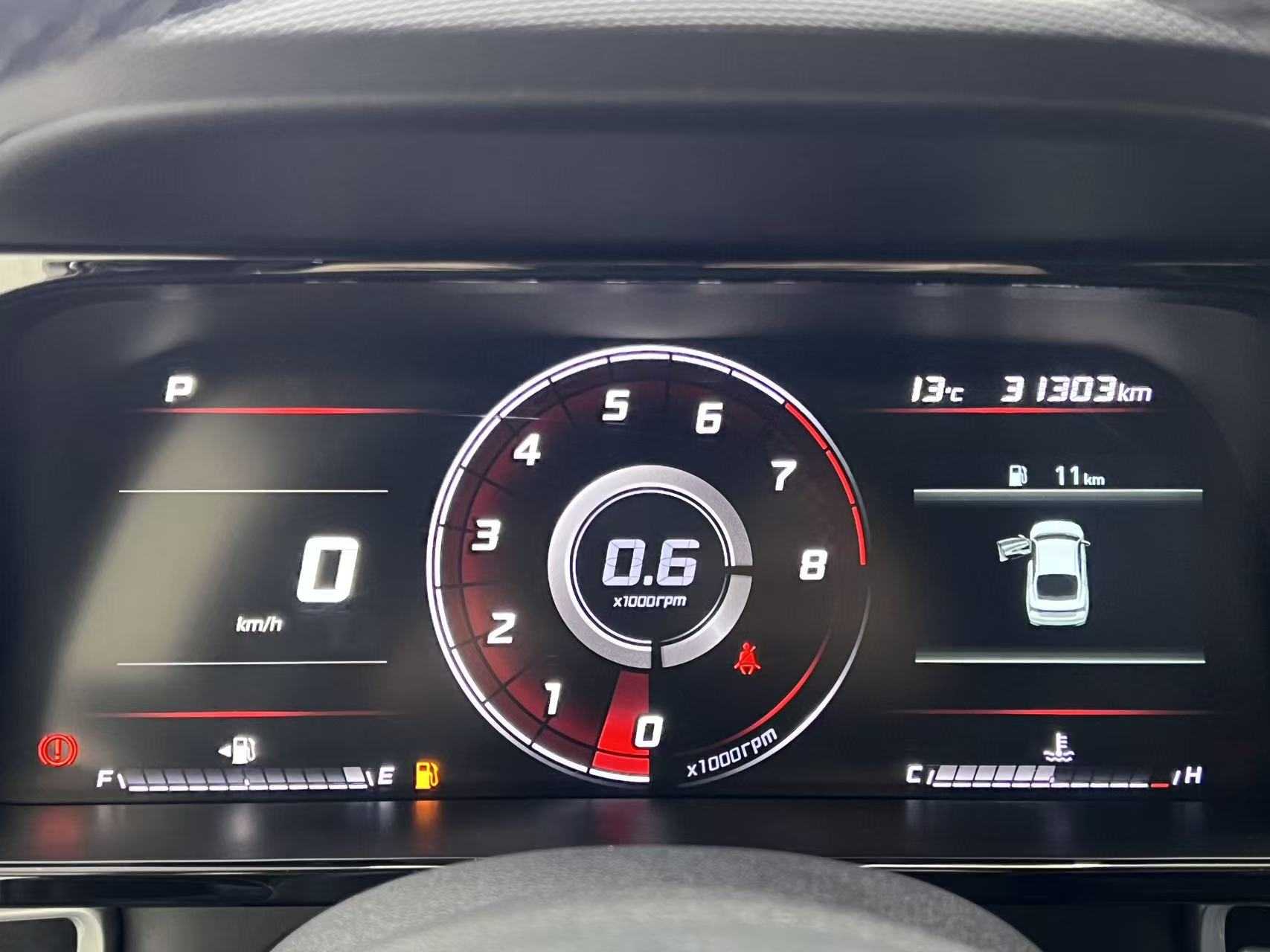
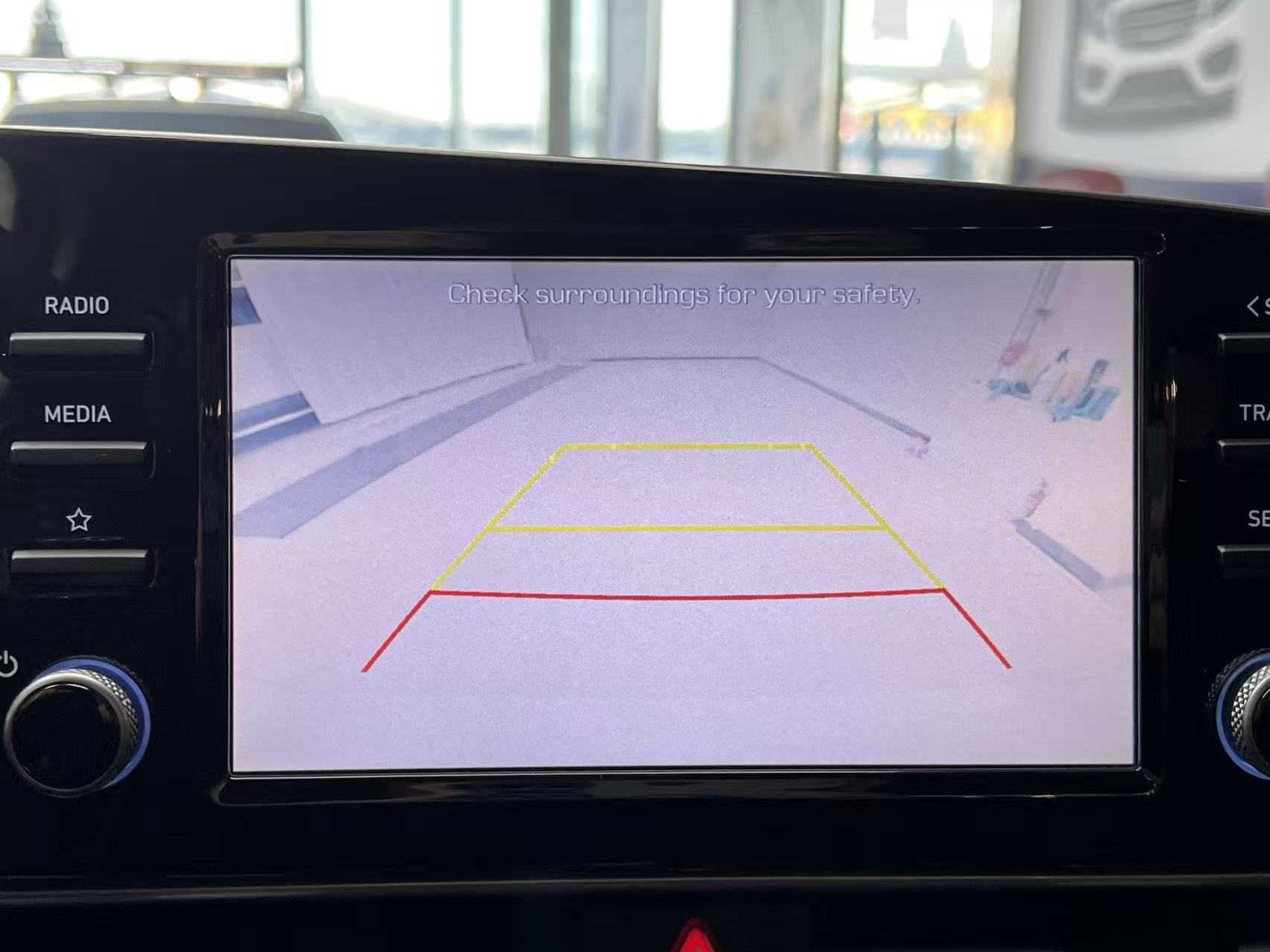
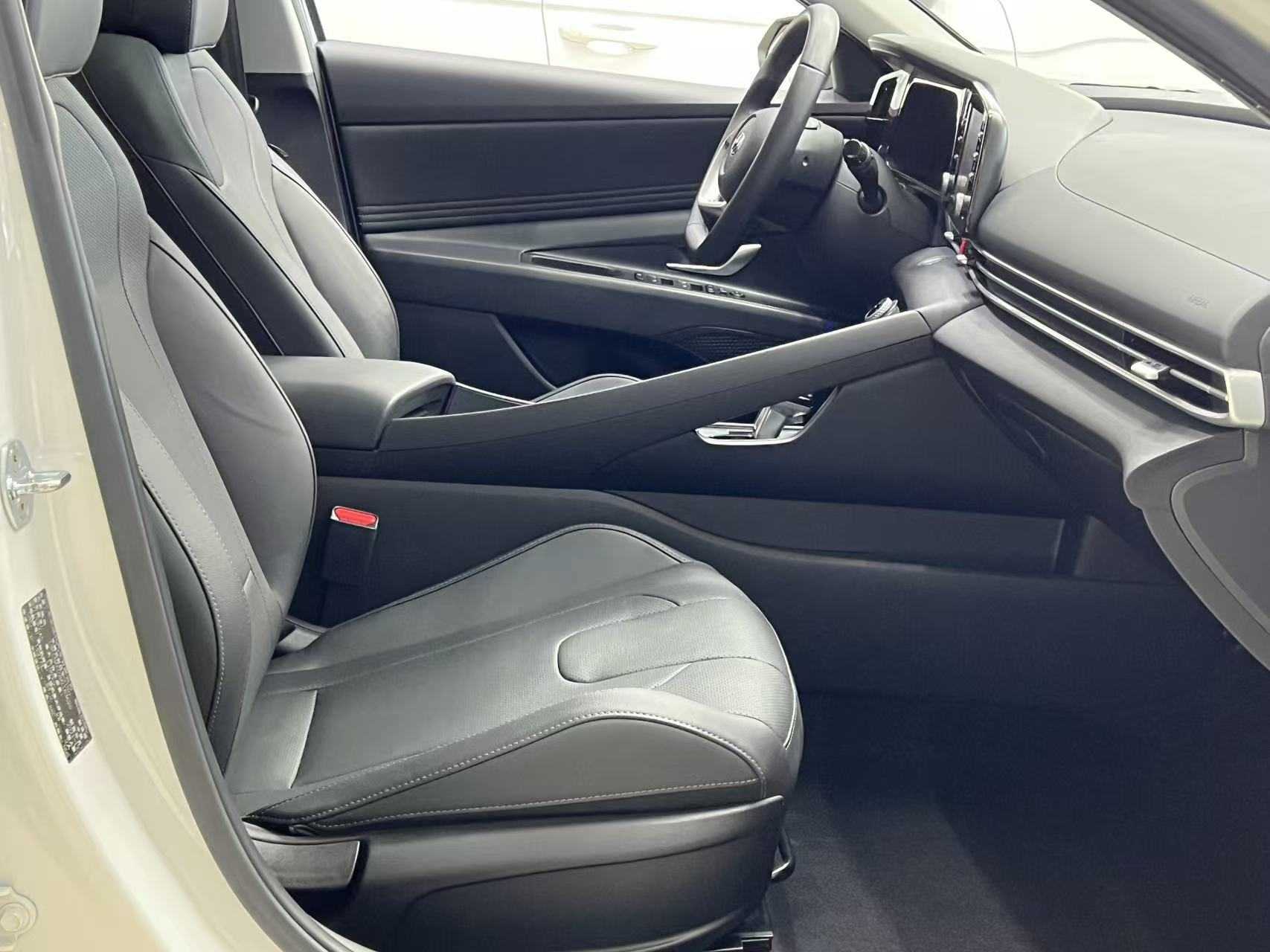
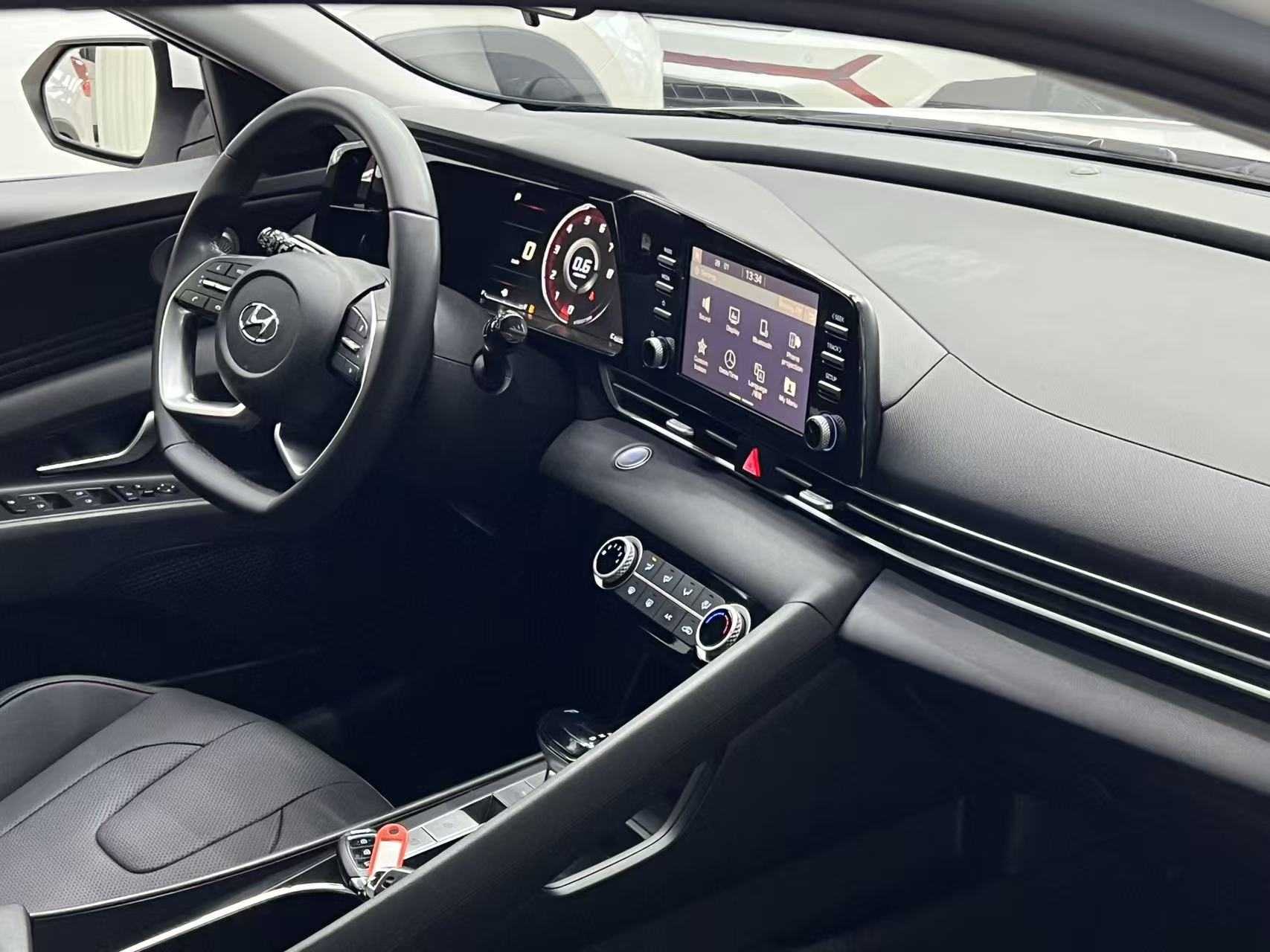
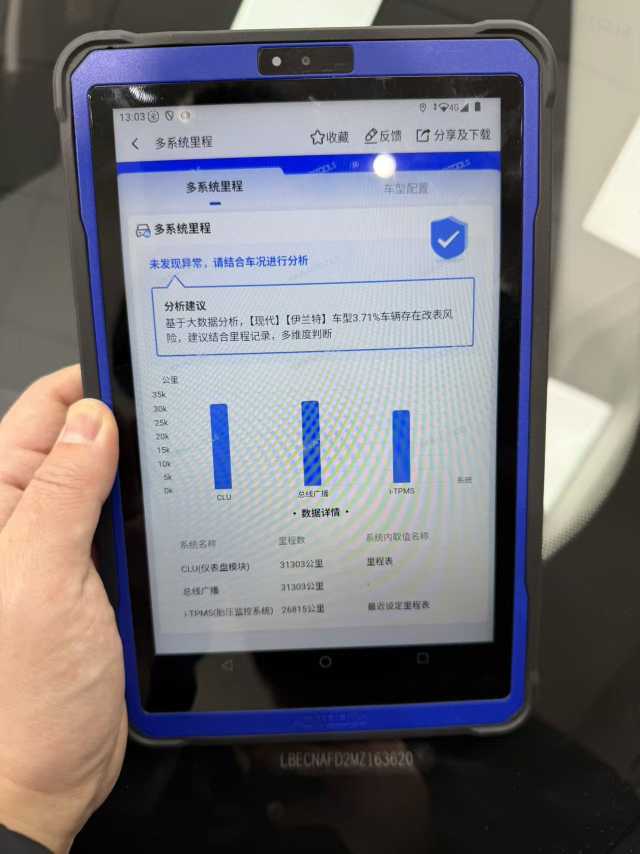



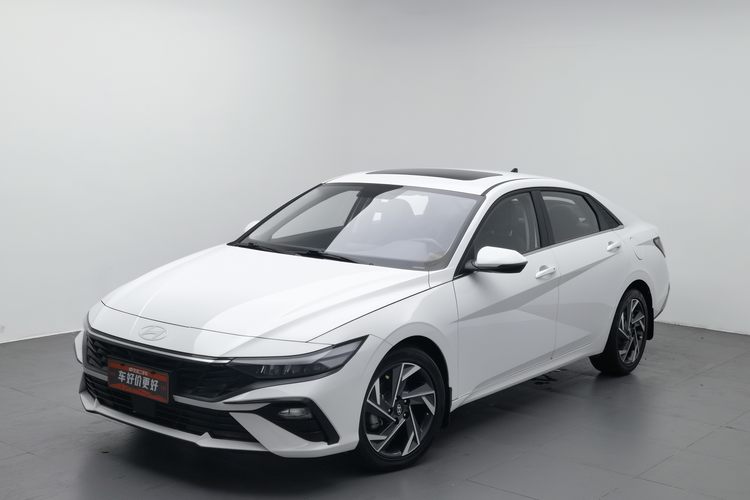
Basic Information

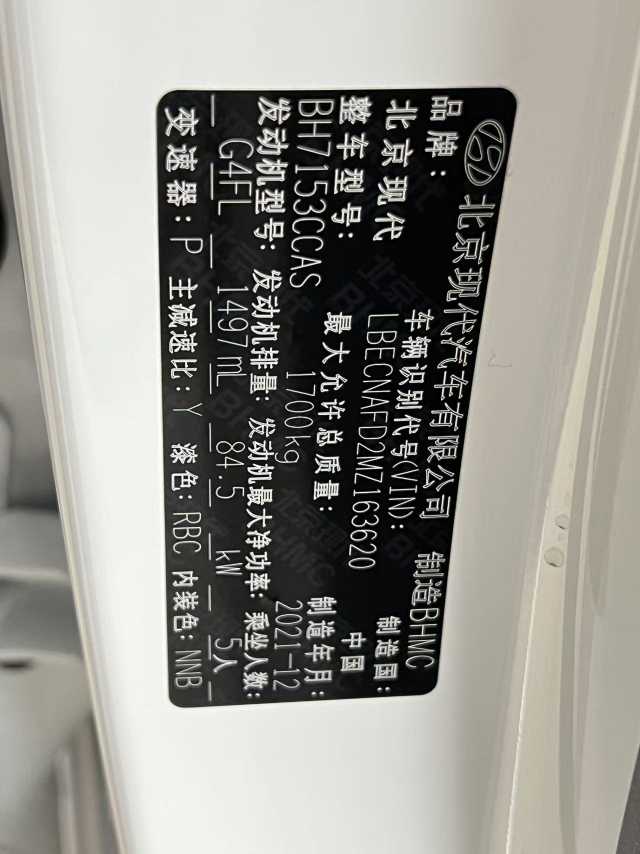
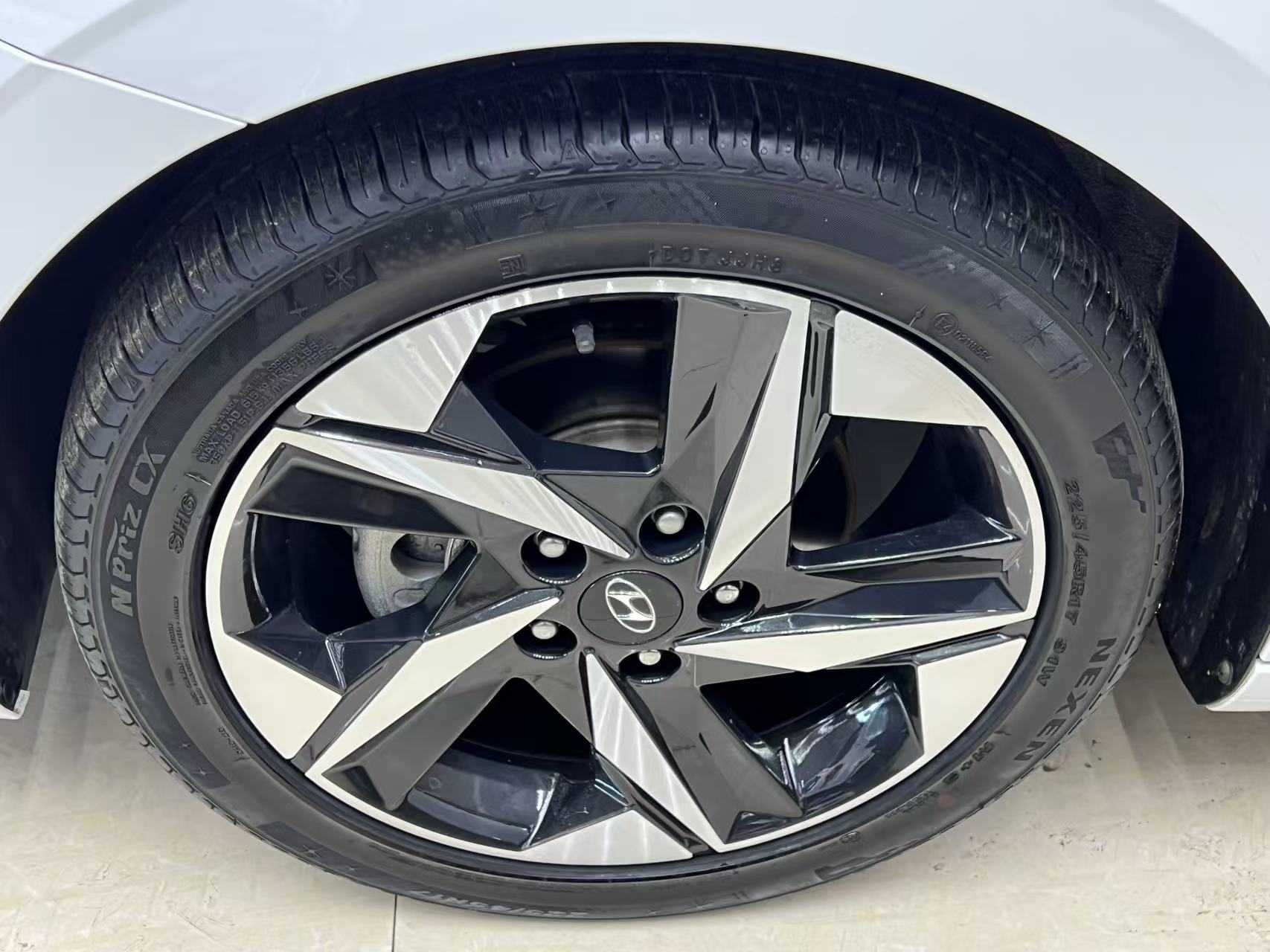
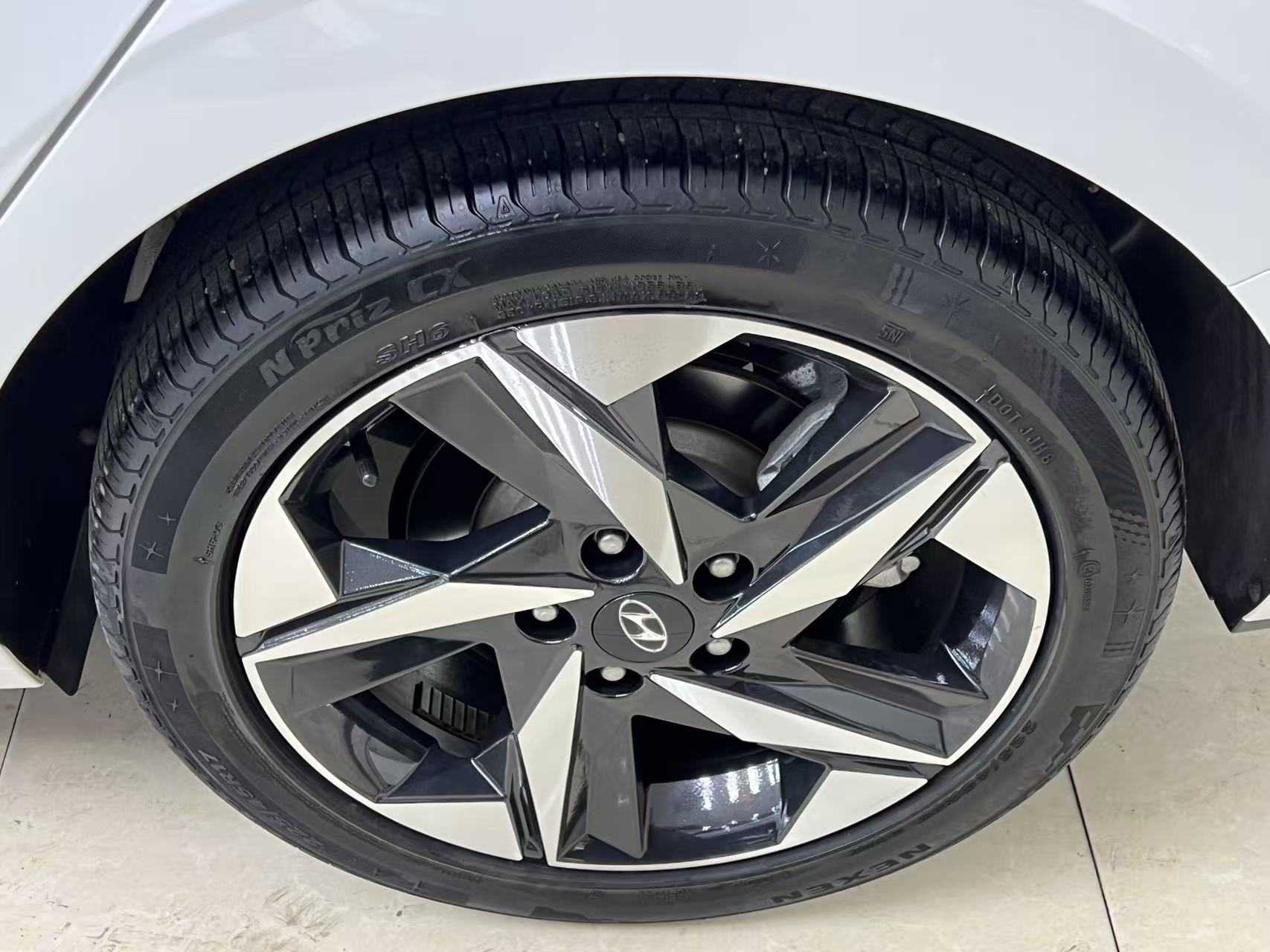
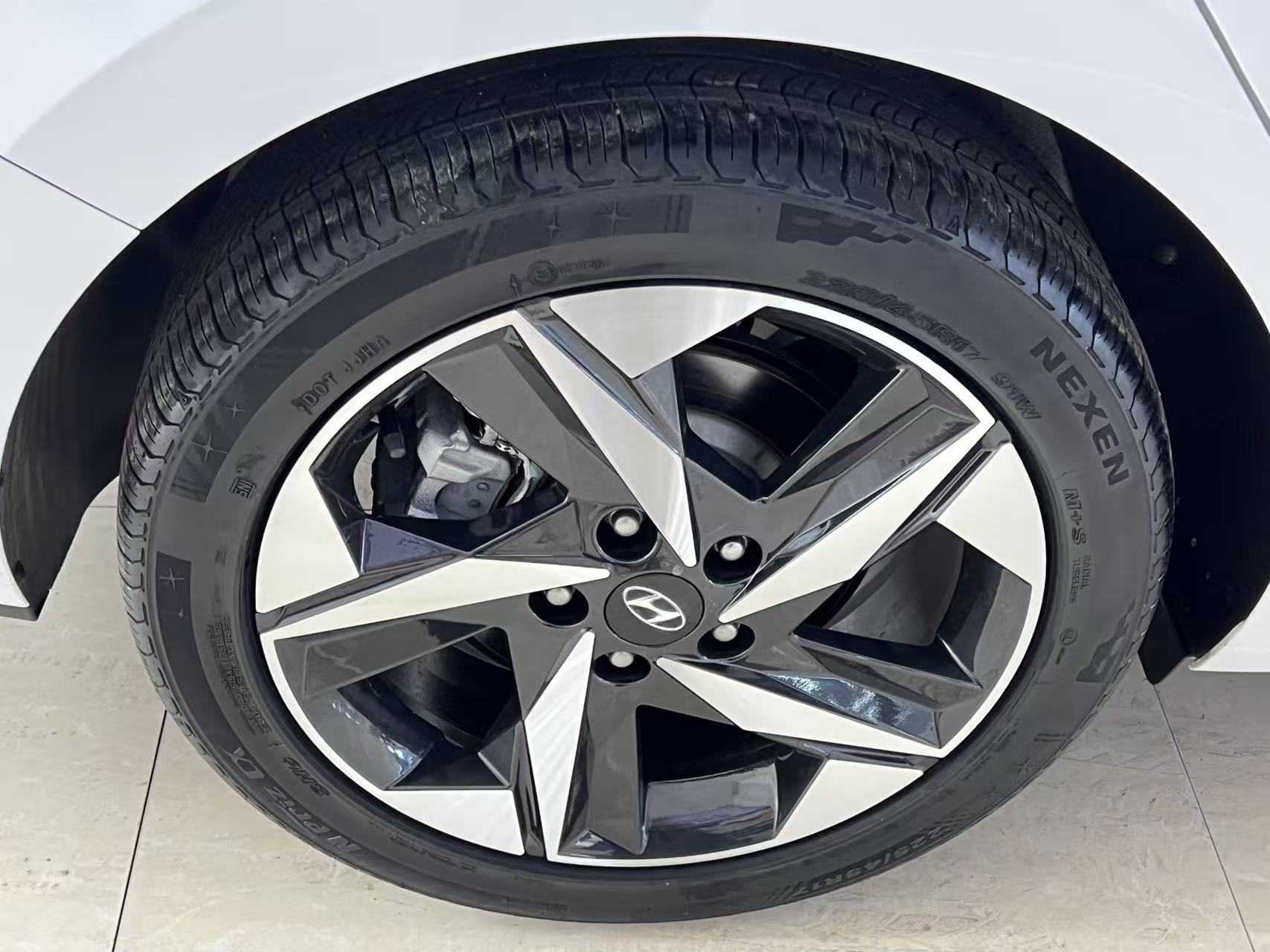
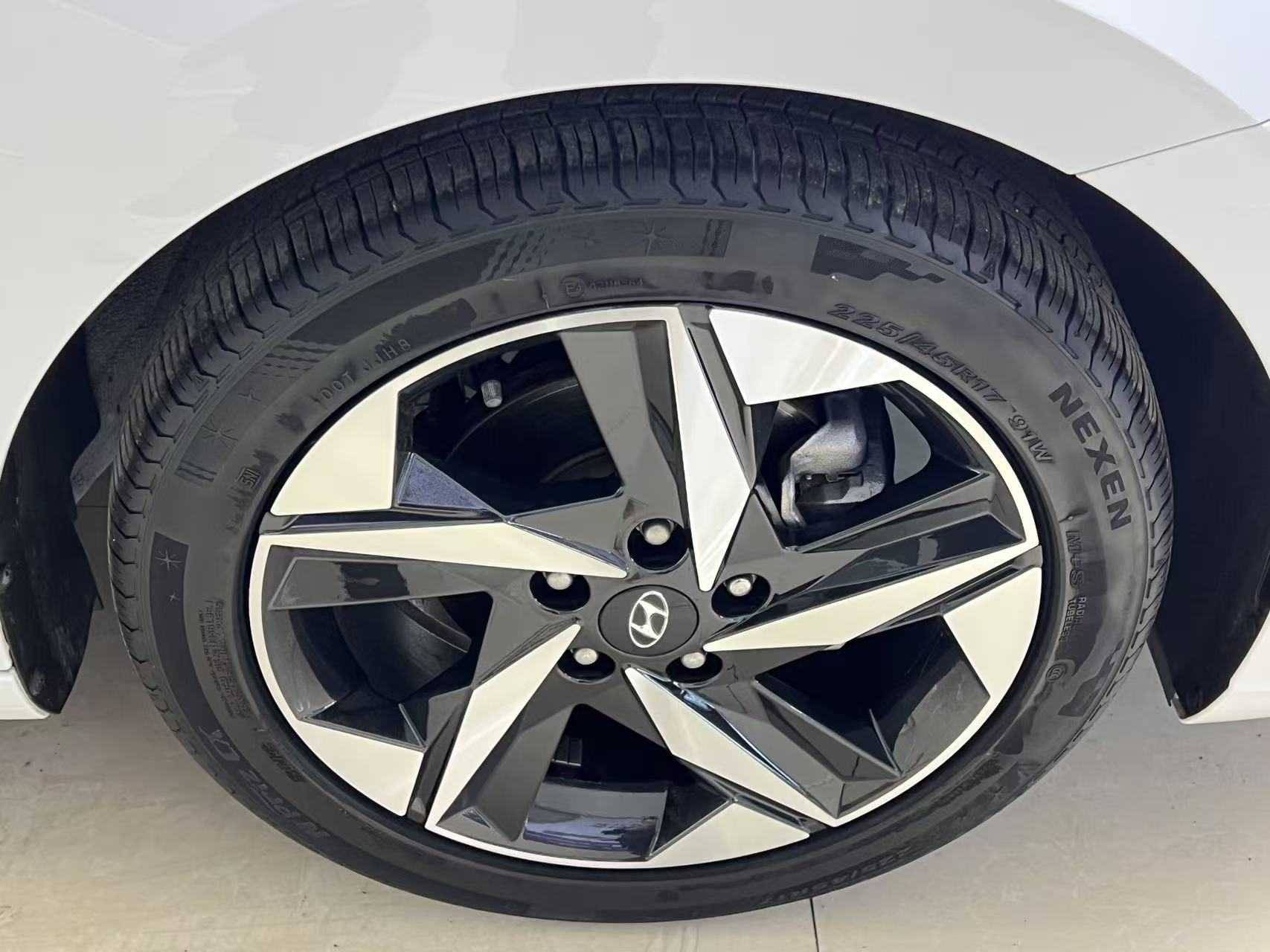
BrandHyundai
SeriesElantra
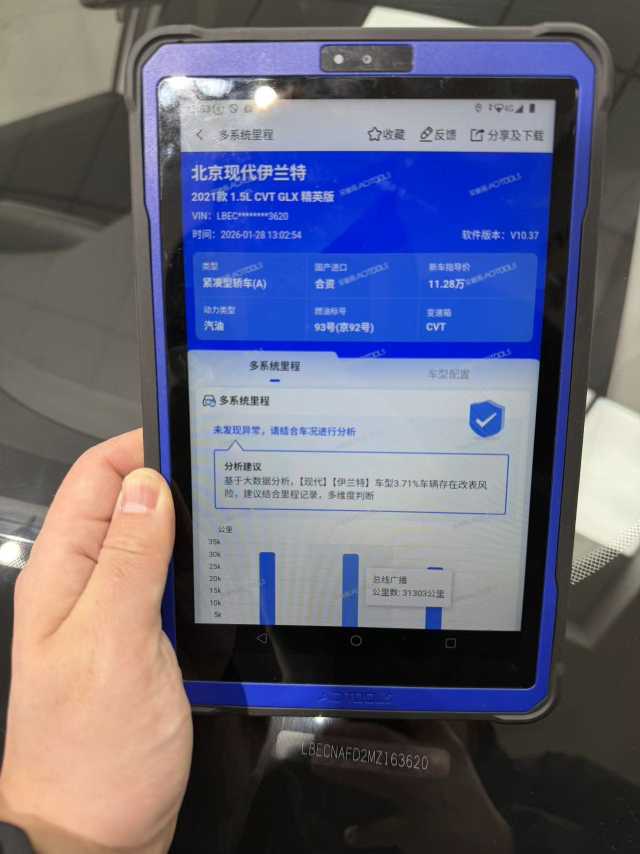
Year2022
First Registration2022/06
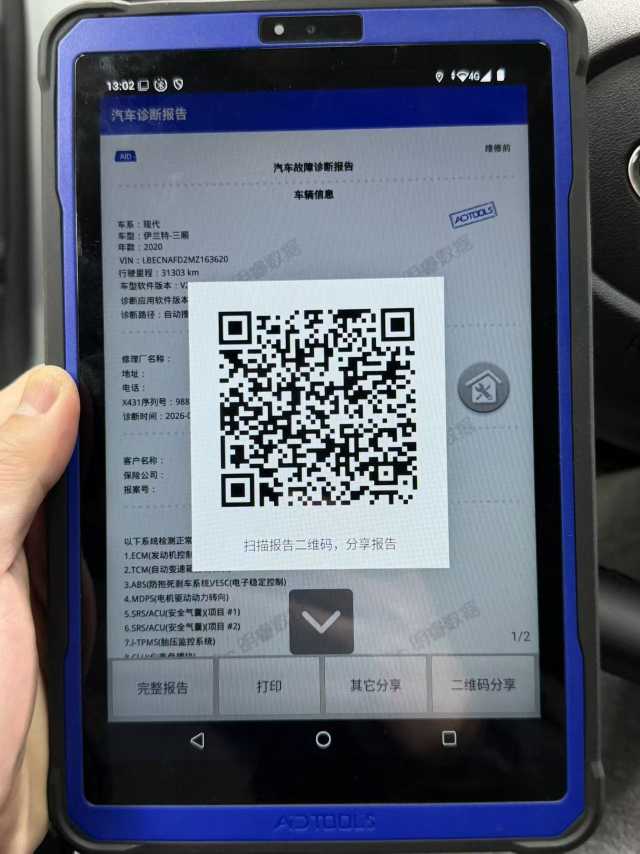
Mileage3.1km
Transfer Count2times
FuelGasoline
TransmissionCVT
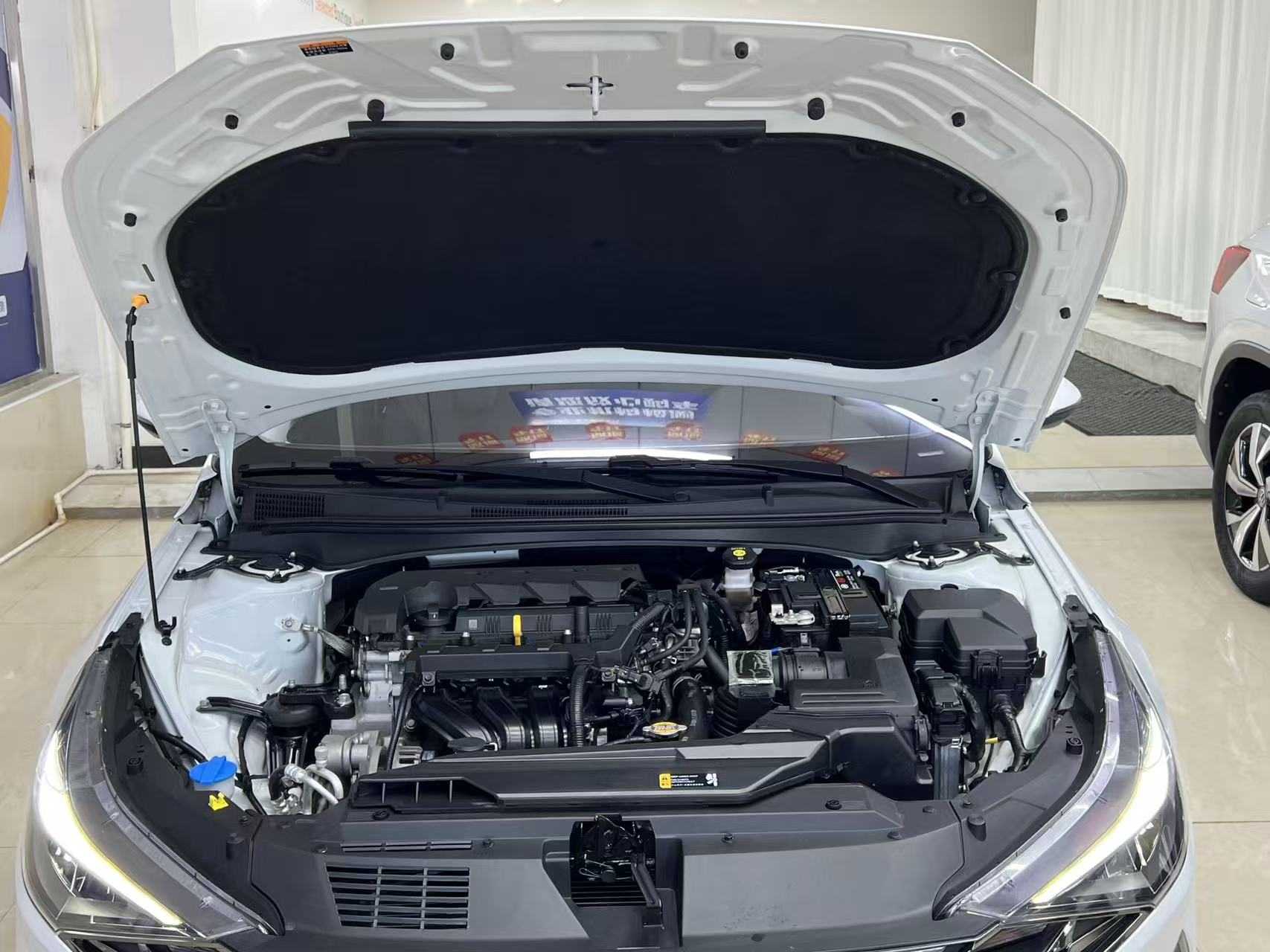
Engine1.5L 115 L4
ColorWhite
Seats-

Configuration Highlights

✓Driver/Passenger Airbags
✓Front/Rear Side Airbags
✓Front/Rear Curtain Airbags
✓Tire Pressure Monitoring
✓ISOFIX Child Seat Anchors
✓Keyless Start System
✓Keyless Entry System
✓ABS Anti-lock Braking
✓Electronic Brake Distribution
✓Electronic Stability Control
✓Hill Start Assist
✓Auto Hold
✓Kick-sensor Trunk
✓Multifunction Steering Wheel
✓Front Parking Sensors
✓Seat Material
✓Low Beam Headlights
✓Daytime Running Lights
✓Auto Headlights
✓Adjustable Headlight Height
✓Power Windows
✓Anti-pinch Windows
✓Climate Control Type
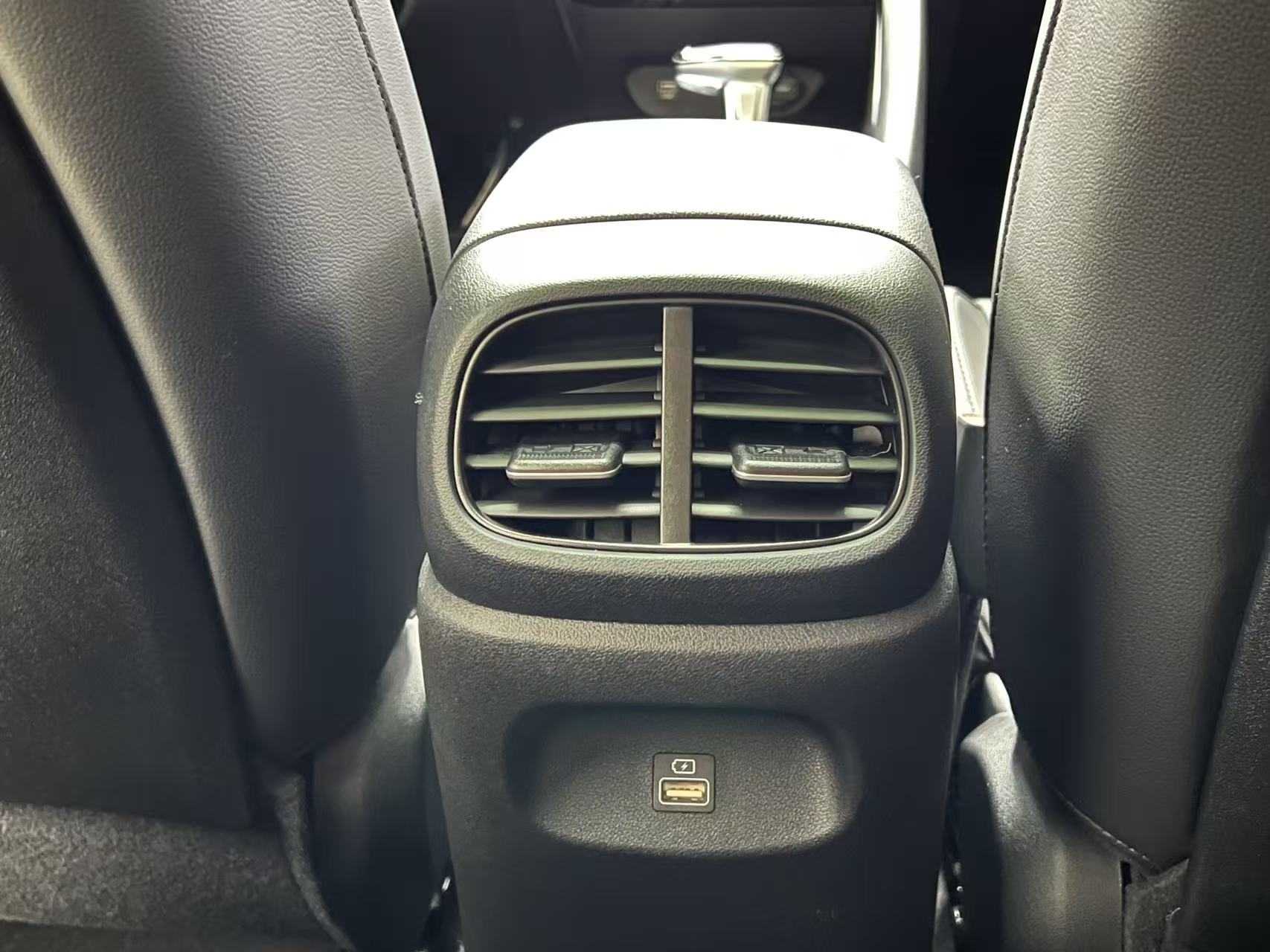
✓Rear Air Vents

Q&A

More

In countries with right-hand drive regulations, even if I bribe local customs to force a left-hand drive car through clearance, will I face irreversible obstacles when insuring and inspecting it later?

Absolutely. Even if you clear customs through gray channels, local commercial insurance companies will refuse to cover third-party liability insurance due to the vehicle not complying with national traffic laws; additionally, the vehicle will definitely fail the annual safety inspection at the local DMV.
What is the difference between maintenance records from 4S dealerships and those from third-party repair shops? Which is more reliable?

4S dealership records are directly connected to the manufacturer's database, making the data hard to tamper with and the most reliable, with original parts guaranteed; third-party repair shops usually are not connected, making their data unverifiable. Therefore, we only consider the connected records from 4S dealerships as valid historical documentation.

When B2B buyers make bulk purchases, can they request to combine the accessory costs and vehicle price on the same commercial invoice to reduce overall tariffs?

No, this is a serious customs violation. Complete vehicles (HS Code 8703) and auto parts (HS Code 8708, etc.) are subject to completely different import tax rates. Combining them on one invoice could lead to the invoice being returned by customs and may expose you to tax fraud accusations at the destination port.