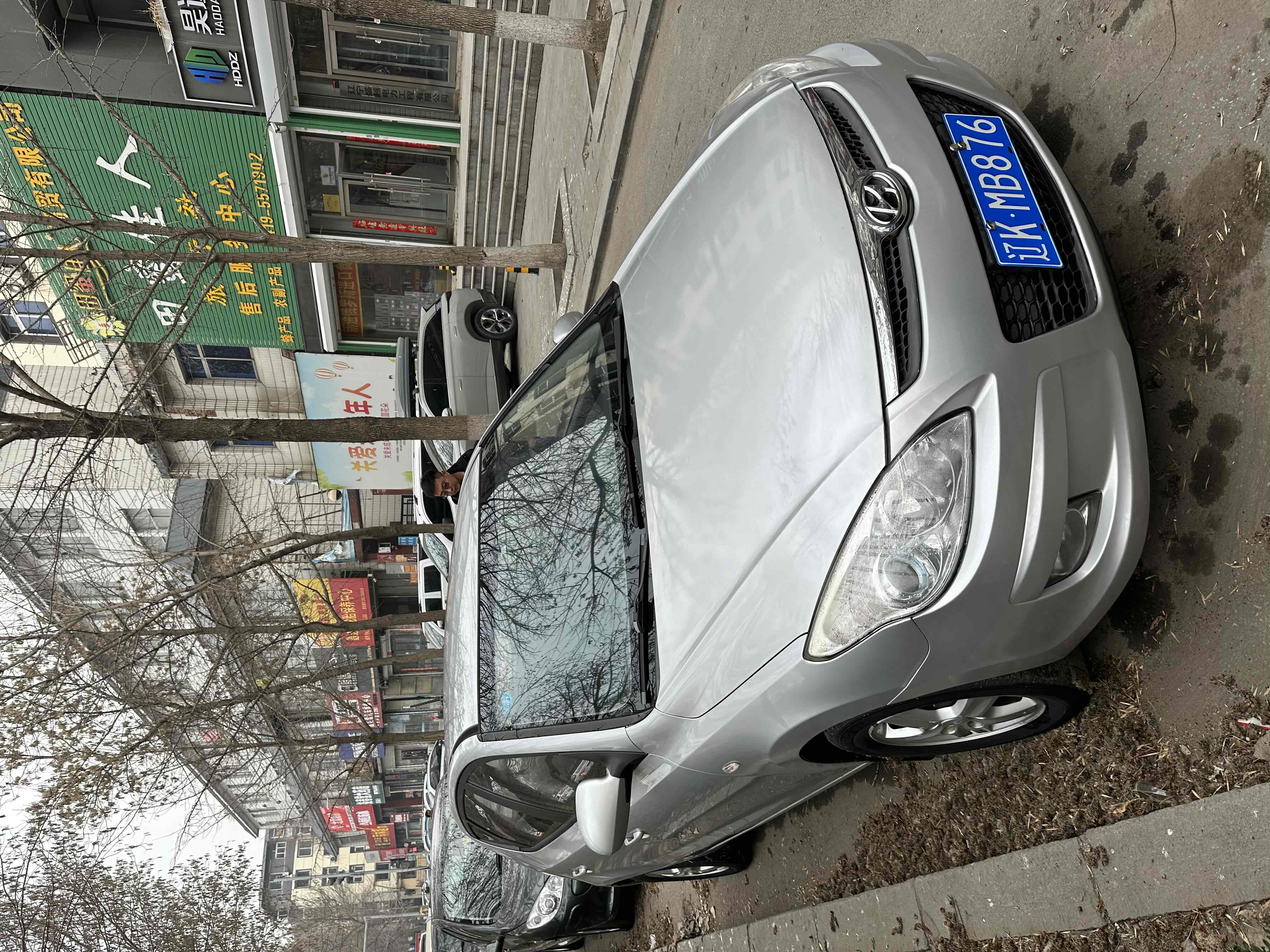
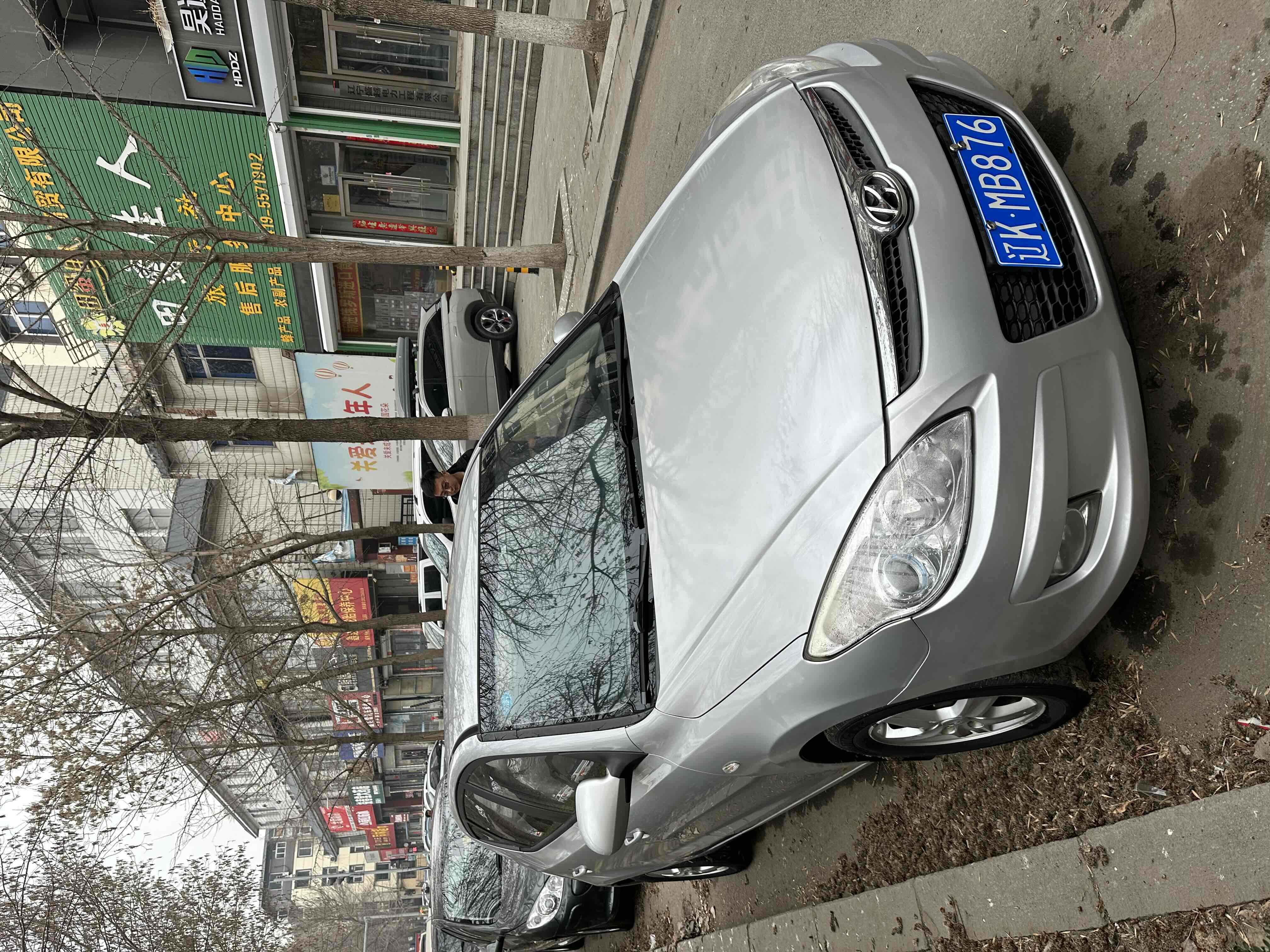
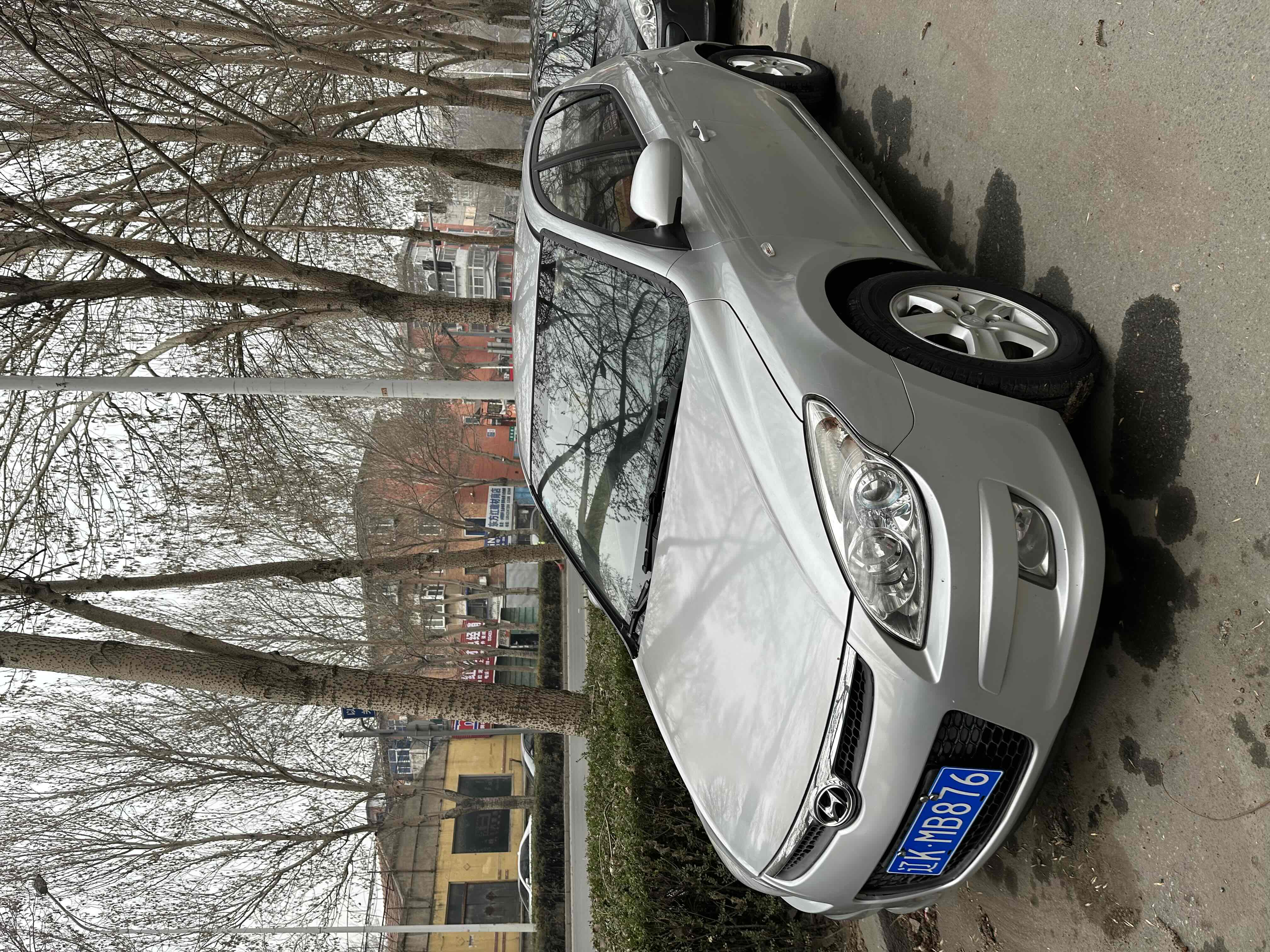
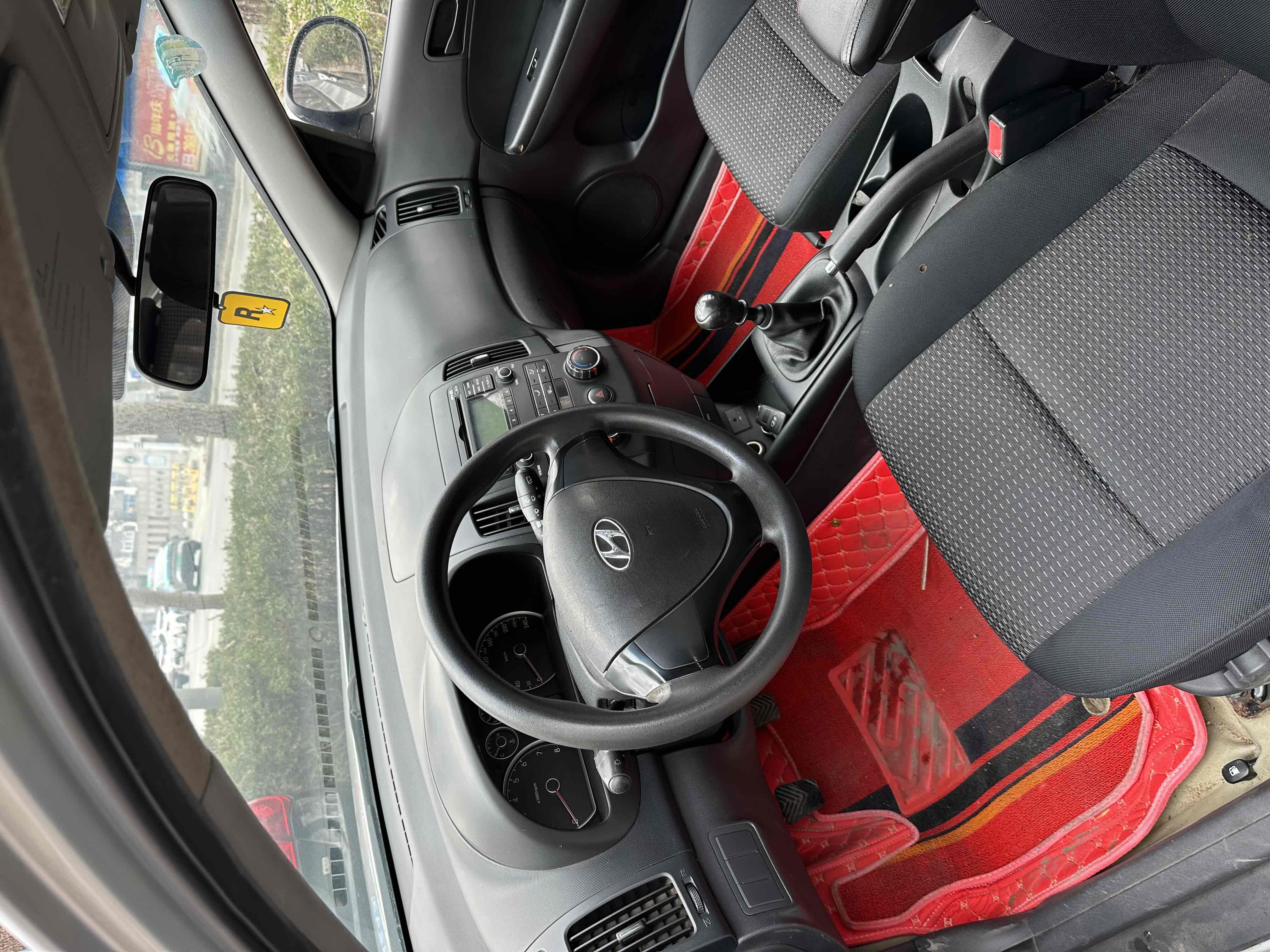
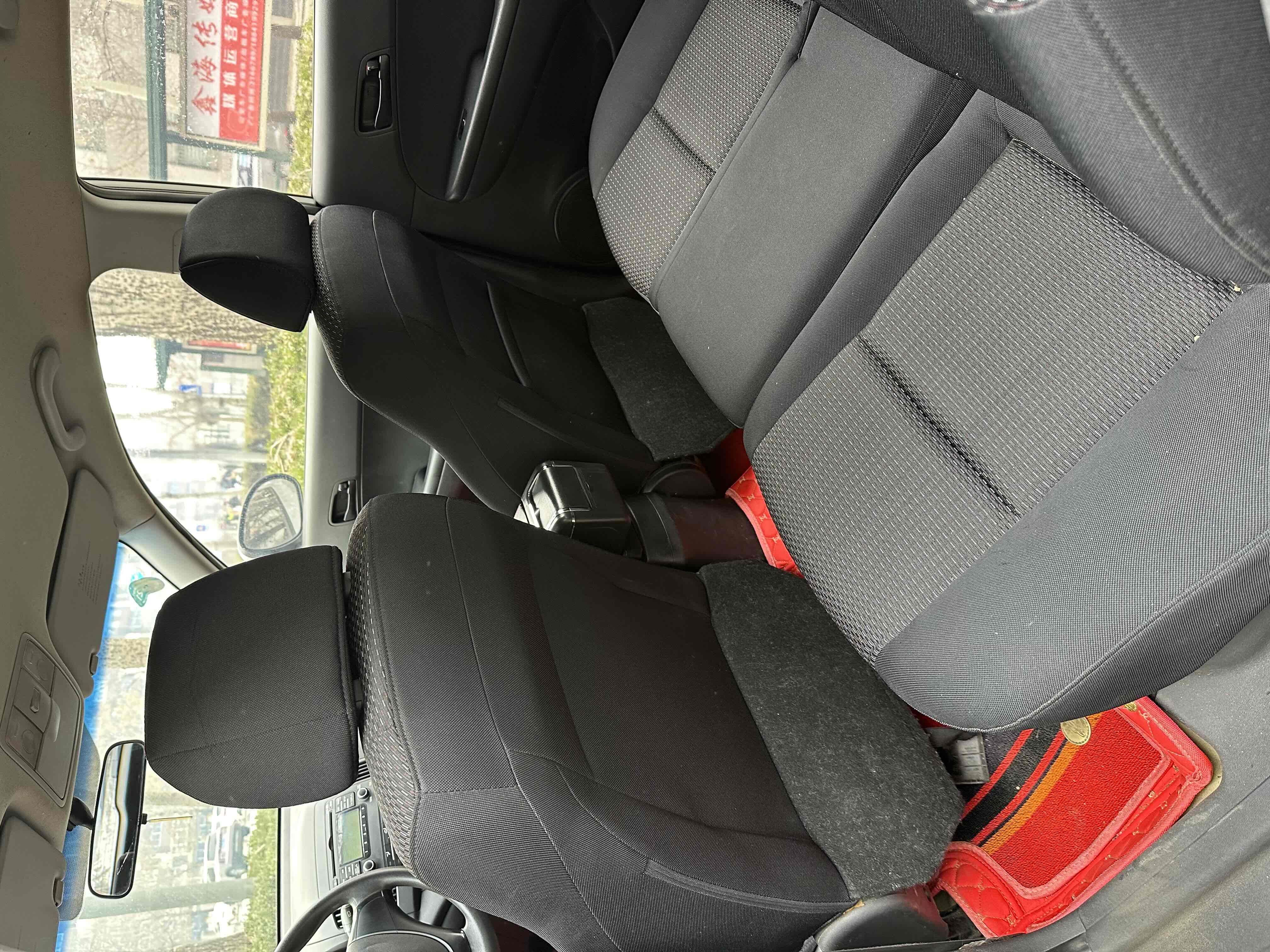
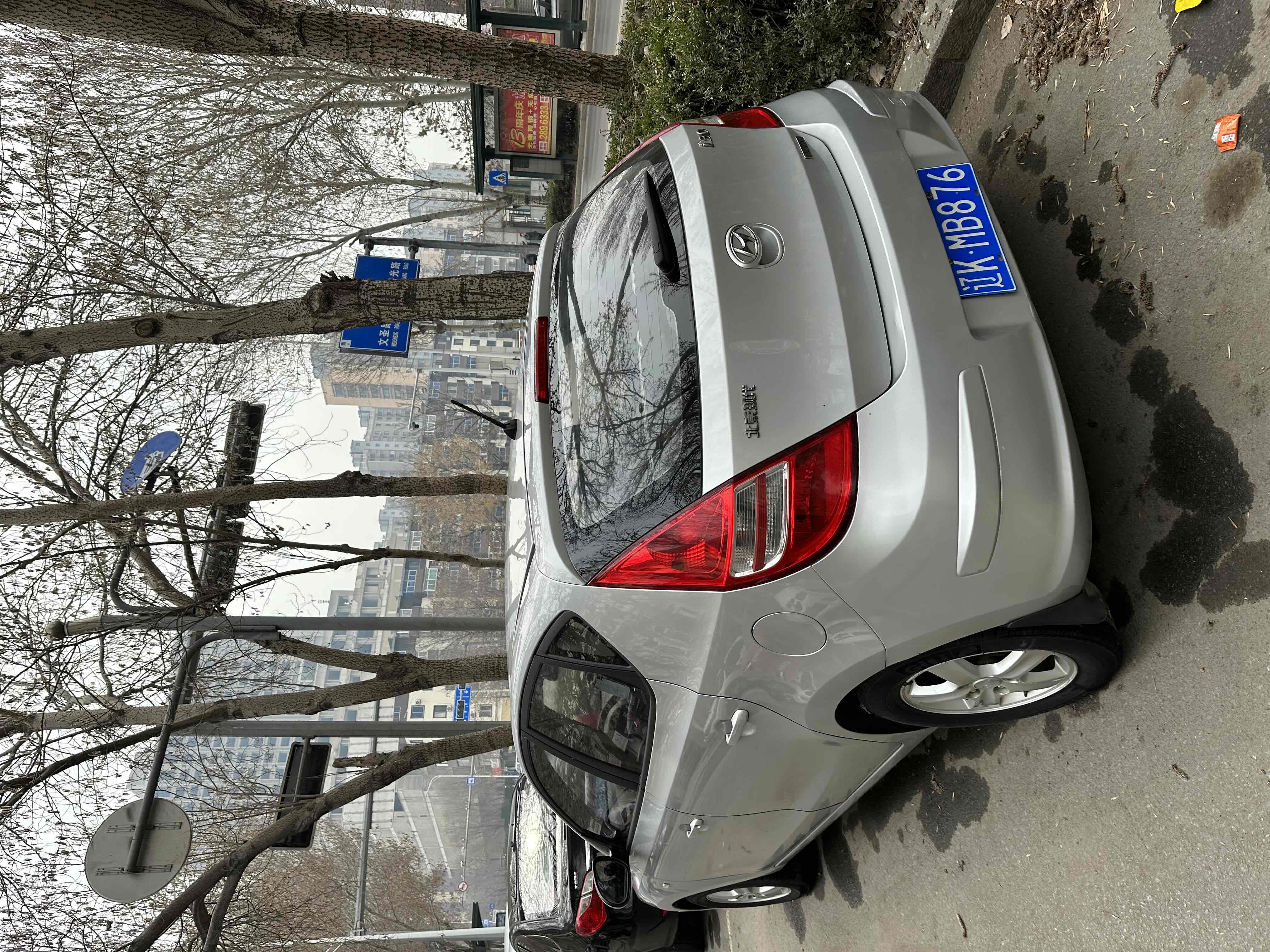
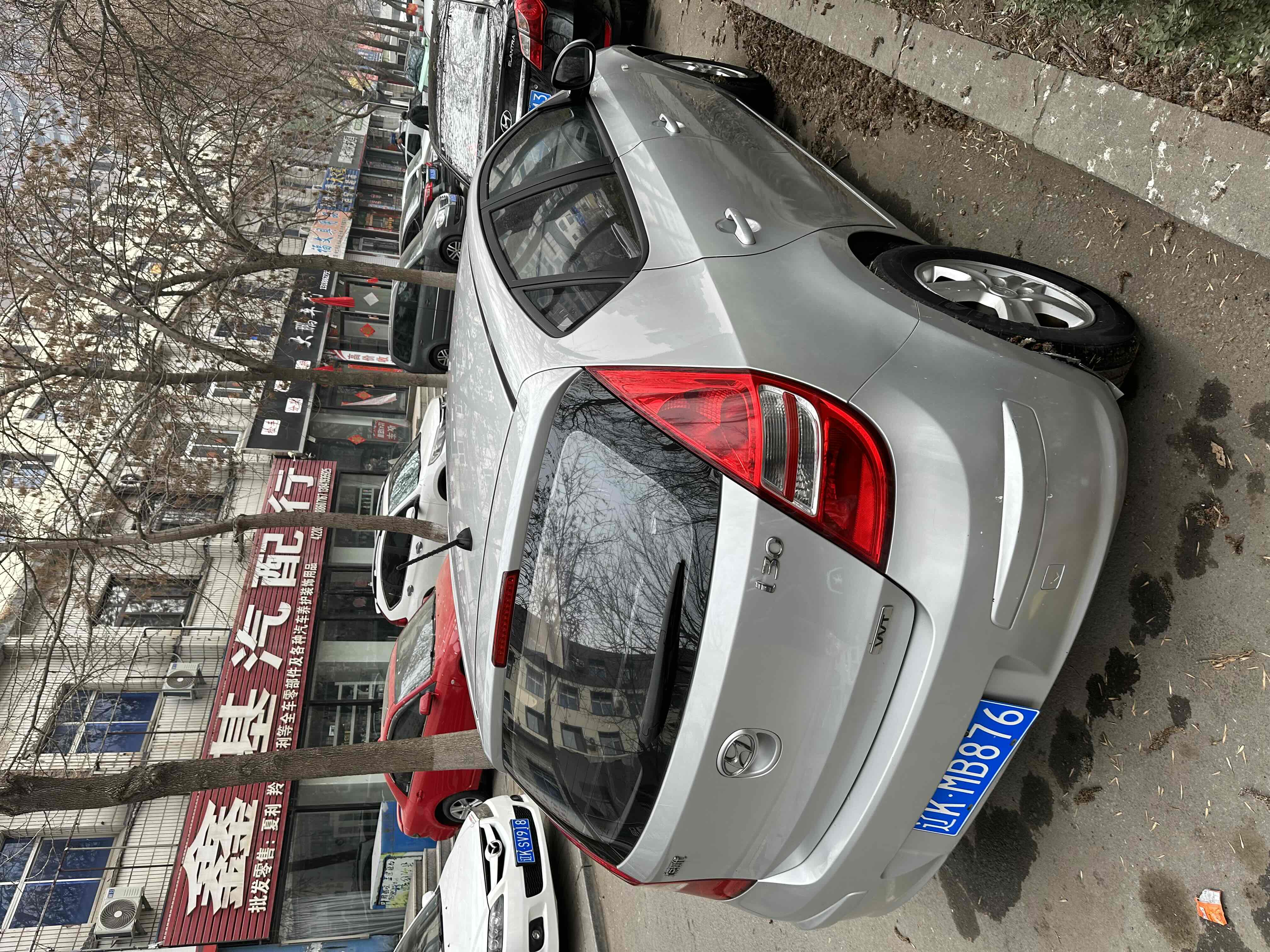



Basic Information

BrandHyundai
Seriesi30
Year2010
First Registration2010/03
Mileage16km
Transfer Count-
FuelGasoline
TransmissionManual
Engine1.6L 123 L4
ColorGrey
Seats5seats

Configuration Highlights

Driver/Passenger Airbags
ABS Anti-lock Braking
Electronic Brake Distribution
Seat Material
Rear Cupholders
Power Windows
Climate Control Type

Q&A

More

How is the degree of wear on the interior defined? (e.g., steering wheel, seat patina or cracking)

Interior assessment is divided into three core areas: the driver's high-frequency contact area (steering wheel, gear shift, edge of the driver's seat), central control button area, and rear seats and ceiling. The natural sheen of leather surfaces (patina) is normal; however, any physical damage (such as leather tearing, fabric burn holes, or plastic breakage) will be classified as "structural interior damage" and clearly marked.

For countries with strict anti-dumping laws, do the low-priced used new energy vehicles you export face the risk of being confiscated by customs on the grounds of dumping?

This is a macro policy minefield. Although used cars are rarely classified as dumping, if your single import quantity is too large and the declared price is significantly lower than local similar products, it can easily trigger an investigation by the tax bureau. We strongly recommend B2B buyers to break down shipments into smaller batches and use multiple invoices for customs clearance.

When shipping by RoRo vessel, is the "Terminal Handling Charge (THC)" at the destination port prepaid by your freight forwarder or paid by the buyer upon arrival?

Under international practices and our standard CIF/FOB terms, the THC at the port of origin (China) is borne by the seller; all THC and port miscellaneous charges incurred at the destination port during unloading are to be paid by the buyer (consignee) upon local customs clearance and pickup.

Hyundai i30 1.6L 123 L4

现代 北京i30 2009款 北京i30 1.6L 手动劲享型

EXW: $2,341
Car CodeSWA1547157
Publish Date2025/03/27
