


Basic Information

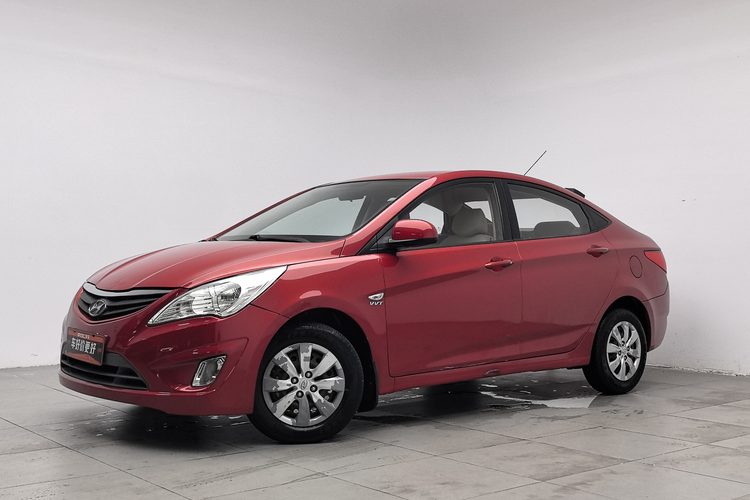
BrandHyundai
SeriesReina
Year2016
First Registration2016/03
Mileage130,500km
Transfer Count-
FuelGasoline
TransmissionAutomatic
Engine1.4L 107 L4
ColorWhite
Seats5seats

Condition Description

Vehicle condition meets standards, passed inspection, good condition, 2 claims filed, 0 ownership transfers.

This car is 10 years old, with an average annual mileage of 13,100 kilometers, typical of normal family daily use, and has never been transferred to another owner, making it a good first-hand car; there may be obvious signs of wear and tear on the exterior; the interior shows obvious signs of use or dirt; the overall body frame is intact, but there are a few abnormal issues; the powertrain is functioning normally.

Configuration Highlights

✓Rear Parking Sensors

Q&A

More

Will there be a thorough inspection of the aging and damaged wiring harness of older vehicles to prevent spontaneous combustion?

For older vehicles or those used in high temperature and humidity areas, we will focus on opening the hood to check if the insulation of the wiring harness in the high-temperature area of the engine compartment is cracked or brittle, to identify potential short circuit risks that could lead to spontaneous combustion.
How to prove that the vehicle's battery has not suffered physical damage from deep water immersion or chassis bottoming out?

We will remove the chassis guard to physically inspect the battery pack's lower shell for serious dents or scratches, and check for signs of mud or sand intrusion in the waterproof vent at the edge of the battery pack.

If a problem arises after the car arrives, how are disputes and claims typically handled with a Chinese exporter?

Handling claims with an overseas exporter works best when expectations are set before payment. Prevention: put the inspection standard, photo/video evidence requirements, and a dispute clause into the sales contract. Keep all chat records and payment receipts. Typical process if issues arise: 1) Notify the exporter within 48-72 hours of delivery with photos/videos as evidence. 2) Most disputes fall into two buckets: shipping damage (handled via marine insurance — this is why insurance matters) or undisclosed mechanical defects (handled per contract, often via partial refund, spare parts, or repair cost sharing). Realistic expectations: exporters rarely accept returns, so negotiate compensation instead. A reputable company will usually cover reasonable repair costs for defects confirmed to pre-exist shipment. Tip: for higher-value cars, hire a local third-party inspection at destination as final evidence — it strengthens any claim significantly.
