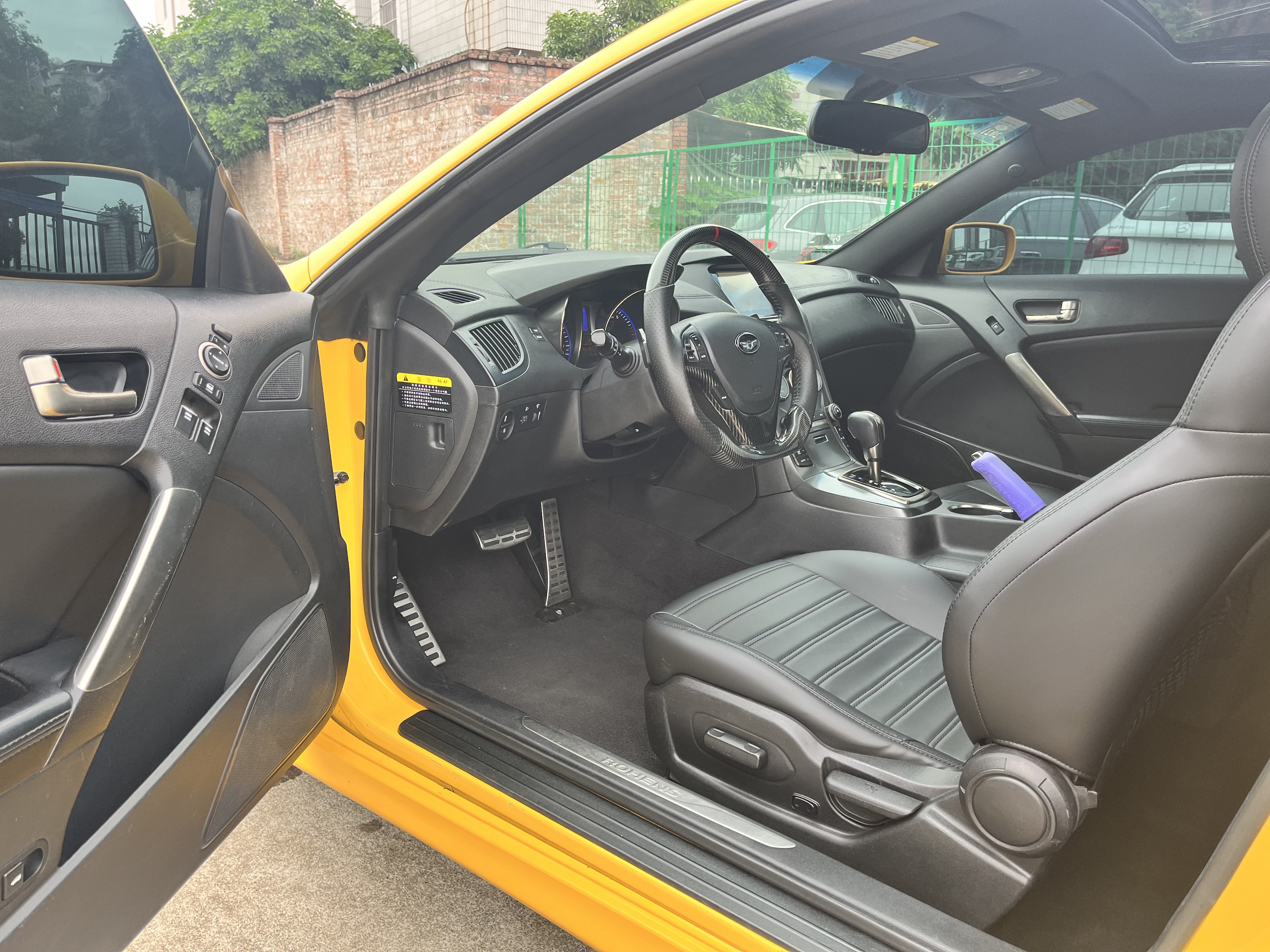
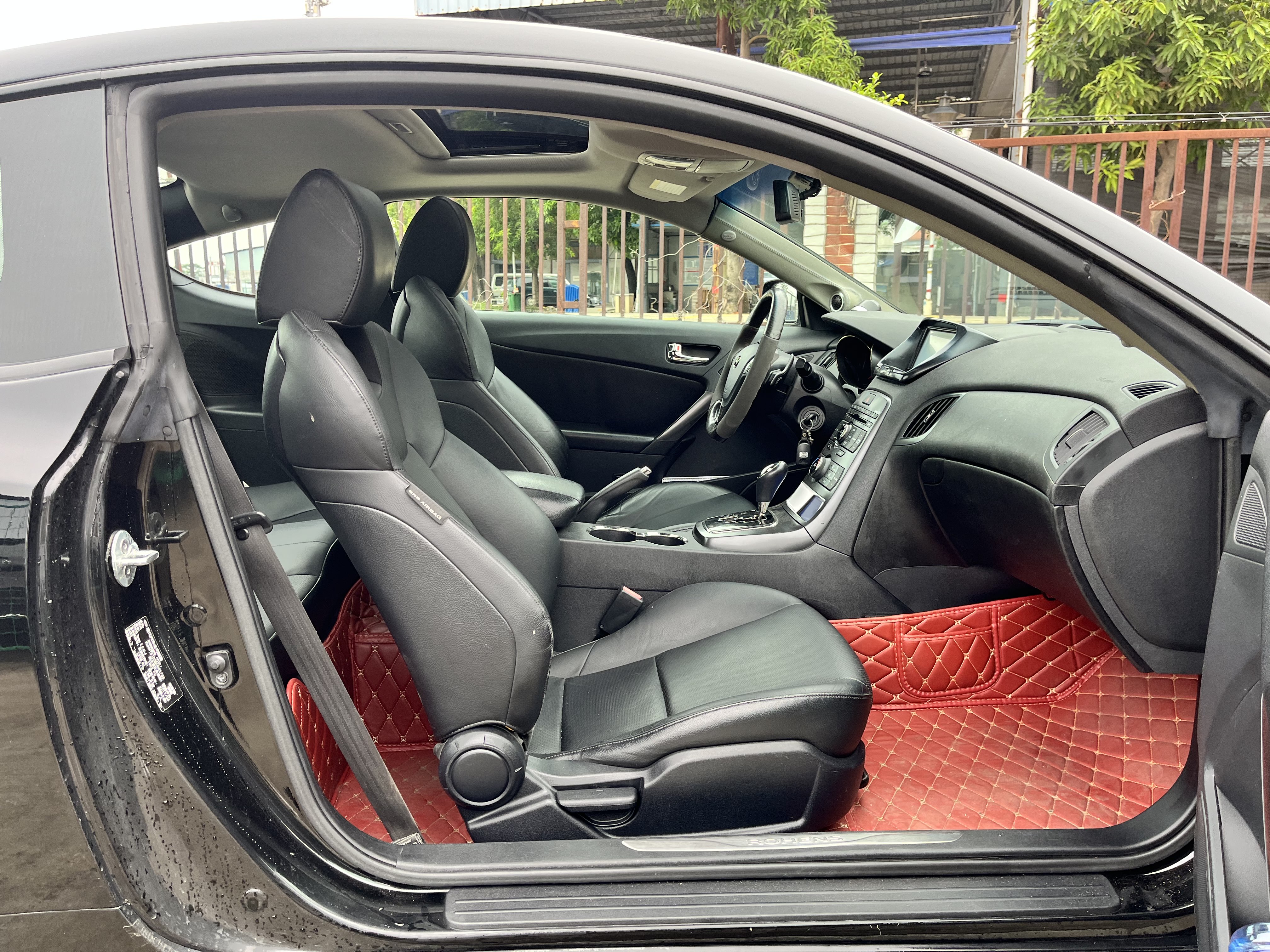
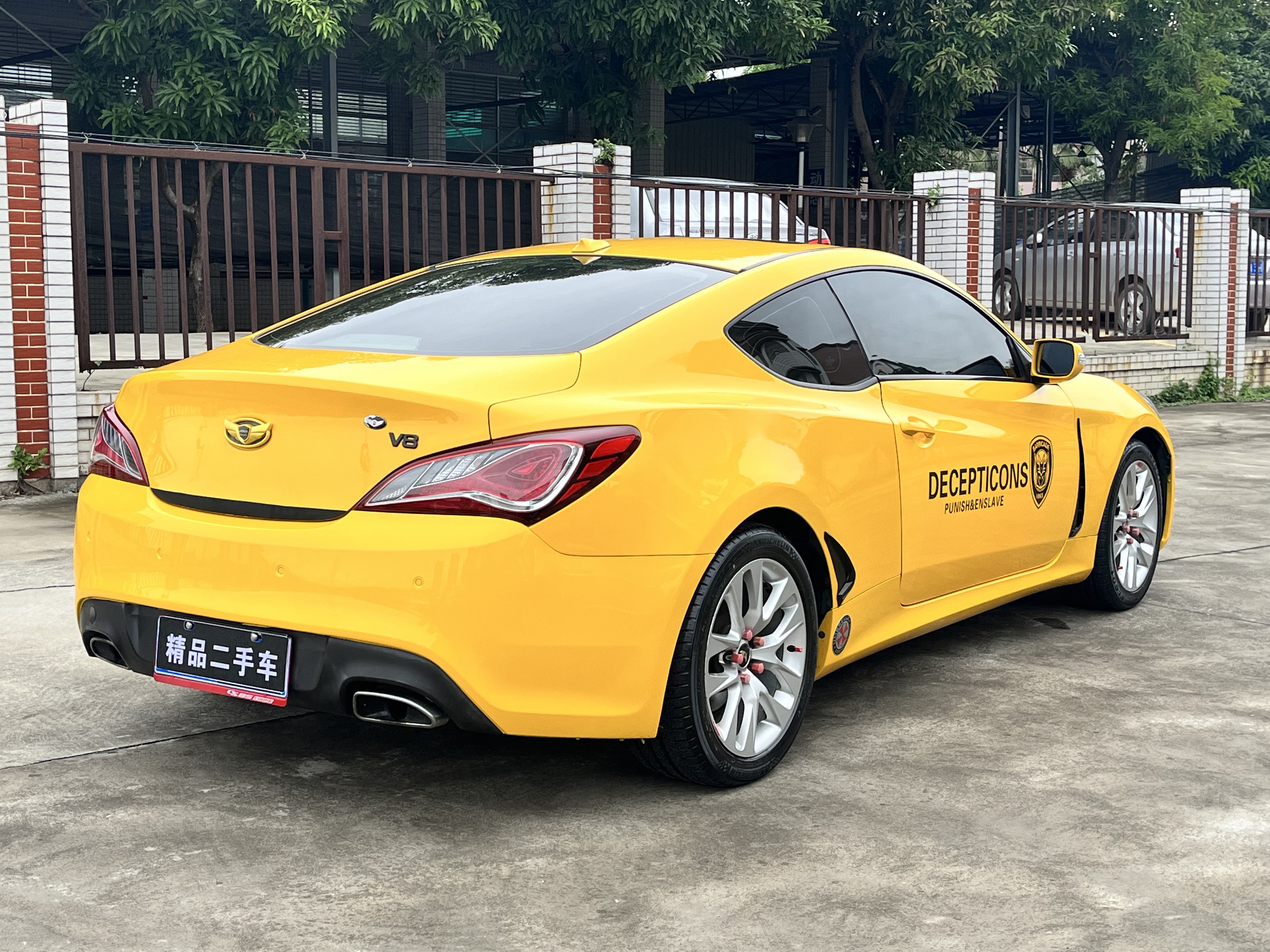
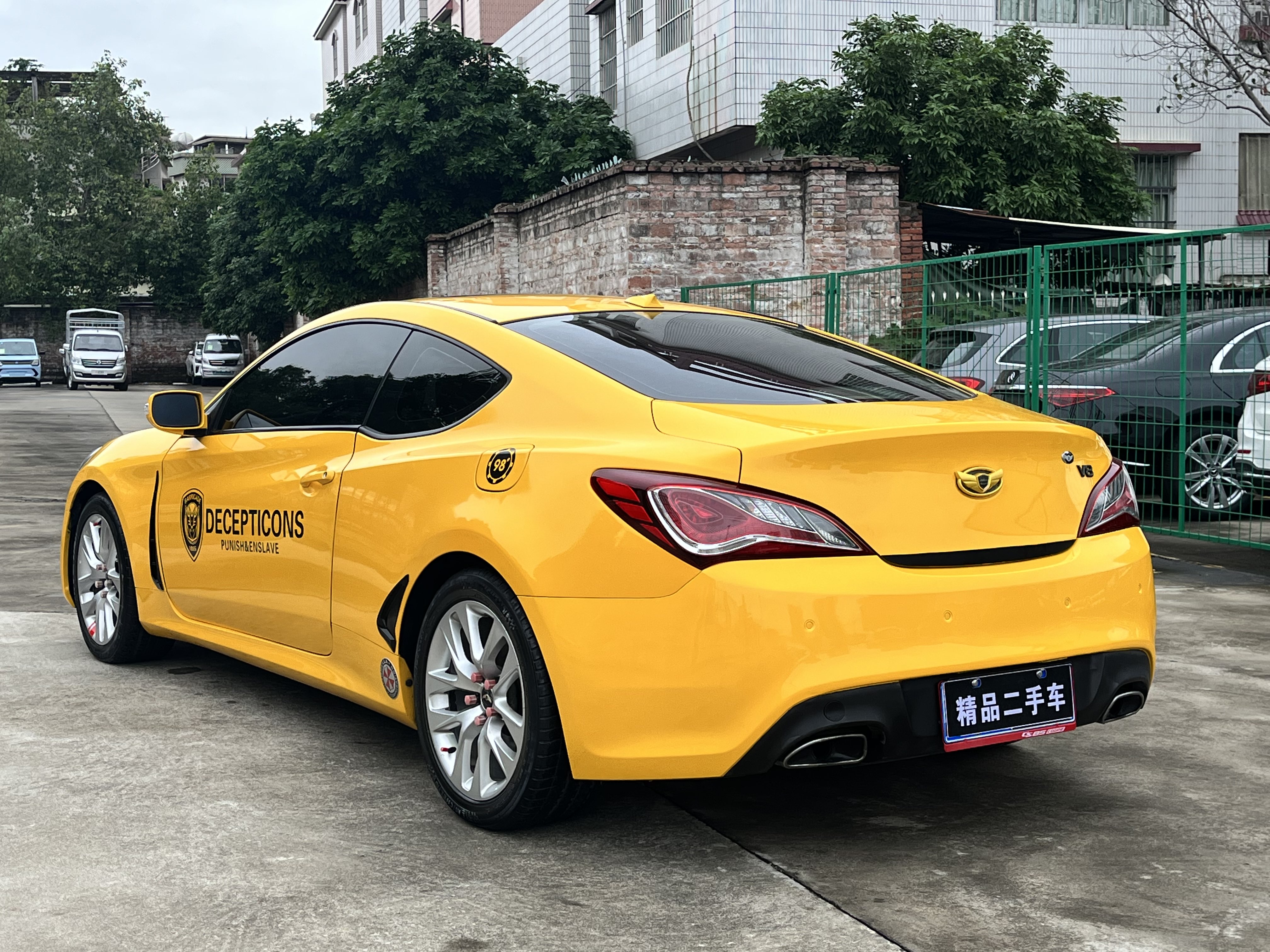
Basic Information

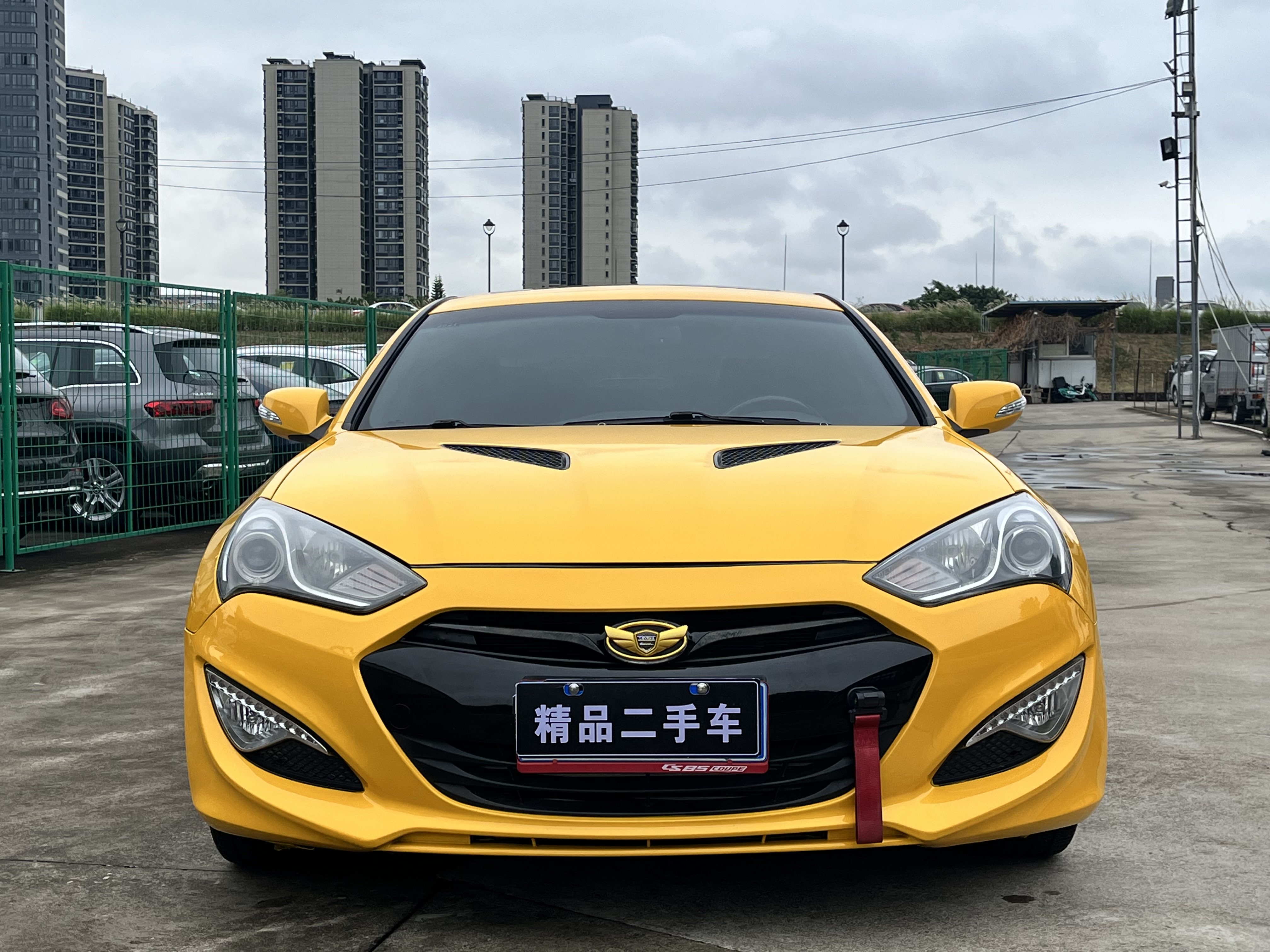
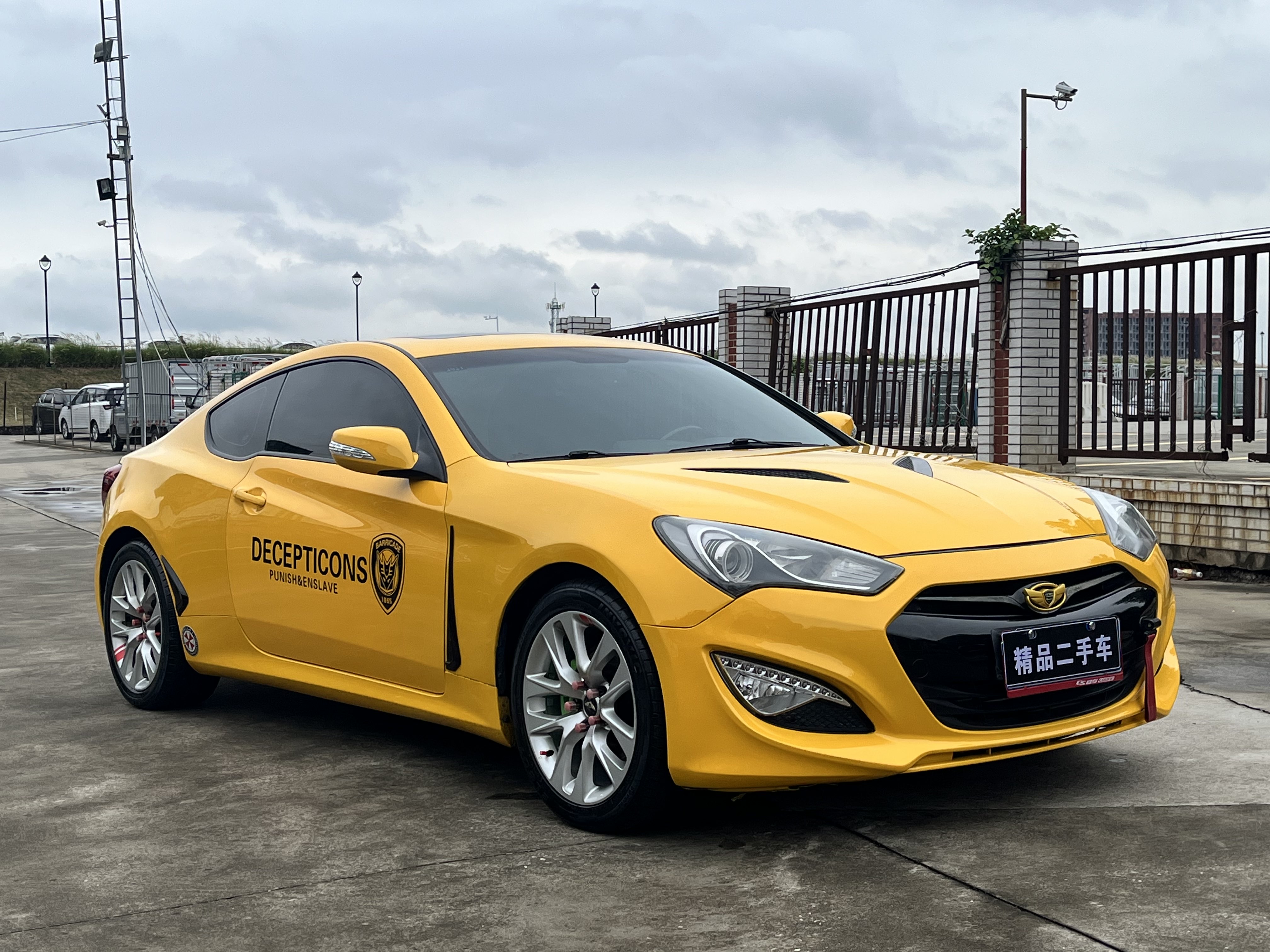
BrandHyundai
SeriesRohens
Year2013
First Registration2013/02
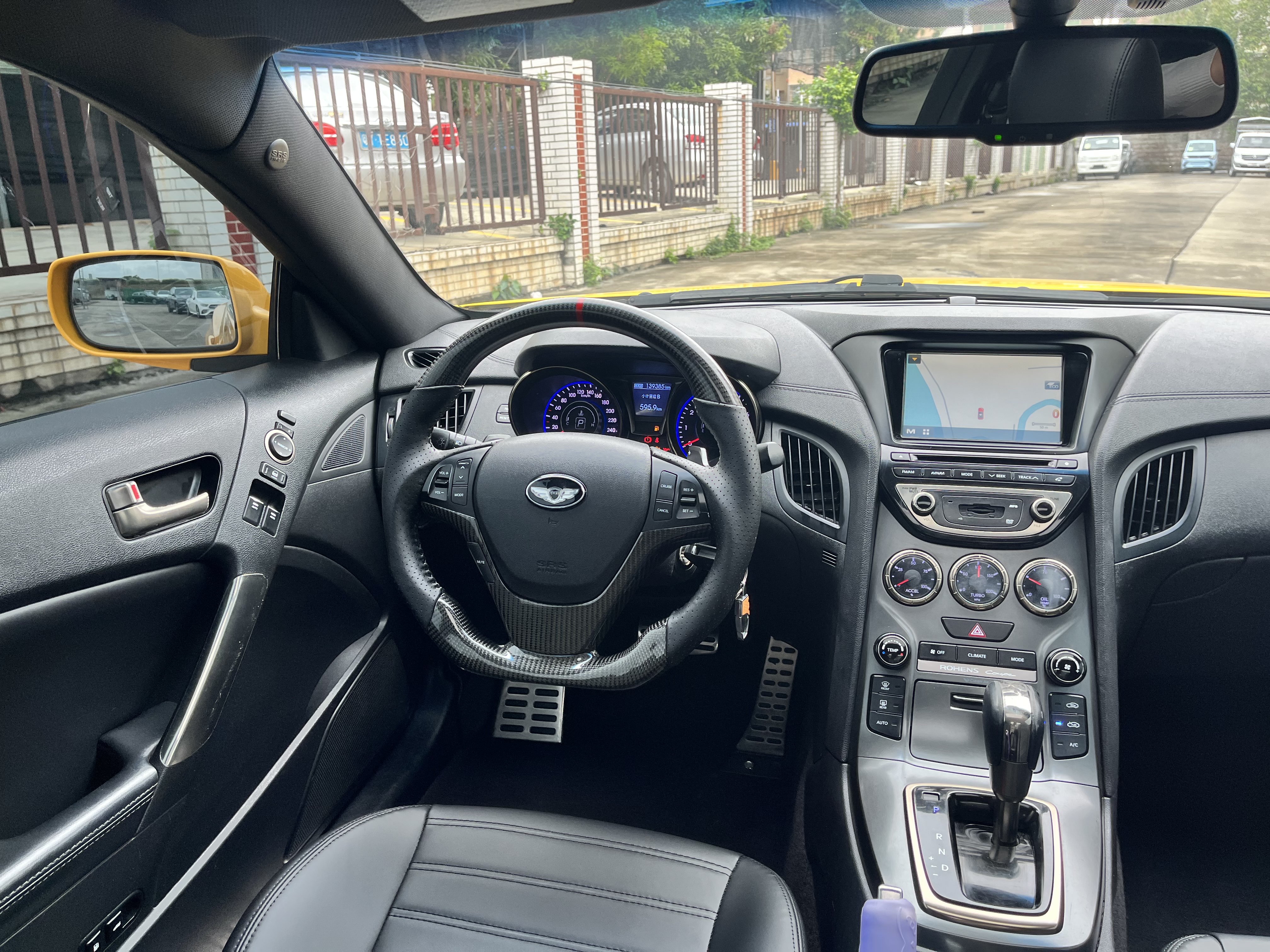
Mileage139,400km
Transfer Count0times
FuelGasoline
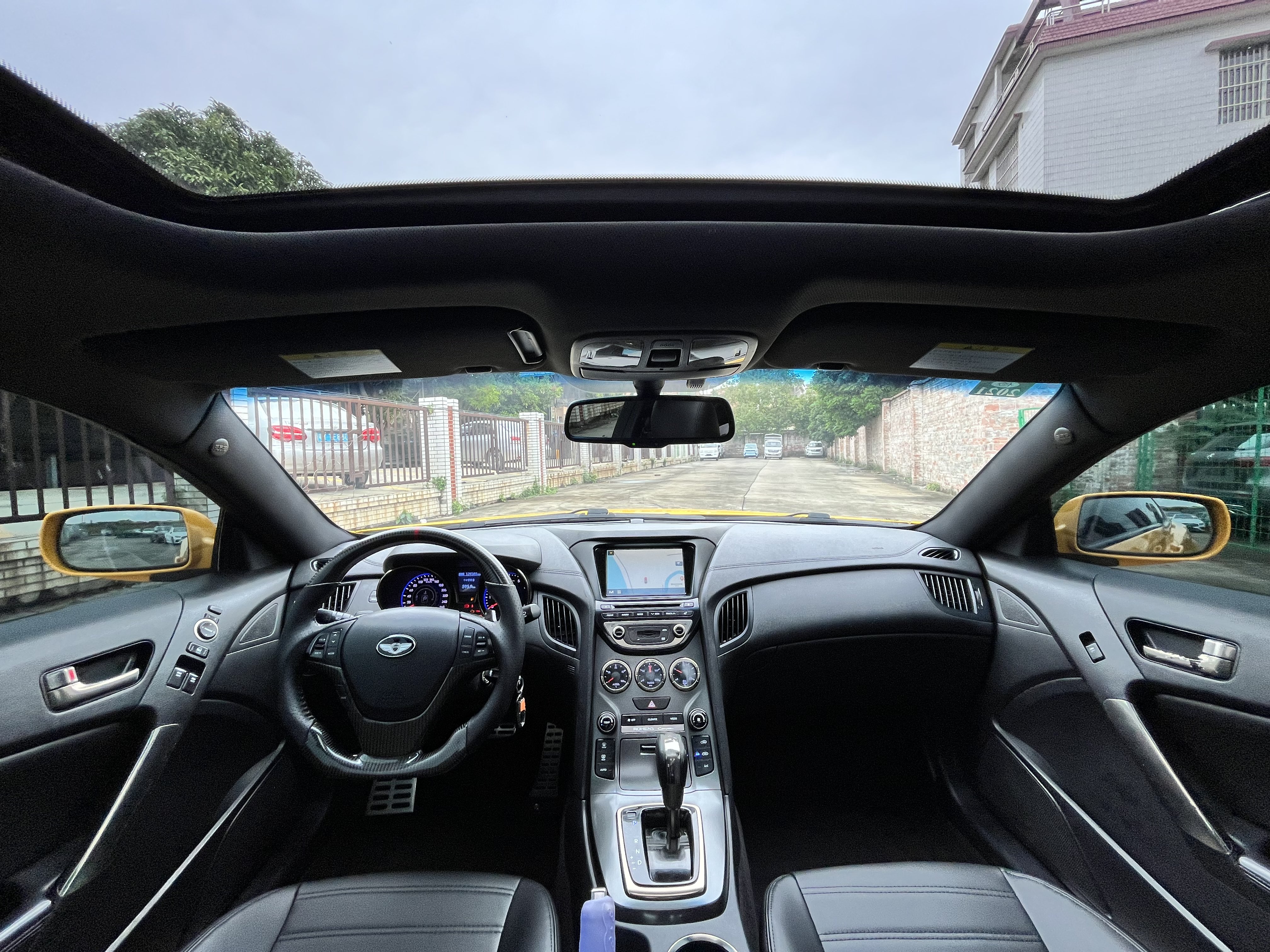
TransmissionManumatic
Engine2.0T 260 L4
ColorYellow
Seats4seats

Condition Description

0 transfers

Configuration Highlights

✓Keyless Entry
✓Keyless Start
✓Child Seat Anchors
✓ESP Stability Control
✓Backup Camera
✓Daytime Running Lights
✓Cruise Control
✓Leather Seats
✓Automatic Climate Control
✓Navigation System
✓Bluetooth Hands-free
✓Rear Parking Sensors
✓Safety Curtain Airbags
✓Roof Rails

Q&A

More

Are all external lighting systems of the vehicle (headlights, taillights, turn signals) confirmed to be functioning properly before leaving the factory?

Yes, all external lighting sources, including low beams, high beams, fog lights, daytime running lights, reverse lights, and brake lights, are included in the mandatory power-on testing.

What is a Certificate of Origin and why do I need one when importing a car from China?

A Certificate of Origin (C/O) is an official document stating where the vehicle was manufactured. Customs authorities use it to decide which tariff rates and trade agreements apply to your import. Why it matters: many countries offer preferential tariffs for certain origins. With a valid C/O, such as the ASEAN-China Form E or a GSP Form A, you may pay reduced or zero duty. Without it, you typically pay the standard, higher rate. The certificate must match the vehicle exactly: VIN, make, model and invoice details. It is usually issued by the China Council for the Promotion of International Trade (CCPIT) or customs authorities. Practical tips: request the C/O before shipment, because adding it later is slow; check that your country's customs accepts the specific C/O format; and confirm with your broker whether your vehicle category qualifies for preferential rates. This single document can save you thousands in duty.

Should I ship my car from China in a container or by RoRo vessel?

Both are common, and the right choice depends on budget and destination: 1. Container shipping (20ft/40ft): The car is sealed inside a container, offering better protection and allowing you to load spare parts inside the car. Typical cost from Shanghai to major world ports: $1,500-$3,000 per car. Best for long distances and high-value vehicles. 2. RoRo (roll-on/roll-off): The car is driven onto the ship and secured on deck. Cheaper ($800-$1,800 to most ports) and faster to load, but exposed to weather and port handling. Not all routes offer RoRo service. Transit time examples: to the Gulf 15-25 days, to West Africa 30-45 days, to Latin America 25-40 days, to Europe 20-35 days. Ask your exporter which option serves your destination port, and always insure the shipment for full value.
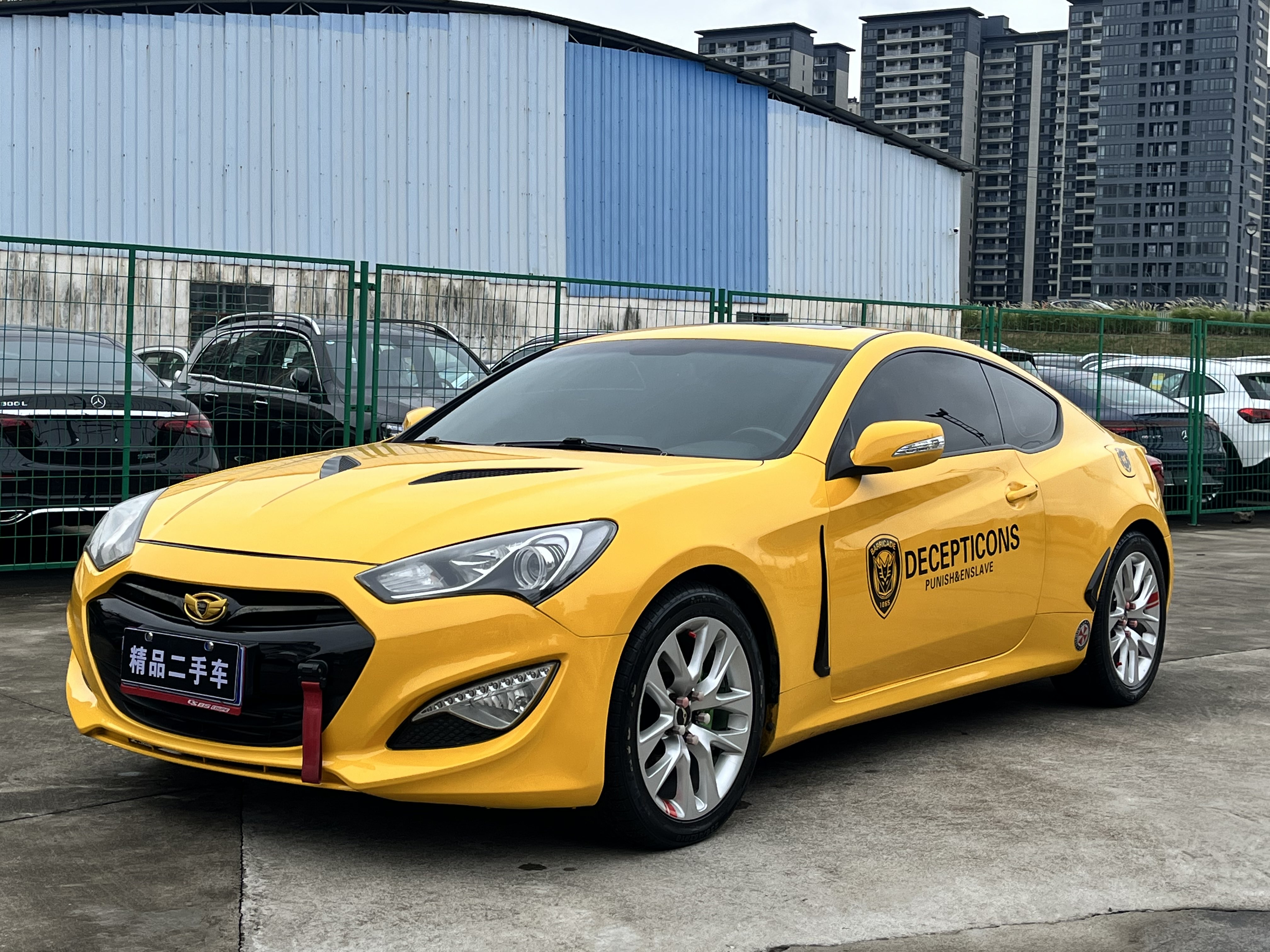
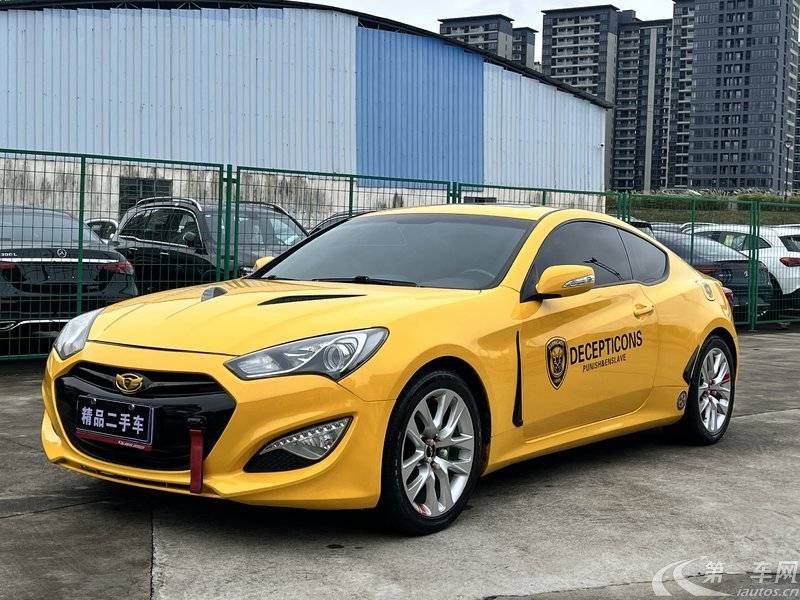
Hyundai Rohens 2.0T 260 L4

现代劳恩斯酷派 2.0T 自动 靓雅版

EXW: $15,633
Car CodeSWA1547715
Publish Date