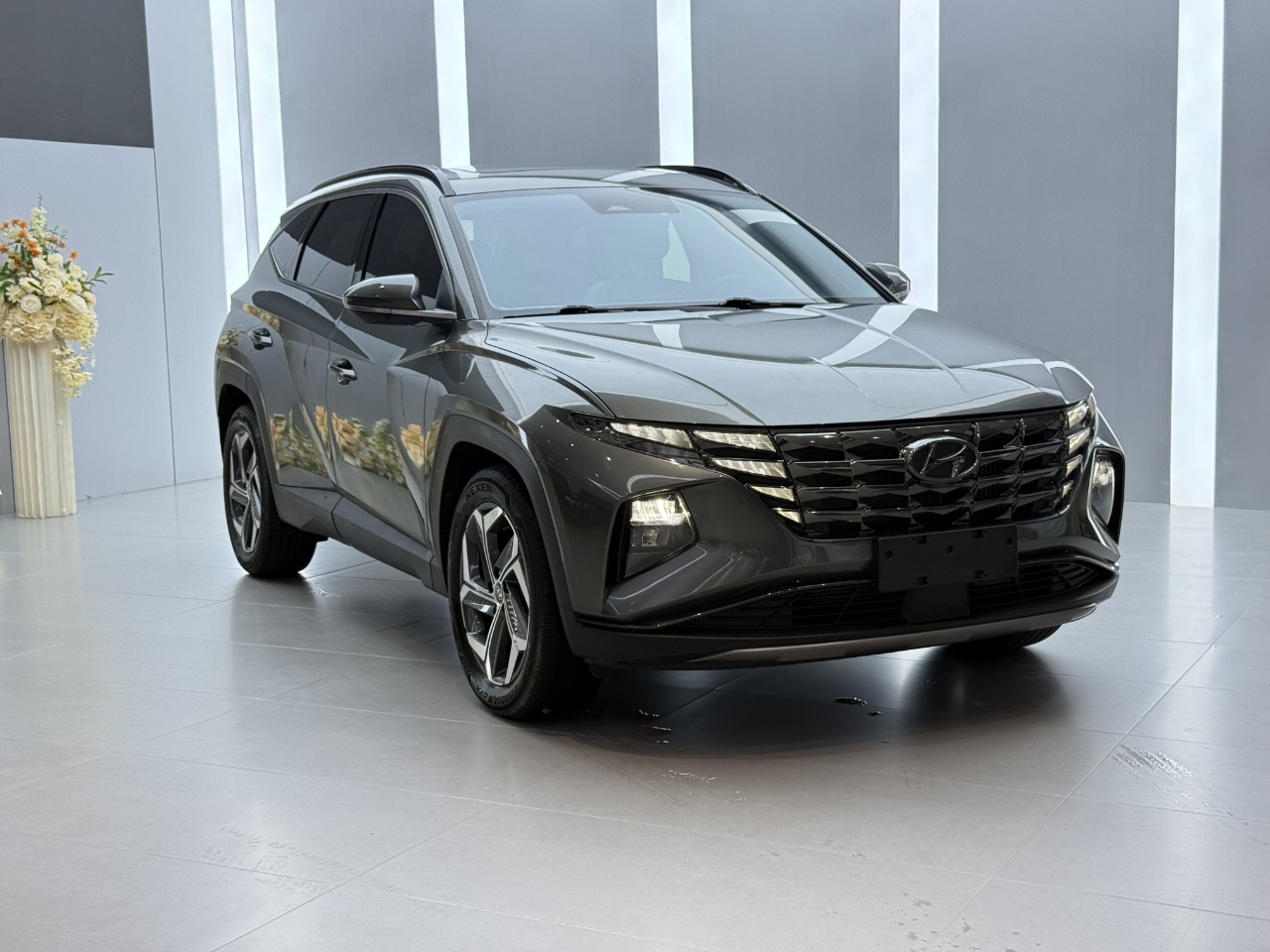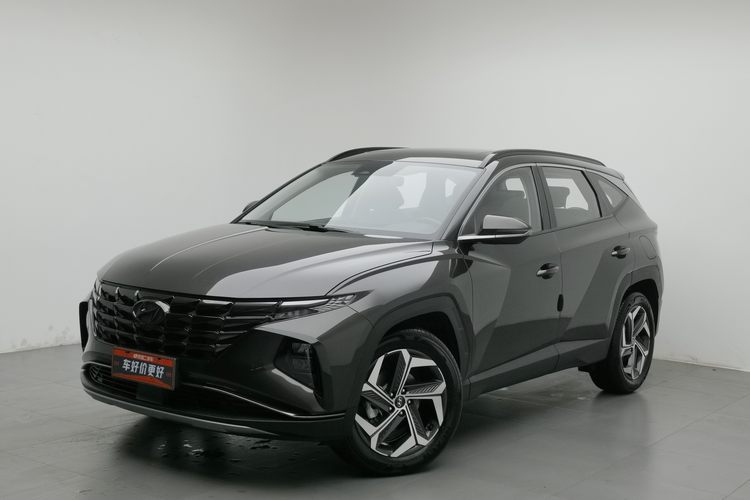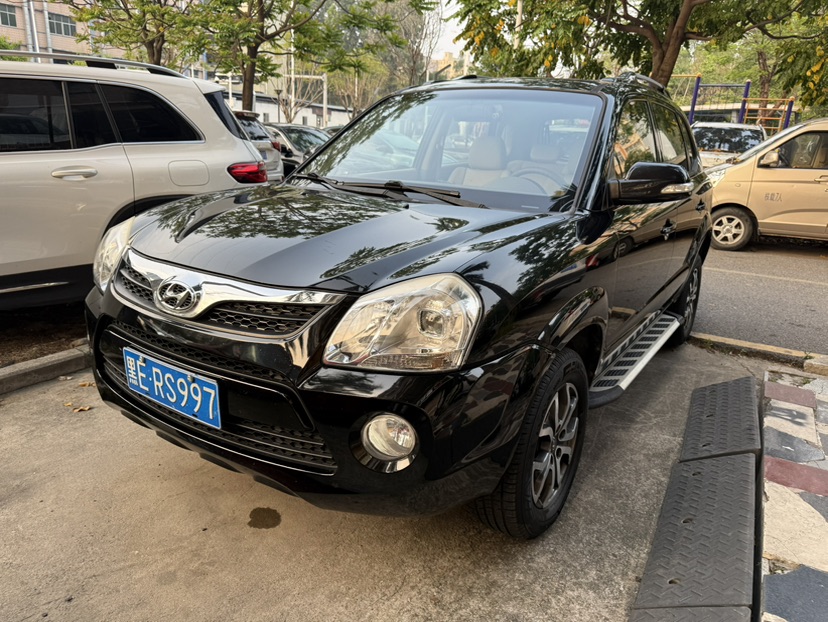

What insurance should I arrange when shipping a used car from China, and what do Incoterms like FOB and CIF mean for me?
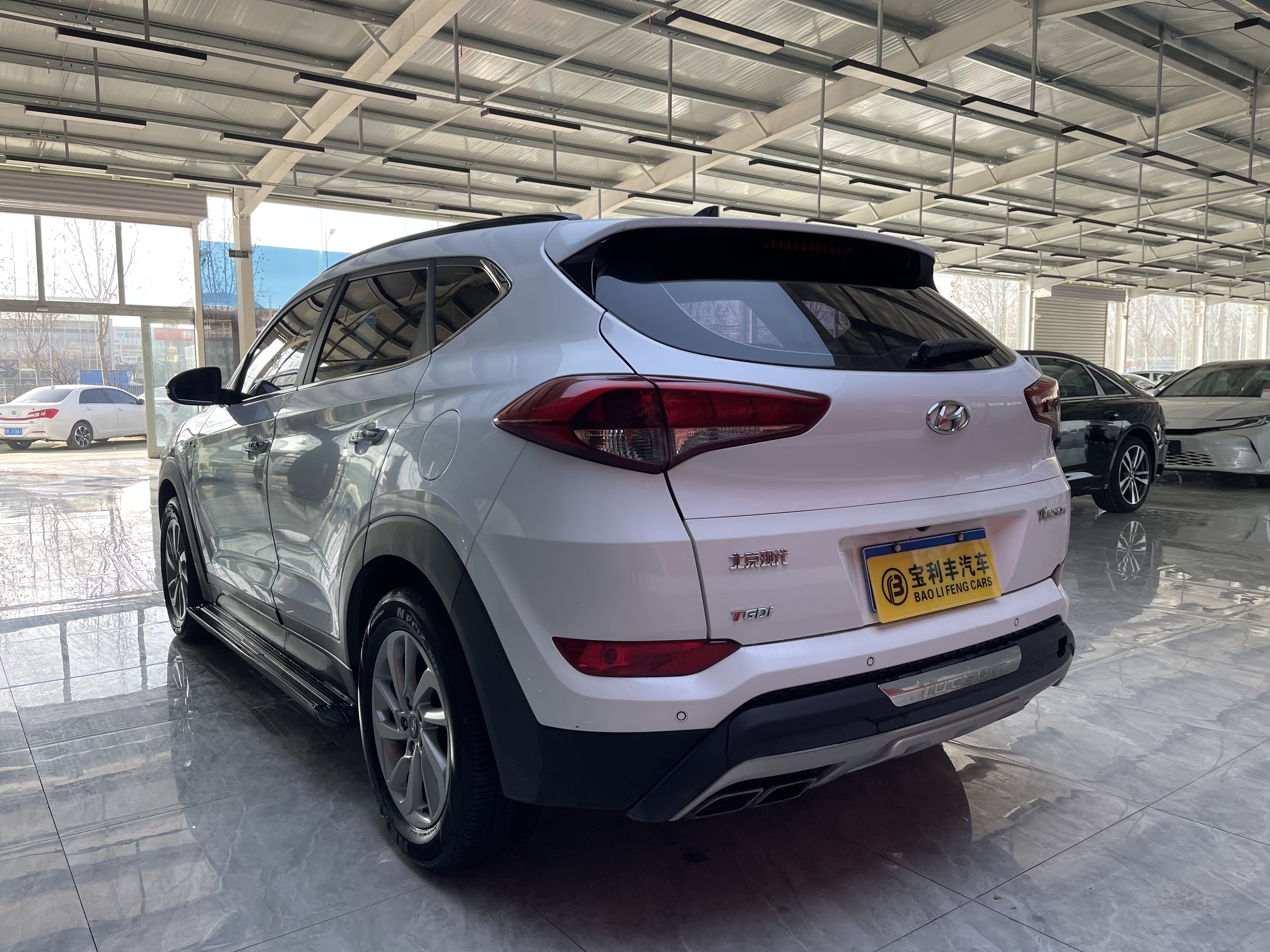
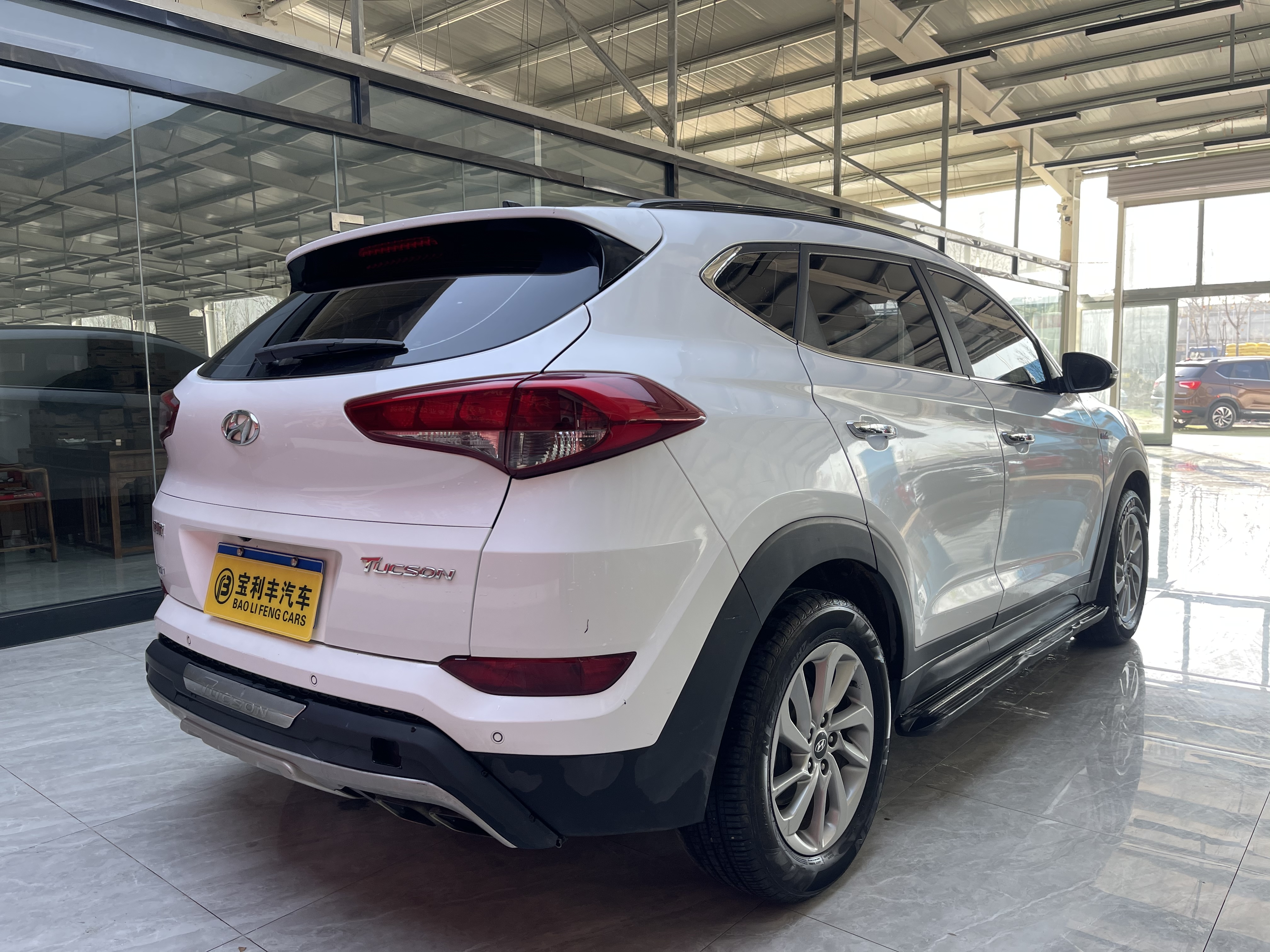
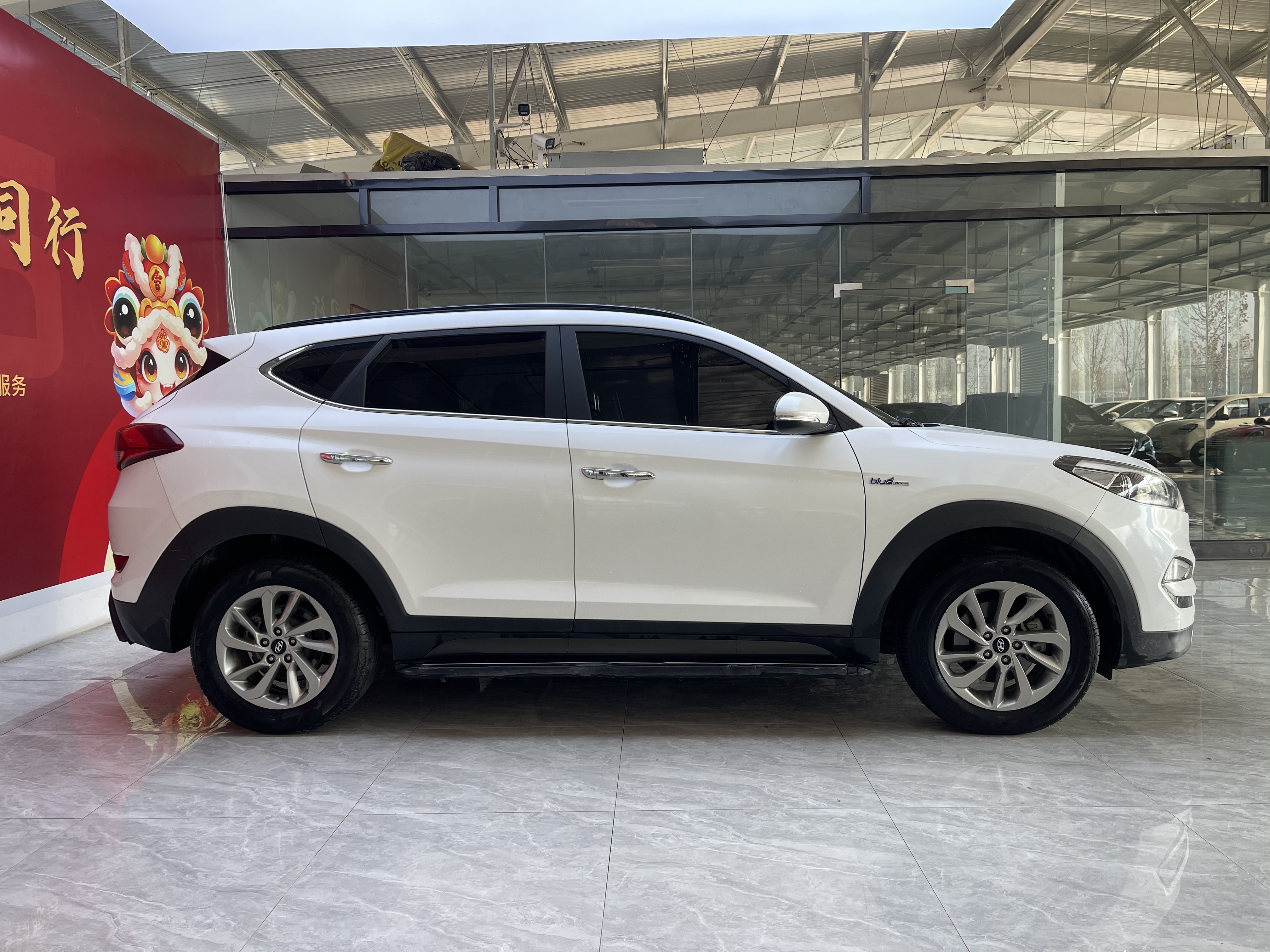
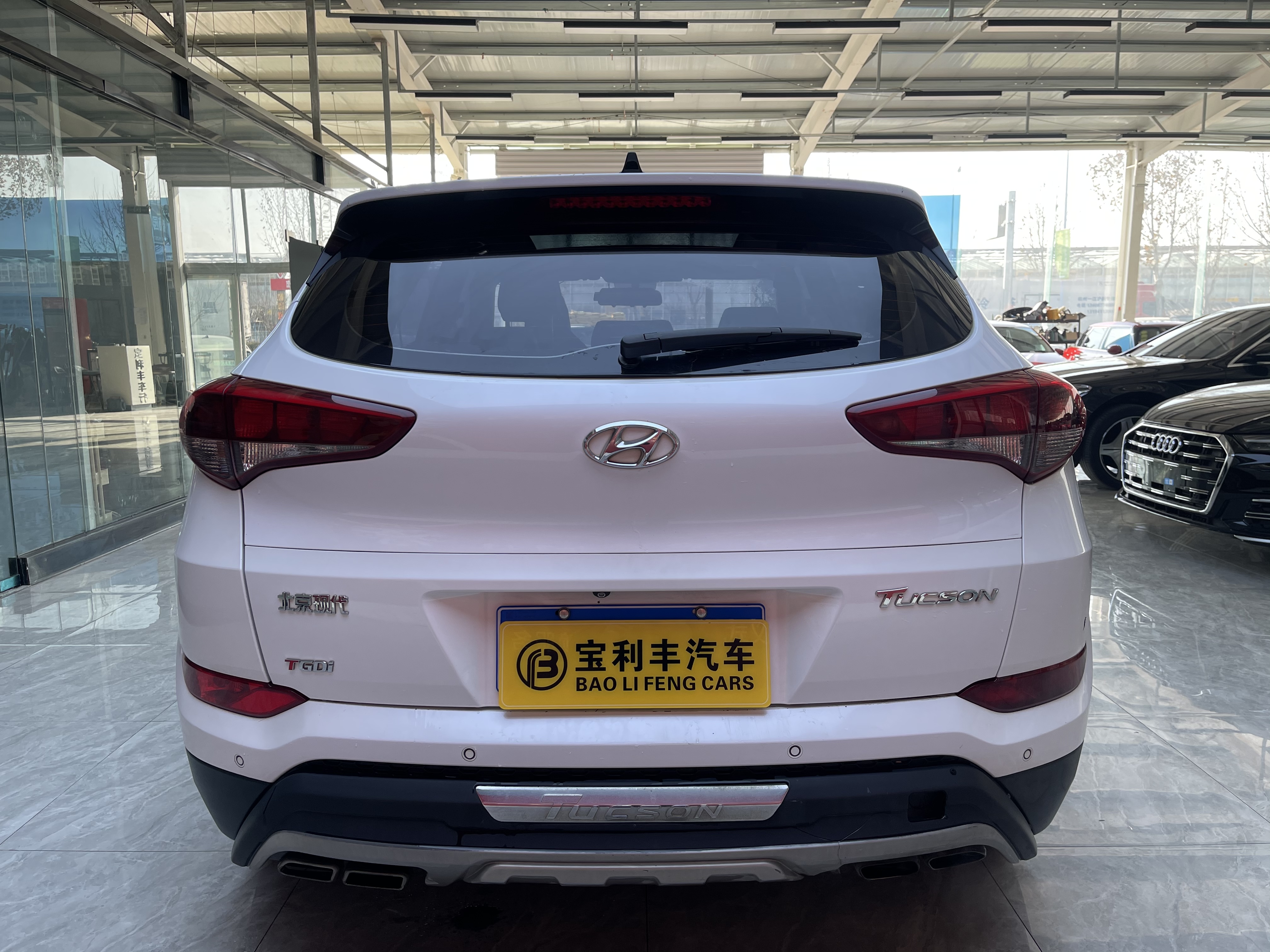
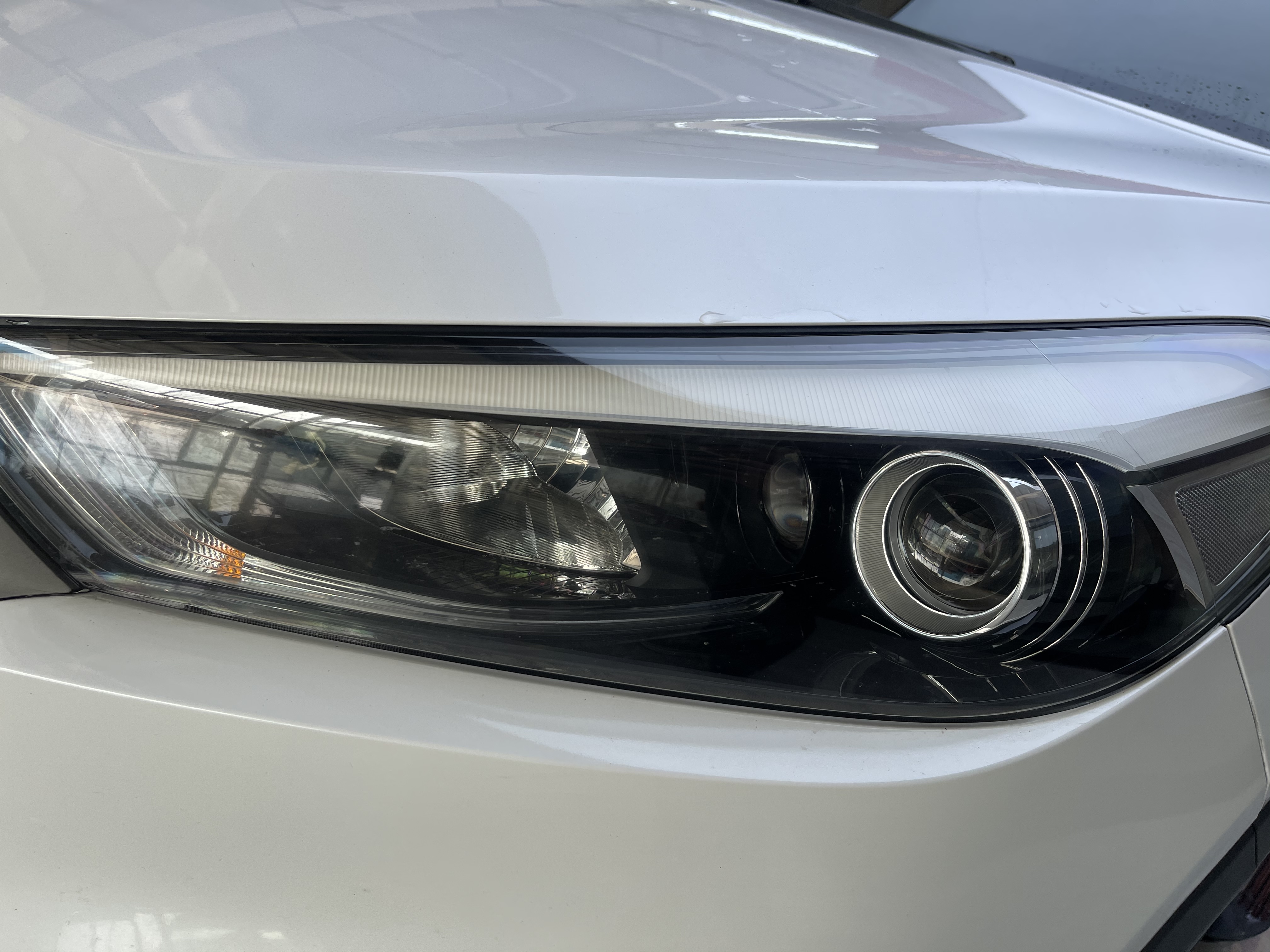
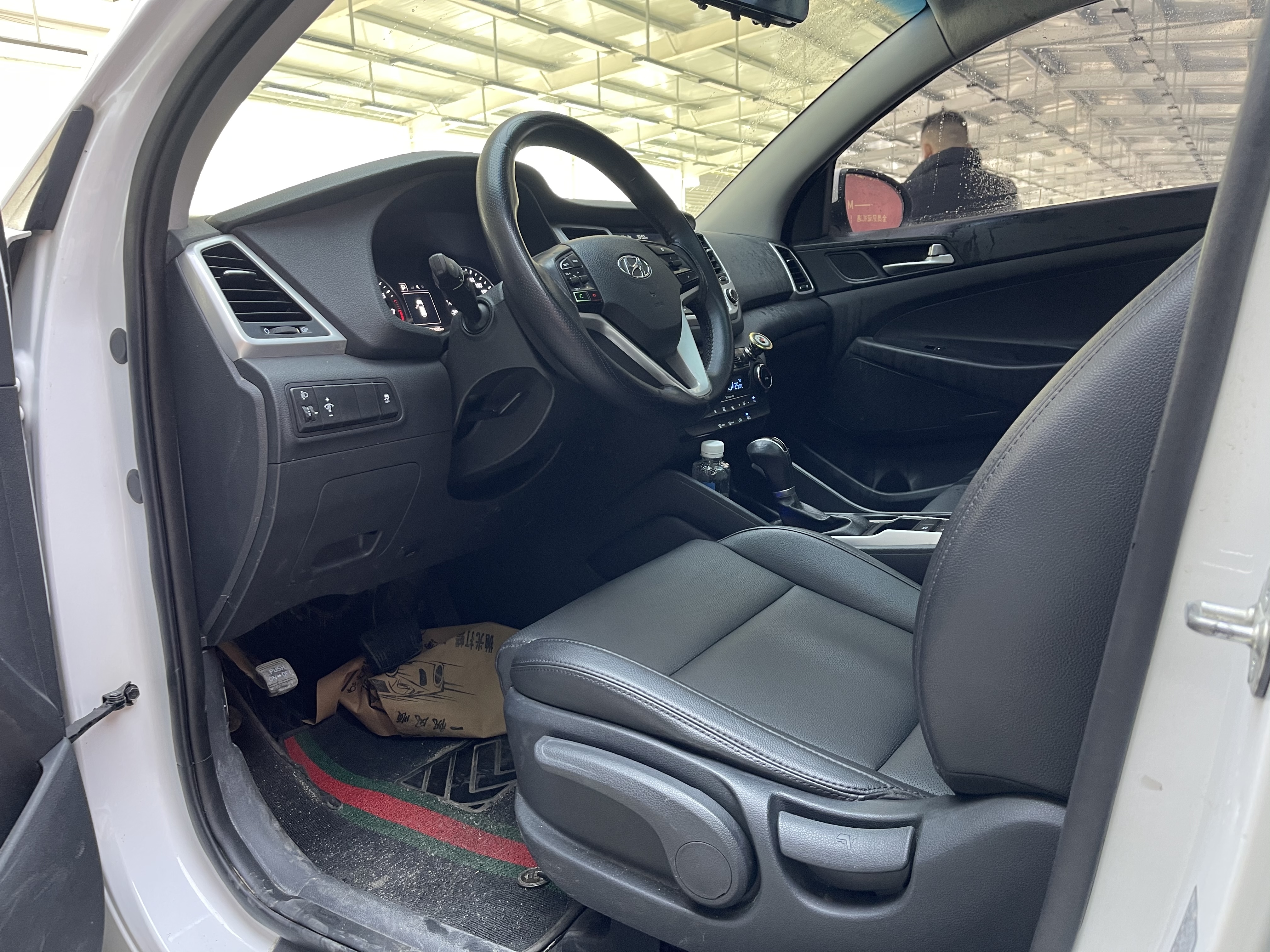
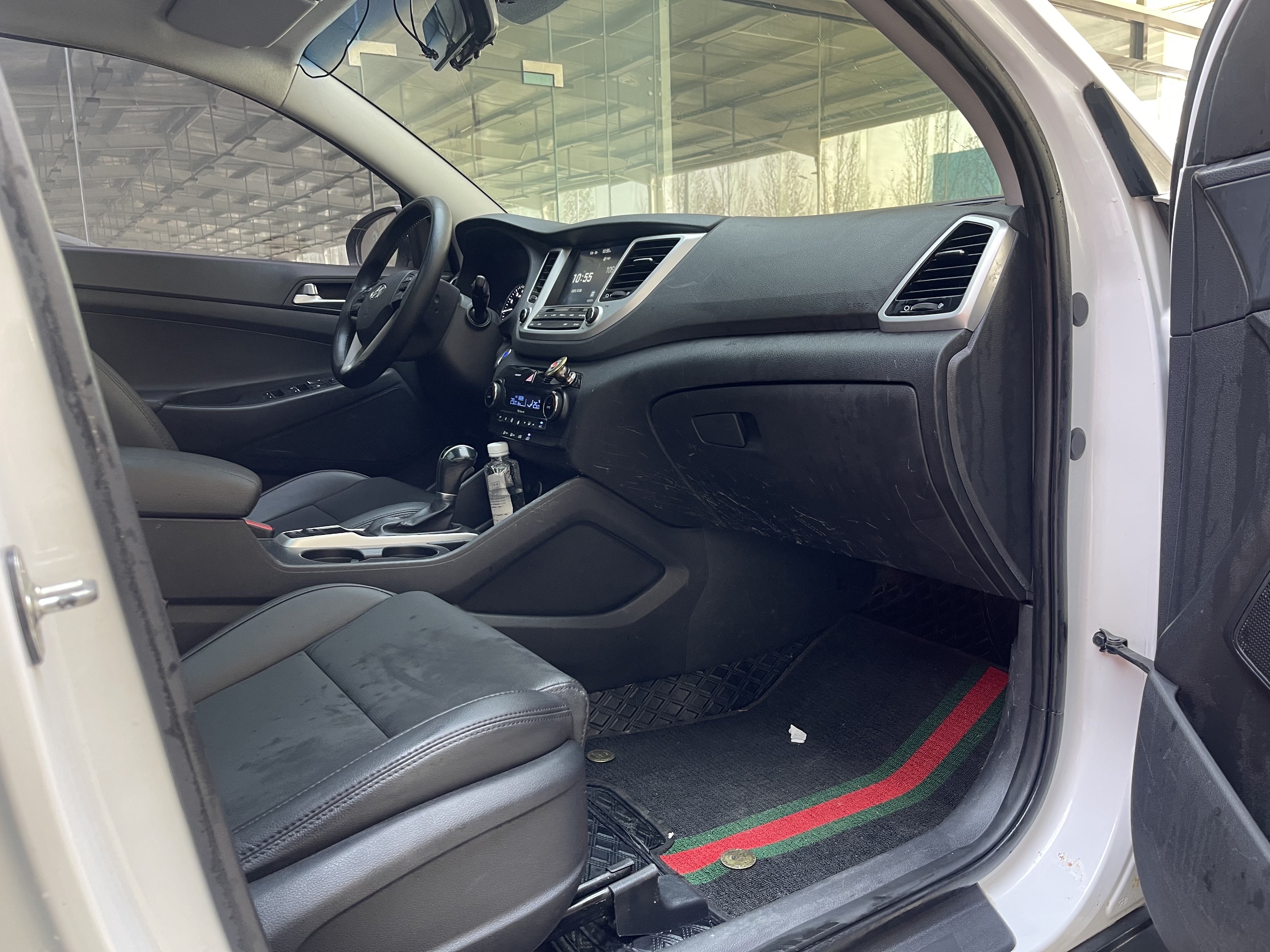
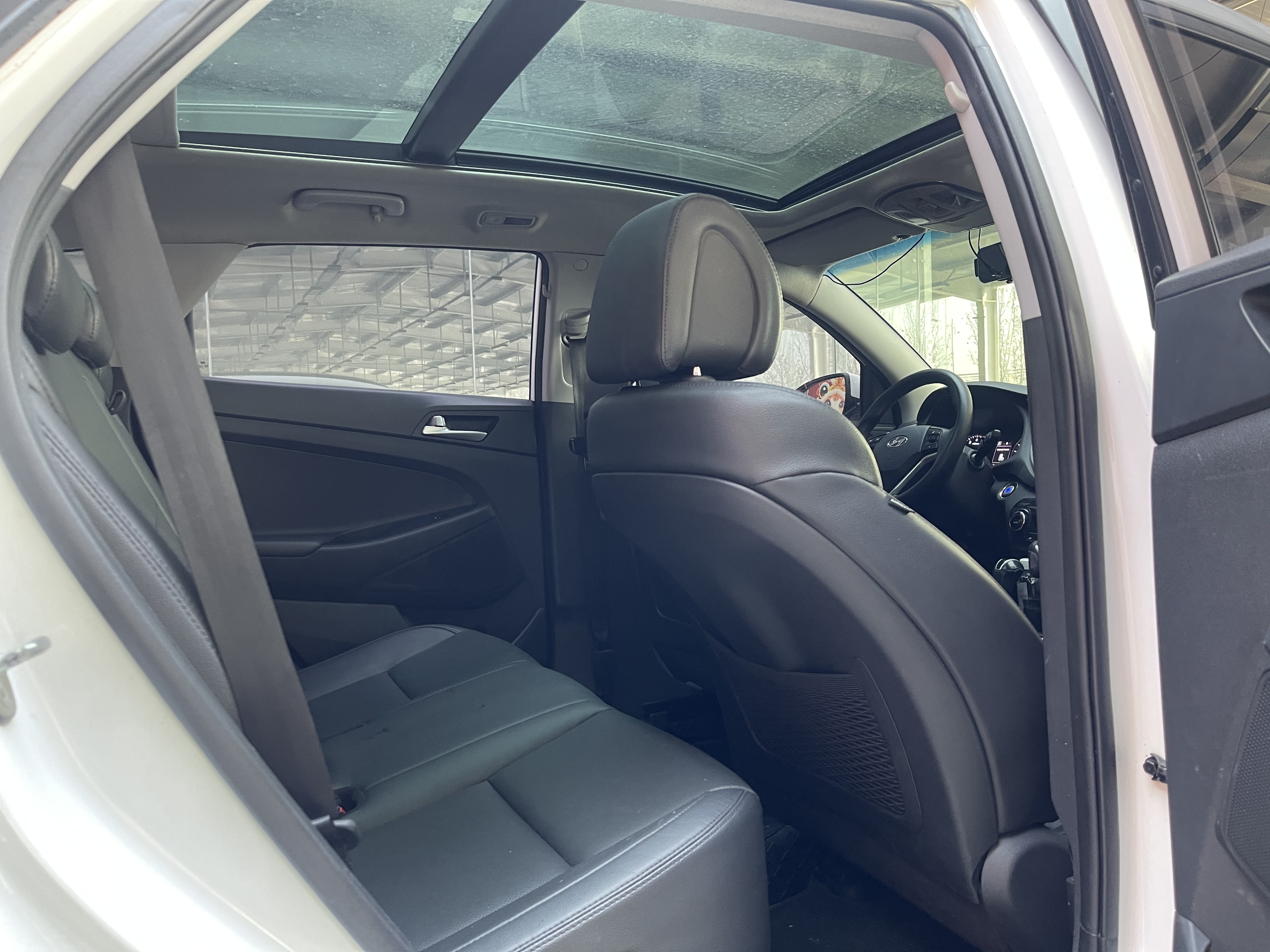
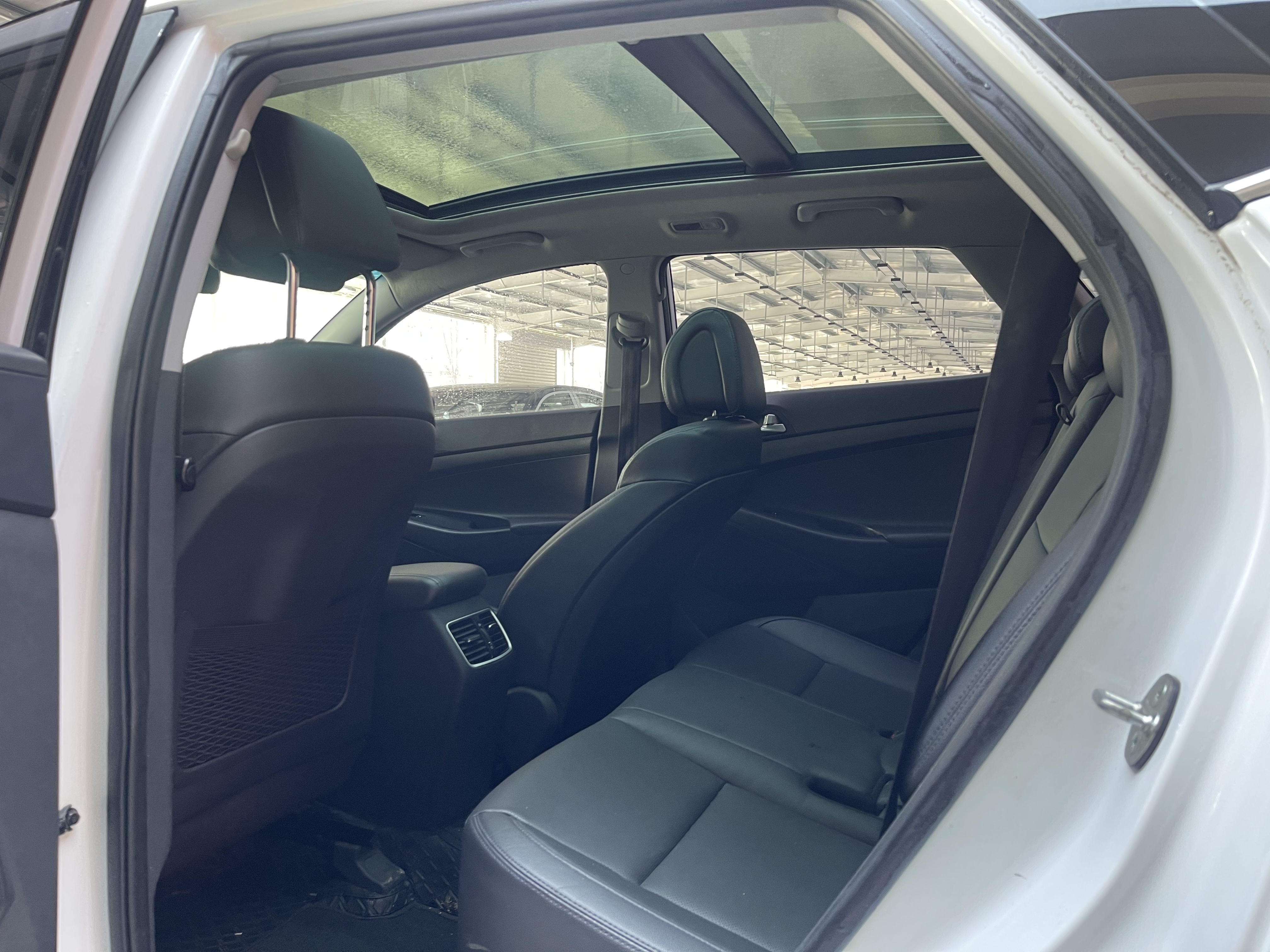
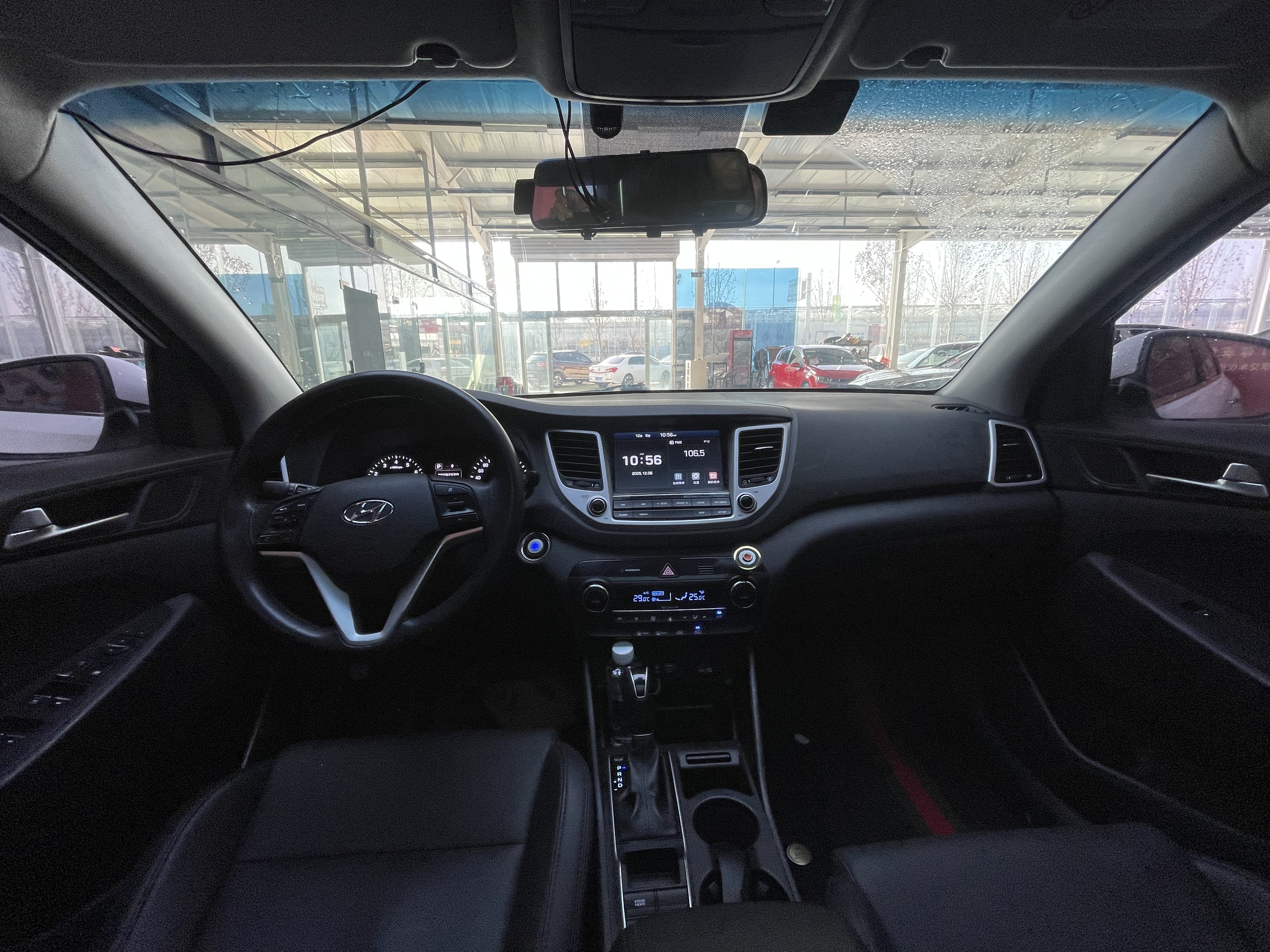
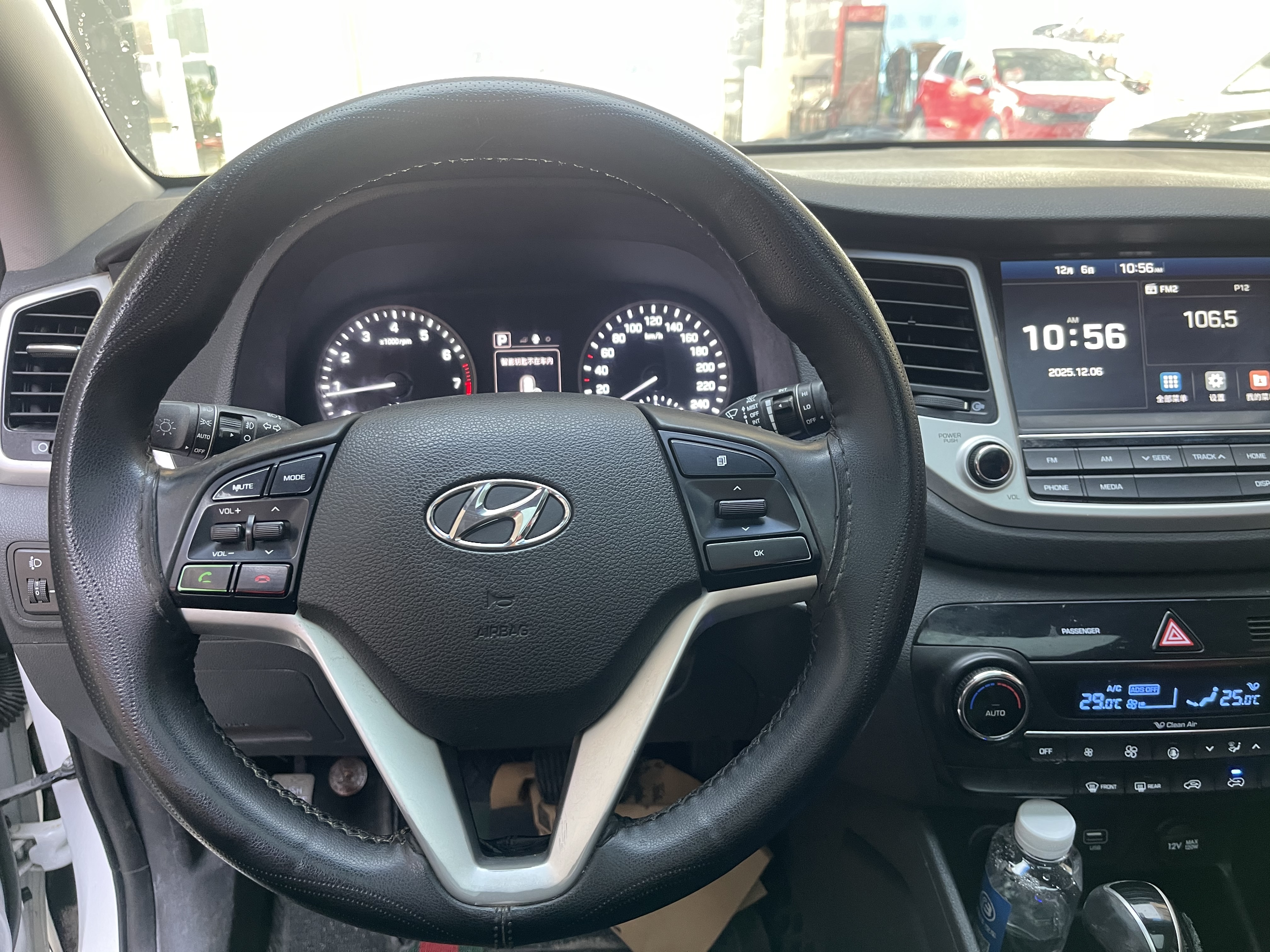
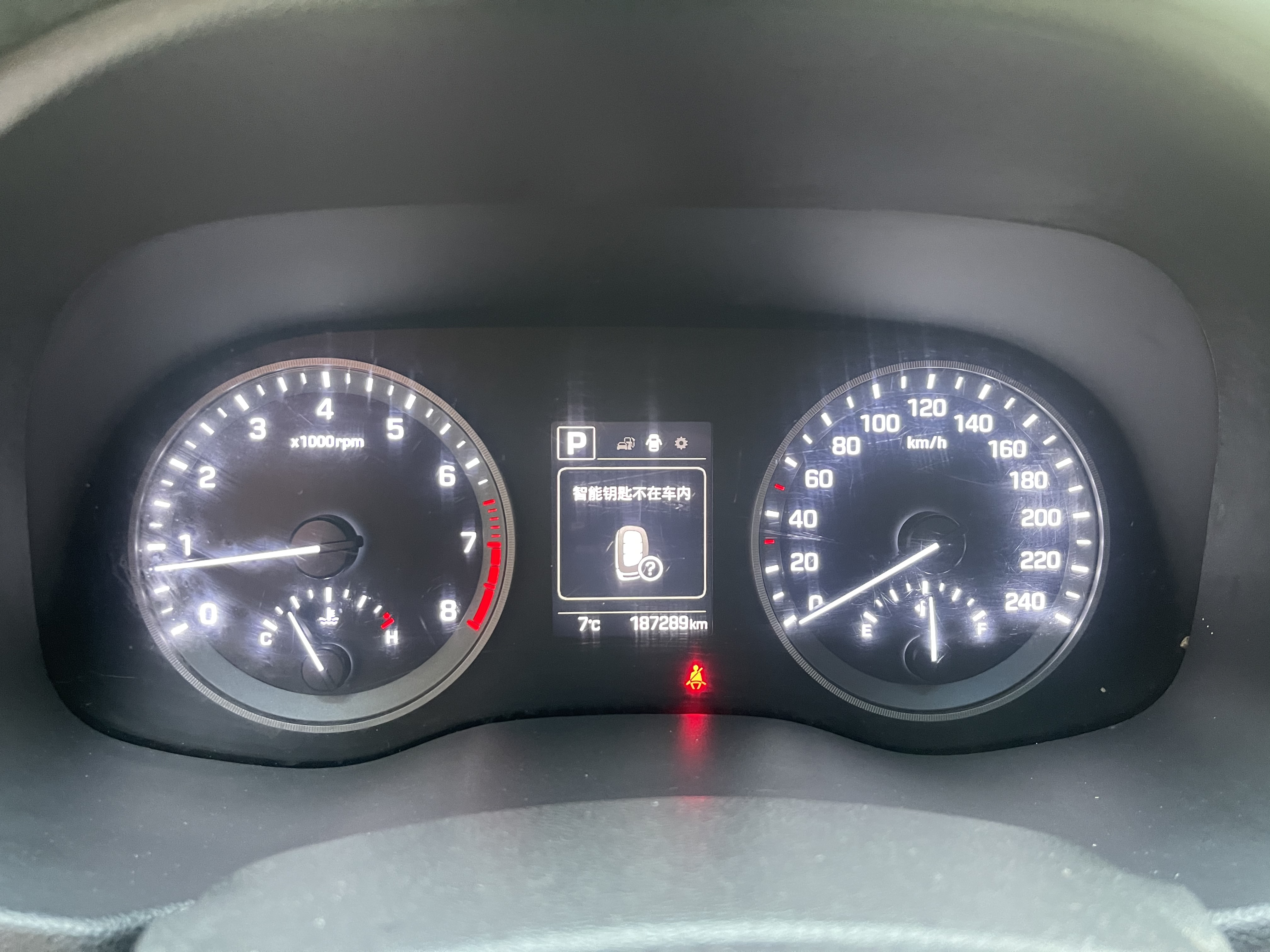
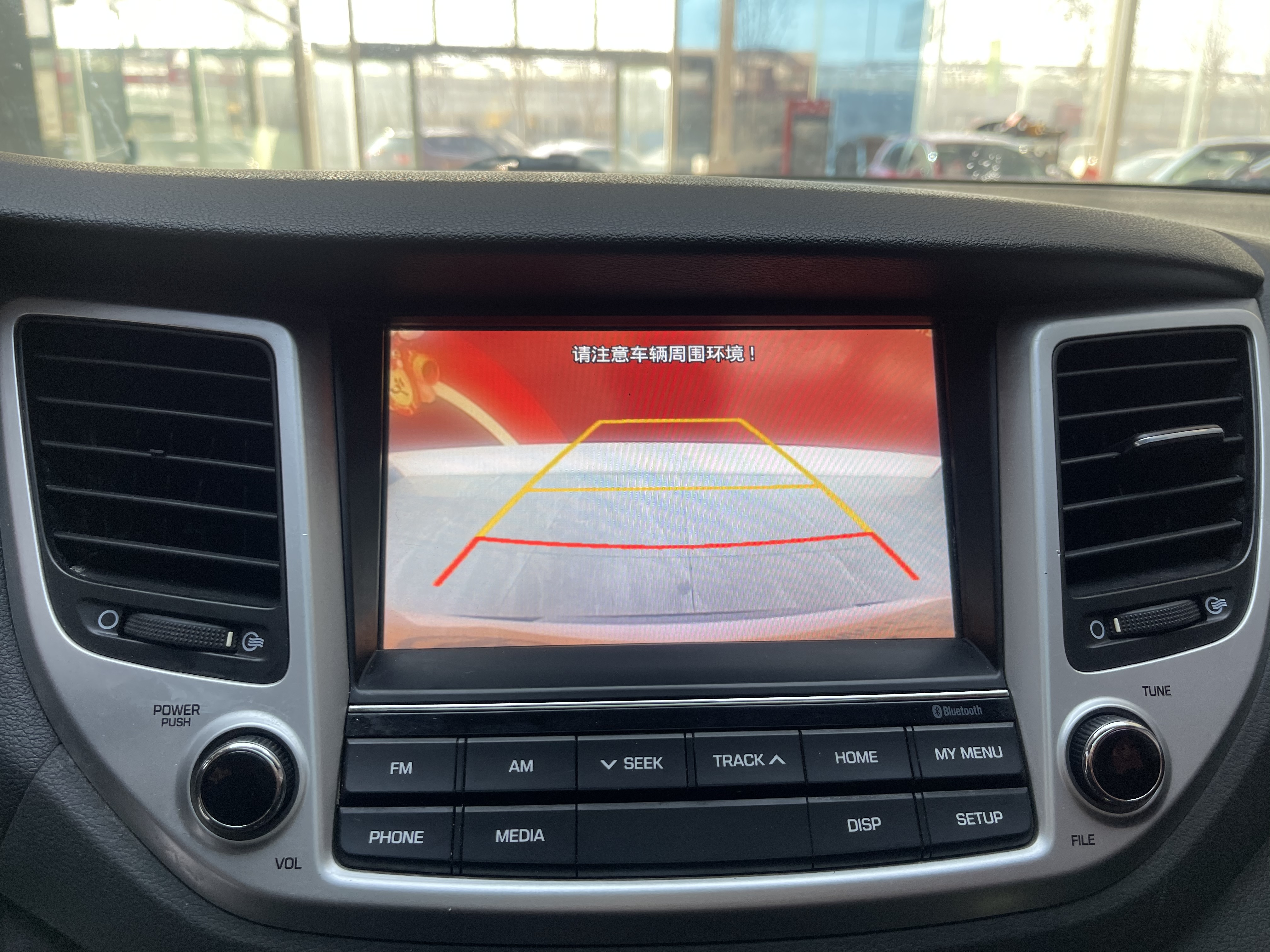
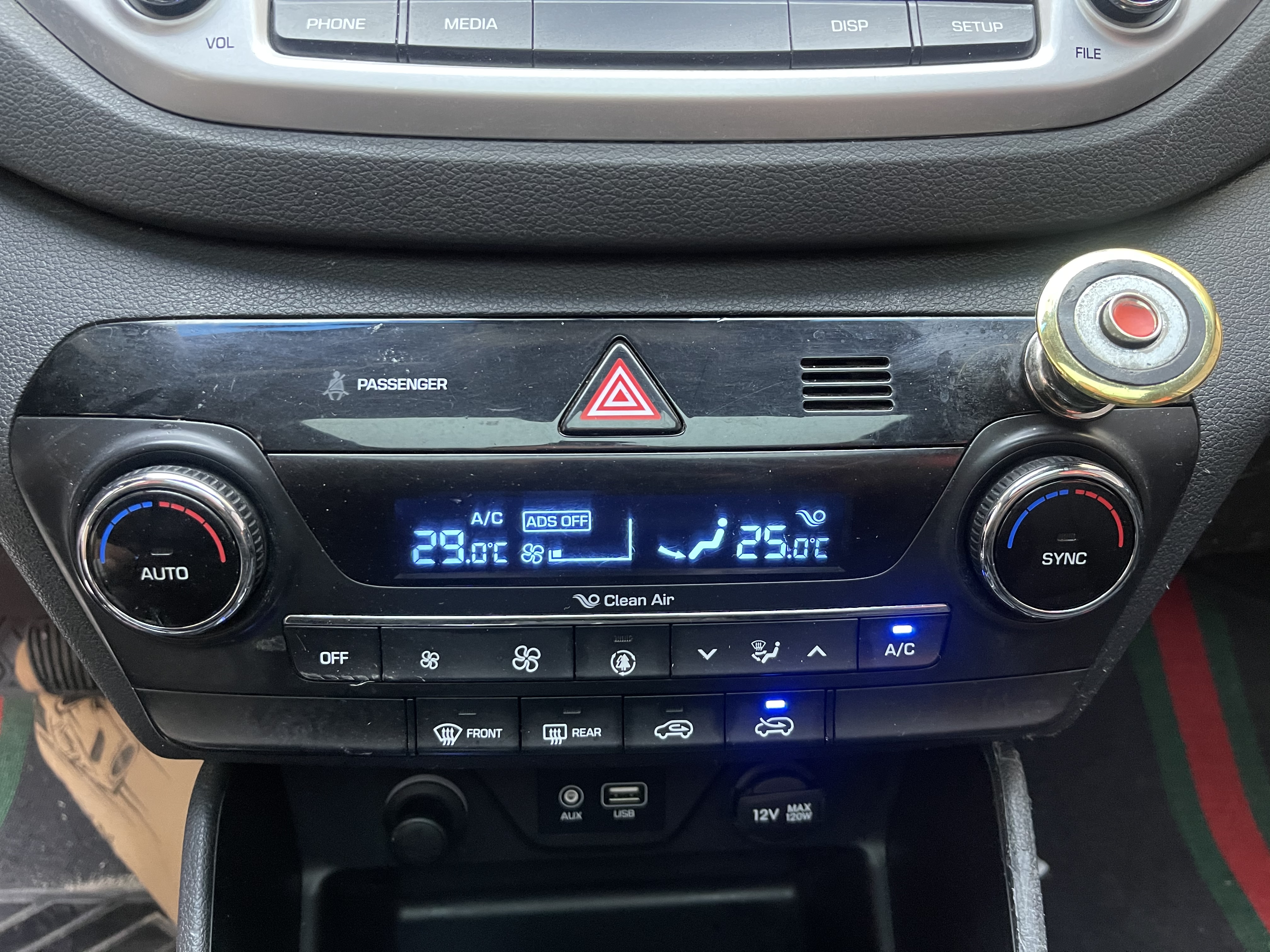
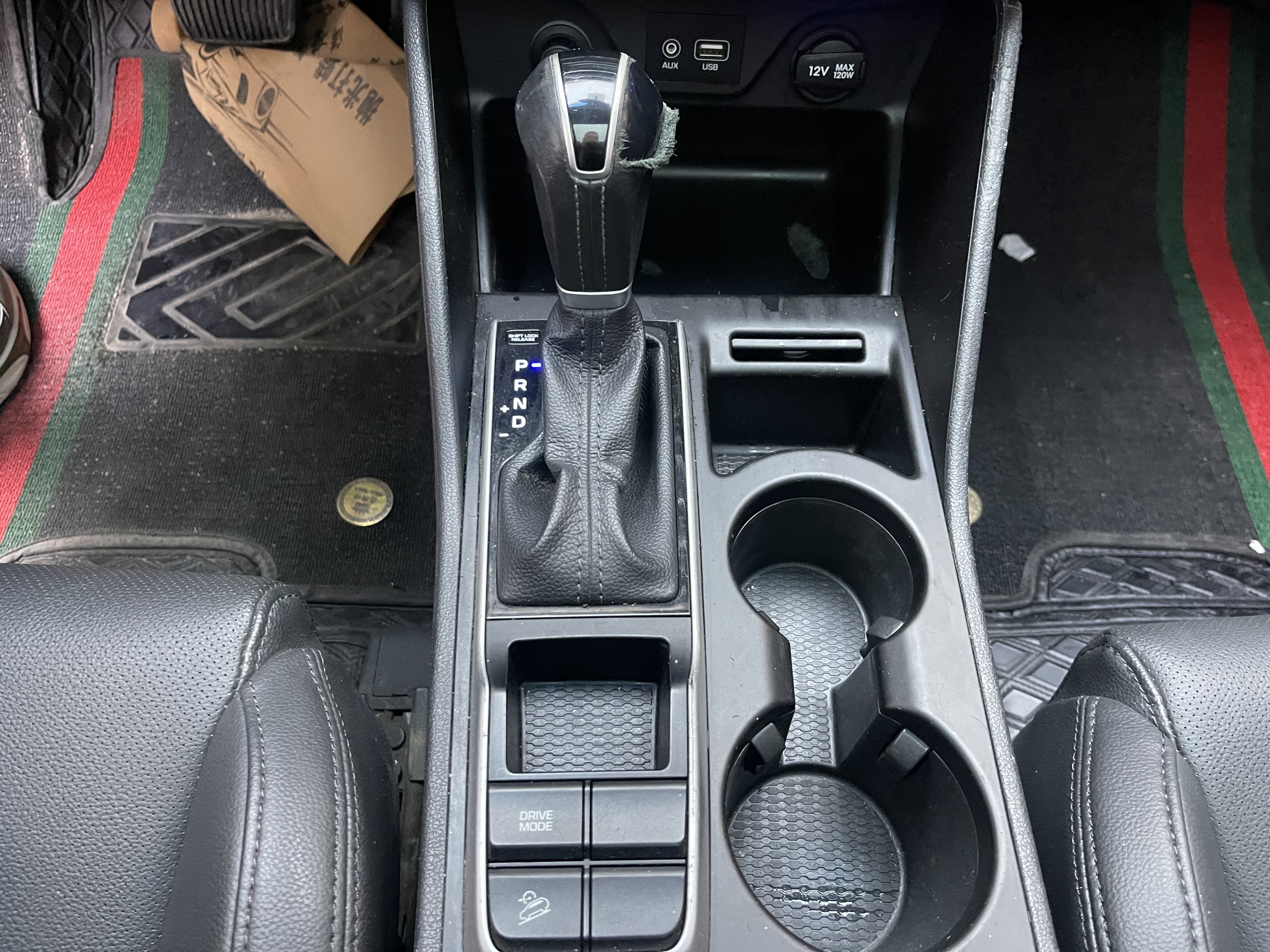
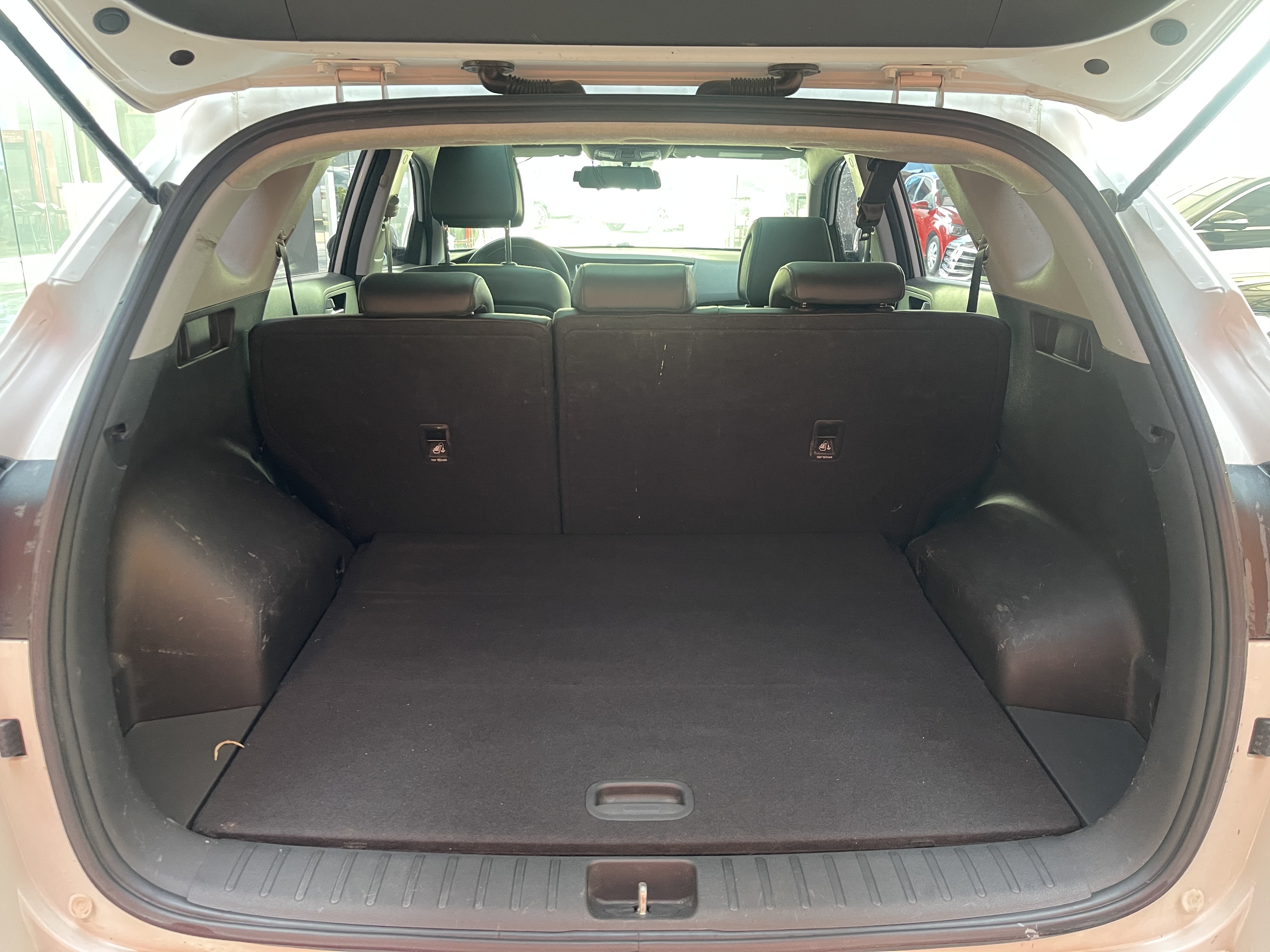
Two separate protections matter: cargo insurance and contractual risk transfer. Cargo insurance: for container or RoRo shipments, buy marine cargo insurance covering total loss and damage, typically 110% of the CIF value (average cost 0.3%–0.8%). Check exclusions — many policies exclude pre-existing damage, so a pre-shipment inspection report is essential to prove the car's condition at loading. Incoterms define who bears risk and cost at each stage: 1. FOB (Free On Board): exporter pays until the car is loaded on the vessel; risk passes to you at that point. You pay ocean freight and insurance. Common and usually cheapest if you have your own freight forwarder. 2. CIF (Cost, Insurance and Freight): exporter pays freight and minimum insurance to your port. Convenient but the insurance coverage is basic — consider topping it up. 3. EXW (Ex Works): you handle everything from the exporter's yard; only choose this if you have a trusted agent in China. Put the agreed Incoterm and port clearly in the contract, and never release final payment before the Bill of Lading is issued.