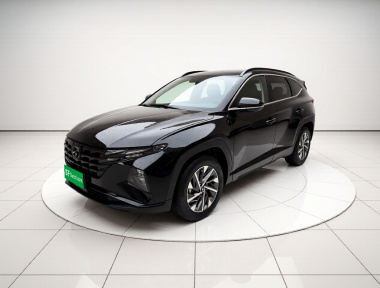

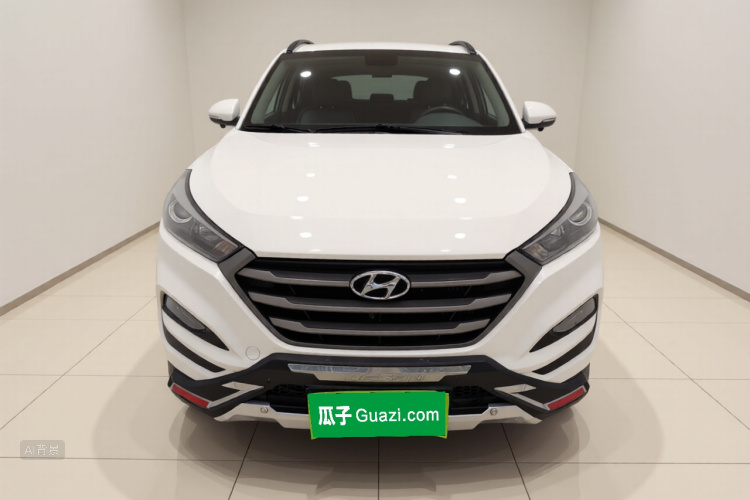

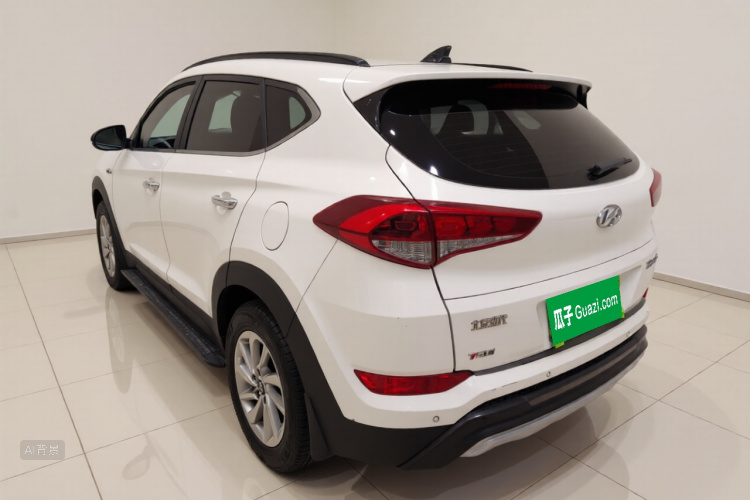
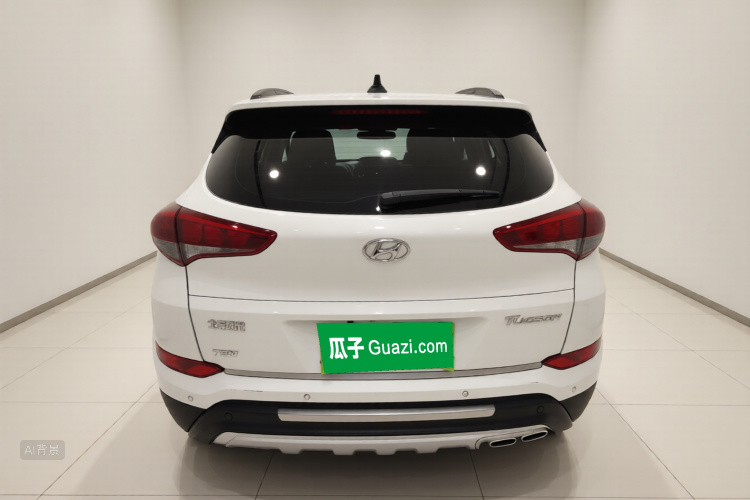
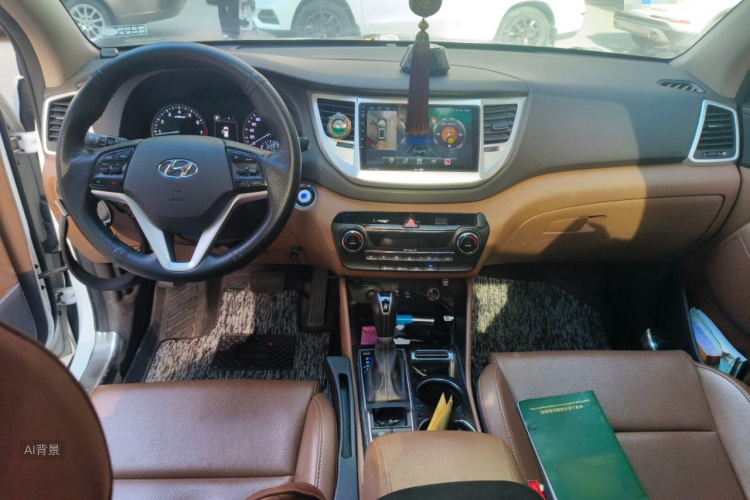
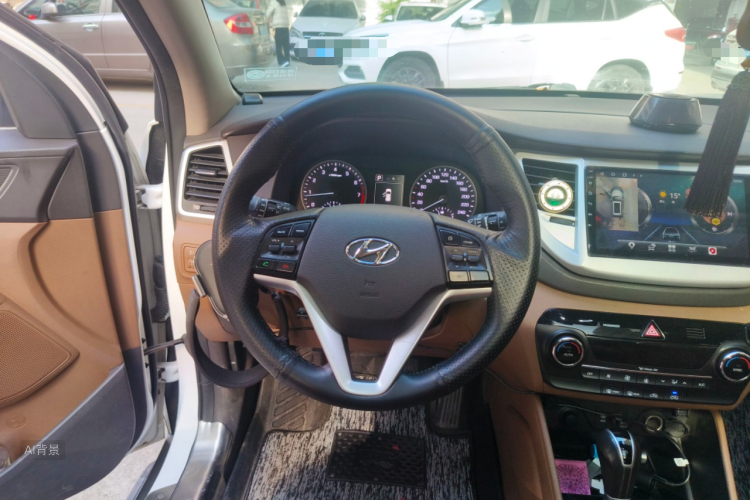
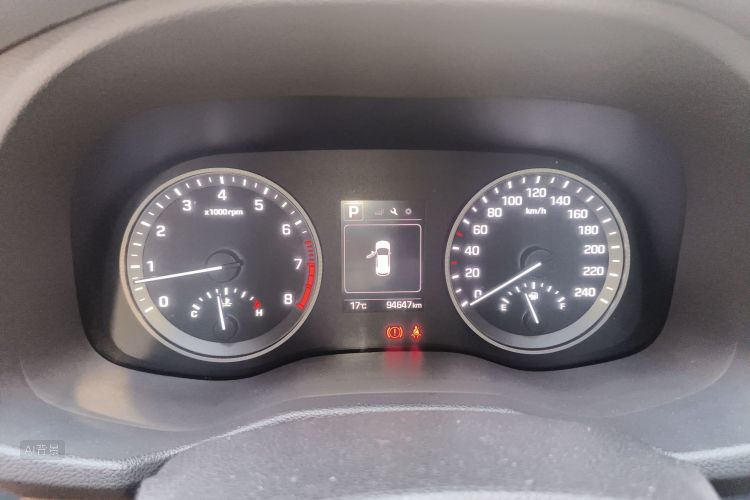
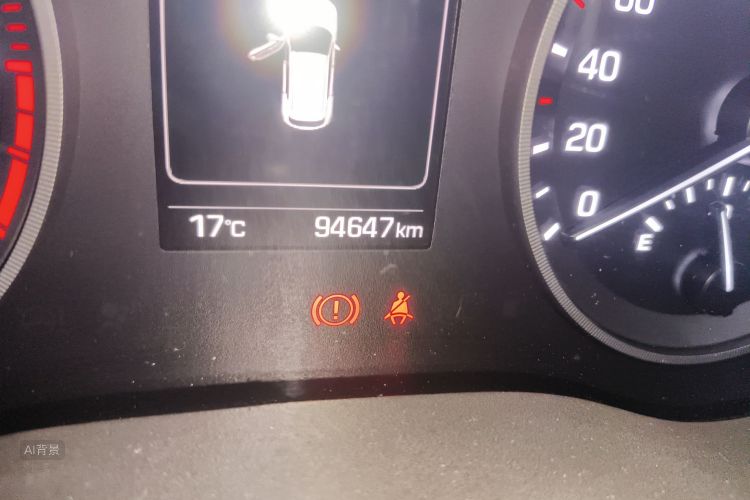



Basic Information

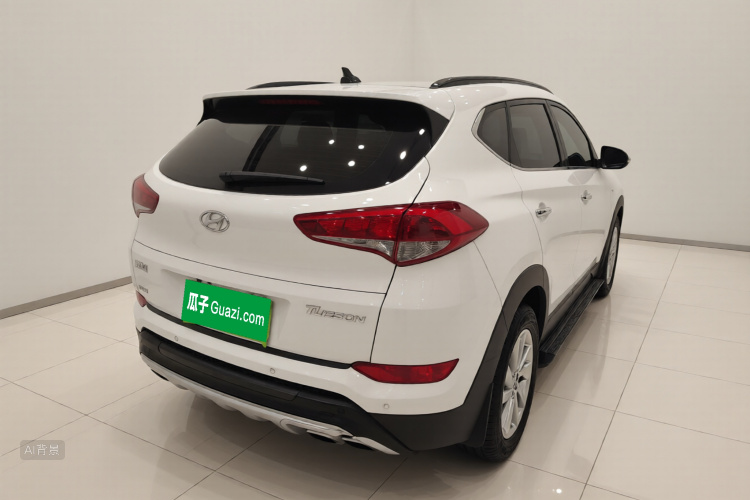
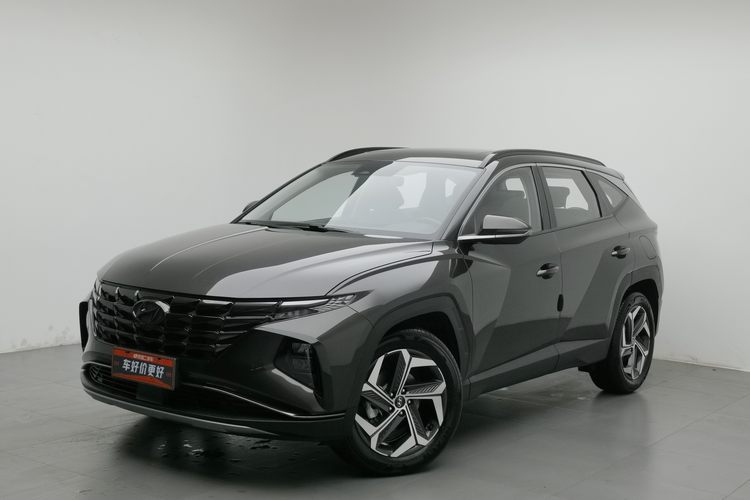
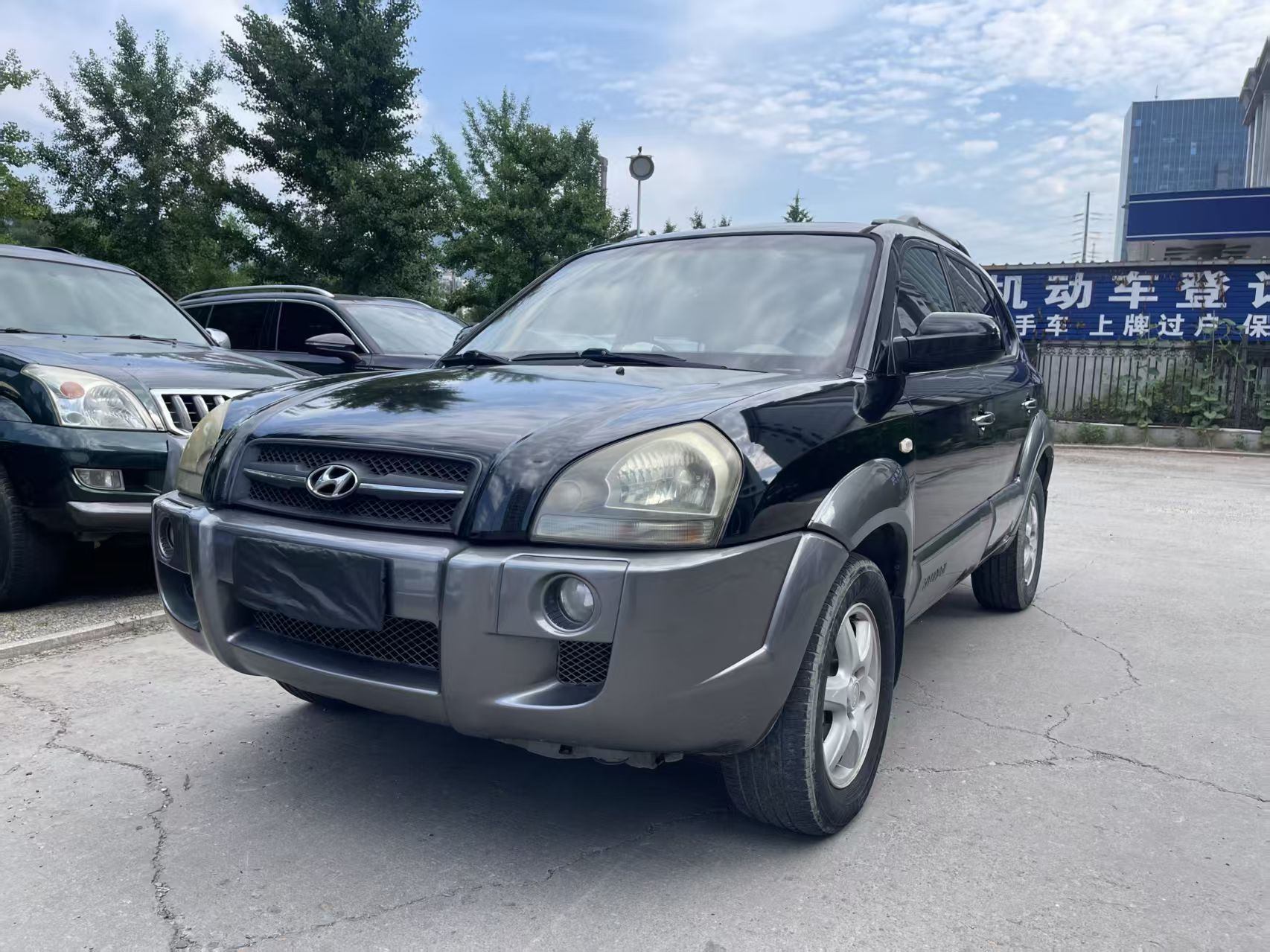
BrandHyundai
SeriesTucson
Year2016
First Registration2016/06
Mileage94,600km
Transfer Count-
FuelGasoline
TransmissionDCT
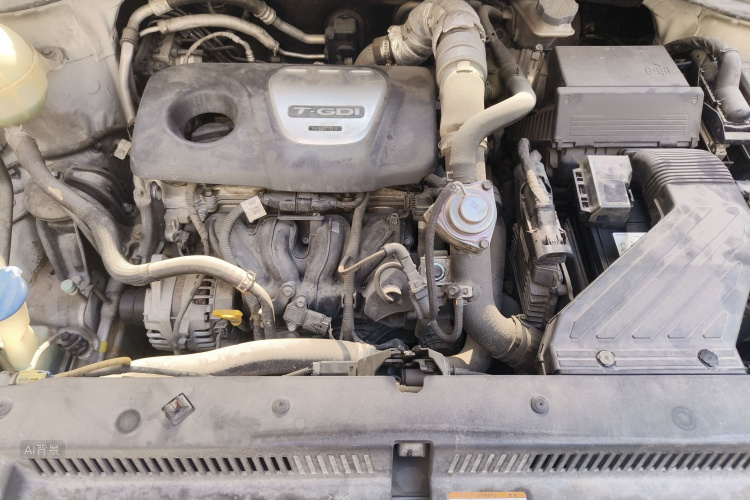
Engine1.6T 177 L4
ColorWhite
Seats-

Condition Description

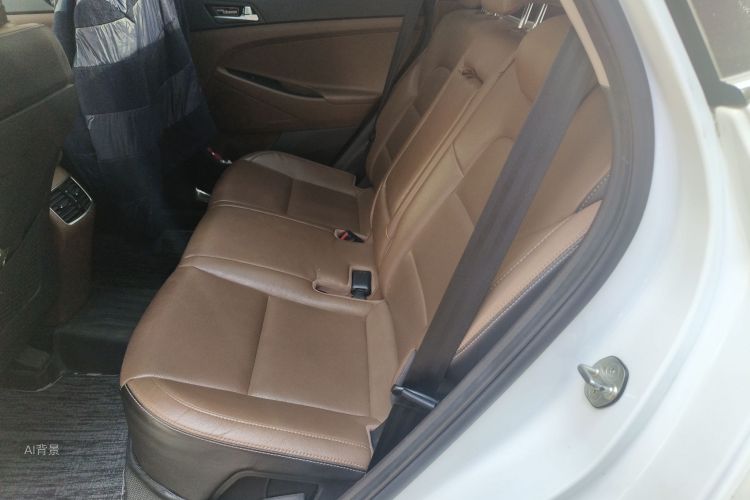
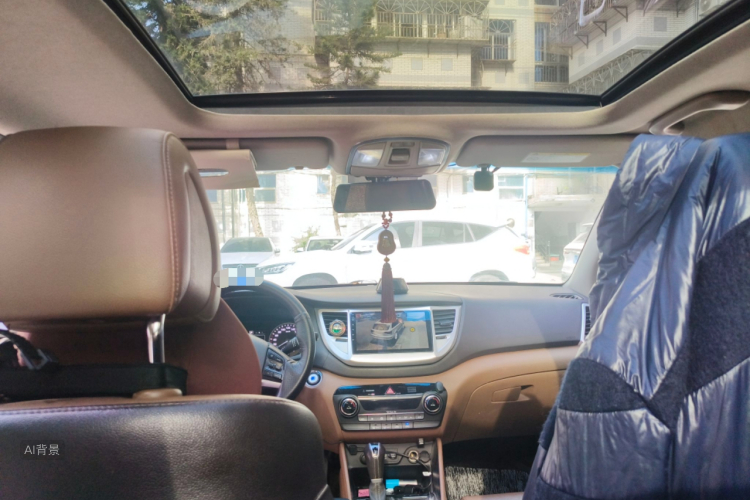
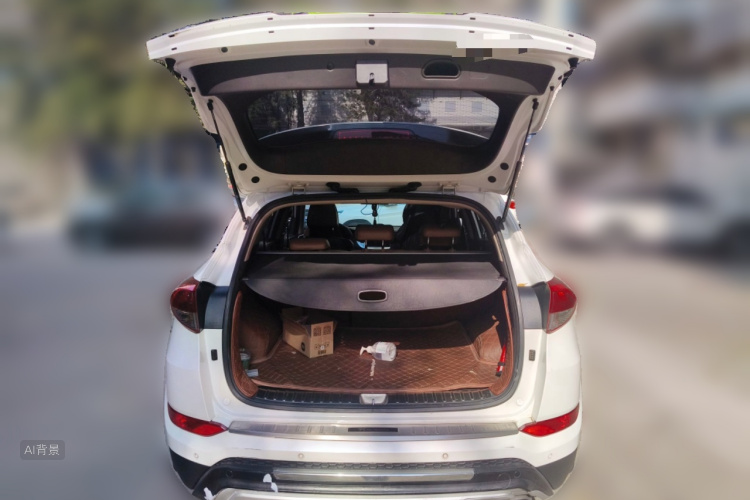
Vehicle condition meets standards, passed inspection, good condition, 1 claim, 0 ownership transfers.

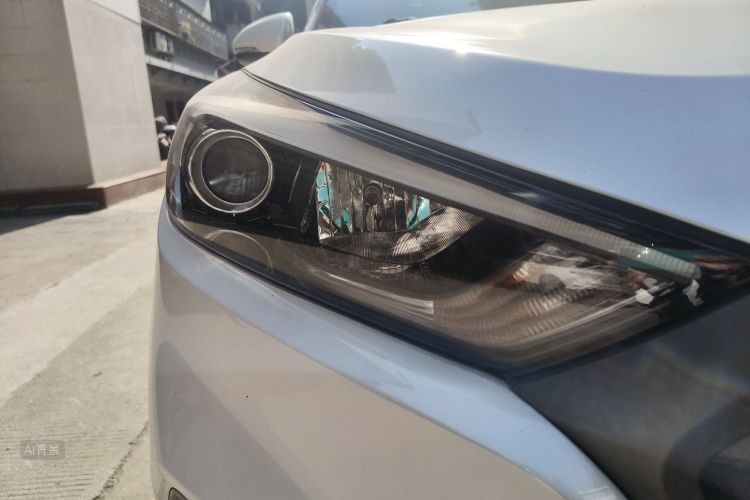
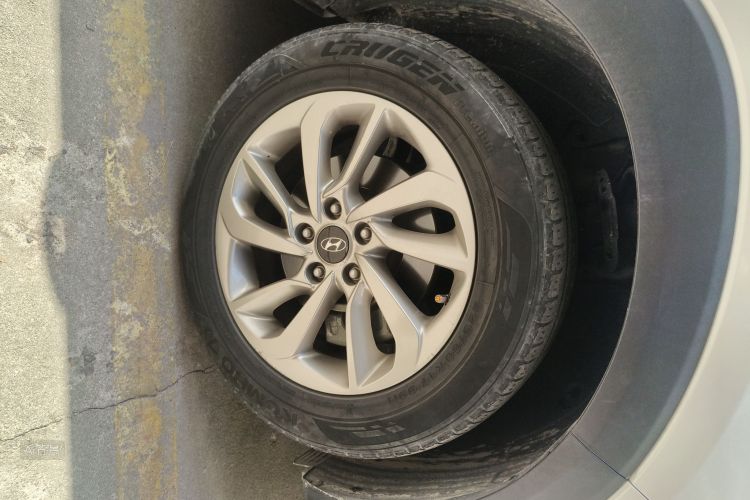
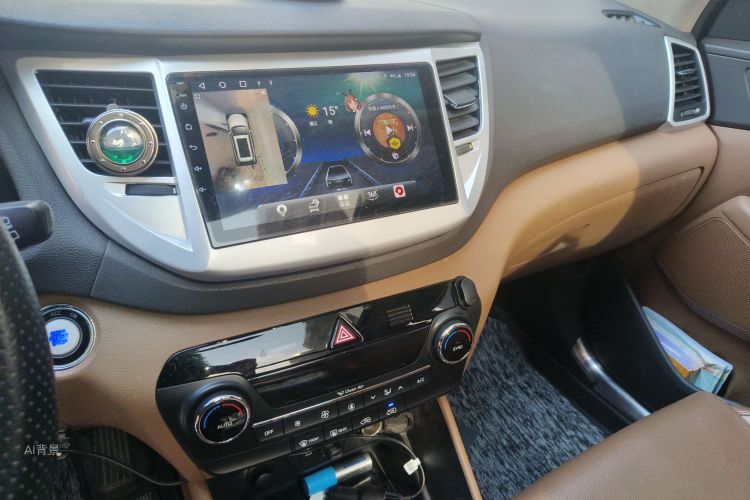
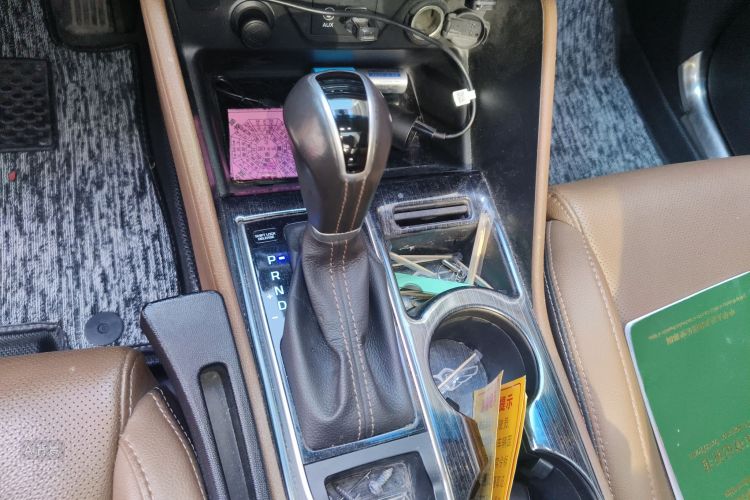
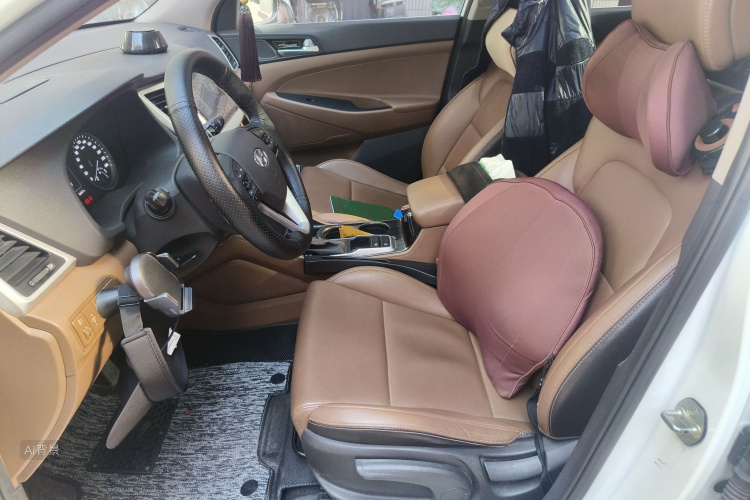
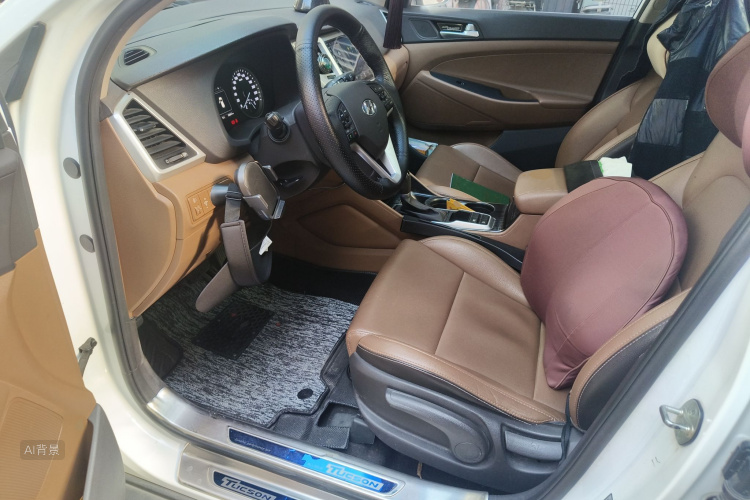
This vehicle is 10 years old, with an average annual mileage of 9,500 kilometers. It has a low frequency of daily use and has never been transferred to another owner, making it a good first-hand vehicle. There may be obvious signs of wear and tear on the exterior. The interior shows obvious signs of use or dirt. The overall body frame is intact, but there are a few abnormal issues. The fluids are normal, and the power system is functioning well.

Configuration Highlights

✓Smartphone Connectivity
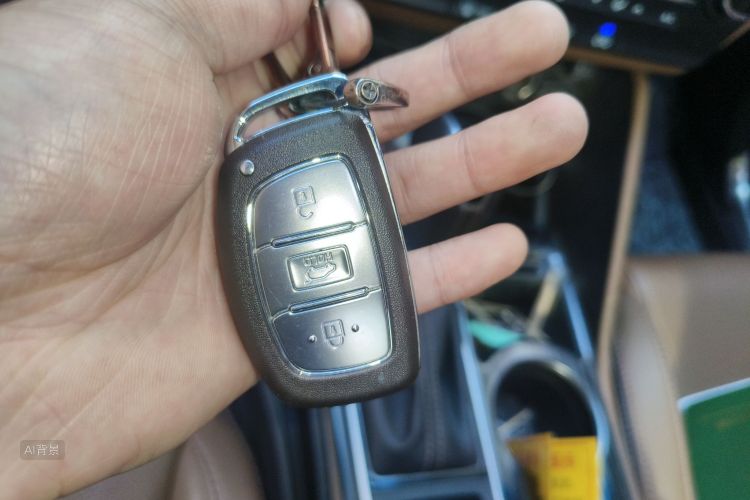
✓Keyless Entry
✓Backup Camera
✓Auto Headlights
✓Keyless Start
✓Rear Air Vents
✓Hill Start Assist
✓Rear Parking Sensors

Q&A

More

What situations are usually included in "minor cosmetic wear" as stated on the details page?

It usually refers to very small stone chips on the hood from high-speed driving, nail scratches on the inside of door handles, slight curb scratches on the edges of wheels, and minor wear on interior plastic parts. These do not affect the vehicle's functionality or corrosion resistance.
If I choose to abandon cargo at the destination port due to a cash flow issue, can I get a refund of the deposit and freight I previously paid?

No, it is absolutely impossible to get a refund. Not only will there be no refund, but if the proceeds from the port auction of the abandoned cargo are insufficient to cover the exorbitant demurrage and disposal fees, the shipping company and customs will still pursue you (the bill of lading recipient) for the remaining debt through international legal proceedings.

If the customs of the destination country values the vehicle higher than your commercial invoice amount, leading to a surge in duties, who is responsible?

The customs of the destination country has the right to disregard the commercial invoice and reassess the value based on its internal database (such as the customs valuation red book). Any additional duties incurred are a result of the importing country's policy and are fully borne by the buyer (importer).