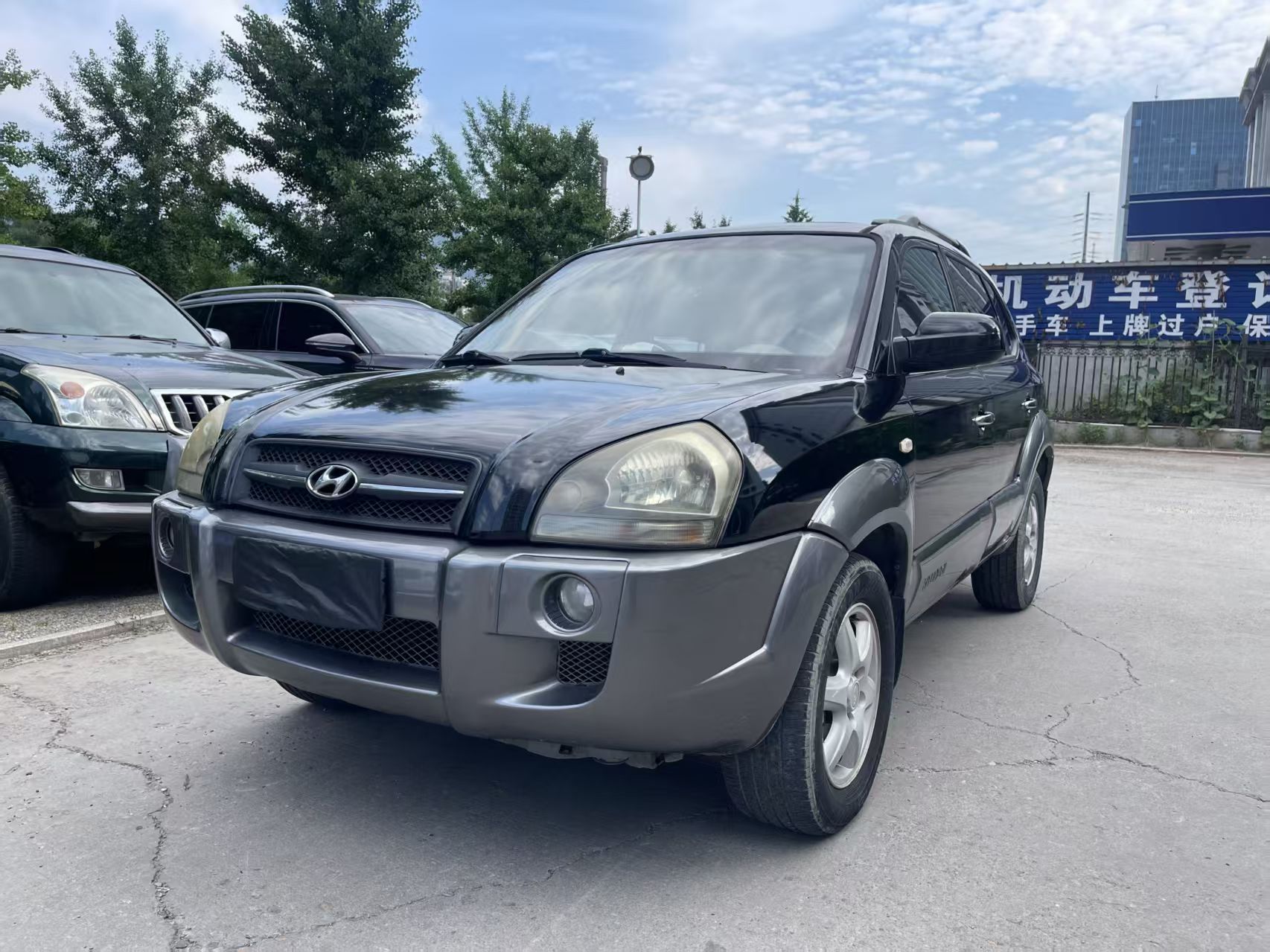
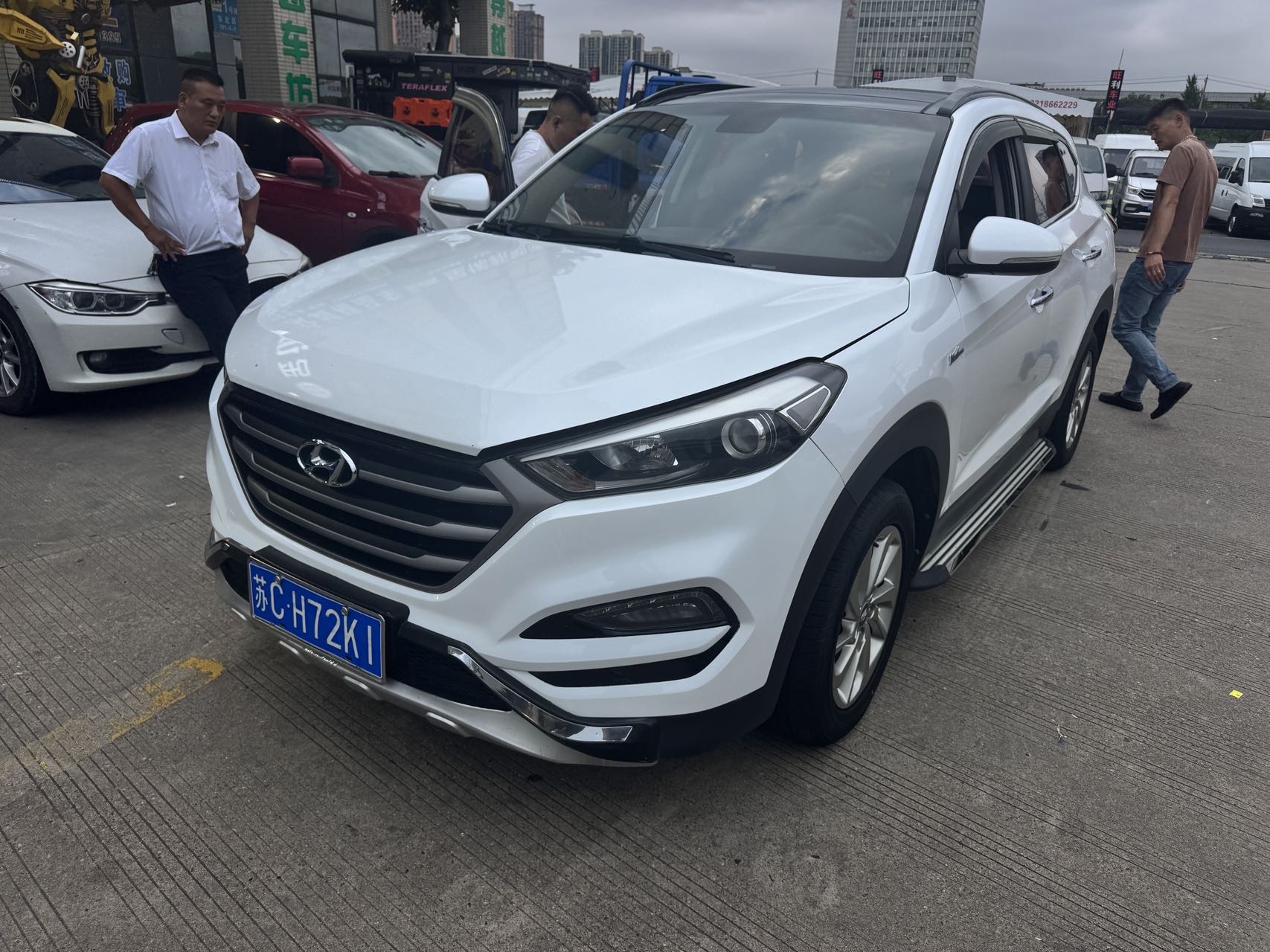
Basic Information

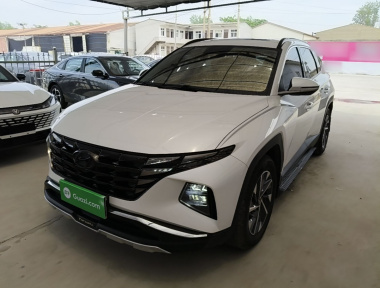
BrandHyundai
SeriesTucson
Year2017
First Registration2017/08
Mileage9km
Transfer Count-
FuelGasoline
TransmissionDCT
Engine1.6T 177 L4
ColorWhite
Seats-

Configuration Highlights

✓Driver/Passenger Airbags
✓Front/Rear Side Airbags
✓Front/Rear Curtain Airbags
✓ISOFIX Child Seat Anchors
✓Keyless Start System
✓Keyless Entry System
✓ABS Anti-lock Braking
✓Electronic Brake Distribution
✓Electronic Stability Control
✓Hill Start Assist
✓Hill Descent Control
✓Panoramic Sunroof
✓Roof Rack
✓Multifunction Steering Wheel
✓Seat Material
✓Rear Cupholders
✓Low Beam Headlights
✓Daytime Running Lights
✓Auto Headlights
✓Adjustable Headlight Height
✓Power Windows
✓Climate Control Type
✓Rear Air Vents

Q&A

More

Should I ship my car from China in a container or by RoRo vessel?

Both are common, and the right choice depends on budget and destination: 1. Container shipping (20ft/40ft): The car is sealed inside a container, offering better protection and allowing you to load spare parts inside the car. Typical cost from Shanghai to major world ports: $1,500-$3,000 per car. Best for long distances and high-value vehicles. 2. RoRo (roll-on/roll-off): The car is driven onto the ship and secured on deck. Cheaper ($800-$1,800 to most ports) and faster to load, but exposed to weather and port handling. Not all routes offer RoRo service. Transit time examples: to the Gulf 15-25 days, to West Africa 30-45 days, to Latin America 25-40 days, to Europe 20-35 days. Ask your exporter which option serves your destination port, and always insure the shipment for full value.
Can the used cars you export meet the SASO certification or GSO standards required by the Middle Eastern market?

It must be stated objectively: used cars in China are produced according to national standards (GB) and have not been originally certified by Saudi SASO or GSO of Gulf countries. Buyers must find a local agent with customs clearance capabilities to complete the clearance through exemption documents or compliant modifications after arrival (such as wrapping or adding specific alarms).

Is a four-wheel alignment or dynamic balance test done before the vehicle is sent to the port?

It's not mandatory. Four-wheel alignment and dynamic balance are part of routine maintenance. During long-distance towing and sea transport, the suspension may experience slight changes in stress. We recommend that buyers perform a four-wheel alignment locally after picking up the vehicle at the destination port and replacing tires suitable for local road conditions.