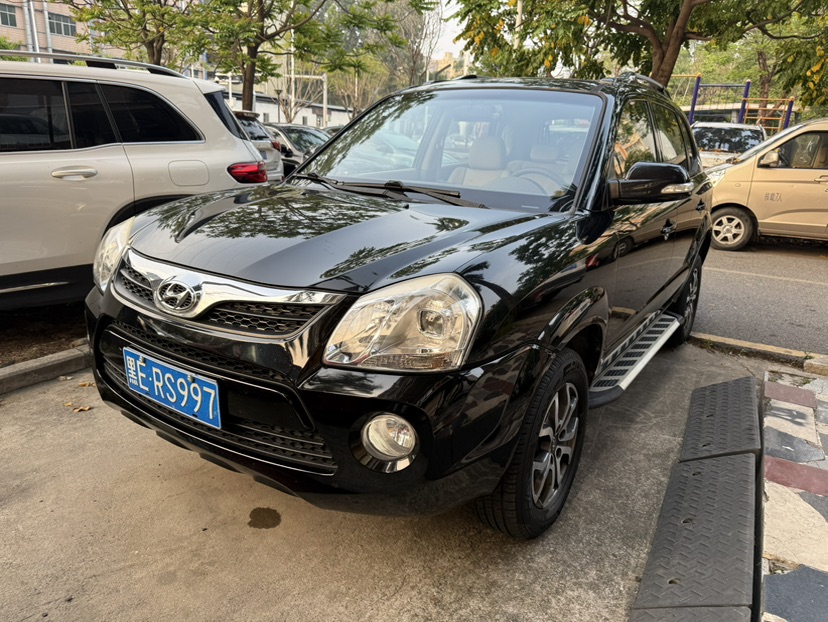
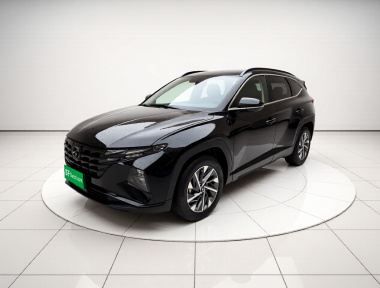
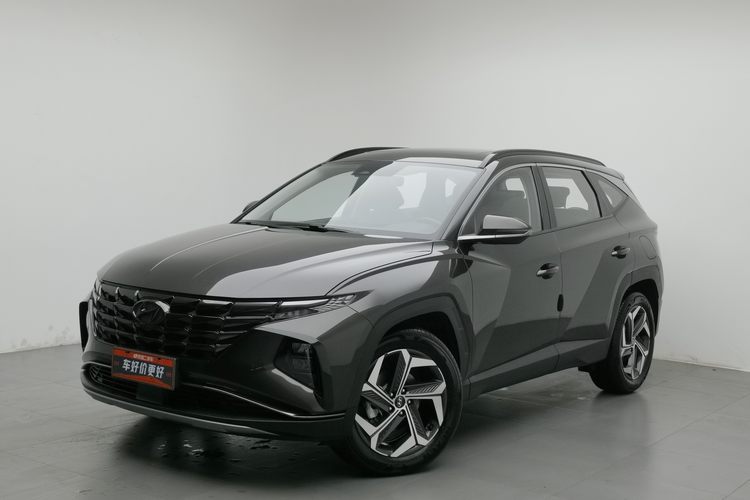
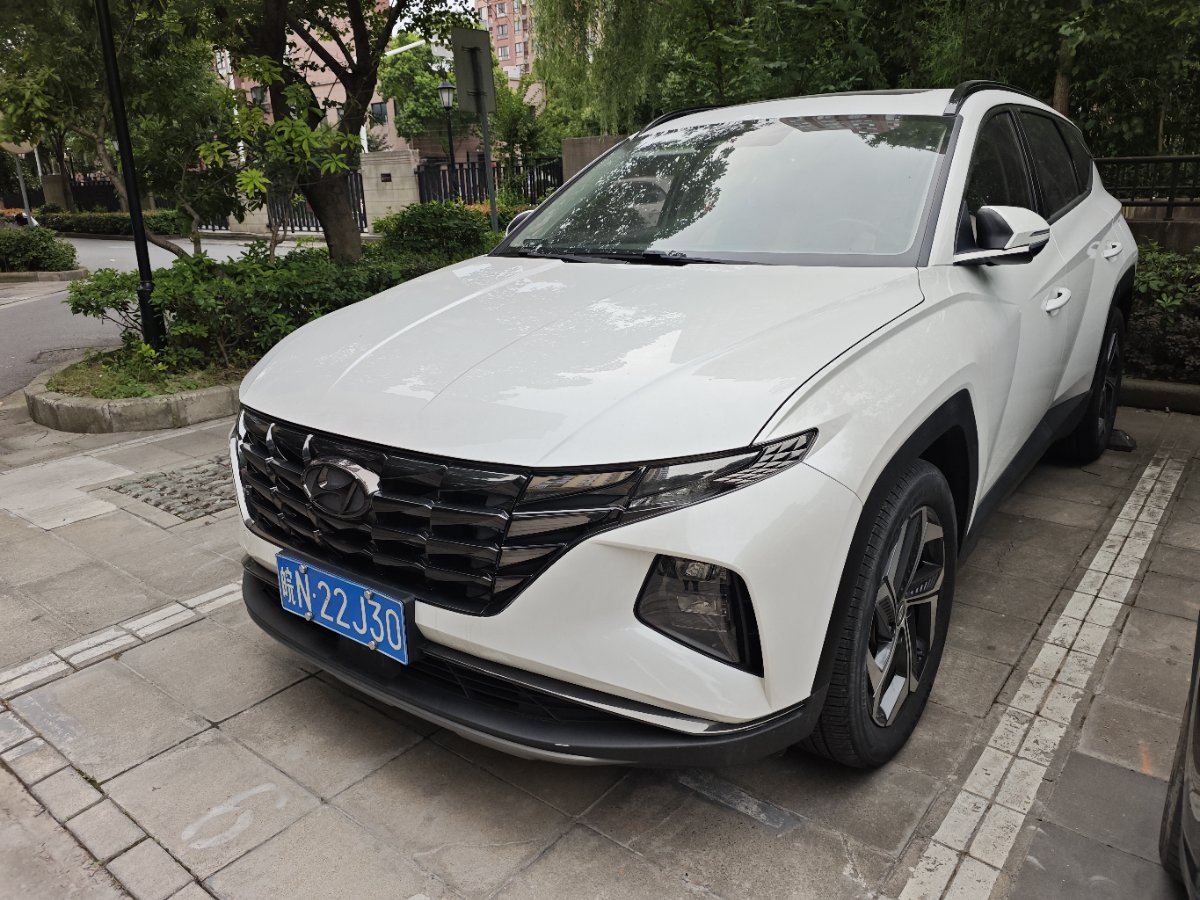
Basic Information

BrandHyundai
SeriesTucson
Year2022
First Registration2022/12
Mileage5.4km
Transfer Count-
FuelGasoline
TransmissionDCT
Engine1.5T 200 L4
ColorWhite
Seats-

Condition Description

Local, one owner, two keys. The car's condition is only slightly altered: the front bumper has been repainted, and the hood has minor steel reinforcement. Photos of the damage at the time are available.

Configuration Highlights

✓Driver/Passenger Airbags
✓Front/Rear Side Airbags
✓Front/Rear Curtain Airbags
✓Tire Pressure Monitoring
✓ISOFIX Child Seat Anchors
✓Keyless Start System
✓Keyless Entry System
✓ABS Anti-lock Braking
✓Electronic Brake Distribution
✓Electronic Stability Control
✓Hill Start Assist
✓Auto Hold
✓Hill Descent Control
✓Panoramic Sunroof
✓Roof Rack
✓Multifunction Steering Wheel
✓Paddle Shifters
✓Front Parking Sensors
✓Seat Material
✓Driver/Passenger Power Seats
✓Rear Cupholders
✓GPS Navigation
✓Low Beam Headlights
✓Daytime Running Lights
✓Auto Headlights
✓Adjustable Headlight Height
✓Power Windows
✓Anti-pinch Windows
✓Climate Control Type
✓Rear Air Vents
✓Start-Stop System
✓Lane Departure Warning
✓Active Safety System

Q&A

More

Can you check the previous history of the vehicle's use (whether it was for personal transport or company use)?

The registration certificate will show whether the previous owner was an individual (registered with ID) or a company (registered with a business license). Vehicles under a company may be driven by multiple people, so we will focus on checking the uniformity of interior wear and the condition of the chassis.
What are the common issues with this car? Has this car resolved them?

We will honestly inform you of the common issues with this model (such as the water pump failure in certain German cars) and show that this car has had the improved parts replaced.

How are import duties on used cars from China calculated, and which HS code applies?

Used cars are classified under HS heading 8703 (motor vehicles for transport of persons), with the last four digits determined by engine type and size. Gasoline cars usually fall in 8703.21–8703.80 depending on displacement; pure EVs fall under 8703.80; hybrids have their own subheadings. The duty amount depends on your country's tariff schedule: 1. Most countries charge duty on the CIF value (car price + freight + insurance), not the FOB price. 2. Many developing markets levy higher duties on used vehicles than new ones, and some add a surcharge based on age — older cars can cost significantly more to clear. 3. After duty, you typically pay VAT/GST on the CIF + duty total, plus port and customs fees. Practical tips: ask your exporter to state the exact HS code on the commercial invoice and confirm it with a local customs broker before shipping. A wrong code can trigger reclassification, penalties, or delays. Also budget for any excise tax tied to engine capacity — in several markets a 2.5L car clears far cheaper than a 3.5L one.