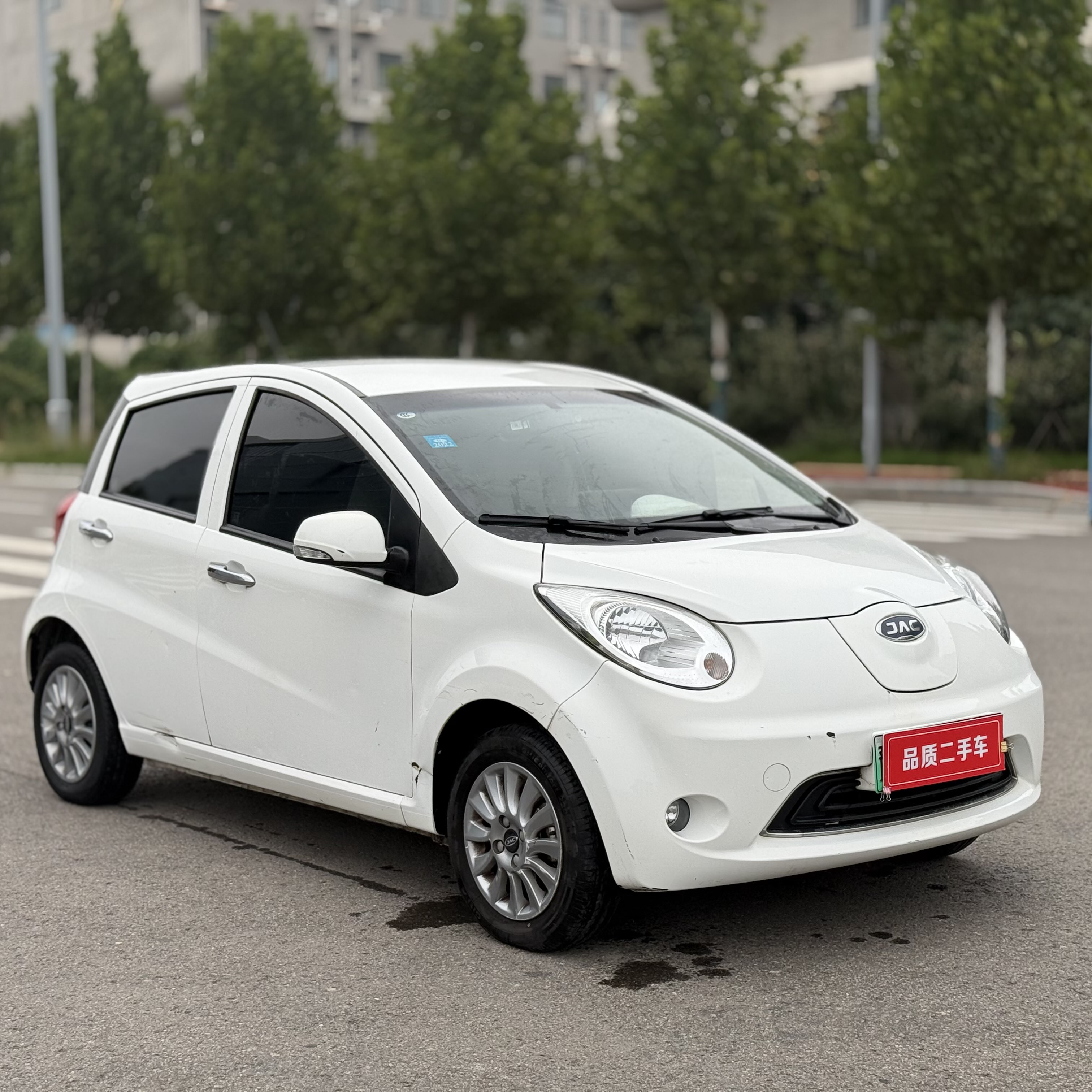
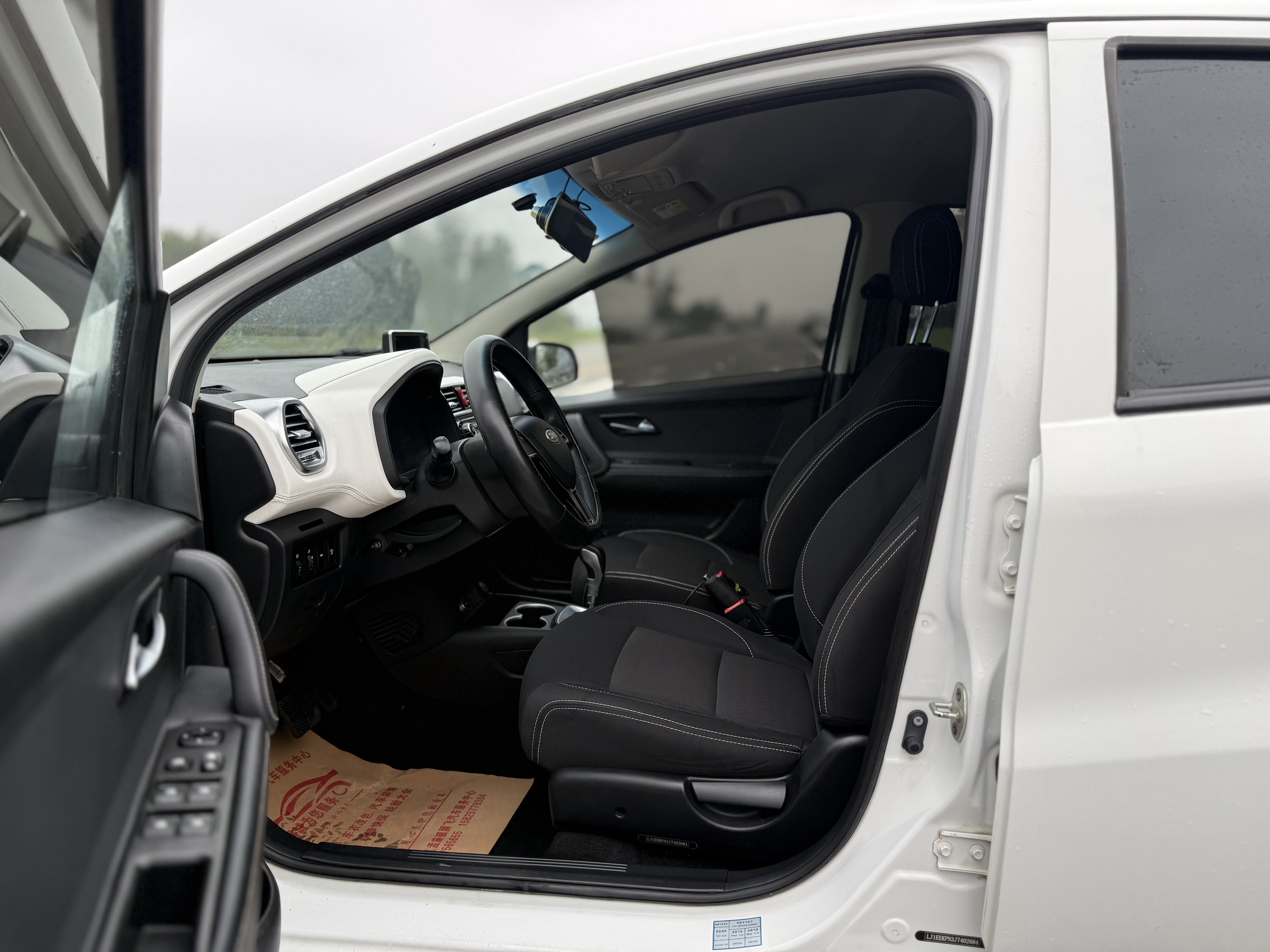
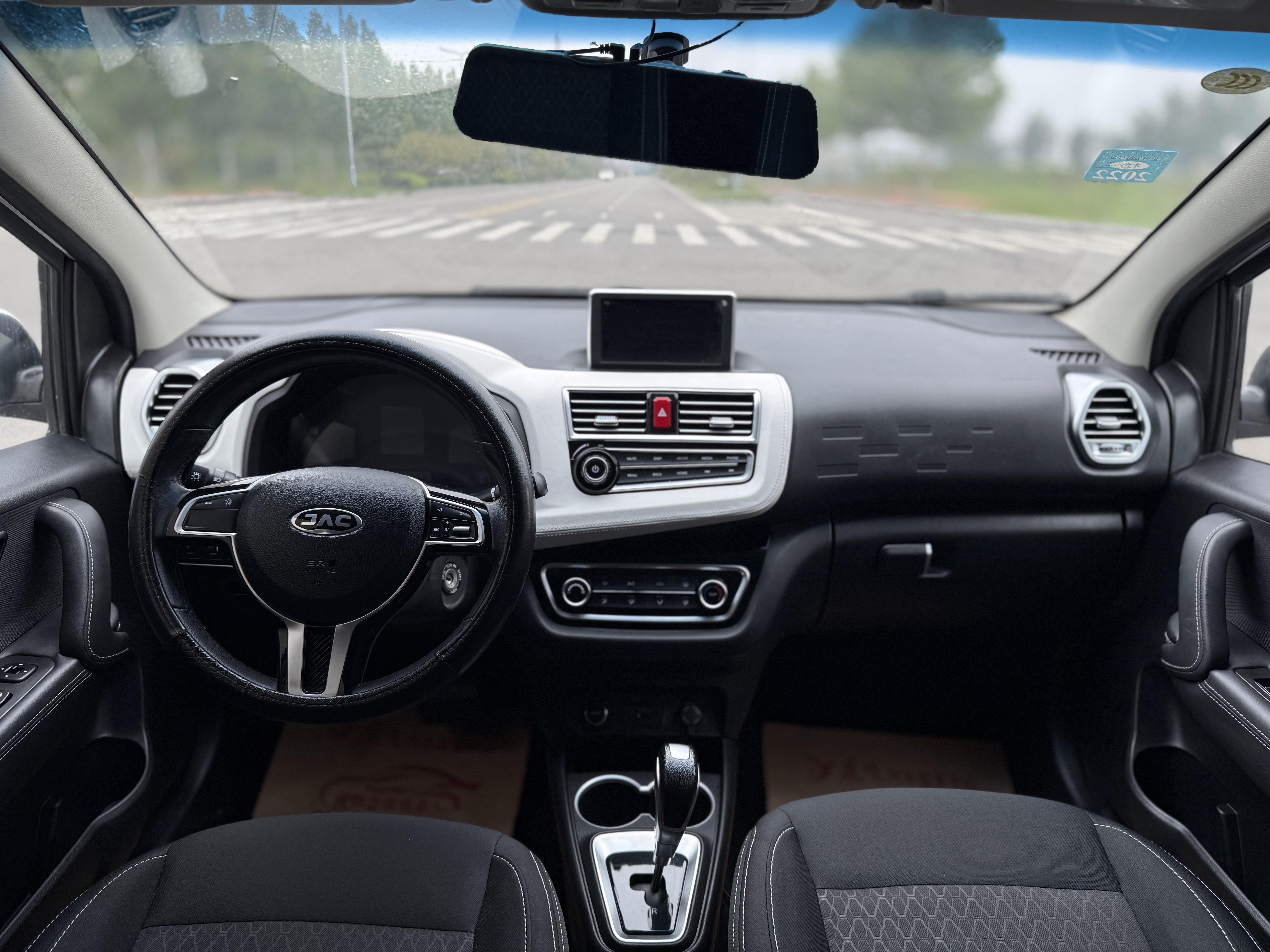
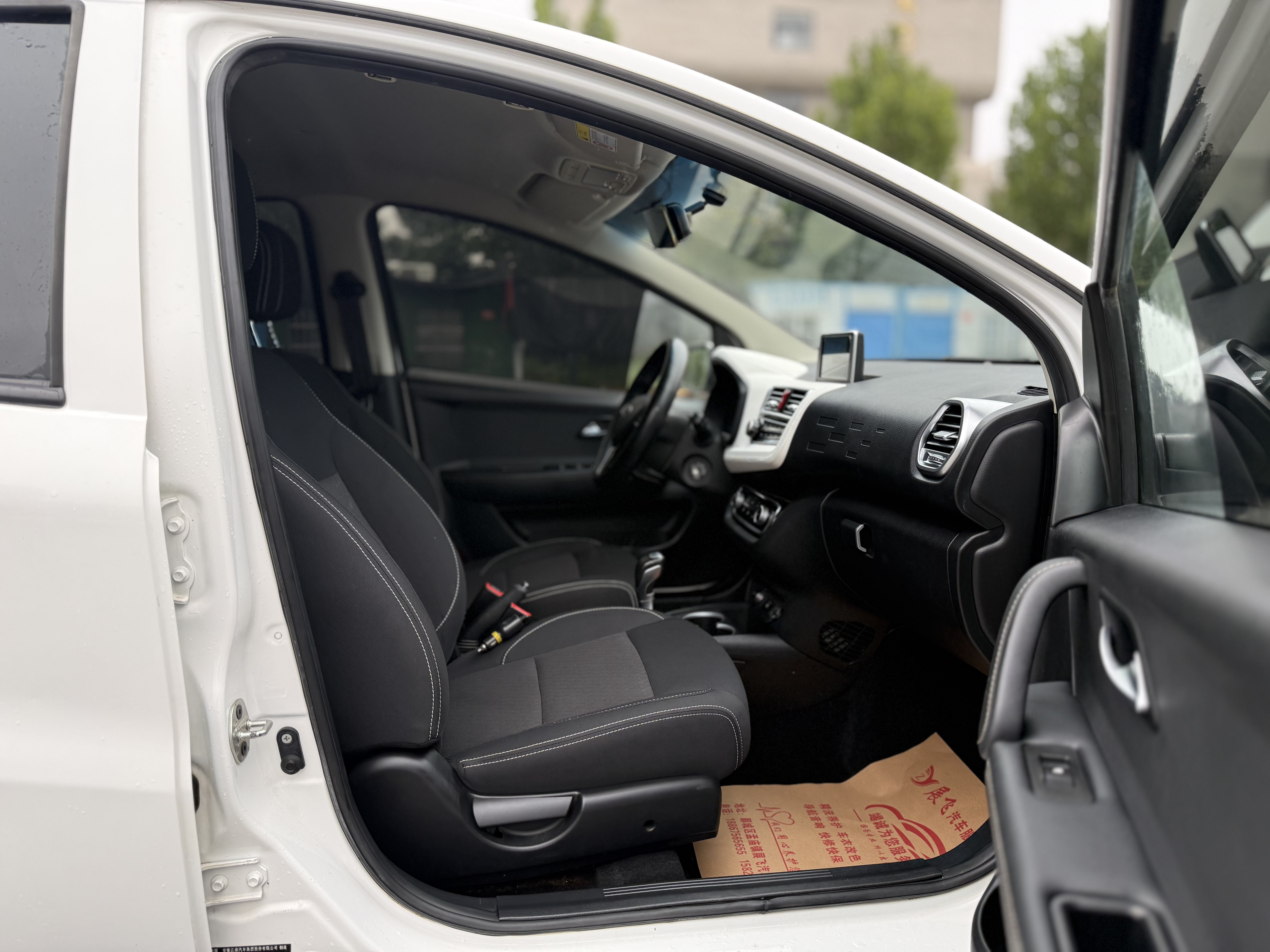
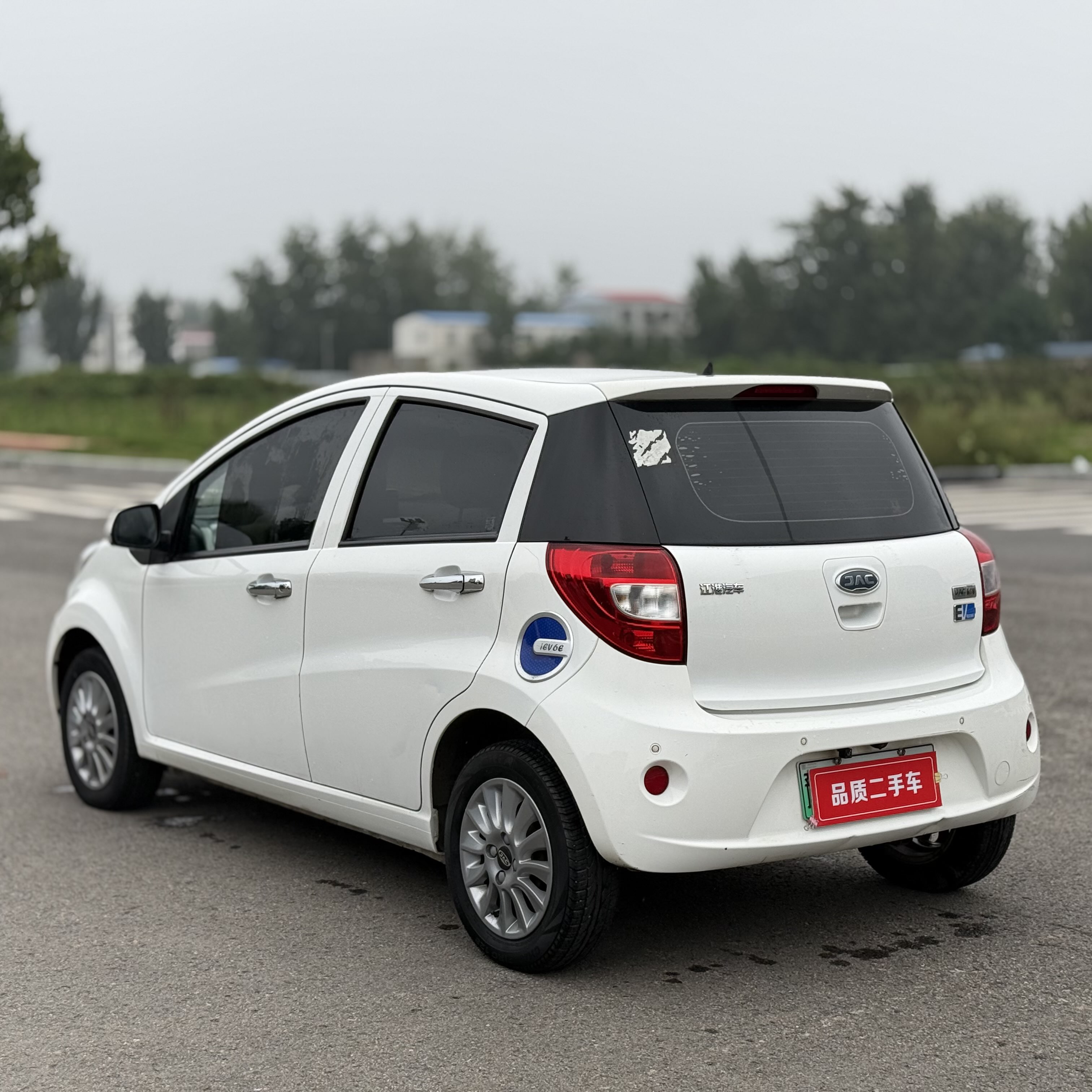
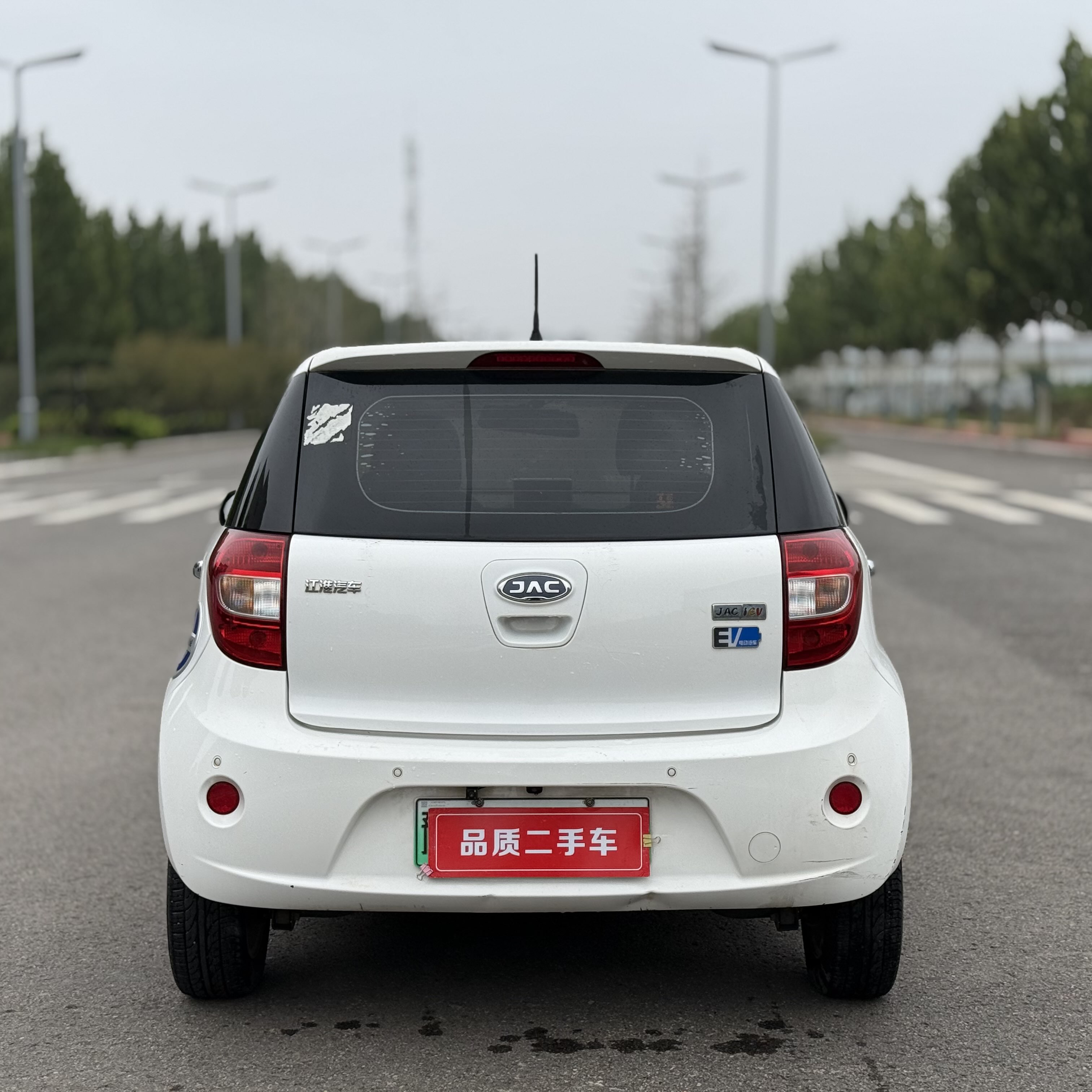
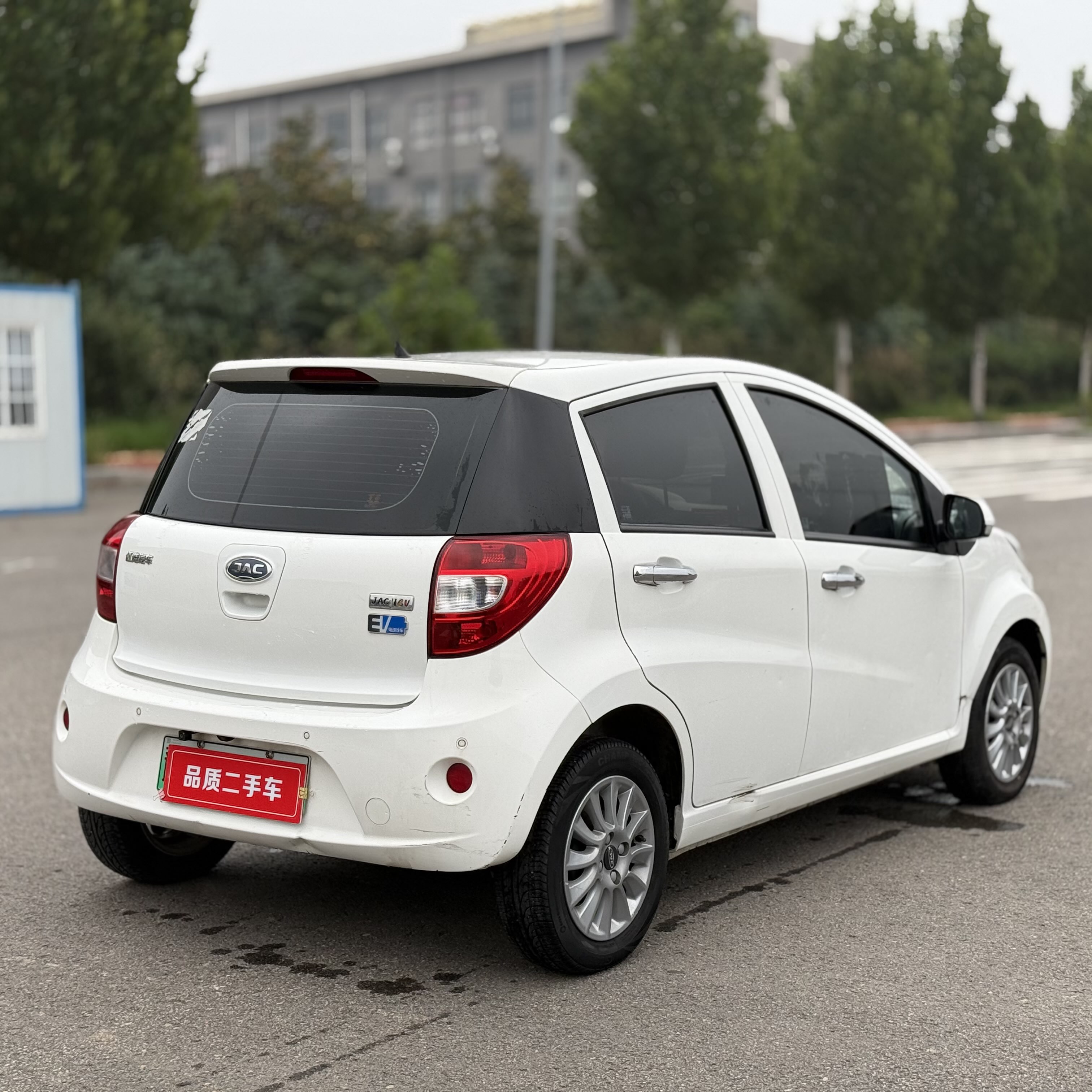
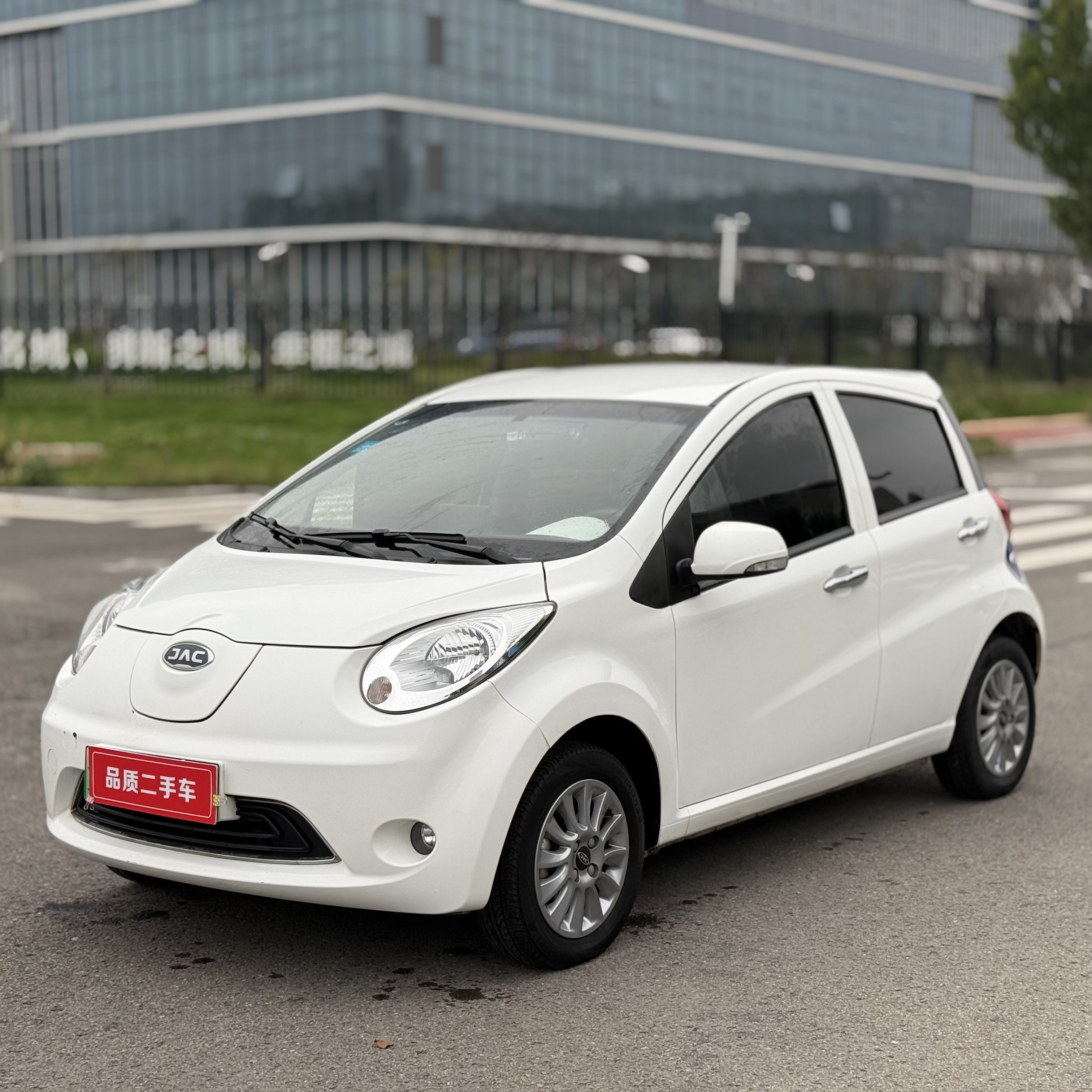
Basic Information

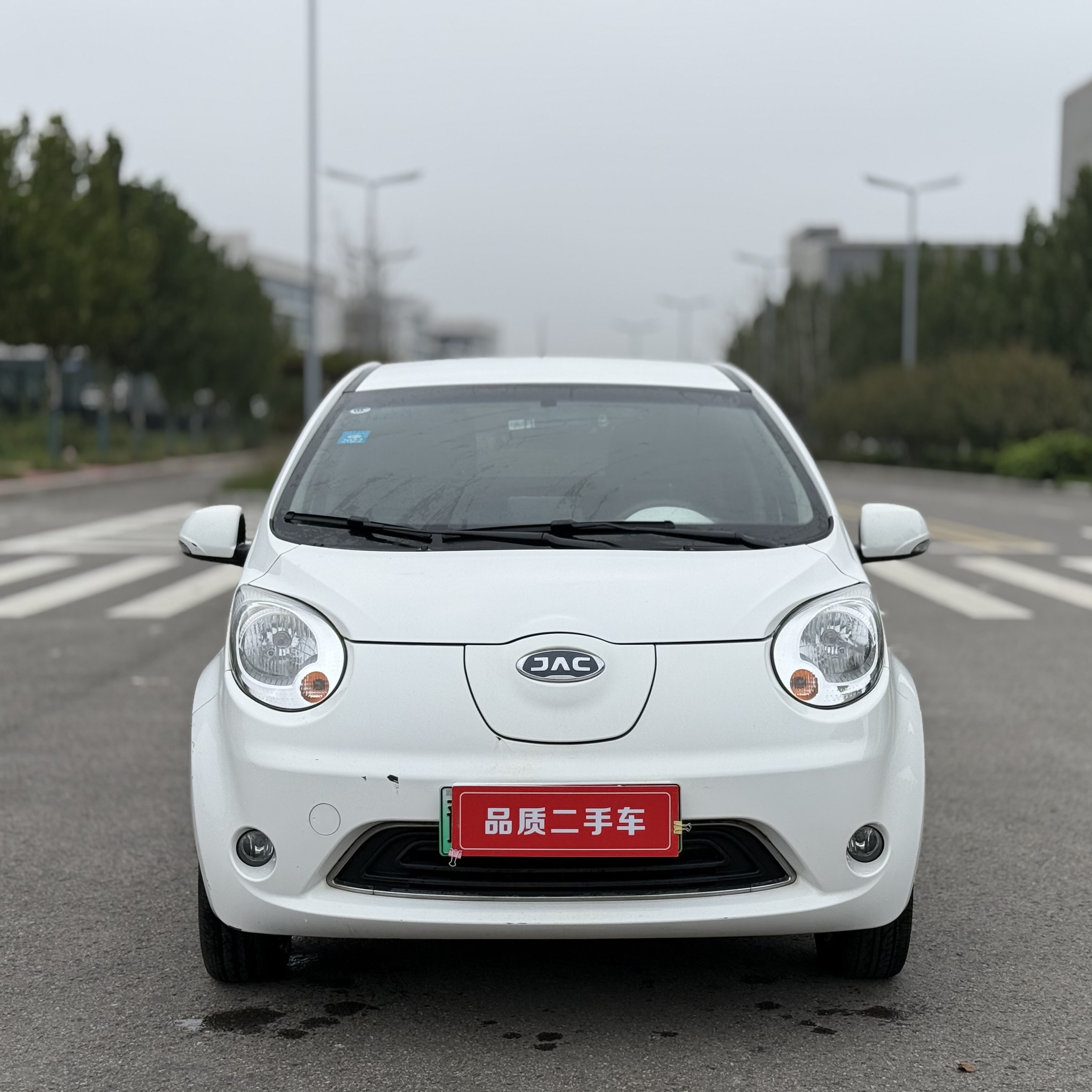
BrandJAC
Series-
Year2018
First Registration2018/03
Mileage4.1km
Transfer Count-
FuelElectric
TransmissionOther
Engine-
ColorWhite
Seats4seats

Condition Description

Original vehicle condition,

Configuration Highlights

✓Driver/Passenger Airbags
✓ISOFIX Child Seat Anchors
✓ABS Anti-lock Braking
✓Electronic Brake Distribution
✓Multifunction Steering Wheel
✓Seat Material
✓Rear Cupholders
✓GPS Navigation
✓Low Beam Headlights
✓Adjustable Headlight Height
✓Power Windows
✓Climate Control Type

Q&A

More

How will minor detachment or water stains on the headliner be reflected in the rating?

The headliner is considered an "irreversible interior component." If the edges are delaminated or there are deep, hard-to-clean dark water stains, it will directly lead to a downgrade in the interior grade, even if it does not affect driving. We will not use pins or low-quality glue for cosmetic repairs.

Beyond the car price, what costs should I budget when importing a used car from China?

A realistic budget has several layers beyond the vehicle price. First, inland logistics in China: moving the car to the export port typically costs $300-$800. Second, export handling: inspection, customs declaration and paperwork usually add $500-$1,000. Third, ocean freight. A 20ft container to most destinations runs $1,200-$3,000 depending on route; RoRo shipping can be cheaper for driveable cars. Add marine insurance, usually 0.3%-0.5% of the car value. Fourth, destination charges: port handling, customs duties, VAT/GST and local registration fees. These vary widely; some countries charge duties of 20%-80% of the vehicle value plus an excise based on engine capacity. Finally, any compliance work: inspection certificates, modifications to meet local standards, or homologation. Ask your exporter for a full CIF quote and have a local customs broker confirm destination taxes before you commit.
What is a Certificate of Origin and why do I need one when importing a car from China?

A Certificate of Origin (C/O) is an official document stating where the vehicle was manufactured. Customs authorities use it to decide which tariff rates and trade agreements apply to your import. Why it matters: many countries offer preferential tariffs for certain origins. With a valid C/O, such as the ASEAN-China Form E or a GSP Form A, you may pay reduced or zero duty. Without it, you typically pay the standard, higher rate. The certificate must match the vehicle exactly: VIN, make, model and invoice details. It is usually issued by the China Council for the Promotion of International Trade (CCPIT) or customs authorities. Practical tips: request the C/O before shipment, because adding it later is slow; check that your country's customs accepts the specific C/O format; and confirm with your broker whether your vehicle category qualifies for preferential rates. This single document can save you thousands in duty.

JAC

江汽集团 江淮iEV6E 2017款 iEV6E

EXW: $2,424
Car CodeSWA1619930
Publish Date2025/10/12