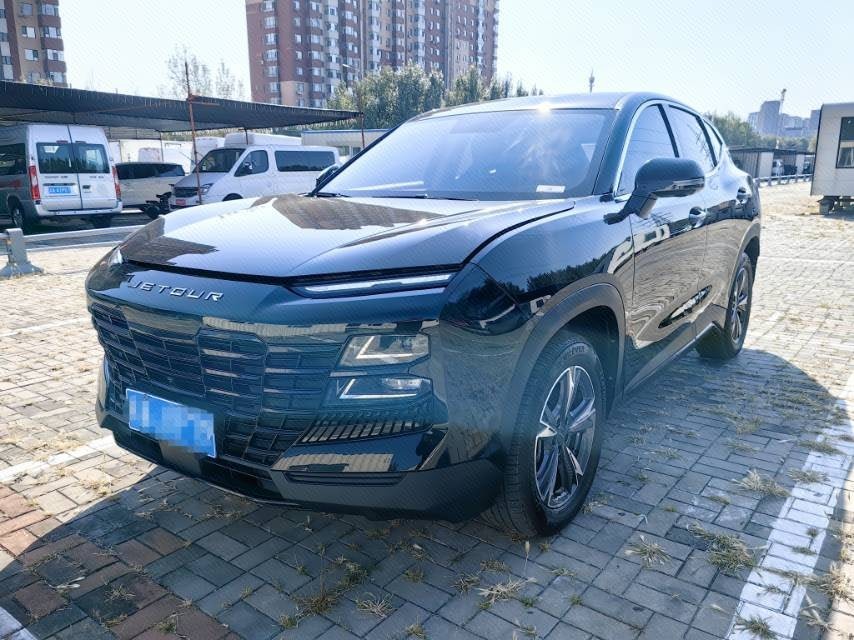



Sold

Basic Information

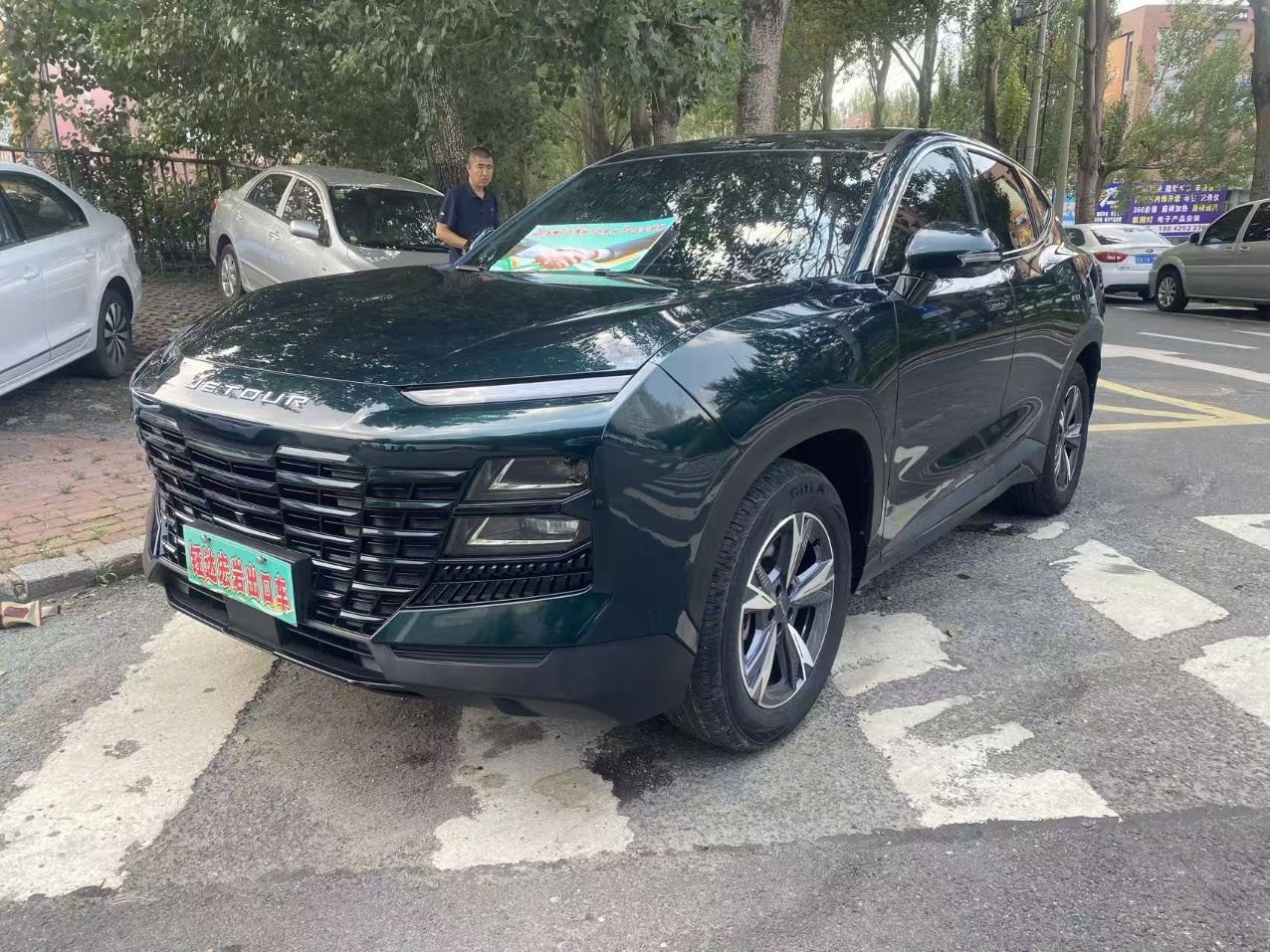
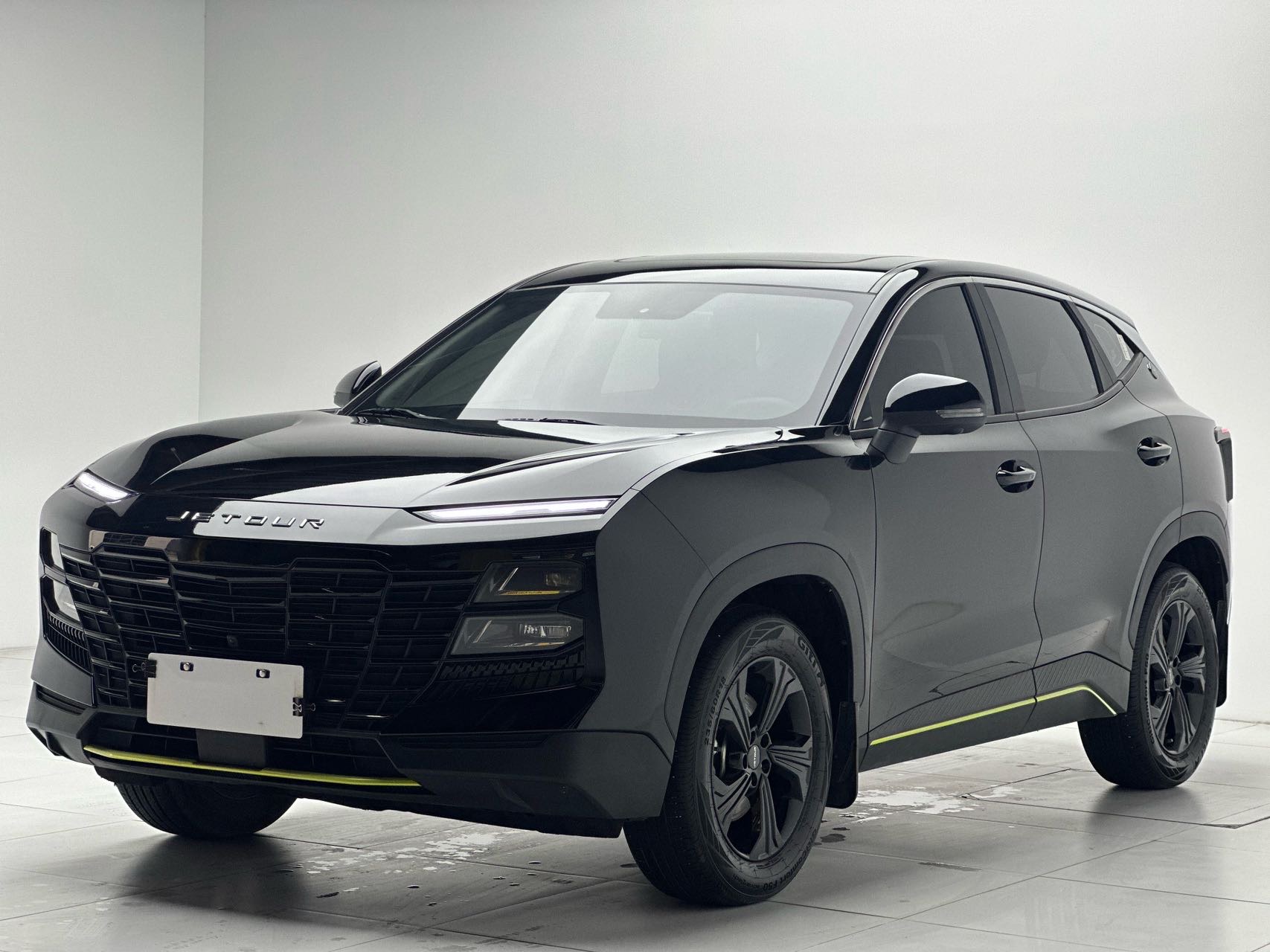
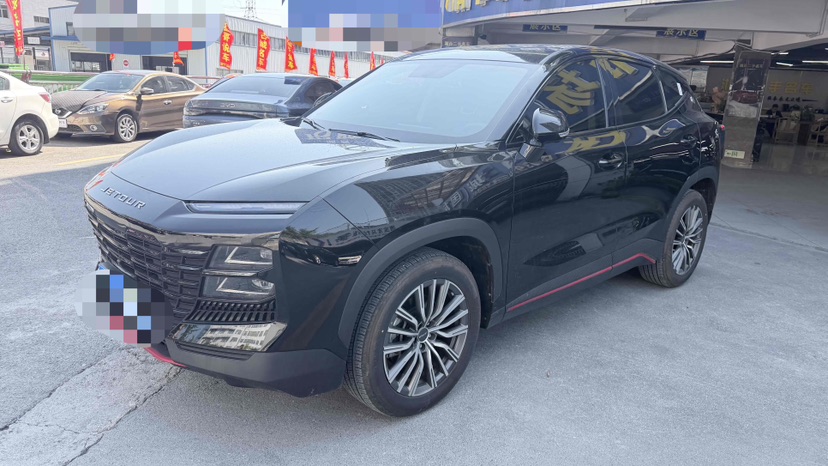
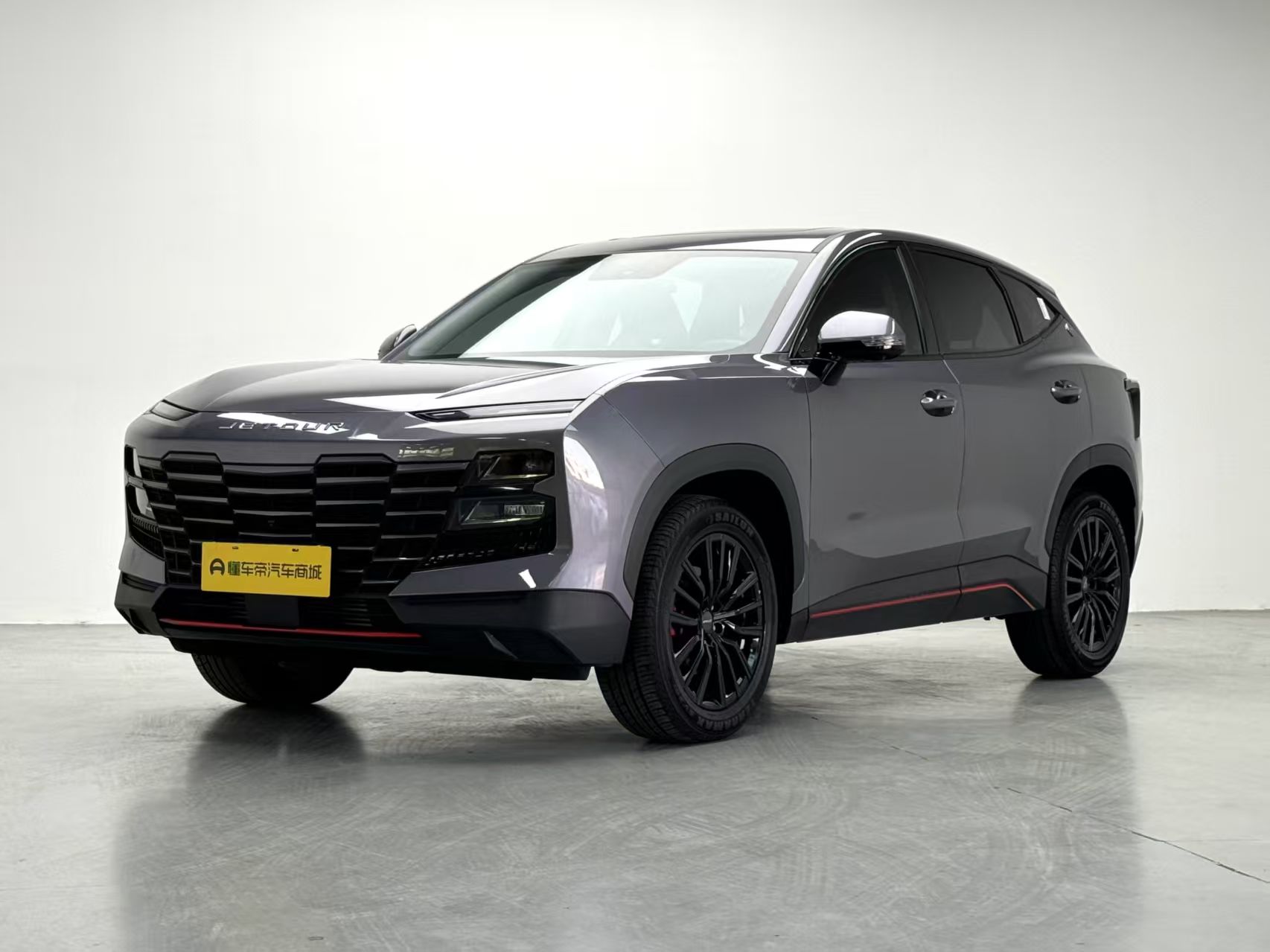
BrandJetour
SeriesDashing
Year2023
First Registration2023/12
Mileage38,000km
Transfer Count0times
FuelGasoline
TransmissionDCT
Engine1.5T 156 L4
ColorBlack
Seats5seats

Condition Description

Manufactured in 2023, first registered in 2023, single-owner, original factory paint, no accident data. Highest trim.

Document Information

Inspection Expiry Date-
Warranty Expiry Date-
Insurance Expiry Date2026/12

Q&A

More

What should I do if something breaks on my used car shortly after it arrives from China?

Act fast and follow the paper trail you built before buying. First, document everything immediately: take photos and videos of the fault, note the date of arrival and the odometer reading. Most exporters offer a commercial warranty window (typically 15-30 days after arrival) for major components like the engine, transmission and high-voltage battery. Contact the exporter in writing with the evidence, referencing your contract's warranty clause. For minor issues, a common arrangement is that they air-freight the spare part to you or reimburse a capped repair amount at a local workshop. To protect yourself before purchase: get the warranty terms written into the sales contract, including response time, what is covered, and how parts compensation is calculated. Also ask which fast-wearing parts (brake pads, filters, wipers) they recommend buying together with the car, so you are not stuck waiting for a small part from overseas.


How do you provide a customs-recognized age certificate for imported cars limited to under 5 years in countries like Kenya?

Countries like Kenya typically require the First Registration Date to be within a specific timeframe. We will provide a notarized copy of the Vehicle Registration Certificate, along with an English translation, as absolute legal evidence.

What is a Certificate of Origin and do I need one to import a used car from China?

A Certificate of Origin (CO) is an official document stating where the vehicle was manufactured. For imports from China, it matters more than many buyers expect. First, customs value: many countries apply duty rates based on the country of manufacture, not where you bought the car. A CO proves the vehicle is Chinese-built, which determines the correct tariff line—skipping it can mean reassessment, fines, or seizure at destination. Second, trade agreements: some countries have preferential tariffs for Chinese goods that only apply with a valid CO. Request a CO issued by the China Council for the Promotion of International Trade (CCPIT) or China Customs, not a self-printed form. Check that the VIN, engine number, and buyer details match your purchase documents exactly. Make receiving the CO a condition before your final payment, and keep the original—customs at destination will ask for it.