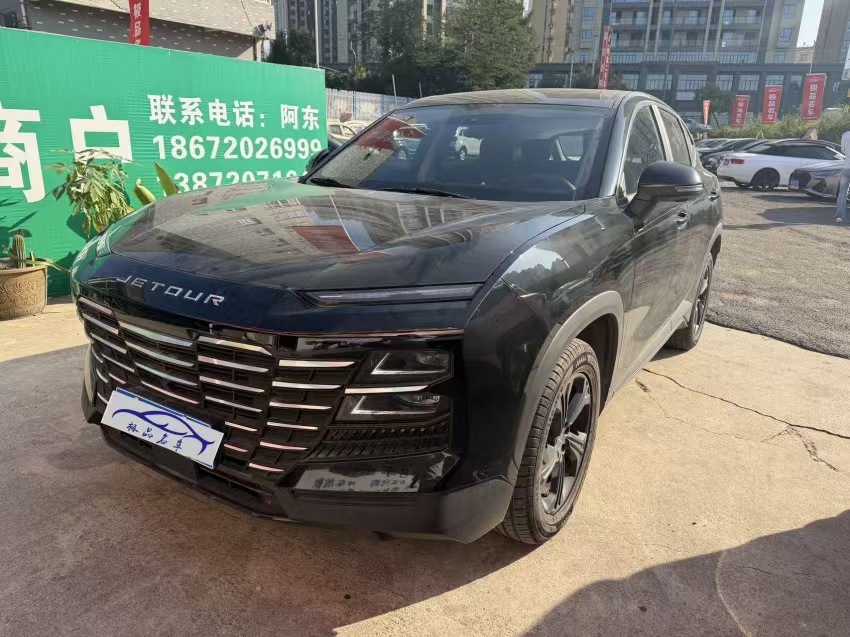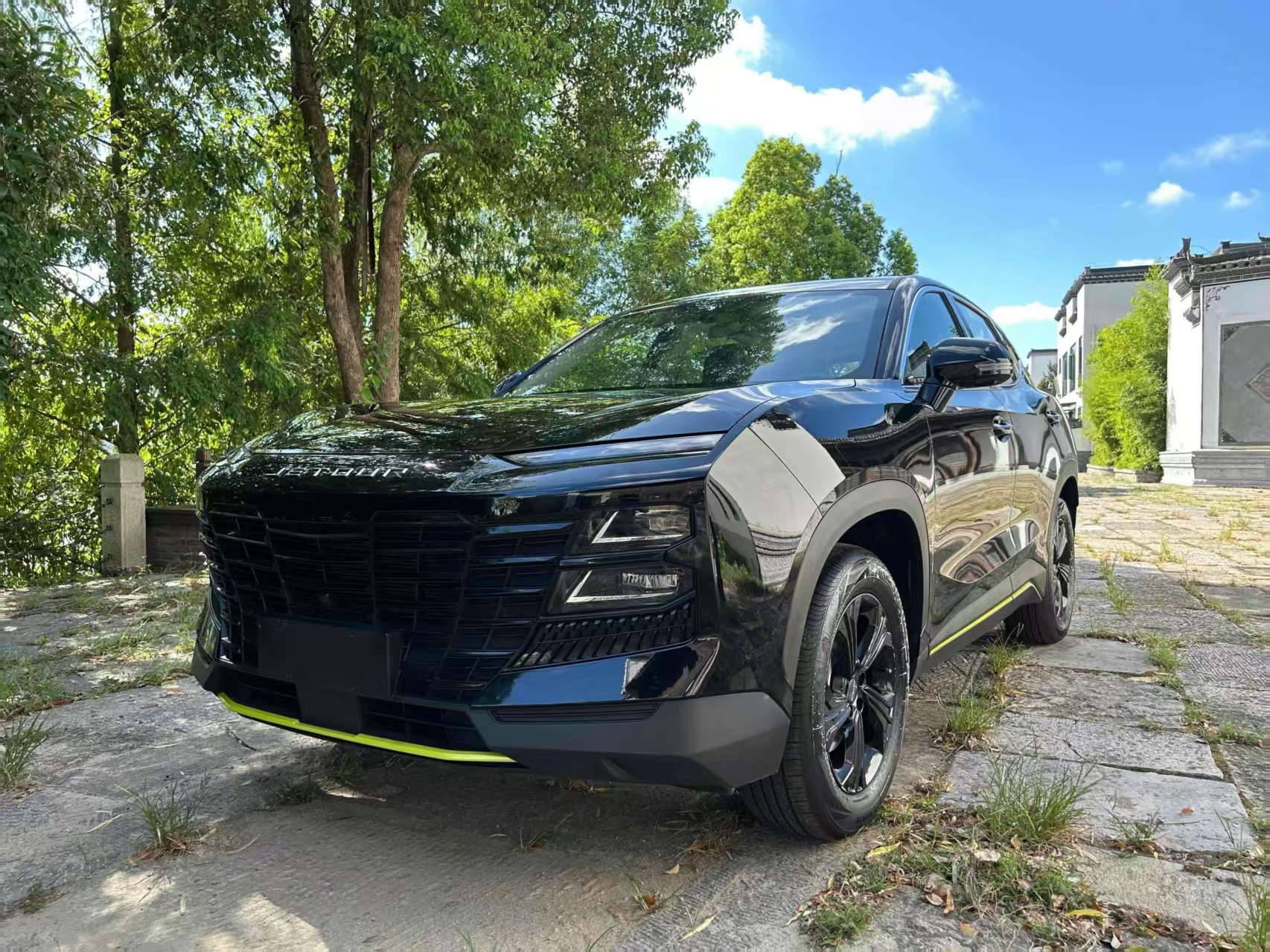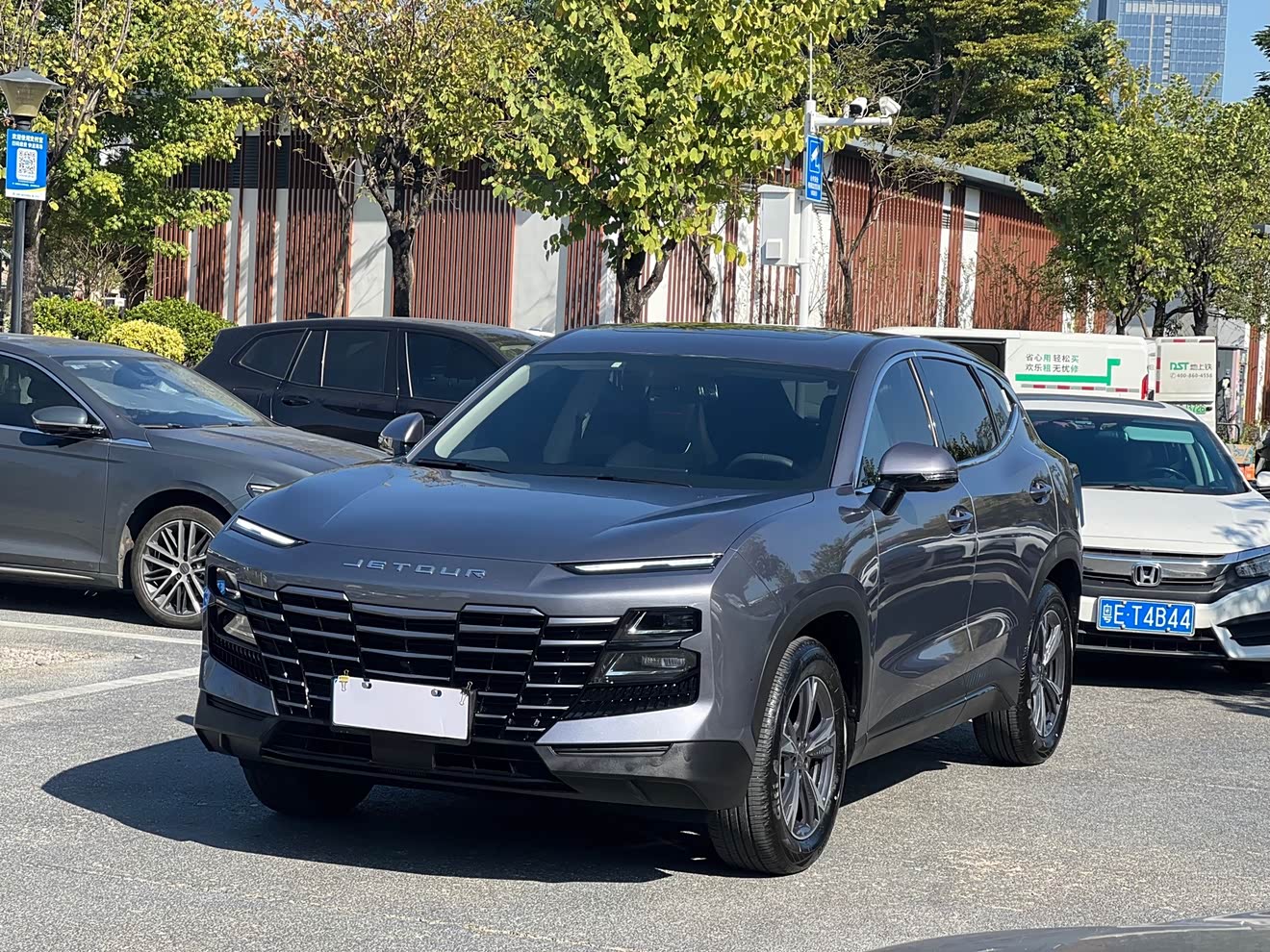
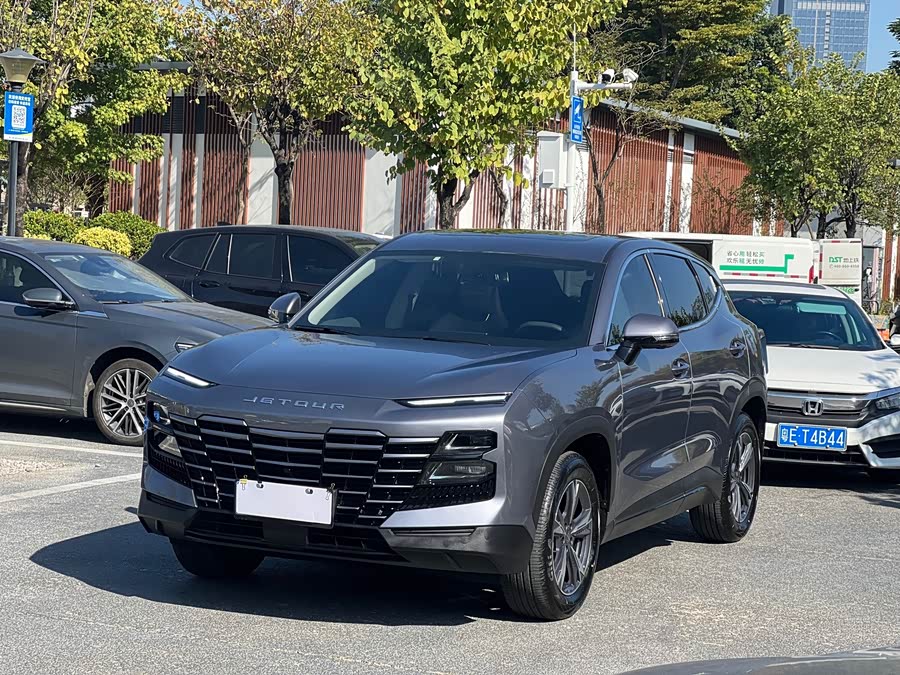
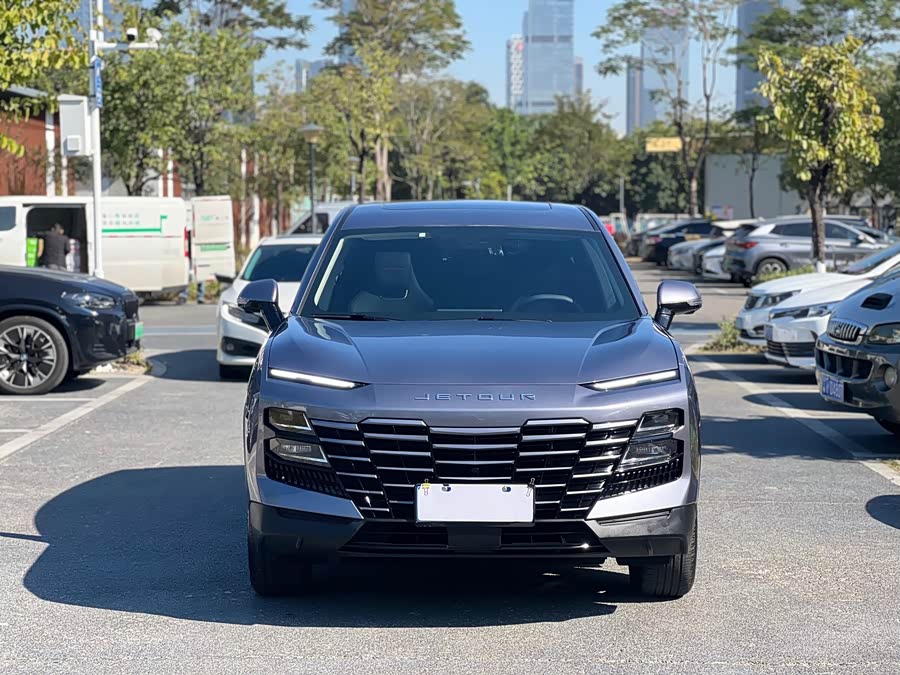
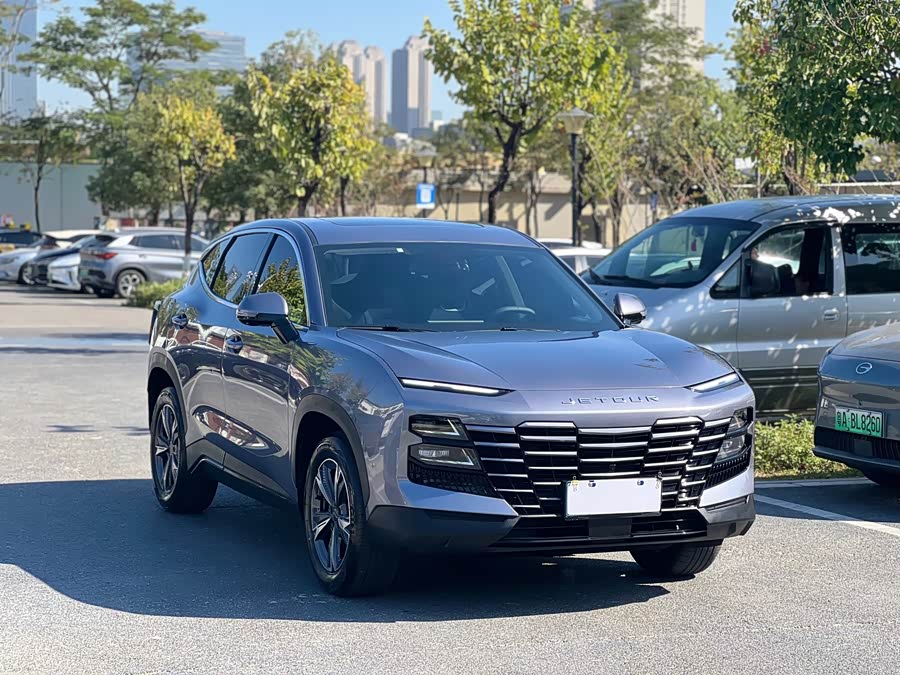
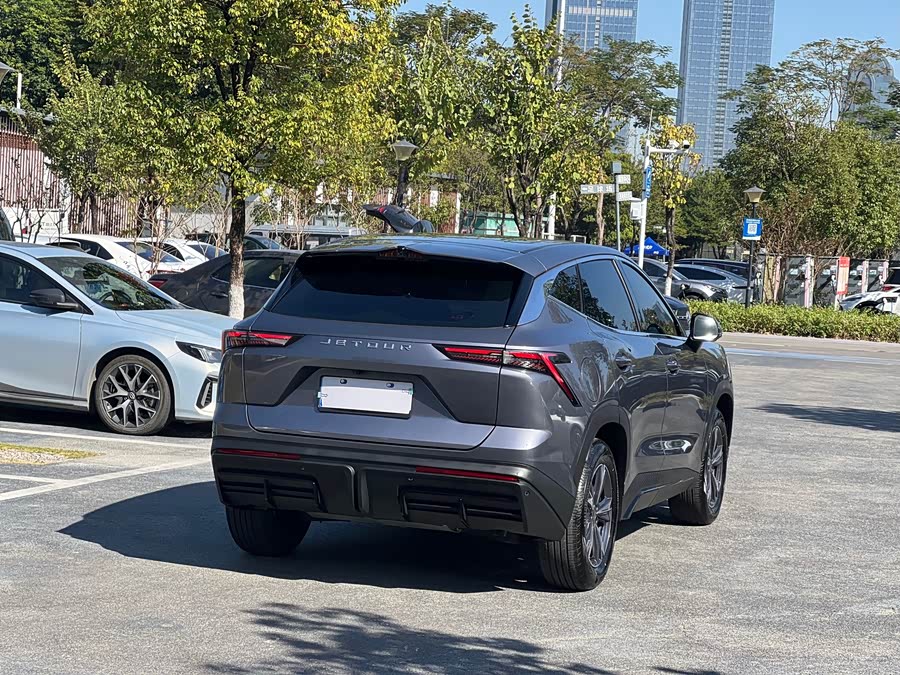
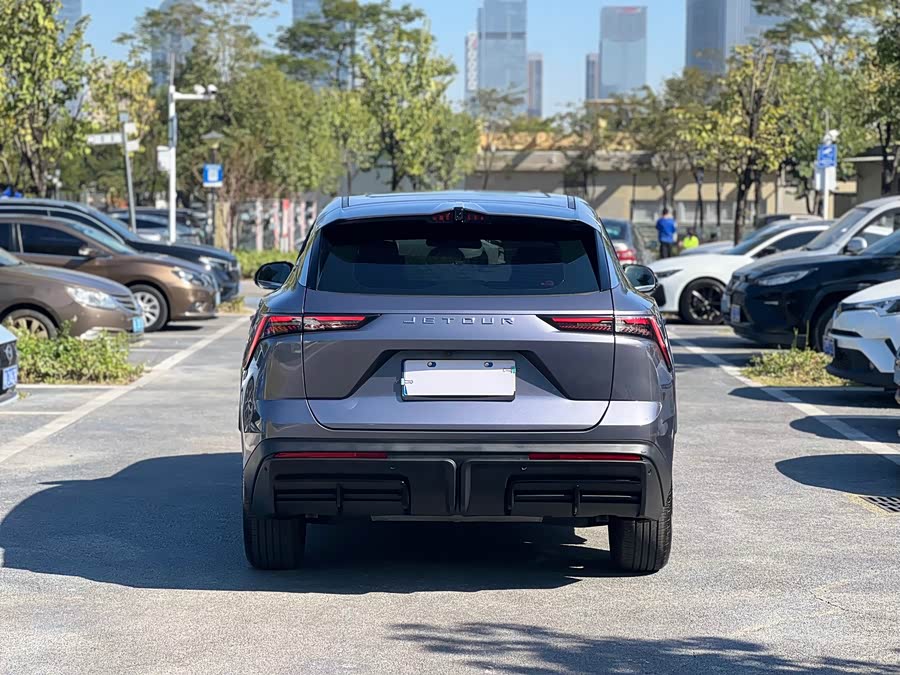
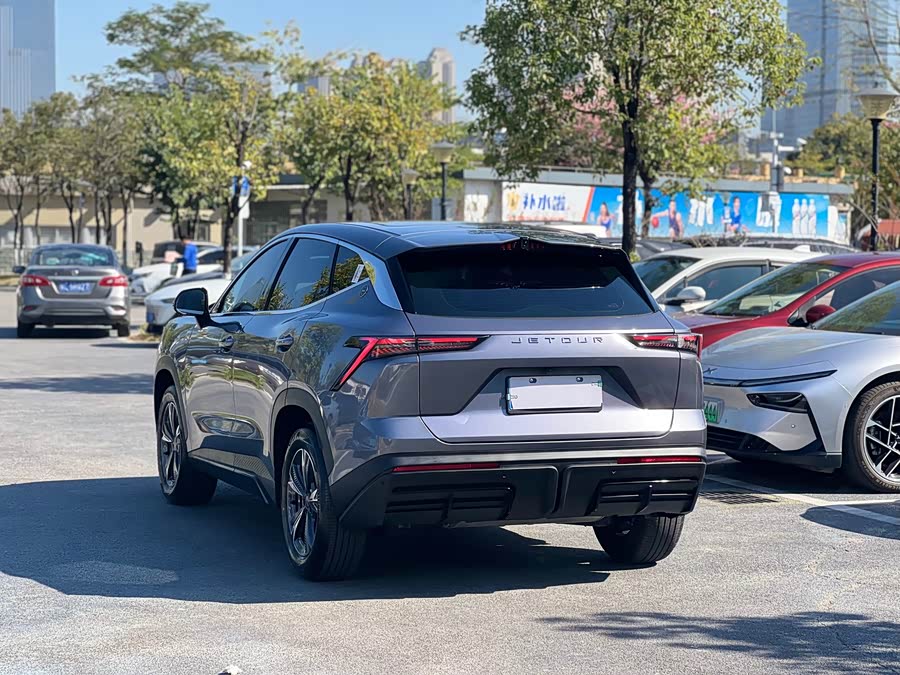
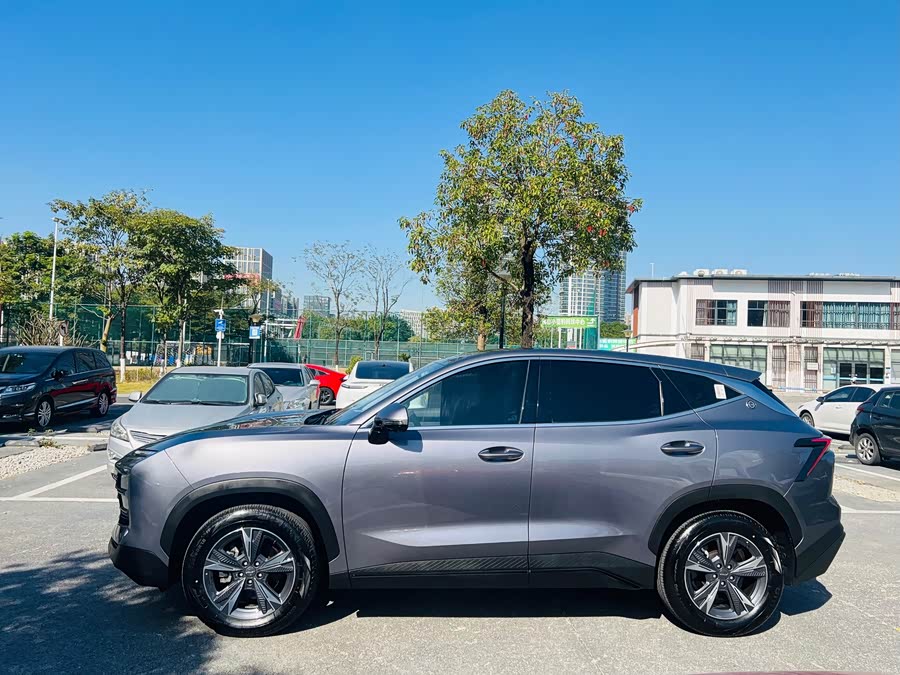
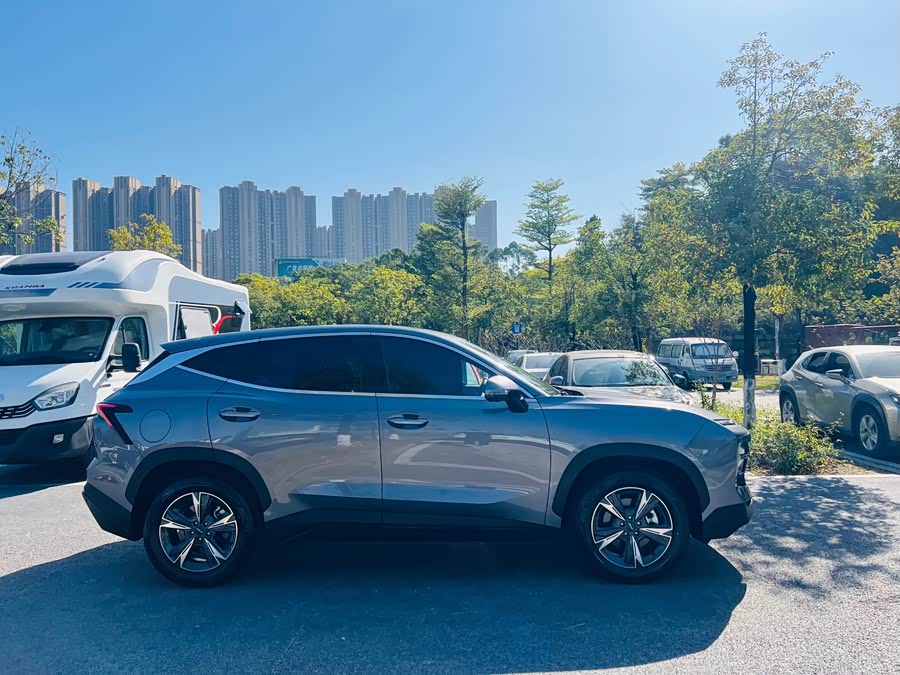
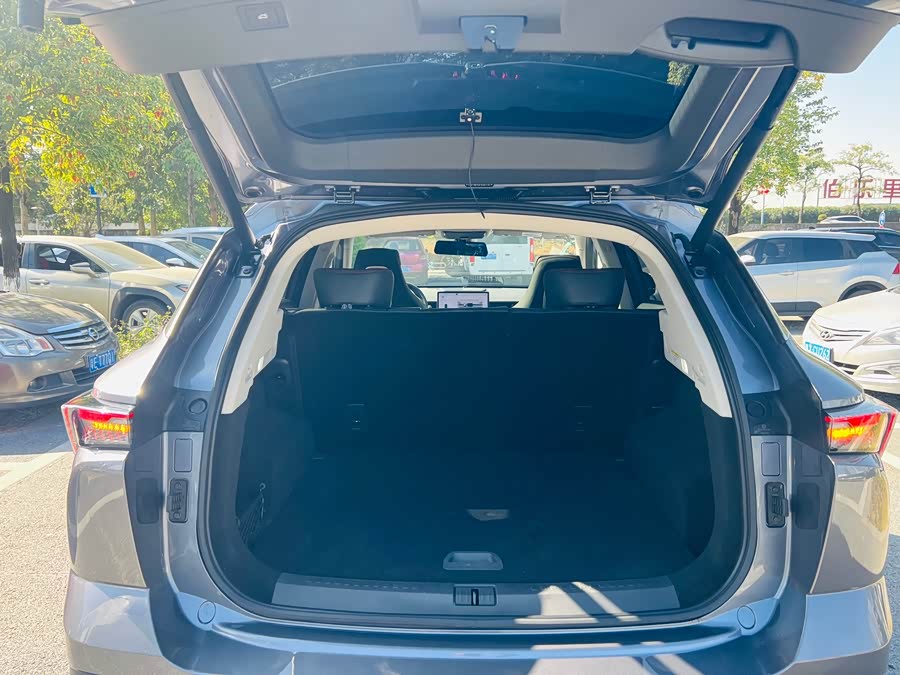
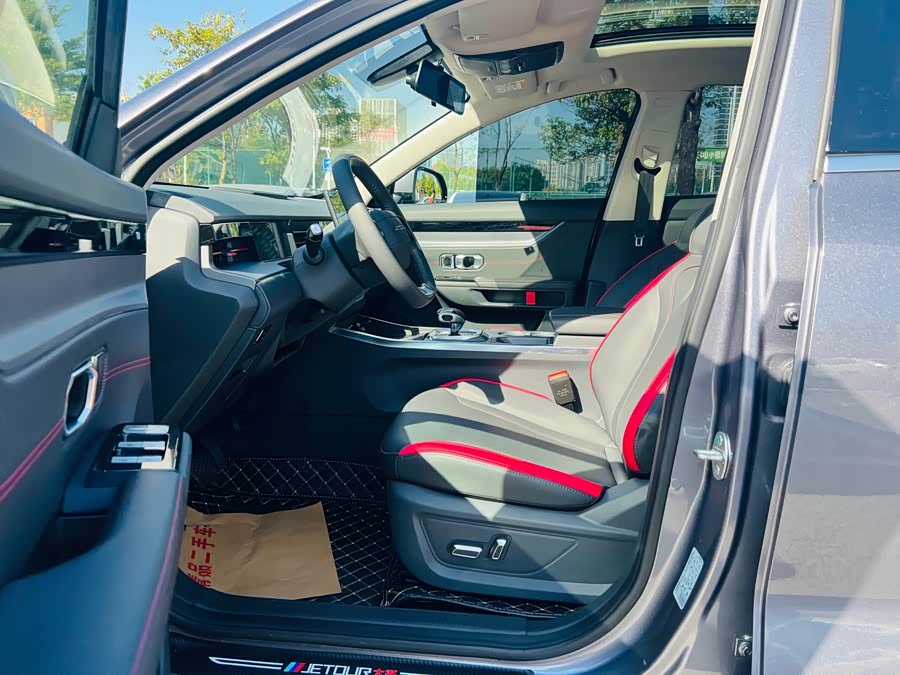
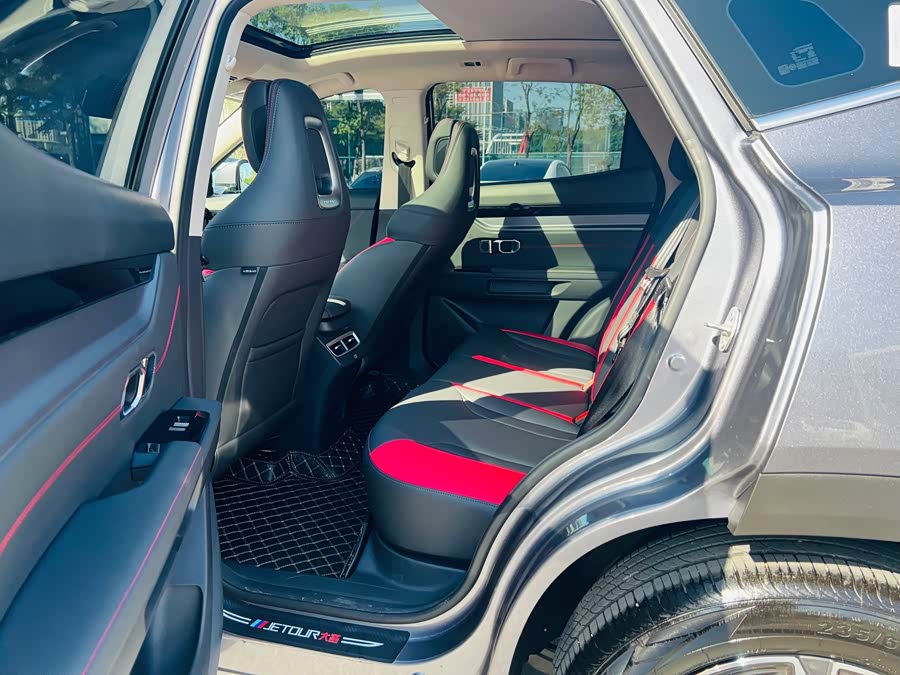
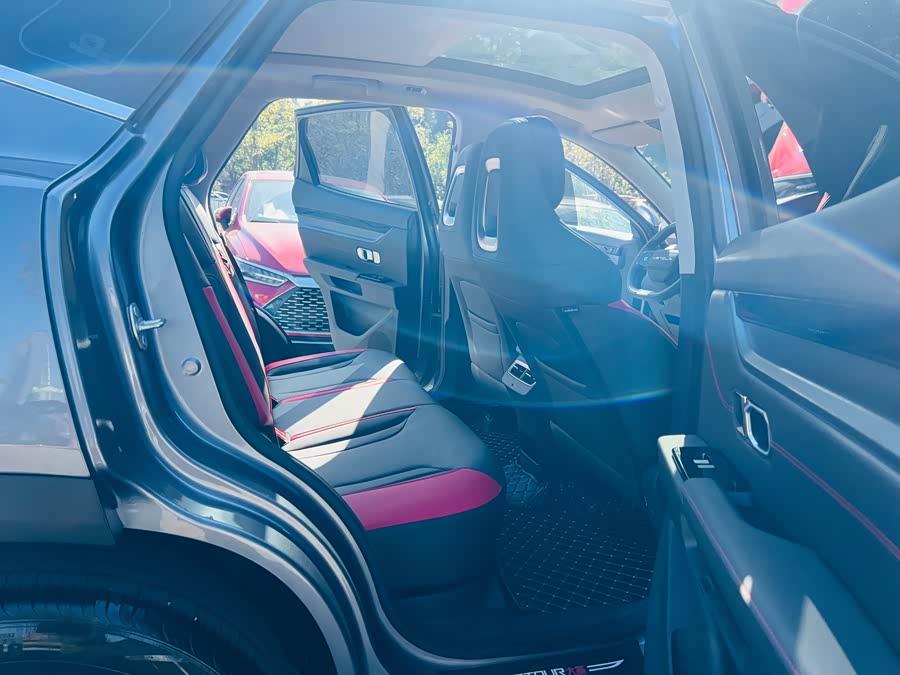
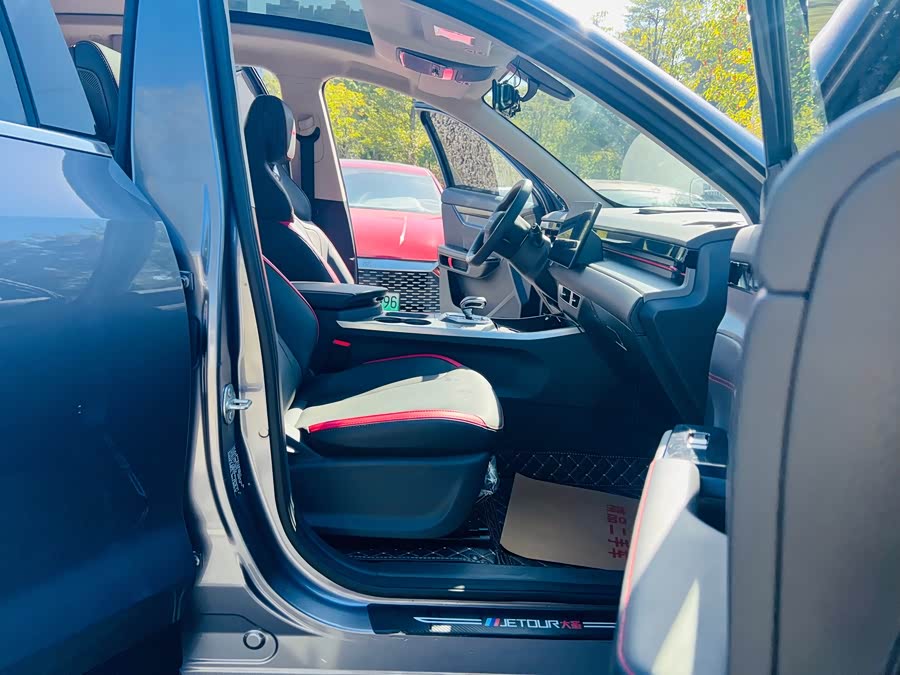
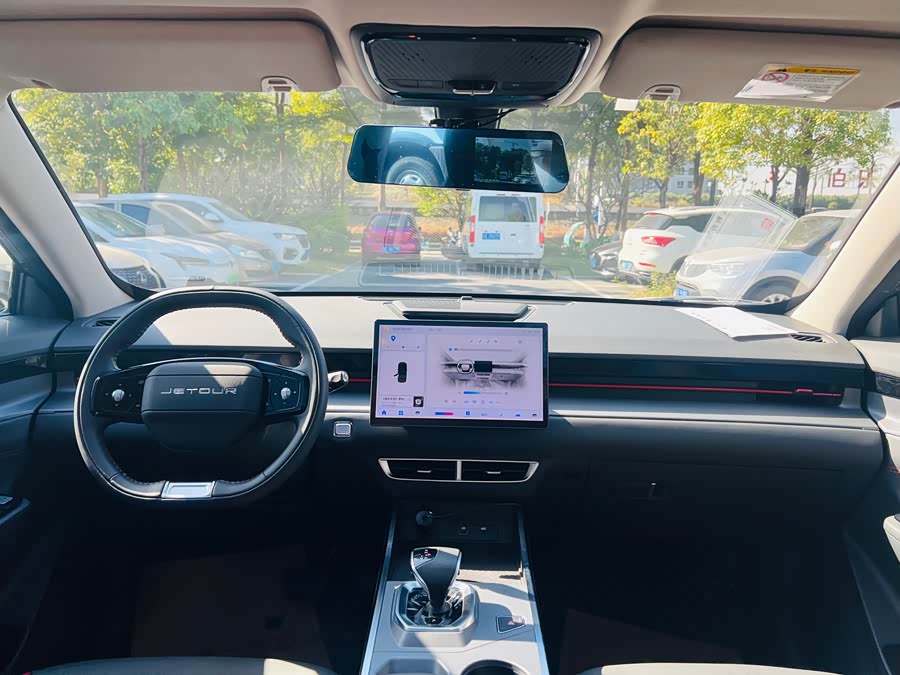
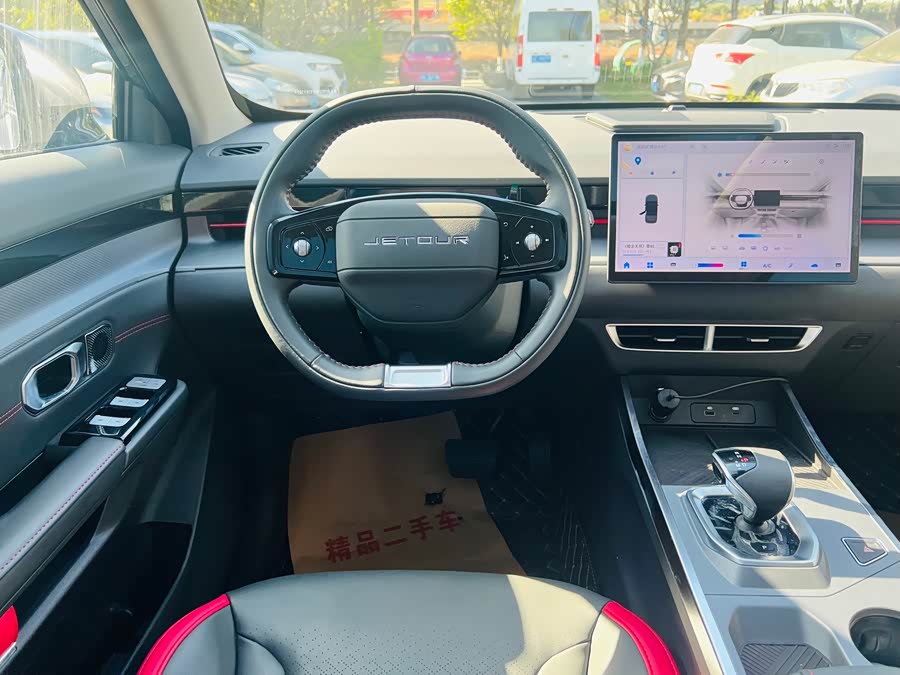
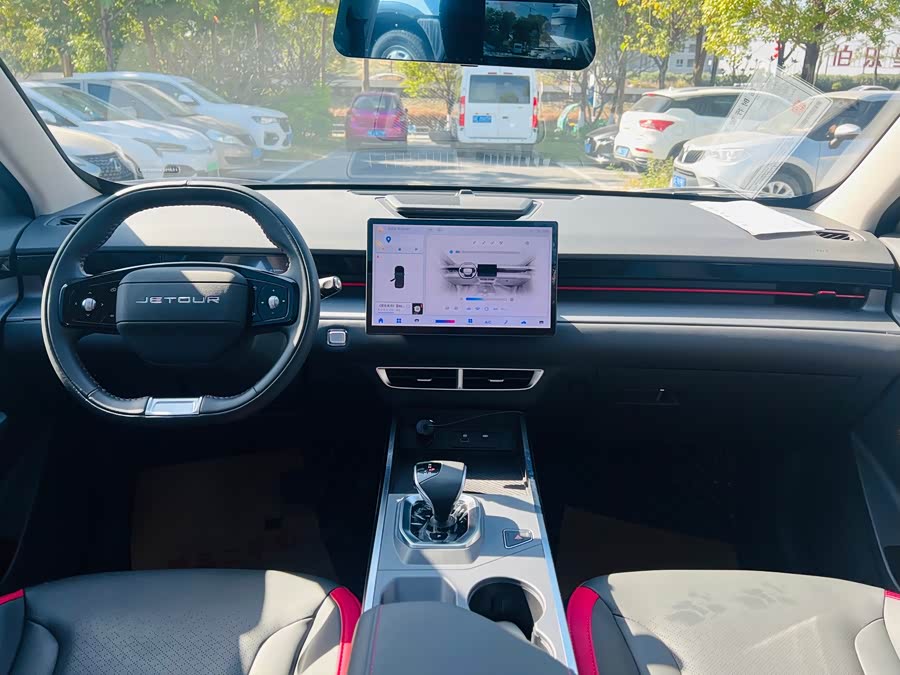
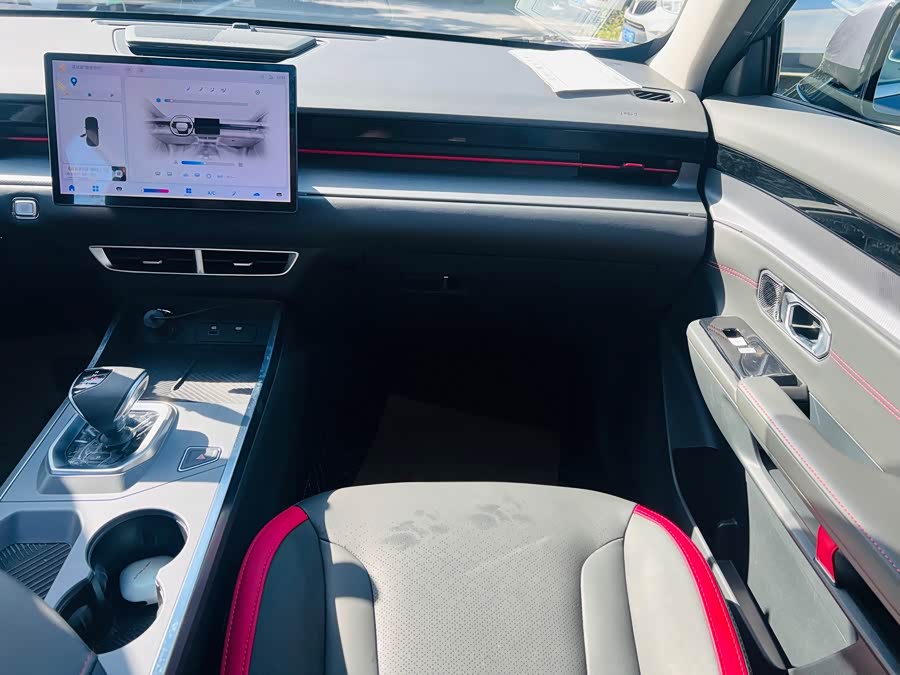
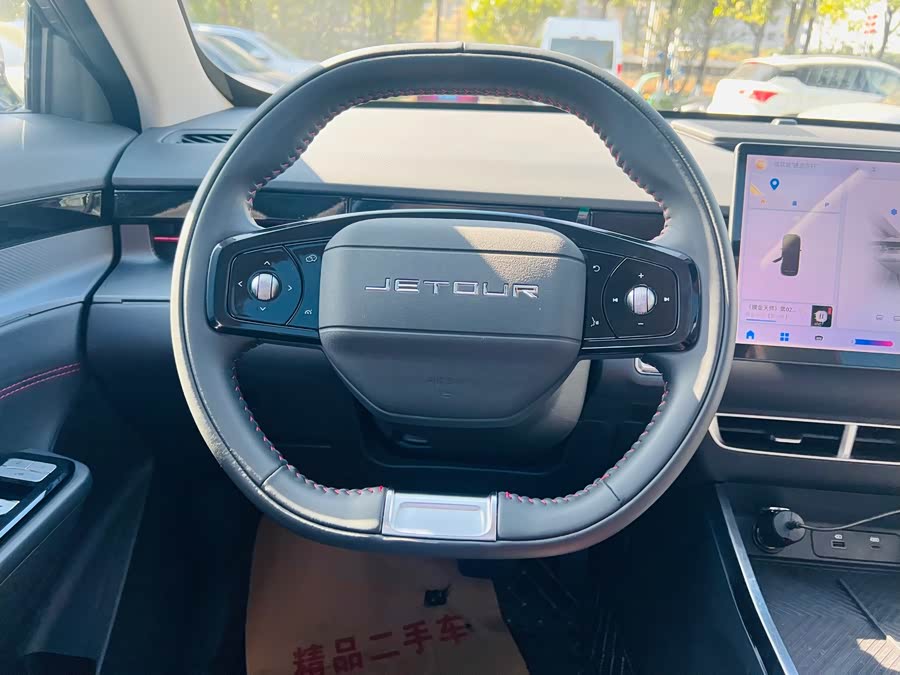
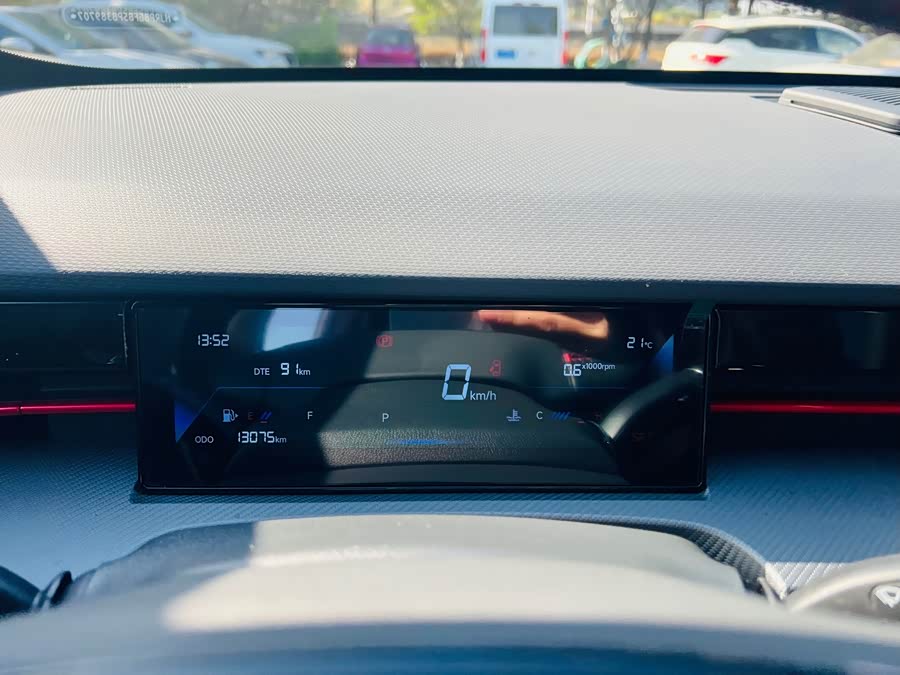
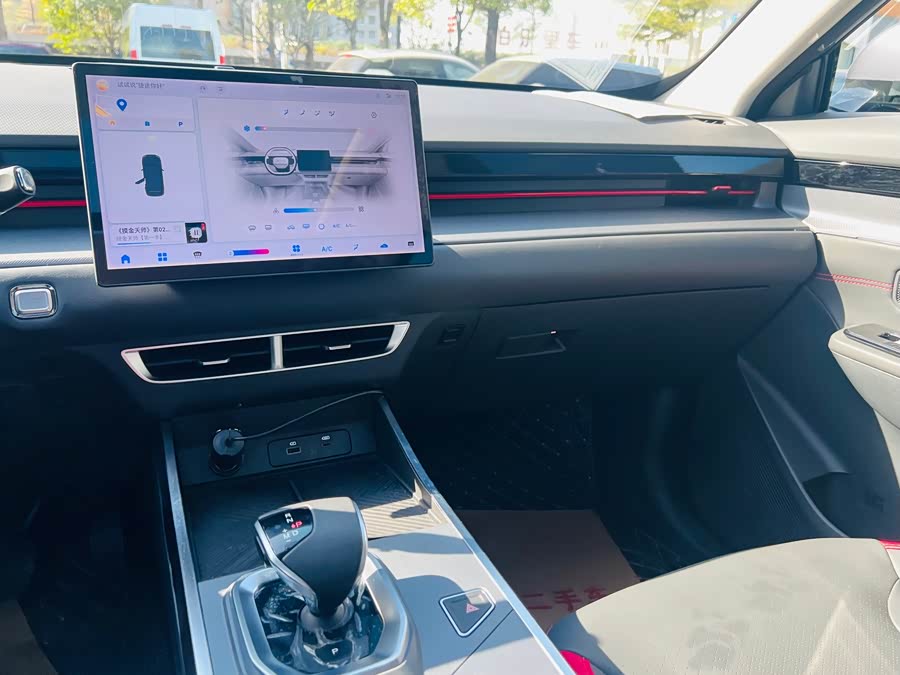



Basic Information

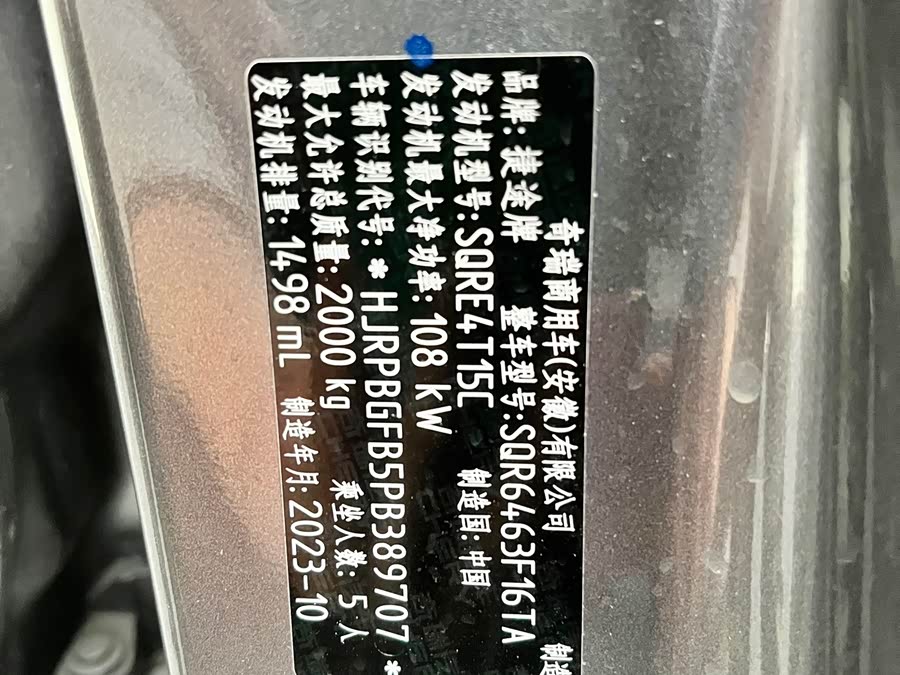
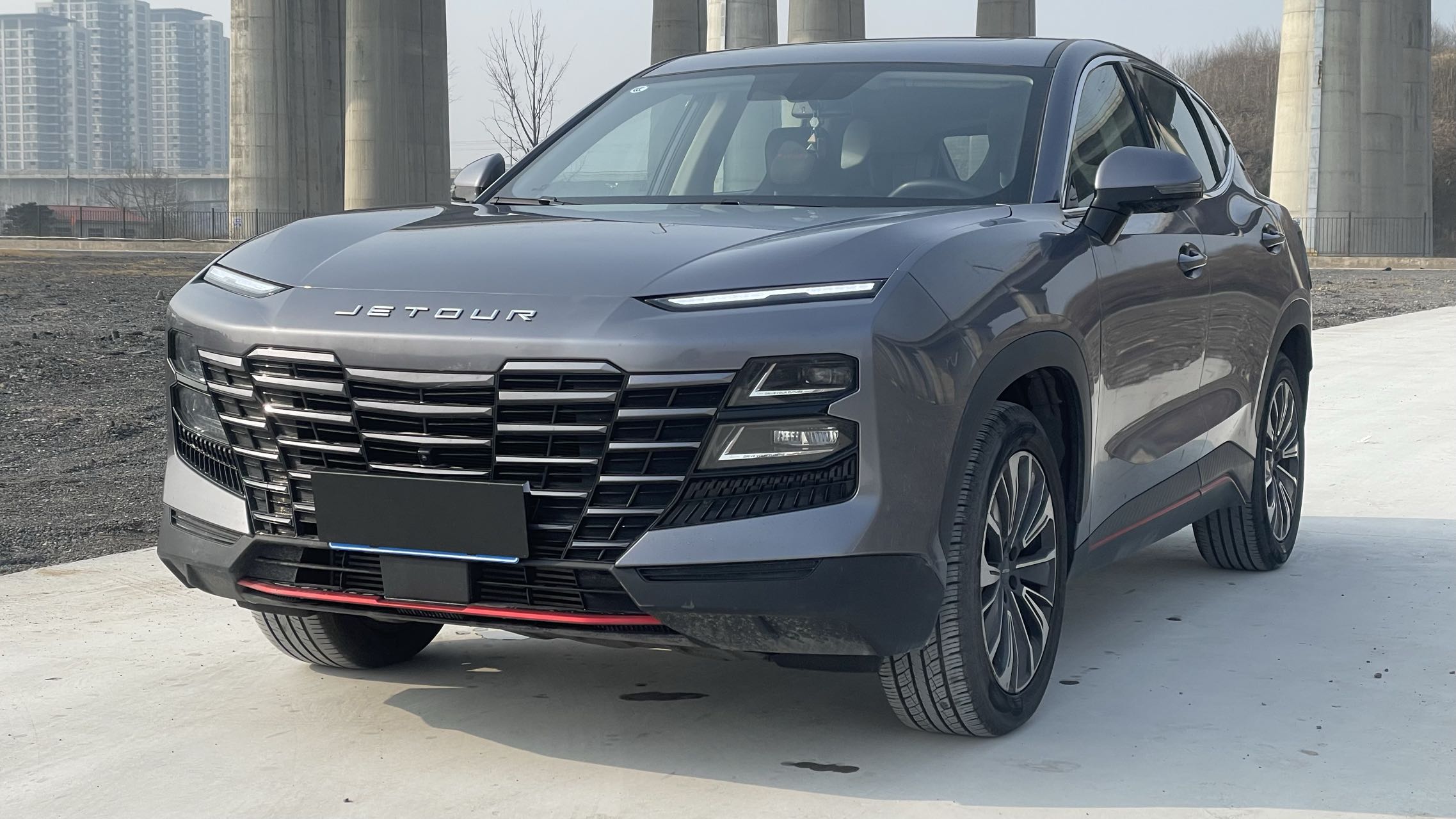
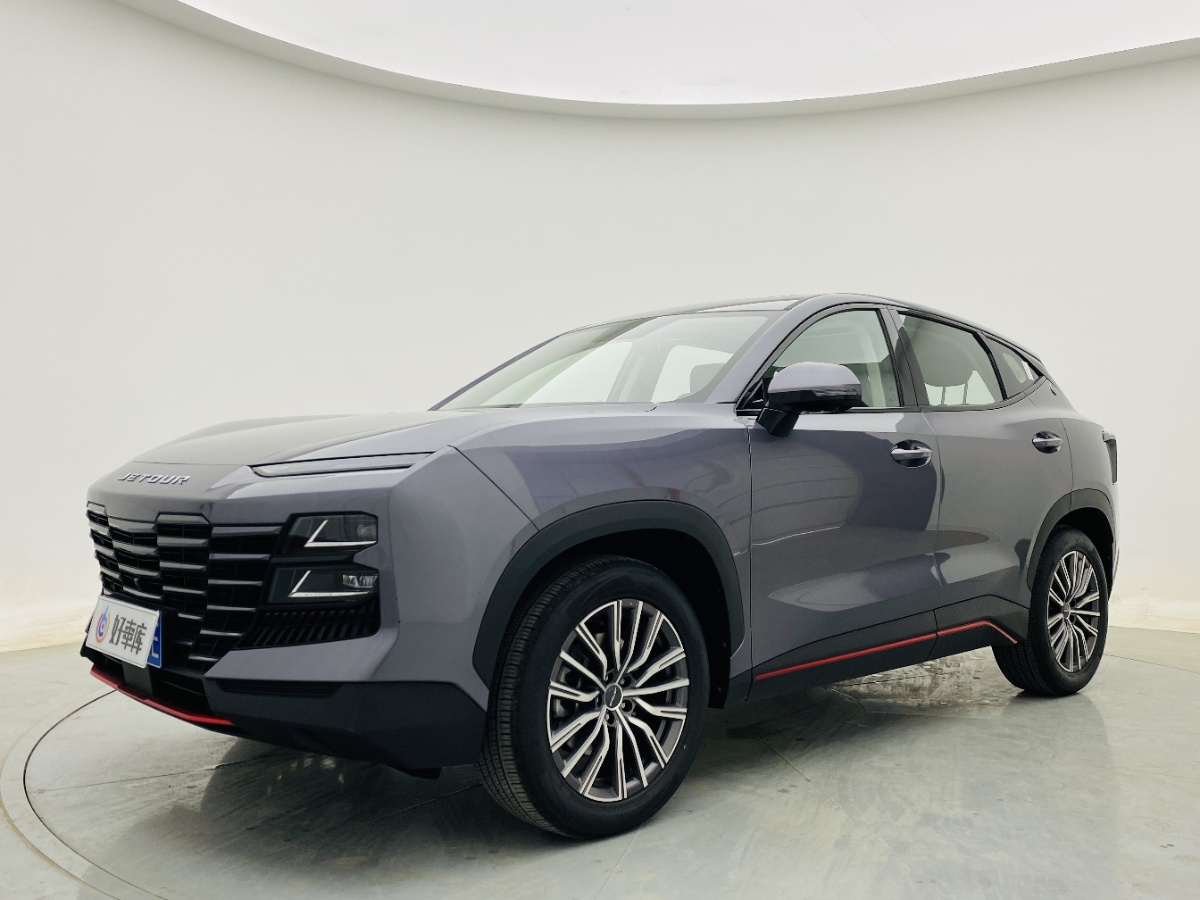
BrandJetour
SeriesDashing
Year2023
First Registration2023/11
Mileage13,000km
Transfer Count-
FuelGasoline
TransmissionDCT
Engine1.5T 156 L4
ColorGrey
Seats-

Condition Description

very good

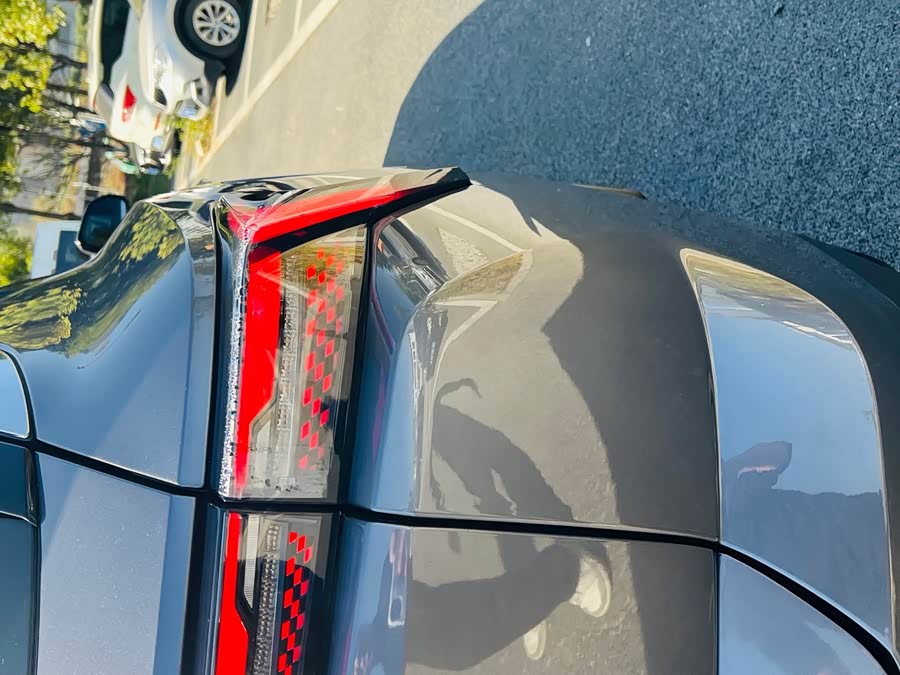
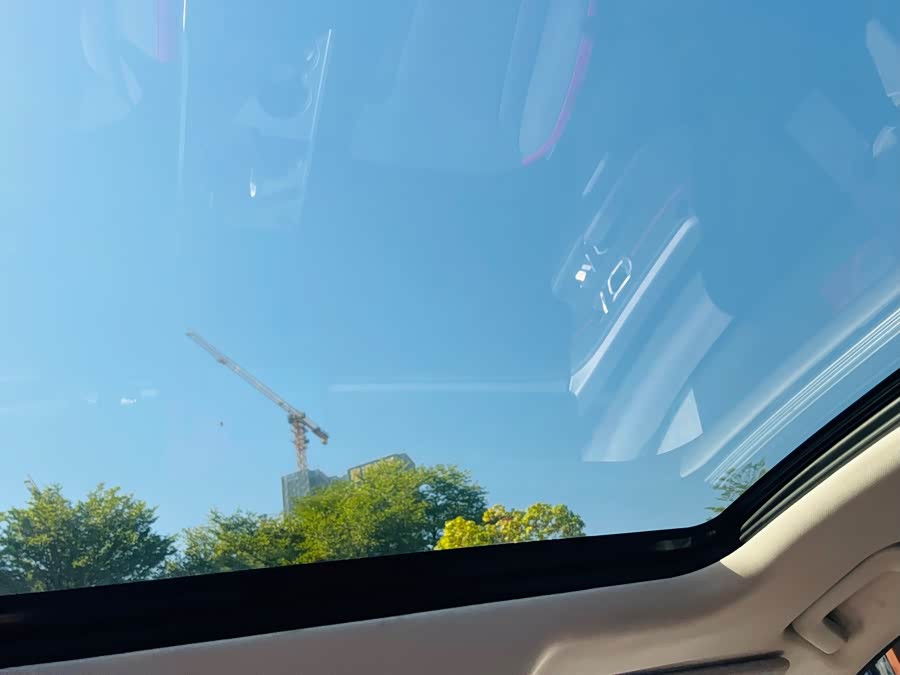
Exterior: Paintwork is well-maintained; body structure shows no signs of repair; no major accidents. Interior: Clean and tidy. Safety indicator lights are normal; airbags and other passive safety features are functioning correctly; vehicle electronics are in good working order; static and dynamic equipment is complete. Driving: Ignition, starting, acceleration, cornering, deceleration, and braking are all smooth; acceleration is rapid, power output is smooth and comfortable, and there is no idling vibration. Overall: Overall vehicle condition is average. The body frame structure shows no deformation or twisting, and there are no signs of fire or water damage. There are signs of repainting, but the overall paintwork is good, ruling out major accidents. Wide field of vision, suitable for beginners; spacious, bright, and well-ventilated interior, suitable for family commuting.

0 transfers
Original factory warranty

Configuration Highlights

✓ISOFIX Child Seat Anchors
✓Auto Hold
✓Power Trunk
✓Keyless Start System
✓Bluetooth/Hands-free
✓Connected Car
✓OTA Updates
✓Rear Air Vents

Accident & Maintenance Records

Accident Record

🔗 Open Link

Maintenance Record

🔗 Open Link

Document Information

Inspection Expiry Date2027/11
Warranty Expiry Date-
Insurance Expiry Date2026/11

Q&A

More

When shipping by RoRo vessel, is the "Terminal Handling Charge (THC)" at the destination port prepaid by your freight forwarder or paid by the buyer upon arrival?

Under international practices and our standard CIF/FOB terms, the THC at the port of origin (China) is borne by the seller; all THC and port miscellaneous charges incurred at the destination port during unloading are to be paid by the buyer (consignee) upon local customs clearance and pickup.
When B2B buyers make bulk purchases, can they request to combine the accessory costs and vehicle price on the same commercial invoice to reduce overall tariffs?

No, this is a serious customs violation. Complete vehicles (HS Code 8703) and auto parts (HS Code 8708, etc.) are subject to completely different import tax rates. Combining them on one invoice could lead to the invoice being returned by customs and may expose you to tax fraud accusations at the destination port.

After long-distance sea transport, does the vehicle's air conditioning refrigerant (Freon) need to be vacuumed and recharged?

If there is a minor leak in the lines due to bumps, it is possible that the cooling may not work upon arrival. This is a normal physical loss. The cost of vacuuming, pressure testing, and recharging refrigerant at a local auto repair shop is low and is the buyer's responsibility.