


48H

Basic Information

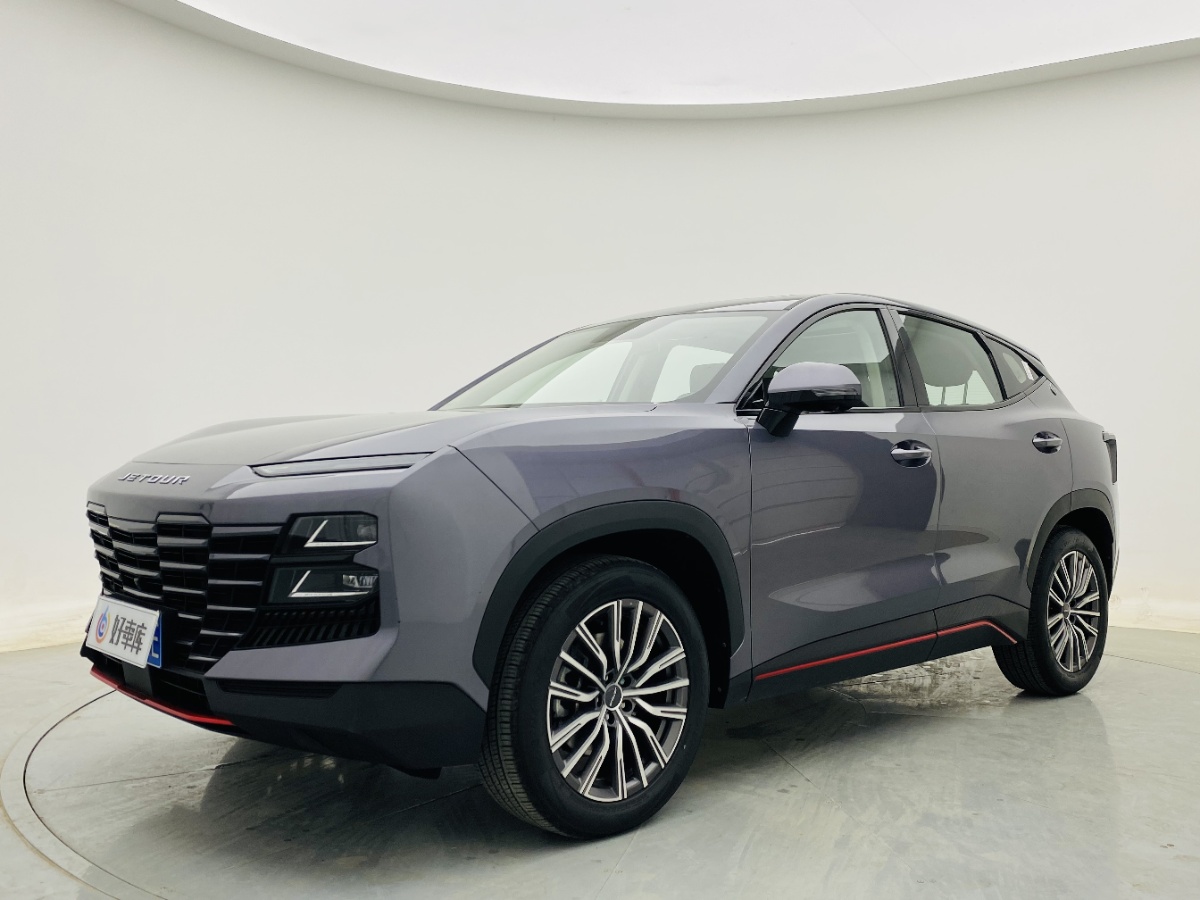
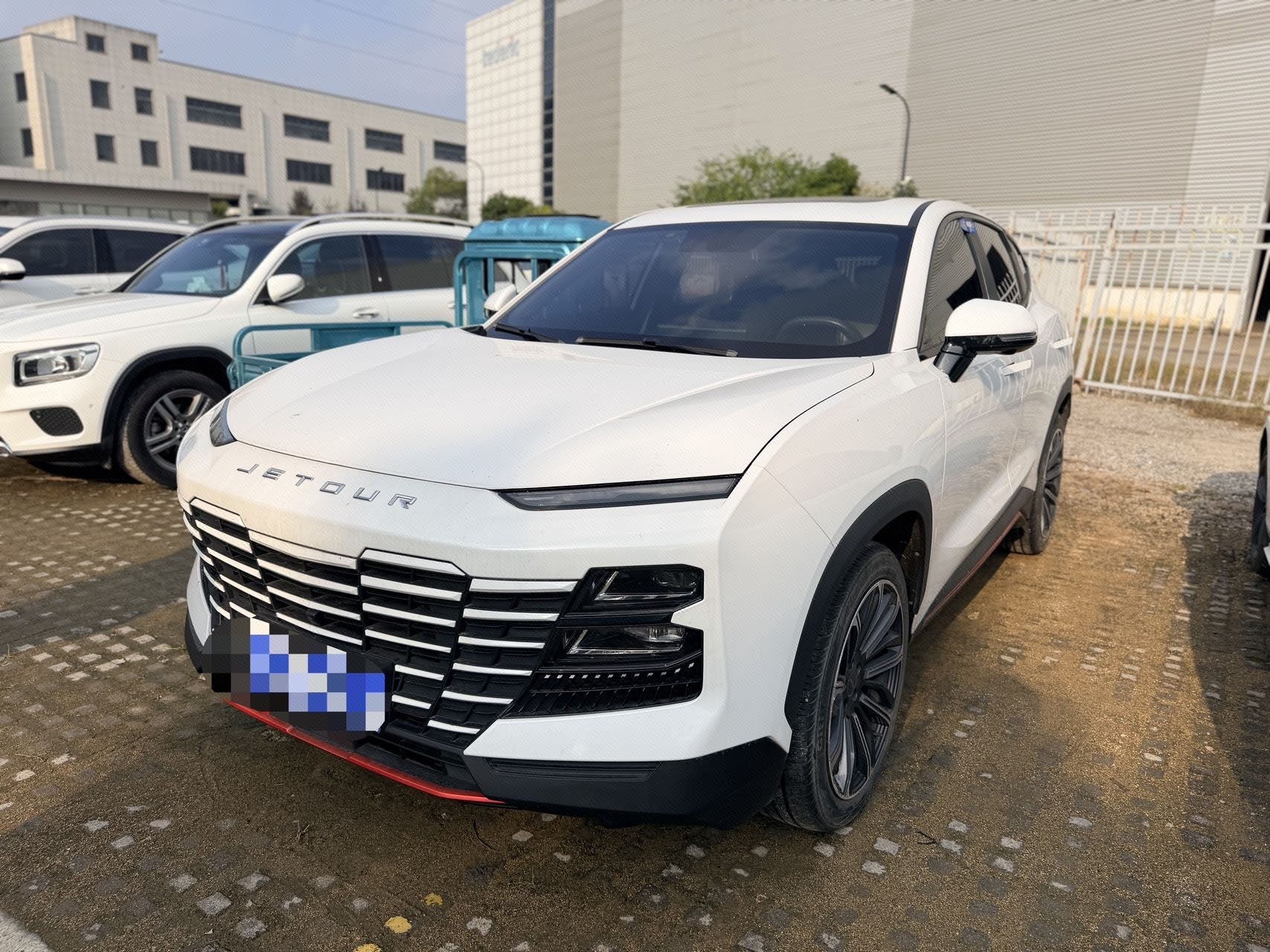
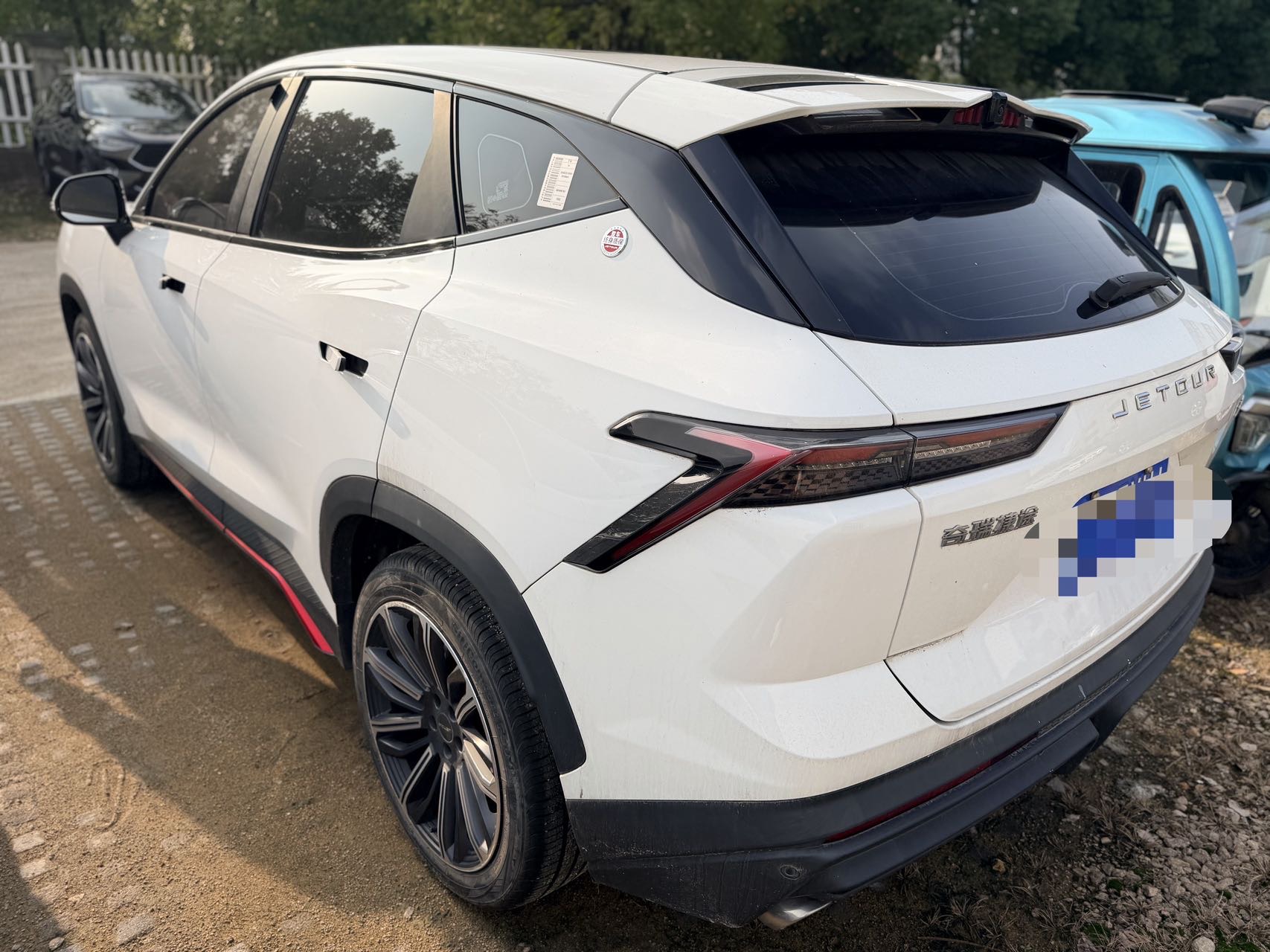
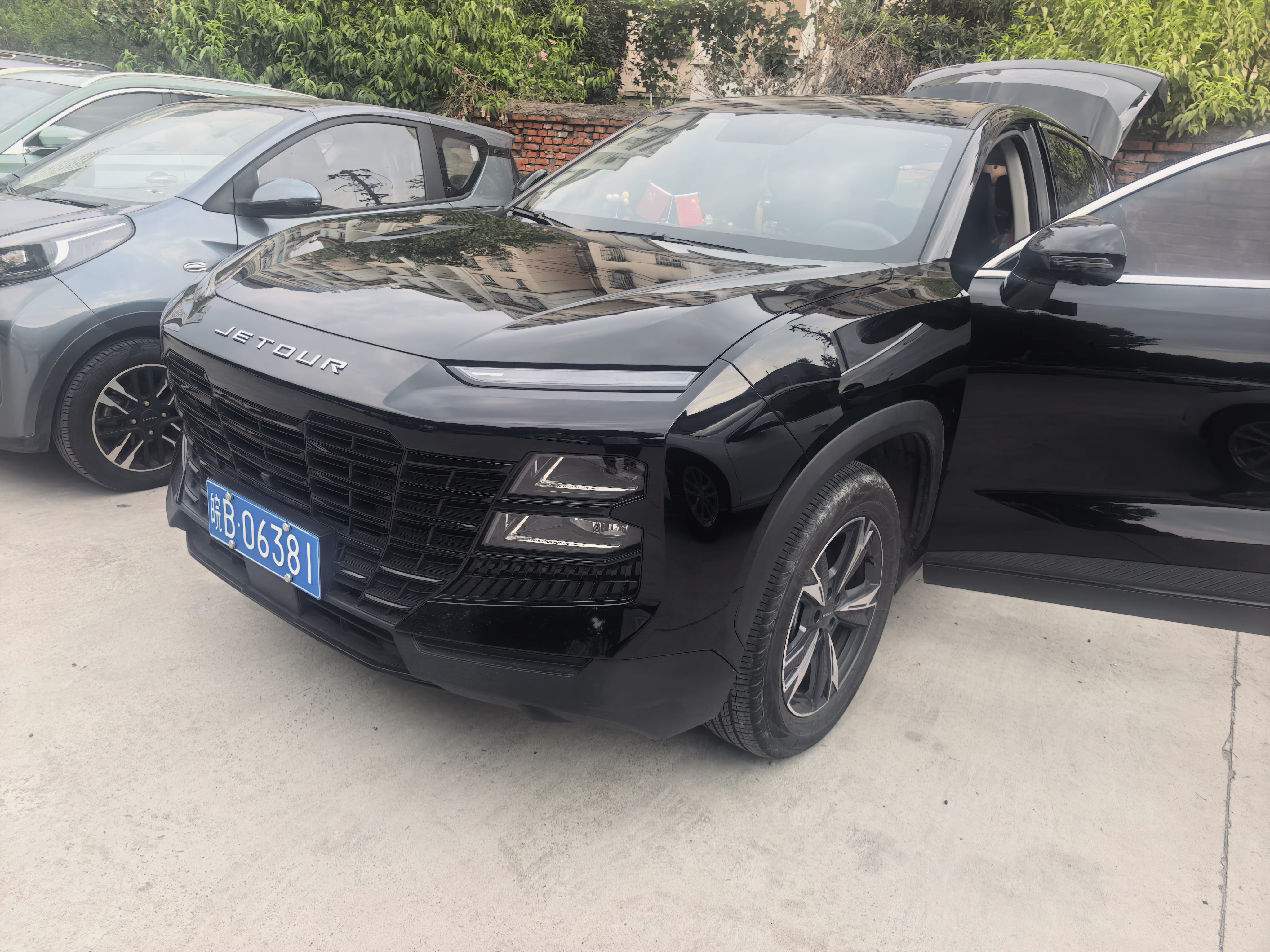
BrandJetour
SeriesDashing
Year2023
First Registration2023/06
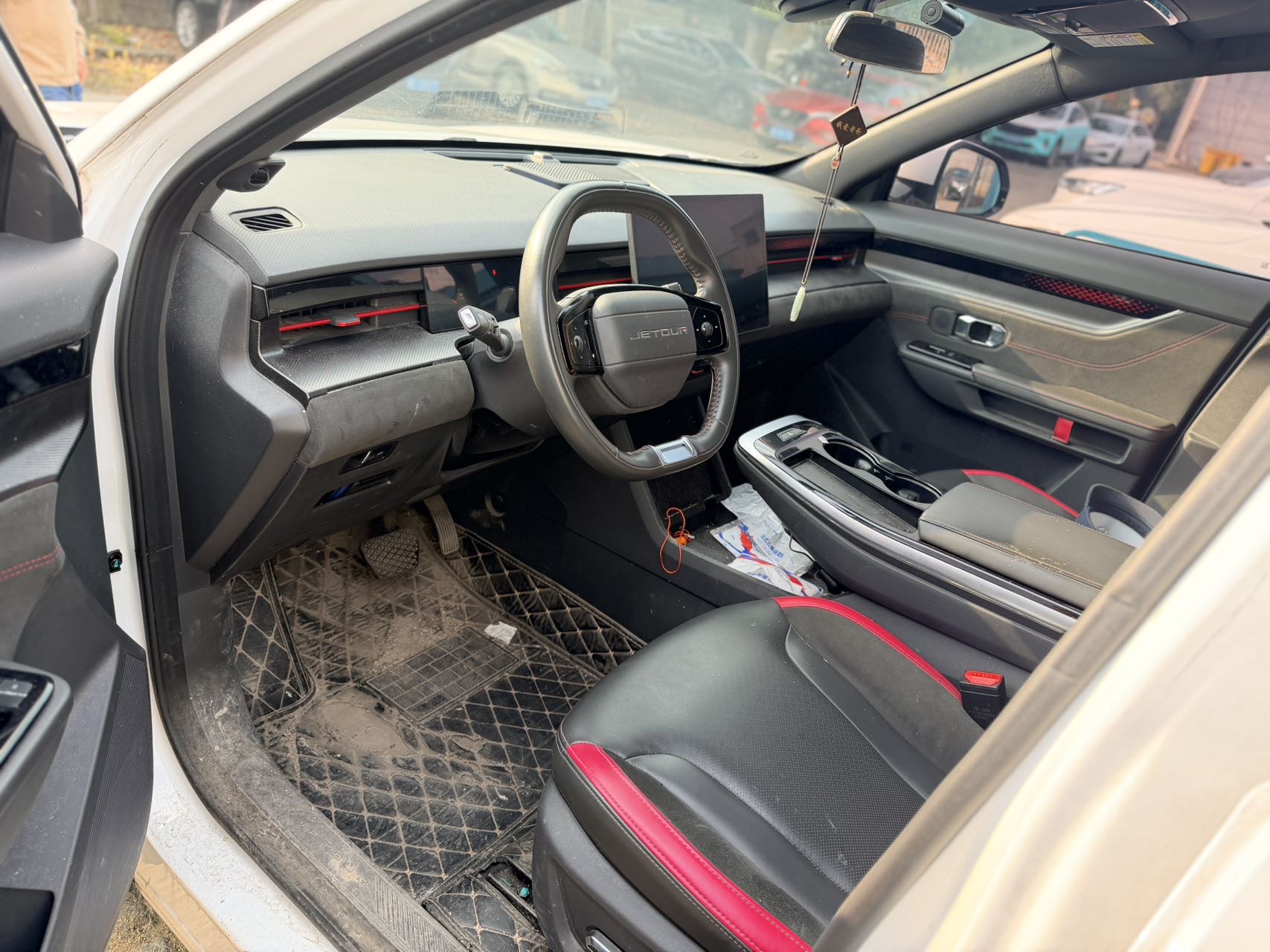
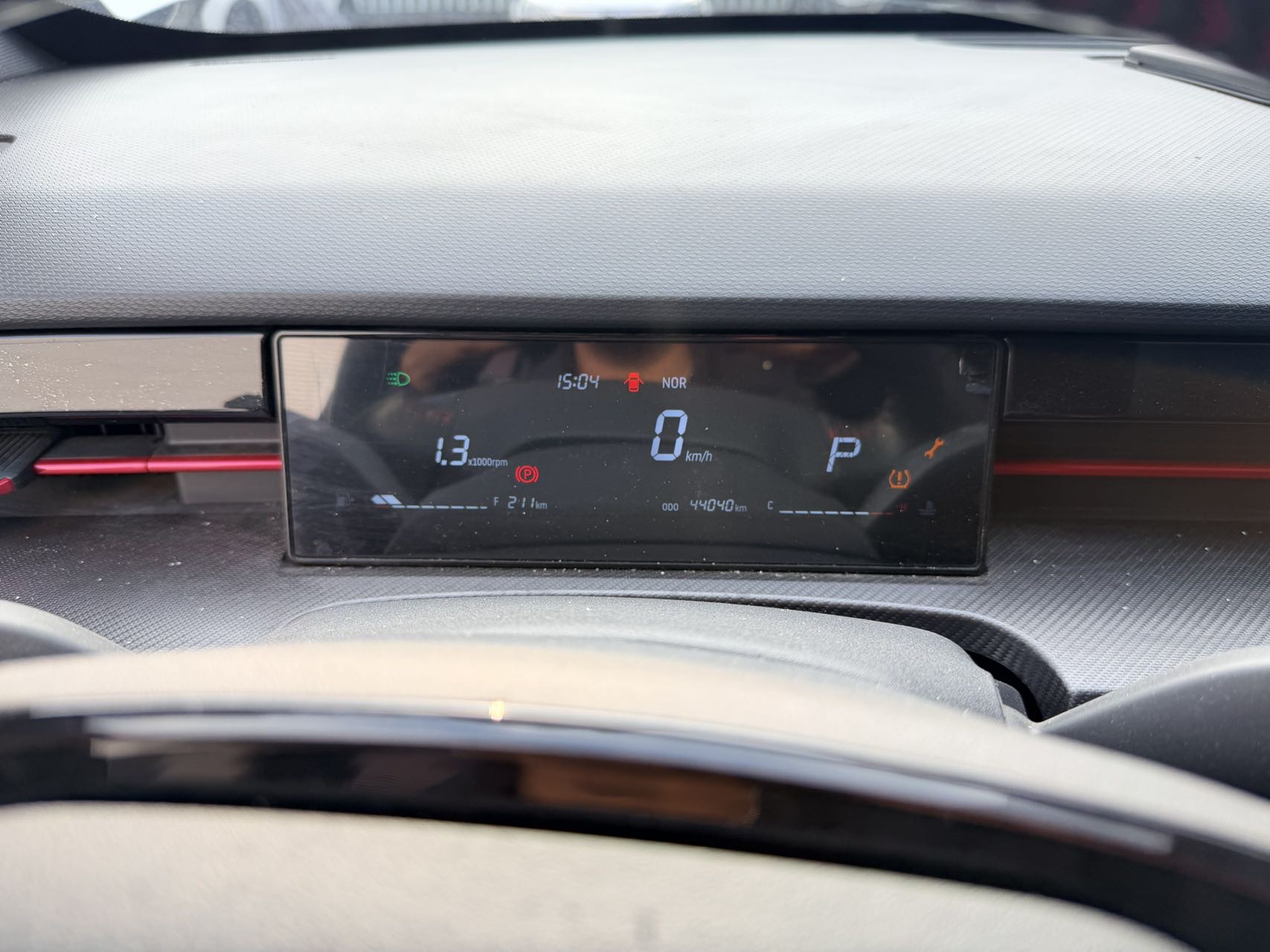
Mileage44,000km
Transfer Count0times
FuelGasoline
TransmissionDCT
Engine1.6T 197 L4
ColorWhite
Seats-

Condition Description

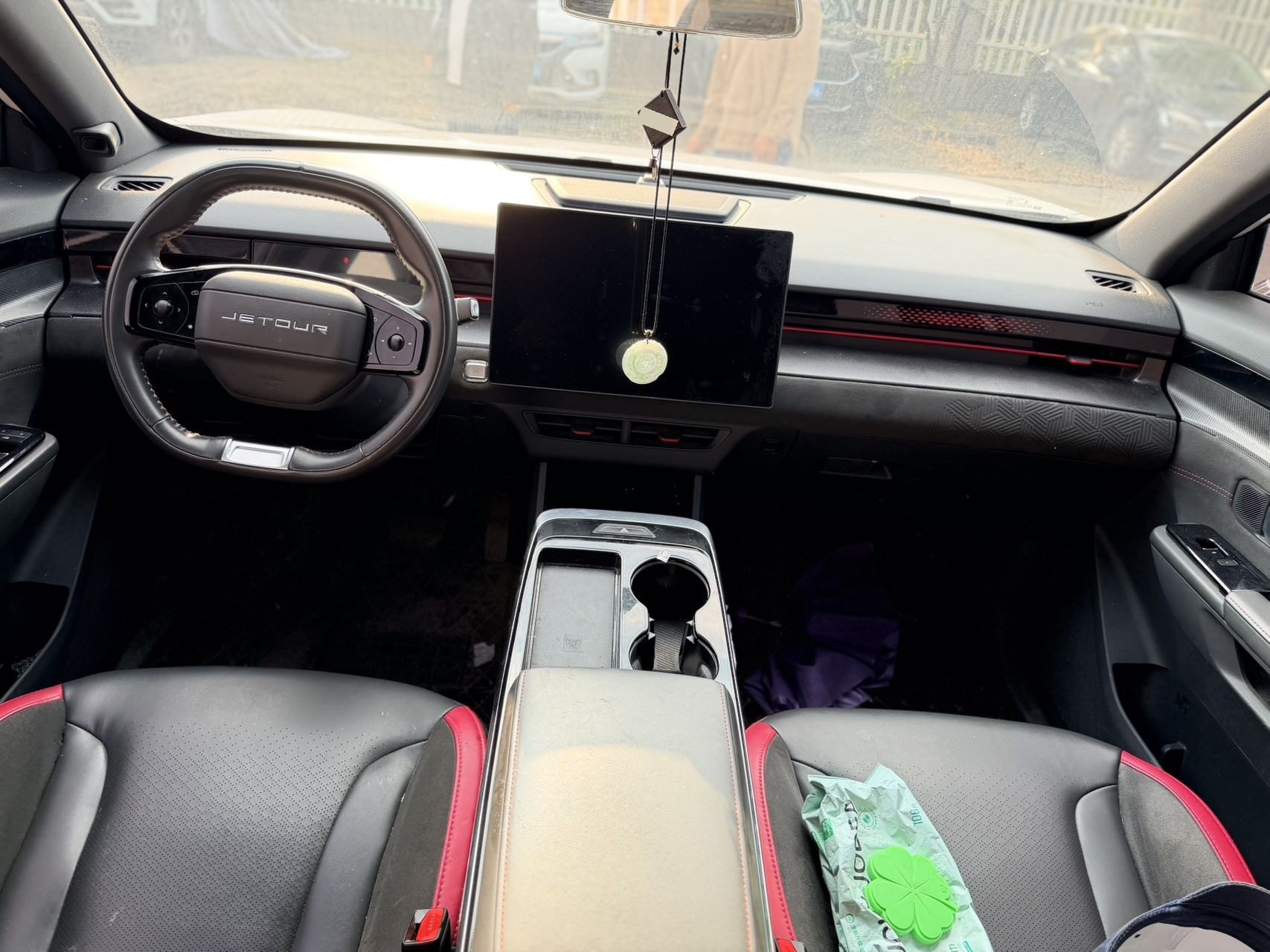
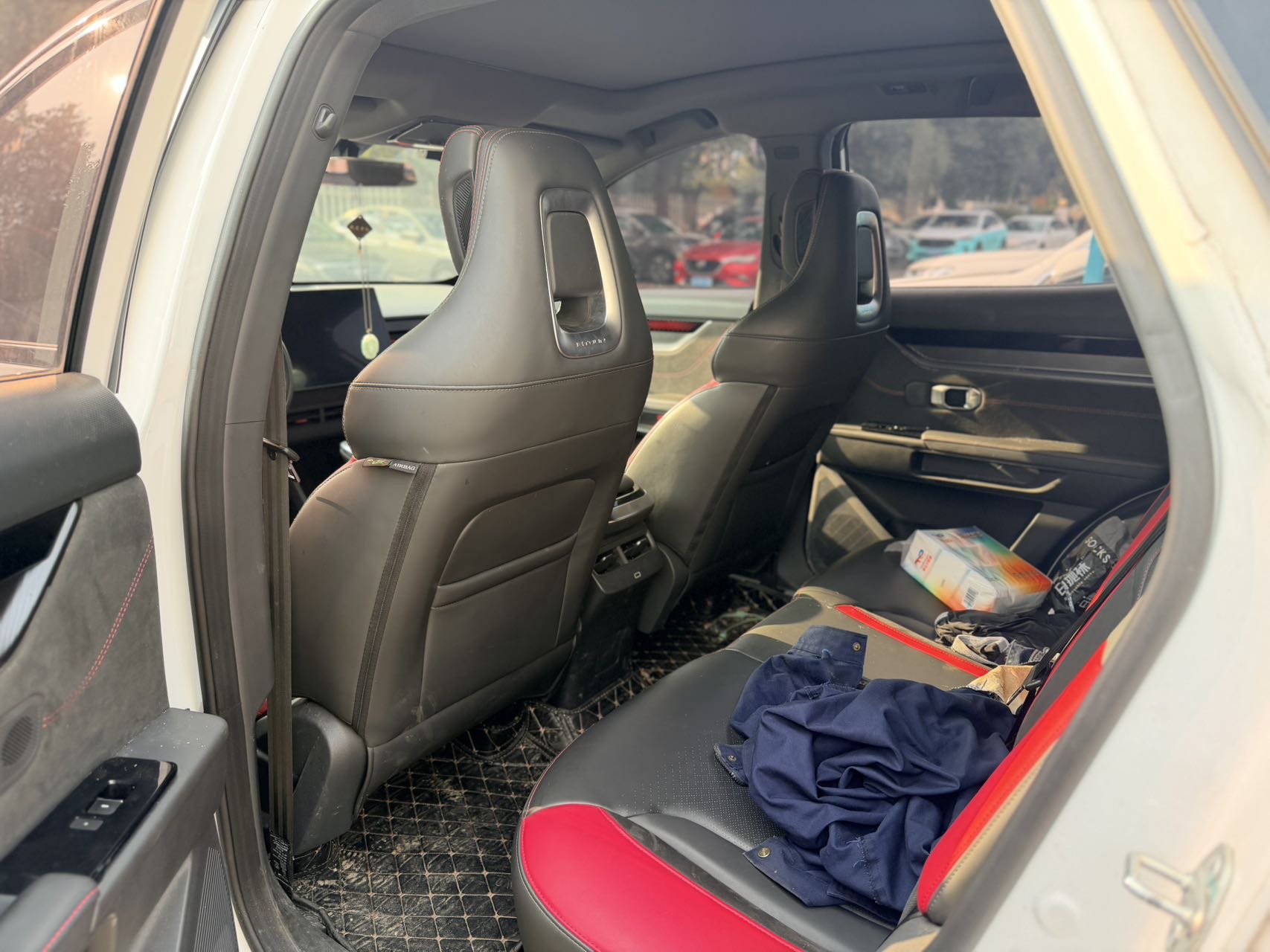
First-hand ownership, original paint on metal parts, can pass third-party inspection.

Document Information

Inspection Expiry Date-
Warranty Expiry Date-
Insurance Expiry Date2027/06

Q&A

More

What should a professional pre-shipment inspection of a used car from China include?

A proper pre-shipment inspection is more than photos — it is a documented technical examination covering four areas. 1. Structure: paint thickness readings across the body, weld inspection of pillars and chassis rails, rust assessment underneath. 2. Mechanical: engine compression or at least a cold-start video, transmission shifts through all gears, suspension noise test on uneven roads, brake pad and disc thickness measurements. 3. Electronics: full OBD diagnostic scan with printed fault codes, all lights, windows, AC, infotainment, and driver-assistance functions tested. 4. Documentation: VIN and engine number physically matched to the registration certificate, photos of the certificate itself. Insist on a written report with photos, measured values, and a clear pass/fail conclusion per section. Make final payment conditional on this report, not on the seller's word or showroom-condition photos.
How can I verify the odometer reading is genuine on a Chinese used car from abroad?

Odometer fraud exists everywhere, but cross-checking several data points makes it hard to fake: 1) Maintenance records: ask for service history with mileage entries. Gaps or resets are red flags. 2) Tire wear: a car showing 30,000 km should not have nearly bald tires. Compare tread depth against the claimed mileage. 3) Pedals, steering wheel, and seat bolsters: heavy wear on these with low odometer readings is a classic mismatch. 4) Diagnostic scan: request an OBD readout. Many control modules store mileage data internally — if the ECU shows 120,000 km while the dash shows 40,000, you have your answer. 5) Vehicle history report: in China, apps and platforms can pull insurance claim records and registration history, which often reveal the true mileage trail. Always request a live video showing the odometer with the engine running, and have the number written into your contract.

Should I ship my car from China in a container or by RoRo vessel?

Both are common, and the right choice depends on budget and destination: 1. Container shipping (20ft/40ft): The car is sealed inside a container, offering better protection and allowing you to load spare parts inside the car. Typical cost from Shanghai to major world ports: $1,500-$3,000 per car. Best for long distances and high-value vehicles. 2. RoRo (roll-on/roll-off): The car is driven onto the ship and secured on deck. Cheaper ($800-$1,800 to most ports) and faster to load, but exposed to weather and port handling. Not all routes offer RoRo service. Transit time examples: to the Gulf 15-25 days, to West Africa 30-45 days, to Latin America 25-40 days, to Europe 20-35 days. Ask your exporter which option serves your destination port, and always insure the shipment for full value.