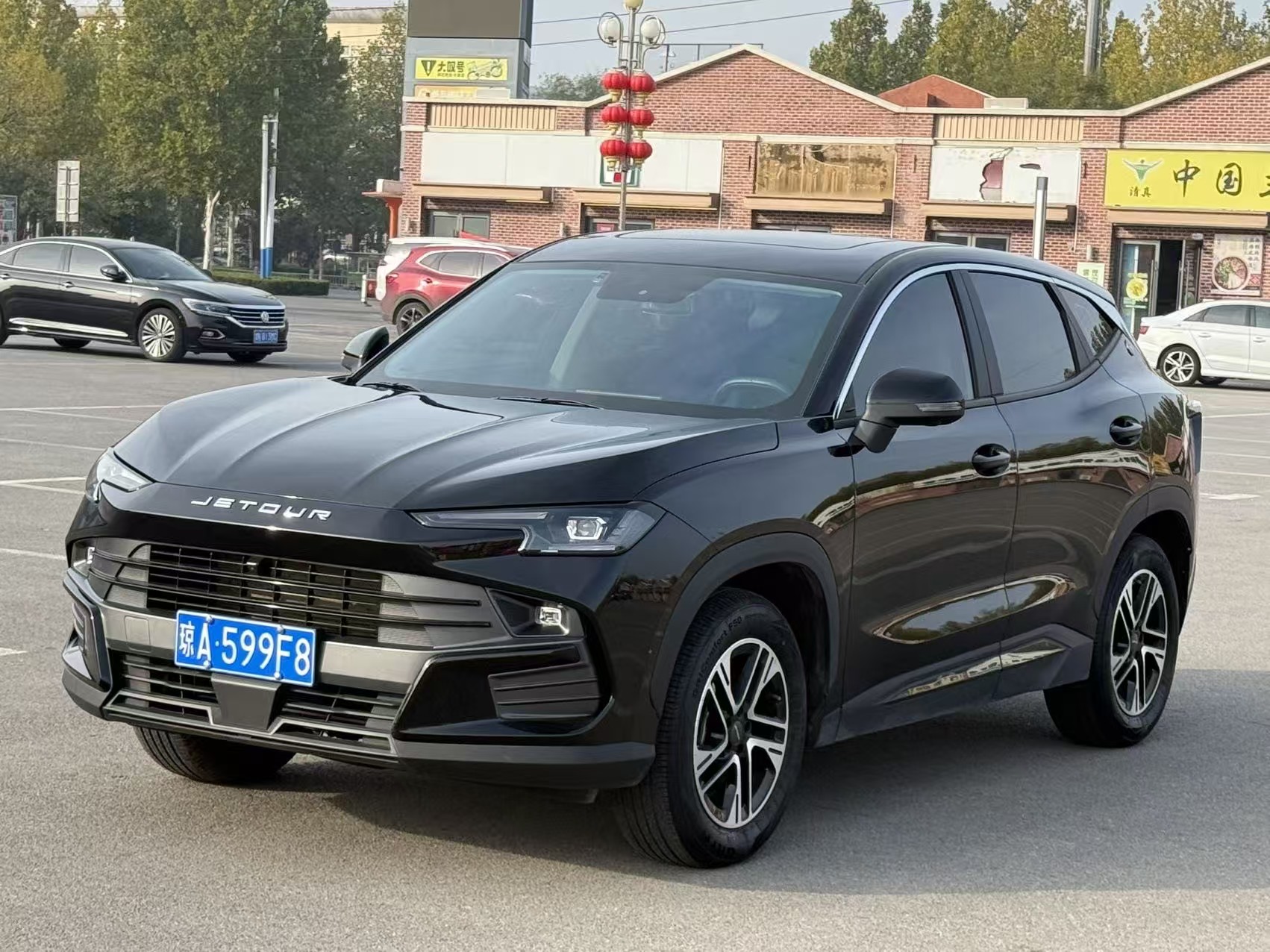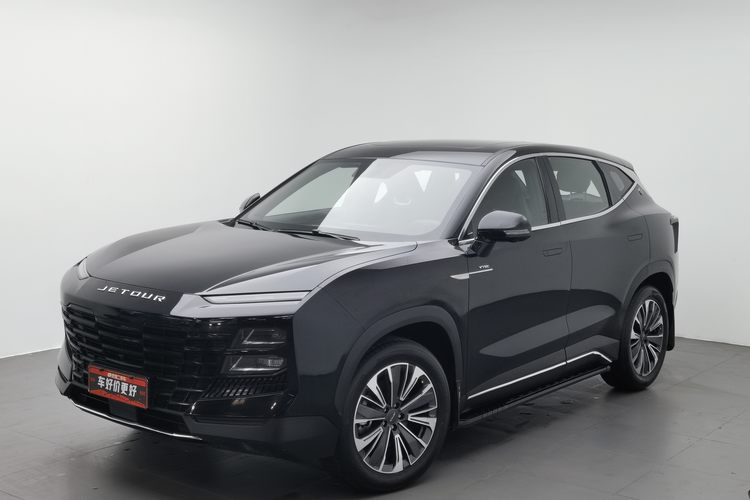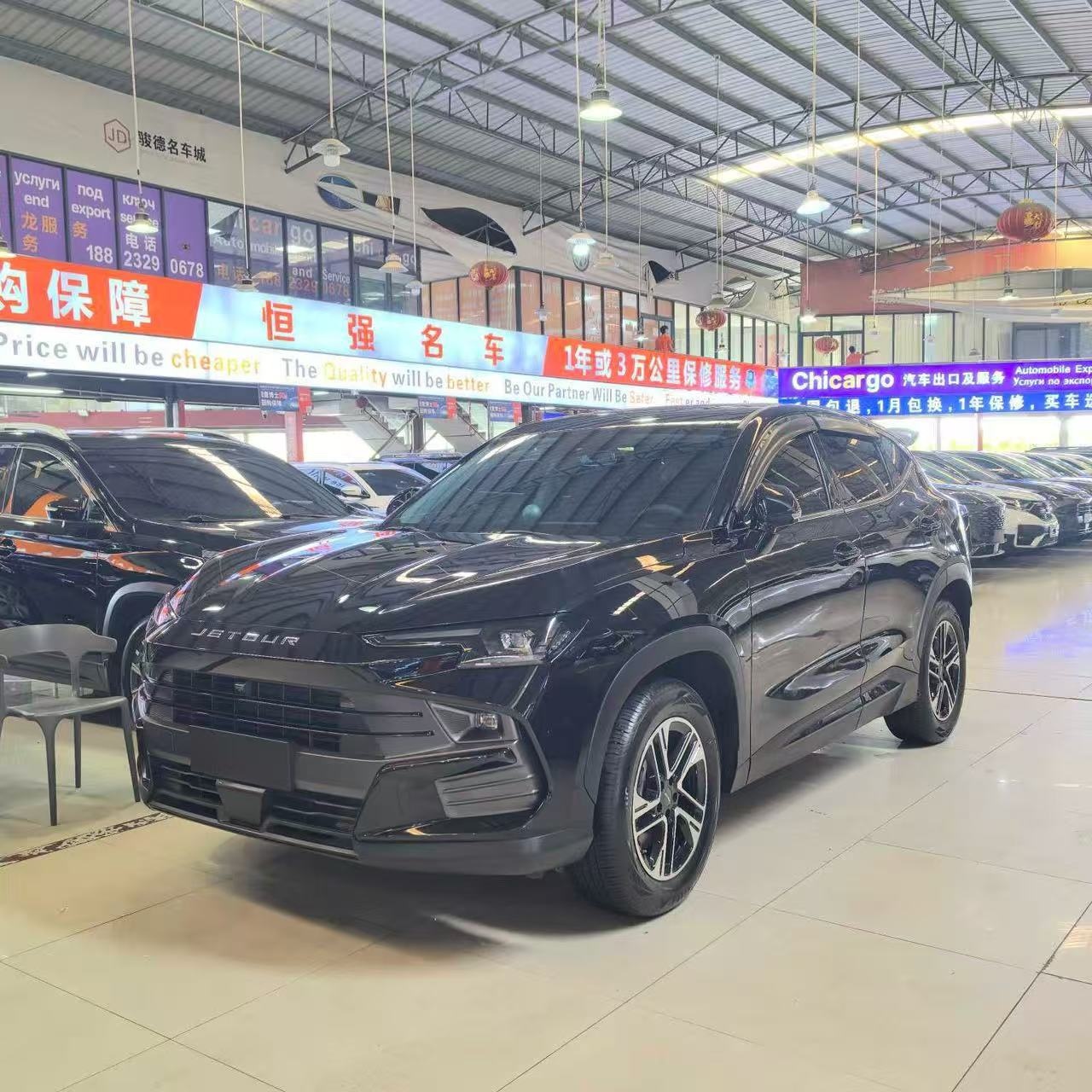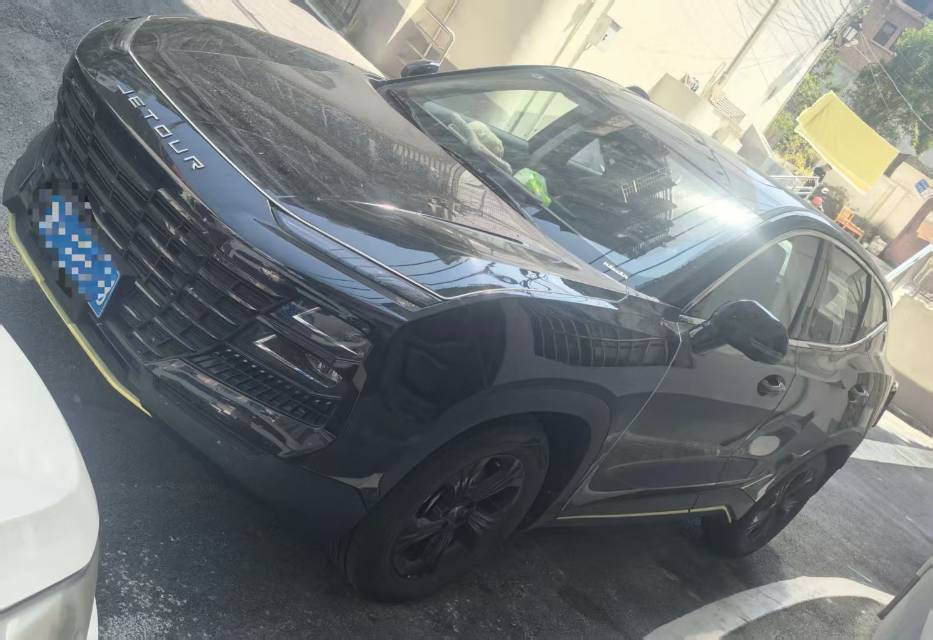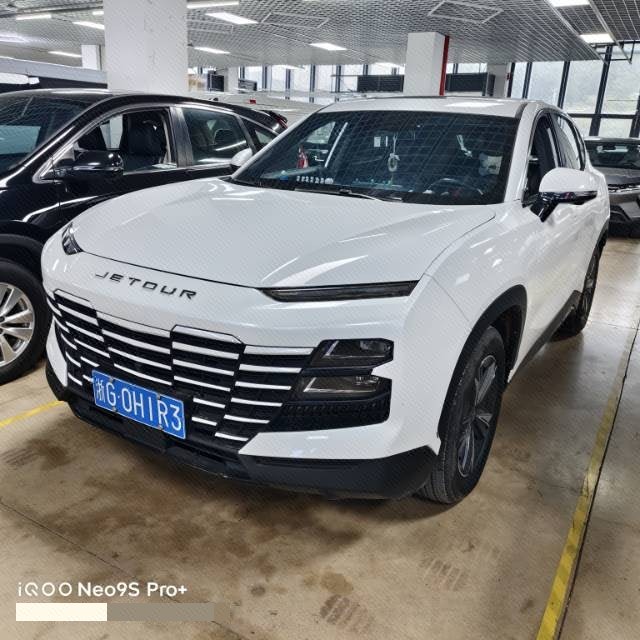
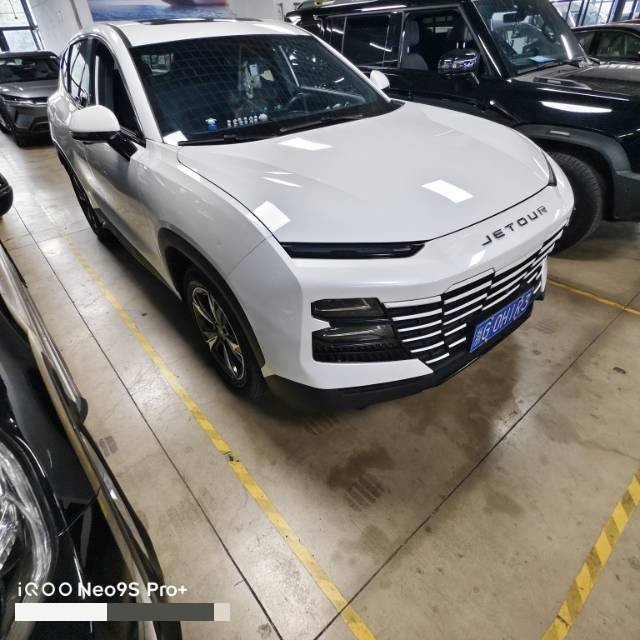
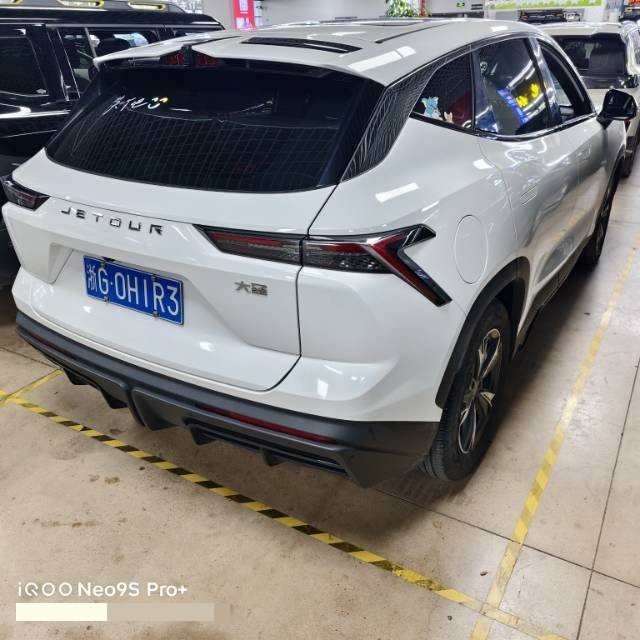
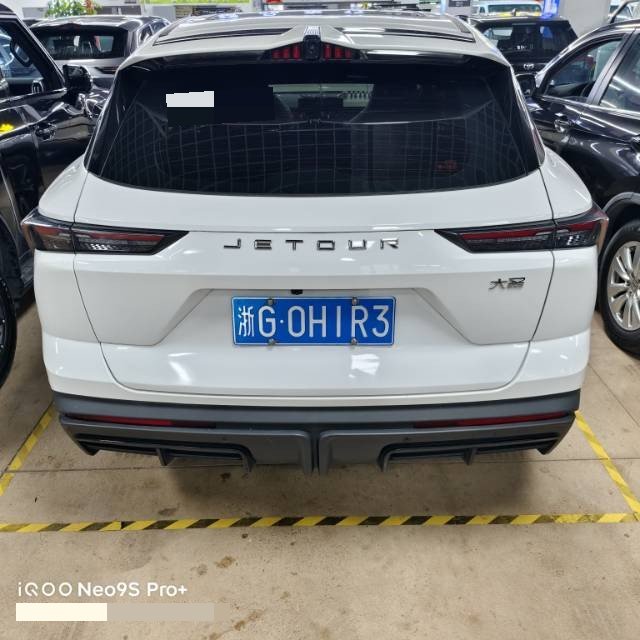
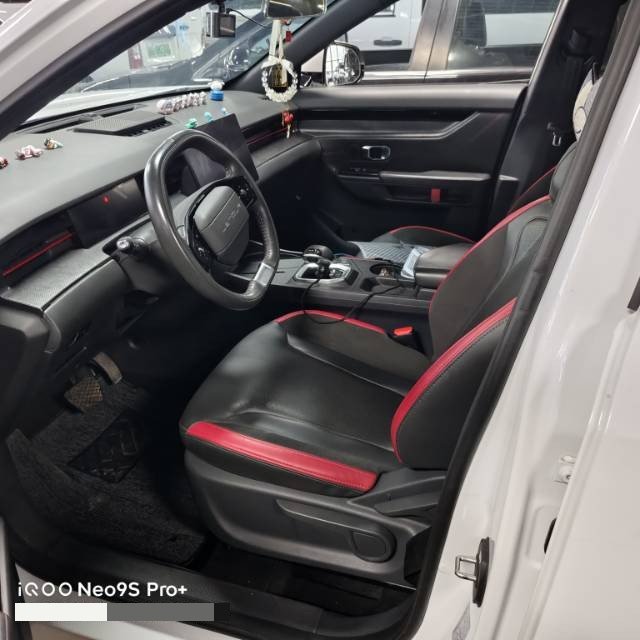
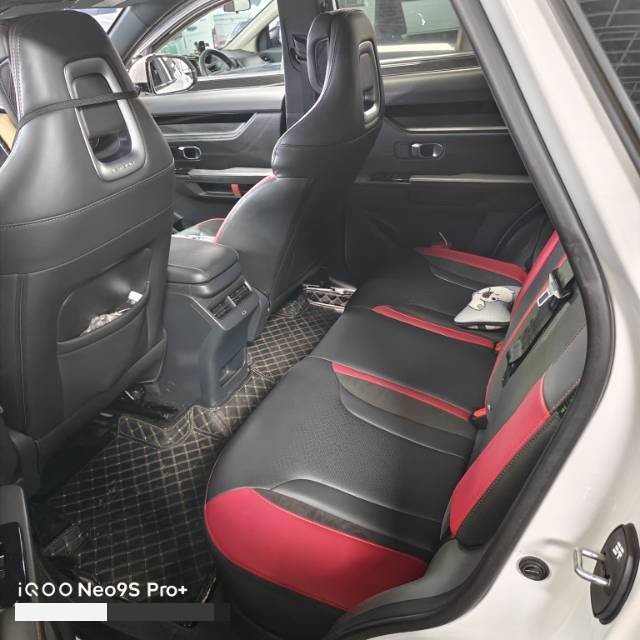
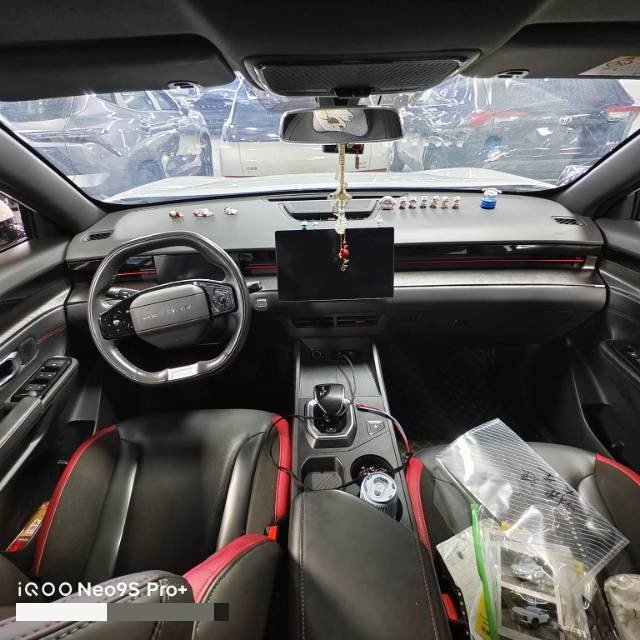



Basic Information

BrandJetour
SeriesDashing
Year2023
First Registration2023/08
Mileage50,000km
Transfer Count0times
FuelGasoline
TransmissionDCT
Engine1.5T 156 L4
ColorWhite
Seats-

Condition Description

Original condition car.

Document Information

Inspection Expiry Date-
Warranty Expiry Date-
Insurance Expiry Date2027/08

Q&A

More

What is a safe payment structure for buying a used car from China remotely—how much deposit, when is the balance paid, and should I use escrow?

The industry-standard structure protects both sides. Pay 20-30% deposit after signing the contract and verifying the exporter's license—never more. The balance is paid only after your independent inspection report confirms the car matches the contract, ideally against a copy of the bill of lading so the exporter can't ship a different vehicle. For extra protection, tie payments to milestones: deposit on contract, second tranche after inspection passes, final payment when shipping documents are released. Some buyers use escrow services or trade assurance platforms for the first transaction with a new supplier; fees run 1-3% but are worth it for large amounts. Always pay to a corporate bank account matching the exporter's registered name. Keep every agreement in the written contract—verbal promises like 'we'll fix that before shipping' are unenforceable. If an exporter demands 50%+ upfront or full payment before inspection, walk away; that structure leaves you with no leverage.


What additional fees do I need to pay when picking up the car at the destination port, besides the payment to sellwellauto?

As the importer, you mainly need to bear the following costs at the destination port: import duties, VAT or GST, terminal handling charges, local customs clearance fees, and inland logistics costs from the port to your company. Please consult your local customs broker before placing an order to accurately calculate the total landing costs.

How do you detect carbon buildup and wear inside the engine using technology without deep disassembly?

We use two steps: 1. Insert a medical-grade endoscope through the spark plug hole to visually inspect cylinder wall scratches and carbon buildup on the piston top; 2. Extract an engine oil sample to check for large metal debris or emulsification (caused by coolant leakage).