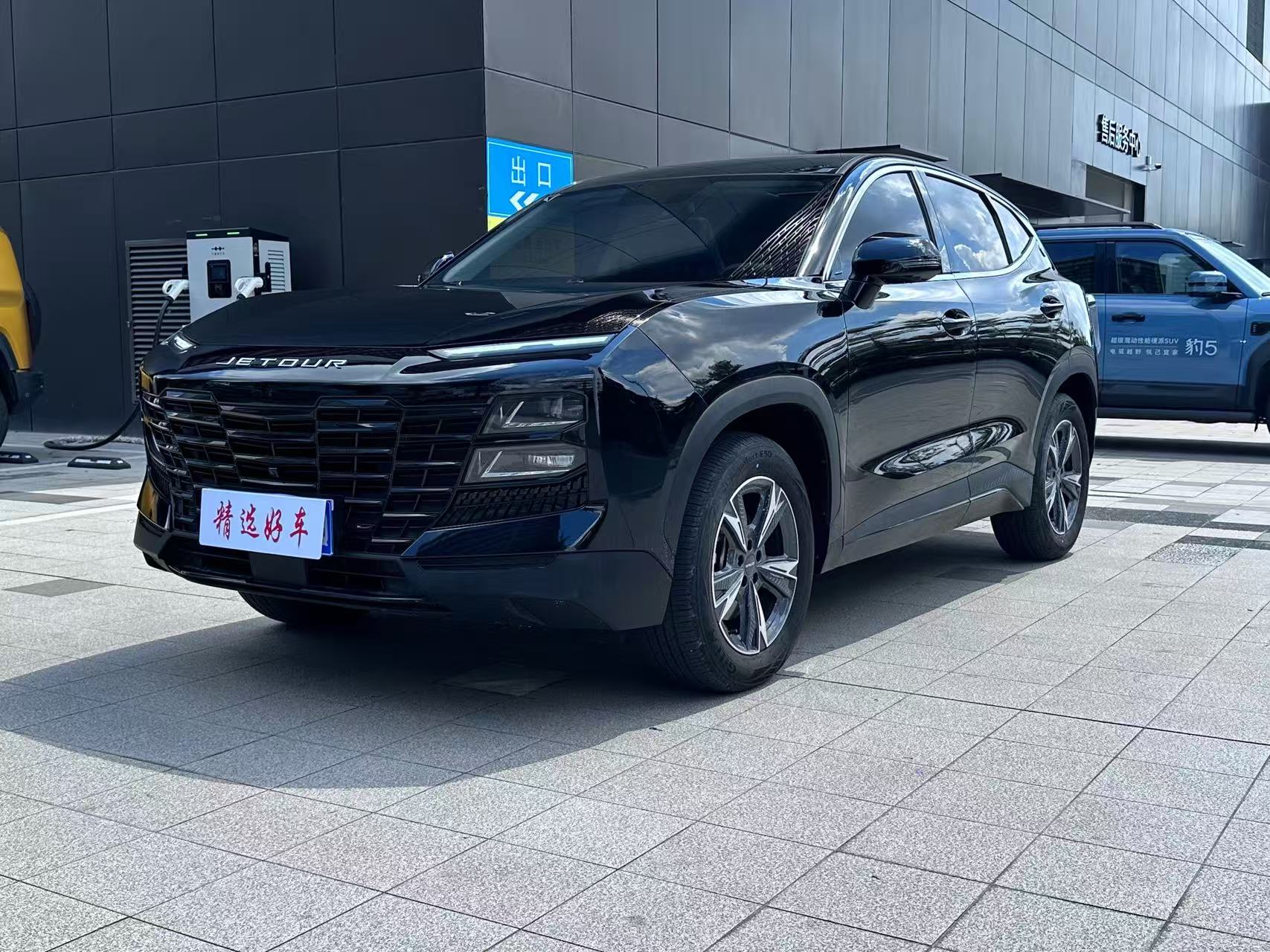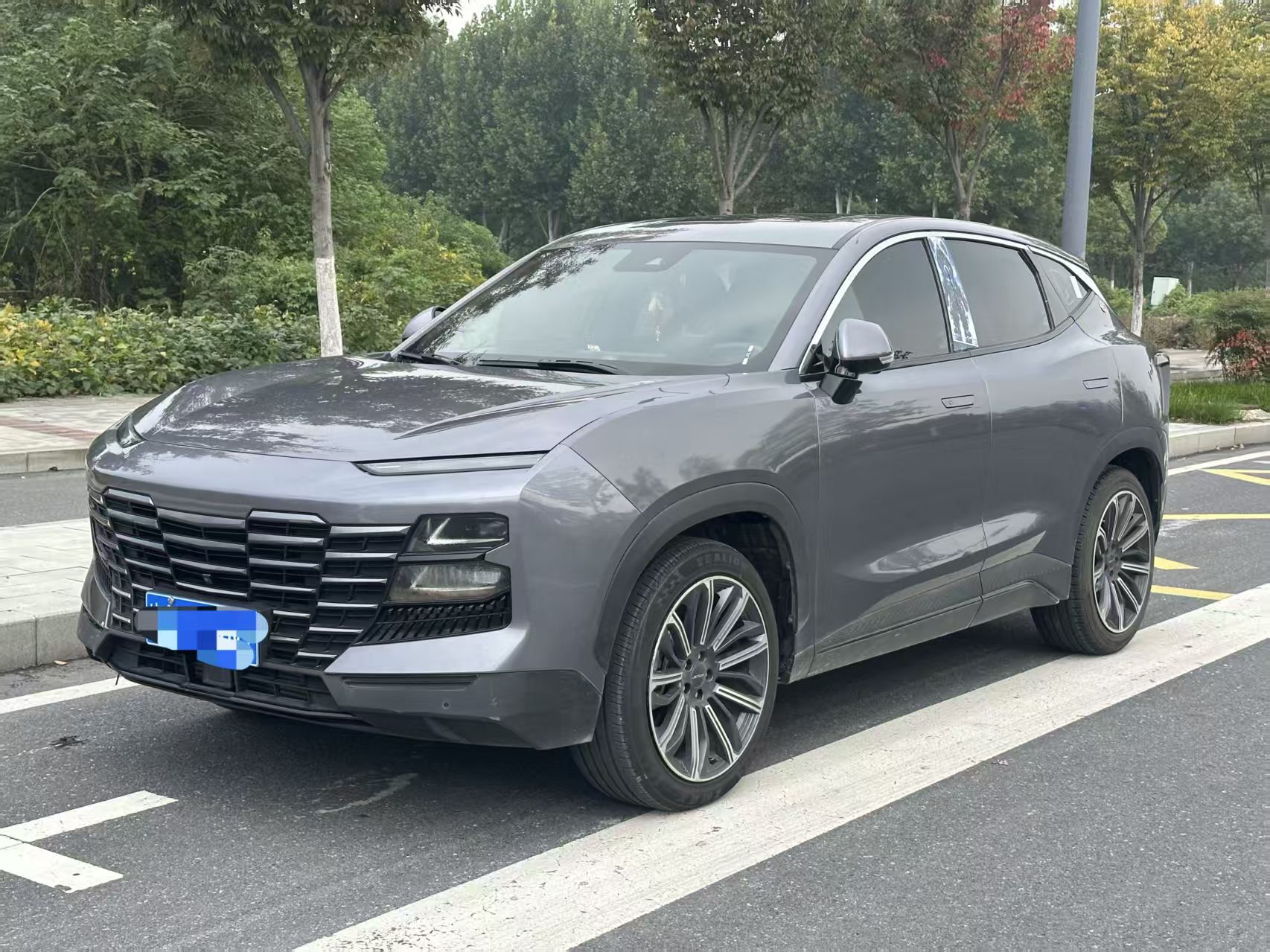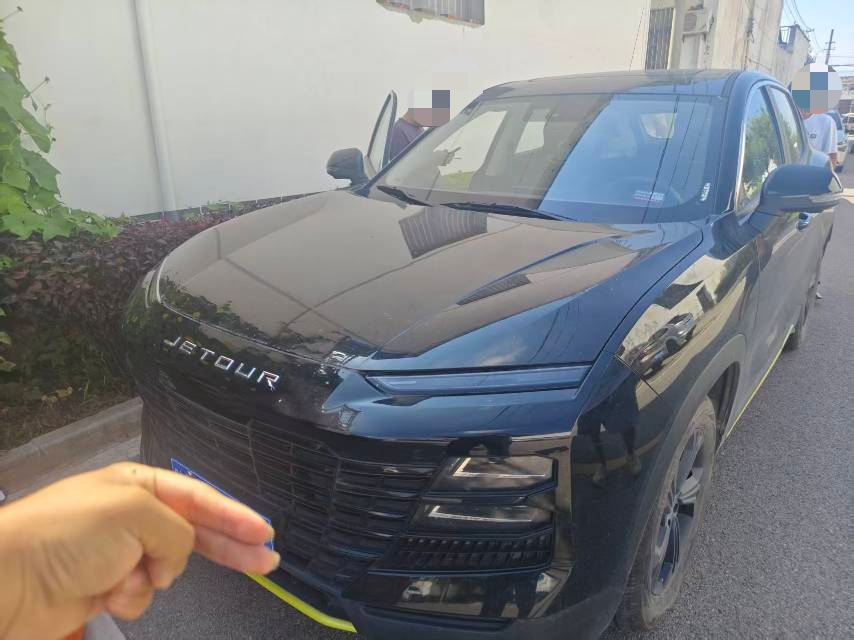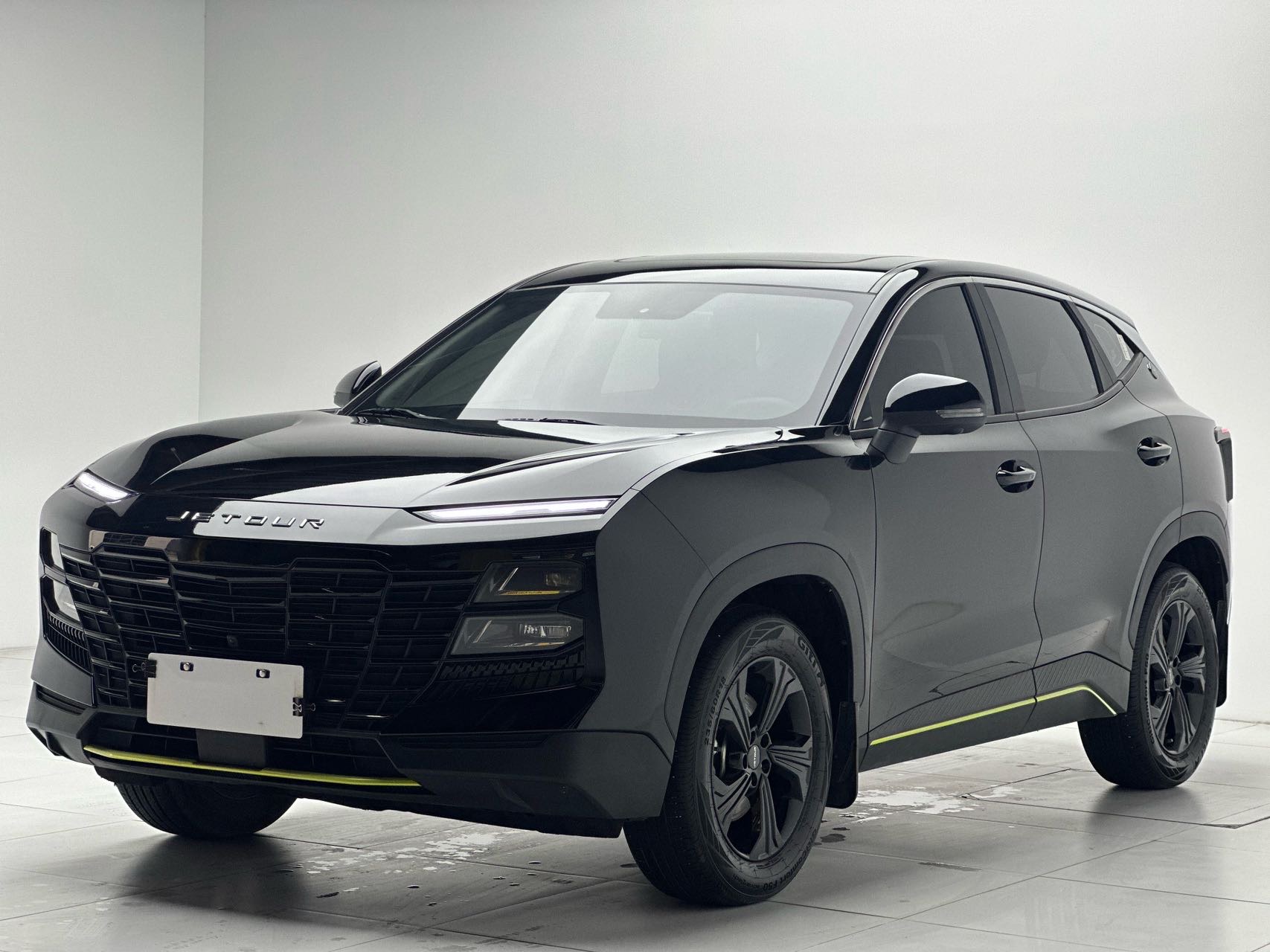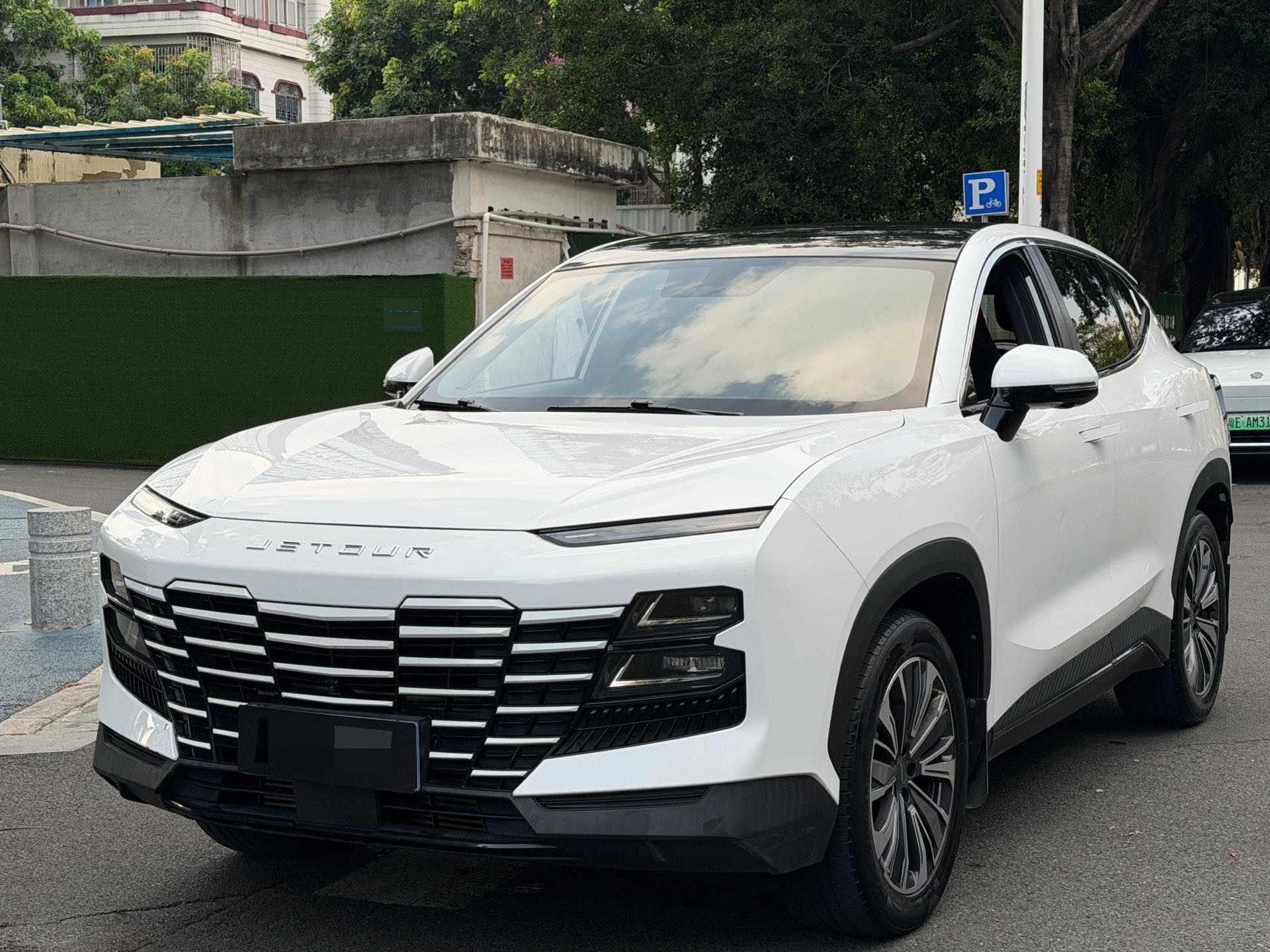
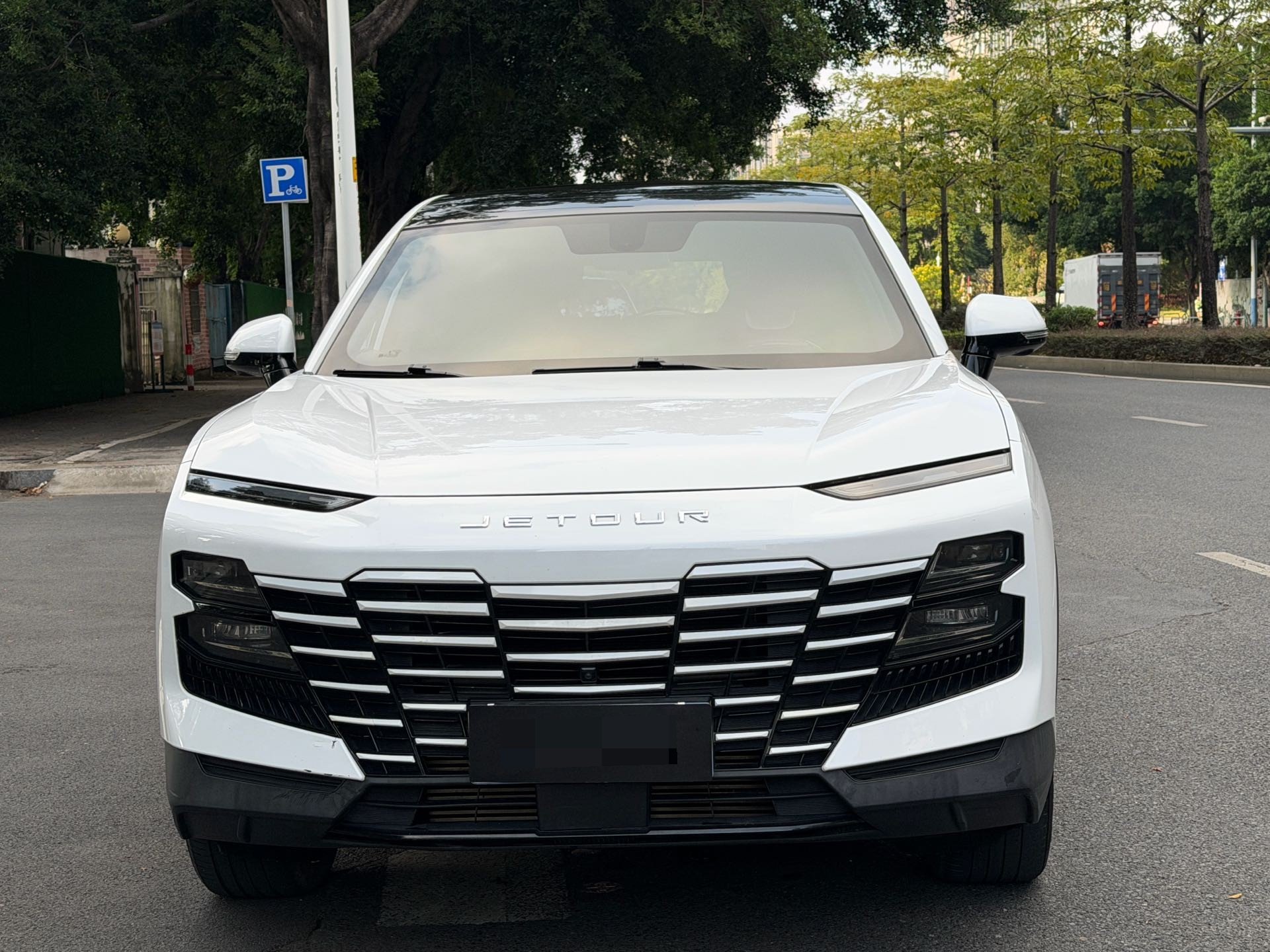
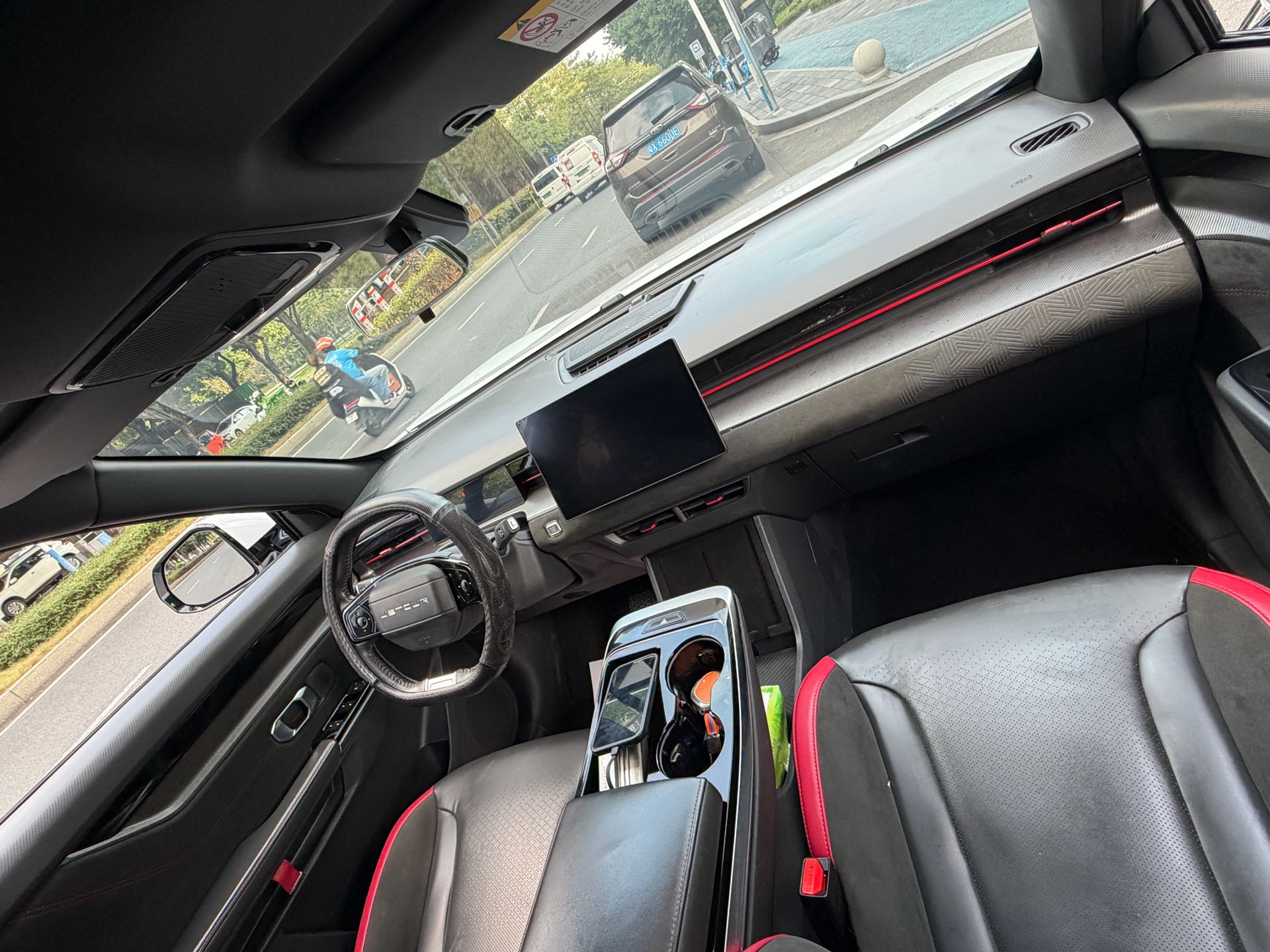
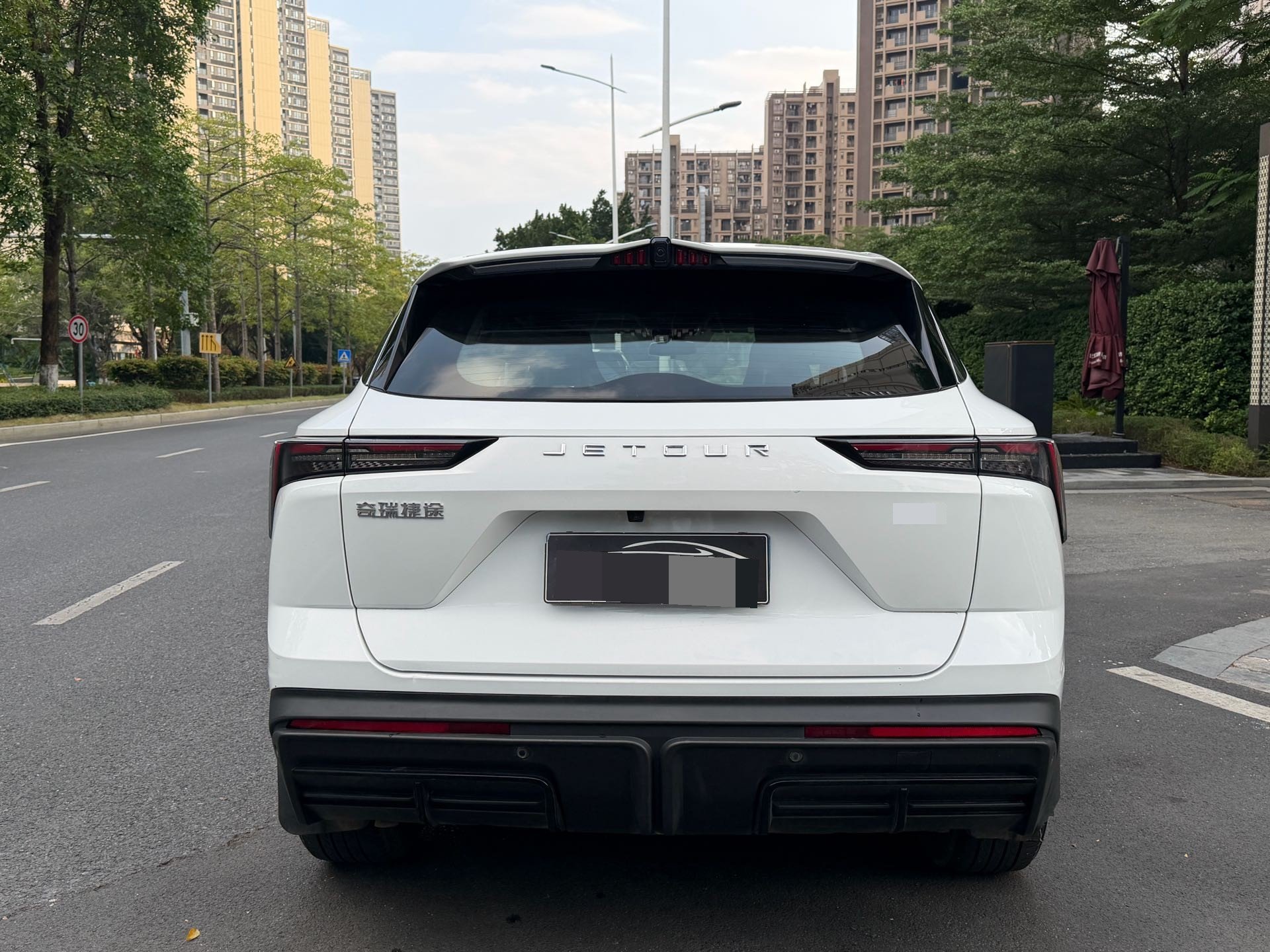
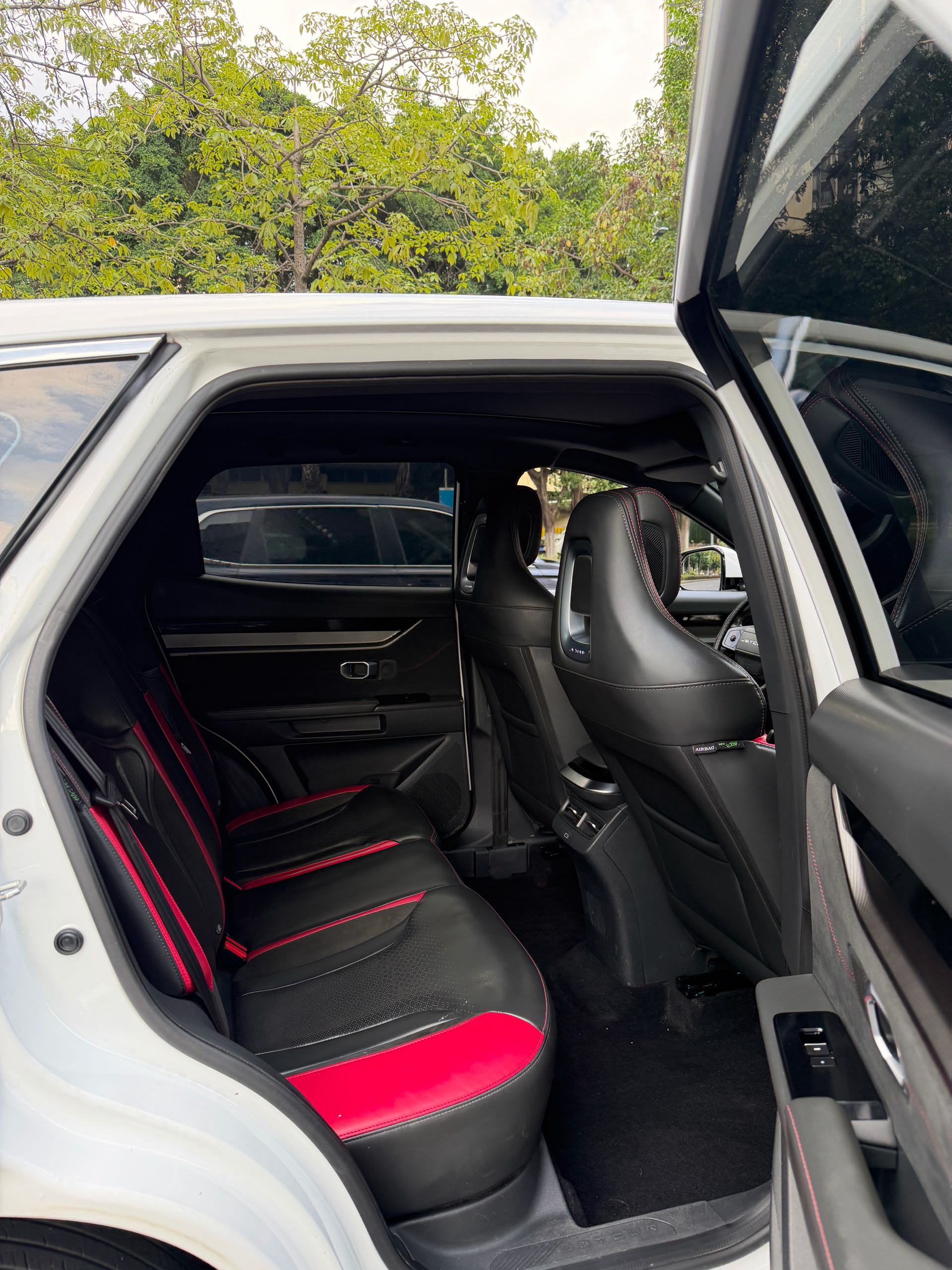
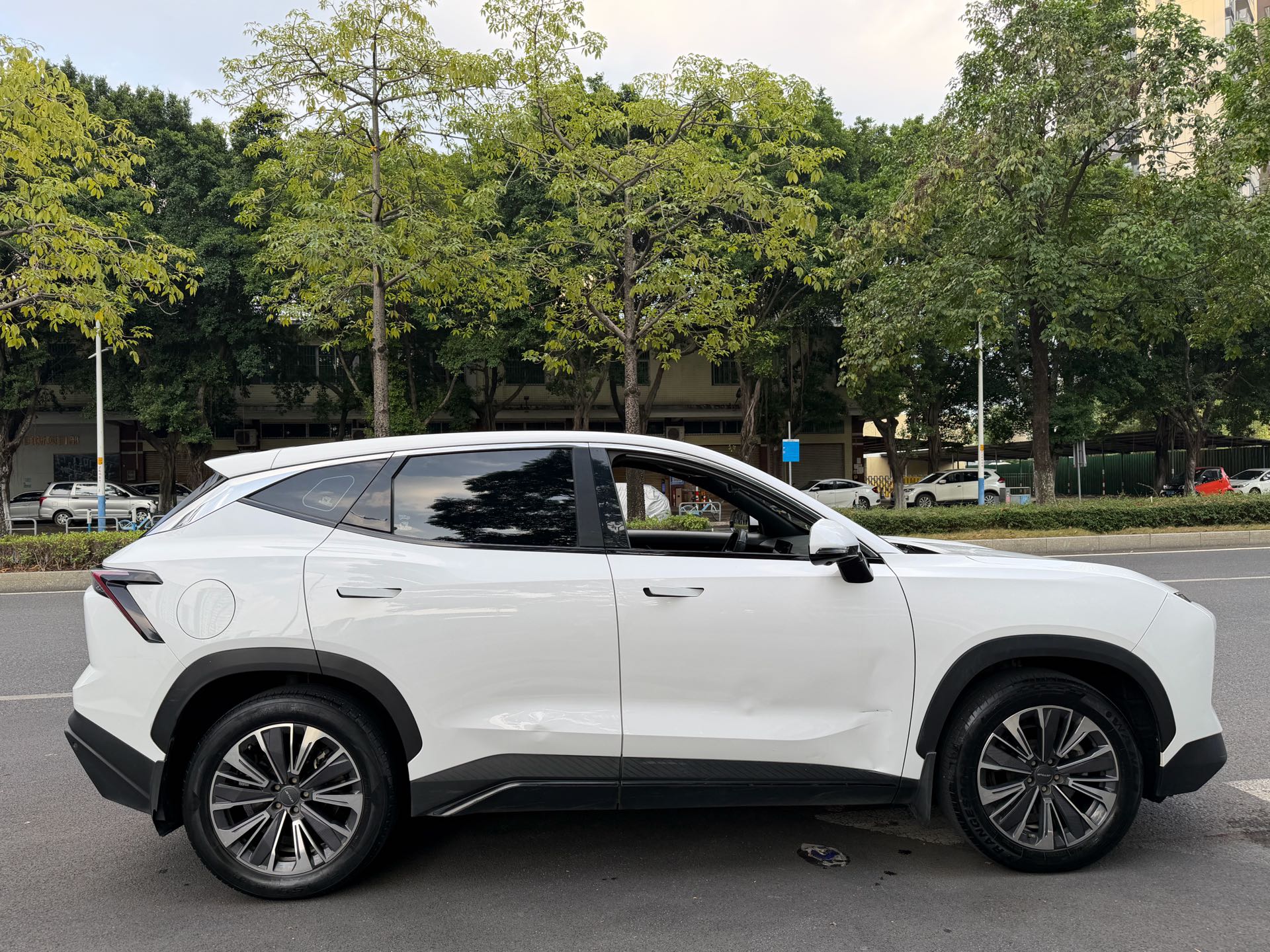
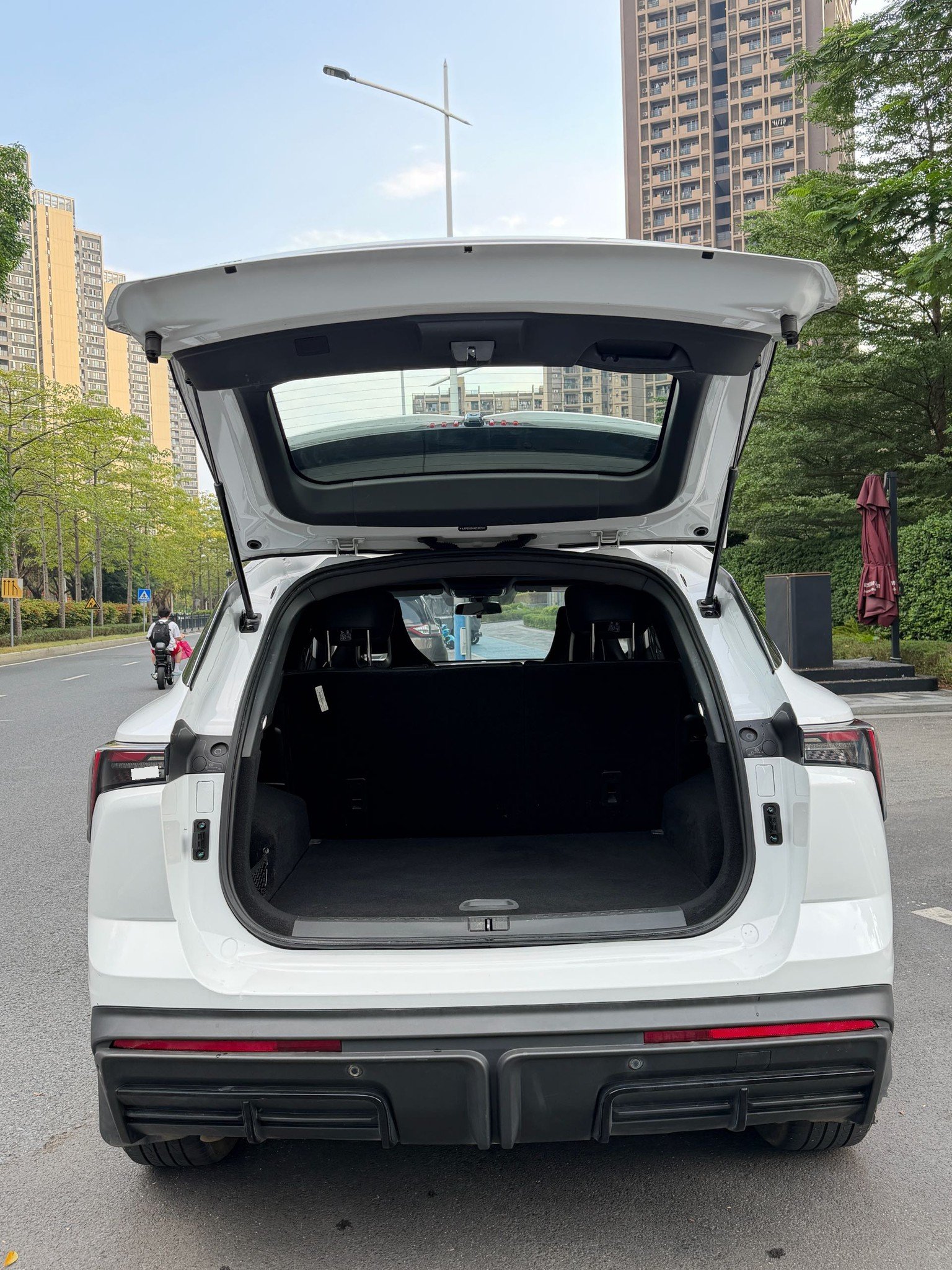
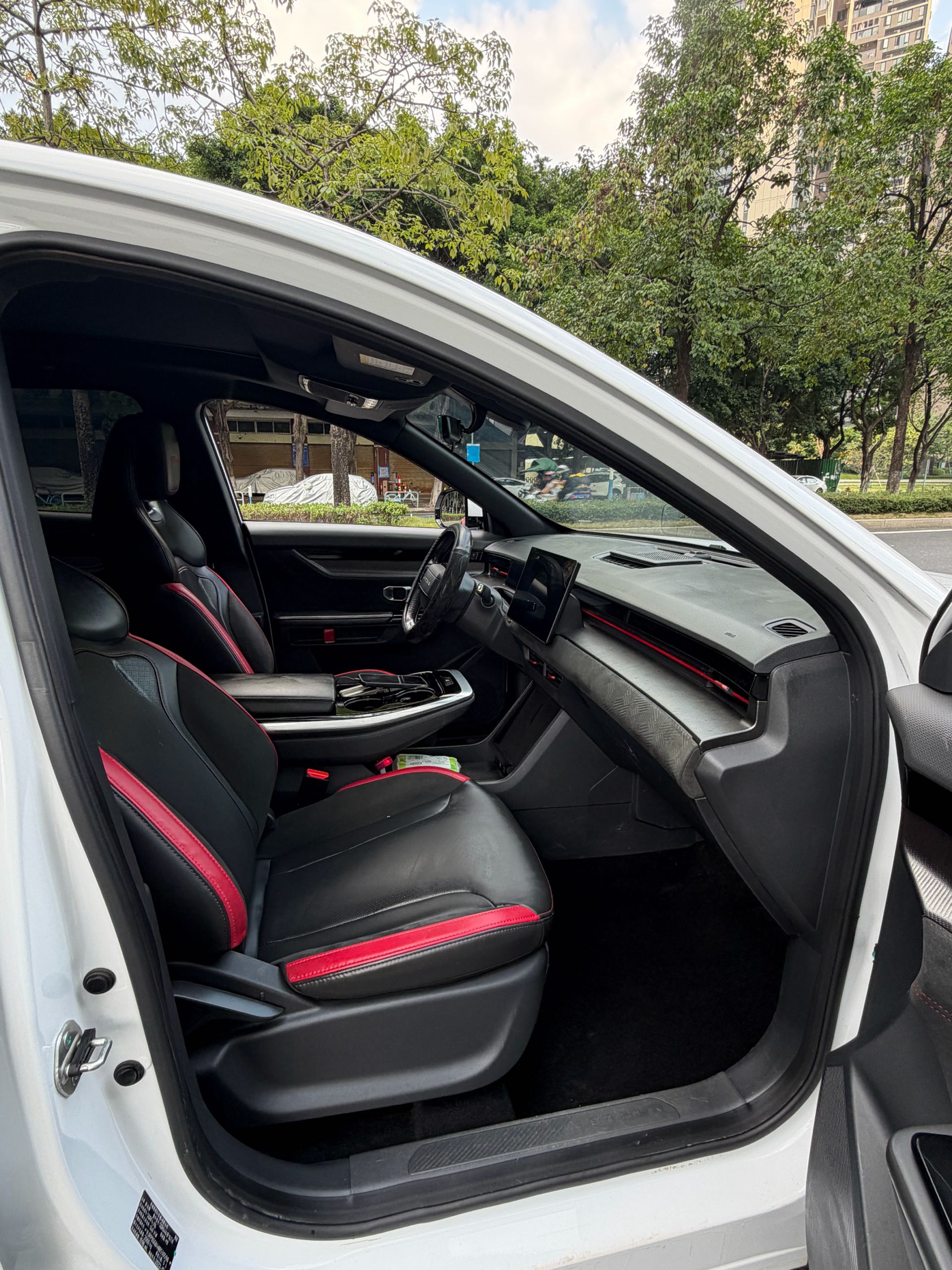
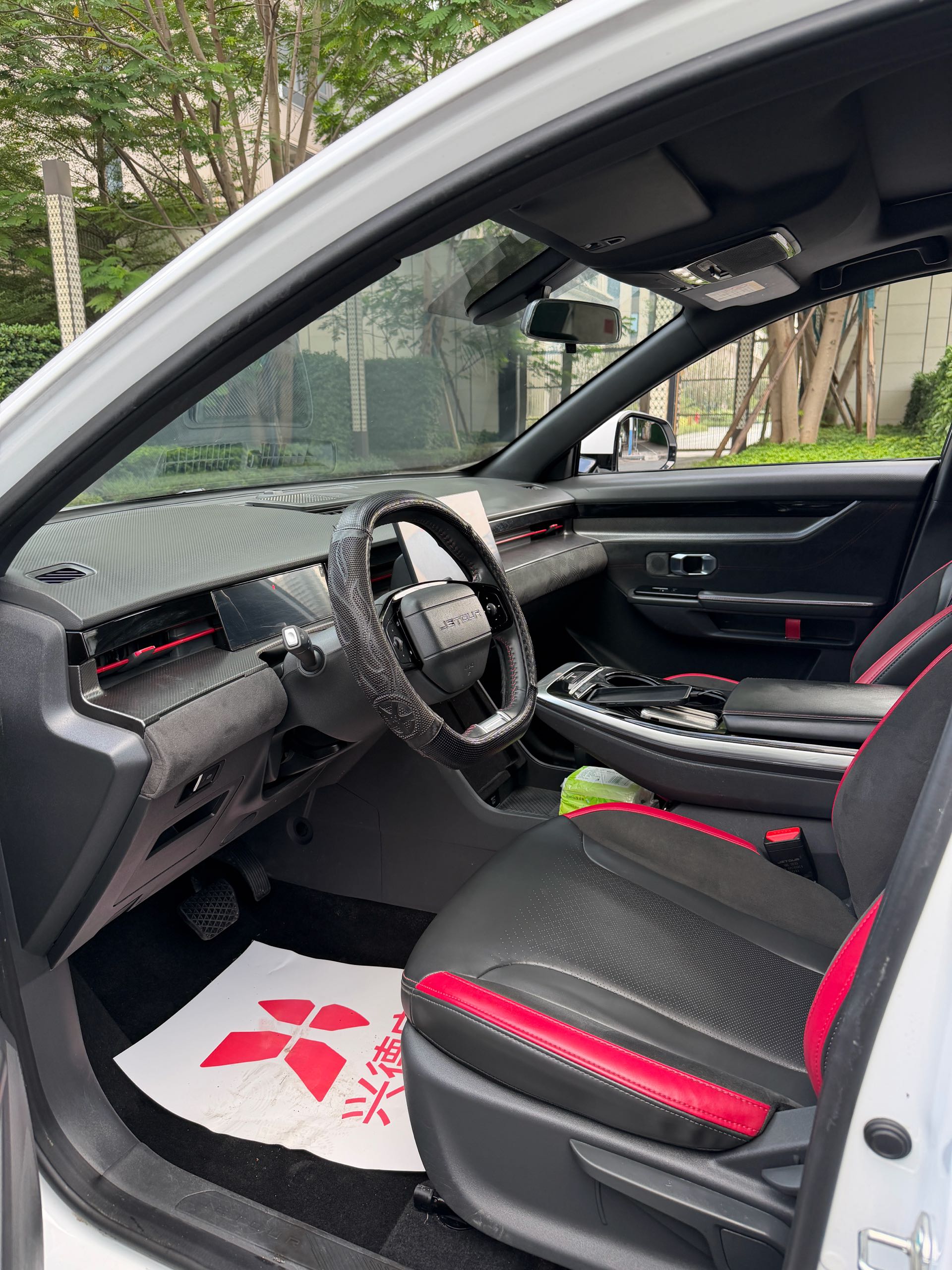
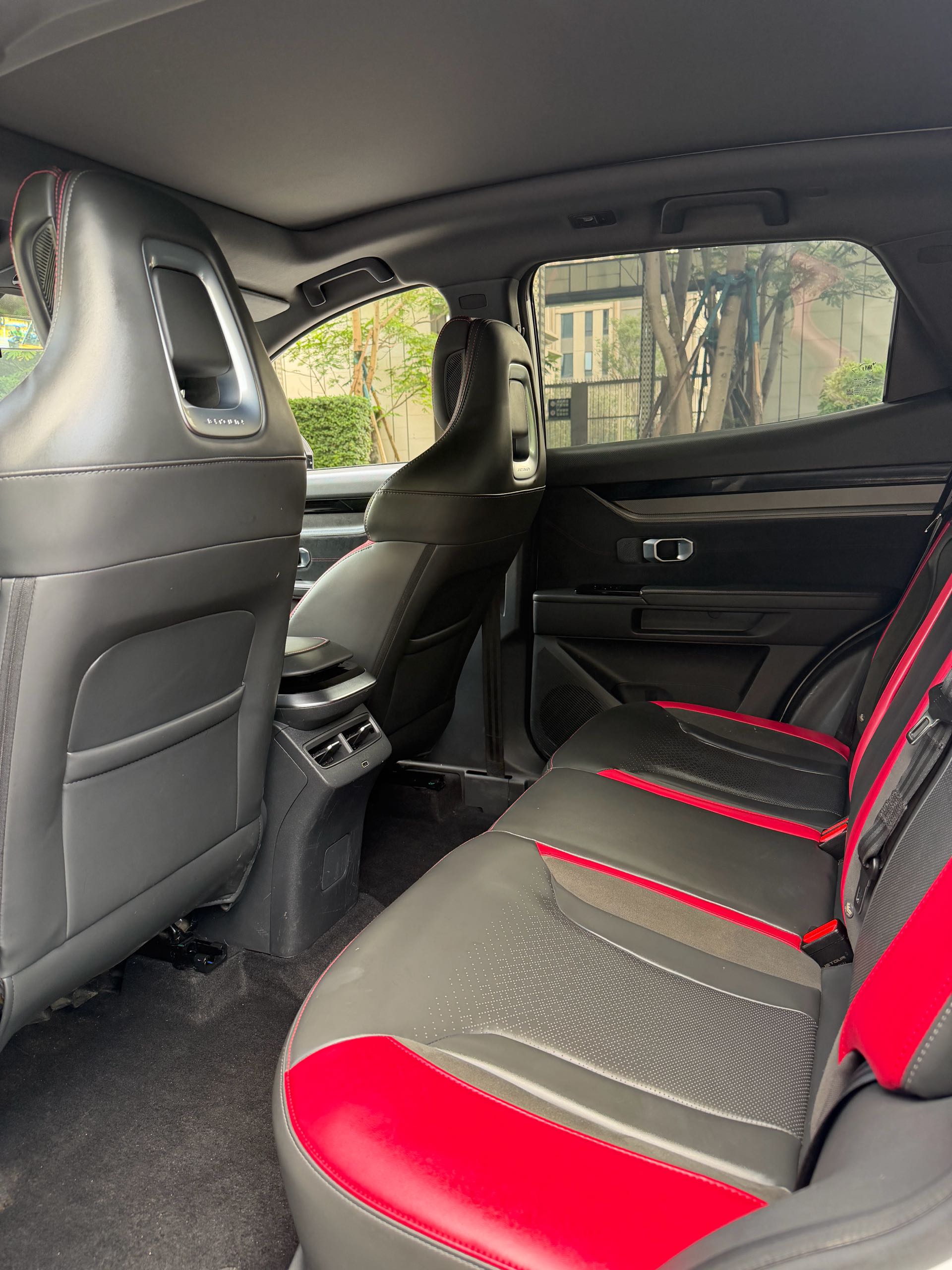
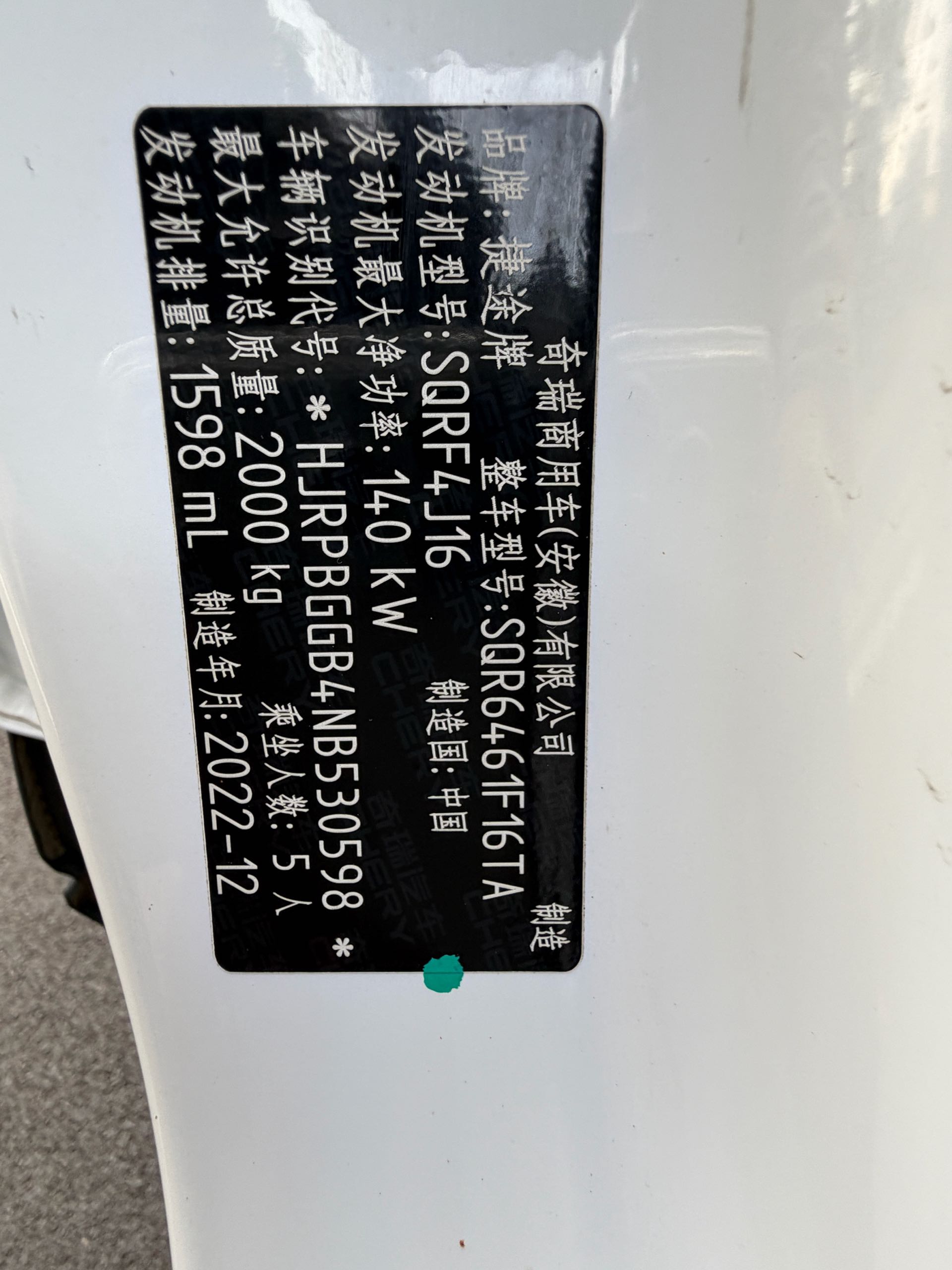



Basic Information

BrandJetour
SeriesDashing
Year2023
First Registration2023/01
Mileage30,000km
Transfer Count0times
FuelGasoline
TransmissionDCT
Engine1.6T 197 L4
ColorWhite
Seats-

Document Information

Inspection Expiry Date-
Warranty Expiry Date-
Insurance Expiry Date2027/01

Q&A

More

How do I check the battery health (SOH) of a used Chinese EV before buying?

Battery condition is the single biggest value factor in a used EV, and it can be measured — do not accept a verbal "battery is fine" without data. First, ask for a battery health certificate: brands like BYD, NIO, XPeng and Li Auto can generate an official state-of-health report from the VIN, usually within minutes at a dealer or via the brand's app. Look for SOH above 85% for a car under five years old. Second, request a charge-and-discharge test during inspection: the displayed range at 100% charge compared with the original rated range gives a practical health estimate. Third, check battery warranty status. Most Chinese brands offer 8 years or 150,000–200,000 km on the battery pack, and the remaining warranty usually transfers with the car — get this in writing. Fourth, for cars heading to hot climates, confirm the battery cooling system works; overheating is a common killer of battery life. Add a minimum SOH guarantee to your purchase contract so you have recourse if the battery underperforms.


Are there specific tests to check if the soundproofing material is intact in a second-hand new energy vehicle equipped with run-flat tires?

We cannot open each tire to inspect the inside. However, if a visual inspection reveals severe creases on the tire sidewall, it indicates that the run-flat tire has been driven for a long time at zero pressure, damaging its internal structure. We would recommend replacing it before shipping.

Is China's "National VI B" emission standard equivalent to Europe's Euro VI standard?

From a technical perspective, China's "National VI B (China VI-b)" is one of the strictest emission standards globally, with limits on carbon monoxide, nitrogen oxides, and particulate matter that are even stricter than some of Europe's Euro VI standards. However, the two are not legally recognized by each other, depending on your country's import regulations.