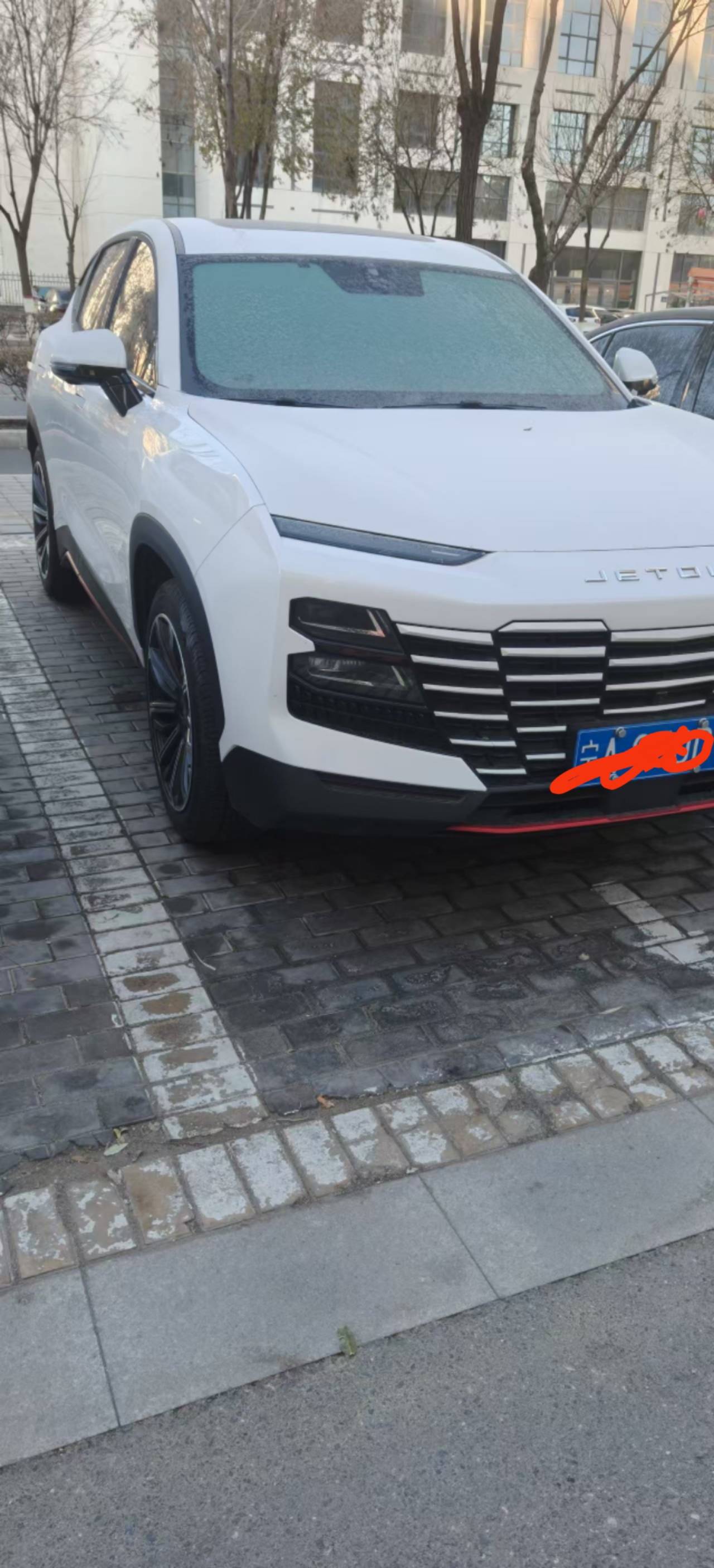
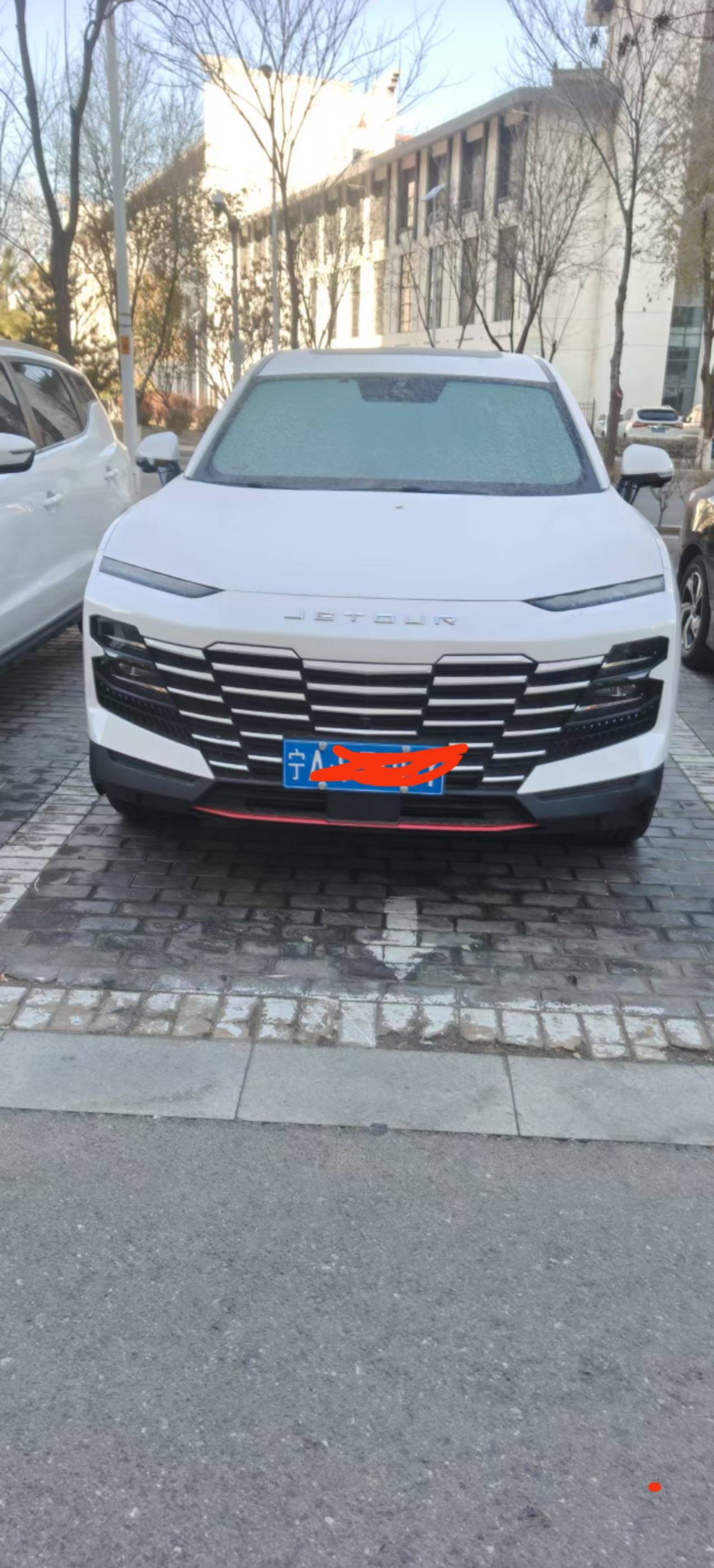
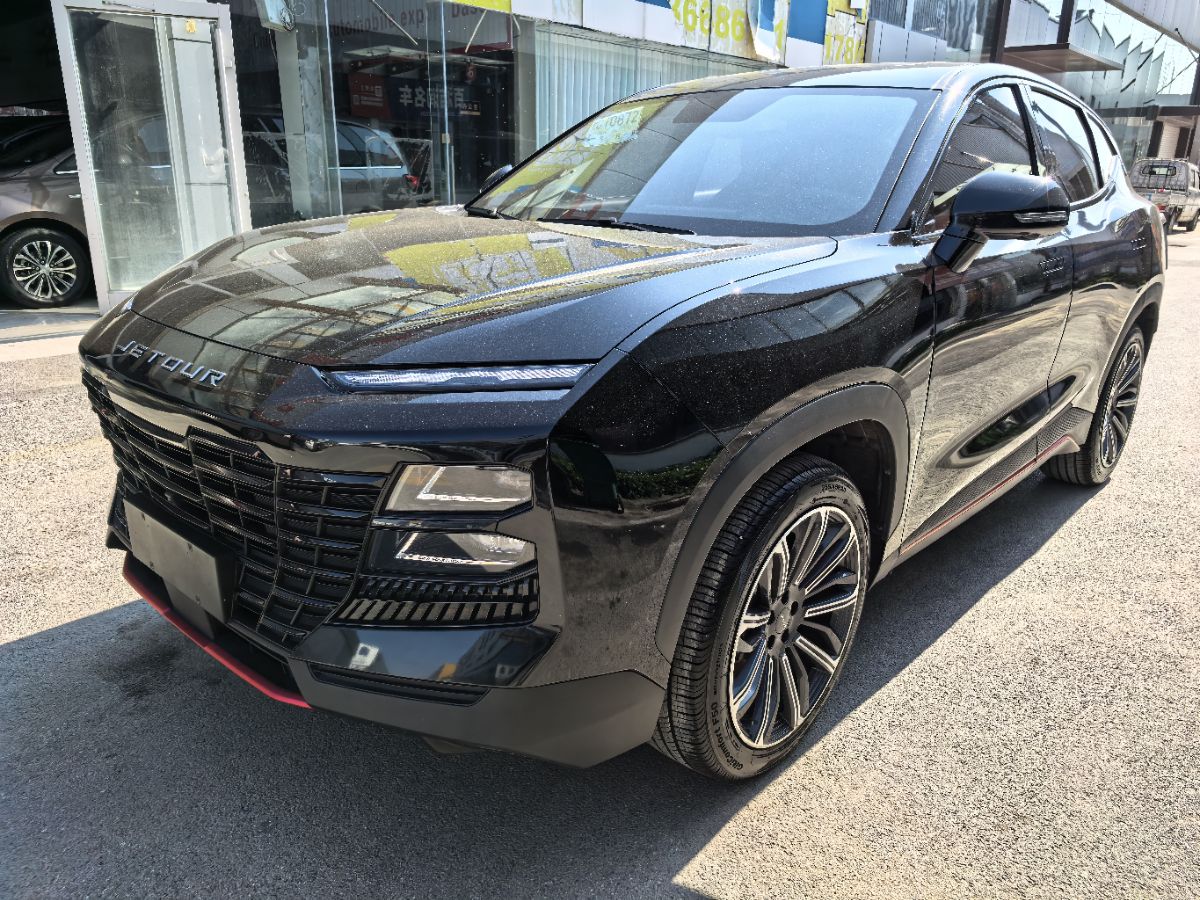
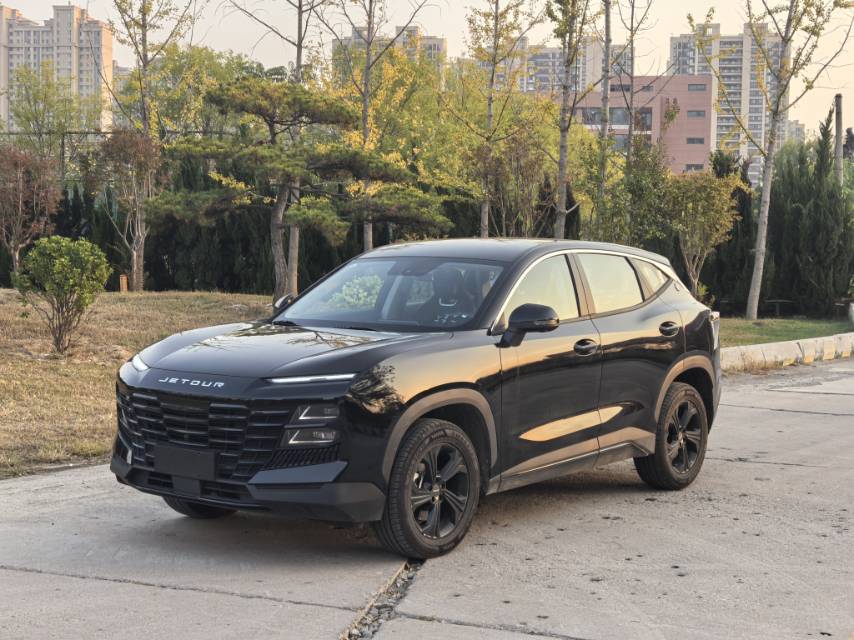
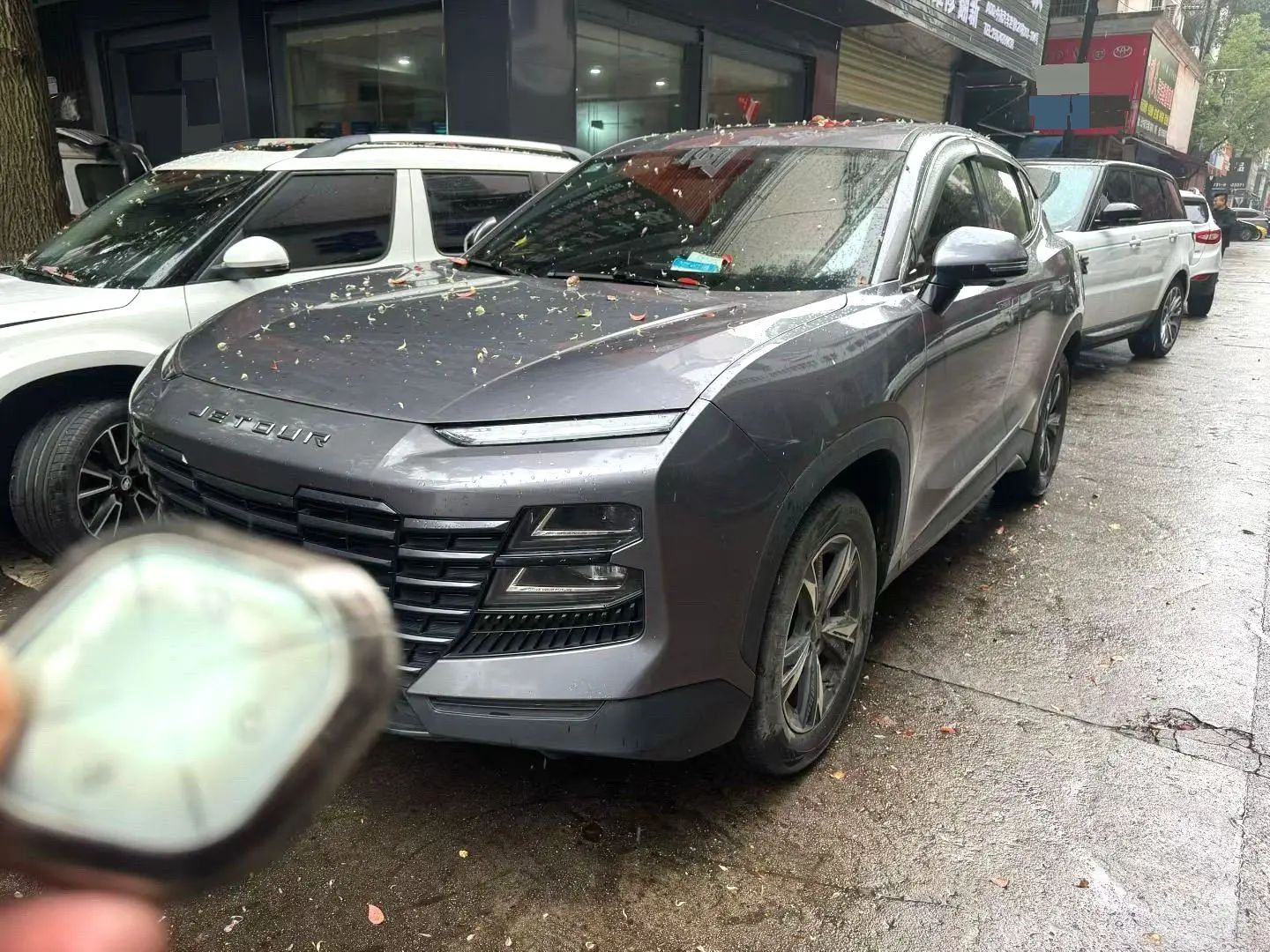
Basic Information

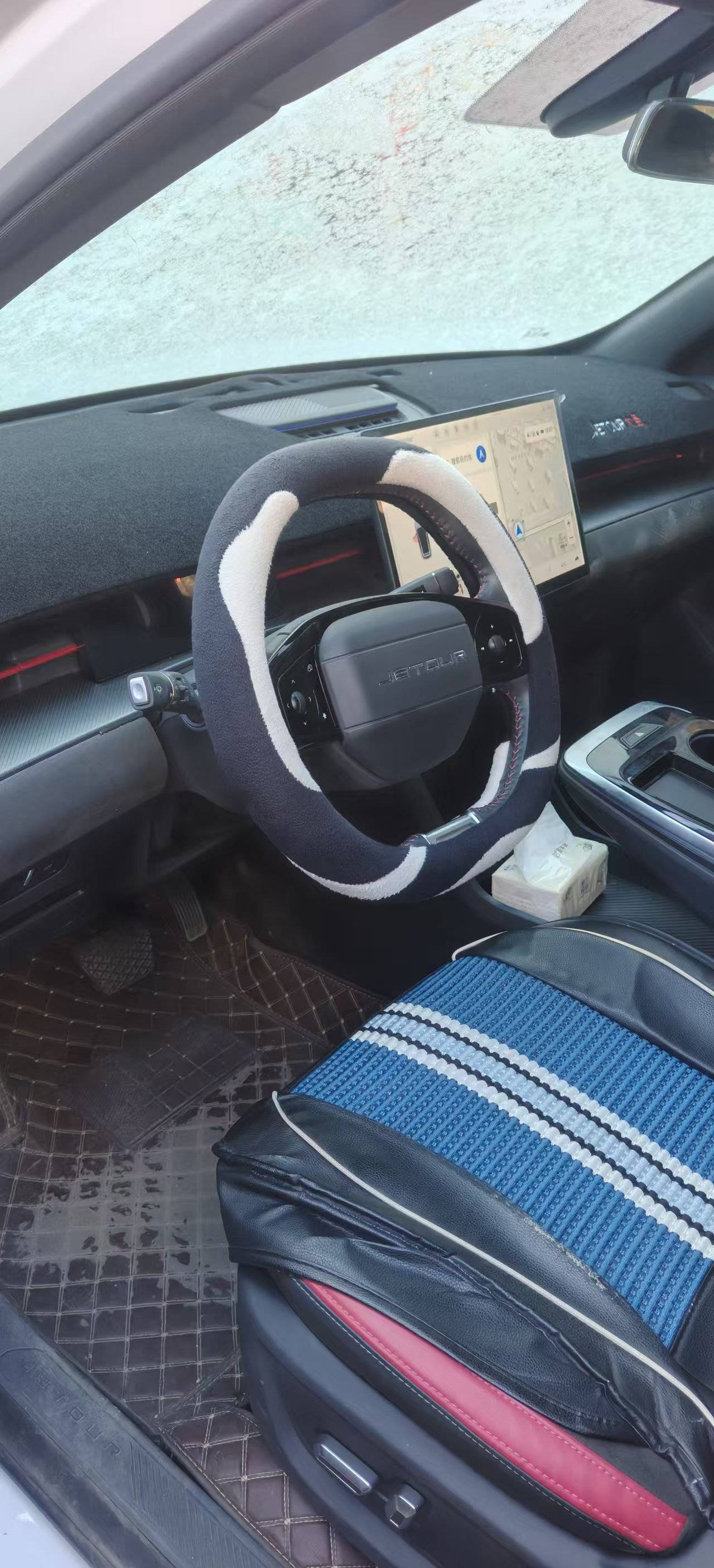
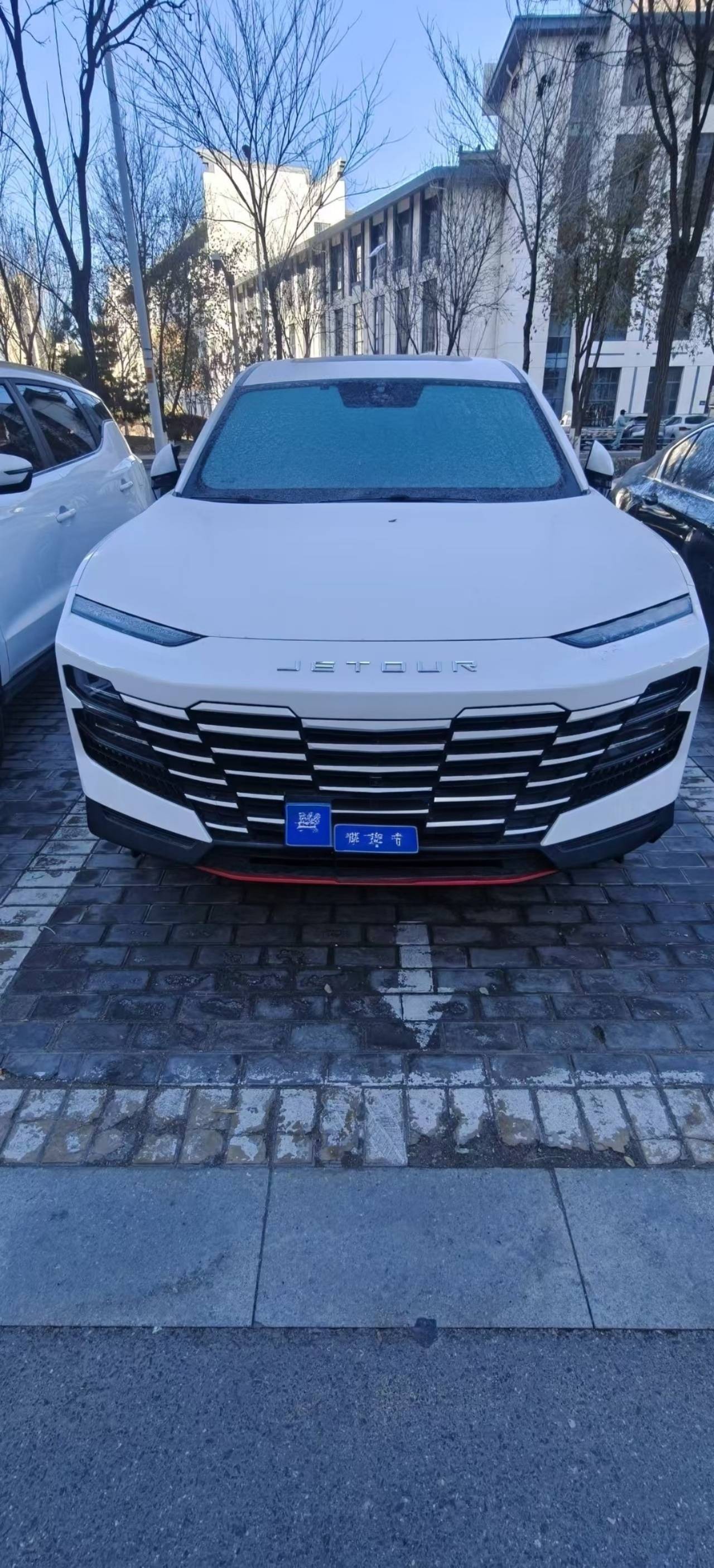
BrandJetour
SeriesDashing
Year2023
First Registration2023/08
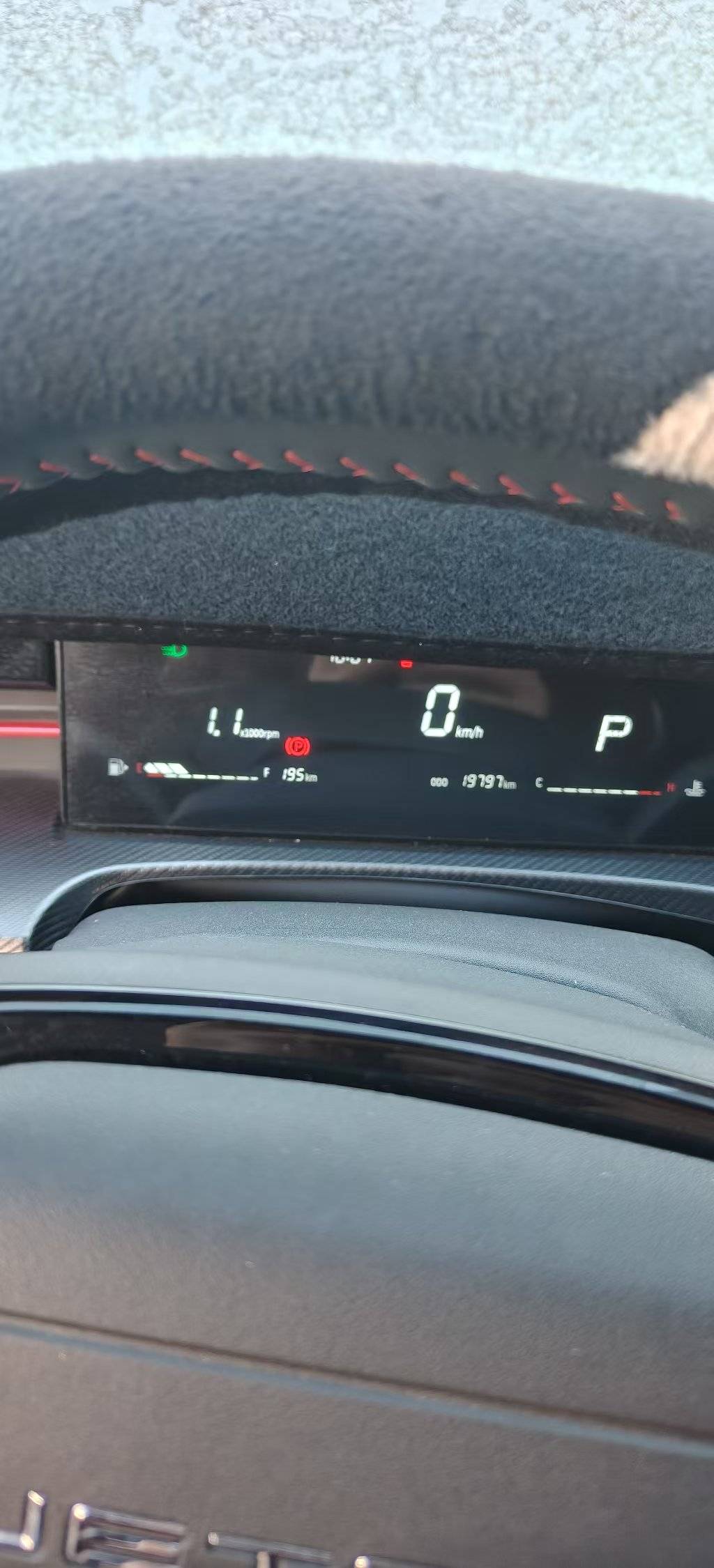
Mileage19,000km
Transfer Count0times
FuelGasoline
TransmissionDCT
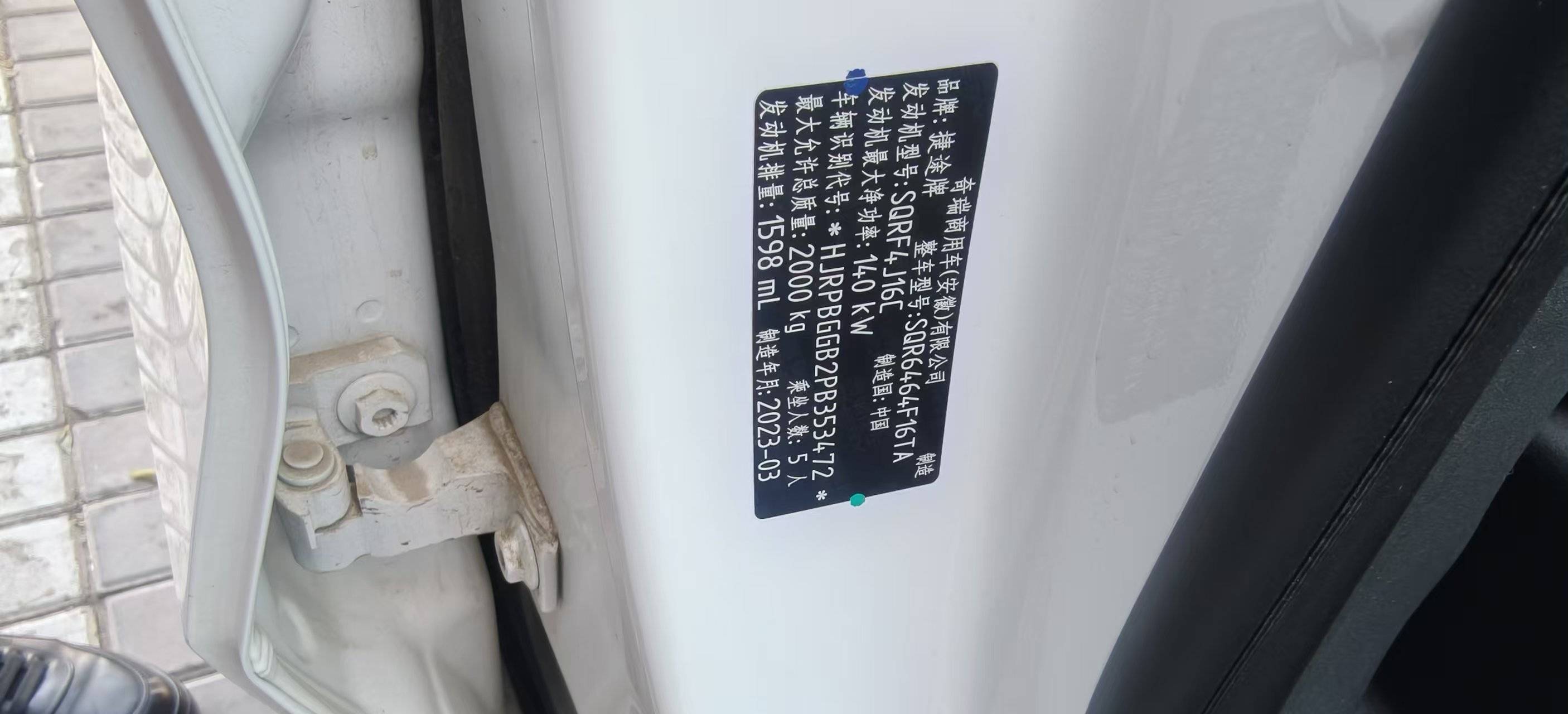
Engine1.6T 197 L4
ColorWhite
Seats-

Condition Description

Full original paint, can pass third-party inspection.

Document Information

Inspection Expiry Date-
Warranty Expiry Date-
Insurance Expiry Date2027/08

Q&A

More

If the vehicle's nameplate is worn and unclear, can it be legally re-stamped for customs clearance?

We cannot privately forge or re-stamp the original vehicle nameplate (this is illegal). If the nameplate is unclear, we will rely on the clear VIN on the windshield and the engine stamp as supplementary proof, and we will warn you of this risk before shipping.

How to manage overseas buyers' expectations for continuous software updates of Chinese new energy vehicles (especially from new car manufacturers)?

We repeatedly confirm and emphasize to buyers before sale: after leaving mainland China, most Chinese smart electric vehicle ecosystems (such as cloud voice assistants, online maps, OTA updates) will be permanently offline. You are purchasing a hardware platform with excellent mechanical quality and a three-electric system; please use it as a "standalone" vehicle. Do not trust false promises from other channels claiming "perfect overseas unlocking and continuous official OTA updates."

Local mechanics in my country are not familiar with Chinese cars. How do I get technical support, wiring diagrams, or repair guidance after importing?

This is a common issue, and there are several practical ways to get your Chinese car serviced locally. 1. Ask the exporter before buying: many professional exporters can provide workshop manuals, wiring diagrams, or diagnostic software for the models they sell. Put this in writing in your purchase agreement. 2. Use online communities: Chinese brands like BYD, Chery, Geely, and Haval have active owner forums and Facebook/Telegram groups in Russia, Central Asia, the Middle East, and Latin America where wiring diagrams and repair procedures are shared. 3. OBD diagnostic tools: most Chinese cars from 2016 onward support standard OBD-II protocols. A tool that reads manufacturer-specific codes (not just generic ones) helps any mechanic identify faults. Ask the exporter which protocol your model uses. 4. Video call assistance: some exporters offer paid remote support where their technician guides your local mechanic via video call — agree on rates and availability in advance. 5. Parts cross-referencing: many Chinese cars share platforms and components; experienced mechanics can match brake pads, filters, and sensors to cross-compatible parts available locally. Key point: choose a brand with existing presence in your region — the larger the local fleet, the easier support becomes.