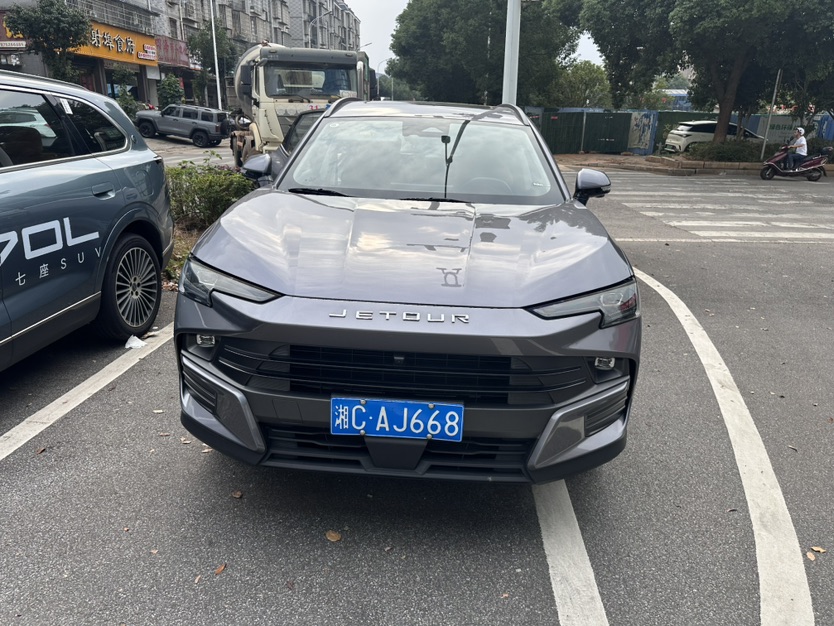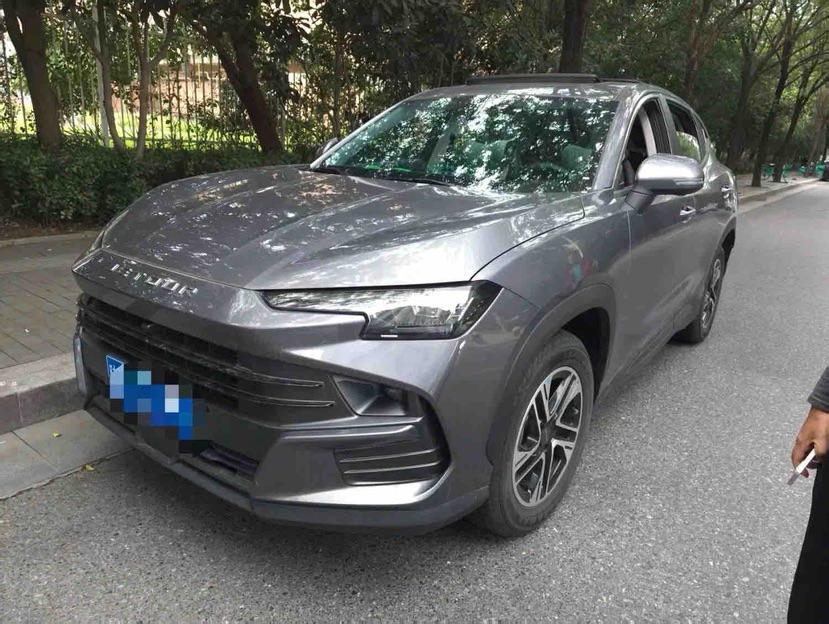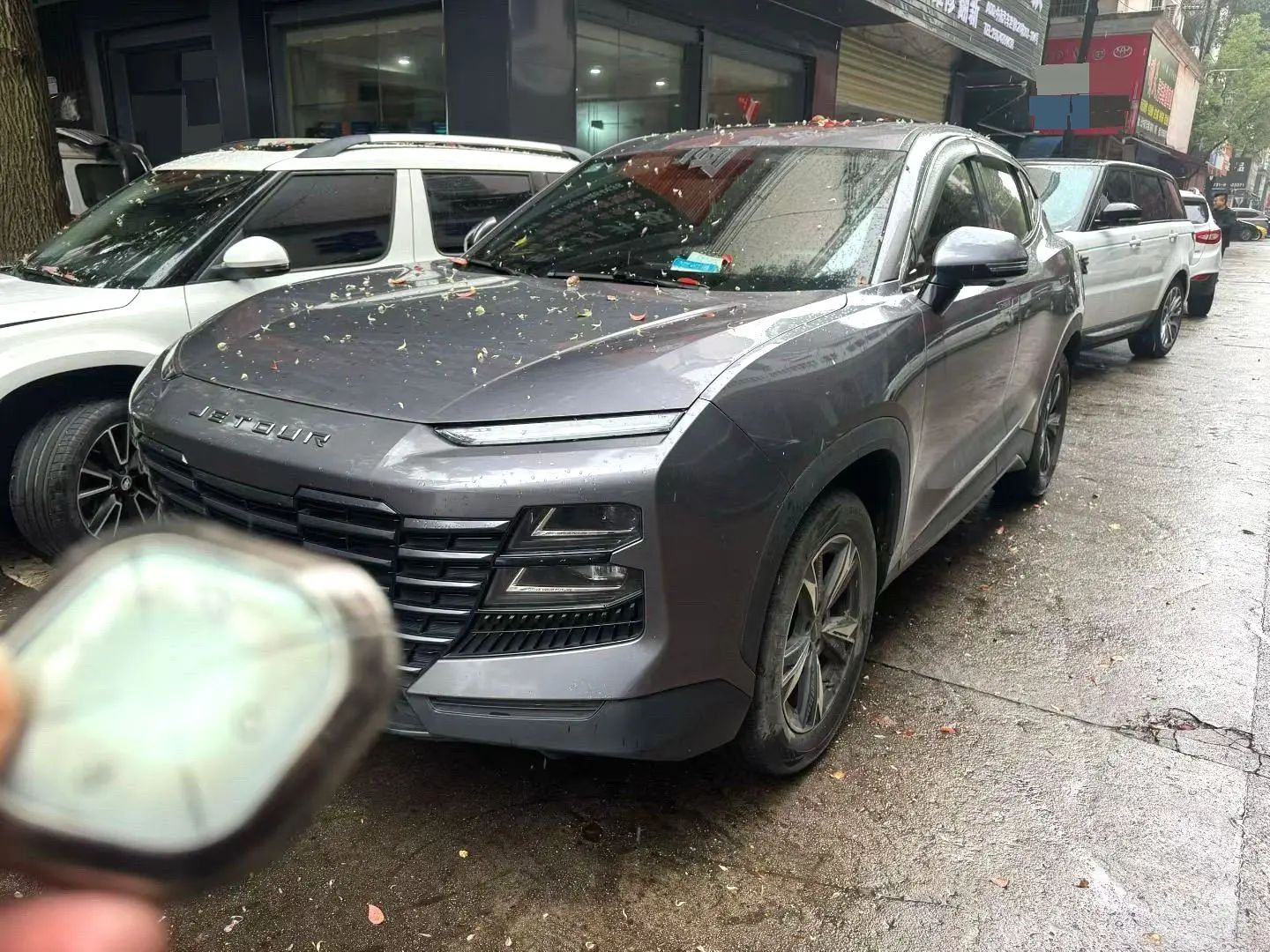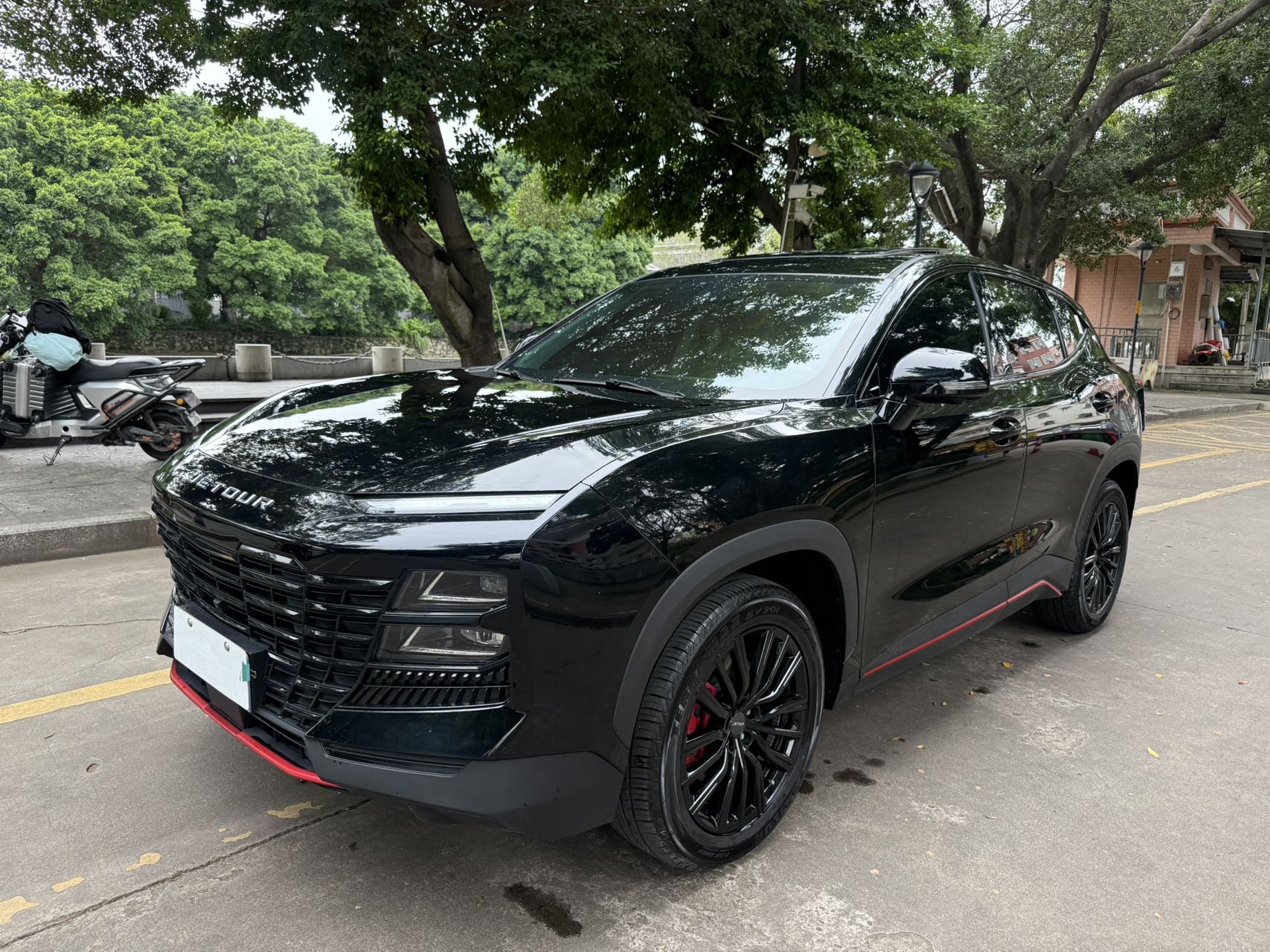
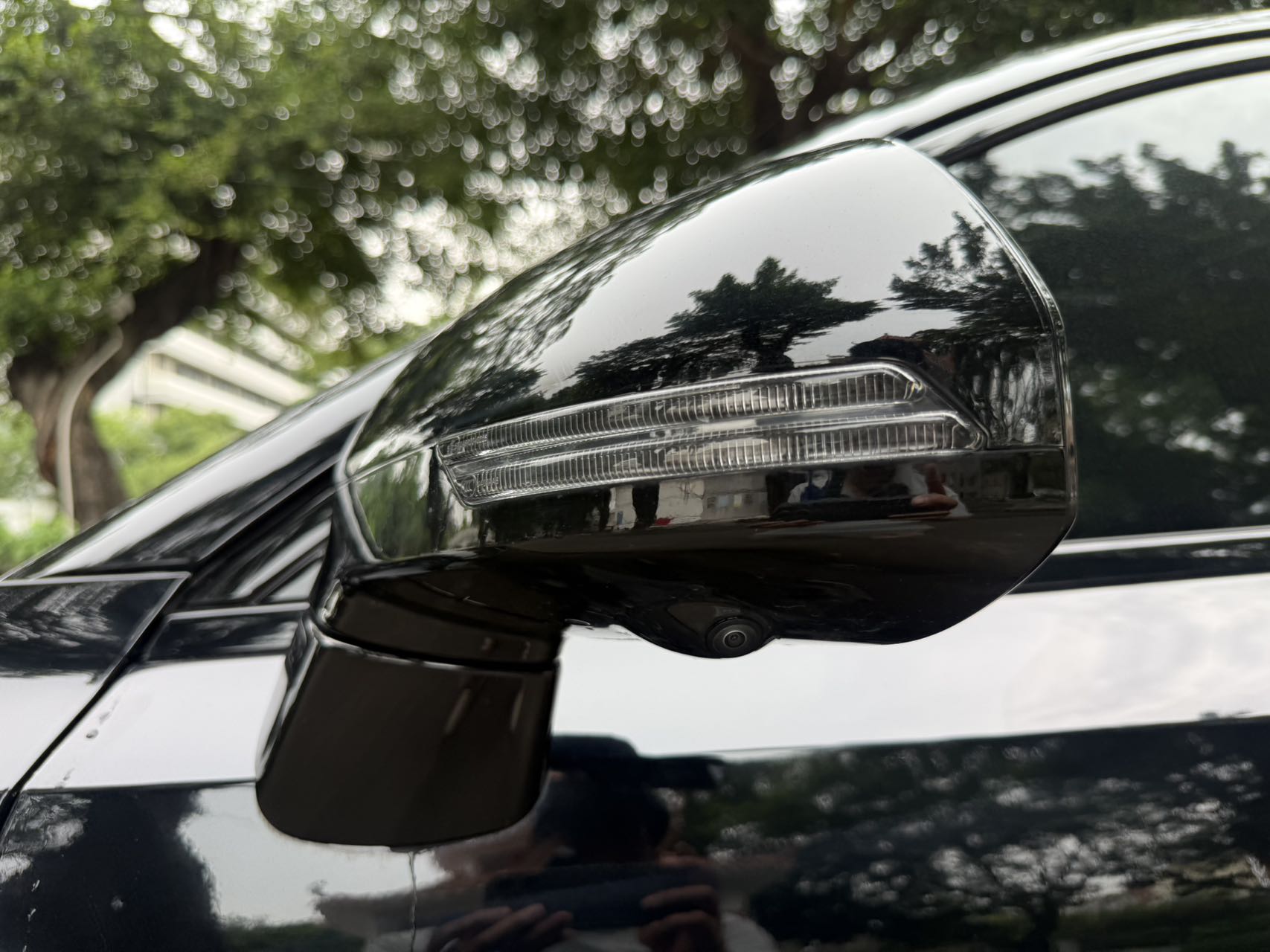
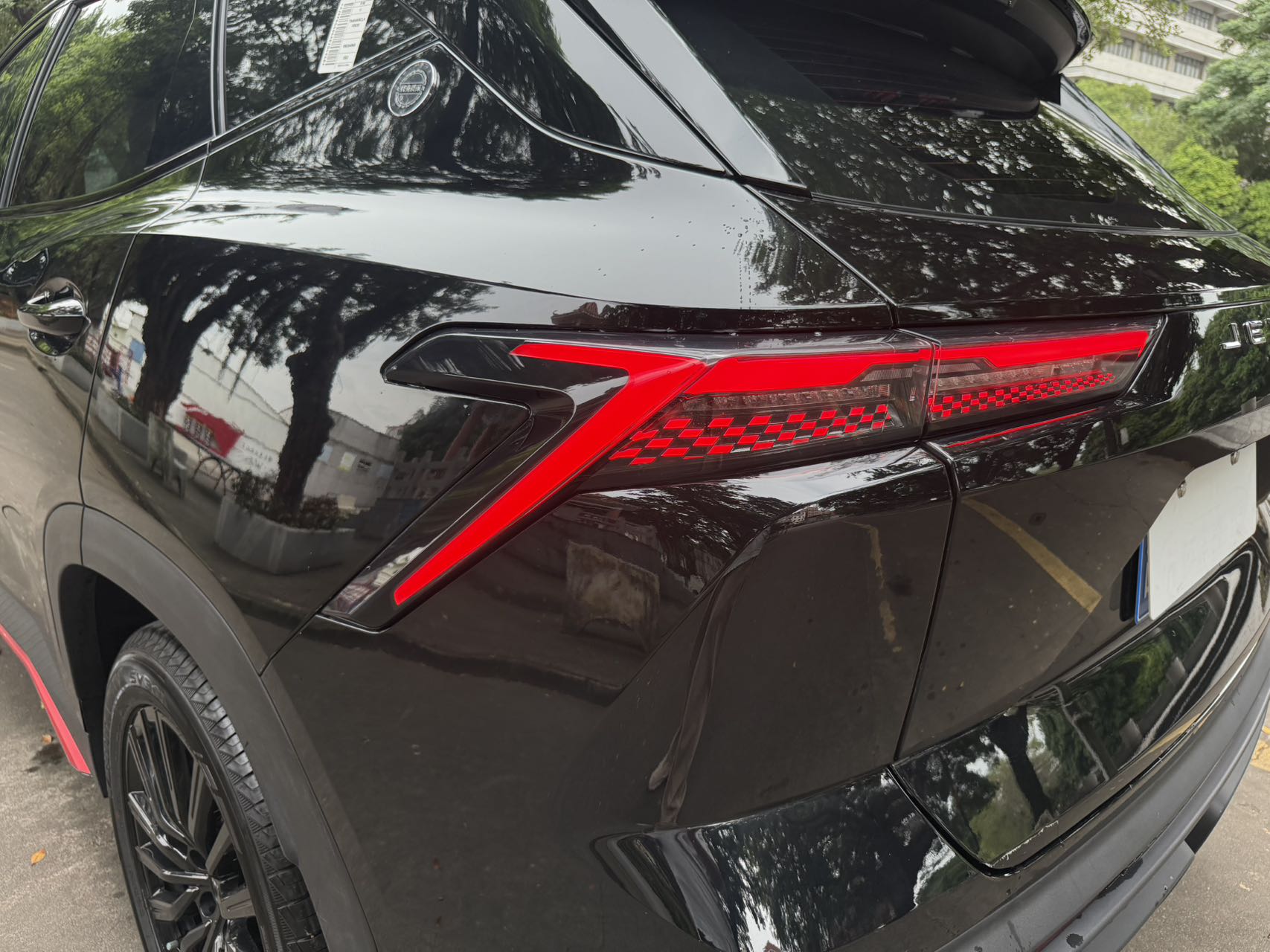
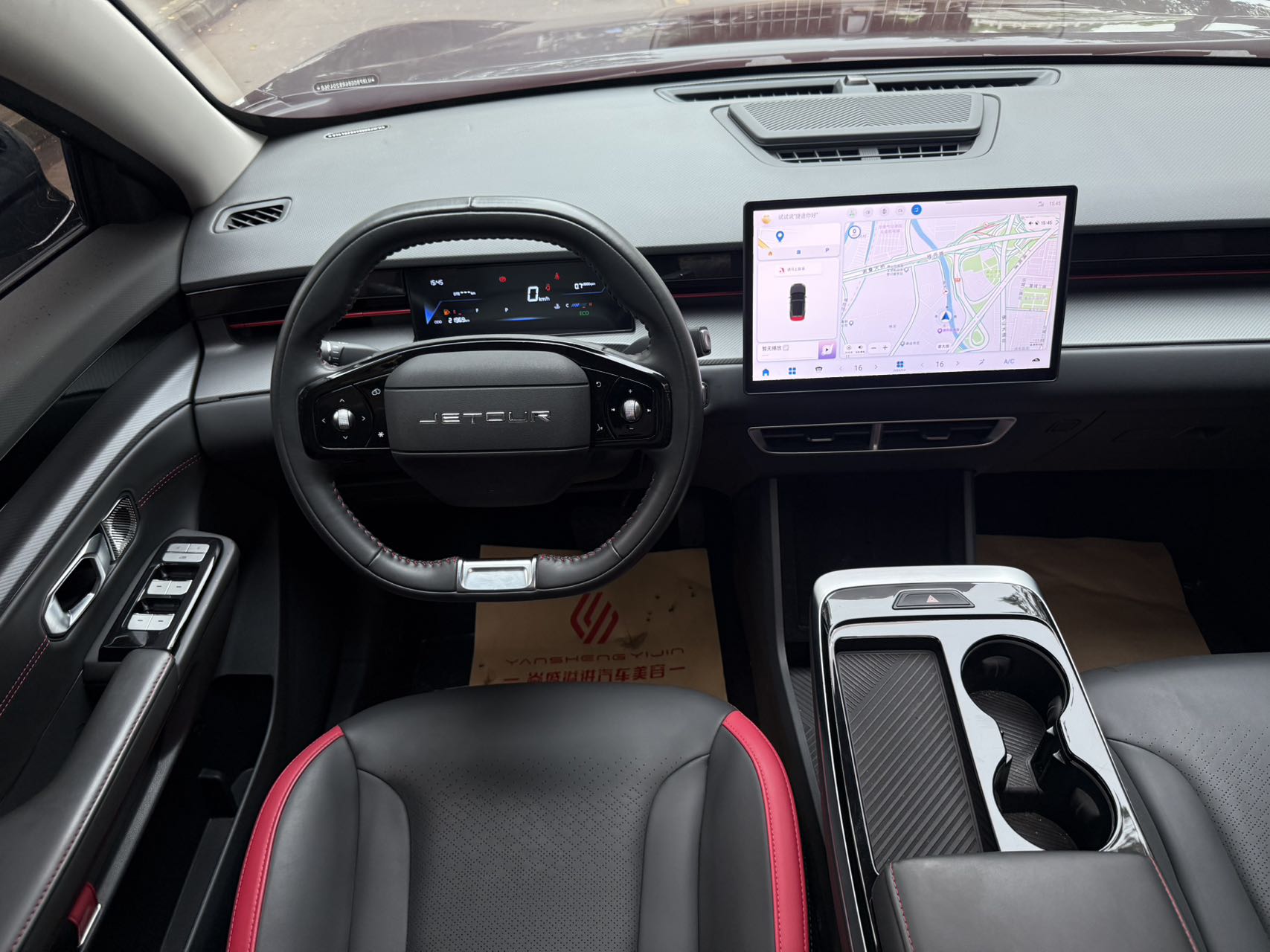
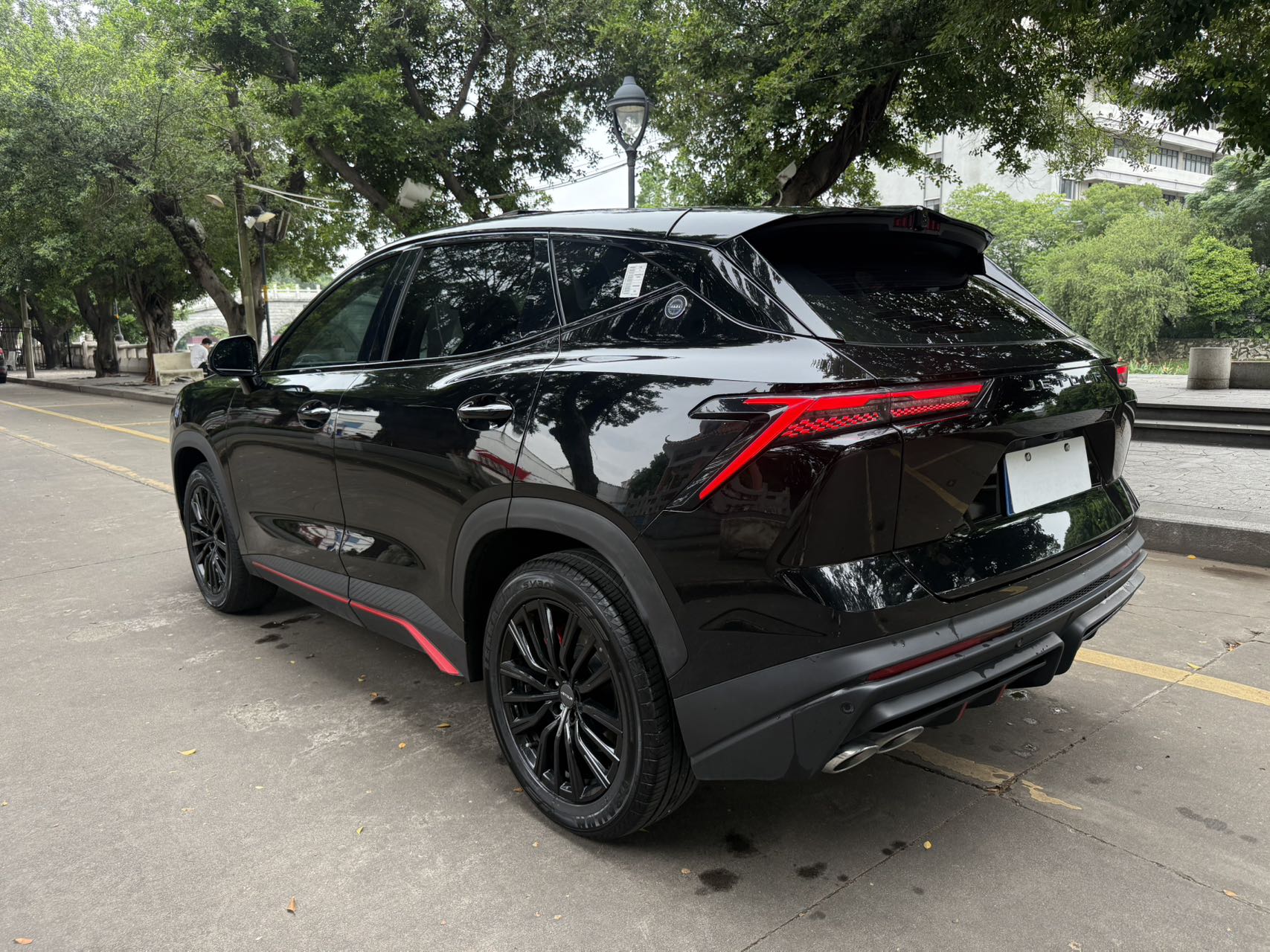
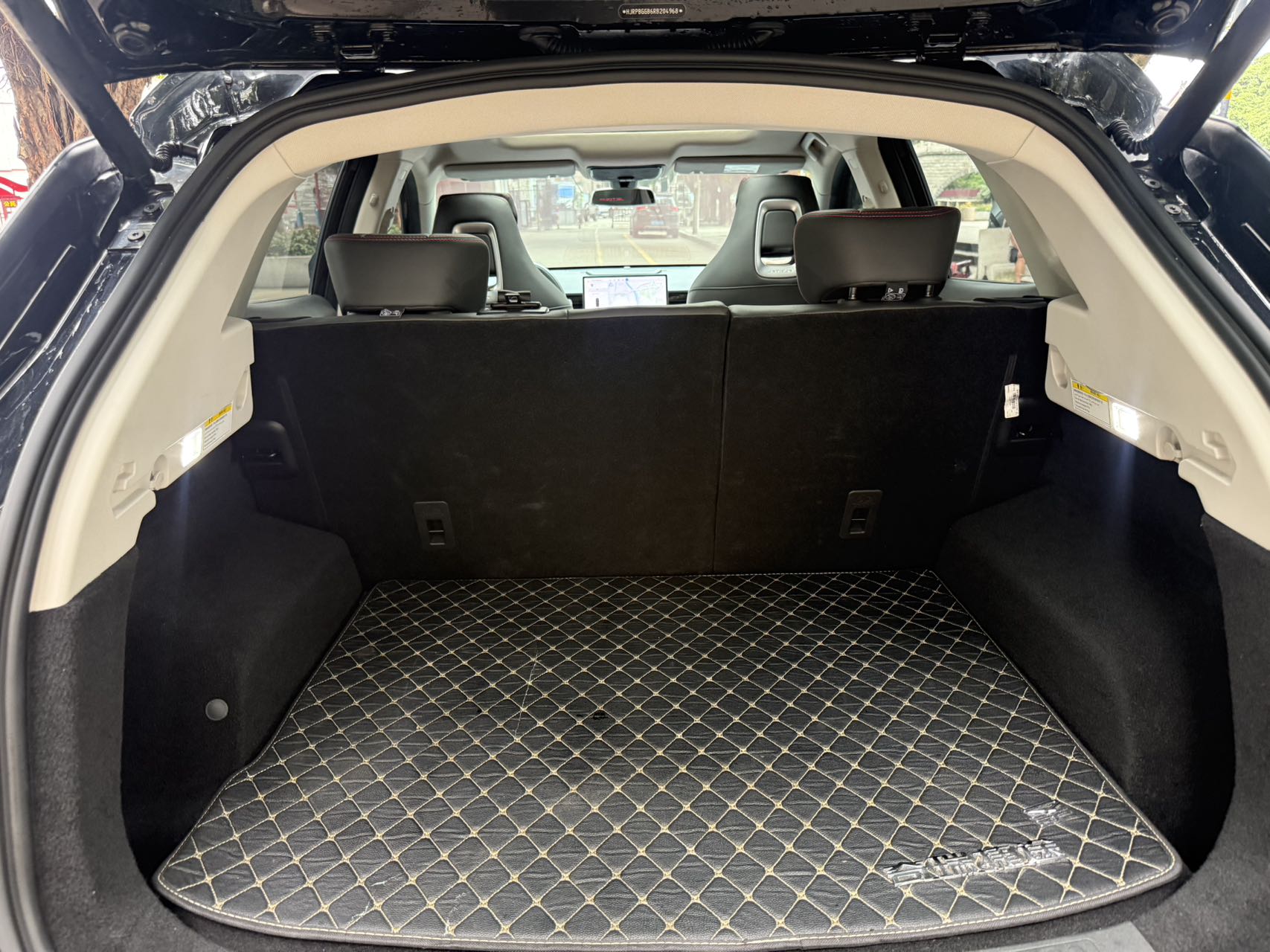
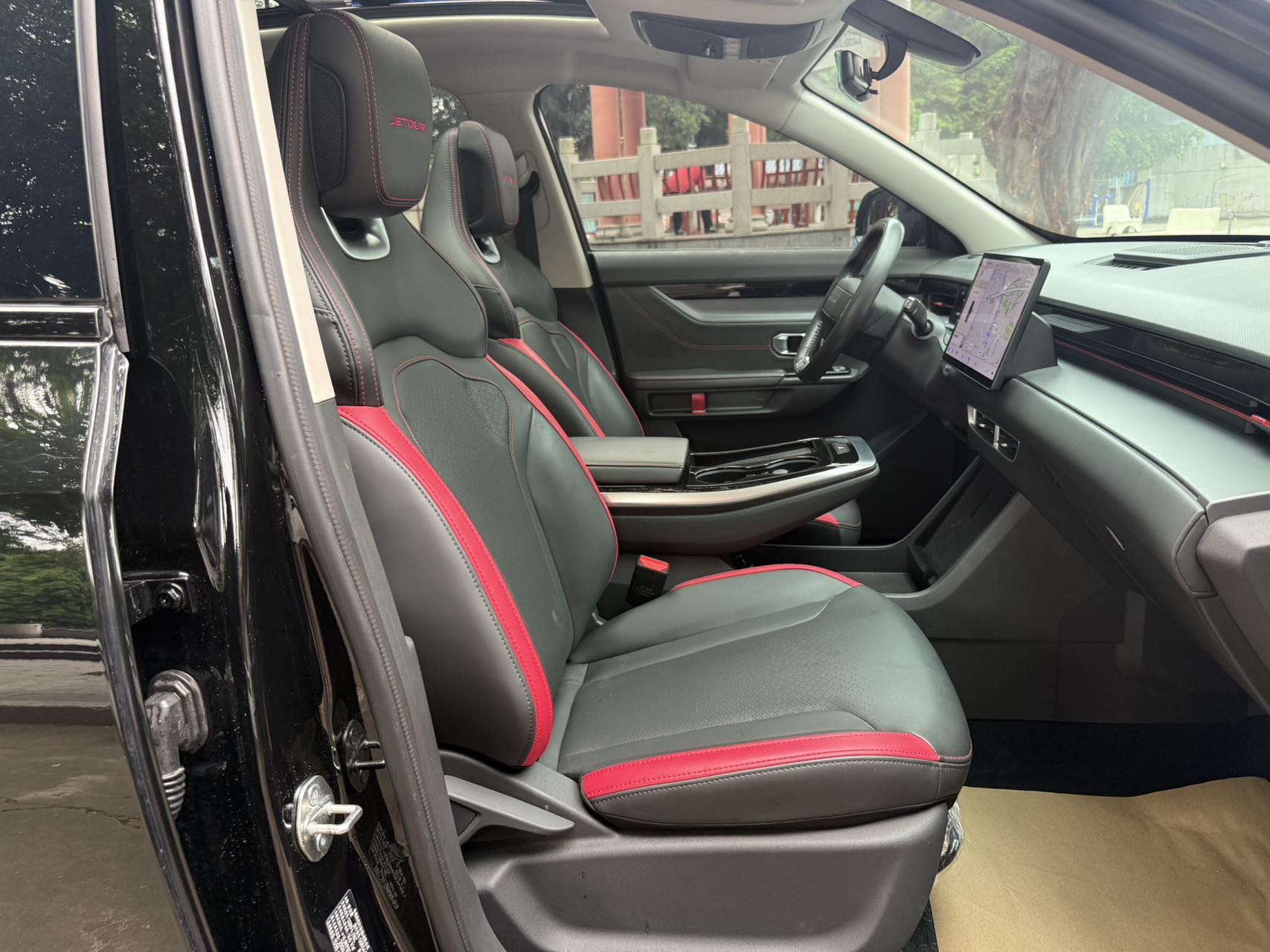
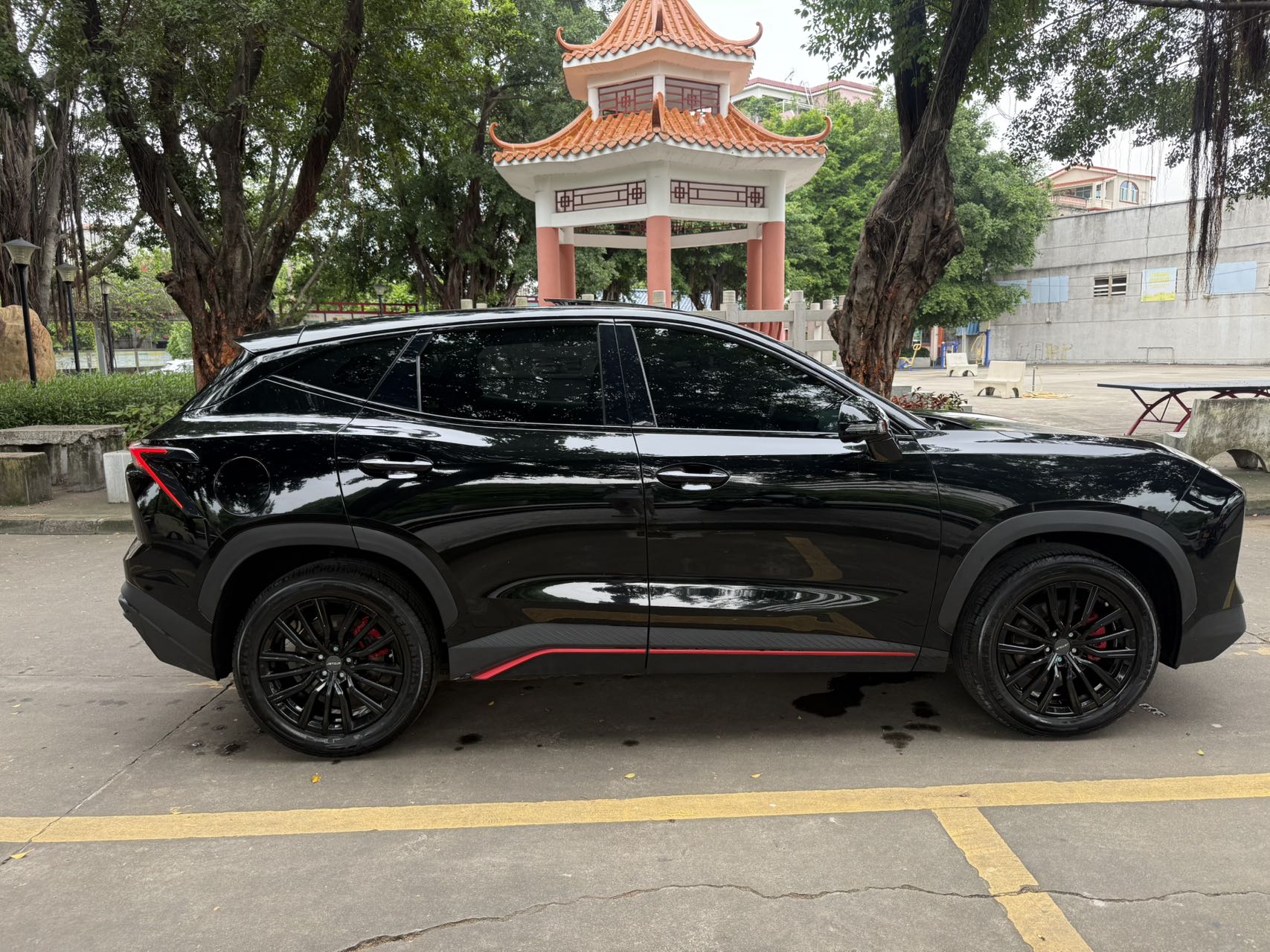
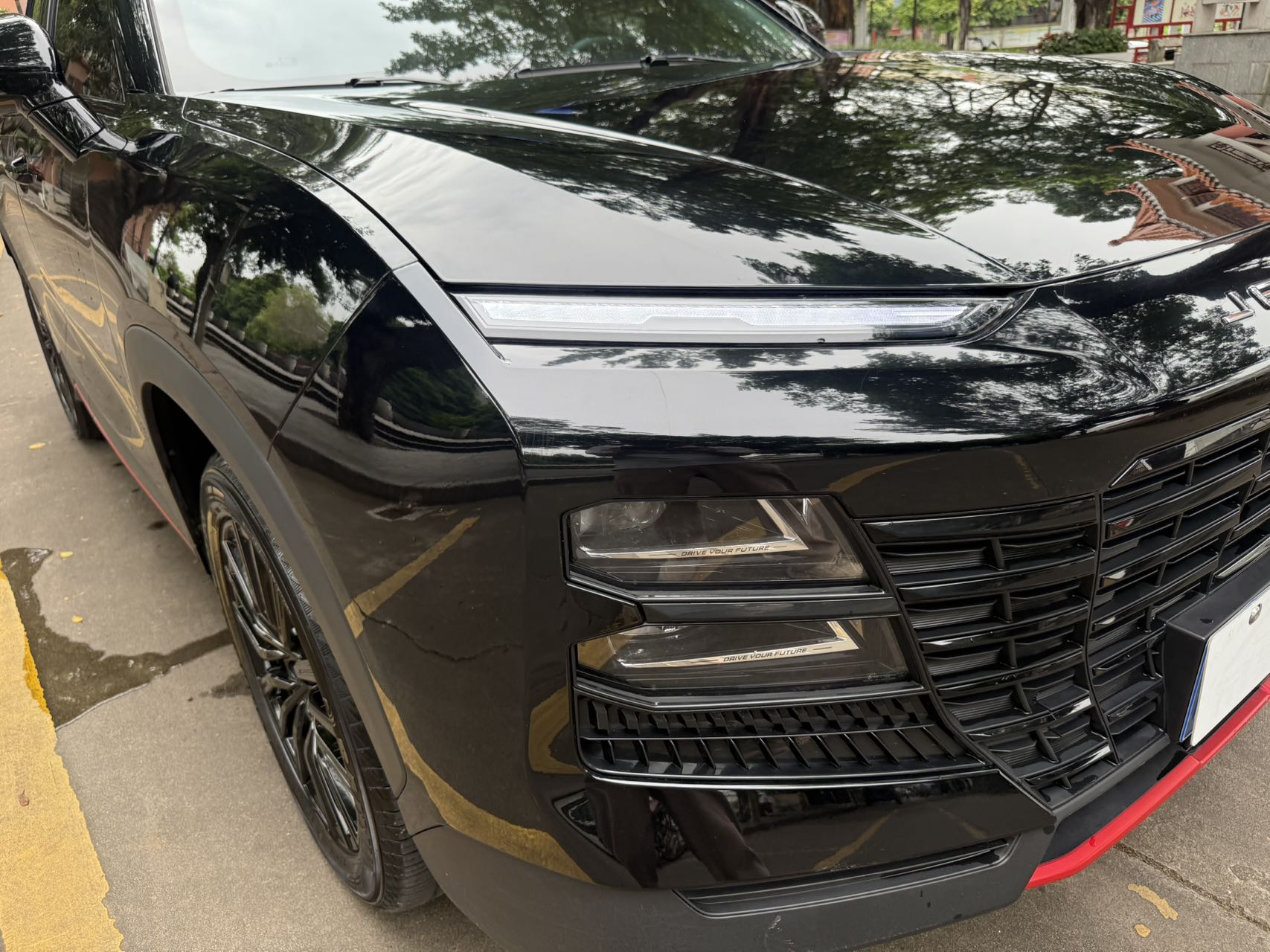
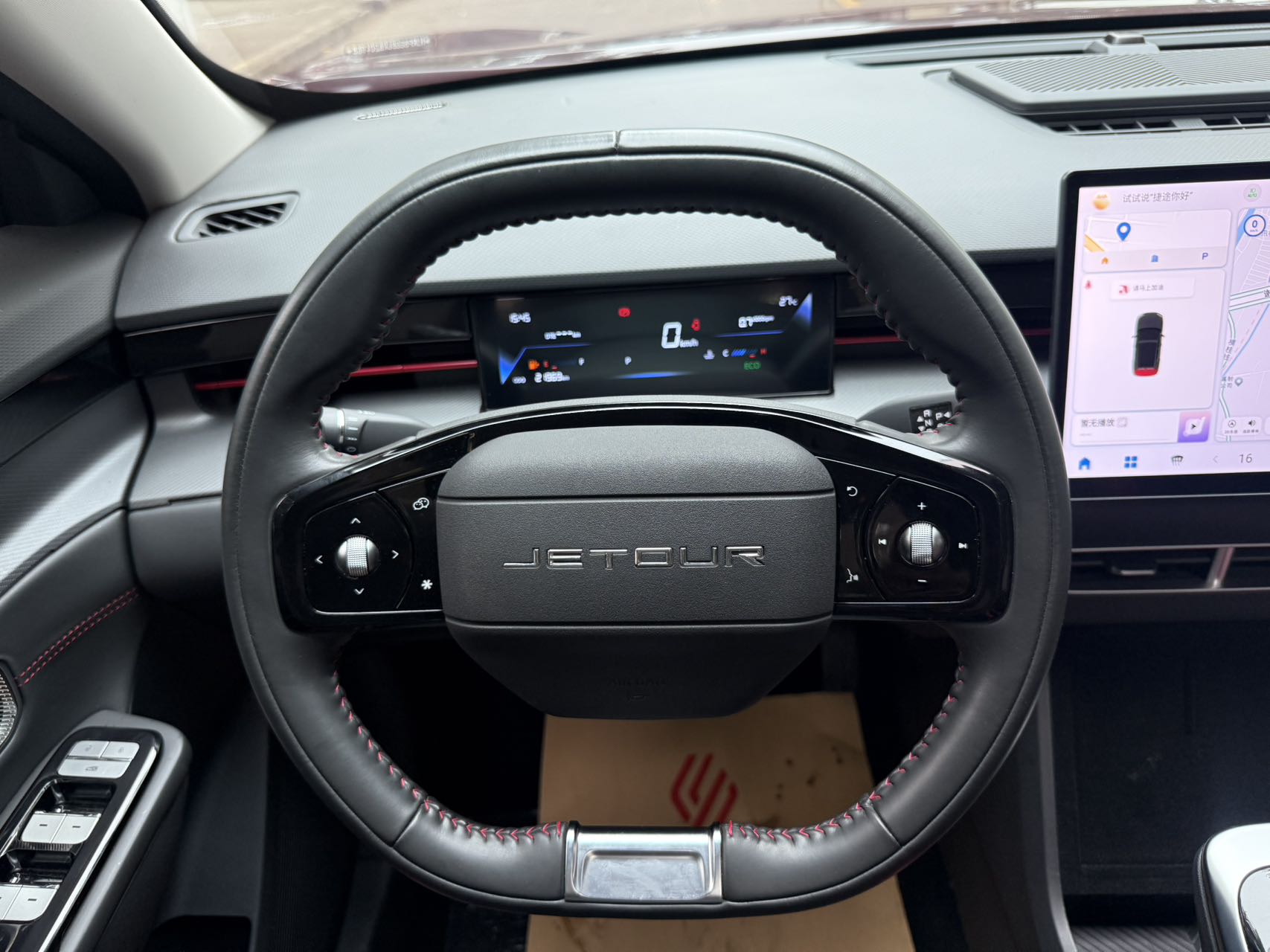
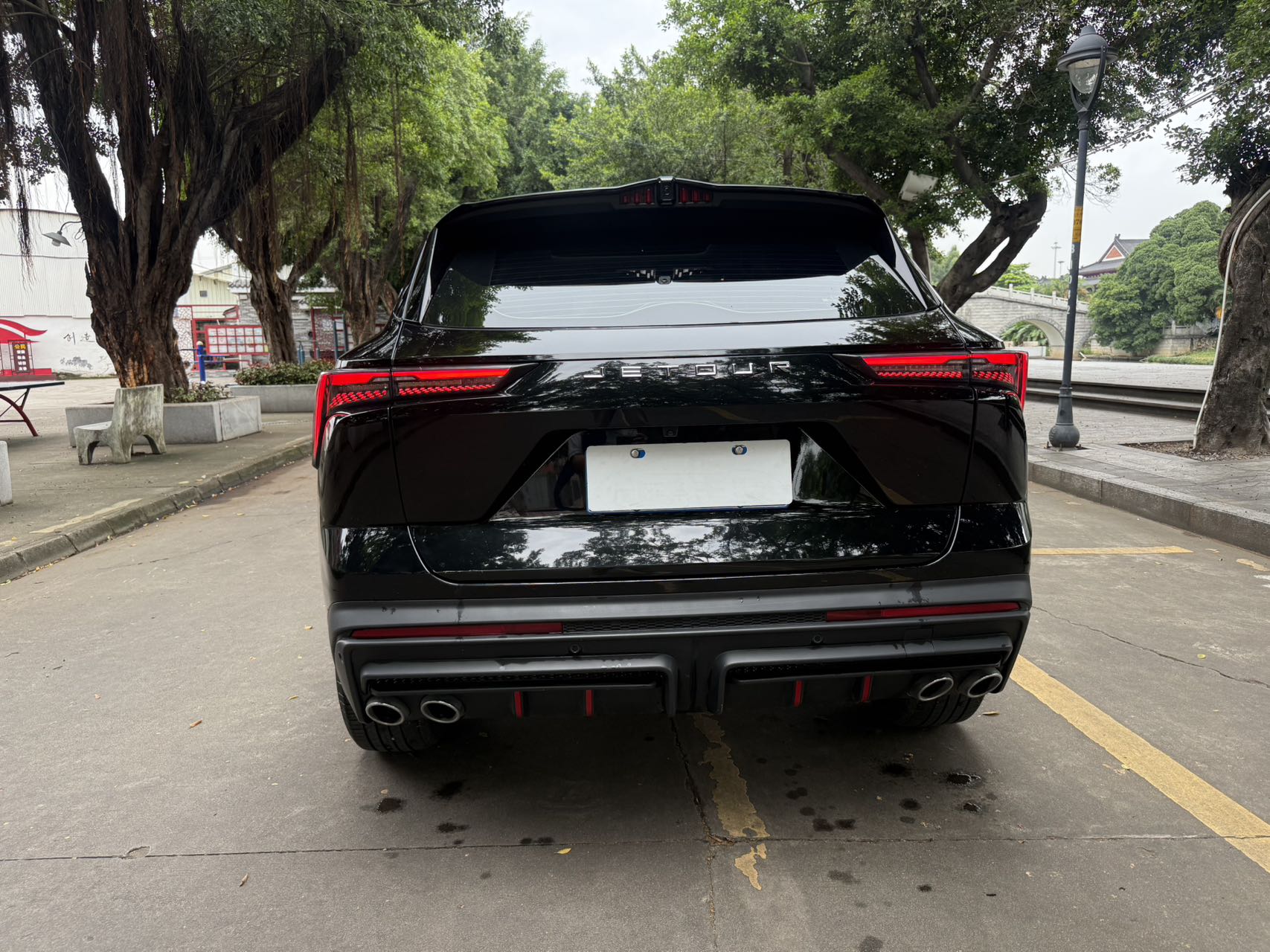
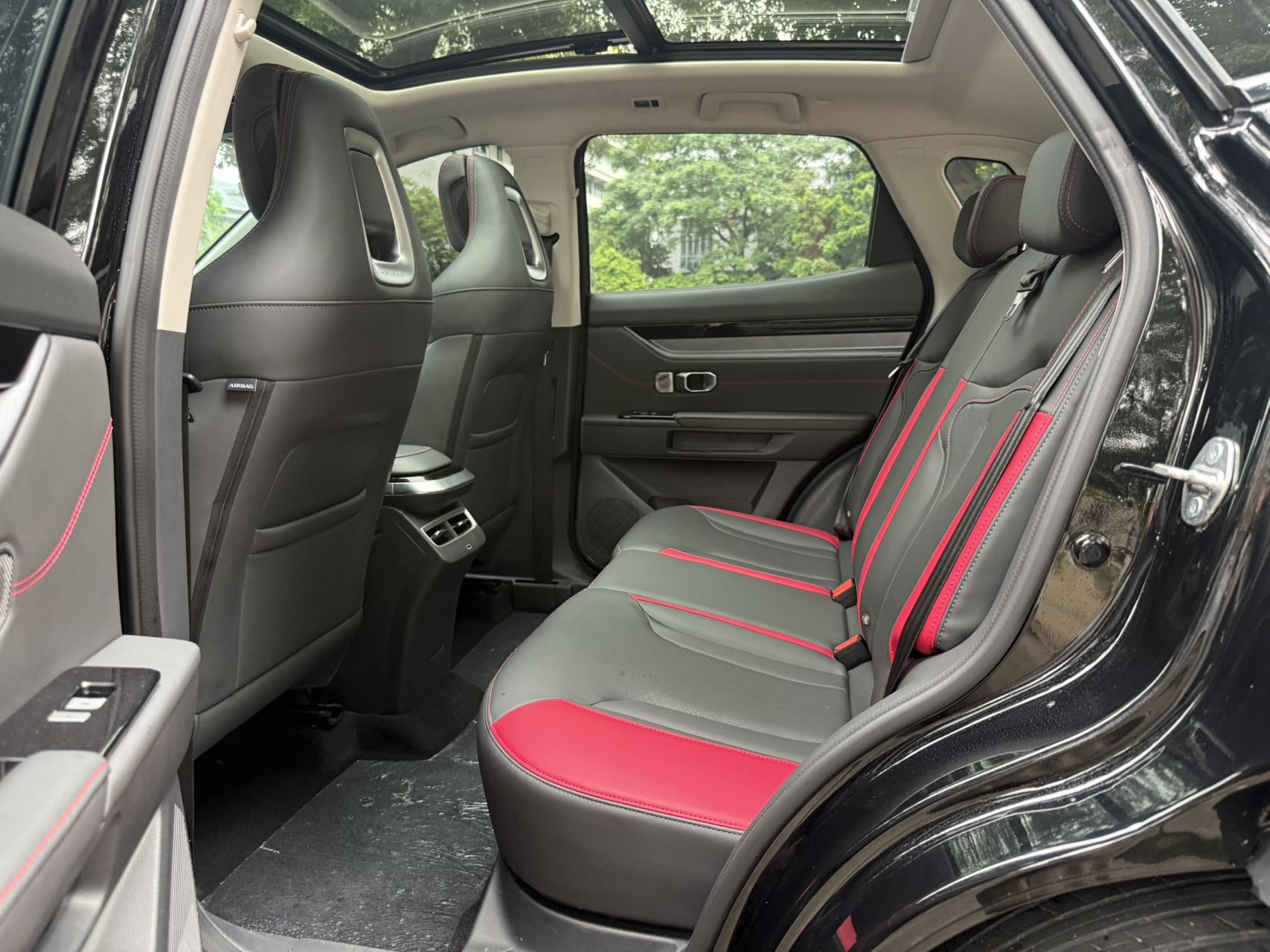
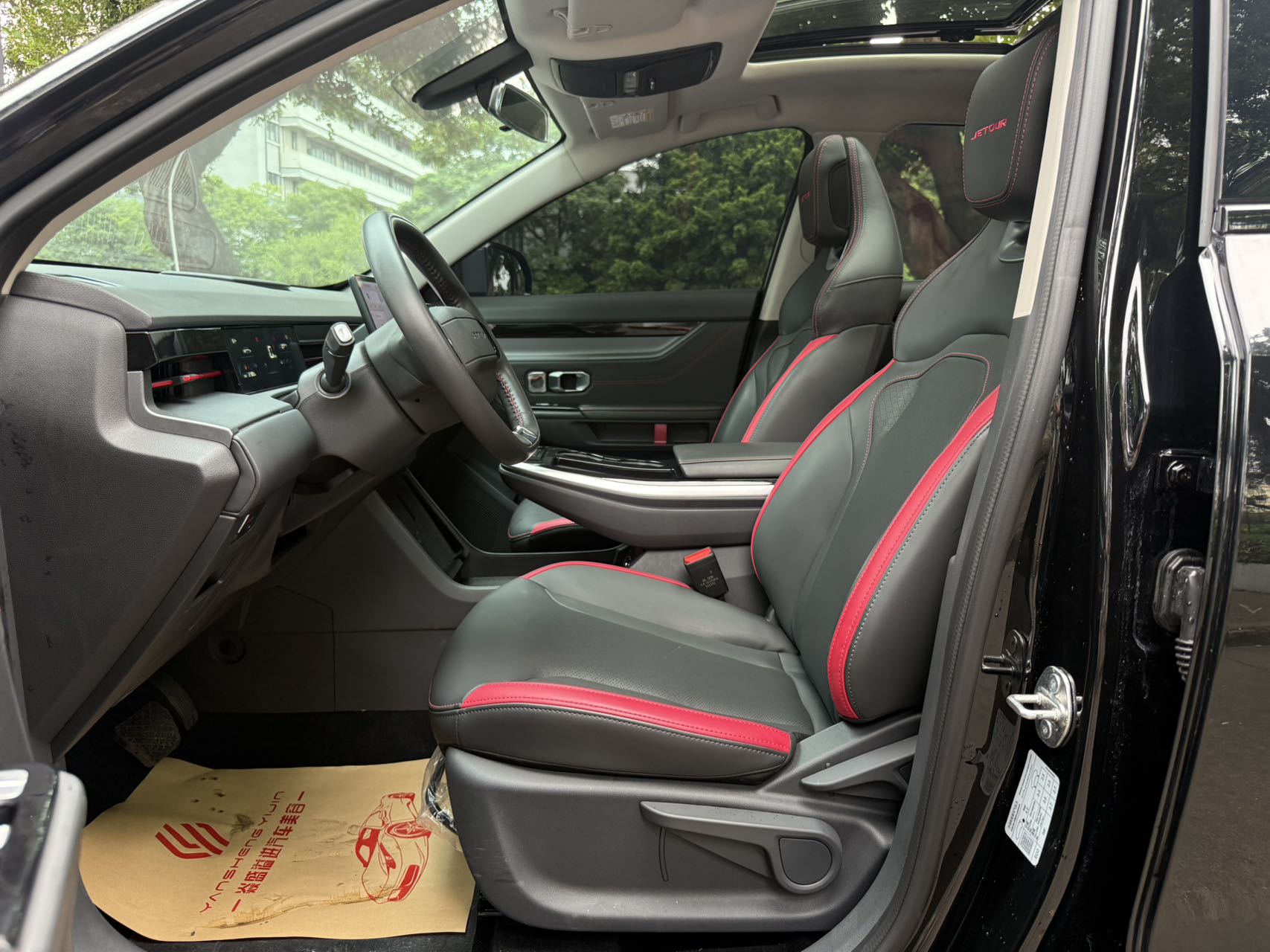
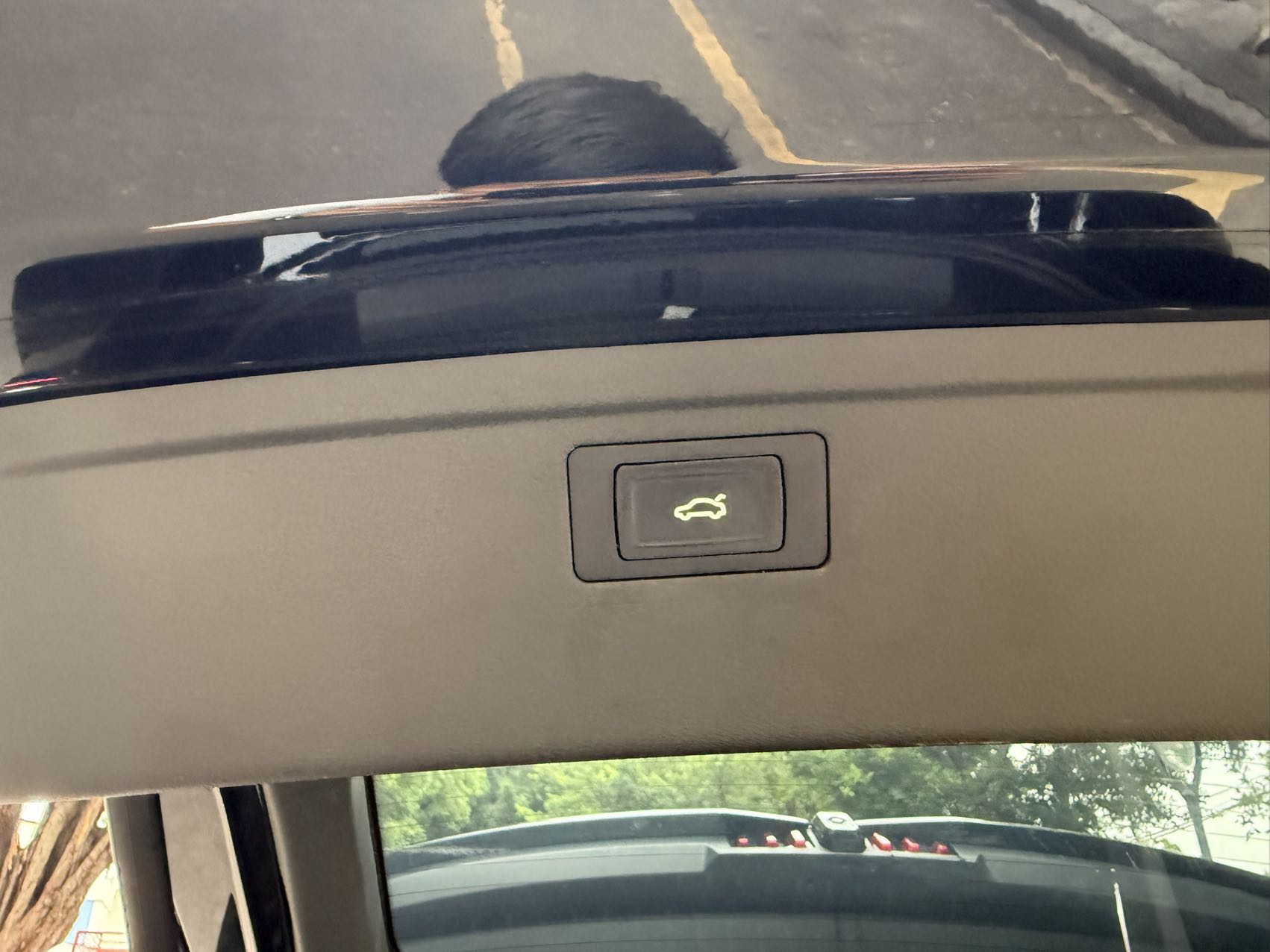
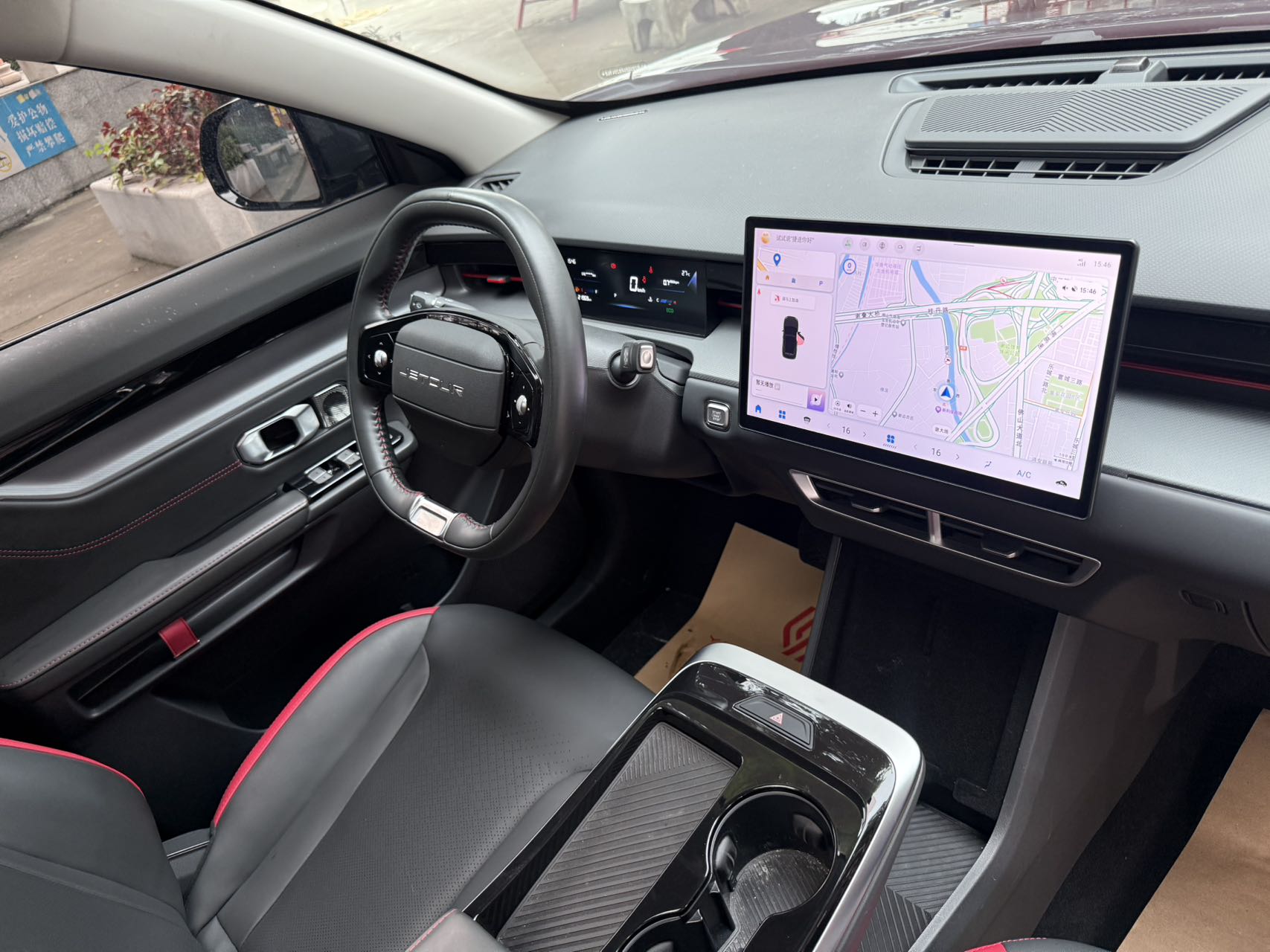
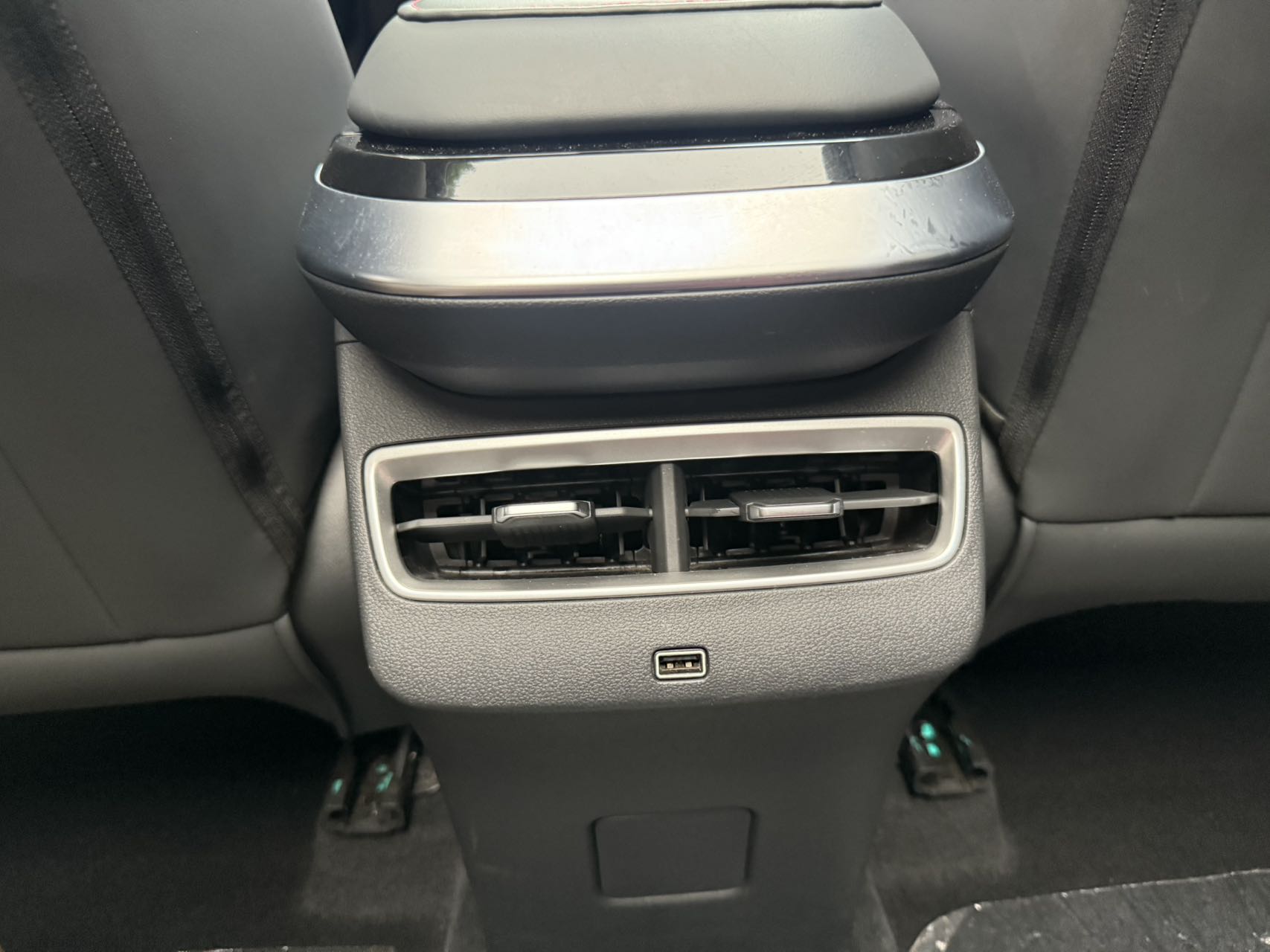
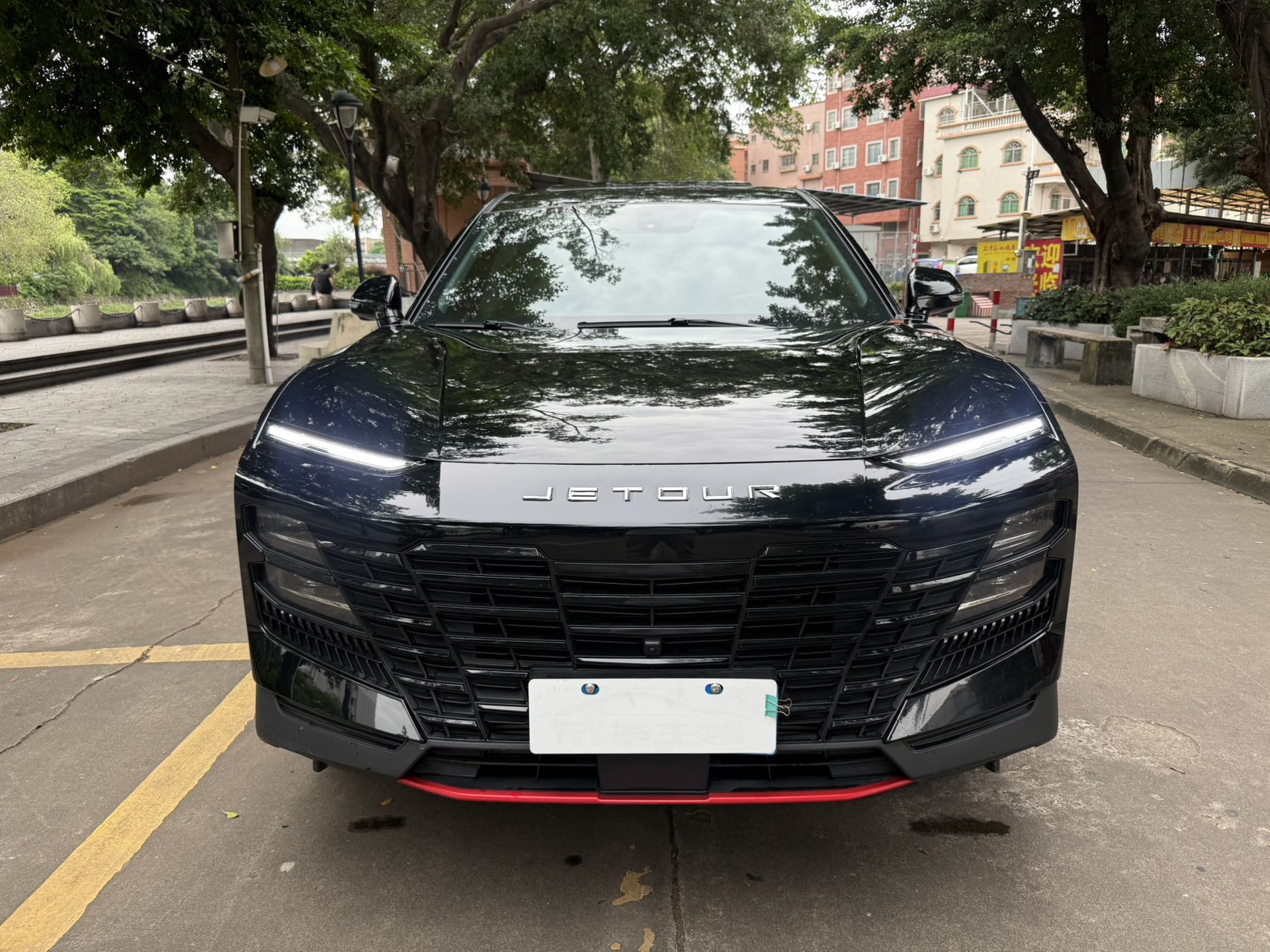
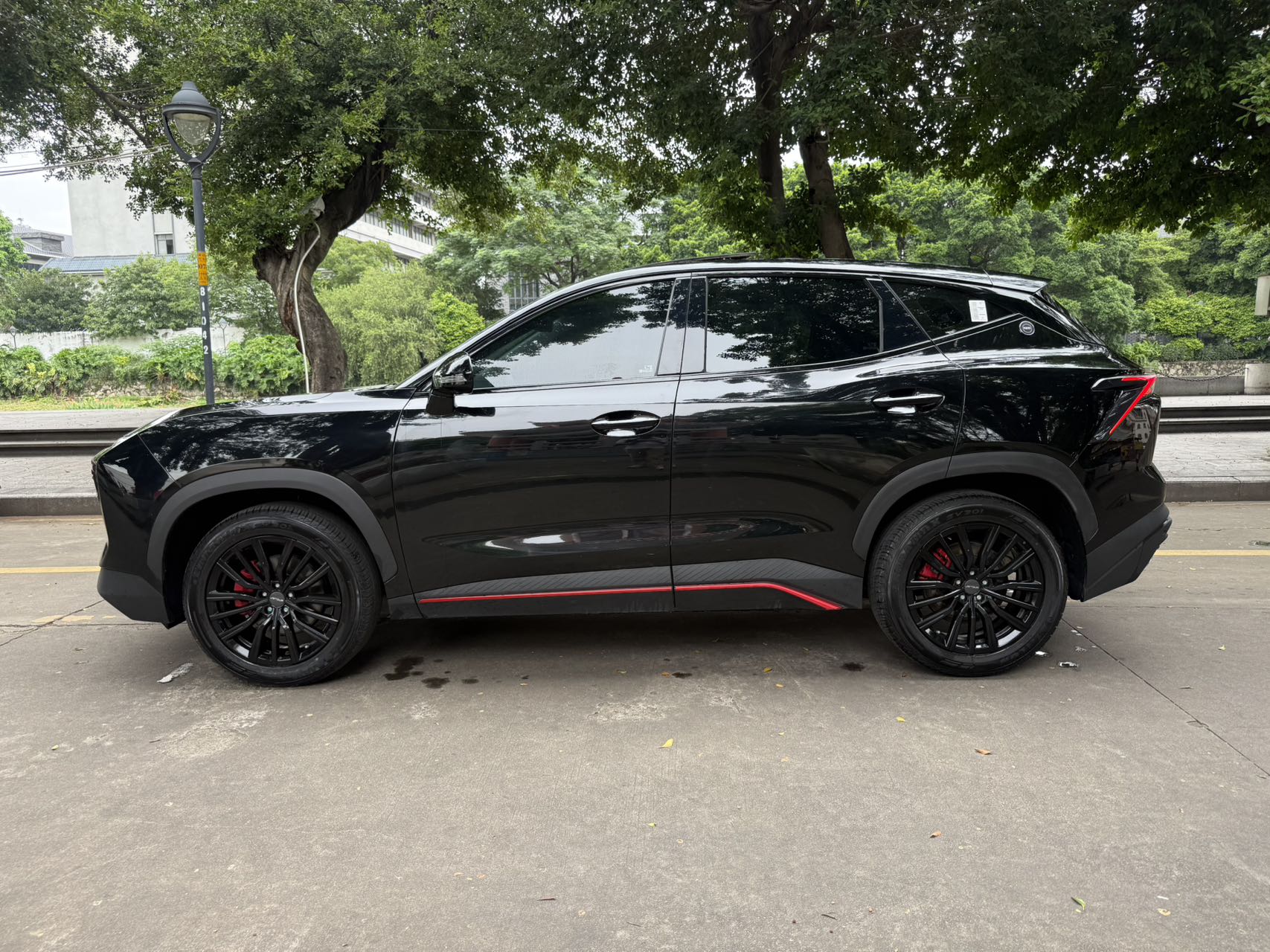
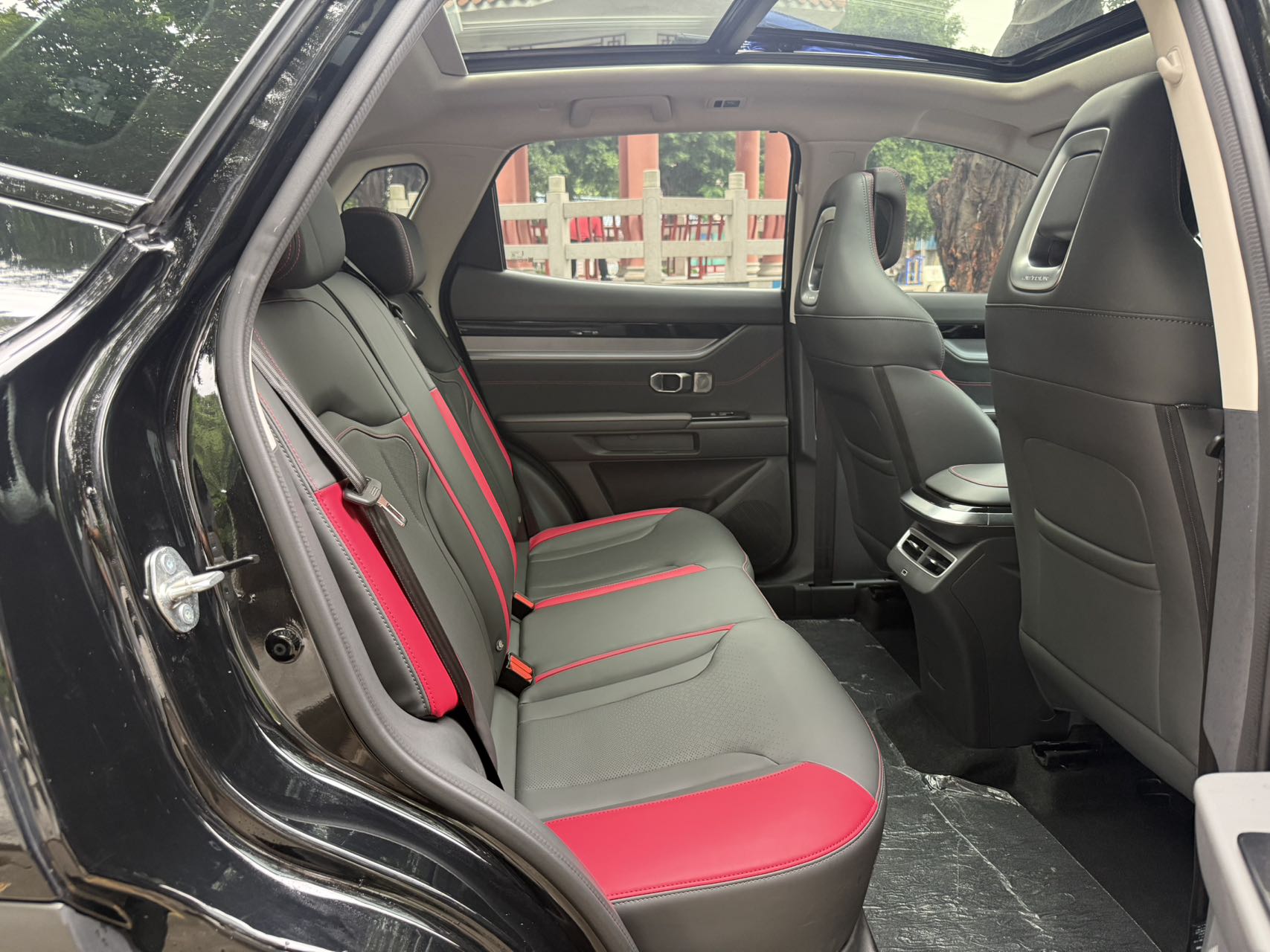
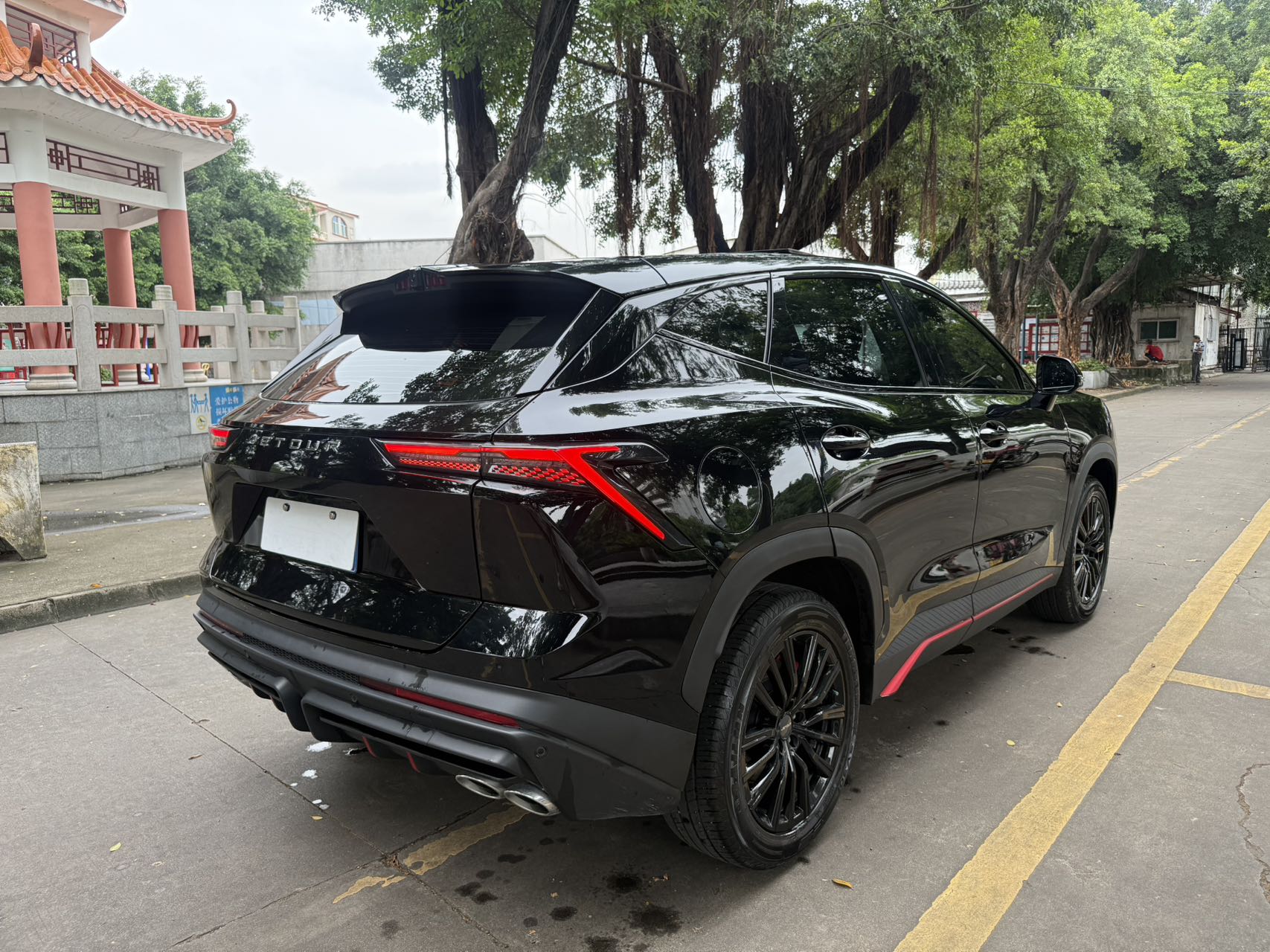
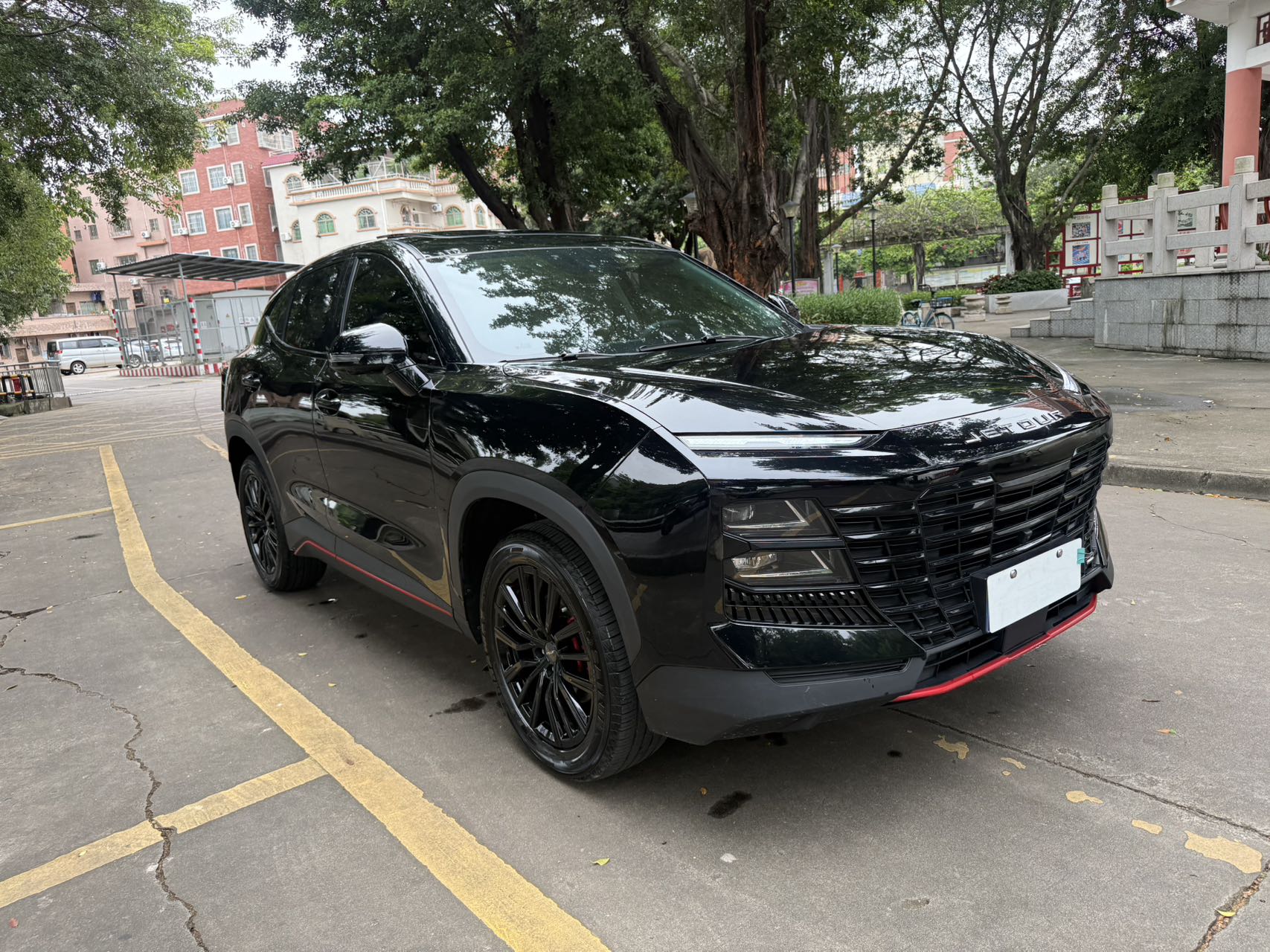



Stock

Basic Information

BrandJetour
SeriesDashing
Year2024
First Registration2024/08
Mileage21,000km
Transfer Count0times
Fuel-
Transmission-
Engine-
ColorBlack
Seats-

Condition Description

Original paint

Q&A

More

What does a professional pre-shipment inspection in China cover, and how do I book one independently of the seller?

A proper inspection covers roughly 200 checkpoints in four areas: 1. Body and paint: panel gaps, paint thickness readings, signs of accident repair. 2. Mechanical: engine health report, transmission behavior, suspension, underbody on a lift, fluid condition. 3. Electronics: full OBD diagnostic scan, airbag history, all lights and comfort features. 4. Documentation: VIN matches everywhere, no lien or seizure record. You can book directly with inspection companies in Guangzhou, Shanghai, or Tianjin (typically USD 100–250) without going through the seller—give them the yard address and car details, and they send a report with photos and video within 1–2 days. Pay the inspection fee yourself so the inspector answers to you, not the exporter.


Will there be a thorough inspection of the aging and damaged wiring harness of older vehicles to prevent spontaneous combustion?

For older vehicles or those used in high temperature and humidity areas, we will focus on opening the hood to check if the insulation of the wiring harness in the high-temperature area of the engine compartment is cracked or brittle, to identify potential short circuit risks that could lead to spontaneous combustion.

Does a used car have to be deregistered in China before export, and what proof should I receive?

Yes. Chinese regulations require every exported used car to be officially deregistered before shipment: 1. The exporter transfers the vehicle title locally and takes it off the domestic registration system, then obtains an export license for that specific vehicle. 2. You should receive the deregistration proof together with the export declaration and a copy of the export license. 3. At destination customs, these documents may be requested together with the bill of lading, commercial invoice, packing list and certificate of origin. Keep scanned copies of everything and have the originals couriered to you before the vessel arrives. If any document is missing at the destination port, clearance can be delayed for weeks while storage fees accumulate daily.