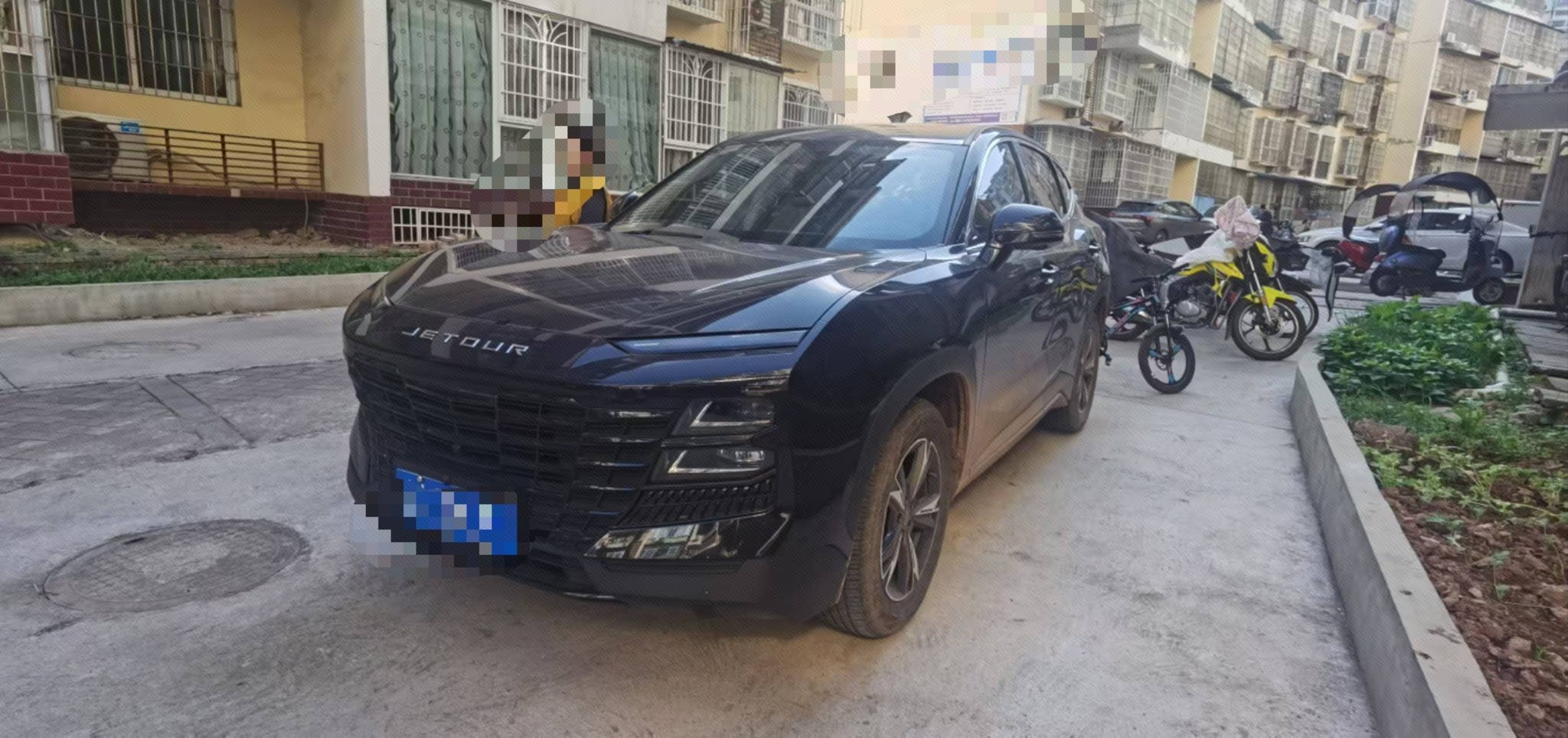
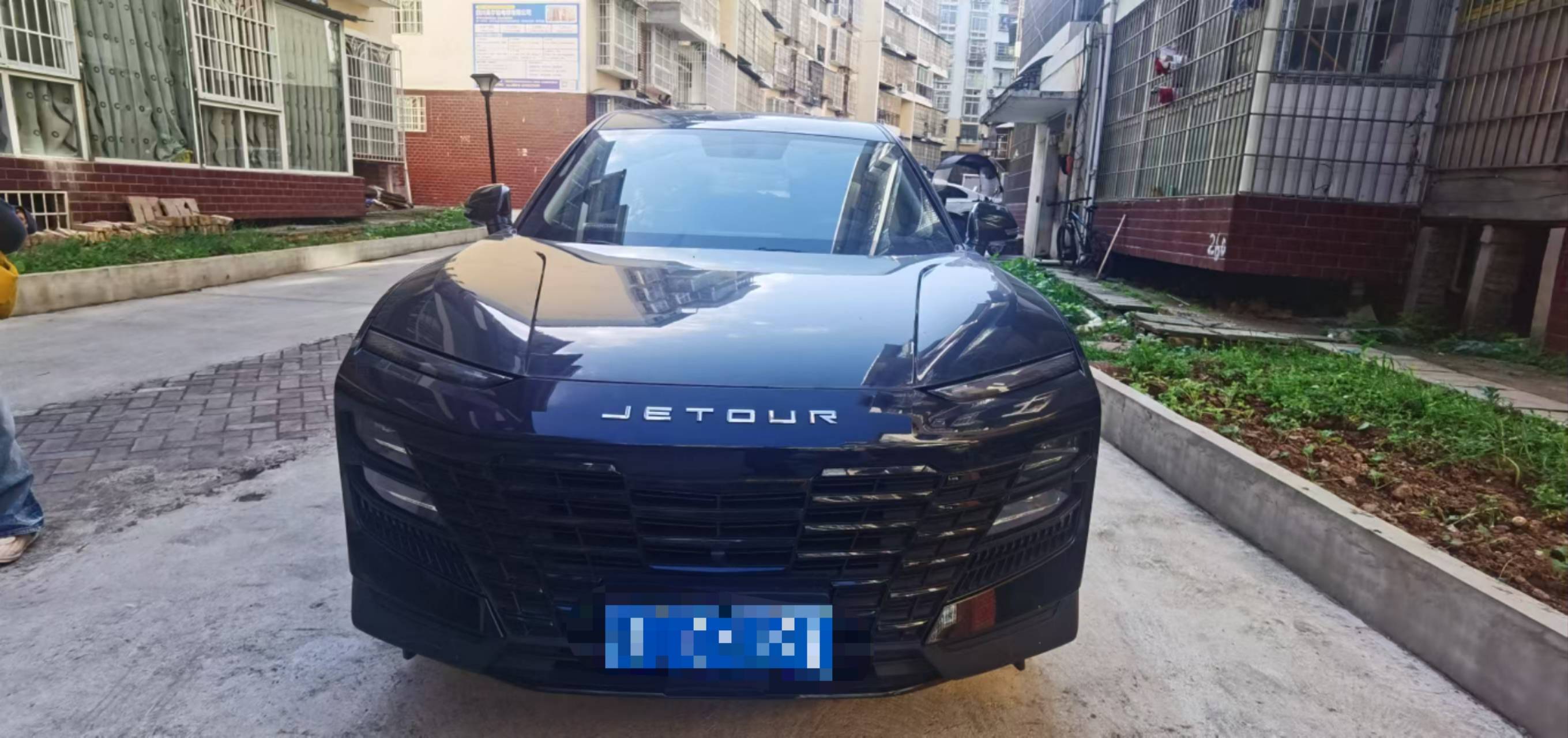
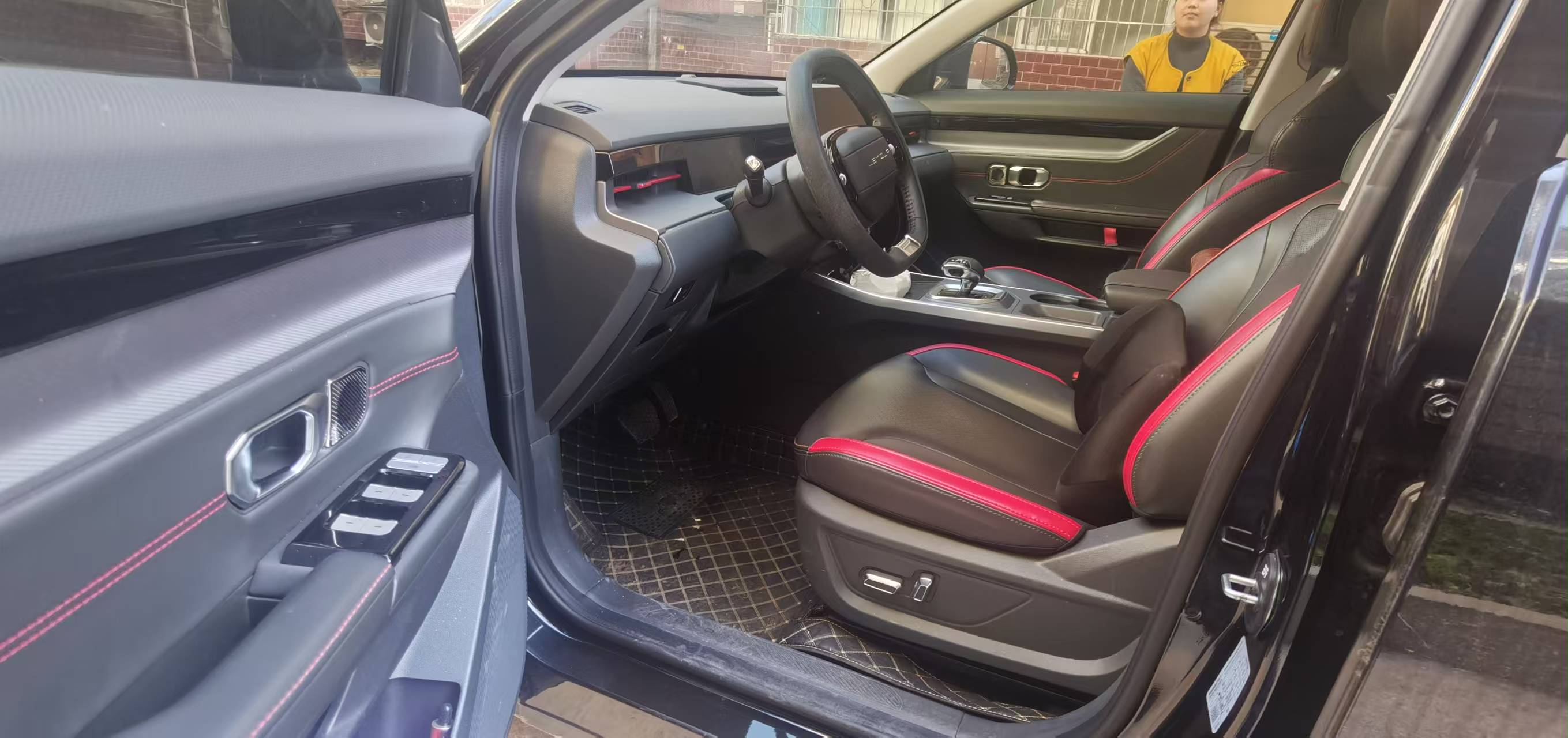
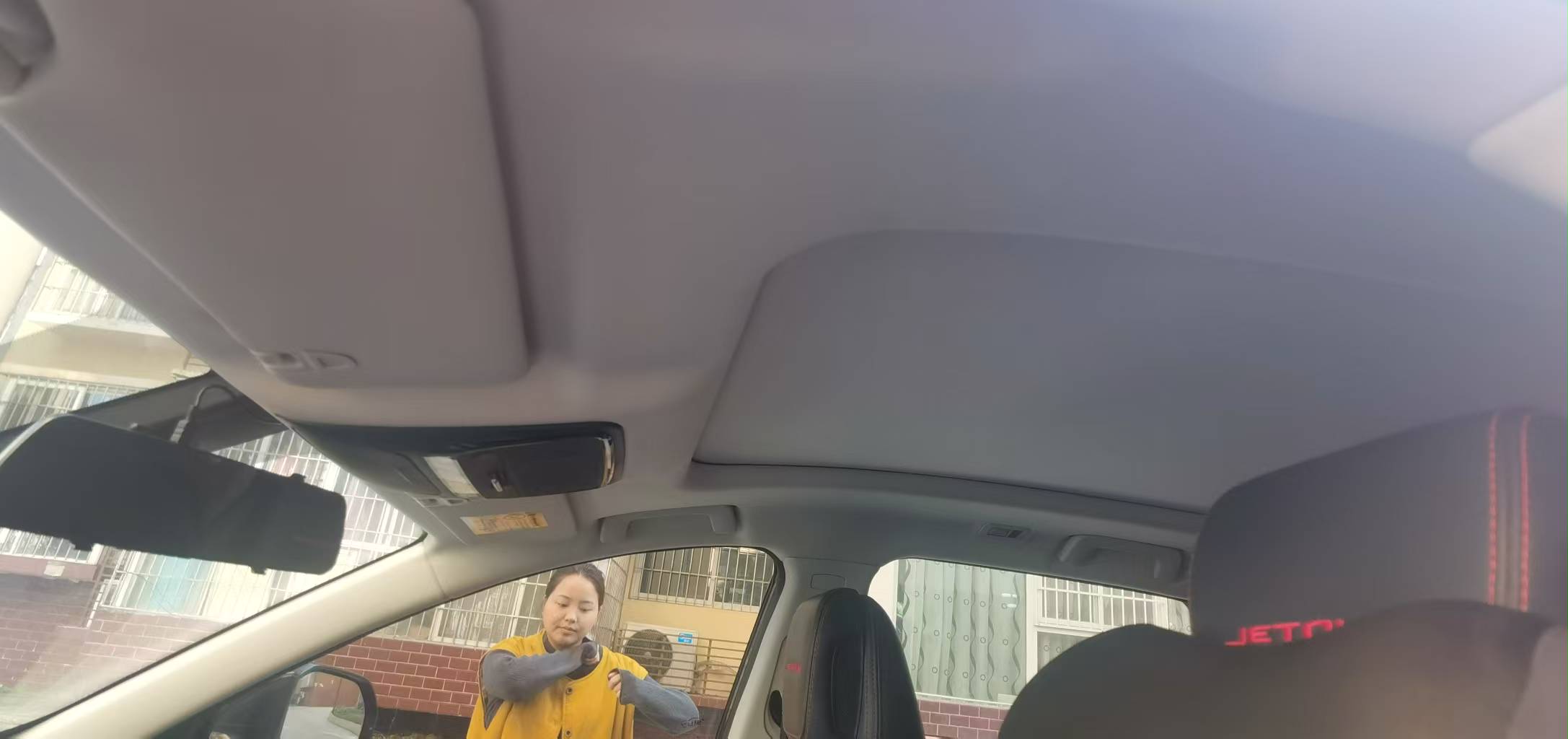
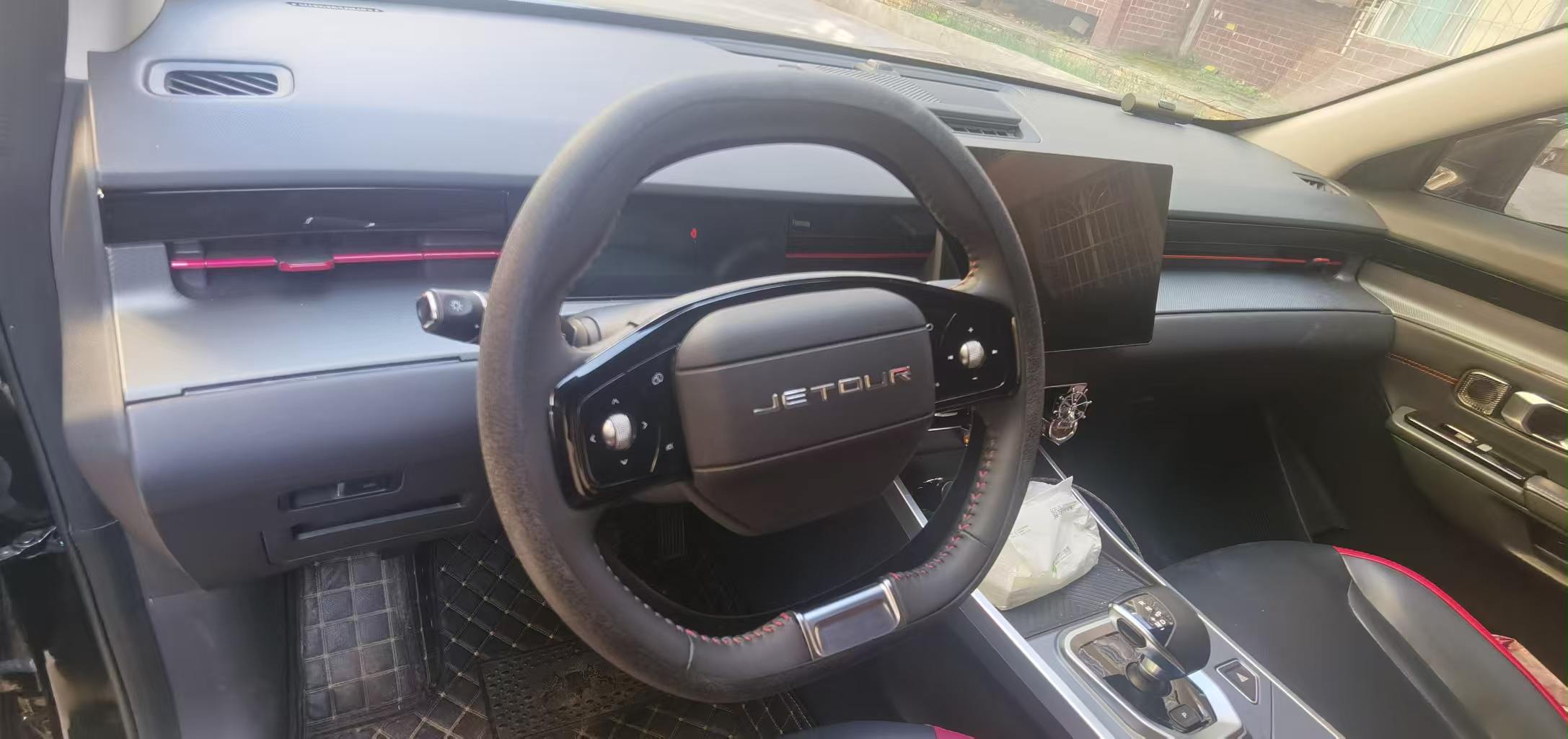
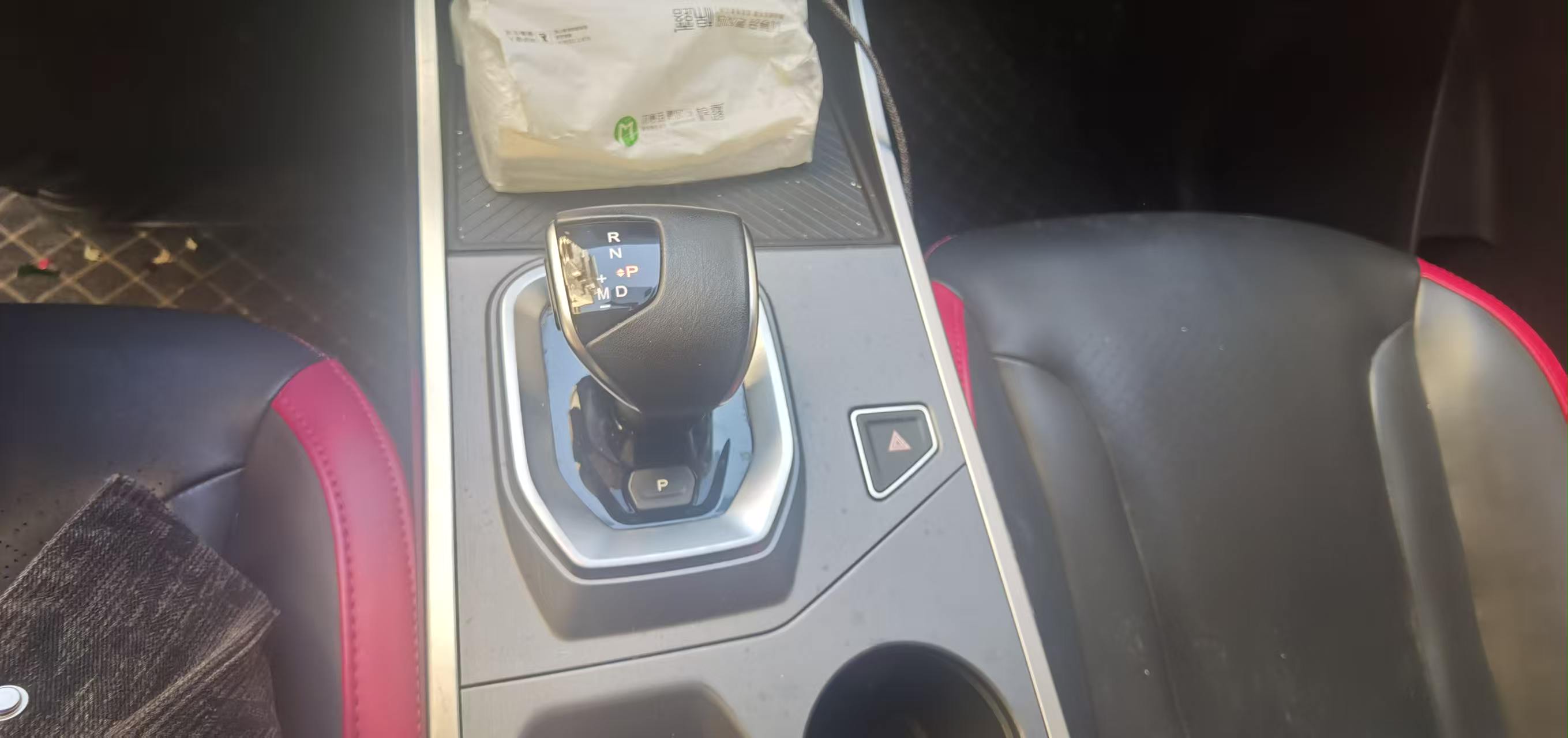
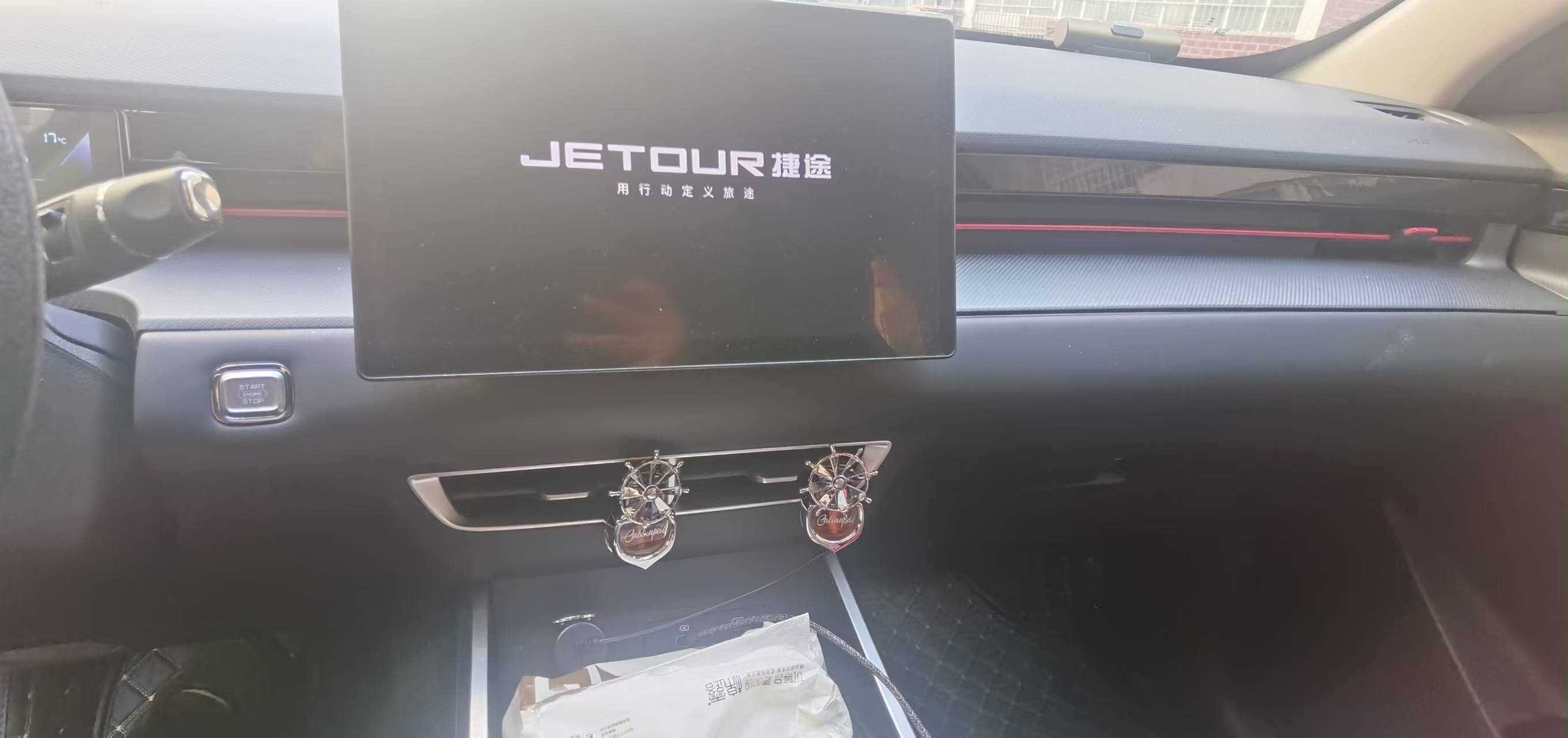
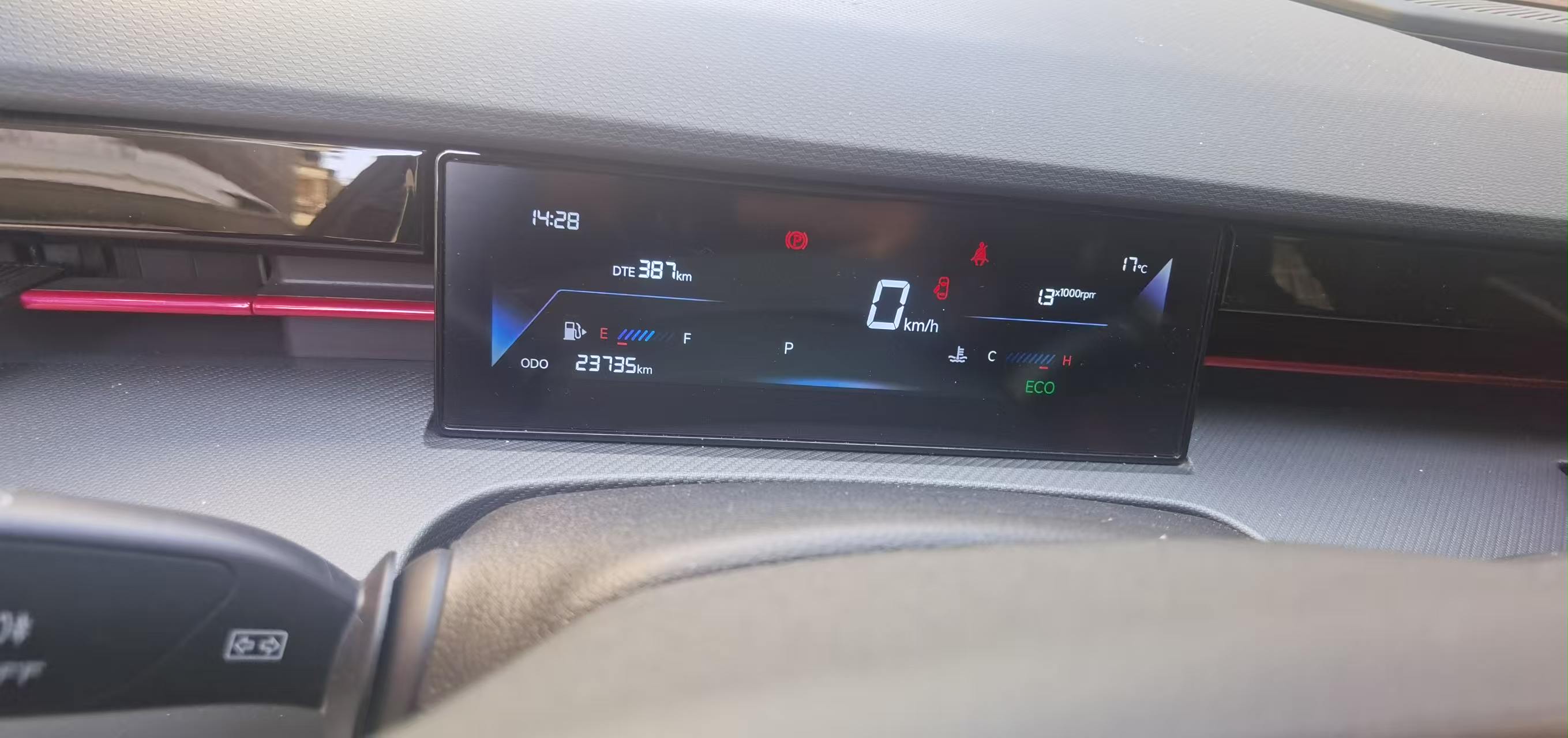
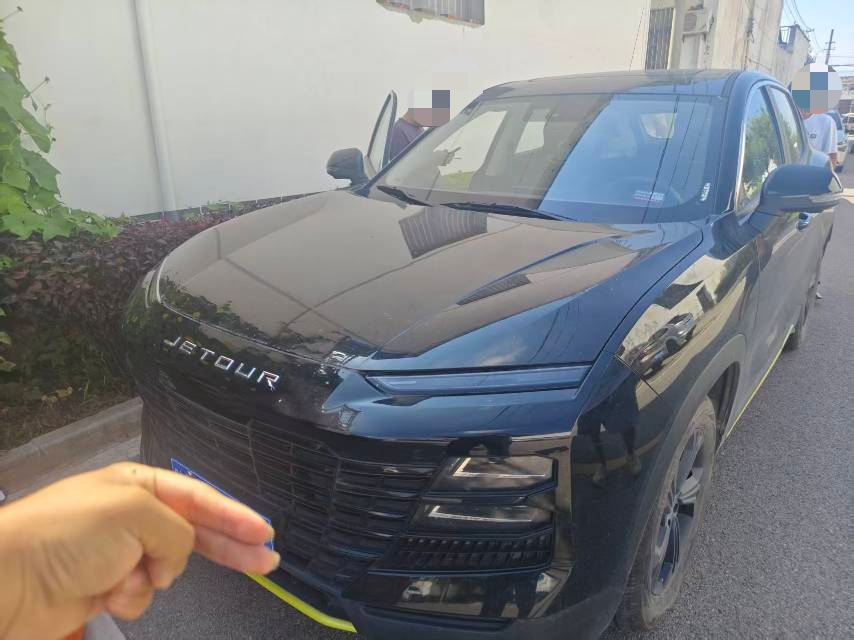
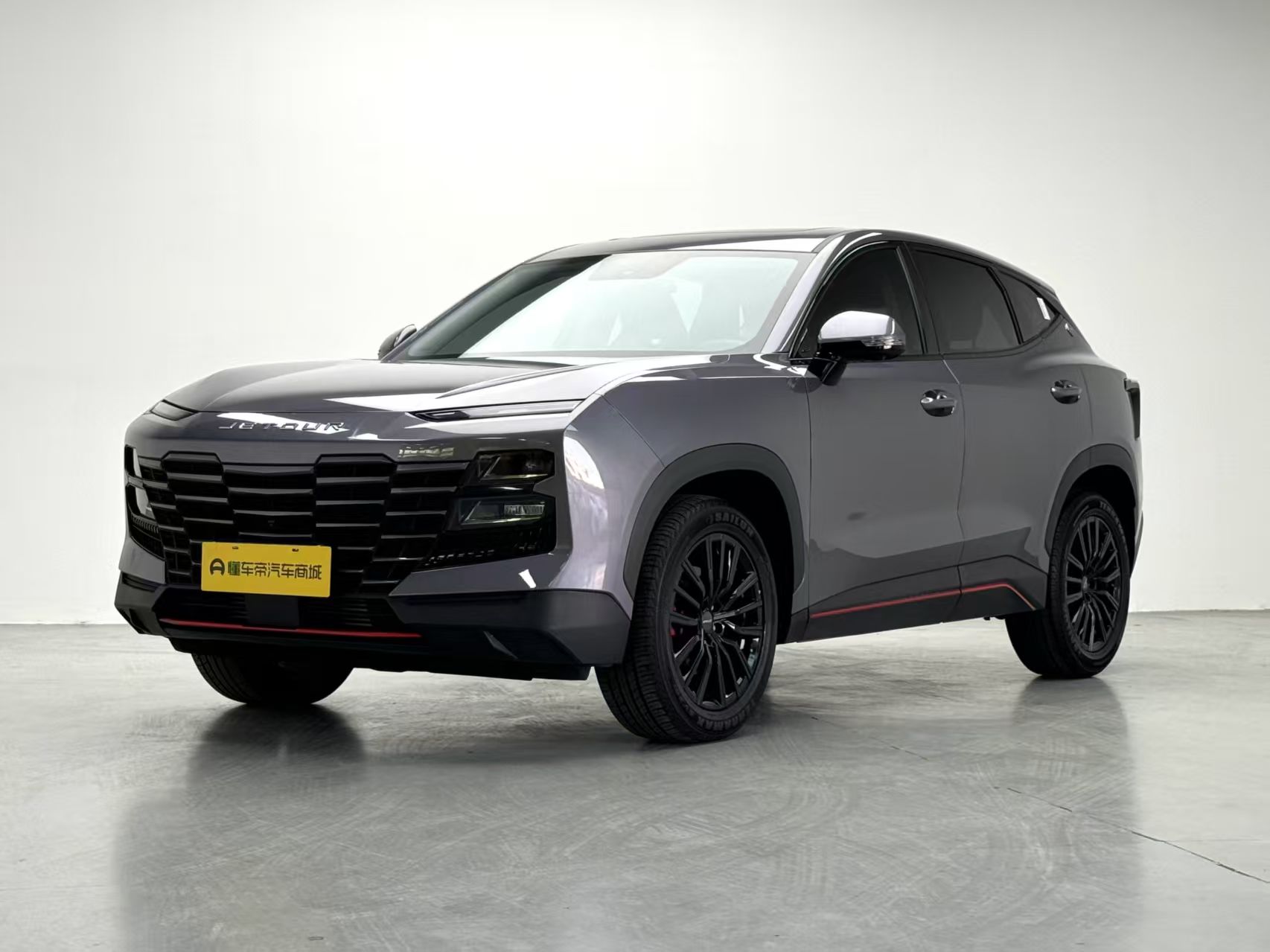
Basic Information

BrandJetour
SeriesDashing
Year2024
First Registration2024/05
Mileage23,700km
Transfer Count0times
FuelGasoline
TransmissionDCT
Engine1.5T 156 L4
ColorBlack
Seats5seats

Condition Description

Original paint. Investment needed: one rear bumper.

Document Information

Inspection Expiry Date-
Warranty Expiry Date-
Insurance Expiry Date2027/05

Q&A

More

Has this vehicle been regularly maintained within the specified mileage and time?

We can only infer from the existing connected maintenance records. If the records show continuity and adhere to the recommended maintenance schedule, we will assign a high credit score; if there are gaps of tens of thousands of kilometers, we will assume it was not well maintained during that period and alert you.

How can I judge the real condition of the tires and suspension of a used Chinese car from photos and video?

Photos and video can reveal a lot if you know what to ask for. Tires: ask for close-ups of all four tire sidewalls showing the DOT date code—the last four digits are the week and year of manufacture. Tires older than 5-6 years should be replaced or discounted, even with good tread. Uneven wear (more worn on one edge or one side) suggests alignment or suspension problems. Suspension: ask the seller to shoot a short video while slowly driving over a speed bump or rough pavement, and listen for clunks and rattles. During the walkaround, look at the ride height: if one corner sits lower, a shock absorber may be worn. Also check for fresh underbody paint or brand-new shocks on an otherwise original car—this can hide accident damage. For anything uncertain, a paid pre-purchase inspection at a local shop is worth the cost.

What should a purchase contract with a Chinese used-car exporter include to protect me?

A solid contract is your main protection in a cross-border deal. It should specify: 1. Vehicle identification: VIN, year, mileage, trim level, and photos of the actual car appended as an annex — not just「a 2021 Toyota」. 2. Condition guarantees: no accident, no flood or fire damage, no structural repairs, supported by a third-party inspection report referenced in the contract. 3. Price and Incoterm: total amount, currency, the named port, and whether freight and insurance are included. 4. Payment schedule: e.g., 20–30% deposit after contract signing, balance against copy of the Bill of Lading. Avoid 100% upfront. Use T/T to the company's corporate bank account only — never a personal account. 5. Timeline: inspection date, estimated loading date, and latest shipment date, with remedies if delayed. 6. Dispute clause: governing law and arbitration (CIETAC or your local chamber) rather than foreign court litigation. Ask for the contract in English (or bilingual) with the supplier's company chop. A company that refuses a written contract or pushes for full prepayment is a red flag.