Stock

Basic Information

BrandJetour
SeriesDashing
Year2024
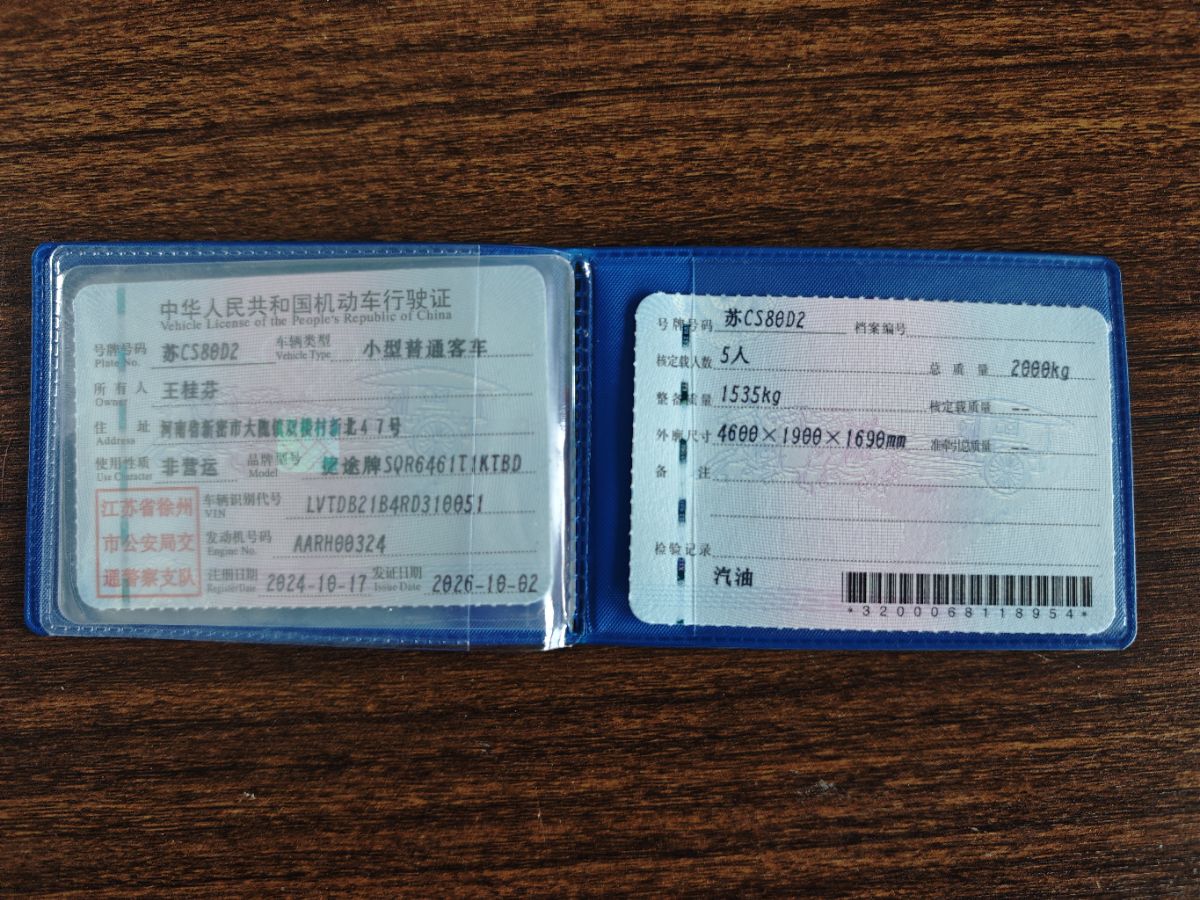
First Registration2024/10
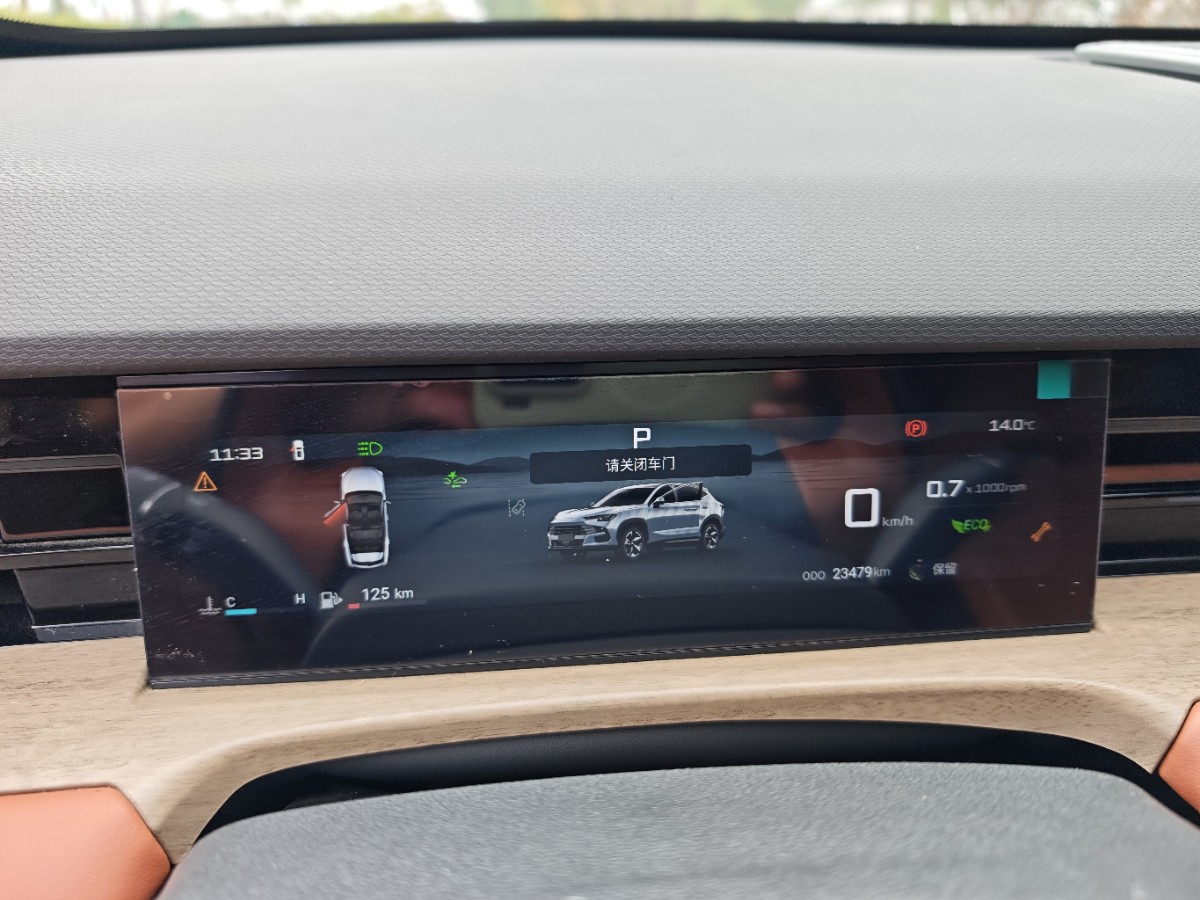
Mileage23,000km
Transfer Count1times
FuelGasoline
TransmissionDCT
Engine1.5T 184 L4
ColorGrey
Seats5seats

Condition Description

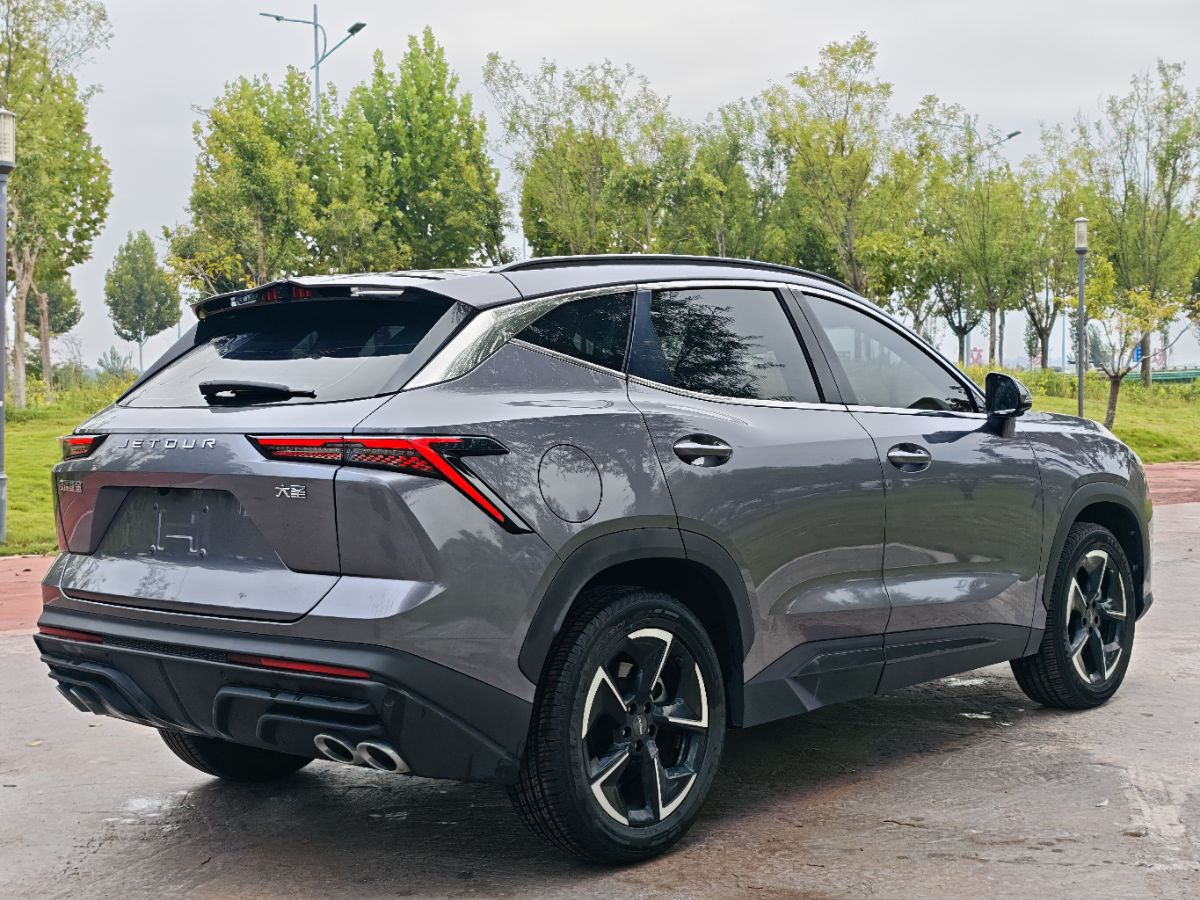
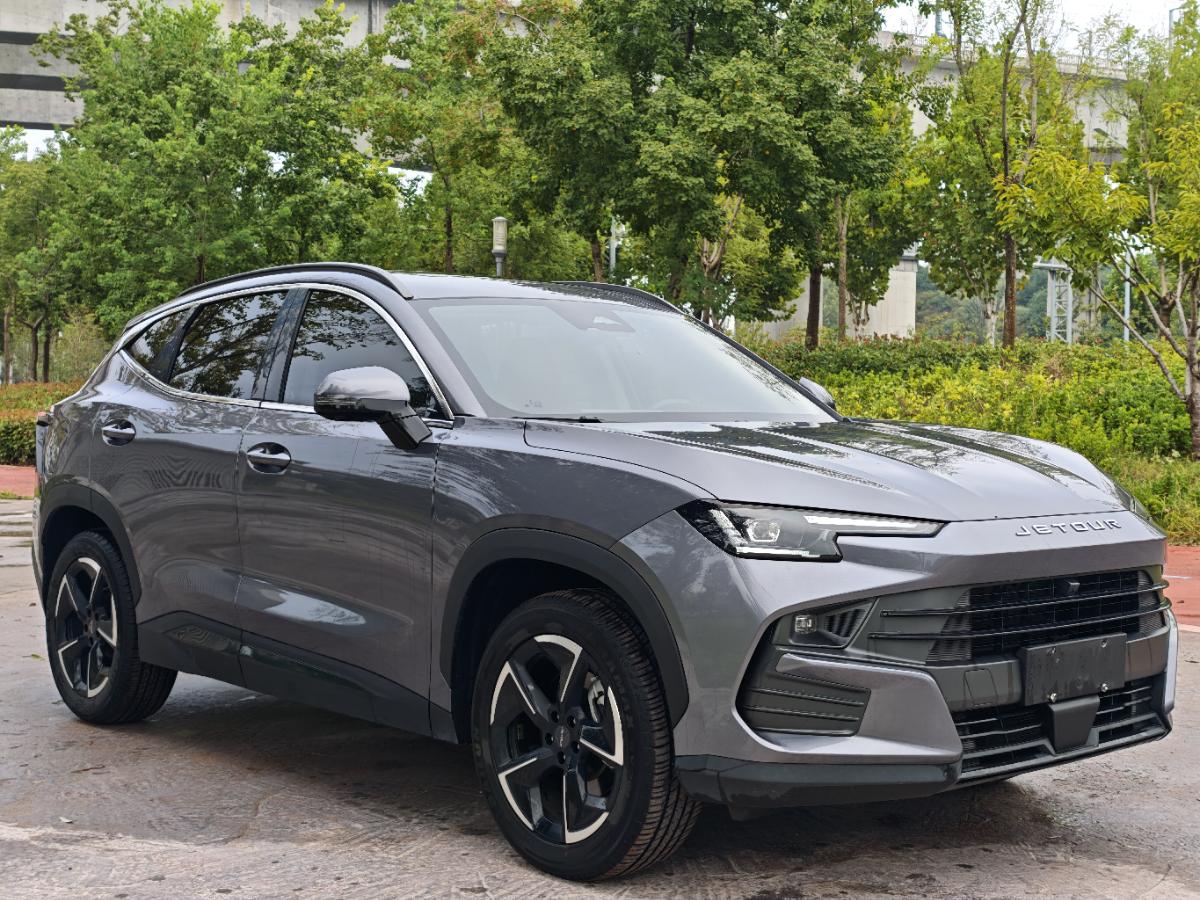
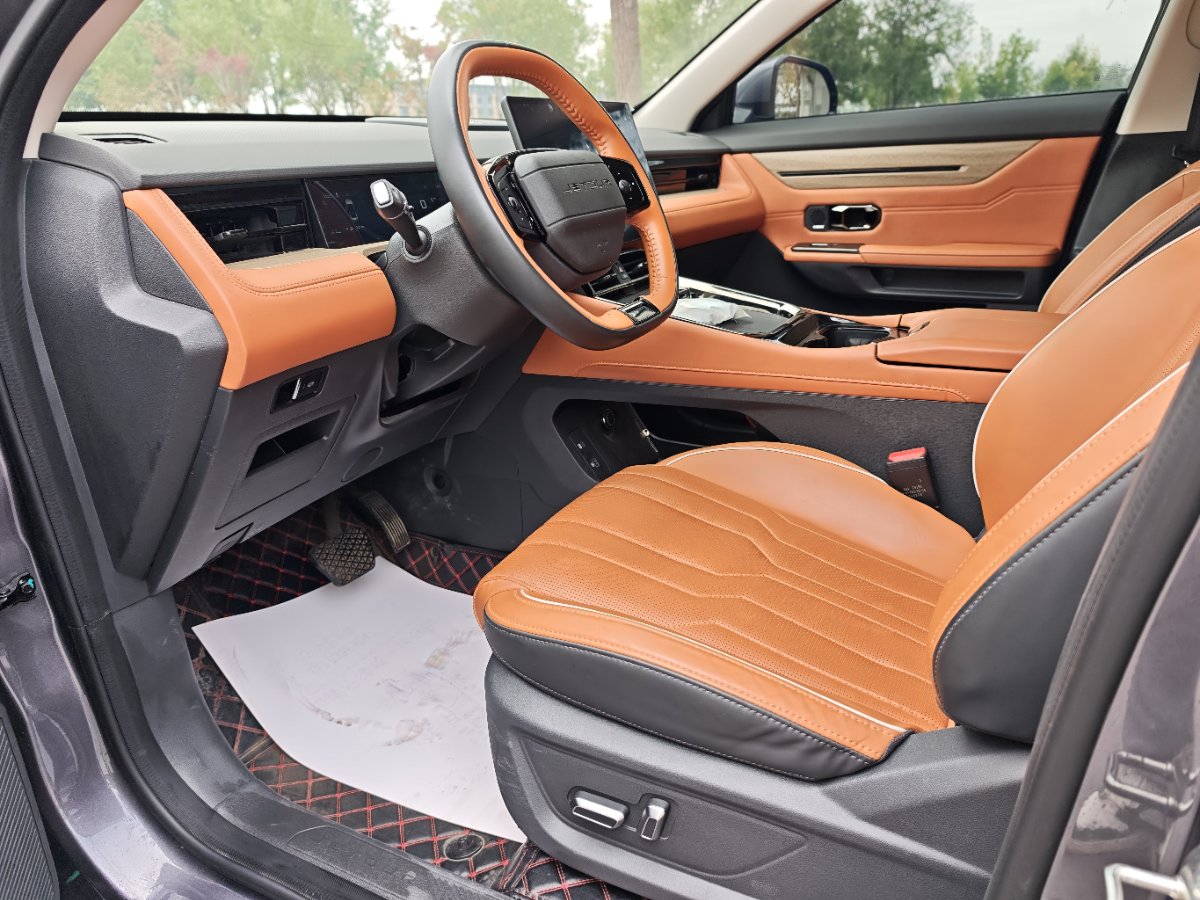
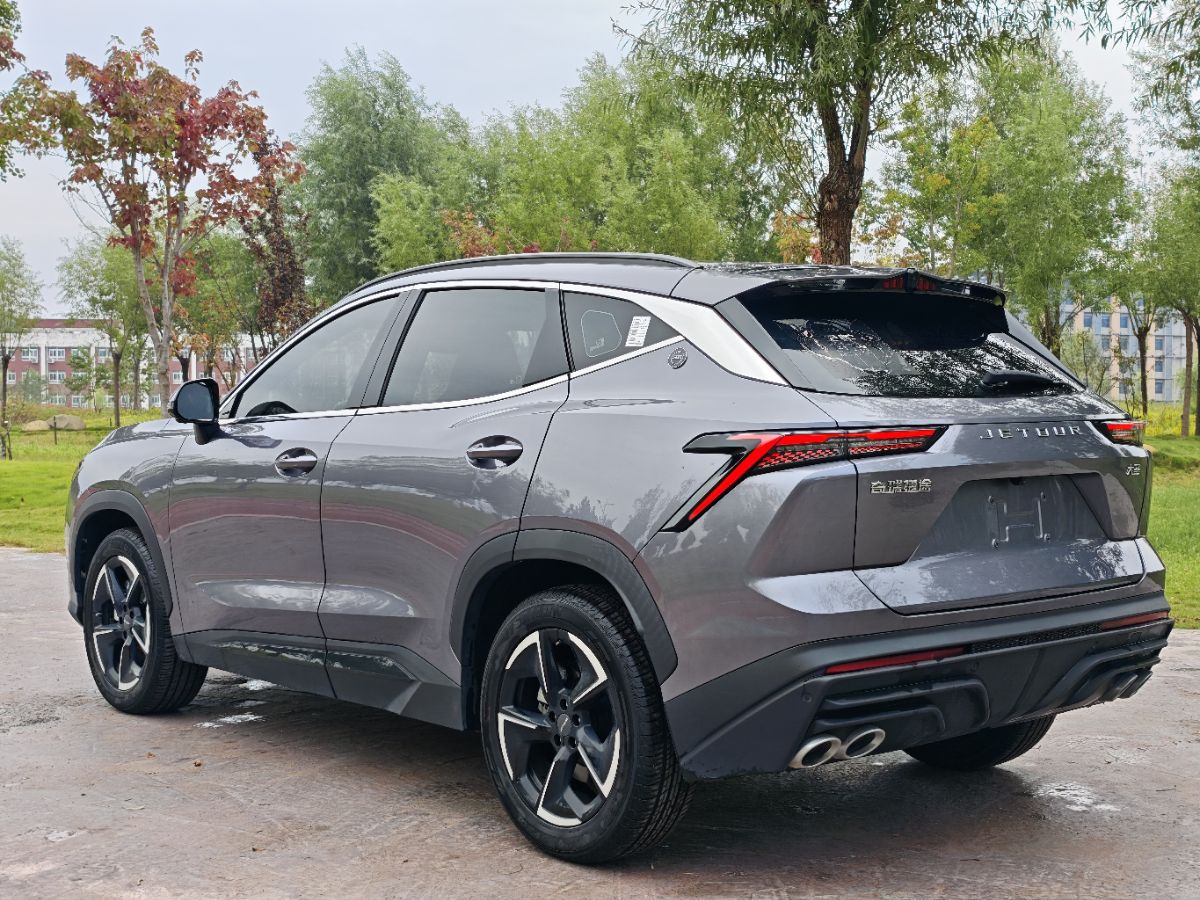
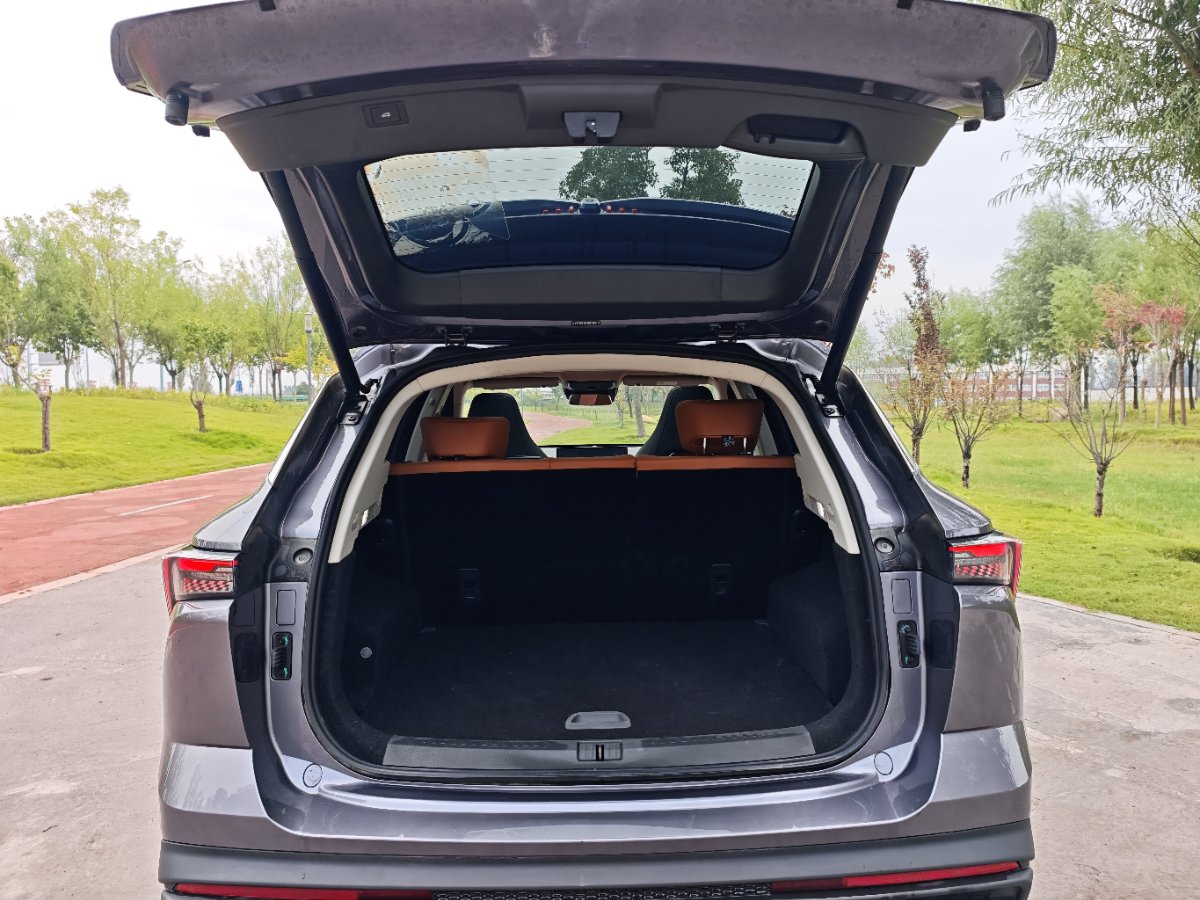
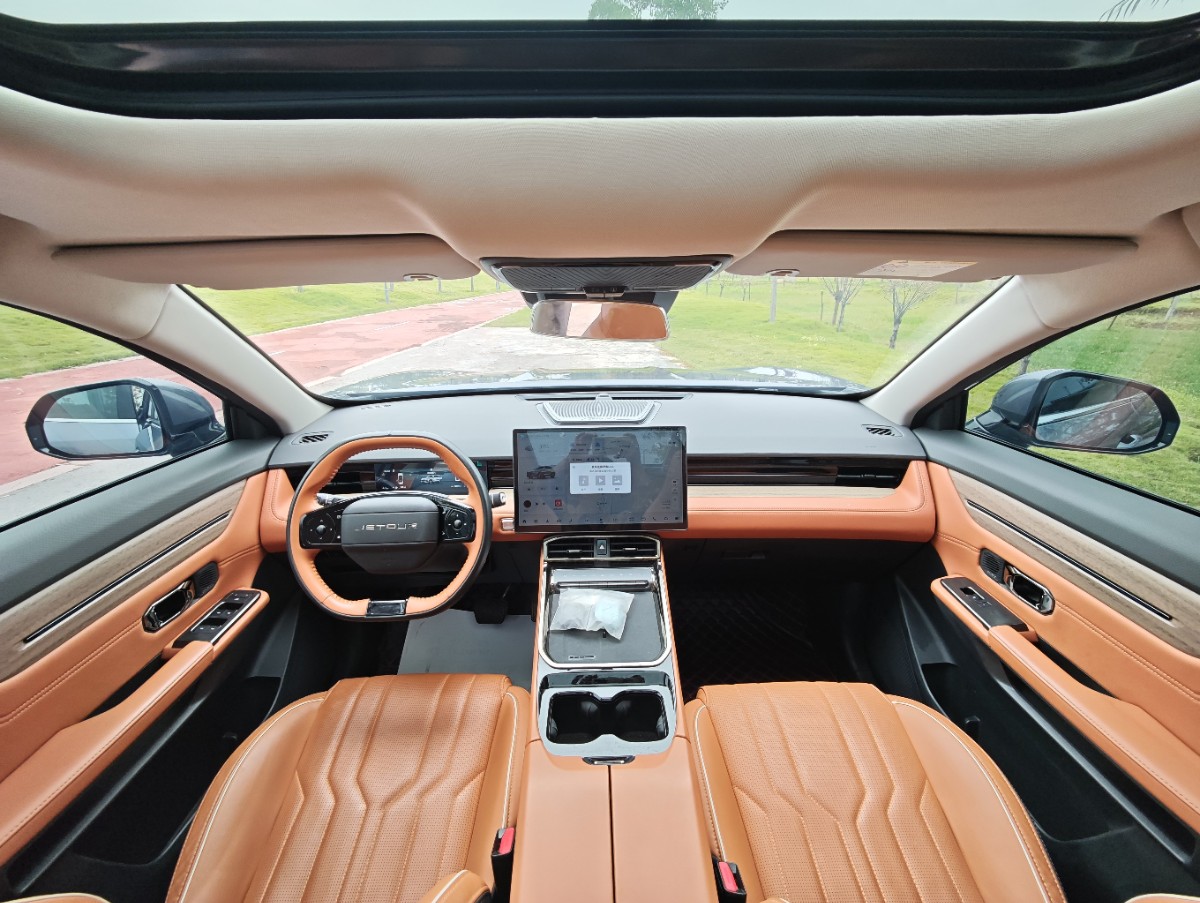
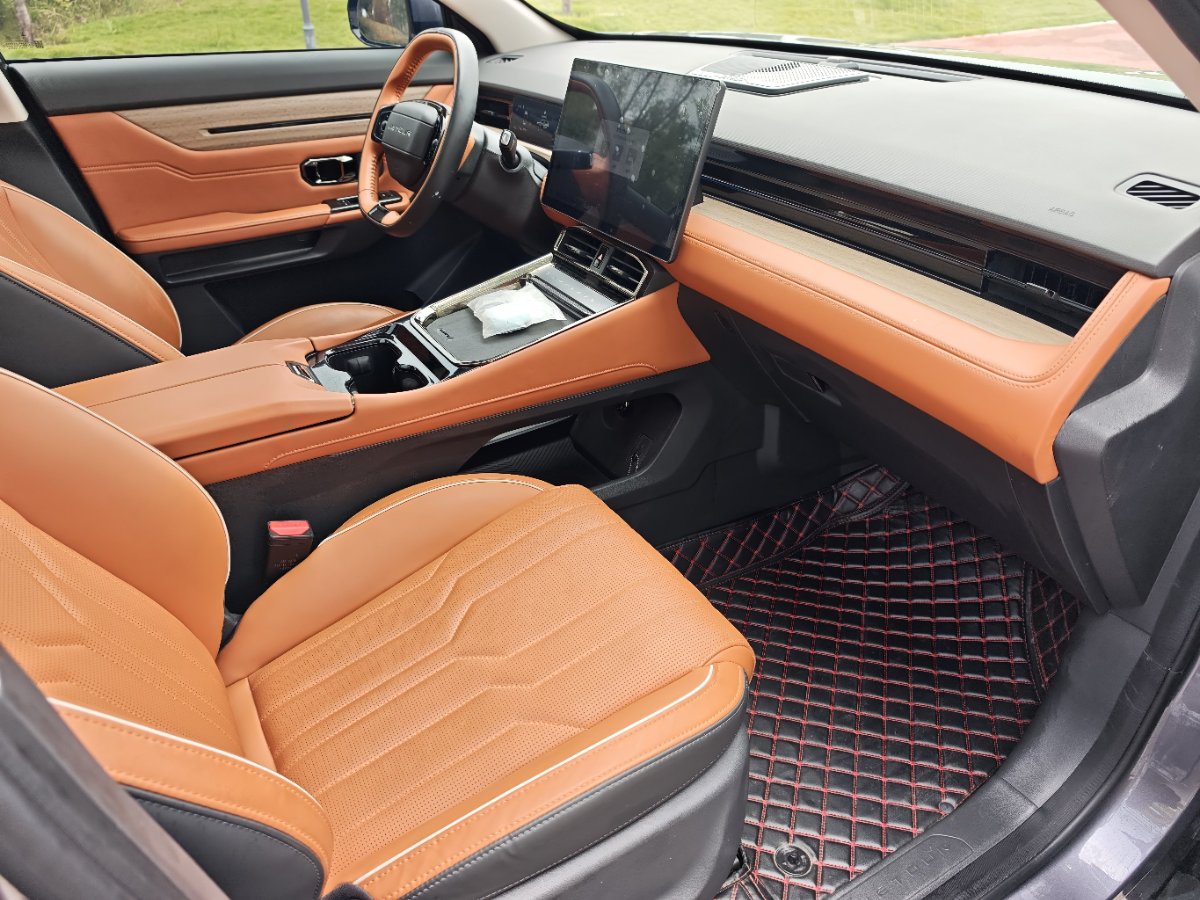
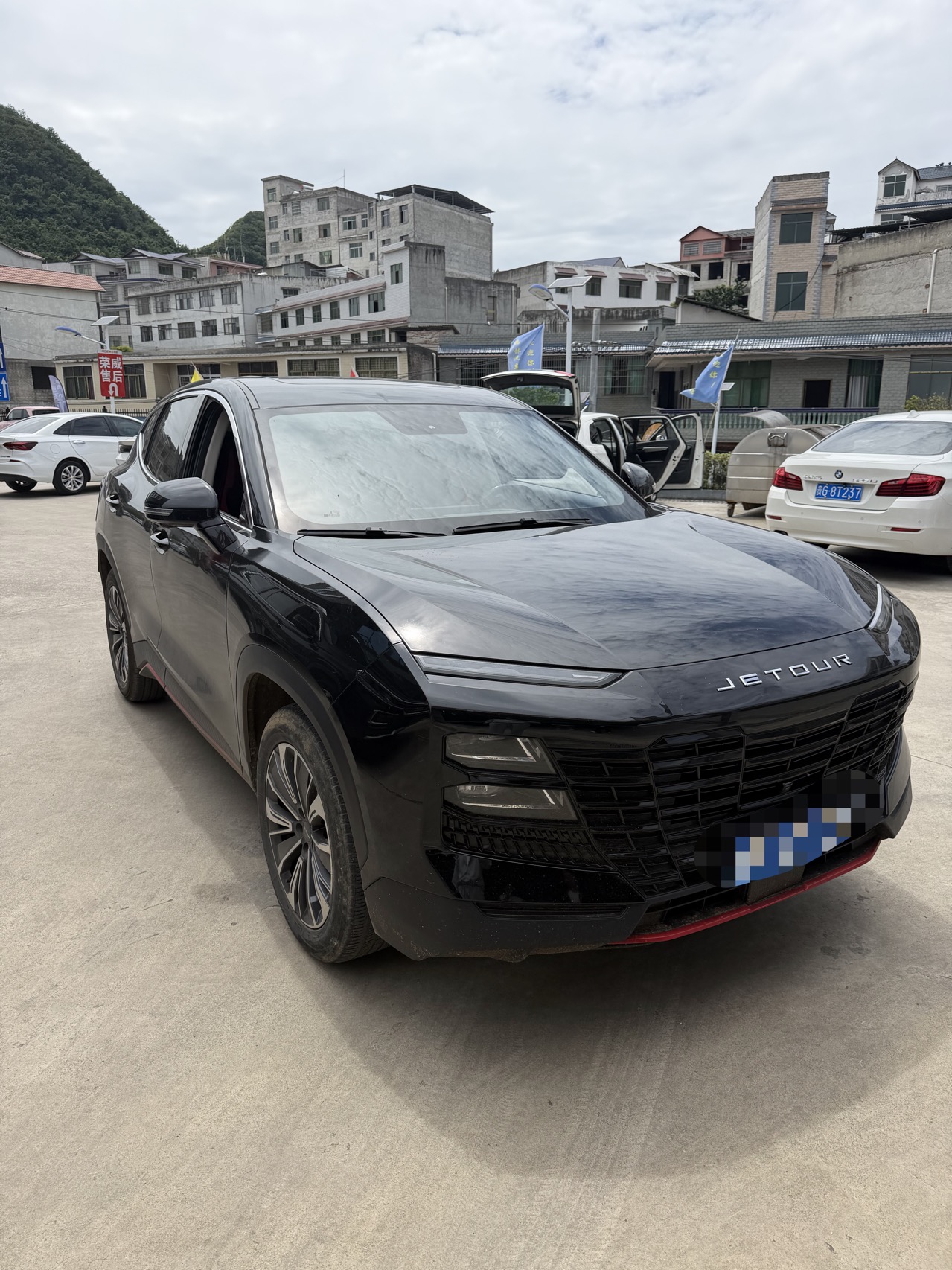
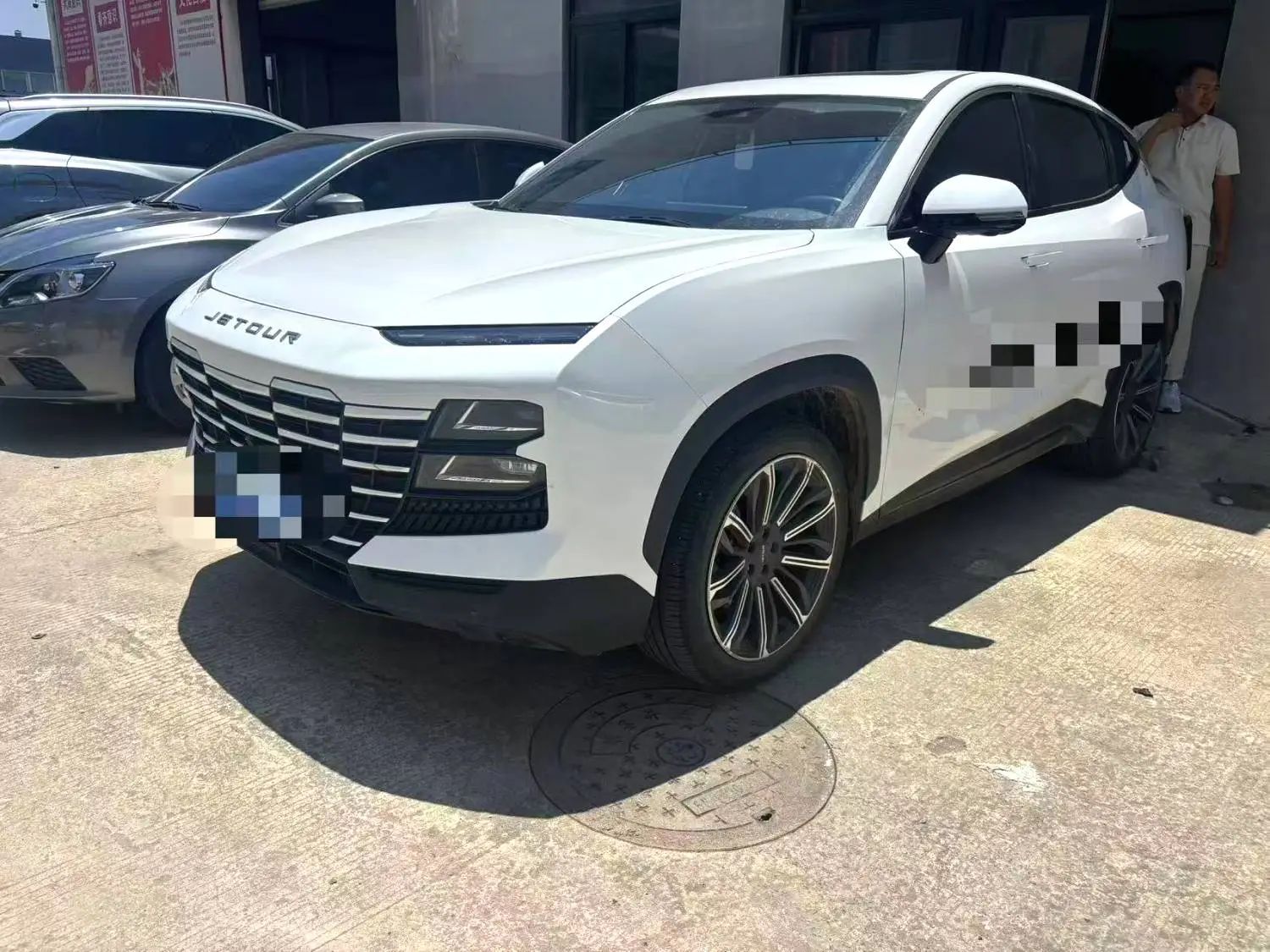
Manufactured October 2024; first registered October 2024; mileage 23,000 km; original paint and panels, excellent condition.

燃油车
SUV
自动
维保开放
事故开放
查验开放

Configuration Highlights

✓品牌: 捷途
✓车系: 捷途大圣
✓车型: 2025款 1.5TD DCT 旗舰版
✓车身类型: SUV
✓座位数: 5
✓排量: 1.5T
✓变速箱: 自动
✓能源类型: 燃油车
✓VIN: LVTDB21B4RD310051
✓搜索关键词: 捷途捷途大圣 2025款捷途大圣1.5TDDCT旗舰版

Document Information

Inspection Expiry Date2026/10
Warranty Expiry Date-
Insurance Expiry Date2026/10

Q&A

More

If the remittance info for the international wire transfer has the wrong contract number, will it cause delays in currency exchange and shipping?

It will cause serious obstacles. China's foreign exchange controls are extremely strict. If the remittance note and the remitter do not match our declared contract, the bank will reject the transaction (Pending). We will need to spend several days submitting additional explanations to the foreign exchange authority, which will inevitably delay the shipping schedule.

Should I pay the Chinese exporter in USD or RMB, and how do exchange rates affect the final price?

Most exporters quote in USD for international buyers, but some accept RMB (CNY). Key points: 1. USD payment is standard and easiest; the exchange-rate risk usually sits with the exporter, so the price may be slightly higher. 2. Paying in RMB can save 1-3% if you have access to CNY through your bank or a trading company. 3. Lock the exchange rate in the contract: agree the final amount is fixed in the invoicing currency on the invoice date. 4. Always pay by corporate bank transfer (T/T) to the exporter's company account — never to personal accounts. Ask for a proforma invoice with a validity date (usually 7-15 days) so you know exactly how much to wire, and confirm who bears the bank transfer fees.

How do seasonal factors—peak seasons, weather, holidays—affect shipping times and rates from China?

Timing your shipment can save both money and weeks of waiting. Several predictable patterns affect routes from China. Peak season surcharges: January through March, before Chinese New Year, exporters rush to ship, so container and RoRo space tightens and rates rise 20-50%. Book at least 3-4 weeks ahead during this window. After the holiday (usually February), factories and ports restart gradually, causing 2-3 weeks of backlog. Weather effects: Typhoon season (July-September) can delay departures from southern Chinese ports like Shenzhen and Guangzhou. Winter fog and ice affect northern ports like Dalian and Tianjin, slowing loading operations. Destination-side factors: Monsoon seasons can slow port operations in South and Southeast Asia. Holiday periods at destination (e.g., Ramadan in the Gulf, year-end holidays elsewhere) reduce customs staffing and extend clearance times. Practical advice: ask your forwarder for rate calendars, avoid booking right before major Chinese holidays, and build 1-2 weeks of buffer into delivery promises to your customers. Flexible departure ports (Shanghai vs. Ningbo vs. Shenzhen) can also help you find available space.