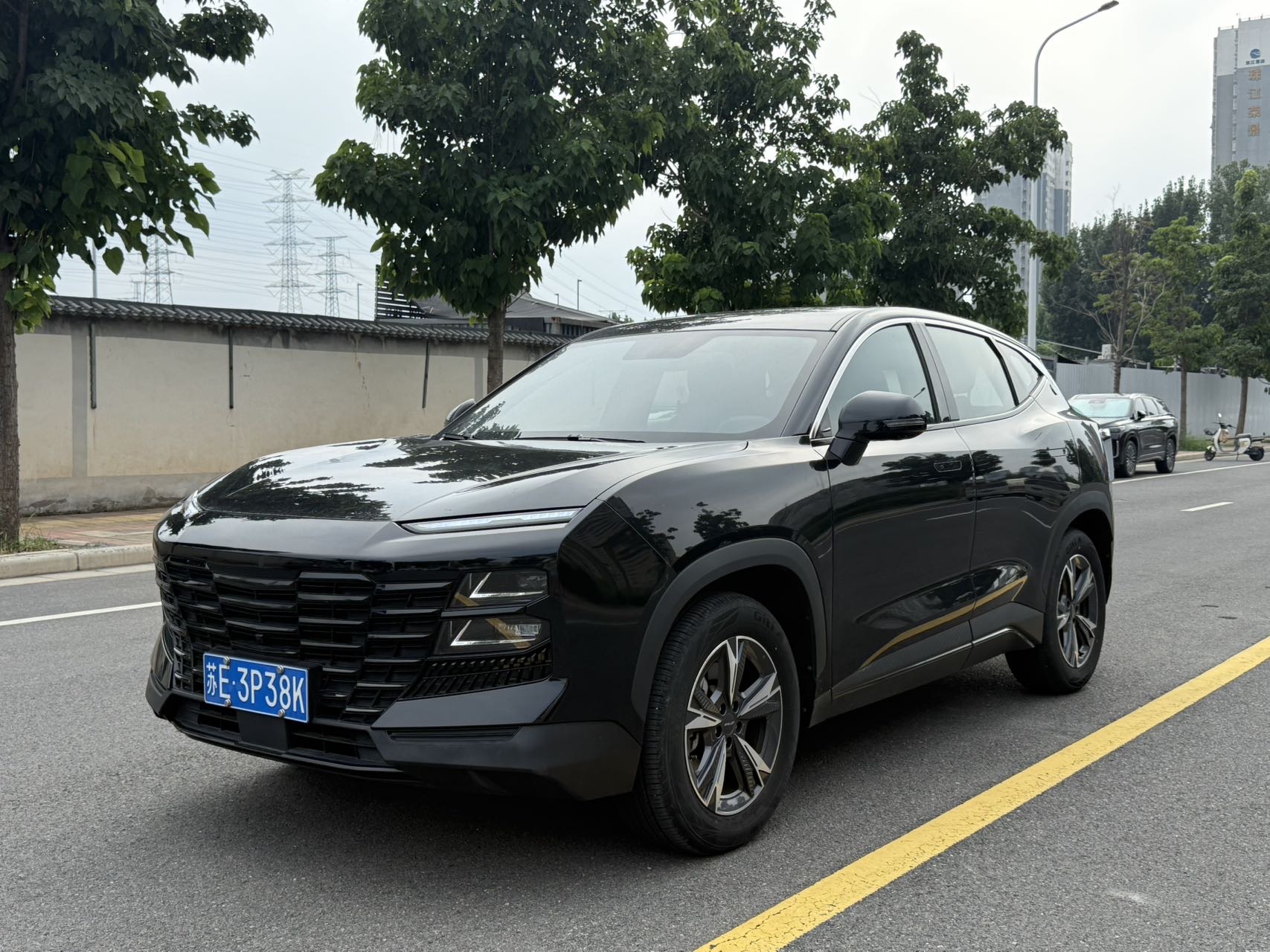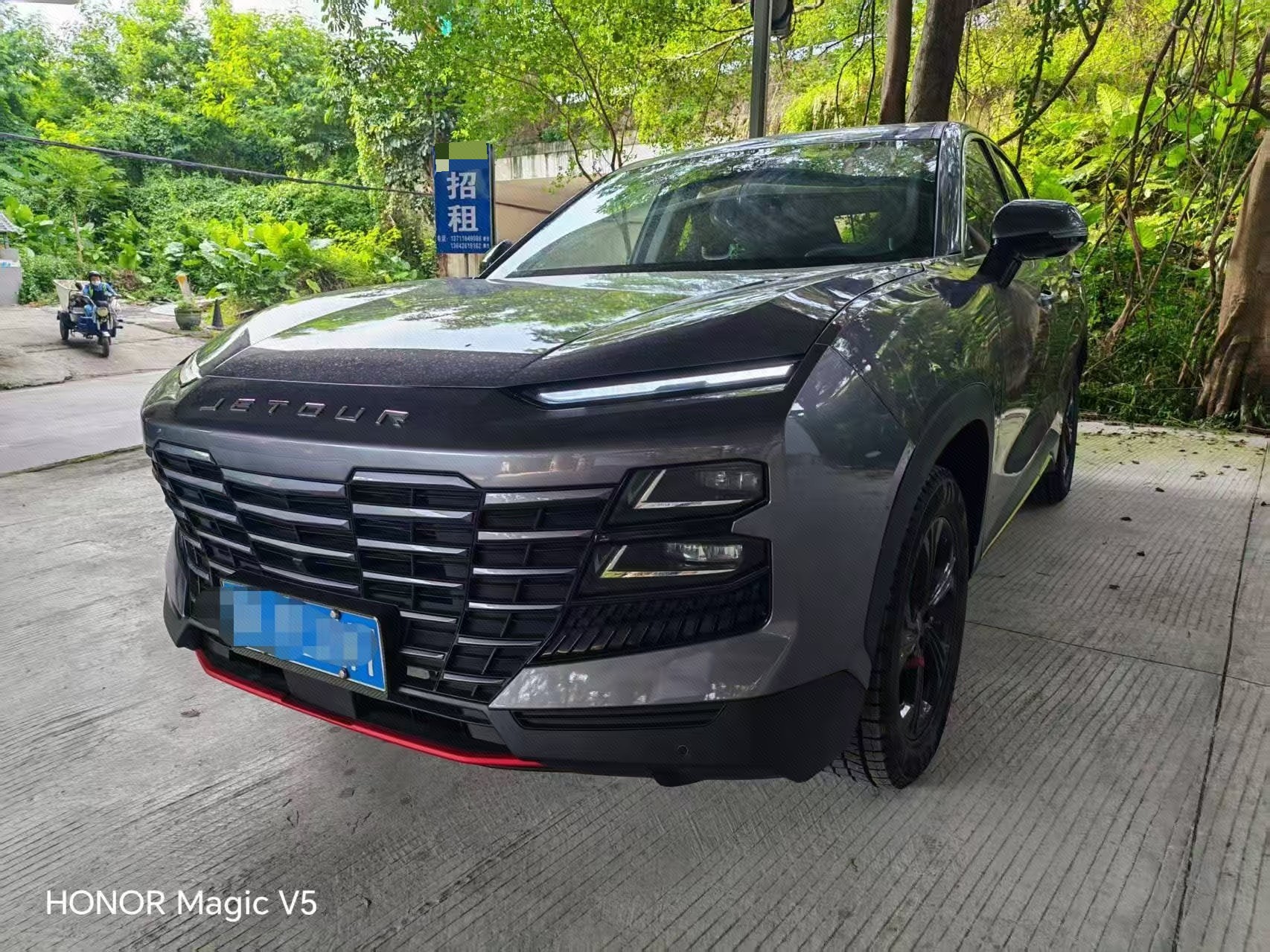
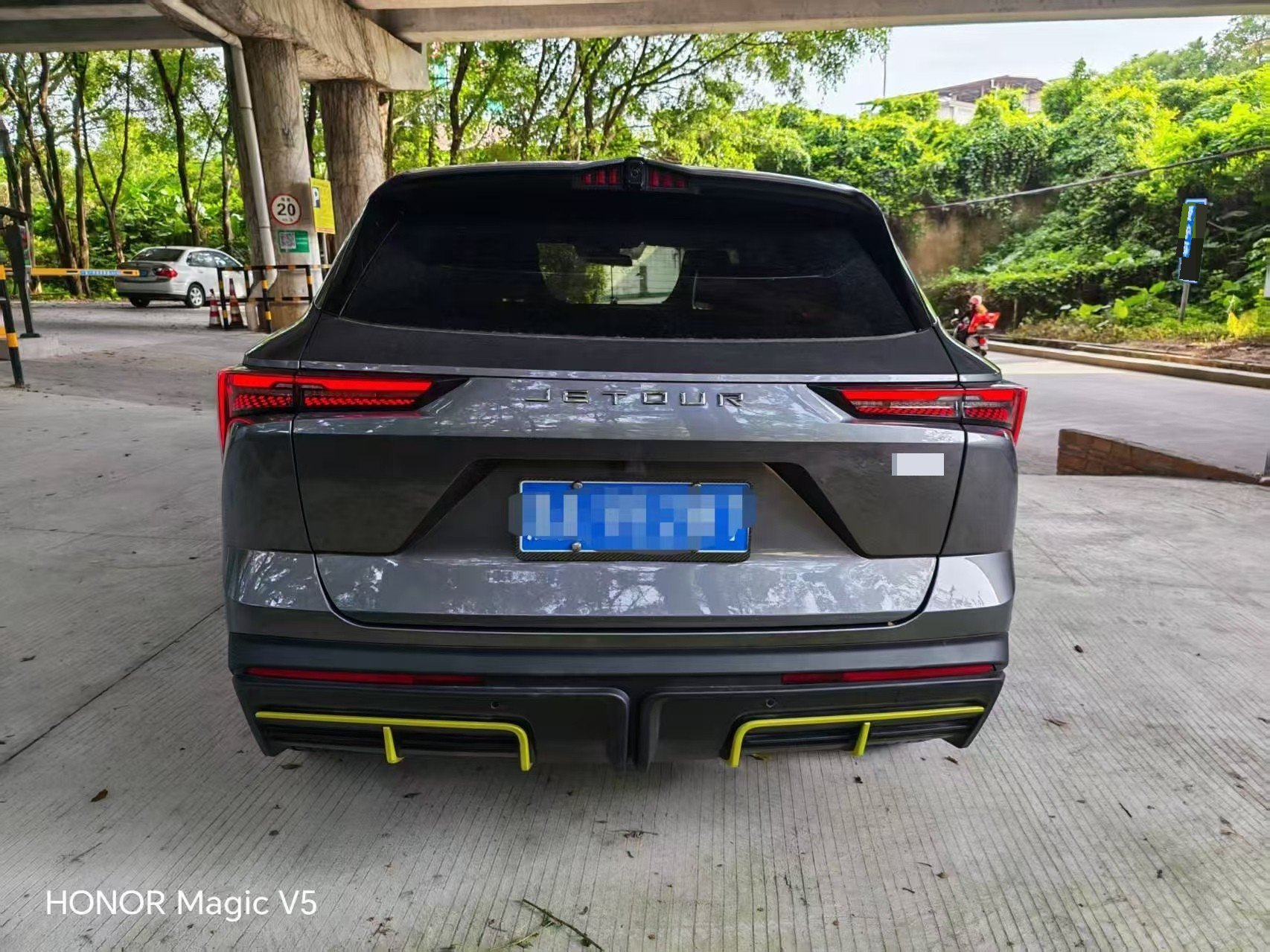

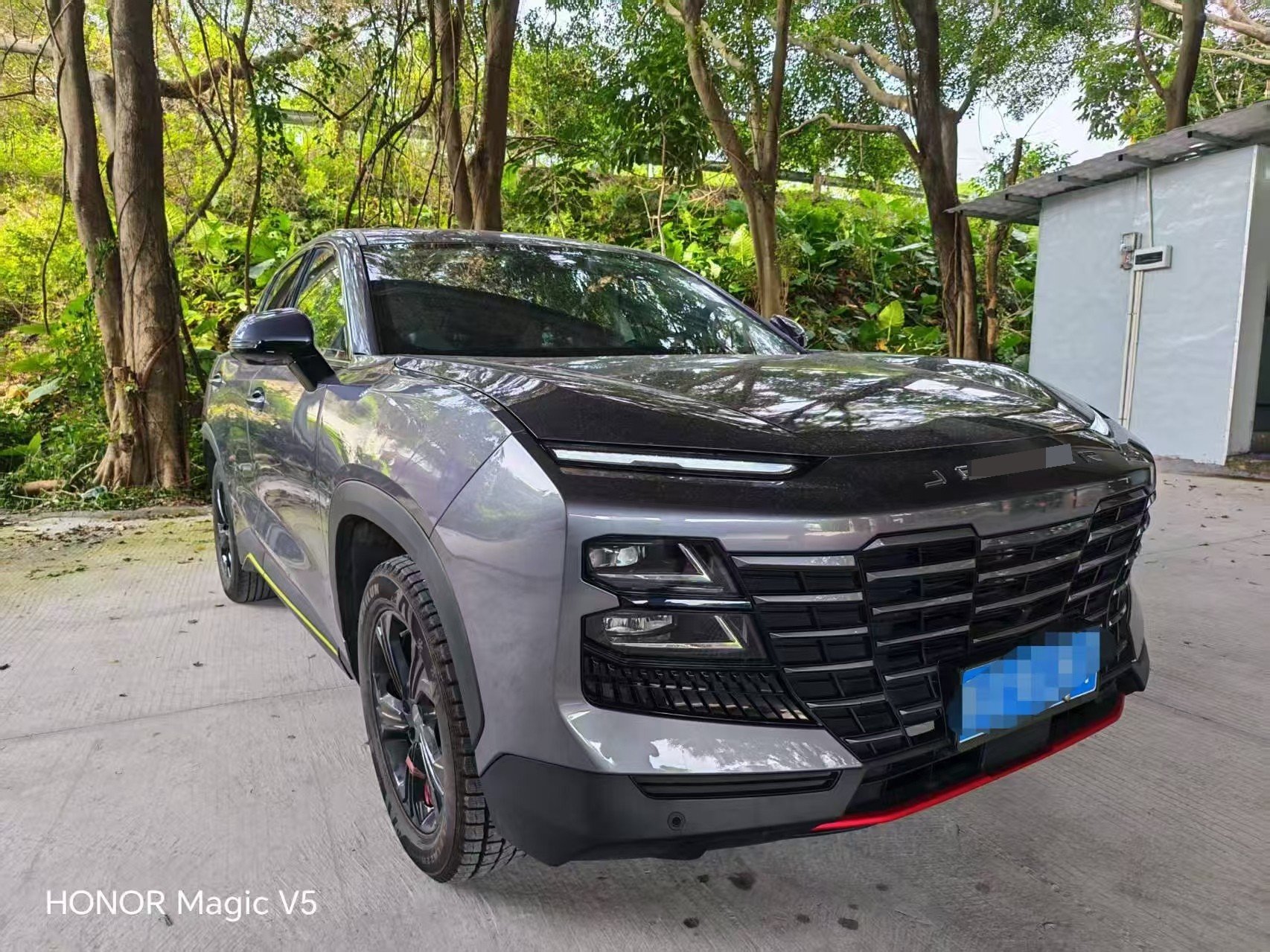
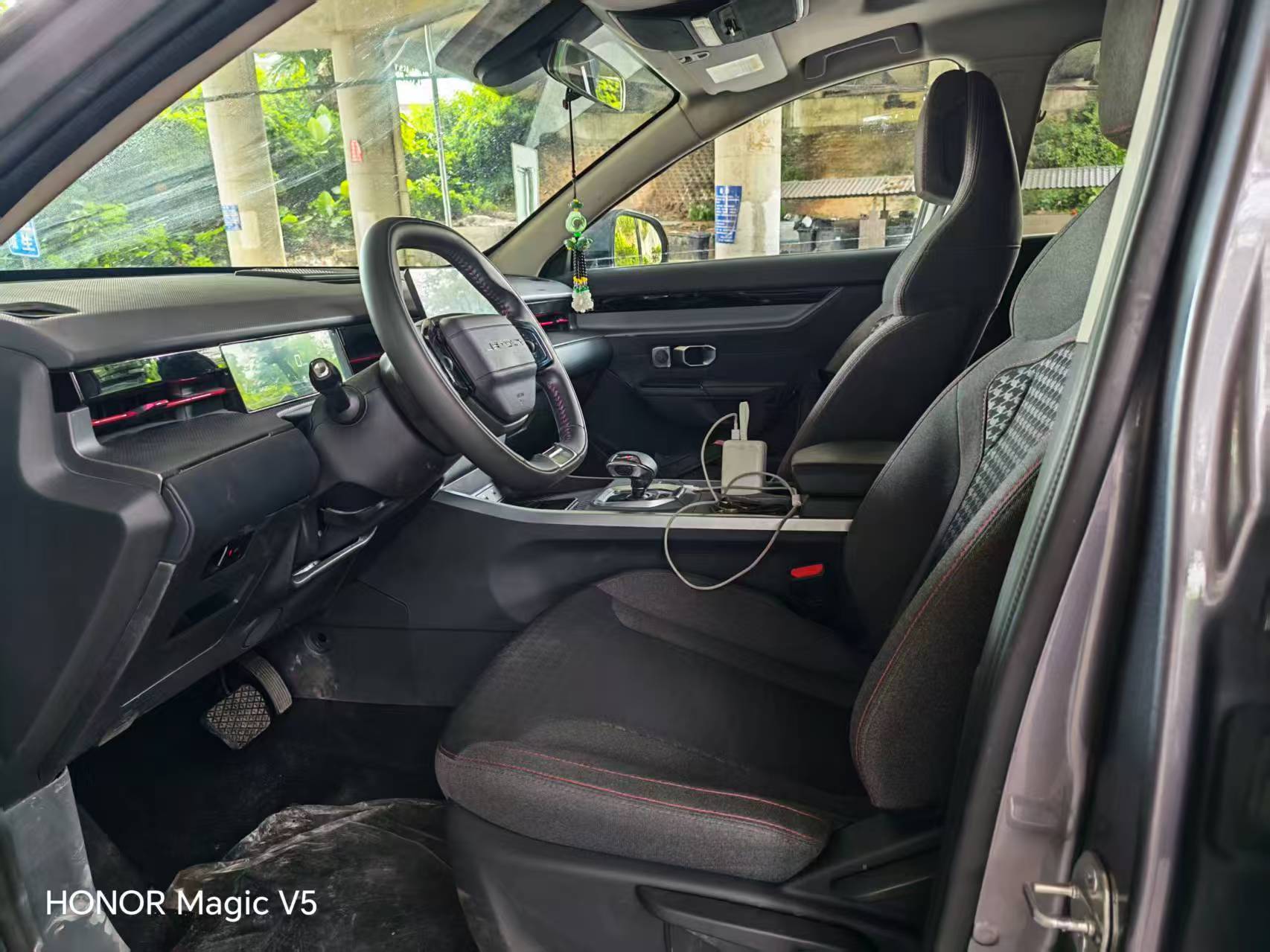
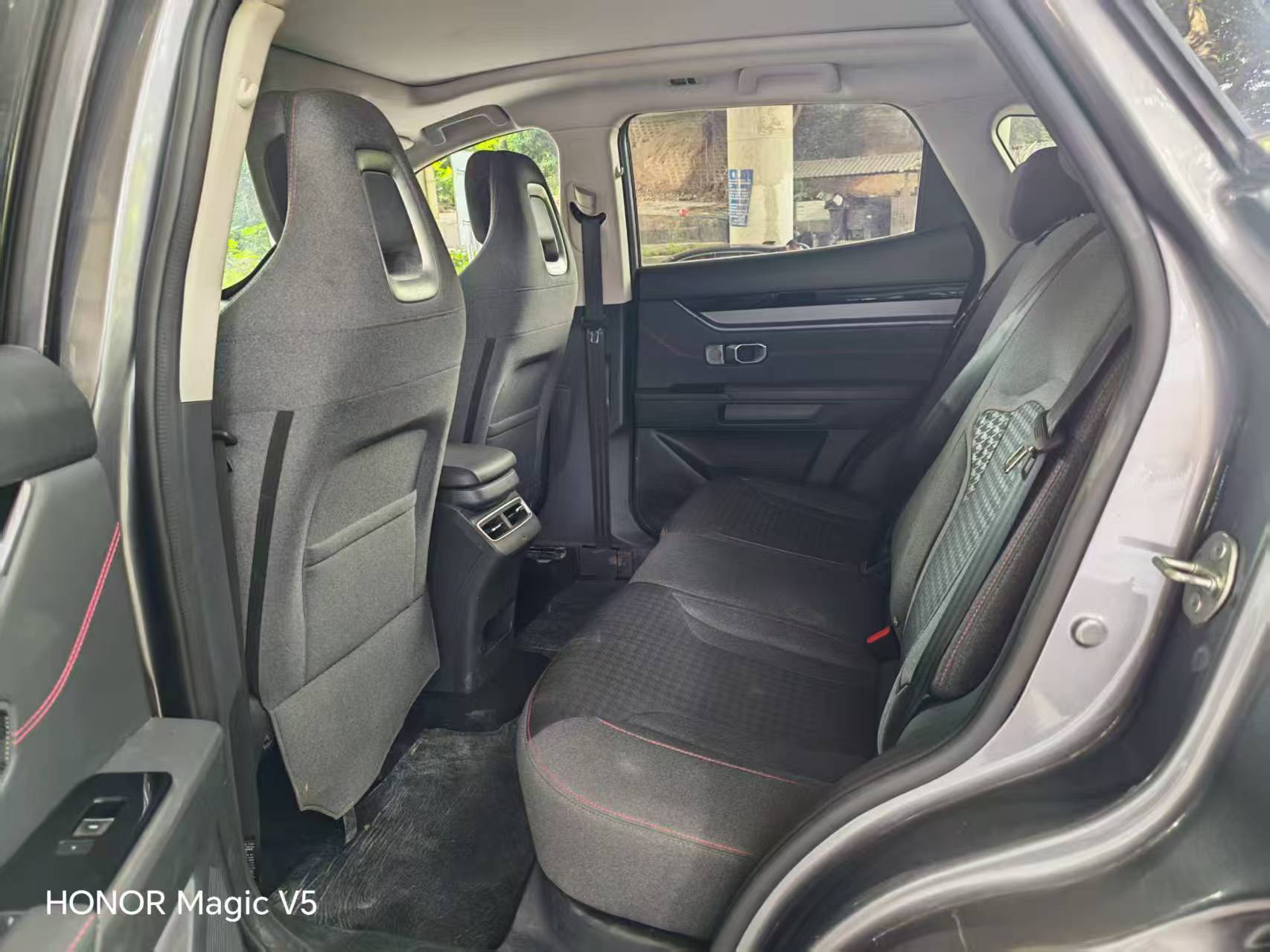
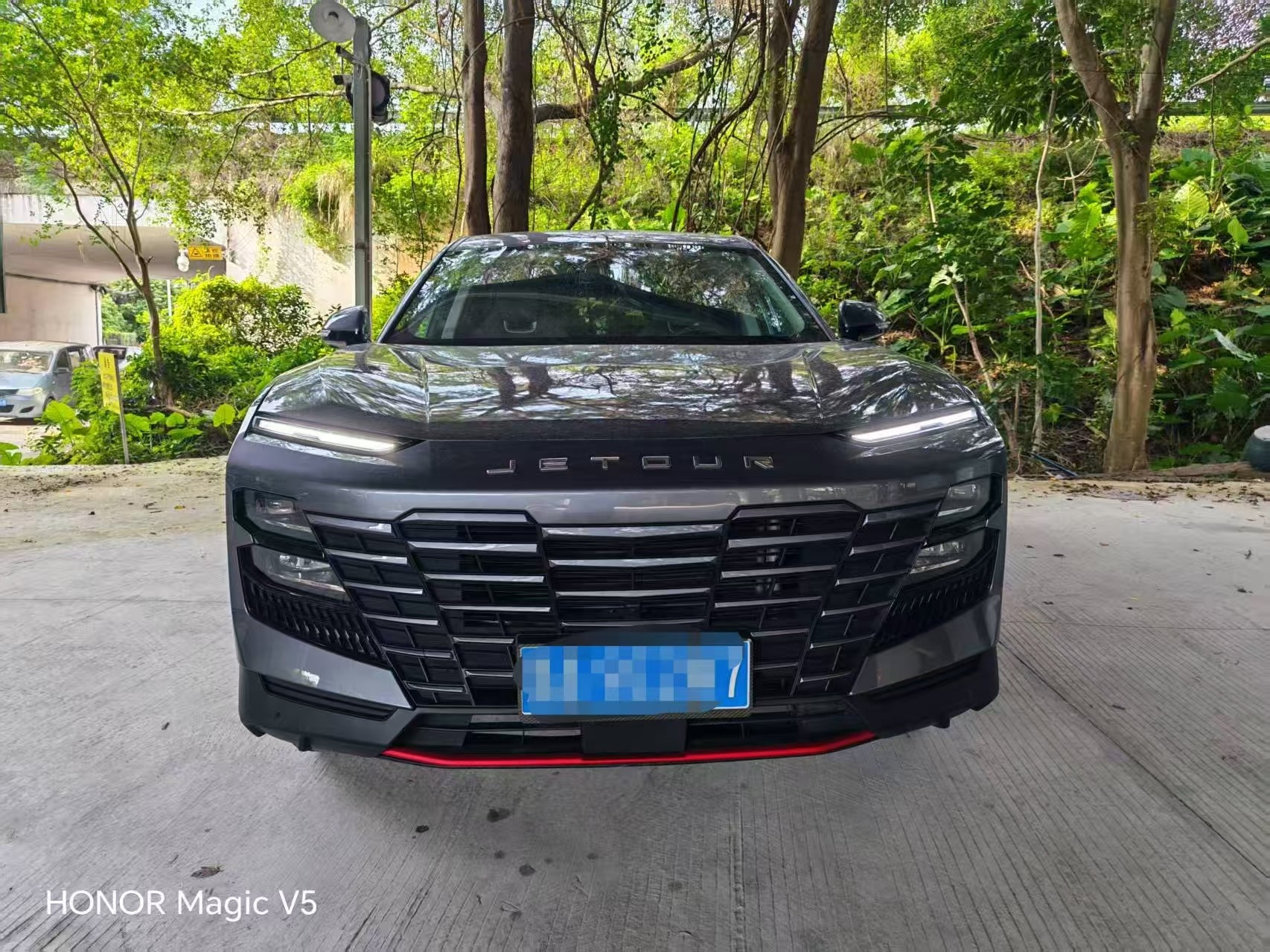
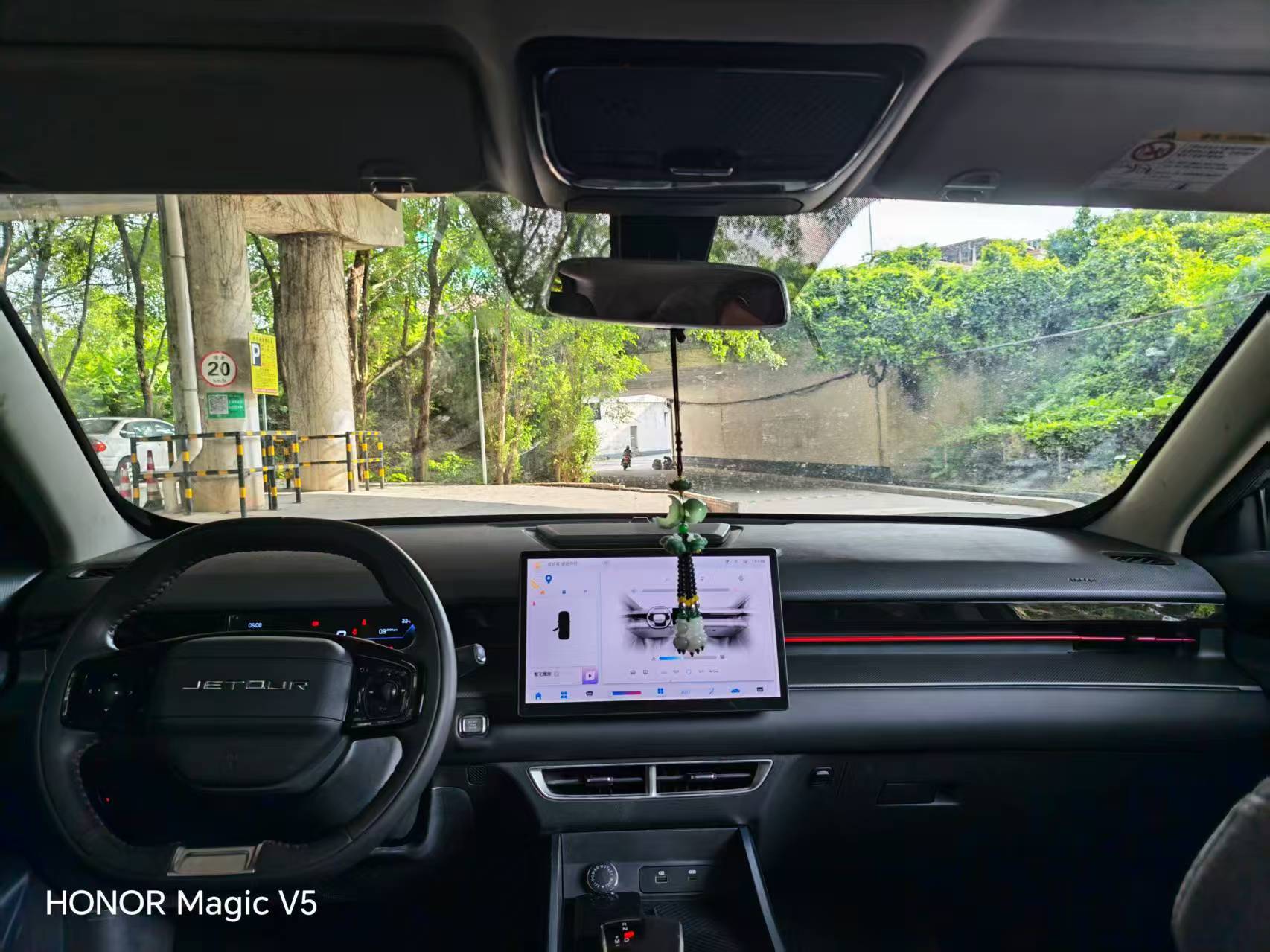



Basic Information

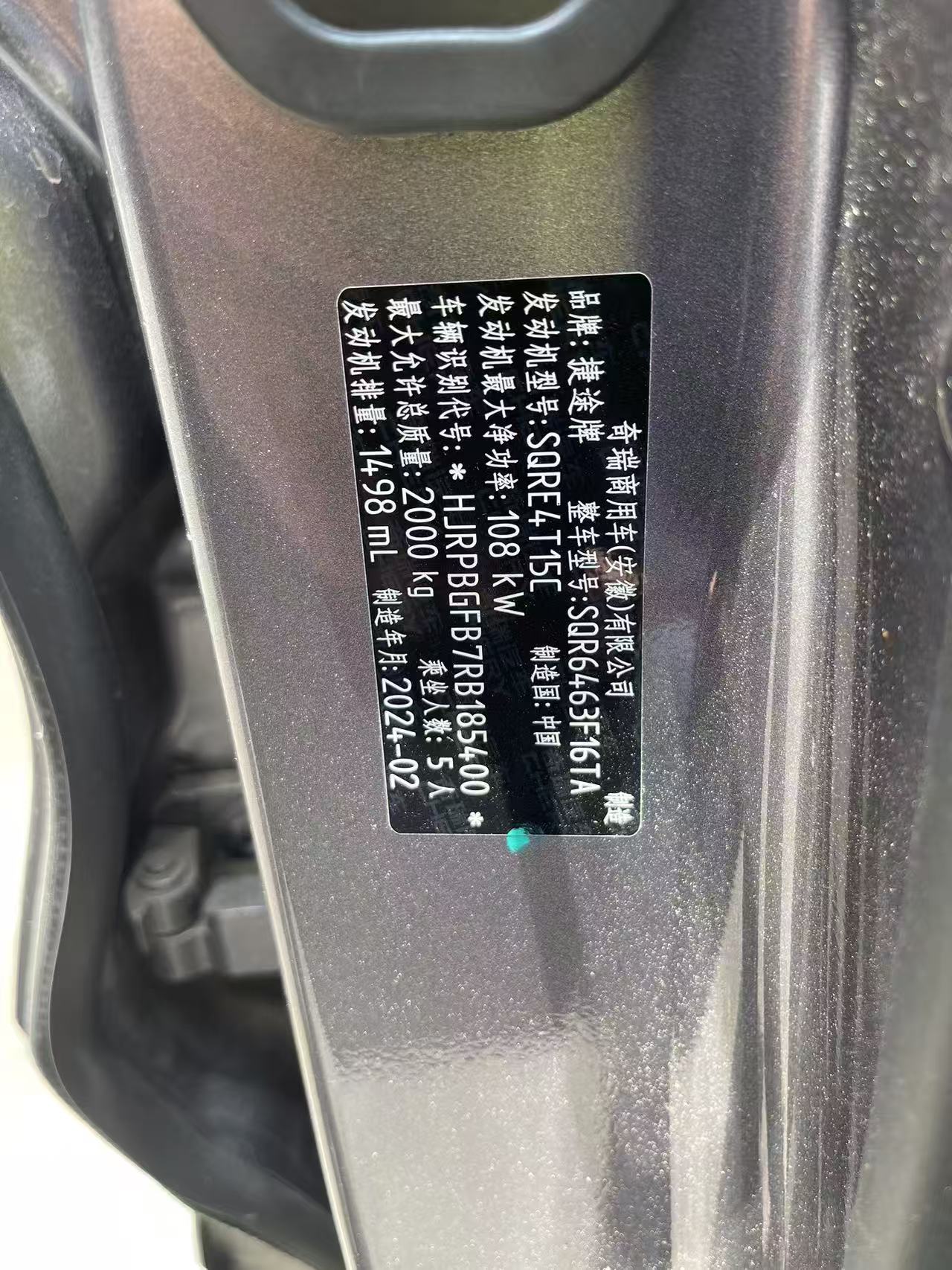
BrandJetour
SeriesDashing
Year2024
First Registration2024/08
Mileage19,000km
Transfer Count0times
FuelGasoline
TransmissionDCT
Engine1.5T 156 L4
ColorGrey
Seats5seats

Condition Description

Minor front-end damage. No investment needed upon purchase.

Document Information

Inspection Expiry Date-
Warranty Expiry Date-
Insurance Expiry Date2027/08

Q&A

More

Are you responsible for re-spraying the chassis anti-rust coating (armor) if it is eroded by salt spray during sea transport?

No, we are not responsible. The high salt and humidity of the marine environment do have an impact on the chassis surface. We recommend buyers in tropical islands or countries that use salt for winter snow removal to perform a thorough chassis anti-rust spray locally immediately after the vehicle arrives.


What kind of after-sales support can I expect if a problem appears after the car arrives?

Cross-border after-sales support mainly comes from three channels: 1. Contract terms: Reputable exporters commit in the sales contract to engine and gearbox coverage for 30 days after pickup, excluding wear-and-tear items. Get this in writing before paying. 2. Inspection report: The pre-shipment inspection report is your baseline. If the car arrives with problems that contradict the report (e.g., hidden accident damage not disclosed), you can file a claim against it. 3. Parts supply: For mainstream Chinese brands, spare parts channels exist in Russia, Central Asia, the Gulf, and Africa. Many exporters will help you source and ship parts after delivery. Practical tips: inspect the car on arrival and photograph everything; report any issue in writing within 48 hours; keep all shipping documents. Claims filed weeks later are hard to prove.

What engine checks beyond a cold start should a pre-purchase inspection of a used Chinese car include?

A cold start tells you a lot, but it isn't enough. Ask your inspector for these additional checks: Compression test: measures cylinder pressure in each cylinder. Consistent readings across cylinders mean healthy piston rings and valves; one low cylinder suggests internal wear. Timing system: listen at idle and at 2000 rpm for chain rattle or belt squeal. On turbo engines, check for play in the turbo shaft and oil in the intake piping. Exhaust analysis: blue smoke means oil burning (worn rings or valve seals); white sweet-smelling smoke can mean head gasket issues; black smoke points to running too rich. Fluid condition: engine oil on the dipstick should not smell burnt or look milky; coolant should be clean without oil traces. Fault codes: a full OBD scan beyond pending codes — look at misfire counters, fuel trim values, and any history codes that were recently cleared. Ask for photos of the dipstick, exhaust at idle and revving, and the live OBD data. These give you an objective engine health record.