



48H

Basic Information

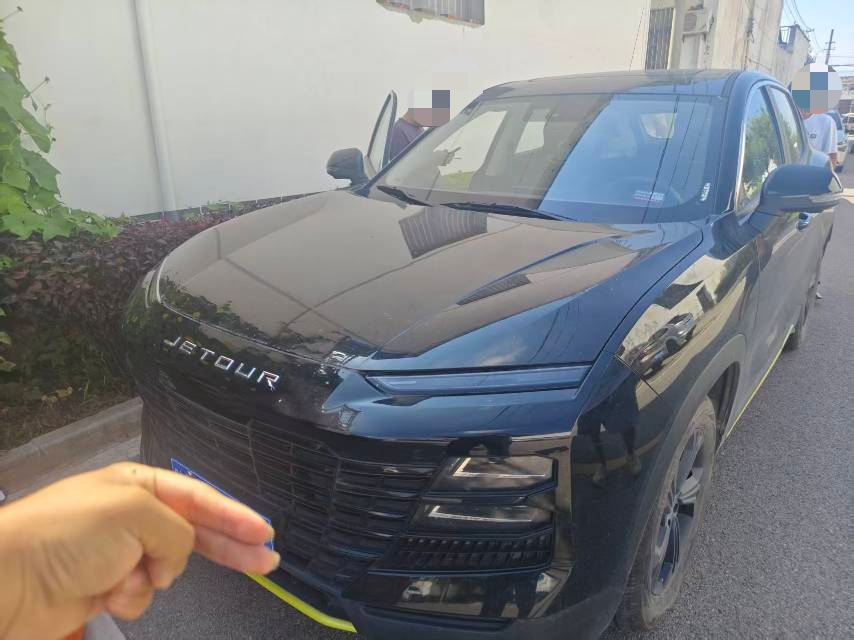
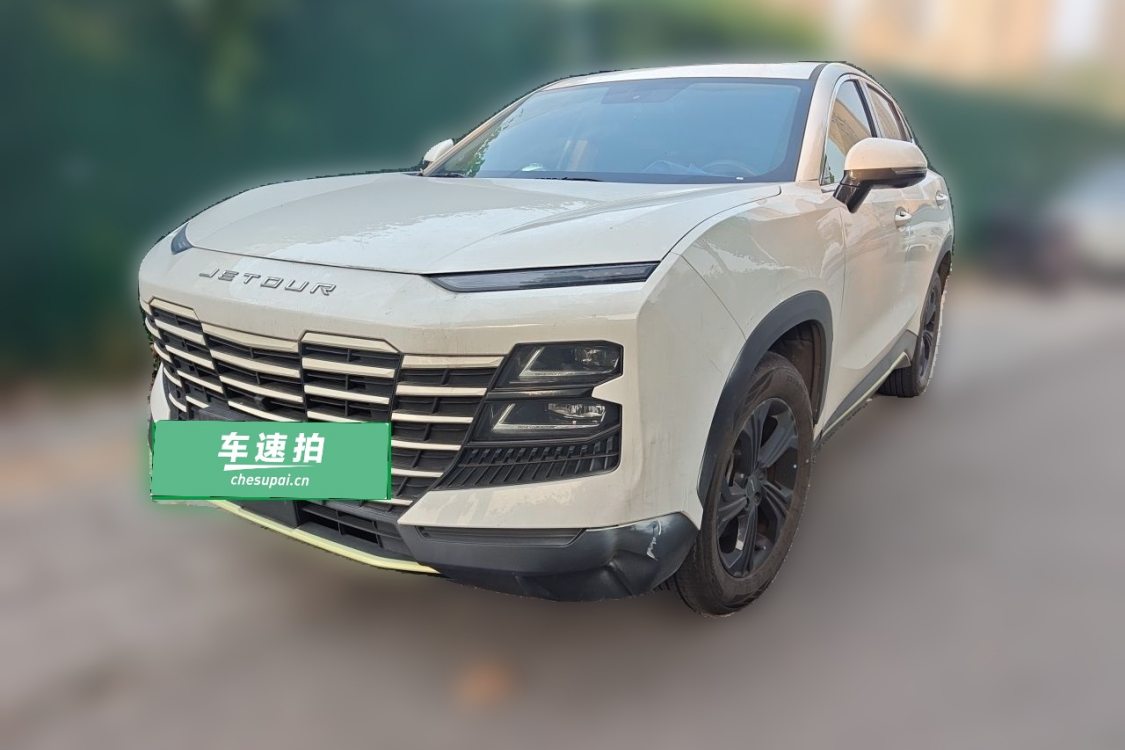
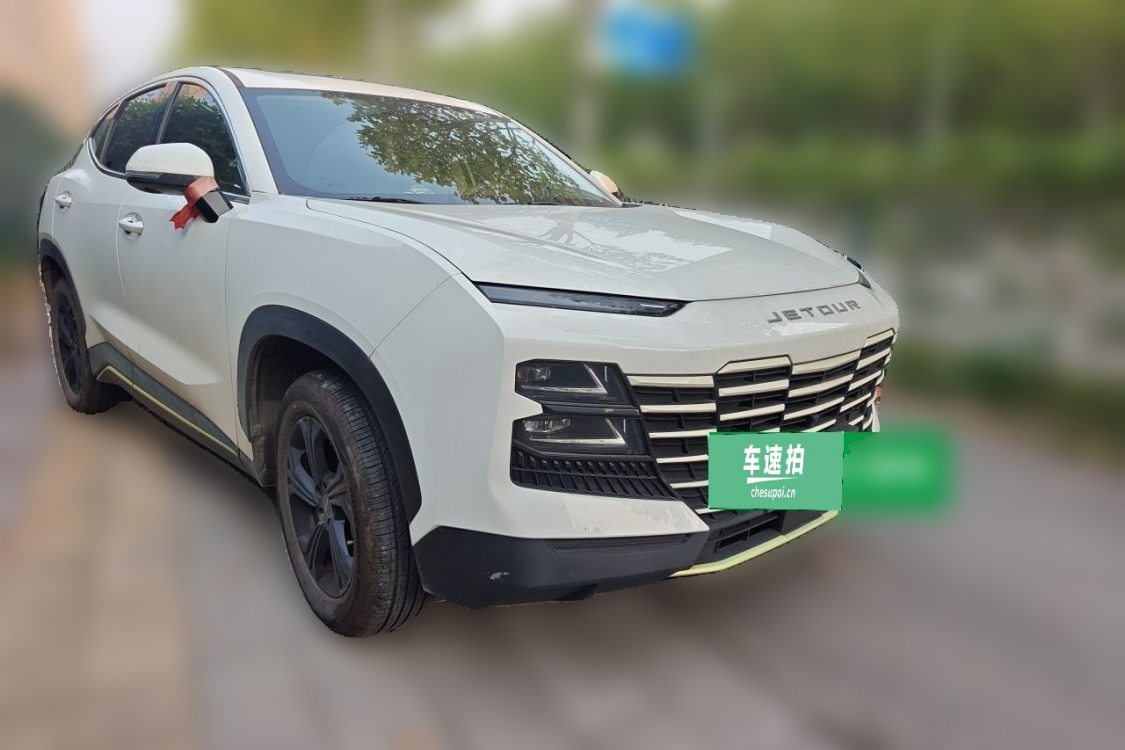
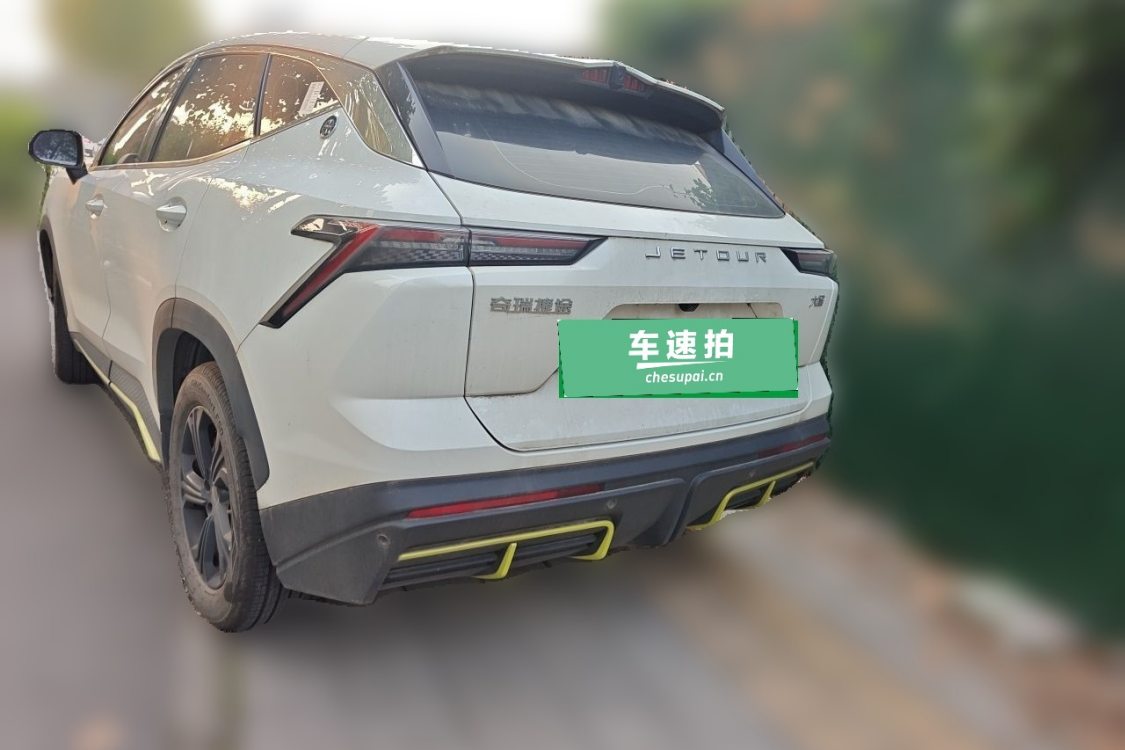
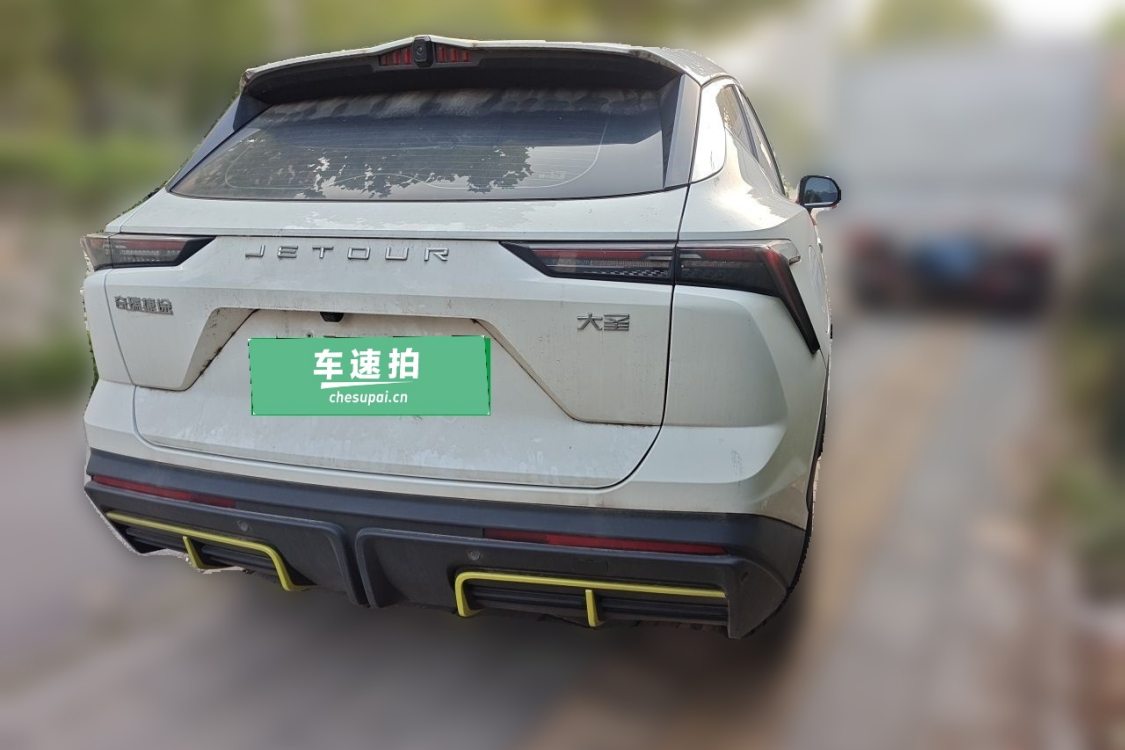
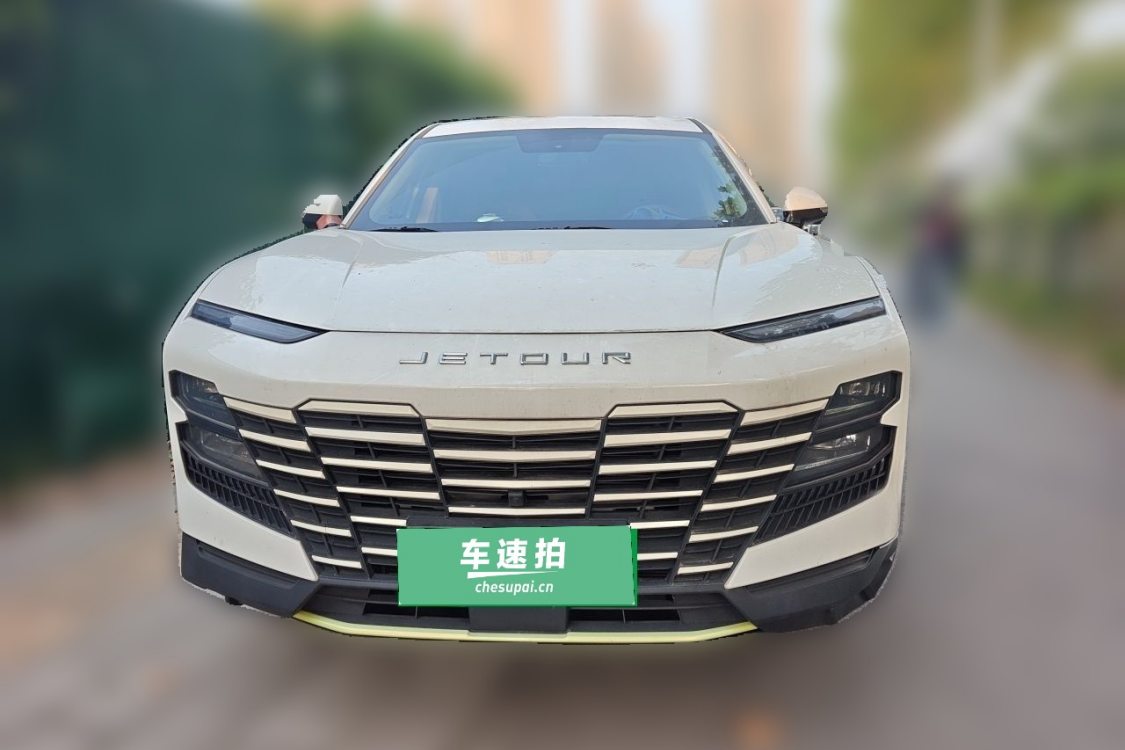
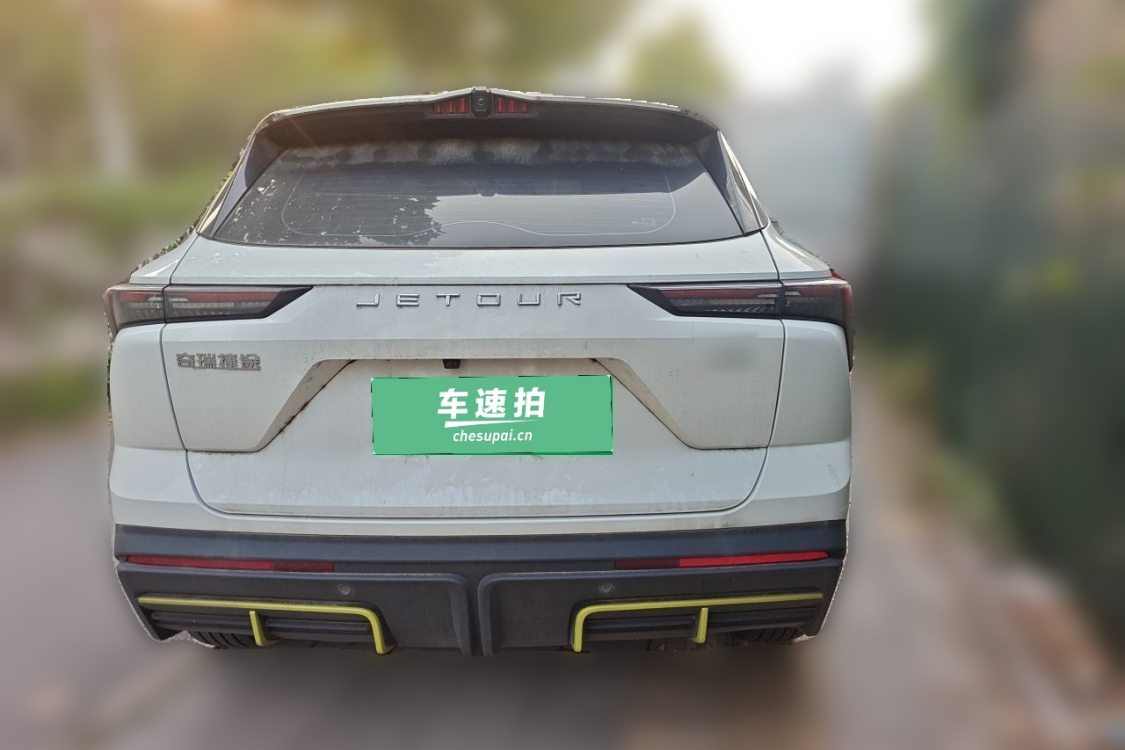
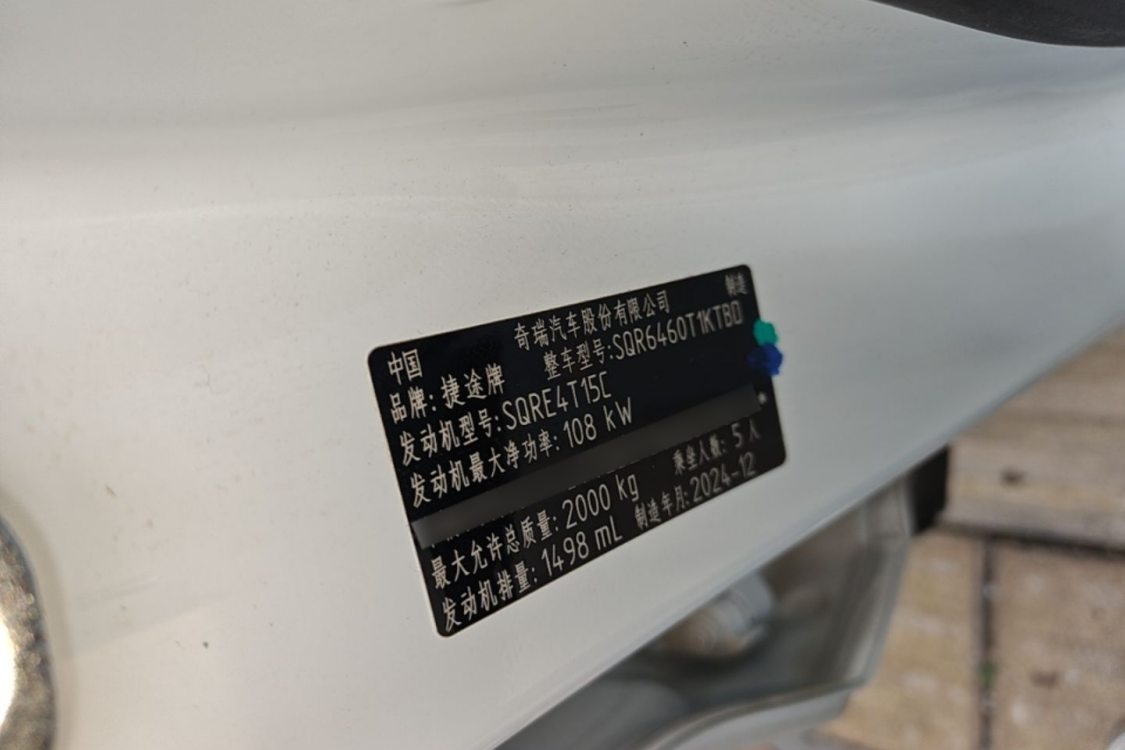
BrandJetour
SeriesDashing
Year2024
First Registration2024/12
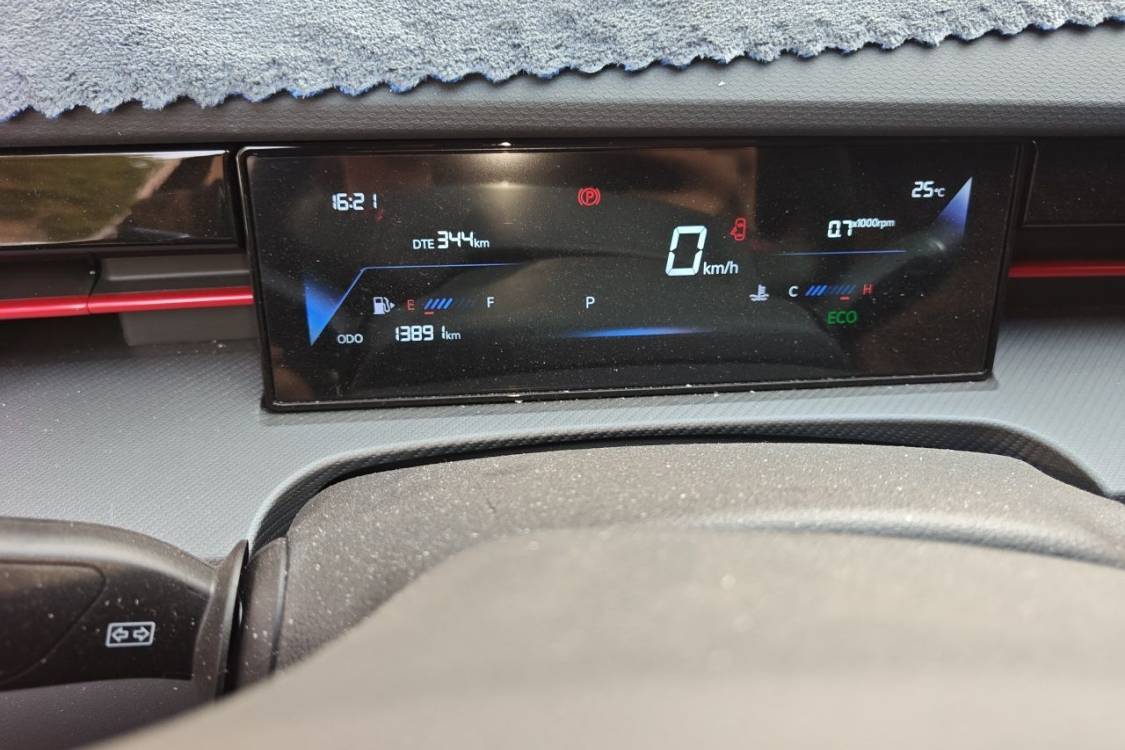
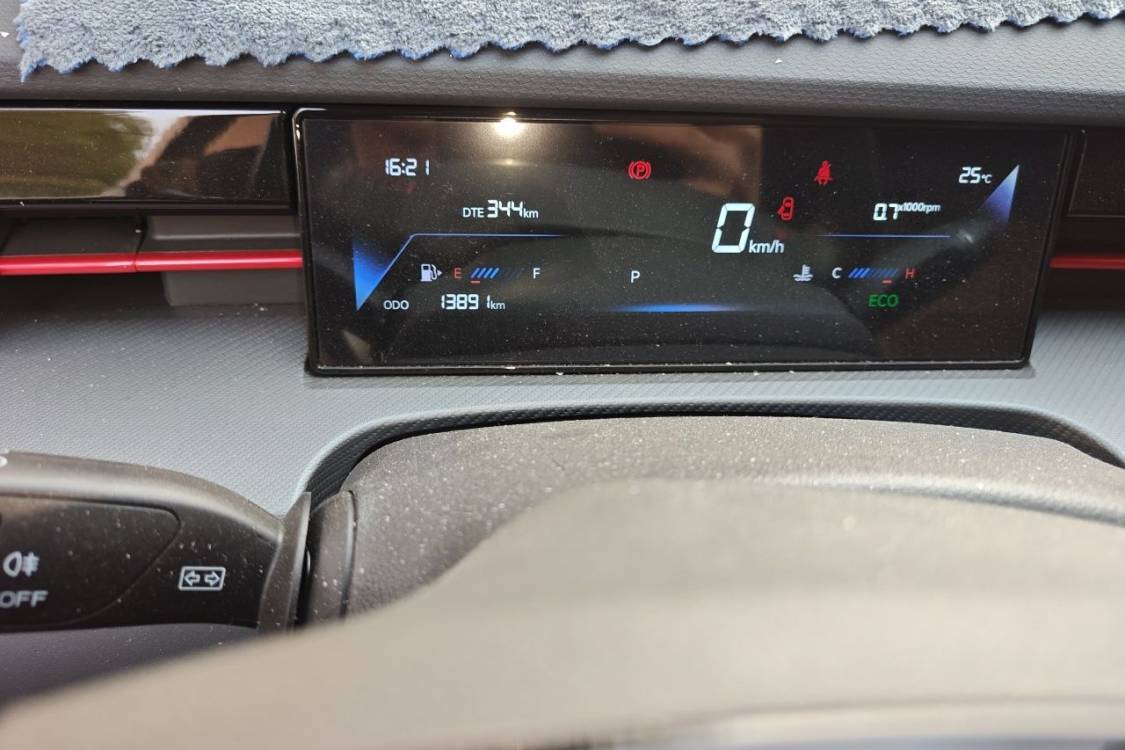
Mileage13,800km
Transfer Count-
FuelGasoline
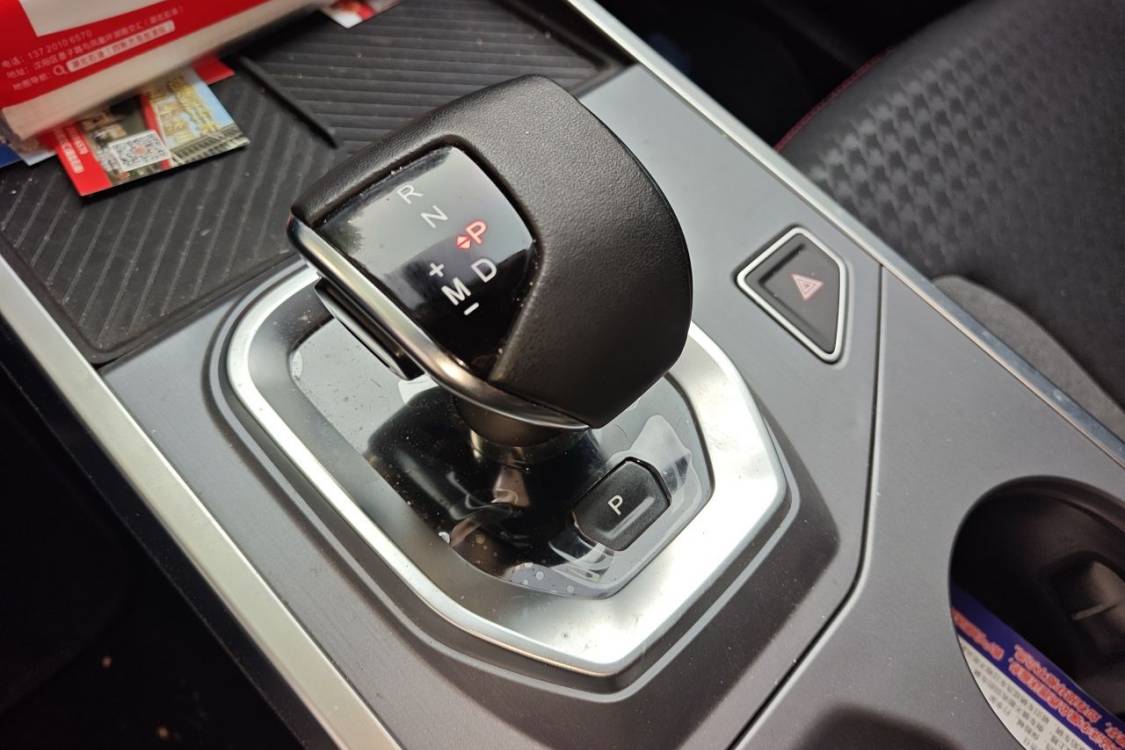
TransmissionDCT
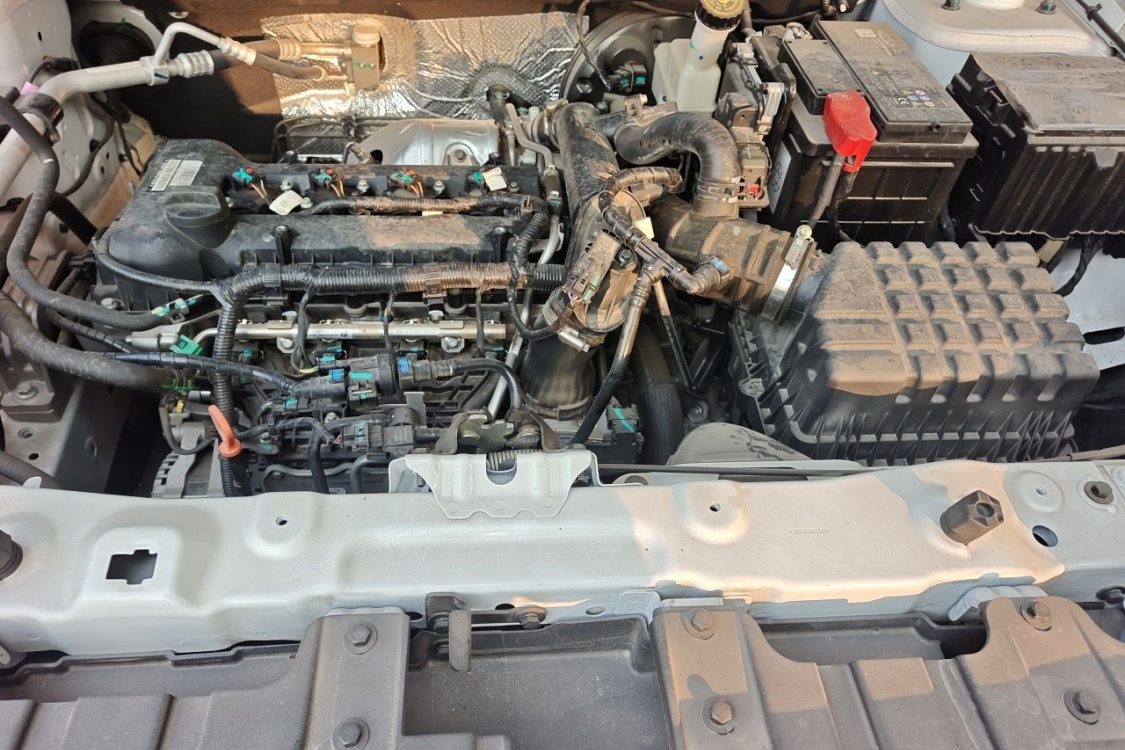
Engine1.5T 156 L4
ColorWhite
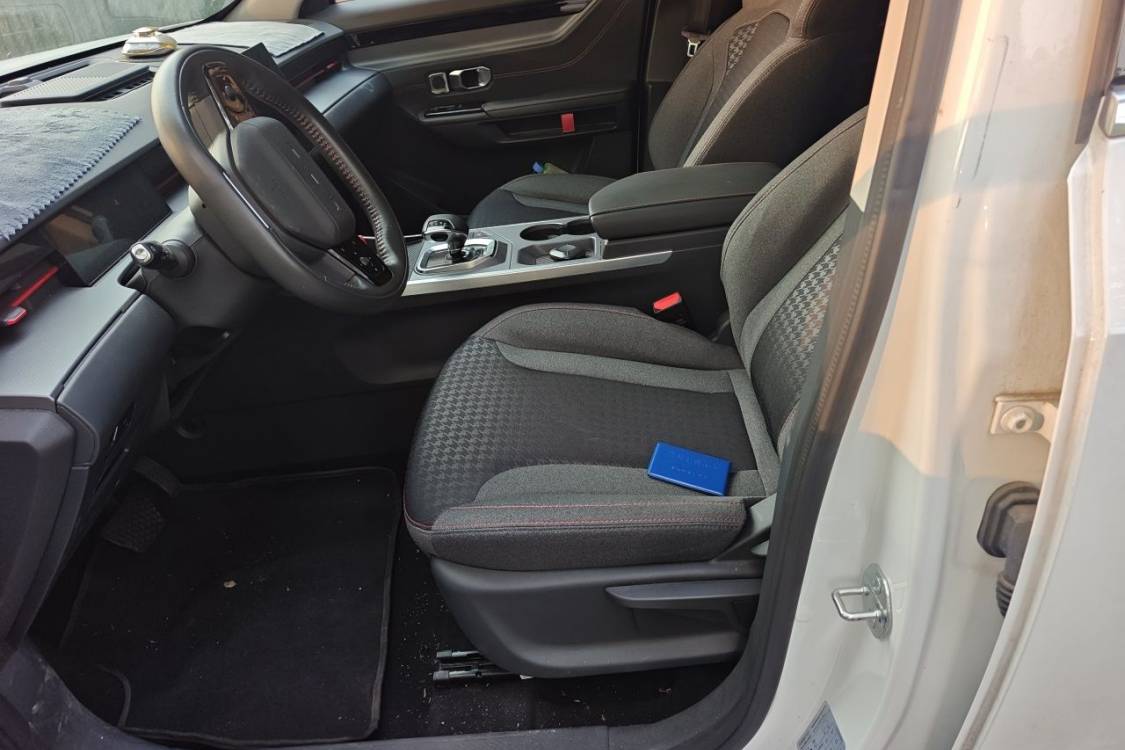
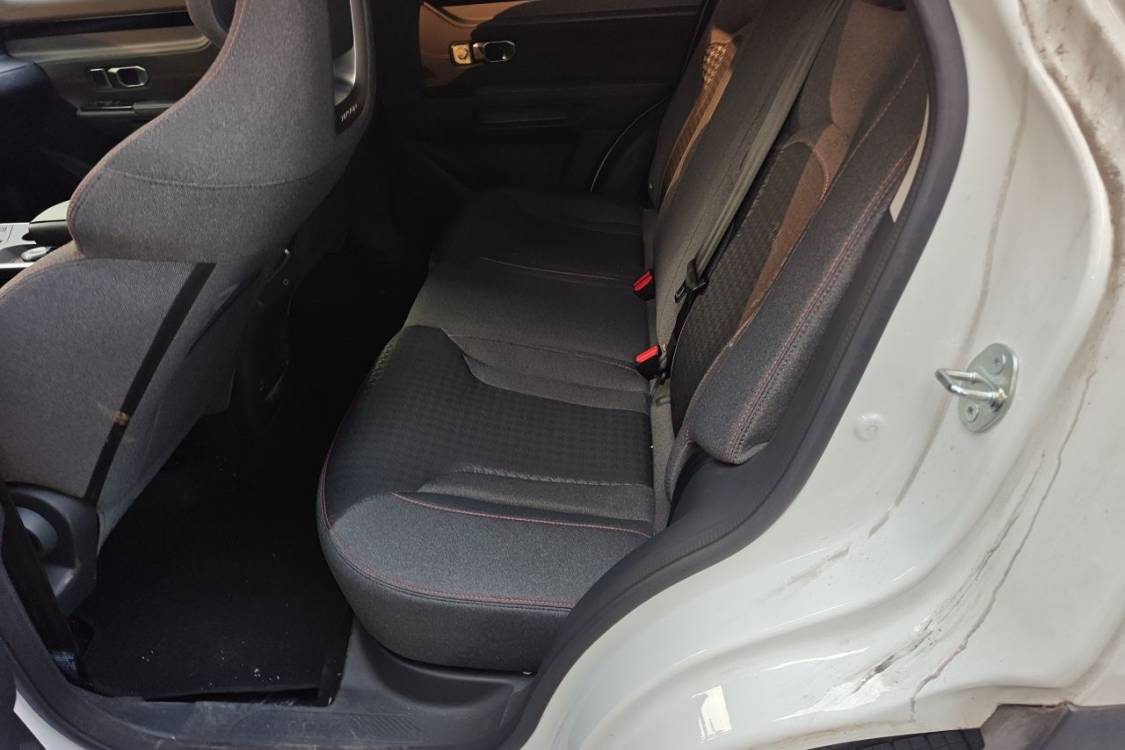
Seats5seats

Condition Description

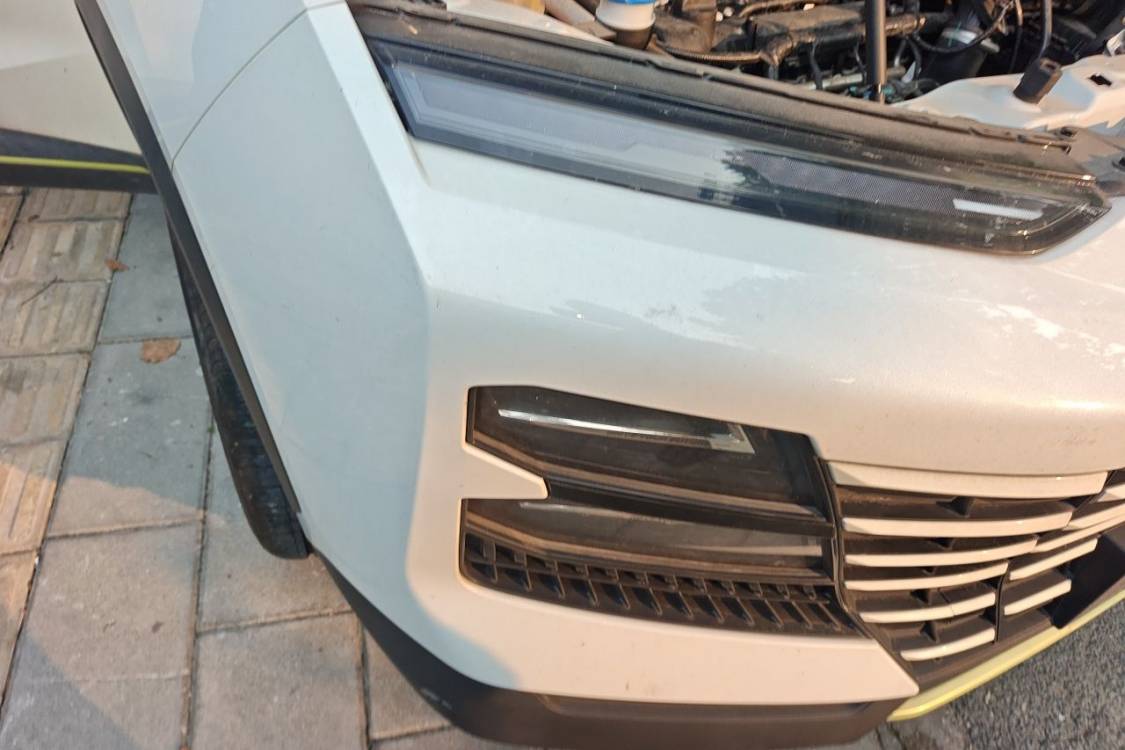
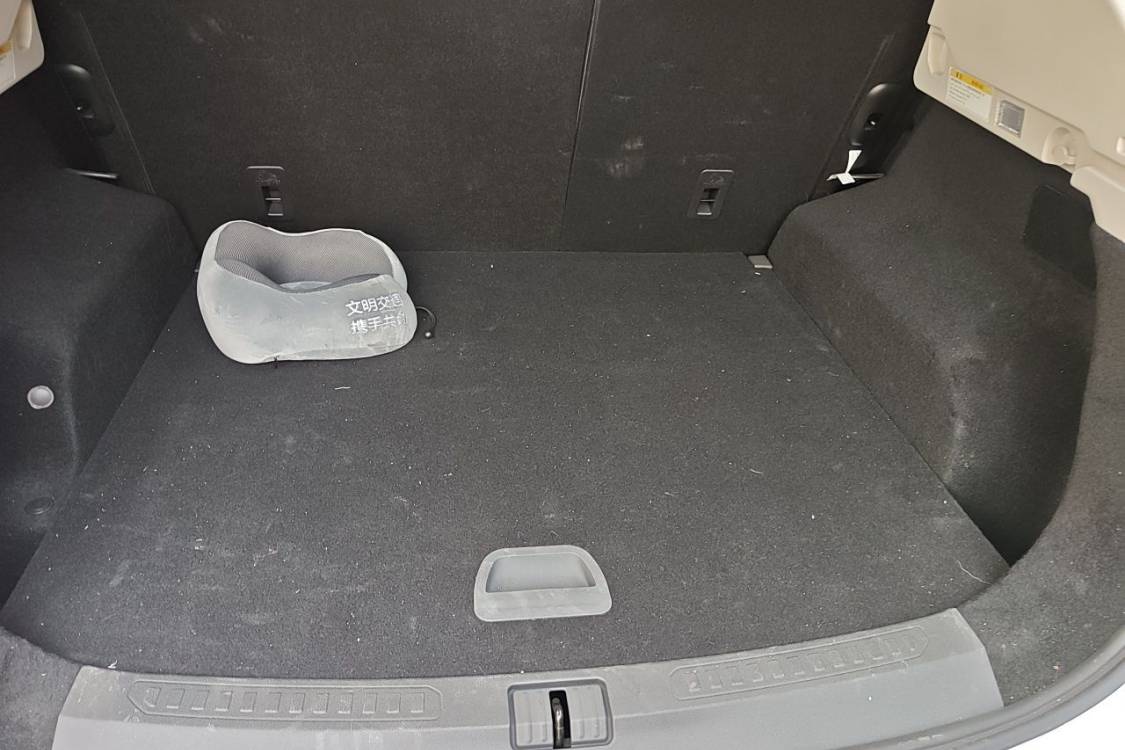
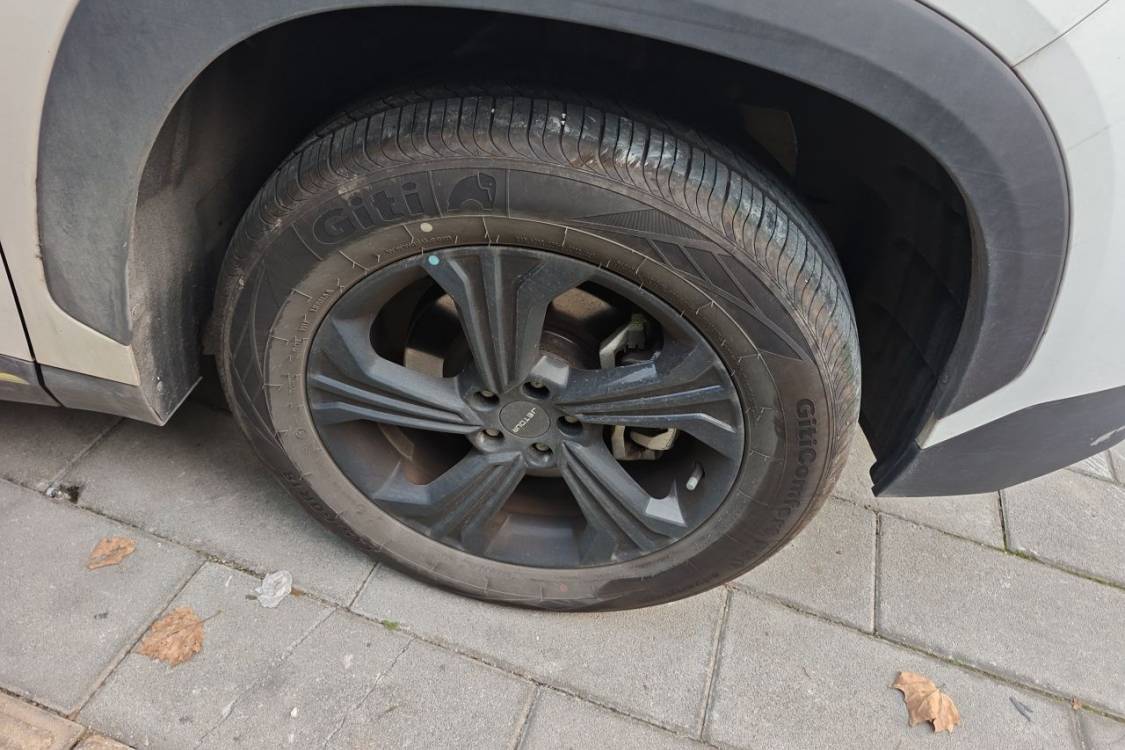
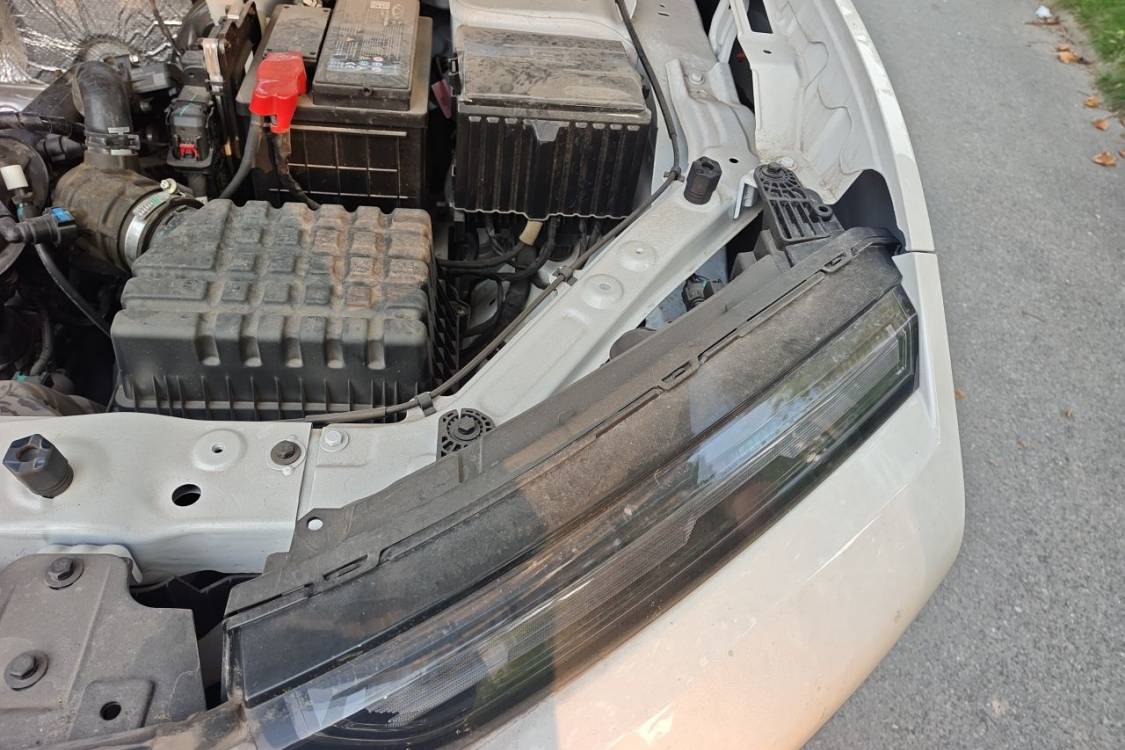
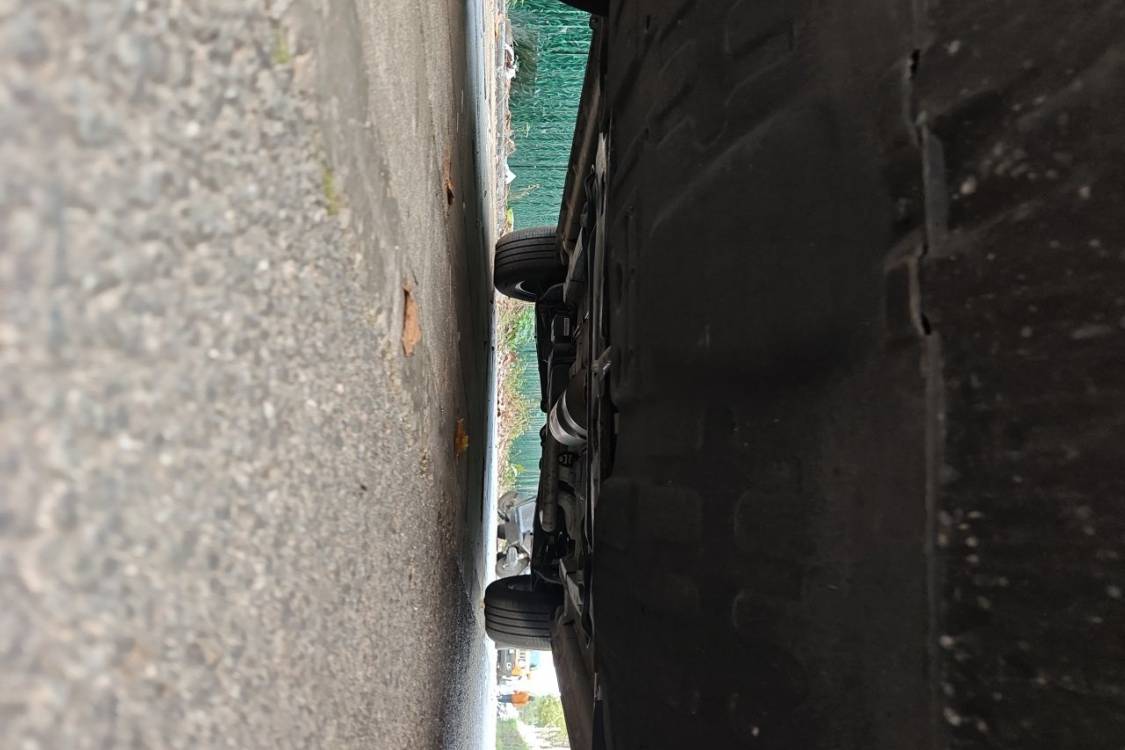
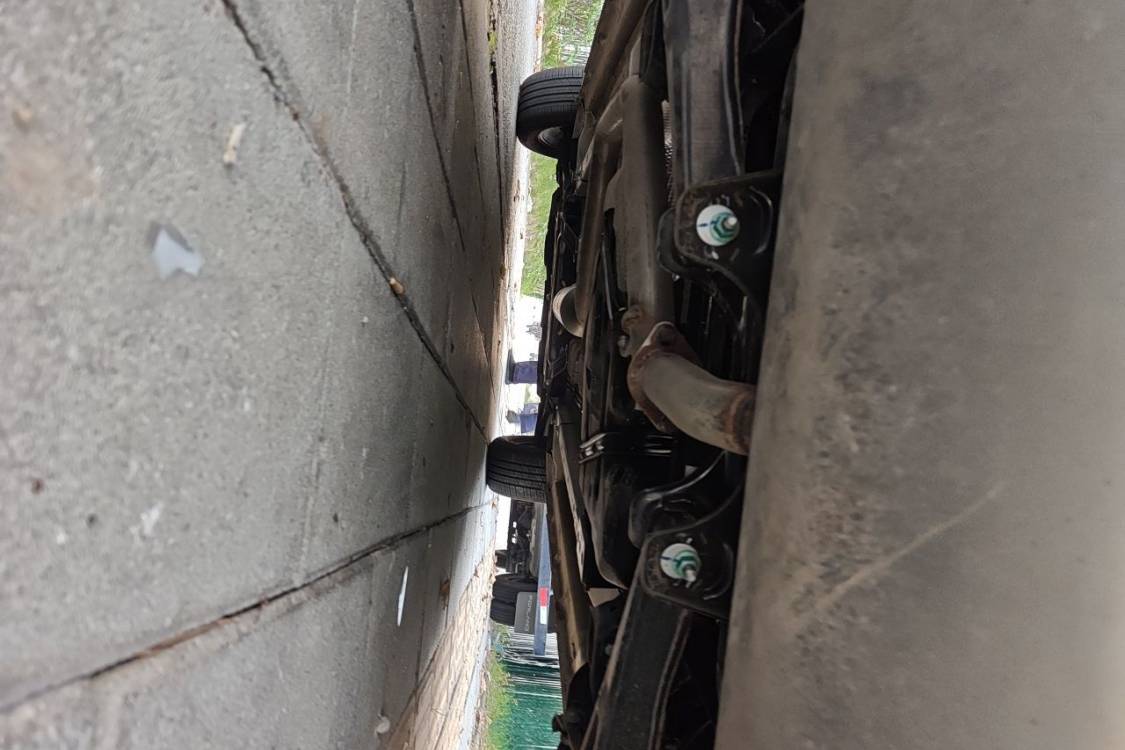
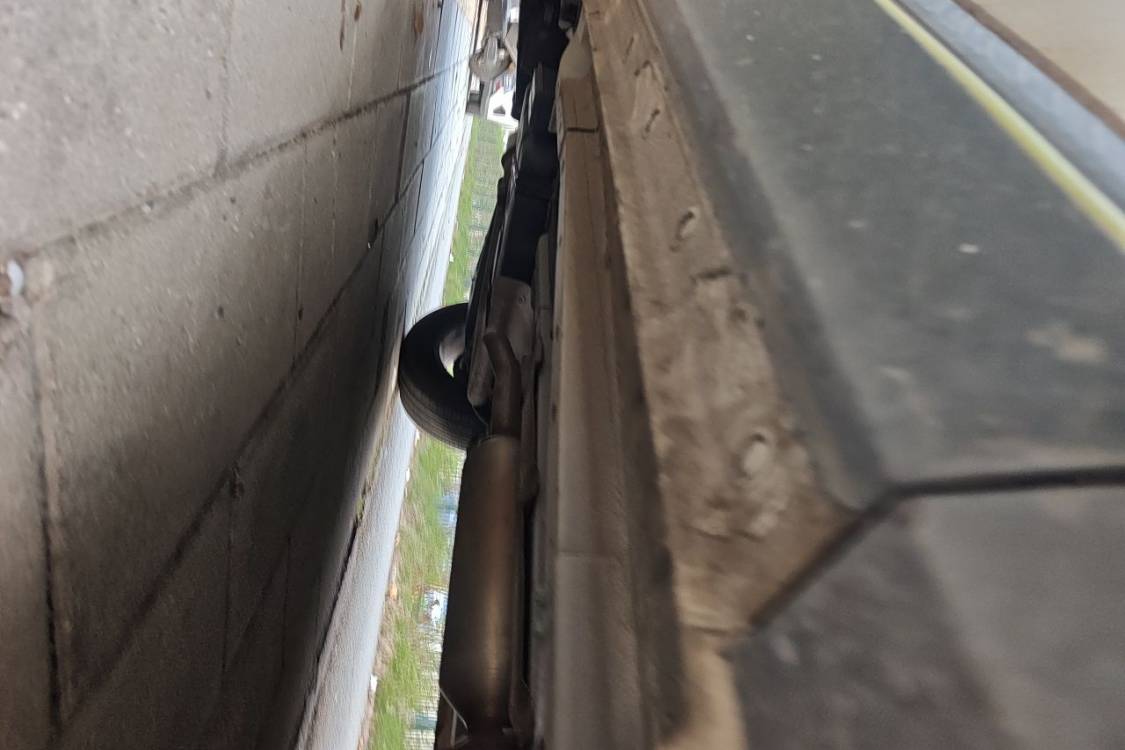
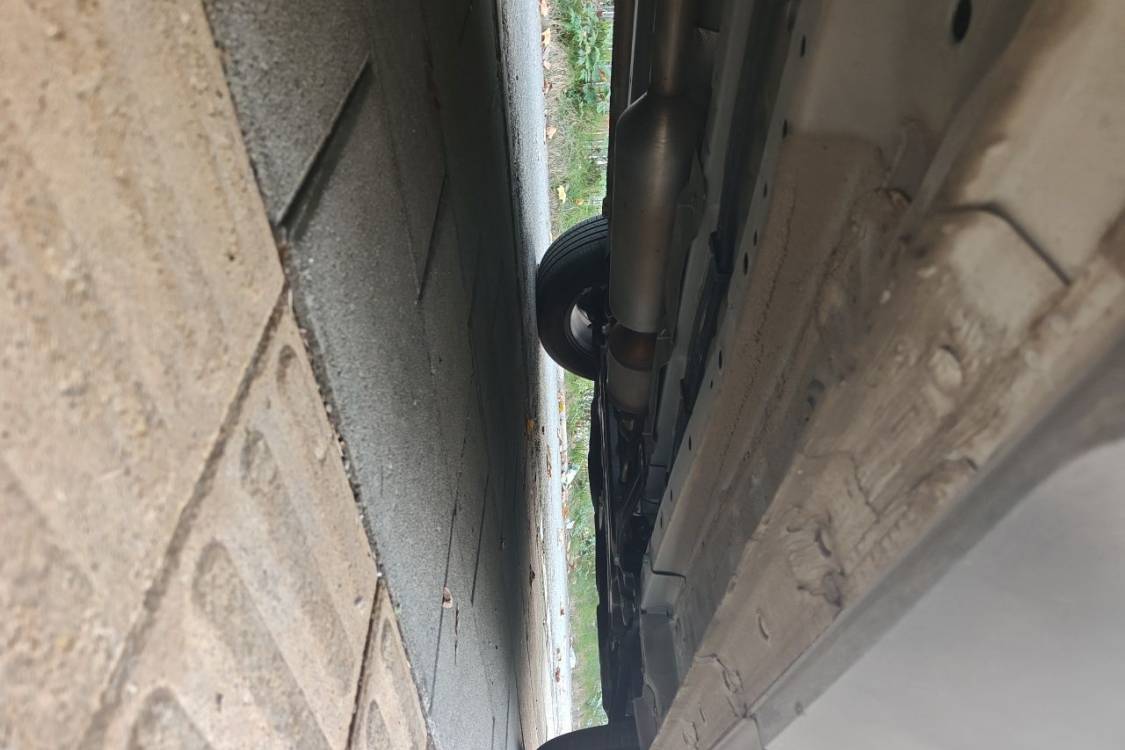
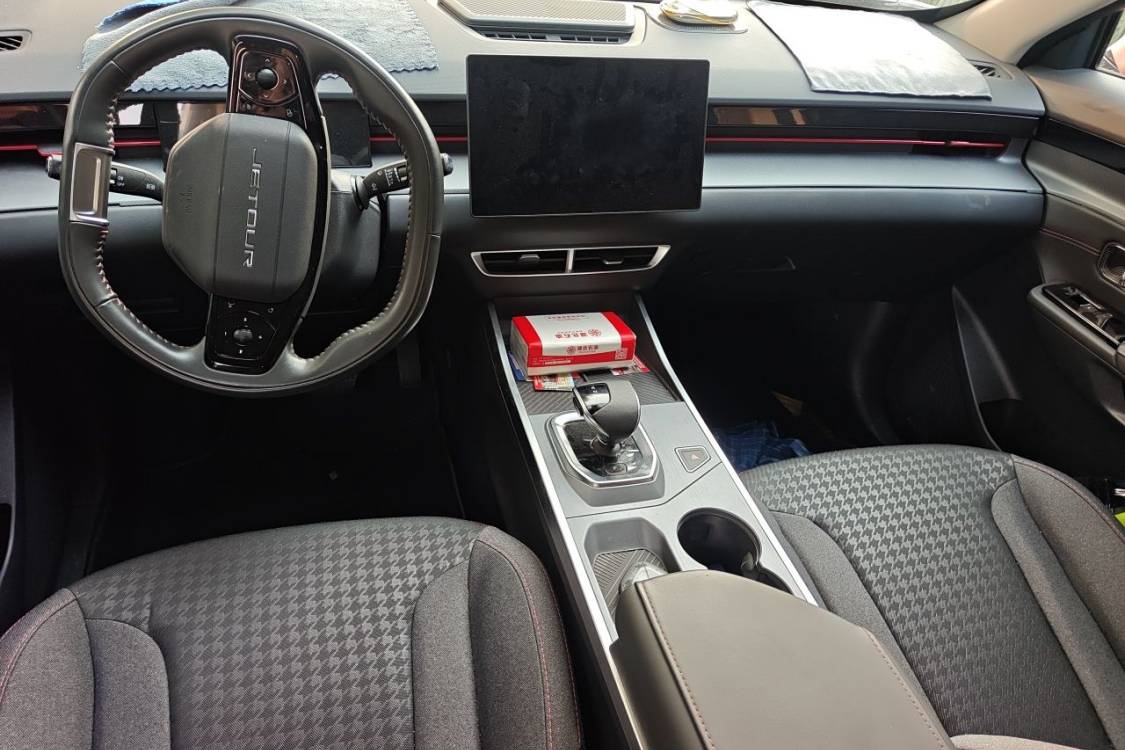
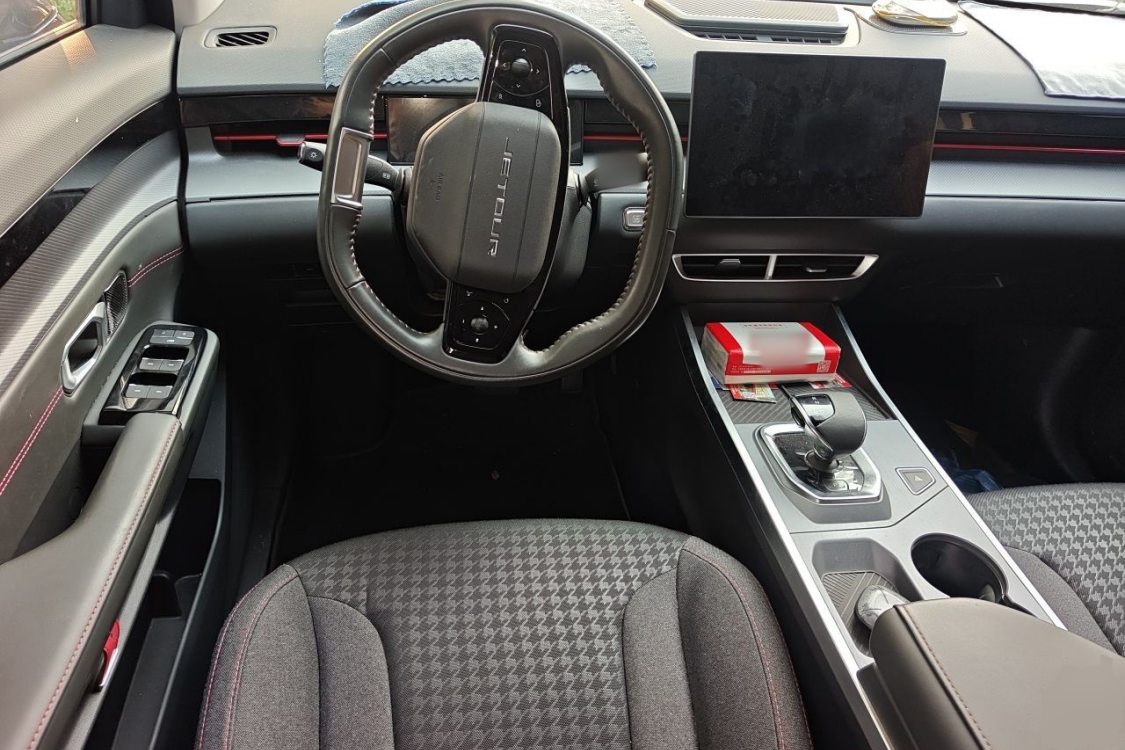
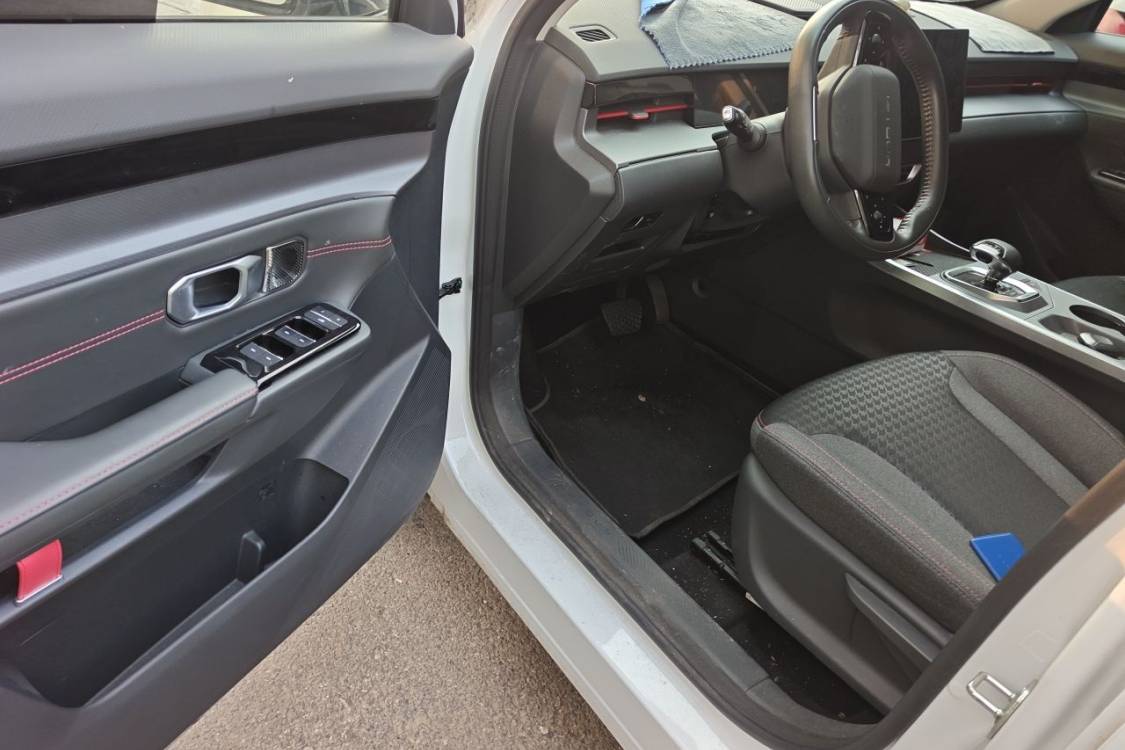
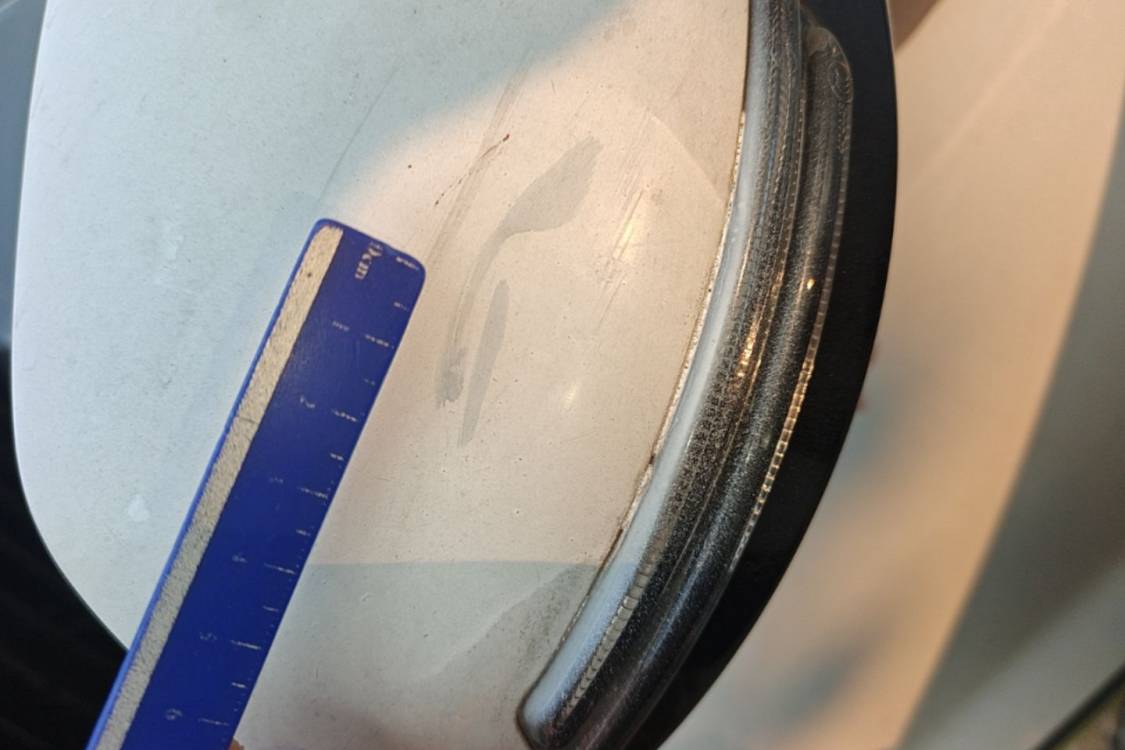
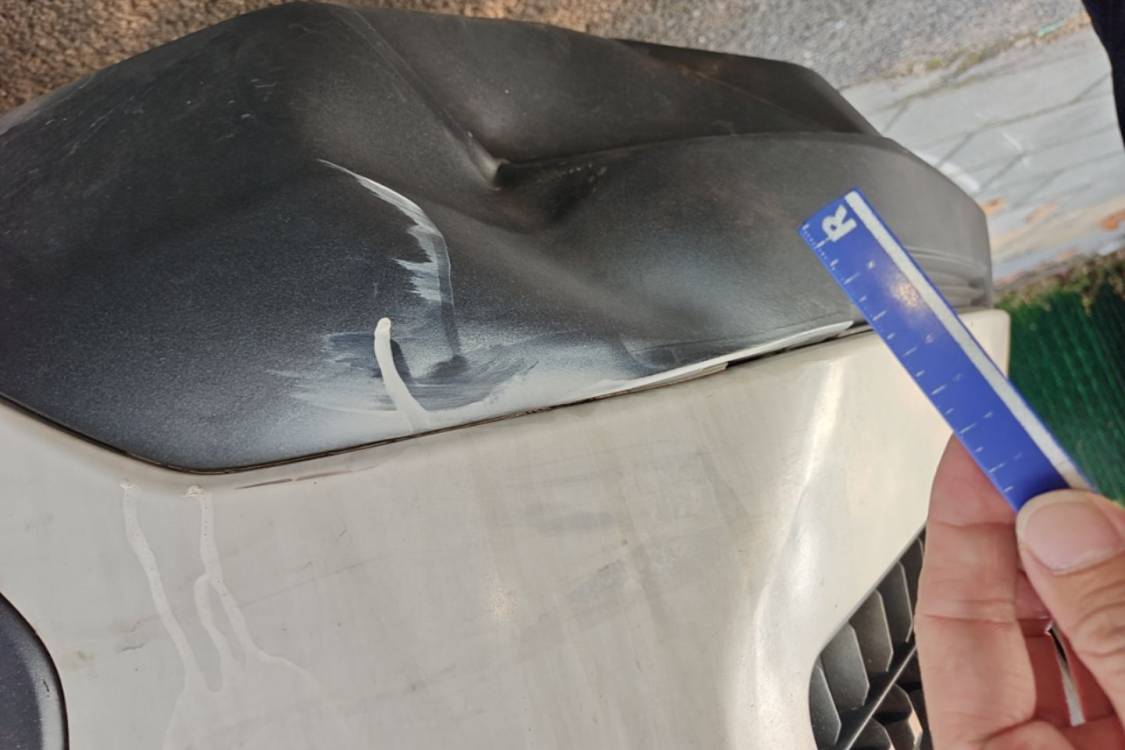
Localized body damage or repair marks present. No accident-related damage or repairs to structural or reinforcement components. Vehicle performance (including three-electric system) has degraded or is limited.

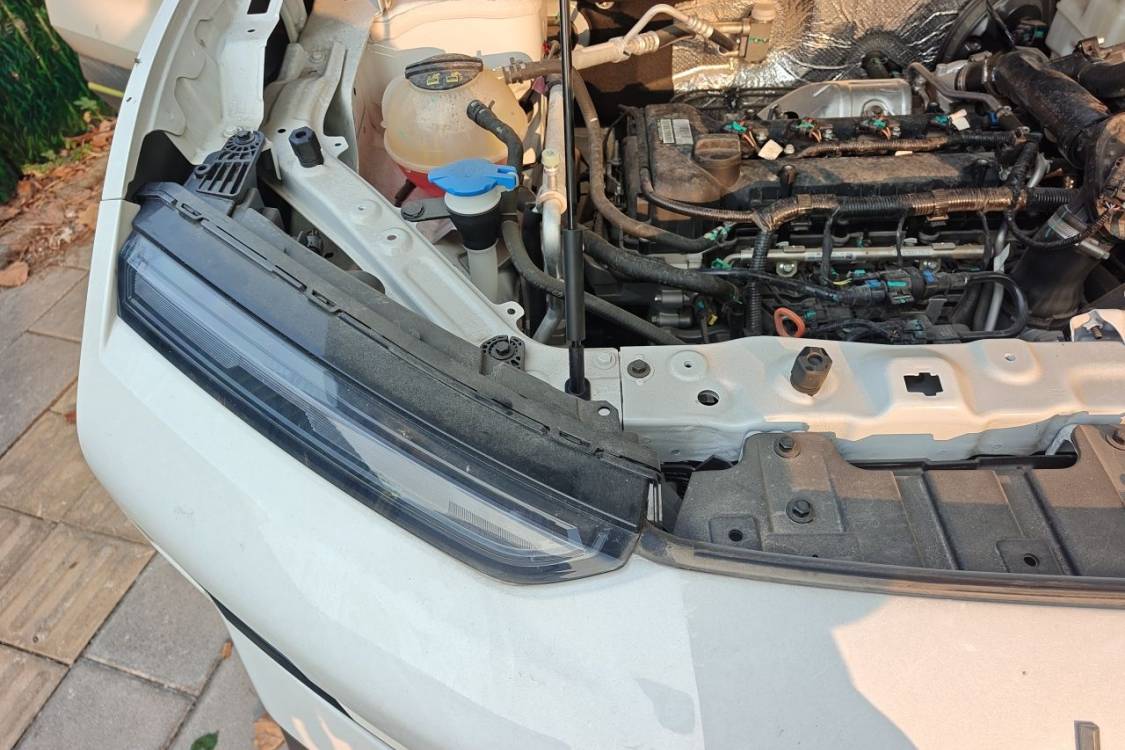
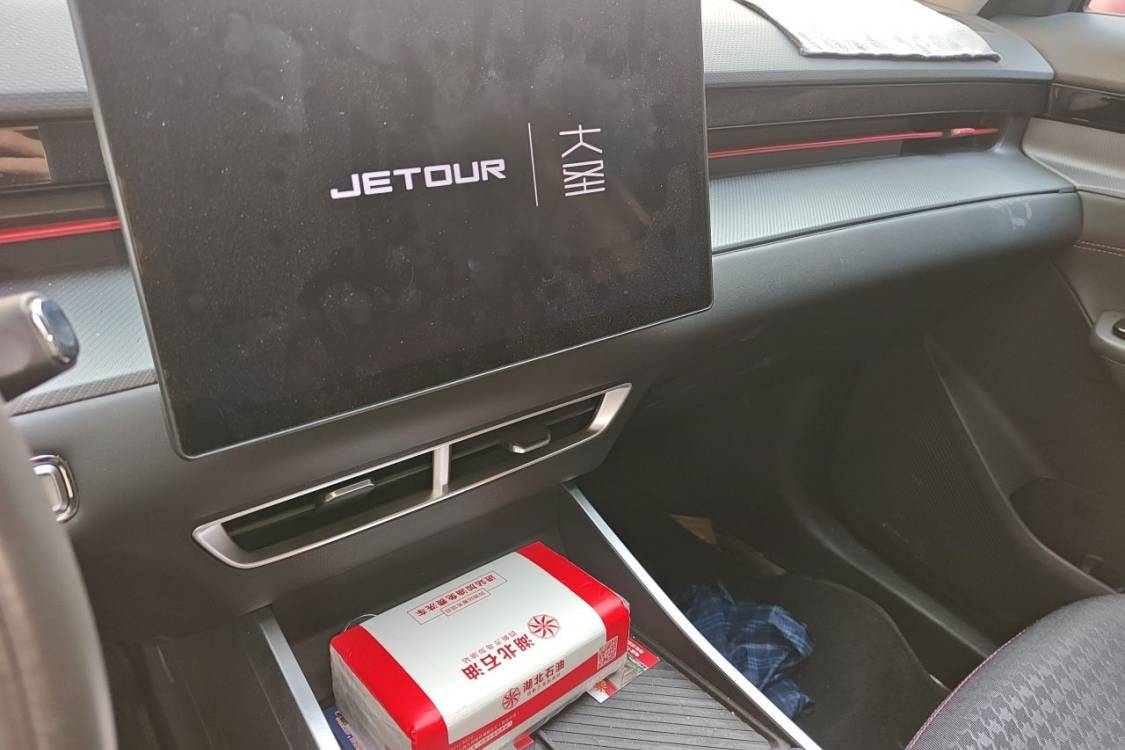
Accident inspection: no damage to main structure, reinforcement parts, or panels; hinges normal. Engine bay: key mechanical components normal. Exterior: none. Interior: most features normal, airbags, seatbelts, dashboard, instruments, and lighting system normal. Start-up test: major components normal. Tool kit: none.

电话直连
可讲价
平台物流
可转售
零过户
新检测标准升级>
非泡水

Document Information

Inspection Expiry Date2026/12
Warranty Expiry Date-
Insurance Expiry Date-

Q&A

More

If the remittance info for the international wire transfer has the wrong contract number, will it cause delays in currency exchange and shipping?

It will cause serious obstacles. China's foreign exchange controls are extremely strict. If the remittance note and the remitter do not match our declared contract, the bank will reject the transaction (Pending). We will need to spend several days submitting additional explanations to the foreign exchange authority, which will inevitably delay the shipping schedule.


Will both smart keys that came with the vehicle be sent along with it?

Our delivery standard is 'As-Is'. If the original owner only hands over one key at the time of collection, the report will clearly state 'Keys: 1'. Do not assume that all used cars come with two keys, as the cost of reprogramming smart keys overseas is very high.

When shipping by RoRo vessel, is the "Terminal Handling Charge (THC)" at the destination port prepaid by your freight forwarder or paid by the buyer upon arrival?

Under international practices and our standard CIF/FOB terms, the THC at the port of origin (China) is borne by the seller; all THC and port miscellaneous charges incurred at the destination port during unloading are to be paid by the buyer (consignee) upon local customs clearance and pickup.