







24H

Basic Information

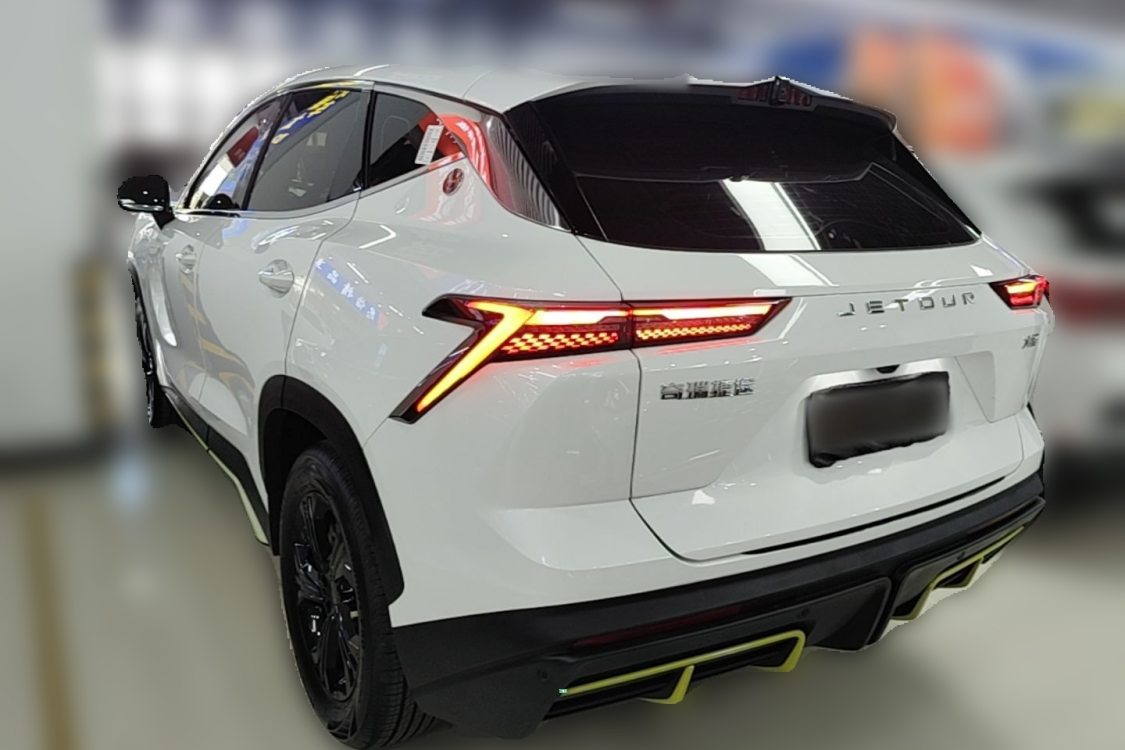
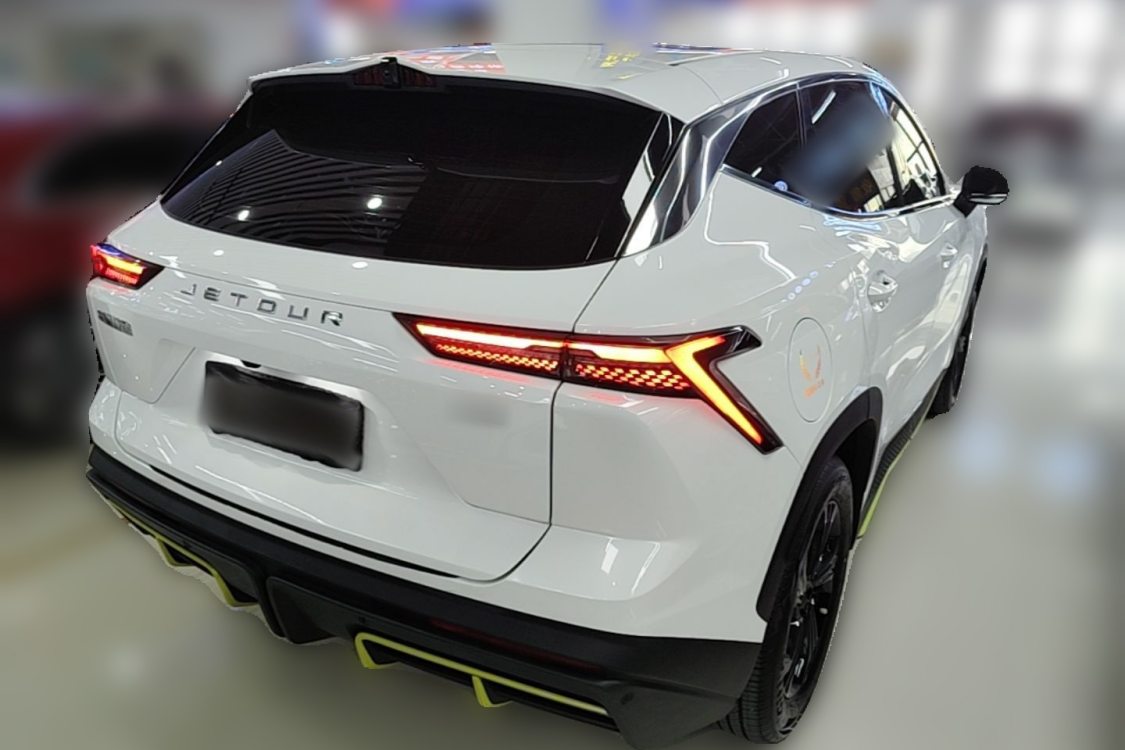
BrandJetour
SeriesDashing
Year2024
First Registration2024/12
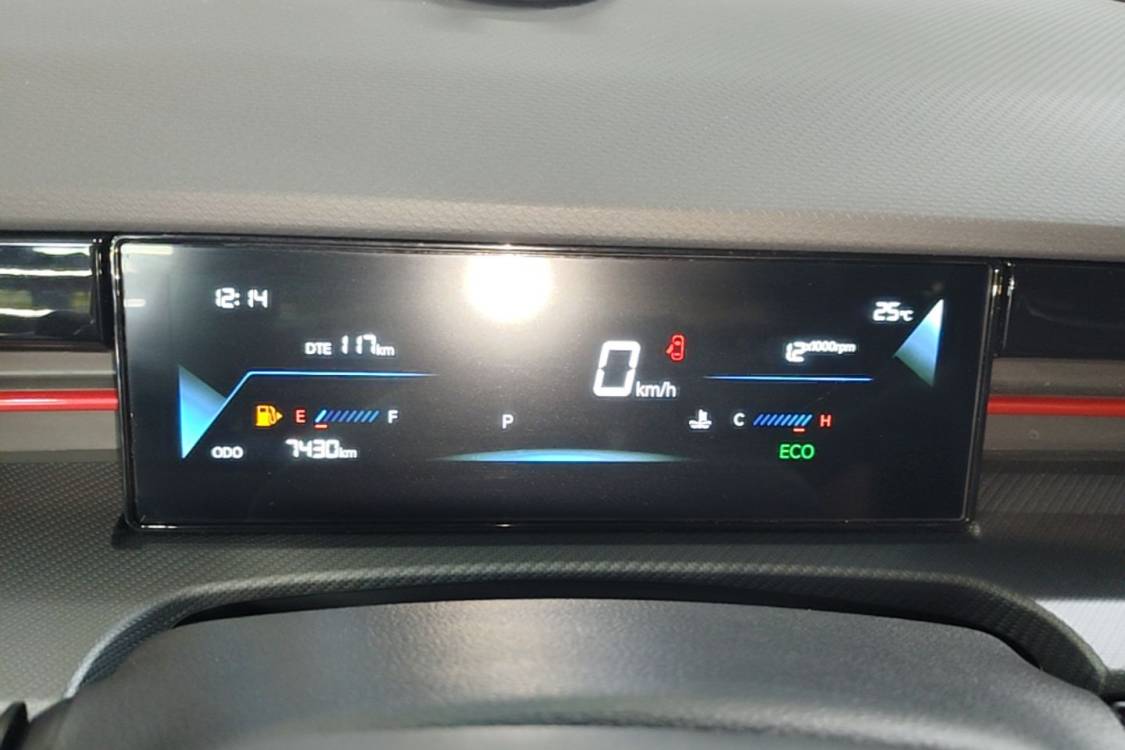
Mileage7,400km
Transfer Count-
FuelGasoline
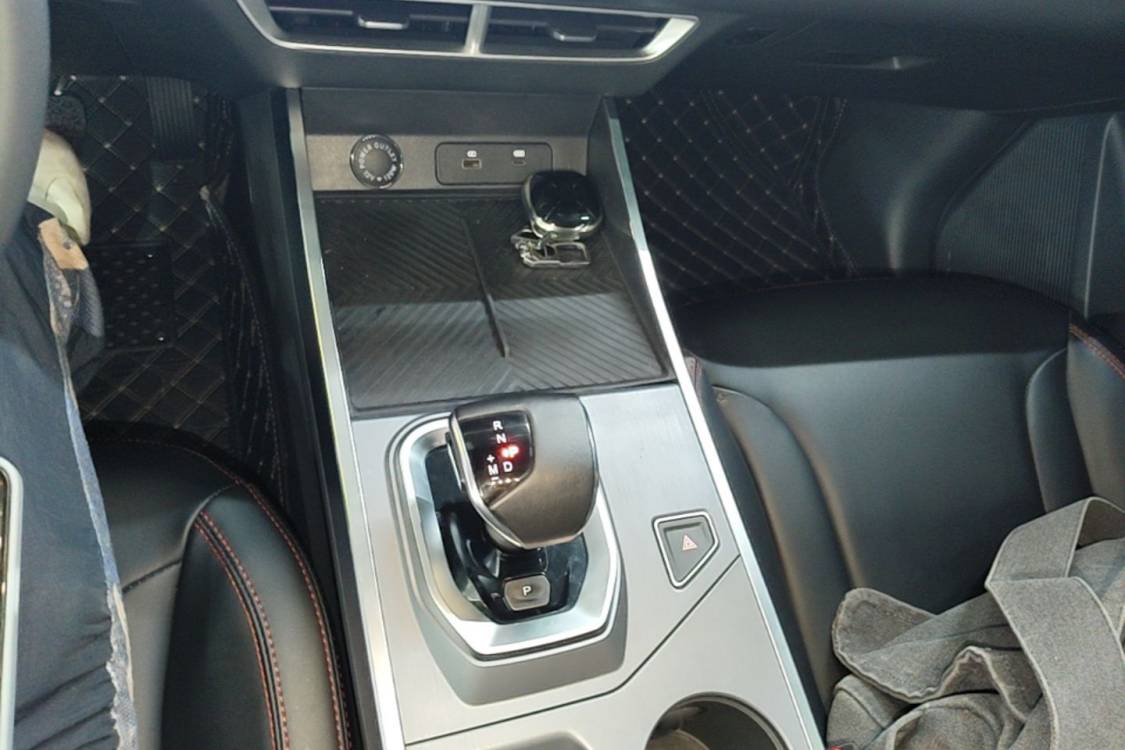
TransmissionDCT
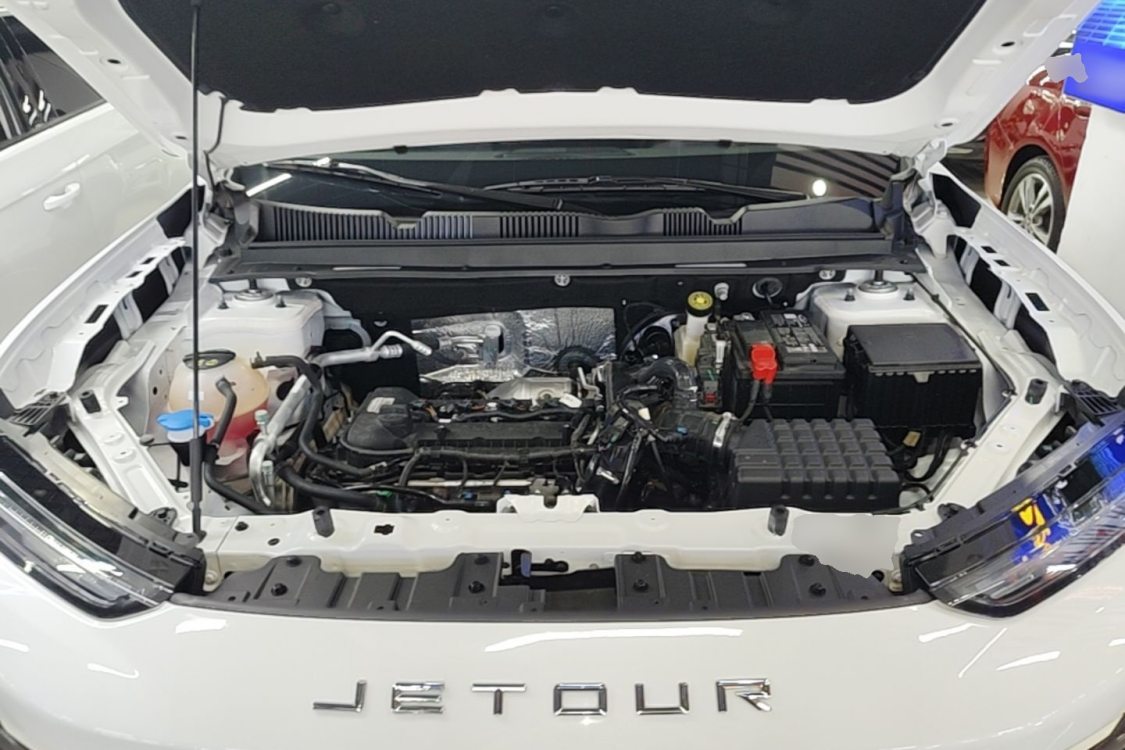
Engine1.5T 156 L4
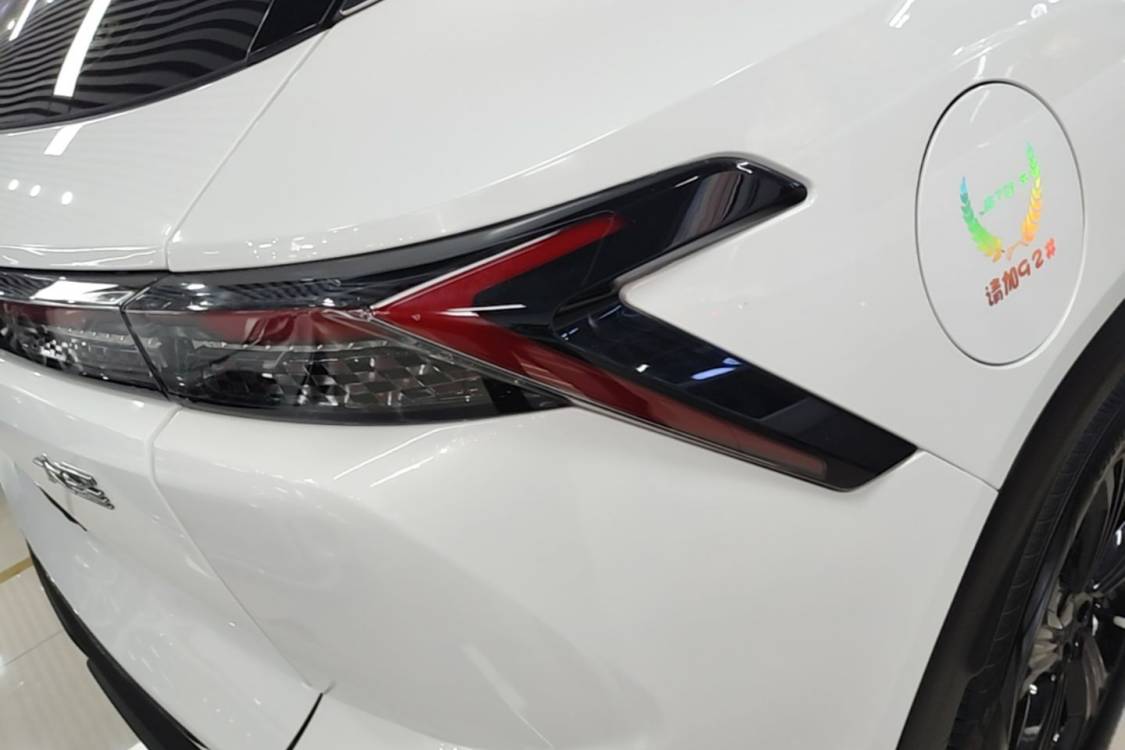
ColorWhite
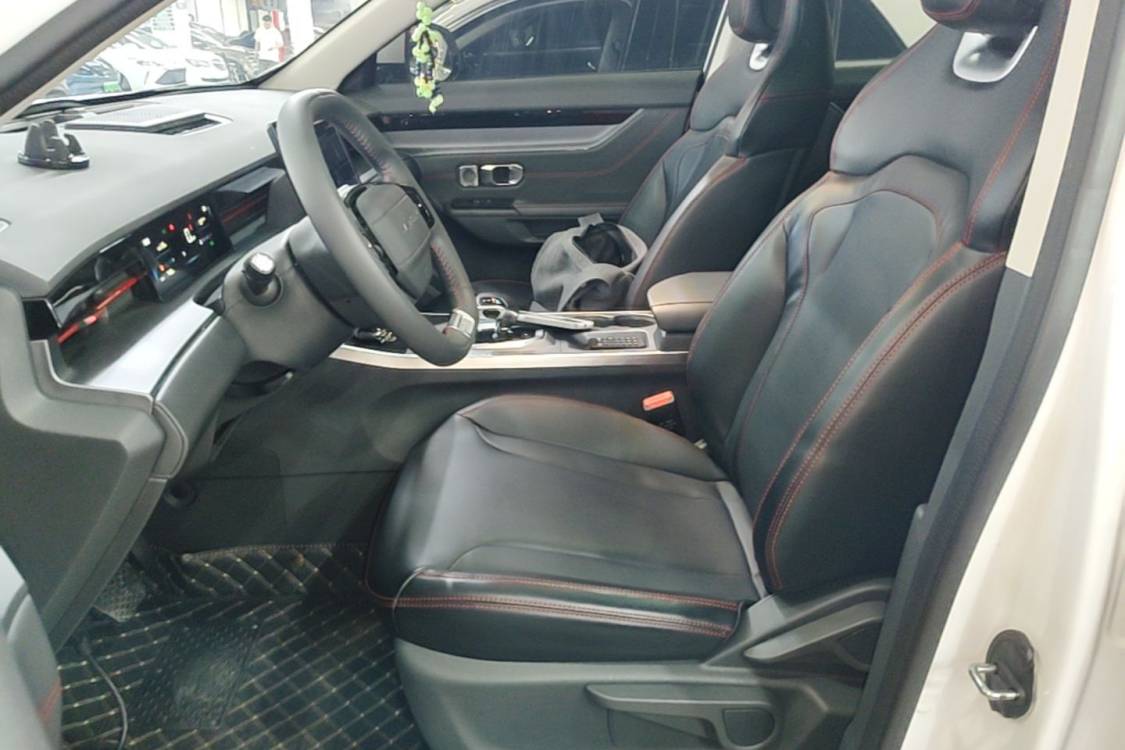
Seats5seats

Condition Description

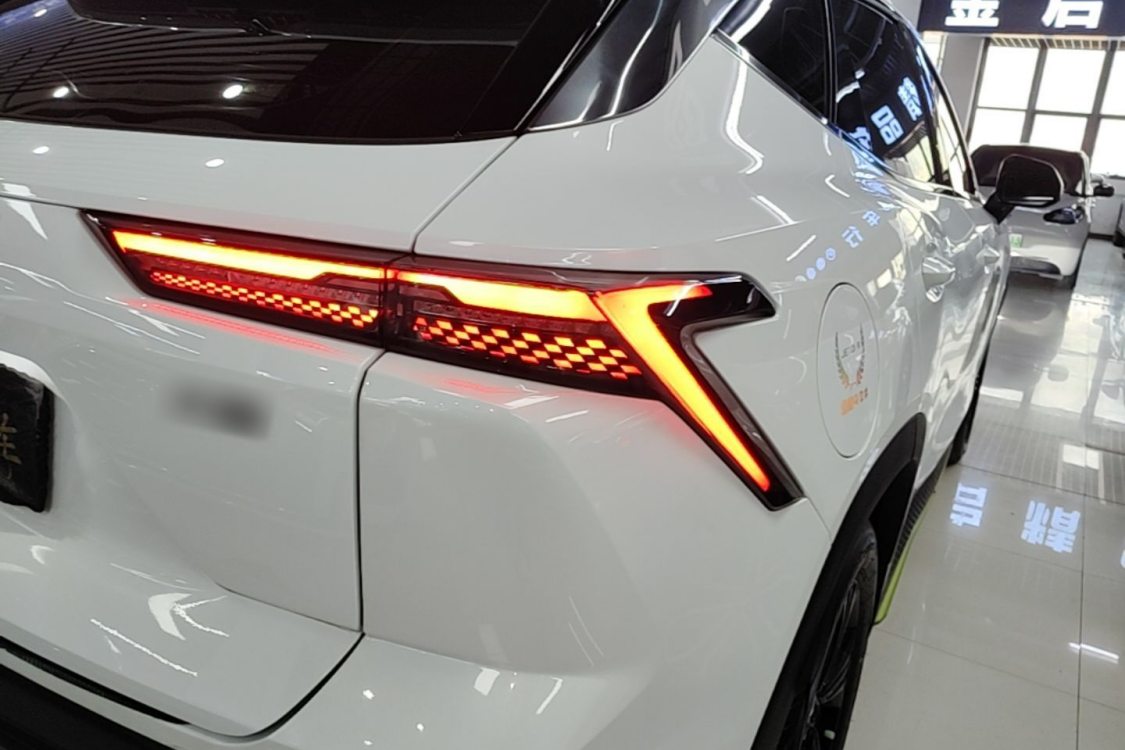
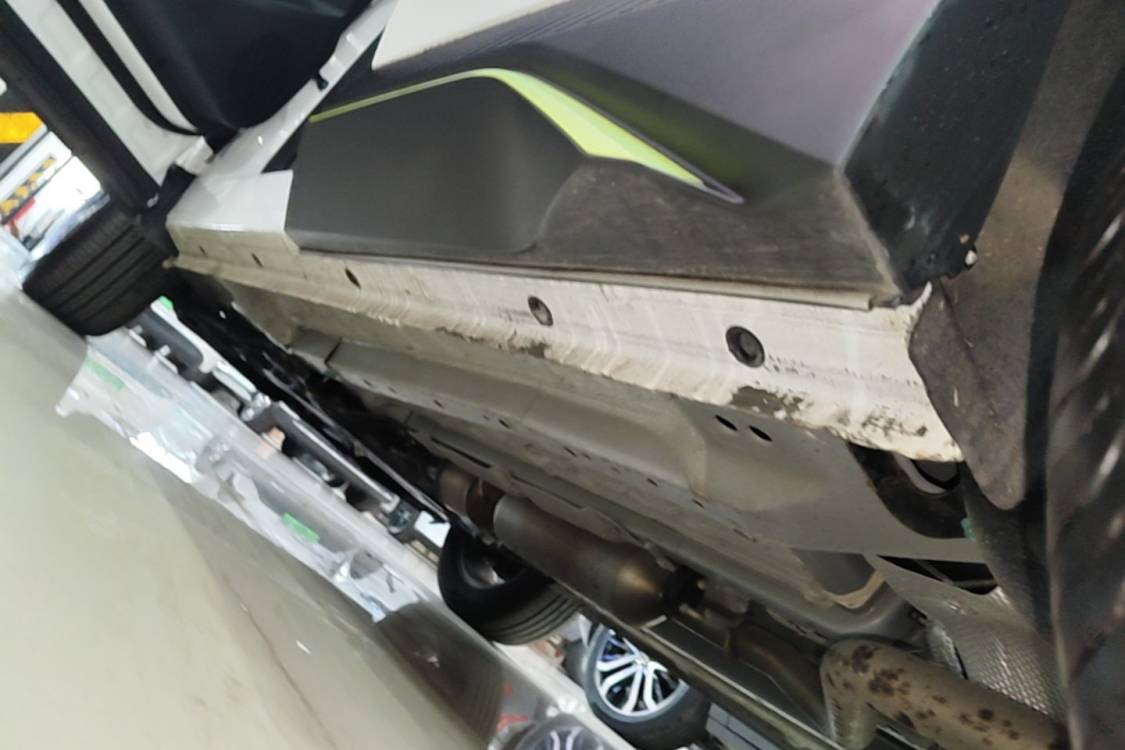
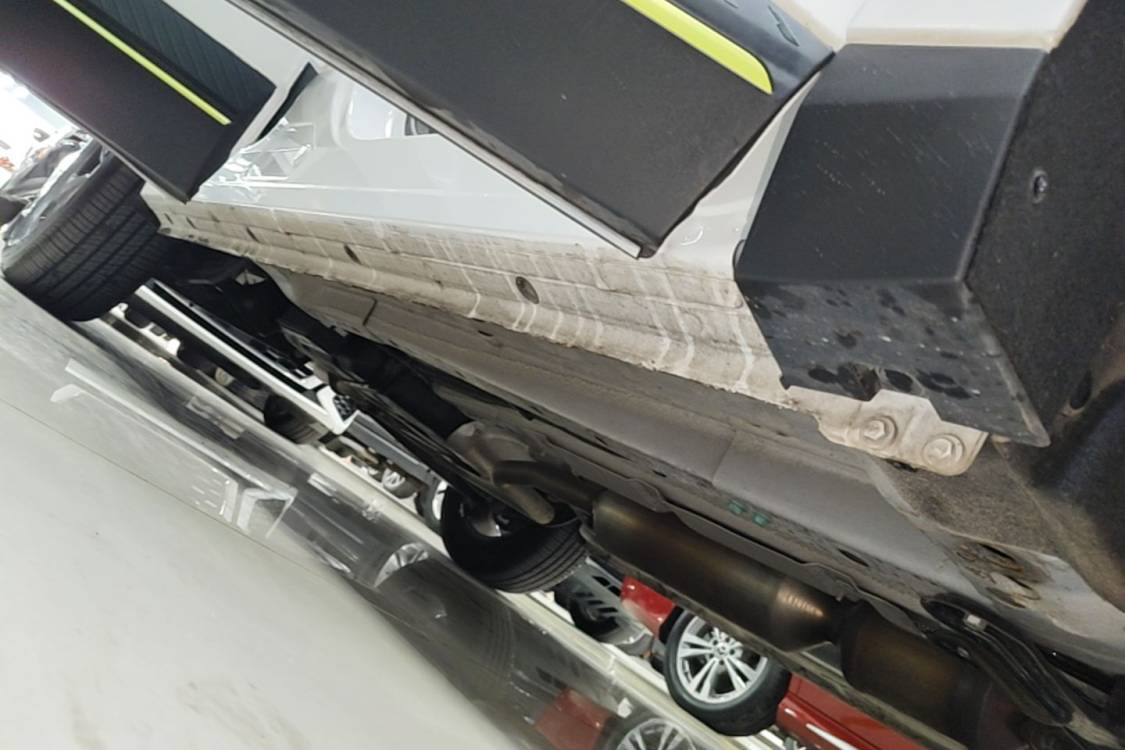
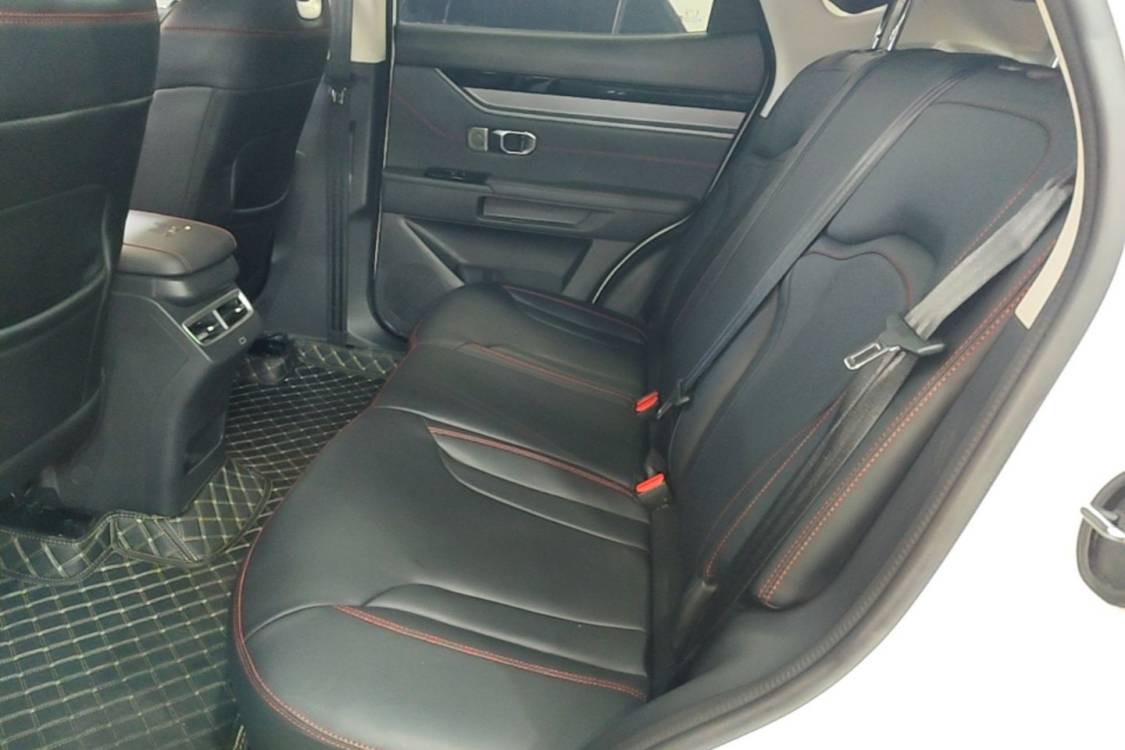
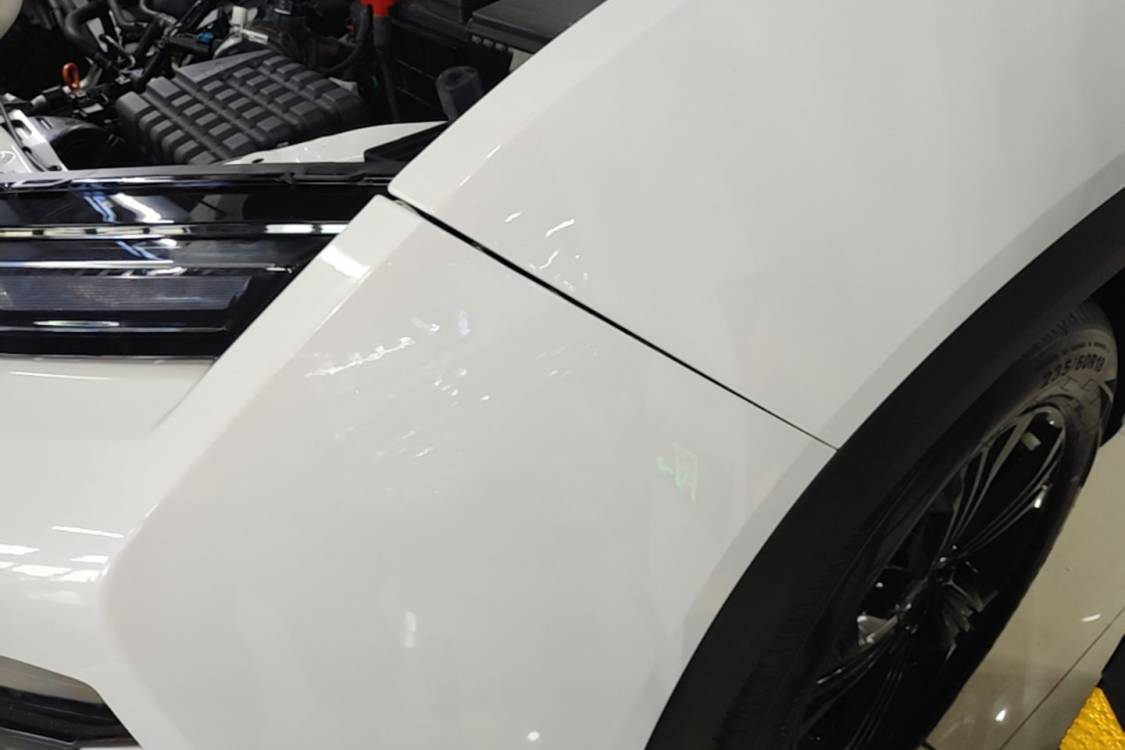
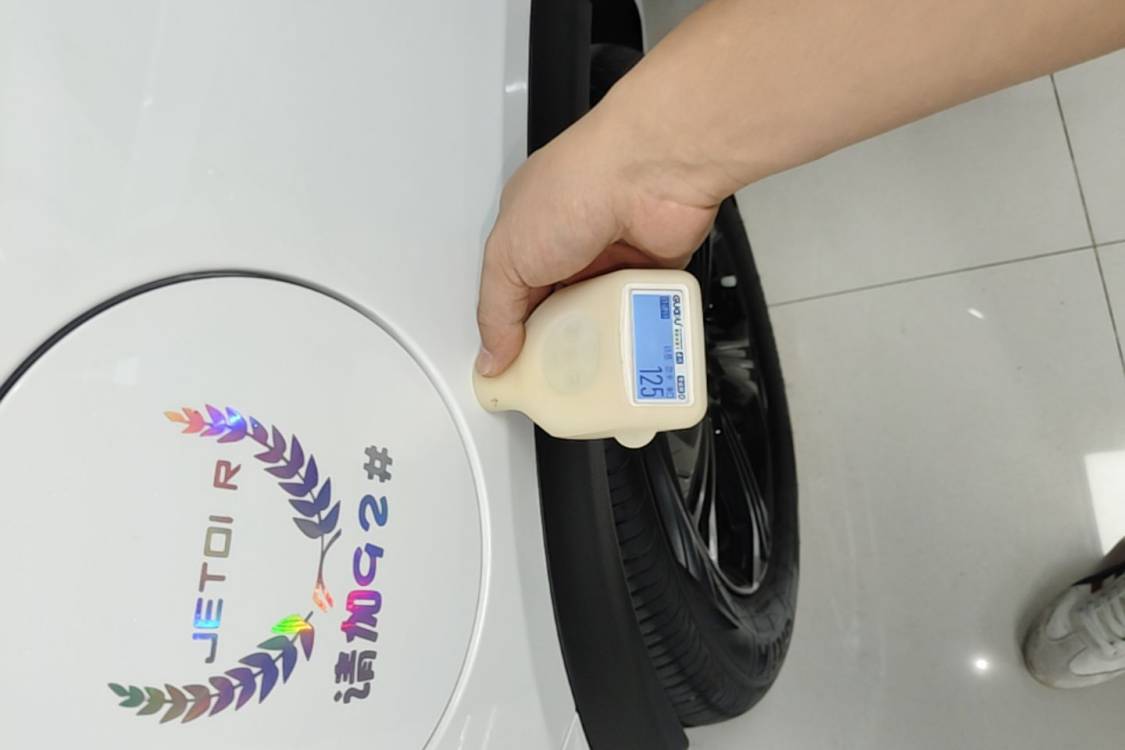
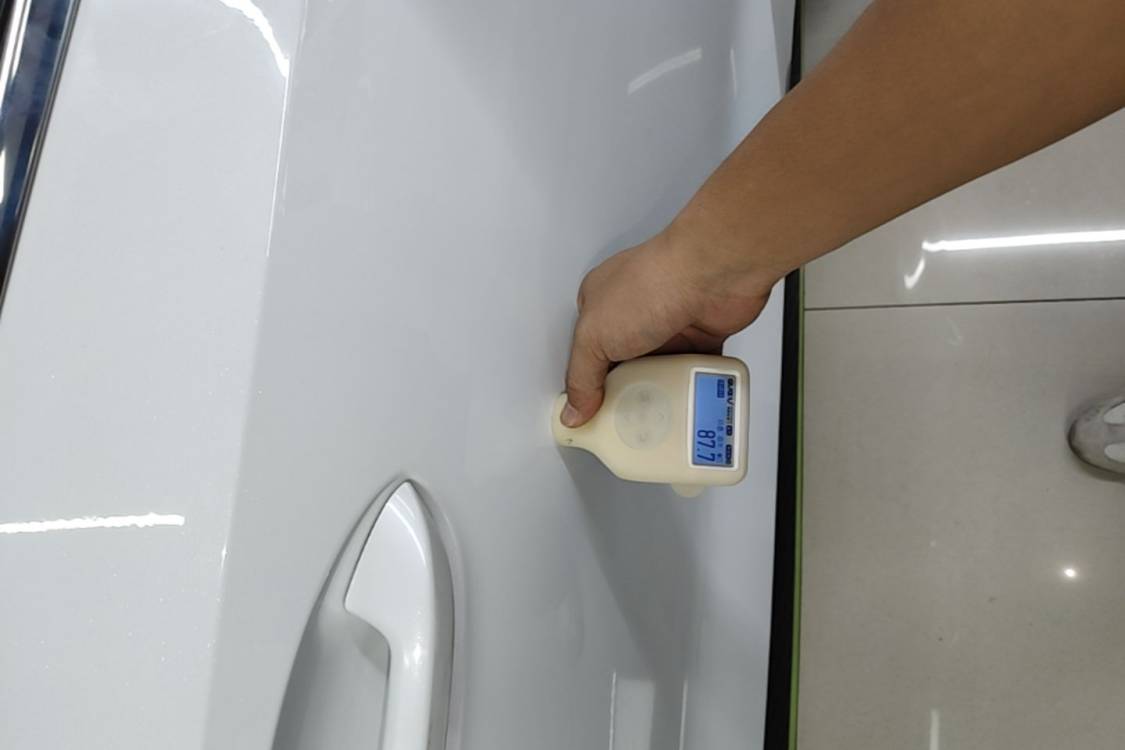
Localized body damage or repair marks present. No accident damage or repairs to structural or reinforcement components. Vehicle performance (including three-electric system) has degraded or is limited.

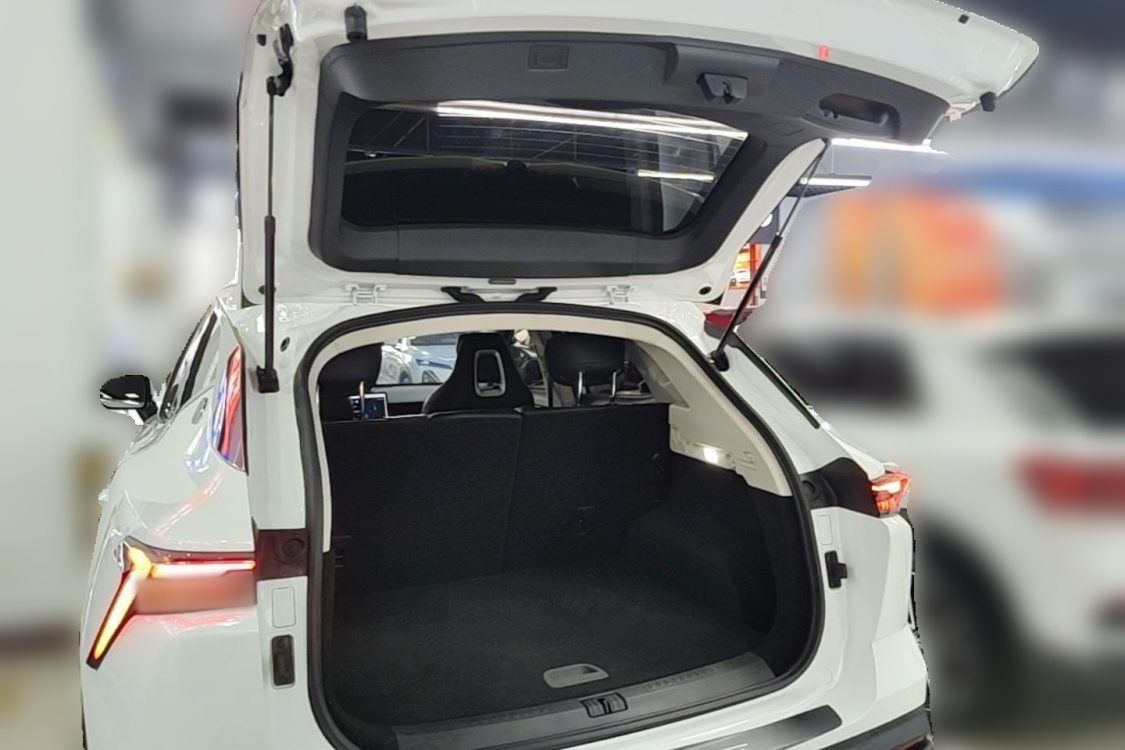
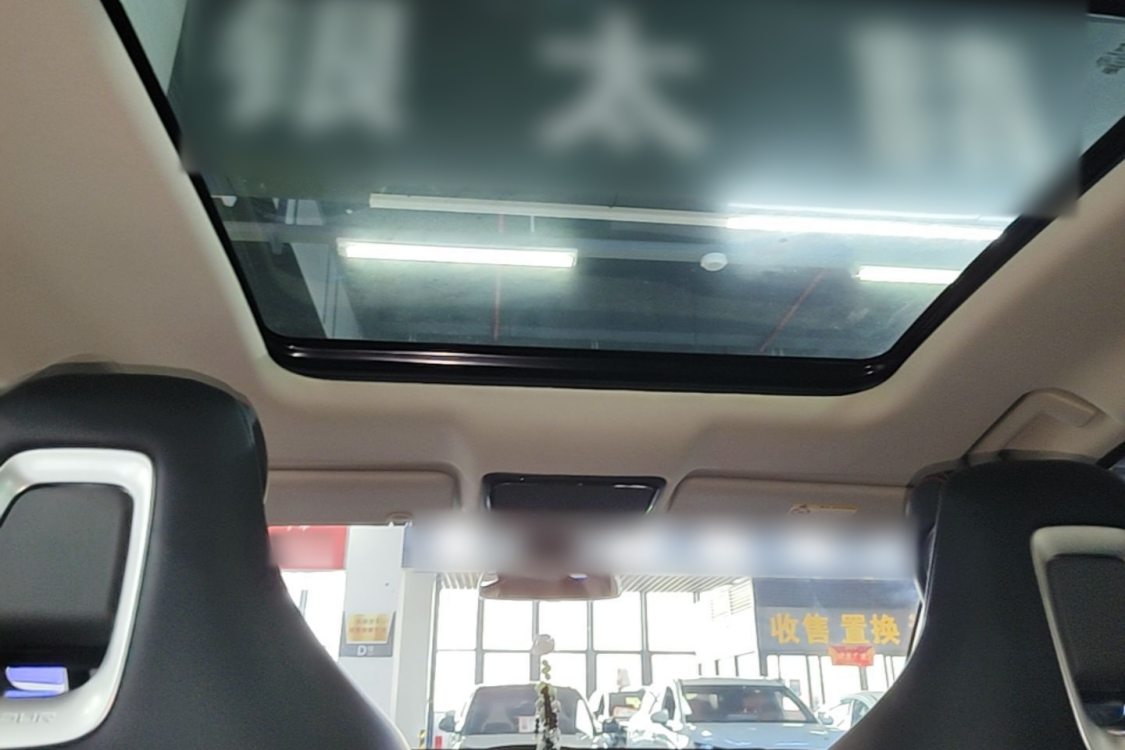
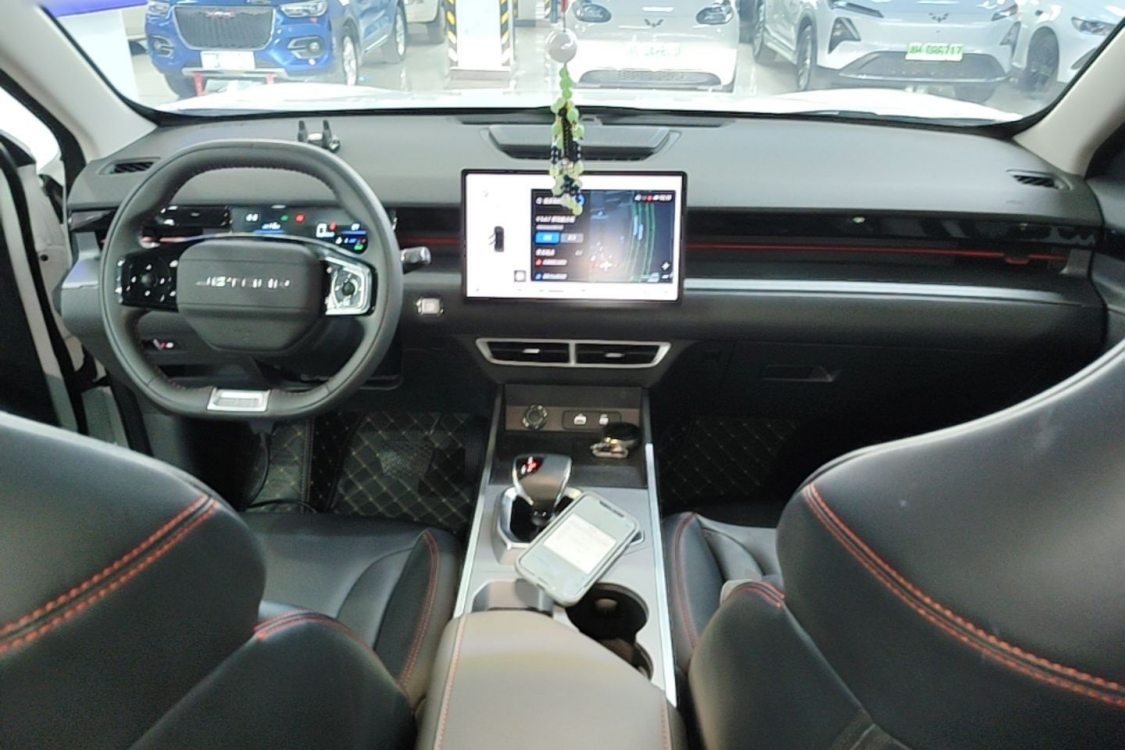
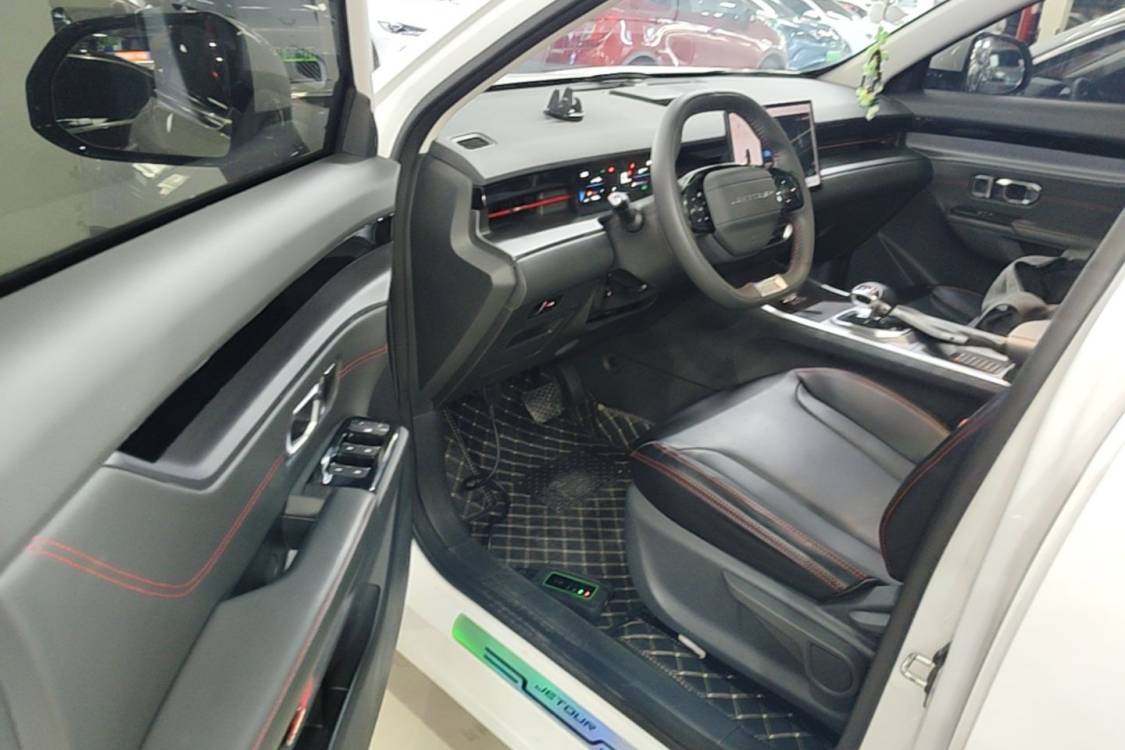
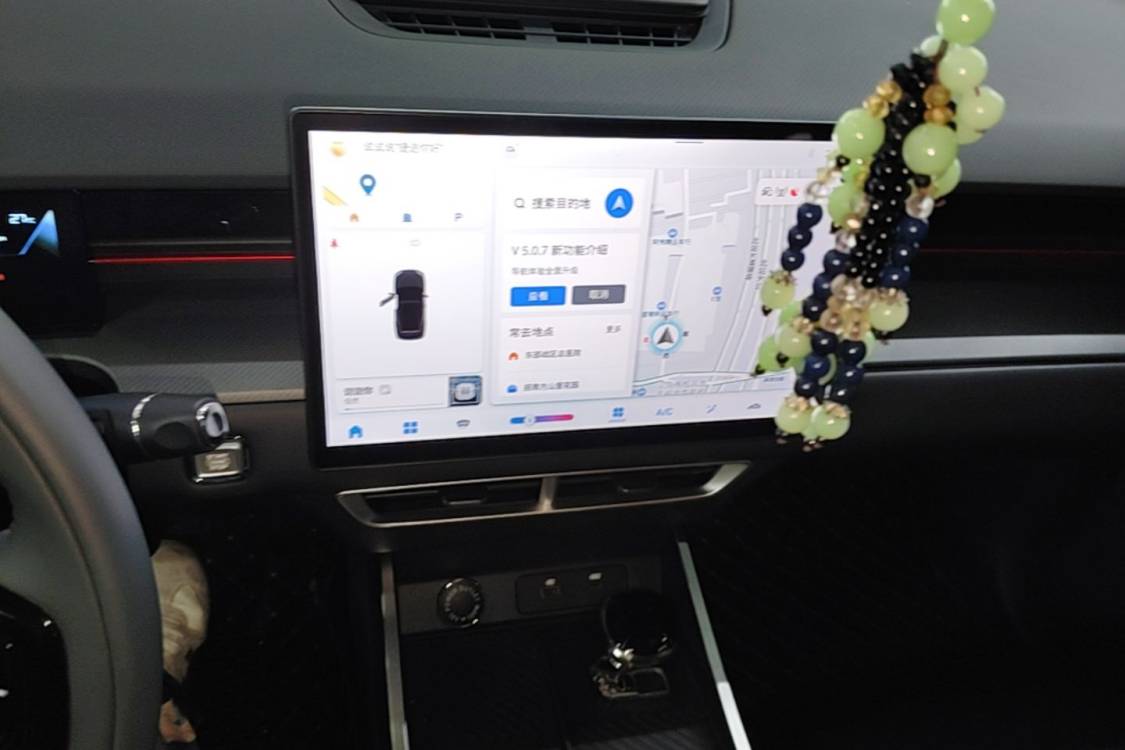
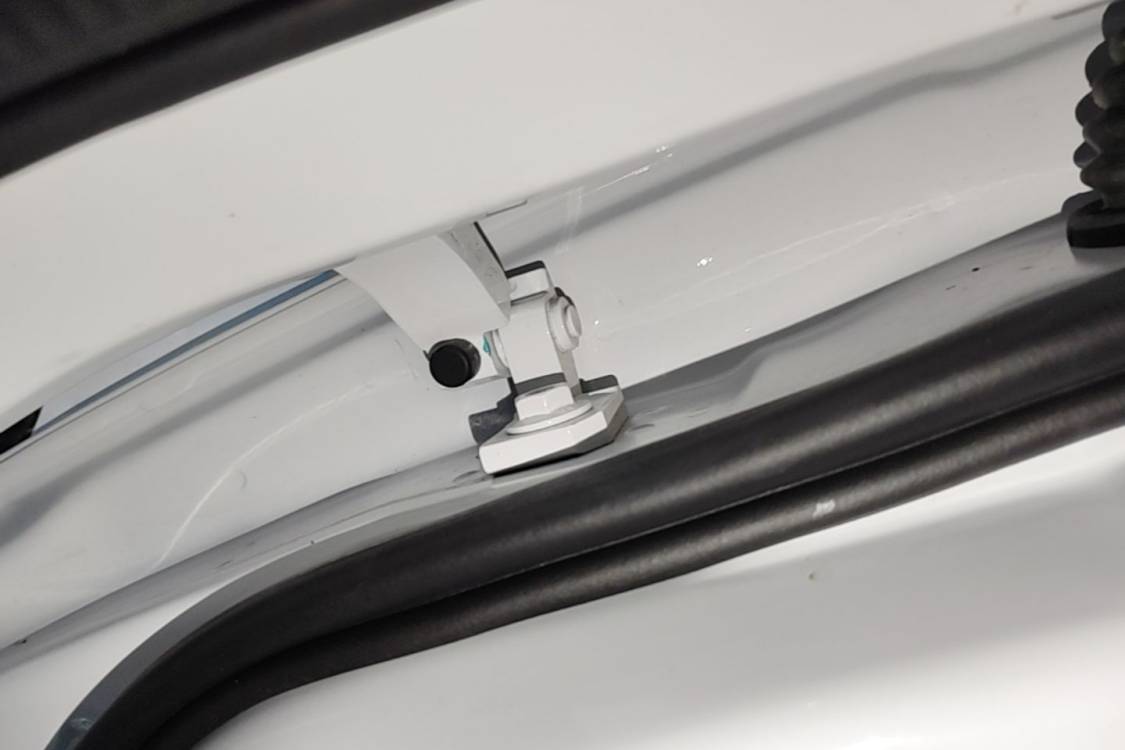
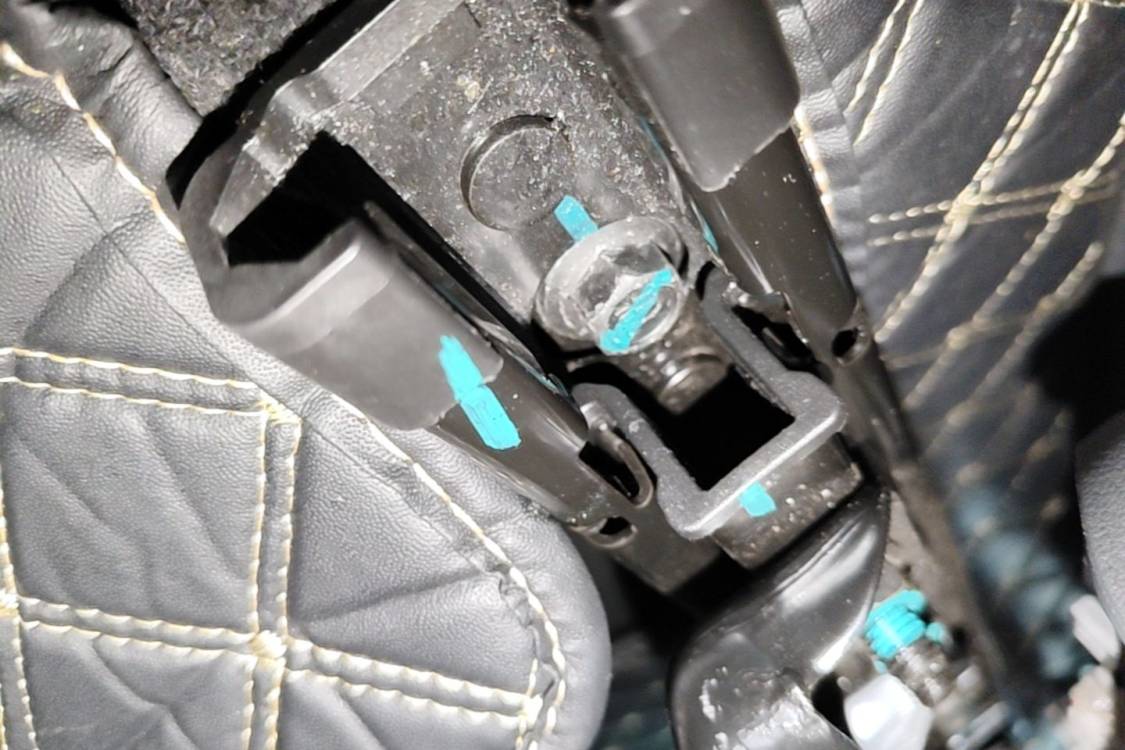
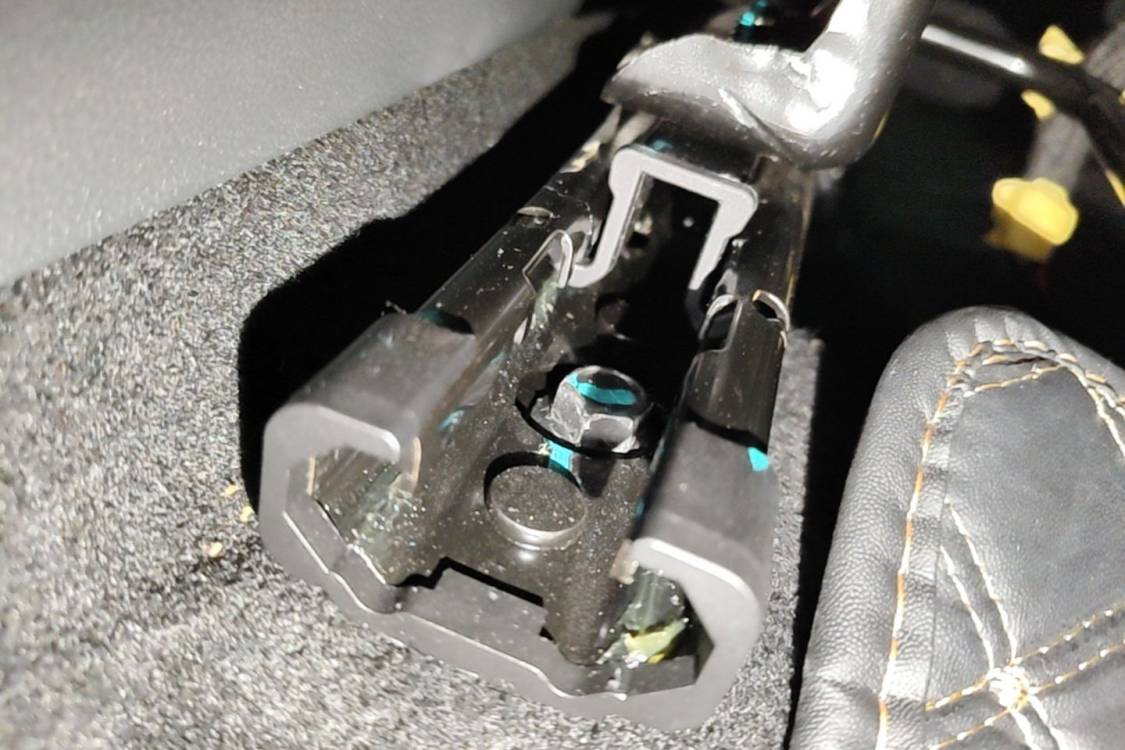
Accident inspection: main structure undamaged, reinforcement parts undamaged, cover panels undamaged, hinges abnormal. Engine bay: key mechanical components normal. Exterior: 1 replaced part, 2 painted areas. Interior: most features normal, airbag system normal, seatbelts normal, dashboard normal, instrument cluster normal, lighting system normal. Startup check: major components normal. Onboard tools: none.

电话直连
可讲价
平台物流
零过户
新检测标准升级>
非泡水

Document Information

Inspection Expiry Date2026/12
Warranty Expiry Date-
Insurance Expiry Date-

Q&A

More

Will you provide a comprehensive landing cost calculation for different destination ports (e.g., Jebel Ali Port vs. Mombasa Port)?

We will provide a detailed logistics and insurance cost table from the port of origin to the destination port, but since we do not have access to the rapidly changing tariff dynamics of multiple countries, we cannot provide an absolute "Delivered Duty Paid (DDP)" calculation.


What are the typical steps and timeline when buying a used car from China, from selection to delivery at my port?

A normal transaction moves through six stages. First, selection and verification: you shortlist cars, request VIN-level documents, and order an independent inspection (1-2 weeks). Second, contract signing and deposit: 10-30% is standard, paid against a signed contract listing the VIN and agreed spec. Third, export preparation: the seller handles deregistration and export licensing (1-3 weeks). Fourth, final payment against loading: pay the balance only after you receive the bill of lading or rail waybill number you can track. Fifth, transit: ocean shipping to most ports takes 3-6 weeks, rail to Central Asia or Europe 2-4 weeks. Sixth, destination clearance and registration: allow 1-2 weeks plus buffer for inspections. In total, plan for 2-4 months door to door. Any exporter promising full delivery in under six weeks is likely cutting corners on export paperwork.

How do seasonal factors—peak seasons, weather, holidays—affect shipping times and rates from China?

Timing your shipment can save both money and weeks of waiting. Several predictable patterns affect routes from China. Peak season surcharges: January through March, before Chinese New Year, exporters rush to ship, so container and RoRo space tightens and rates rise 20-50%. Book at least 3-4 weeks ahead during this window. After the holiday (usually February), factories and ports restart gradually, causing 2-3 weeks of backlog. Weather effects: Typhoon season (July-September) can delay departures from southern Chinese ports like Shenzhen and Guangzhou. Winter fog and ice affect northern ports like Dalian and Tianjin, slowing loading operations. Destination-side factors: Monsoon seasons can slow port operations in South and Southeast Asia. Holiday periods at destination (e.g., Ramadan in the Gulf, year-end holidays elsewhere) reduce customs staffing and extend clearance times. Practical advice: ask your forwarder for rate calendars, avoid booking right before major Chinese holidays, and build 1-2 weeks of buffer into delivery promises to your customers. Flexible departure ports (Shanghai vs. Ningbo vs. Shenzhen) can also help you find available space.