


48H

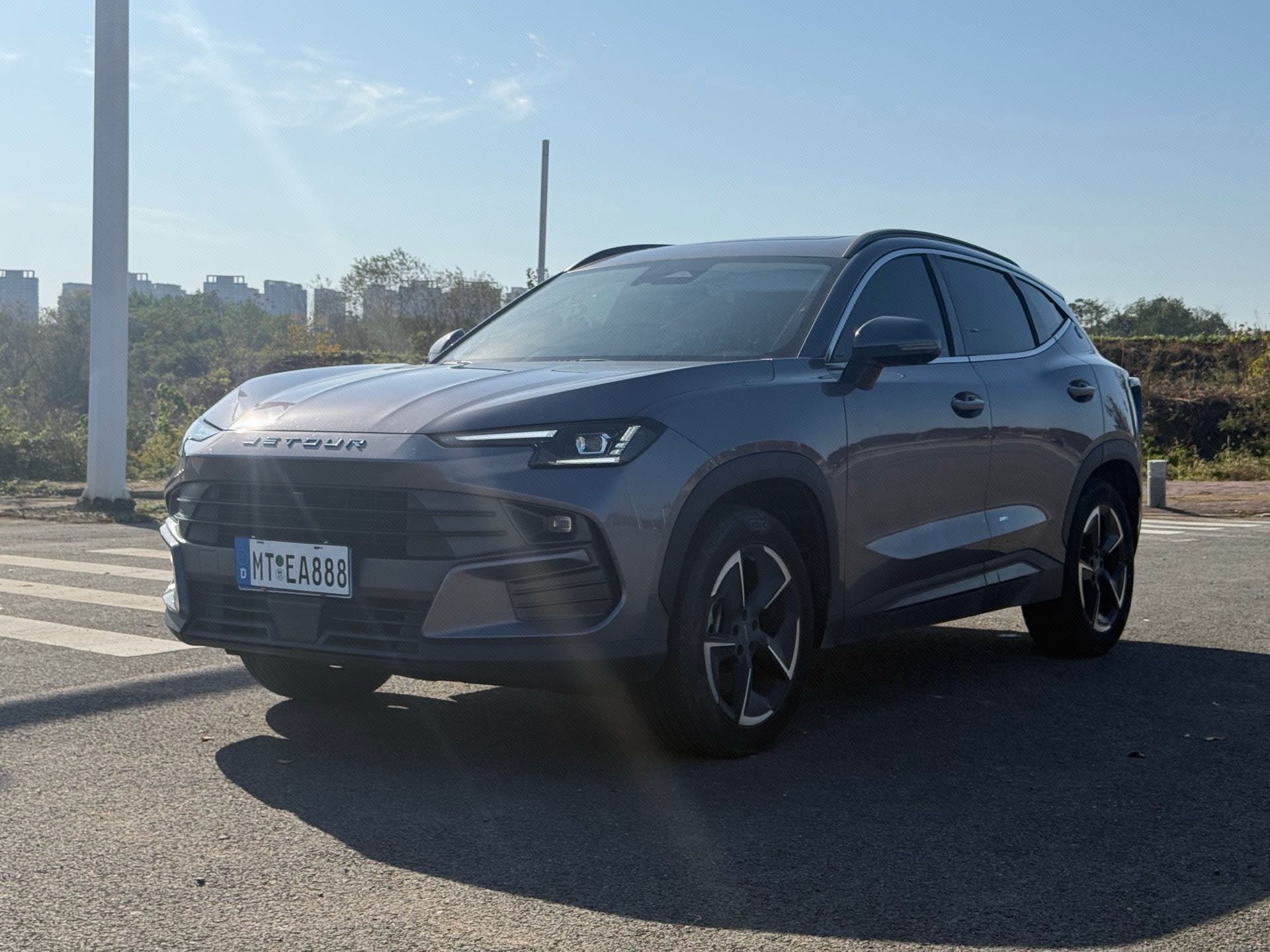
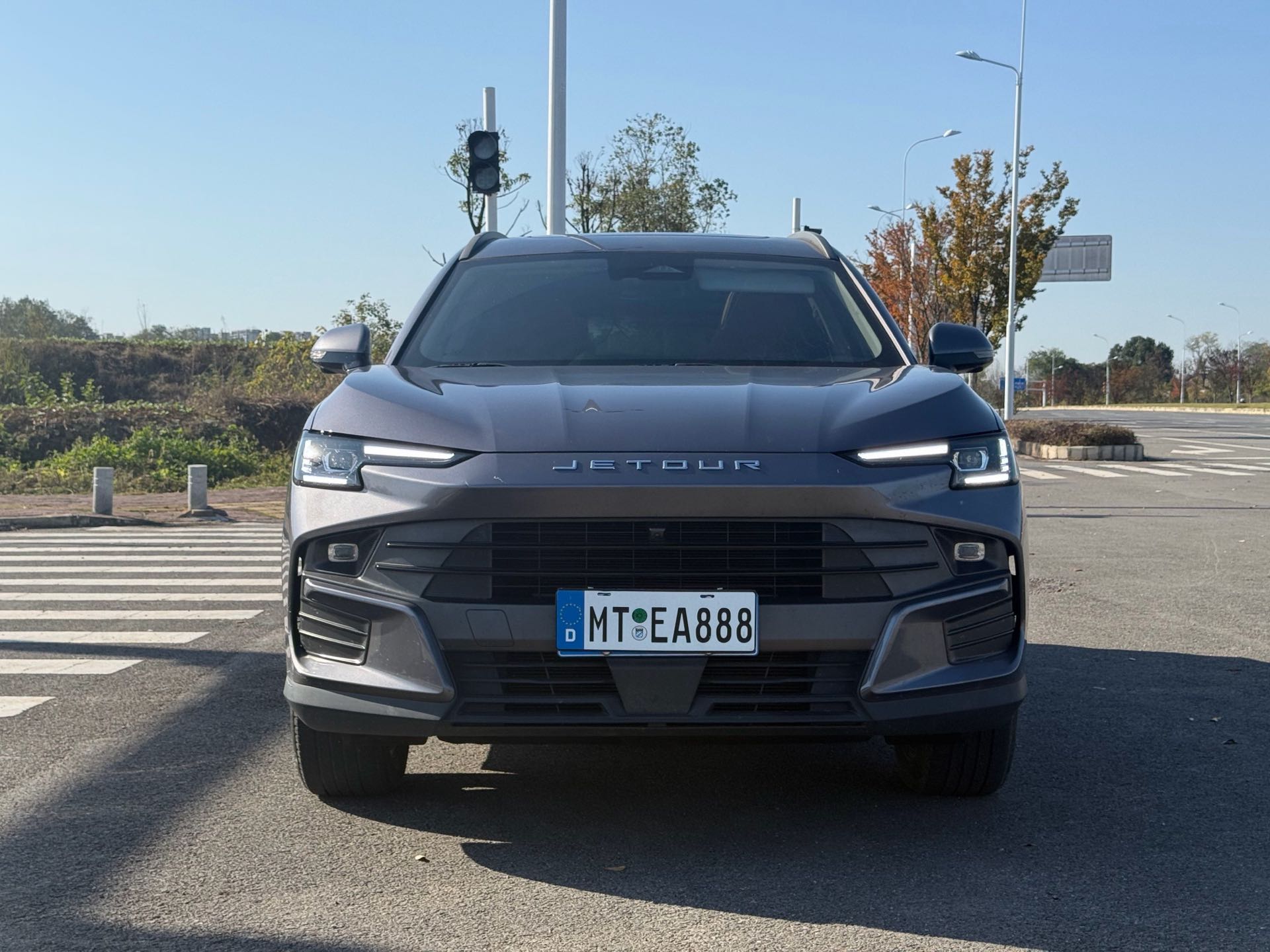
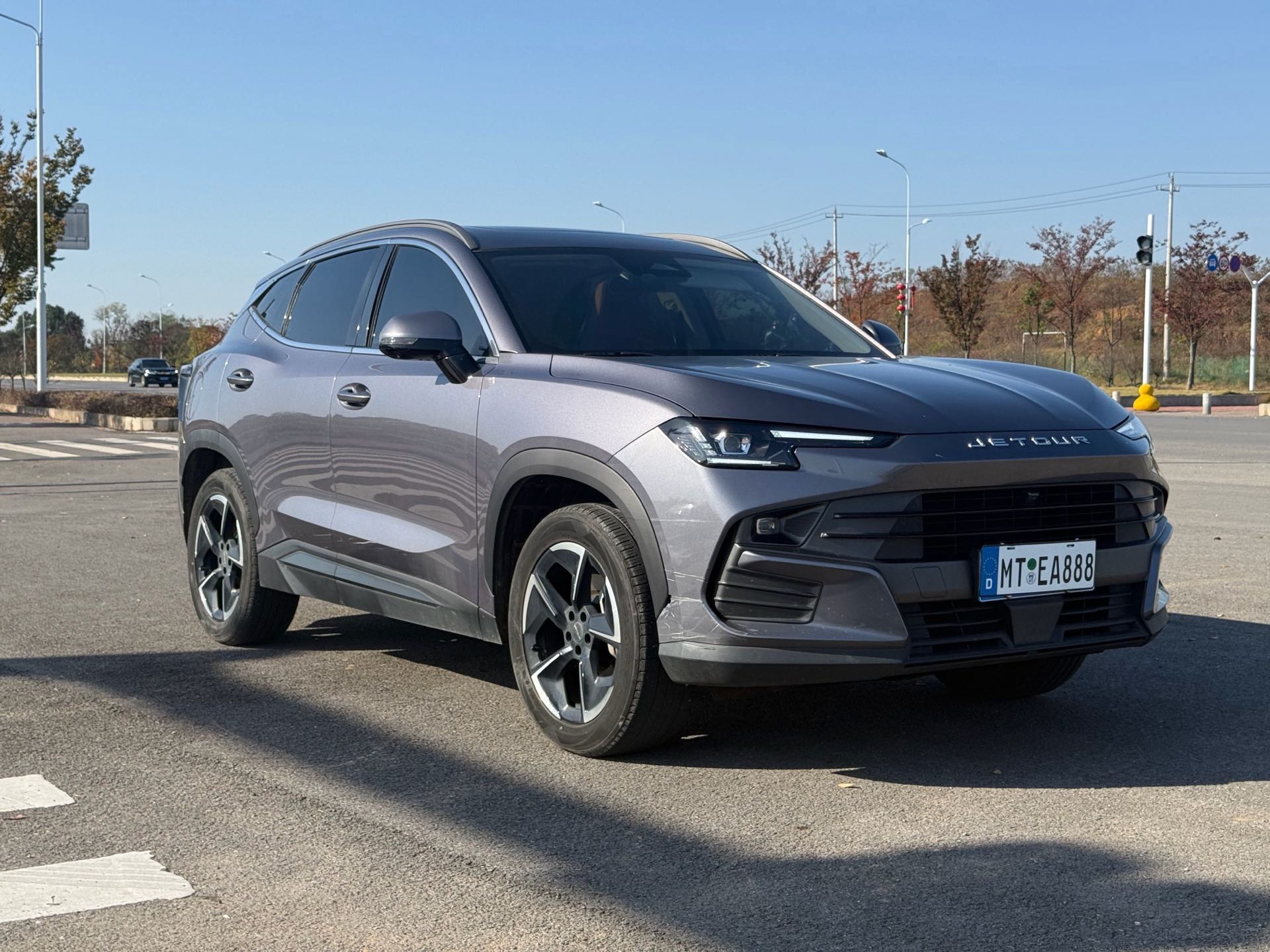
Basic Information

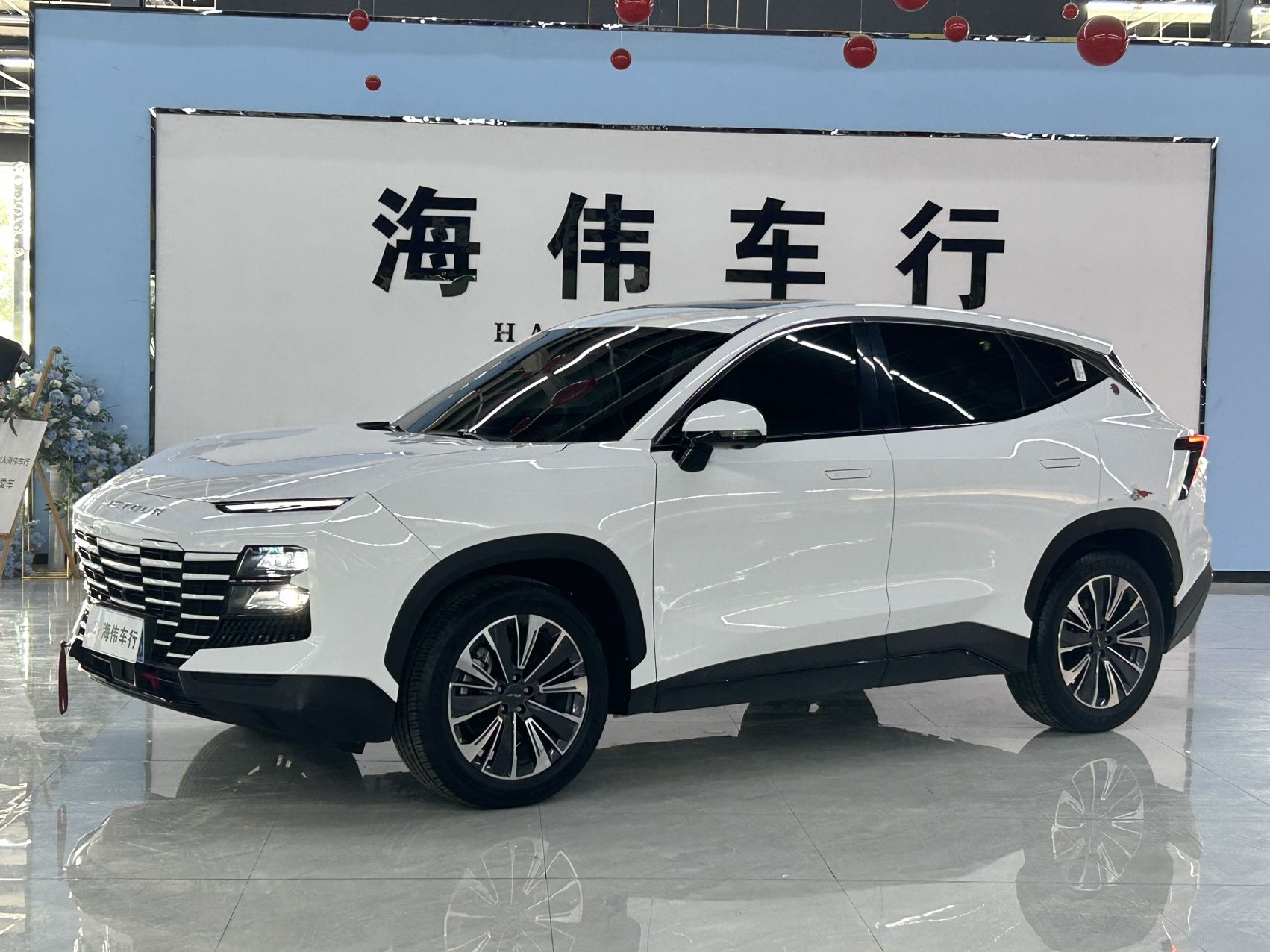
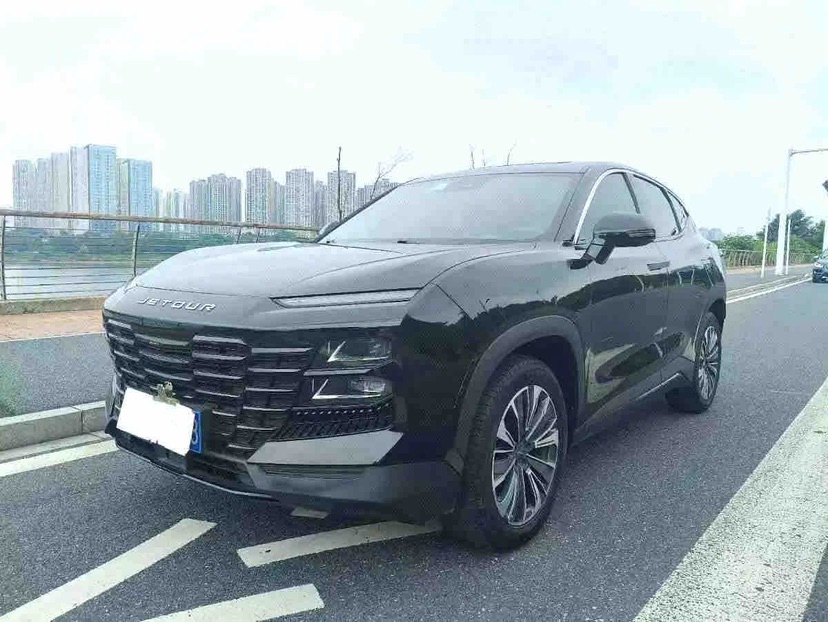
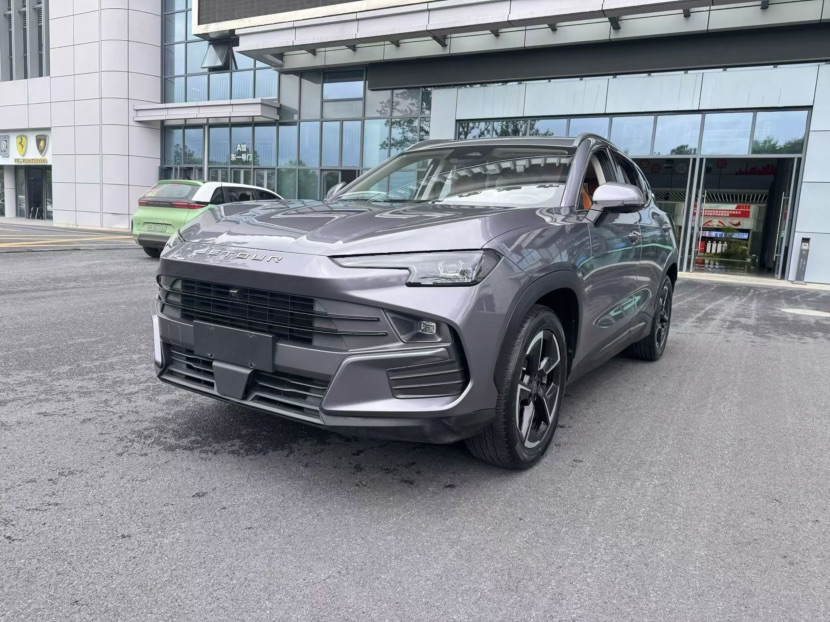
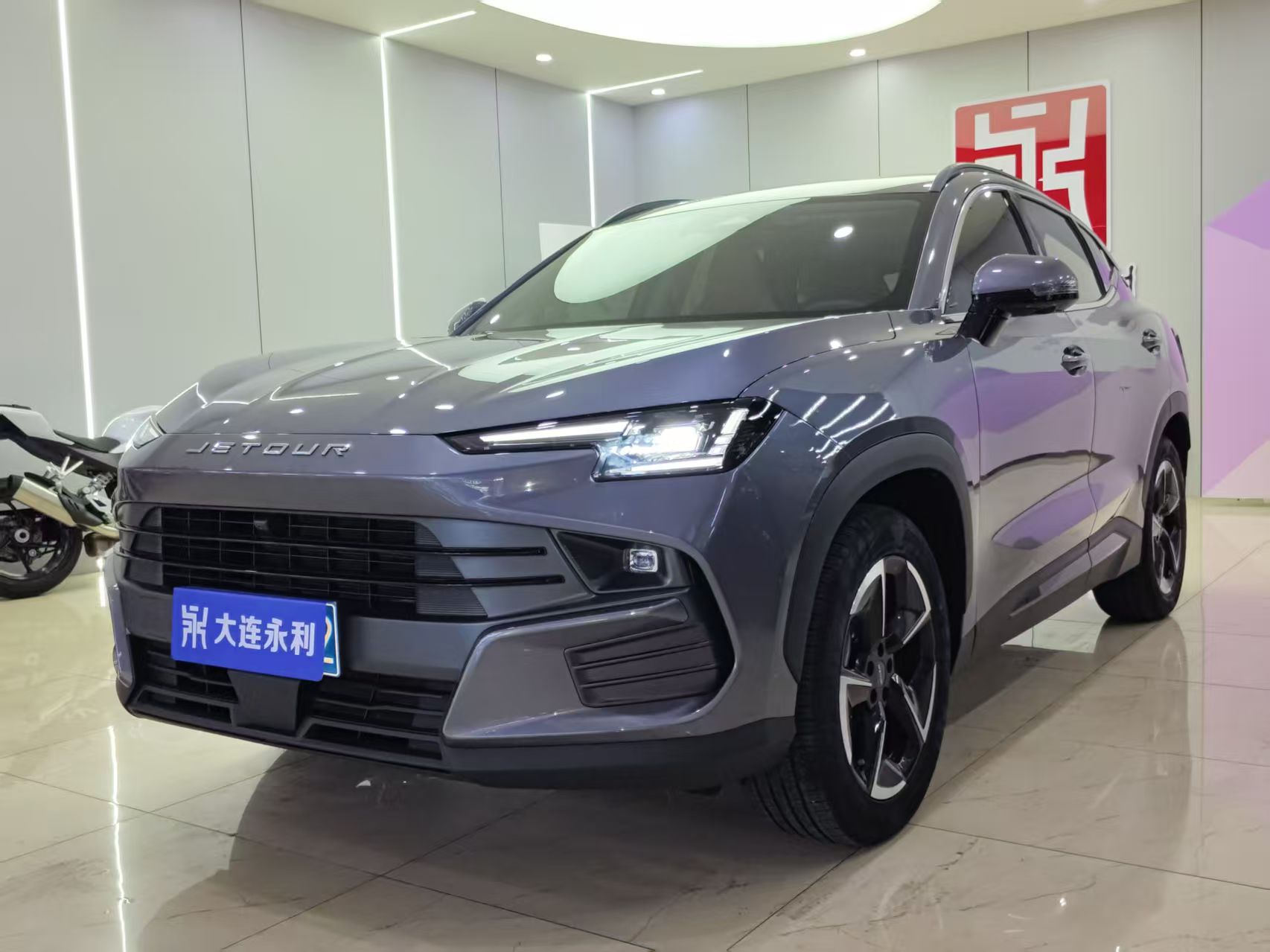
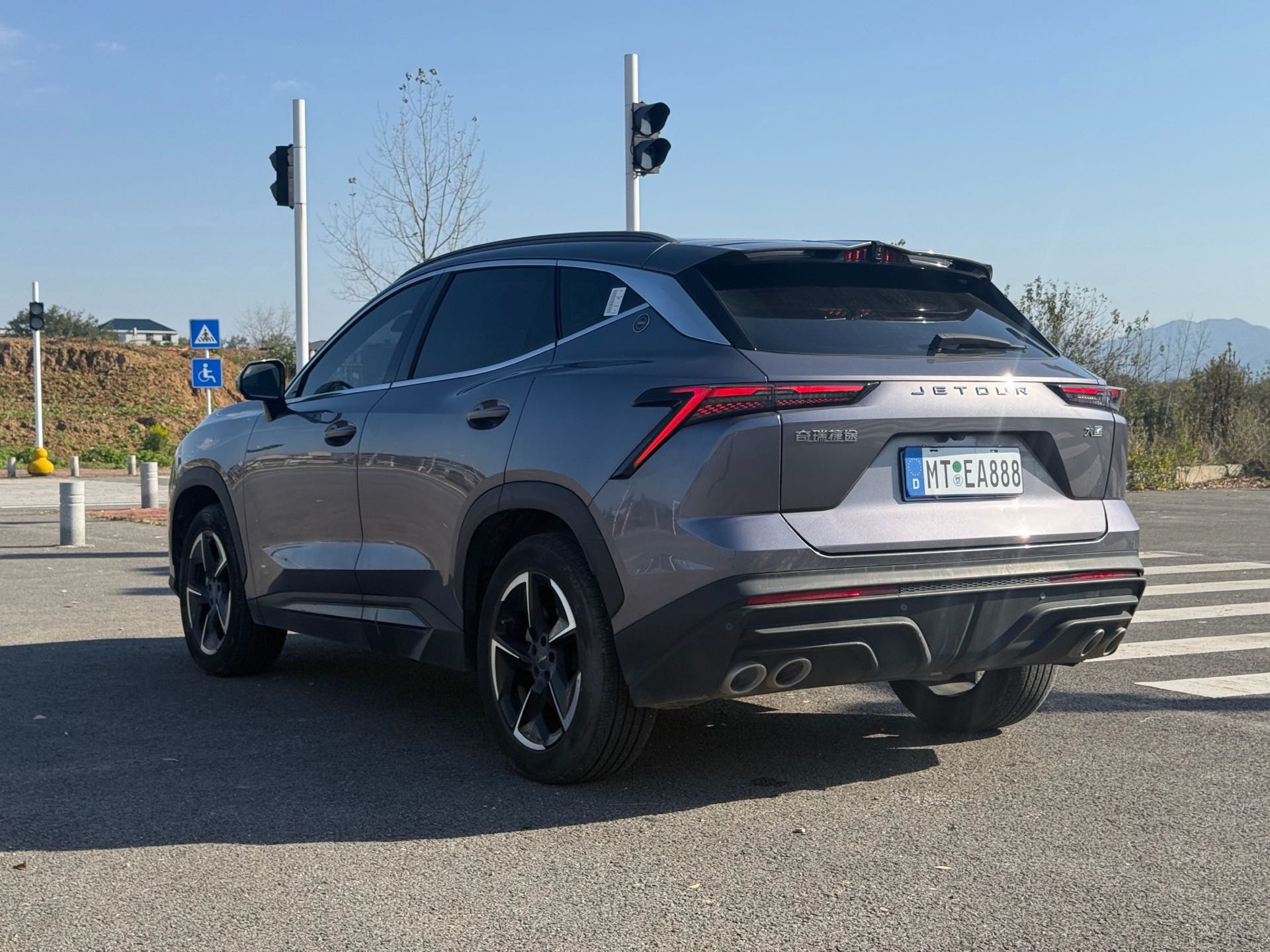
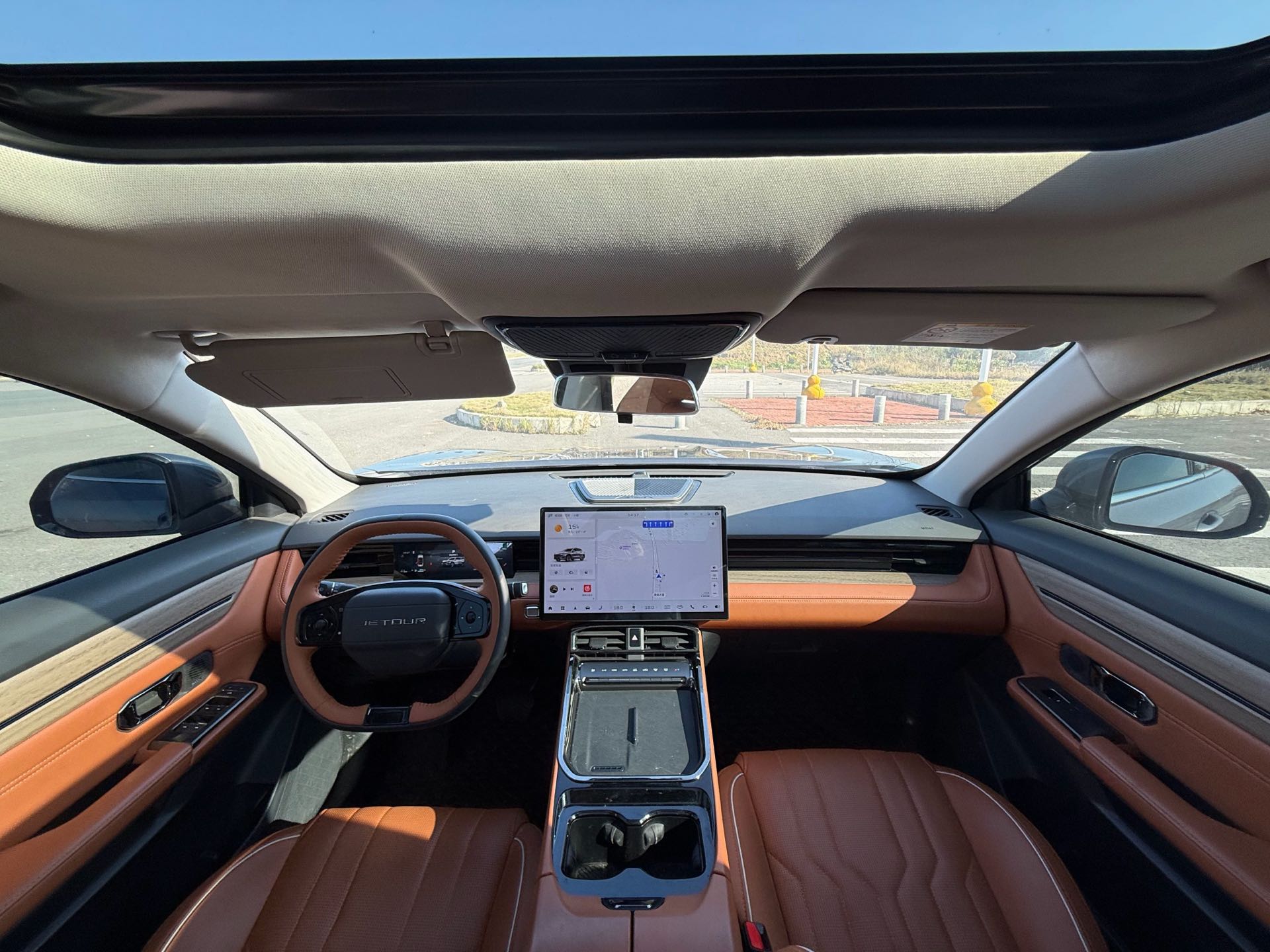
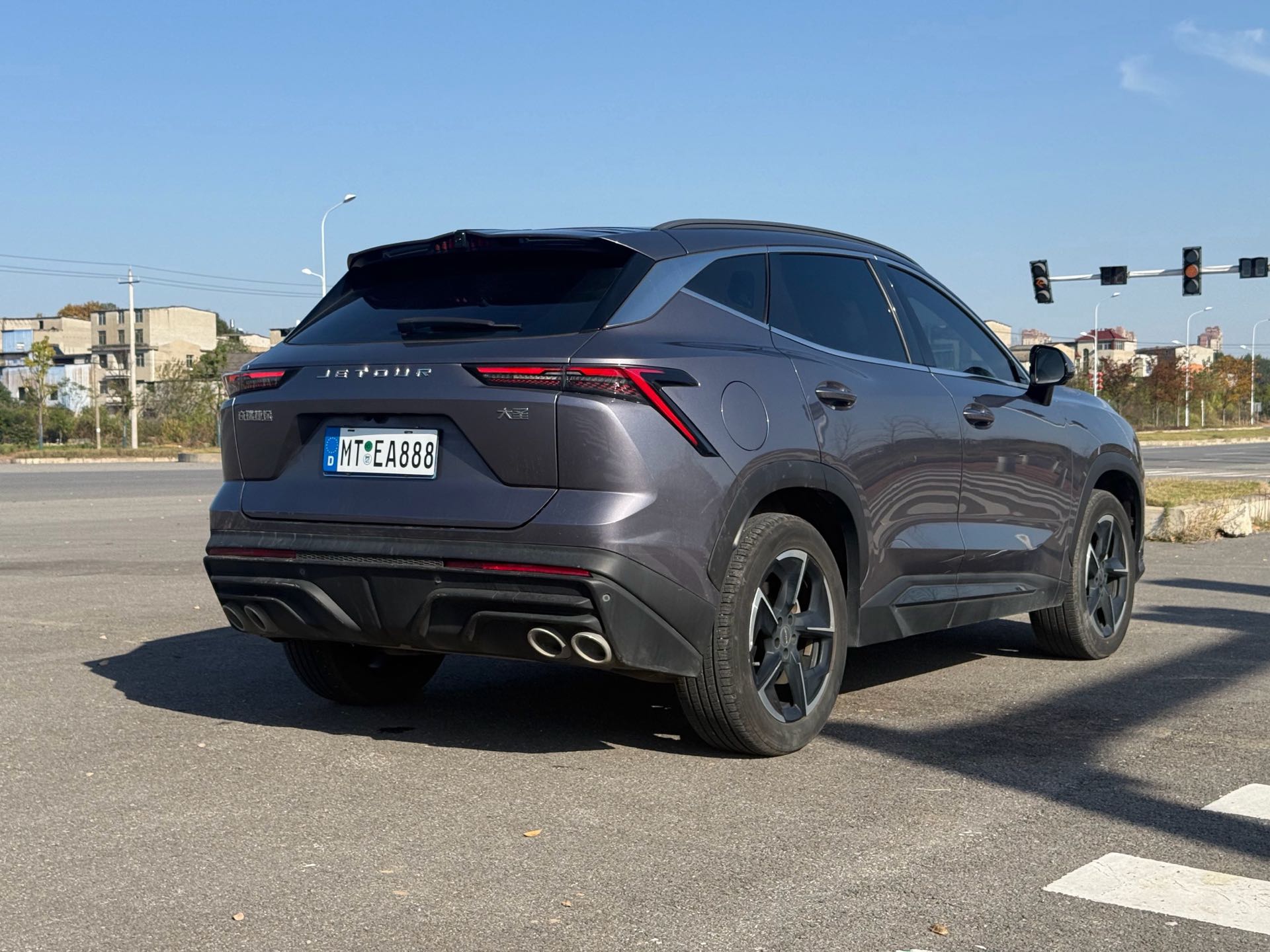
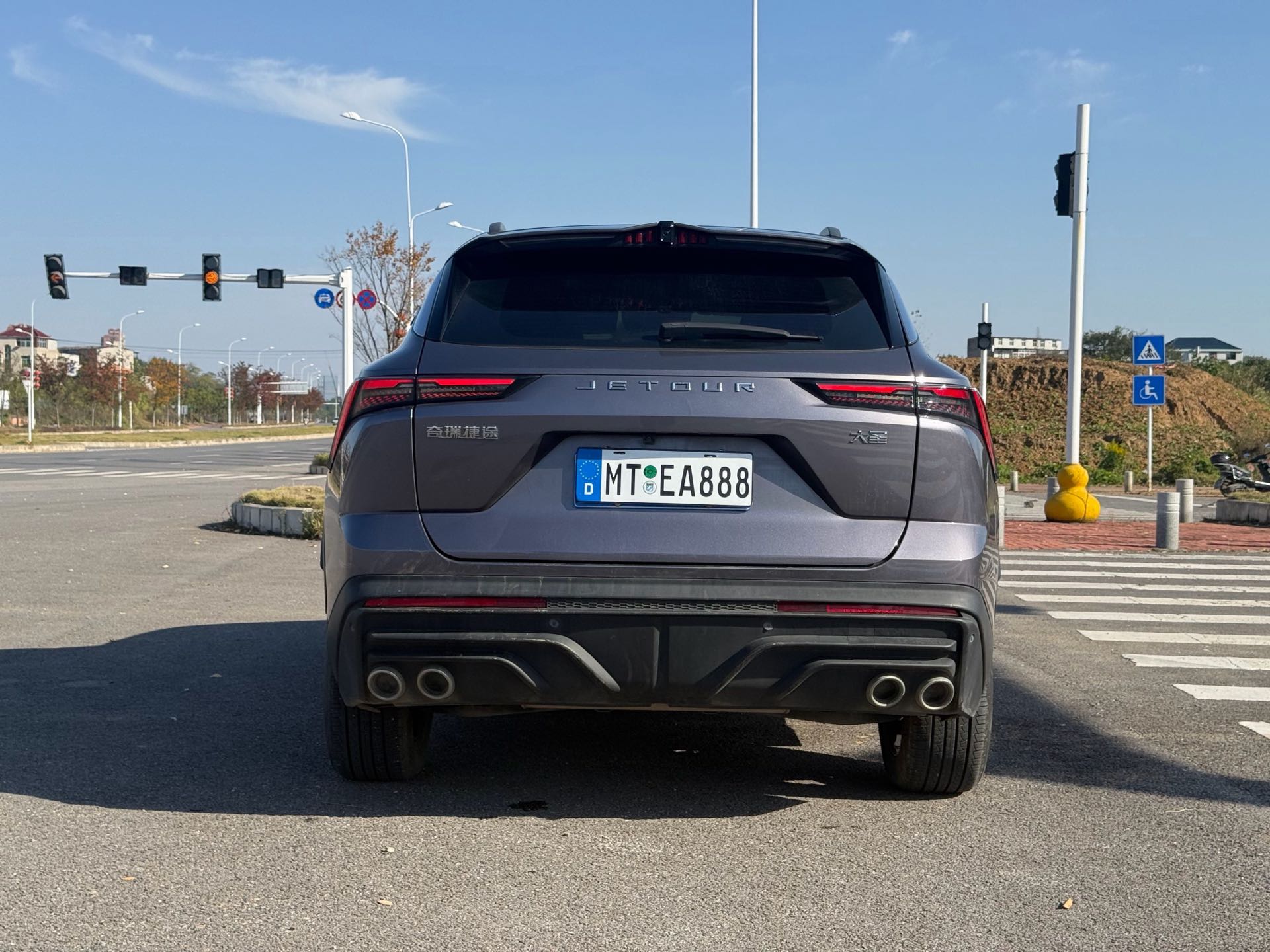
BrandJetour
SeriesDashing
Year2025
First Registration2025/01
Mileage29,000km
Transfer Count0times
FuelGasoline
TransmissionDCT
Engine1.5T 184 L4
ColorGrey
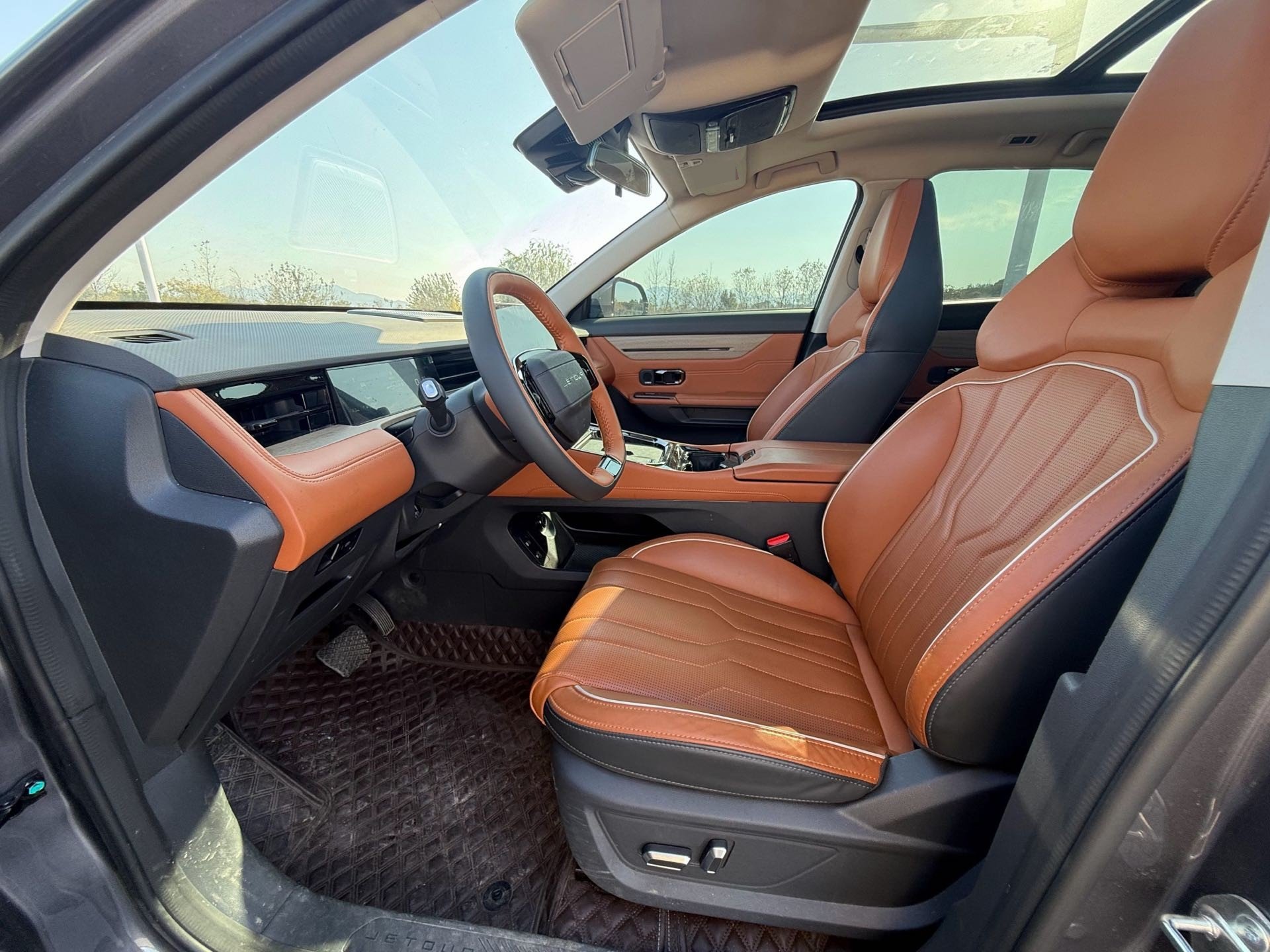
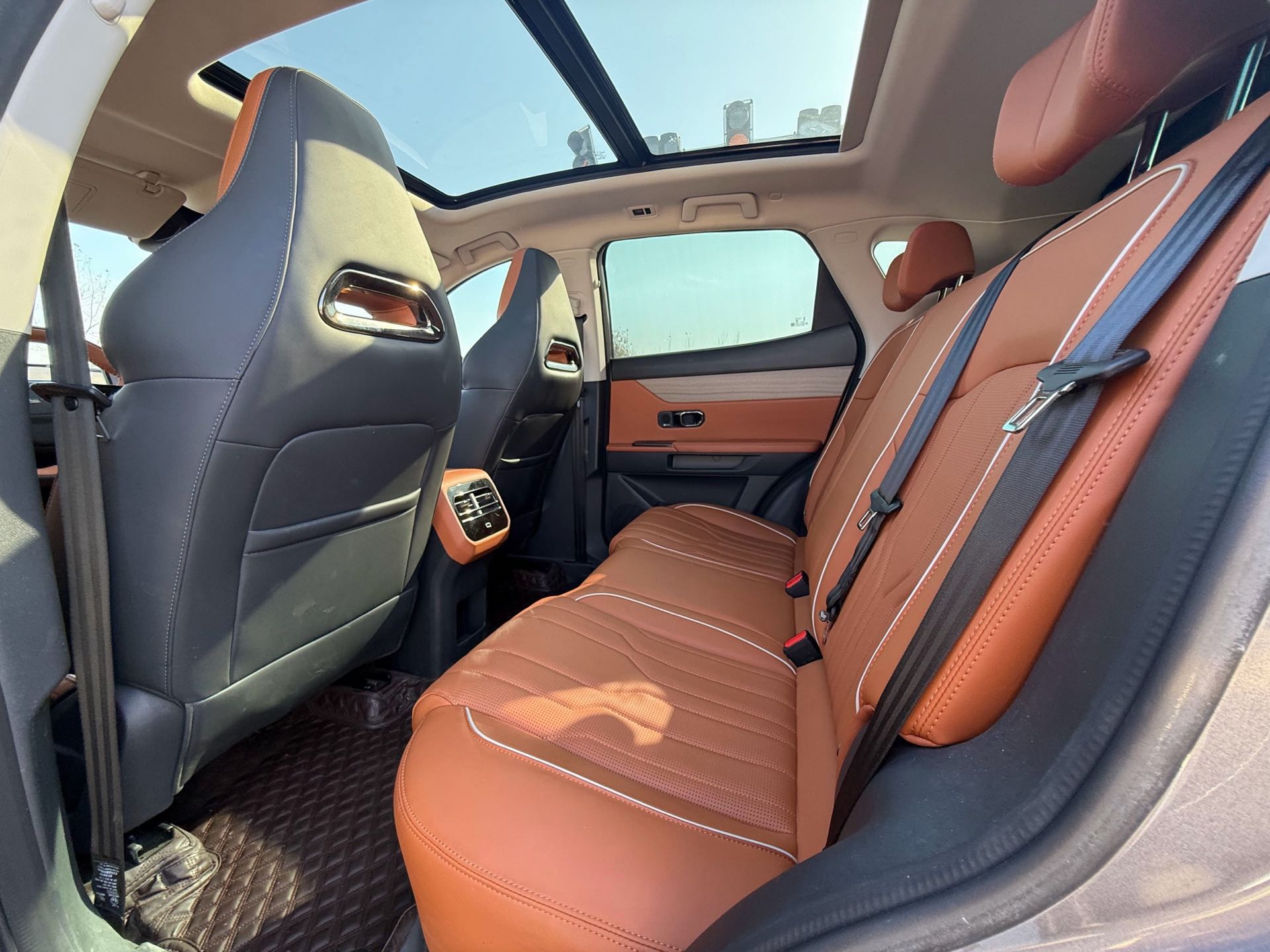
Seats5seats

Condition Description

Original paint, no repaint.

Document Information

Inspection Expiry Date-
Warranty Expiry Date-
Insurance Expiry Date2027/01

Q&A

More

How do I handle recalls and software updates for my imported Chinese car once I'm back home?

Recalls and software updates depend on the brand's official presence in your country. Recalls: ask the seller for the VIN and confirm with the manufacturer whether any recall campaigns apply. Some Chinese brands have overseas service networks that honor recalls even for exported used cars; others don't. OTA updates: many connected features update over the air regardless of location, but some are region-locked. Before buying, ask the seller to confirm the car's software region and whether updates work outside China. Practical steps: keep your export documents and purchase invoice—they may be required to prove eligibility for warranty or recall work. Join owner communities for your model, as they share firmware and service information, and budget for dealer-level diagnostics at an independent shop familiar with Chinese vehicles. If the brand has no local presence, parts and software support will come mostly from parallel importers, so factor that into your decision.


How does the buying process actually work step by step when importing a used car from China?

A typical safe flow looks like this: 1. Sourcing: you pick a car from listings; the exporter confirms availability, sends photos, video and a condition report. 2. Contract: a written sales contract stating VIN, price, included costs, inspection standards and delivery terms (FOB or CIF). 3. Deposit: usually 10–30% after you or a third party verify the car. Pay to a company account, never personal. 4. Inspection: independent pre-shipment inspection; you approve the report before shipping. 5. Balance payment: due before shipment, against copy of the bill of lading. 6. Shipping and documents: exporter sends original documents by courier; you track the vessel. 7. Arrival: your customs agent clears the car, you pay duties and collect it. Timeline: typically 3–8 weeks from deposit to arrival, depending on route. Any exporter pushing for 100% upfront payment should be treated as a red flag.

Are you responsible for re-spraying the chassis anti-rust coating (armor) if it is eroded by salt spray during sea transport?

No, we are not responsible. The high salt and humidity of the marine environment do have an impact on the chassis surface. We recommend buyers in tropical islands or countries that use salt for winter snow removal to perform a thorough chassis anti-rust spray locally immediately after the vehicle arrives.