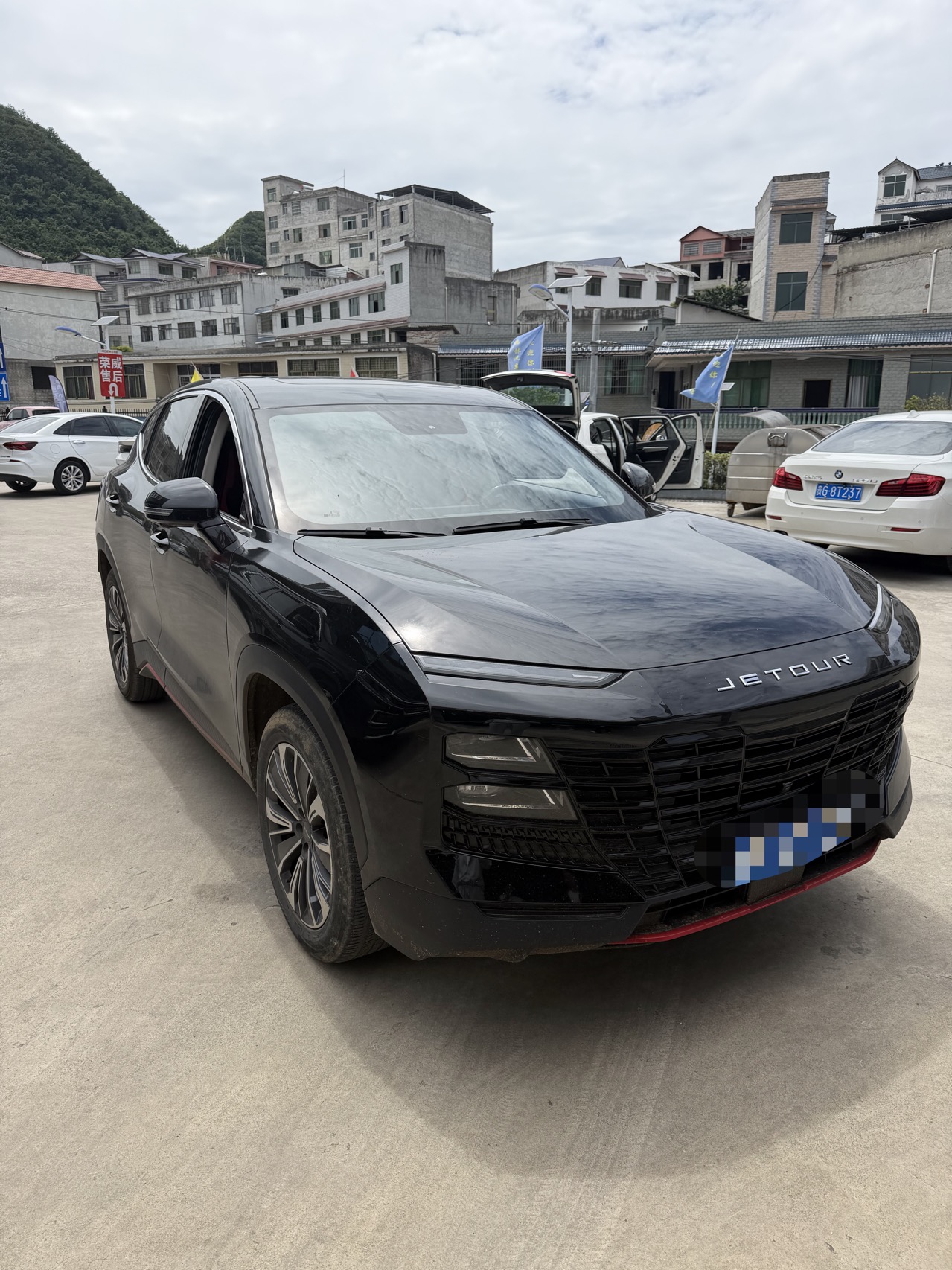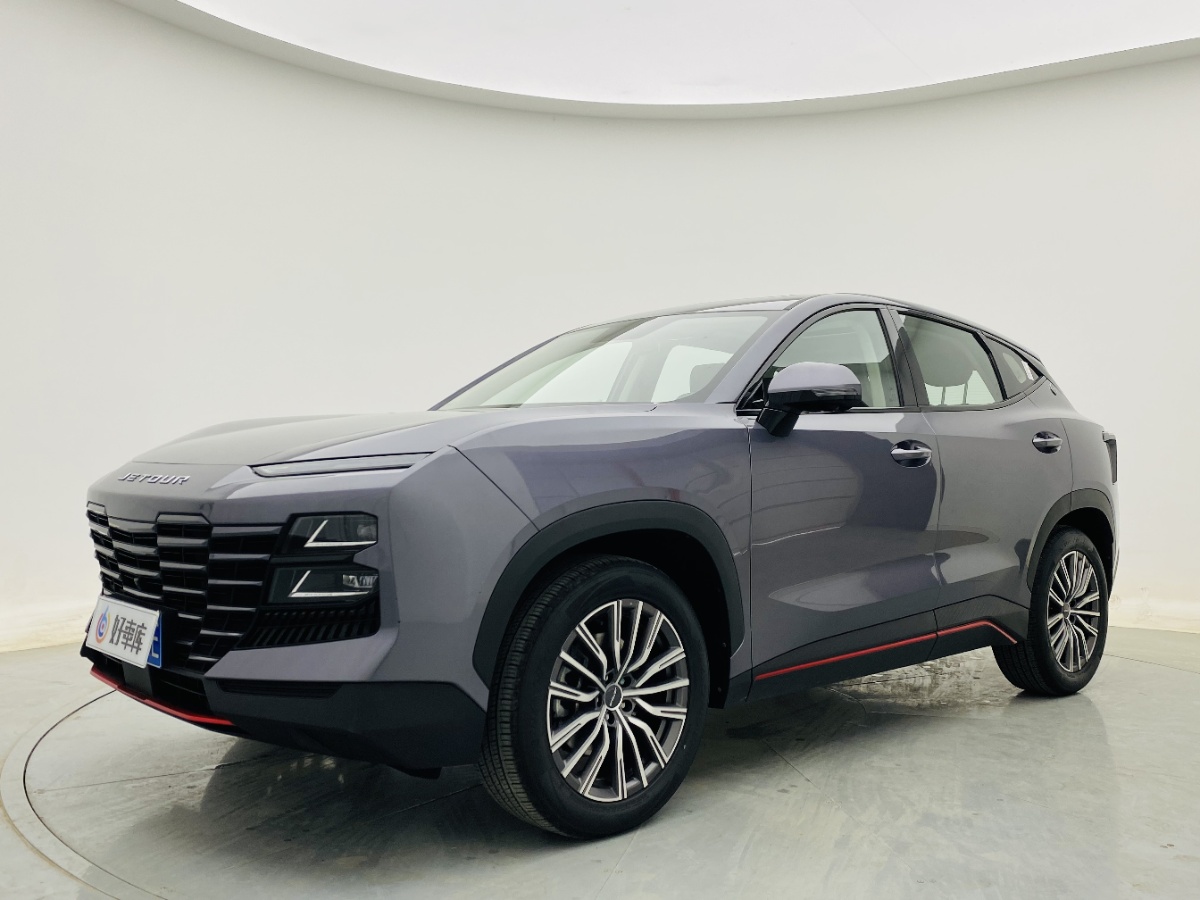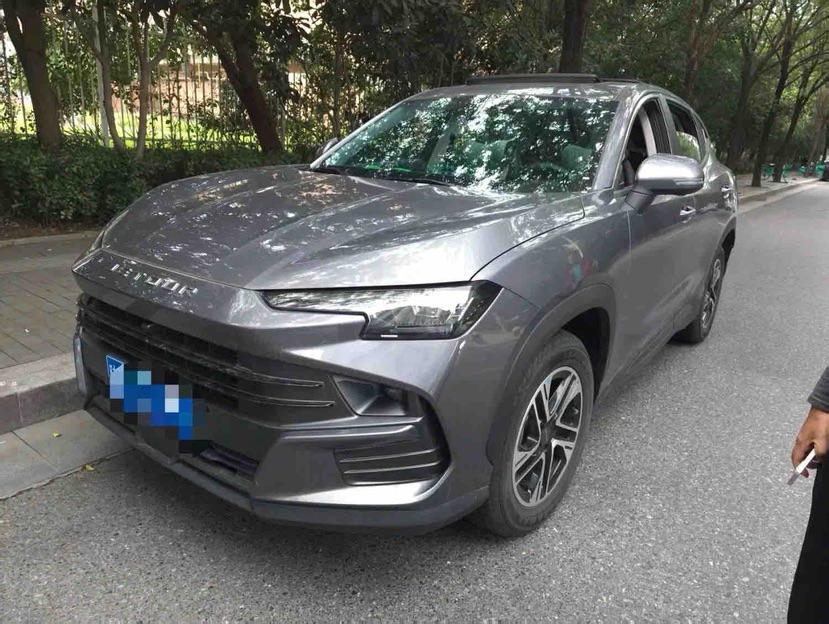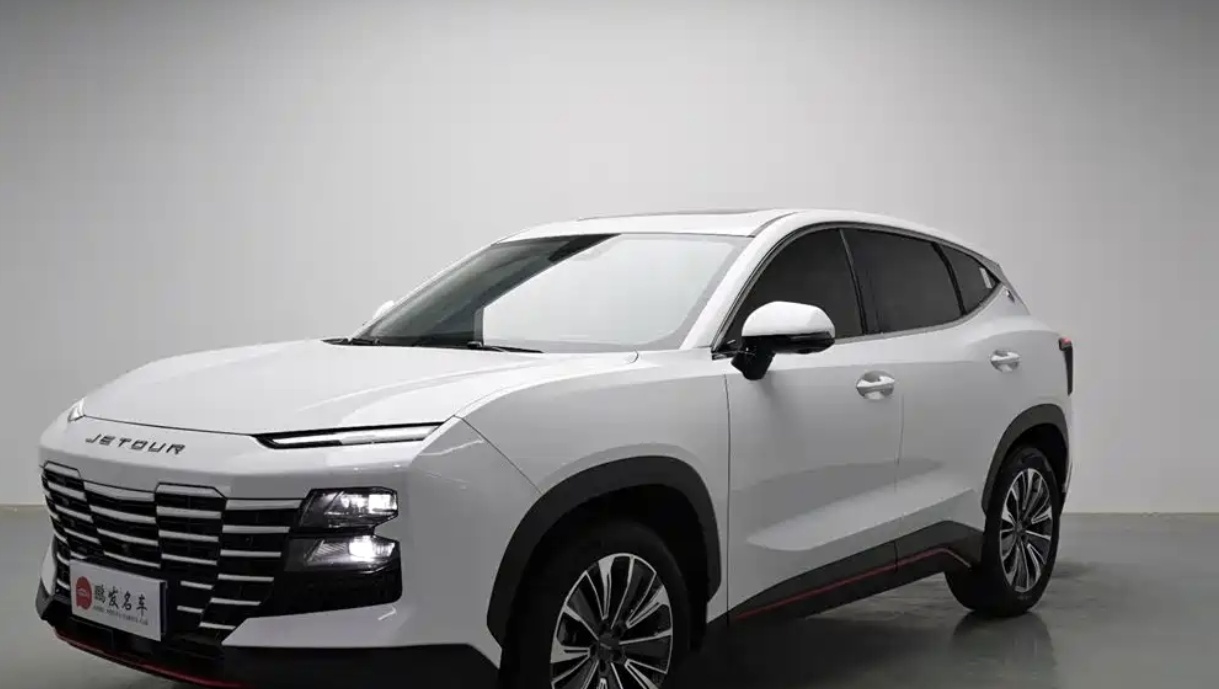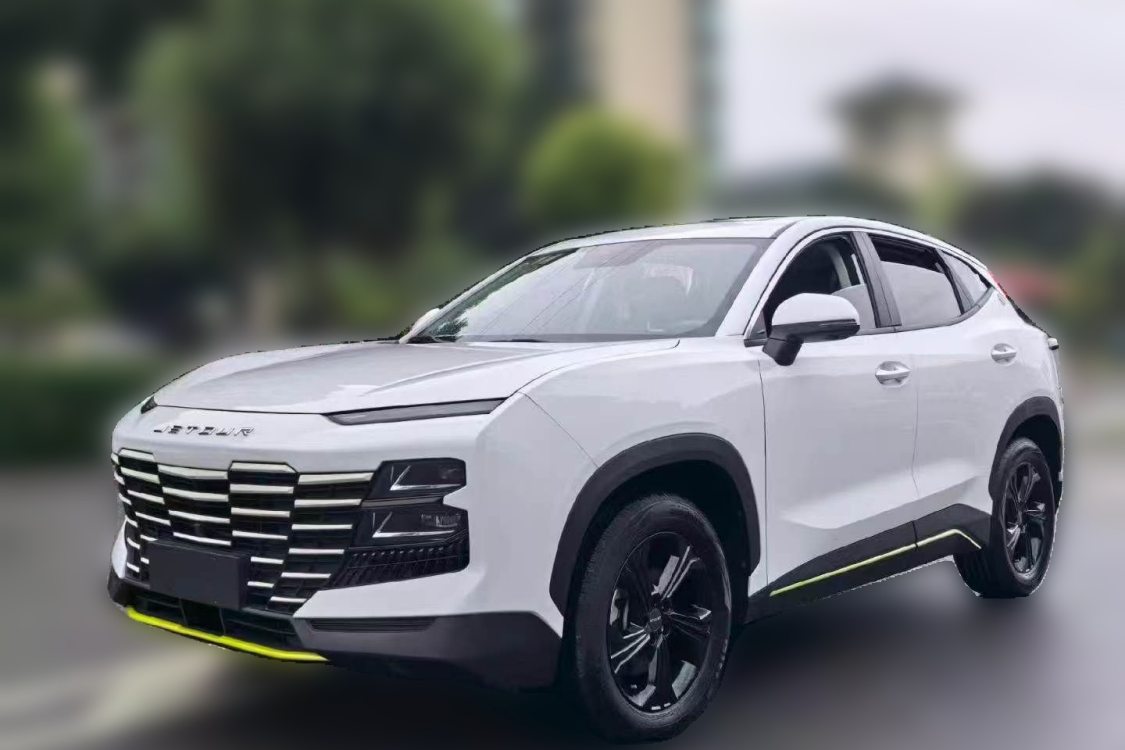
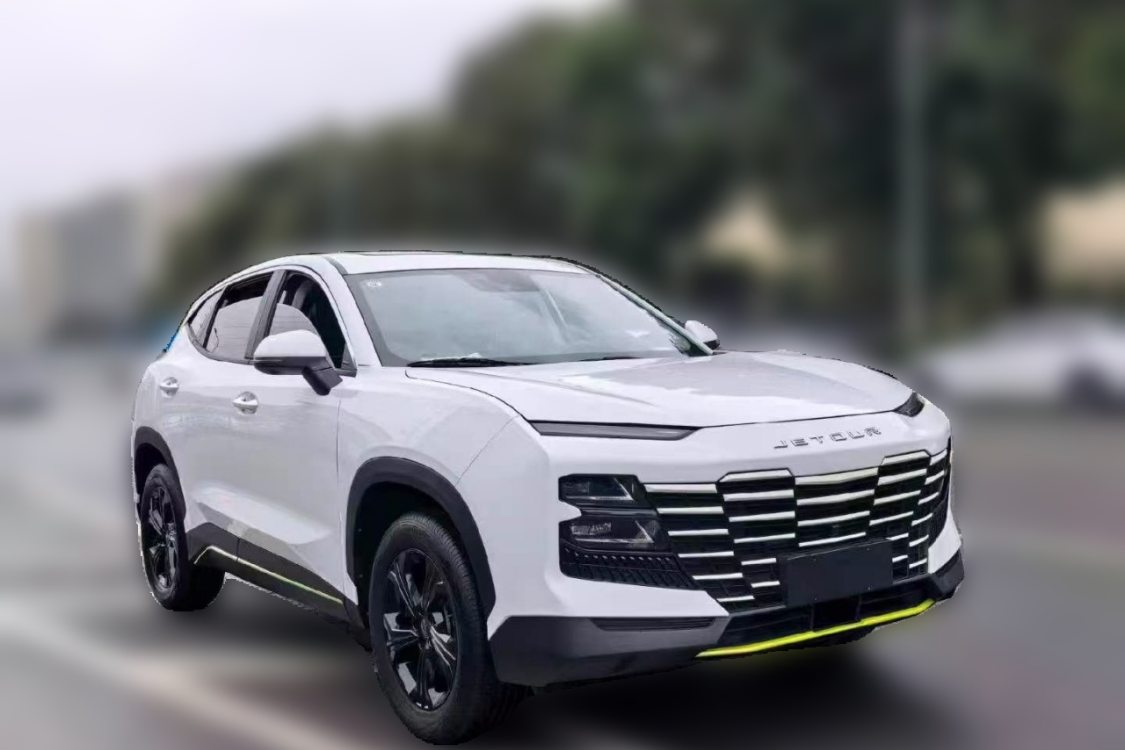
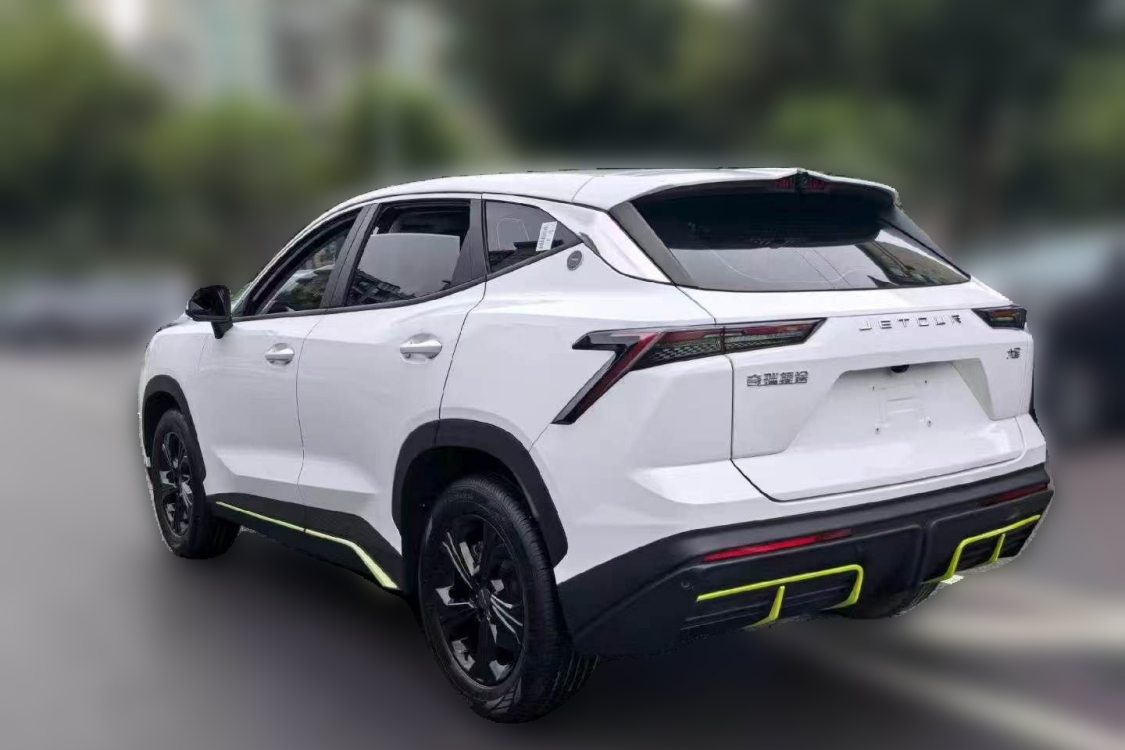
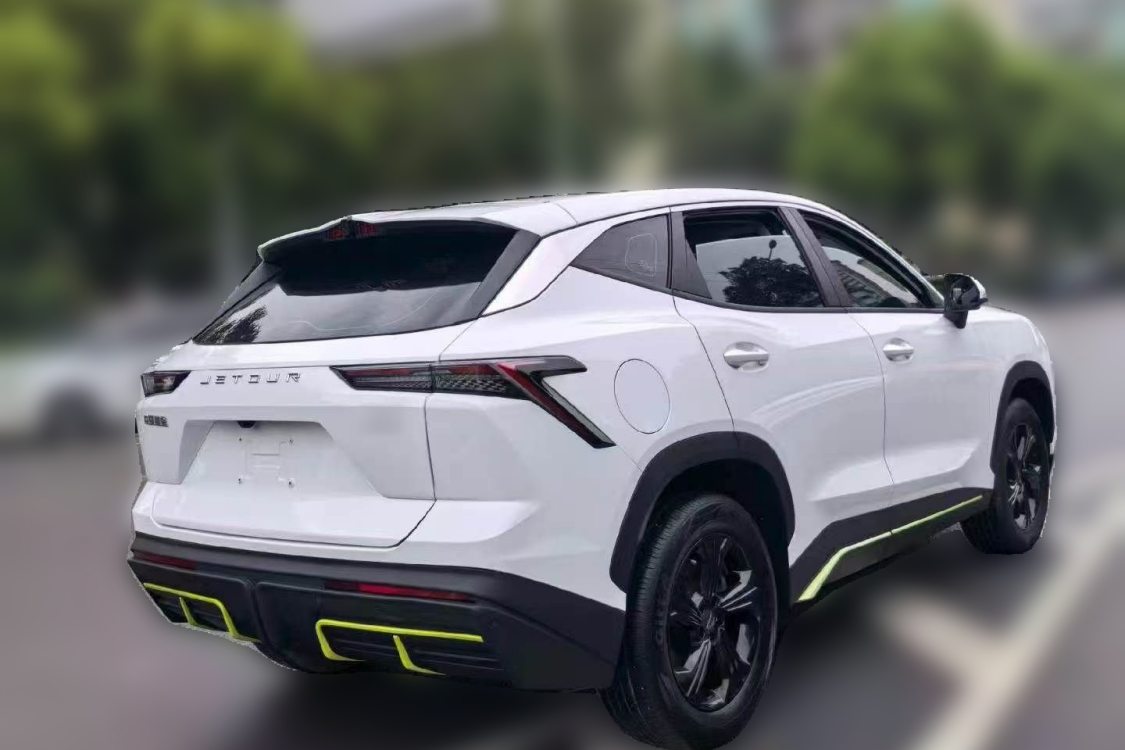
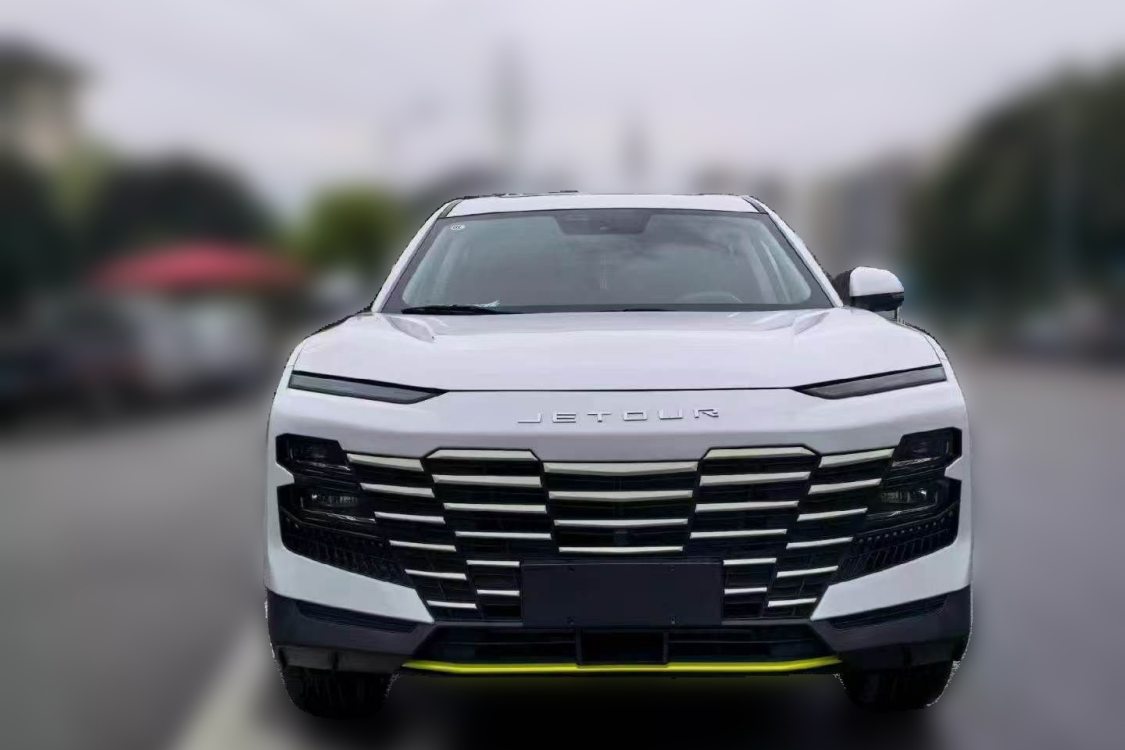
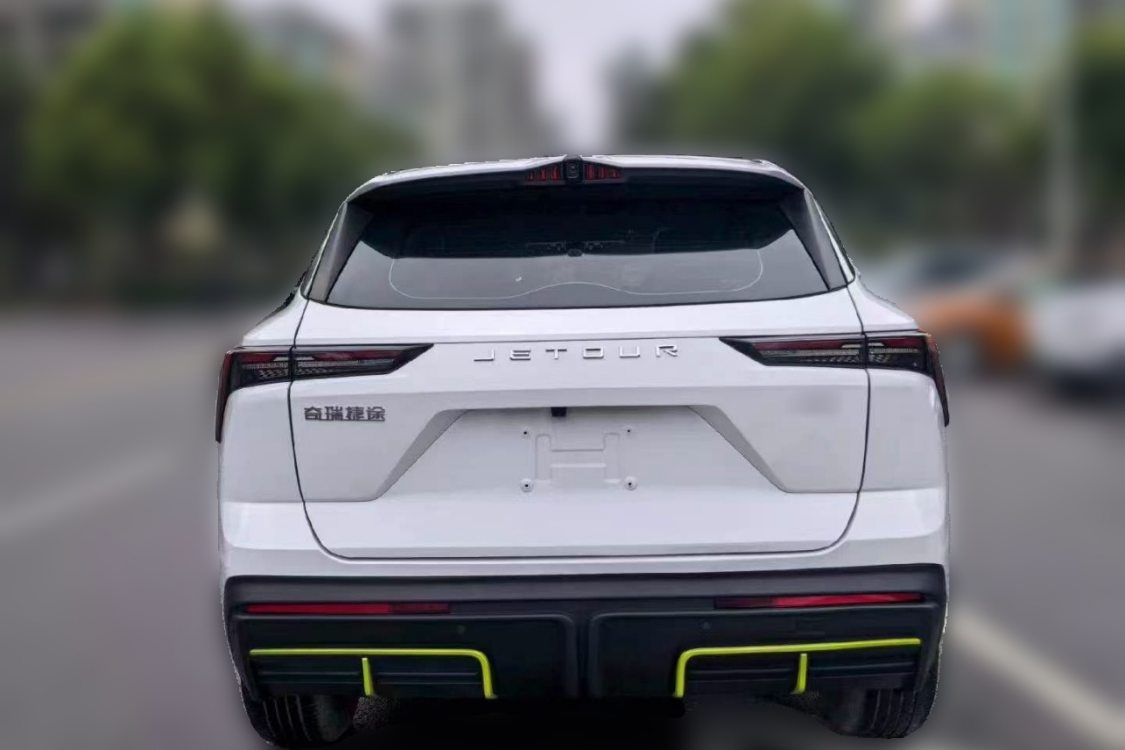
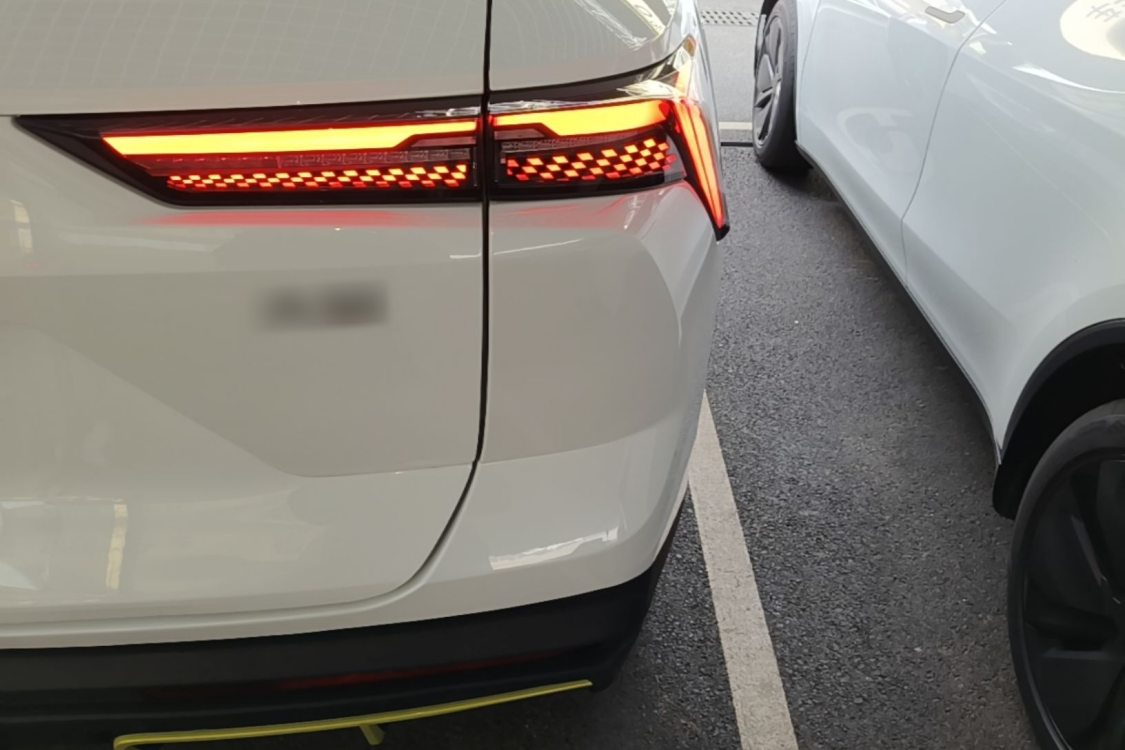
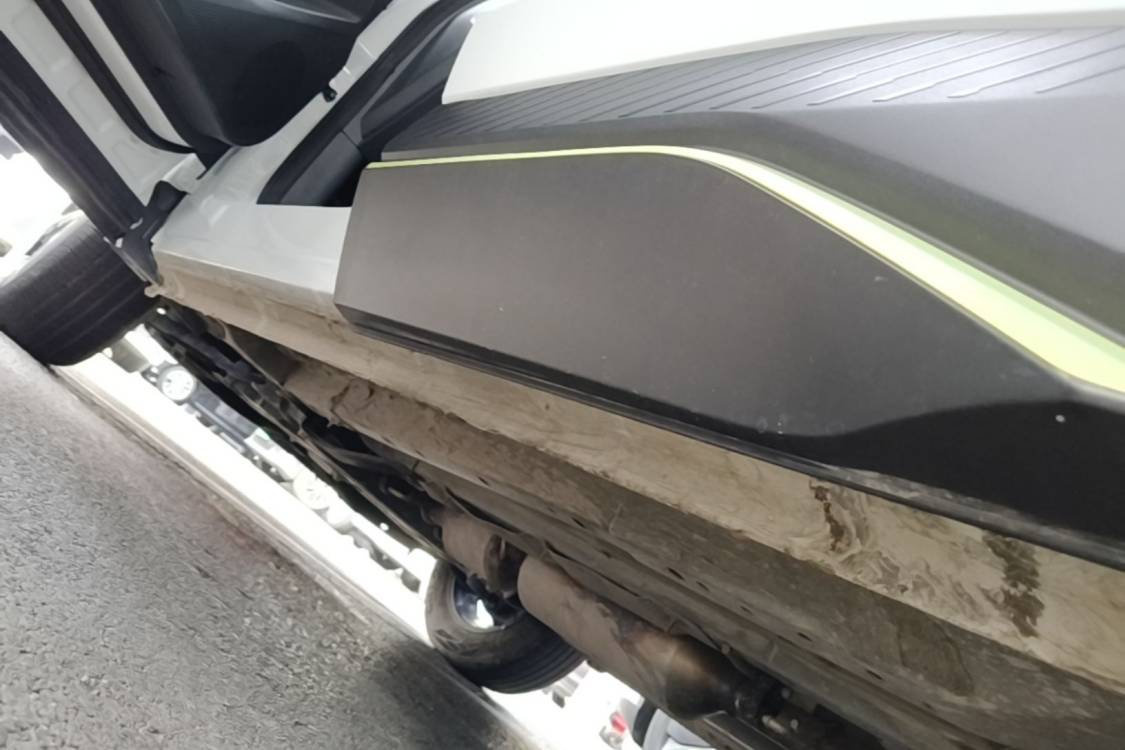
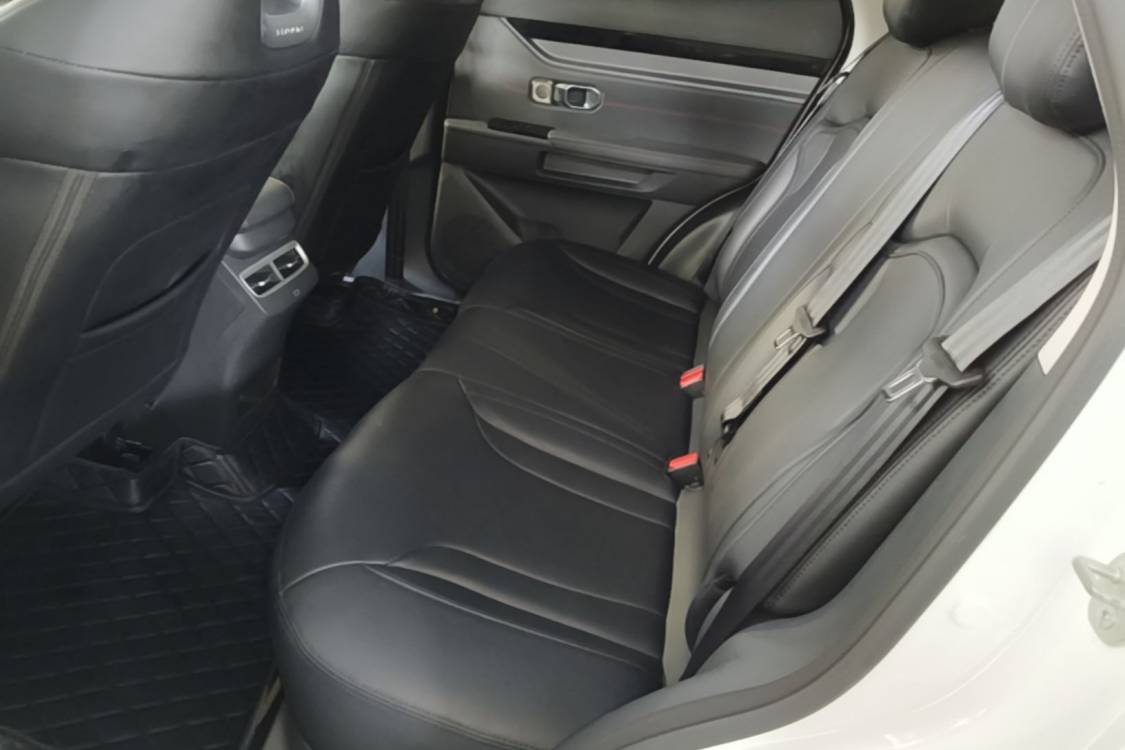
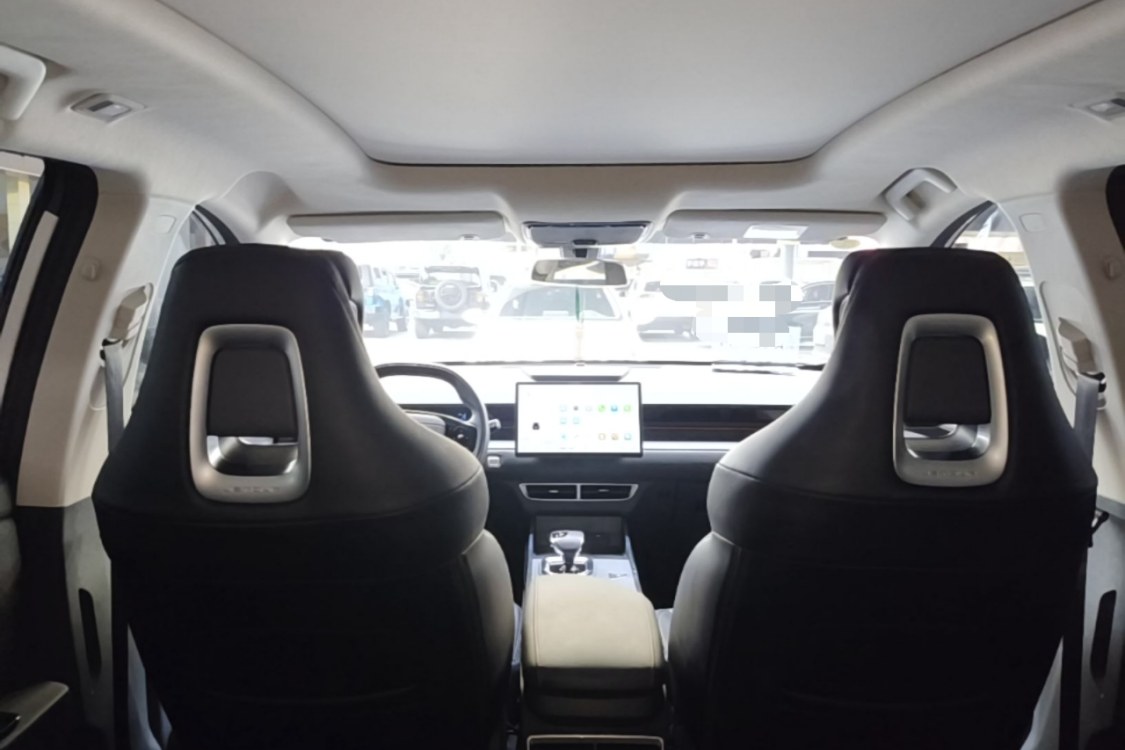
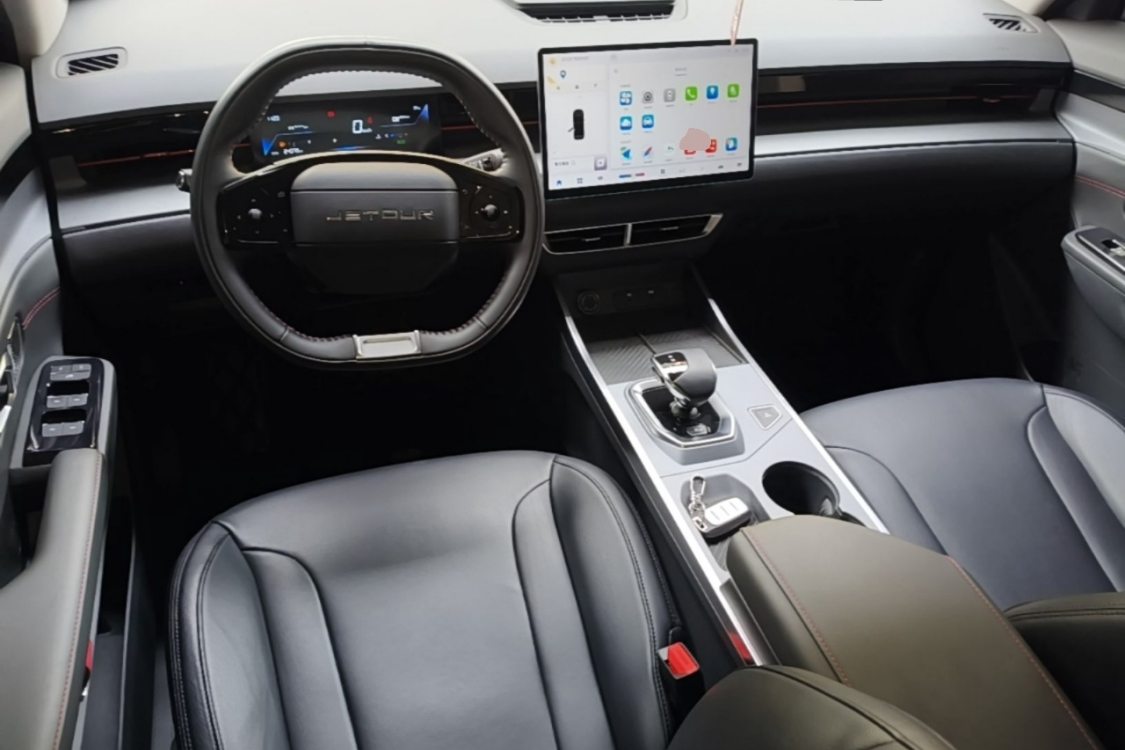
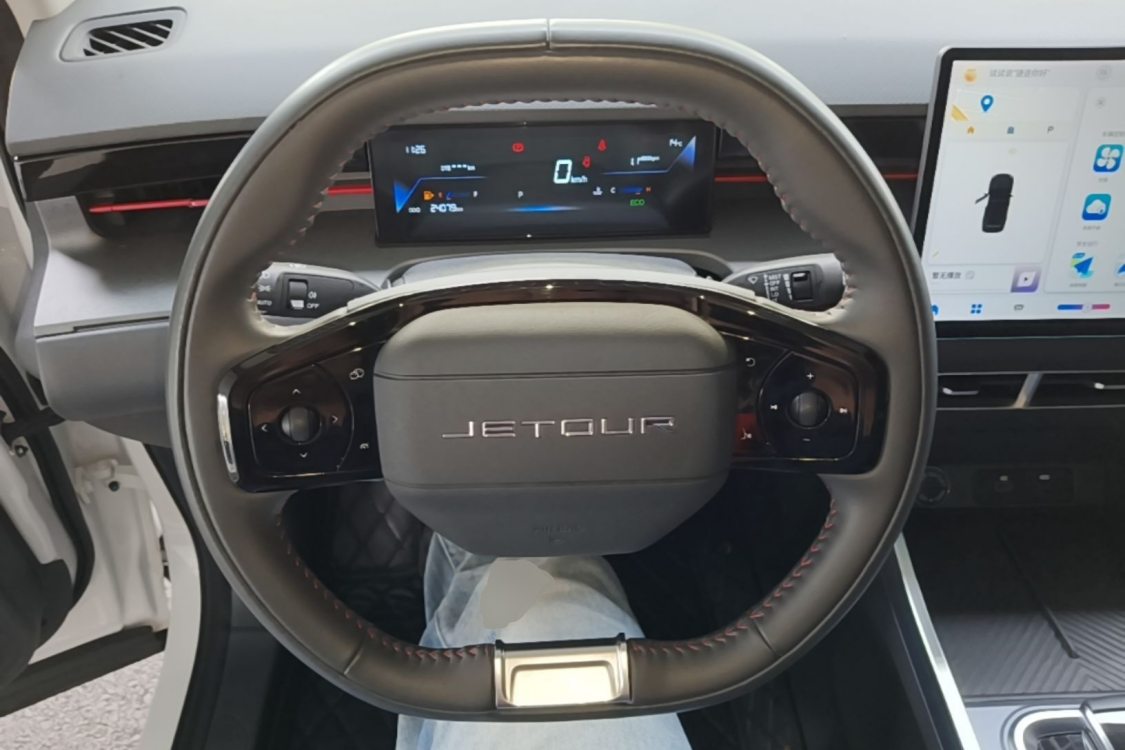



Basic Information

BrandJetour
SeriesDashing
Year2025
First Registration2025/03
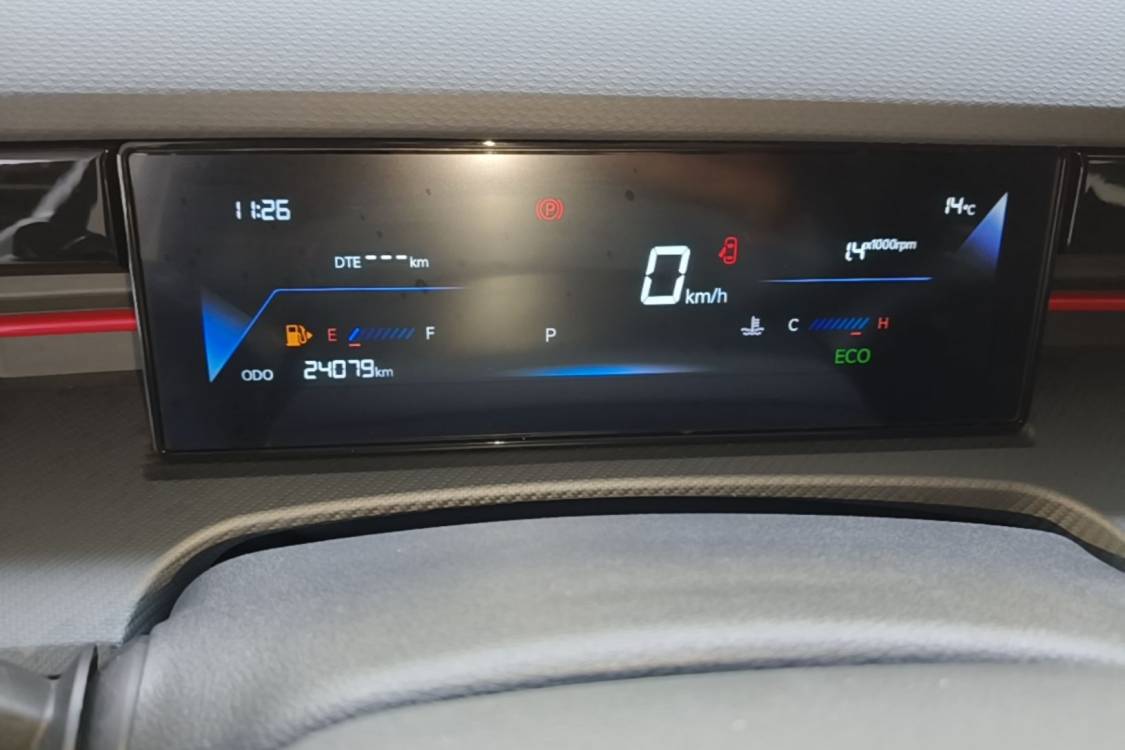
Mileage24,100km
Transfer Count-
FuelGasoline
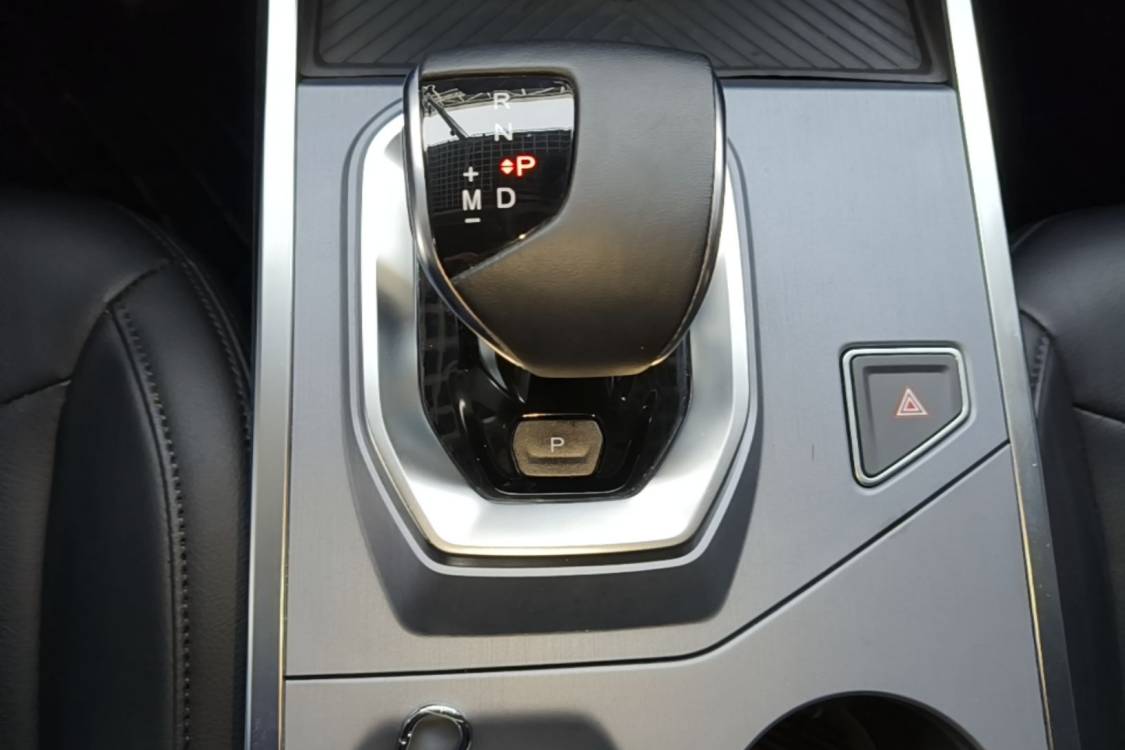
TransmissionDCT
Engine1.5T 156 L4
ColorWhite
Seats5seats

Condition Description

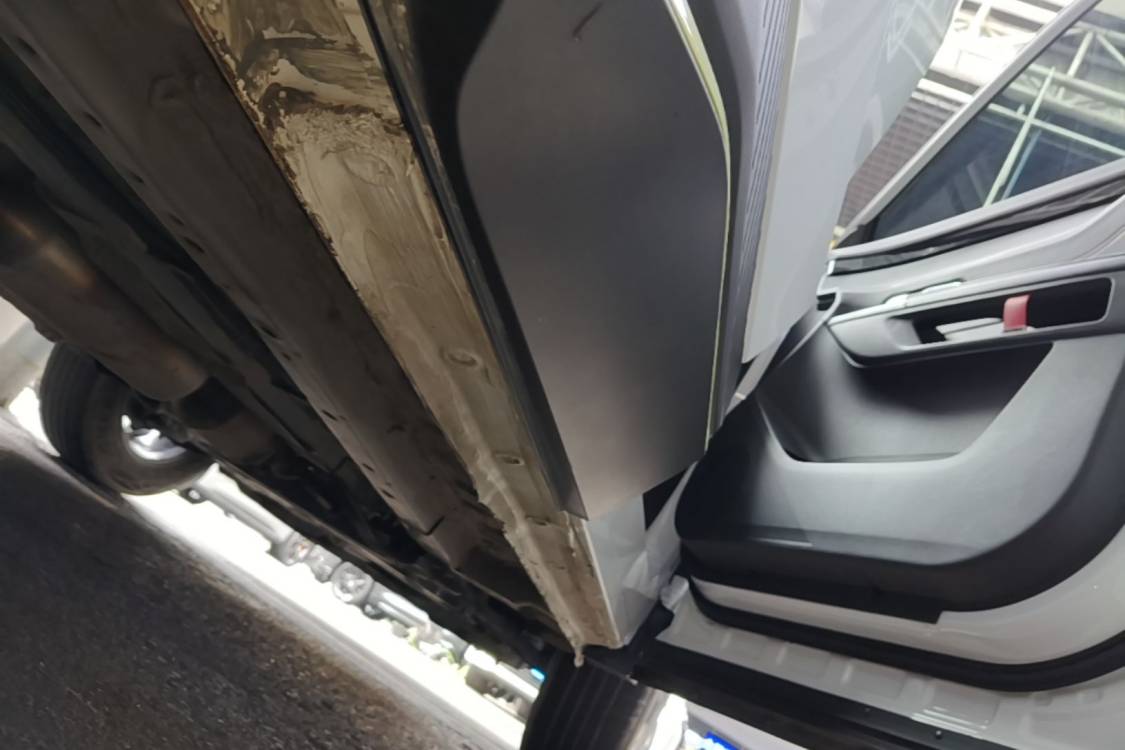
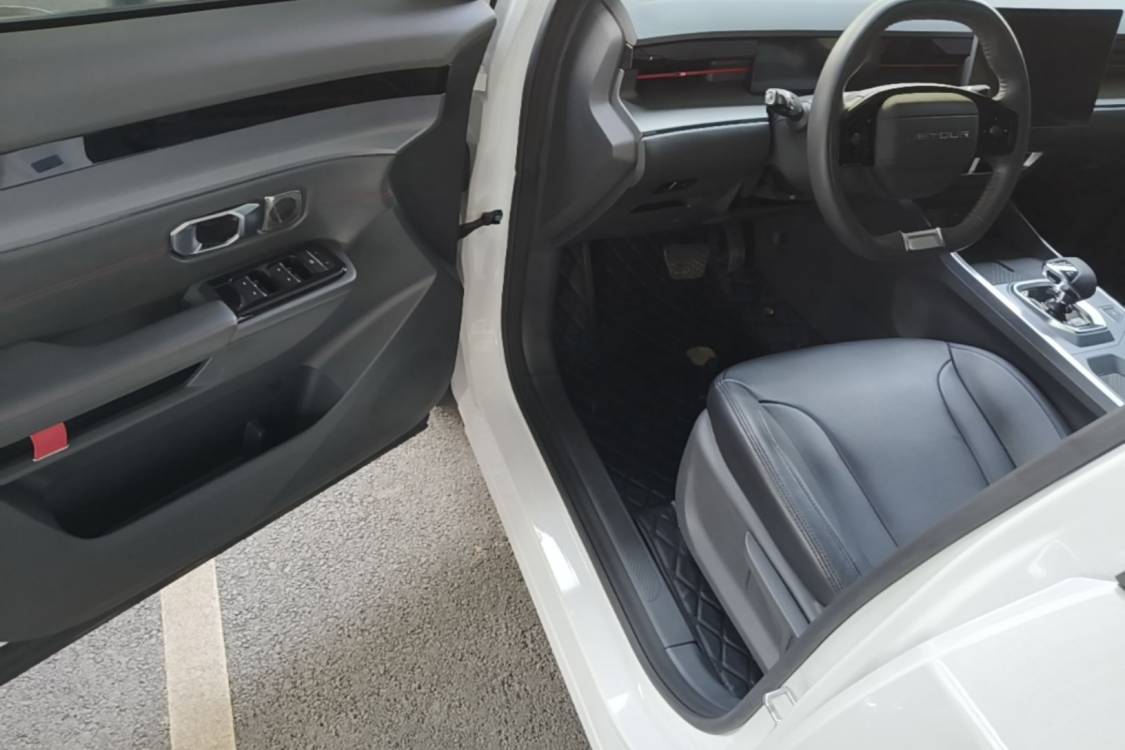
Vehicle performance is good. Structural parts, reinforcing parts, and cover panels have no accident-related damage or repairs. The three-electric system (battery, motor, electronic control) has no damage.

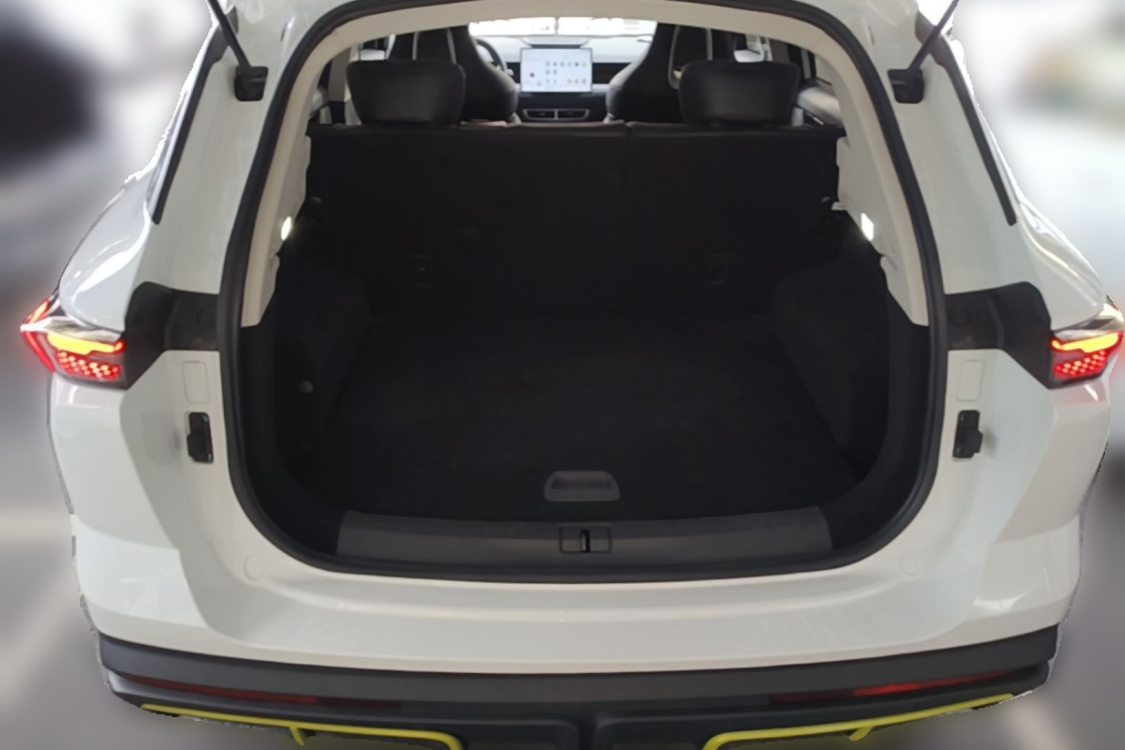
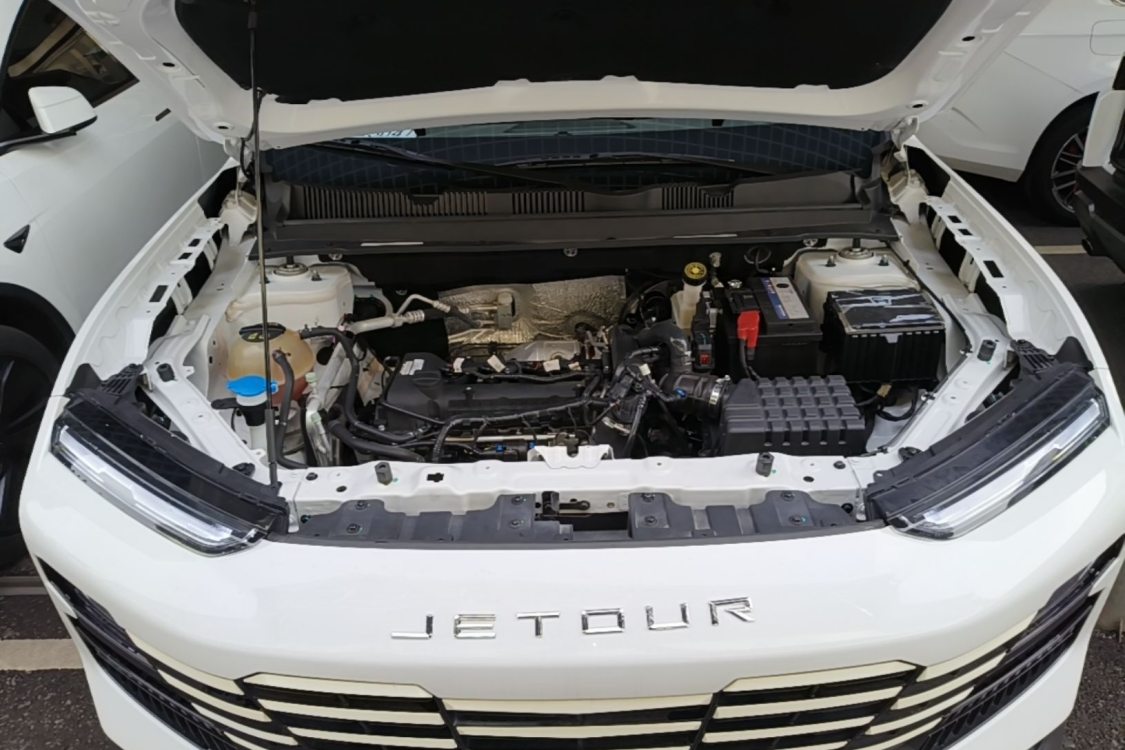
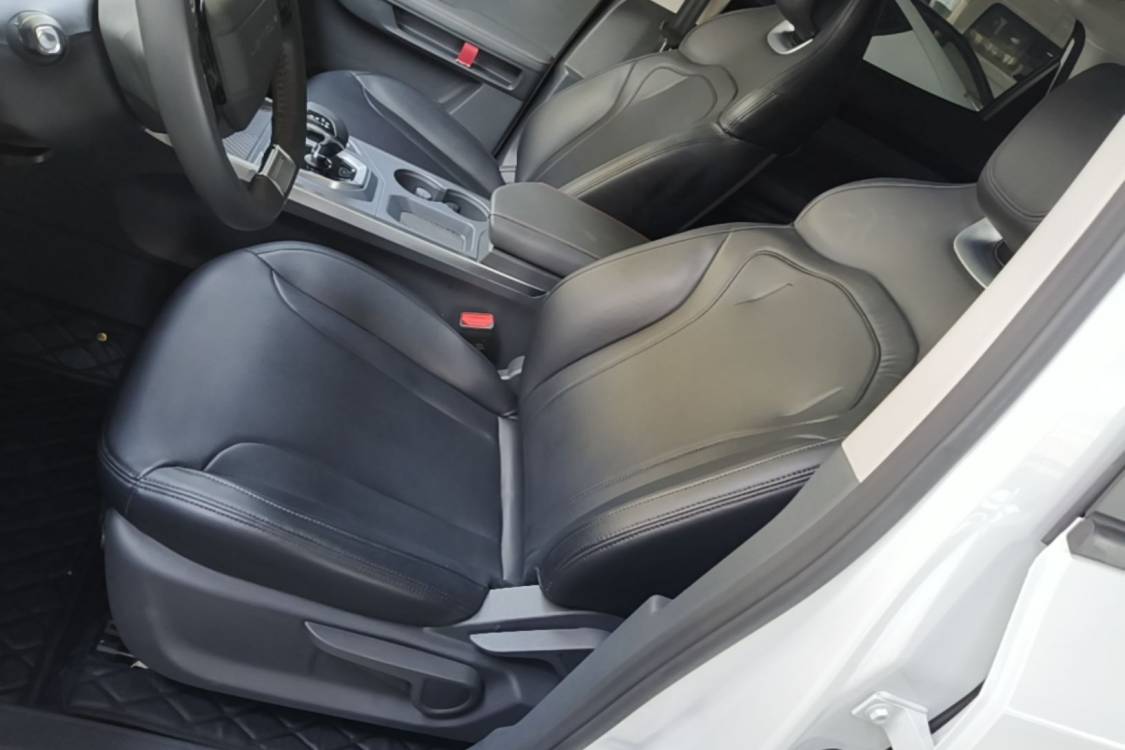
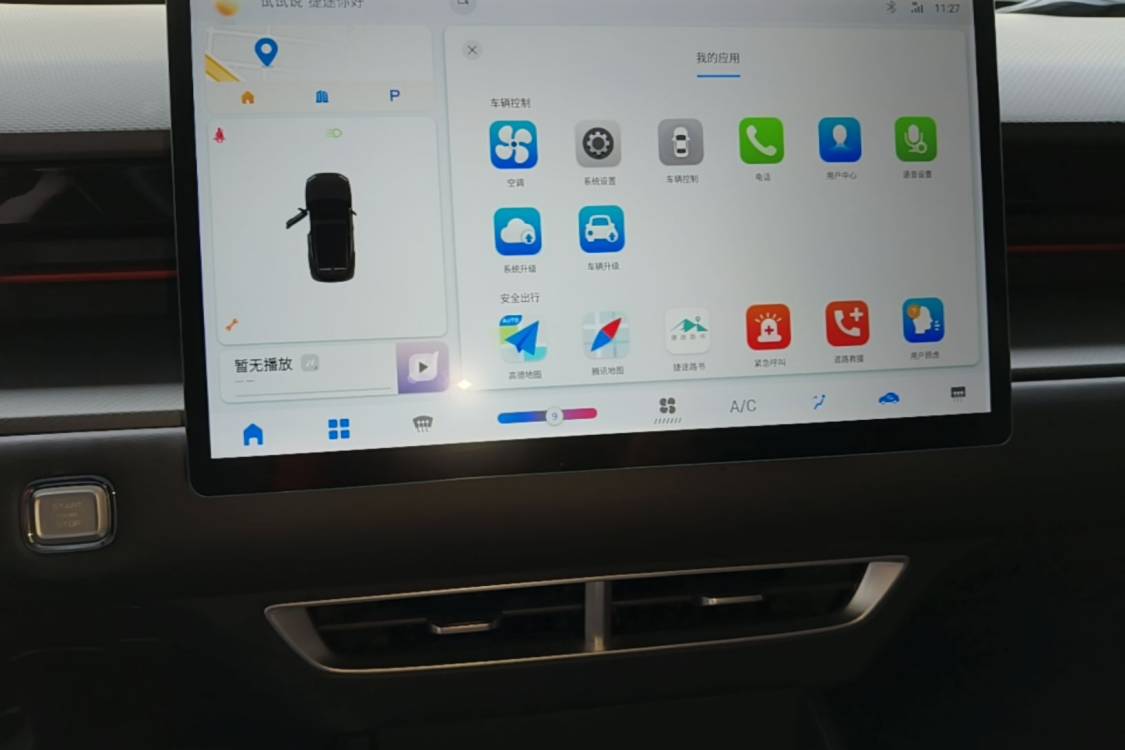
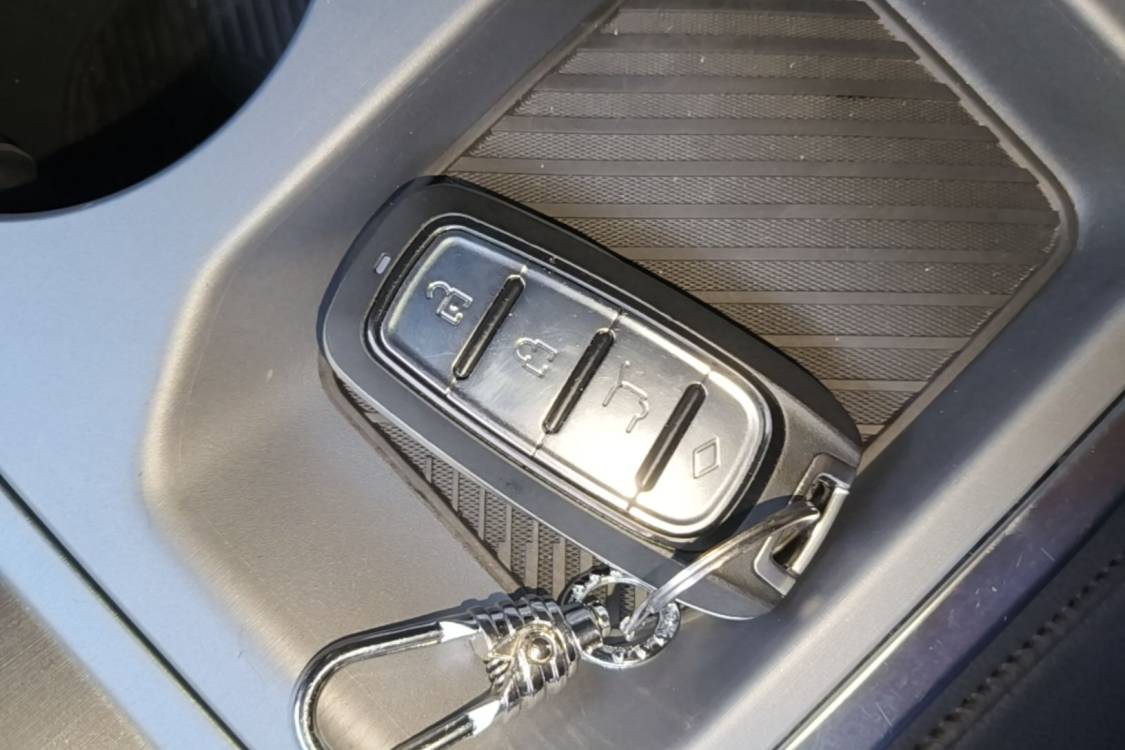
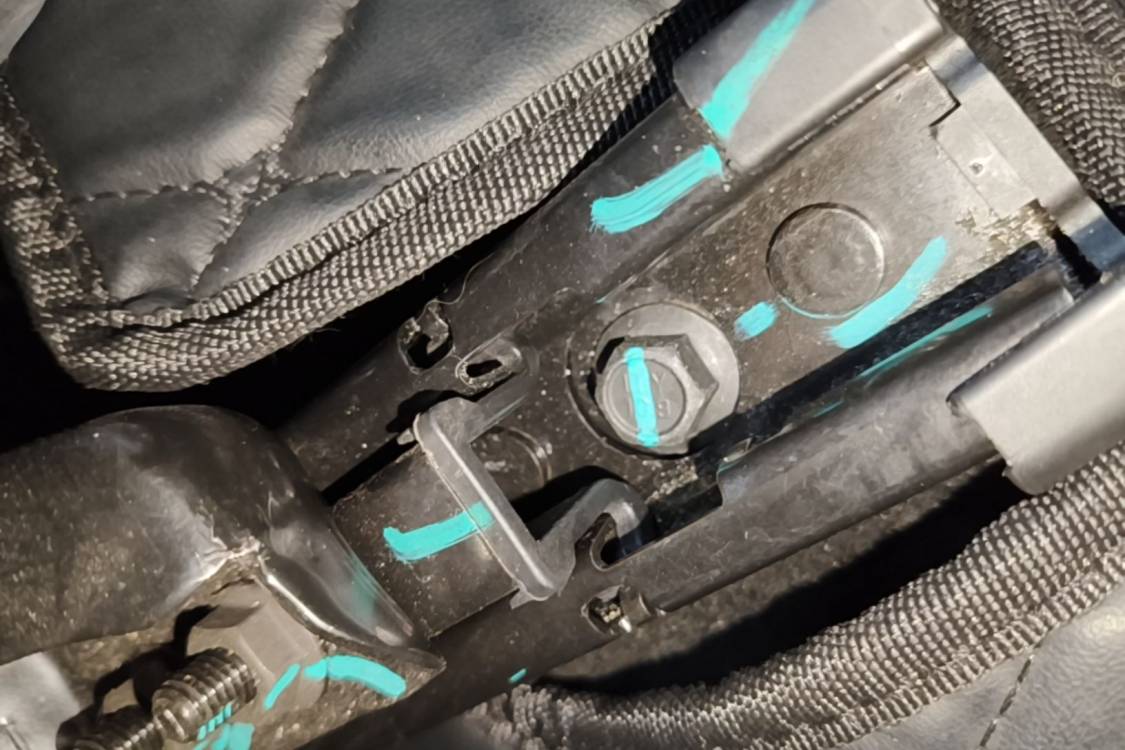
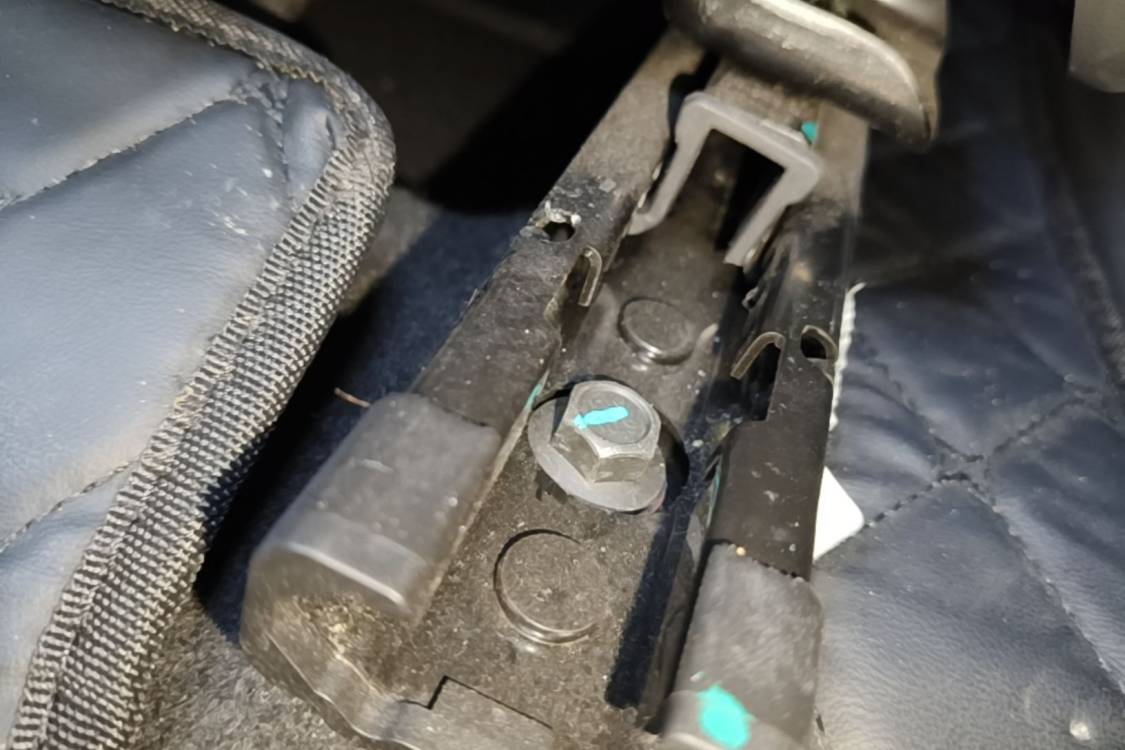
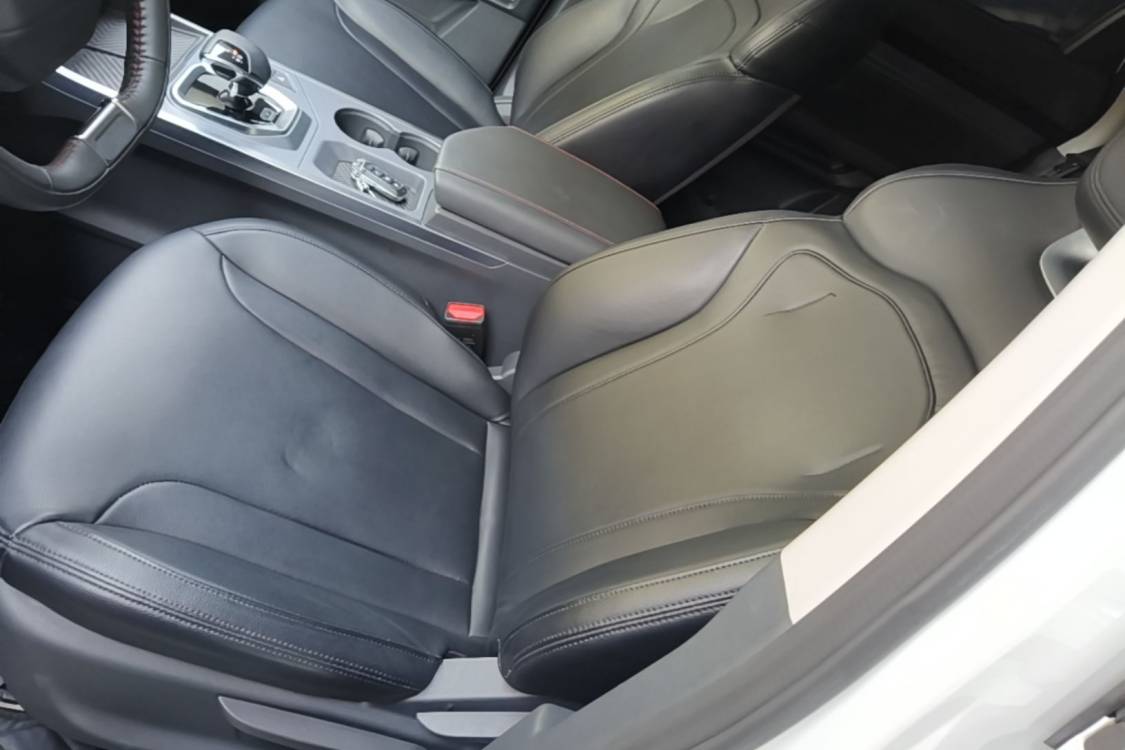
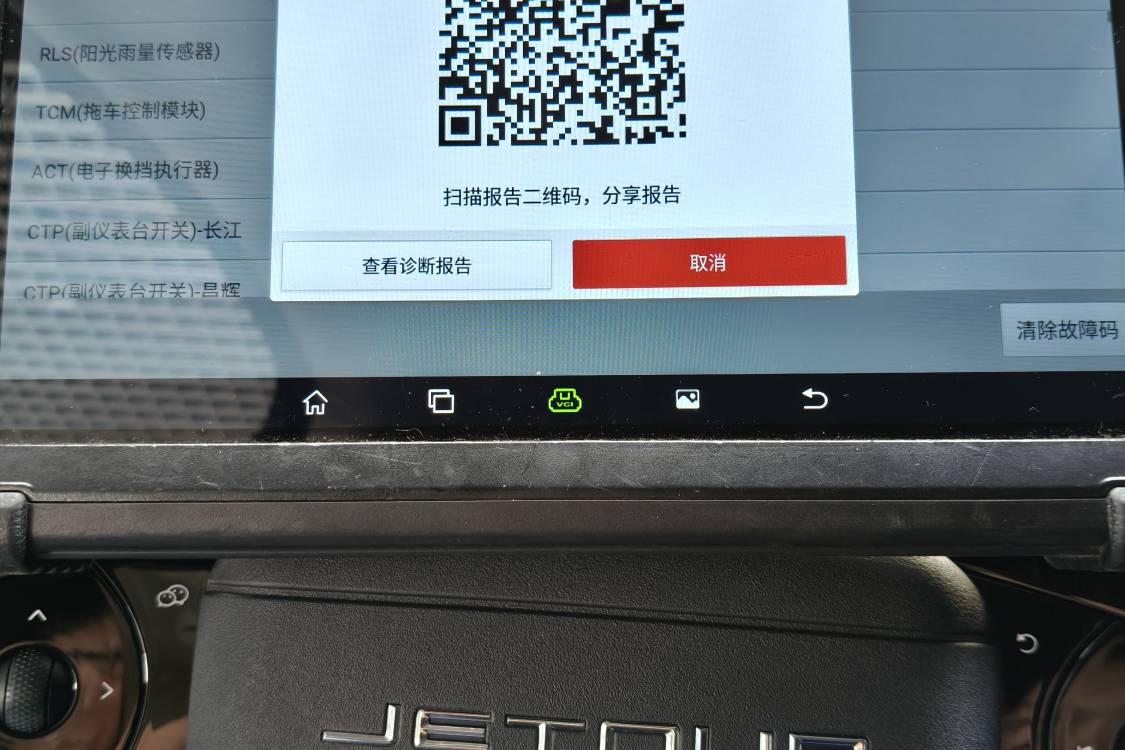
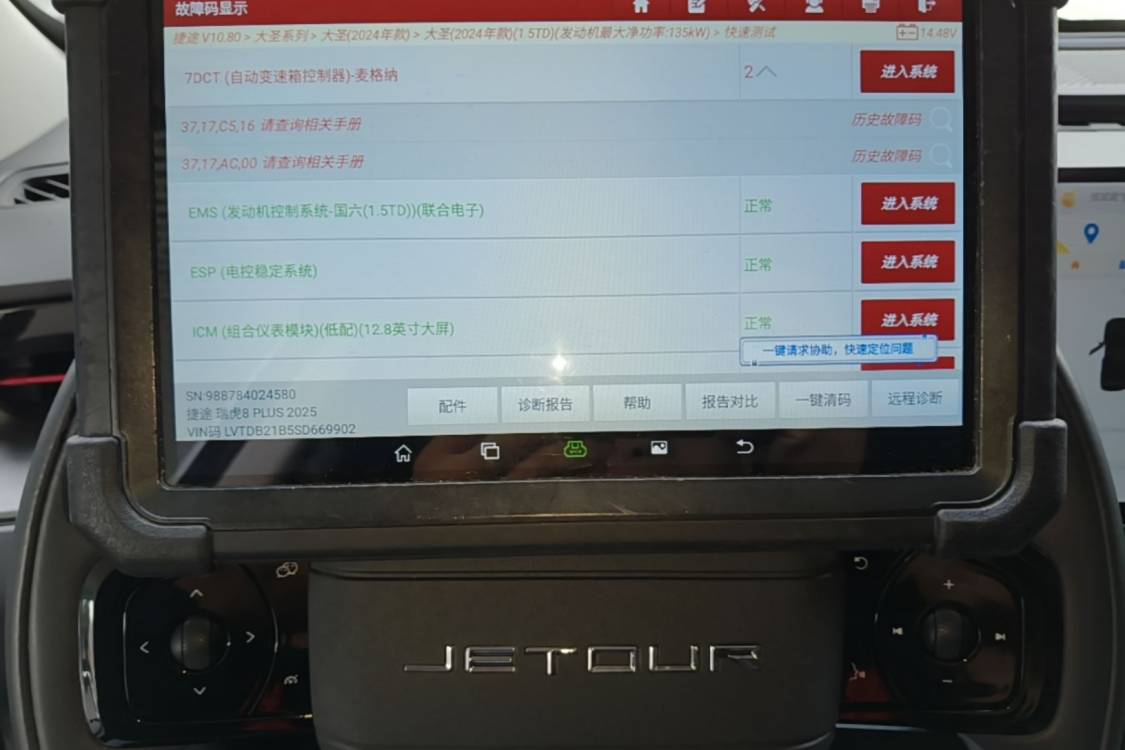
Accident inspection: main structure no damage, reinforcing parts no damage, cover panels no damage, hinges normal. Engine bay inspection: key mechanical components in engine bay normal. Exterior: none. Interior: modified interior (seats), most functions normal, airbag system normal, lighting system normal. Startup inspection: OBD shows other fault codes, OBD shows transmission fault codes. Onboard tools: none.

电话直连
可讲价
平台物流
公户车
零过户
新检测标准升级>
非泡水

Document Information

Inspection Expiry Date2027/03
Warranty Expiry Date-
Insurance Expiry Date-

Q&A

More

Can you check the previous history of the vehicle's use (whether it was for personal transport or company use)?

The registration certificate will show whether the previous owner was an individual (registered with ID) or a company (registered with a business license). Vehicles under a company may be driven by multiple people, so we will focus on checking the uniformity of interior wear and the condition of the chassis.


How can I check if a used car in China was previously used as a taxi, rental car, or government fleet vehicle?

Fleet usage dramatically shortens a car's real life, so it is worth checking before you pay. Start with the registration certificate: the nature-of-use field shows whether the car was registered as non-commercial or commercial. Commercial registration is a red flag for taxis and rental cars. Next, review the maintenance records: fleet vehicles show unusually uniform service intervals, high-volume tire replacements, and repairs done at the same shop repeatedly. A car with 60,000 km on the clock but three sets of brake pads is a fleet vehicle, not a private one. For government or corporate fleet cars, ask the seller for the complete ownership chain; several short-term owners from leasing companies or government auction platforms are a strong signal. Finally, check the interior remotely: rear seat wear, trunk scratches, and multiple ignition keys all suggest shared use. Add a contractual warranty that the vehicle was never commercially operated — if the seller refuses, walk away.

How is payment typically structured when buying a used car from a Chinese exporter, and how do I stay safe?

A typical payment structure looks like this: 1. Deposit: 10-30% after you confirm the car and price, often to reserve the vehicle and start the inspection. 2. Balance: paid after you approve the inspection report, but before or at shipment. A common safeguard is paying against a copy of the bill of lading, with telex release of the original B/L after funds arrive. 3. Never send 100% upfront to a new supplier. Use traceable methods (T/T bank transfer to a corporate account matching the company name, or escrow for first orders) and keep every agreement in writing. 4. Timeline: quote within days, inspection 3-7 days, booking and loading 1-2 weeks, ocean transit 3-6 weeks, customs clearance 3-10 days. Red flags: personal bank accounts, pressure to skip inspection, prices far below market.