


Sold

Basic Information

BrandJetour
SeriesTraveller
Year2023
First Registration2023/12
Mileage43,000km
Transfer Count-
FuelGasoline
TransmissionManumatic
Engine2.0T 254 L4
ColorBlack
Seats5seats

Condition Description

Excellent

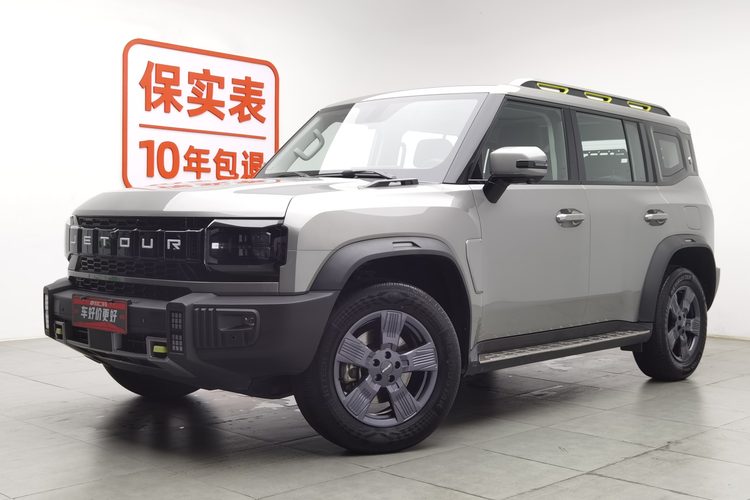
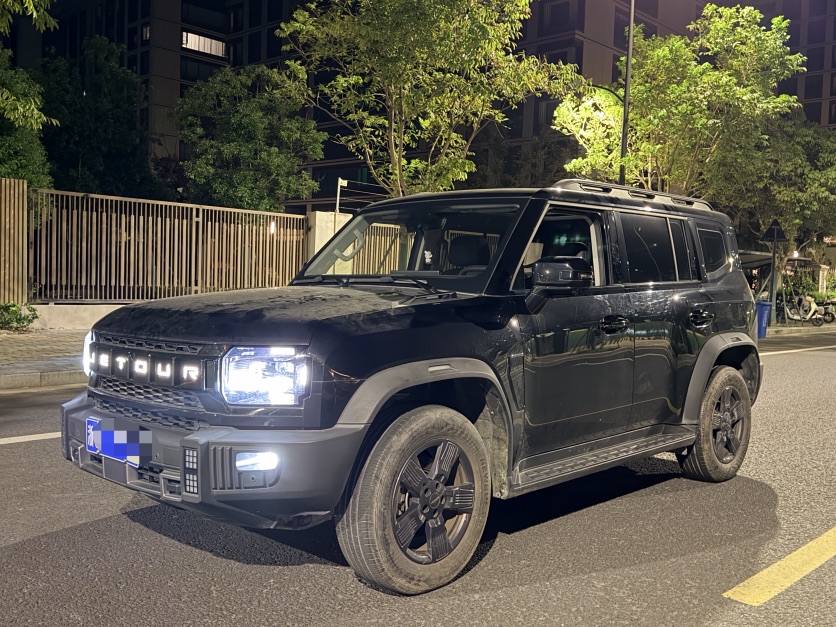
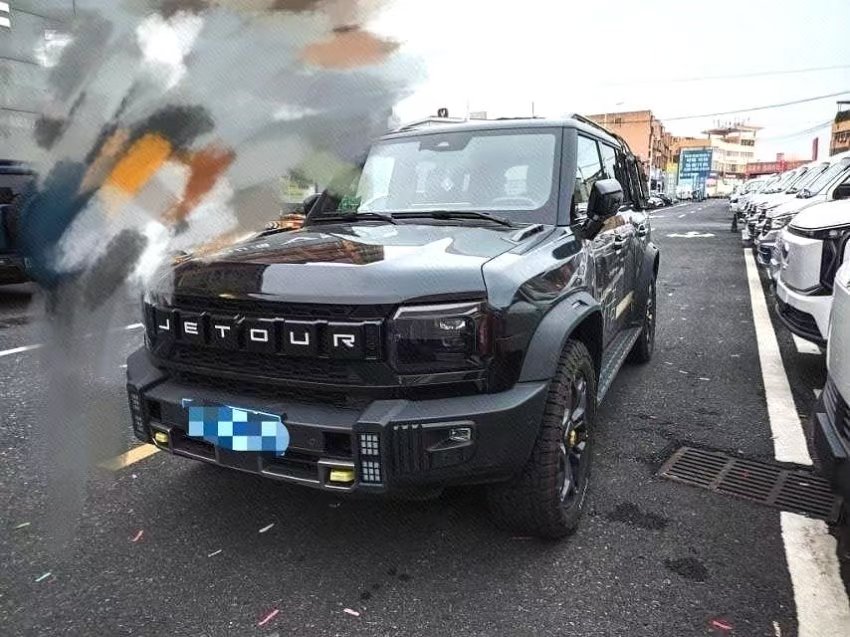
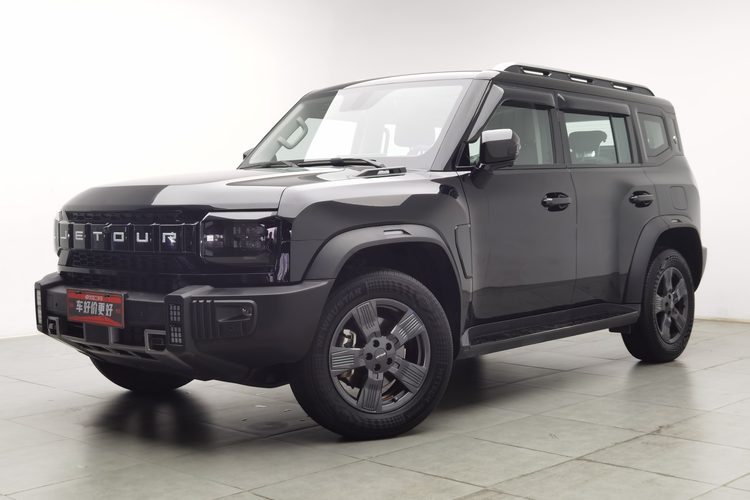
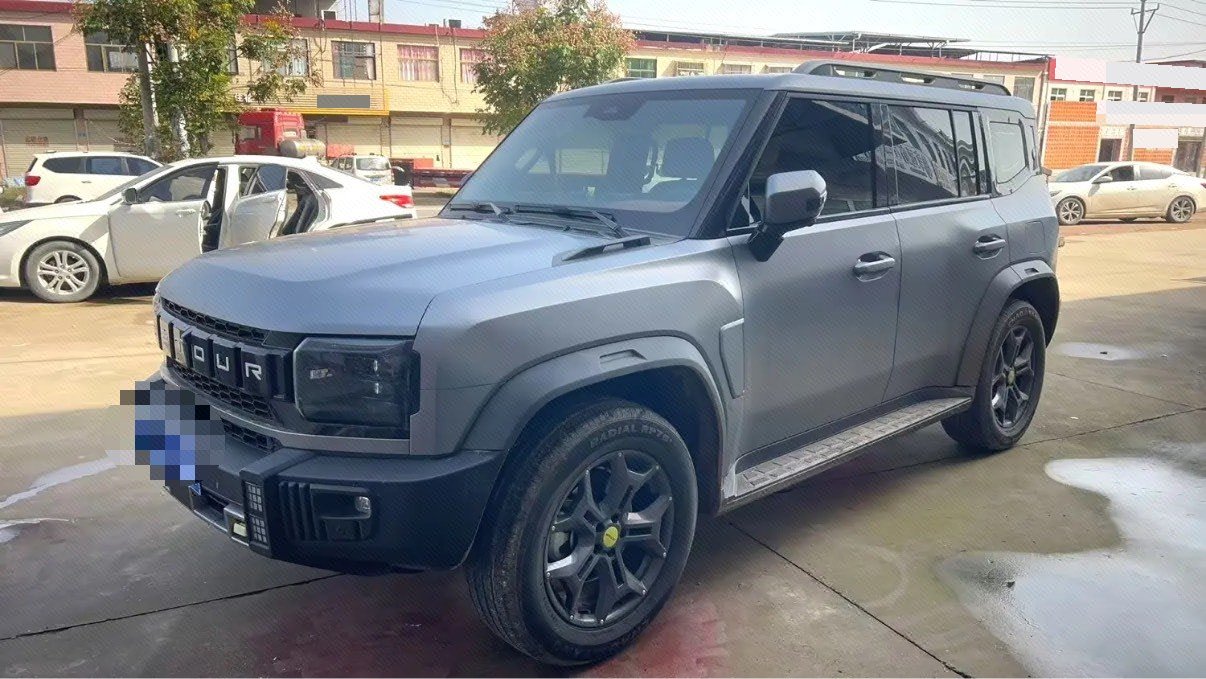
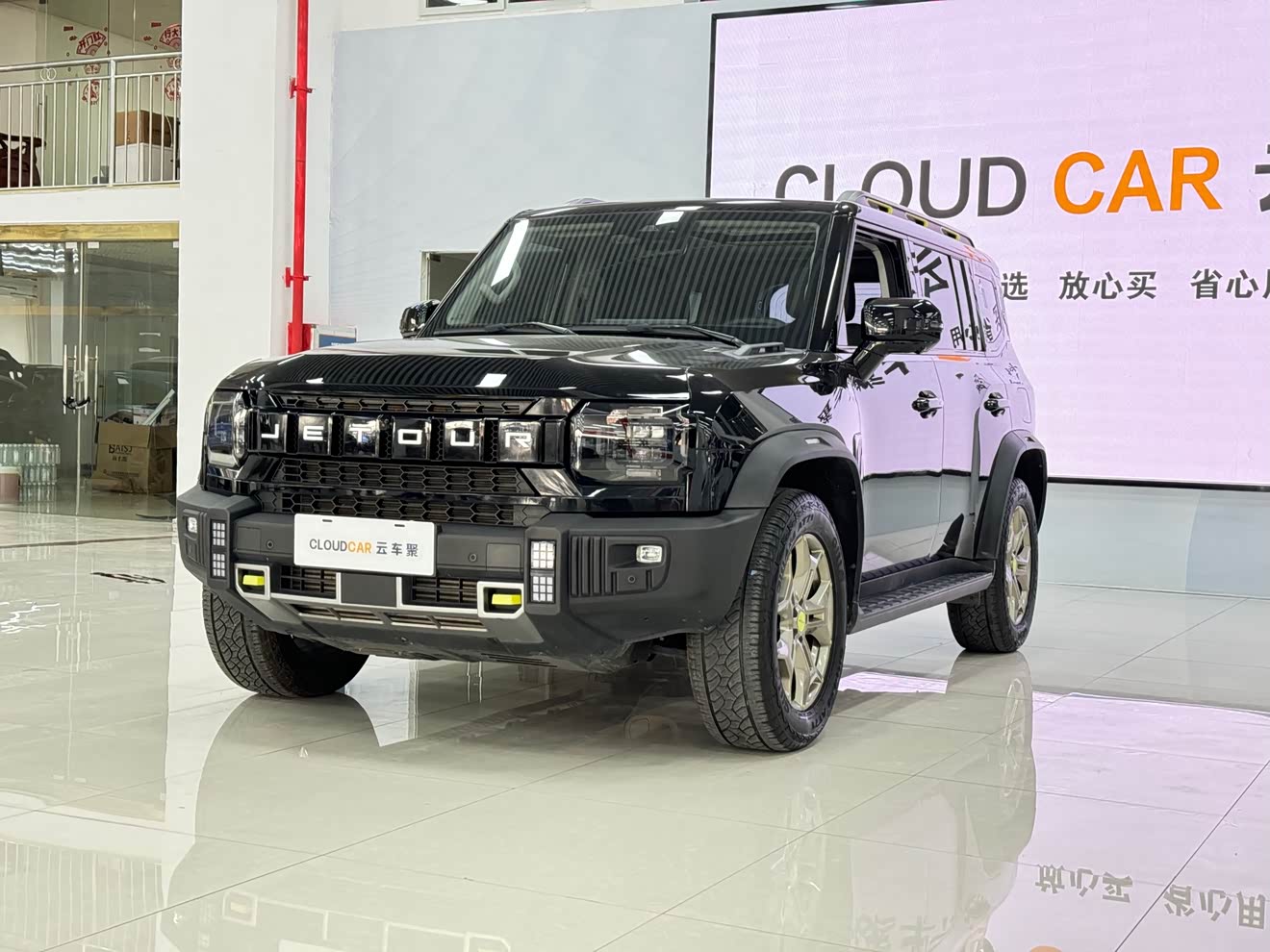
This Jetour Traveler 2023 2.0T 4WD Conqueror was first registered in December 2023 and currently has 43,000 kilometers on the odometer. In terms of features, it boasts high-tech features such as lane departure warning, lane keeping assist, and active braking, as well as luxurious leather seats and a full LCD instrument panel. The exterior paint is in perfect condition, with minor scratches and some repainting, but overall it looks brand new. The interior is clean, the infotainment system functions properly, and the air conditioning is powerful. The engine and transmission run smoothly, the chassis is tight, and the vehicle is in excellent condition. It's a one-owner vehicle, has been serviced exclusively at a 4S dealership, has no off-road history, and offers exceptional value. Welcome to visit our showroom!

90-day repurchase guarantee

Configuration Highlights

✓Blind Spot Assist
✓Lane Keep Assist
✓Lane Departure Warning
✓Active Safety System
✓ISOFIX Child Seat Anchors
✓Auto Hold
✓Center Differential Lock
✓Keyless Start System
✓Paddle Shifters
✓Digital Instrument Cluster
✓Built-in Dashcam
✓Bluetooth/Hands-free
✓Connected Car
✓220V/230V Power Outlet
✓OTA Updates
✓Adaptive Headlights
✓PM2.5 Air Filter
✓Air Purifier
✓Rear Air Vents

Accident & Maintenance Records

Accident Record

🔗 Open Link

Maintenance Record

🔗 Open Link

Document Information

Inspection Expiry Date2025/12
Warranty Expiry Date-
Insurance Expiry Date2025/12

Q&A

More

How to ensure compliance for countries that strictly prohibit the import of vehicles containing any asbestos (like Australia)?

Chinese passenger cars produced after 2005 have fully transitioned to asbestos-free brake pads, clutch plates, and gaskets. However, for export to countries with strict regulations, buyers must pay for sampling and testing by a NATA-accredited laboratory before shipment, and obtain an asbestos-free certificate.


What are the typical steps and timeline when buying a used car from China, from selection to delivery at my port?

A normal transaction moves through six stages. First, selection and verification: you shortlist cars, request VIN-level documents, and order an independent inspection (1-2 weeks). Second, contract signing and deposit: 10-30% is standard, paid against a signed contract listing the VIN and agreed spec. Third, export preparation: the seller handles deregistration and export licensing (1-3 weeks). Fourth, final payment against loading: pay the balance only after you receive the bill of lading or rail waybill number you can track. Fifth, transit: ocean shipping to most ports takes 3-6 weeks, rail to Central Asia or Europe 2-4 weeks. Sixth, destination clearance and registration: allow 1-2 weeks plus buffer for inspections. In total, plan for 2-4 months door to door. Any exporter promising full delivery in under six weeks is likely cutting corners on export paperwork.

How do I read and interpret a Chinese vehicle history report—what do the records and codes mean, and which findings should stop the deal?

A Chinese history report (查博士, 精真估, or 4S-shop records) usually contains several sections. Here's how to read them. Accident records: entries tagged 重大事故 (major accident) or listings at an insurance payout above 30% of the car's value are serious red flags. Airbag deployment is a deal-breaker for most buyers. Mileage timeline: check that mileage increases logically between service visits. A sudden drop between two dates means odometer tampering—walk away. Ownership count: more than 3 owners in 5 years suggests a problem car. Also check the 使用性质 field: a car registered as 营运 (commercial/taxi use) has a much shorter legal lifespan. Maintenance entries: consistent 4S dealership records are a good sign; long gaps aren't necessarily fatal if the owner used independent shops, but ask for receipts. Cross-check the report against the VIN plate, registration certificate, and physical inspection. If the report shows no accidents but paint thickness readings say otherwise, trust the metal, not the paper.