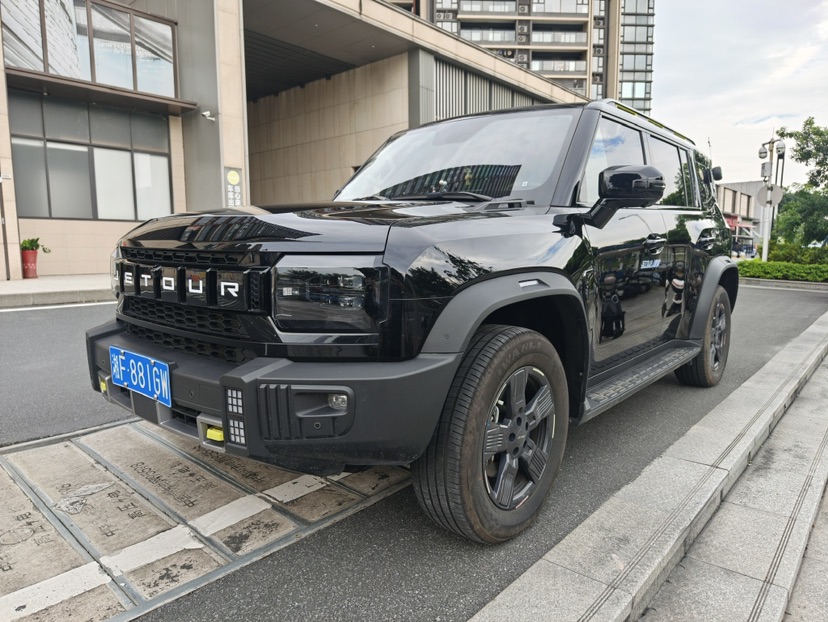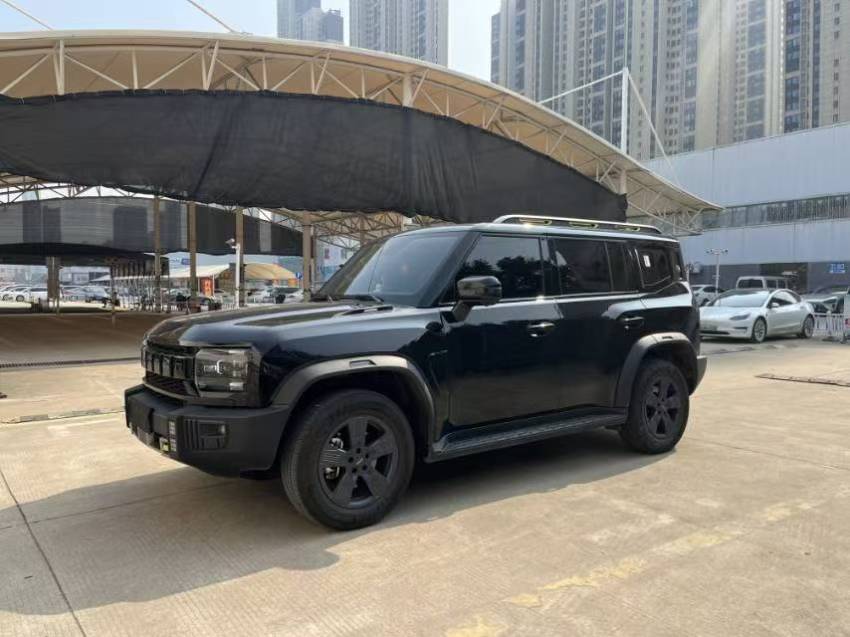
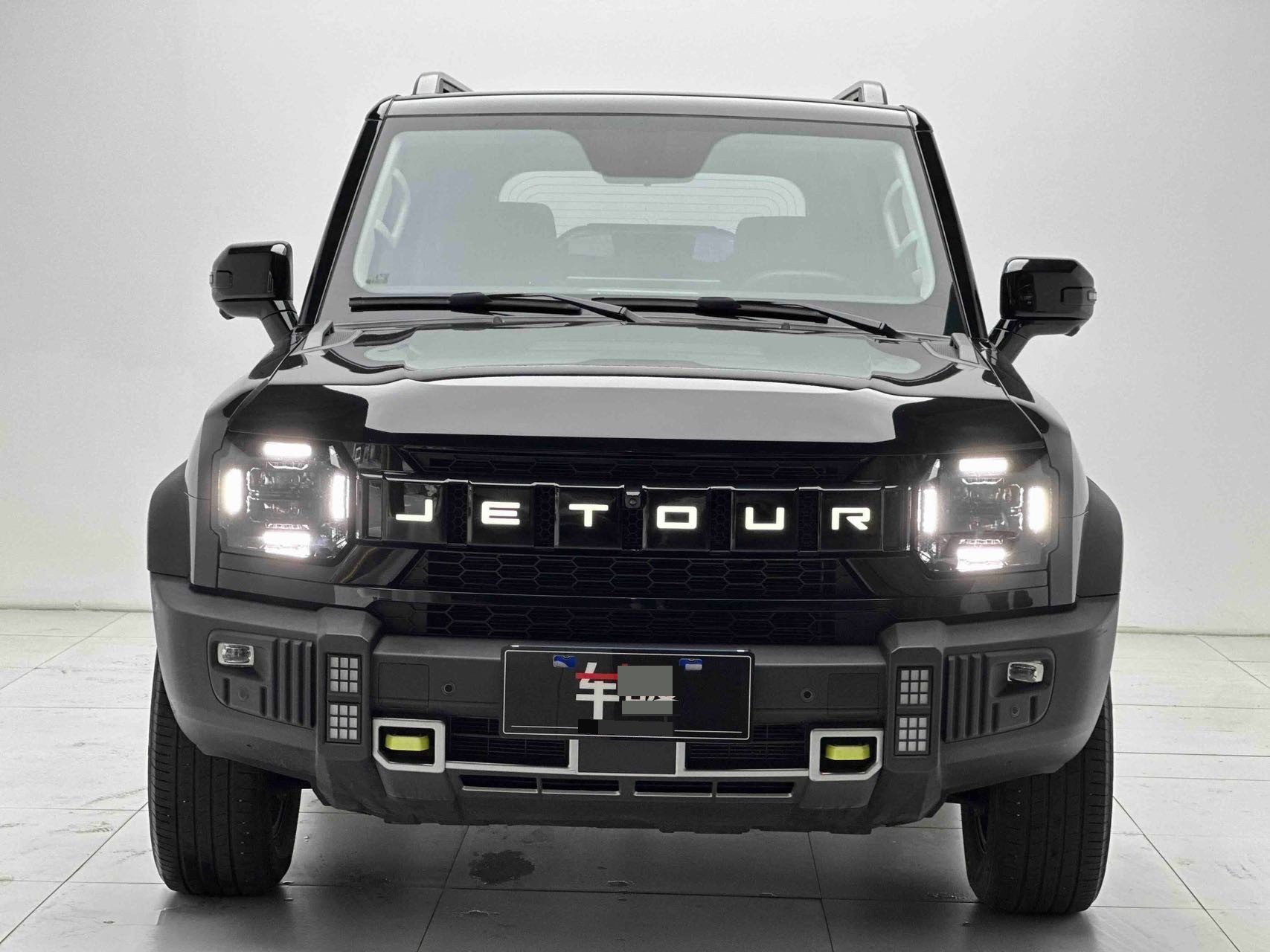
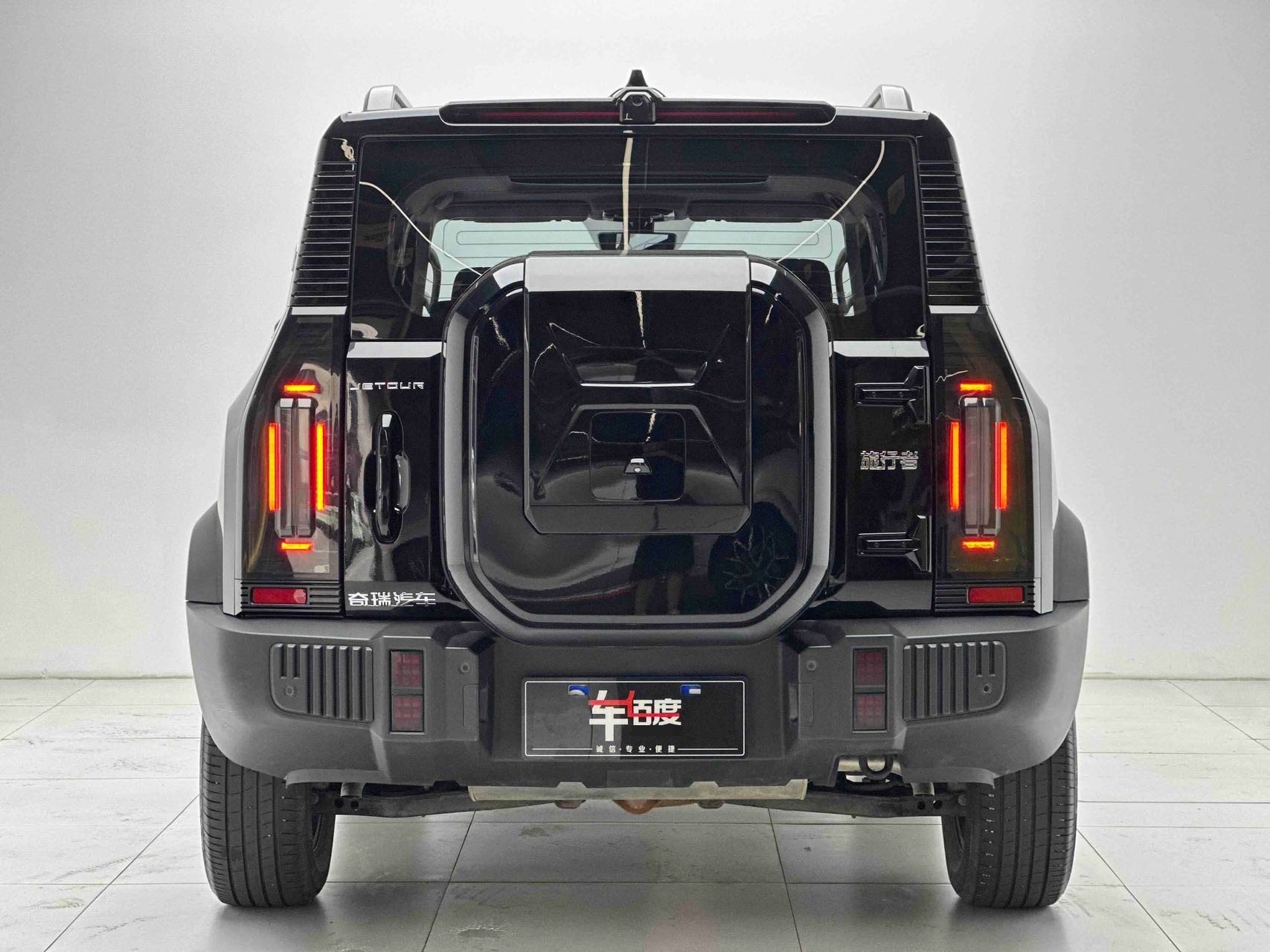
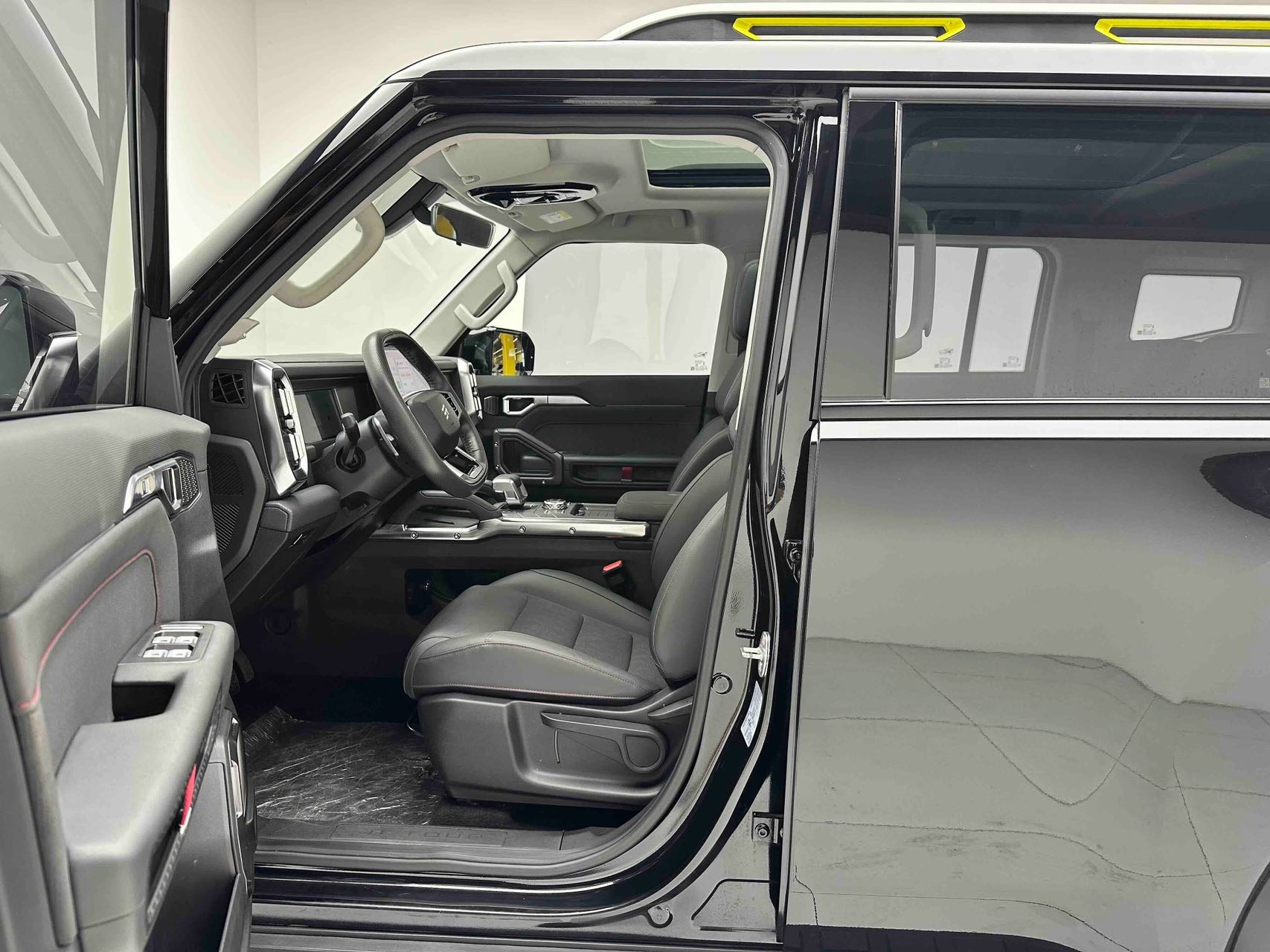
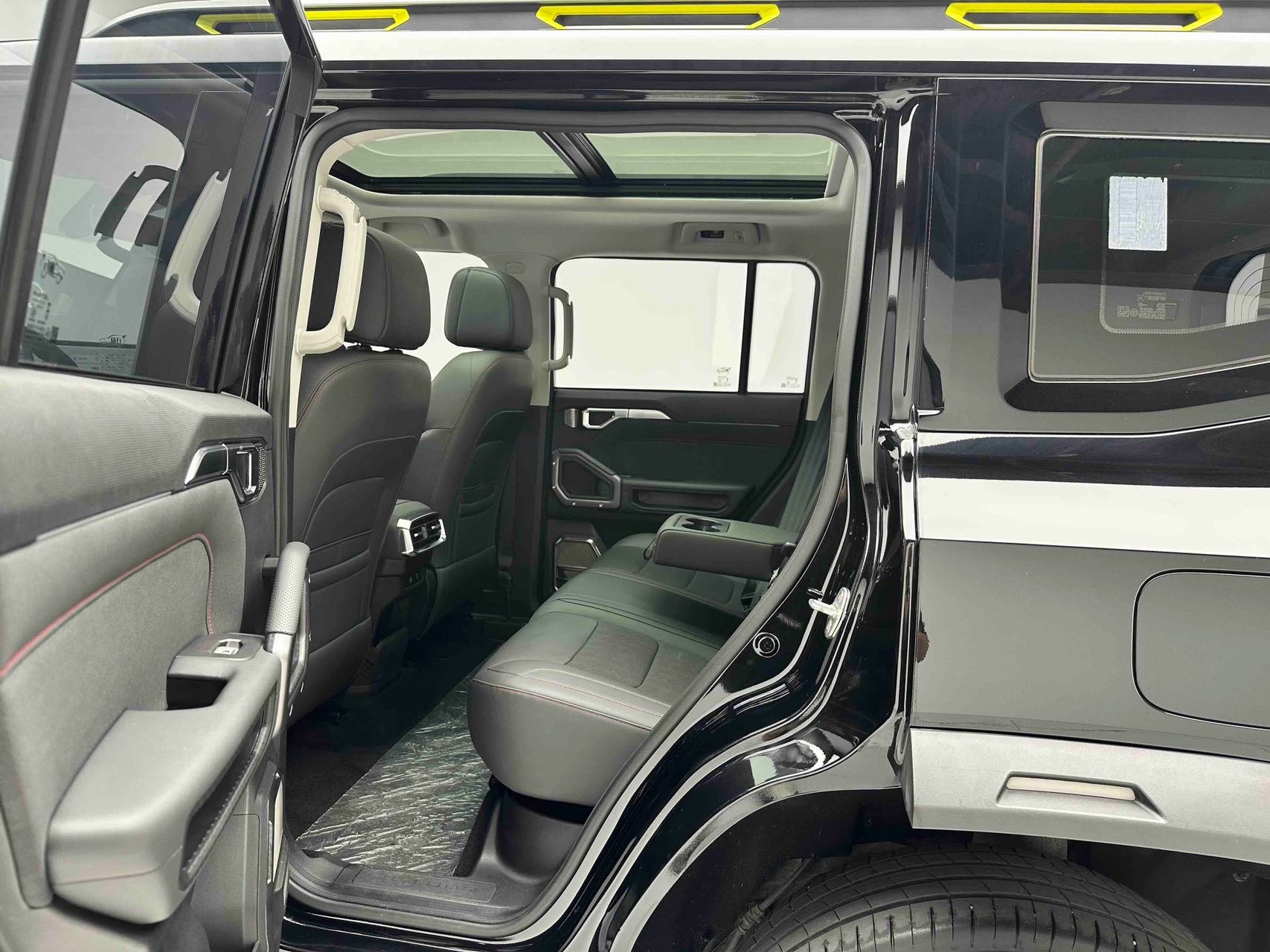
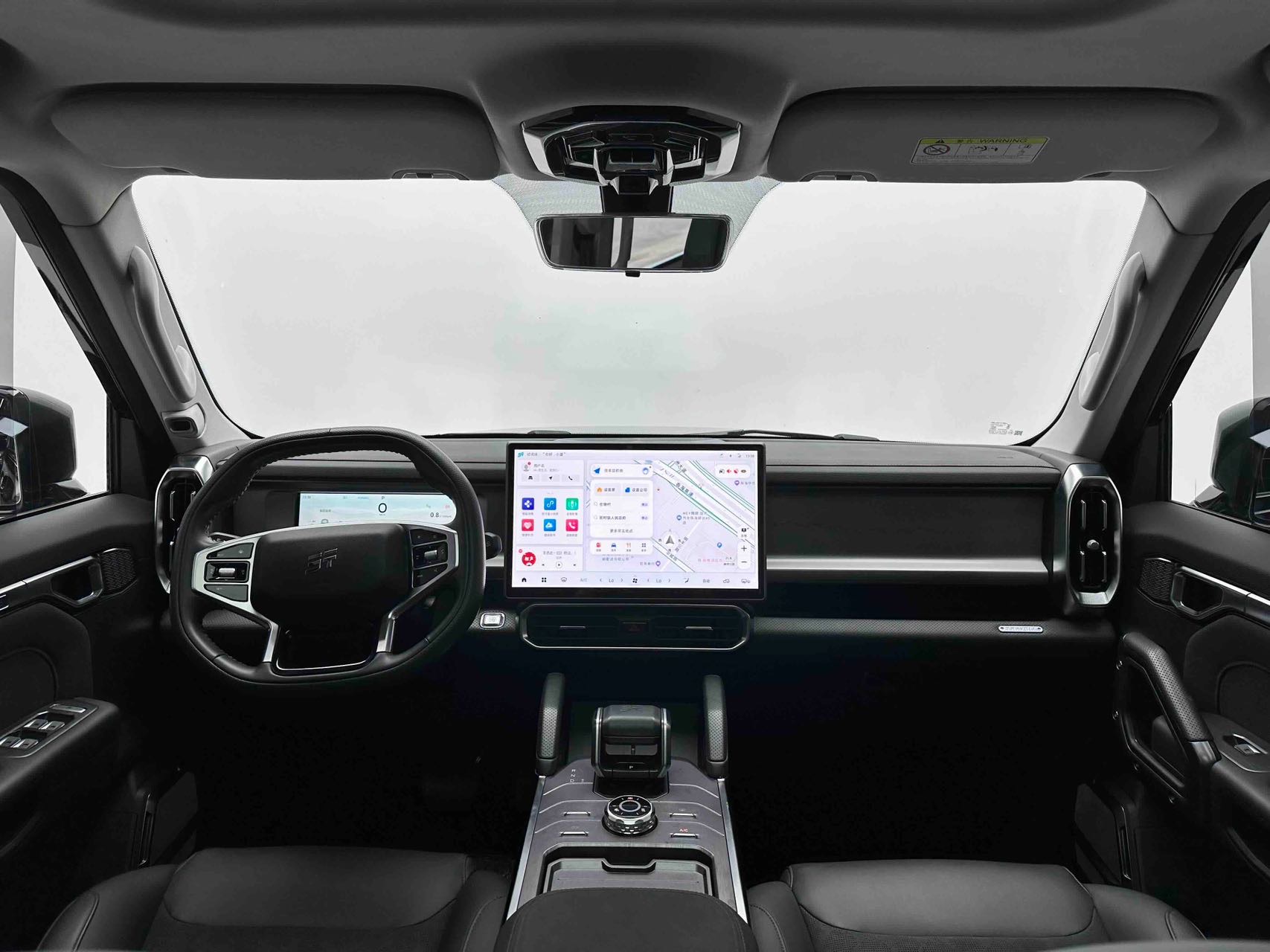

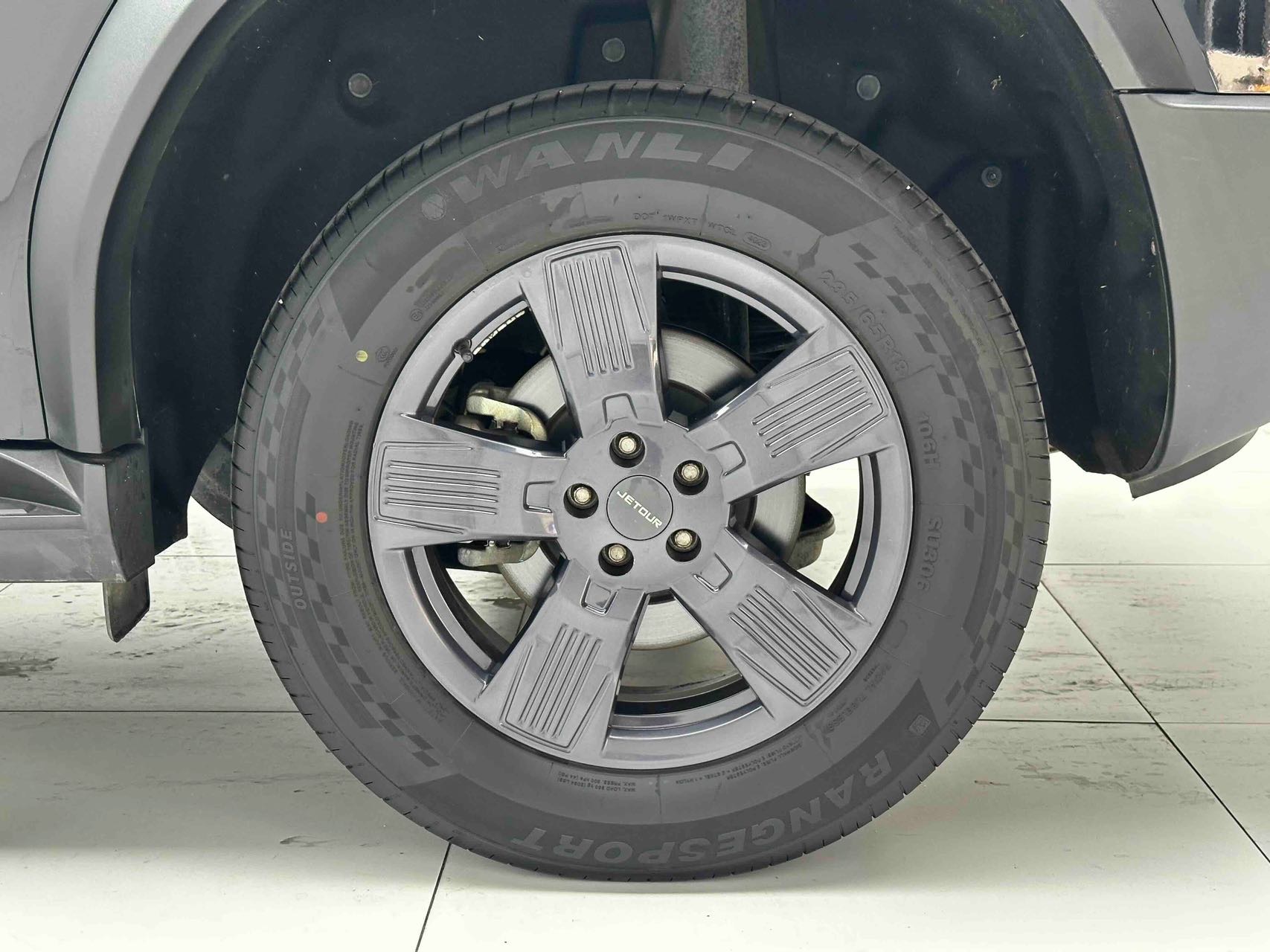
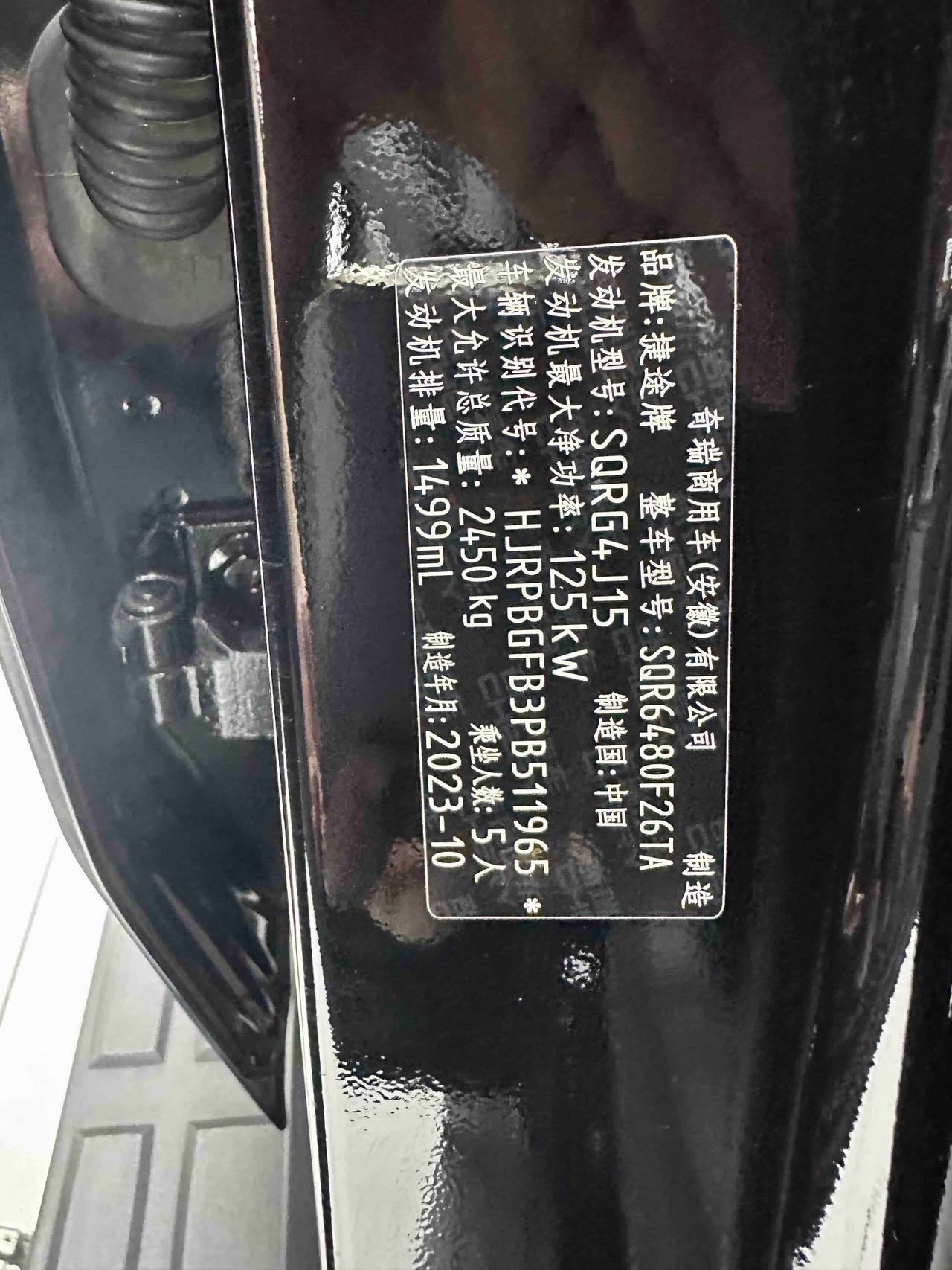



Basic Information

BrandJetour
SeriesTraveller
Year2023
First Registration2023/12
Mileage28,000km
Transfer Count0times
FuelGasoline
TransmissionDCT
Engine1.5T 184 L4
ColorBlack
Seats5seats

Condition Description

Original condition, passed third-party inspection. Tailgate and right rear fender repainted.

Document Information

Inspection Expiry Date-
Warranty Expiry Date-
Insurance Expiry Date2026/12

Q&A

More

How are the refrigerant pressure, compressor operation, and heating effect of the air conditioning system deeply tested?

The technician will start the vehicle and turn on the air conditioning system, measuring the actual temperature at the vents at the lowest and highest settings with a thermometer; at the same time, they will connect a manifold pressure gauge to check if the refrigerant pressure in the high and low pressure lines is within the normal range, determining if there is a chronic refrigerant leak.


Will there be a thorough inspection of the aging and damaged wiring harness of older vehicles to prevent spontaneous combustion?

For older vehicles or those used in high temperature and humidity areas, we will focus on opening the hood to check if the insulation of the wiring harness in the high-temperature area of the engine compartment is cracked or brittle, to identify potential short circuit risks that could lead to spontaneous combustion.

What should the inspector check during a cold start test of the engine?

A cold start reveals problems that a warm engine hides. Ask your inspection agent to perform and film this sequence. First, the start itself: the engine should crank smoothly and settle into a stable idle within a few seconds. Extended cranking, blue or white smoke, or a lumpy idle suggest worn internals or head-gasket issues. Second, listen for timing-chain rattle or metallic tapping in the first ten seconds — cold top-end noise often means deferred maintenance. Third, watch the exhaust on a cold morning: brief white vapor is normal in winter, but persistent blue smoke means oil burning, and sweet-smelling white smoke can indicate coolant leaking into the cylinders. Fourth, have the inspector scan the OBD system right after the cold start; misfire counters and fuel-trim values are most honest when the engine is cold. Ask for a continuous, timestamped video from outside the car before startup through at least five minutes of idling, so you can verify the engine really was cold.