Basic Information

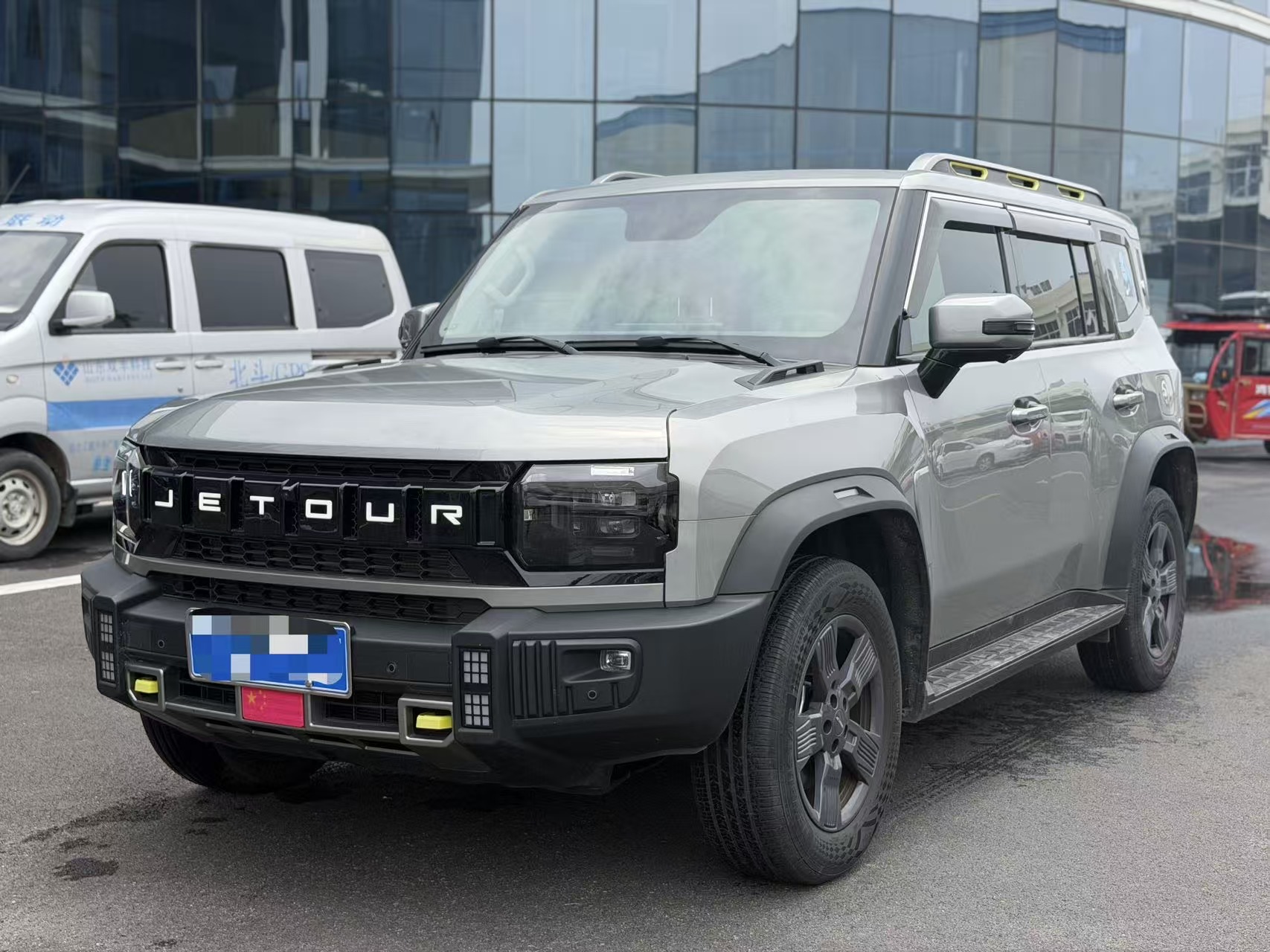
BrandJetour
SeriesTraveller
Year2024
First Registration2024/05
Mileage20,600km
Transfer Count-
FuelGasoline
TransmissionManumatic
Engine2.0T 254 L4
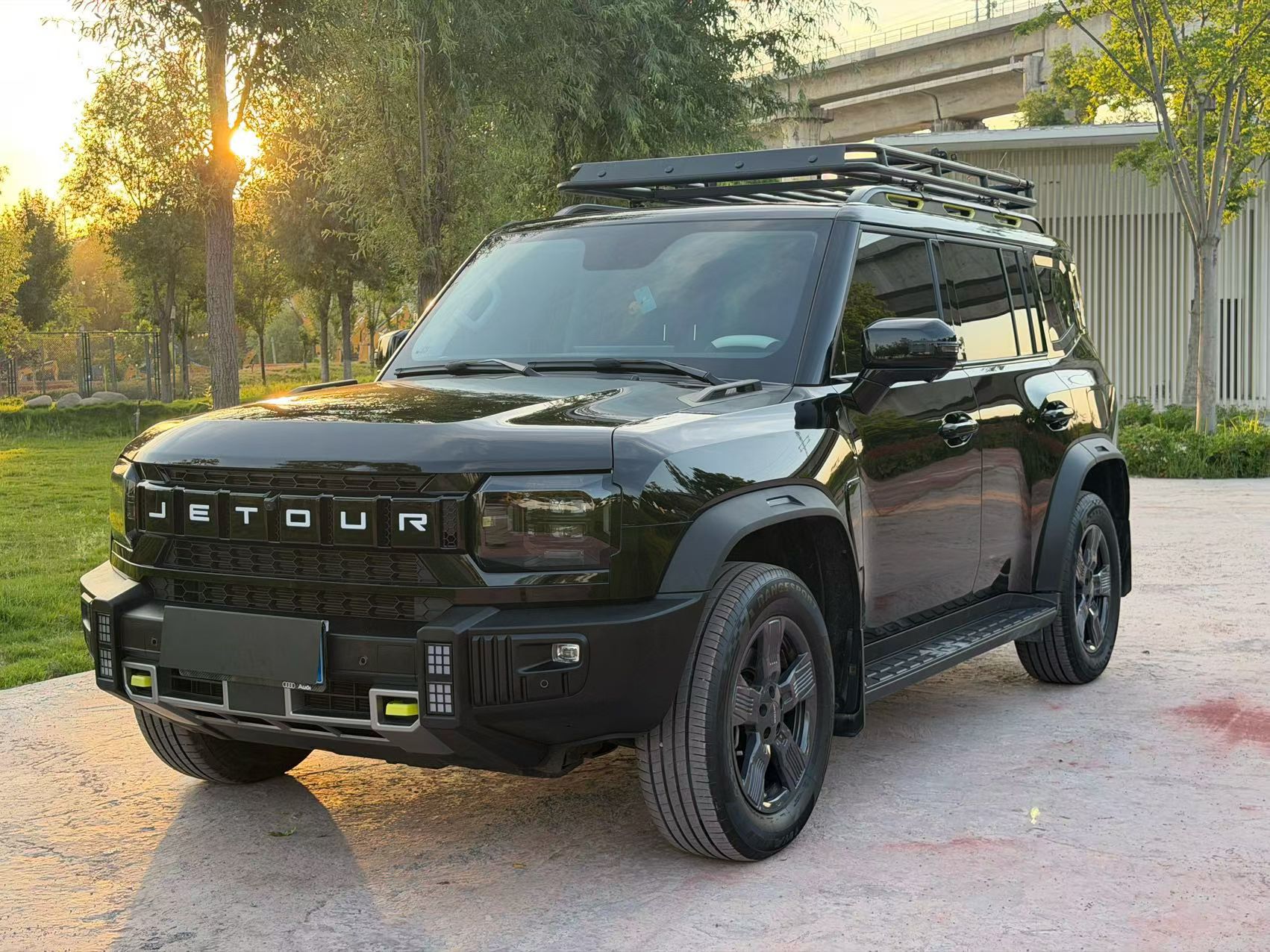
ColorBlack
Seats5seats

Condition Description

Excellent

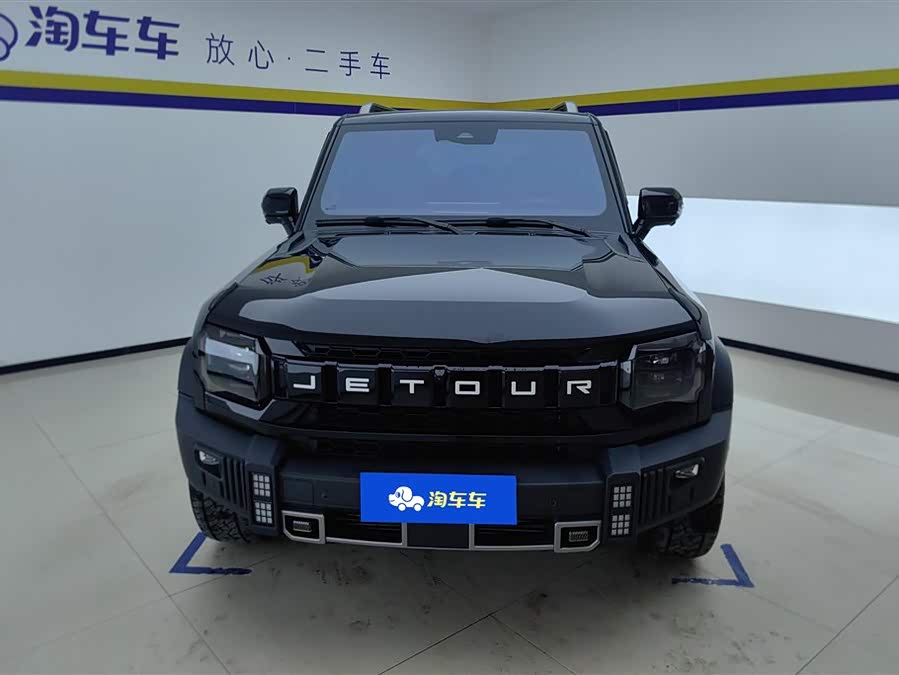
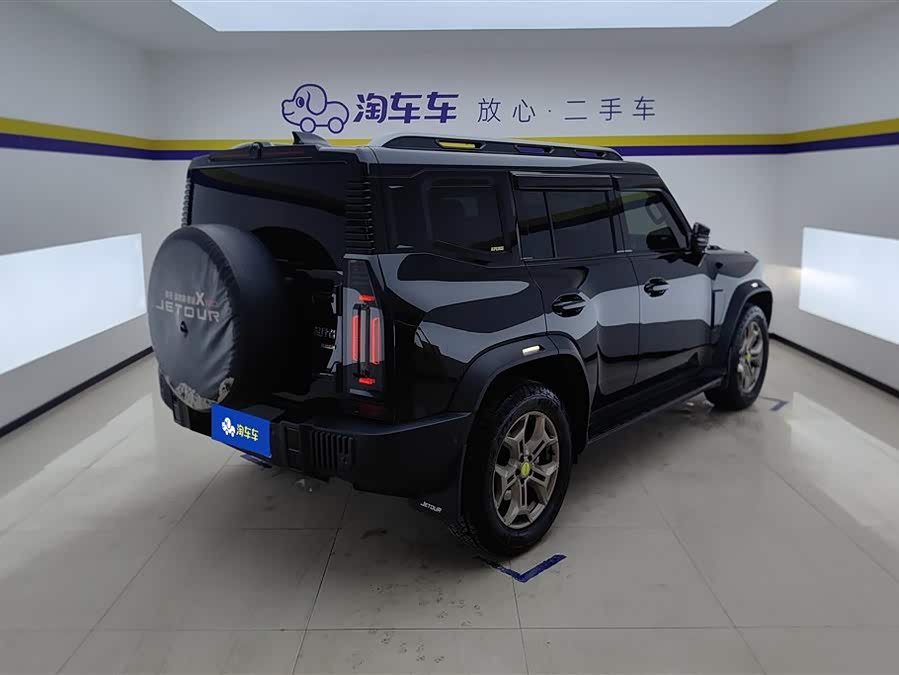
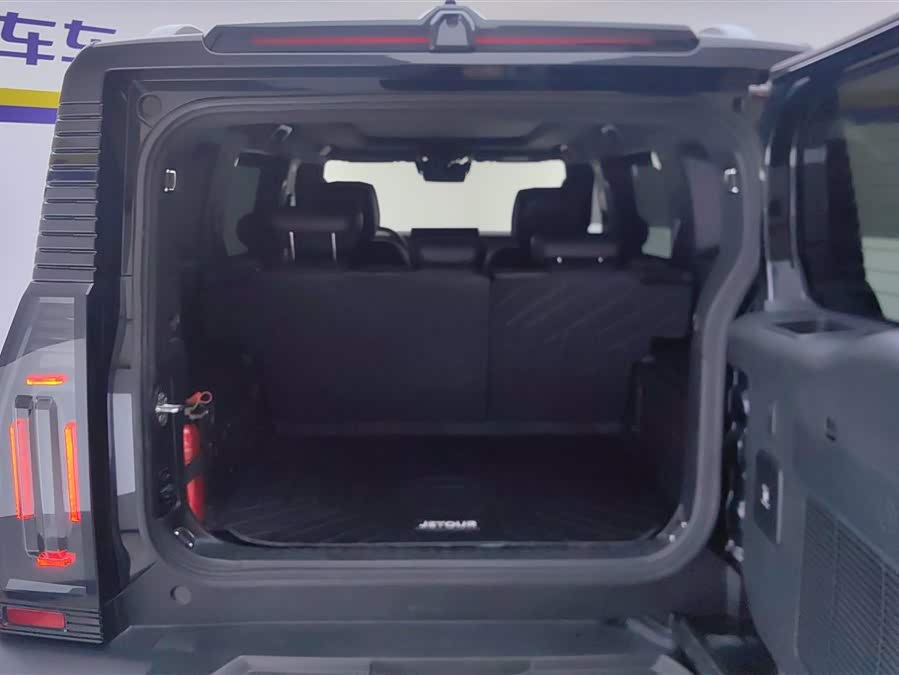
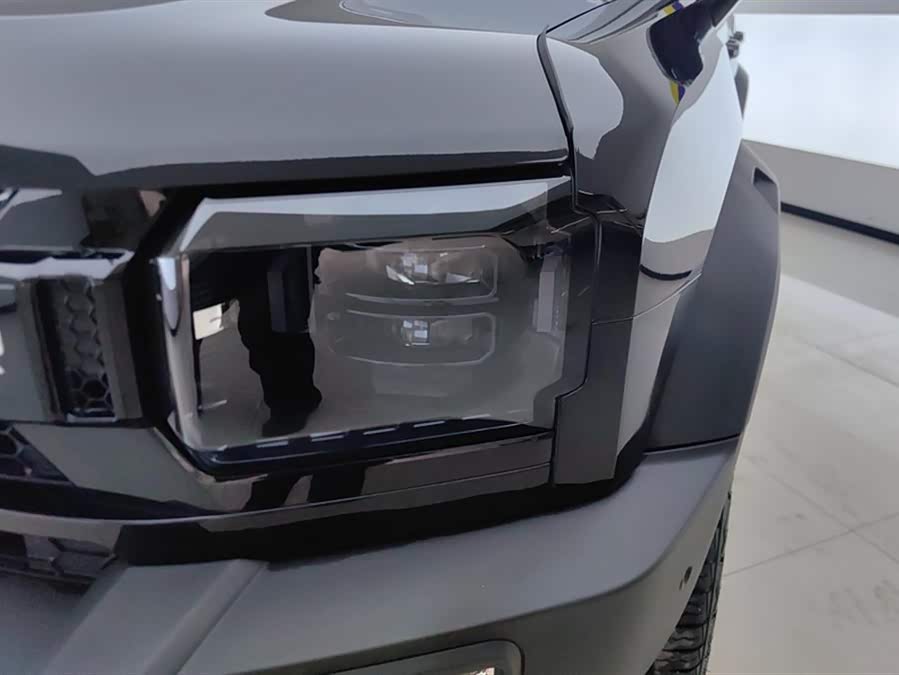
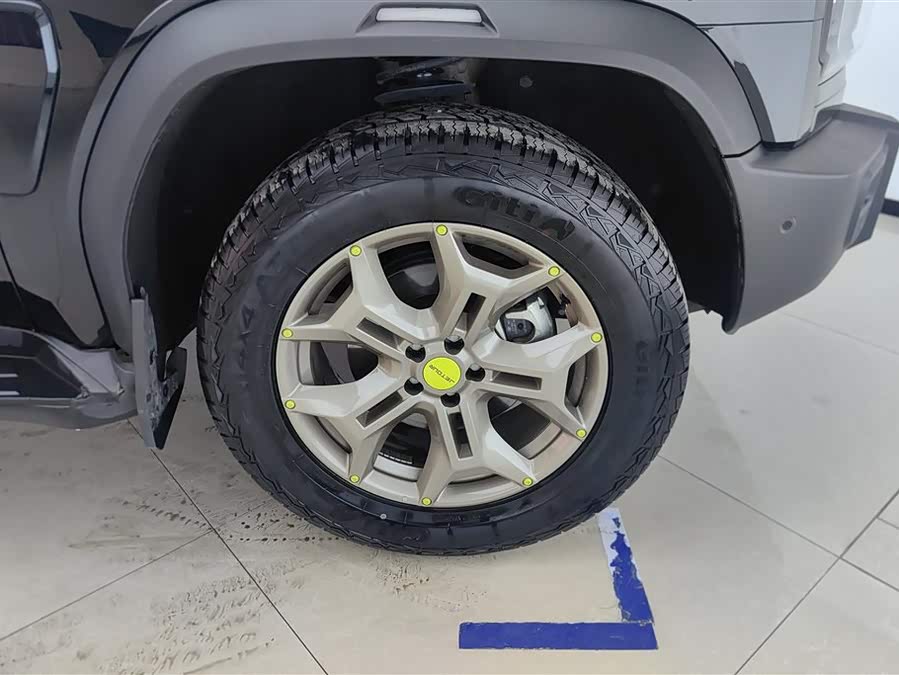
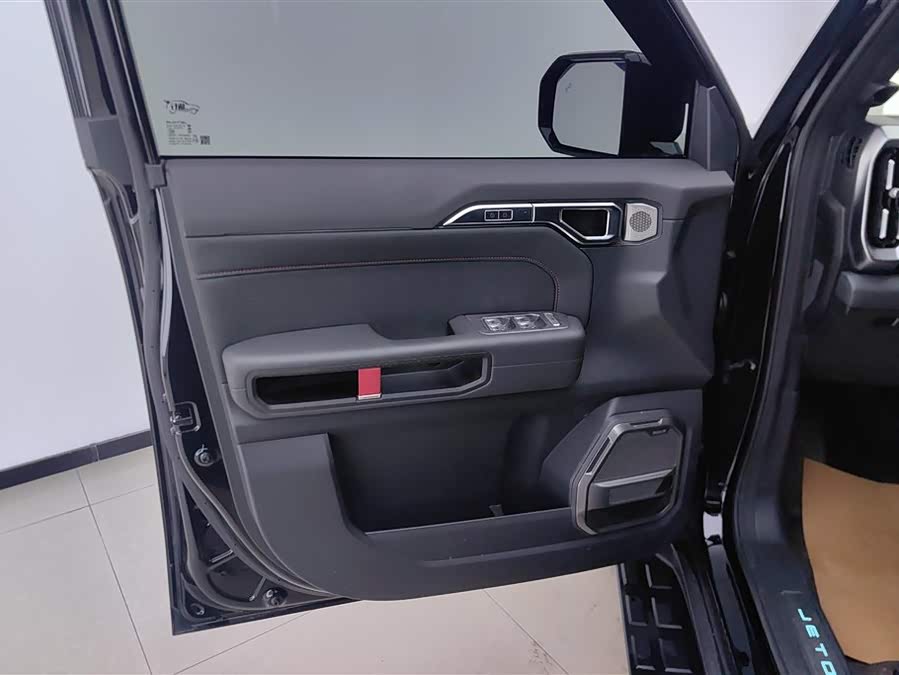
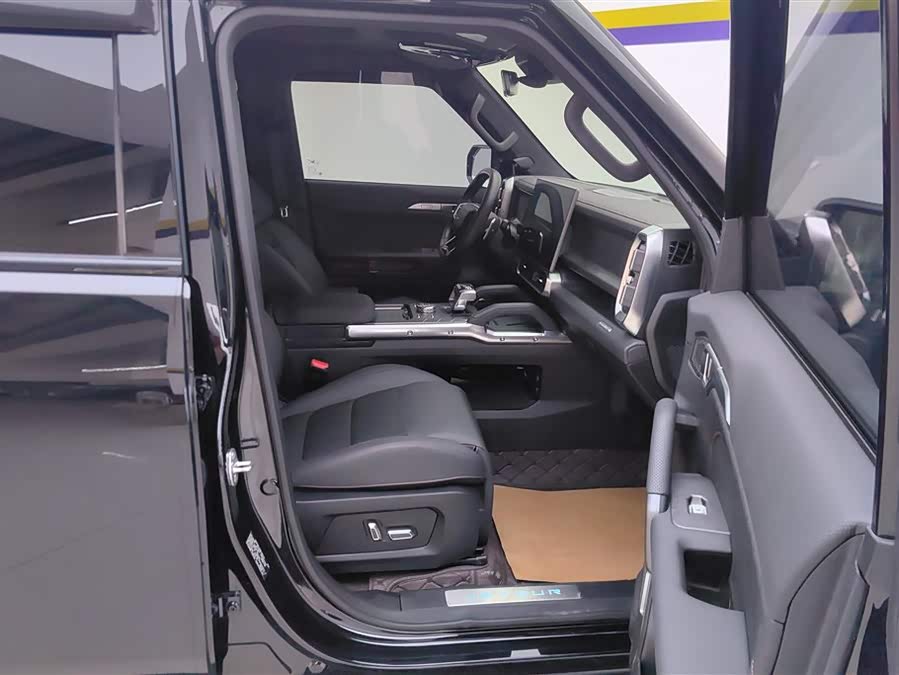
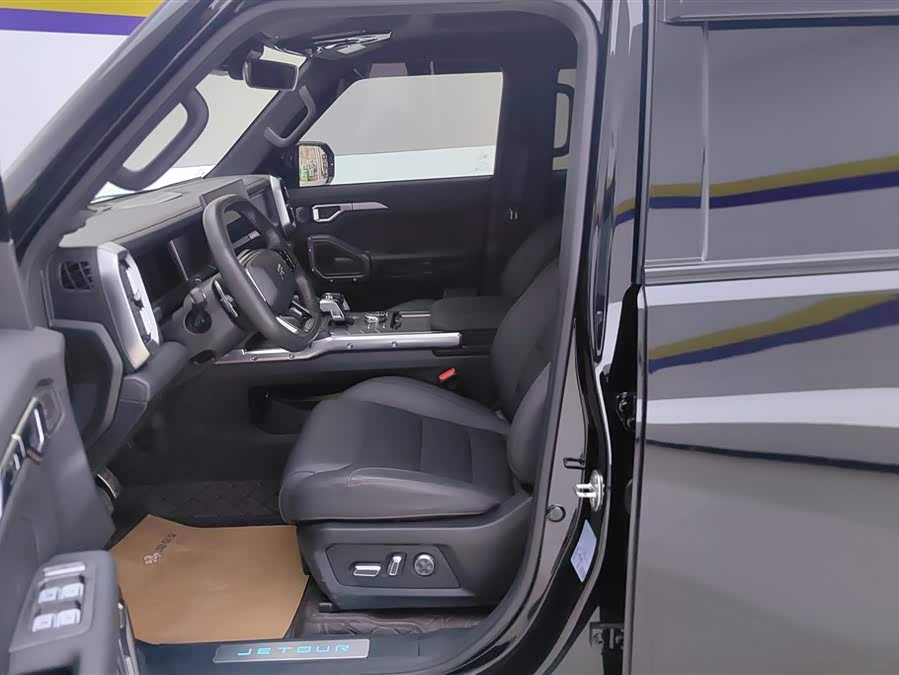
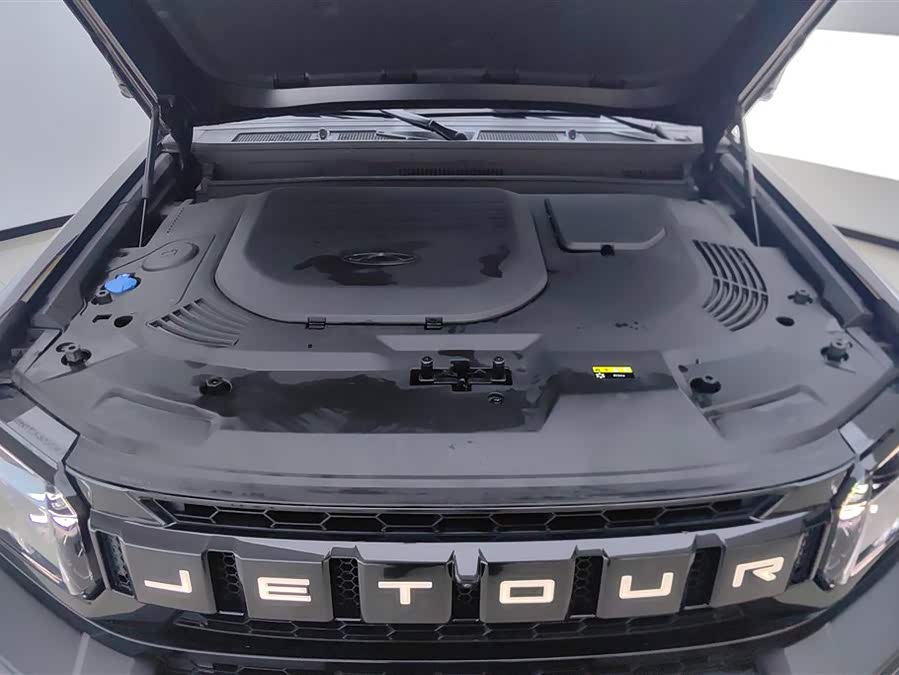
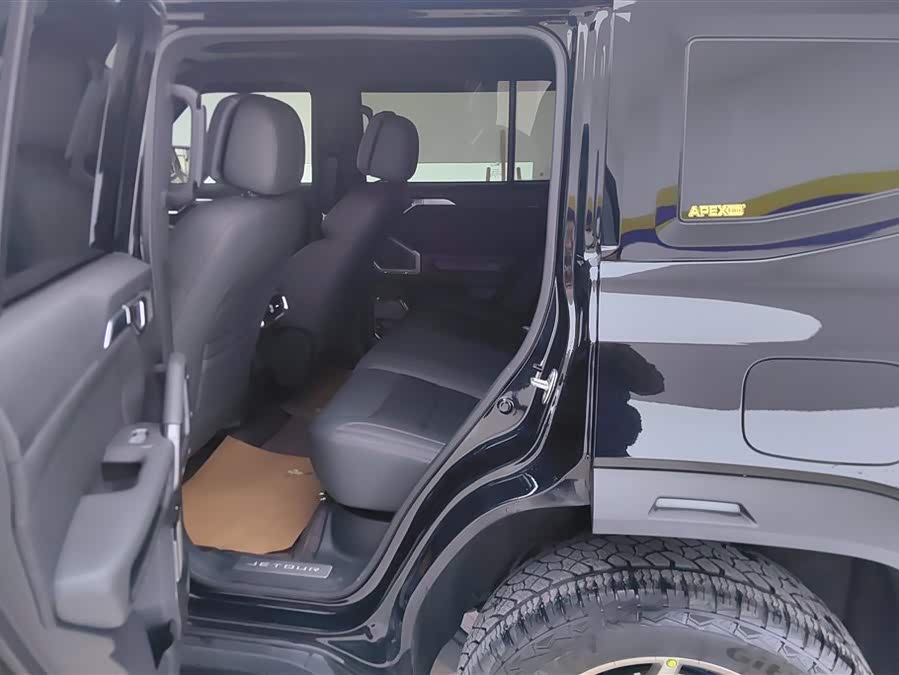
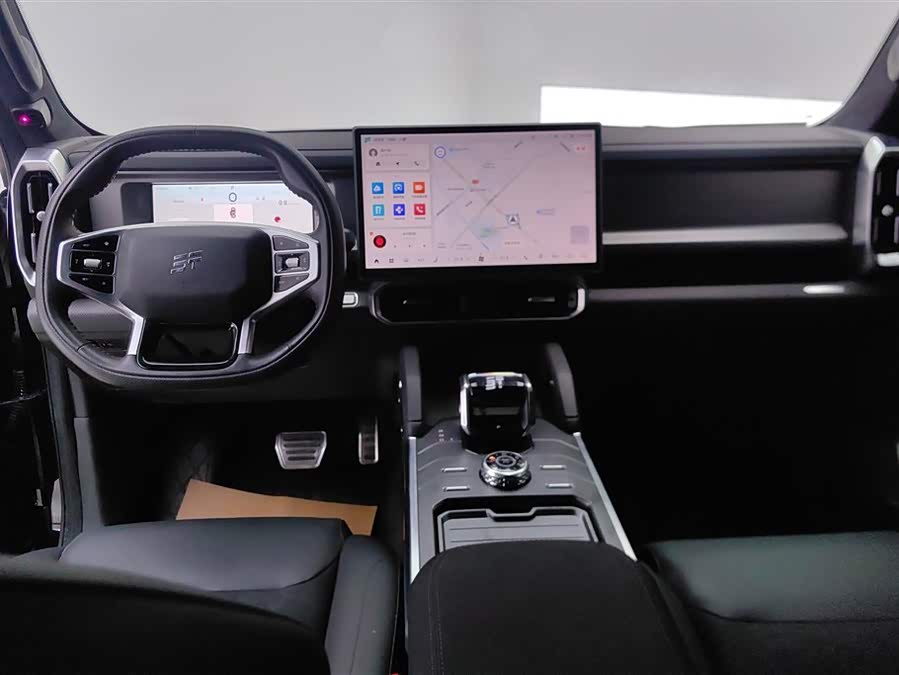
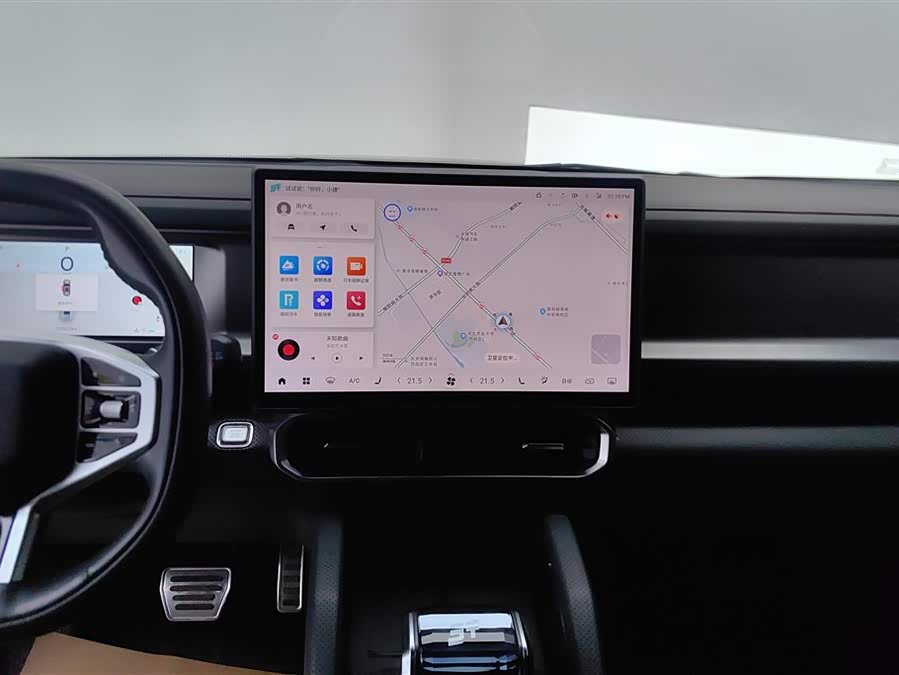
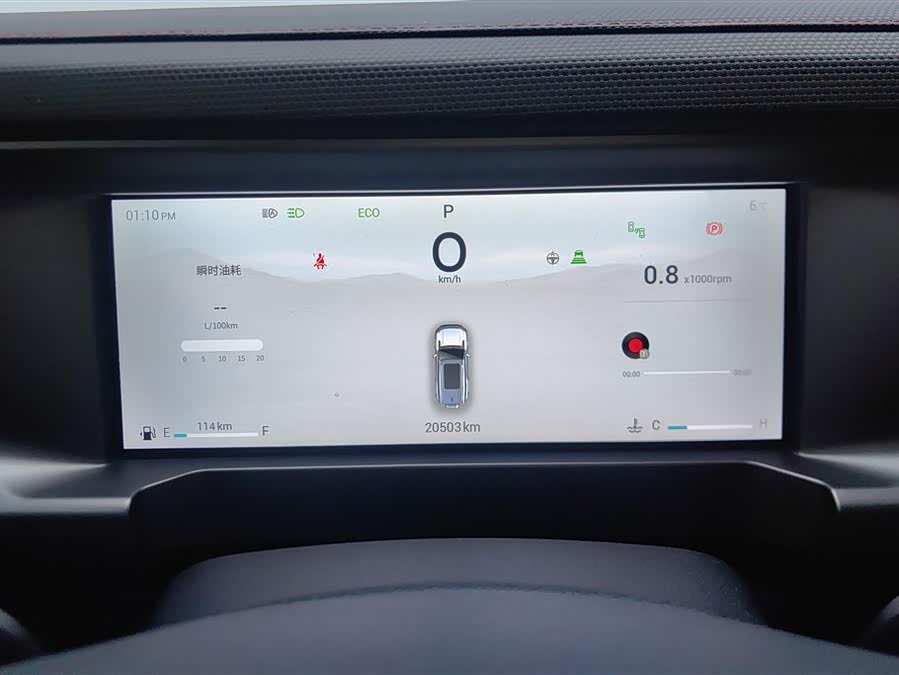
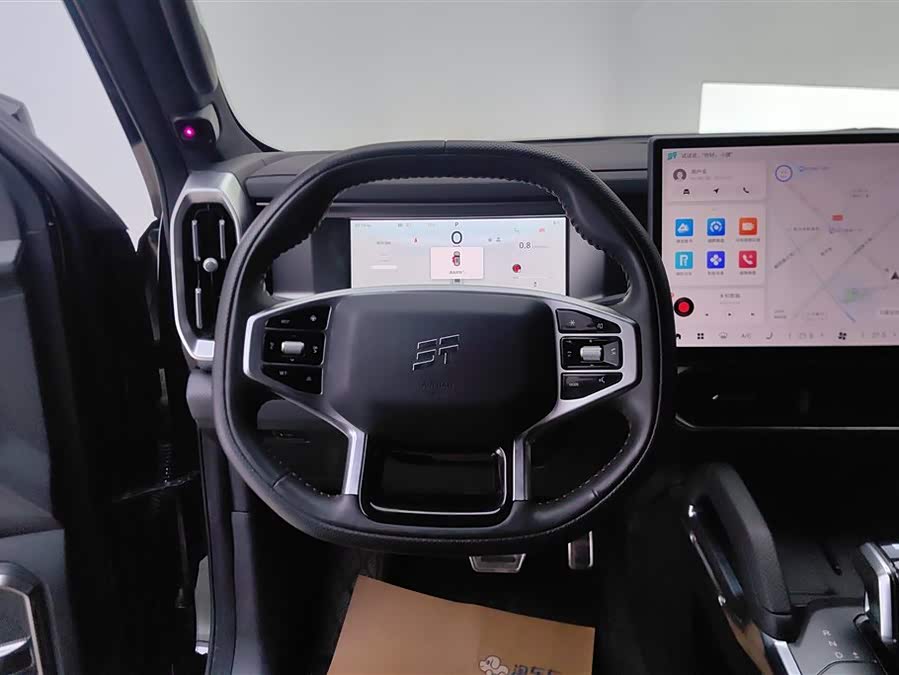
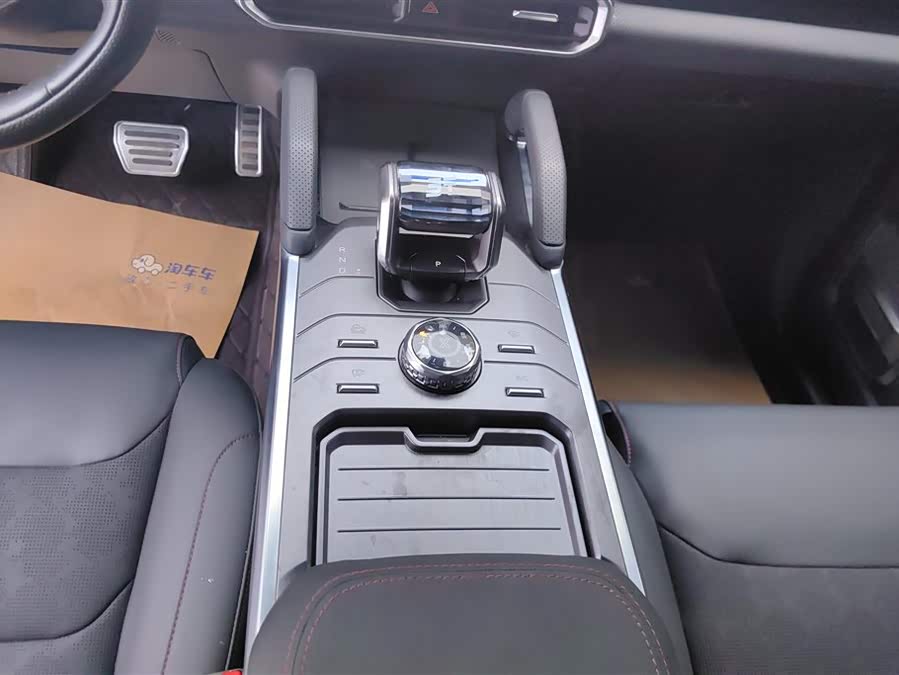
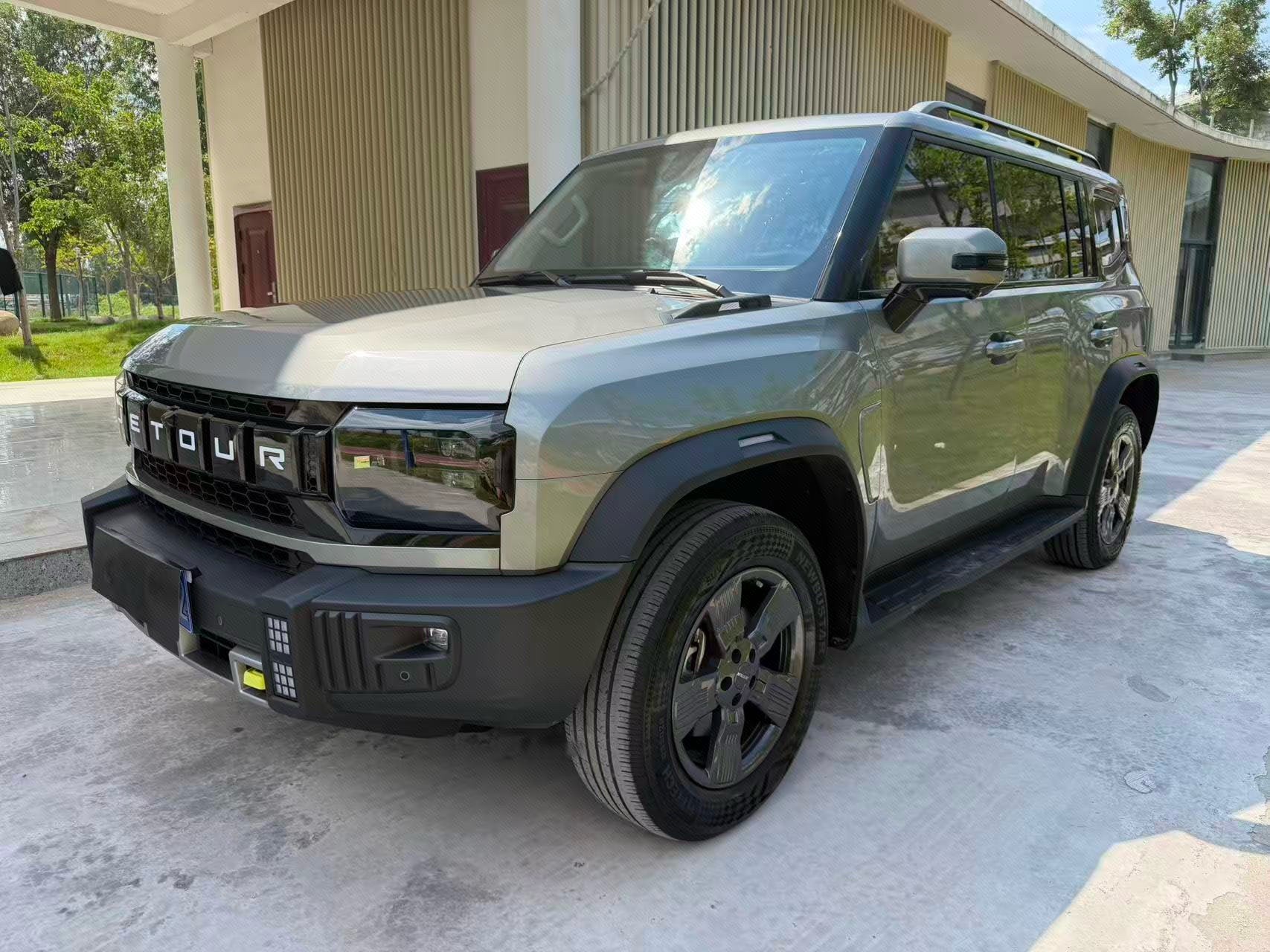
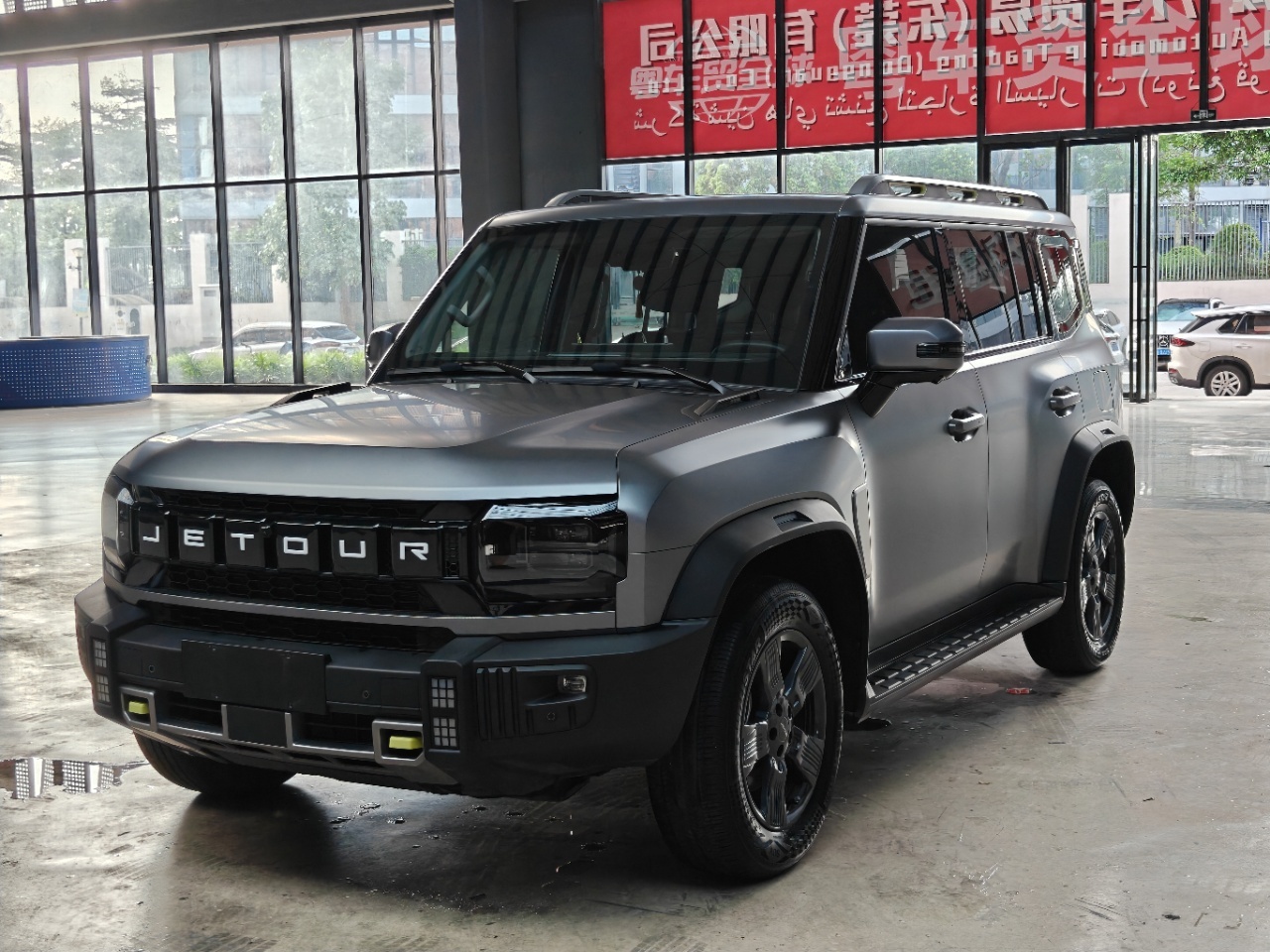
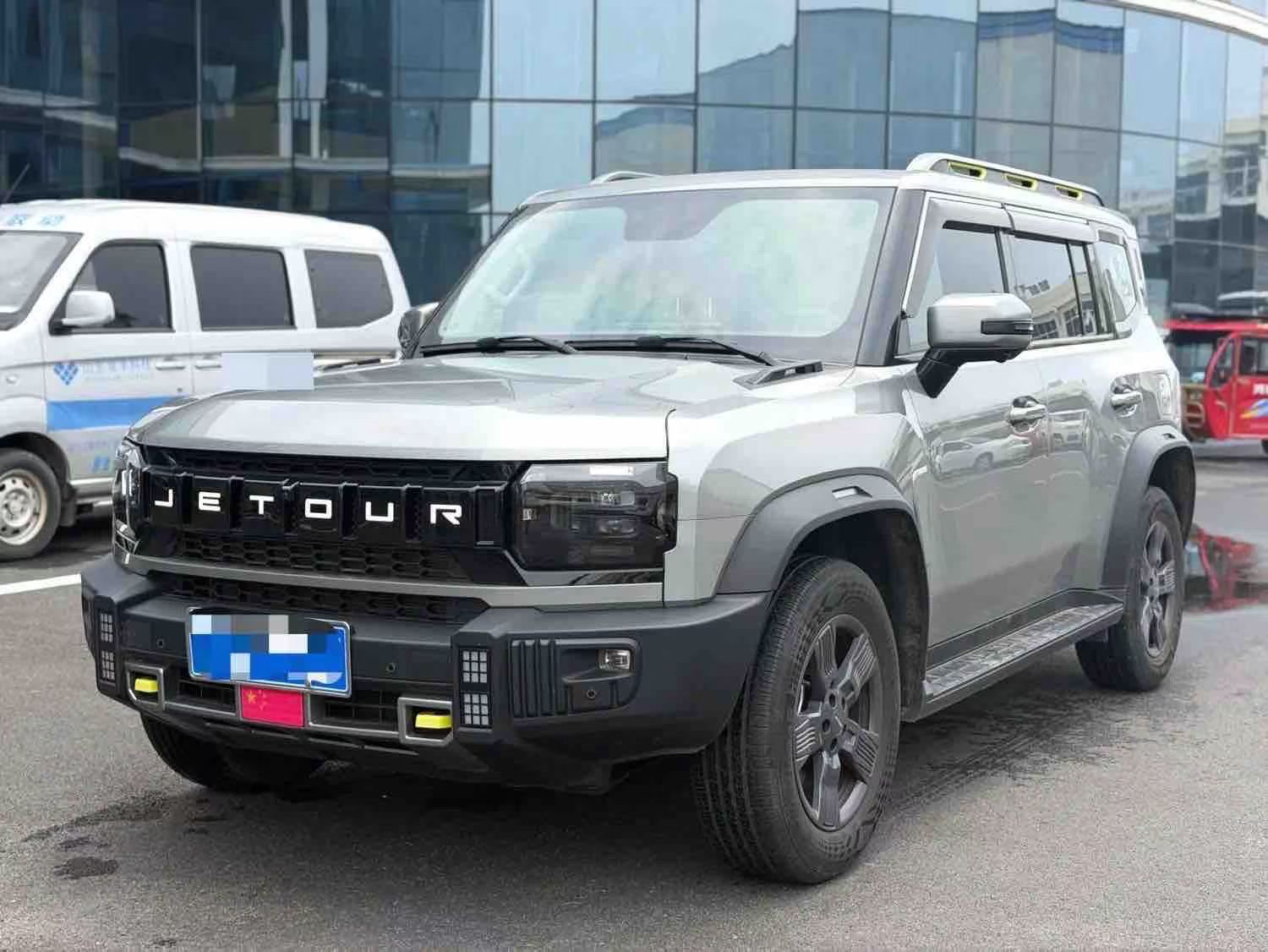
Vehicle Code: 136775671 Vehicle Information: Vehicle Name: Jetour Jetour Traveler 2023 2.0T 4WD Conqueror PRO Vehicle Color: Black Exterior | Dark Interior Registration Date: 2024|5 - Mileage: 20,600 km Annual Inspection Expiry: 2028|5 - Compulsory Traffic Insurance Expiry: 2026|5 Purpose: Private Use Vehicle Documents: Vehicle and Vessel Tax, Registration Certificate, Purchase Tax Vehicle Overview: Exterior: Paint in good condition, high curb weight, ensuring aesthetics while improving paint durability; Interior: Interior thoroughly cleaned, removing signs of use and repairing wear. Ensures electric adjustment devices, audio, navigation, air conditioning, and other electrical equipment are functioning properly; Performance: Ensures vehicle stability and driving smoothness, smooth engine operation, stable power transmission from the transmission, and effective braking and suspension; Safety: Vehicle structural components are intact;
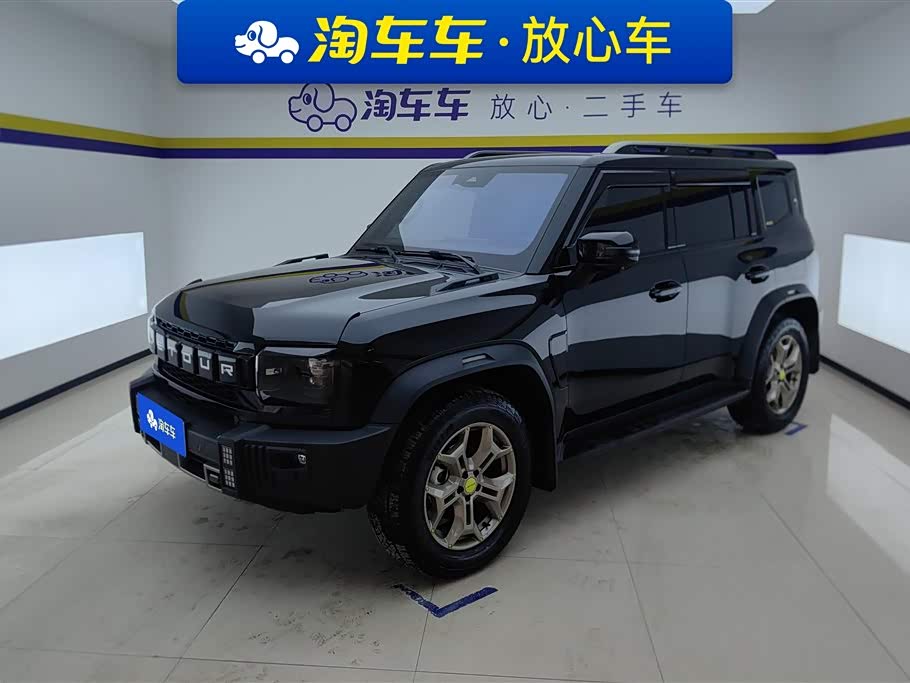
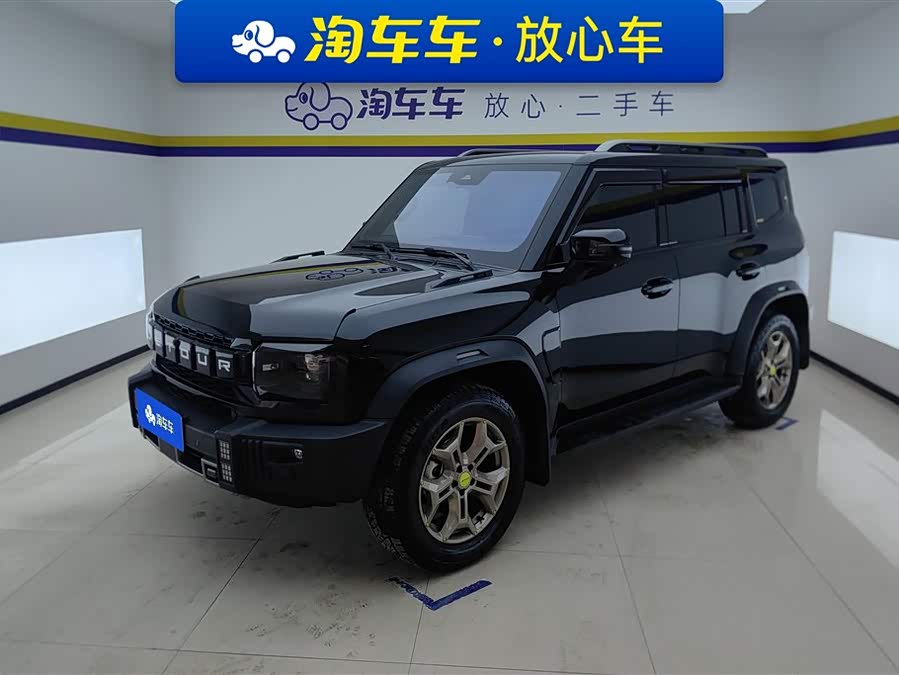
90-day repurchase guarantee

Accident & Maintenance Records

Accident Record

🔗 Open Link

Maintenance Record

🔗 Open Link

Document Information

Inspection Expiry Date2028/05
Warranty Expiry Date-
Insurance Expiry Date2026/05

Q&A

More

How is liability defined if the battery pack is damaged during long-distance sea transport due to extreme temperatures?

This is considered a force majeure risk. We will require the vehicle's state of charge (SOC) to be maintained in a safe dormant range of 30%-50% before loading, and we will insure you for all marine risks under CIF terms. If the battery suffers thermal runaway total loss due to abnormal cargo hold temperatures, the insurance company will compensate.

What are the common issues with this car? Has this car resolved them?

We will honestly inform you of the common issues with this model (such as the water pump failure in certain German cars) and show that this car has had the improved parts replaced.

When checking the history records, can you distinguish whether the vehicle was involved in a "single-vehicle accident (like hitting a wall)" or a "multi-vehicle rear-end collision"?

If insurance claims records are accessed, there will usually be notes like "the insured vehicle is fully responsible for hitting a fixed object" or "third-party liability insurance payment." We can roughly reconstruct the accident scene based on this and cross-verify the stress points on the vehicle's frame with paint thickness gauge data.