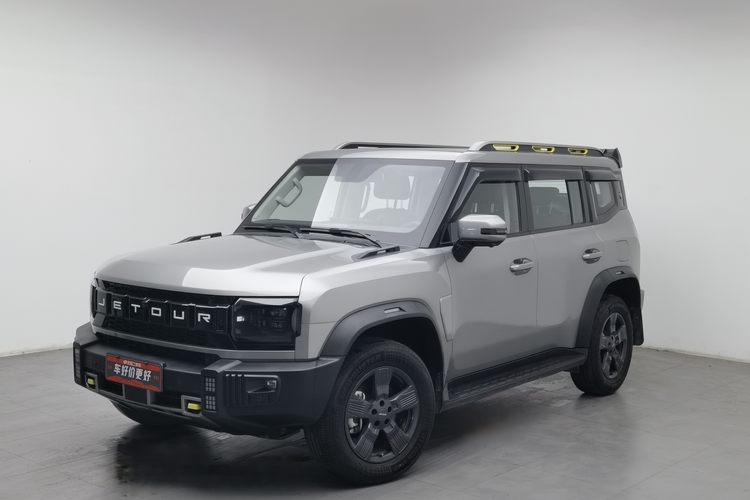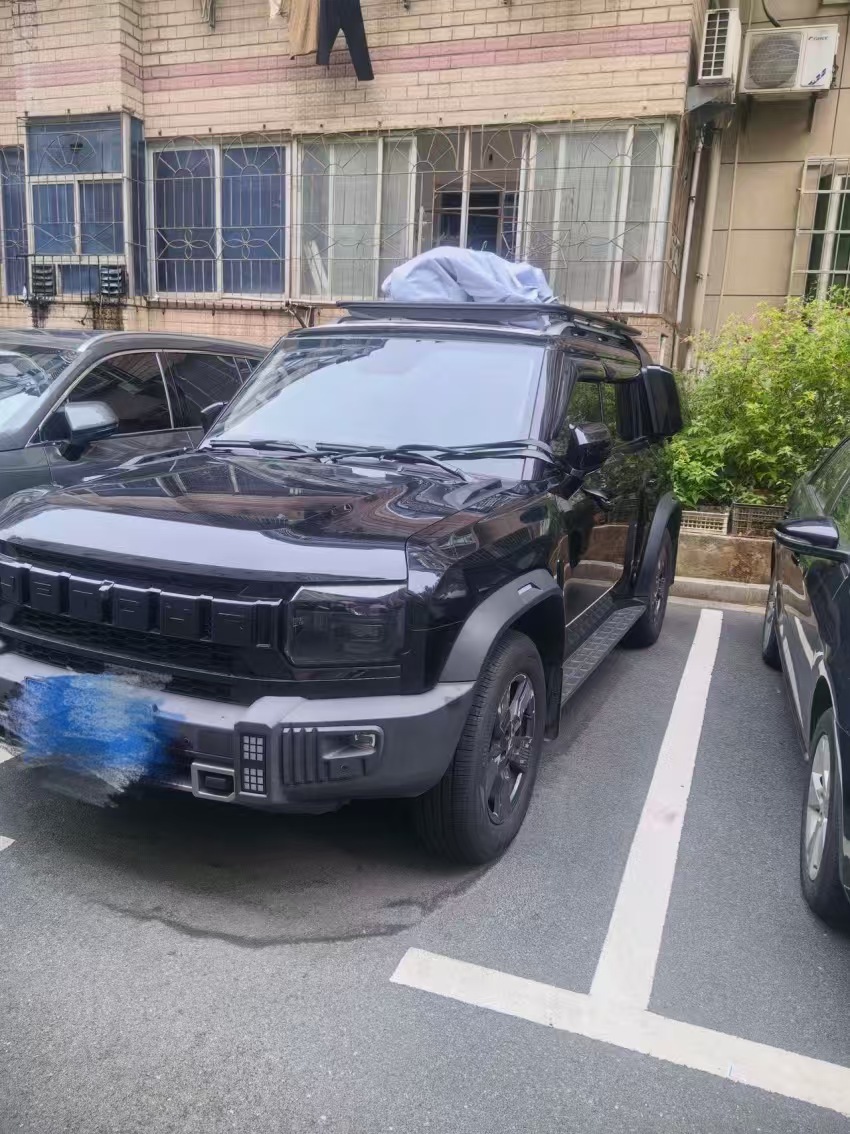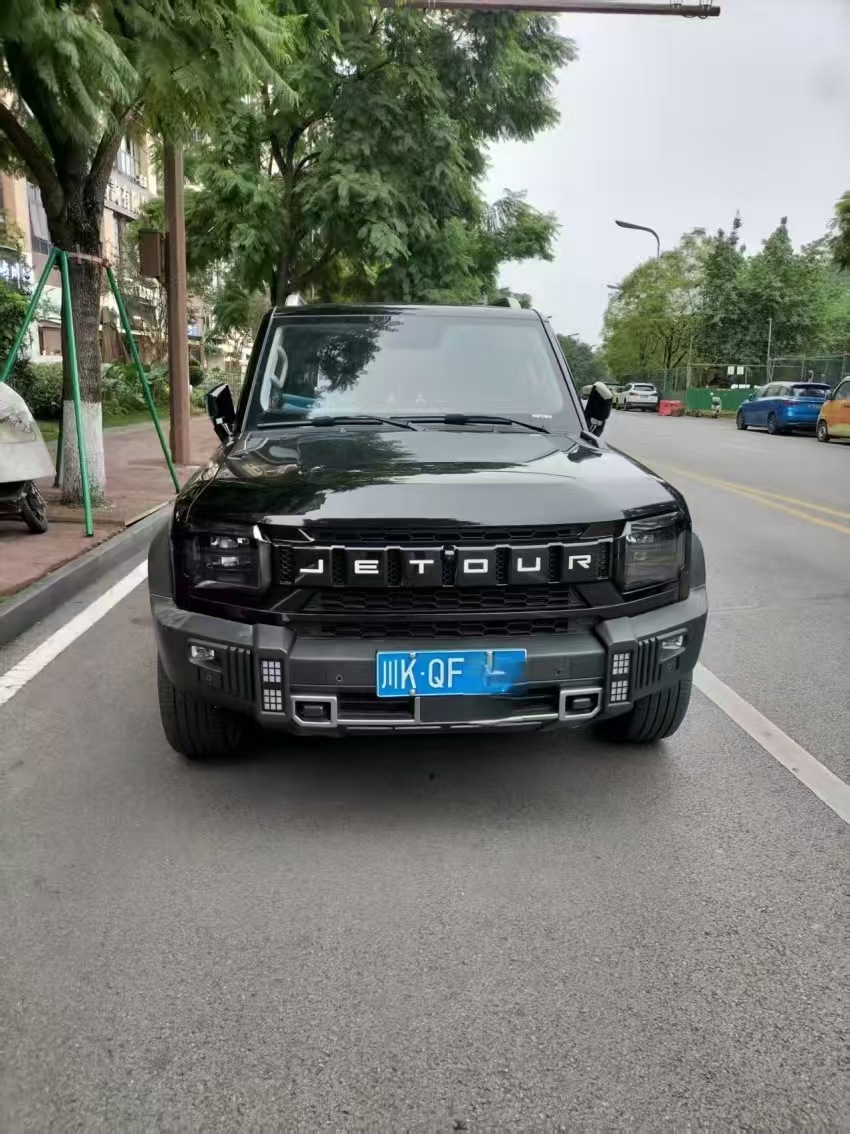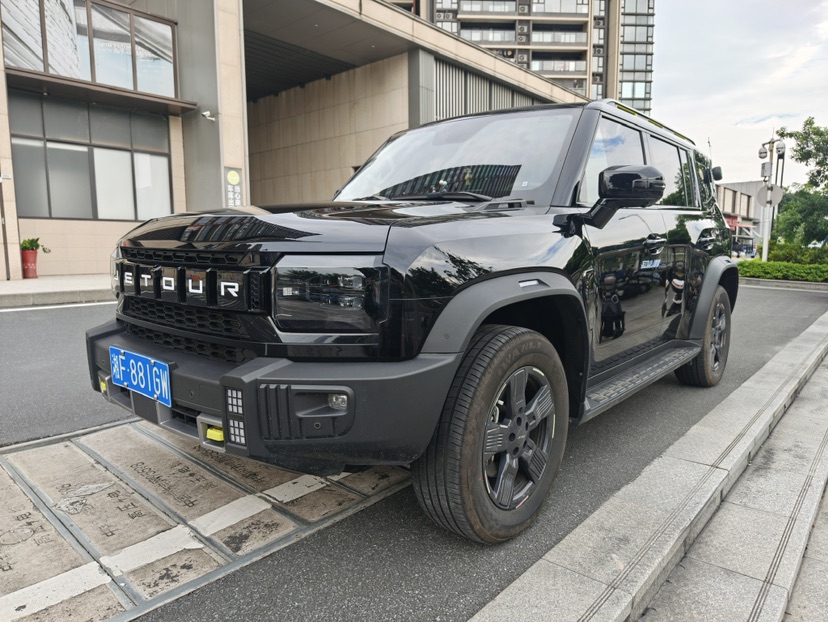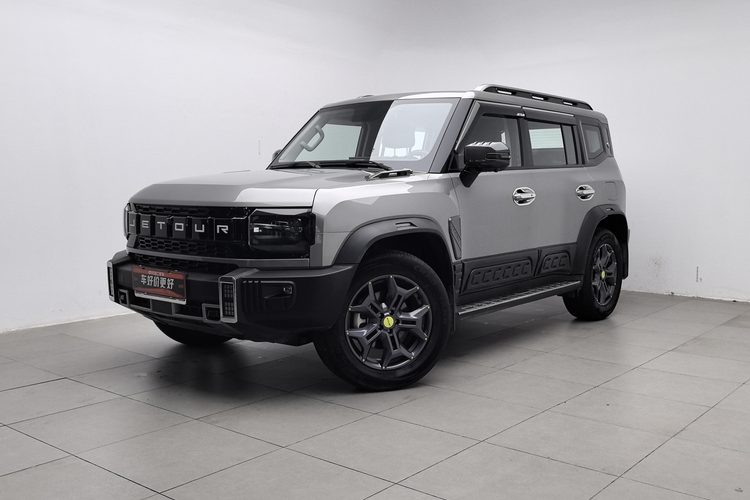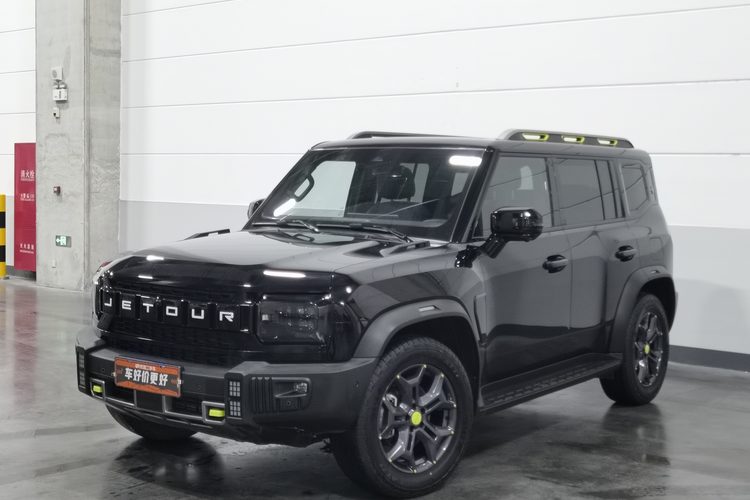
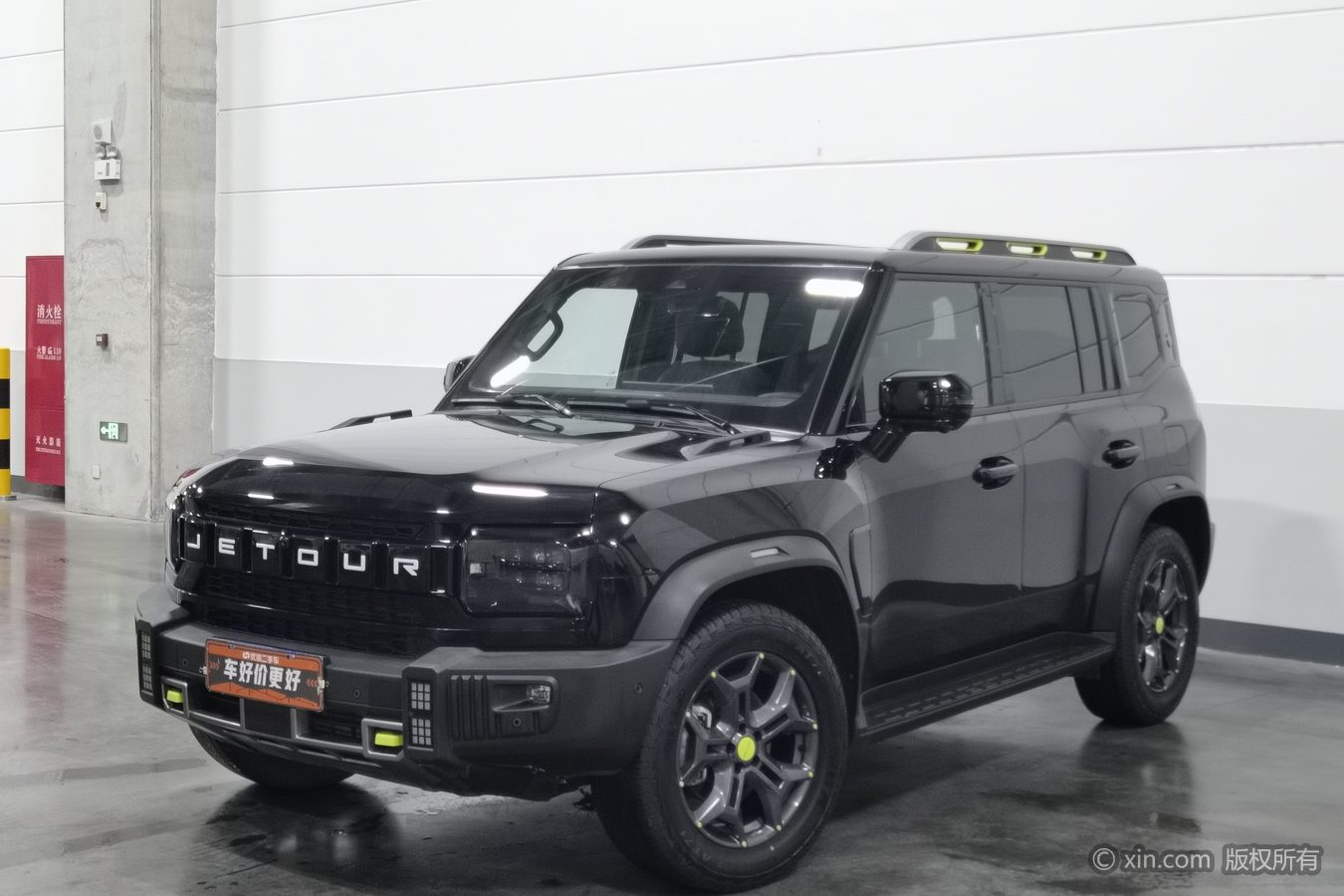
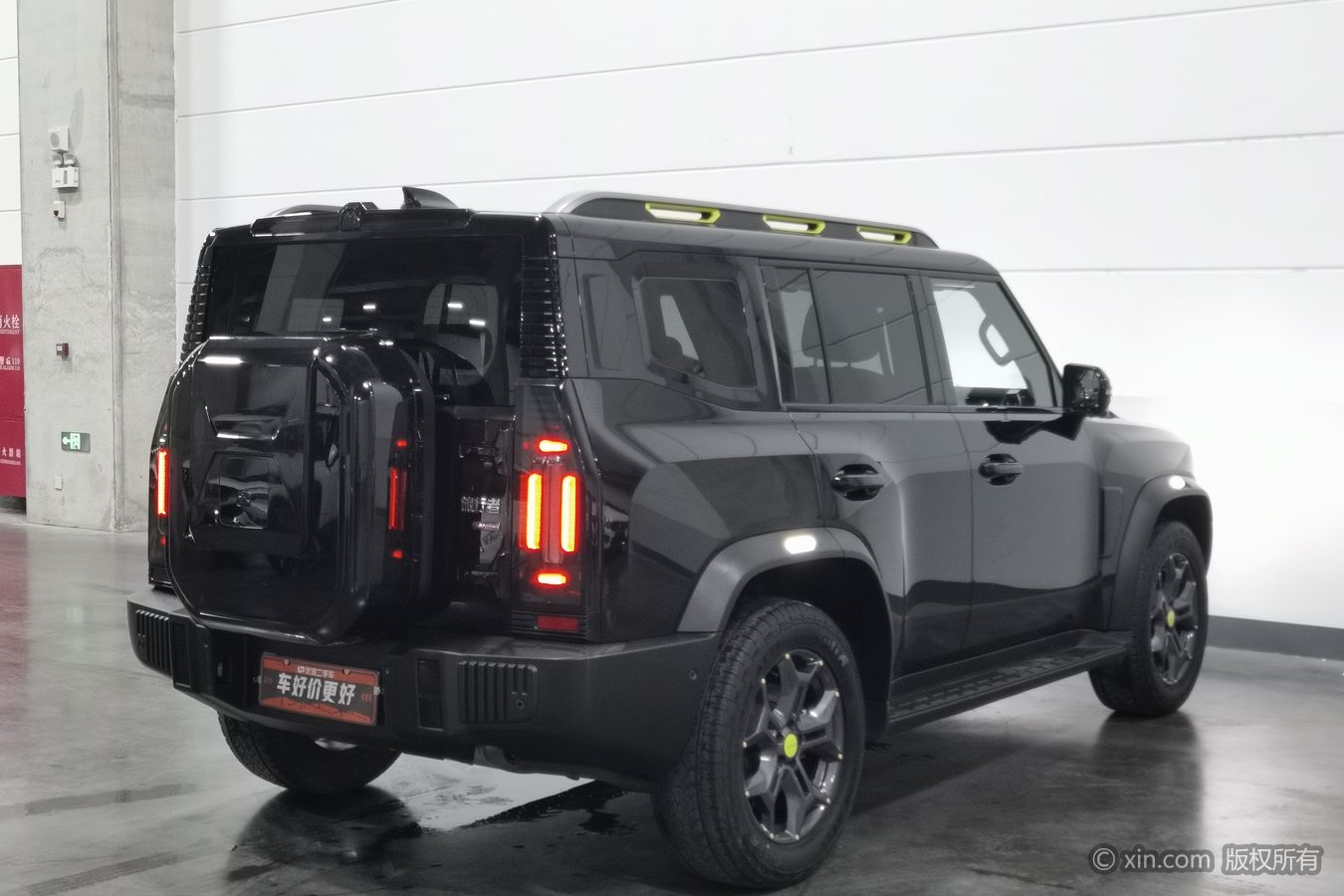
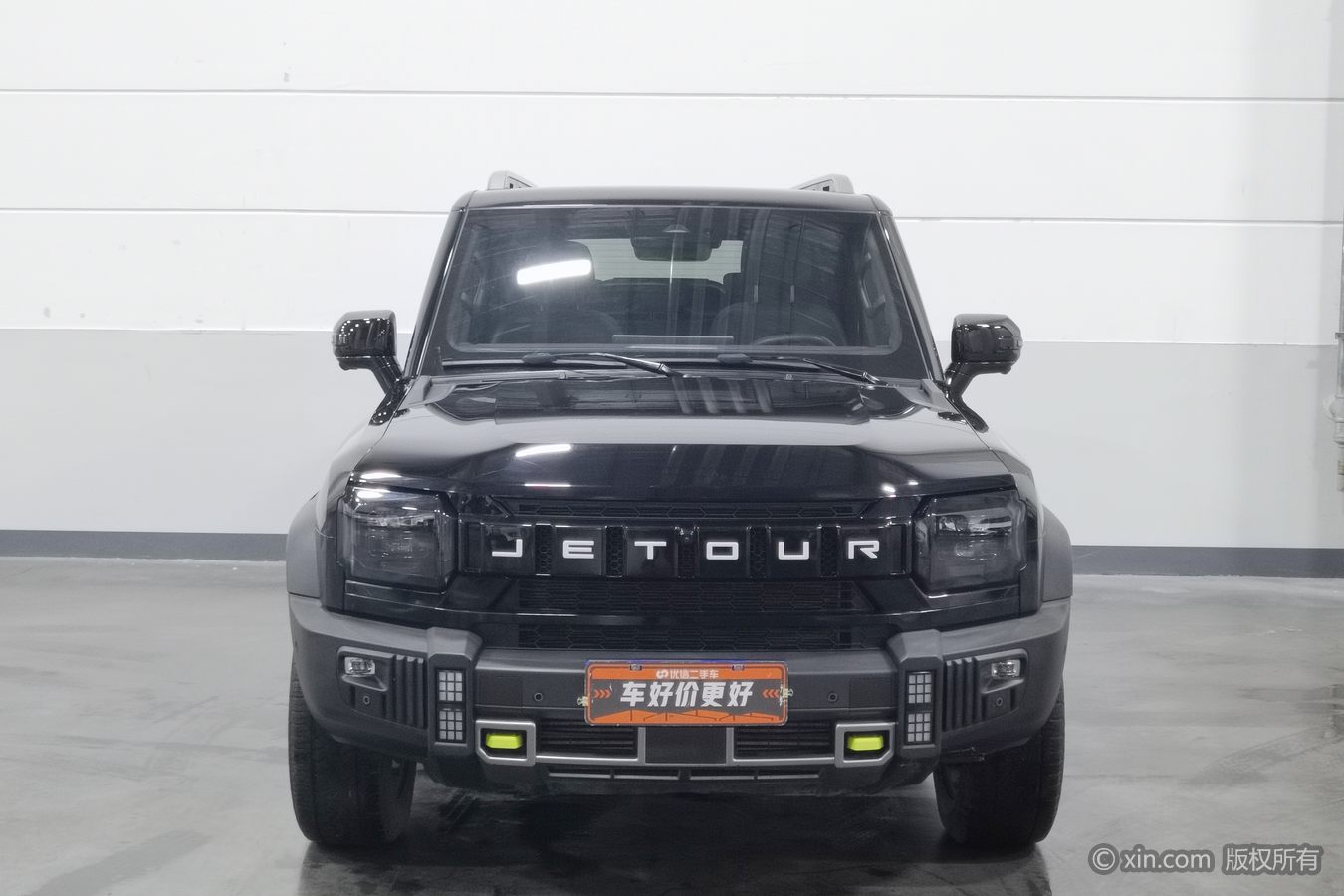
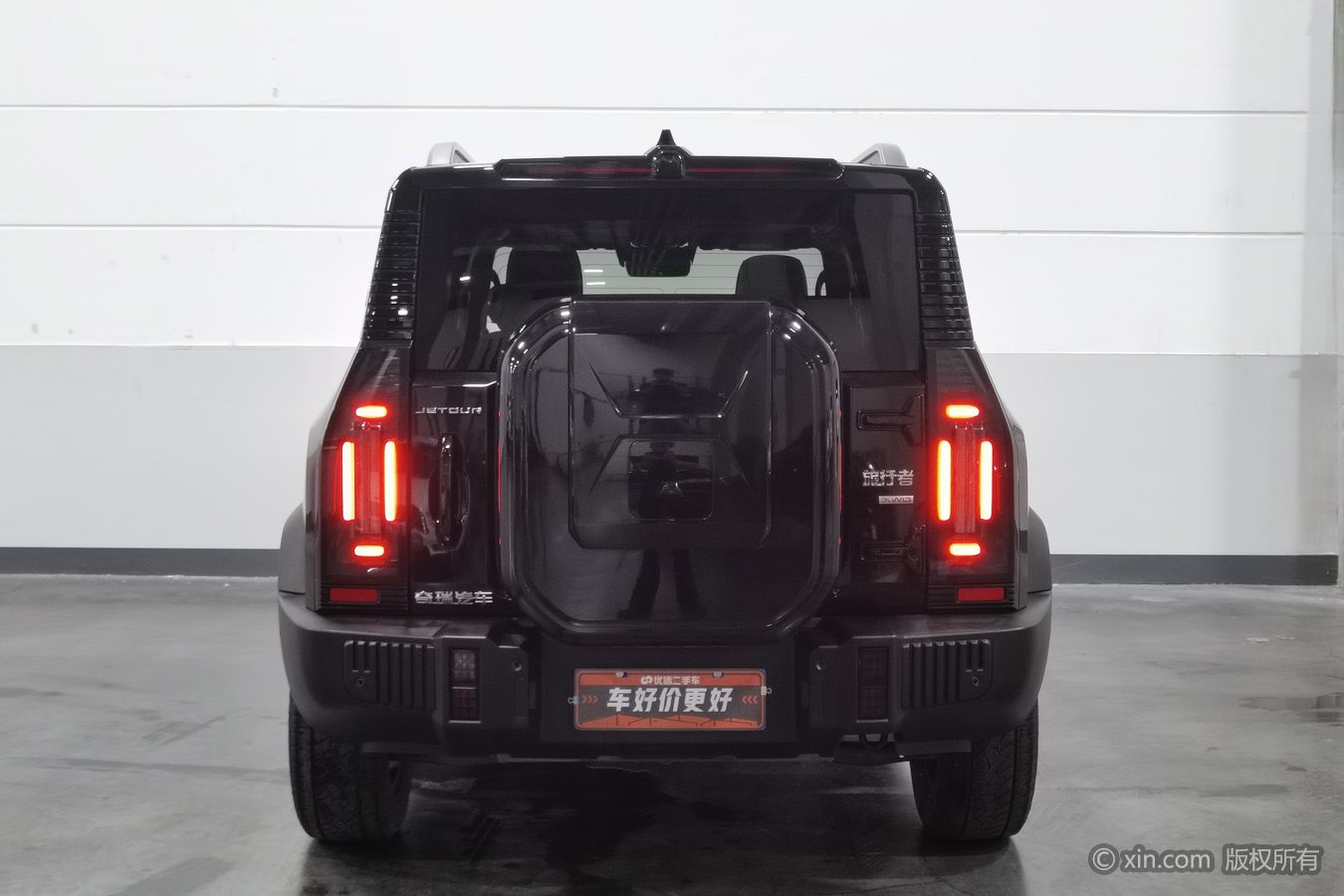
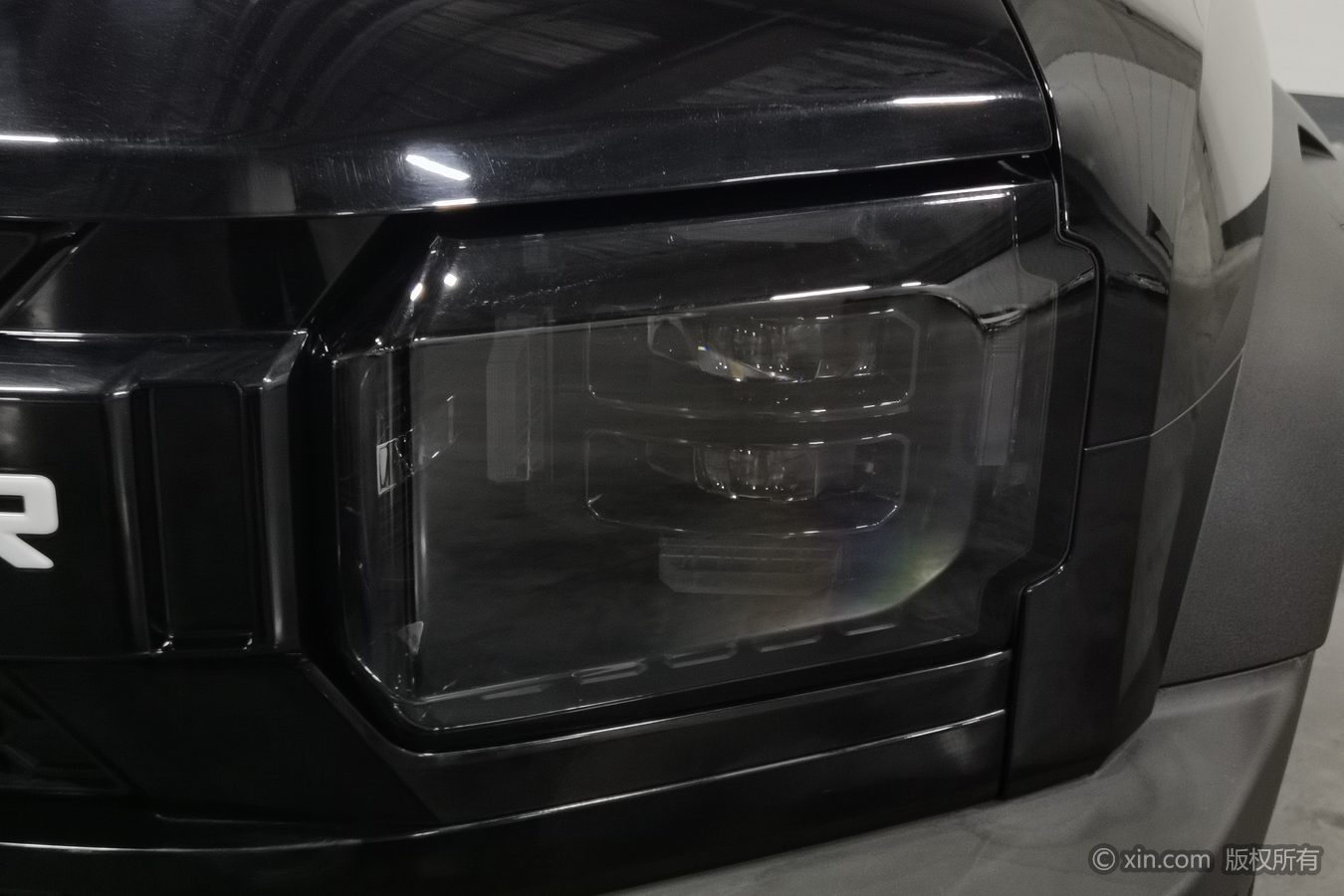
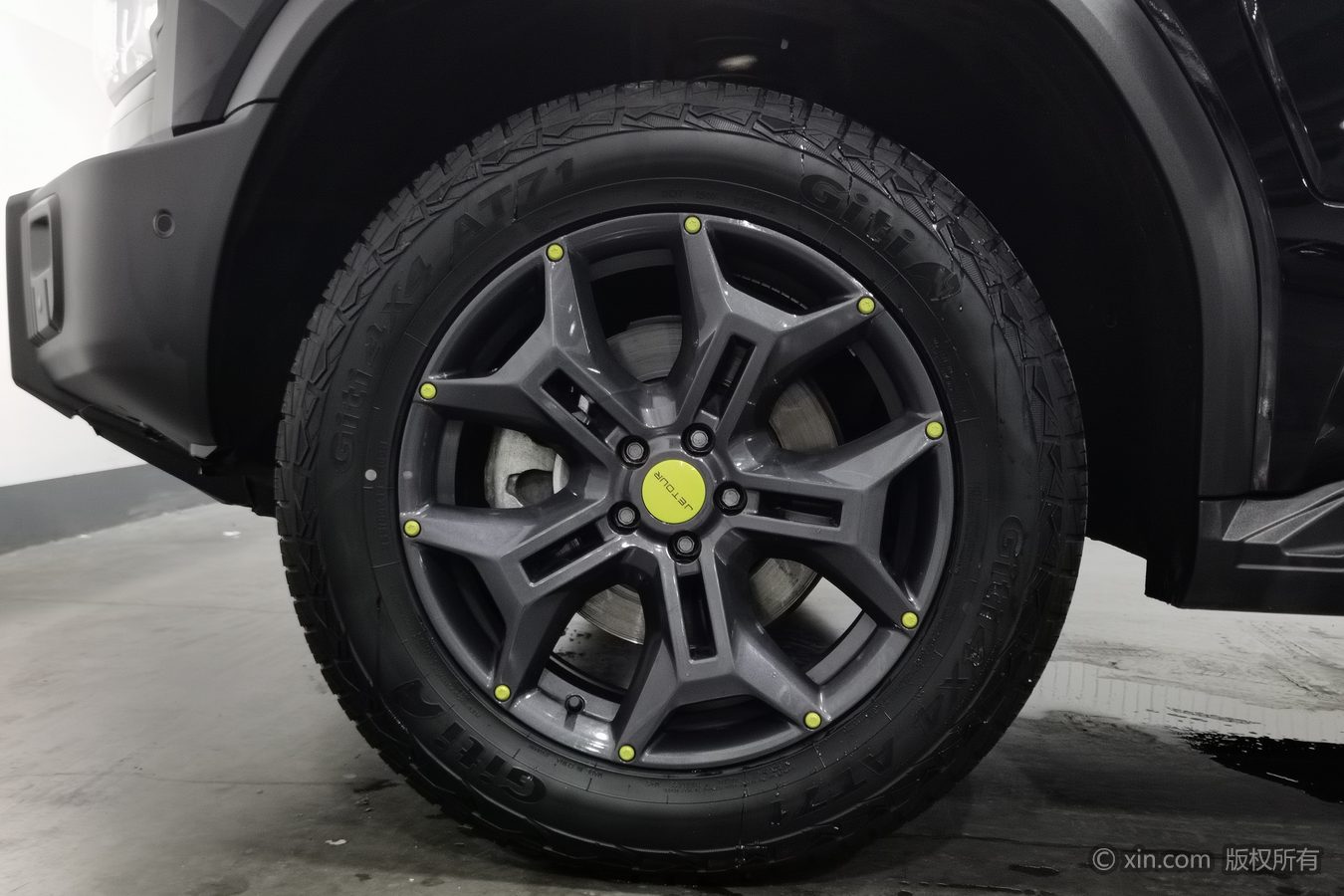
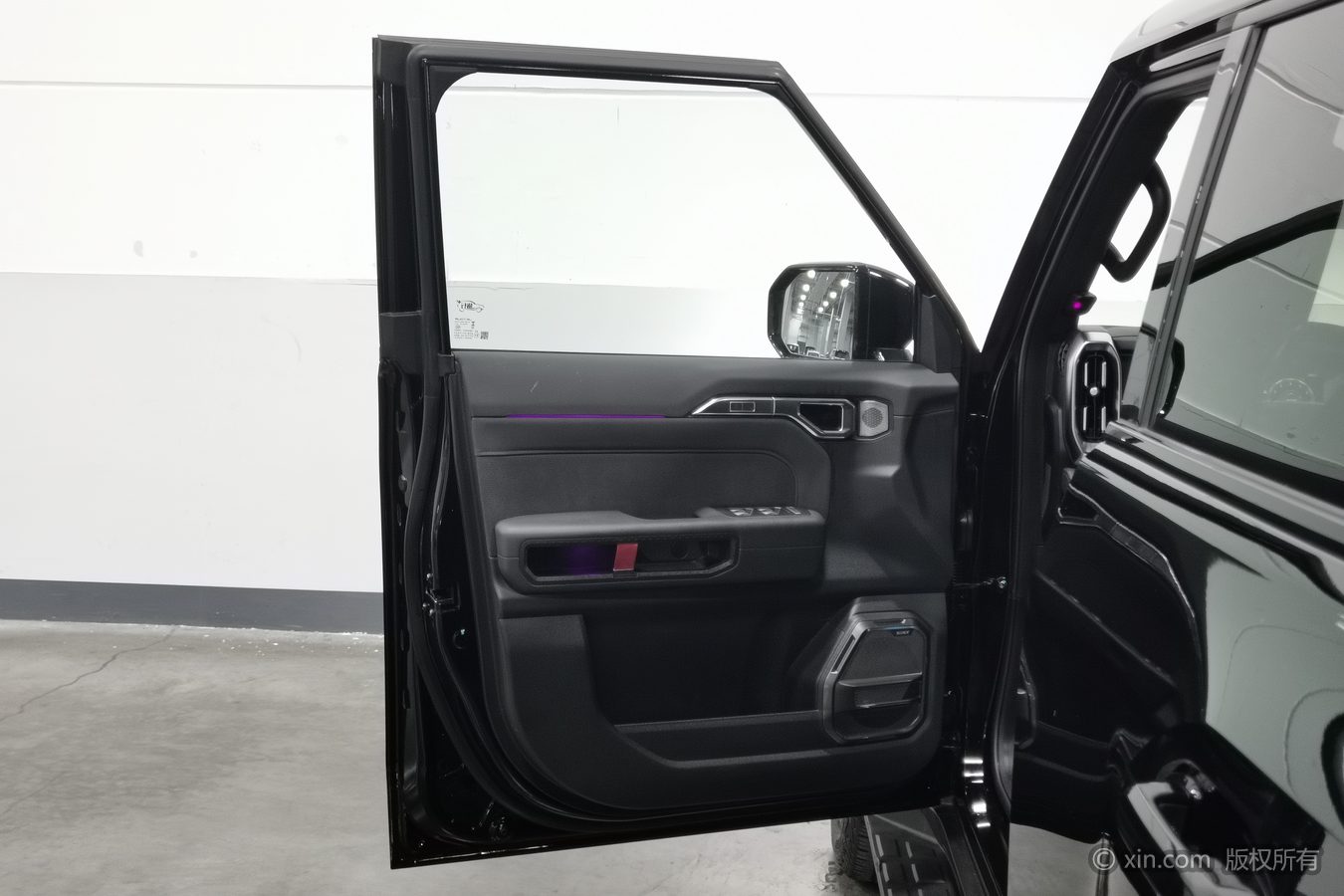
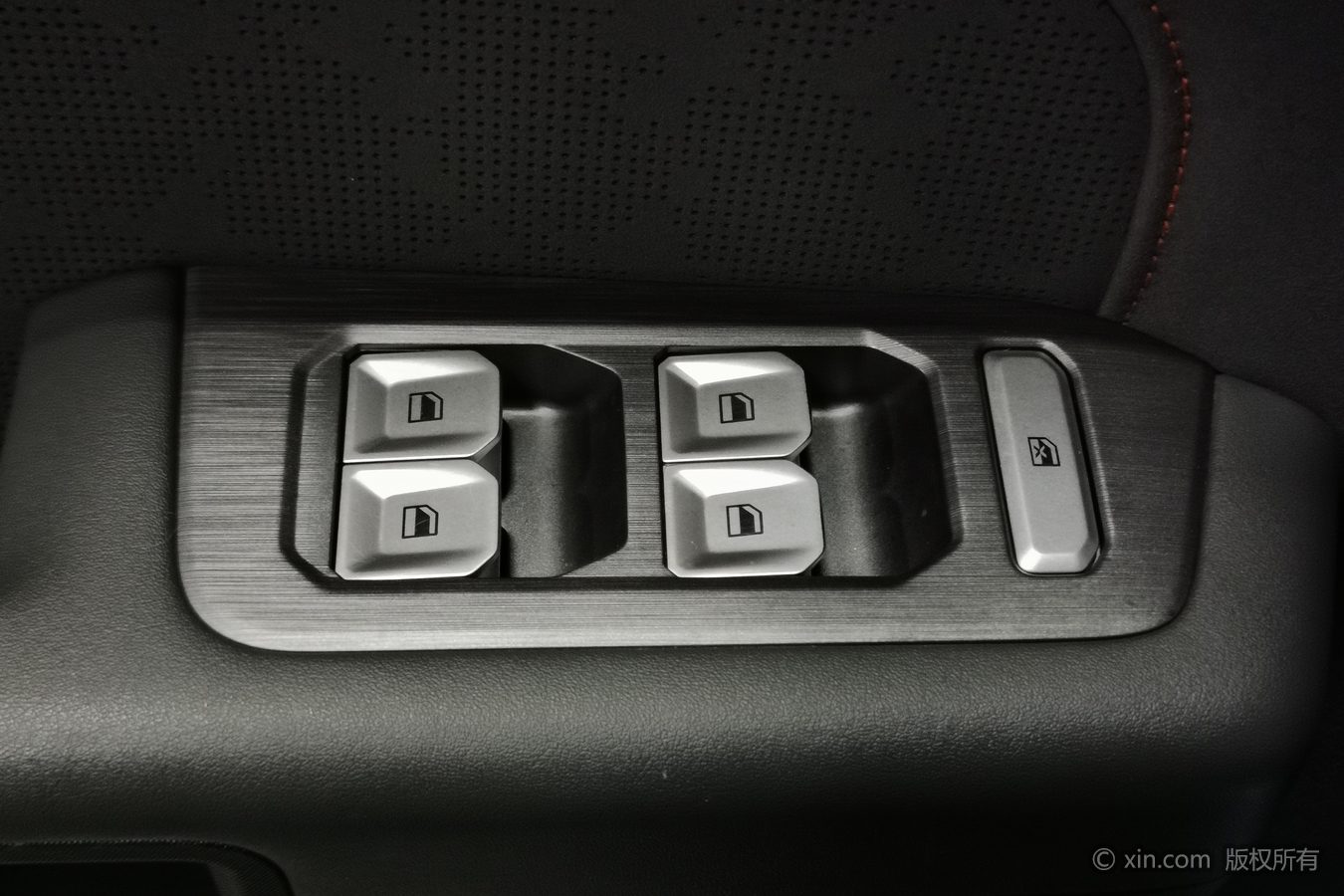
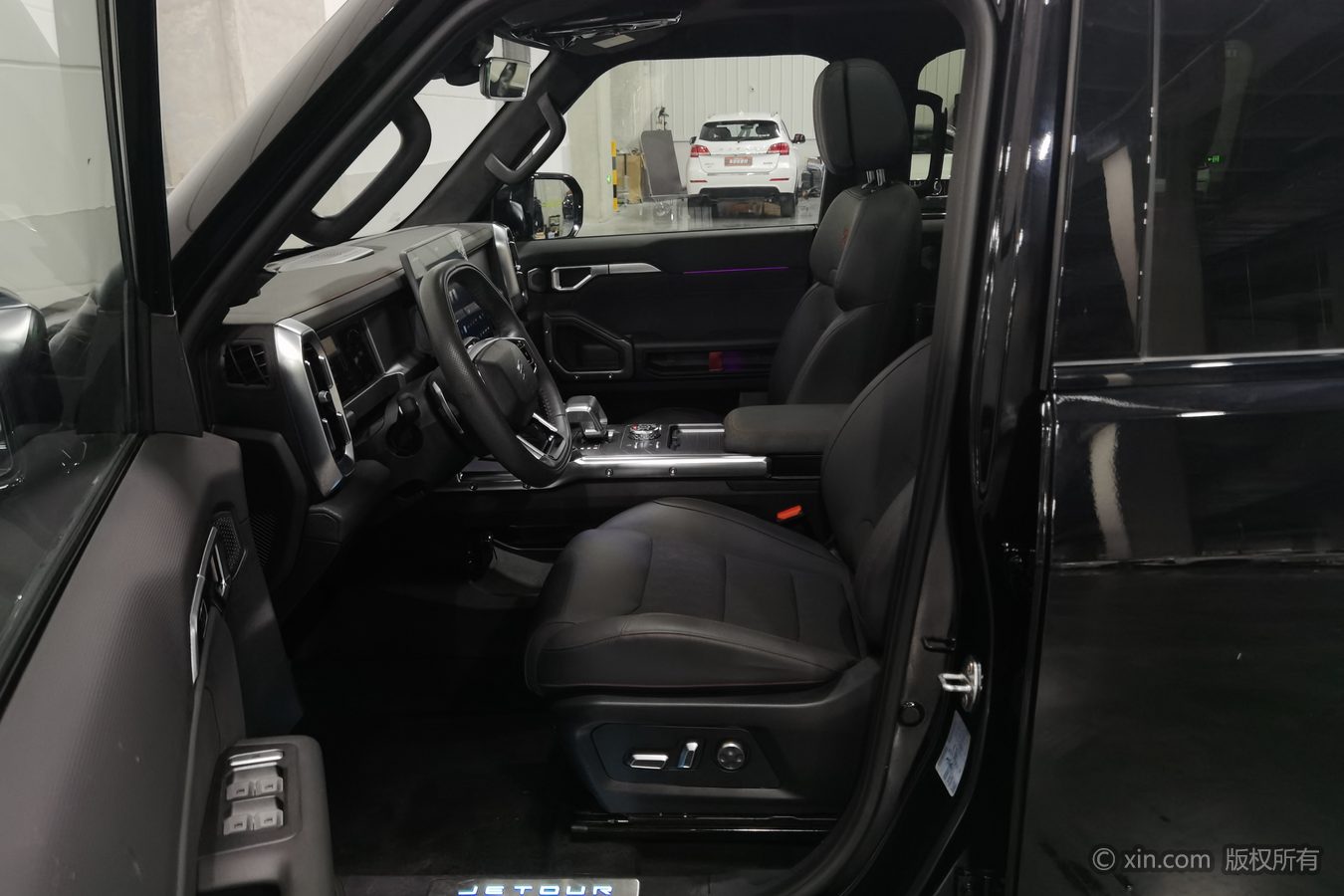
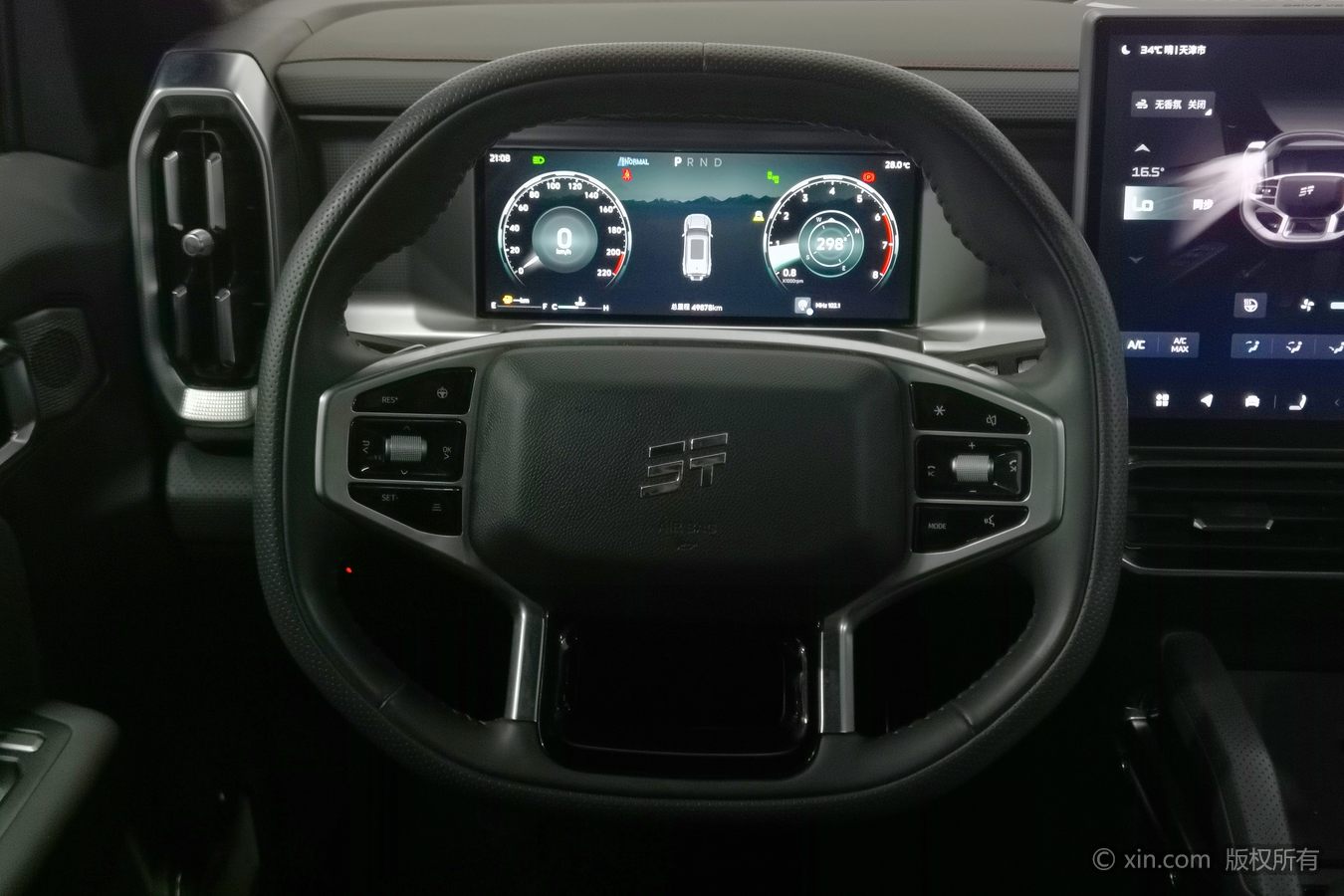
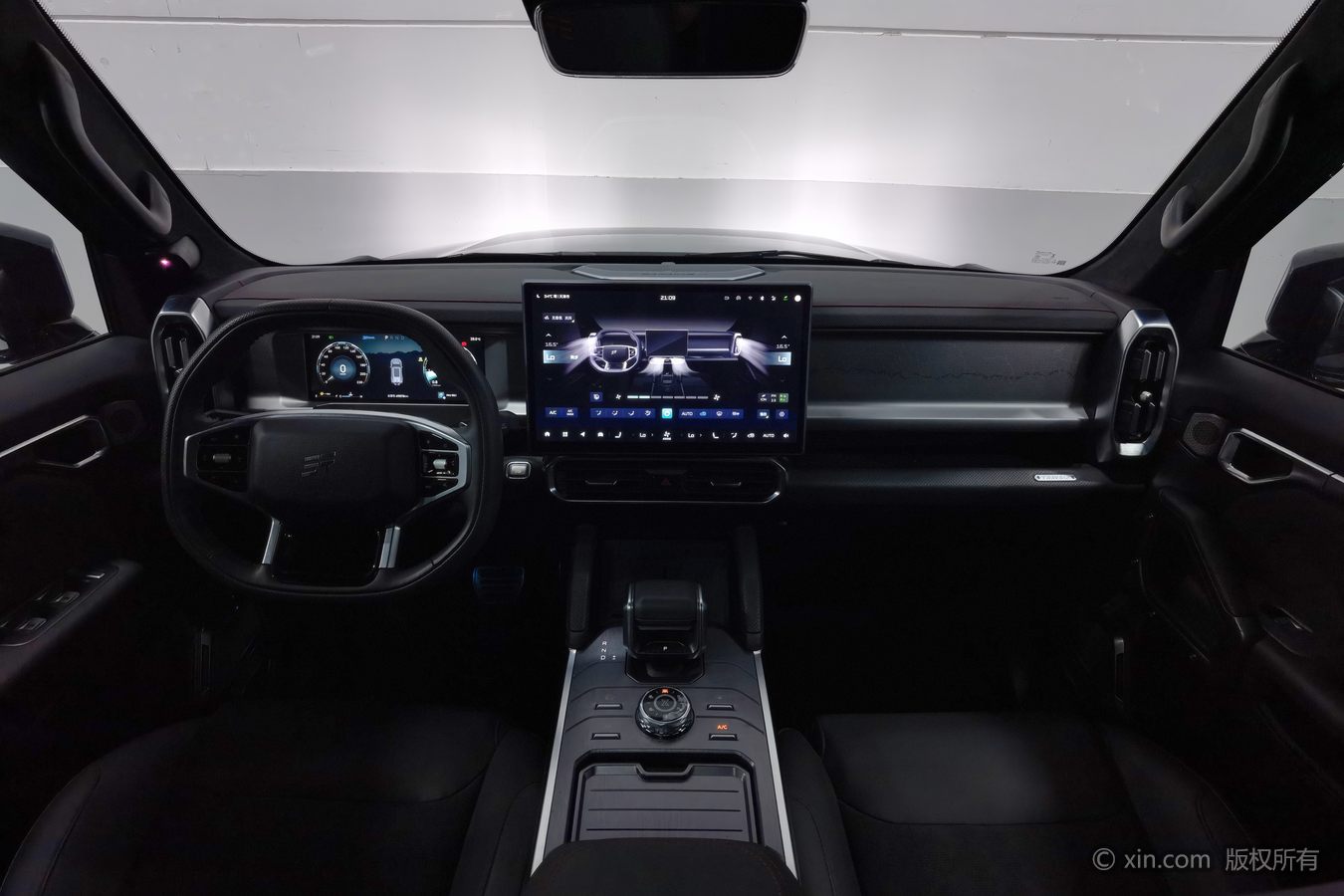
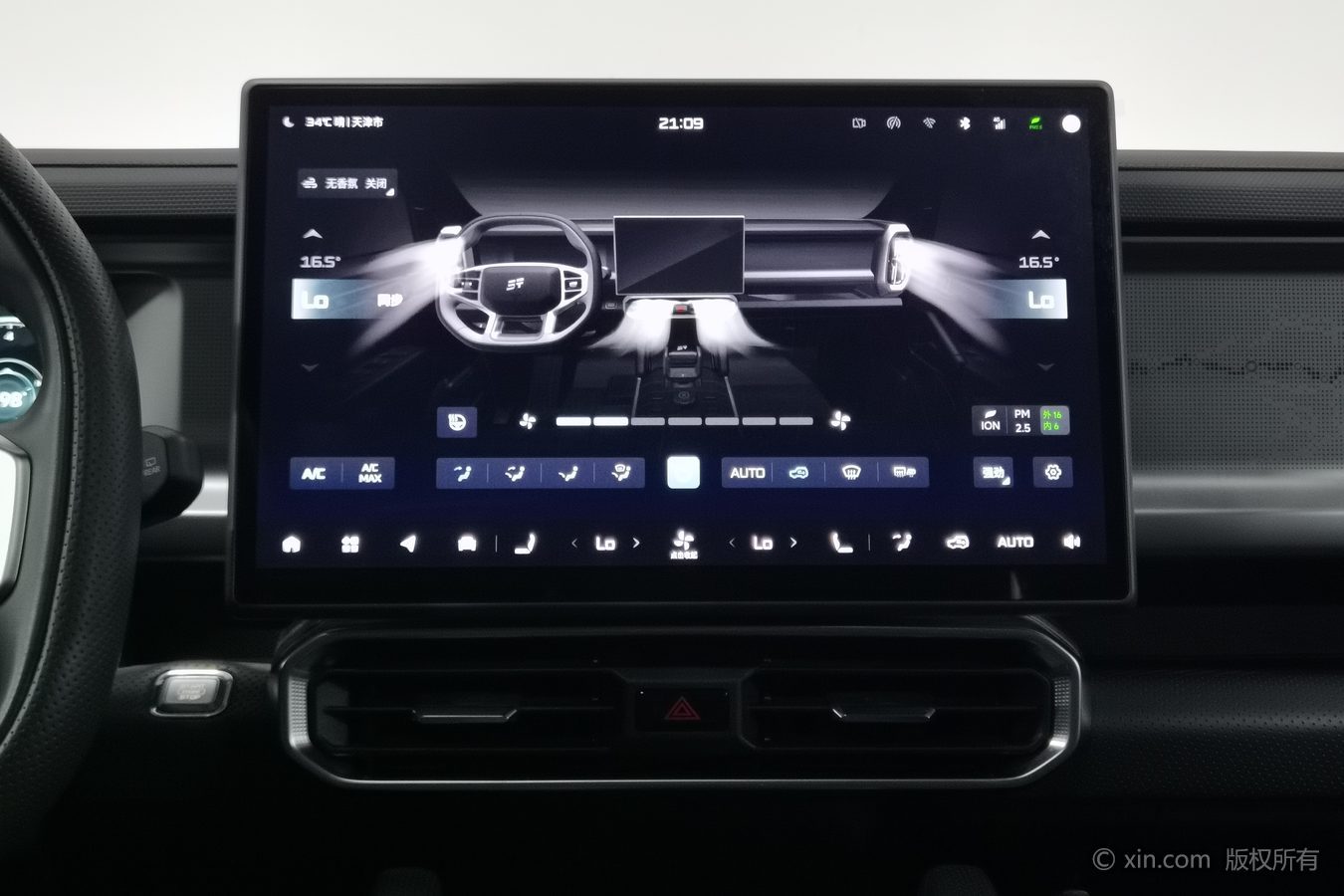
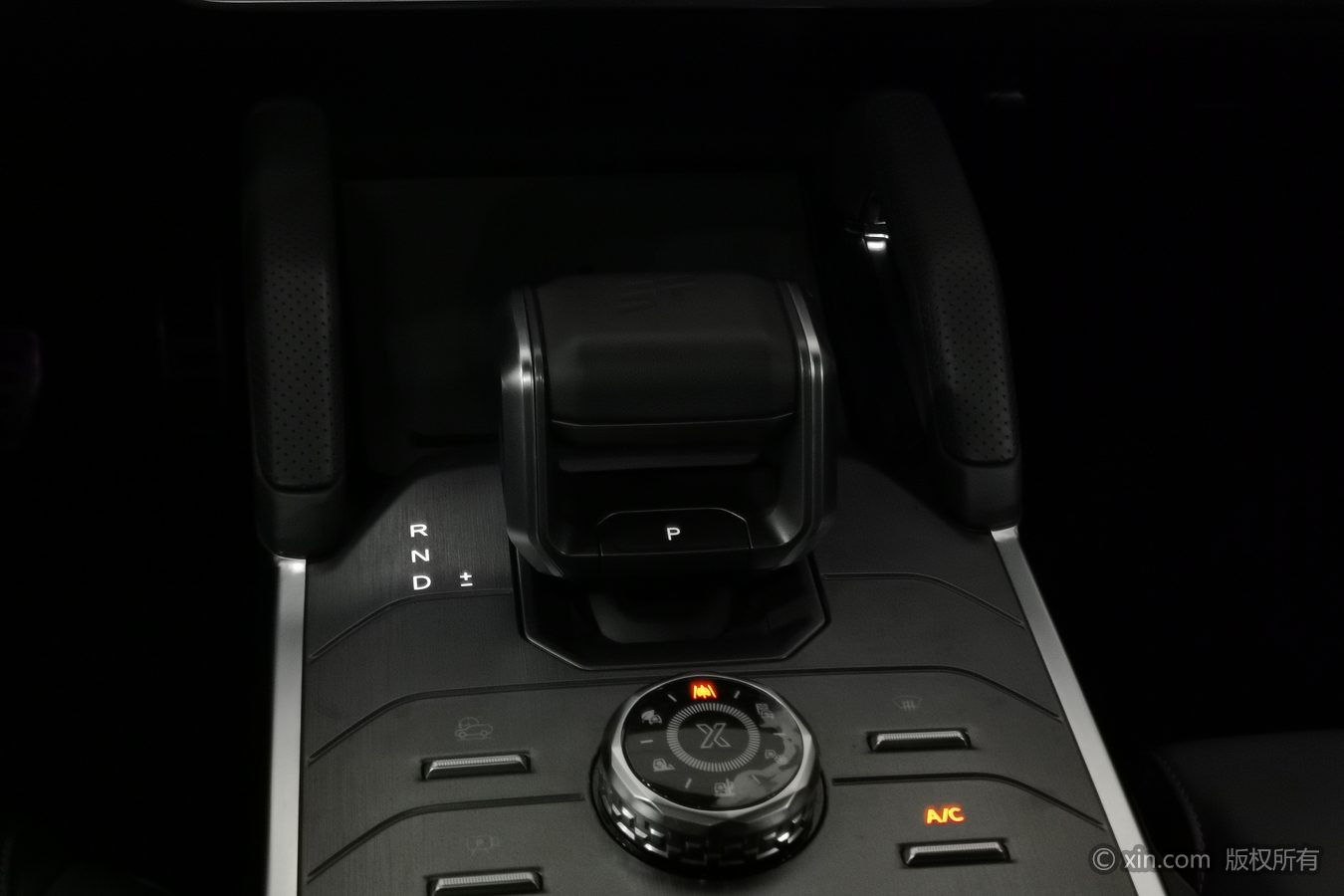
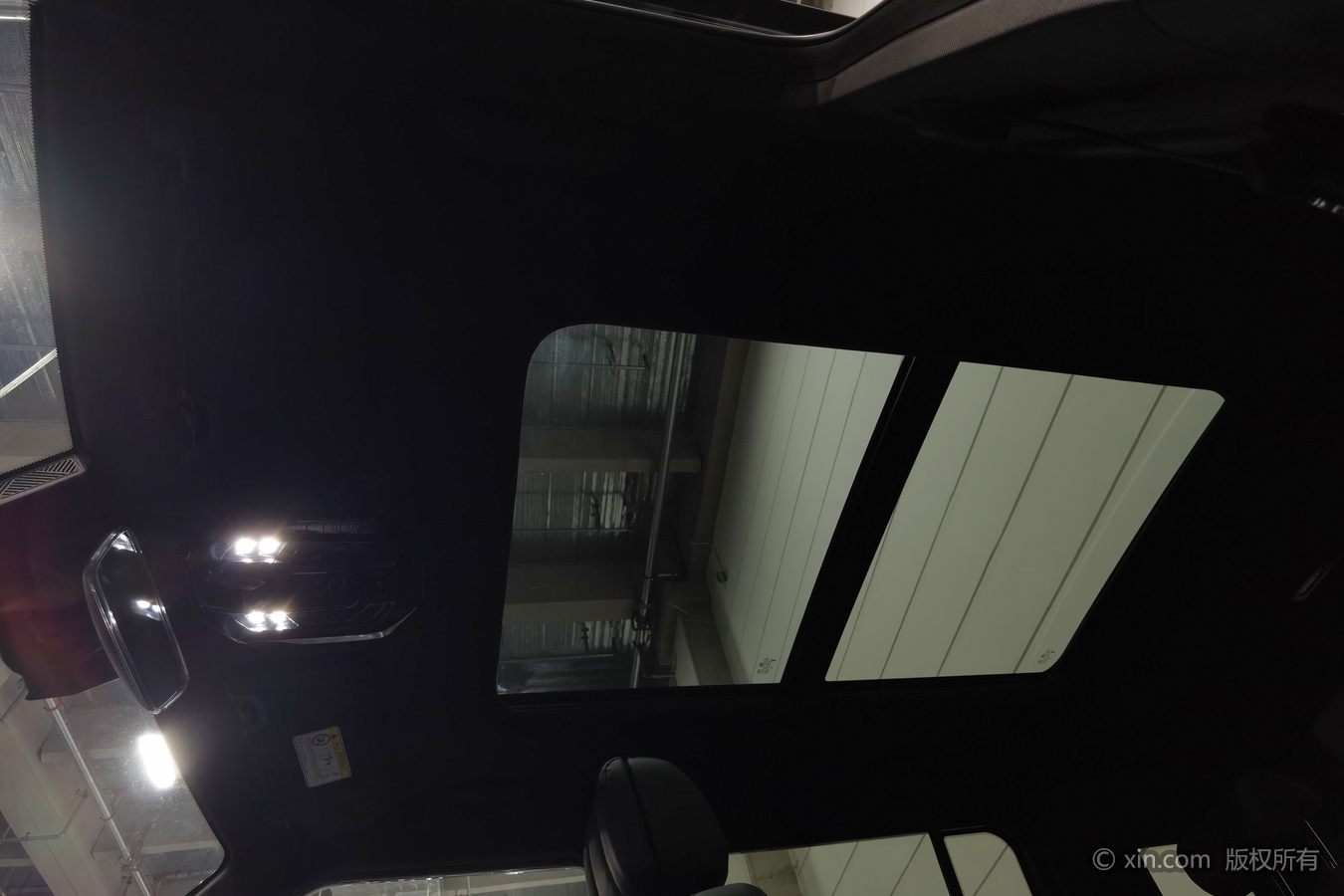
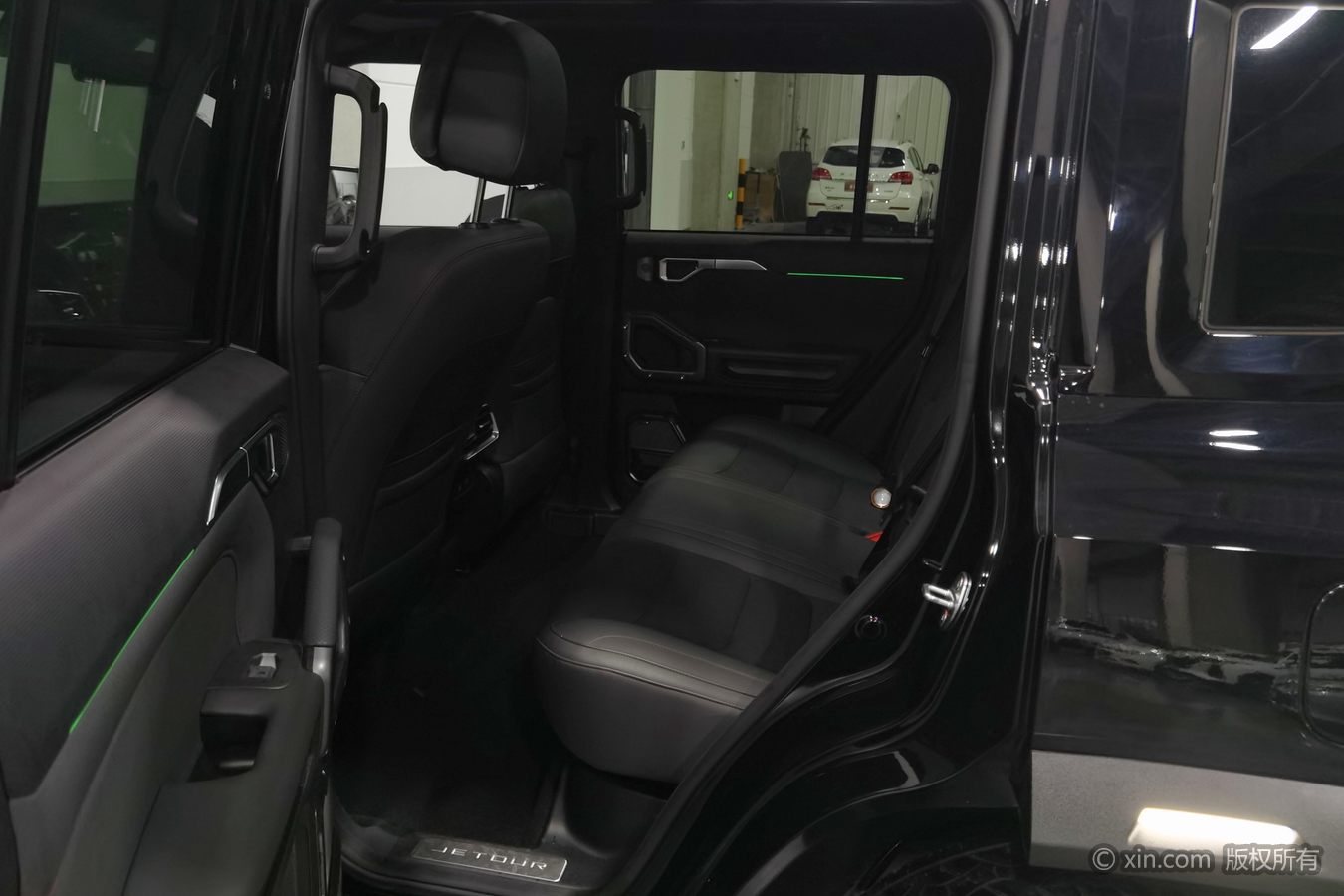
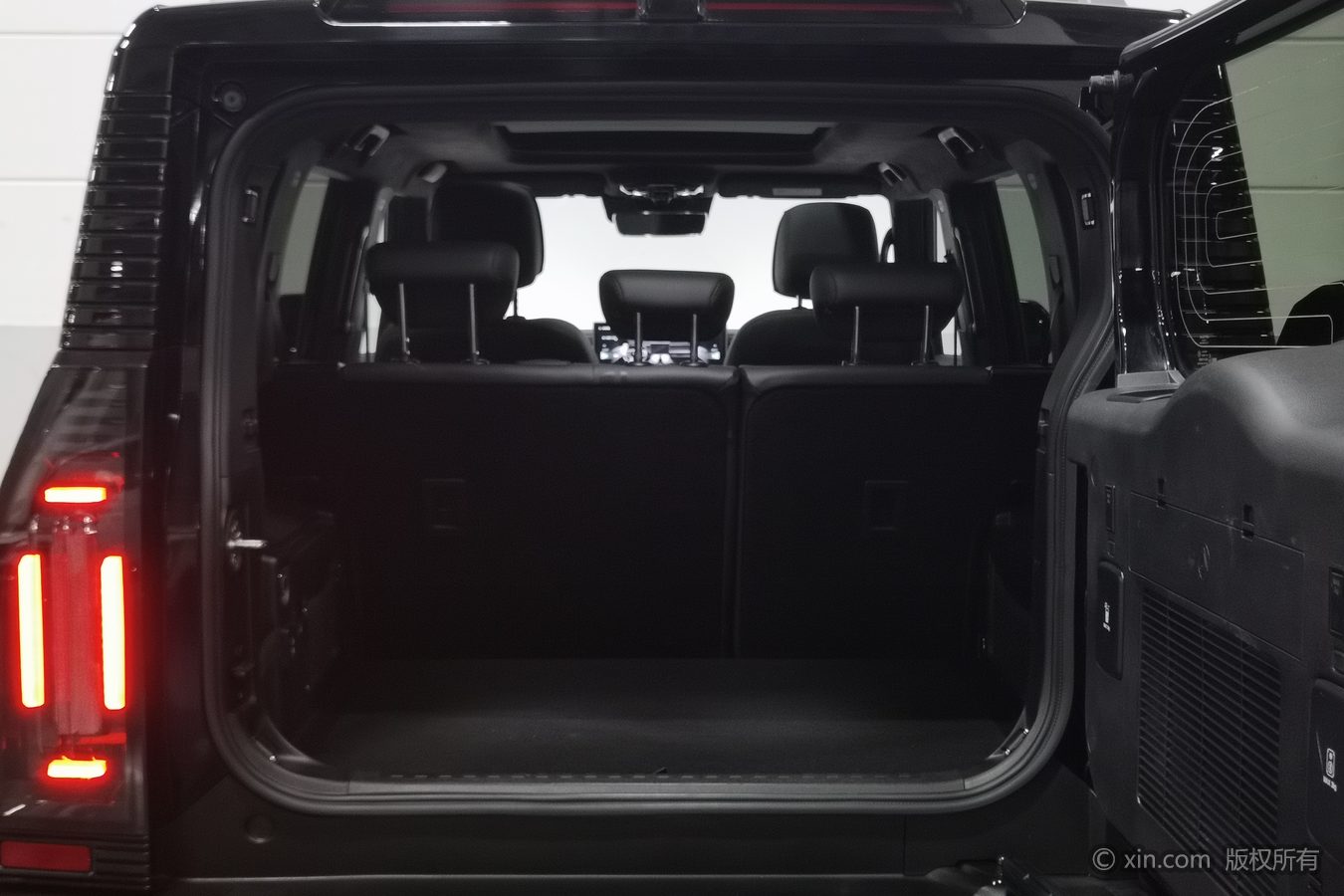
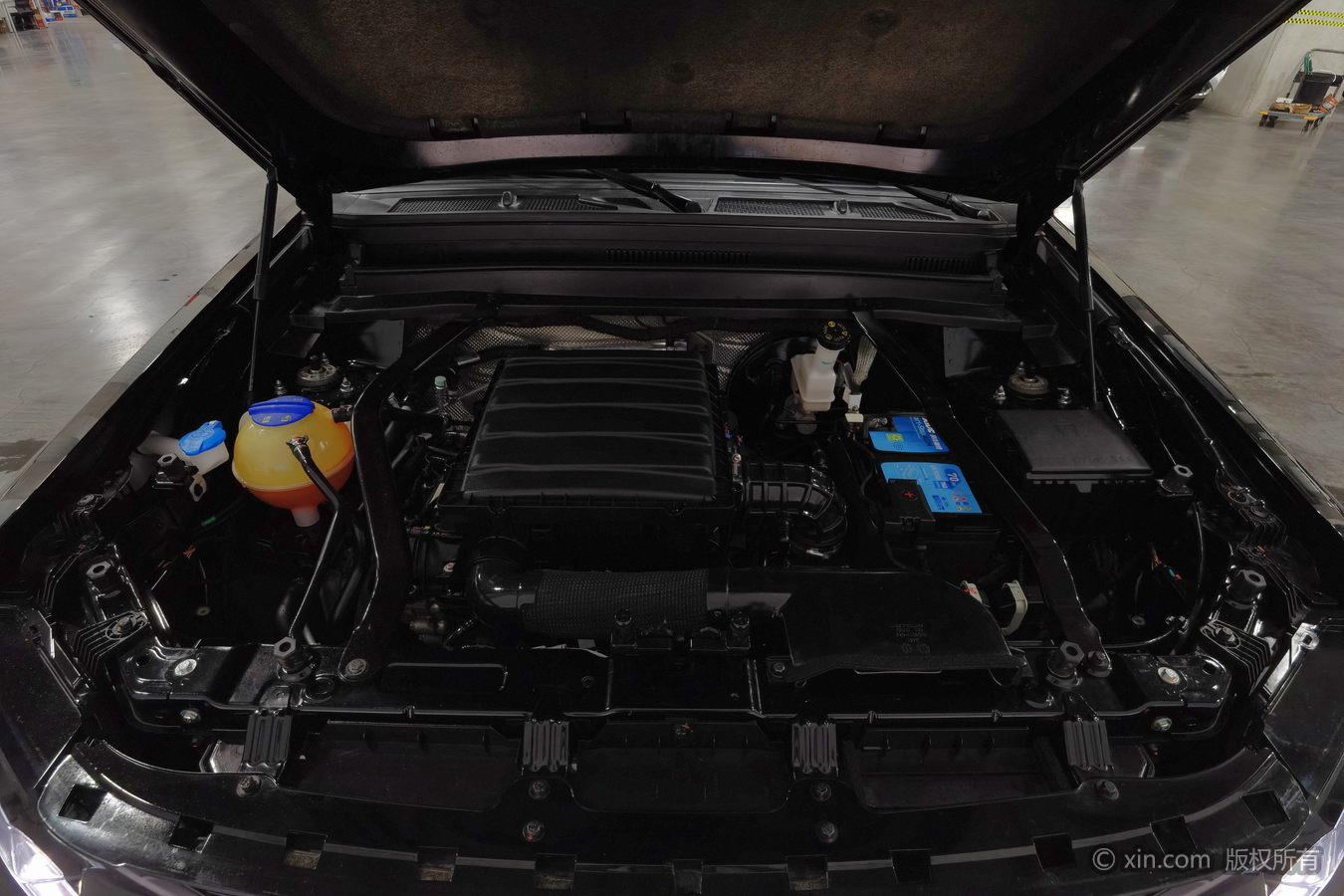
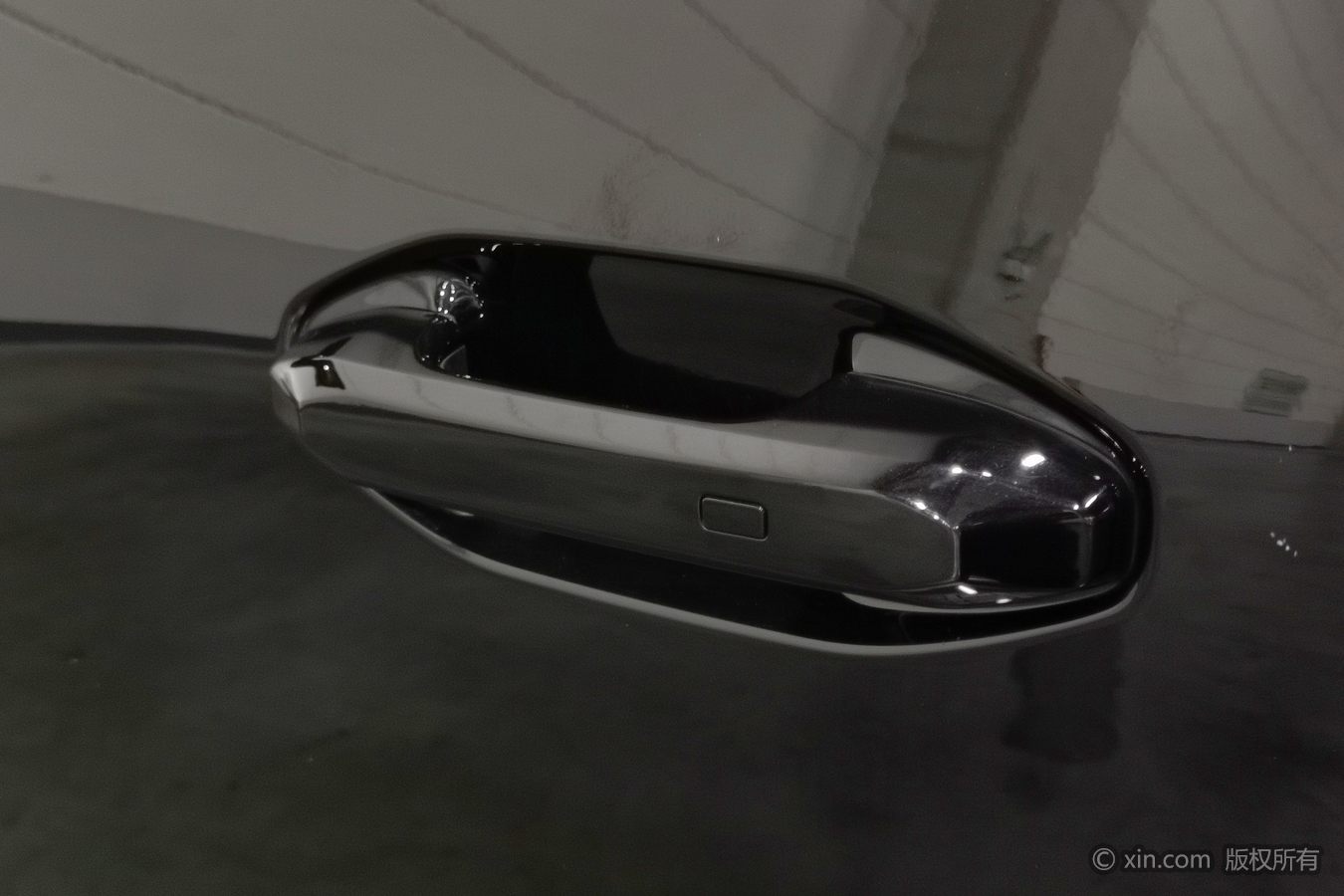
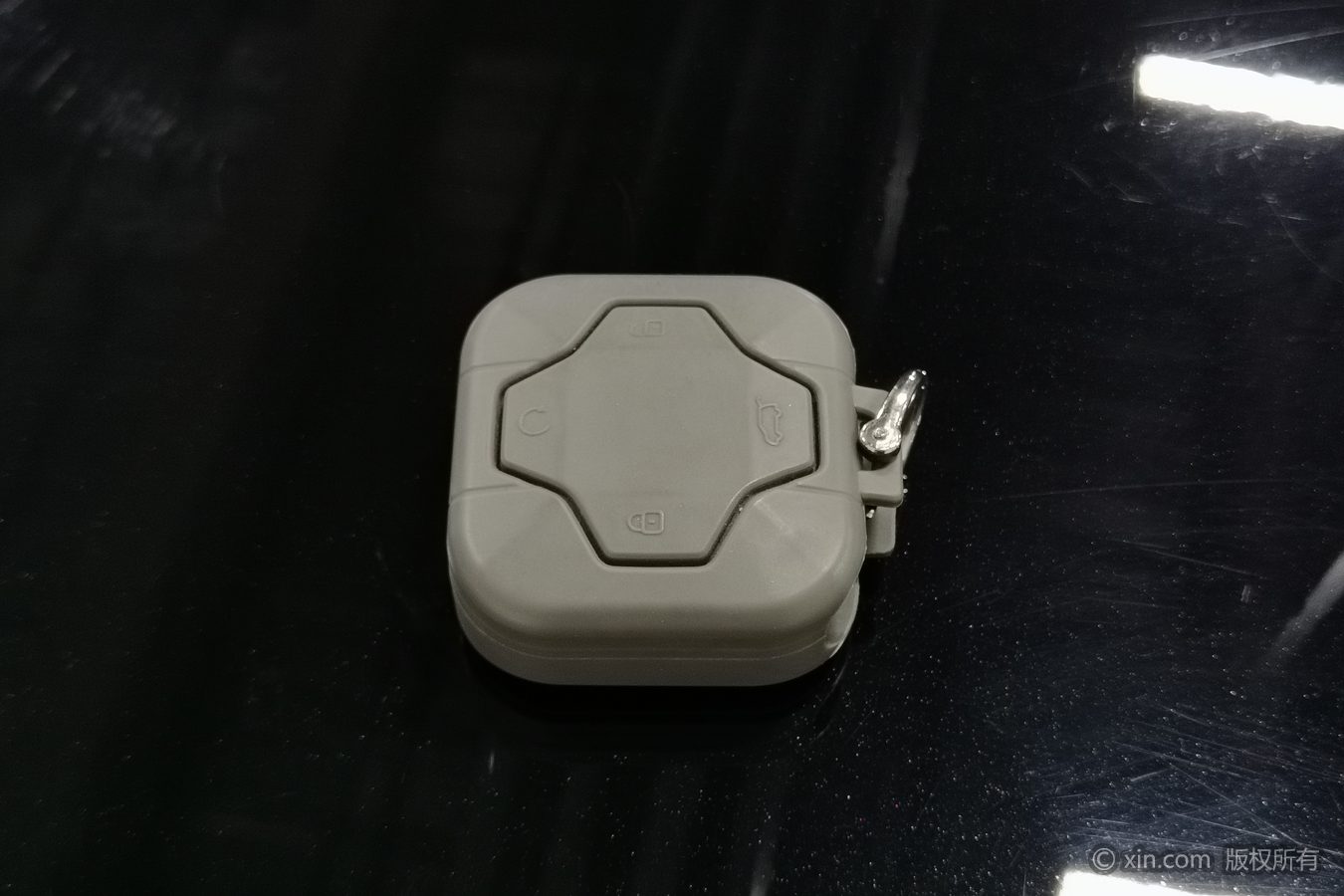
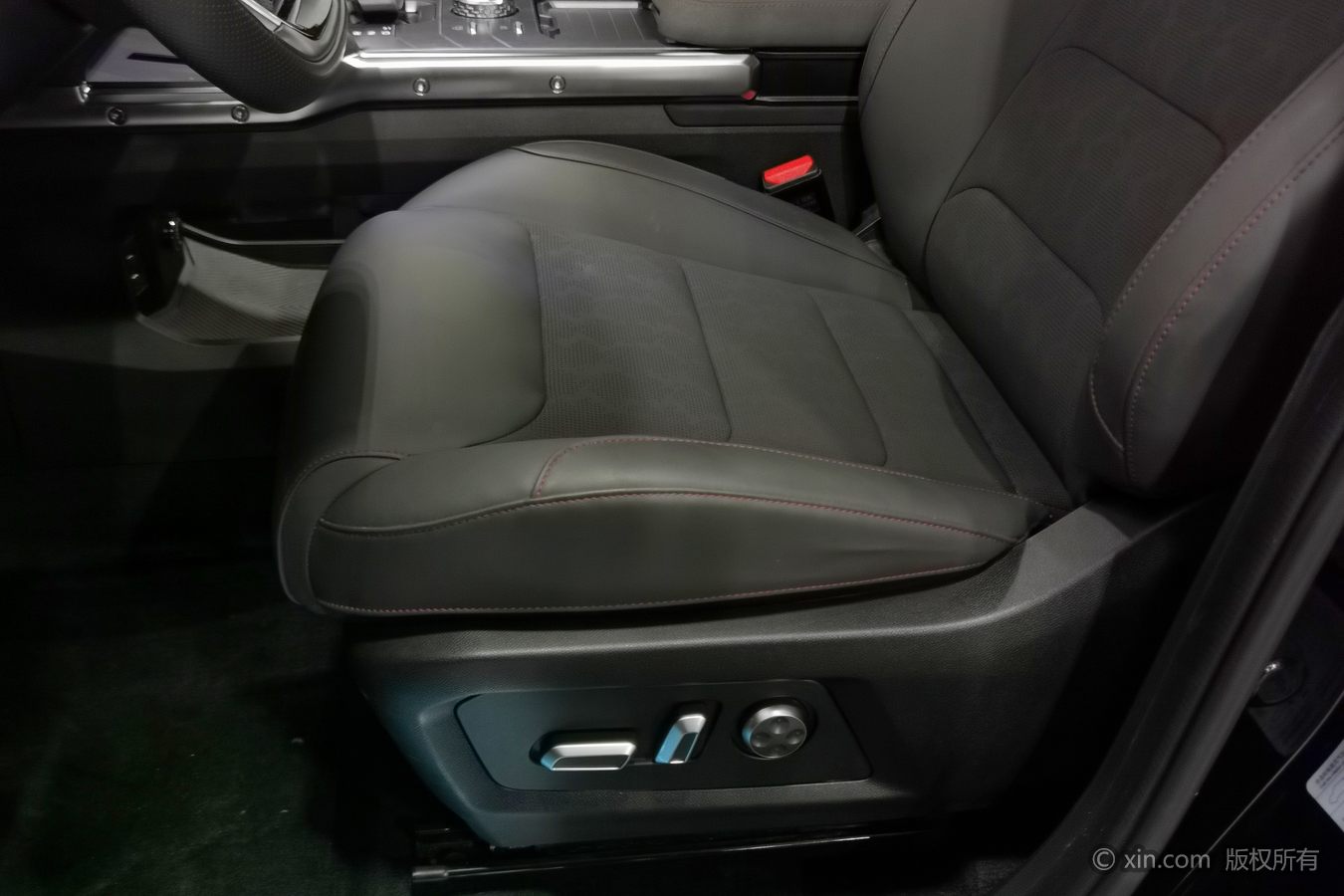
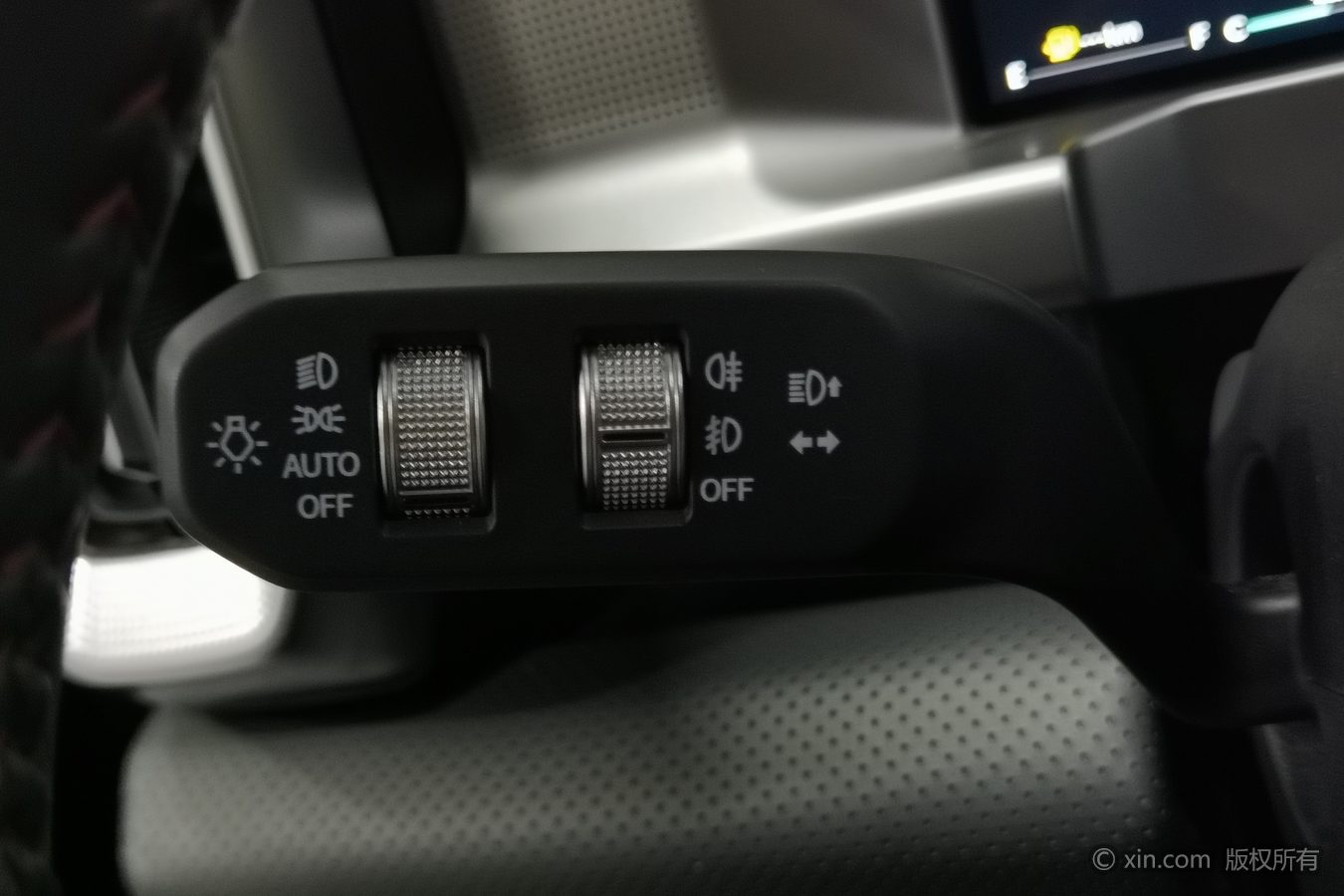
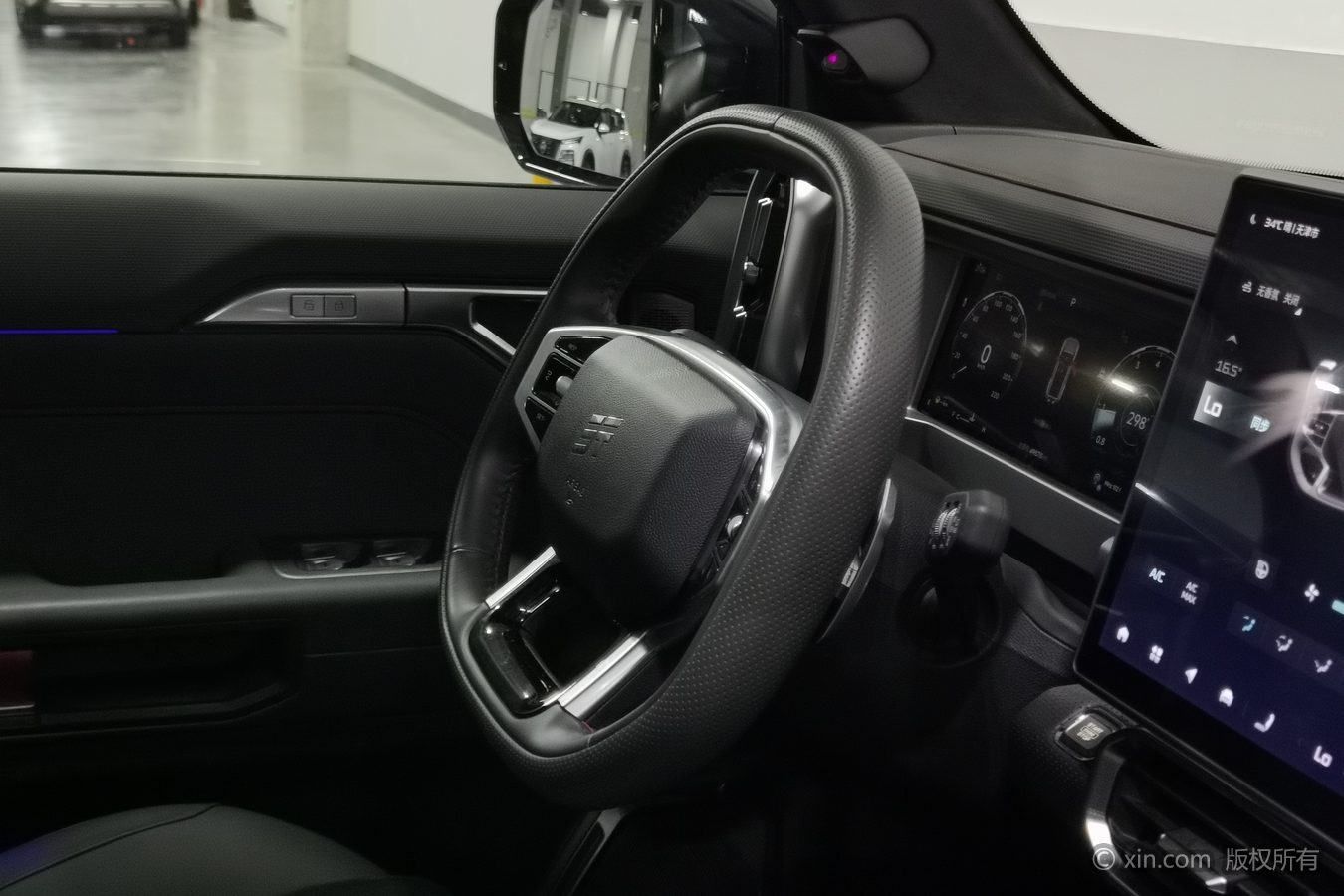



Basic Information

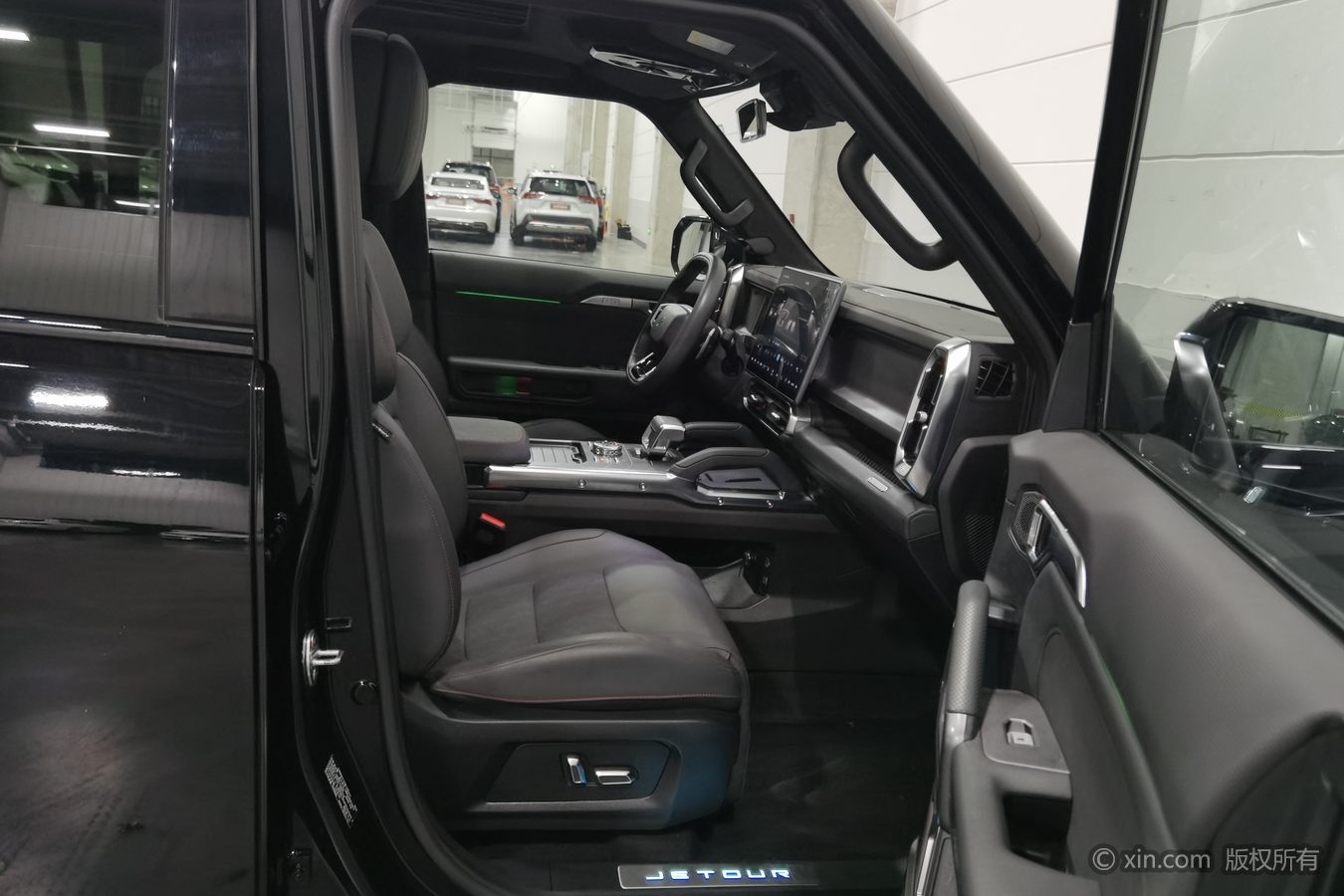
BrandJetour
SeriesTraveller
Year2024
First Registration2024/01
Mileage49,000km
Transfer Count0times
FuelGasoline
TransmissionDCT
Engine2.0T 254 L4
ColorBlack
Seats5seats

Condition Description

No odometer tampering, no structural damage, no water damage, no fire damage.

Configuration Highlights

✓Lane Keep Assist
✓前碰撞预警
✓Adaptive Cruise Control
✓液晶仪表盘

Document Information

Inspection Expiry Date2028/01
Warranty Expiry Date-
Insurance Expiry Date-

Q&A

More

What maintenance schedule should I follow for a used Chinese car during its first year after import?

Treat the first year as a baseline period. Do a full fluid service immediately after registration: engine oil and filter, coolant, brake fluid, and transmission fluid, since you don't know when they were last changed in China. First 1,000 km: check for loose trim, retorque wheel nuts, and listen for new noises as the car adapts to local fuel and roads. At 5,000-10,000 km: inspect brake pads and rotors, rotate tires, and scan the ECU for stored fault codes even if no warning light shows. Annually or every 15,000 km: replace the cabin and engine air filters, check the battery health (especially for hybrids and EVs), and verify that software updates from the Chinese brand's international channel apply to your car. Keep a simple log with dates and receipts. It protects any warranty claim and makes the car far easier to sell later.


What costs are included in the FOB and CIF prices displayed on the website?

FOB (Free On Board): Includes the purchase price of the vehicle, transfer fees for registration in China, export license fees, logistics costs for trucking to the port within China, and port handling and customs fees. CIF (Cost, Insurance, and Freight): In addition to FOB, it includes the shipping cost from China to your designated destination port (RoRo or container), as well as cargo insurance during international shipping.

How can I confirm the seller actually owns the car and that it has no outstanding liens or loans in China?

Ask the exporter for a copy of the vehicle registration certificate (机动车登记证书). It lists every owner change and any mortgage registration. If the car was financed, there will be a lien entry; make sure a release entry follows it. You can also verify the VIN against public records through the traffic management platform (12123) — a legitimate exporter can generate a status report on the spot. Check that the seller's company name on the invoice matches the registered owner. For extra safety, require a written statement that the vehicle is free of liens, loans, court seizures, and lease agreements, and wire payment only to the company's corporate account after ownership is transferred to the export entity. That sequence — transfer first, payment second — is your strongest protection.