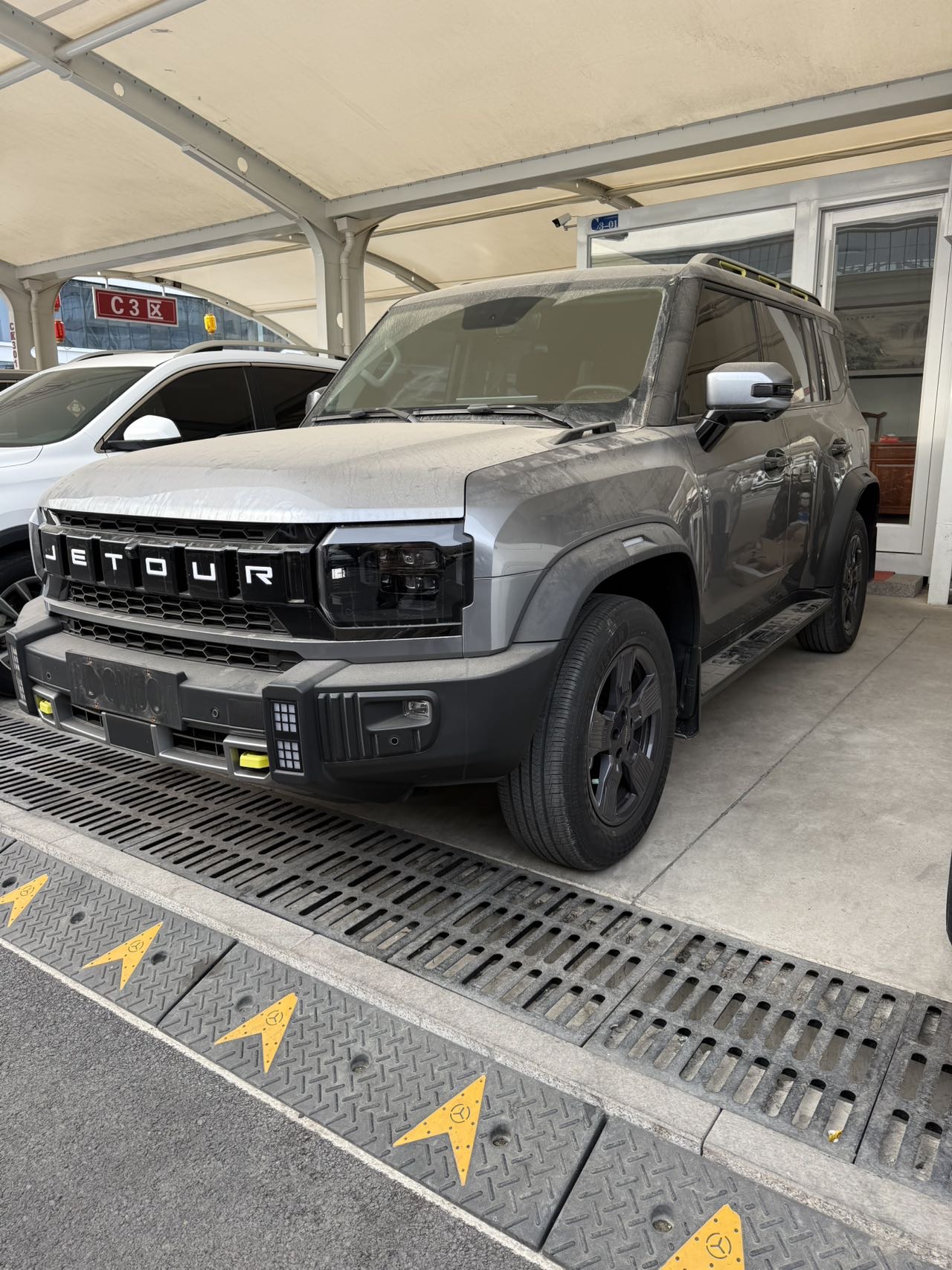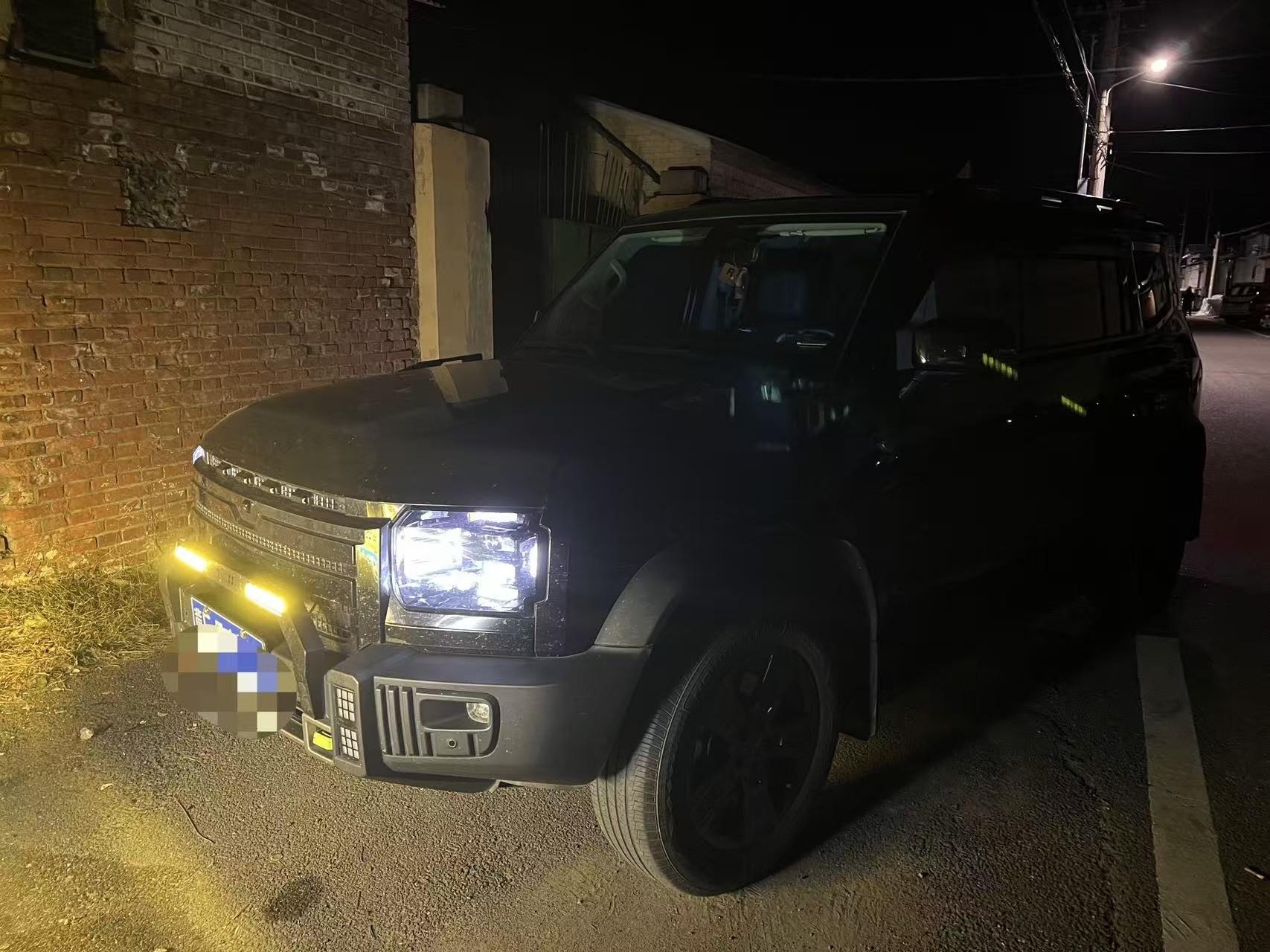



Sold

Basic Information

BrandJetour
SeriesTraveller
Year2024
First Registration2024/08
Mileage50,000km
Transfer Count0times
FuelGasoline
TransmissionDCT
Engine1.5T 184 L4
ColorBlack
Seats5seats

Condition Description

First-hand car, true odometer reading, original paint and body panels.

Document Information

Inspection Expiry Date-
Warranty Expiry Date-
Insurance Expiry Date2027/08

Q&A

More

Does your technical testing include highway road tests (high-speed driving tests), or is it only low-speed driving in a closed area?

Due to legal restrictions preventing unregistered vehicles from high-speed driving on public roads in China, most of our dynamic tests are conducted in a closed area (with a maximum speed of around 60 km/h). This is sufficient to test for suspension noise and low gear smoothness, but it cannot simulate high-speed wind noise and tire balance vibrations at 120 km/h.


How do I read and interpret a Chinese vehicle history report—what do the records and codes mean, and which findings should stop the deal?

A Chinese history report (查博士, 精真估, or 4S-shop records) usually contains several sections. Here's how to read them. Accident records: entries tagged 重大事故 (major accident) or listings at an insurance payout above 30% of the car's value are serious red flags. Airbag deployment is a deal-breaker for most buyers. Mileage timeline: check that mileage increases logically between service visits. A sudden drop between two dates means odometer tampering—walk away. Ownership count: more than 3 owners in 5 years suggests a problem car. Also check the 使用性质 field: a car registered as 营运 (commercial/taxi use) has a much shorter legal lifespan. Maintenance entries: consistent 4S dealership records are a good sign; long gaps aren't necessarily fatal if the owner used independent shops, but ask for receipts. Cross-check the report against the VIN plate, registration certificate, and physical inspection. If the report shows no accidents but paint thickness readings say otherwise, trust the metal, not the paper.

Why is there a time difference between the production date on the vehicle nameplate and the first registration date on the registration certificate?

The nameplate date is the absolute time when the vehicle leaves the factory; the registration date is when the vehicle is registered with the traffic management department after sale. The difference represents the time the vehicle spent in the dealer's warehouse or logistics. If the time difference exceeds 6-8 months, the vehicle is considered a "stock vehicle," and we pay special attention to the natural aging of its rubber components.