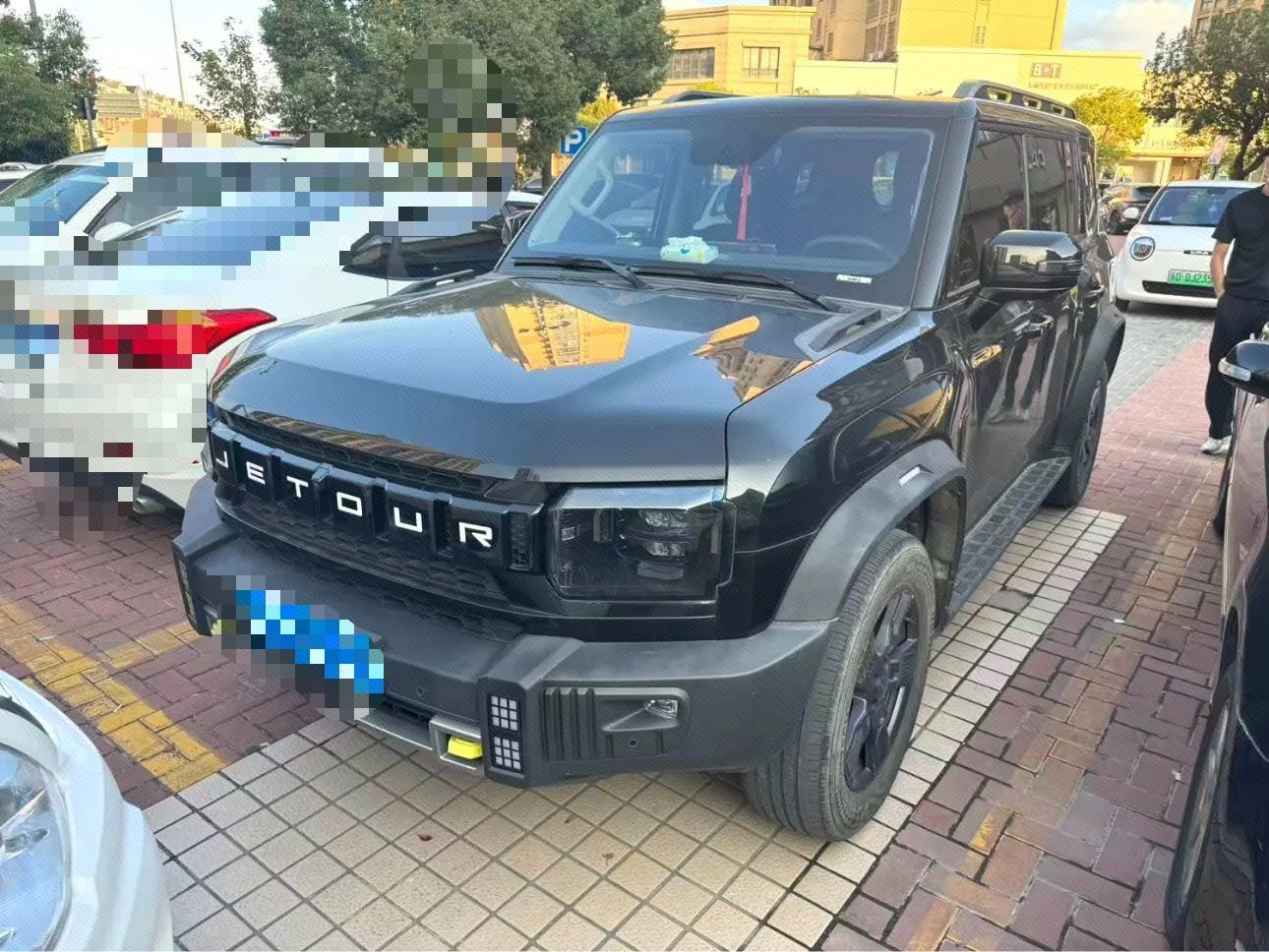
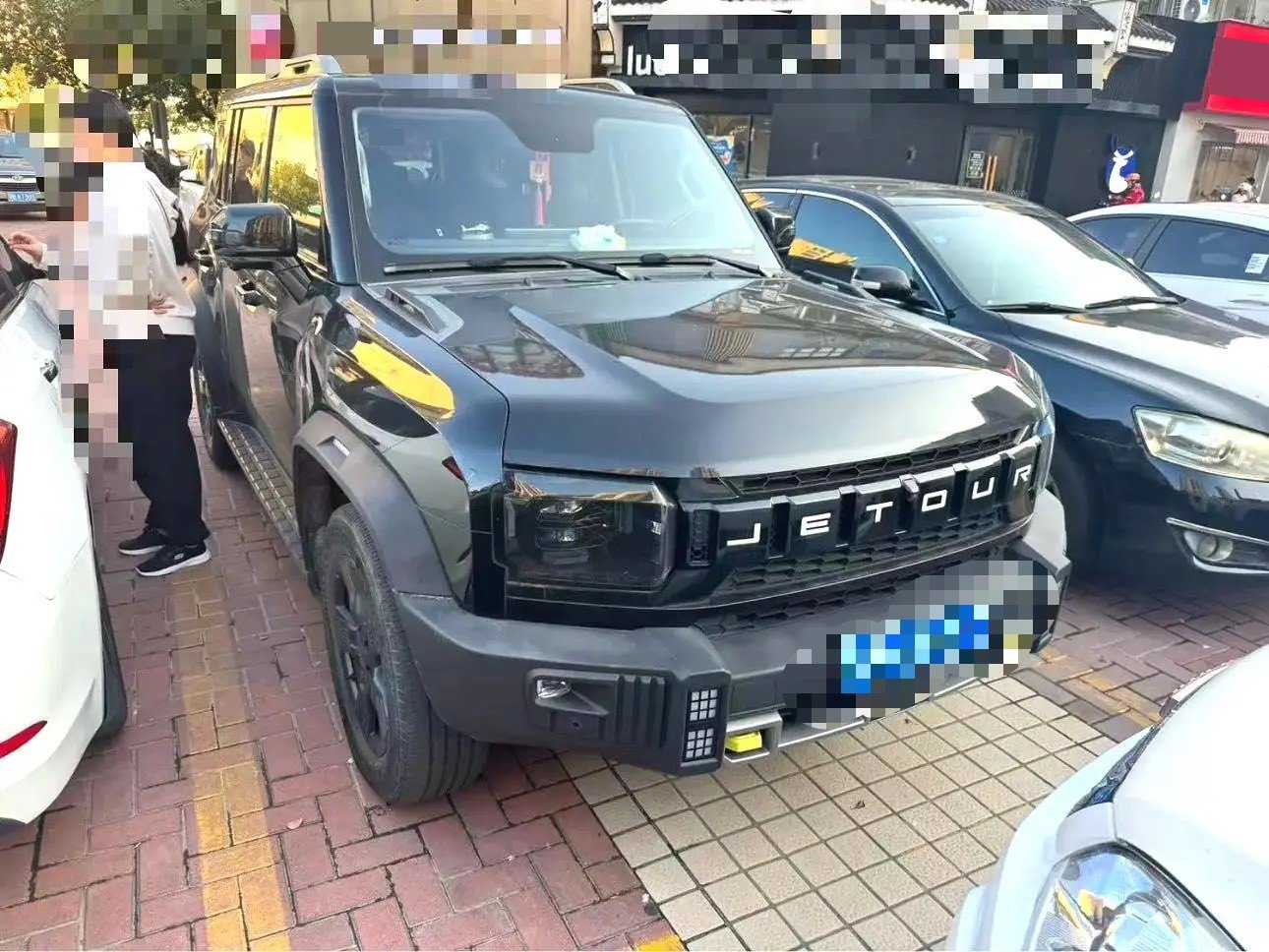
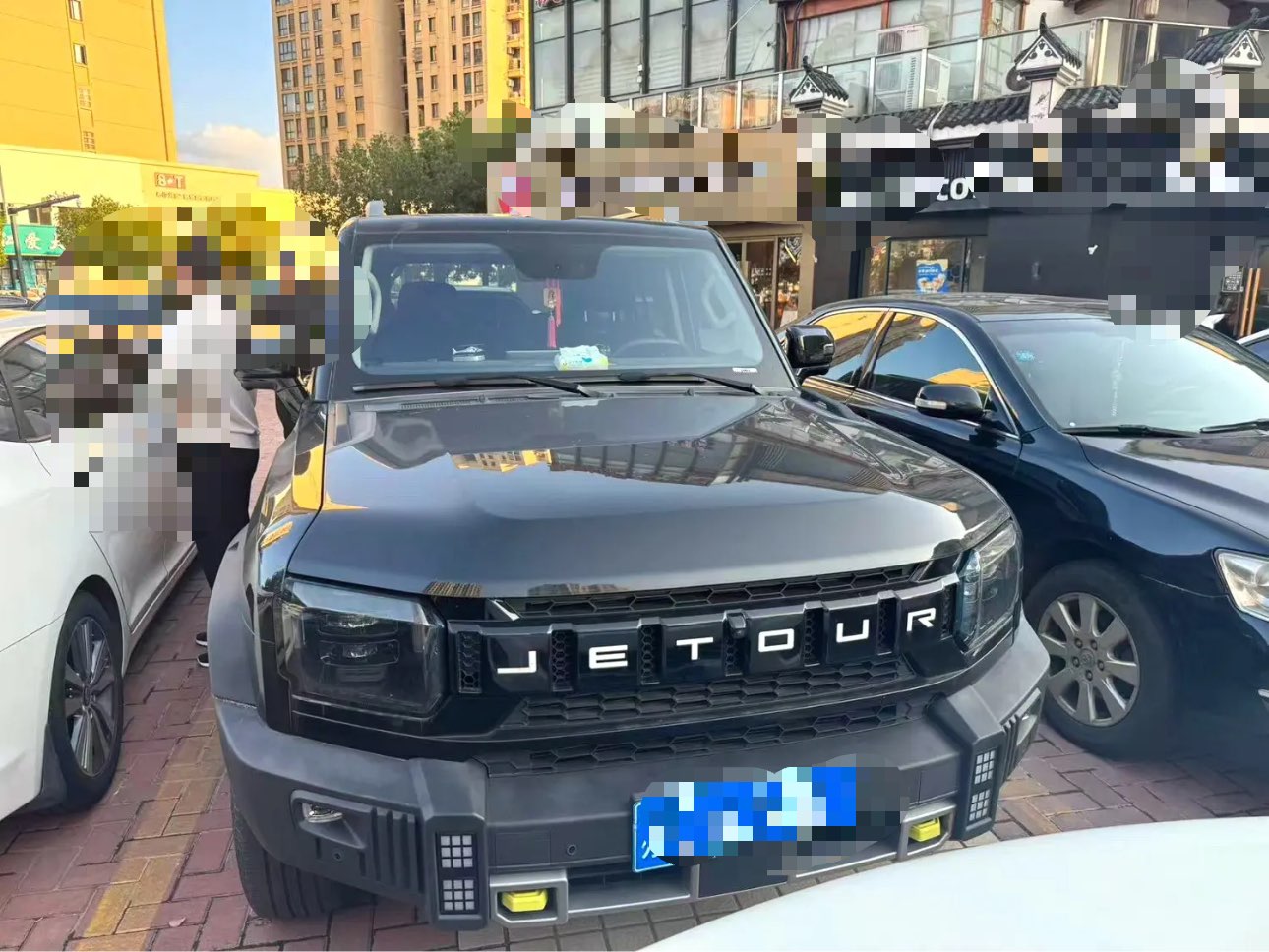
Basic Information

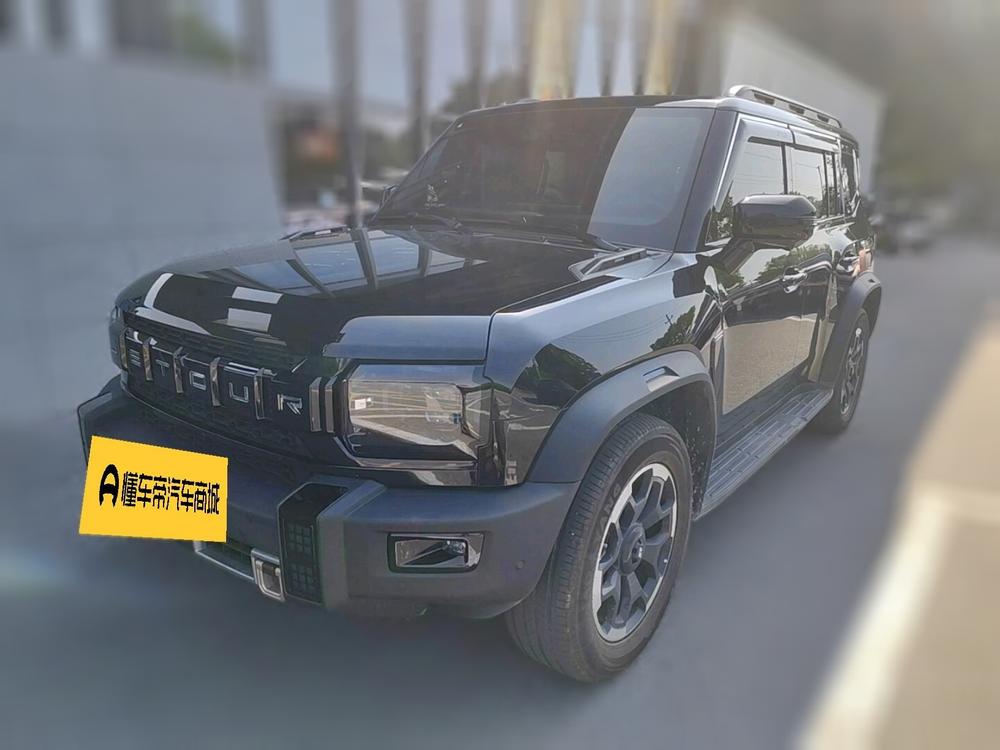
BrandJetour
SeriesTraveller
Year2024
First Registration2024/04
Mileage29,000km
Transfer Count0times
FuelGasoline
TransmissionDCT
Engine1.5T 184 L4
ColorBlack
Seats5seats

Condition Description

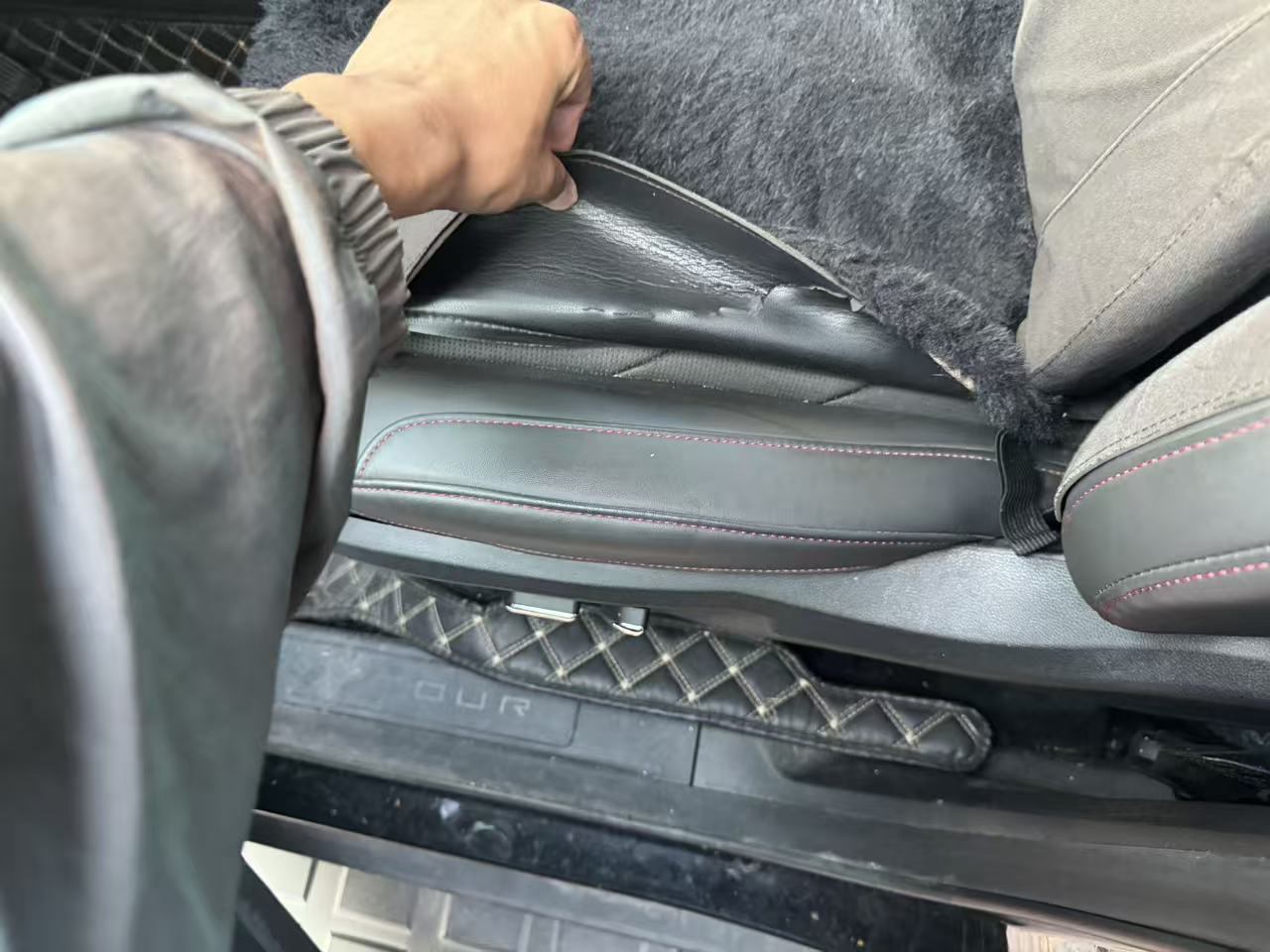
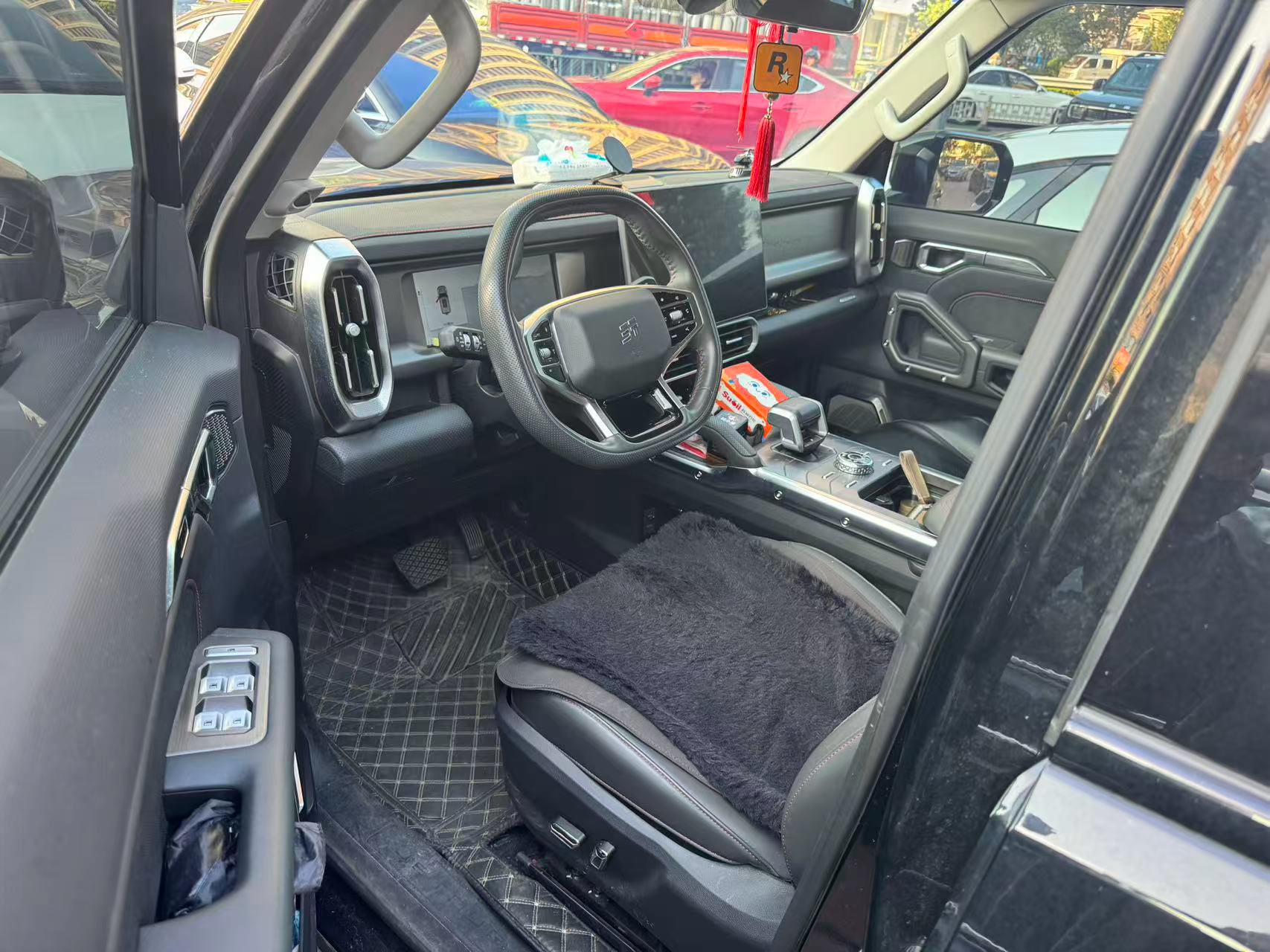
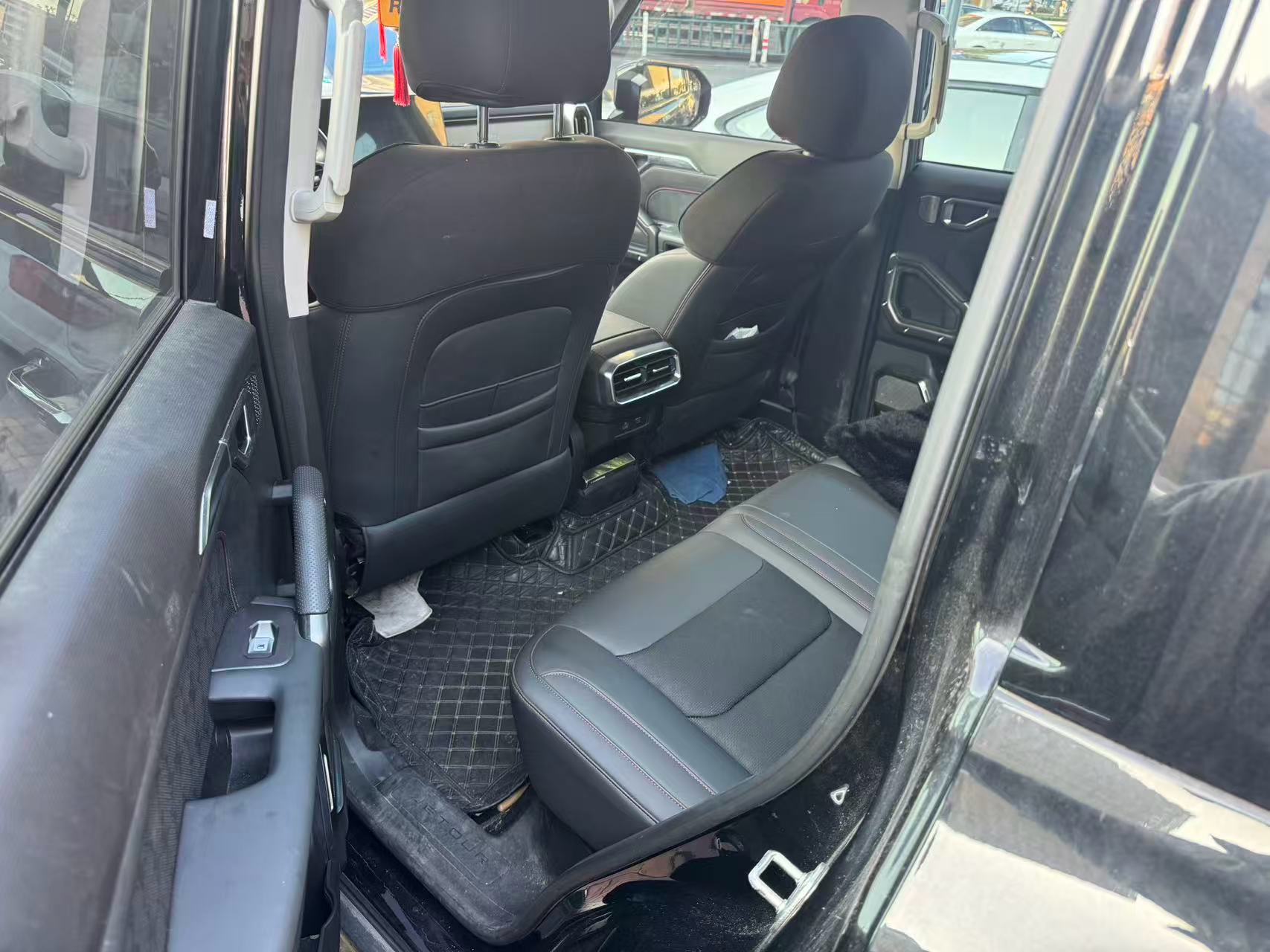
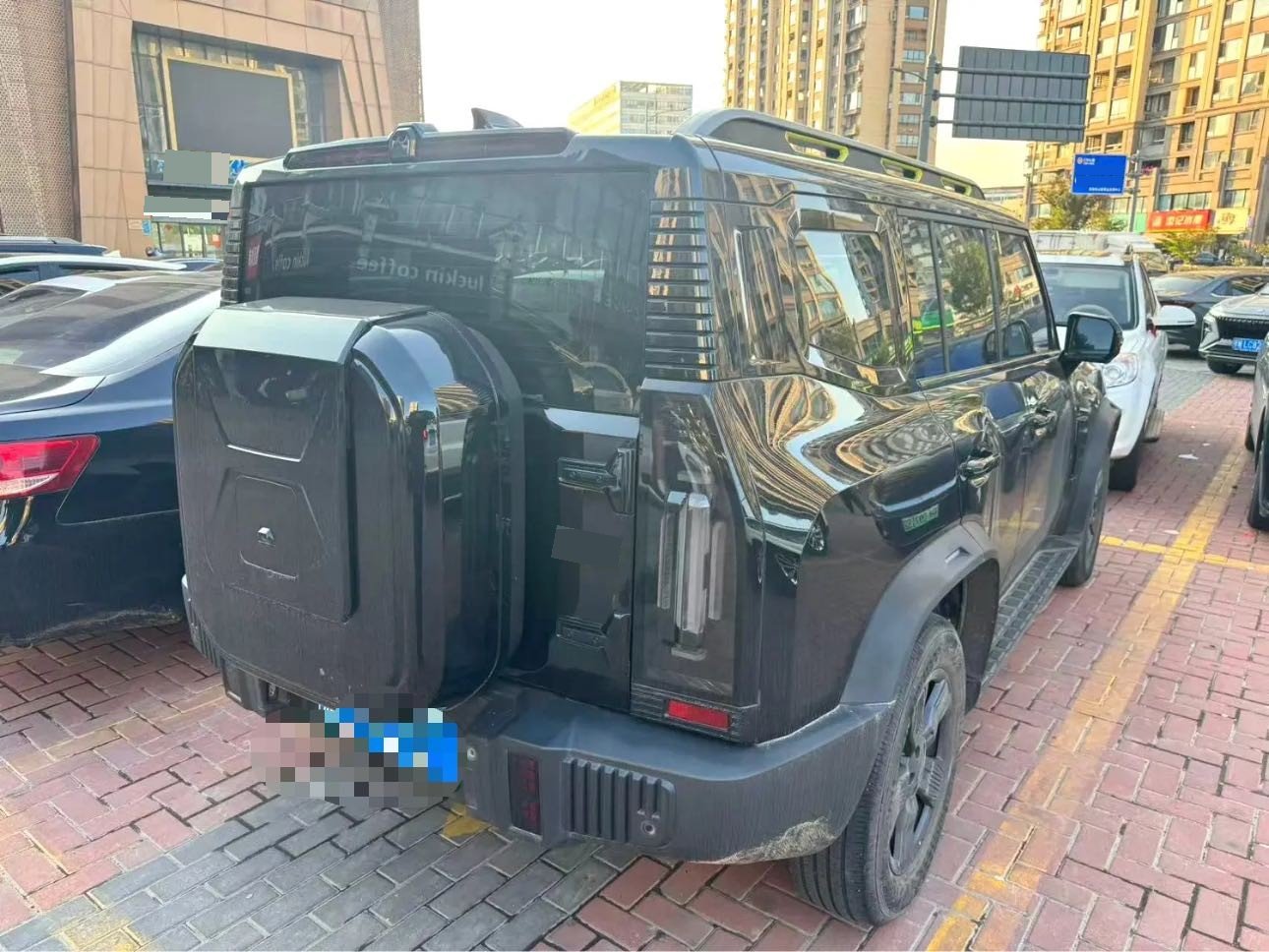
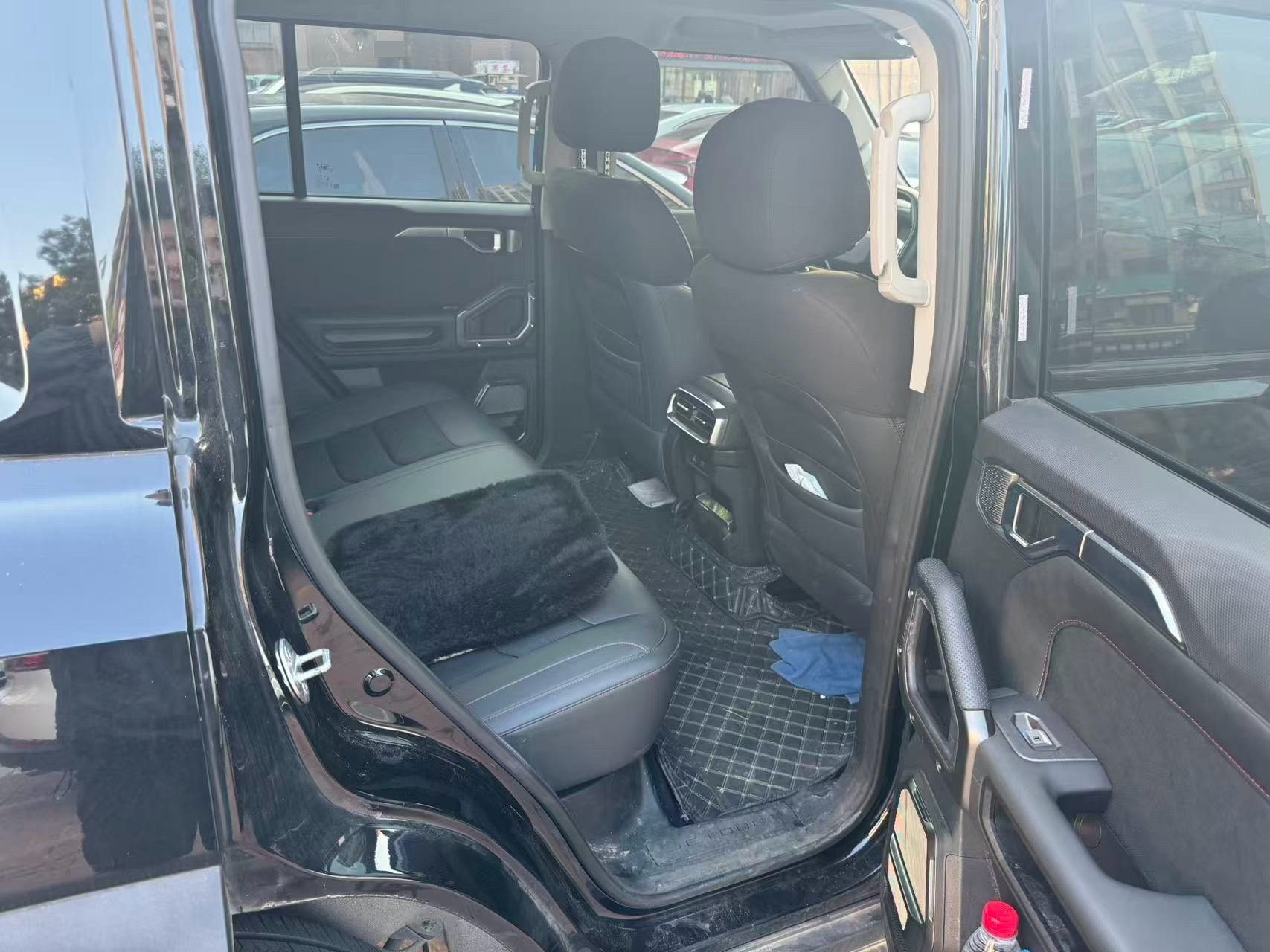
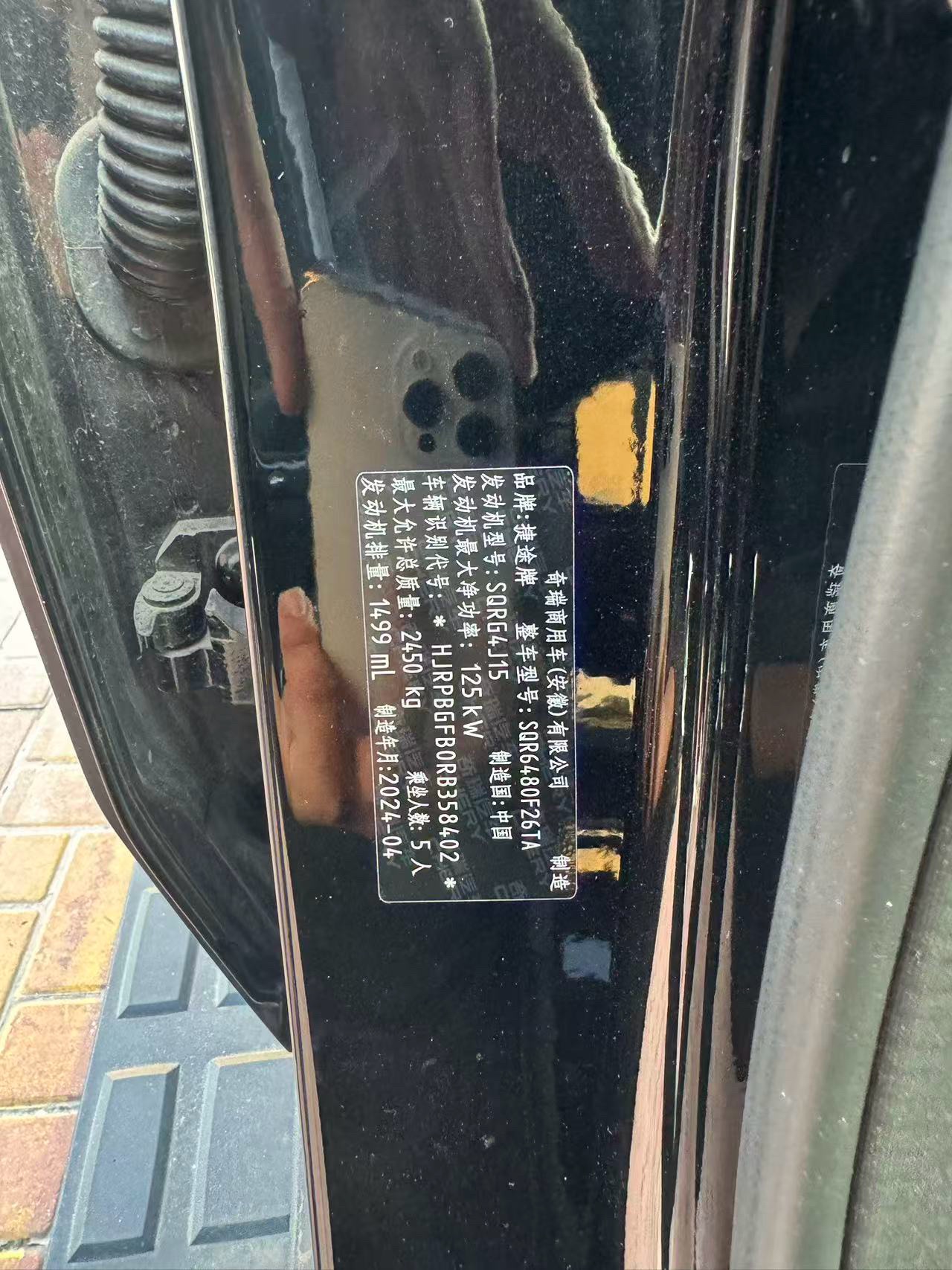
Original paint, one-owner vehicle, no scratches, actual mileage 29,000 km

Document Information

Inspection Expiry Date-
Warranty Expiry Date-
Insurance Expiry Date2027/04

Q&A

More

How to confirm that the car windows are all original factory parts and not replaced due to an accident?

The technician will check the production date codes and brand logos in the lower left corner of all the car's glass (including the windshield, four doors, and rear window) to see if they match the vehicle's factory date on the nameplate. If any glass is found to have a date later than the vehicle's production date, it will be recorded as evidence of a "previous damage replacement."

What is the difference between EXW, FOB, and CIF prices from a Chinese exporter, and which incoterm should I choose as a first-time buyer?

EXW means you pay only for the car at the seller's yard—you handle everything else, including inland transport in China and export clearance, which is impractical from overseas. FOB includes delivery to the port and export customs clearance; you pay for ocean freight and insurance. CIF adds freight and basic insurance to a named destination port. For a first-time buyer, FOB is usually the best balance: the exporter, who knows Chinese logistics, handles the complicated part, while you control the freight booking and can shop rates among forwarders. Watch for exporters quoting unrealistically low FOB prices and making margin on inflated 'shipping services' later. Get a separate freight quote before signing, and compare the exporter's CIF offer against FOB plus your own freight estimate. Ask explicitly whether the price includes inspection, export license fees, and port charges—ambiguity here is the most common source of disputes.

What kind of after-sales warranty do Chinese used car exporters usually offer, and what is realistic to claim?

Most exporters offer a limited warranty of 30 to 90 days covering major mechanical failures (engine, gearbox, electric motor), but only if you can prove the fault existed before shipment. Cosmetic issues, wear-and-tear parts (brakes, tires, clutch) and damage caused by improper local maintenance are almost always excluded. What is realistic to claim: · Engine or transmission failure confirmed by a licensed workshop within the warranty window, with a diagnostic report. · Undeclared accident or flood damage discovered after arrival (strongest case, keep the inspection report and photos). How to protect yourself: 1. Get the warranty terms written into the contract, including claim procedure and response time. 2. Have the car inspected locally immediately upon arrival and keep all records. 3. Communicate claims in writing (email) with photos and reports attached. Treat the warranty as a backup, not the main protection. A thorough pre-shipment third-party inspection matters far more than a paper warranty.