
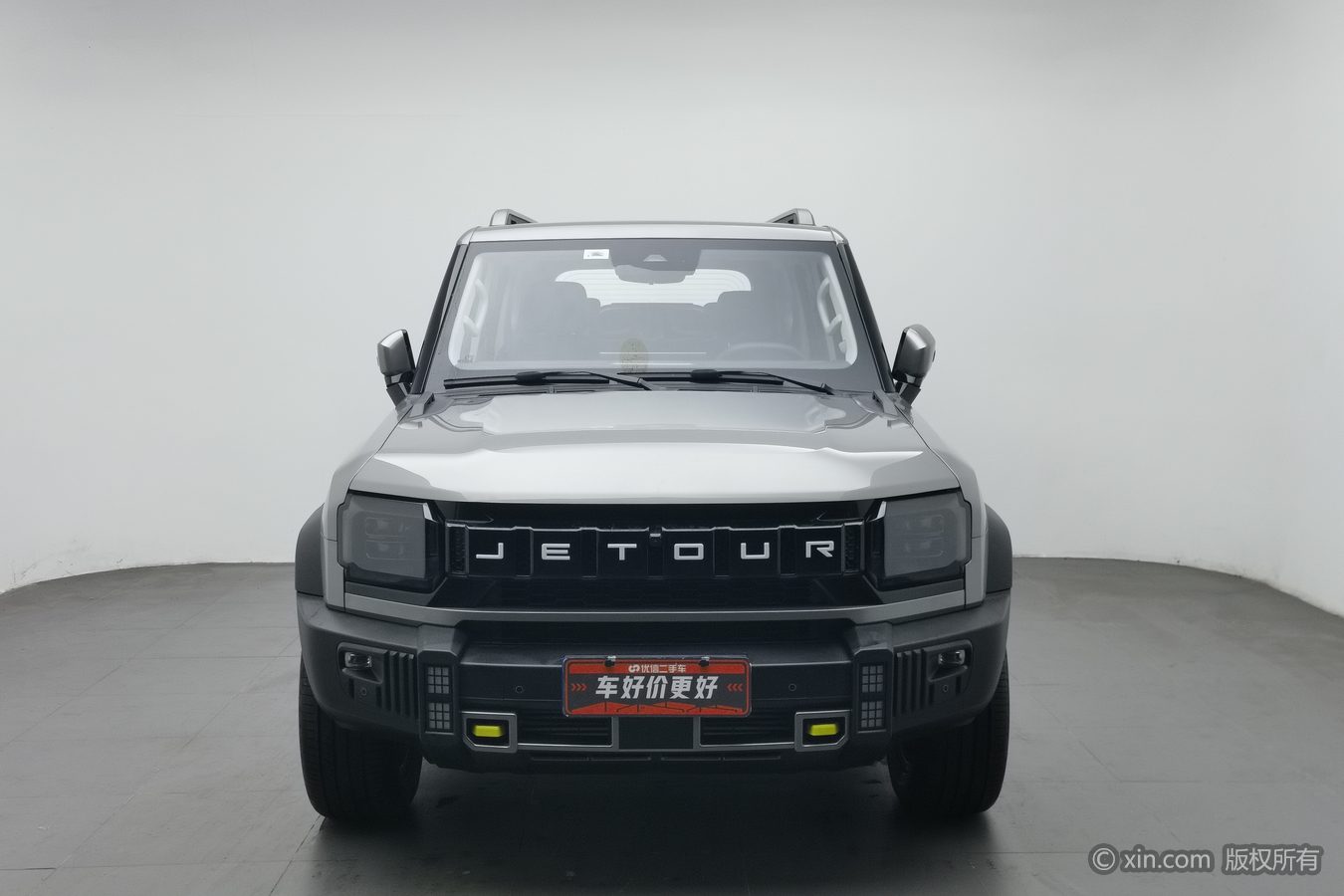
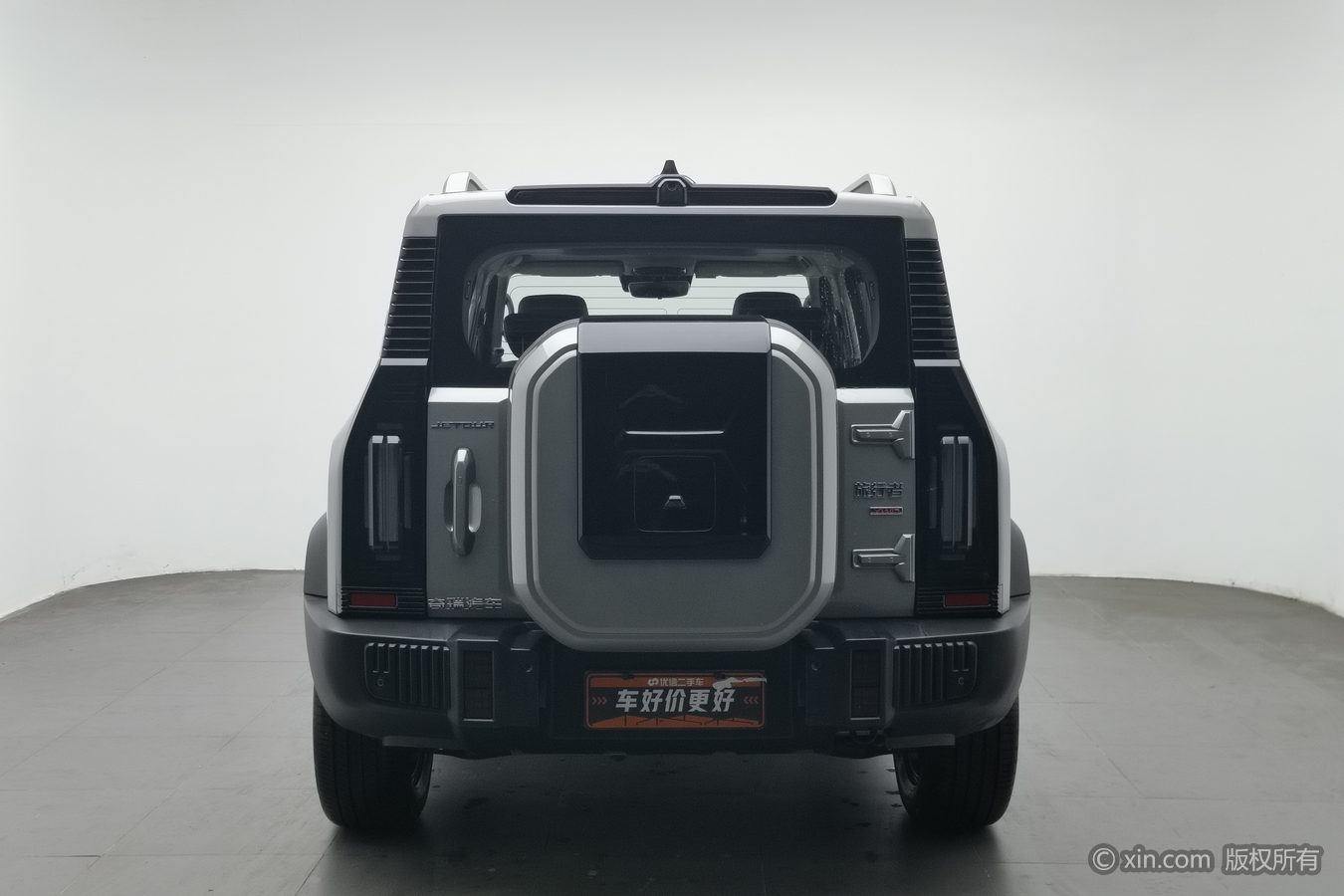
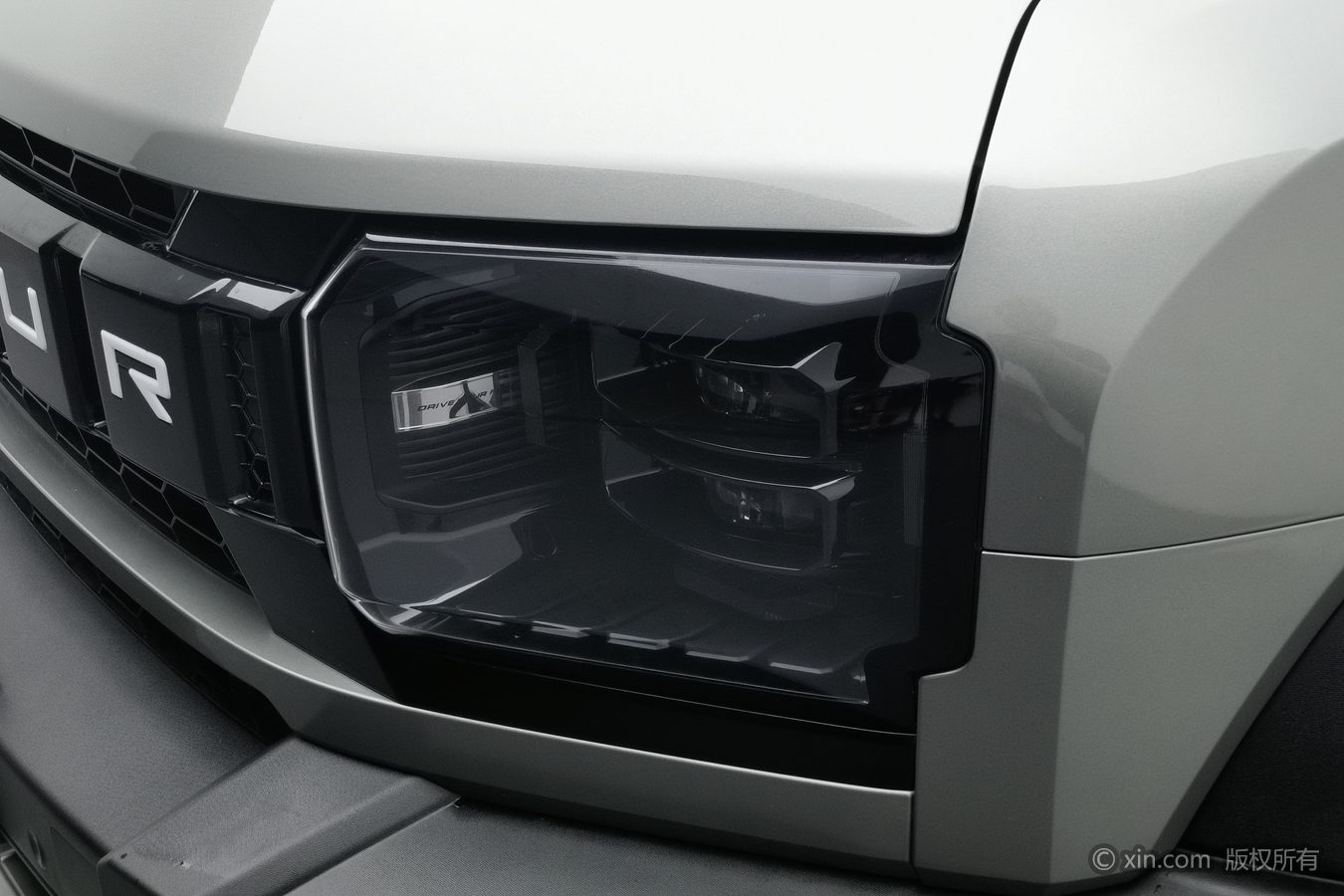
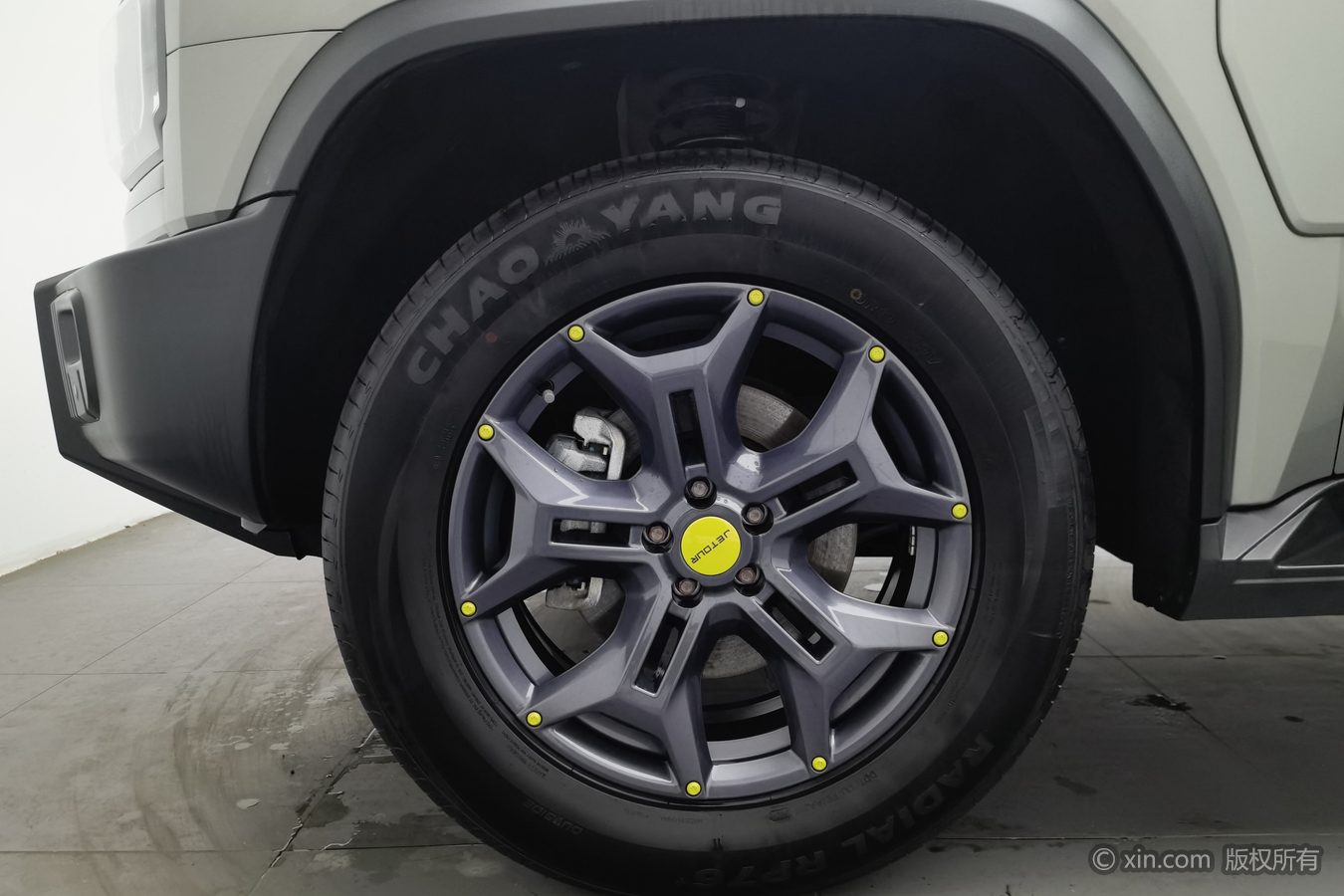
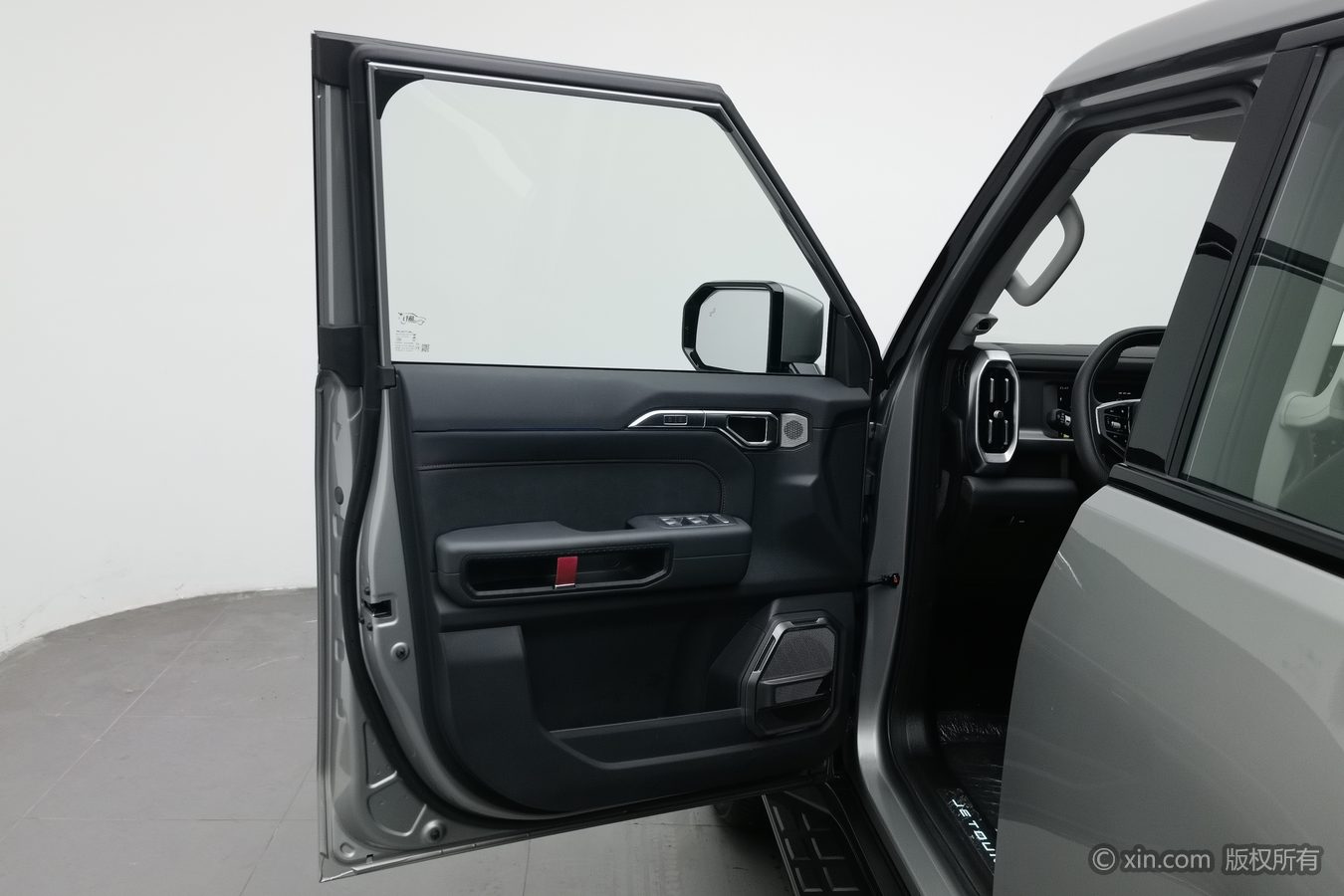
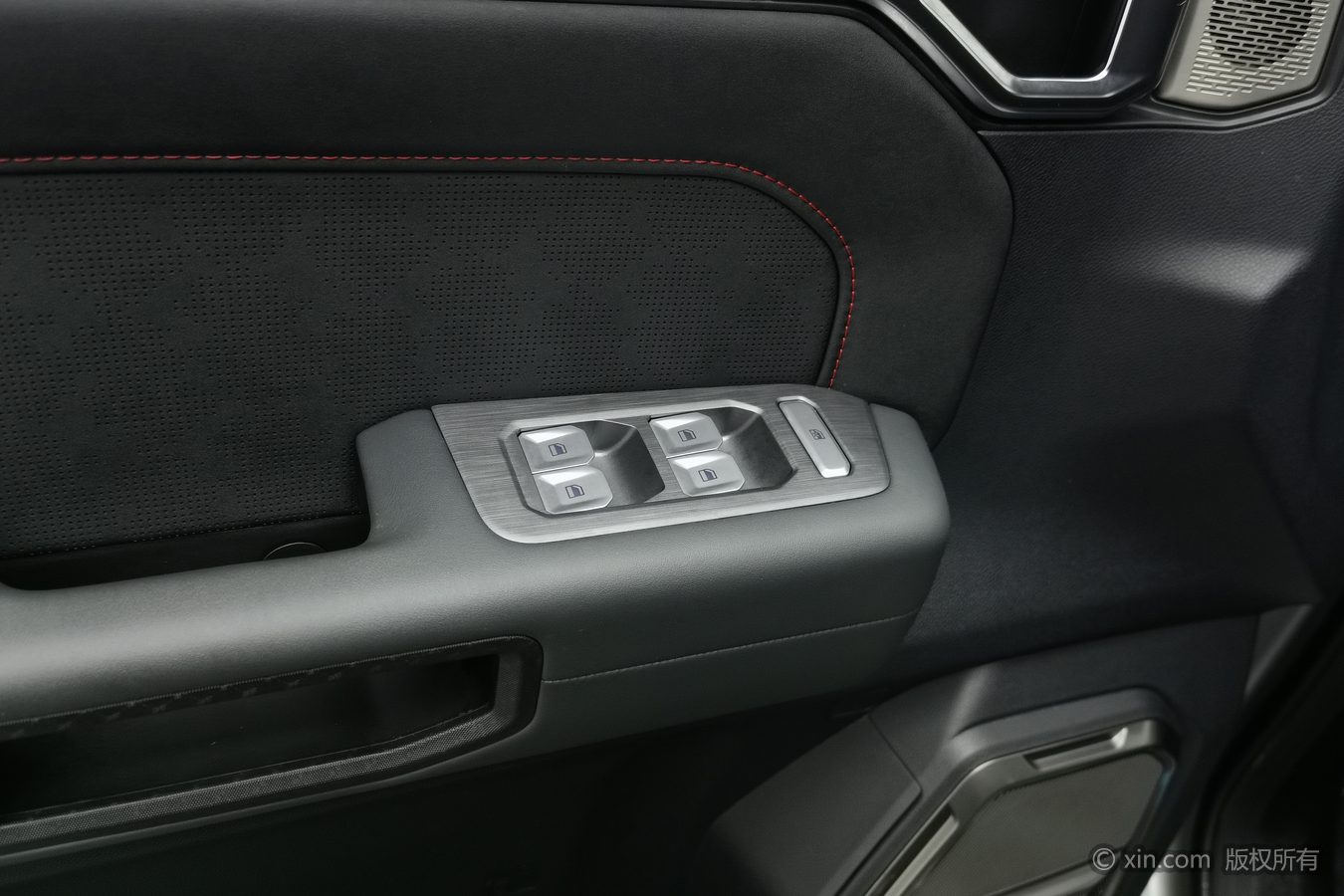
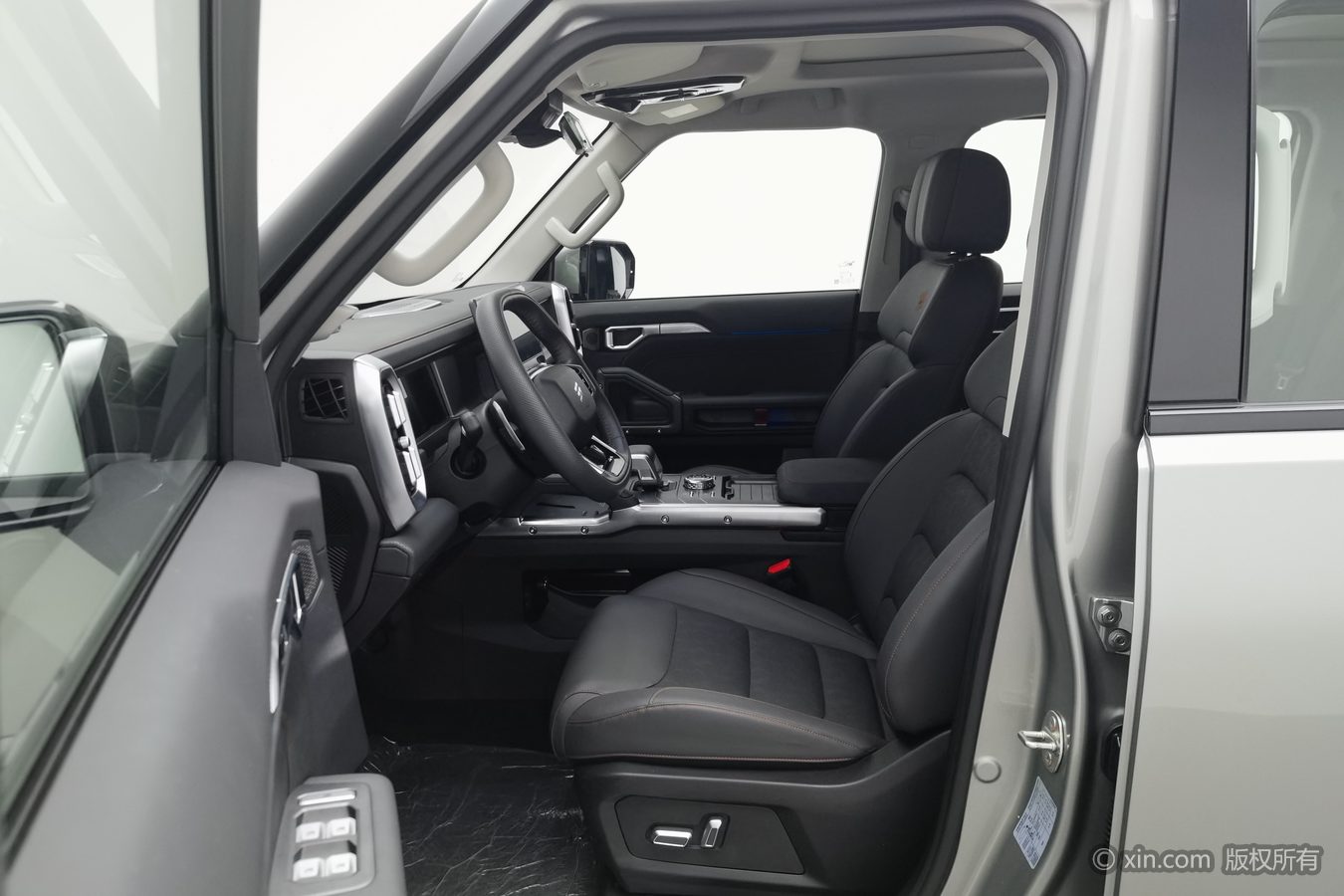
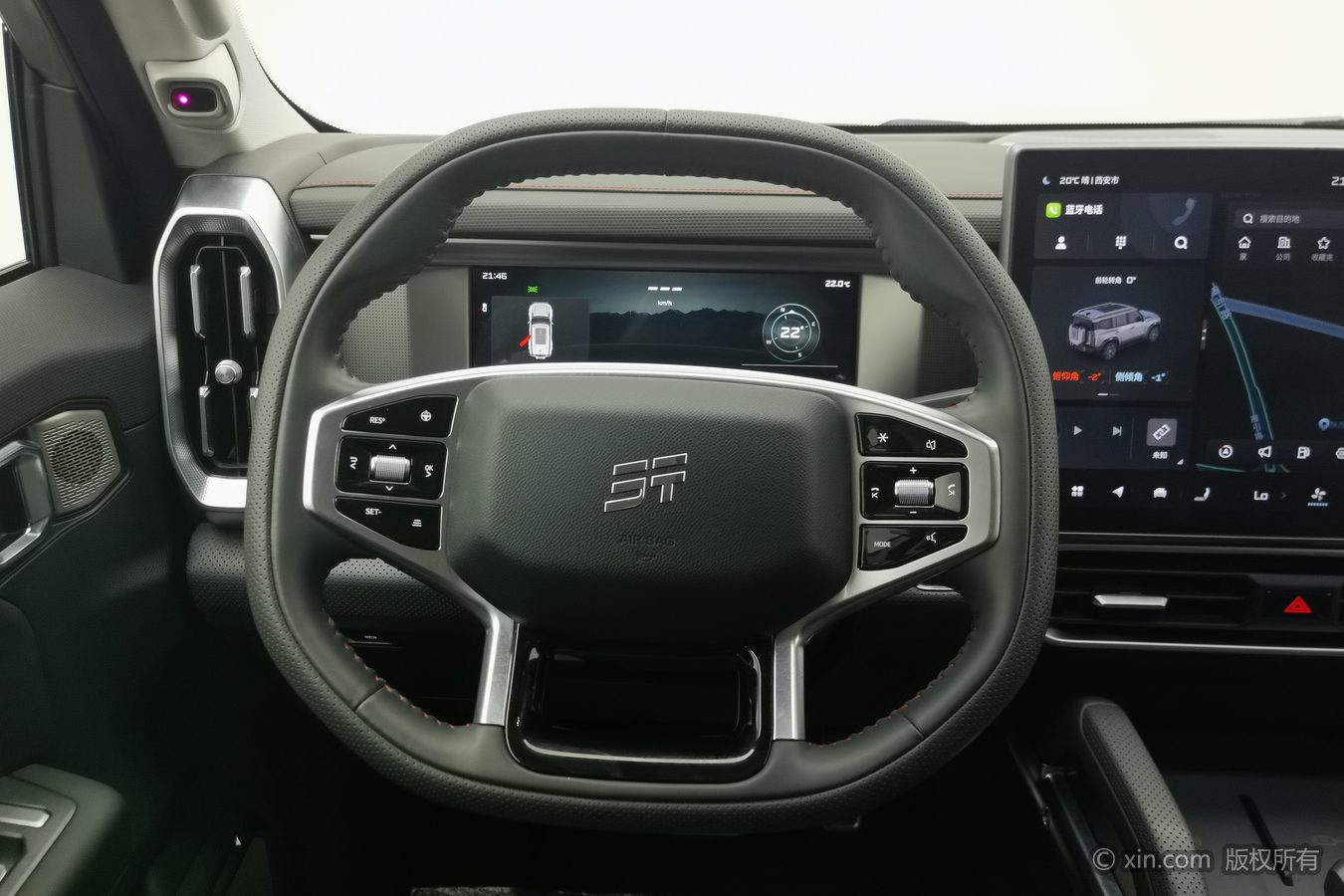
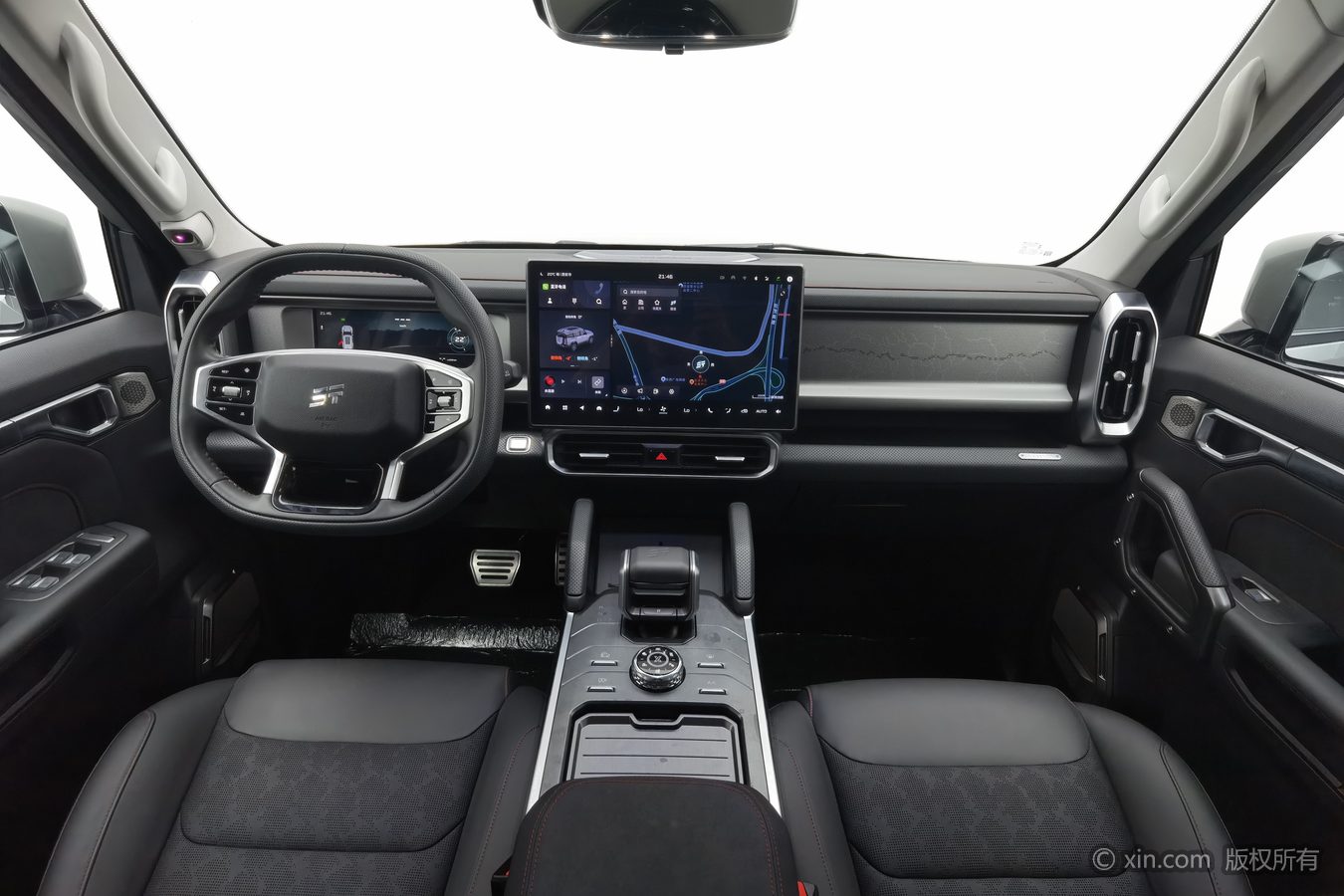
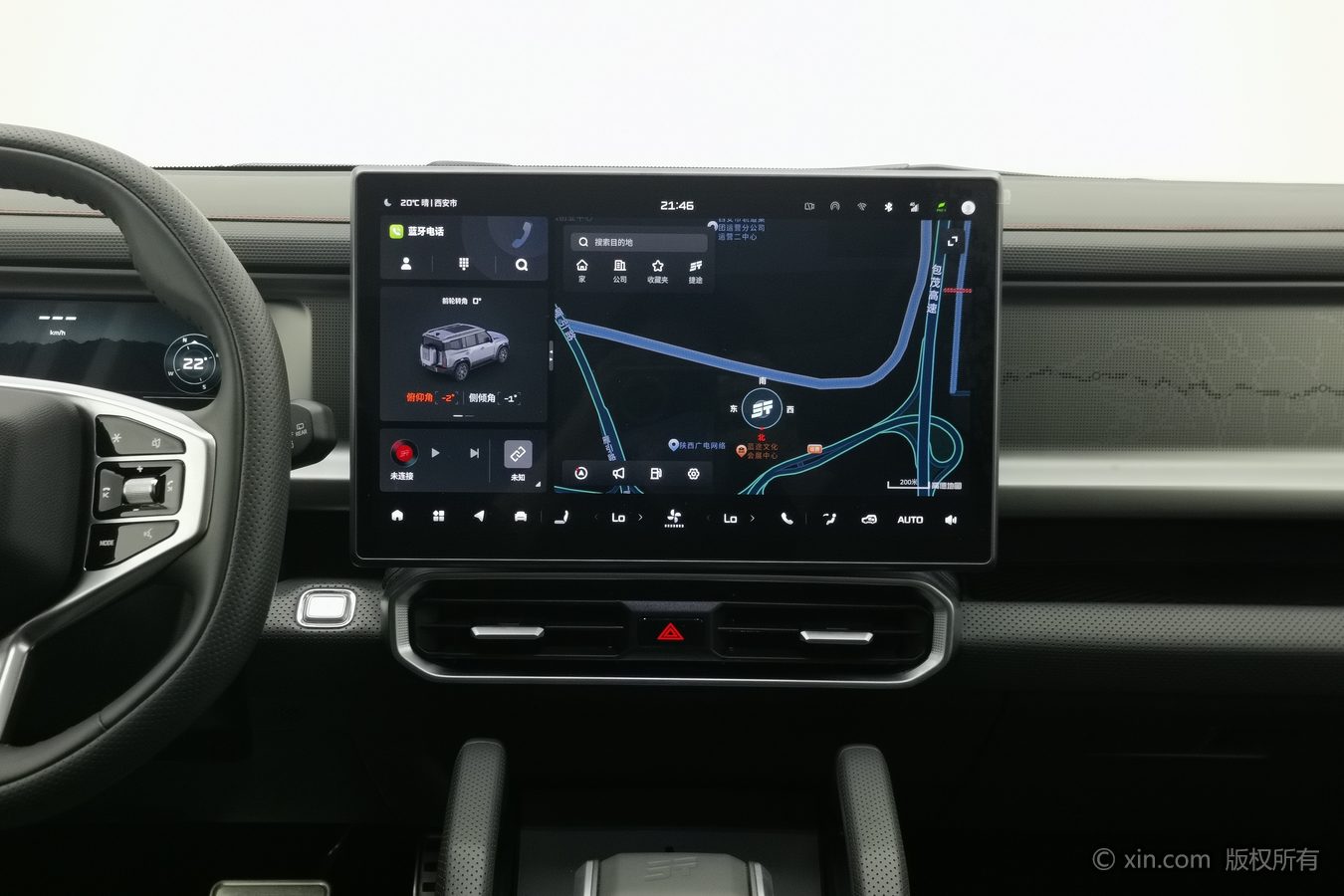
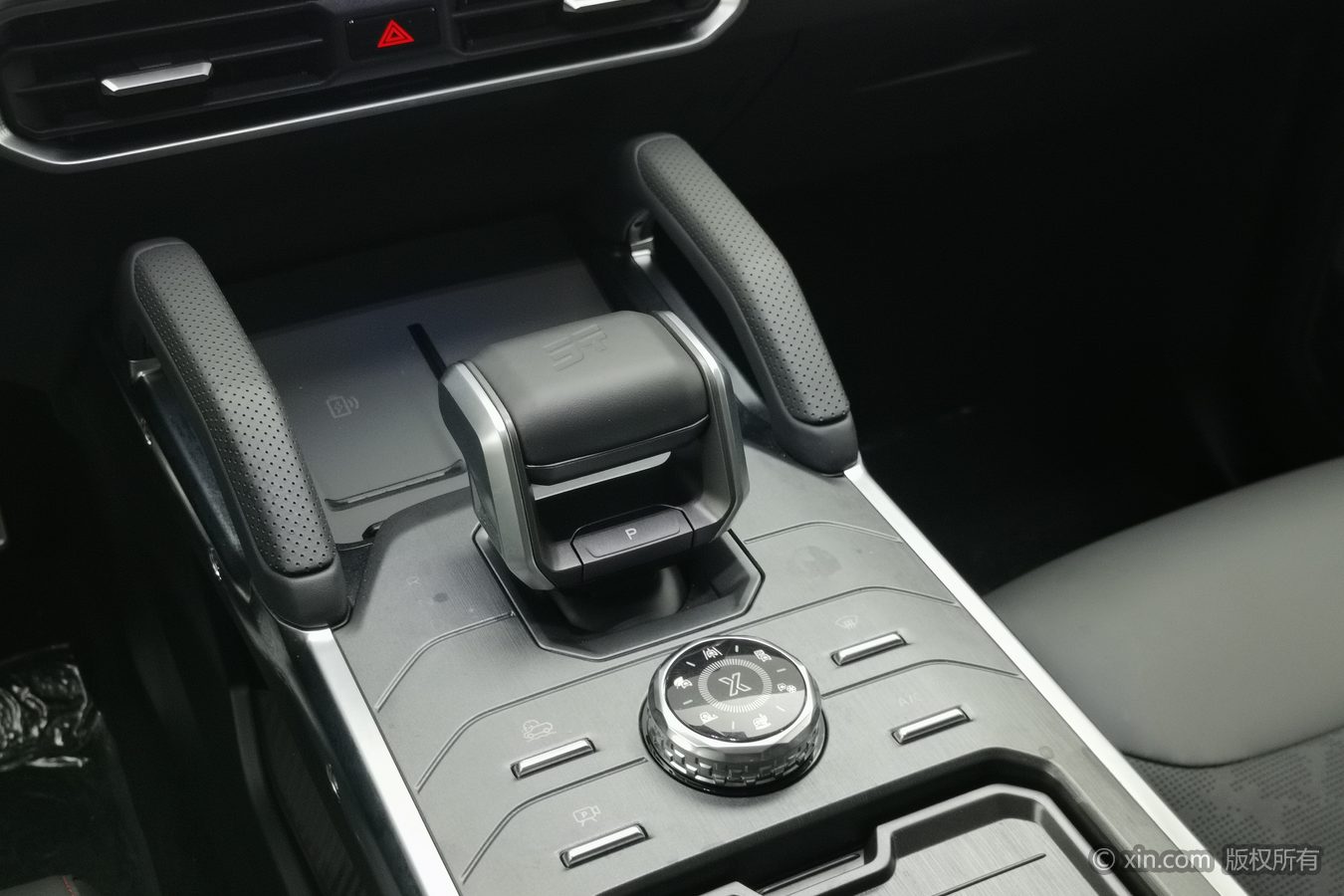
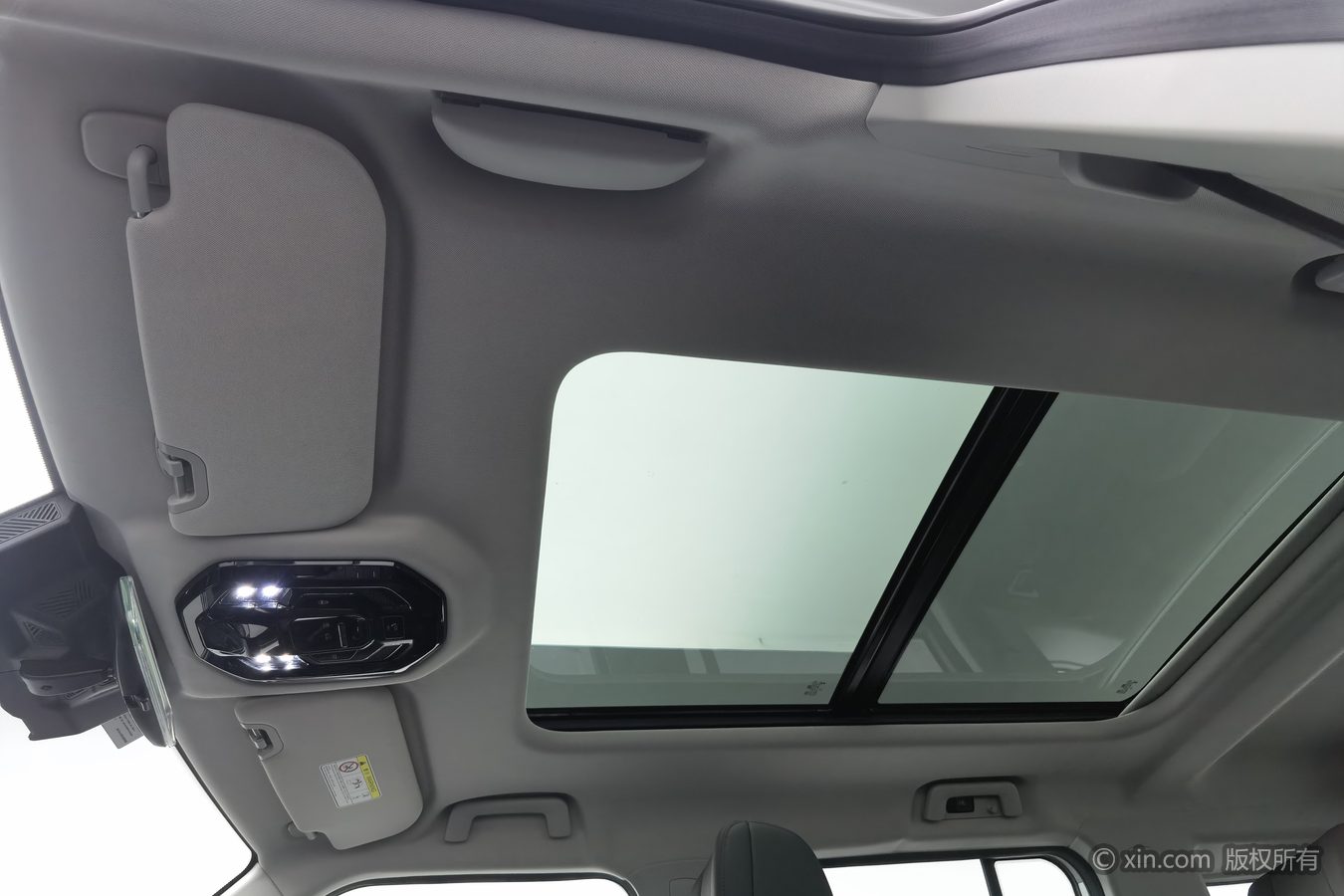
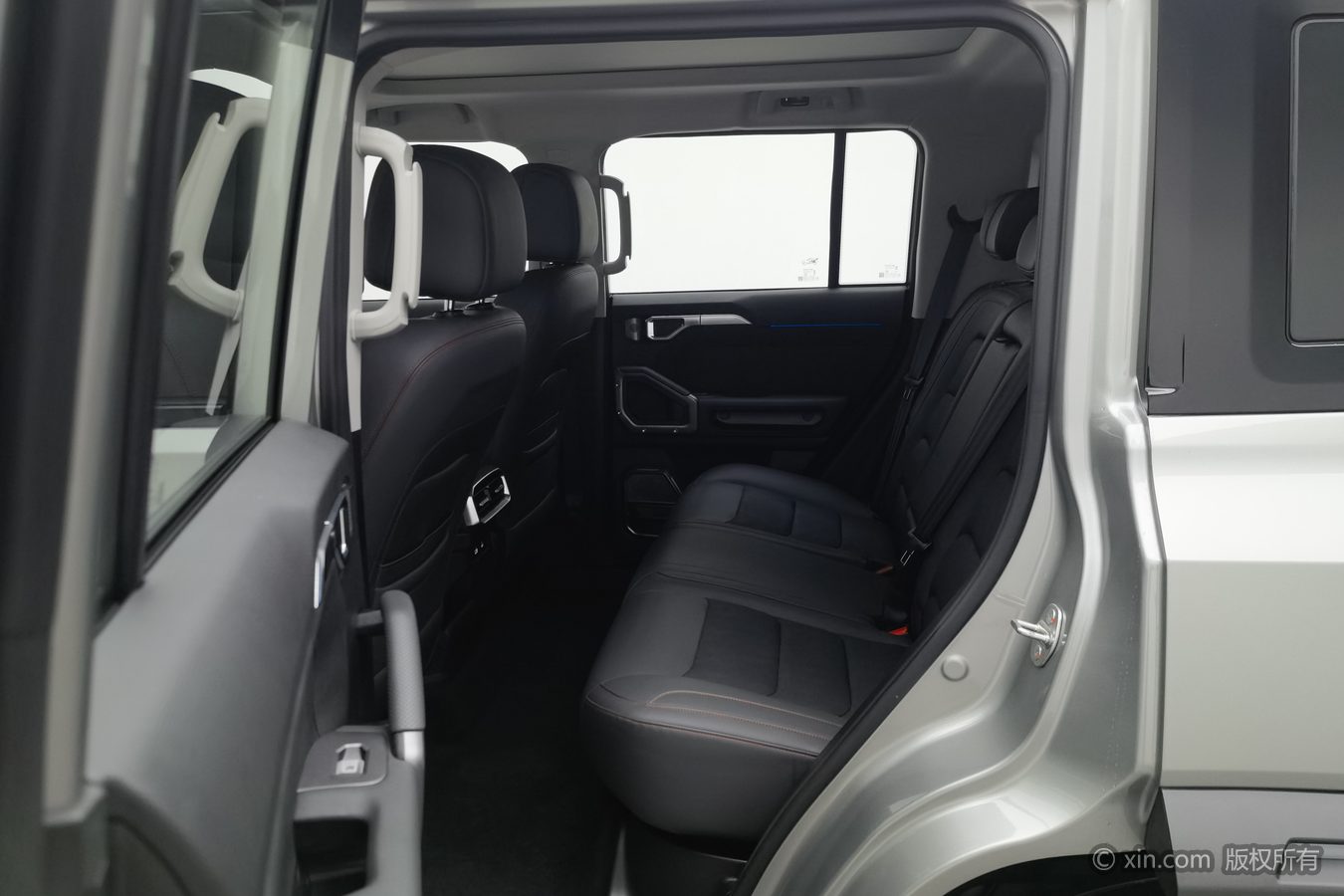
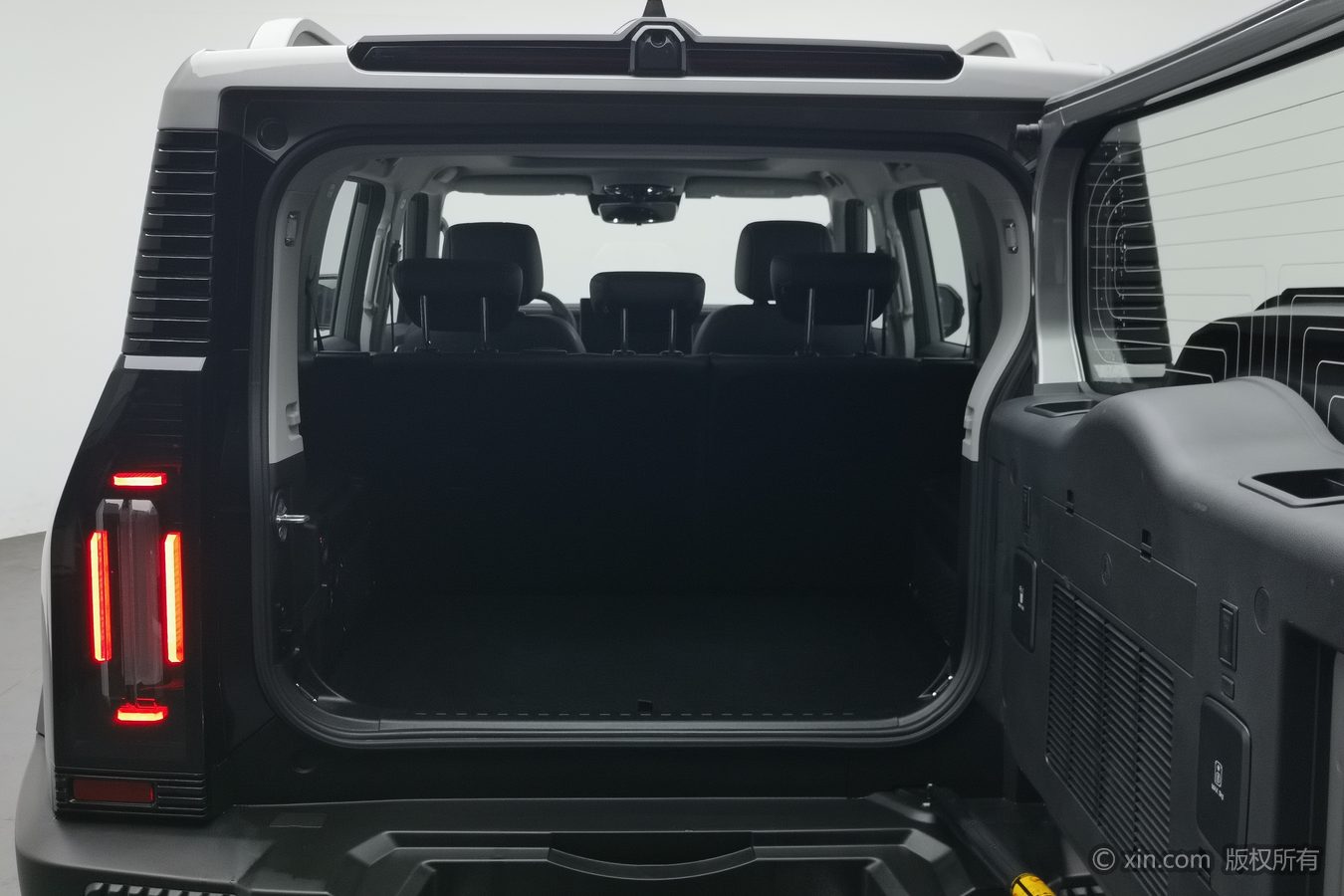
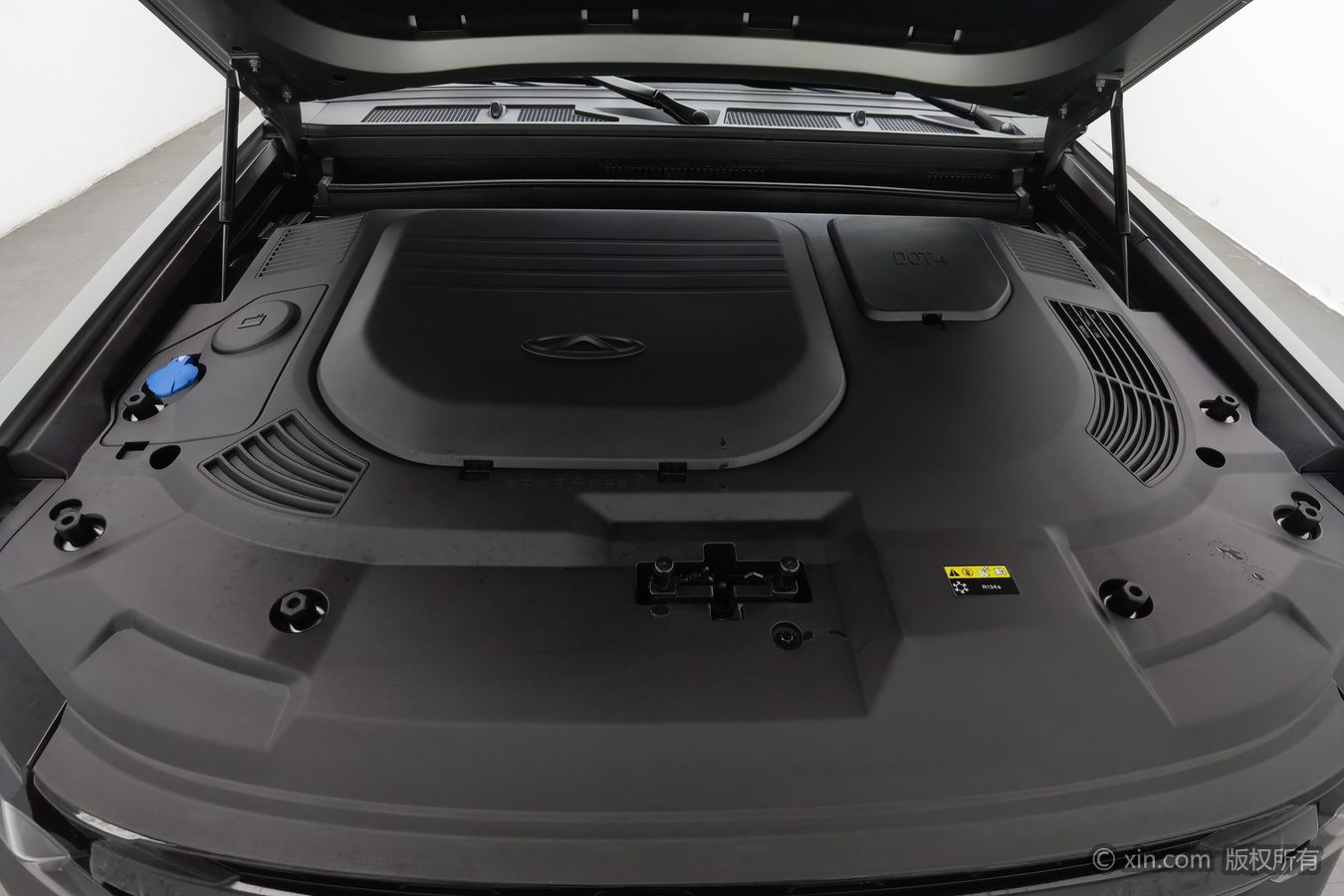
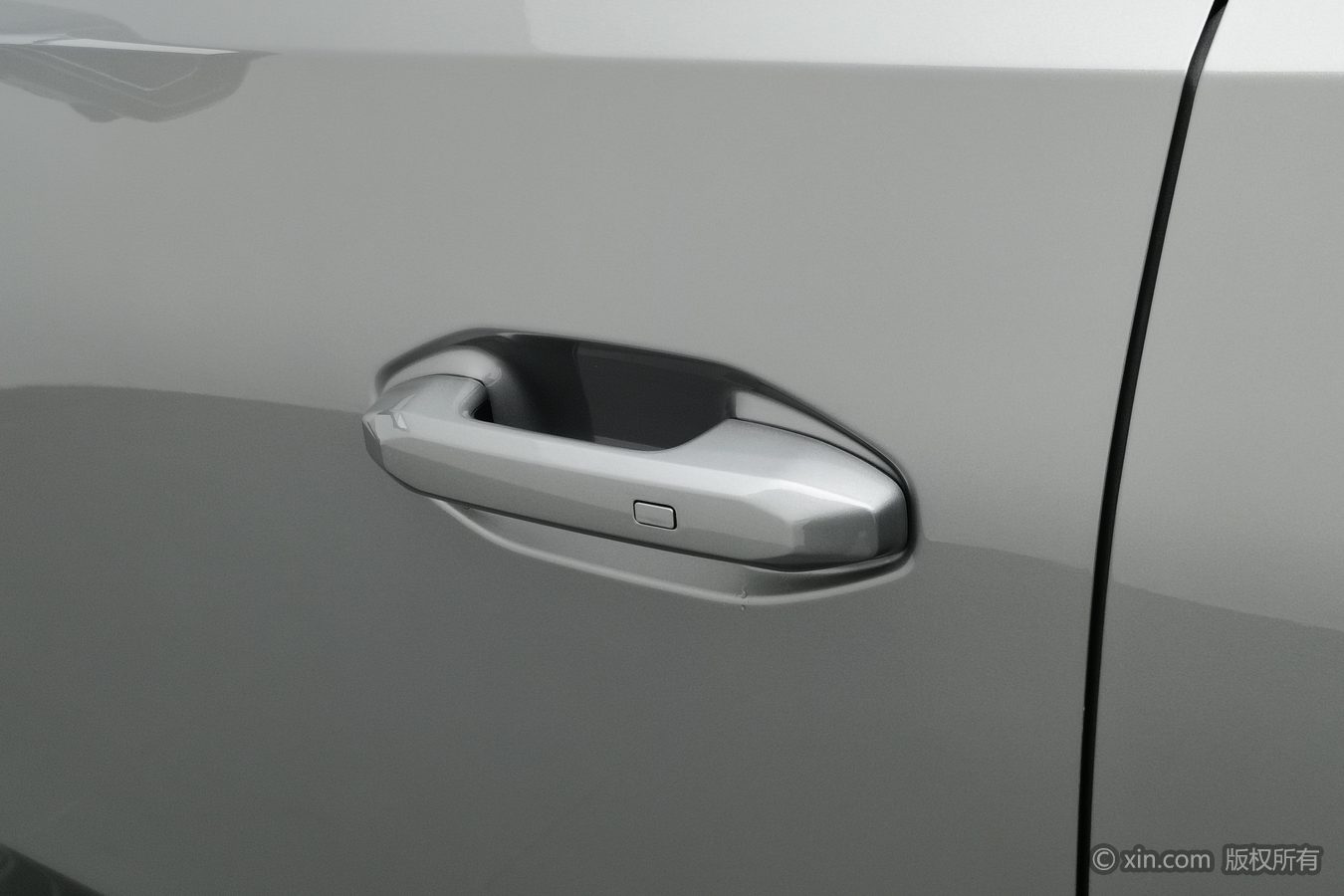
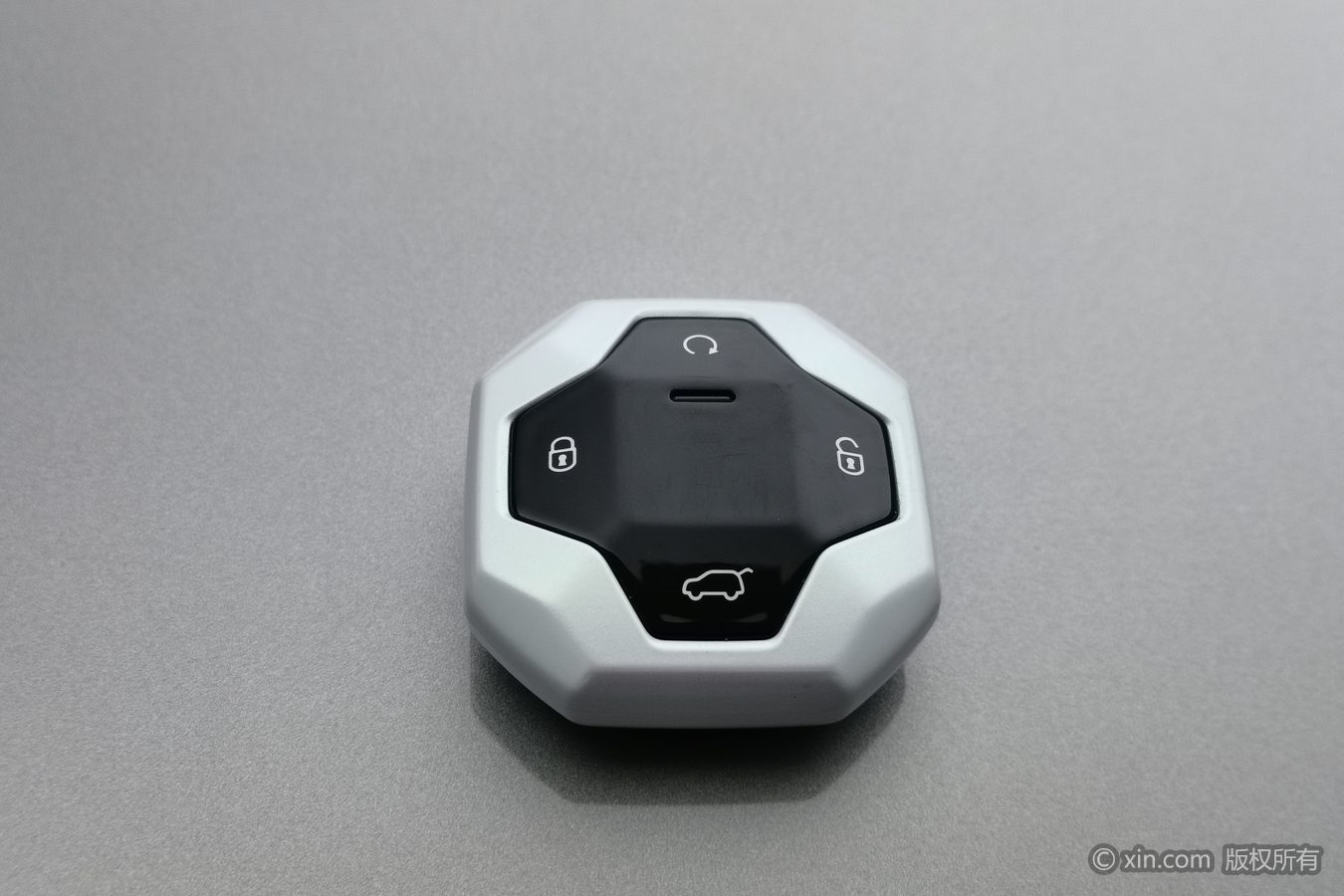
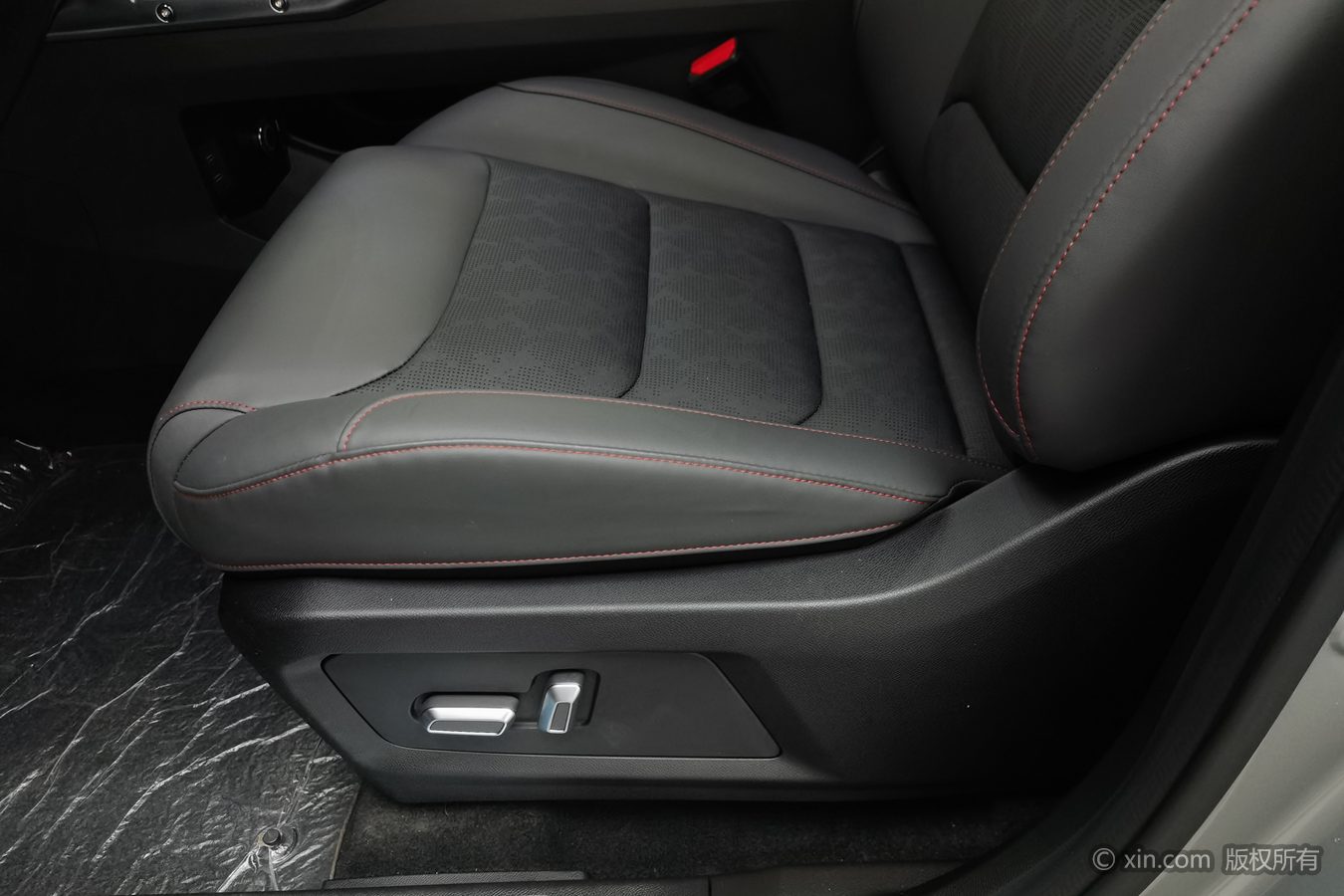
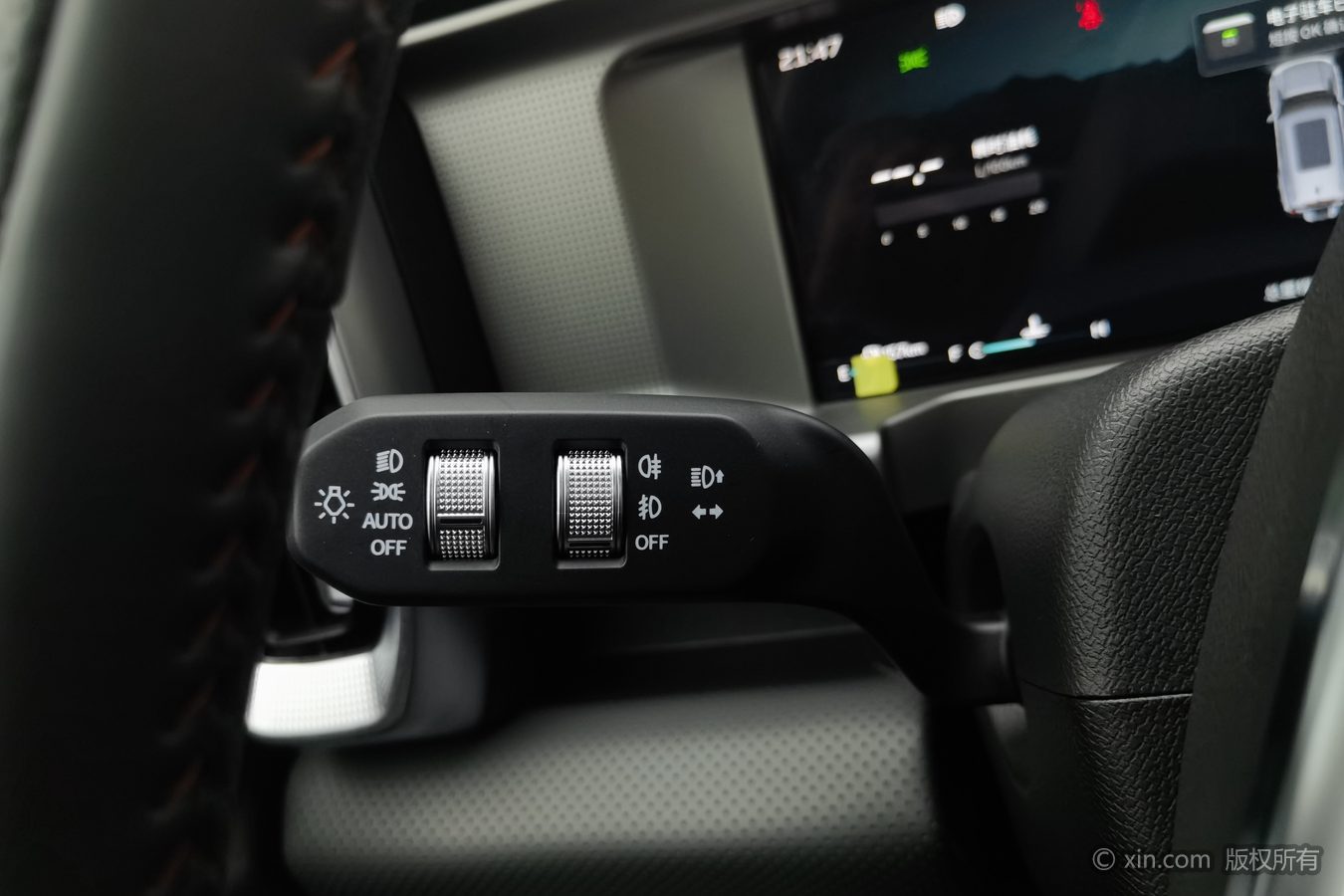
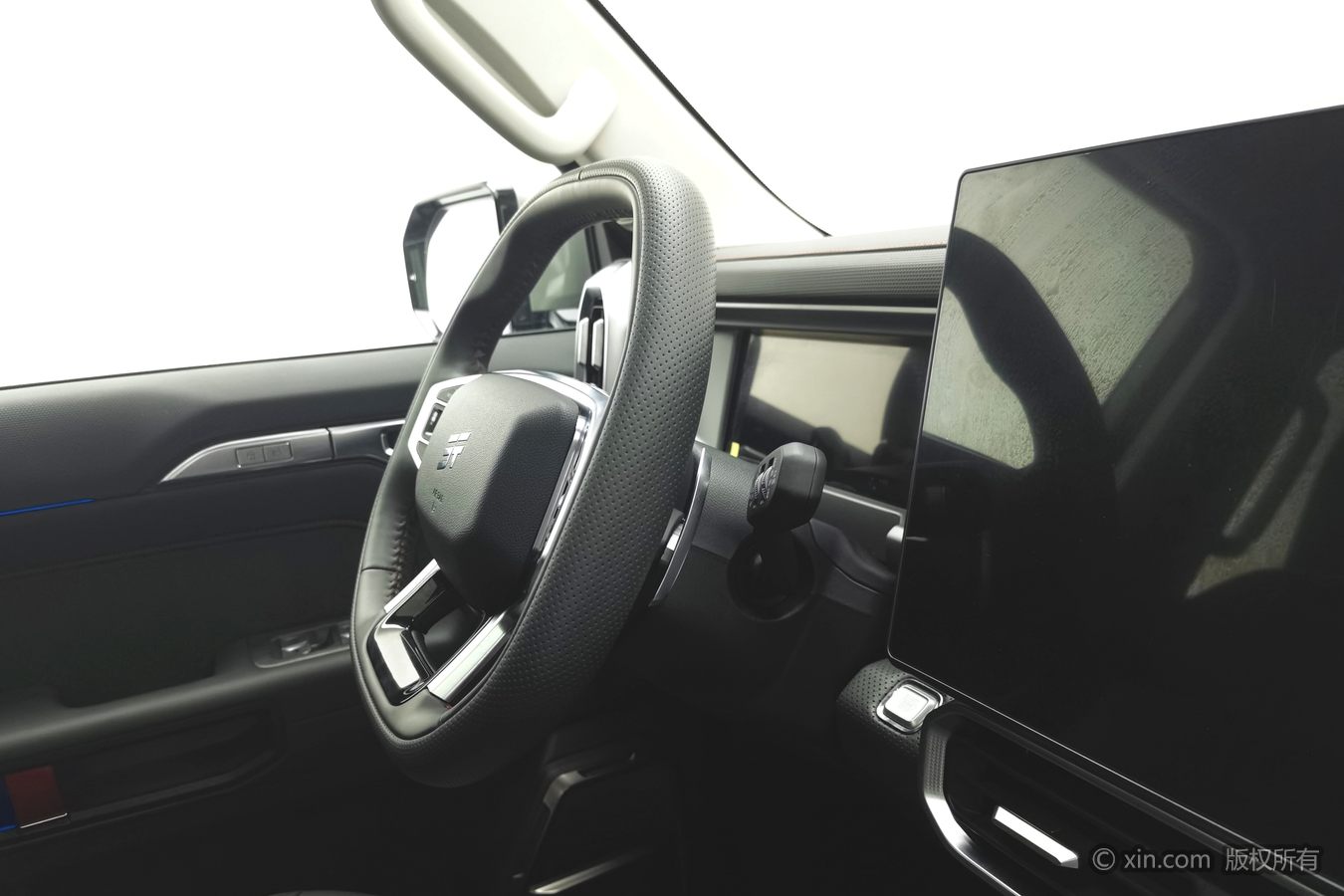
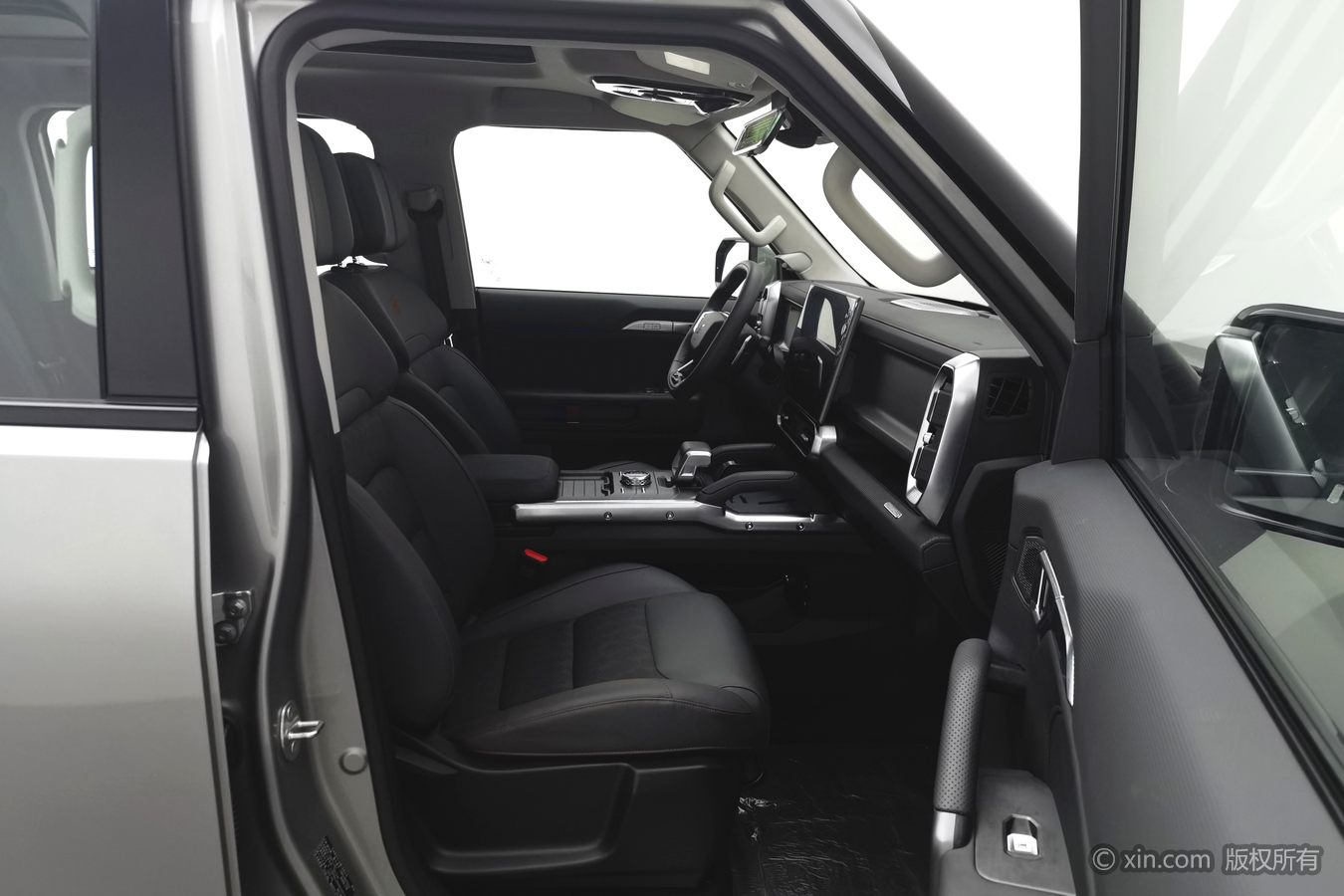
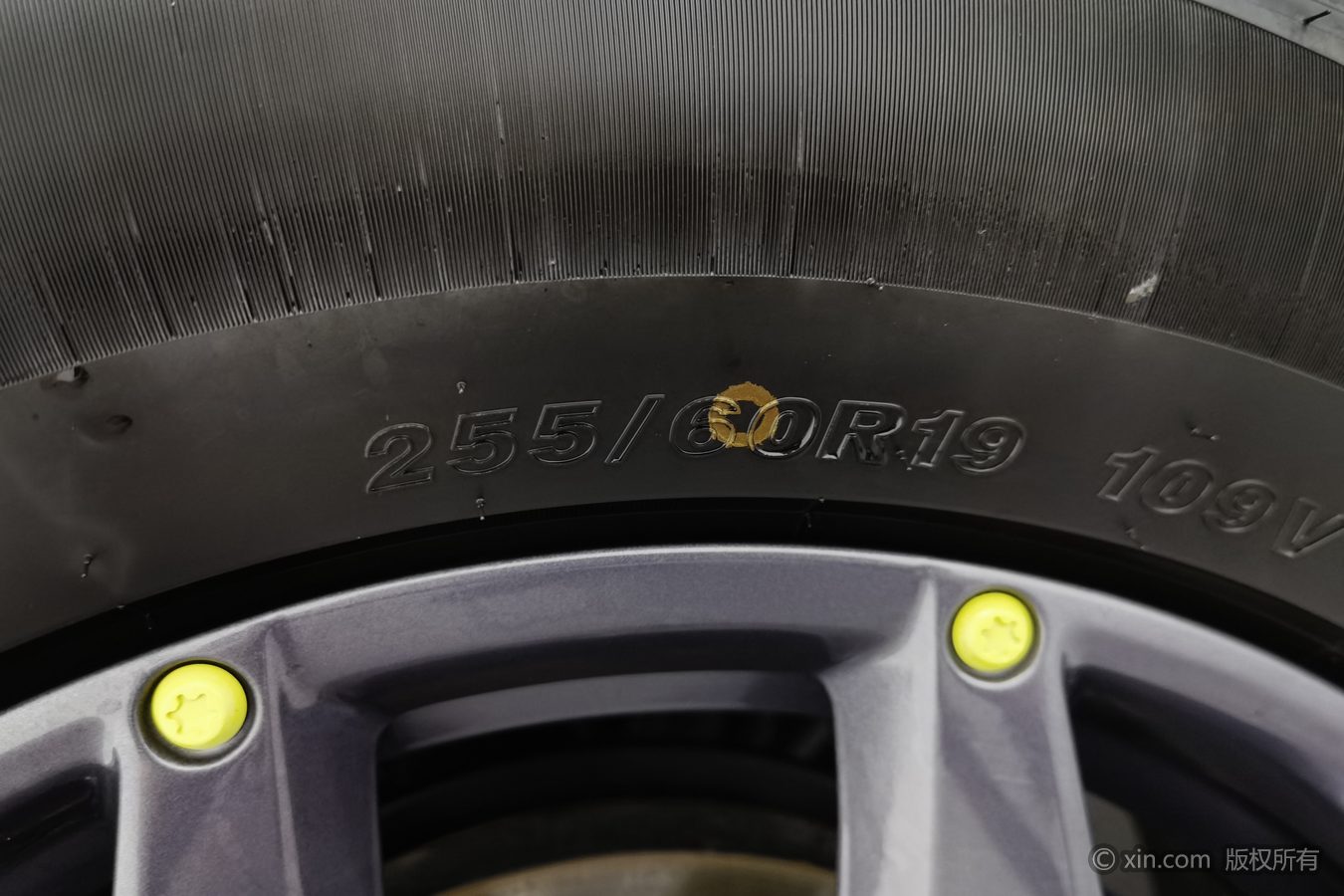



Basic Information

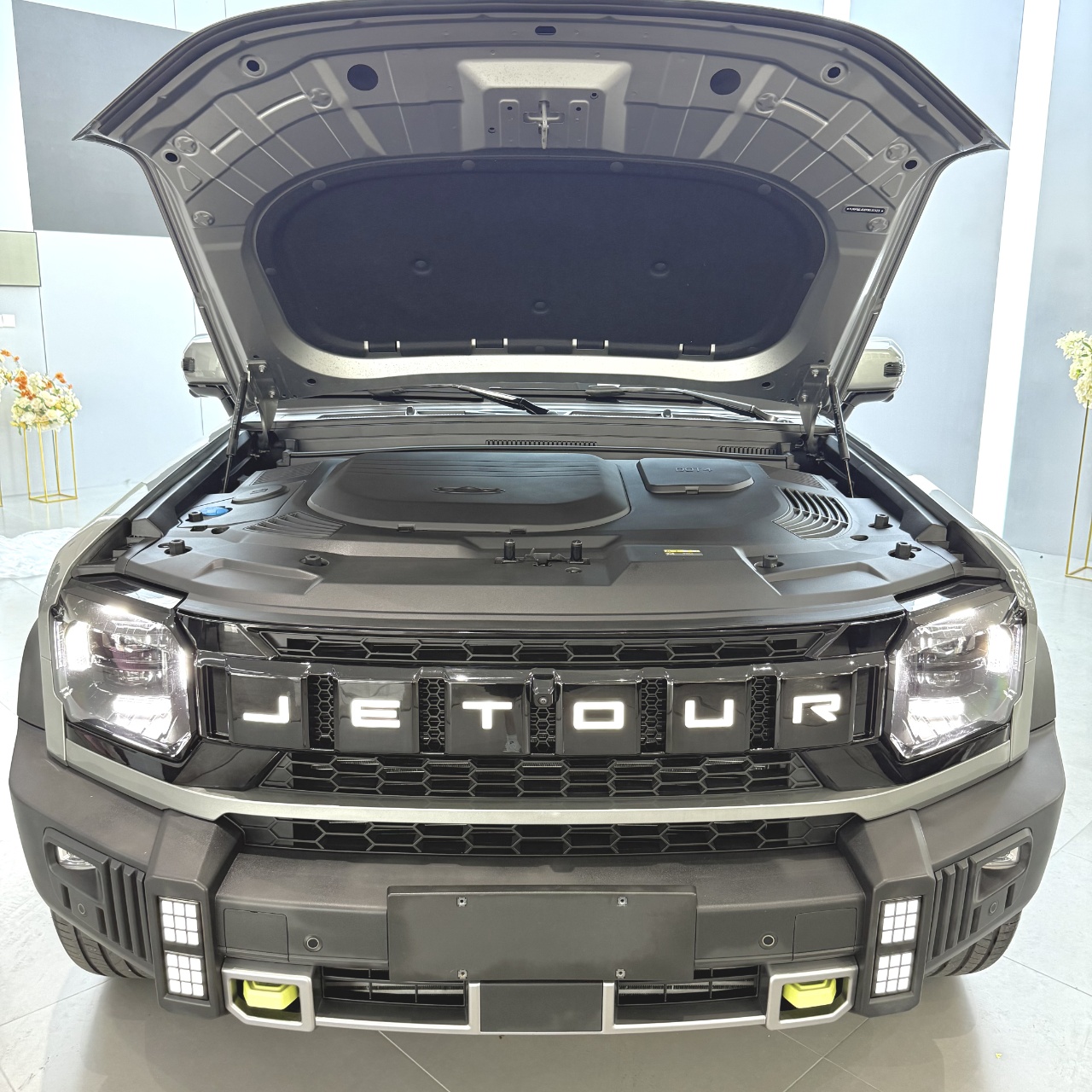
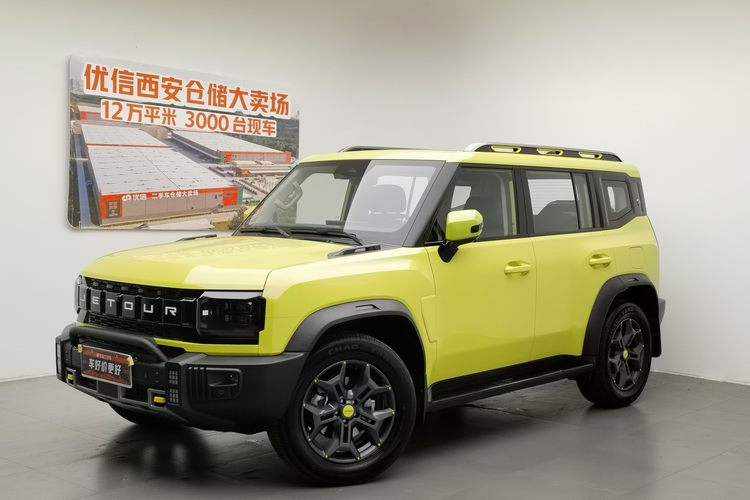
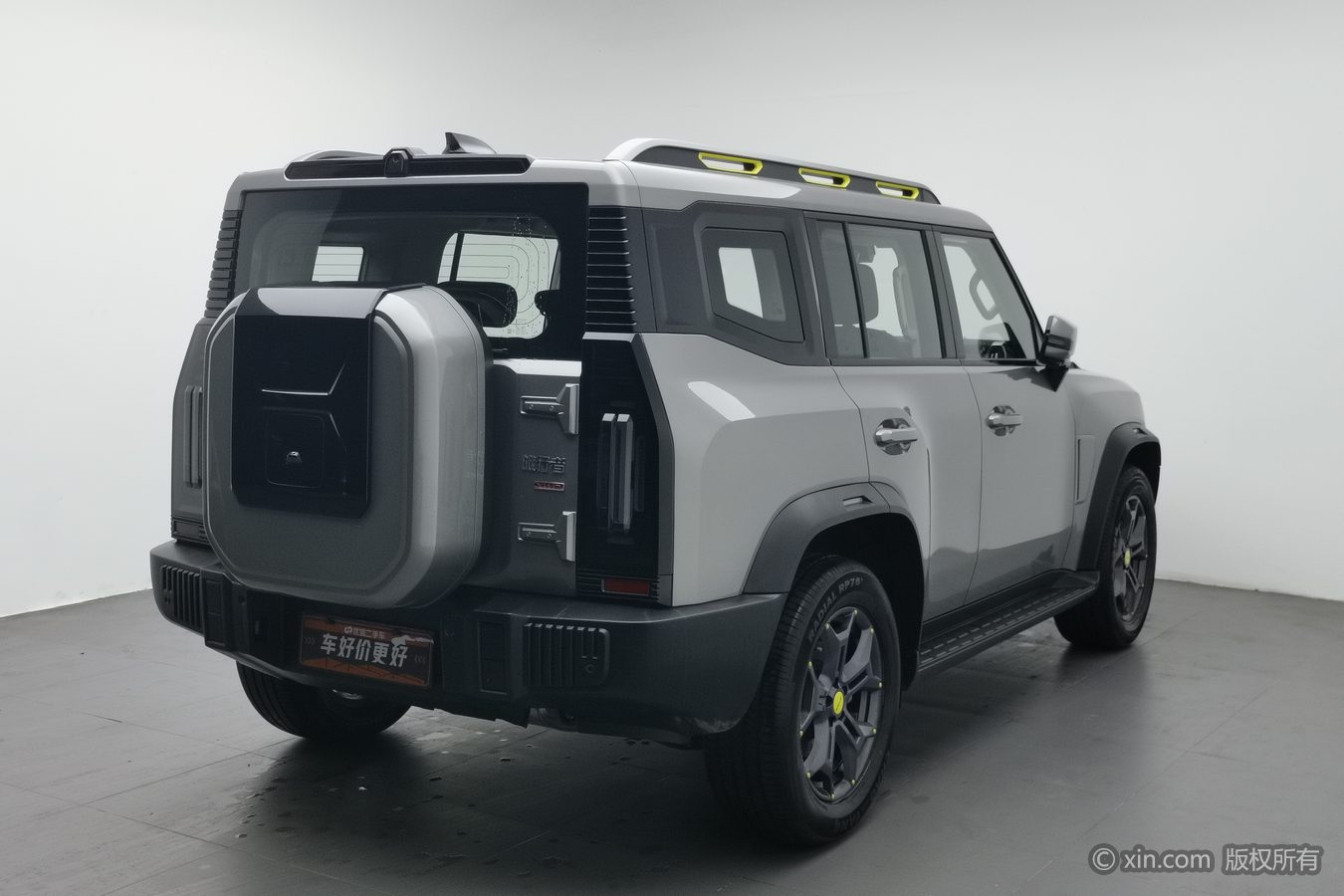
BrandJetour
SeriesTraveller
Year2024
First Registration2024/07
Mileage11,000km
Transfer Count0times
FuelGasoline
TransmissionDCT
Engine2.0T 254 L4
ColorGrey
Seats5seats

Condition Description

No odometer tampering, no structural damage, no water damage, no fire damage.

Configuration Highlights

✓Lane Keep Assist
✓前碰撞预警
✓Adaptive Cruise Control
✓液晶仪表盘

Document Information

Inspection Expiry Date2028/07
Warranty Expiry Date-
Insurance Expiry Date-

Q&A

More

What should I do if my car arrives damaged after shipping from China?

Act immediately at the port: 1) Inspect the car before signing anything. Note every scratch, dent, or missing item on the delivery receipt — add remarks like "container seal intact, right door dented" before you sign. 2) Take dated photos and video of the damage from multiple angles, including the container exterior and seal number. 3) Report to the shipping line or agent in writing within 3 days, and notify the insurance company if you bought cargo insurance — most policies require notice within 7 days of delivery. 4) Get a written repair estimate from a local body shop. Claims succeed or fail on documentation: the signed delivery receipt with remarks, photos, and the bill of lading are your evidence. Without remarks on the delivery receipt, the carrier will argue the damage happened after discharge.


How can I confirm the real mileage of a used Chinese car when I'm buying from overseas?

Odometer rollback happens everywhere, so never trust the dashboard number alone. Cross-check at least three sources: 1. Maintenance records: Chinese 4S dealerships keep service logs tied to the VIN. Ask the exporter for screenshots showing recorded mileage at each visit — the numbers should rise consistently. 2. Inspection reports: China requires periodic emissions/safety inspections, and the mileage is logged at each one. The exporter can pull the car's inspection history. 3. Tire and wear clues: Compare the claimed mileage with brake pedal rubber, steering wheel shine, seat bolster wear, and the tire production dates. A car showing 30,000 km with a polished steering wheel and second set of tires is suspicious. Also check the dashboard for uneven digits or scratches around the odometer area in photos. If maintenance and inspection records roughly agree, the reading is usually trustworthy; if the seller refuses to share records, treat the mileage as unknown and negotiate accordingly.

RoRo, container, or flat rack: which shipping method should I choose for a used car from China?

RoRo (roll-on/roll-off): the cheapest per car for running vehicles. Cars are driven onto the vessel and secured on decks. Transit to major ports (Jebel Ali, Rotterdam, Karachi) takes 15 to 35 days. Downside: cars are exposed to weather and salt air, and minor handling scratches happen occasionally. Container (20ft/40ft): one 40ft high-cube fits one car with parts, or two small cars with racking. Cost is higher than RoRo but cars are sealed and protected. Best for high-value vehicles, EVs (battery safety rules often require container), or when shipping spare parts together. Flat rack: for oversized vehicles (trucks, buses, modified cars). Priced per dimensions. Practical advice: for a standard used car to a port with RoRo service, choose RoRo and add marine insurance (0.3%–0.8% of value). If your destination lacks RoRo calls or you ship an EV, use a container. Always get the booking confirmation and bill of lading copy before paying the final balance.