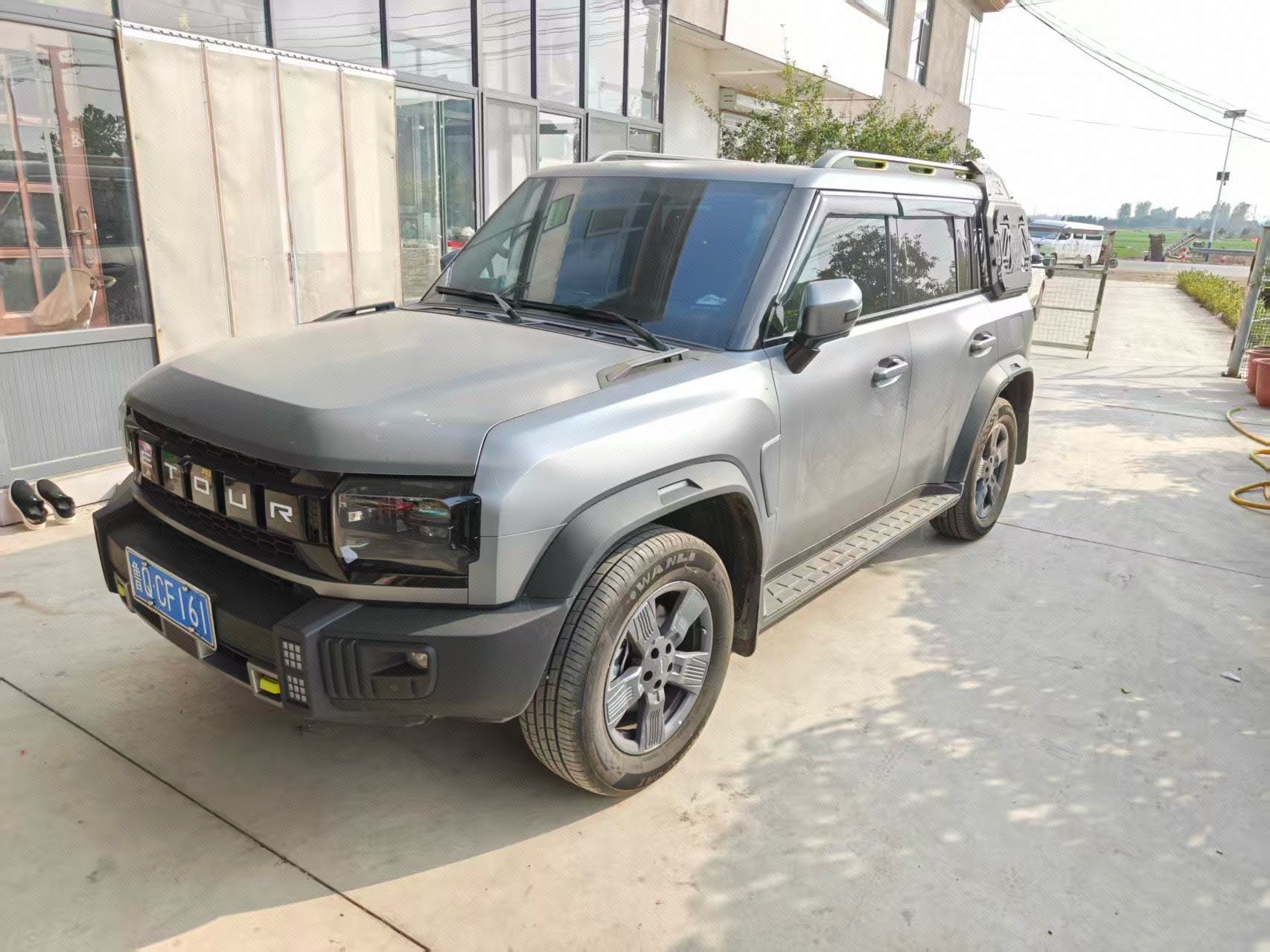



Sold

Basic Information

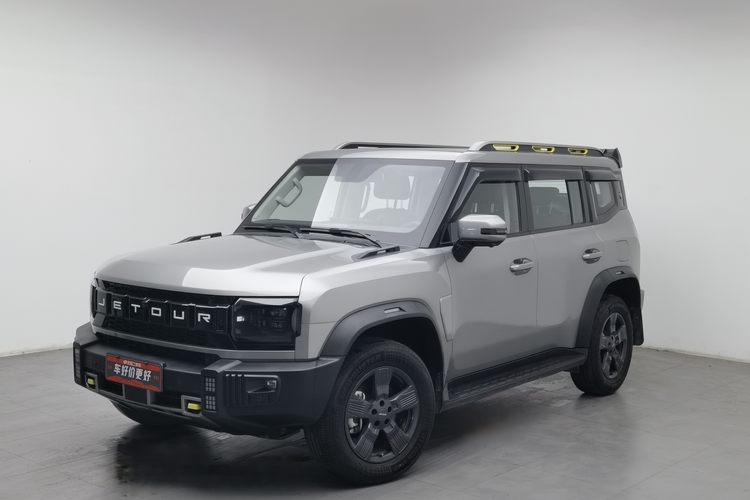
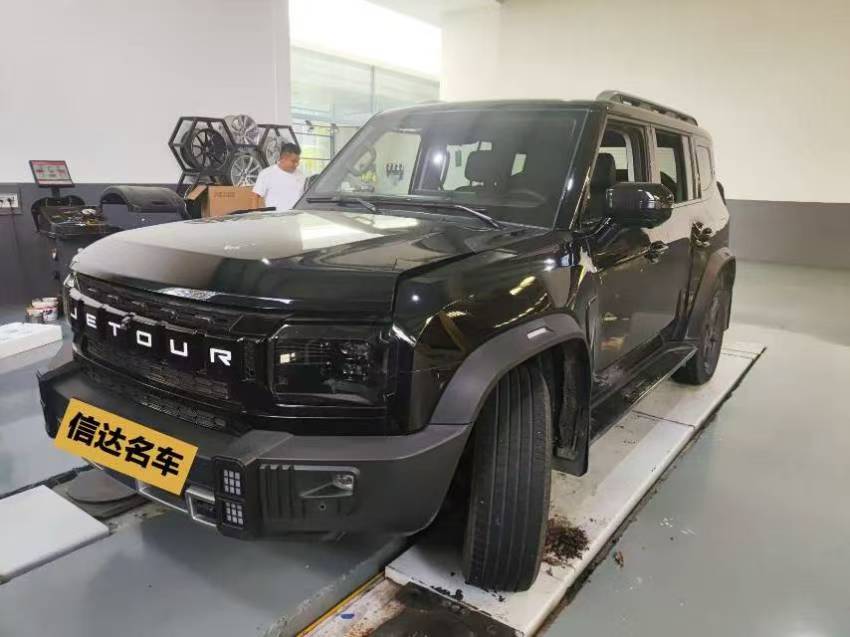
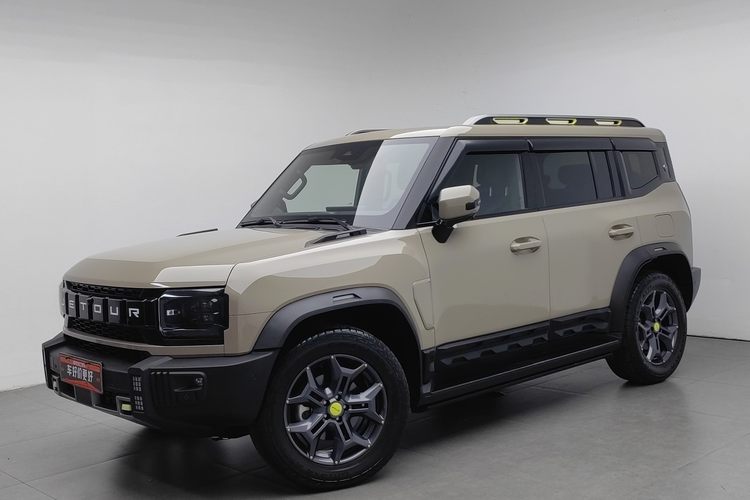
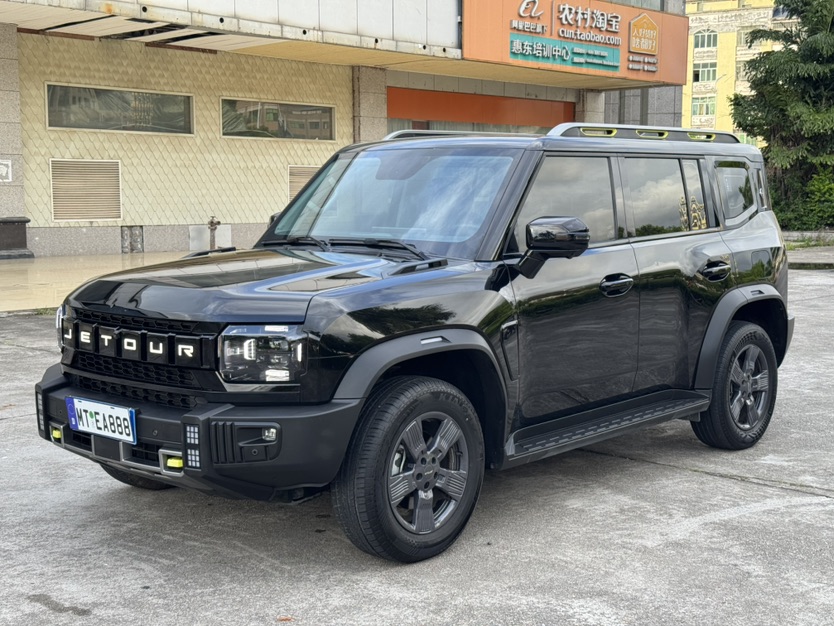
BrandJetour
SeriesTraveller
Year2024
First Registration2024/09
Mileage13,000km
Transfer Count0times
FuelGasoline
TransmissionDCT
Engine1.5T 184 L4
ColorGrey
Seats5seats

Condition Description

First owner, original paint, genuine odometer reading.

Document Information

Inspection Expiry Date-
Warranty Expiry Date-
Insurance Expiry Date2027/09

Q&A

More

How do I track my car's shipment from China, and which shipping documents should I receive?

Once the car is loaded, the exporter (or freight forwarder) should send you a booking confirmation and, after departure, the Bill of Lading (B/L). The B/L is the key document: it shows the shipper, consignee, vessel, ports, and usually the VIN and container number. You can track the vessel on the shipping line's website using the B/L number or container number, or through third-party trackers like MarineTraffic. As the shipment approaches, the agent at destination issues an Arrival Notice. To collect the car you will typically need the original B/L (or a telex release/e-release), the arrival notice, your ID, and customs clearance paperwork. Check the B/L carefully as soon as you receive it—VIN, container number, and your name must be exactly right, because correcting a B/L mid-voyage is slow and expensive.


How long does importing a used car from China take from order to delivery, and what are typical lead times for each step?

A realistic timeline: sourcing and negotiation 3-7 days; deposit and booking 1-2 days; pre-shipment inspection 2-4 days; export clearance and vessel booking 7-14 days; sea freight 2-5 weeks depending on destination; import customs clearance and port release 5-10 days. Overall, plan for roughly 5-8 weeks from order to port of destination by sea. For Central Asia and Russia by rail, 2-3 weeks total is common. Tips: ask the exporter for a written schedule with milestones (inspection done, customs cleared, vessel loaded, ETA); track the vessel yourself once you have the container or booking number; and remember Chinese holidays — Chinese New Year and Golden Week can add 1-2 weeks of delay.

What insurance should I arrange when shipping a used car from China, and what do Incoterms like FOB and CIF mean for me?

Two separate protections matter: cargo insurance and contractual risk transfer. Cargo insurance: for container or RoRo shipments, buy marine cargo insurance covering total loss and damage, typically 110% of the CIF value (average cost 0.3%–0.8%). Check exclusions — many policies exclude pre-existing damage, so a pre-shipment inspection report is essential to prove the car's condition at loading. Incoterms define who bears risk and cost at each stage: 1. FOB (Free On Board): exporter pays until the car is loaded on the vessel; risk passes to you at that point. You pay ocean freight and insurance. Common and usually cheapest if you have your own freight forwarder. 2. CIF (Cost, Insurance and Freight): exporter pays freight and minimum insurance to your port. Convenient but the insurance coverage is basic — consider topping it up. 3. EXW (Ex Works): you handle everything from the exporter's yard; only choose this if you have a trusted agent in China. Put the agreed Incoterm and port clearly in the contract, and never release final payment before the Bill of Lading is issued.