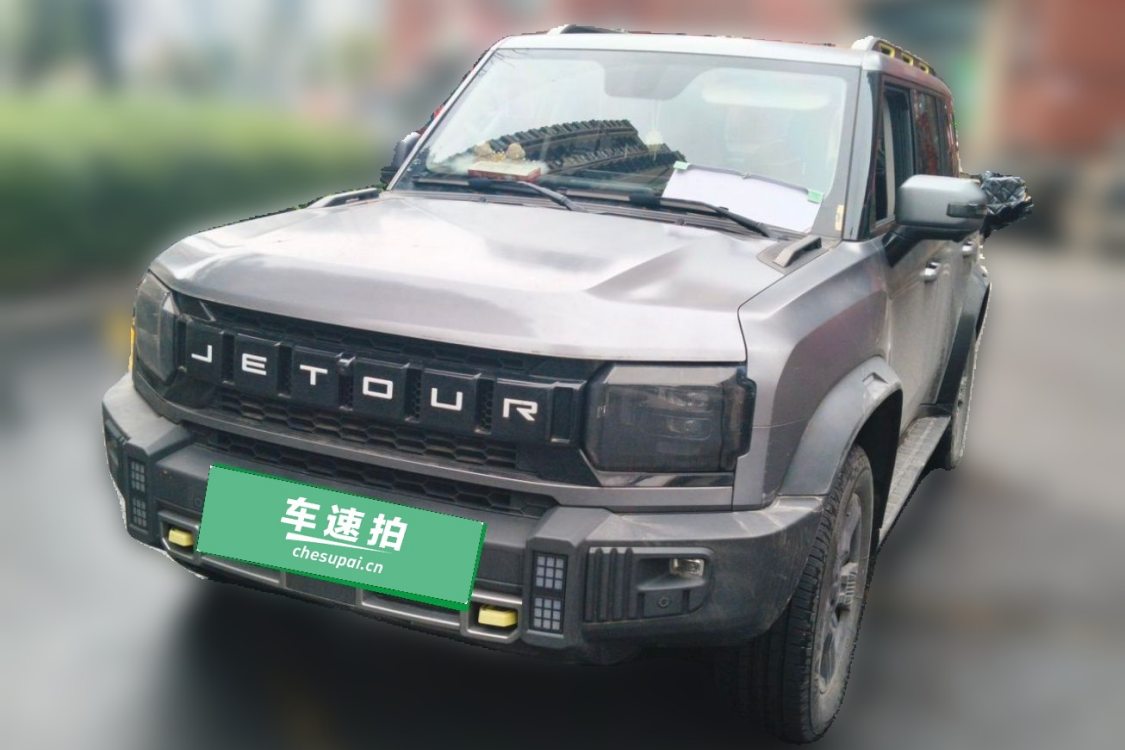
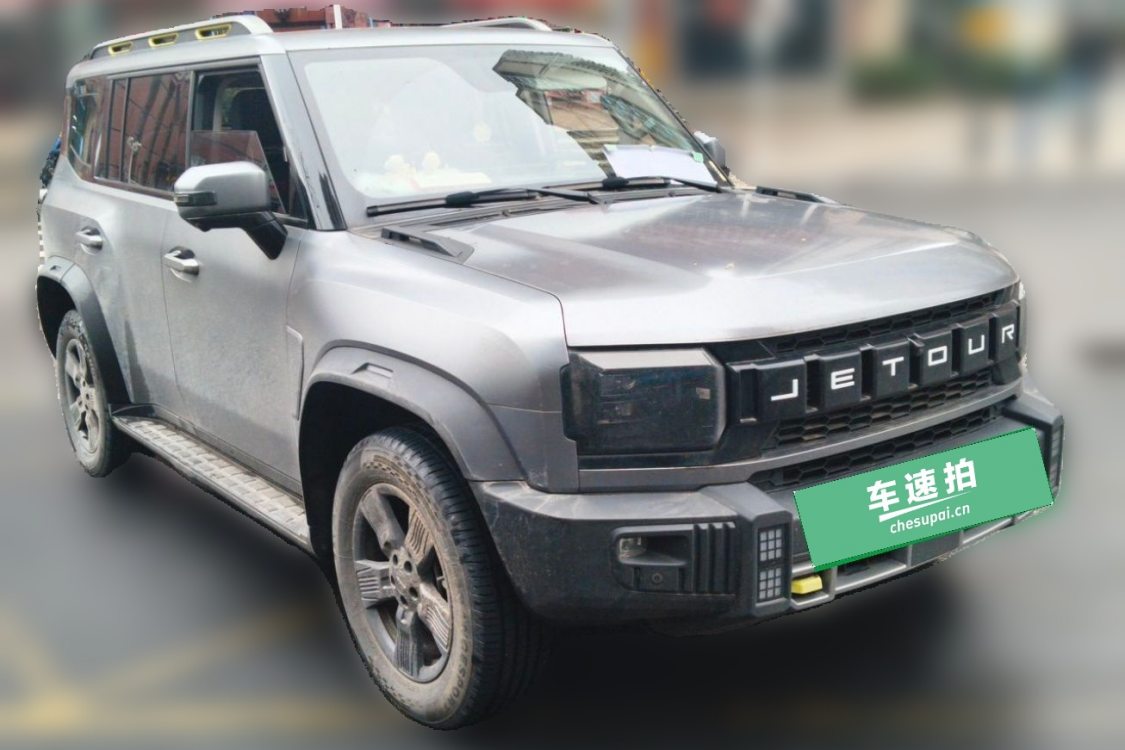
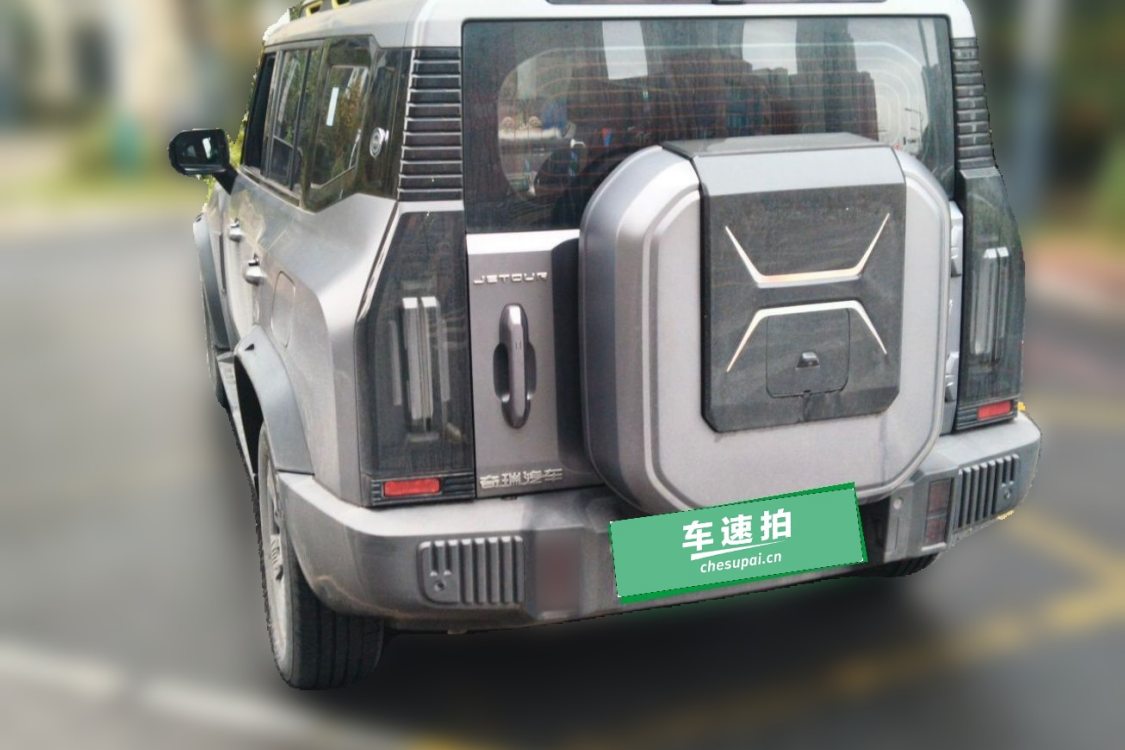
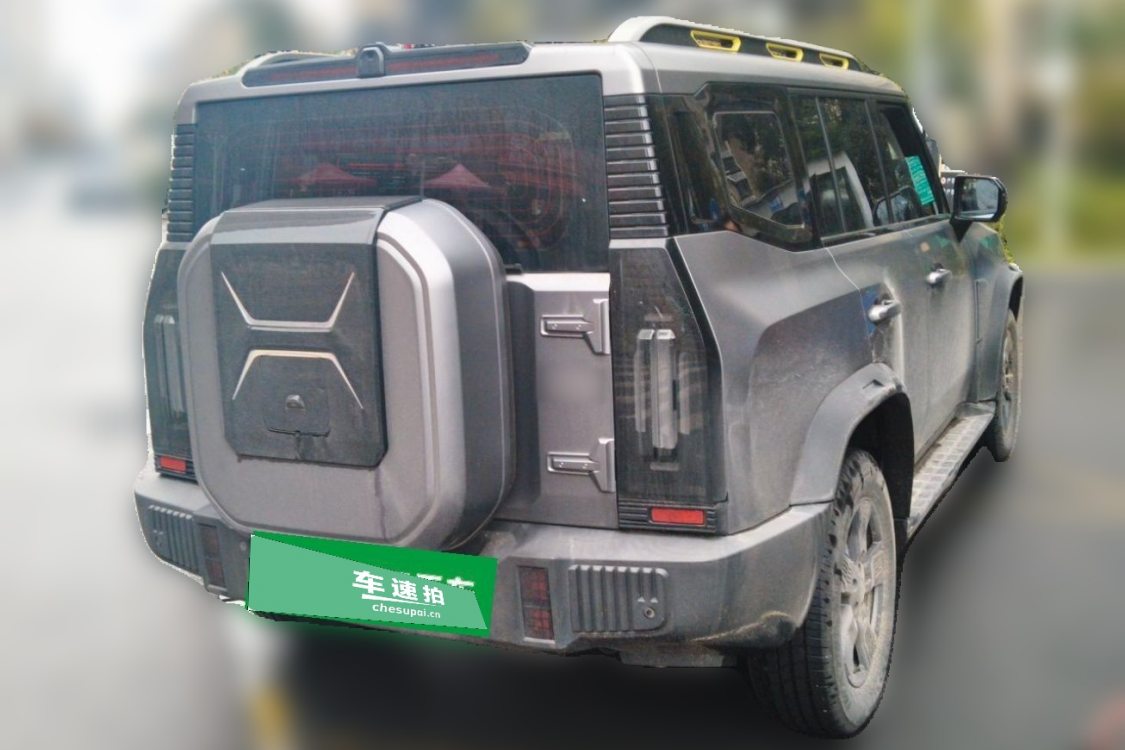
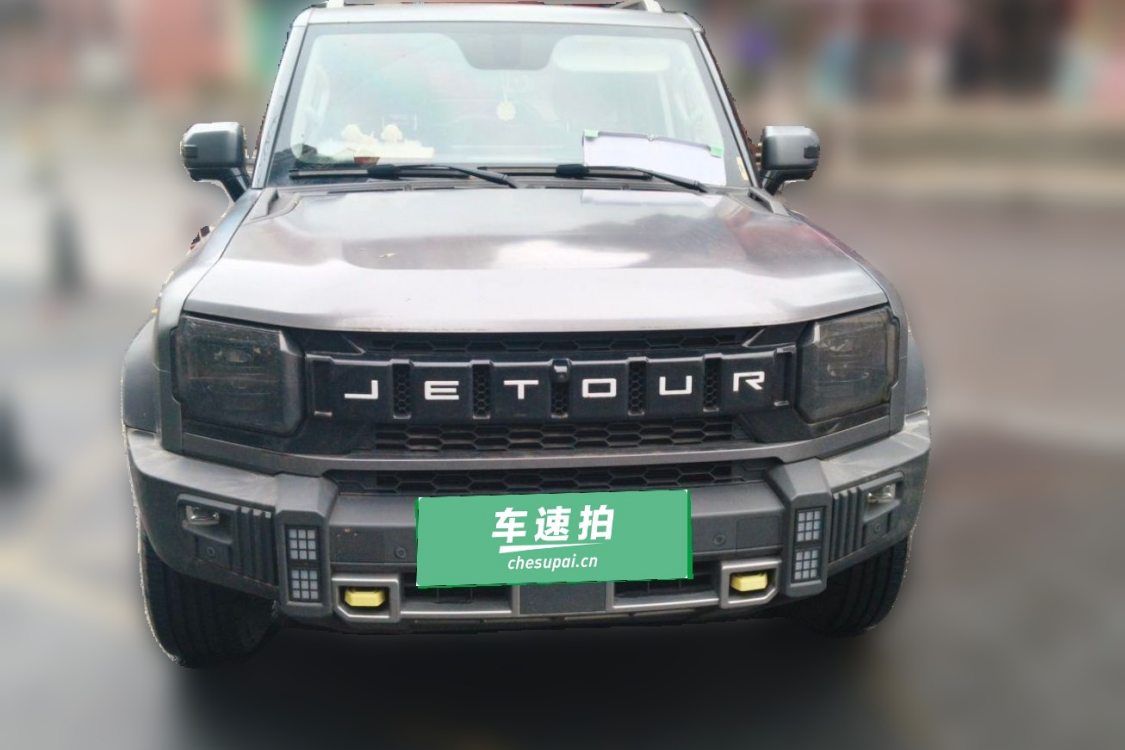
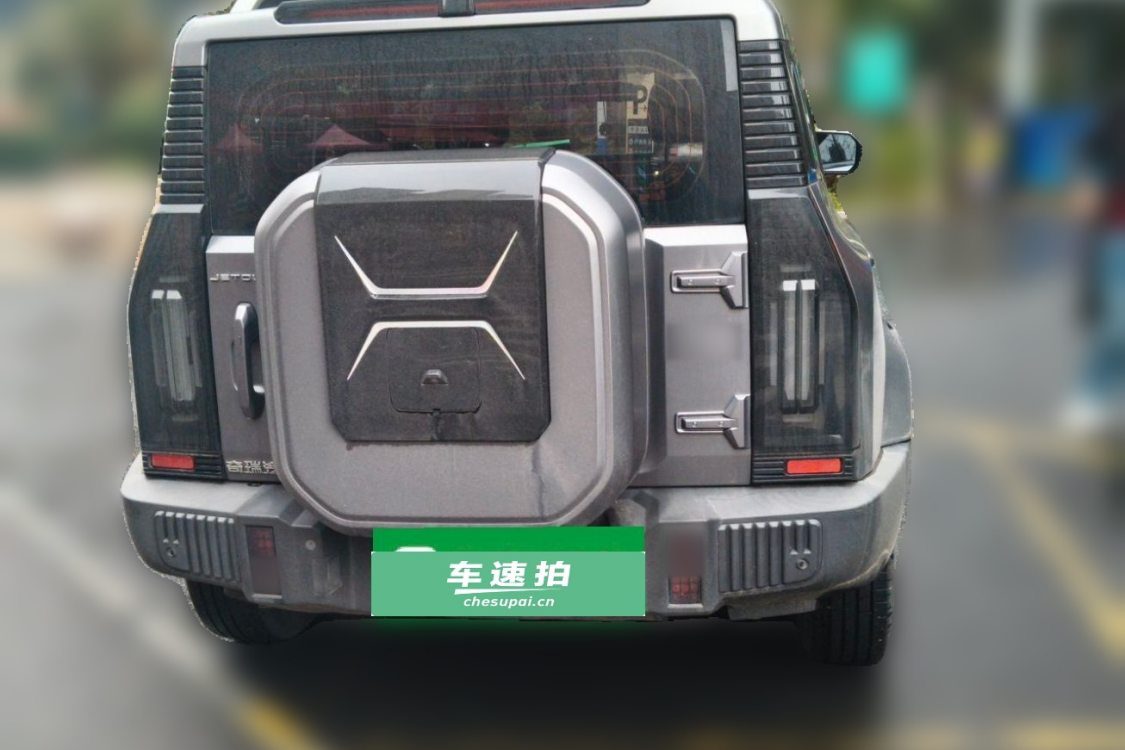
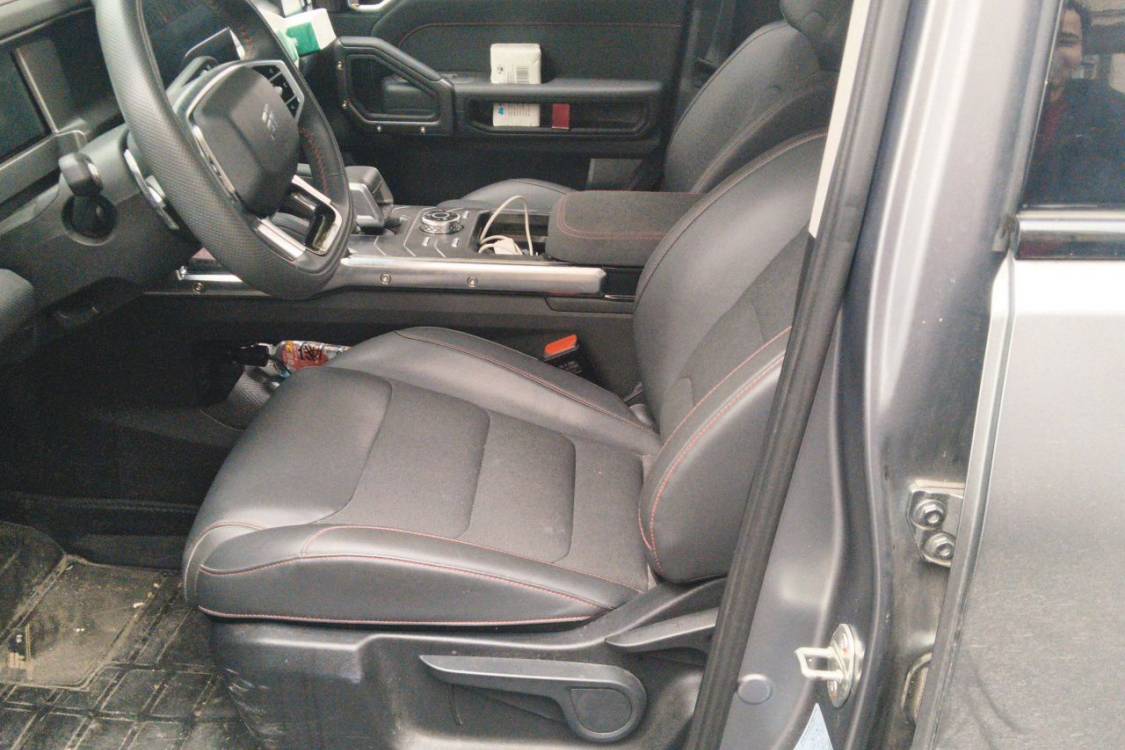
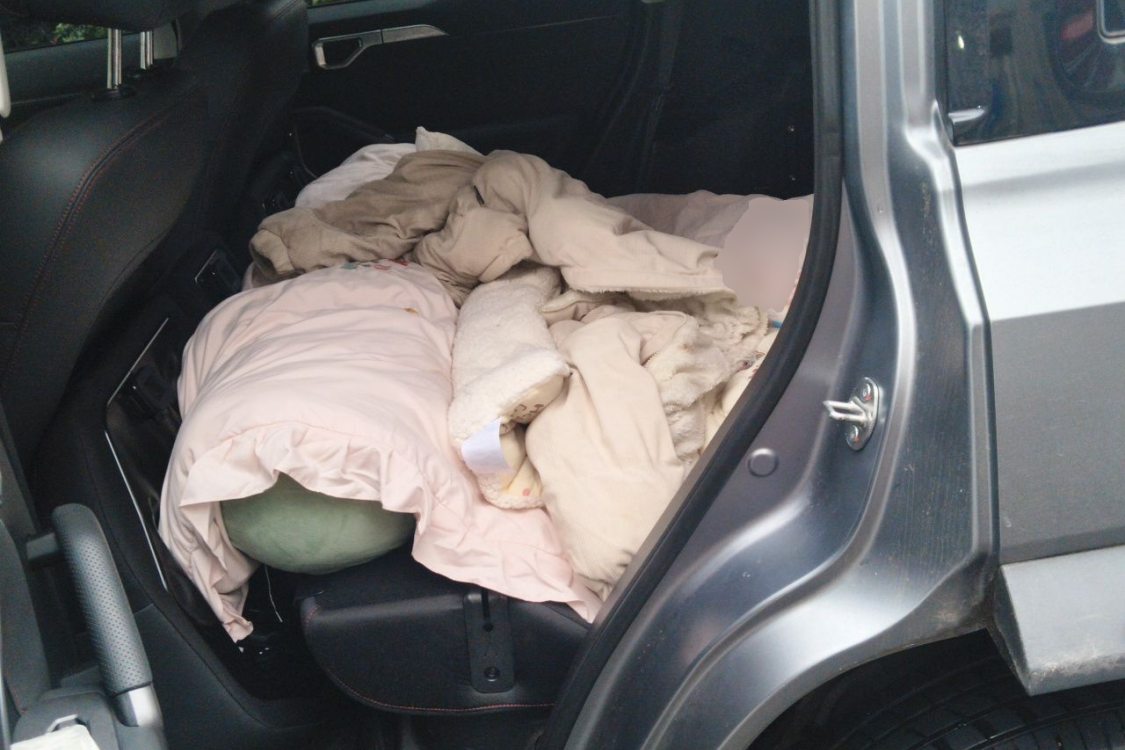
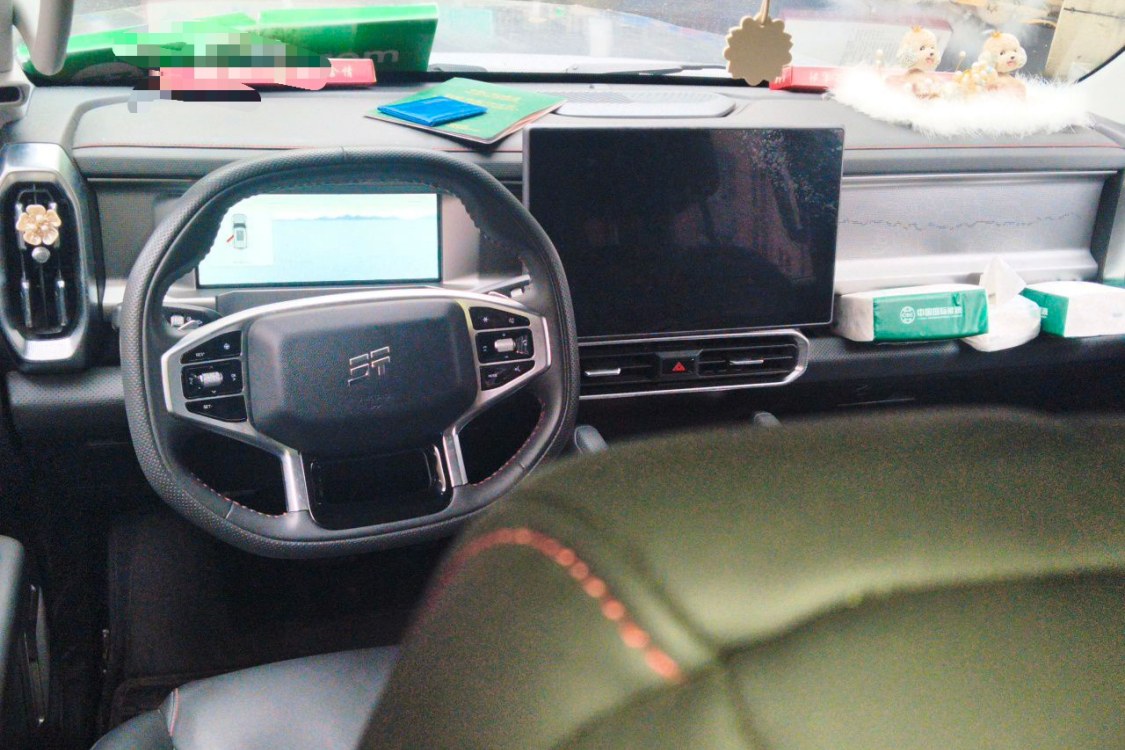
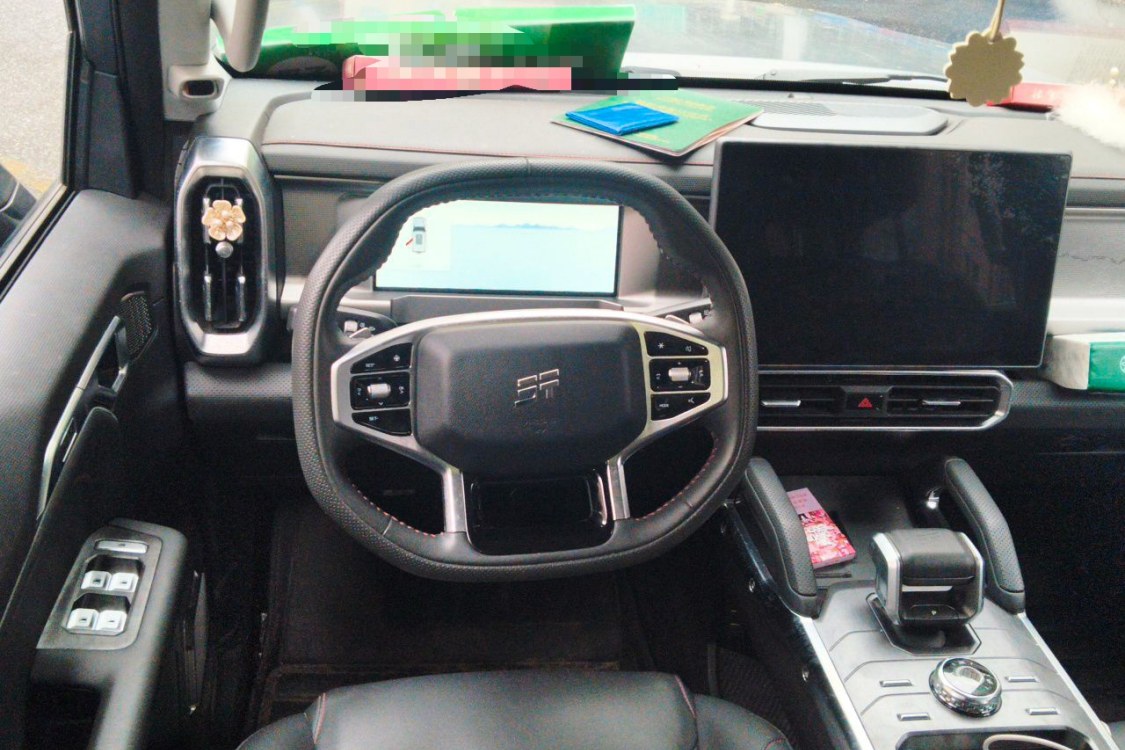
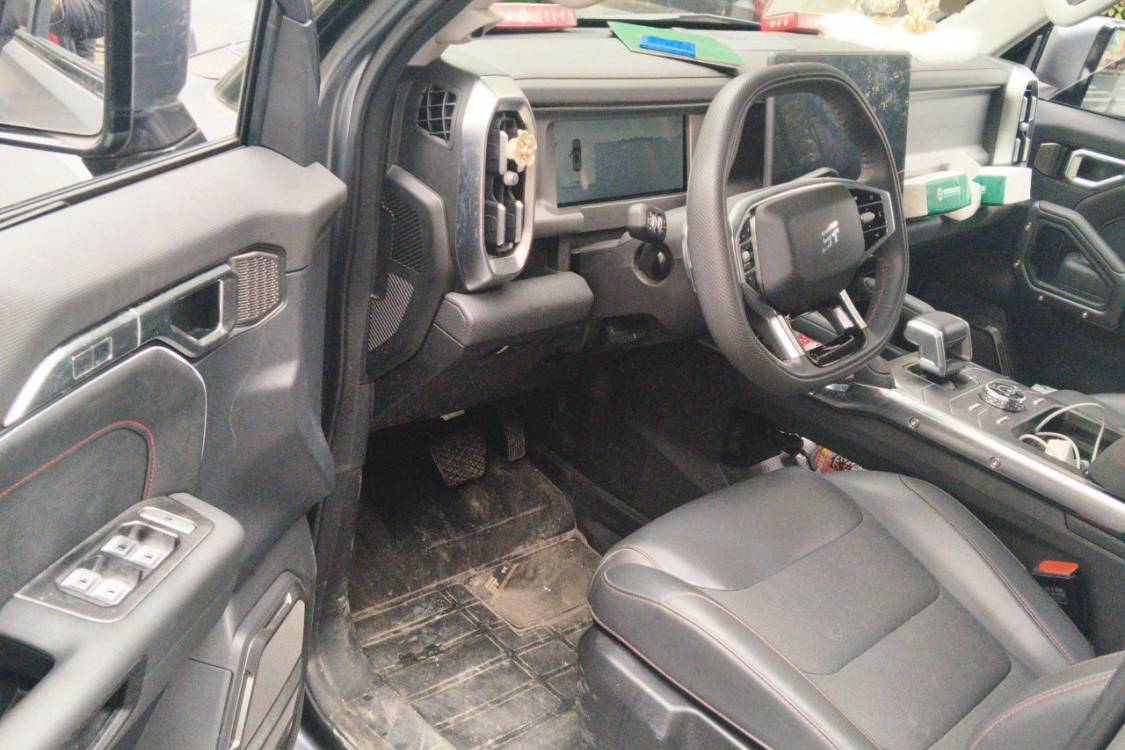
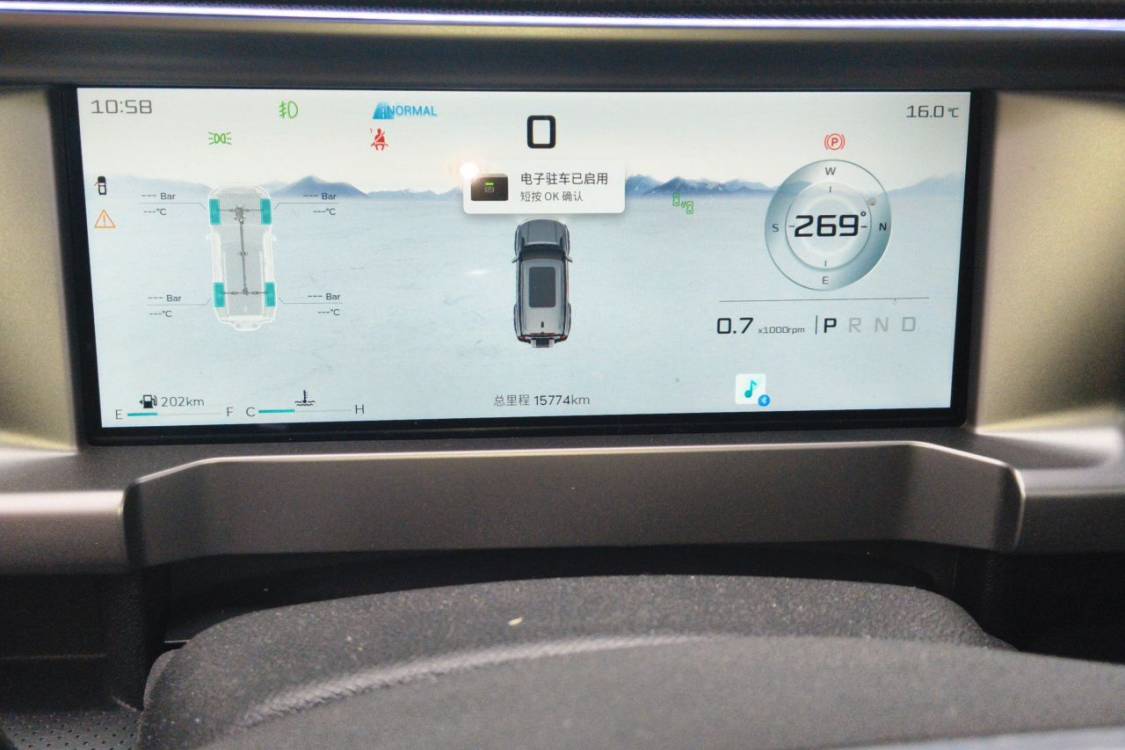
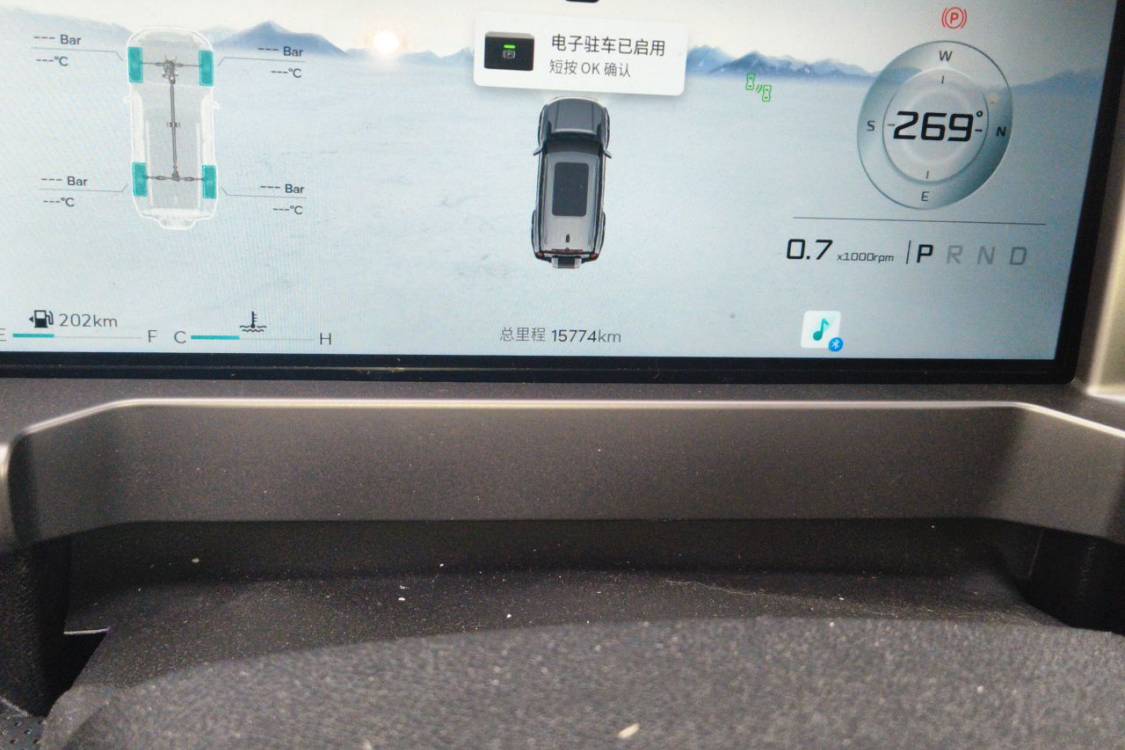
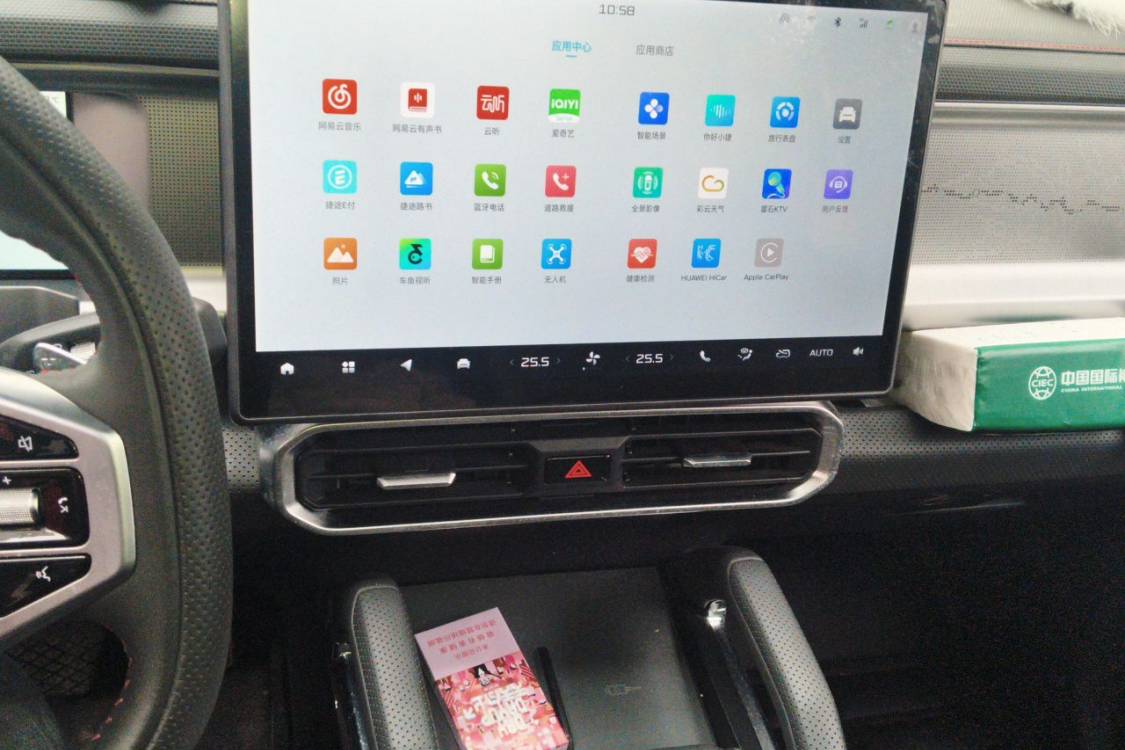
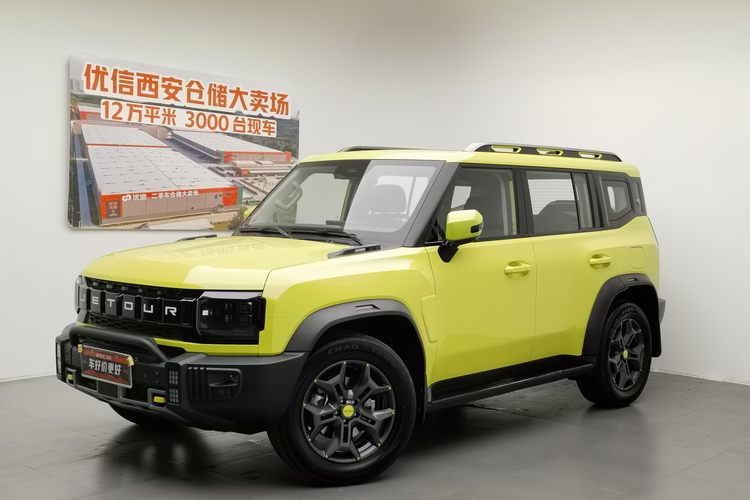
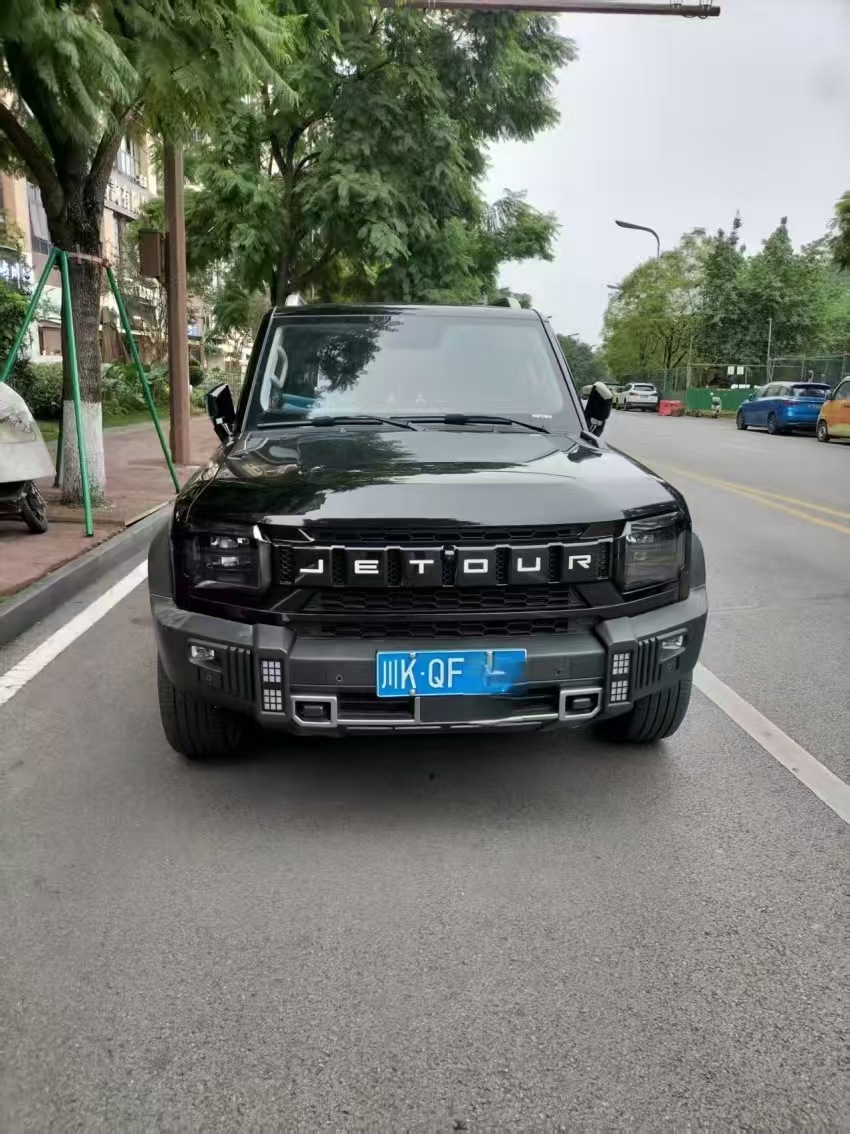
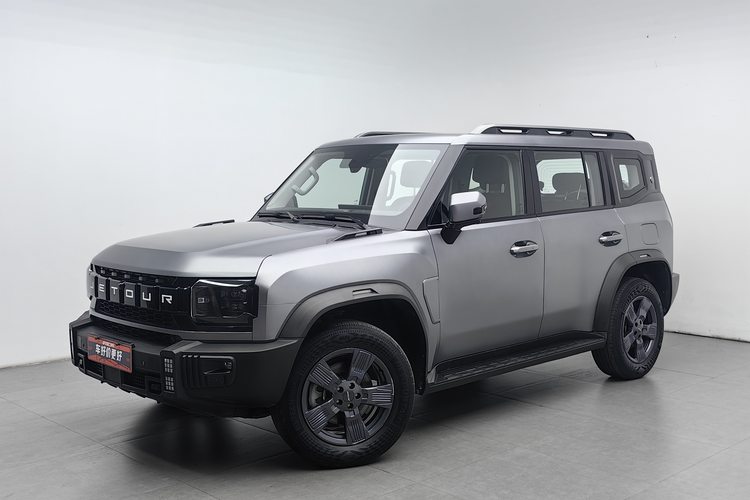
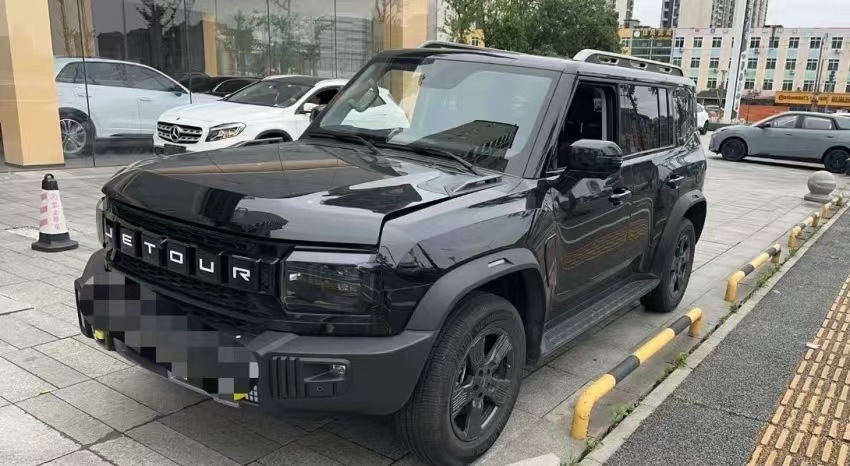
Basic Information

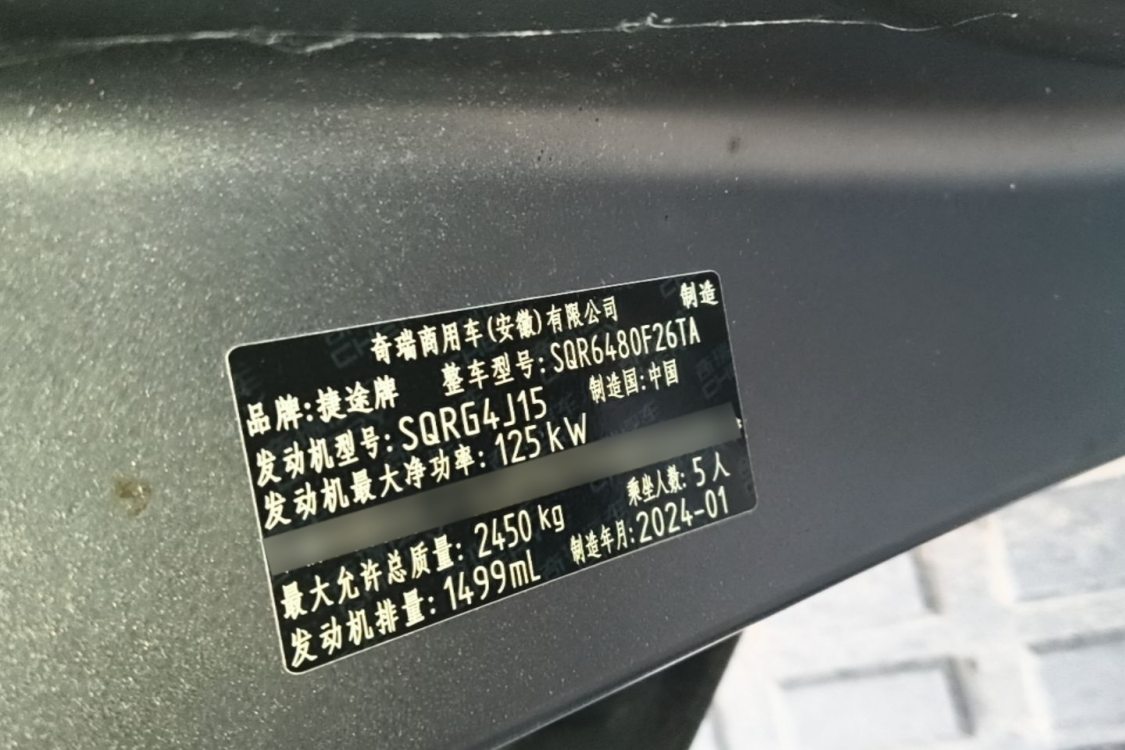
BrandJetour
SeriesTraveller
Year2024
First Registration2024/02
Mileage15,700km
Transfer Count-
FuelGasoline
TransmissionDCT
Engine1.5T 184 L4
ColorGrey
Seats5seats

Condition Description

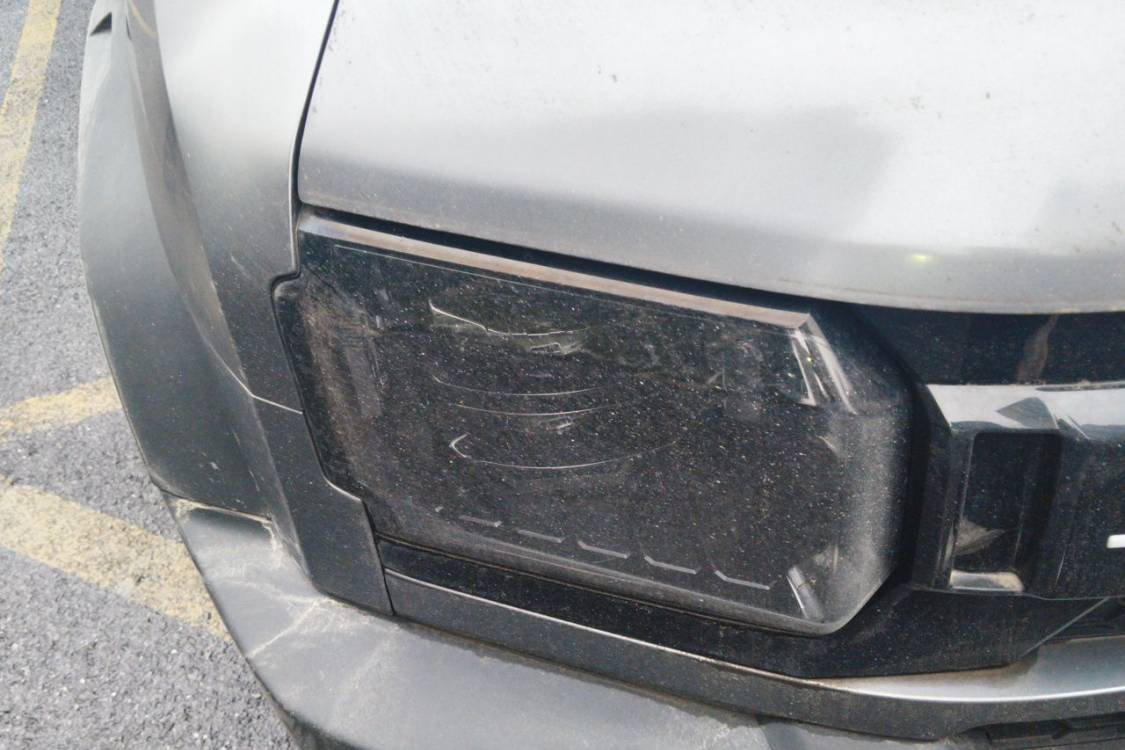
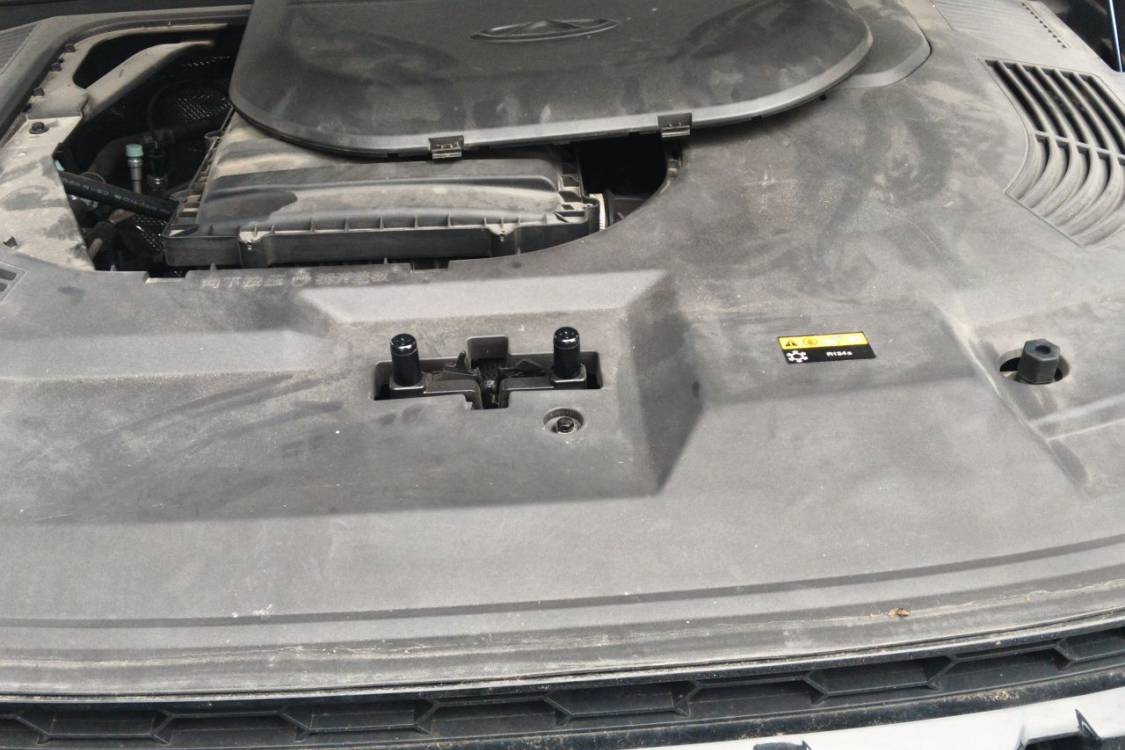
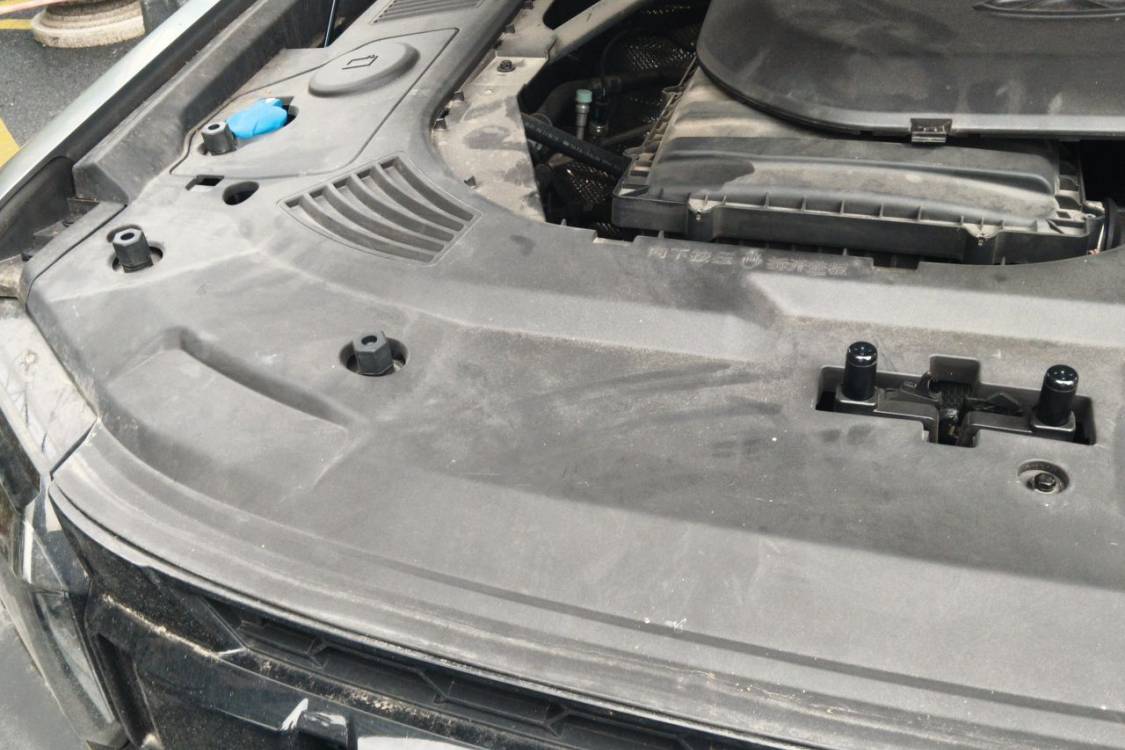
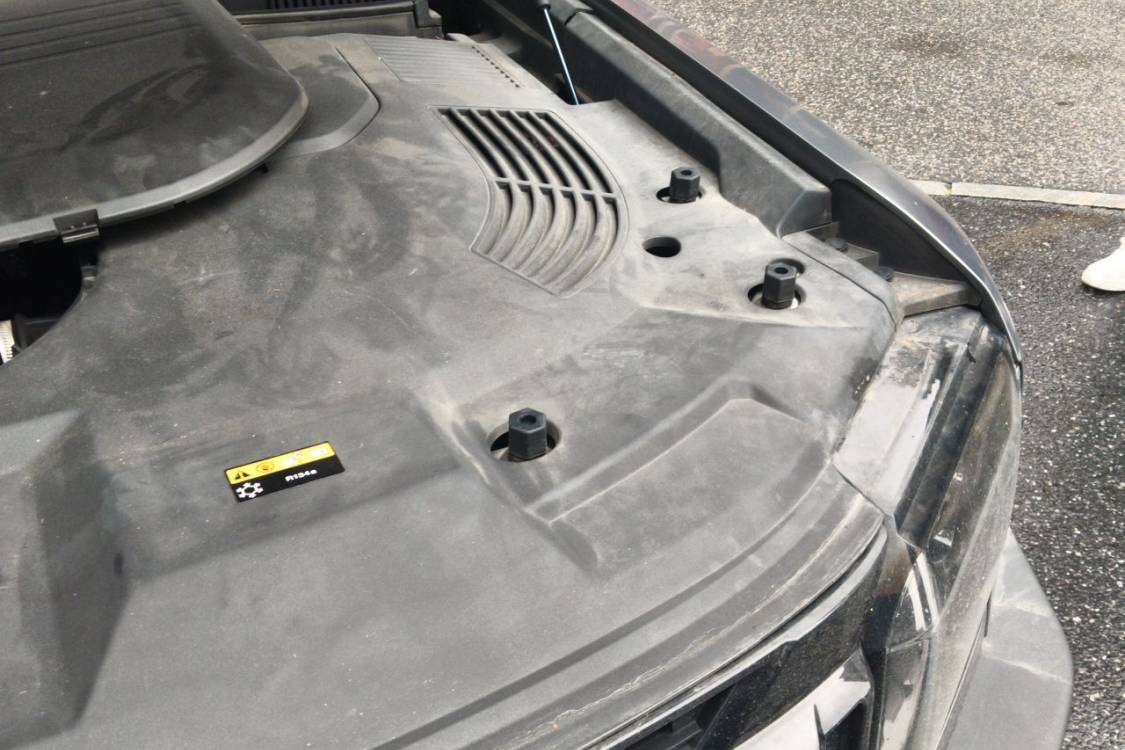
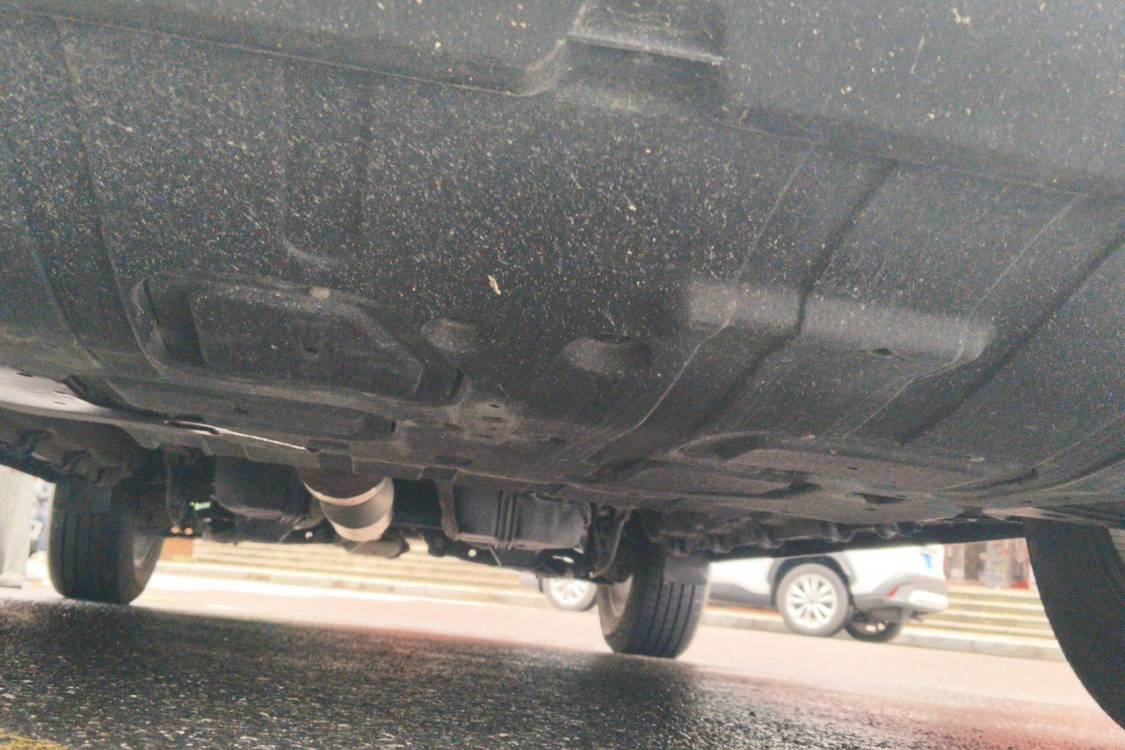
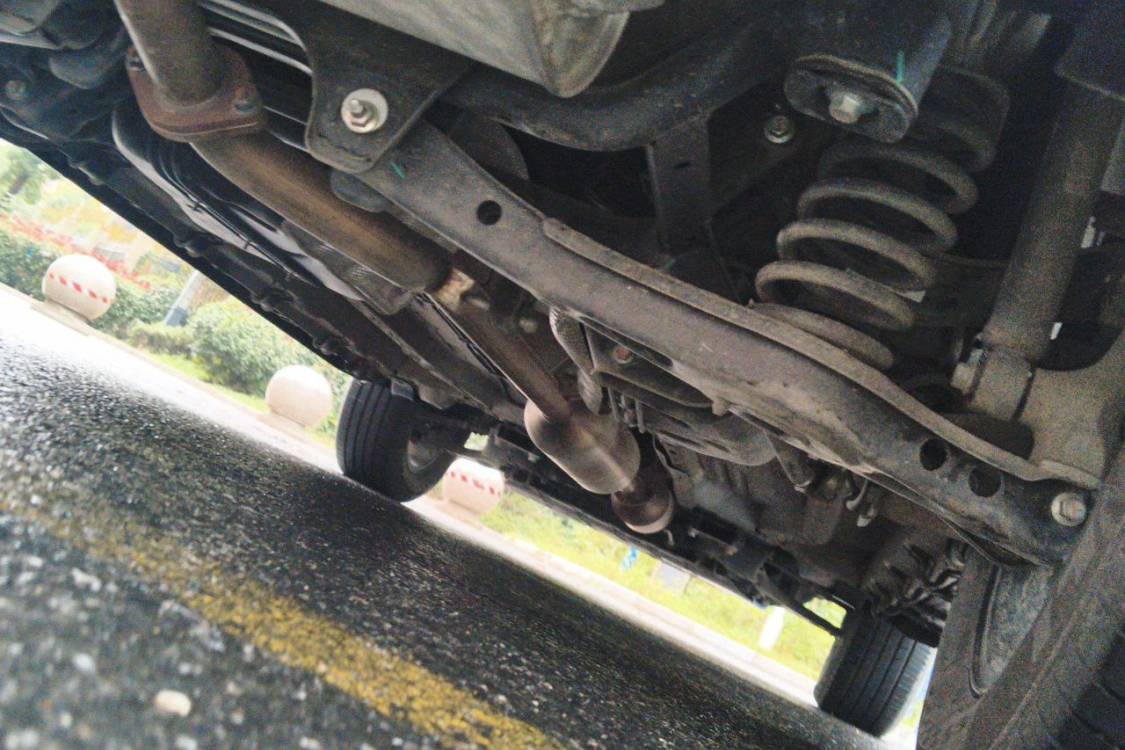
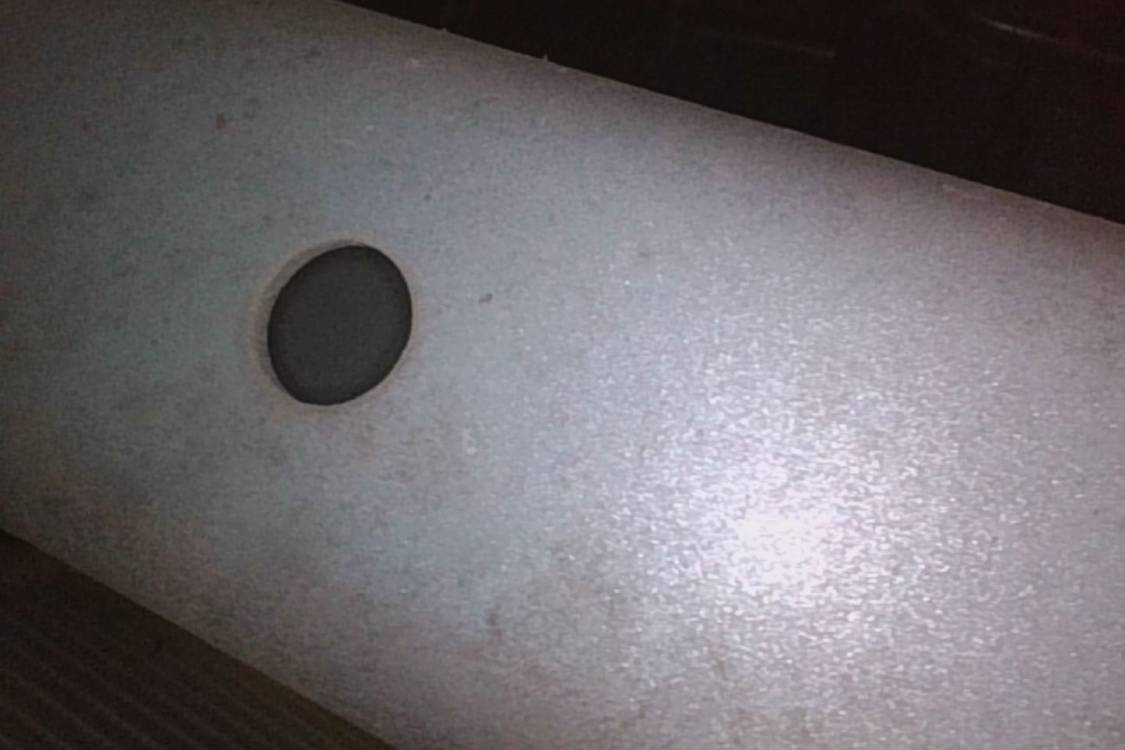
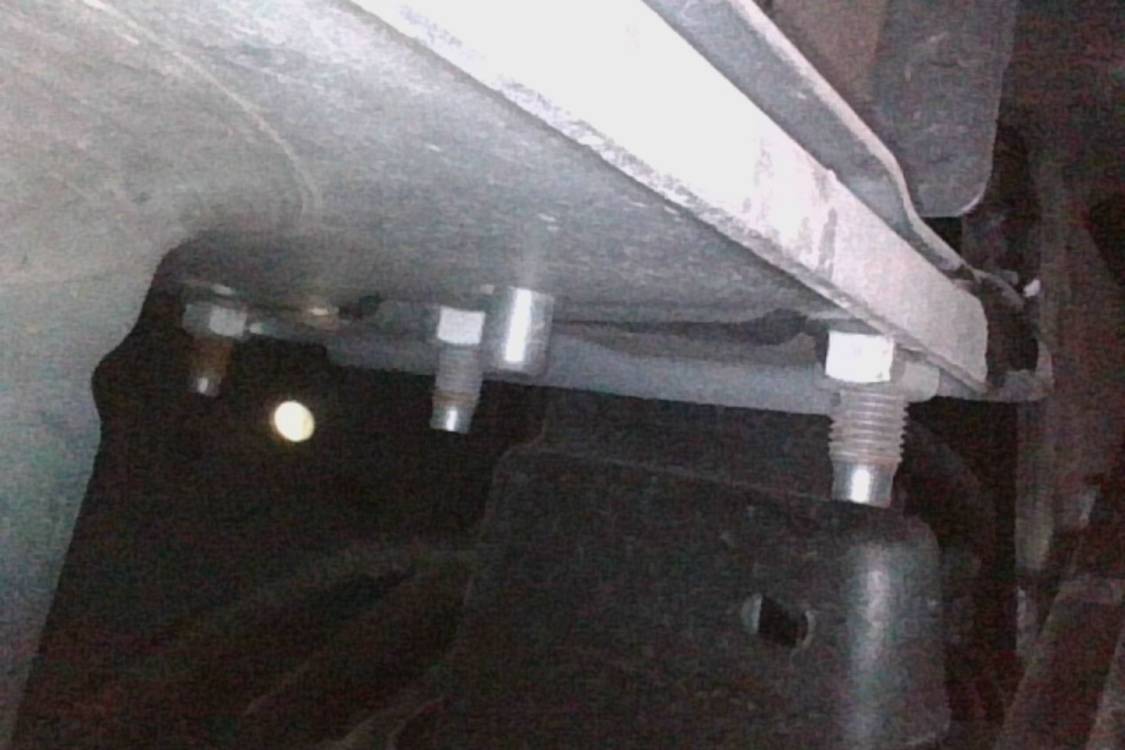
Body components have accident-related damage (structural/reinforcing/covering parts); passive safety devices defective; vehicle performance (including three-electric system) degraded or performance limited after repairs.

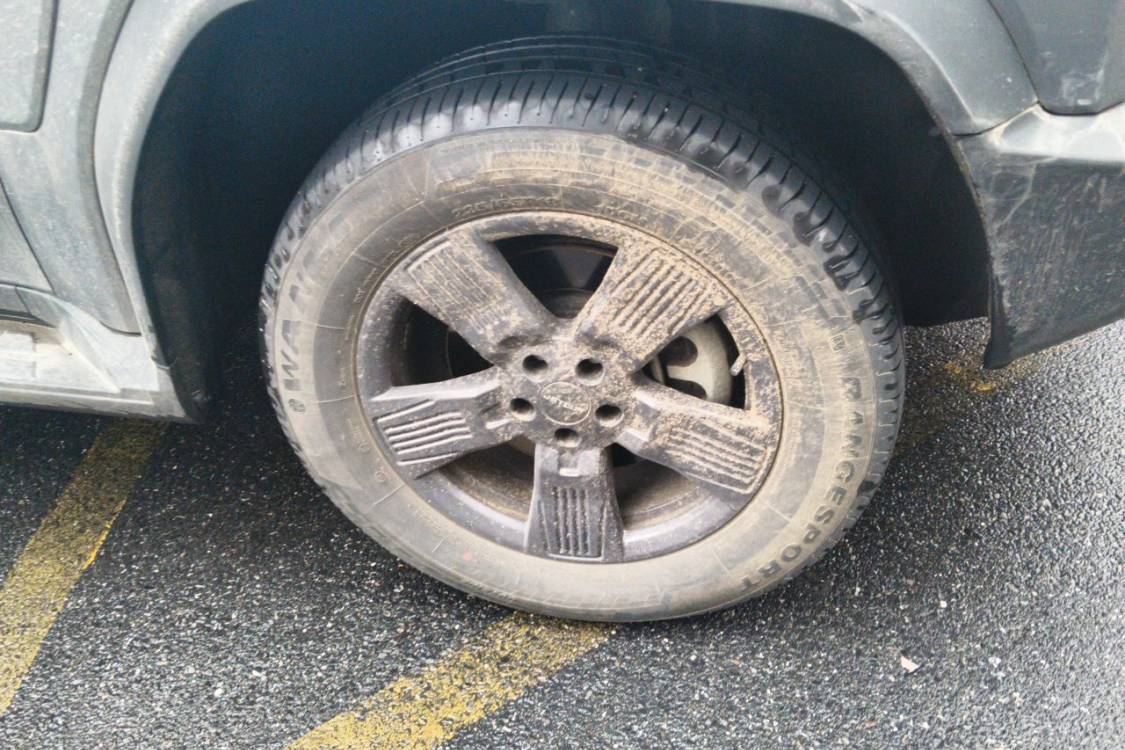
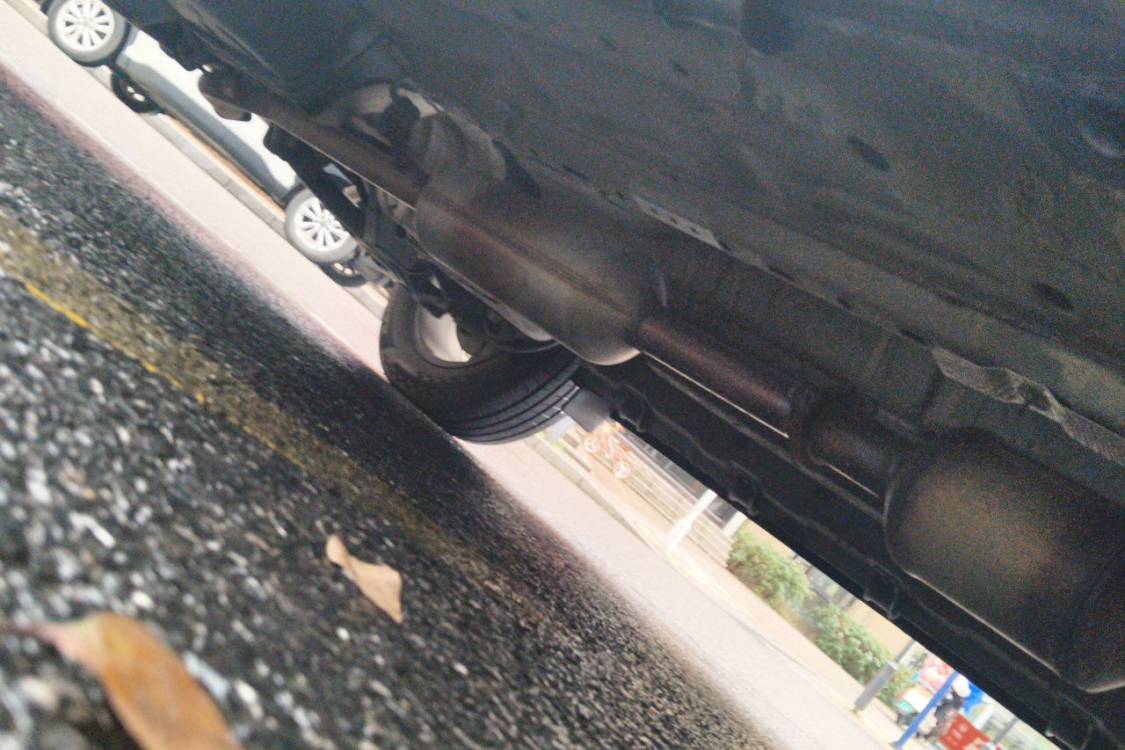
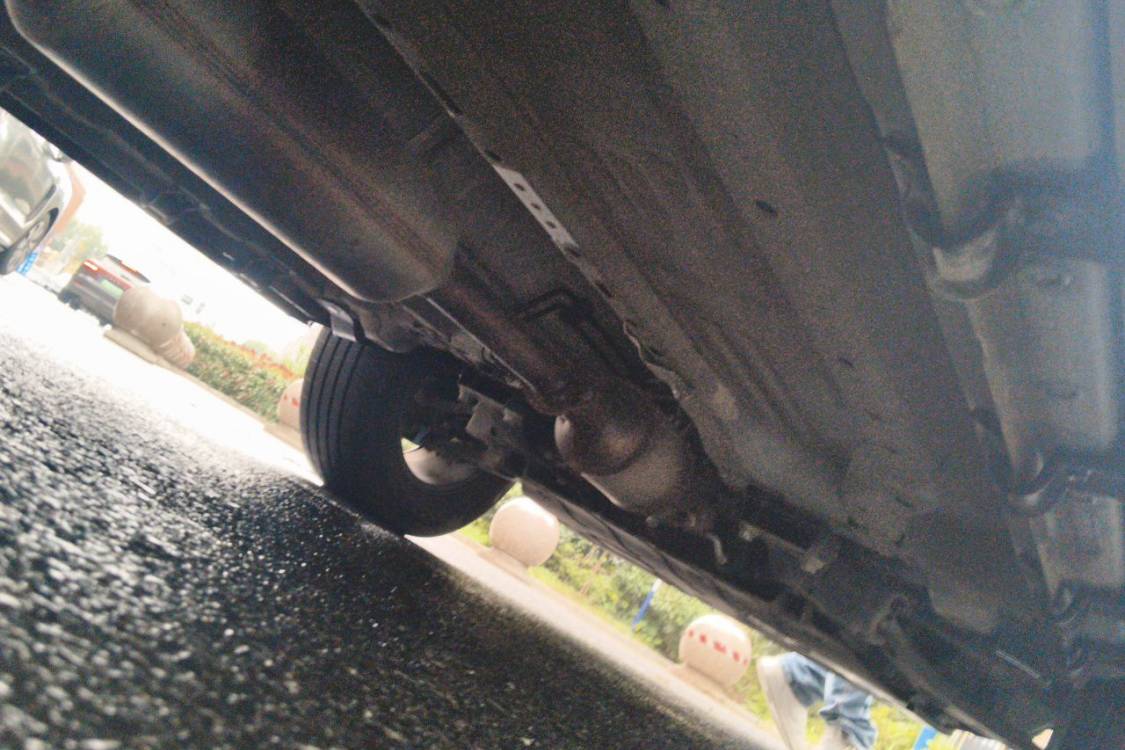
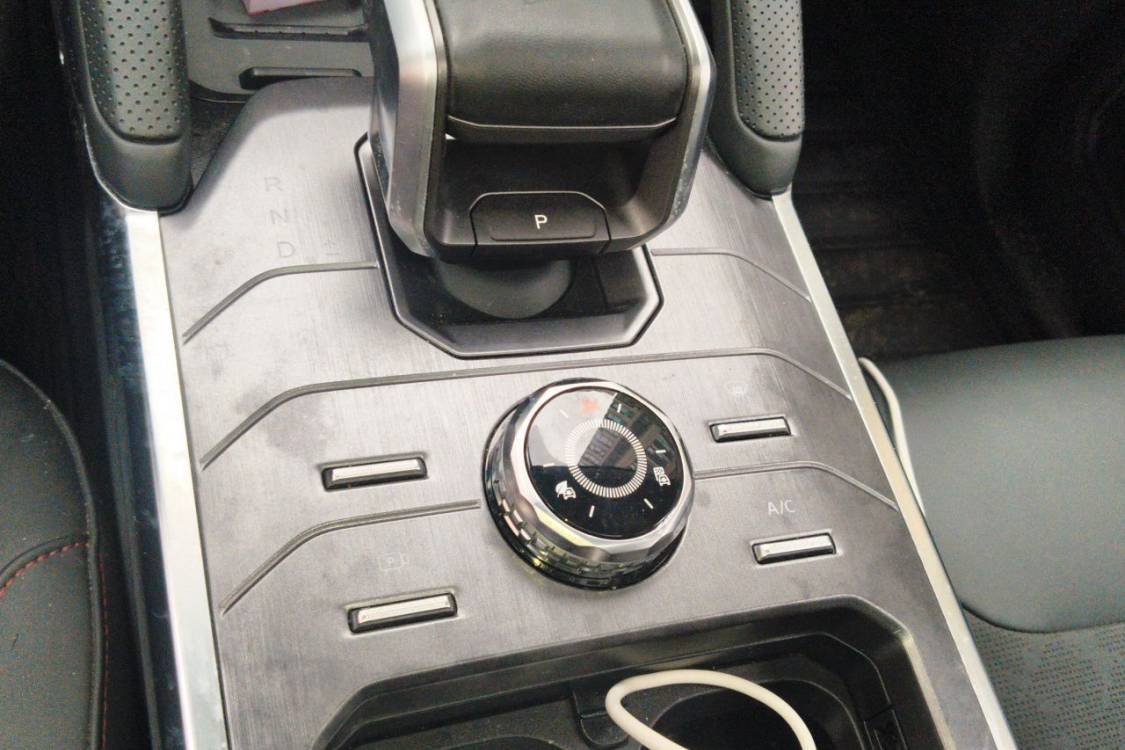
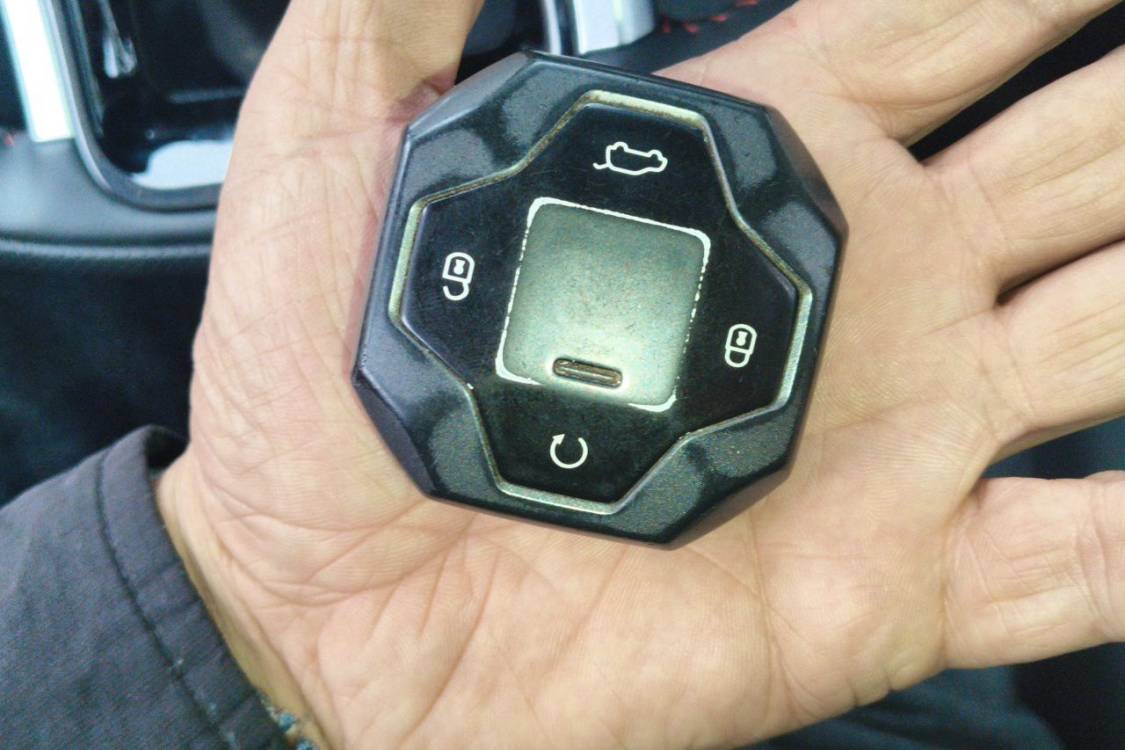
Accident inspection: main structure undamaged, reinforcing parts damaged, covering parts undamaged, hinges normal; engine bay: key mechanical components normal; exterior: 1 panel repair; interior: scratch on left front door trim, most features normal, airbag check normal, lighting system normal; startup check: main components normal; tool kit: absent.

电话直连
可讲价
平台物流
可转售
零过户
新检测标准升级>
非泡水

Document Information

Inspection Expiry Date2028/02
Warranty Expiry Date-
Insurance Expiry Date2027/02

Q&A

More

Can the voice assistant in the smart cockpit control the air conditioning and windows while offline?

Most leading Chinese brands' car systems support "offline voice commands" (like adjusting temperature and opening windows). However, if recognition fails due to accent or language limitations (only standard Chinese is supported), you can always control it via the physical screen.

How do I read and interpret a Chinese vehicle history report—what do the records and codes mean, and which findings should stop the deal?

A Chinese history report (查博士, 精真估, or 4S-shop records) usually contains several sections. Here's how to read them. Accident records: entries tagged 重大事故 (major accident) or listings at an insurance payout above 30% of the car's value are serious red flags. Airbag deployment is a deal-breaker for most buyers. Mileage timeline: check that mileage increases logically between service visits. A sudden drop between two dates means odometer tampering—walk away. Ownership count: more than 3 owners in 5 years suggests a problem car. Also check the 使用性质 field: a car registered as 营运 (commercial/taxi use) has a much shorter legal lifespan. Maintenance entries: consistent 4S dealership records are a good sign; long gaps aren't necessarily fatal if the owner used independent shops, but ask for receipts. Cross-check the report against the VIN plate, registration certificate, and physical inspection. If the report shows no accidents but paint thickness readings say otherwise, trust the metal, not the paper.

What is a Certificate of Origin and do I need one to import a used car from China?

A Certificate of Origin (CO) is an official document stating where the vehicle was manufactured. For imports from China, it matters more than many buyers expect. First, customs value: many countries apply duty rates based on the country of manufacture, not where you bought the car. A CO proves the vehicle is Chinese-built, which determines the correct tariff line—skipping it can mean reassessment, fines, or seizure at destination. Second, trade agreements: some countries have preferential tariffs for Chinese goods that only apply with a valid CO. Request a CO issued by the China Council for the Promotion of International Trade (CCPIT) or China Customs, not a self-printed form. Check that the VIN, engine number, and buyer details match your purchase documents exactly. Make receiving the CO a condition before your final payment, and keep the original—customs at destination will ask for it.