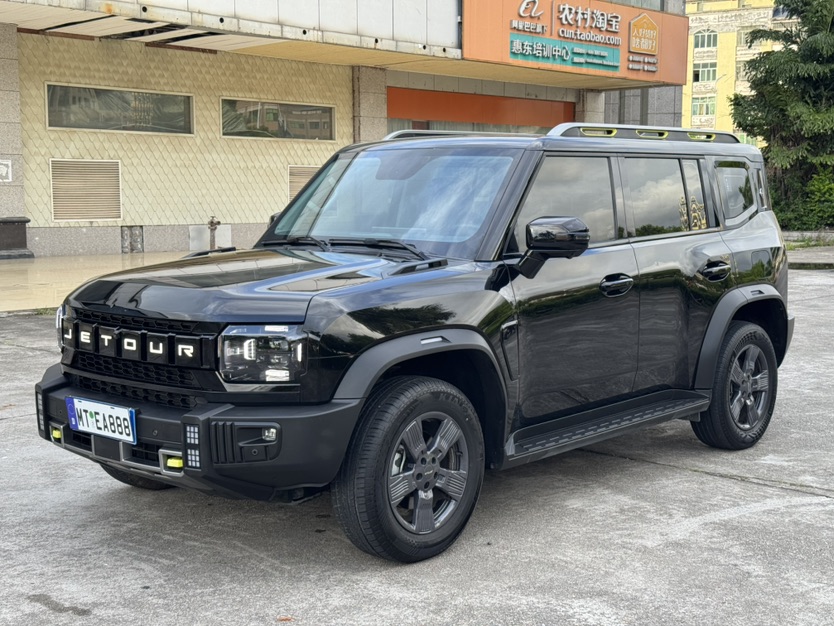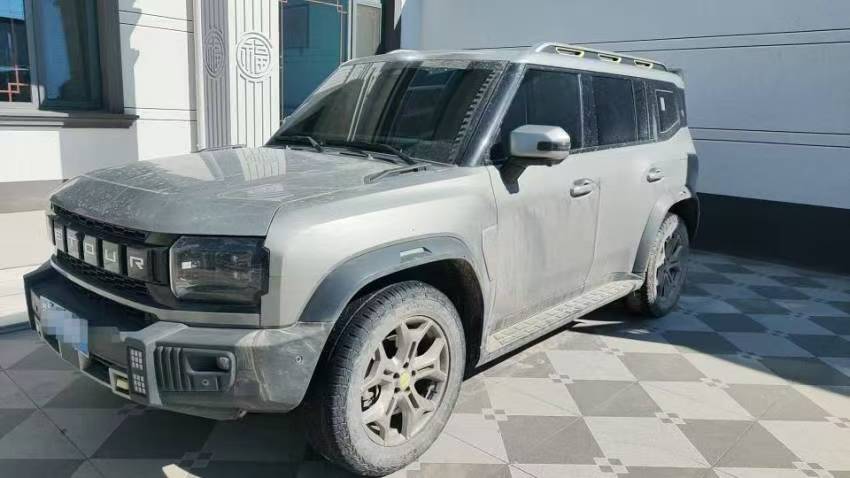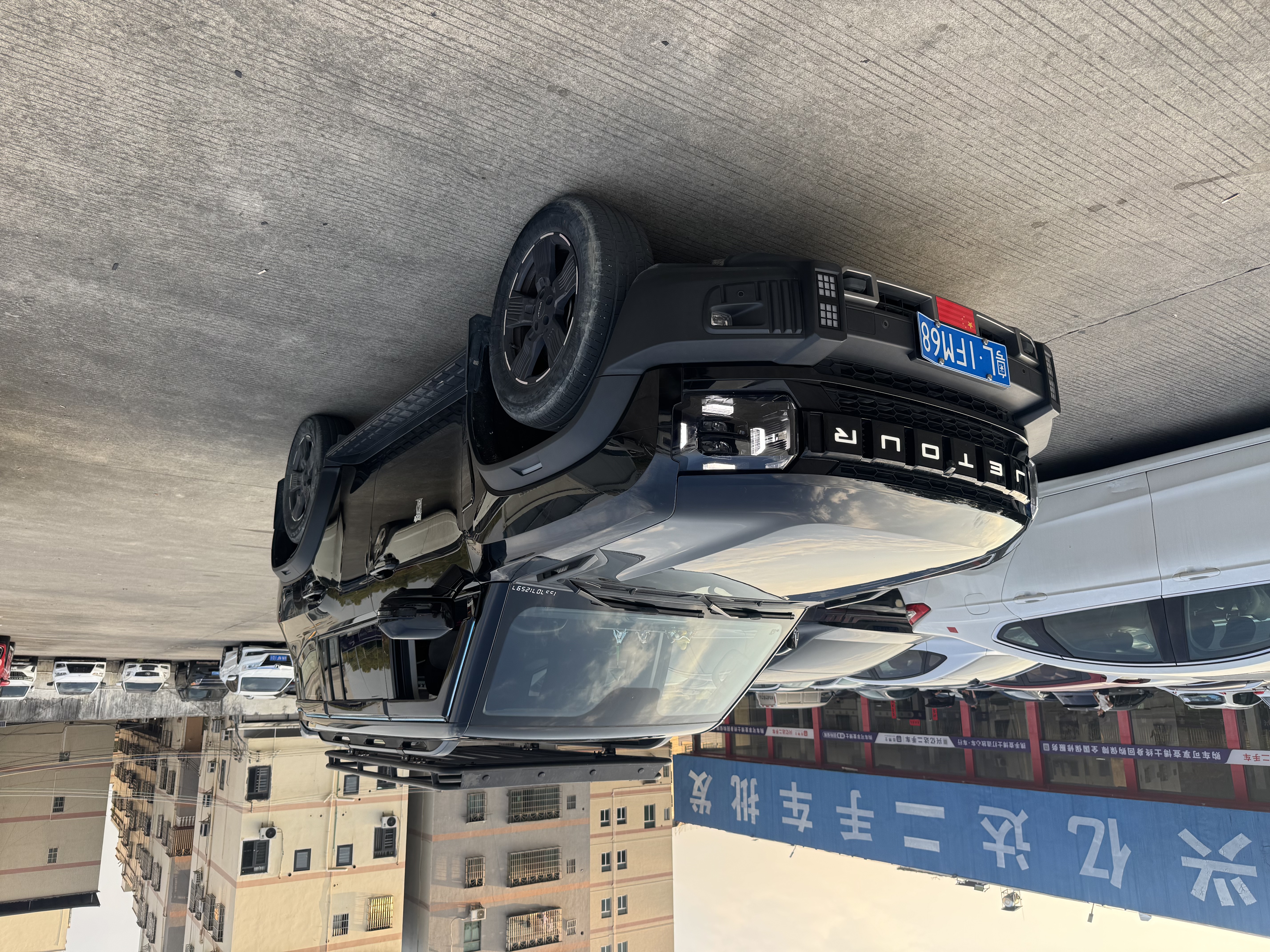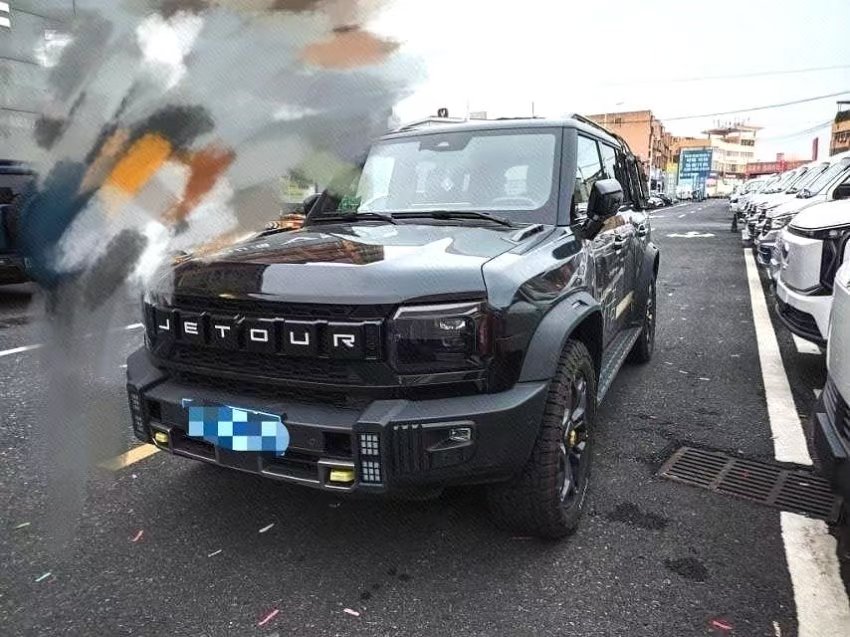



48H

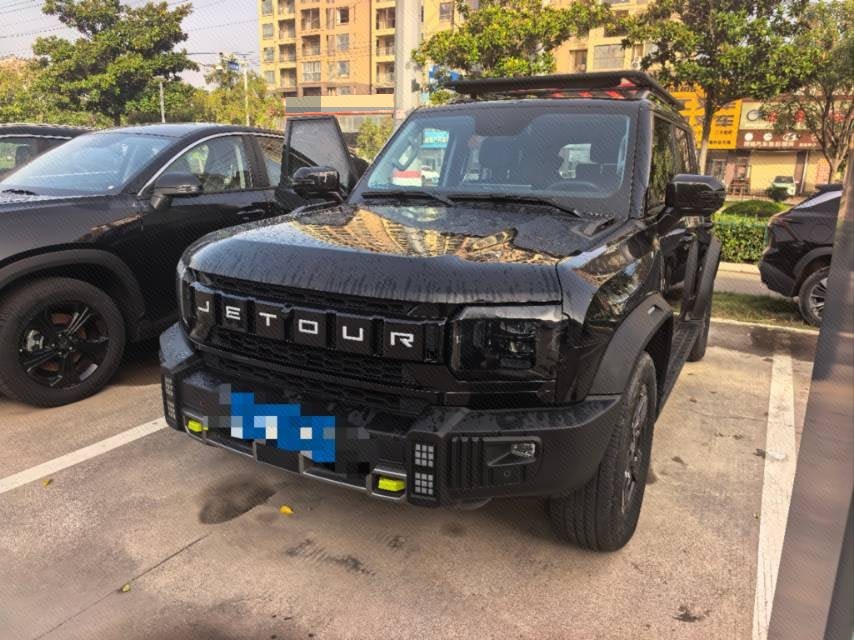
Basic Information

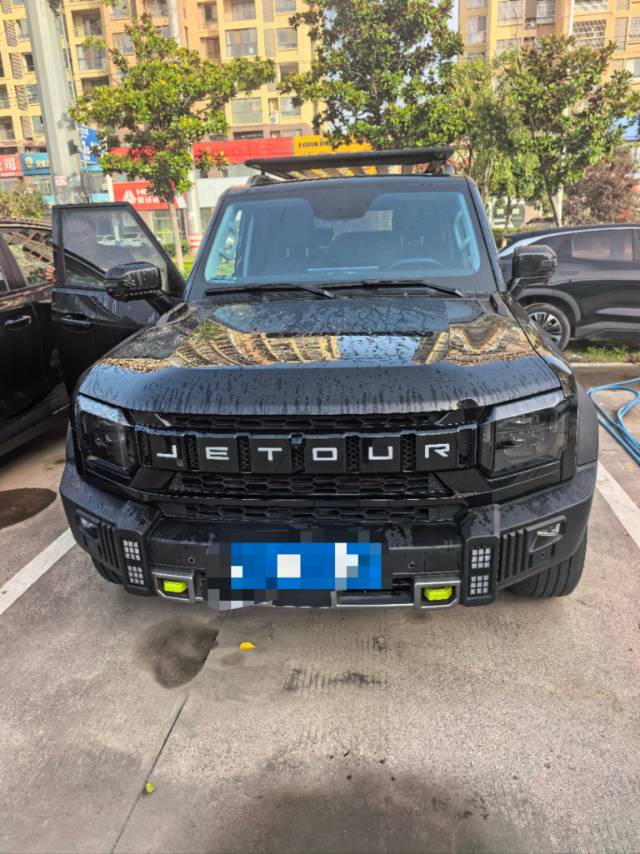
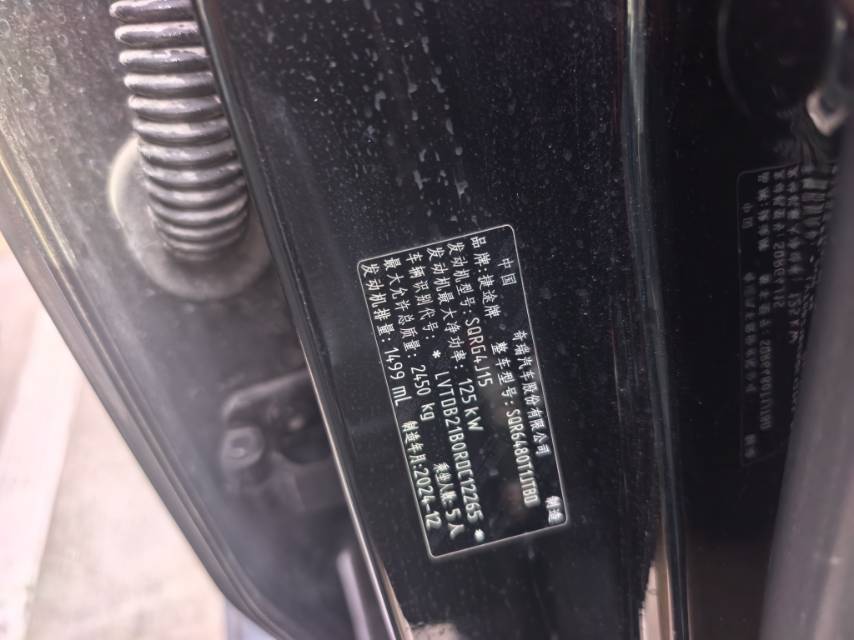
BrandJetour
SeriesTraveller
Year2025
First Registration2025/02
Mileage20,000km
Transfer Count0times
FuelGasoline
TransmissionDCT
Engine1.5T 184 L4
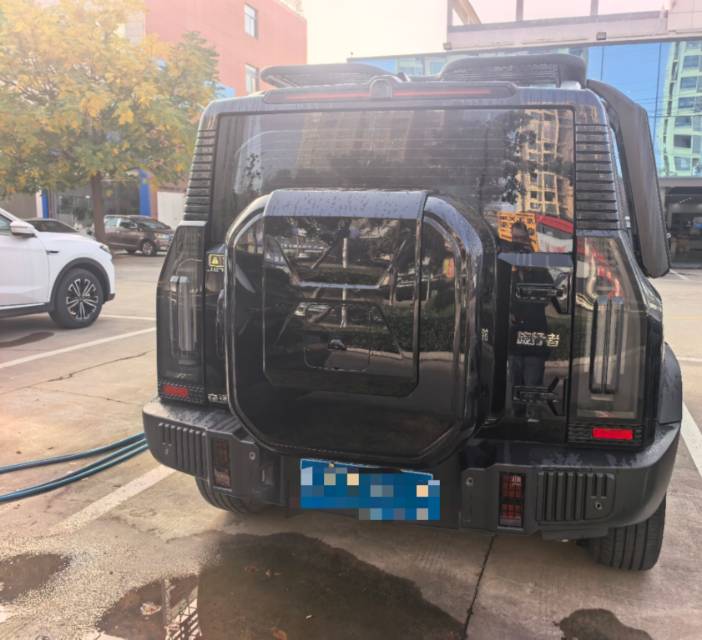
ColorBlack
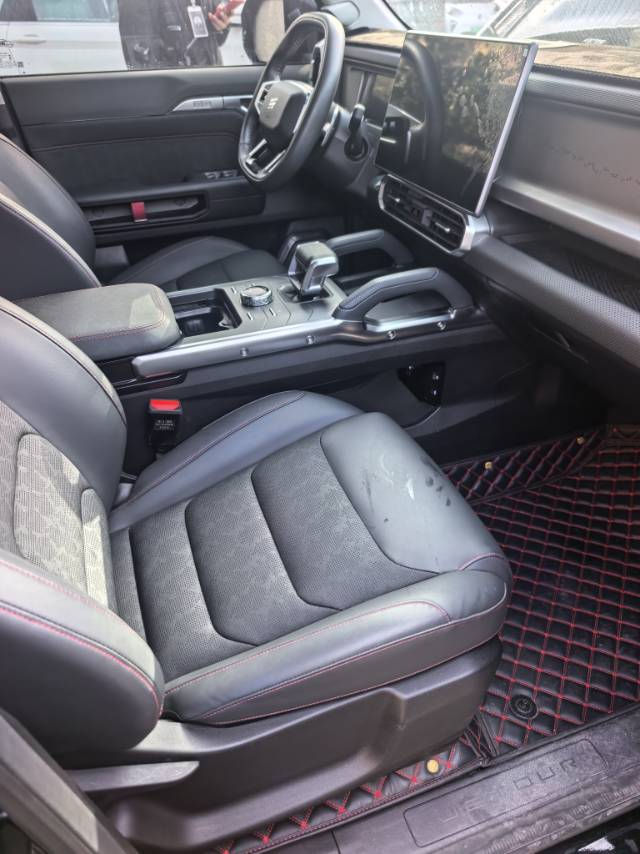
Seats5seats

Condition Description

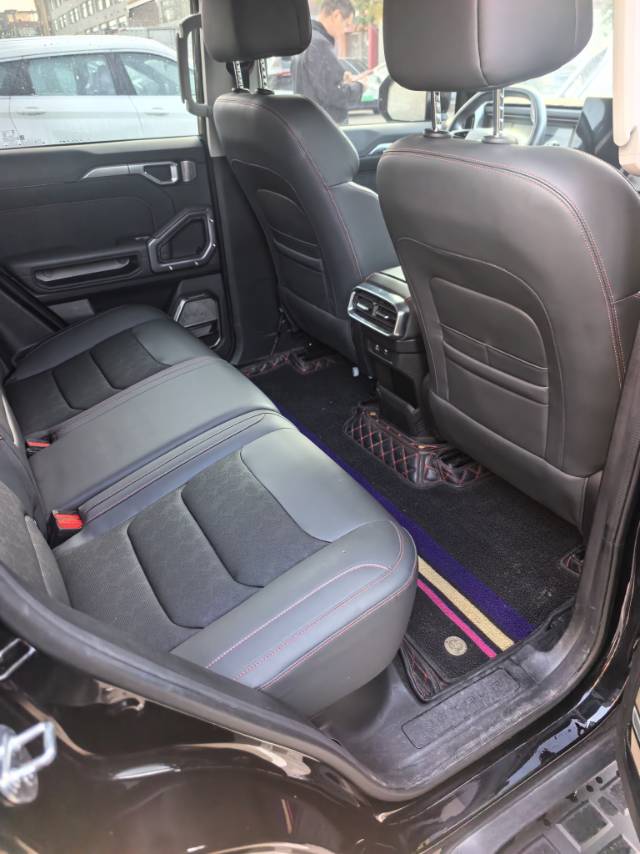
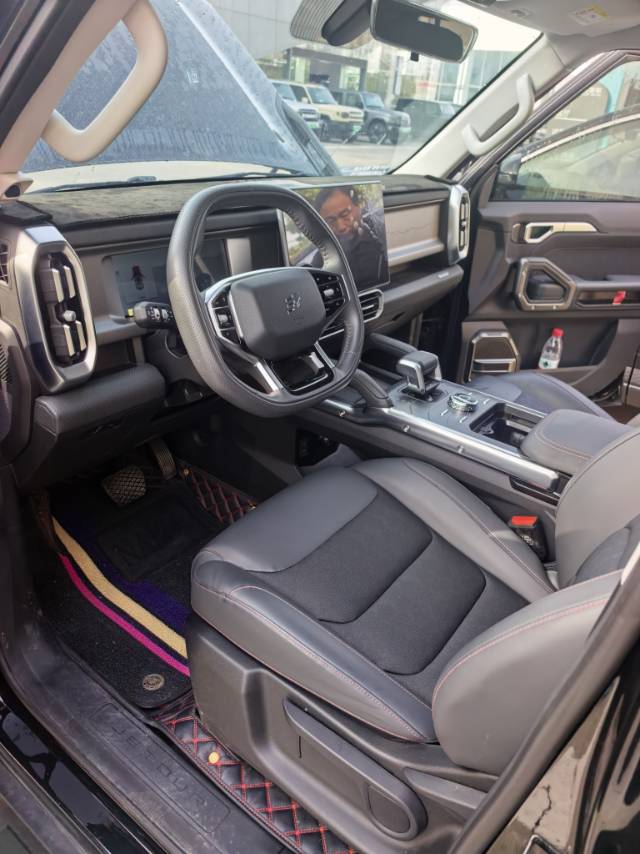
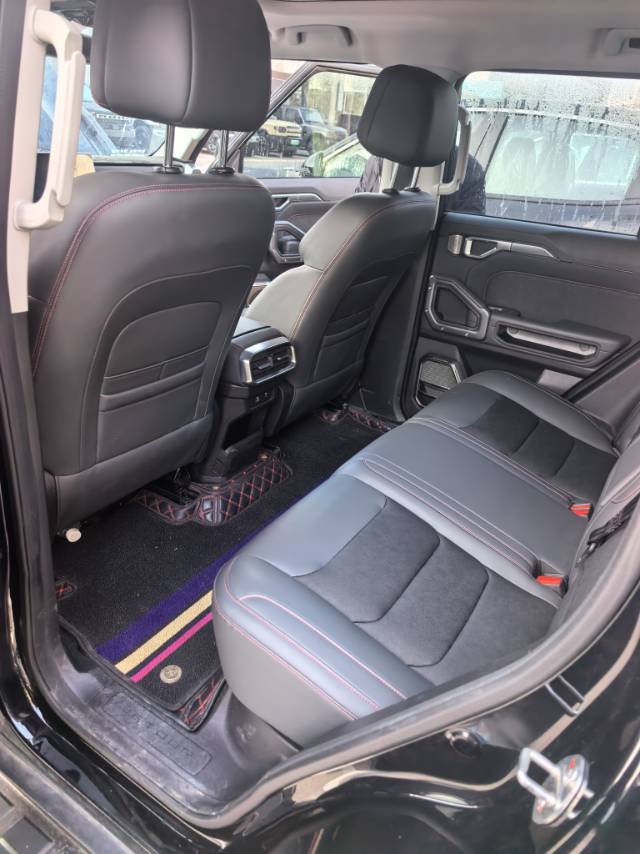
Original paint throughout, single owner, can pass third-party inspection, 0 insurance claims.

Document Information

Inspection Expiry Date-
Warranty Expiry Date-
Insurance Expiry Date2027/02

Q&A

More

What should I do if I find obvious defects on the exterior that were not mentioned in the inspection report after receiving the car?

Please take timestamped photos and videos at the first opportunity when picking up the car at the destination port (before leaving the port area). We will compare these with the final archived images taken at the Chinese port before shipping. If it is confirmed that we missed reporting it during the pre-shipment inspection, we will provide compensation for parts or labor costs based on the severity of the defect; if it is new physical damage incurred during shipping, the insurance claim process will need to be initiated.


If our country has a free trade agreement (FTA) with China, can you provide specific certificates of origin to reduce tariffs?

Yes. If your country (such as Chile, Peru, ASEAN countries, etc.) has signed a bilateral free trade agreement with China, our documentation center will apply to Chinese customs or the trade promotion agency for specific versions of the certificate of origin (such as Form E, Form F, etc.), which can help you legally apply for significant tariff reductions at the destination port.

What does the real landed cost of importing a used car from China look like, and which line items do buyers most often underestimate?

A realistic landed cost has five layers: the car price, export-side fees (deregistration, export license, inland trucking to the port), international freight and insurance, destination duties and taxes, and local charges (port handling, inspection, registration). Buyers most often underestimate three items. First, destination duties are calculated on the customs value, which may include freight, so a cheap car can still attract significant tax. Second, port and terminal charges at both ends add up; demurrage fees apply quickly if documents are late. Third, compliance costs such as homologation, emissions testing, or translation of documents can run into hundreds of dollars depending on the country. Ask every exporter for a written, itemized quote to your port, not just an FOB price, and keep a 5% contingency. Quotes that look unusually cheap usually hide costs in the freight or handling lines.