Basic Information

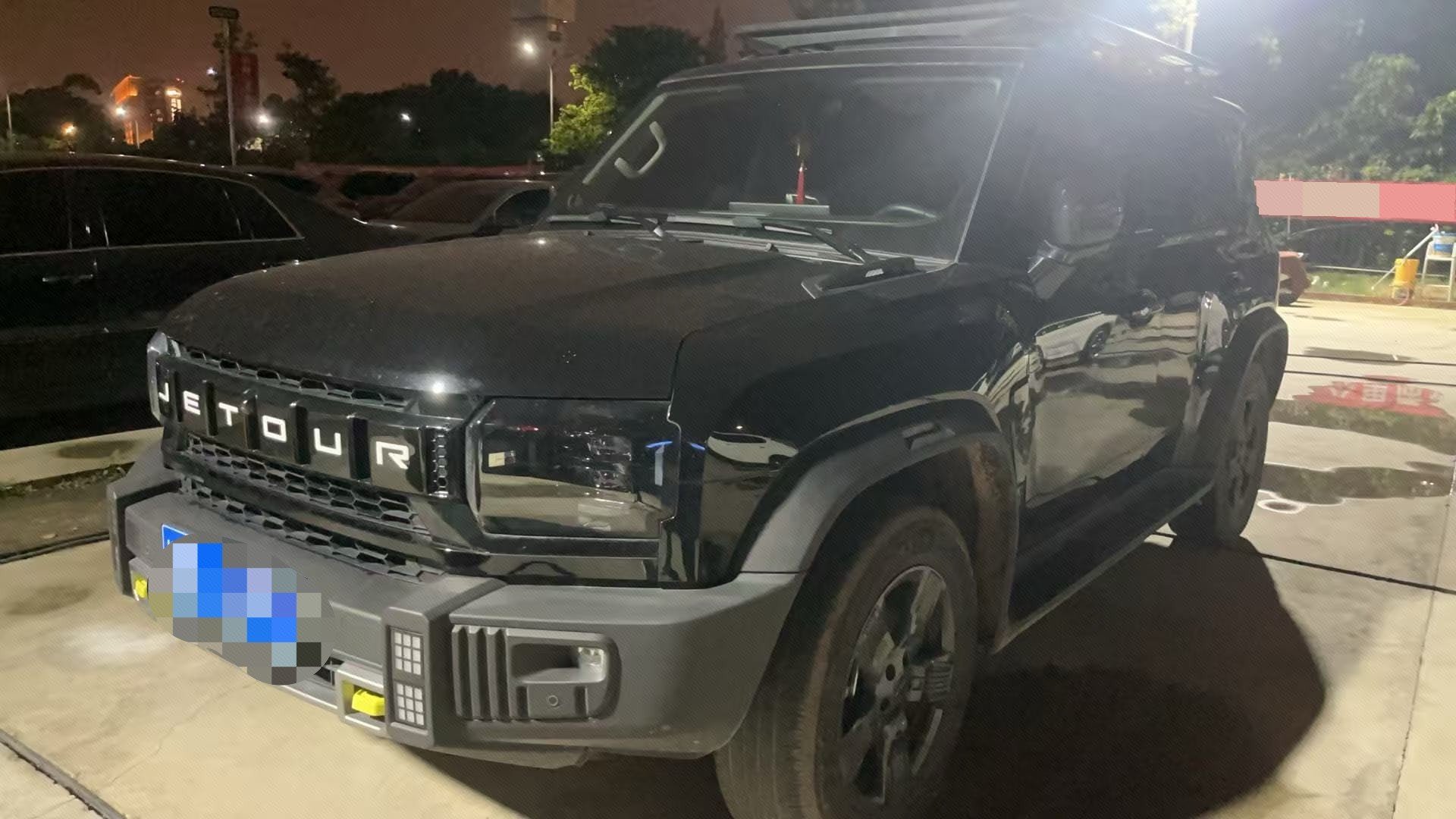
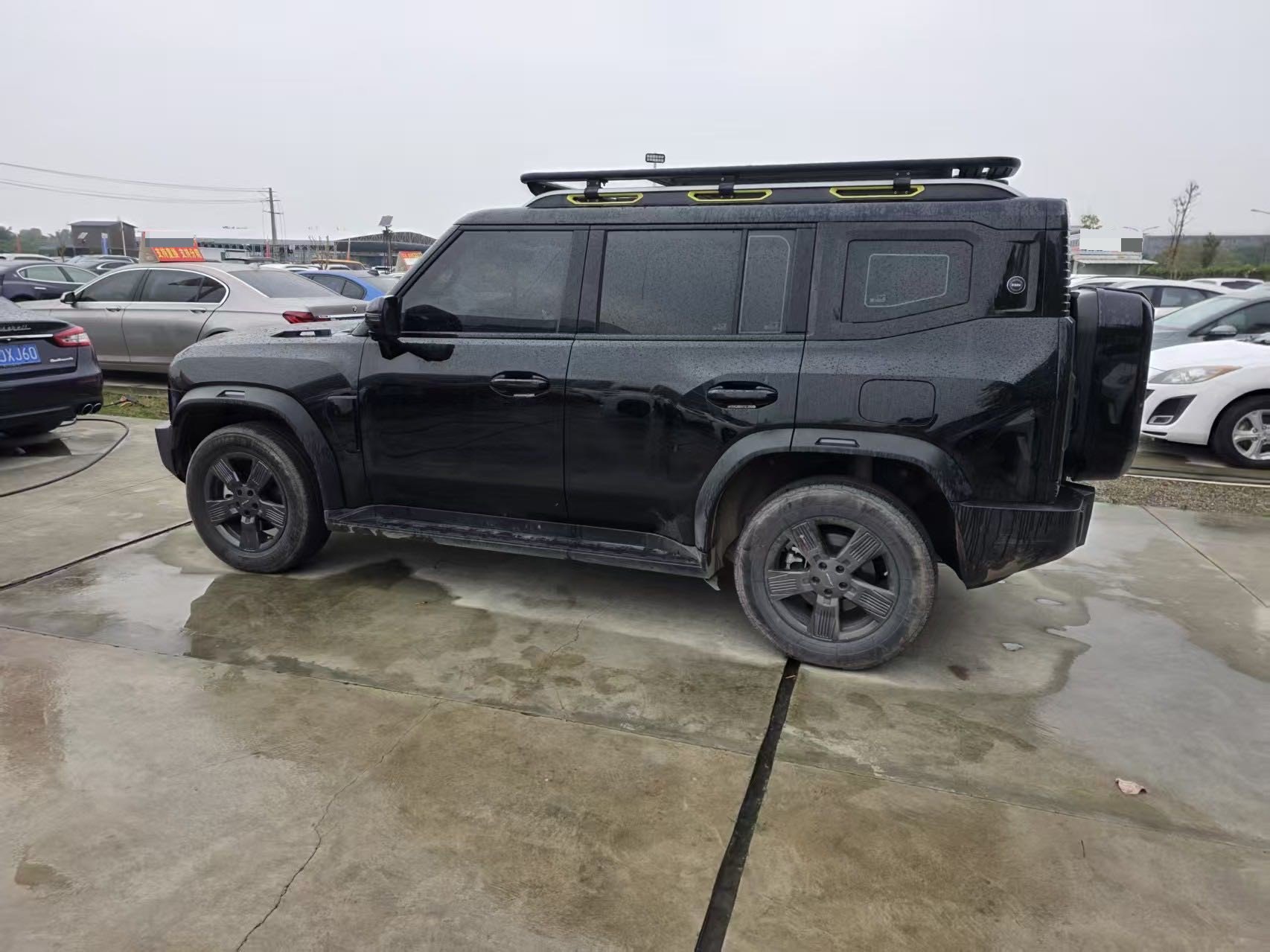
BrandJetour
SeriesTraveller
Year2025
First Registration2025/02
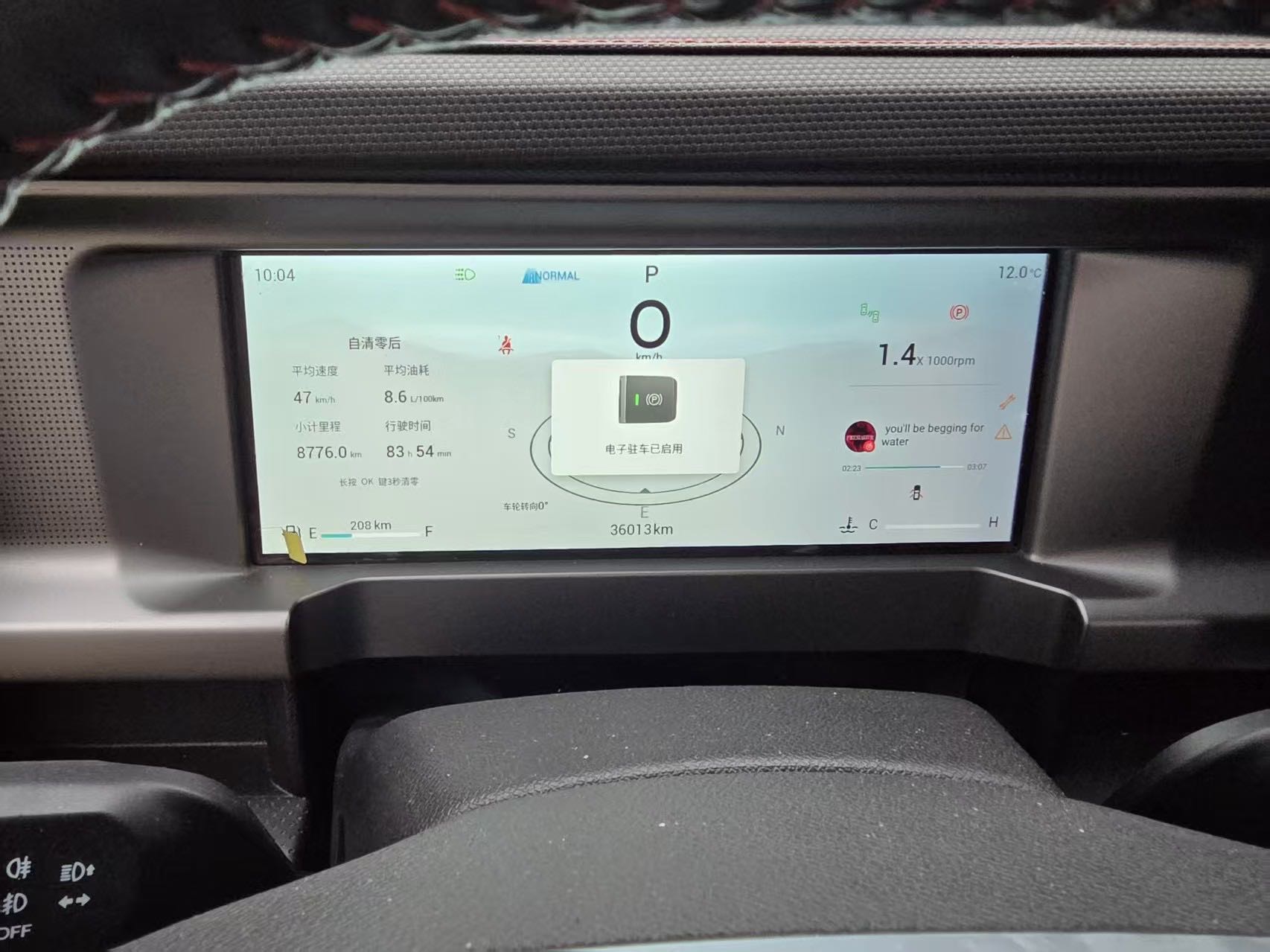
Mileage36,000km
Transfer Count0times
FuelGasoline
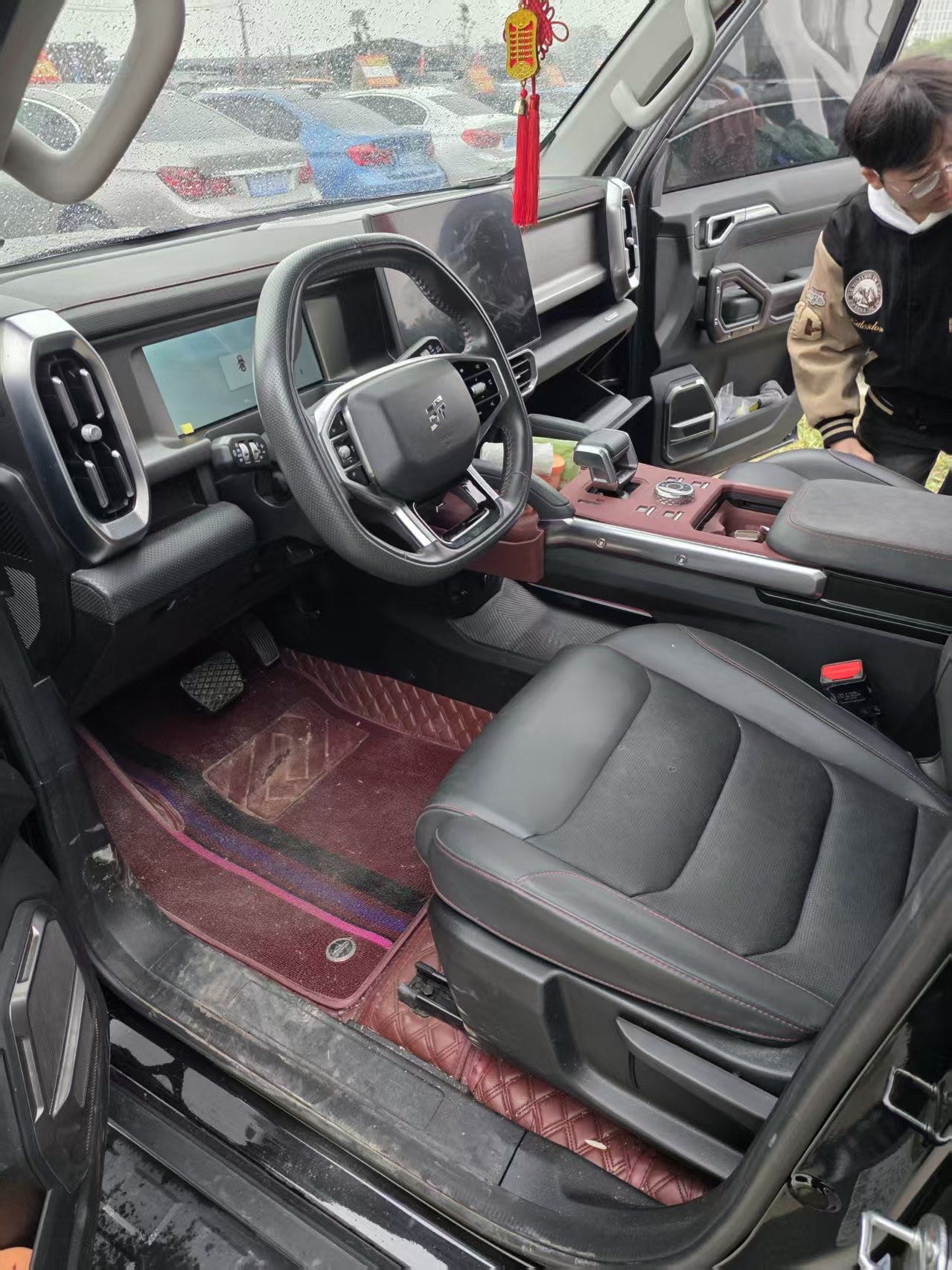
TransmissionDCT
Engine1.5T 184 L4
ColorBlack
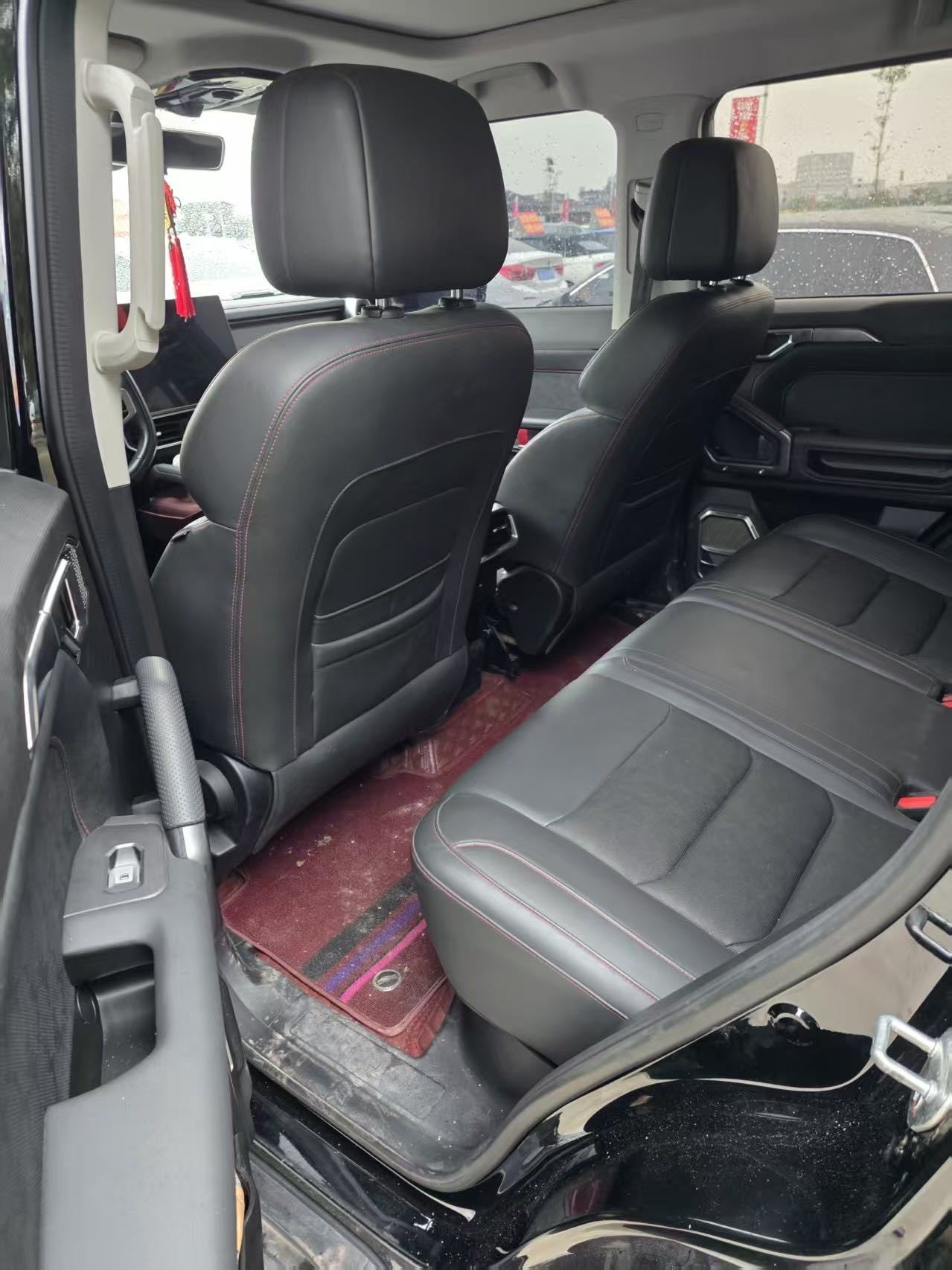
Seats5seats

Condition Description

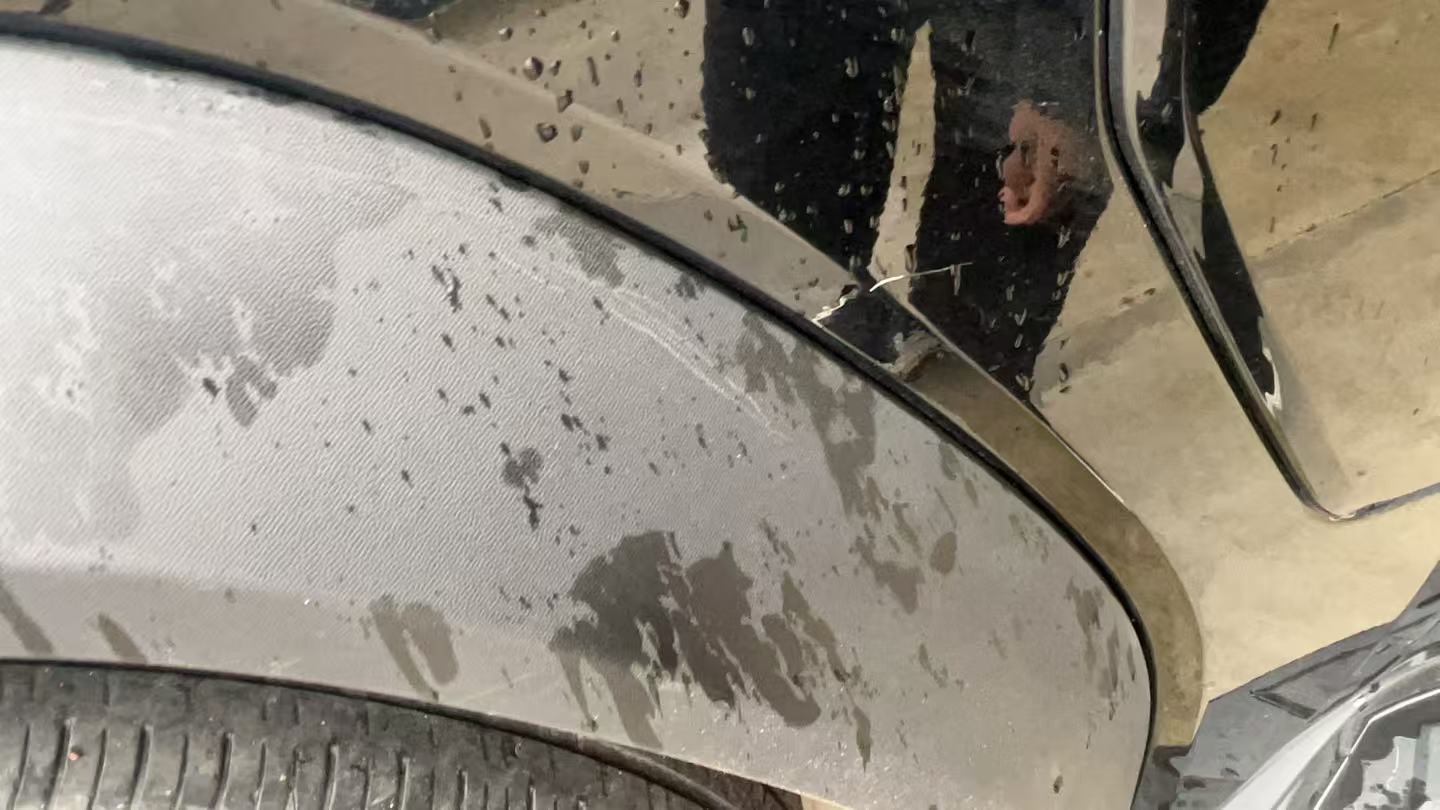
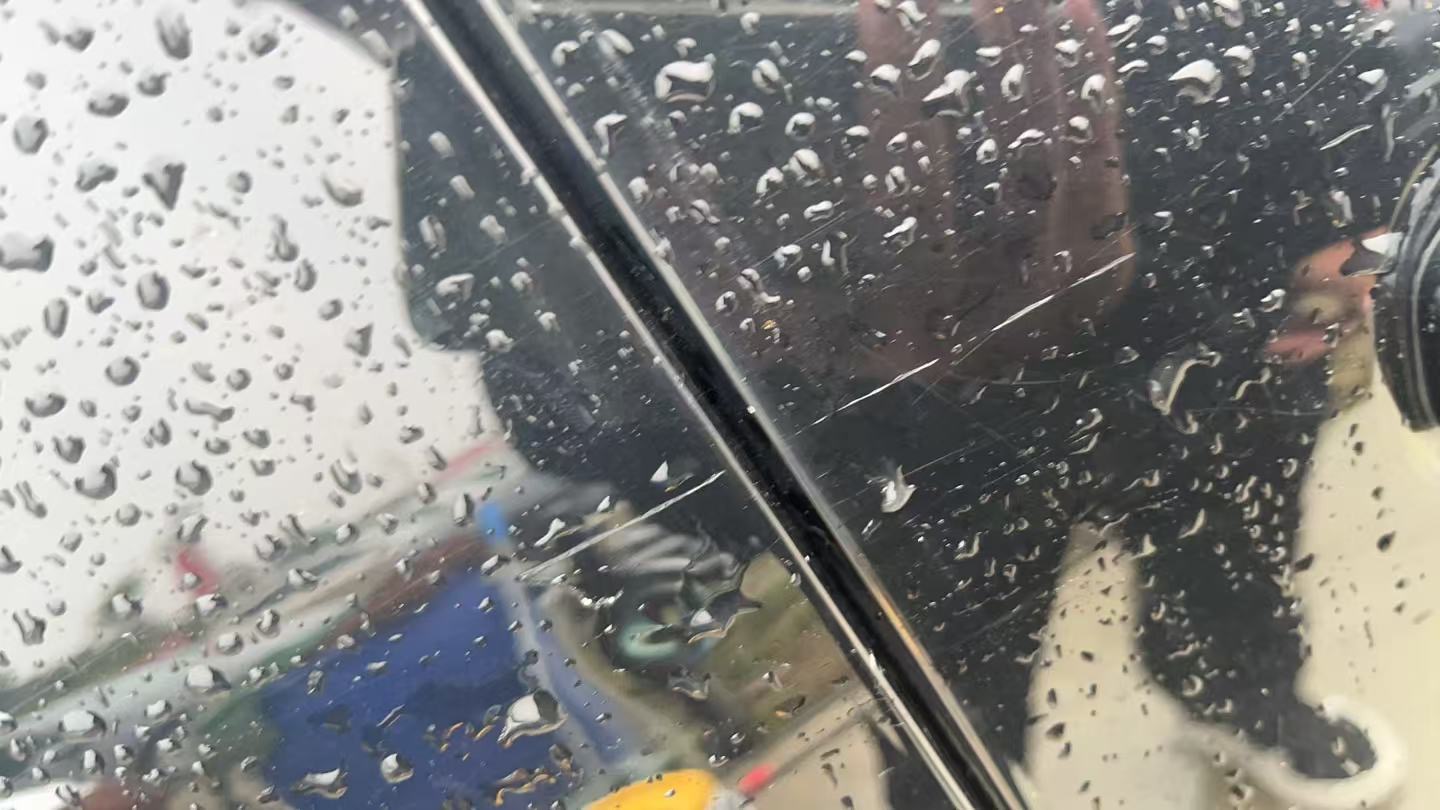
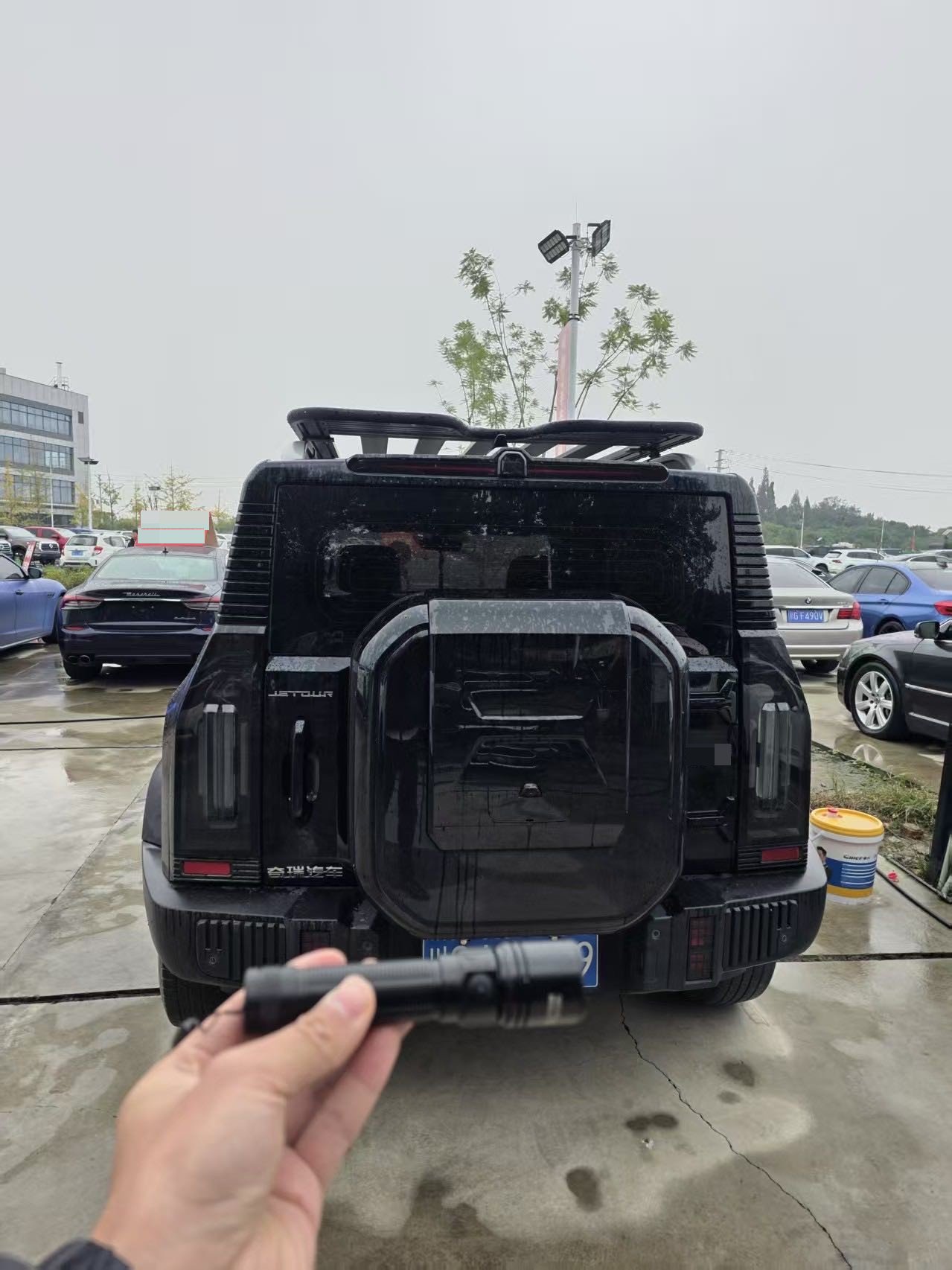
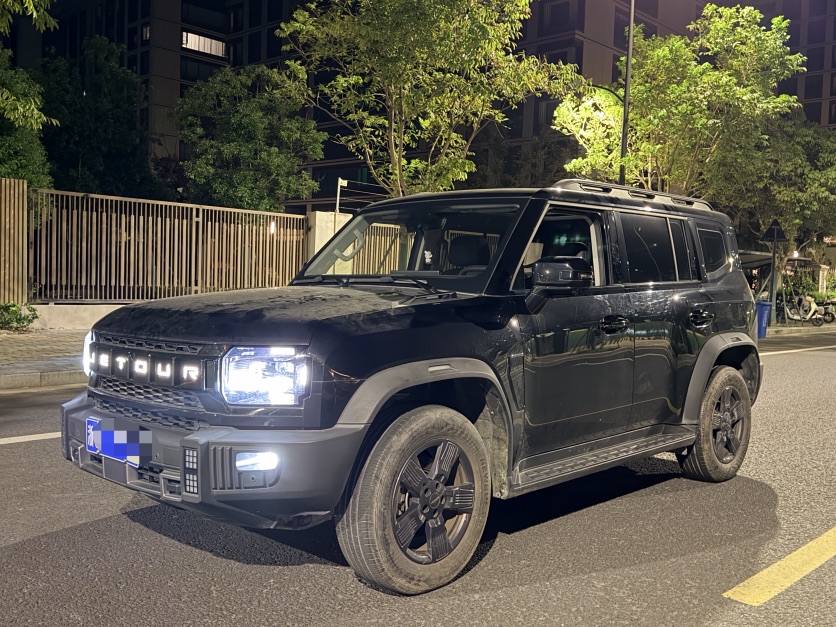
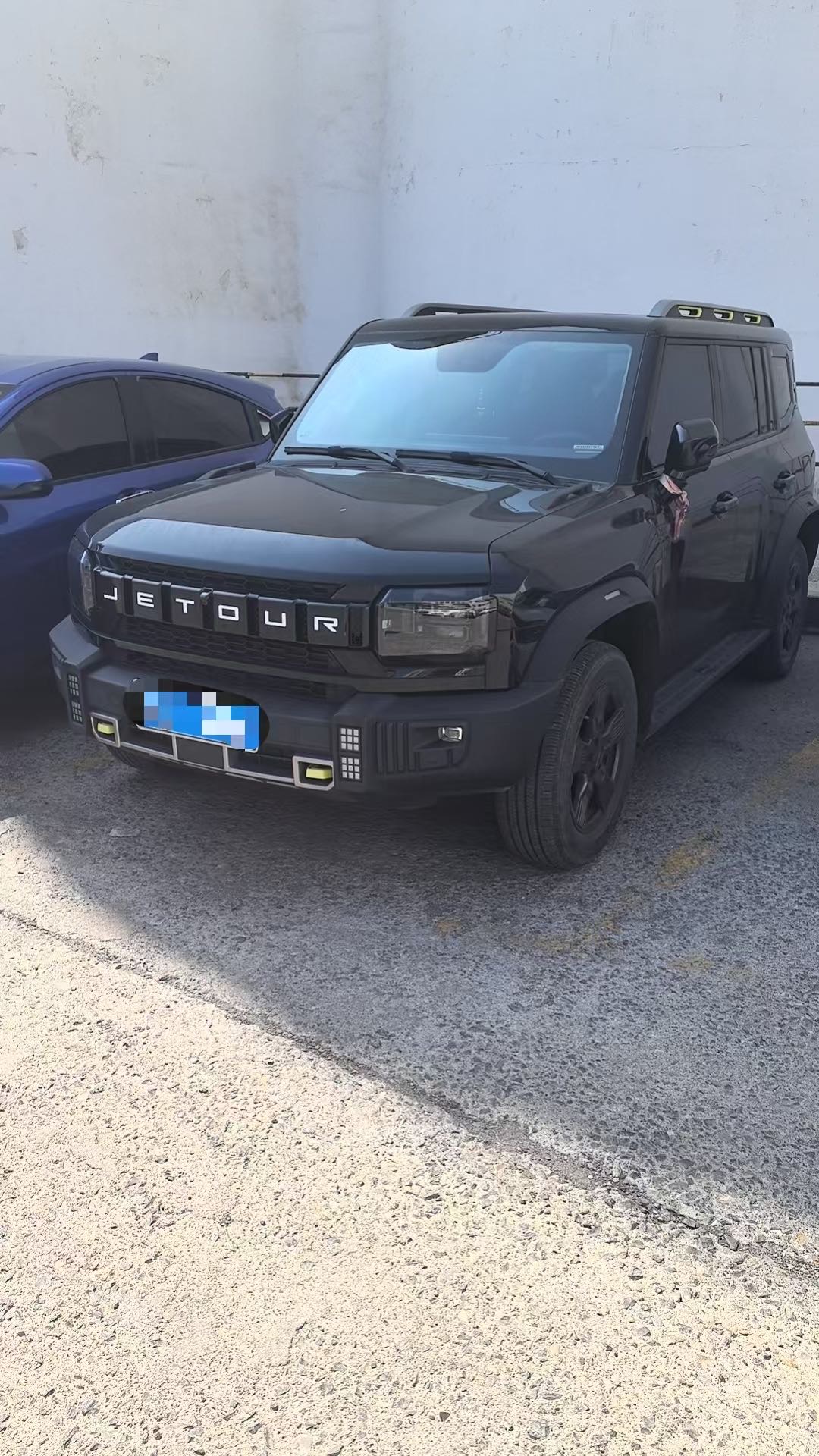
2024 model, 36,000 km, original paint, several panels have scratches down to the base coat.

Document Information

Inspection Expiry Date-
Warranty Expiry Date-
Insurance Expiry Date2027/02

Q&A

More

How is liability defined if the battery pack is damaged during long-distance sea transport due to extreme temperatures?

This is considered a force majeure risk. We will require the vehicle's state of charge (SOC) to be maintained in a safe dormant range of 30%-50% before loading, and we will insure you for all marine risks under CIF terms. If the battery suffers thermal runaway total loss due to abnormal cargo hold temperatures, the insurance company will compensate.

What is a safe step-by-step process for buying a used car from a Chinese exporter without visiting in person?

1) Verify the company: business license, export track record, and a live video call where they show the actual car and its VIN. 2) Hire an independent pre-shipment inspection. 3) Sign a contract stating the VIN, specs, price, Incoterm, and refund conditions. 4) Pay a 20–30% deposit by bank transfer only after the contract is signed — never the full amount, and never to a personal account. 5) After the inspection passes, pay the balance against a copy of the bill of lading. 6) Track the shipment and prepare import documents. 7) Inspect the car on arrival before releasing any final documents. Each step is a checkpoint. Don't let the seller rush you past one.

What should the inspector check during a cold start test of the engine?

A cold start reveals problems that a warm engine hides. Ask your inspection agent to perform and film this sequence. First, the start itself: the engine should crank smoothly and settle into a stable idle within a few seconds. Extended cranking, blue or white smoke, or a lumpy idle suggest worn internals or head-gasket issues. Second, listen for timing-chain rattle or metallic tapping in the first ten seconds — cold top-end noise often means deferred maintenance. Third, watch the exhaust on a cold morning: brief white vapor is normal in winter, but persistent blue smoke means oil burning, and sweet-smelling white smoke can indicate coolant leaking into the cylinders. Fourth, have the inspector scan the OBD system right after the cold start; misfire counters and fuel-trim values are most honest when the engine is cold. Ask for a continuous, timestamped video from outside the car before startup through at least five minutes of idling, so you can verify the engine really was cold.