Odometer fraud exists everywhere, but cross-checking several data points makes it hard to fake:
1) Maintenance records: ask for service history with mileage entries. Gaps or resets are red flags.
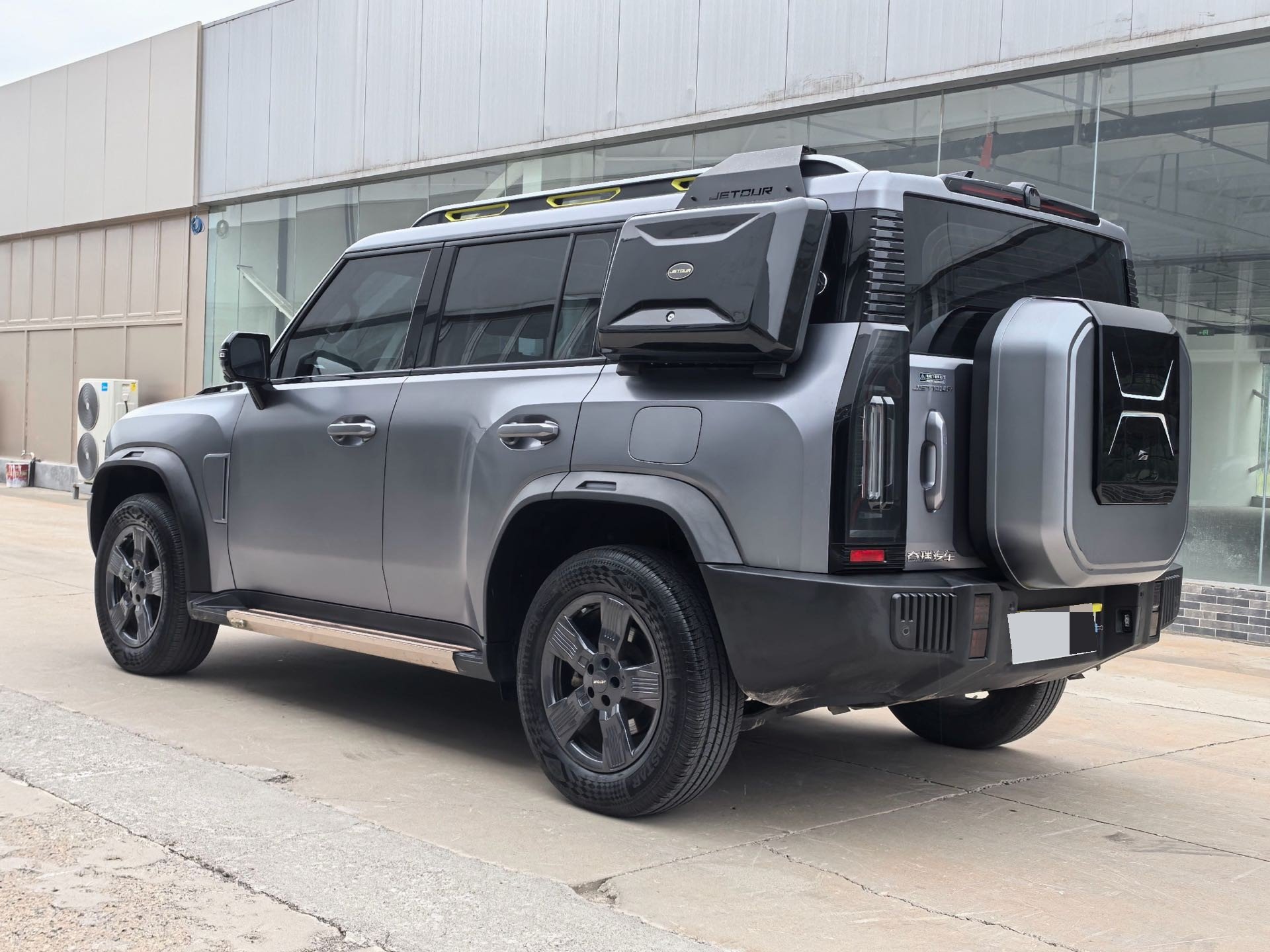
2) Tire wear: a car showing 30,000 km should not have nearly bald tires. Compare tread depth against the claimed mileage.
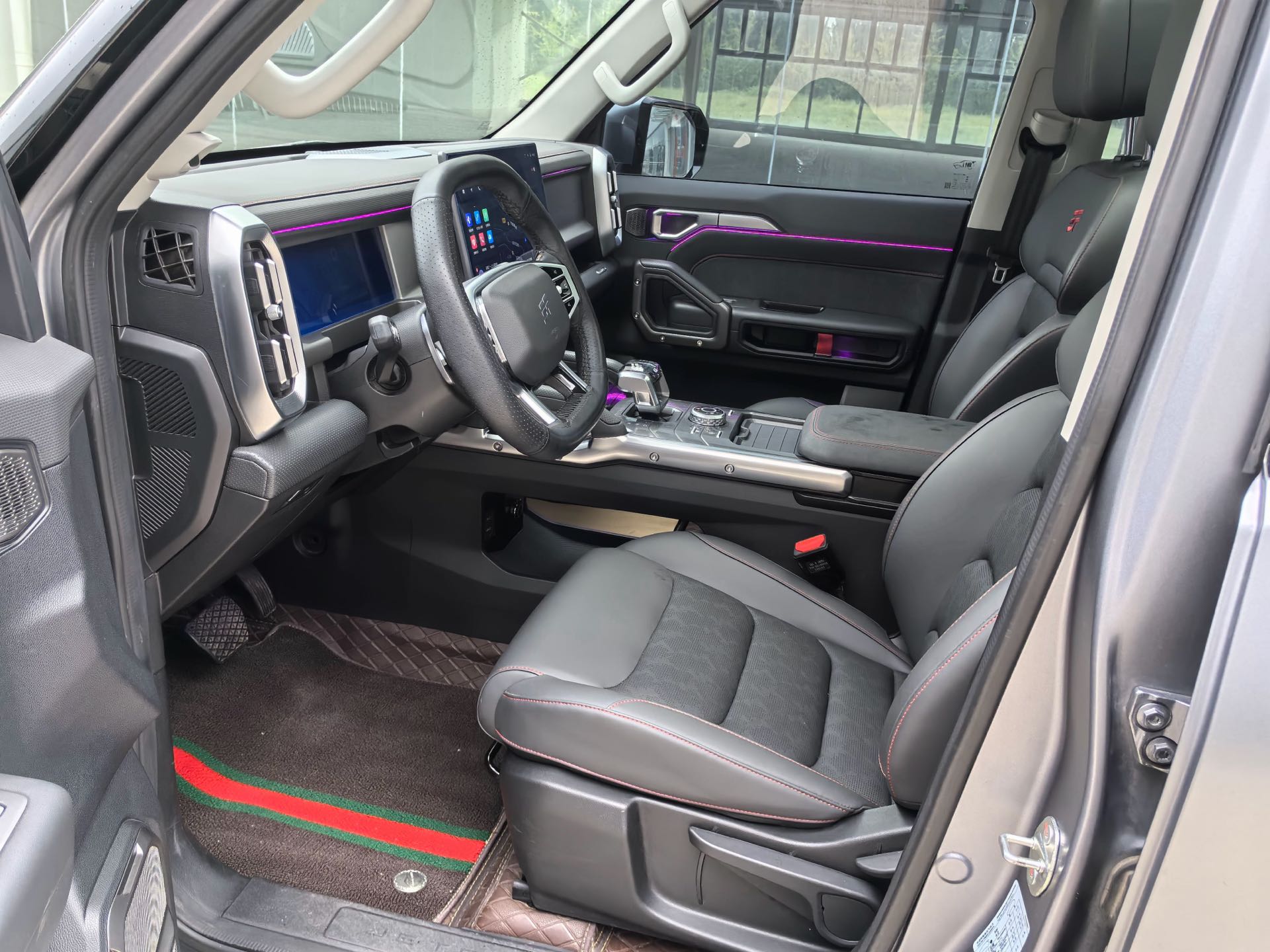
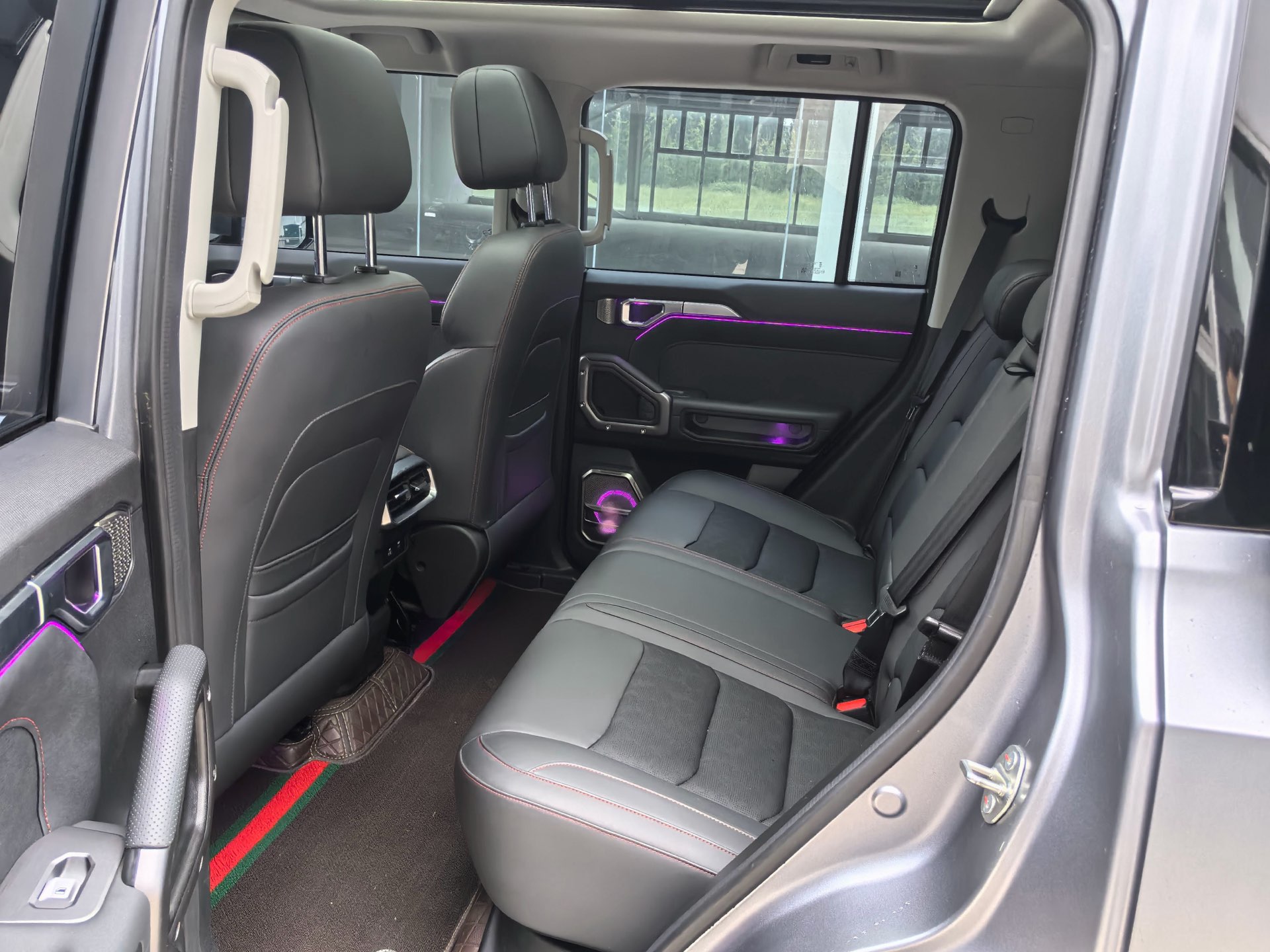
3) Pedals, steering wheel, and seat bolsters: heavy wear on these with low odometer readings is a classic mismatch.
4) Diagnostic scan: request an OBD readout. Many control modules store mileage data internally — if the ECU shows 120,000 km while the dash shows 40,000, you have your answer.
5) Vehicle history report: in China, apps and platforms can pull insurance claim records and registration history, which often reveal the true mileage trail.
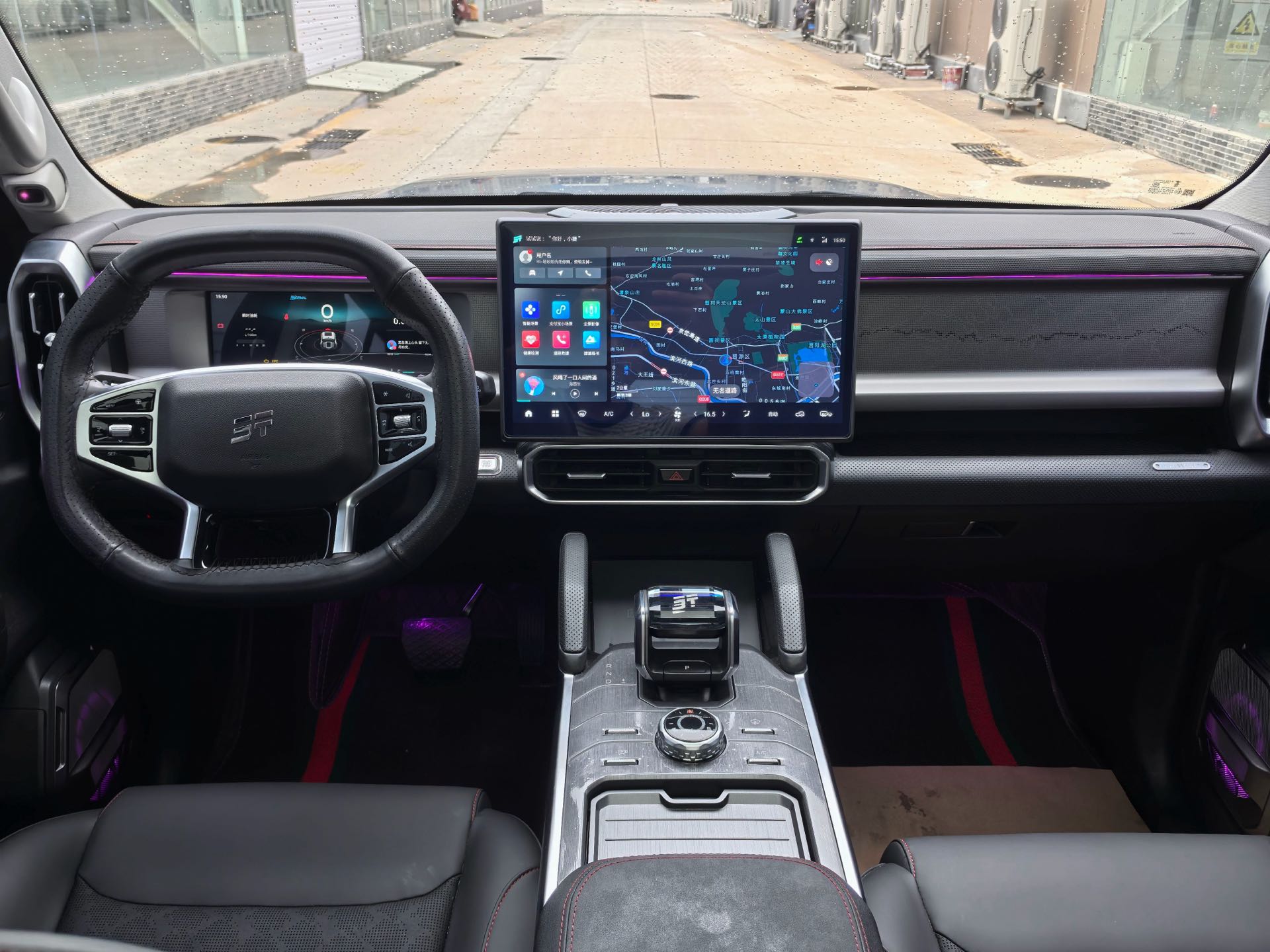
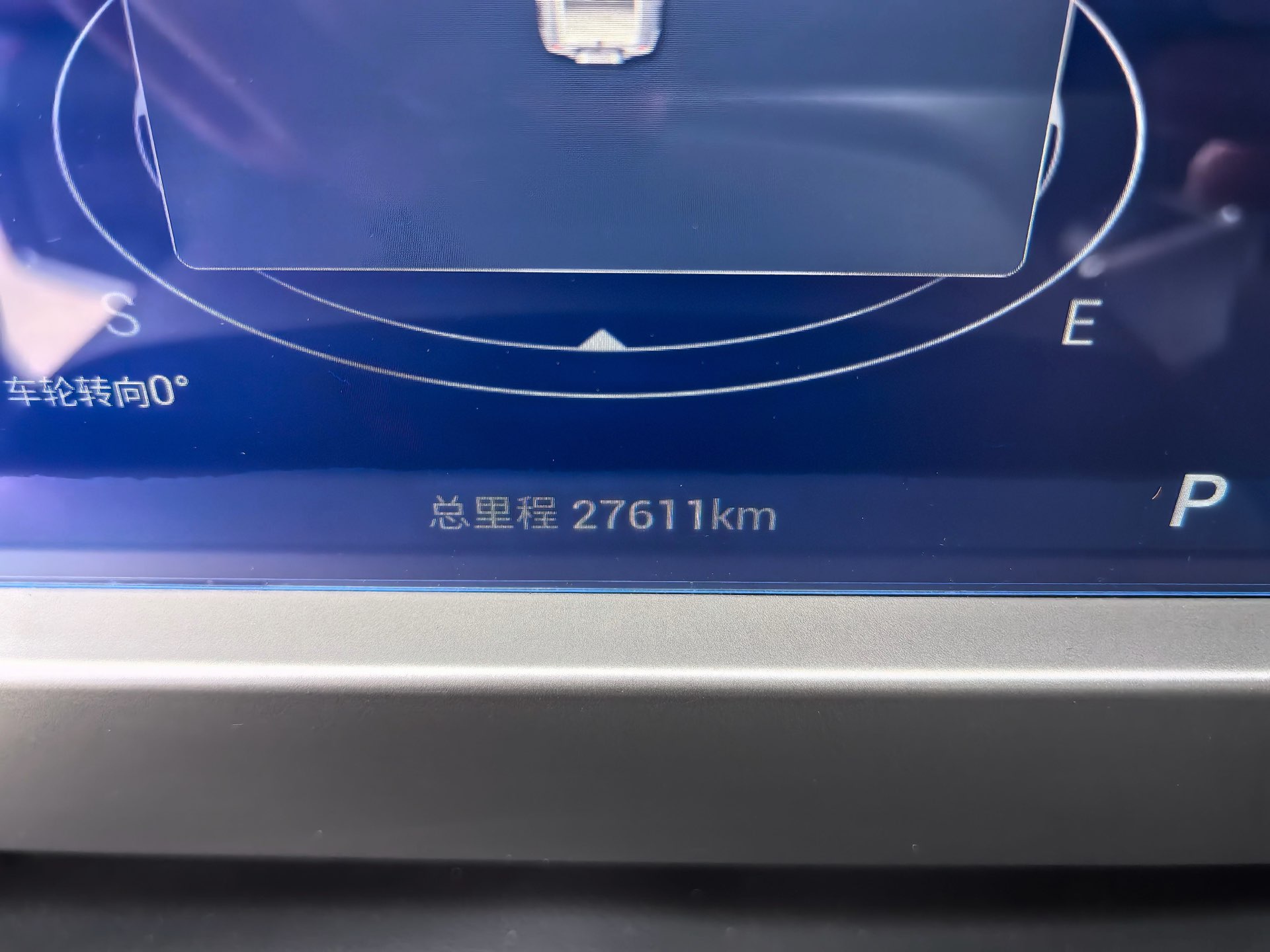
Always request a live video showing the odometer with the engine running, and have the number written into your contract.