



48H

Basic Information

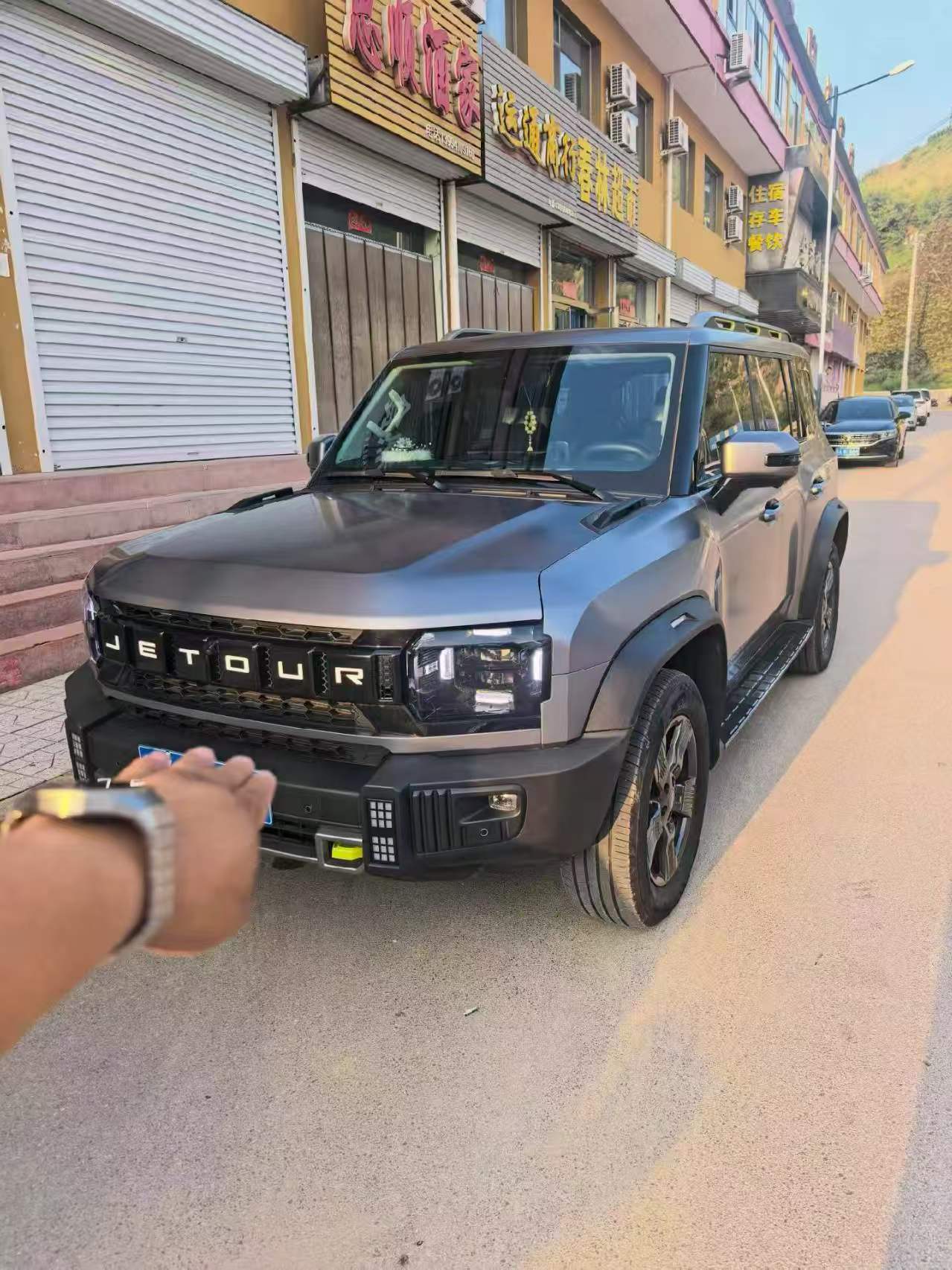
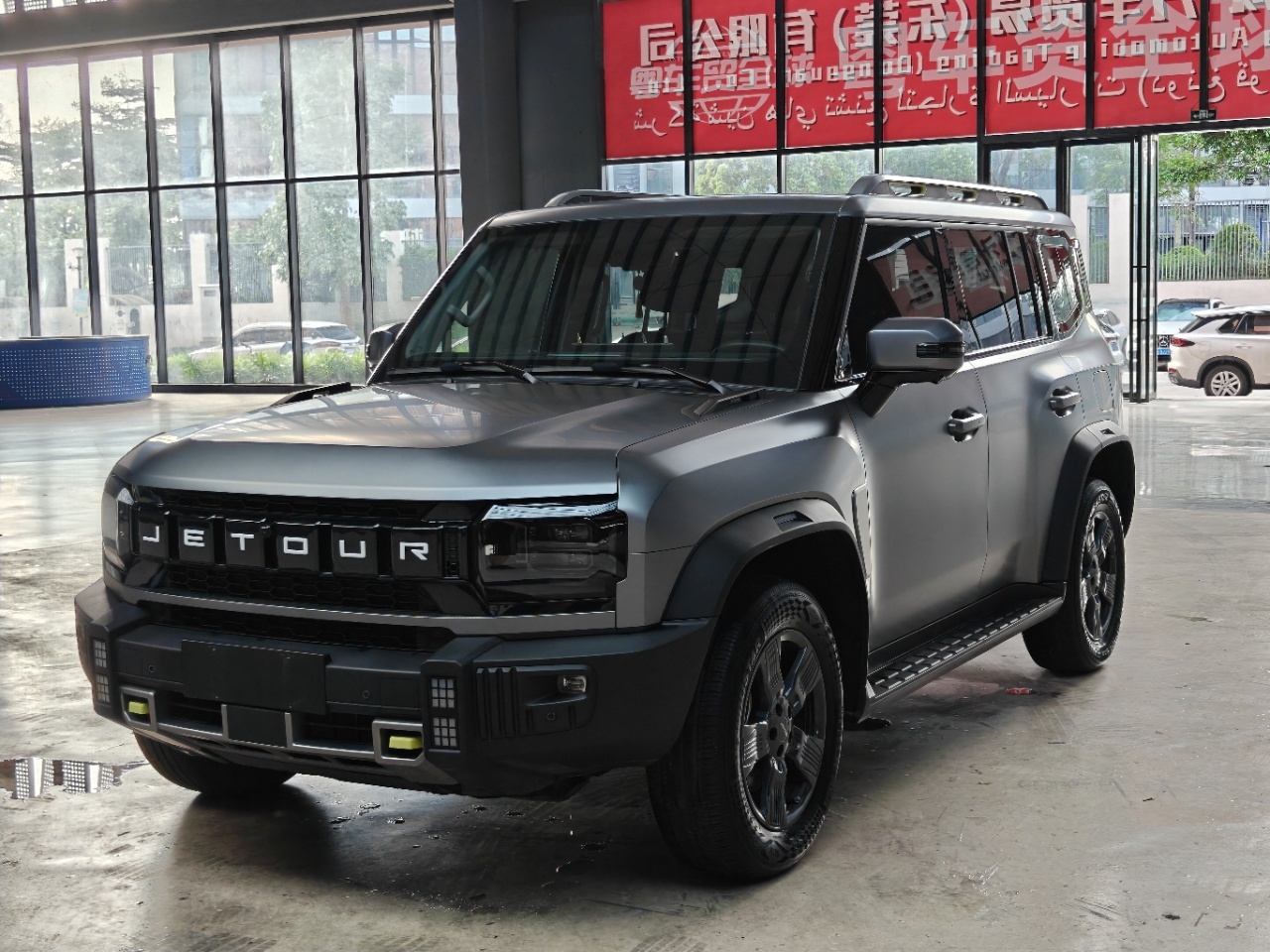
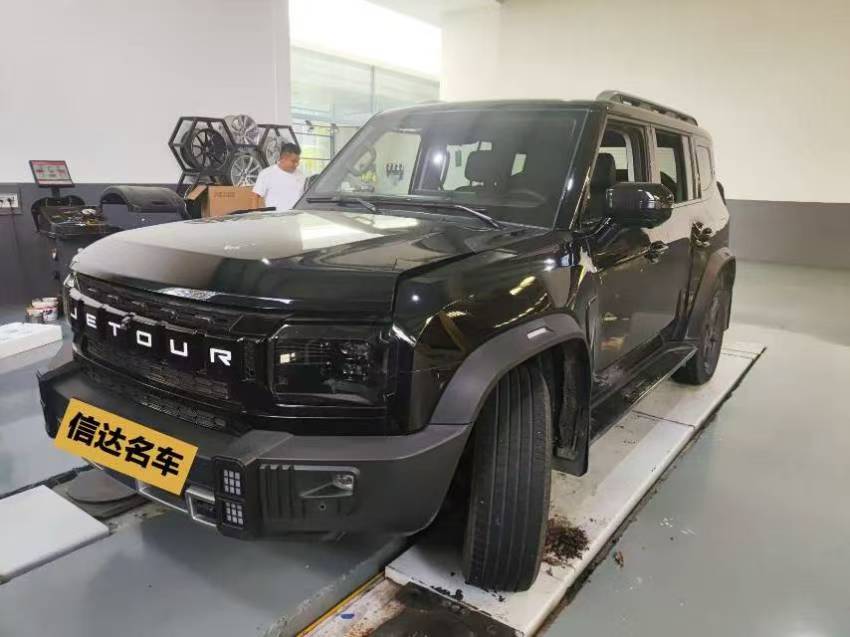
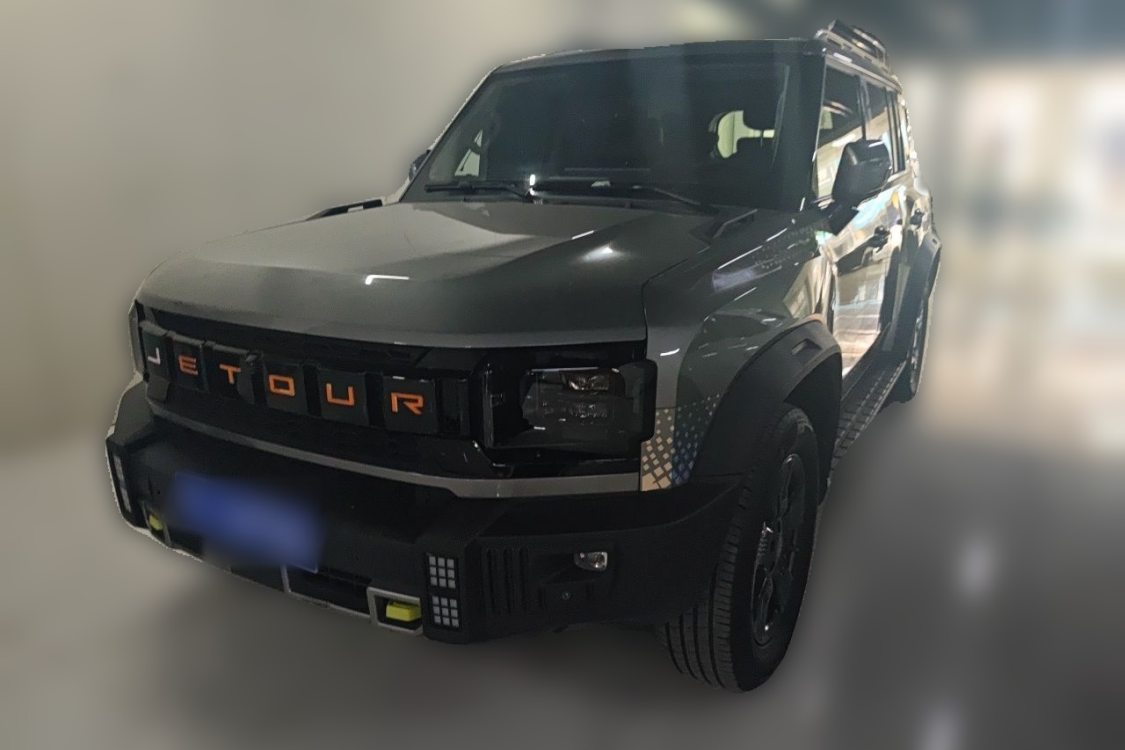
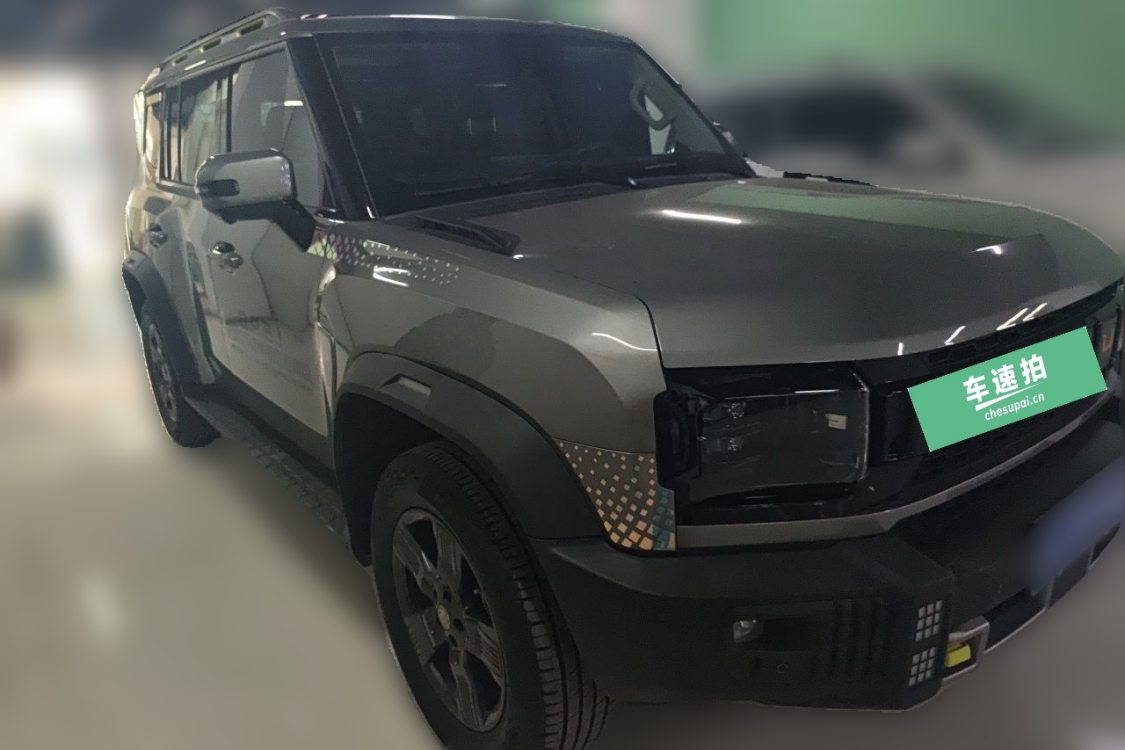
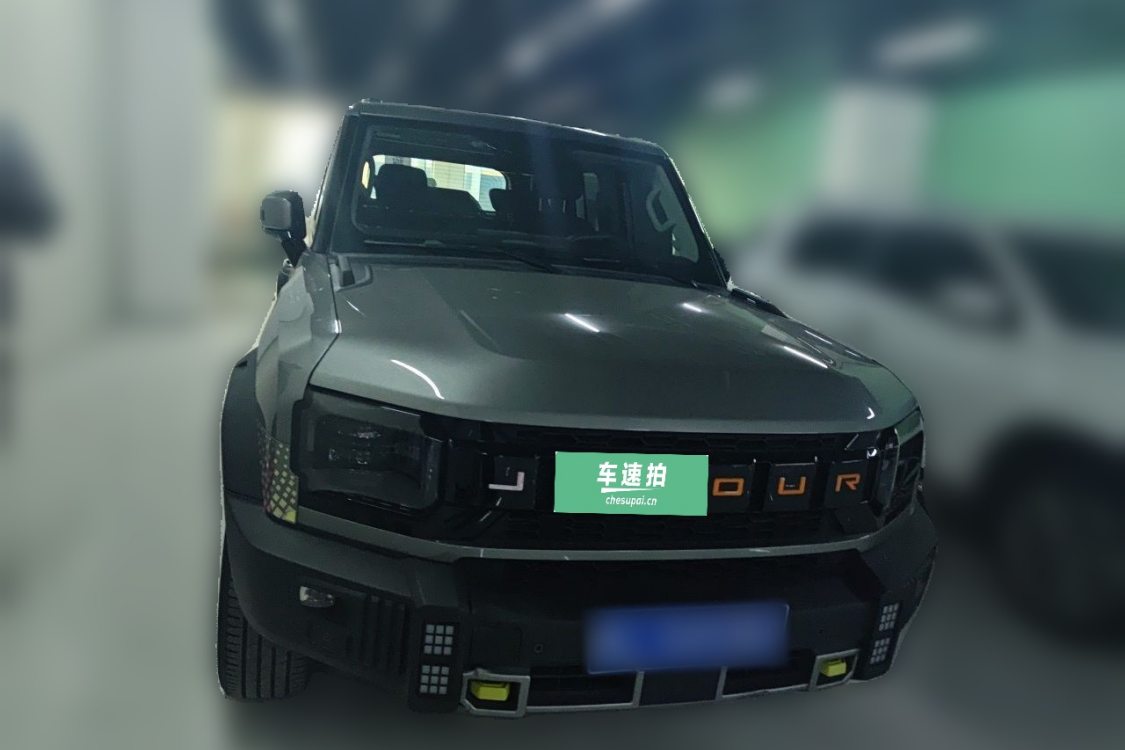
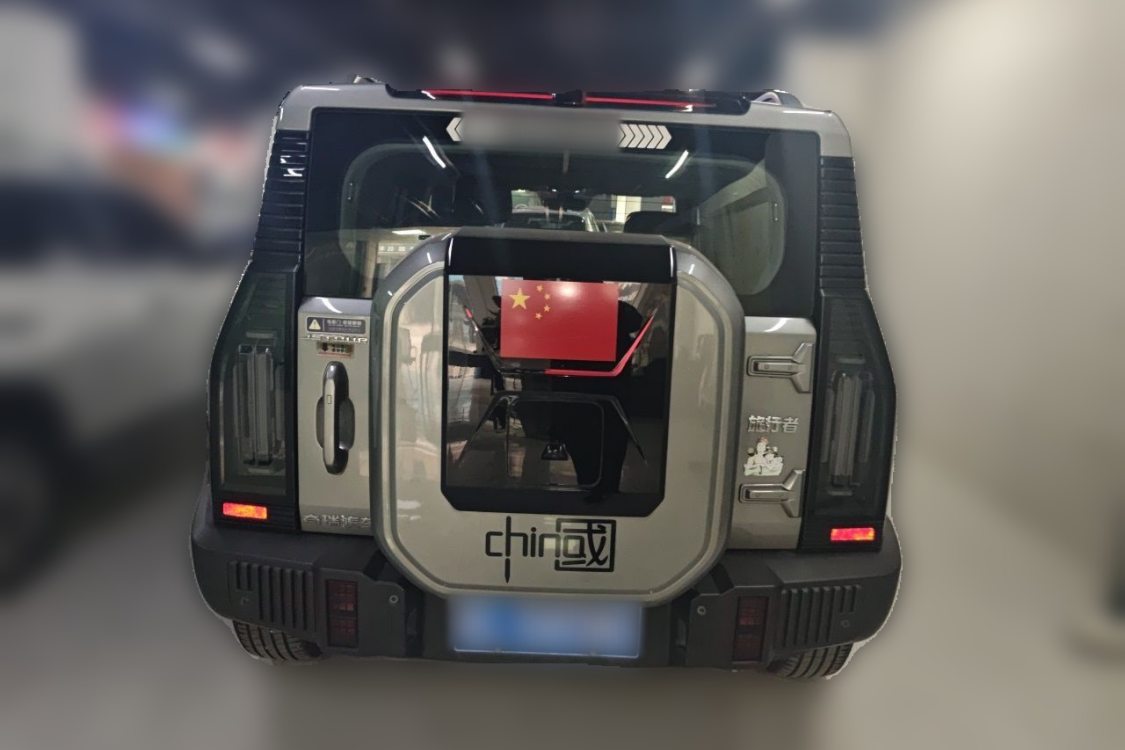
BrandJetour
SeriesTraveller
Year2025
First Registration2025/02
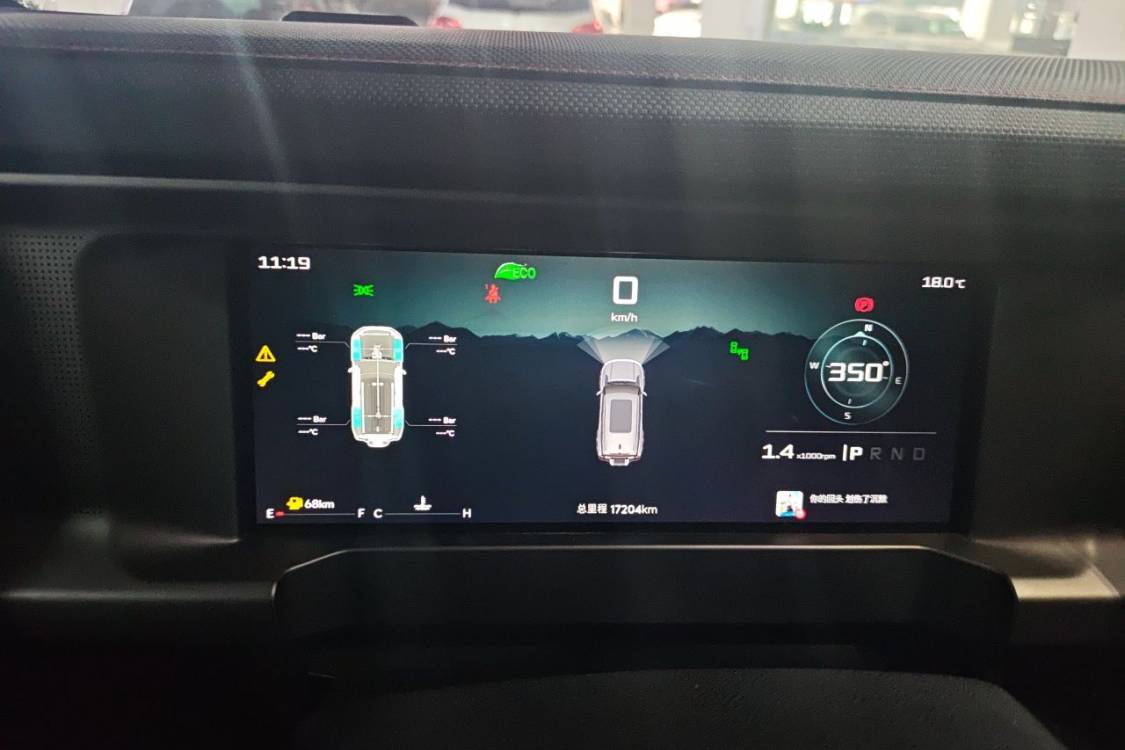
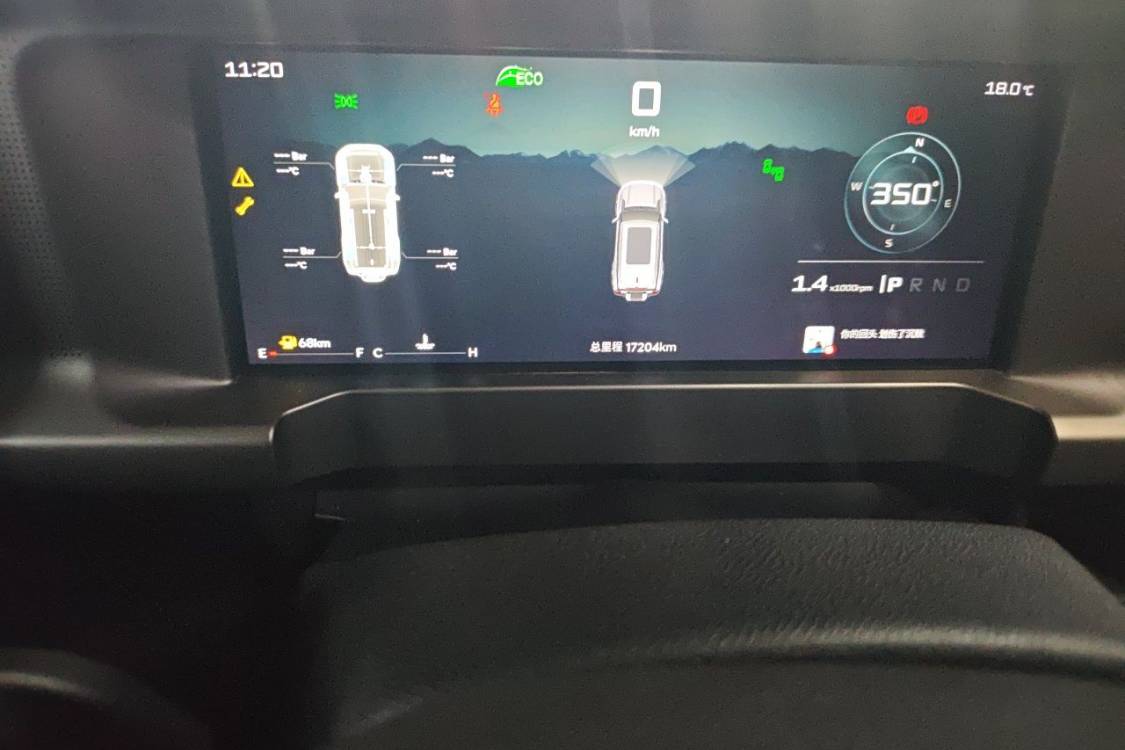
Mileage17,200km
Transfer Count-
FuelGasoline
TransmissionDCT
Engine1.5T 184 L4
ColorGrey
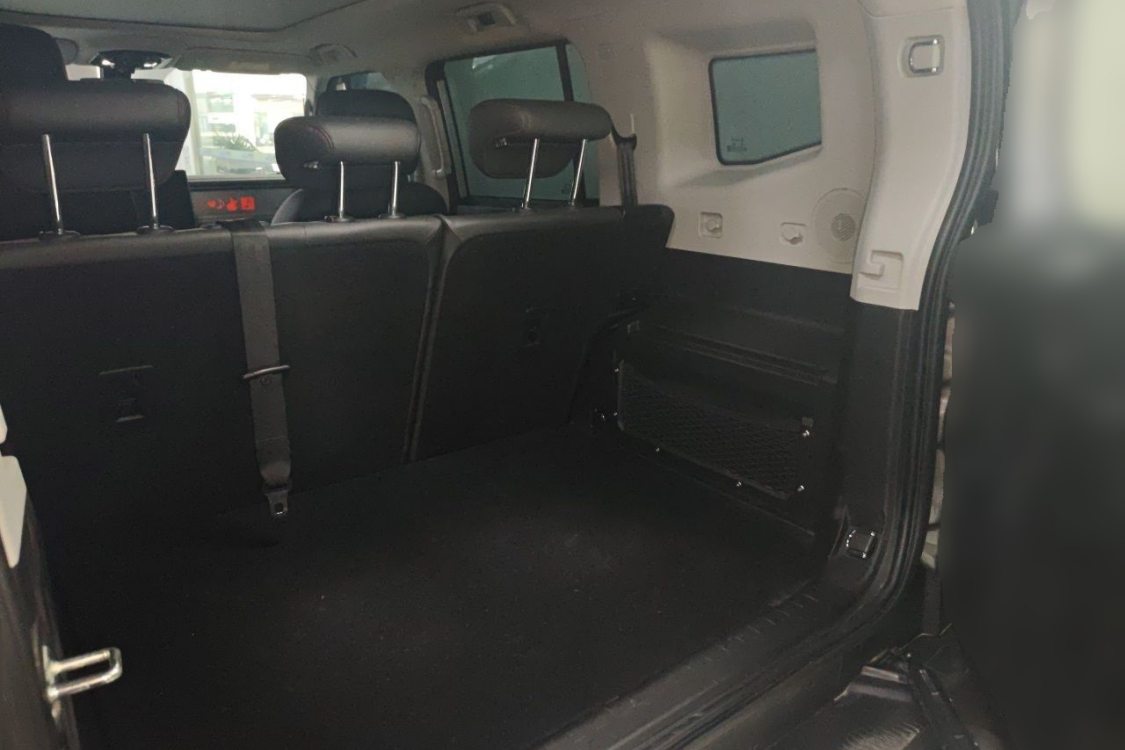
Seats5seats

Condition Description

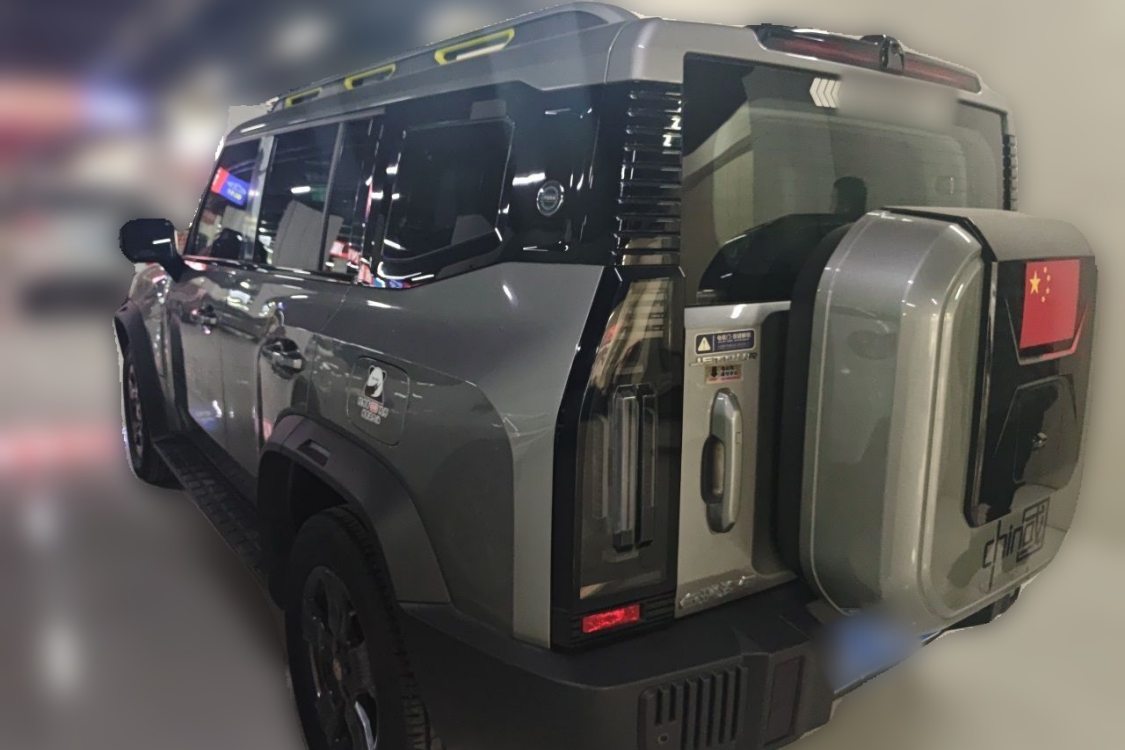
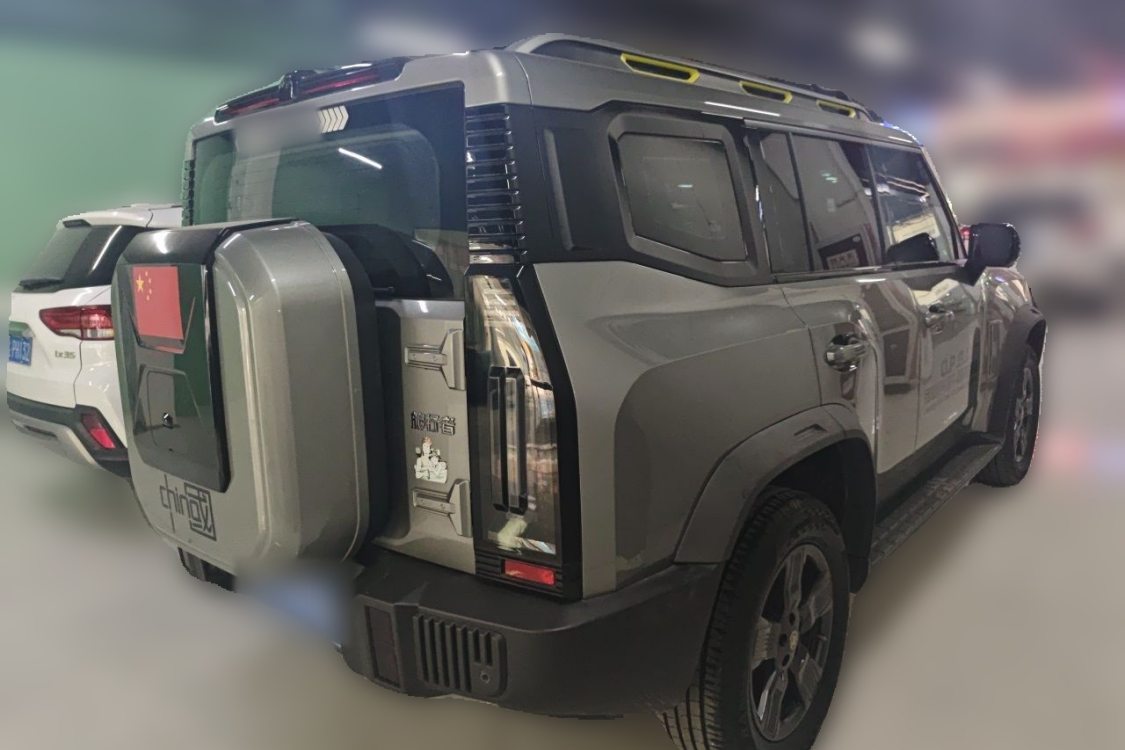
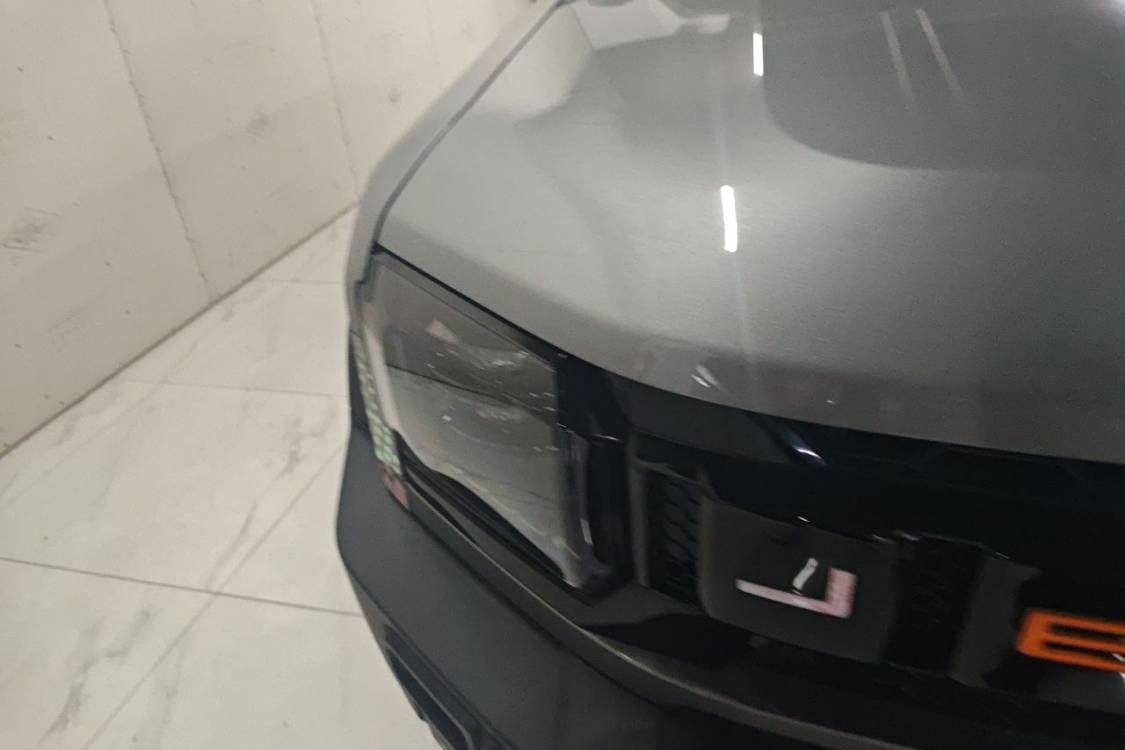
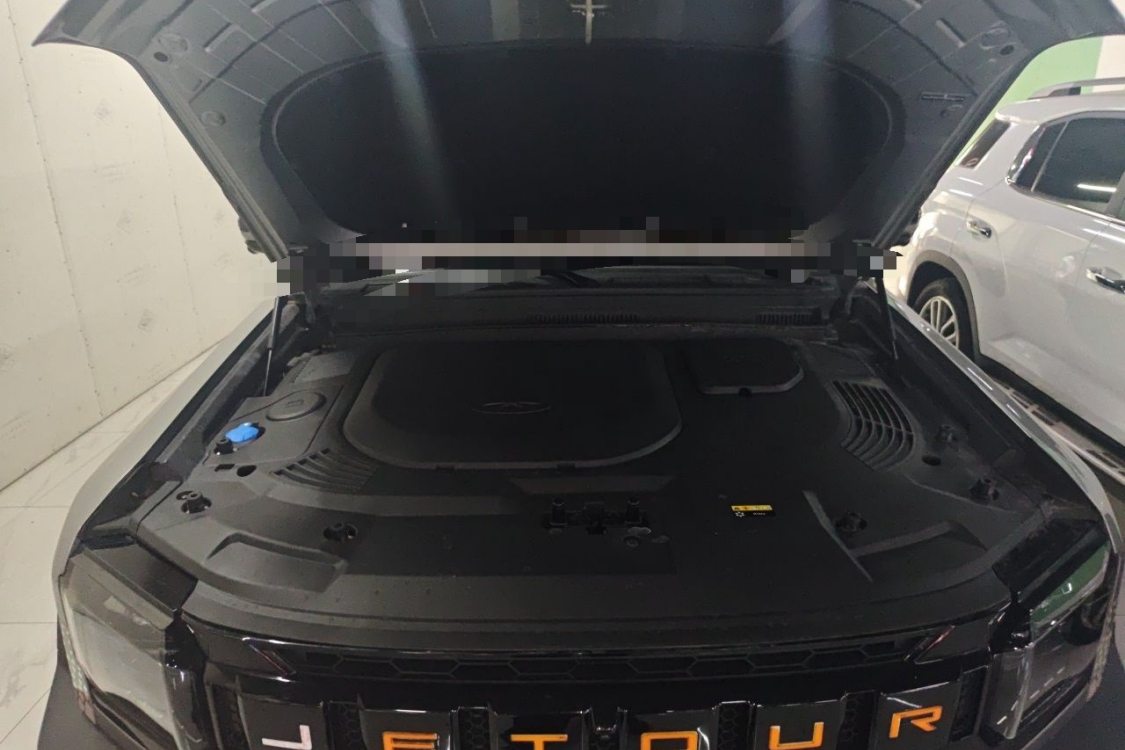
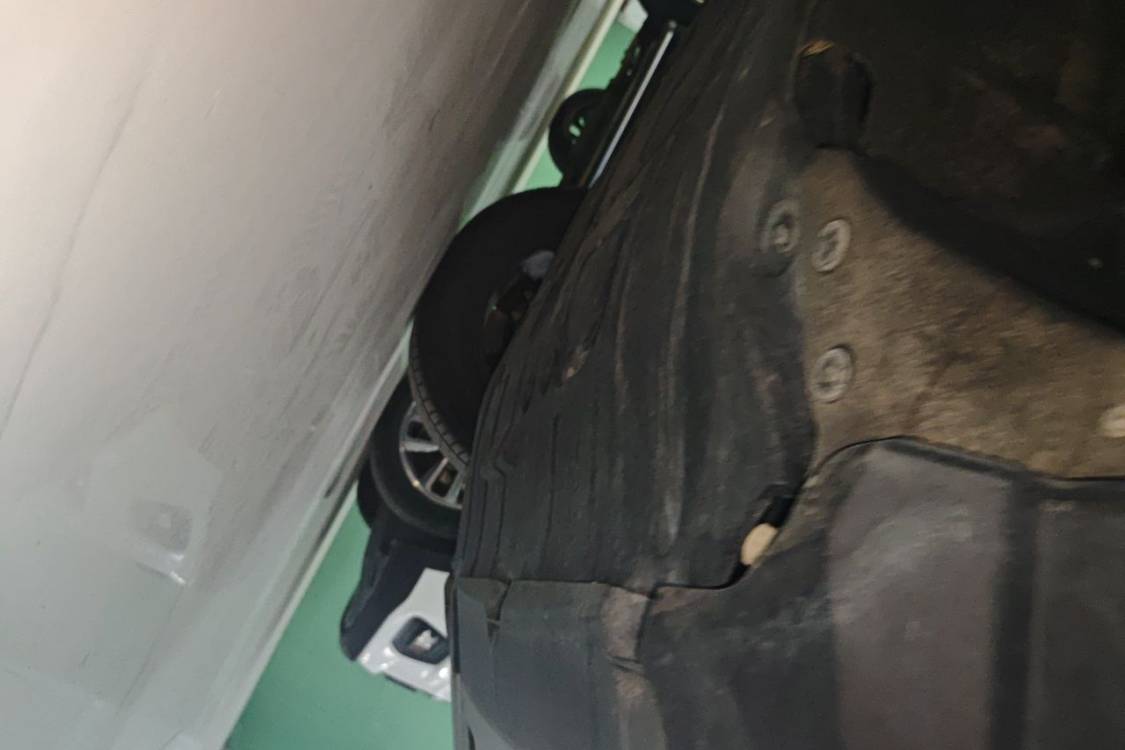
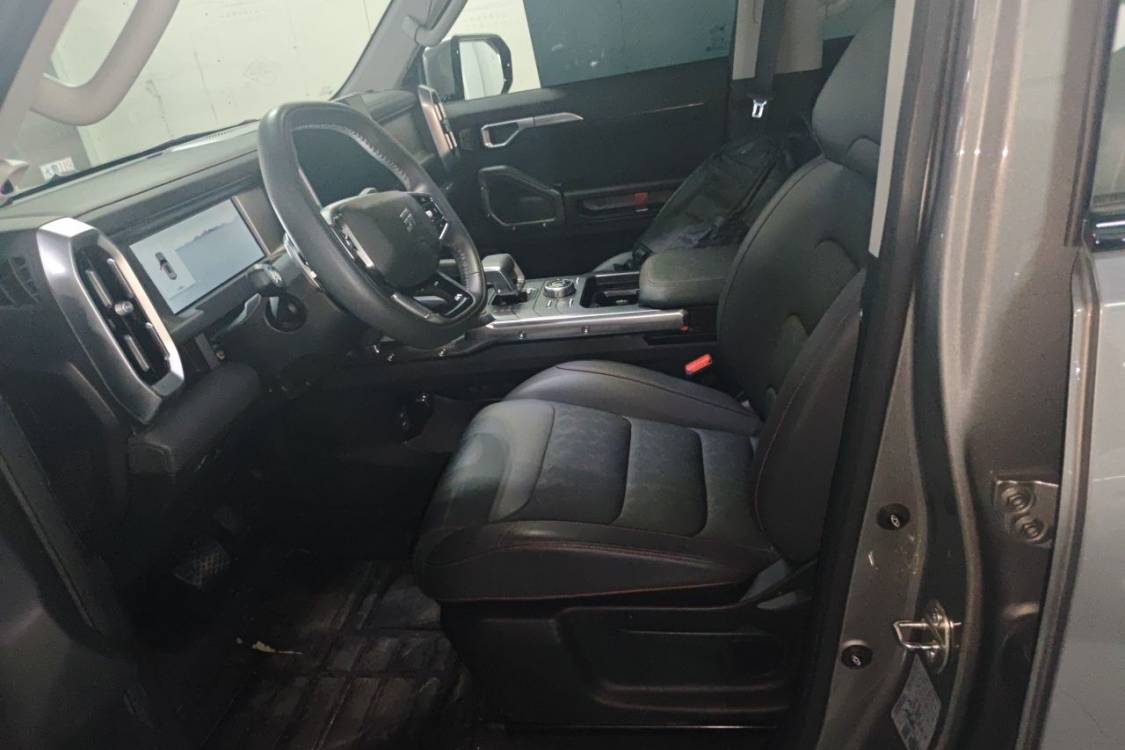
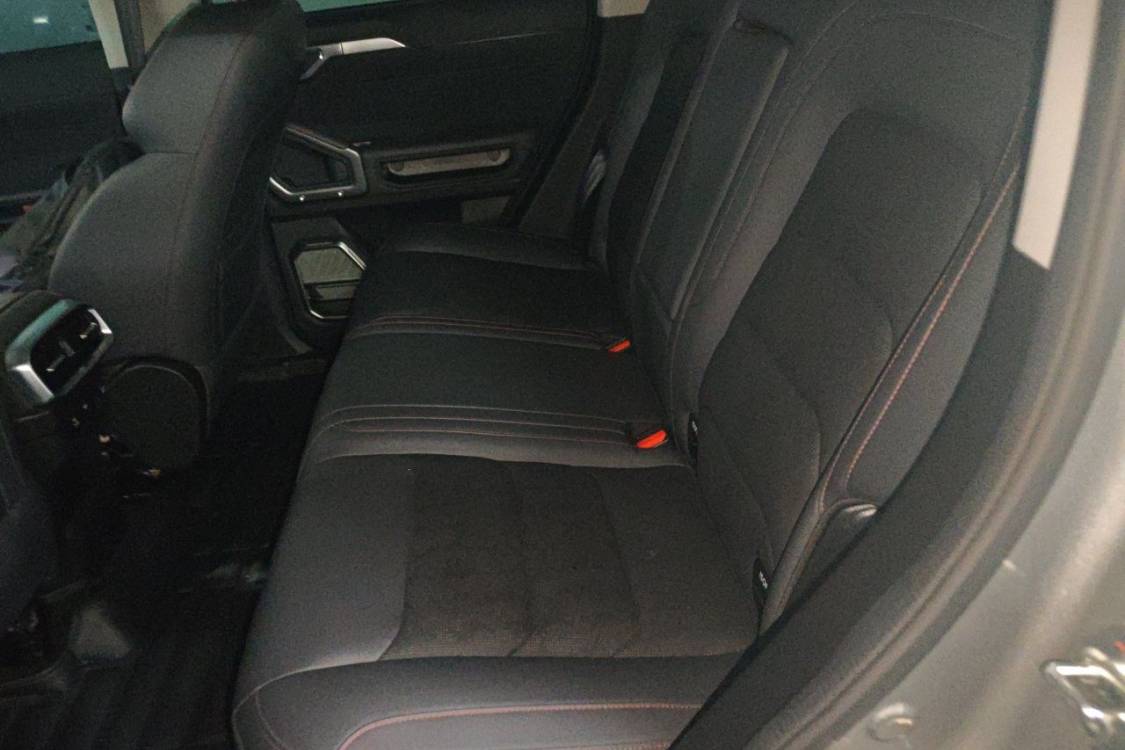
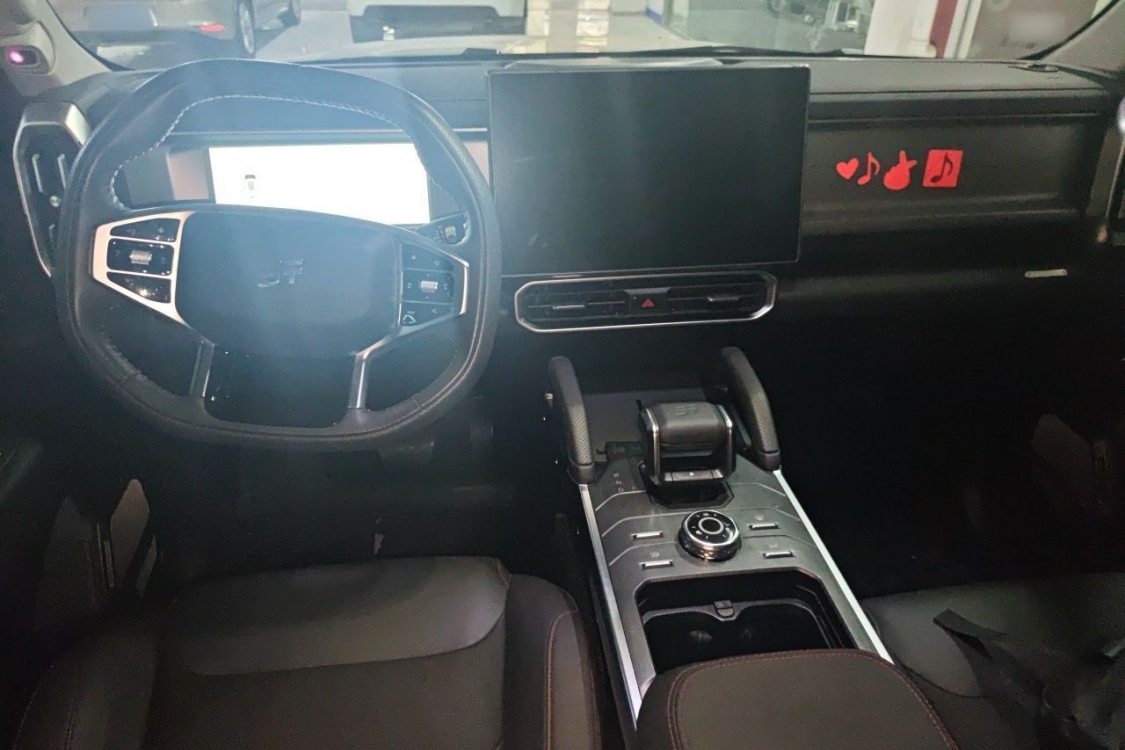
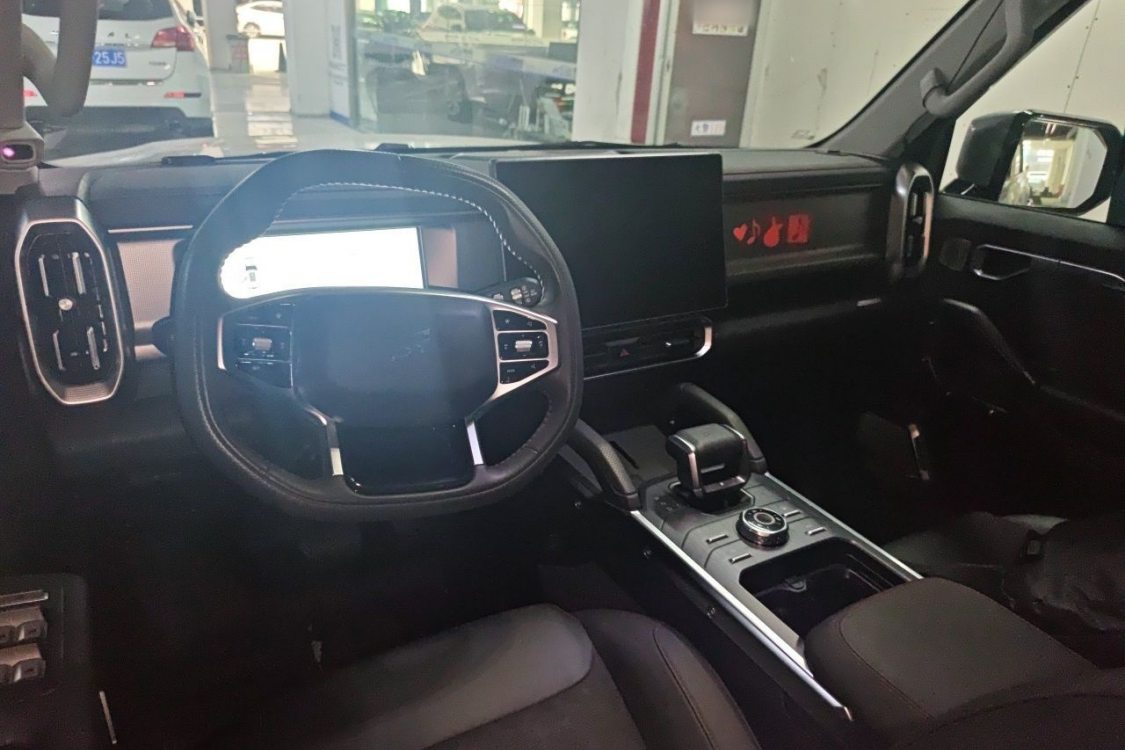
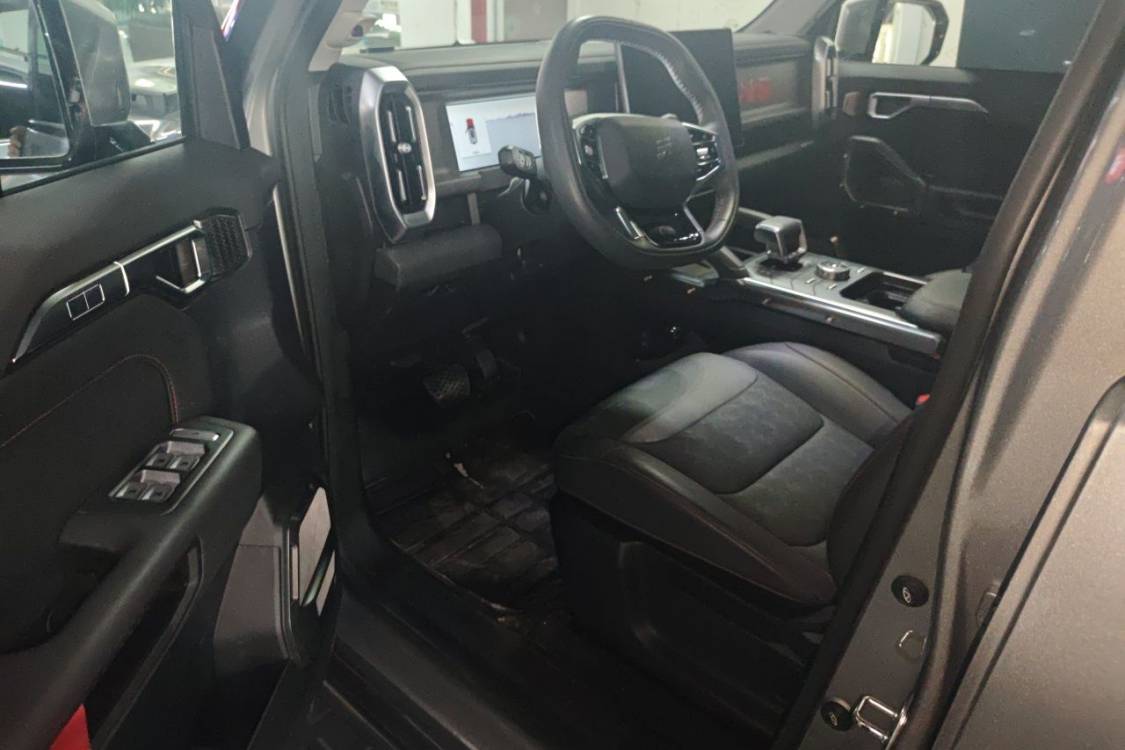
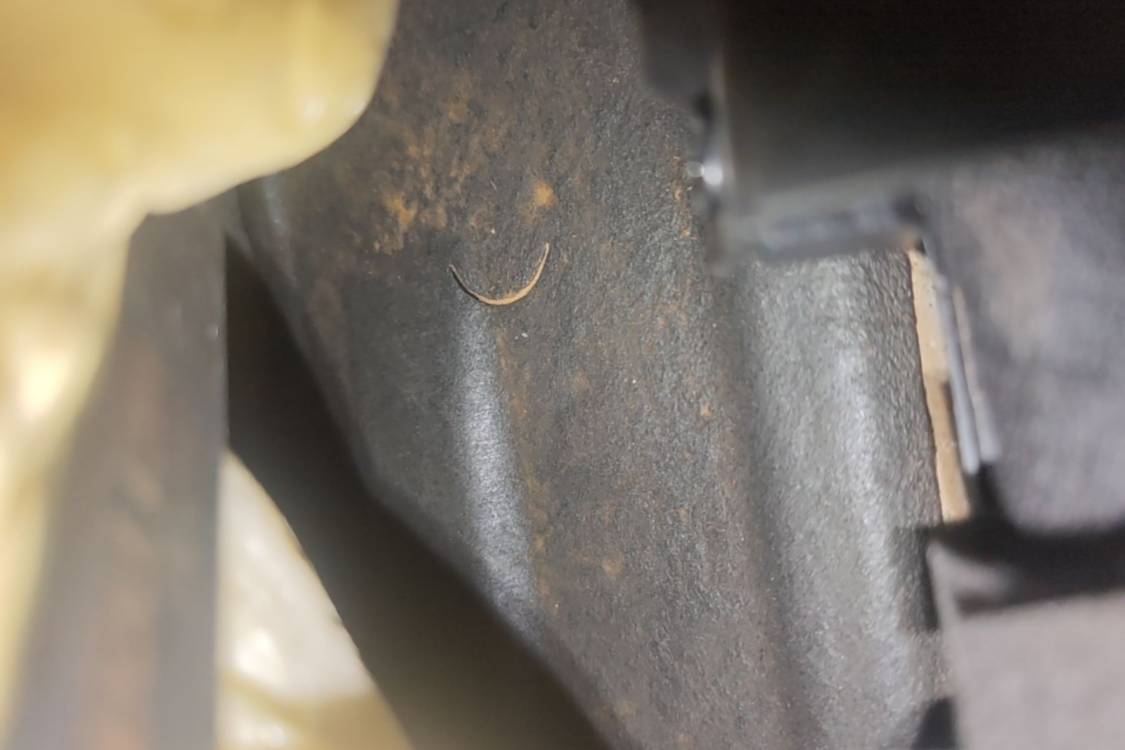
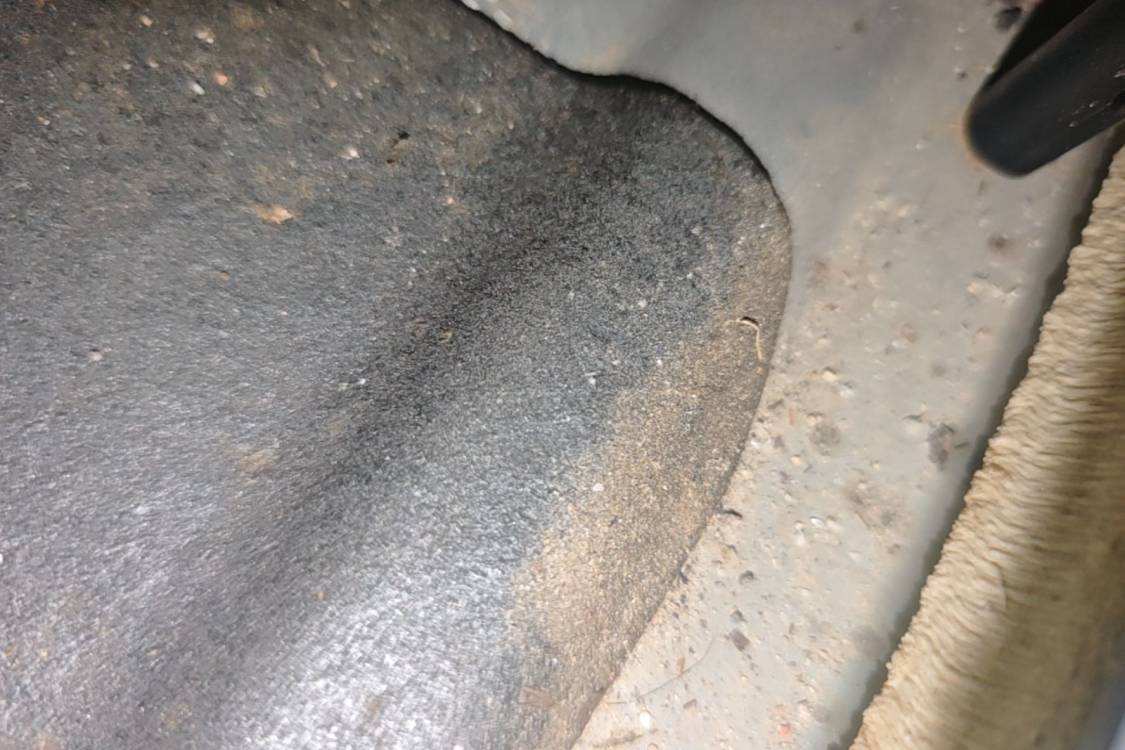
Localized body damage or repair marks present. No accident-related damage or repairs to structural or reinforcement components. Vehicle performance (including three-electric system) has degraded or is limited.

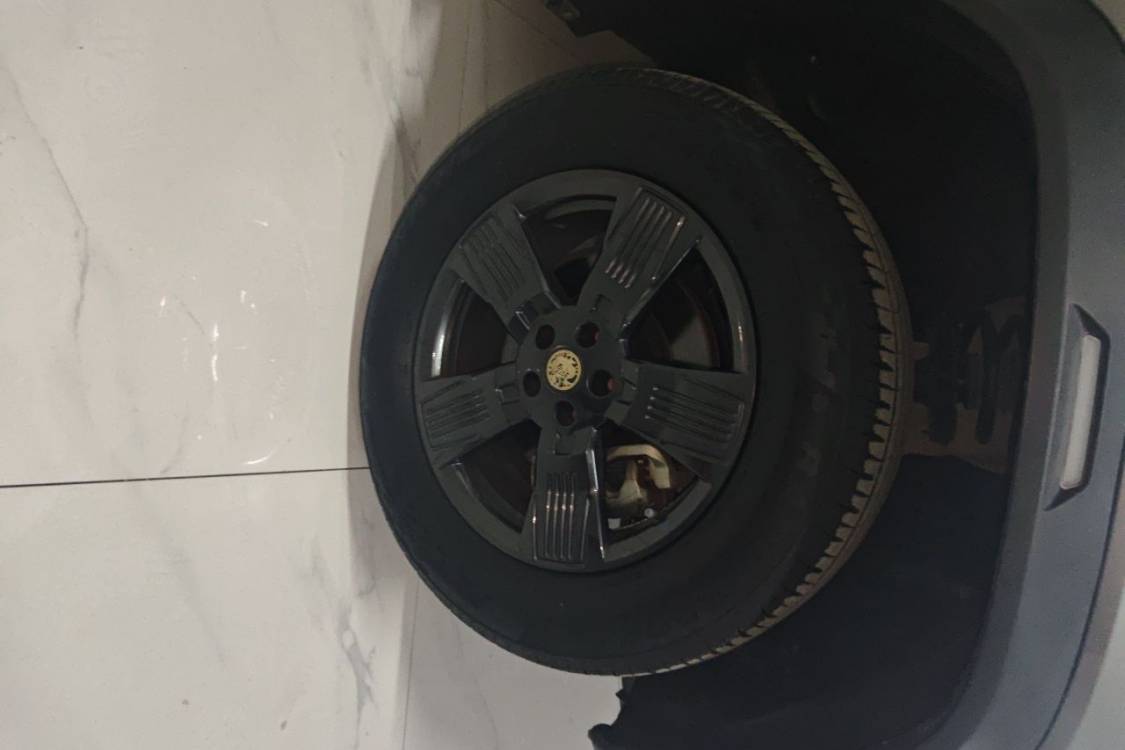
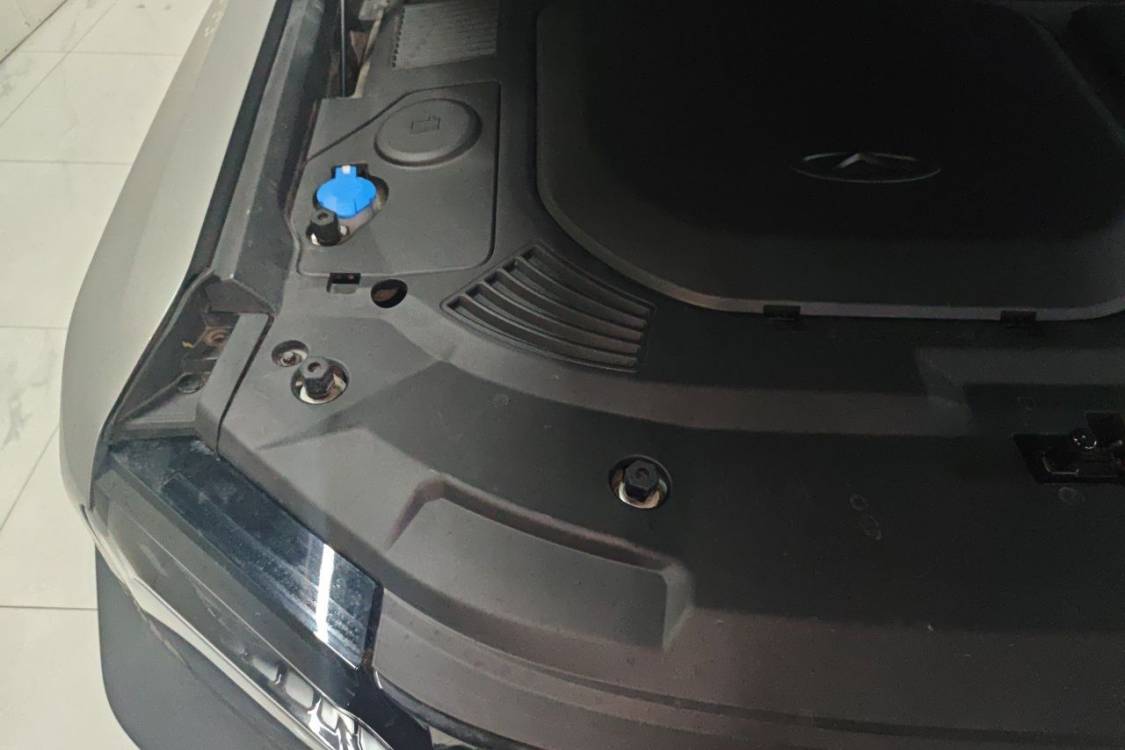
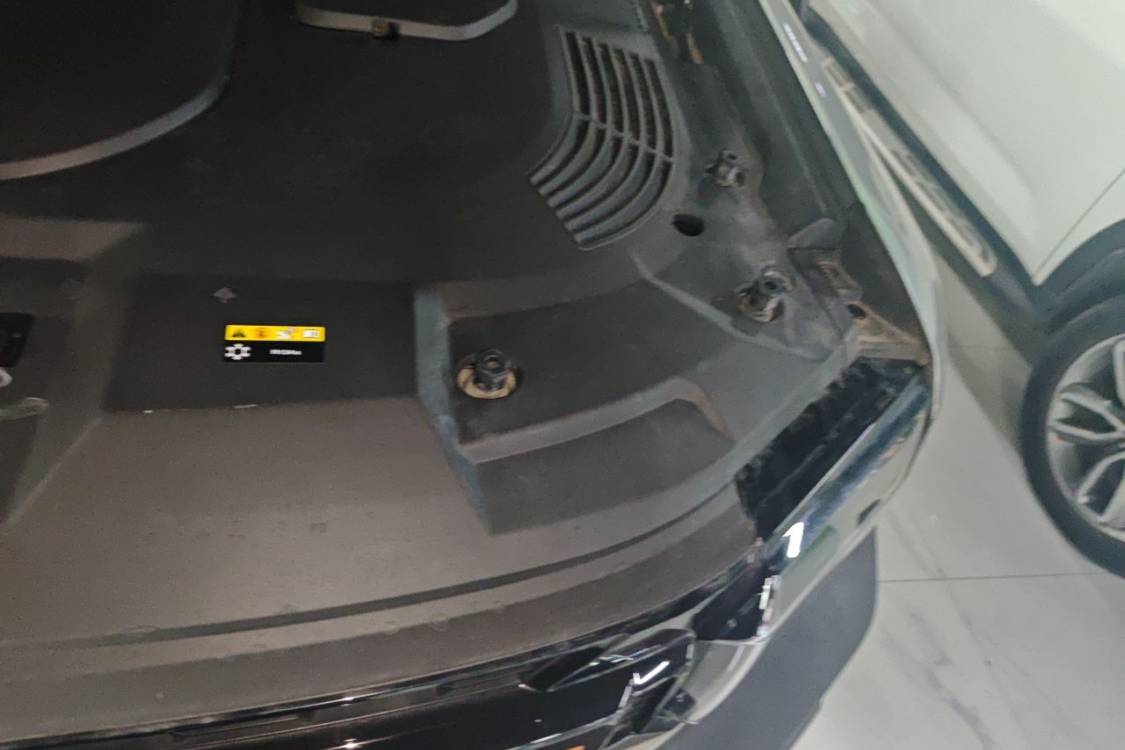
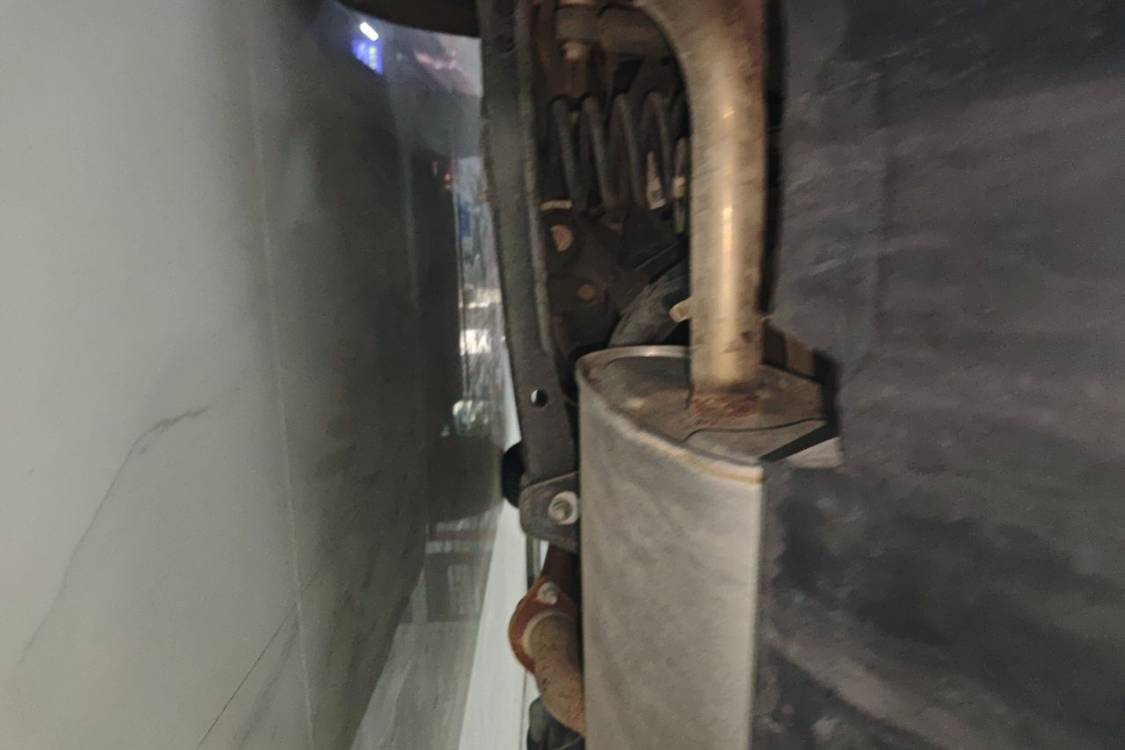
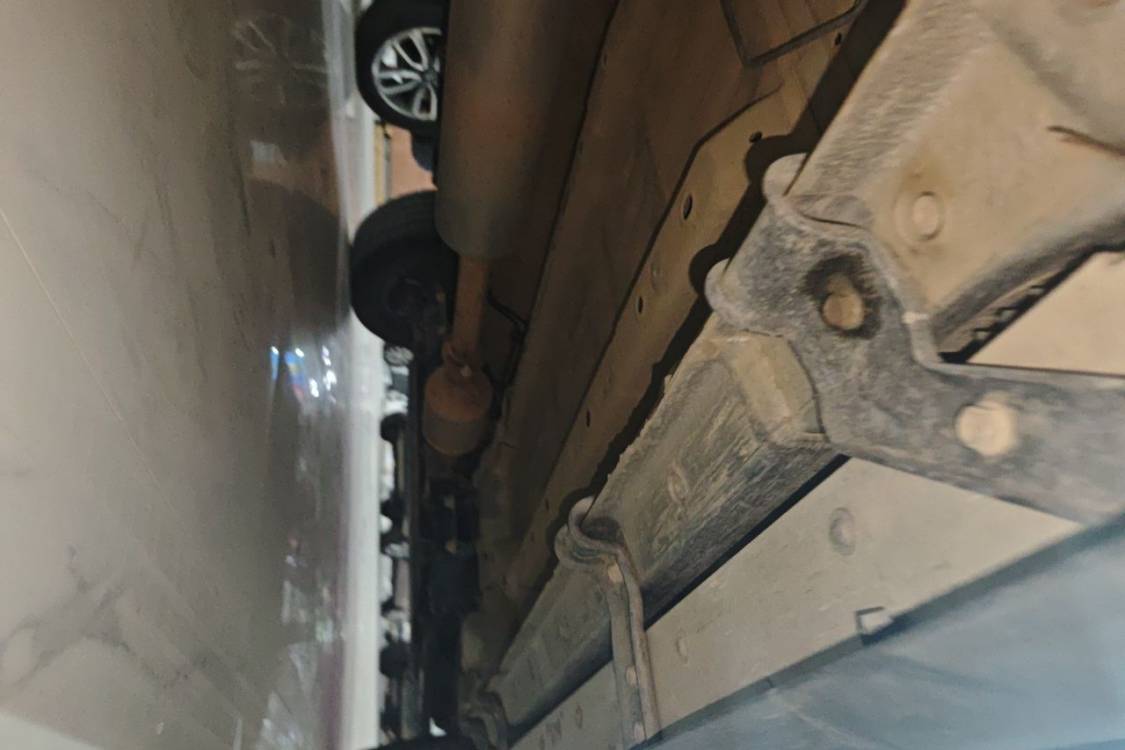
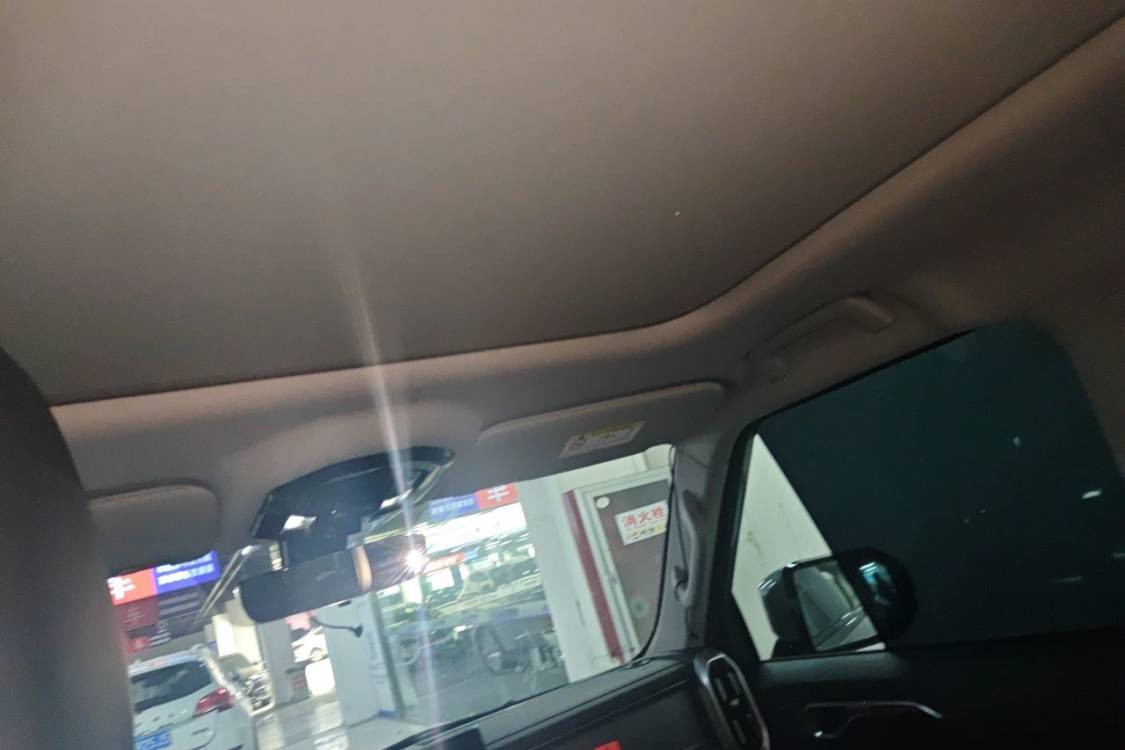
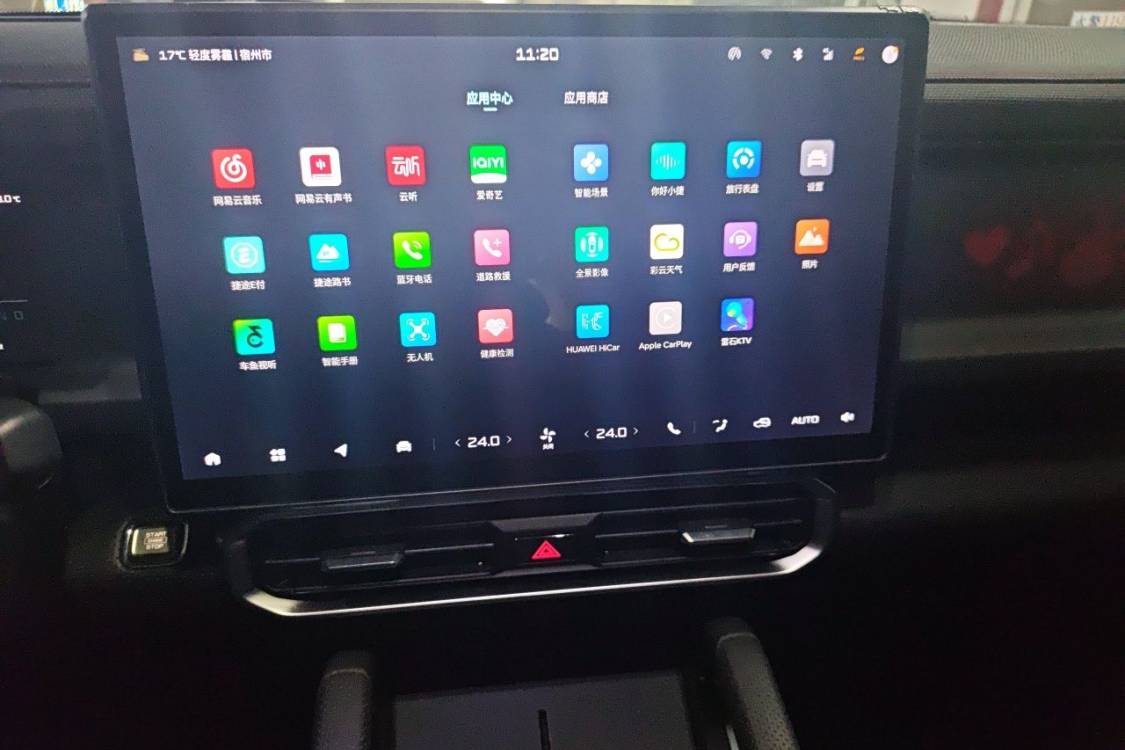
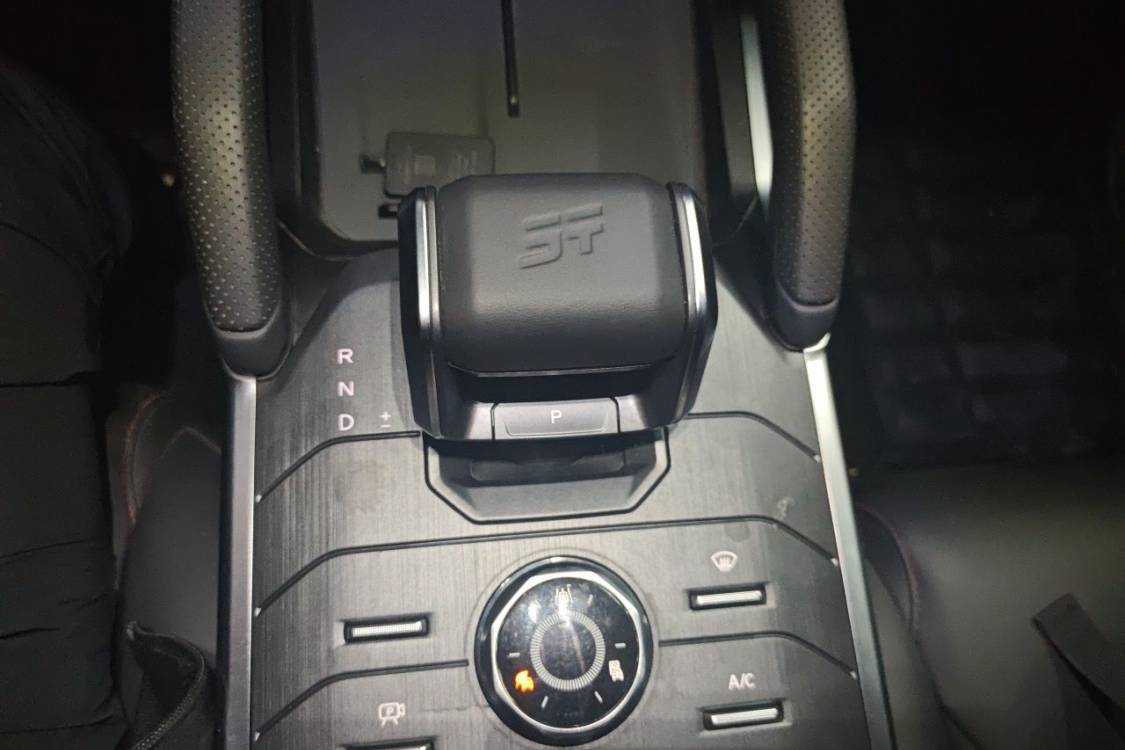
Accident inspection: main structure, reinforcement parts, and panels undamaged; hinges normal. Engine bay: key mechanical components normal. Exterior: none. Interior: most features functional; airbags, seatbelts, dashboard, instruments, and lighting normal. Startup check: major components normal. Onboard tools: none.

Fixed price
VIP车源
零过户
新检测标准升级>
非泡水

Document Information

Inspection Expiry Date2027/02
Warranty Expiry Date-
Insurance Expiry Date2027/02

Q&A

More

Is the external discharge function (V2L) of the vehicle outputting 220V or 110V?

The V2L output standard for domestic models in China is 220V/50Hz. If your country's power grid standard is 110V/60Hz (like in some parts of North America), you cannot directly power local high-power appliances and will need an external transformer.


Should I choose RoRo or container shipping when importing a used car from China, and what does marine insurance actually cover?

RoRo (roll-on/roll-off) is cheaper and faster for a single car—you drive it onto the vessel and it is secured on the car deck. Container shipping costs more but offers better protection from weather, salt air, and handling damage, and allows you to load spare parts inside the car. Marine insurance is essential either way. Standard cover protects total loss and major damage, but read the exclusions: many policies do not cover pre-existing mechanical faults, cosmetic scratches below a deductible, or damage caused by improper securing (lashings). Ask for ICC(A) or All Risks coverage rather than basic total-loss-only policies. Practical tips: 1. Photograph and video the car thoroughly at loading, with the VIN visible 2. Note existing scratches on the bill of lading 3. Inspect immediately at destination—claims windows are often 3-7 days 4. For EVs, declare the battery; some insurers charge a supplement or exclude battery damage altogether

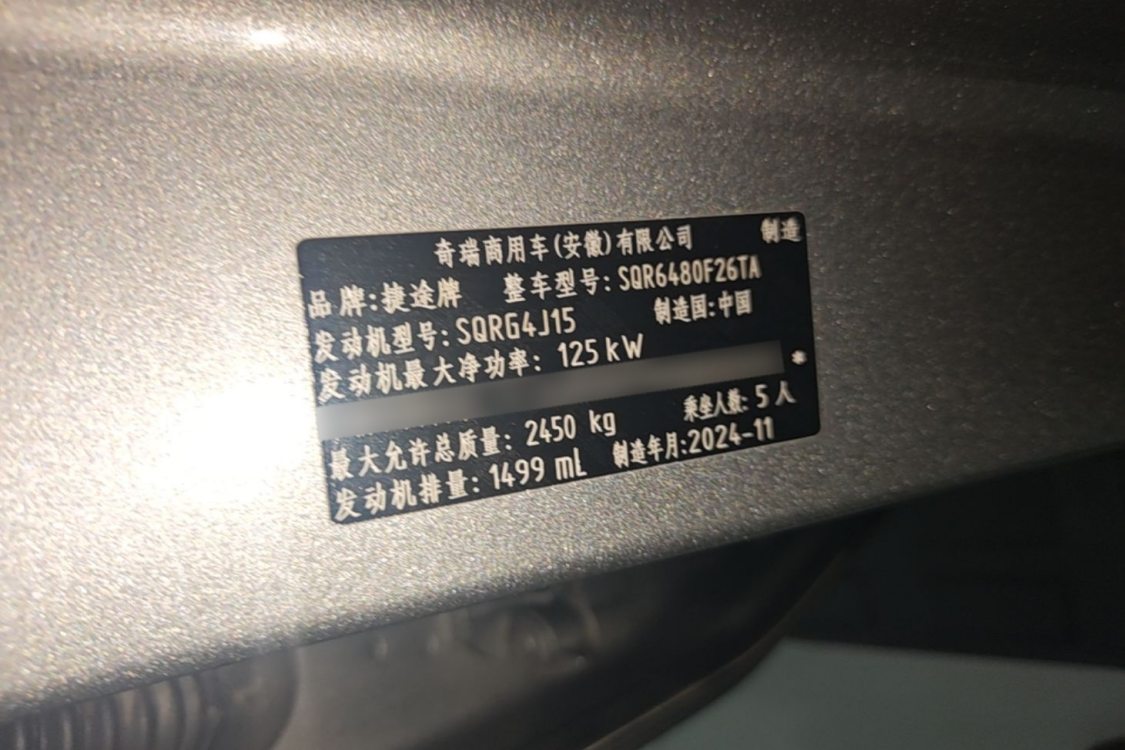
Why is there a time difference between the production date on the vehicle nameplate and the first registration date on the registration certificate?

The nameplate date is the absolute time when the vehicle leaves the factory; the registration date is when the vehicle is registered with the traffic management department after sale. The difference represents the time the vehicle spent in the dealer's warehouse or logistics. If the time difference exceeds 6-8 months, the vehicle is considered a "stock vehicle," and we pay special attention to the natural aging of its rubber components.