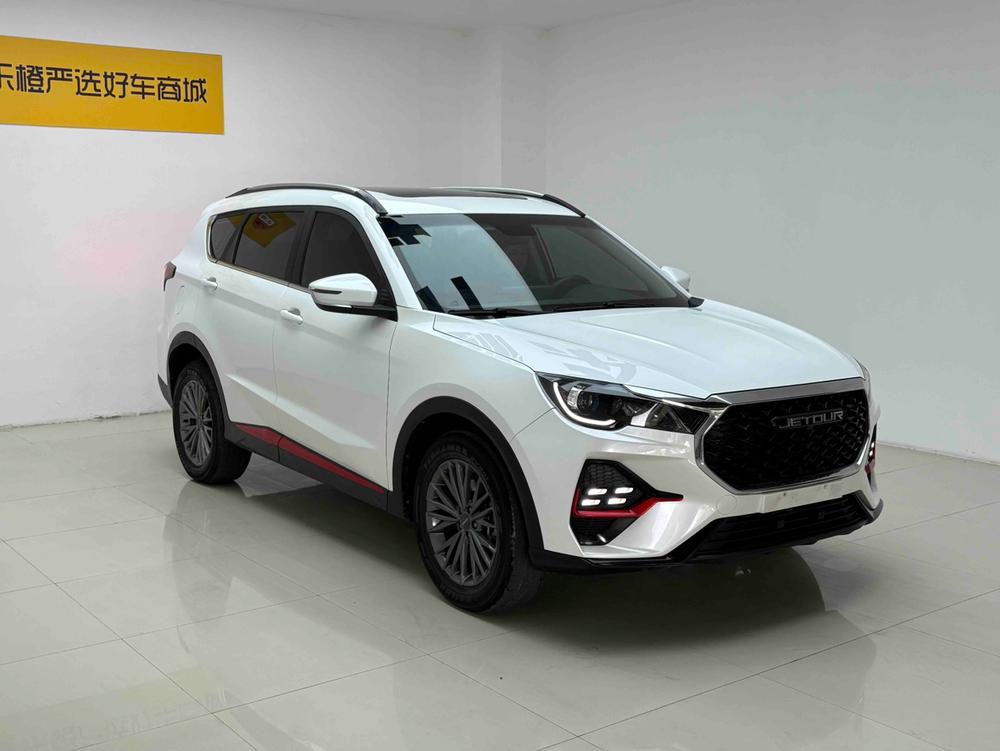
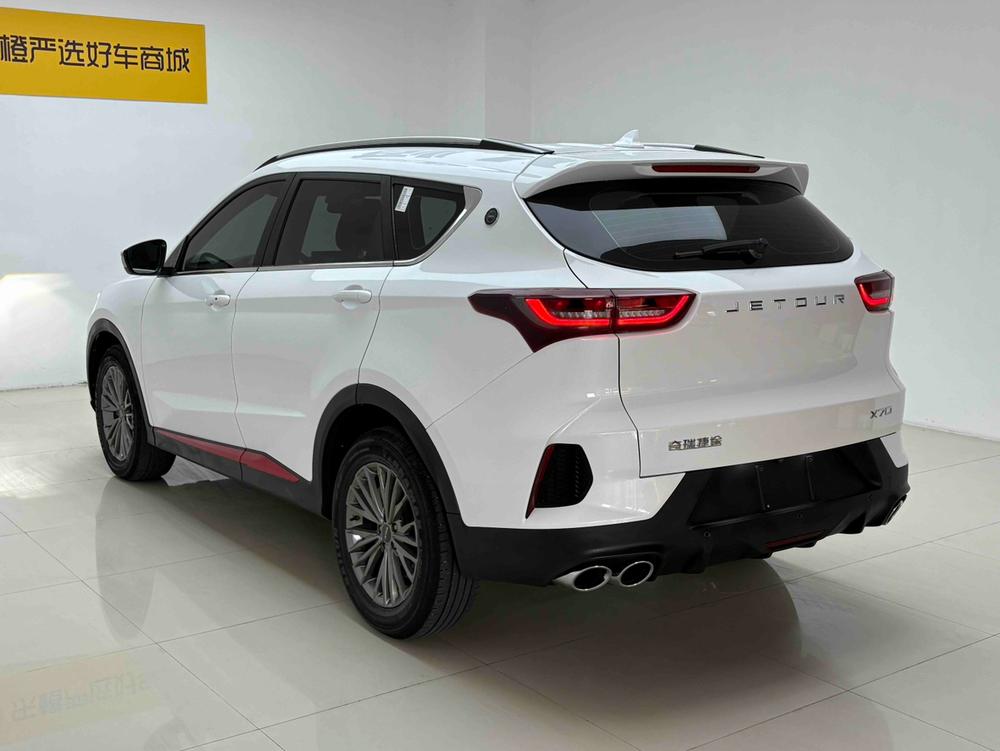
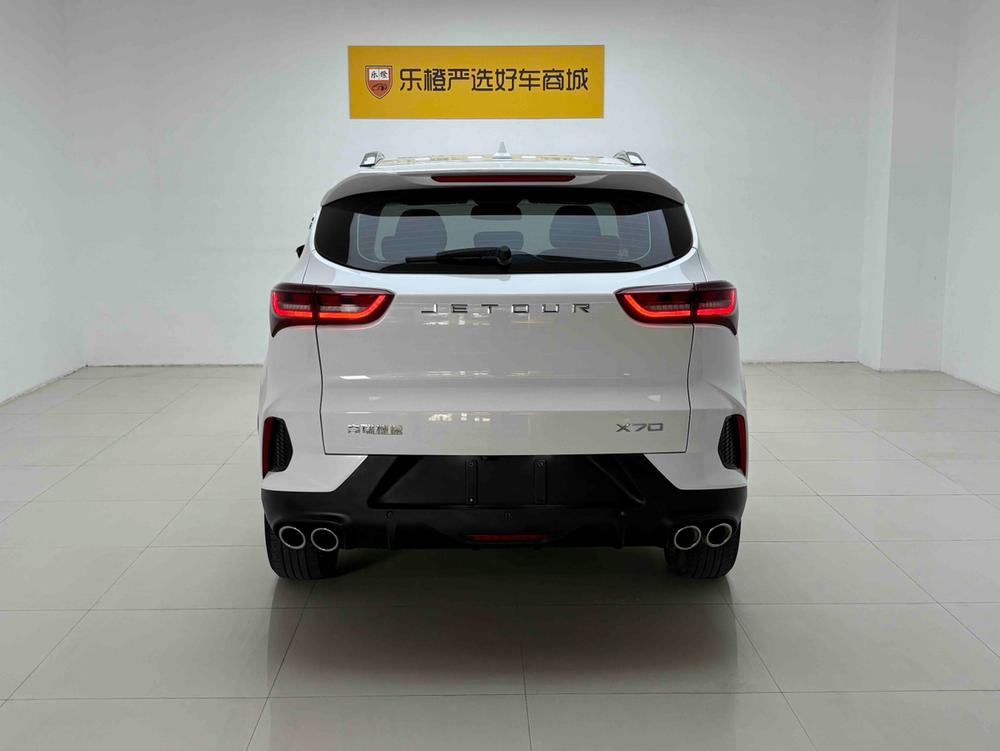
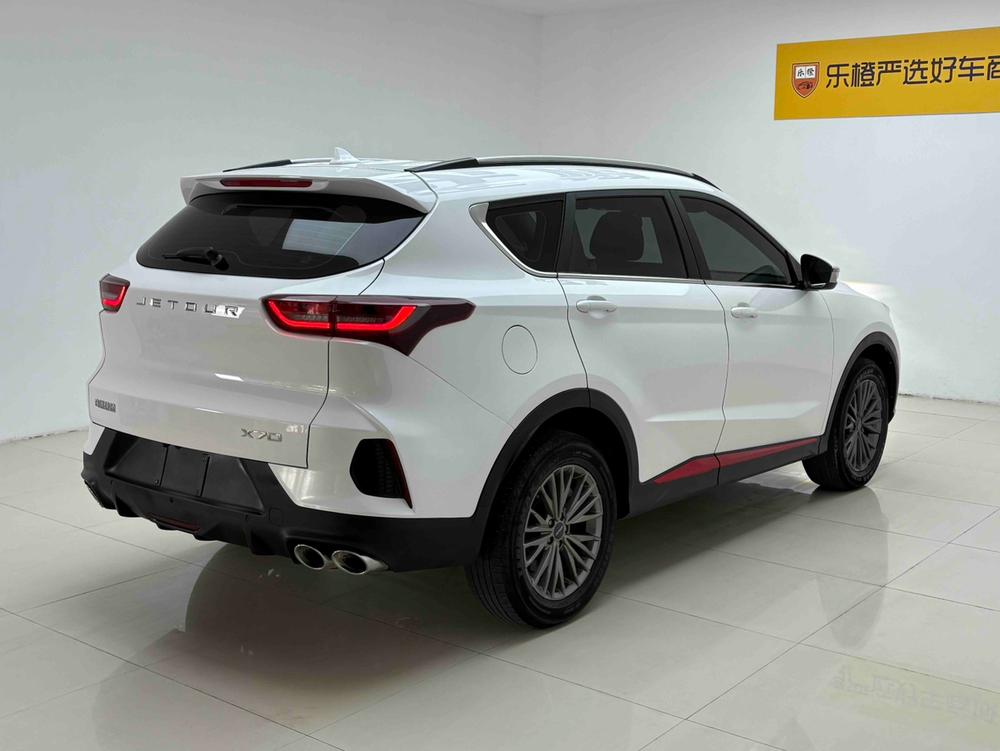
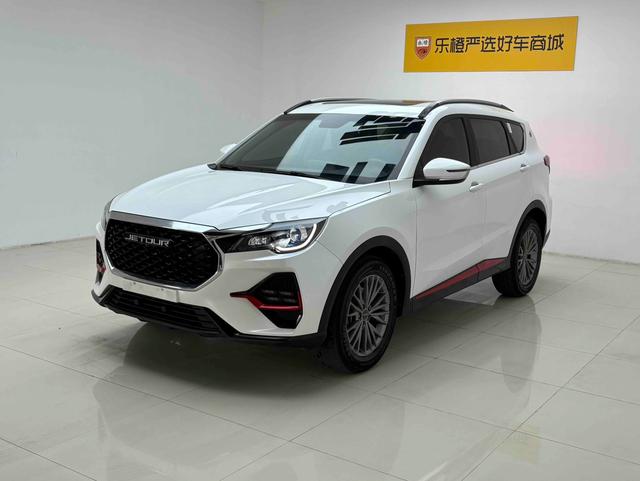



Stock

Basic Information

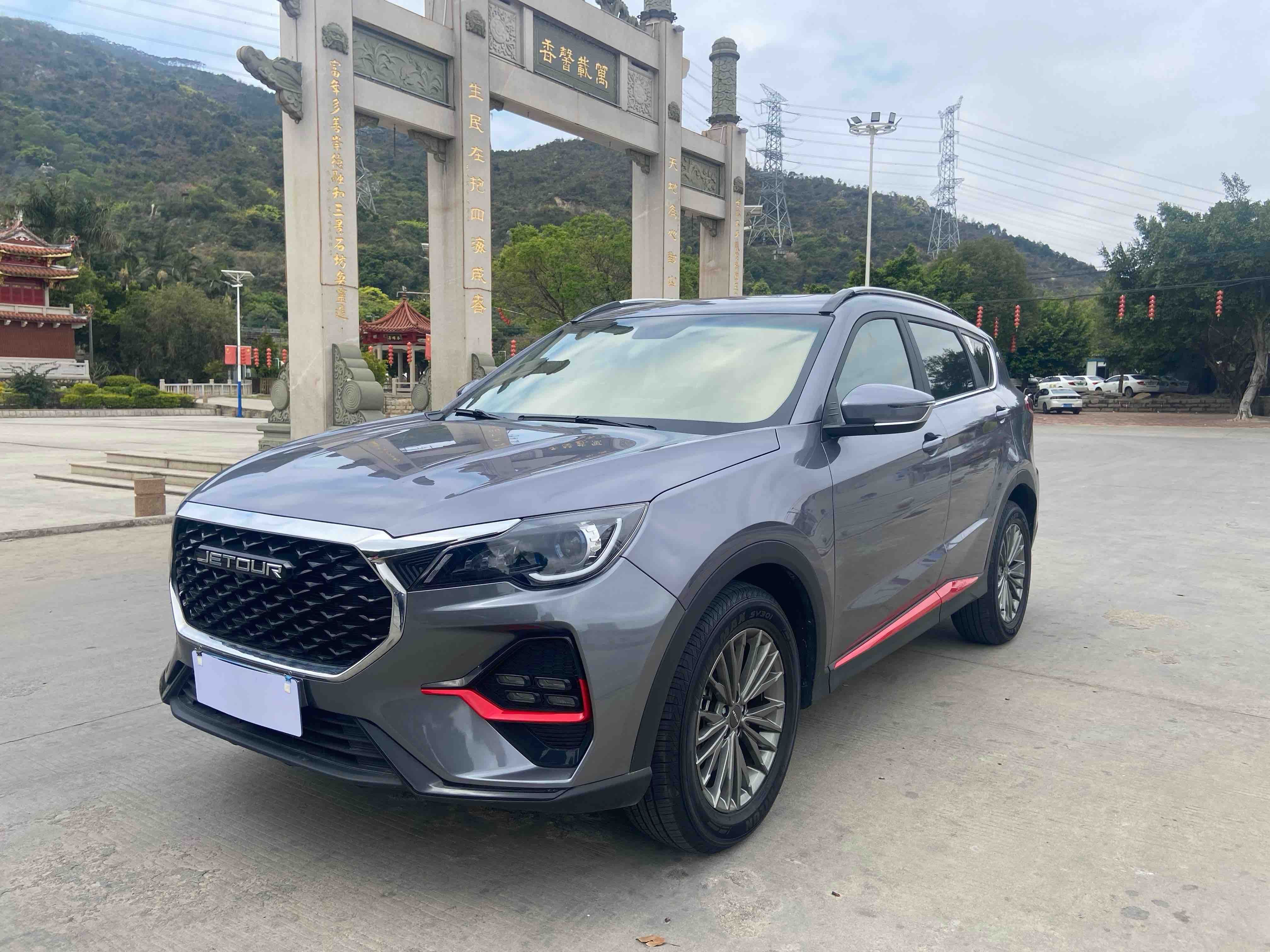
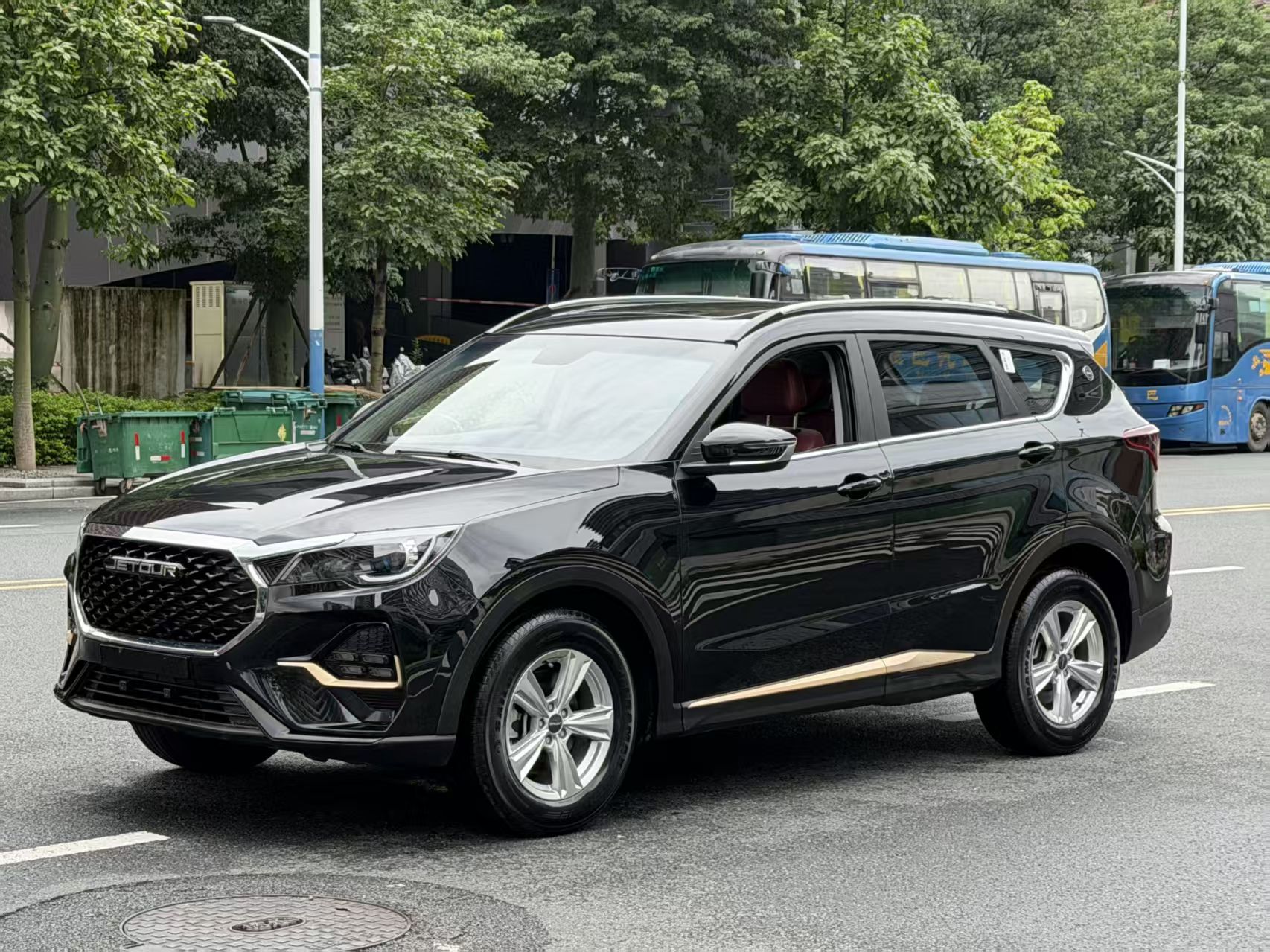
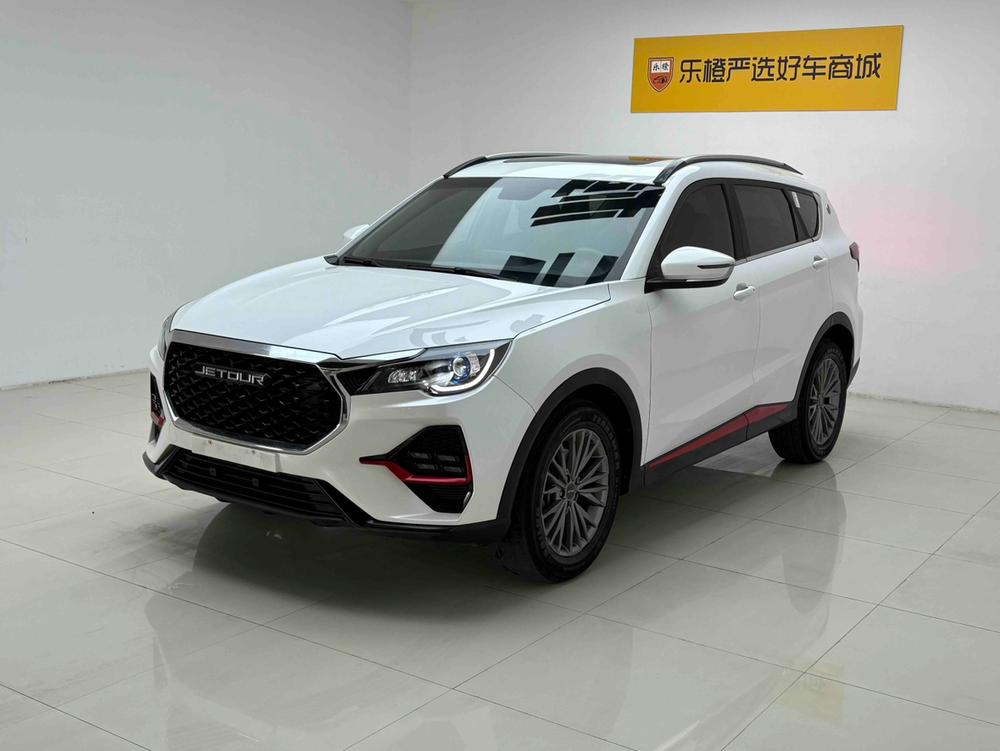
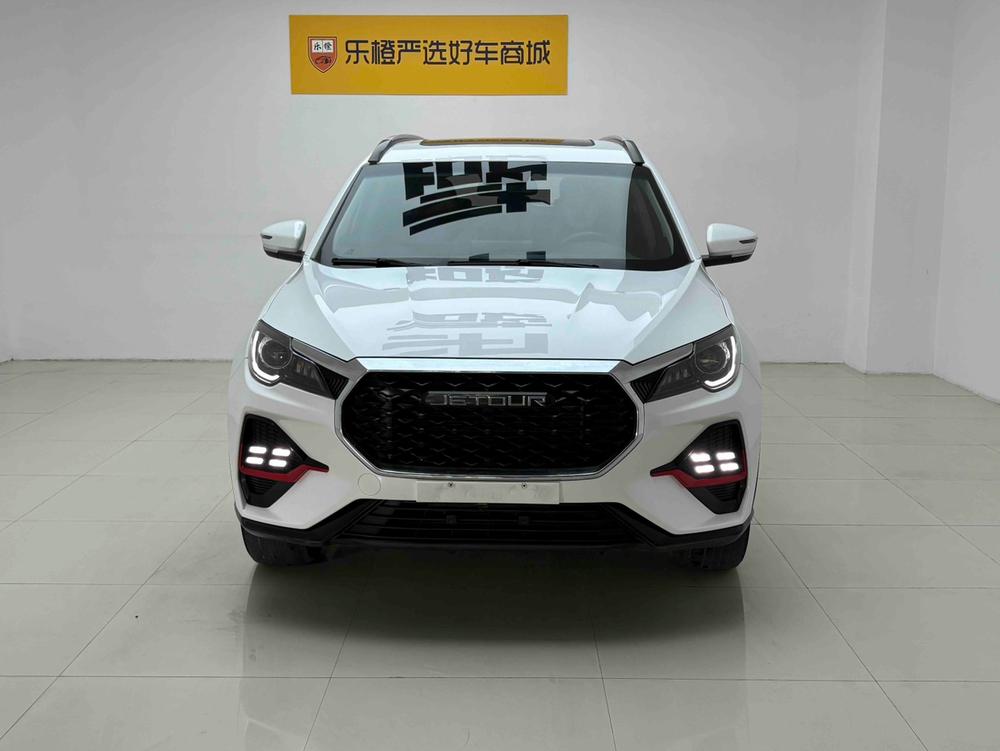
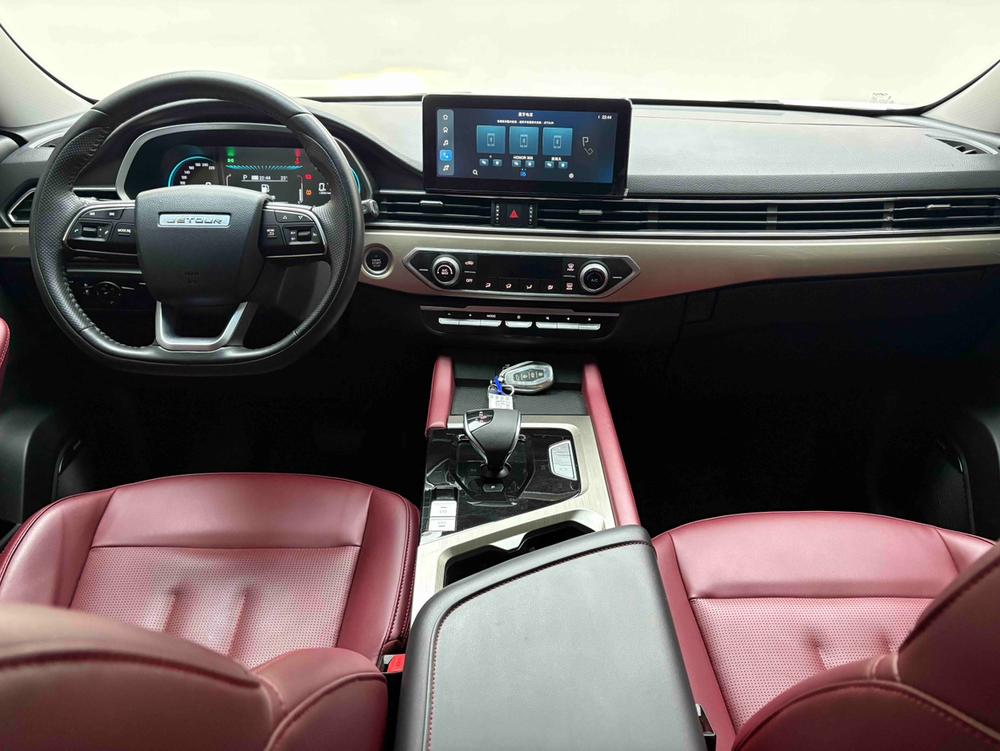
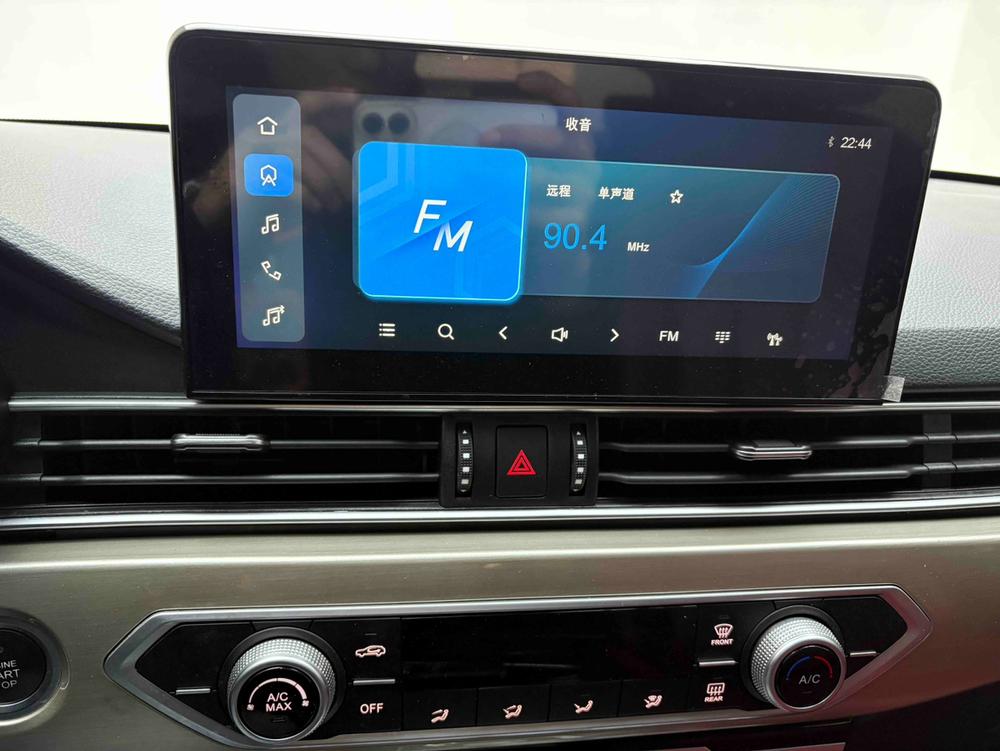
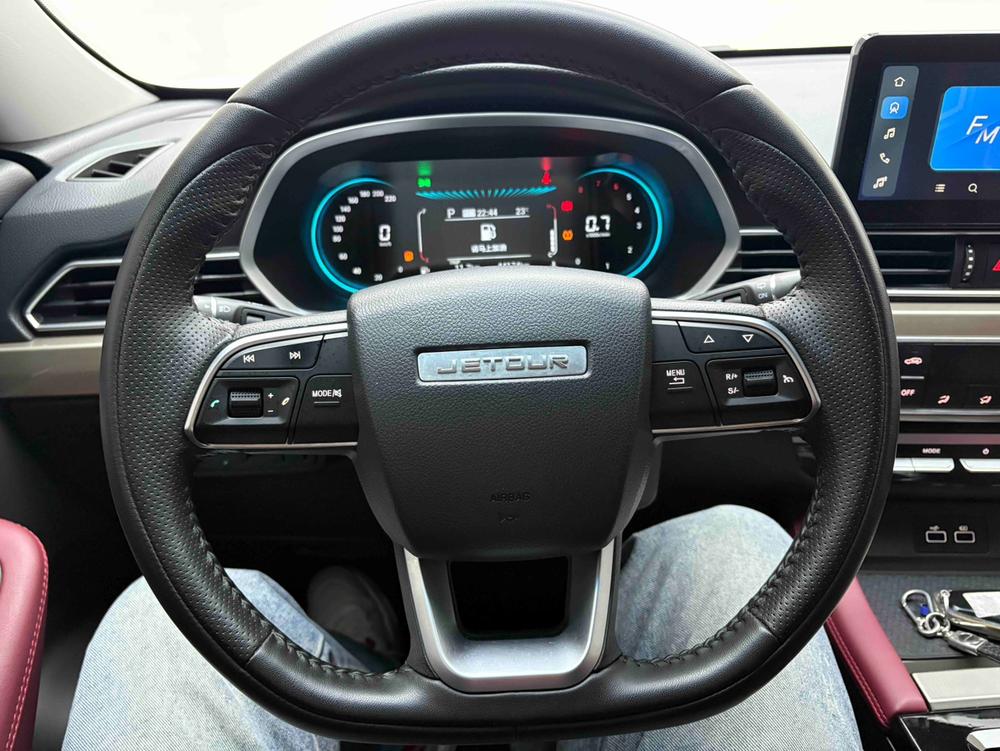
BrandJetour
SeriesX70
Year2024
First Registration2024/01
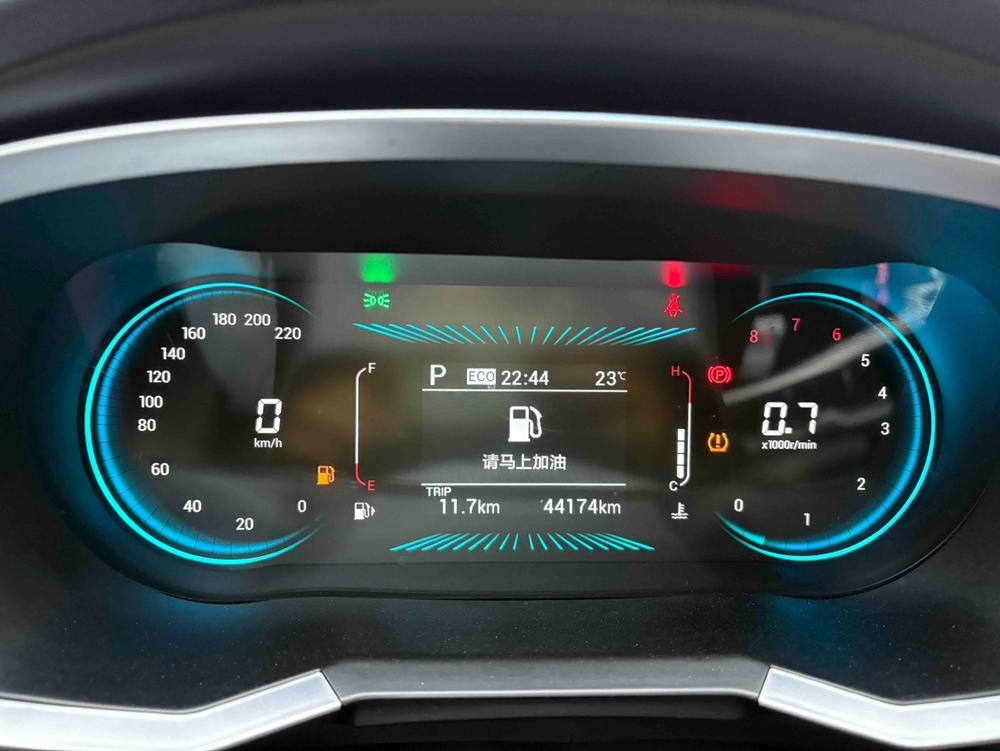
Mileage44,300km
Transfer Count0times
FuelGasoline
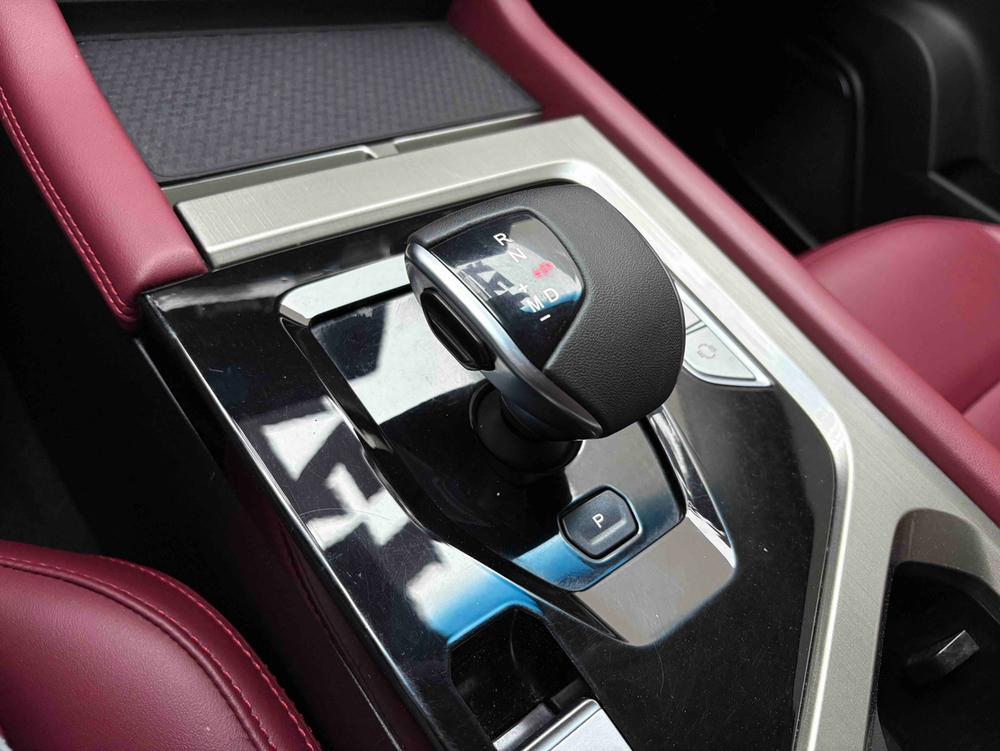
TransmissionDCT
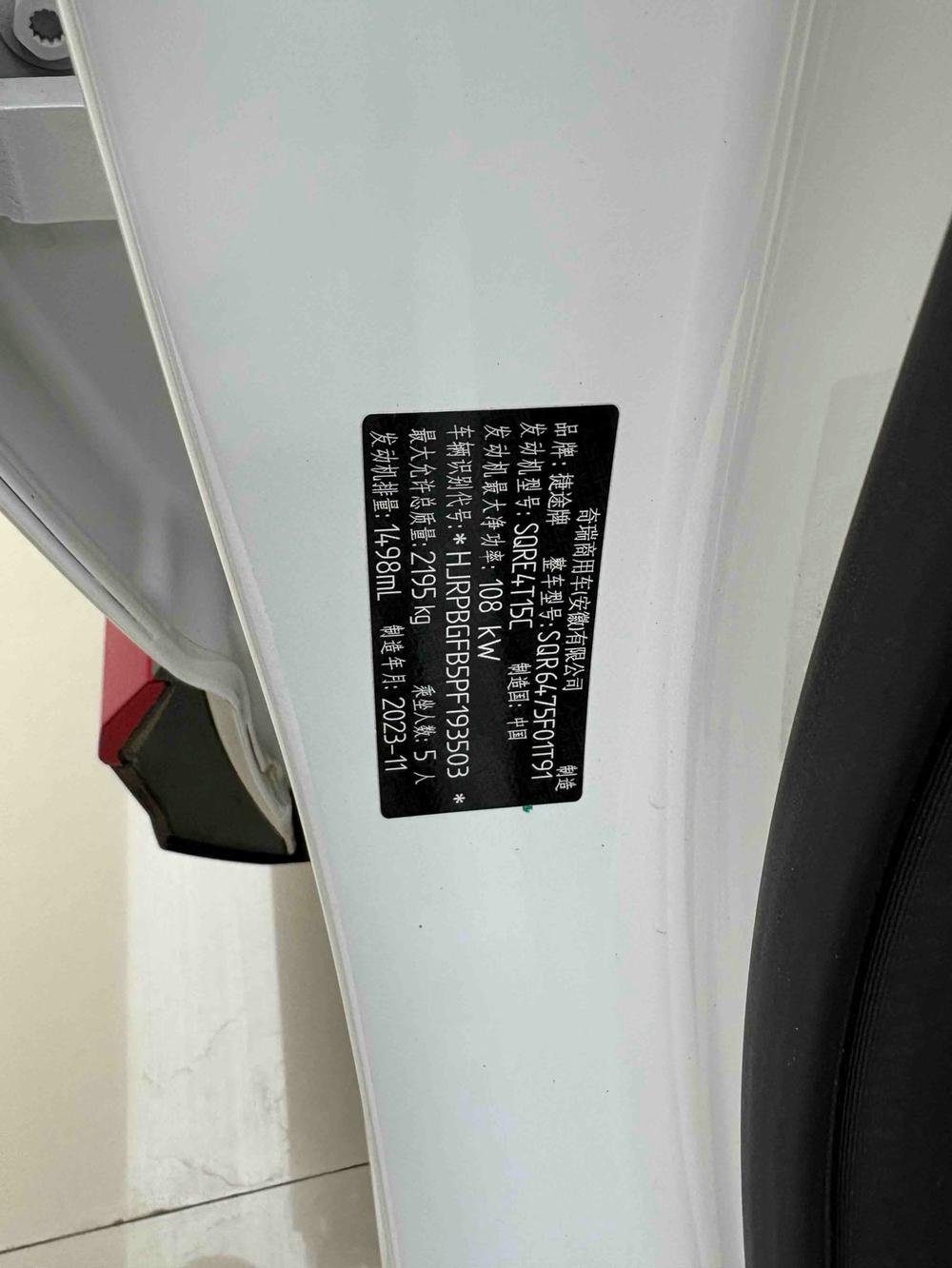
Engine1.5T 156 L4
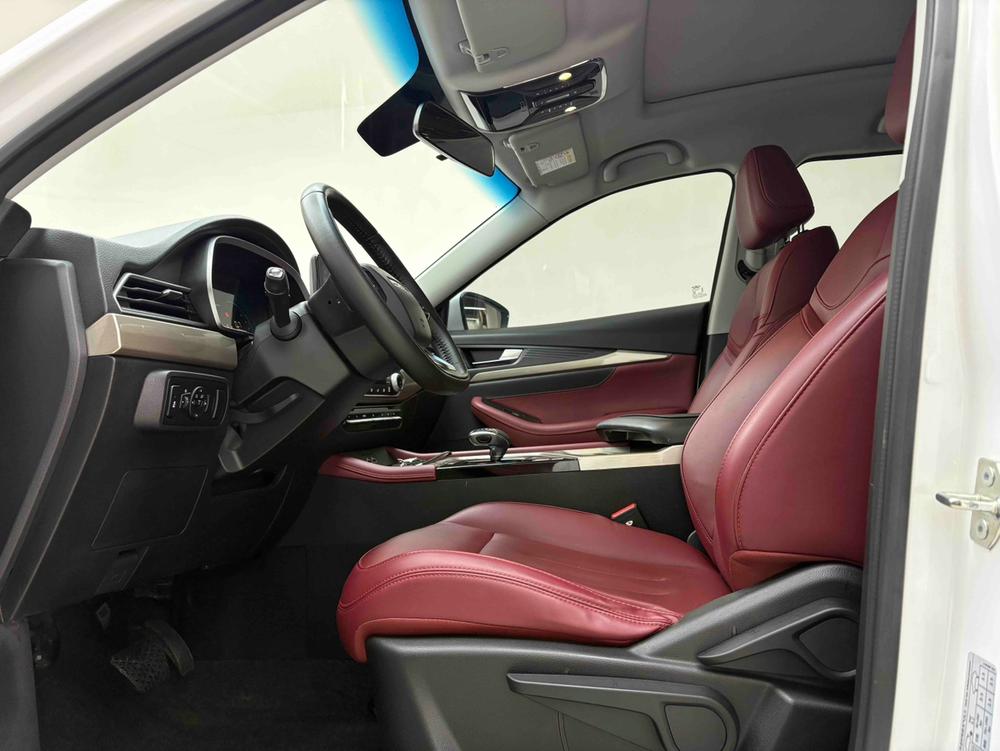
ColorWhite
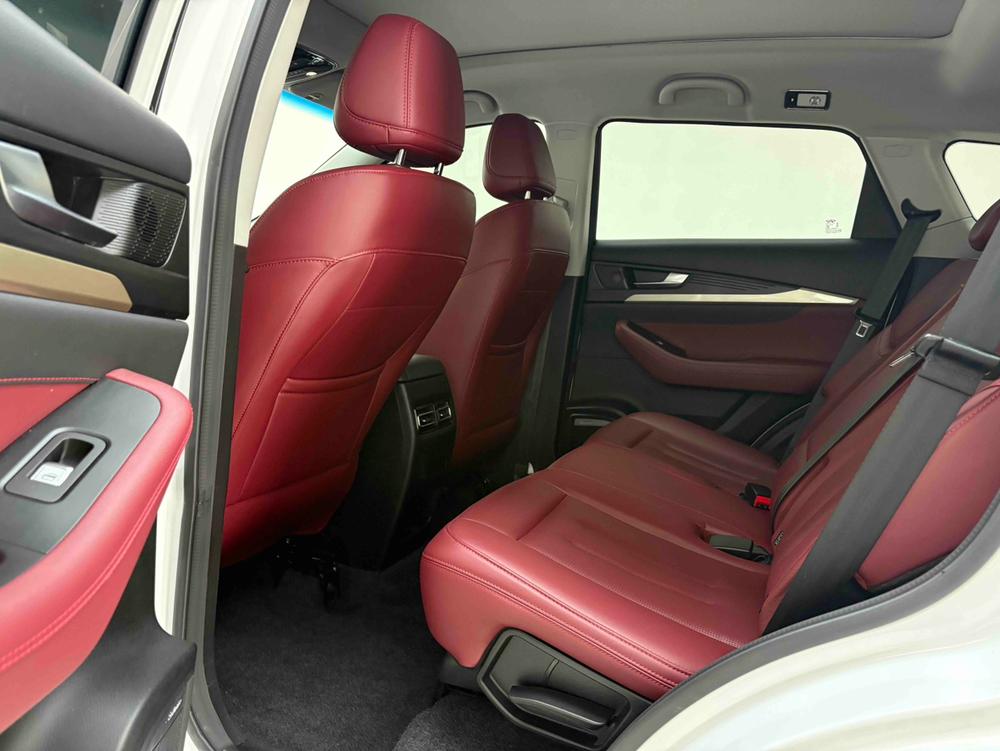
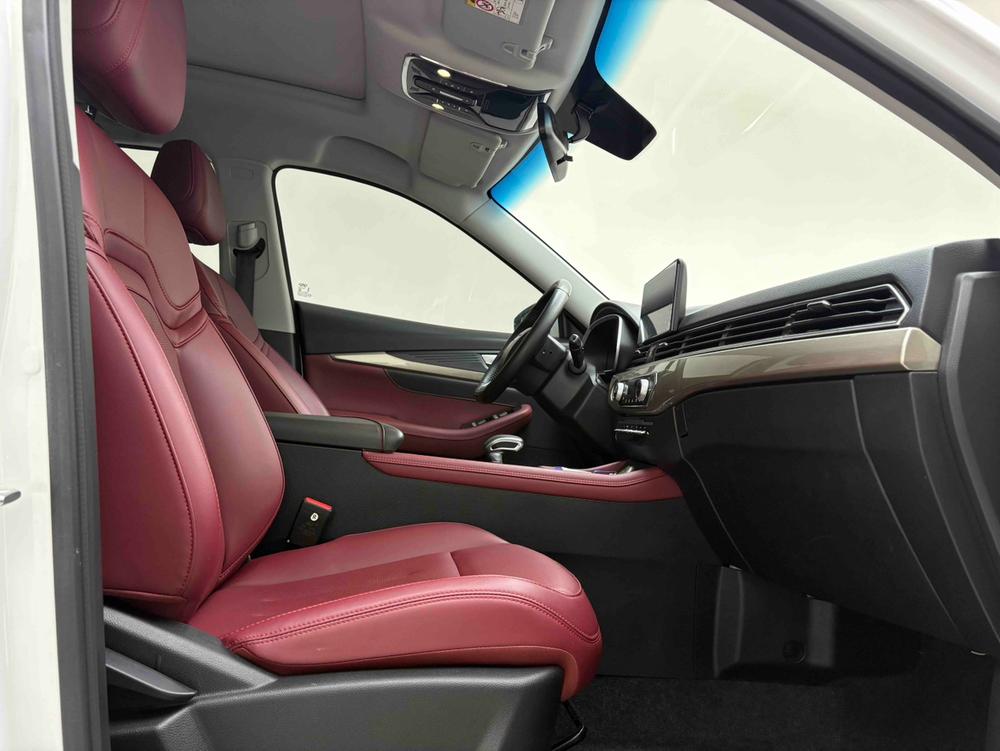
Seats-

Condition Description

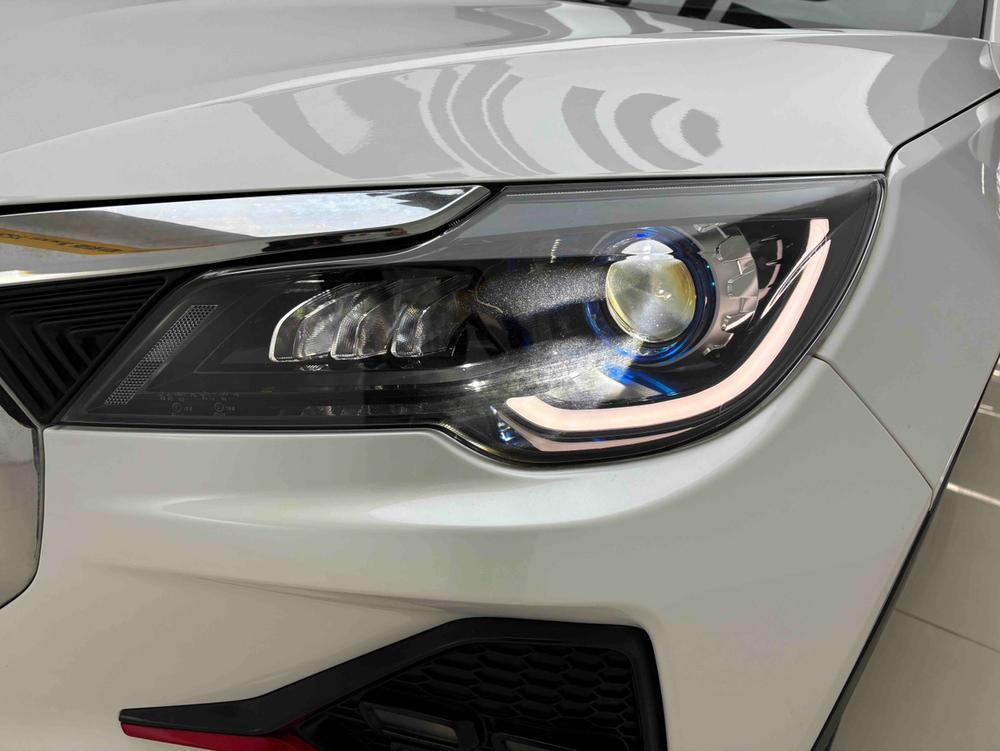
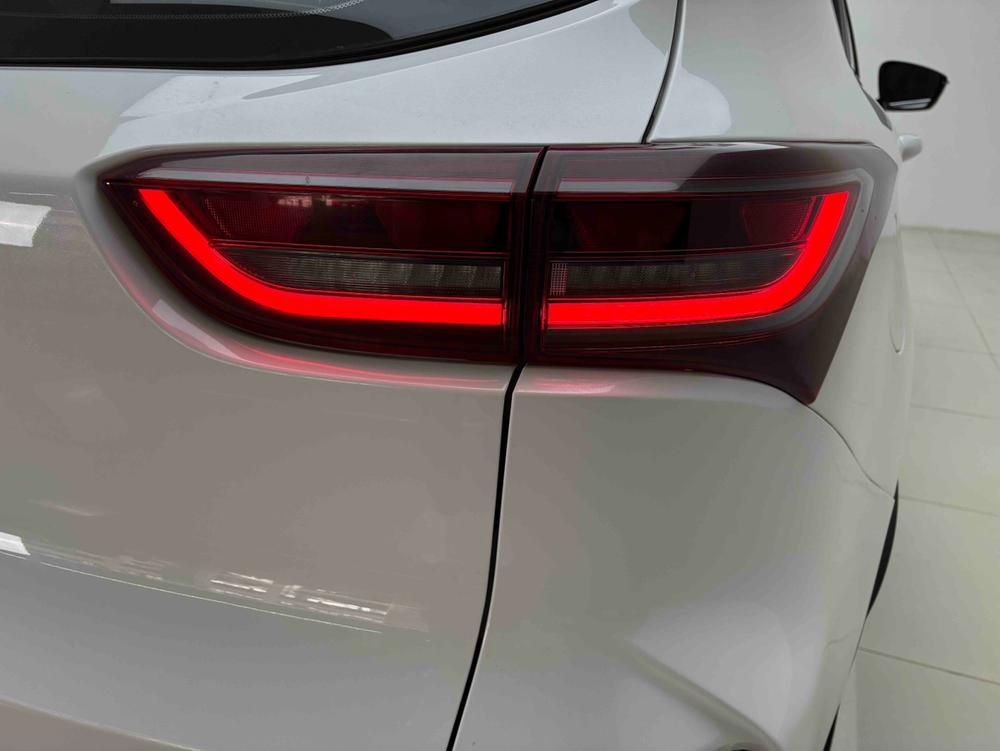
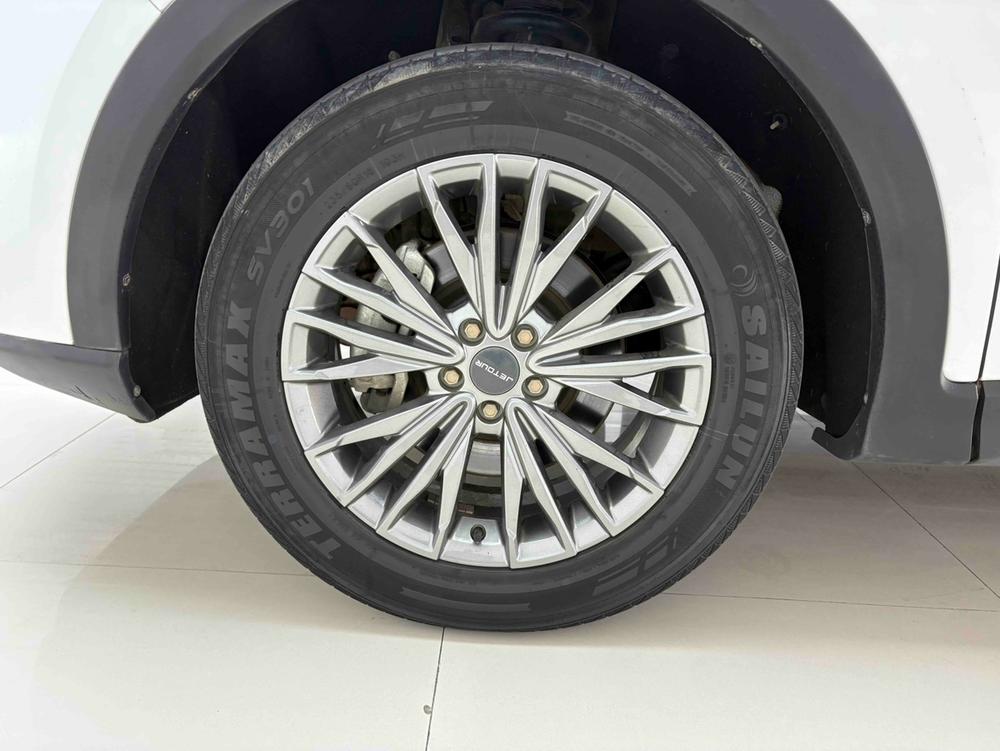
Right rearview mirror replaced and repainted; right front wheel arch replaced and repainted; right front door trim panel repaired and repainted. Manufacturing date: Nov 2023.

Configuration Highlights

✓上牌时间: 2024-01
✓表显里程: 4.4万公里
✓车源地: 菏泽
✓排放标准: 国六
✓发动机: 1.5T
✓轴距: 2745mm
✓变速箱: 自动
✓最大功率: 115kW
✓功能配置: 11项
✓安全配置: 3项
✓动力类型: 前驱
✓空间舒适性: 不错

Q&A

More

Will the FOB or CIF prices we have signed change due to sudden surges in international shipping costs caused by geopolitical issues or emergencies (like the Red Sea crisis)?

Our shipping quotes are typically valid for only 7 to 14 days. If a CIF contract is signed and there are significant fluctuations in shipping costs due to war surcharges or route changes imposed by the shipping company before the vehicle is actually loaded, we will transparently provide you with the official price increase notice from the shipping company. At that point, we reserve the right to renegotiate the freight difference or allow you to change the trade terms to FOB, letting you designate your own freight forwarder for booking.
Can you convert mainstream left-hand drive (LHD) cars in China to right-hand drive (RHD) and then export them?

We maintain an extremely cautious and firm denial. Some platforms may cater to such demands for orders, but converting left-hand drive to right-hand drive involves complex steering column cutting, firewall structure changes, and wiring harness reorganization. This non-factory deep modification poses significant safety risks and is very difficult to pass vehicle safety inspections in developed countries (such as Japan's earthquake test and the UK's IVA test). Out of responsibility for safety and long-term reputation, we refuse to provide any steering conversion services that damage the vehicle's underlying structure.

Why are the shipping costs for used electric vehicles (EVs) usually higher than for internal combustion engine vehicles (ICEs)?

Pure electric vehicles are classified as Class 9 Dangerous Goods due to their large lithium batteries, leading to strict shipping regulations. Shipping companies have high requirements for the loading position and fire isolation measures for dangerous goods, and some roll-on/roll-off ships refuse to accept used EVs. As a result, EVs often require more expensive special container shipping and incur additional handling fees for hazardous materials.