









Can third-party services join the platform?
Yes. Third-party service providers in logistics, inspection, customs clearance, and finance can join the platform as "service providers."
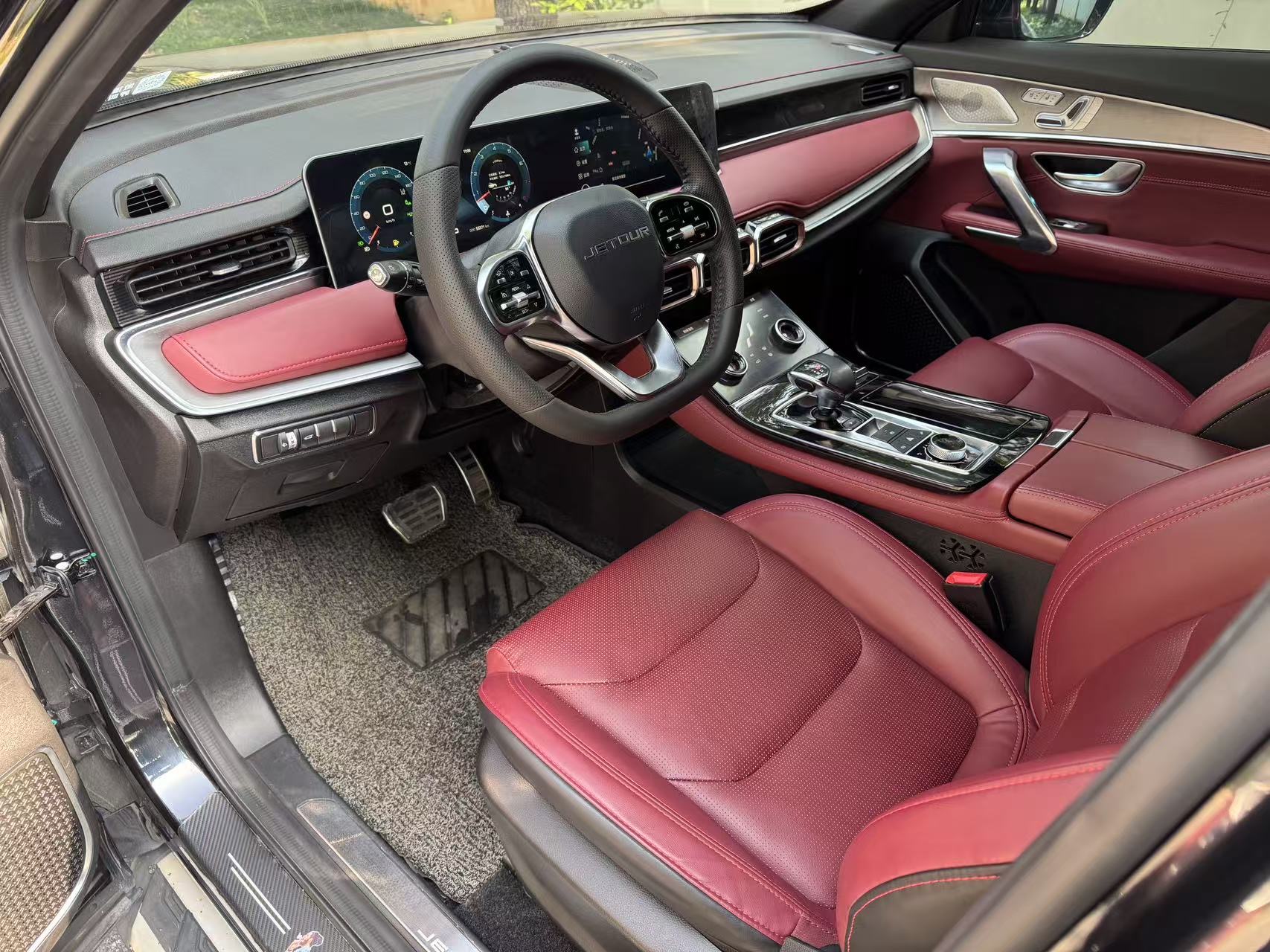
Original paint throughout, single owner.
Yes. Third-party service providers in logistics, inspection, customs clearance, and finance can join the platform as "service providers."
The export declaration (报关单) is the official Chinese customs document recording that the vehicle legally left China: VIN, HS code, declared value, origin port and date. Most destination countries ask for it—or for the certificate of origin—during registration to prove the car was legally exported, not stolen or smuggled. Practical points: ensure the VIN on the declaration matches your car exactly; a single digit mismatch can block registration. The declared value also anchors customs valuation in many countries, so an undervalued declaration may save the seller tax but can raise your import duty or trigger a re-valuation penalty. Ask the exporter for a stamped copy before shipping, verify the VIN yourself, and check that the document shows the correct consignee. Keep the original—some registries require it, and you'll need it again if you ever sell the car. If the exporter hesitates to provide it, treat that as a red flag.
Timing your shipment can save both money and weeks of waiting. Several predictable patterns affect routes from China. Peak season surcharges: January through March, before Chinese New Year, exporters rush to ship, so container and RoRo space tightens and rates rise 20-50%. Book at least 3-4 weeks ahead during this window. After the holiday (usually February), factories and ports restart gradually, causing 2-3 weeks of backlog. Weather effects: Typhoon season (July-September) can delay departures from southern Chinese ports like Shenzhen and Guangzhou. Winter fog and ice affect northern ports like Dalian and Tianjin, slowing loading operations. Destination-side factors: Monsoon seasons can slow port operations in South and Southeast Asia. Holiday periods at destination (e.g., Ramadan in the Gulf, year-end holidays elsewhere) reduce customs staffing and extend clearance times. Practical advice: ask your forwarder for rate calendars, avoid booking right before major Chinese holidays, and build 1-2 weeks of buffer into delivery promises to your customers. Flexible departure ports (Shanghai vs. Ningbo vs. Shenzhen) can also help you find available space.