


48H

Basic Information

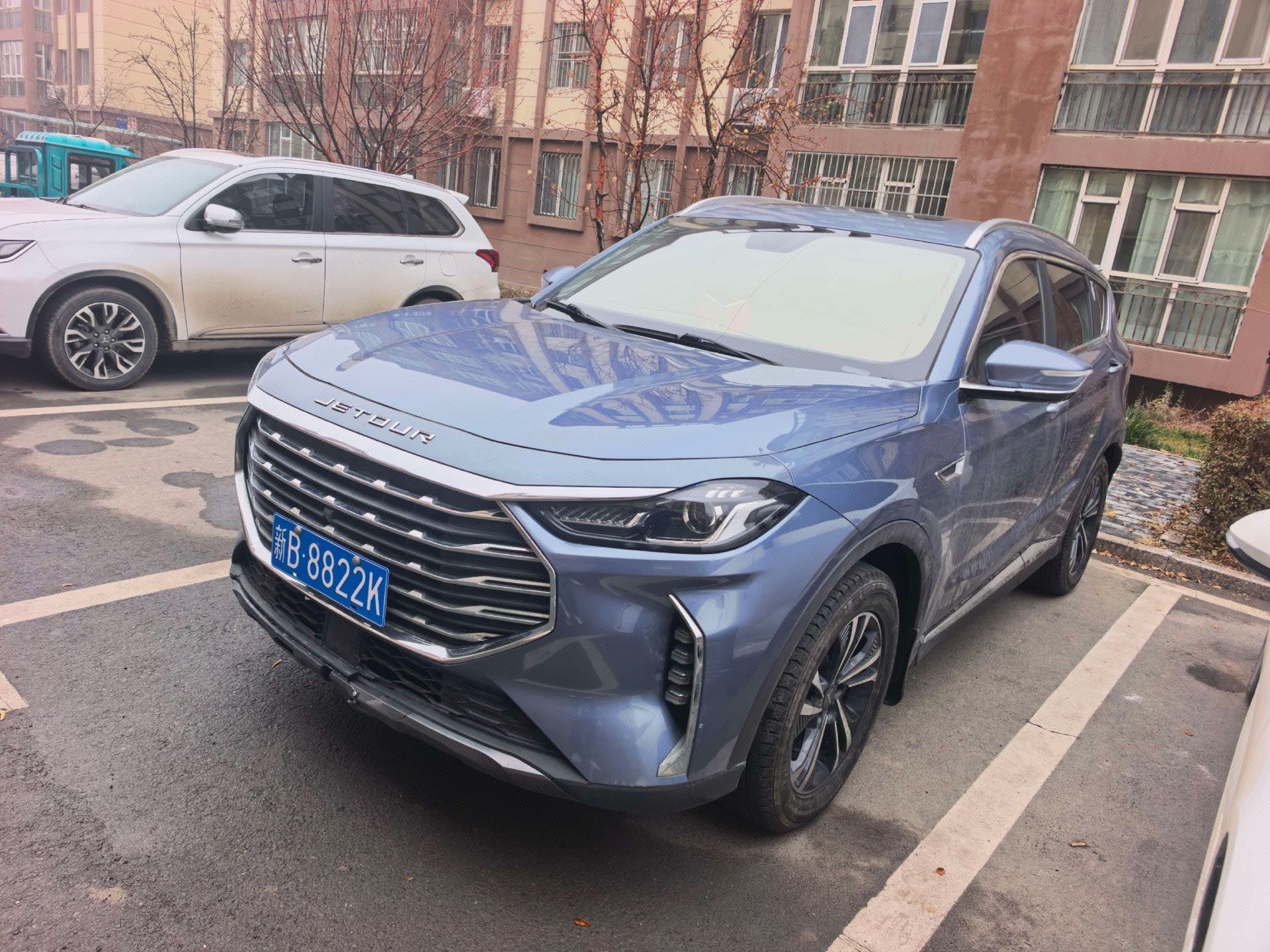
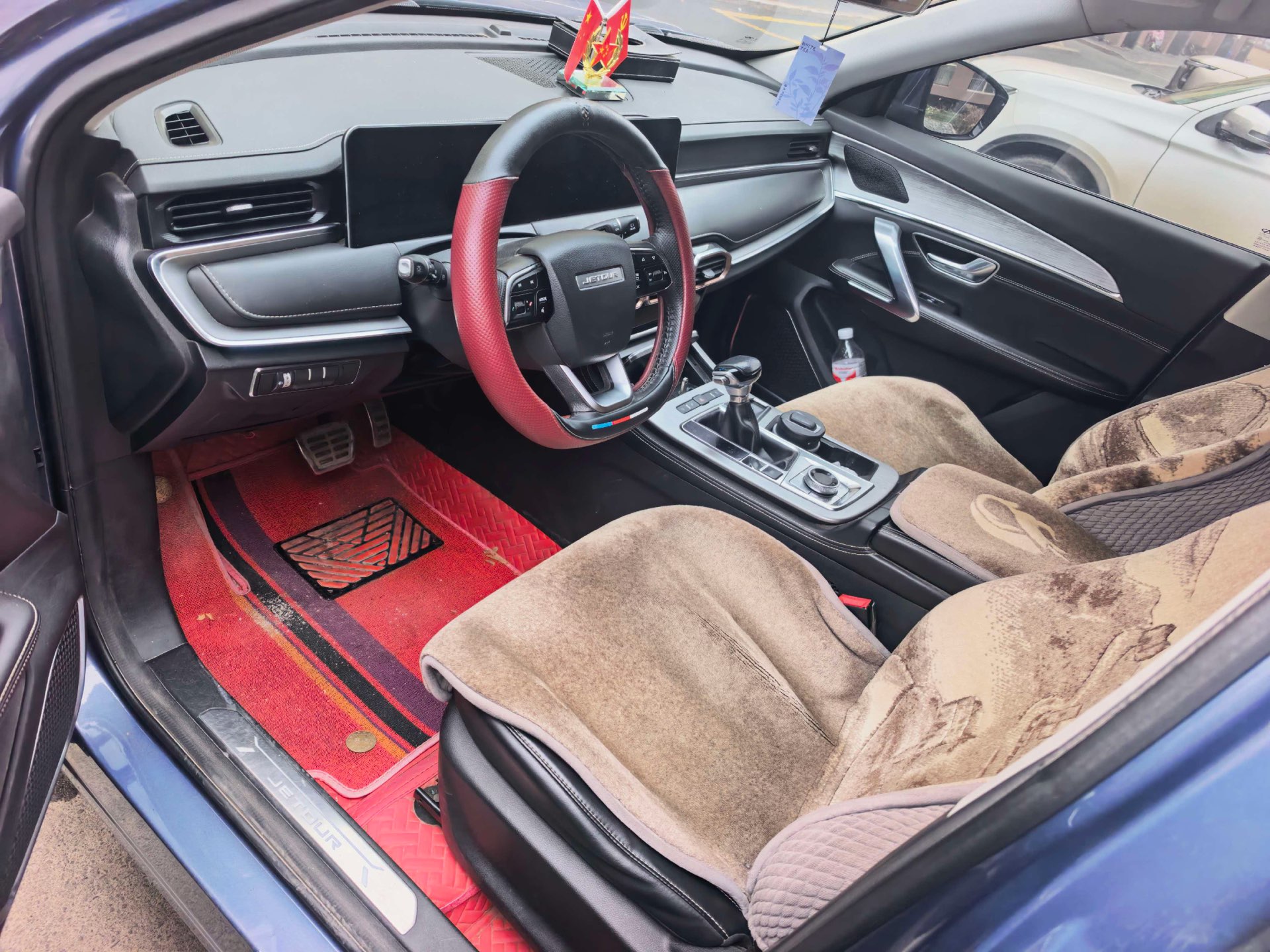
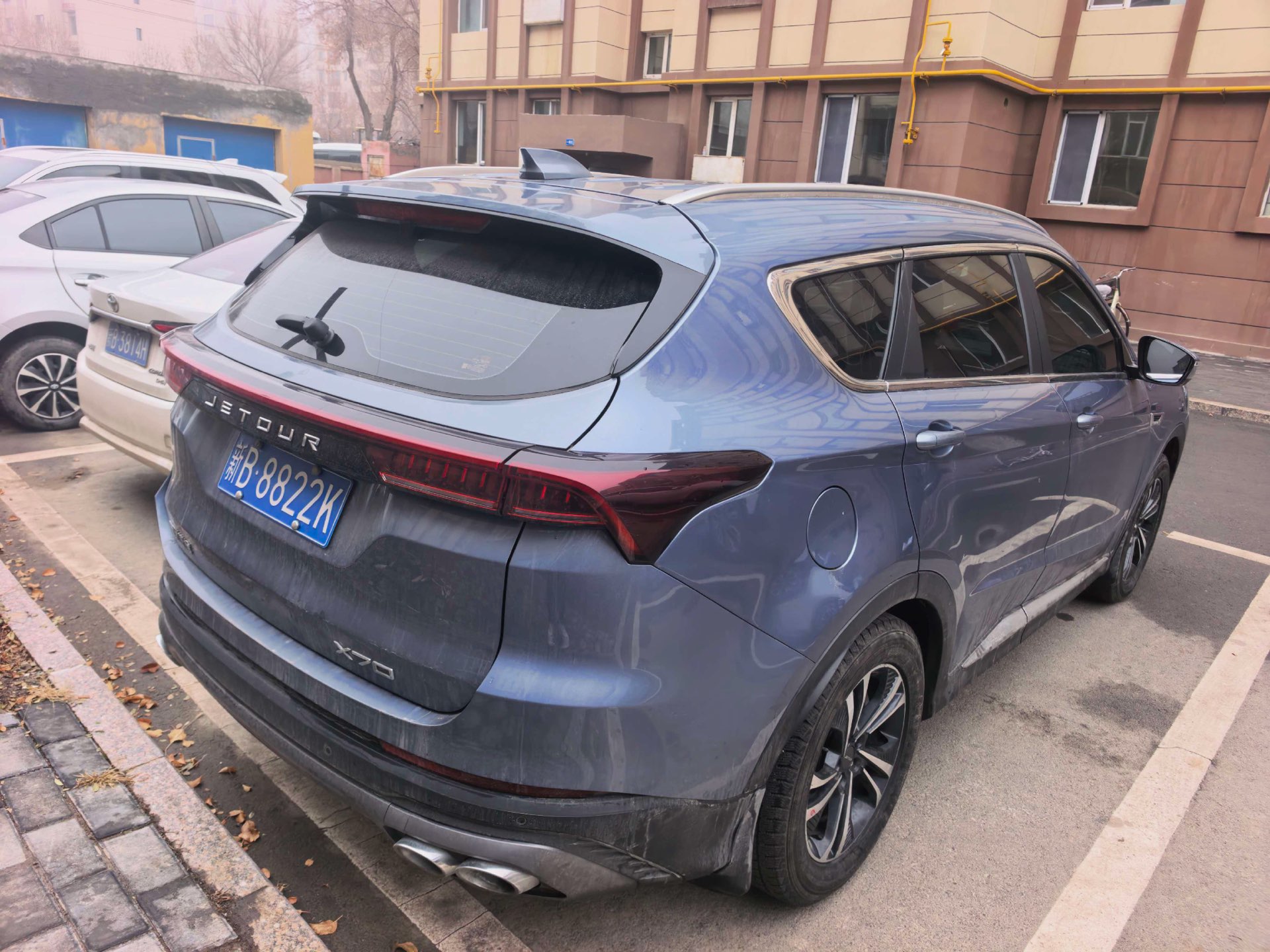
BrandJetour
SeriesX70 PLUS
Year2021
First Registration2021/07
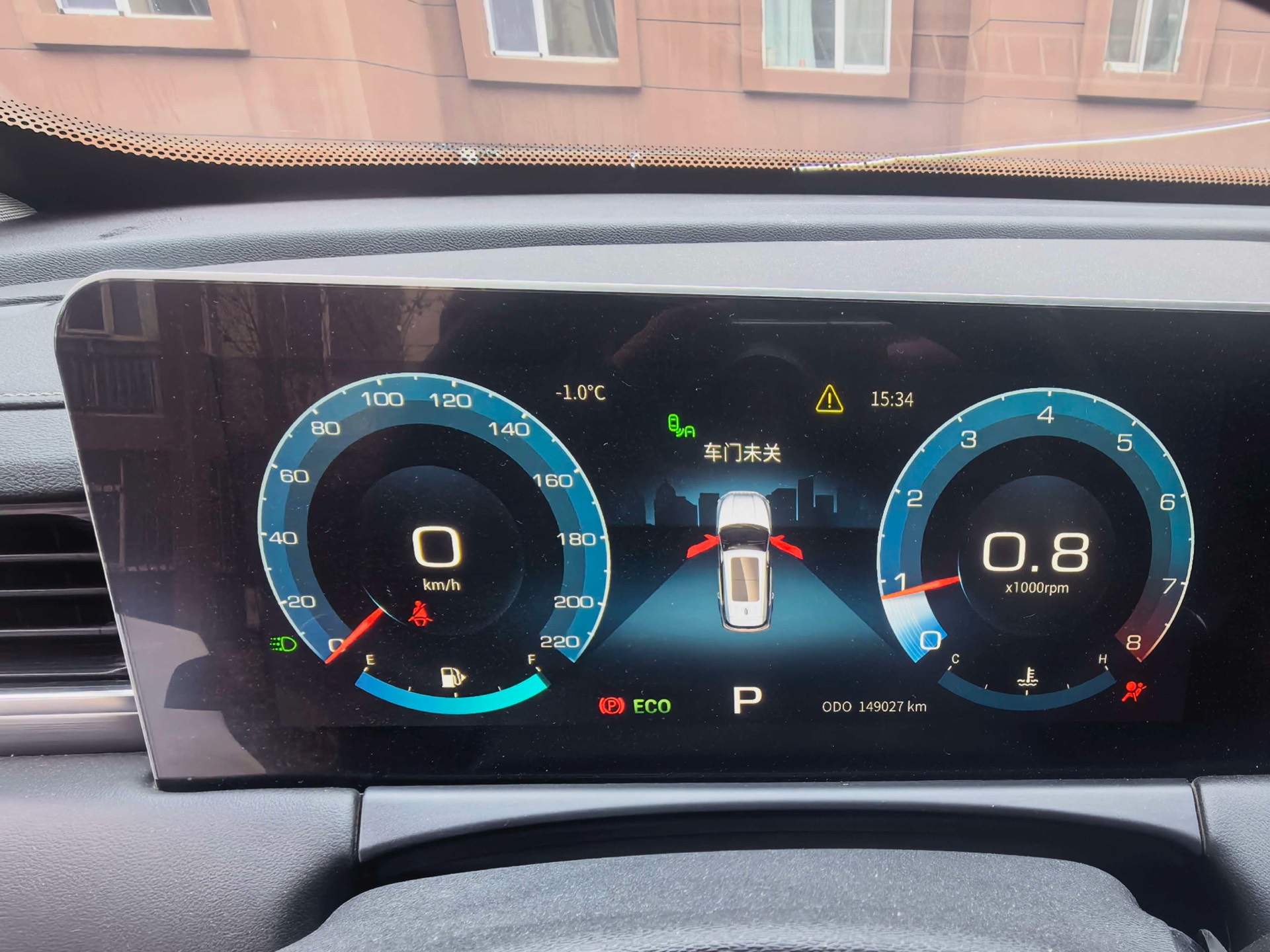
Mileage150,000km
Transfer Count0times
FuelGasoline
TransmissionDCT
Engine1.5T 156 L4
ColorBlue
Seats-

Condition Description

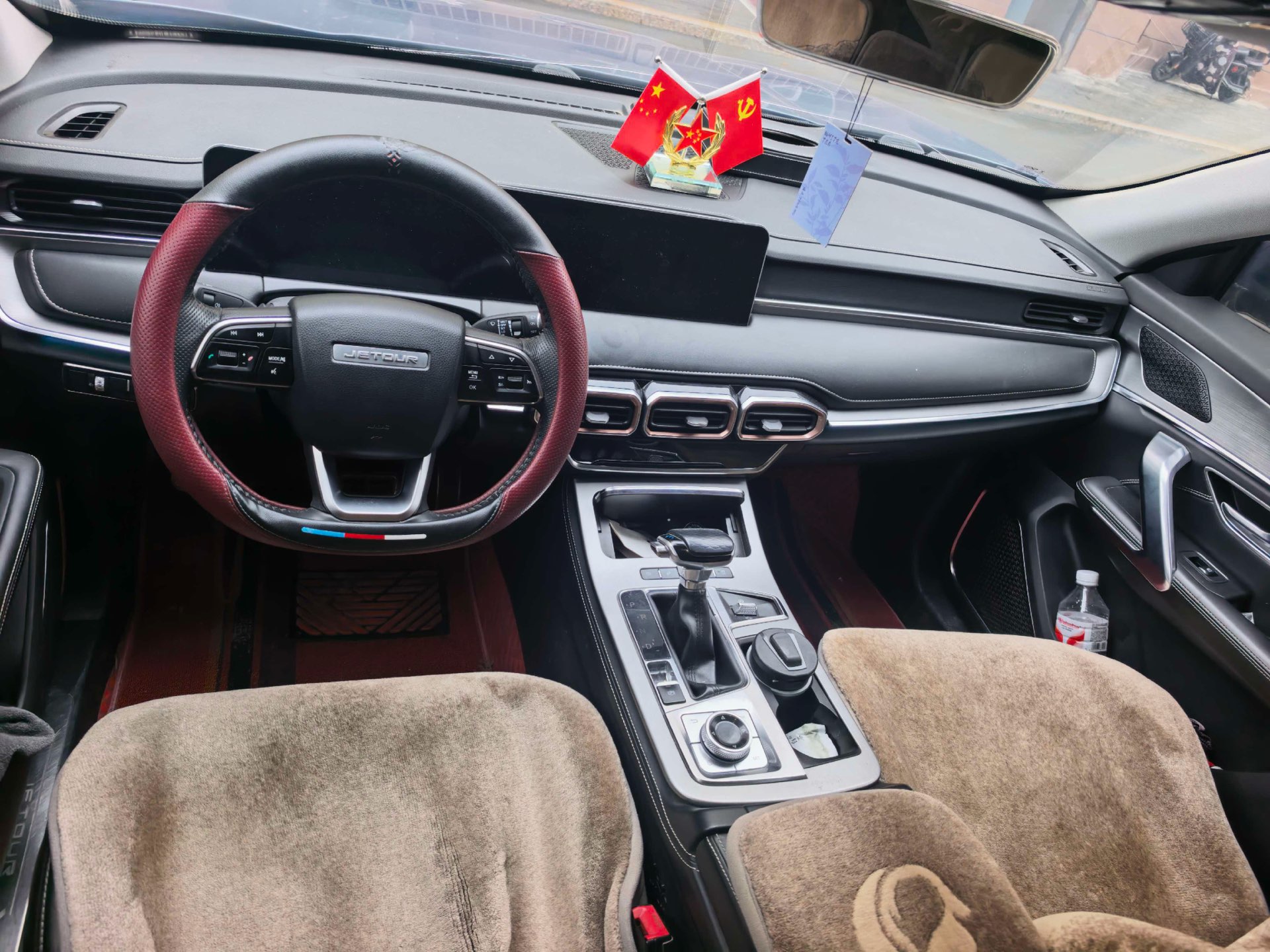
Original paint. Investment needed: front bumper, left front fender, left rear door, left rear quarter panel, windshield.

Document Information

Inspection Expiry Date-
Warranty Expiry Date-
Insurance Expiry Date2026/11

Q&A

More

Can you handle the complex communication regarding Scrap Tax and e-PTS for the Russian market?

Our responsibility ends with delivering the vehicle to the Russian border or Far East port and providing the legal Chinese export documents. The payment of Scrap Tax, application for SBKTS (Vehicle Structure Safety Certificate), and activation of the final e-PTS electronic passport must be fully handled by the Russian buyer and their local customs broker.


My imported Chinese car needs a repair part. How do I claim warranty or order parts from the exporter?

Start by checking the after-sales clause in your contract—reputable exporters typically offer 3-12 months of parts support. The usual process: send the exporter a fault description with photos or a short video, plus your VIN and contract number. They will confirm whether it is a warranty case or a paid parts order. For warranty claims, common resolutions are free parts shipped with your next container, or a credit/refund for parts you source locally. Keep all communication in writing. To avoid long waits, ask for the OE part numbers in advance and check whether local dealers stock the same components—many Chinese brands share suppliers. Ordering common wear parts (filters, brake pads) together with the car shipment is the cheapest option by far.

How are the refrigerant pressure, compressor operation, and heating effect of the air conditioning system deeply tested?

The technician will start the vehicle and turn on the air conditioning system, measuring the actual temperature at the vents at the lowest and highest settings with a thermometer; at the same time, they will connect a manifold pressure gauge to check if the refrigerant pressure in the high and low pressure lines is within the normal range, determining if there is a chronic refrigerant leak.