


24H

Basic Information

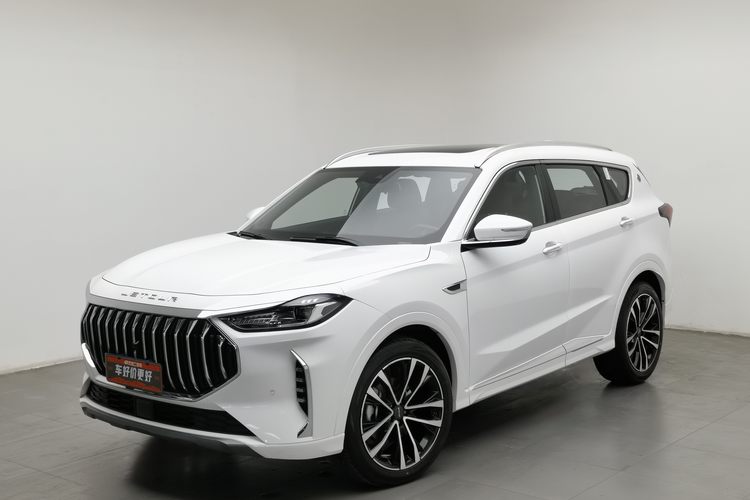
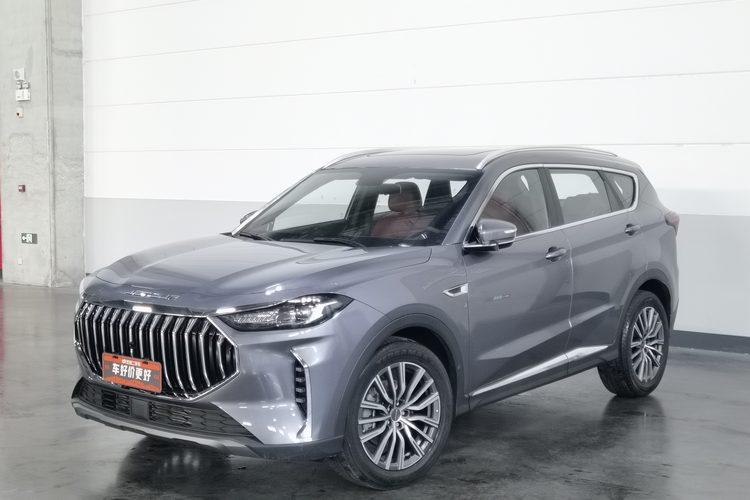
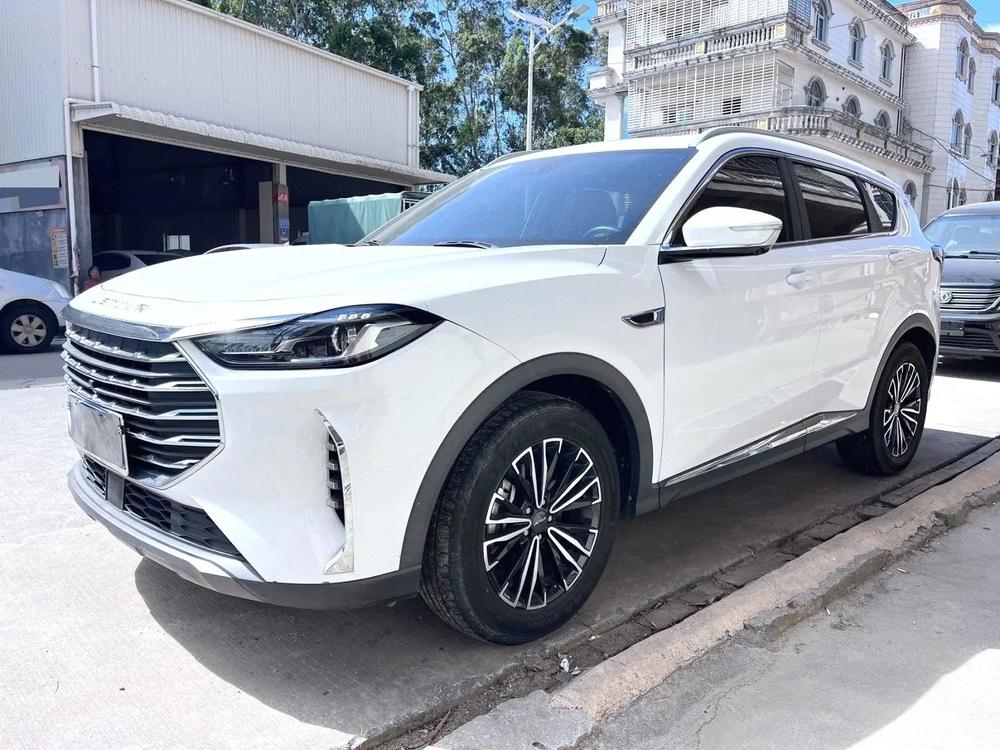
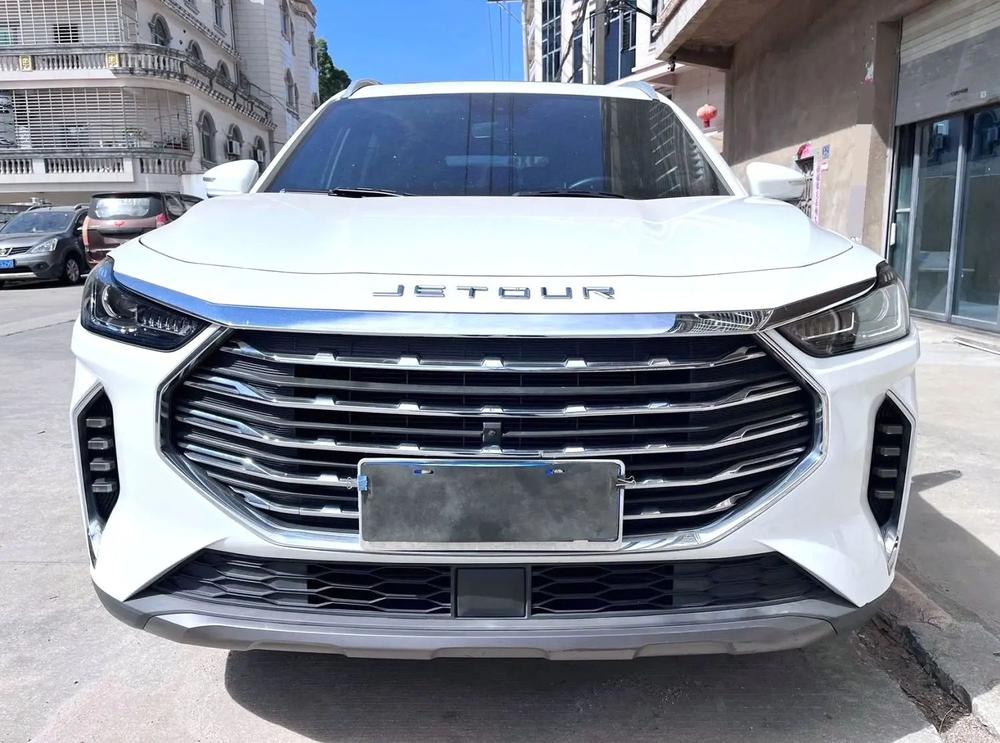
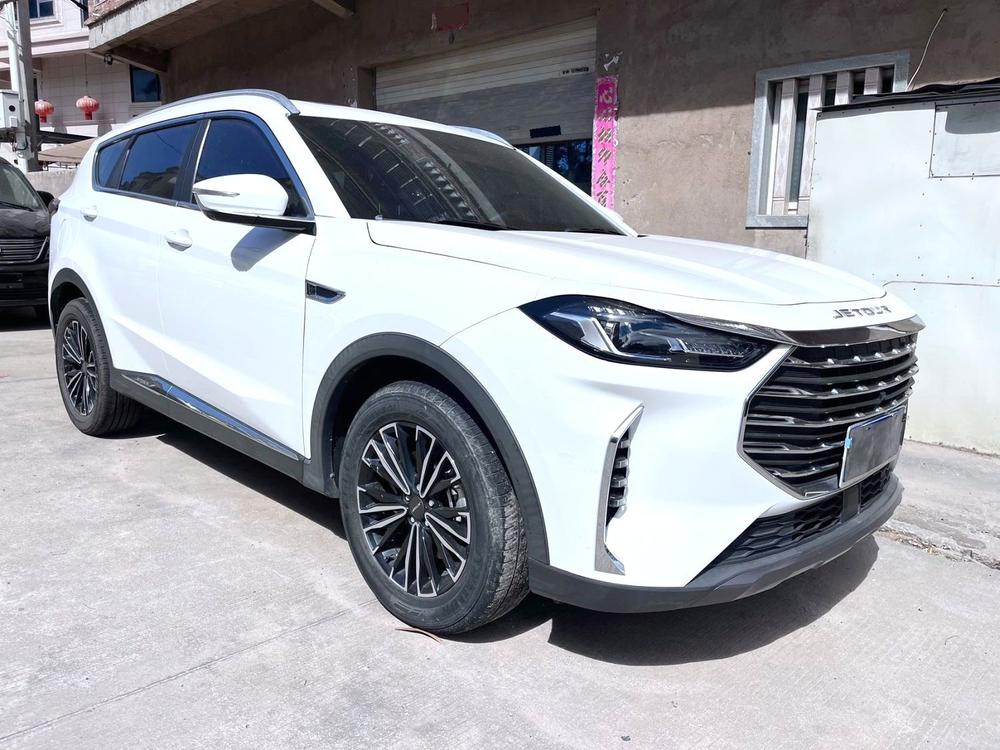
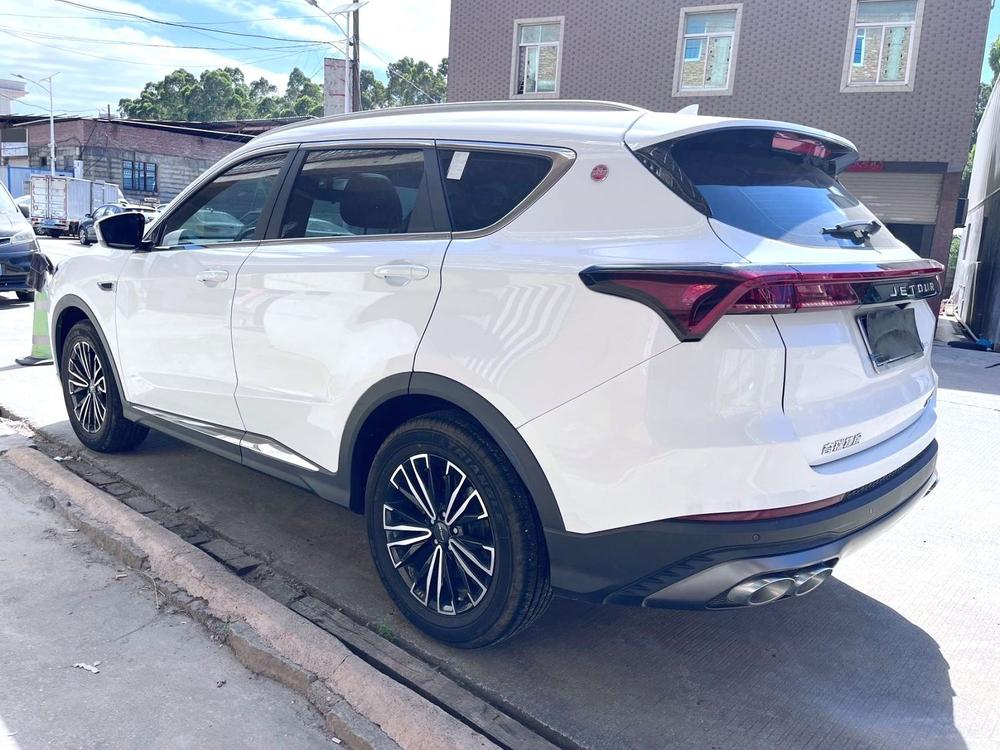
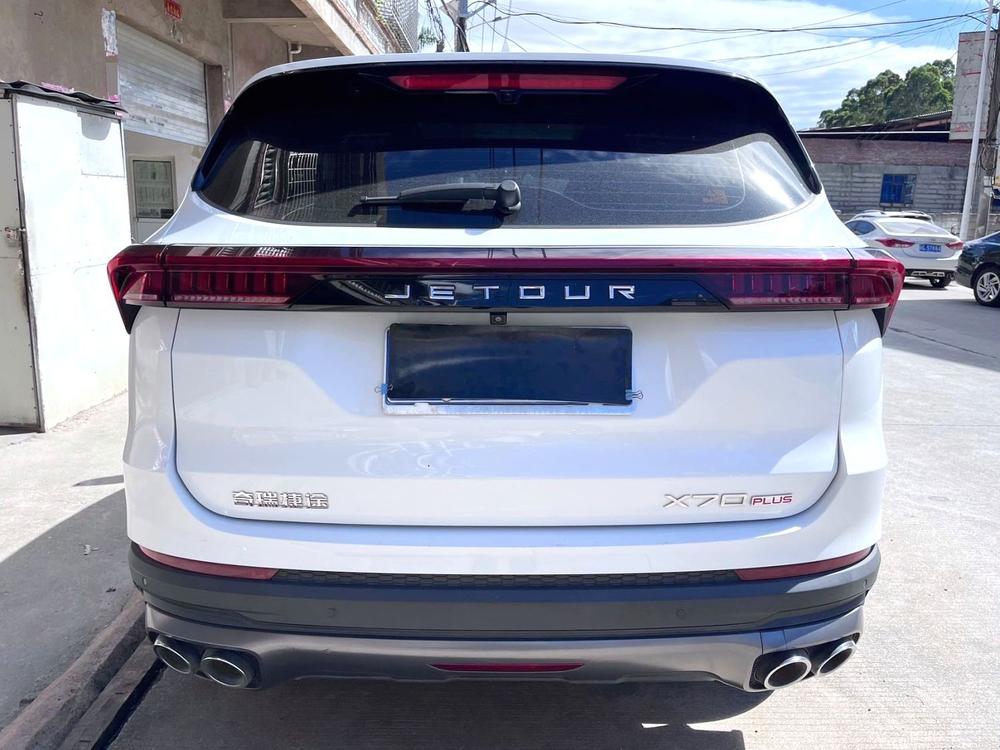
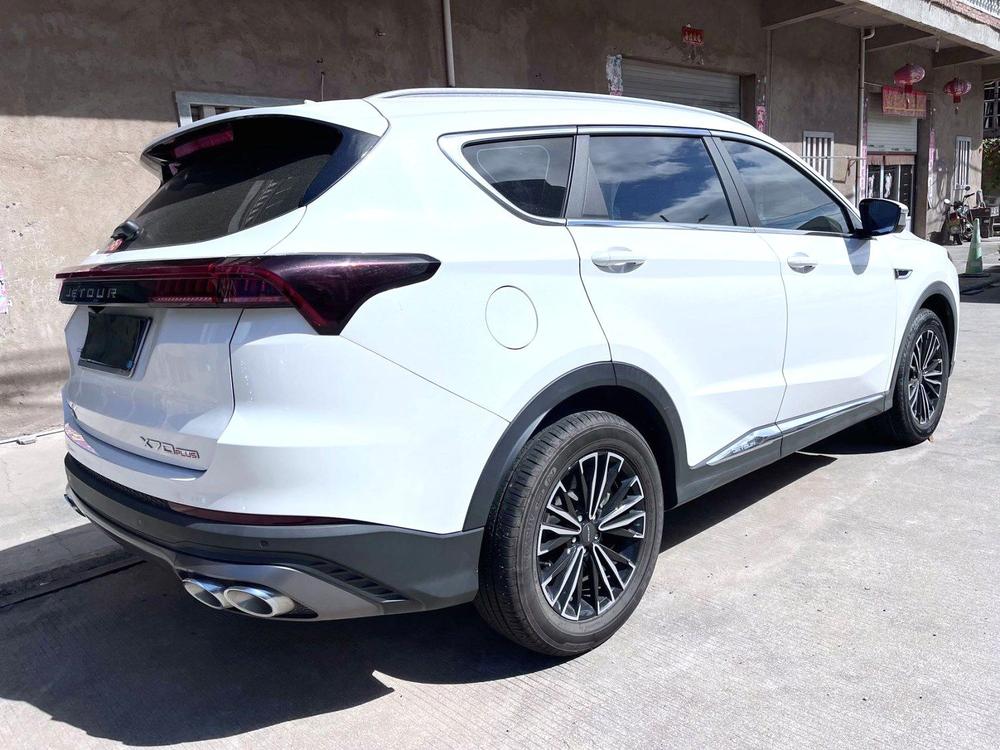
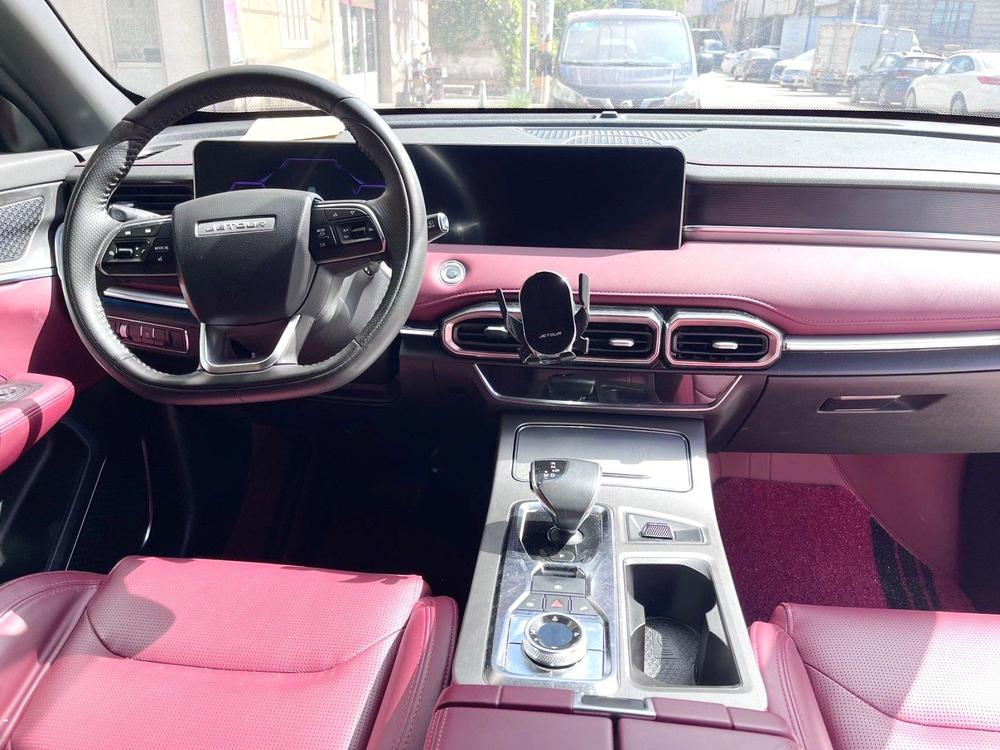
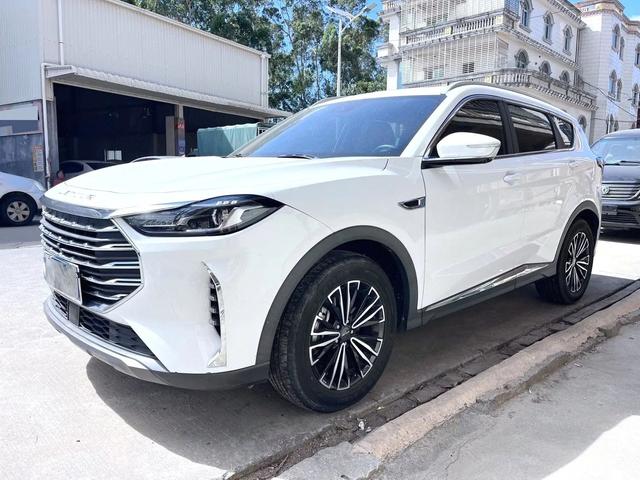
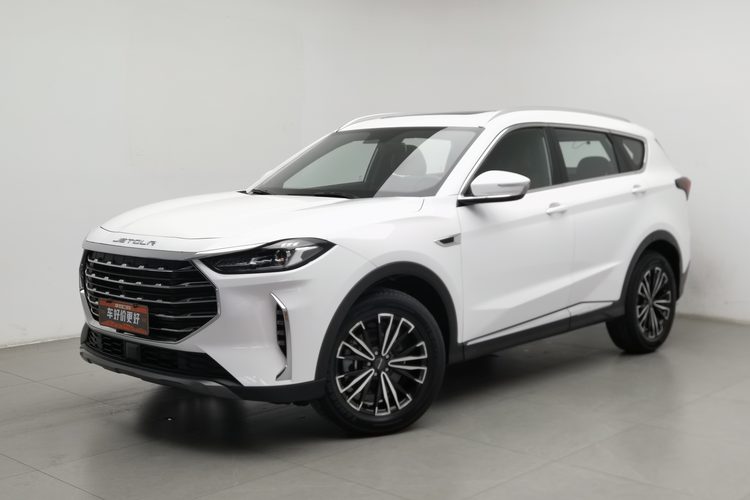
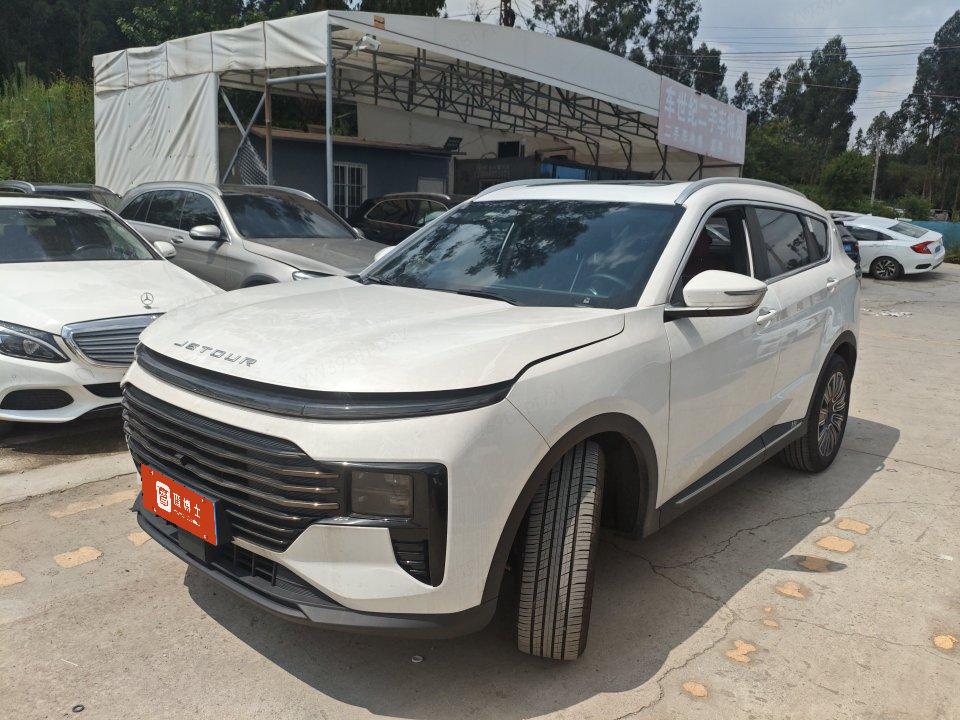
BrandJetour
SeriesX70 PLUS
Year2022
First Registration2022/07
Mileage66,000km
Transfer Count0times
FuelGasoline
TransmissionDCT
Engine1.5T 156 L4
Color
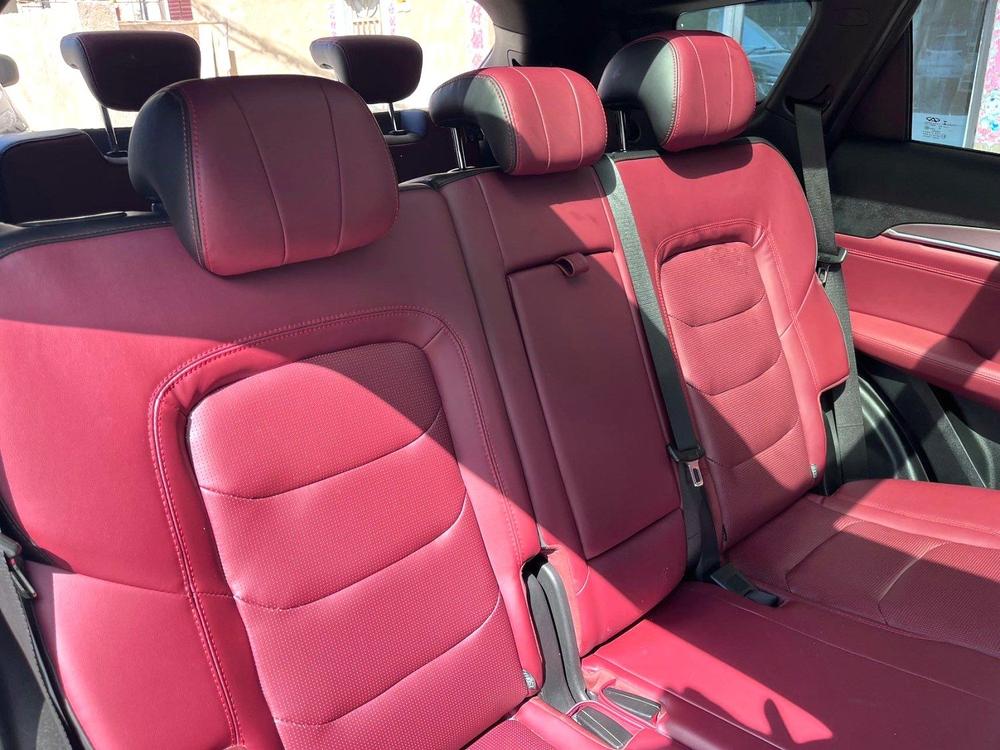
Seats-

Condition Description

官方质检 · 60天全车质保· 7天无理由有偿退车

Configuration Highlights

✓上牌时间: 2022-07
✓表显里程: 6.6万公里
✓车源地: 泉州
✓排放标准: 国六
✓发动机: 1.5T
✓轴距: 2745mm
✓变速箱: 自动
✓最大功率: 115kW
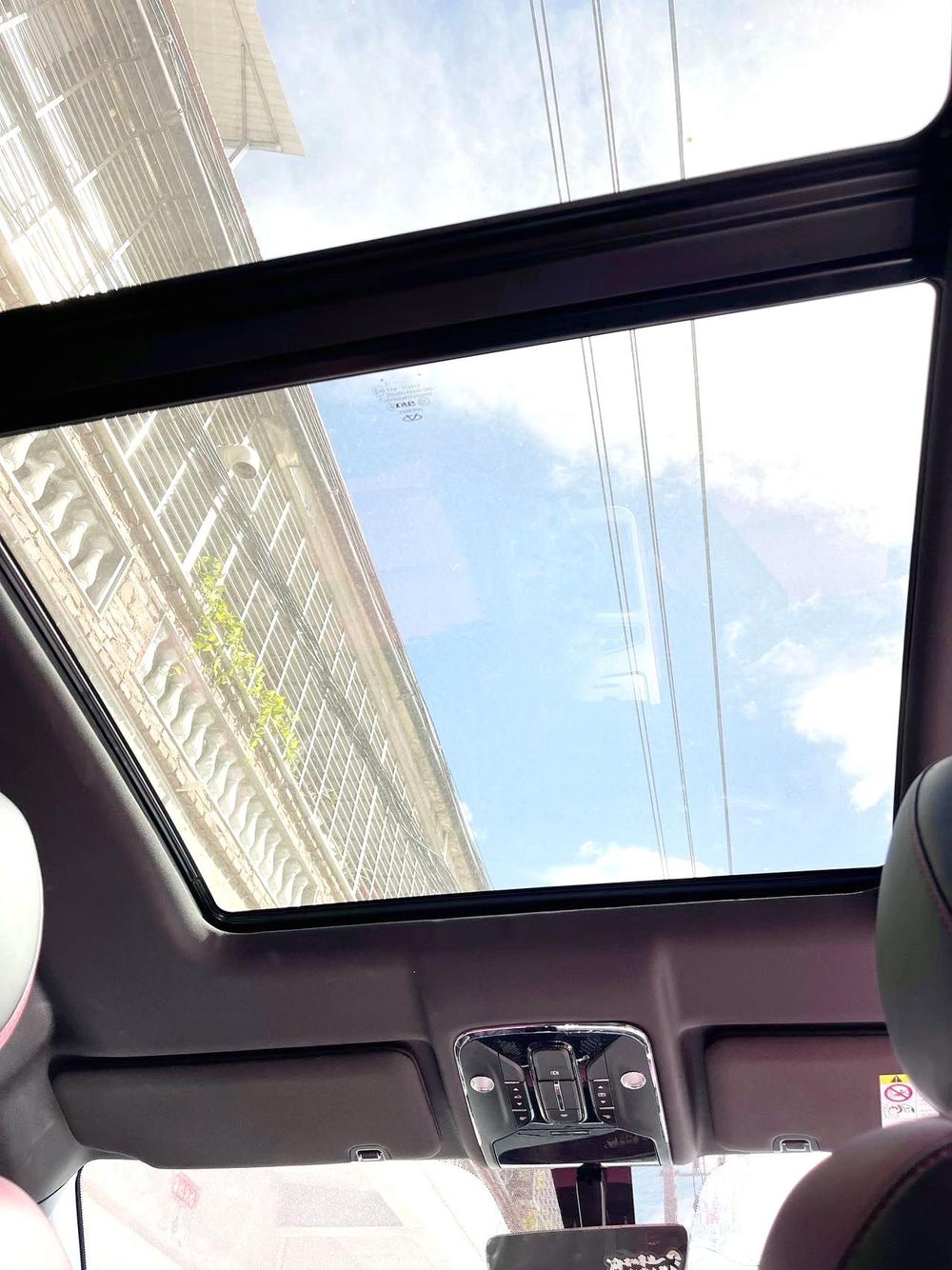
✓功能配置: 17项
✓安全配置: 3项
✓动力类型: 前驱
✓空间舒适性: 好

Q&A

More

How can I verify the odometer reading is genuine on a Chinese used car from abroad?

Odometer fraud exists everywhere, but cross-checking several data points makes it hard to fake: 1) Maintenance records: ask for service history with mileage entries. Gaps or resets are red flags. 2) Tire wear: a car showing 30,000 km should not have nearly bald tires. Compare tread depth against the claimed mileage. 3) Pedals, steering wheel, and seat bolsters: heavy wear on these with low odometer readings is a classic mismatch. 4) Diagnostic scan: request an OBD readout. Many control modules store mileage data internally — if the ECU shows 120,000 km while the dash shows 40,000, you have your answer. 5) Vehicle history report: in China, apps and platforms can pull insurance claim records and registration history, which often reveal the true mileage trail. Always request a live video showing the odometer with the engine running, and have the number written into your contract.
What are the specific evaluation criteria for "original paint" on your platform? Does repainting a bumper count?

Strict definition: All metal body parts (doors, hood, fenders) and the frame must retain the original factory paint, with uniform paint thickness readings. Minor touch-ups or replacements of plastic bumpers, as they do not affect metal corrosion protection and vehicle structure, can still be classified as "original paint" in a broad sense, but we will separately note the condition of the bumper.

Beyond the car price, what costs should I budget when importing a used car from China?

A realistic budget has several layers beyond the vehicle price. First, inland logistics in China: moving the car to the export port typically costs $300-$800. Second, export handling: inspection, customs declaration and paperwork usually add $500-$1,000. Third, ocean freight. A 20ft container to most destinations runs $1,200-$3,000 depending on route; RoRo shipping can be cheaper for driveable cars. Add marine insurance, usually 0.3%-0.5% of the car value. Fourth, destination charges: port handling, customs duties, VAT/GST and local registration fees. These vary widely; some countries charge duties of 20%-80% of the vehicle value plus an excise based on engine capacity. Finally, any compliance work: inspection certificates, modifications to meet local standards, or homologation. Ask your exporter for a full CIF quote and have a local customs broker confirm destination taxes before you commit.