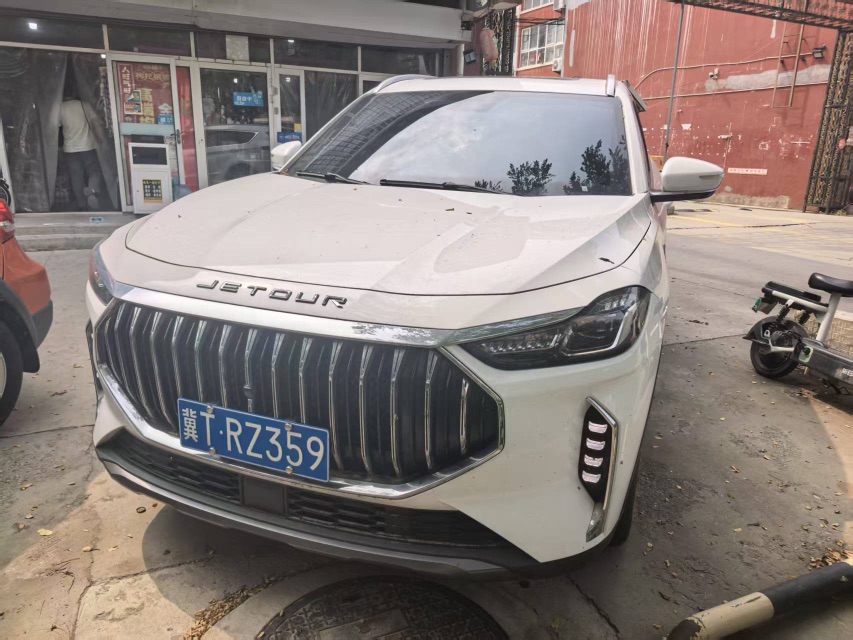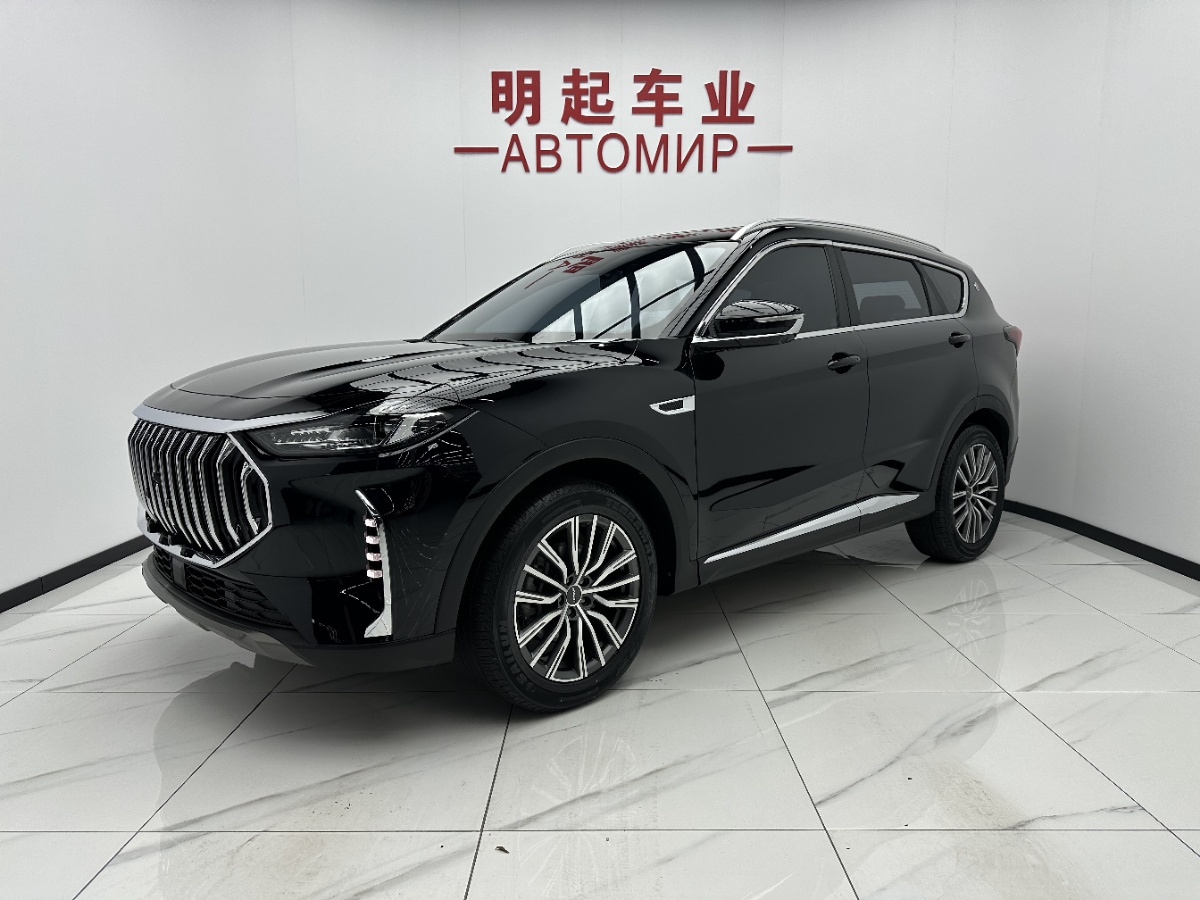
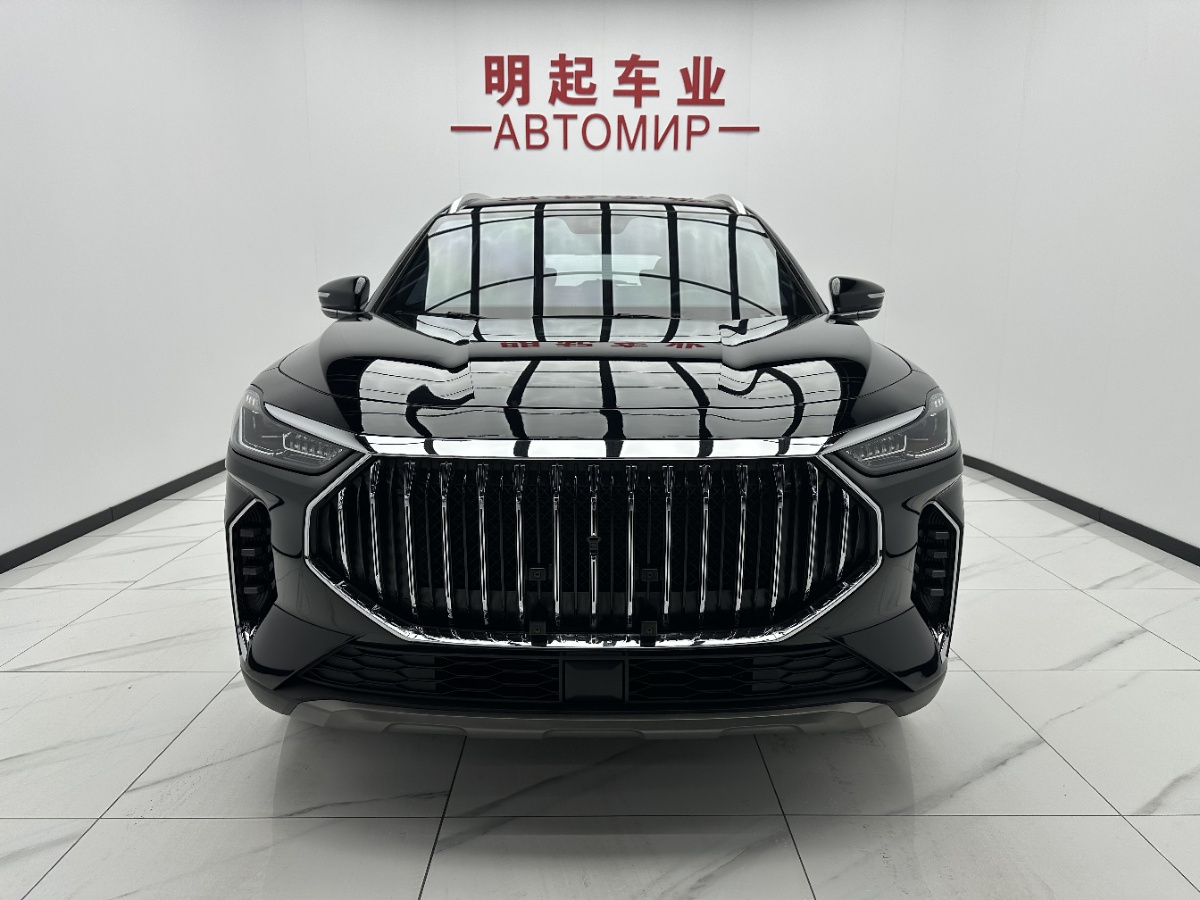
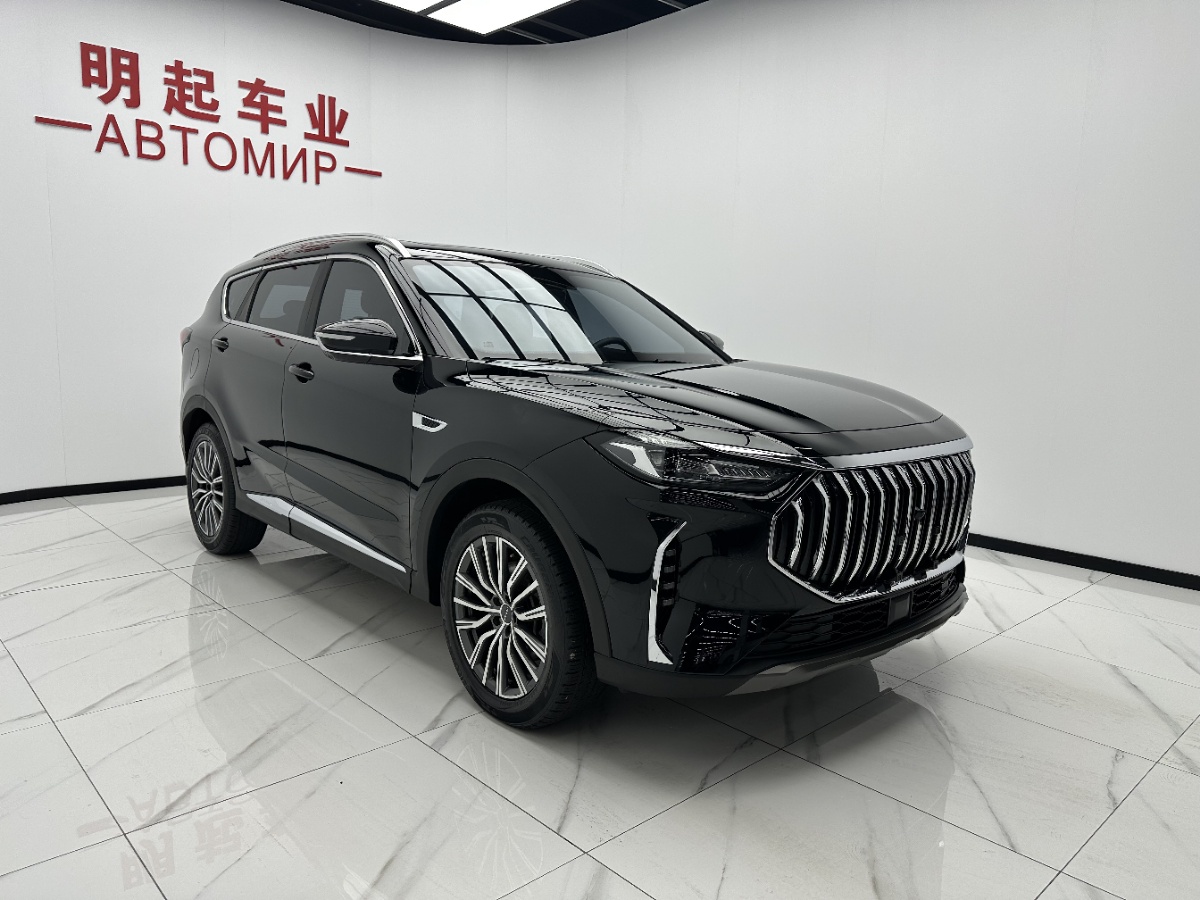
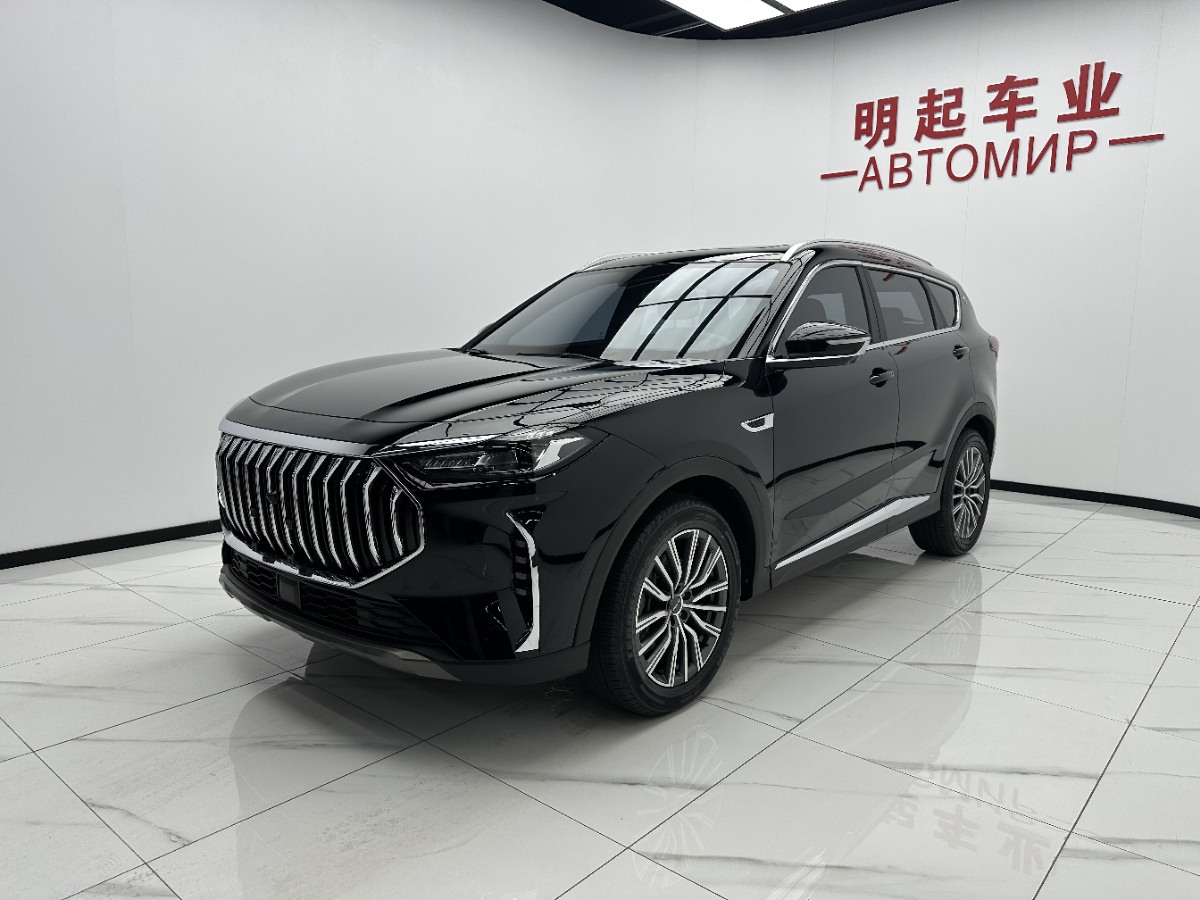
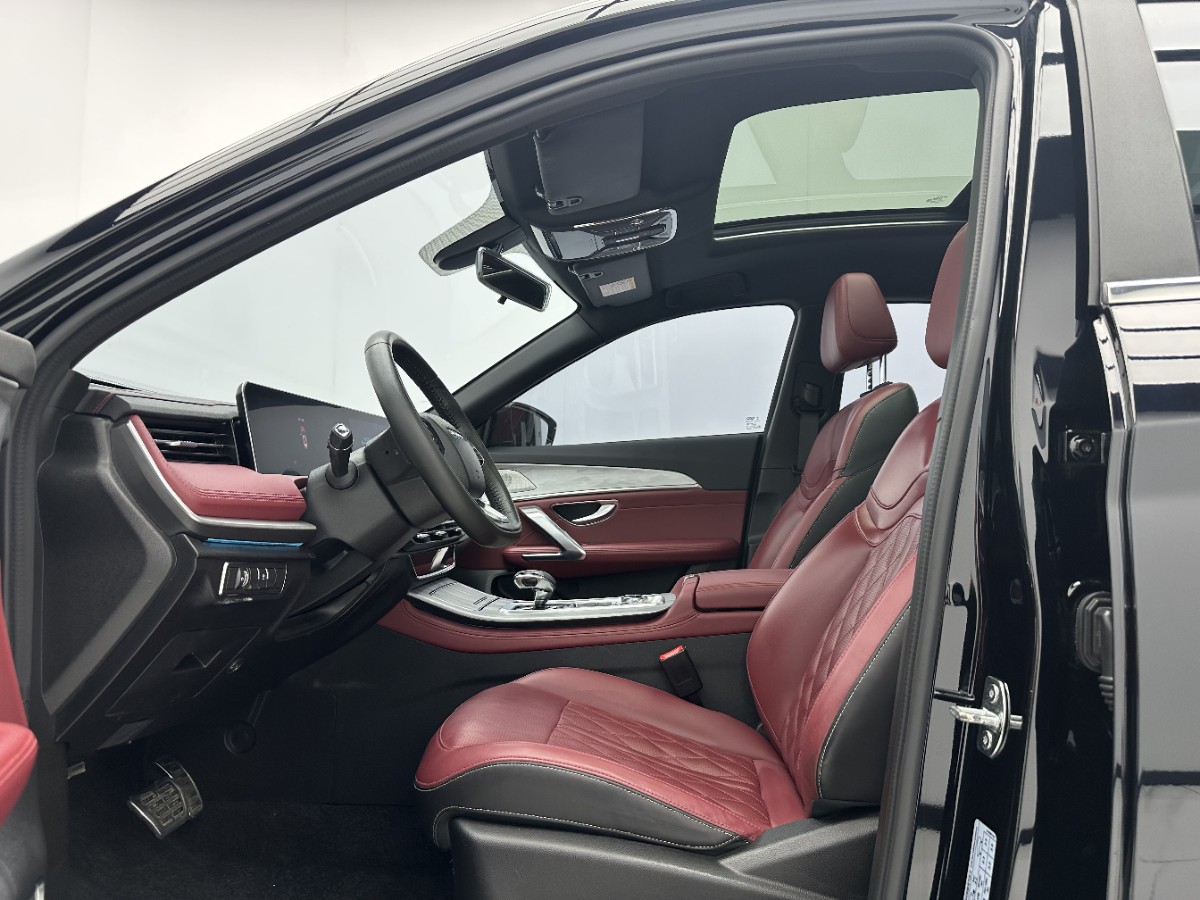
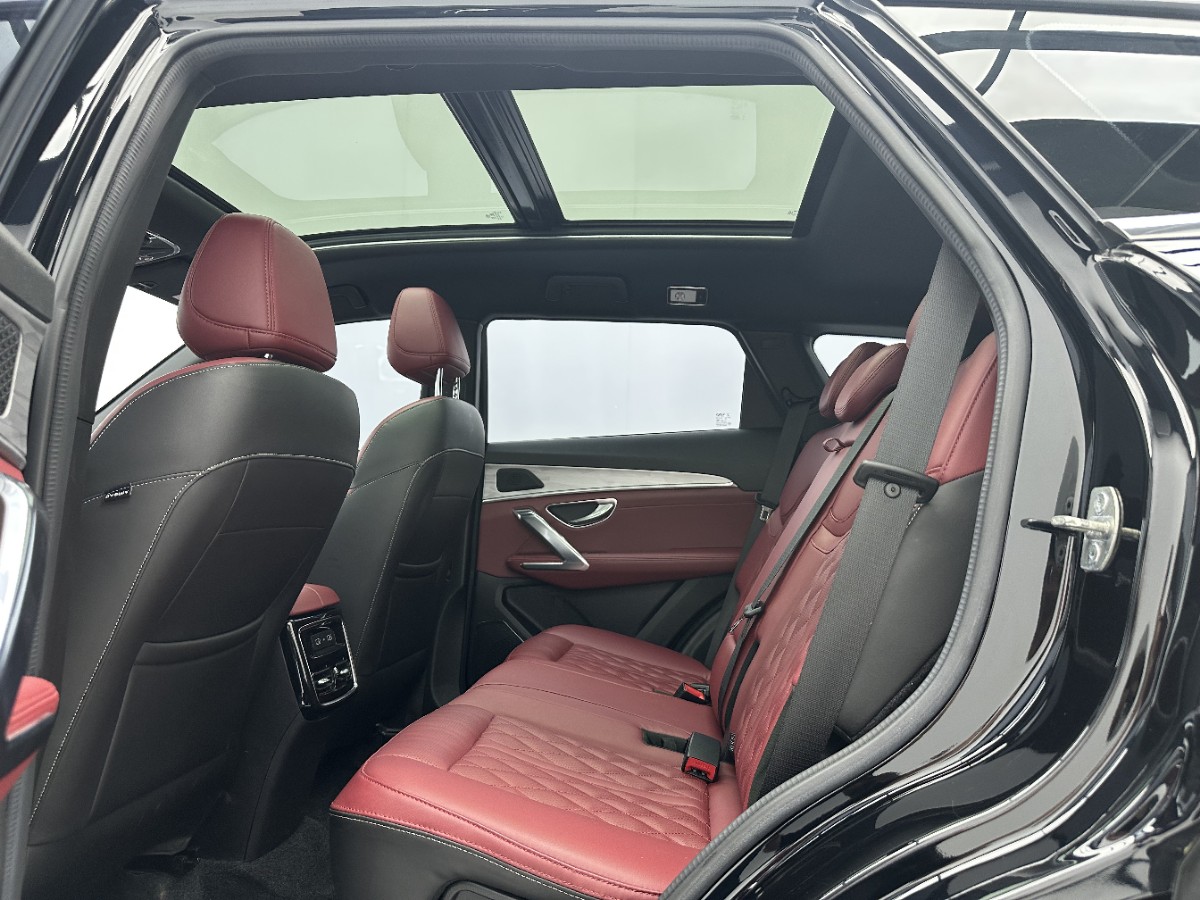
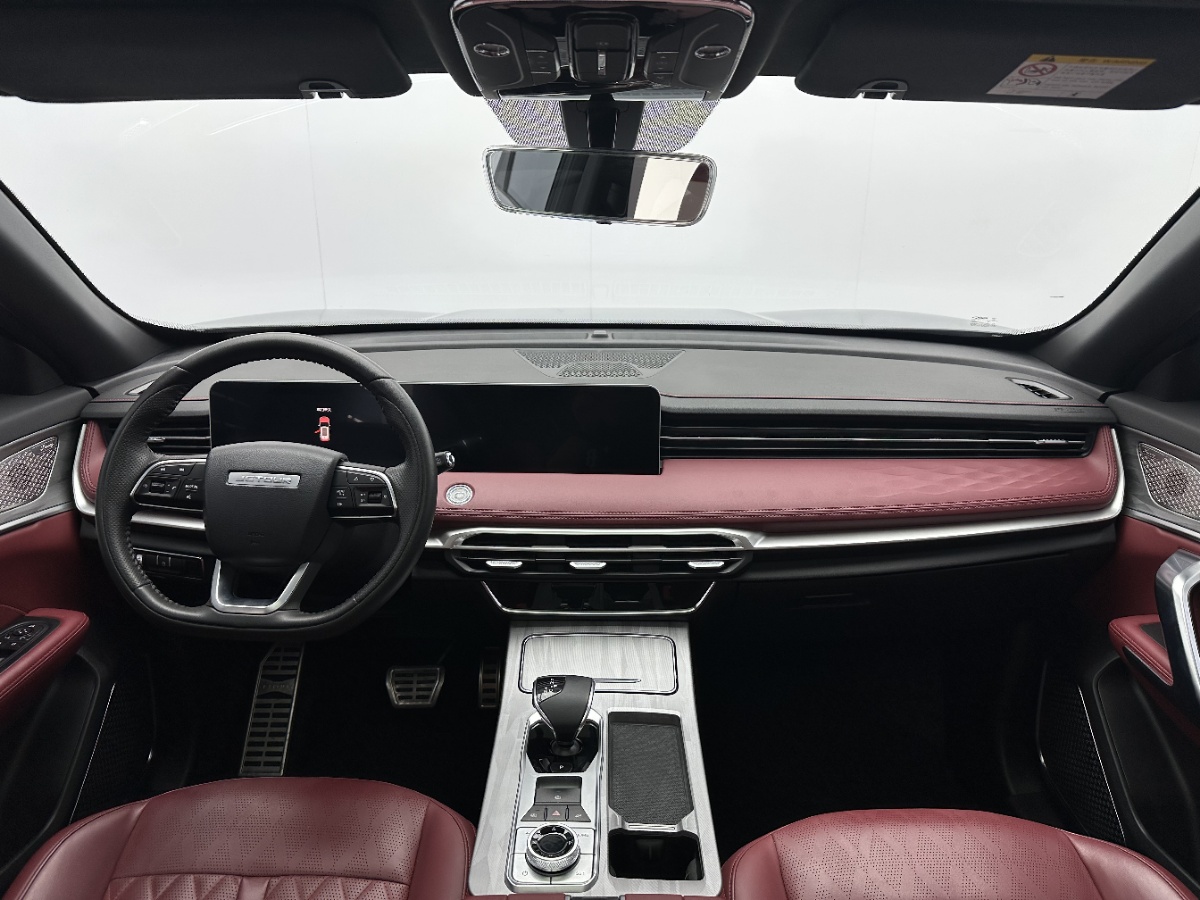

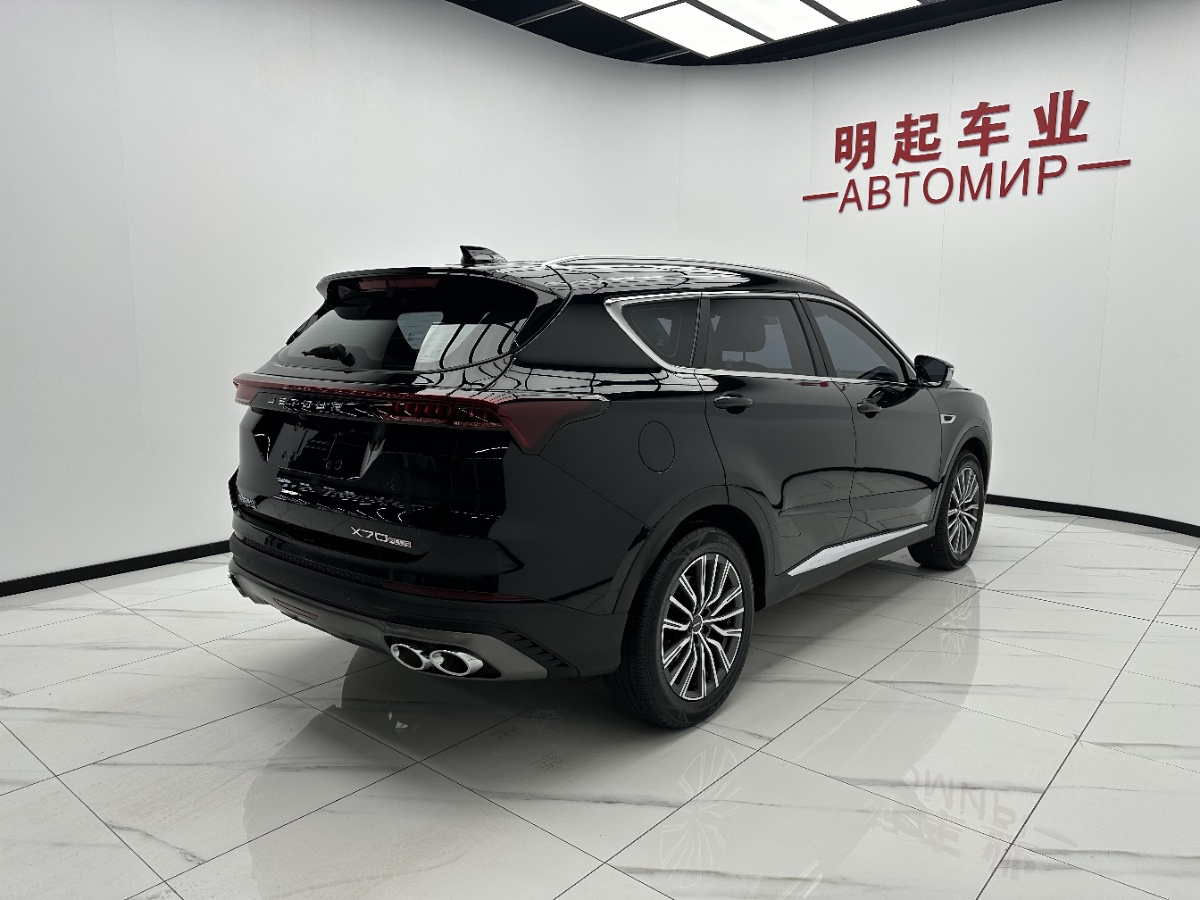
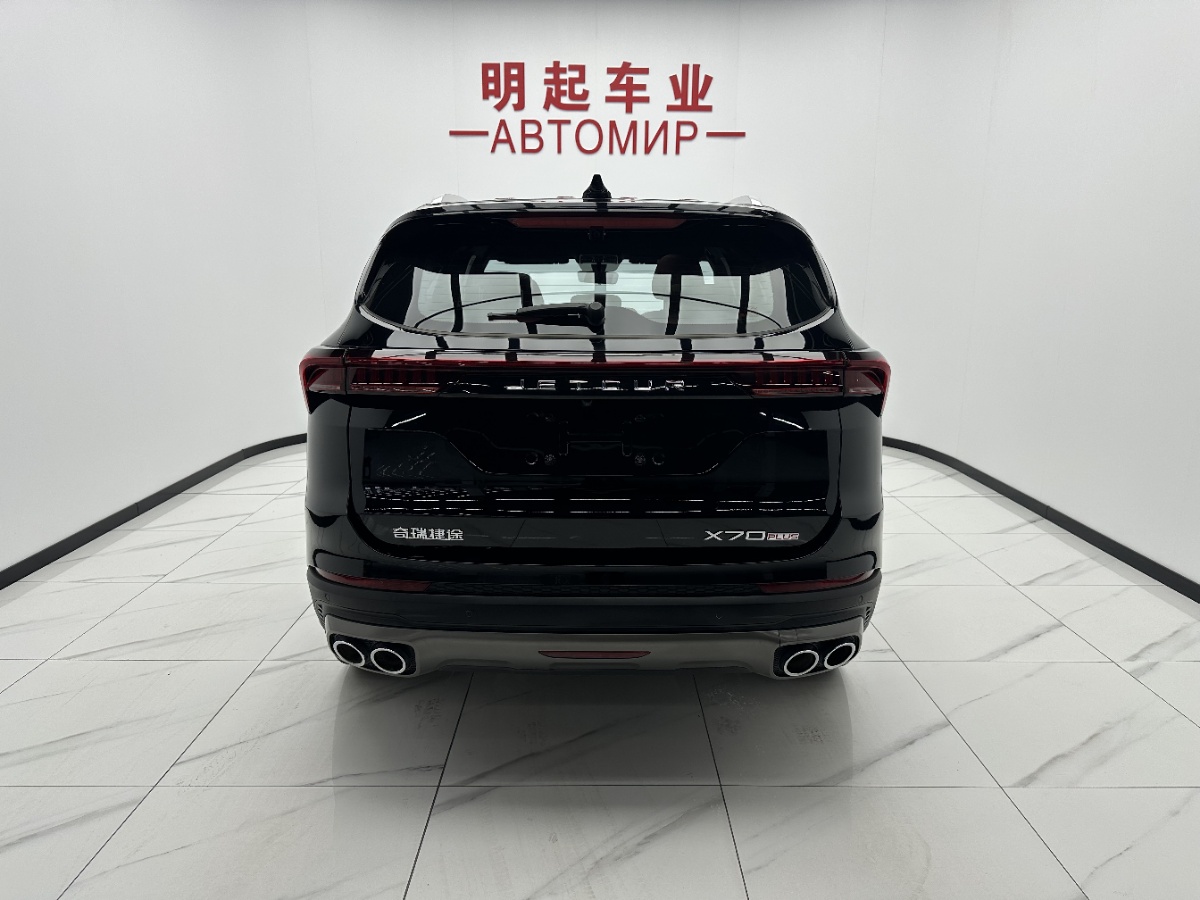
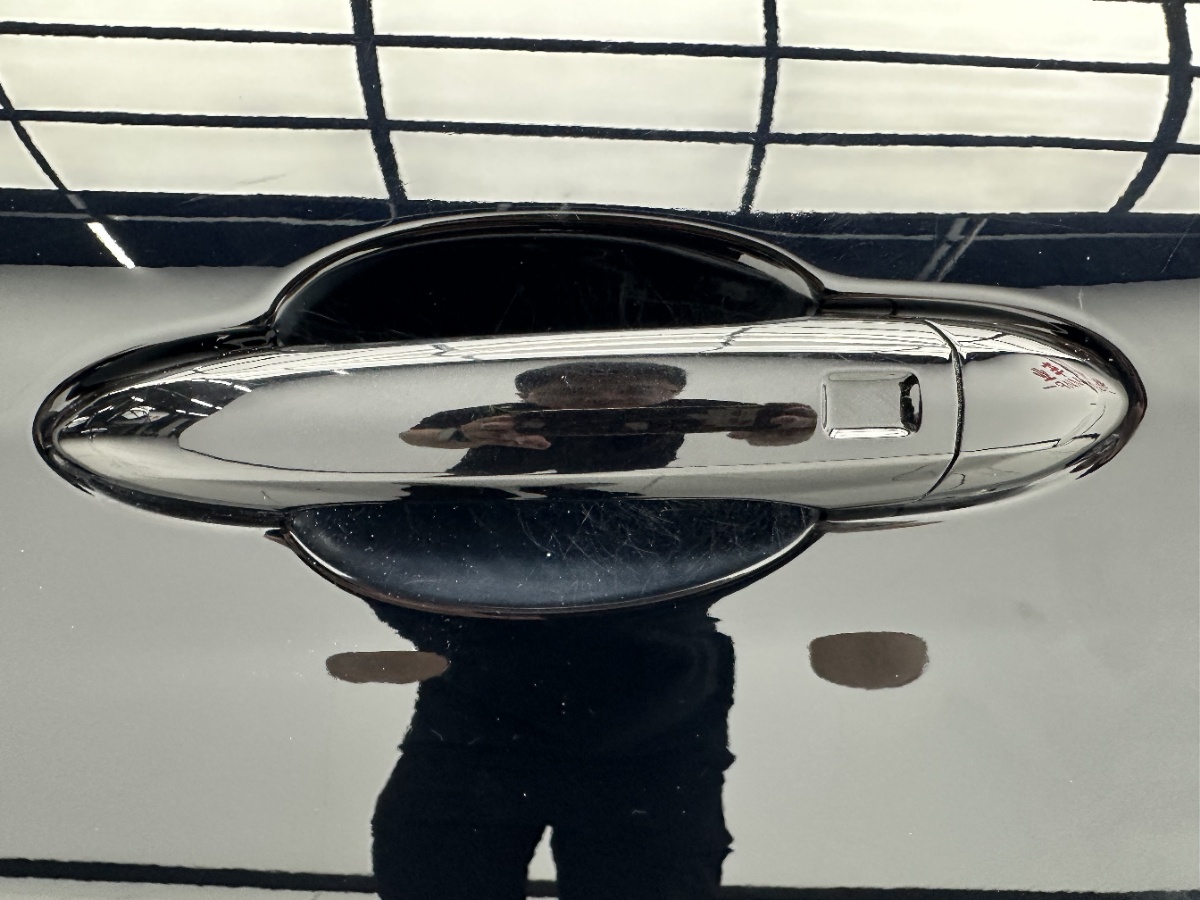
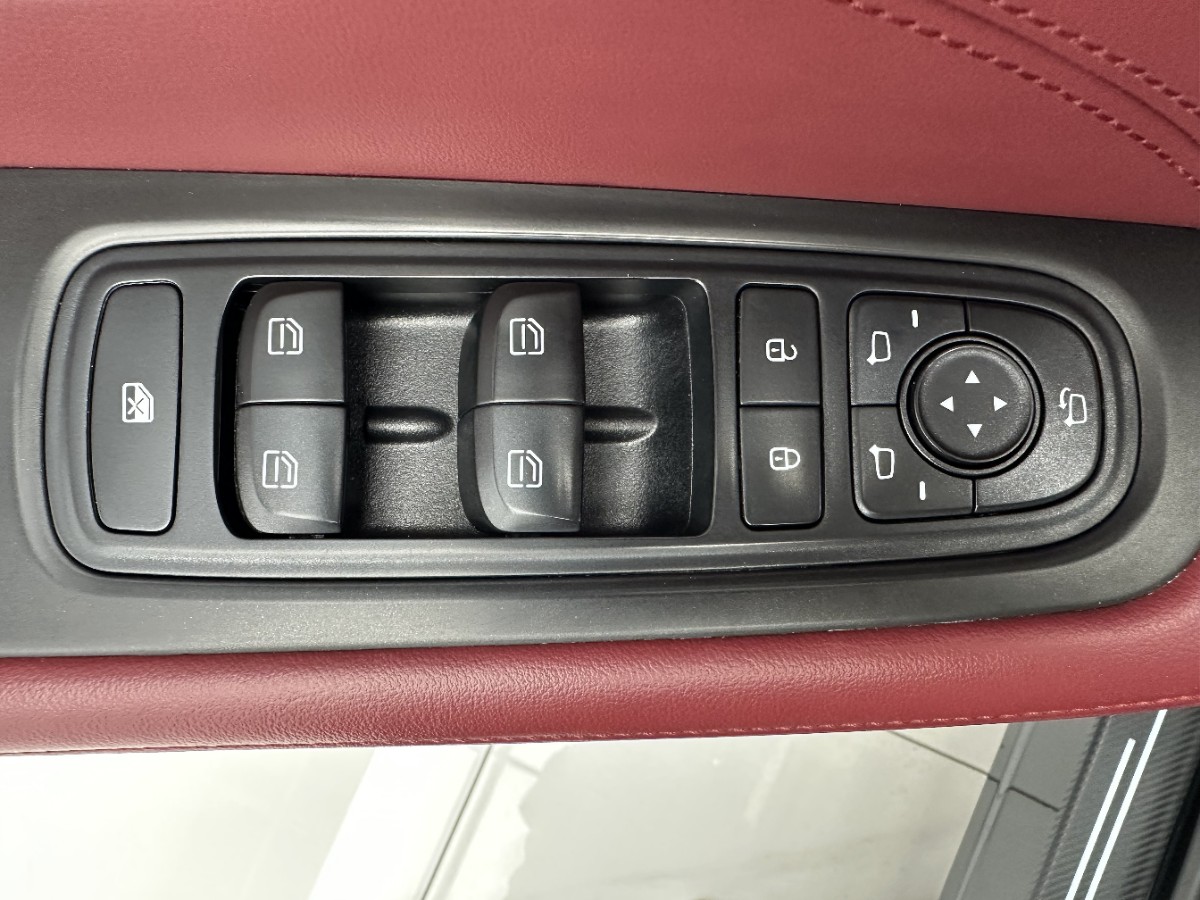
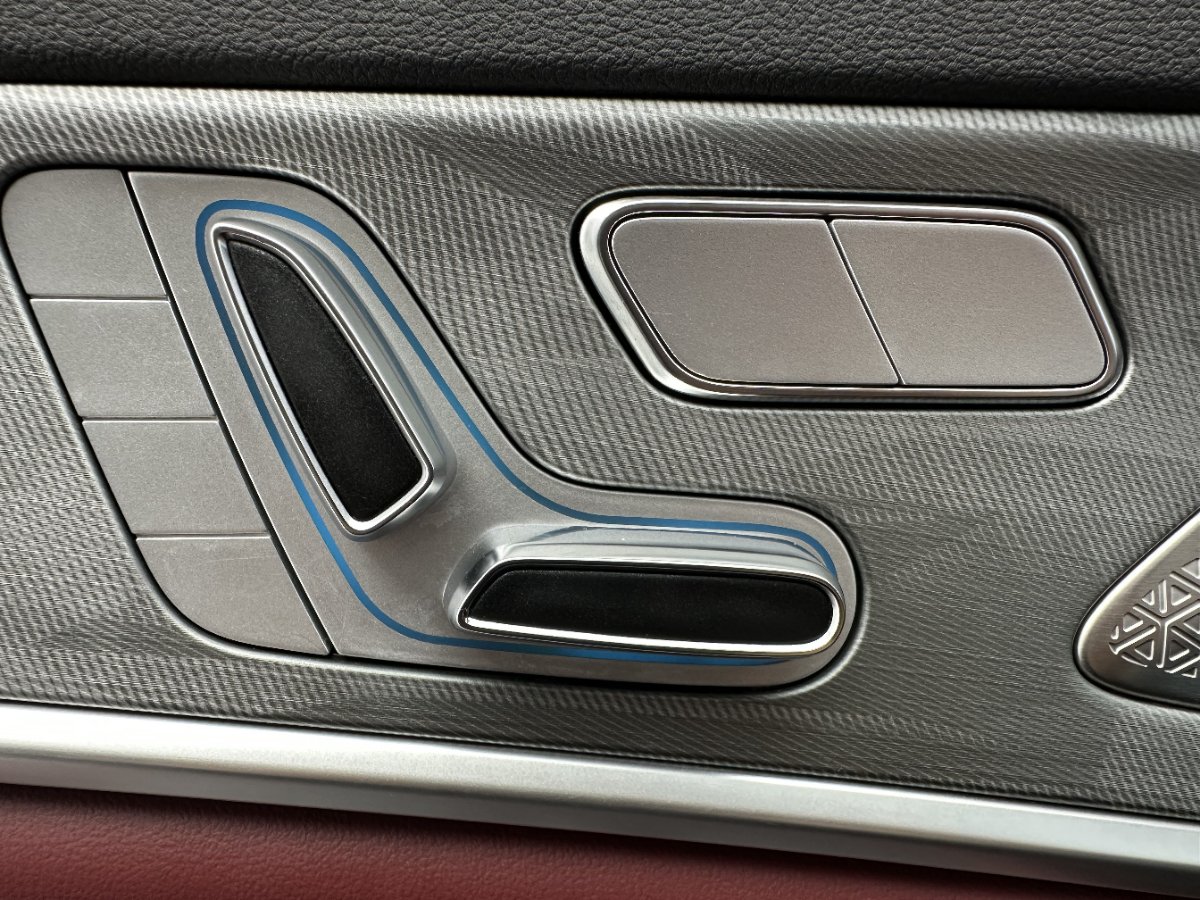
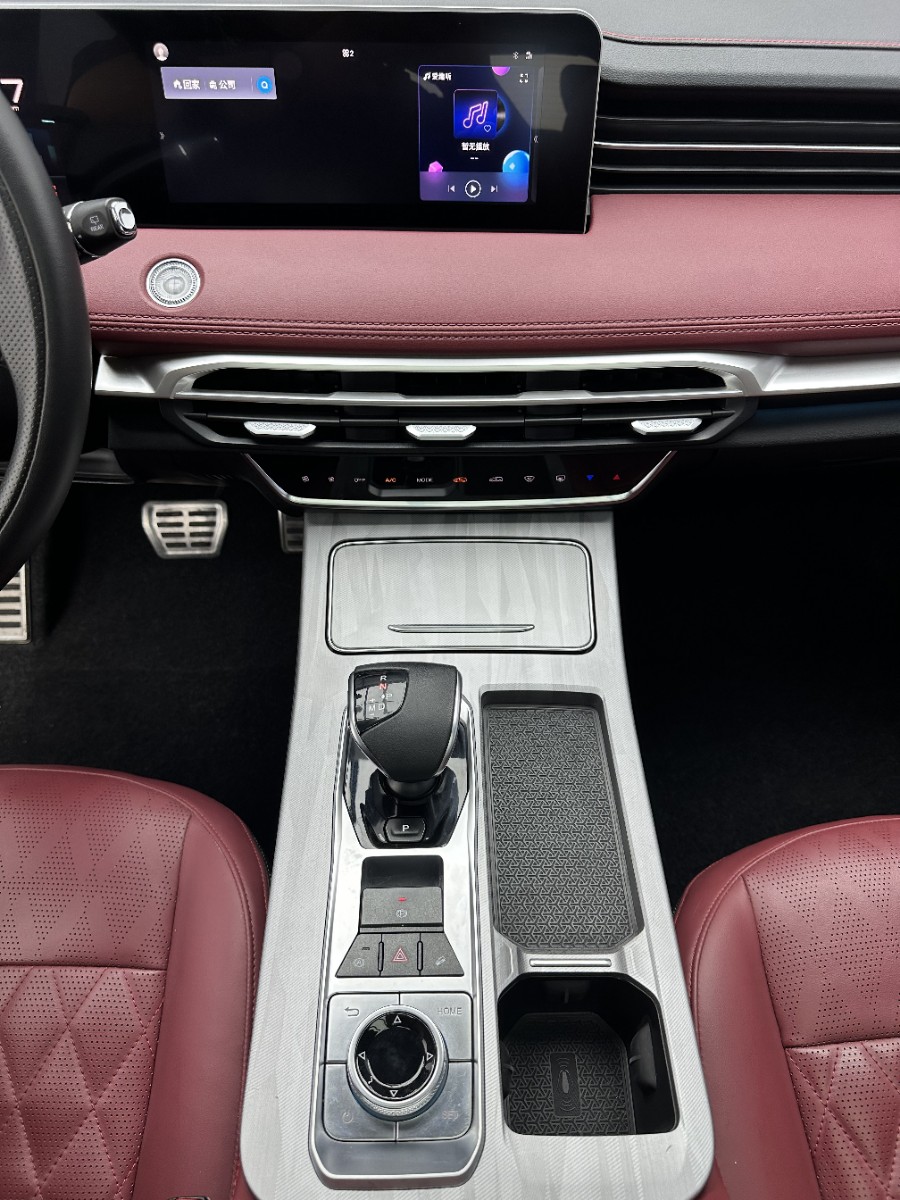
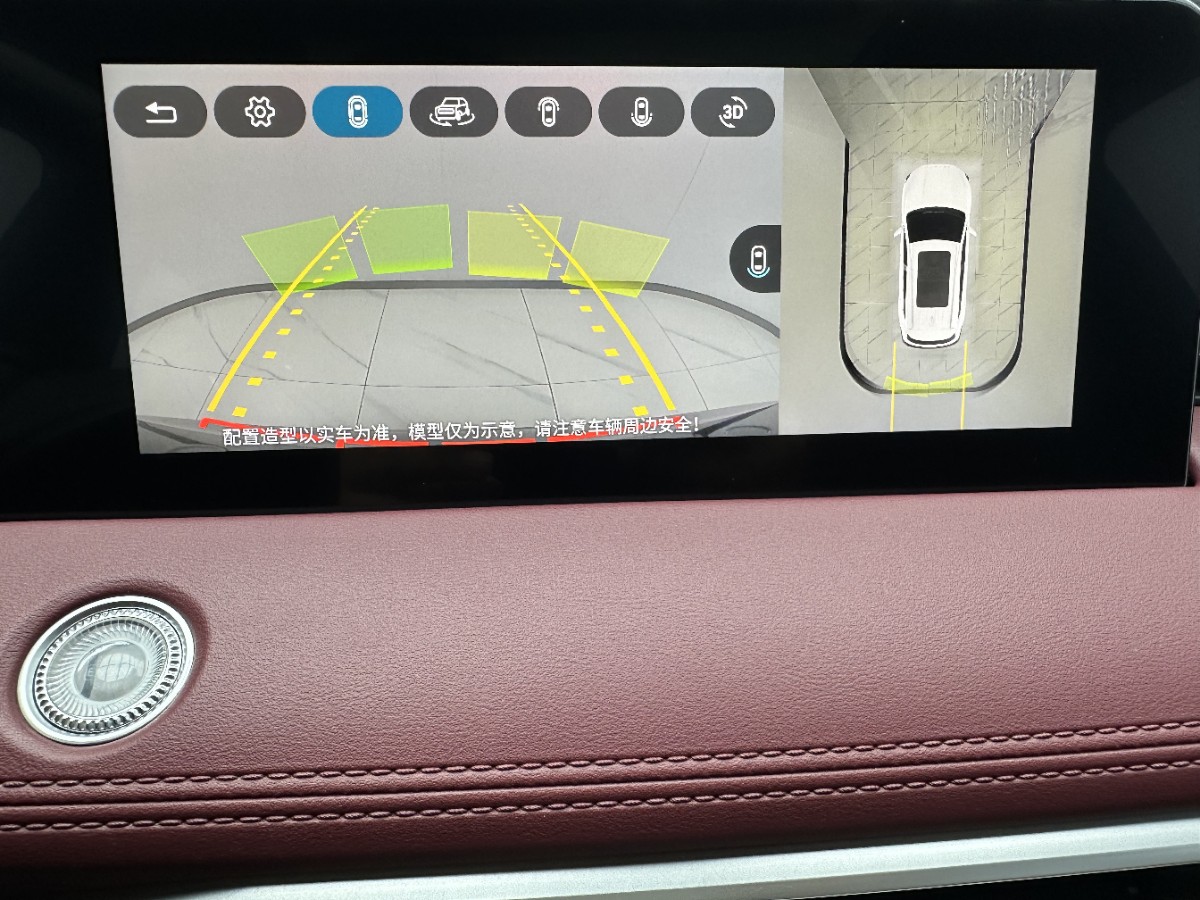




Basic Information

BrandJetour
SeriesX70 PLUS
Year2022
First Registration2022/12
Mileage36,000km
Transfer Count1times
FuelGasoline
TransmissionDCT
Engine1.5T 156 L4
ColorBlack
Seats7seats

Condition Description

燃油车
SUV
自动
维保开放
事故开放
查验开放

Configuration Highlights

✓品牌: 捷途
✓车系: 捷途X70PLUS
✓车型: 2023款 1.5T DCT勇者PLUS 7座
✓车身类型: SUV
✓座位数: 7
✓排量: 1.5T
✓变速箱: 自动
✓能源类型: 燃油车
✓VIN: LVUDB21B4NF116307
✓搜索关键词: 捷途捷途X70PLUS 2023款捷途X70PLUS1.5TDCT勇者PLUS7座

Document Information

Inspection Expiry Date2026/12
Warranty Expiry Date-
Insurance Expiry Date2026/12

Q&A

More

What are your assessment criteria and repair recommendations for vehicles with "slight oil seepage (non-dripping)" in the engine or transmission?

As rubber seals age, "slight oil seepage (oil stains but no dripping)" is very common in used cars and is not considered a major fault. Our recommendation is: as long as the oil level does not drop abnormally, just clean and monitor it regularly after arrival, without the need to immediately incur high costs to disassemble and replace the seals.
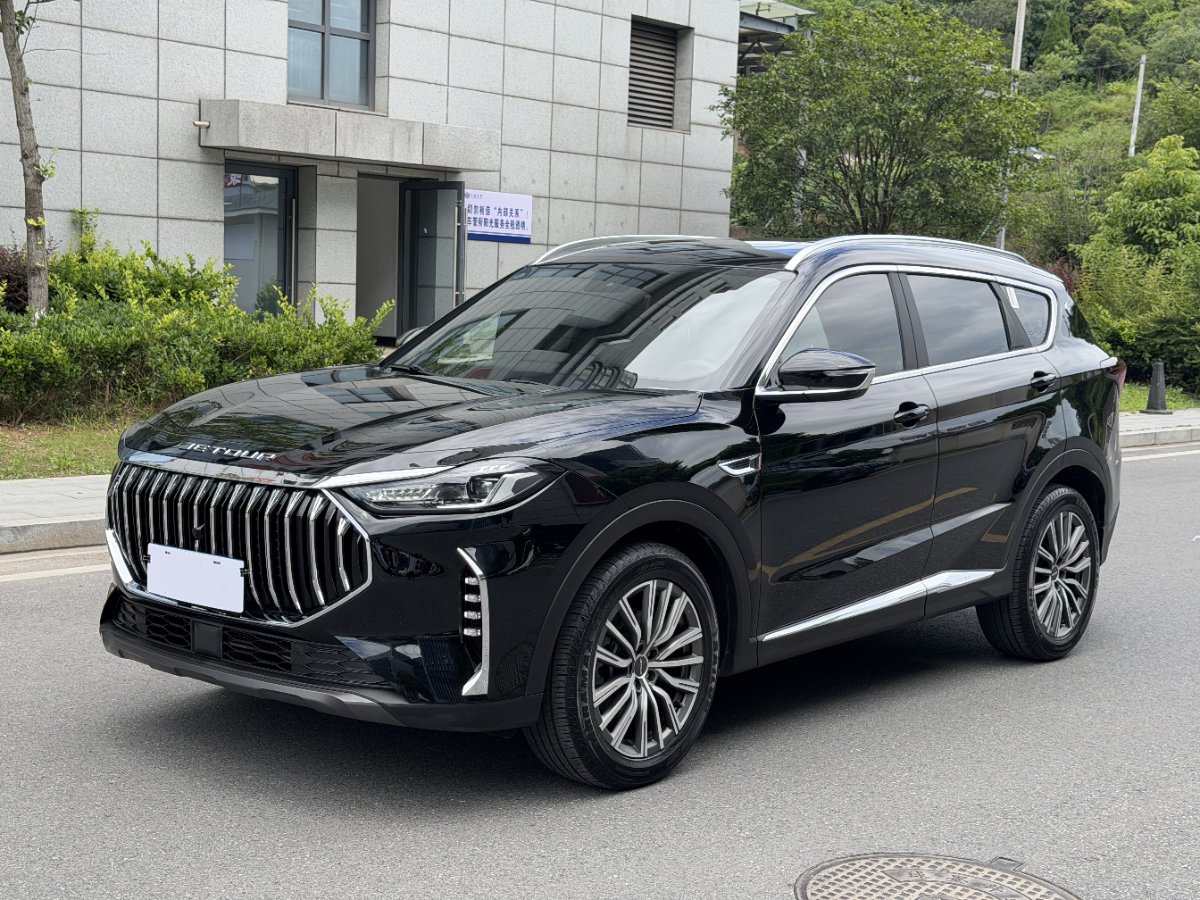

What should I do if I find obvious defects on the exterior that were not mentioned in the inspection report after receiving the car?

Please take timestamped photos and videos at the first opportunity when picking up the car at the destination port (before leaving the port area). We will compare these with the final archived images taken at the Chinese port before shipping. If it is confirmed that we missed reporting it during the pre-shipment inspection, we will provide compensation for parts or labor costs based on the severity of the defect; if it is new physical damage incurred during shipping, the insurance claim process will need to be initiated.

Why is there a time difference between the production date on the vehicle nameplate and the first registration date on the registration certificate?

The nameplate date is the absolute time when the vehicle leaves the factory; the registration date is when the vehicle is registered with the traffic management department after sale. The difference represents the time the vehicle spent in the dealer's warehouse or logistics. If the time difference exceeds 6-8 months, the vehicle is considered a "stock vehicle," and we pay special attention to the natural aging of its rubber components.